
Caniba
2017·Documentary·1h 36m
7.0
★
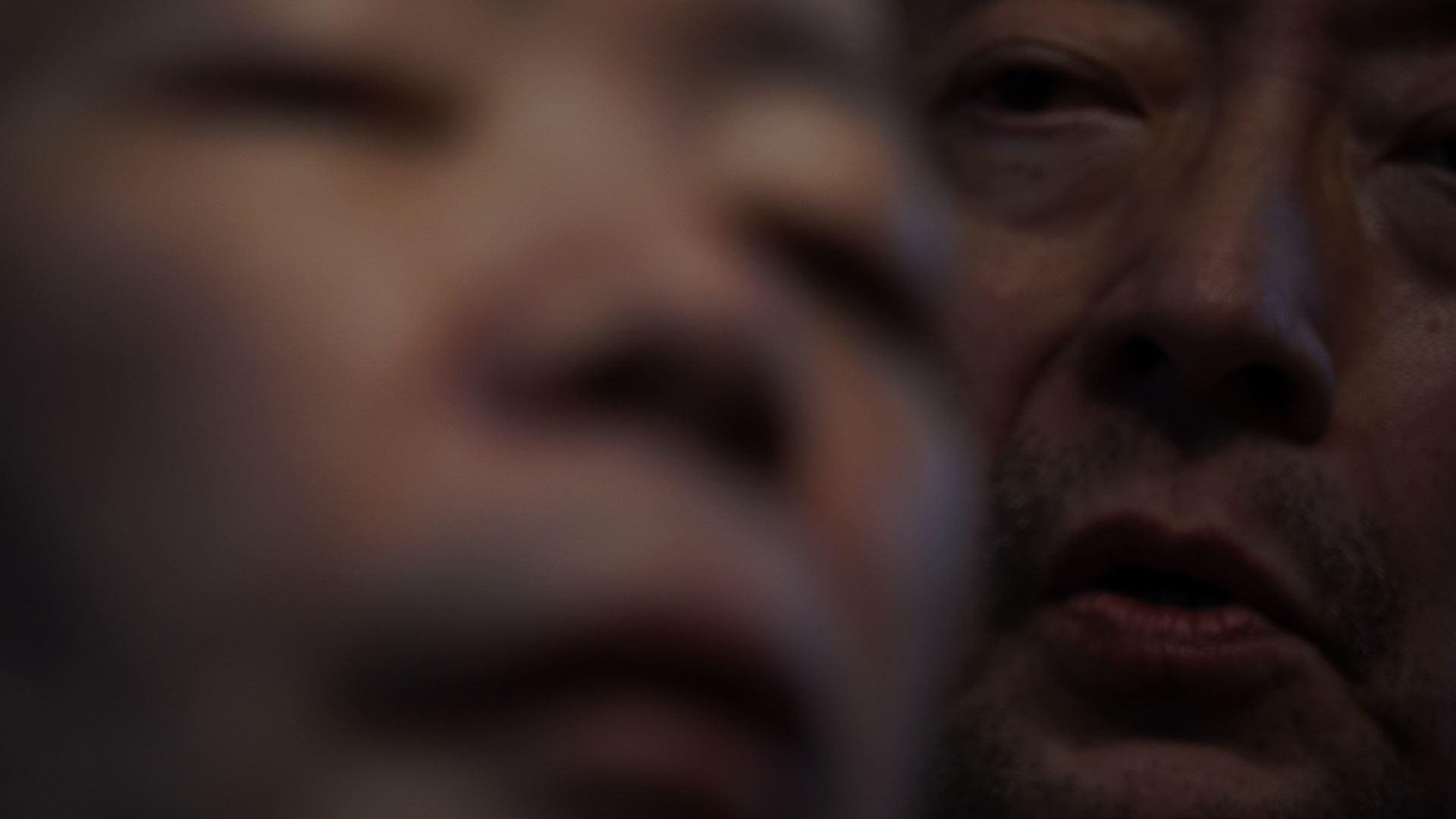
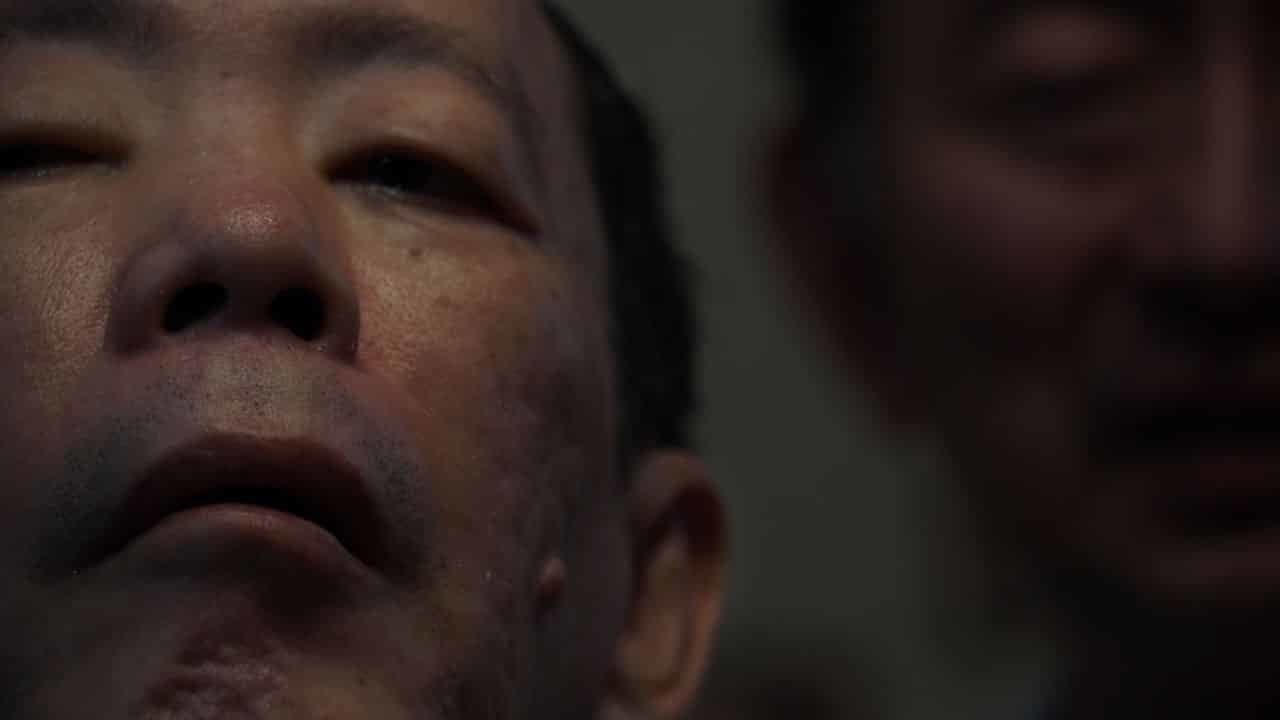
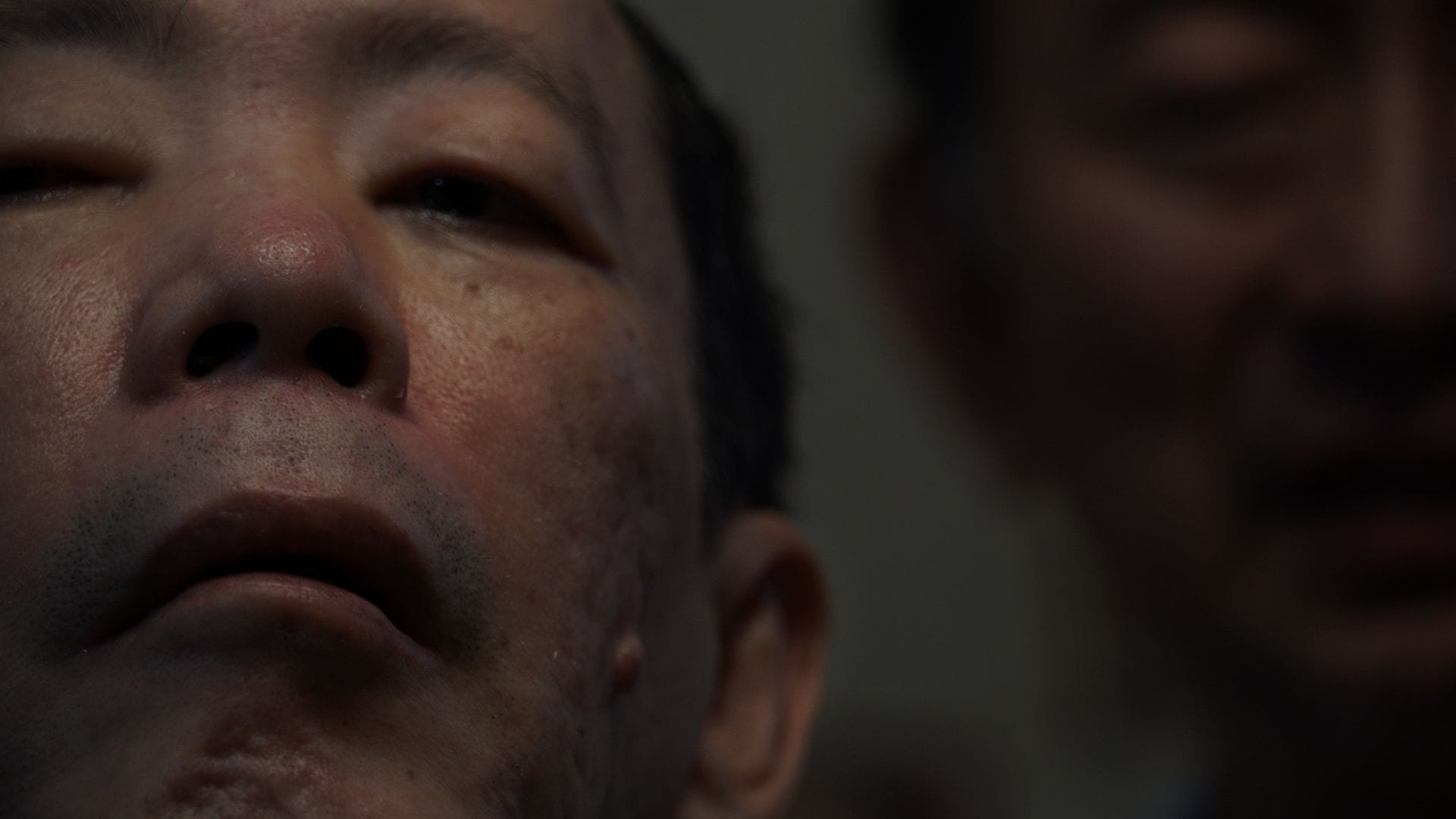
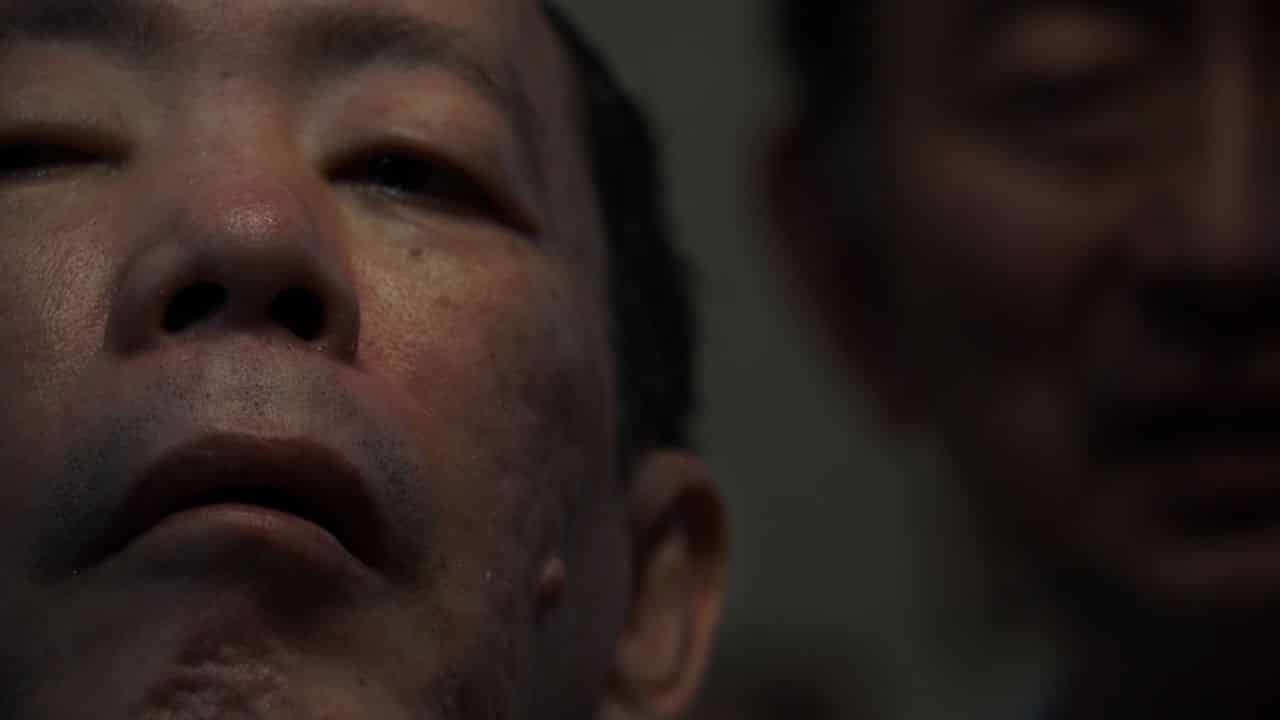
Caniba is a fresco about flesh and desire. It reflects on the discomfiting significance of cannibalism in human existence through the prism of one Japanese man, Issei Sagawa, and his mysterious relationship with his brother, Jun Sagawa.
Directed by Véréna Paravel and Lucien Castaing-Taylor
cannibal

IMDB
N/A
Where to Watch


Cast
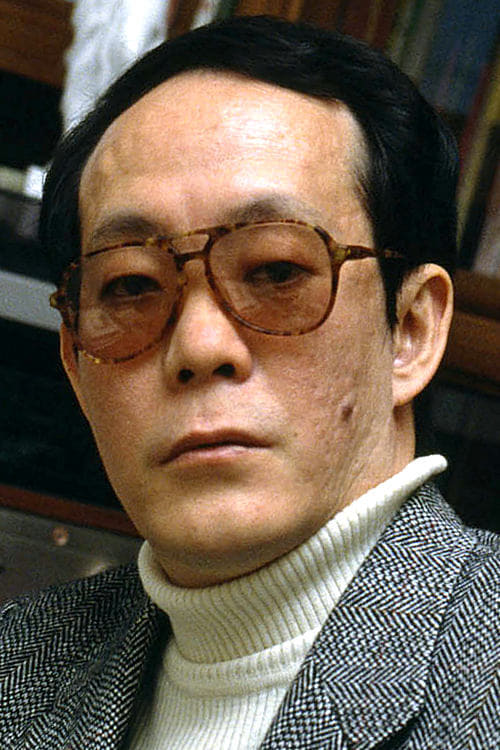
Issei Sagawa
Himself

Yōko Satomi
Herself
Crew

Véréna Paravel
Director
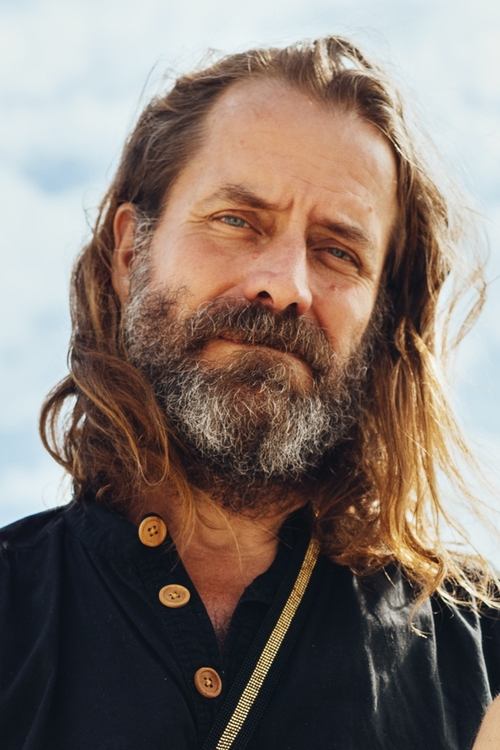
Lucien Castaing-Taylor
Director
Véréna Paravel
Editor
Lucien Castaing-Taylor
Editor
Véréna Paravel
Director of Photography
Lucien Castaing-Taylor
Director of Photography
Véréna Paravel
Producer
Lucien Castaing-Taylor
Producer
Véréna Paravel
Sound
Lucien Castaing-Taylor
Sound
Popular Reviews
9 reviews
goy

such an intimate glance into the life of issei sagawa that it feels wrong. if you had told me when i first discovered this case, i wouldn't have believed this existed.
as i've seen said in other reviews, this had the opportunity to have a much clearer, less exploitative aim. considering the portion of people in the true crime community that remain there not for education but for the edge-factor, this only offered a platform to issei. his manga, specifically. it could have gone on particularly unknown, and as his brother mentions, should not have been published at all. i can almost be certain that someone has sought out the full version after witnessing it in this documentary, which is inevitable when you share something like that to someplace as vast as the internet.
to me, issei sagawa seems to be a prisoner in his own body. as his brother reveals to him that he himself had his own perversions surrounding the concept of pain, what he did to himself, we see the light reflect on the singular tear stain; issei's expression however remains unmoved. as i'm aware, he's suffered from a stroke in the past, which most likely explains how distant from the conversation he appears, yet it's still near impossible to sit and watch and not consider the possibility of him simply being unfeeling. his words don't reflect authentic concern either. the comparison of his brother's self-harm to his own crime is almost a matter of laughter to him. jun is completely overshadowed.
this ties into where i think the documentary truly shone, and ironically it's the one of the sole parts where we aren't exploiting the death of renee. we get overtly personal insight into how jun is coping with day to day life, being the caretaker of his brother now. he explains the aforementioned self-harm, how he finds a near erotic sense of pleasure from doing such a thing. the difference between him and issei is that he acknowledges how utterly strange it is. they are feeling the same pain, but funneling it through different expressions. jun takes his inner perversions and reflects them unto himself. issei, as we know, did not. one enacts the harm they want to enact on somebody else, another represses. the whole concept of jun living in his brother's shadow could have made an excellent documentary.
essentially, i have repeated what most other people have said in the reviews of this doc, mostly because asides from the bullet points i've expanded on, i don't know exactly how to feel about this in the slightest. caniba is not your typical documentary. it is filmed in what feels like a permanent extreme close up, shifting in and out of focus and letting the audience soak in the silence as issei gets himself a drink of water or finishes a statement. i understand the goal, as it achieved the personal and intimate feel, as well as offering up the opportunity to analyse each and every slight expression, glance or statement.
very disturbing watch.
as i've seen said in other reviews, this had the opportunity to have a much clearer, less exploitative aim. considering the portion of people in the true crime community that remain there not for education but for the edge-factor, this only offered a platform to issei. his manga, specifically. it could have gone on particularly unknown, and as his brother mentions, should not have been published at all. i can almost be certain that someone has sought out the full version after witnessing it in this documentary, which is inevitable when you share something like that to someplace as vast as the internet.
to me, issei sagawa seems to be a prisoner in his own body. as his brother reveals to him that he himself had his own perversions surrounding the concept of pain, what he did to himself, we see the light reflect on the singular tear stain; issei's expression however remains unmoved. as i'm aware, he's suffered from a stroke in the past, which most likely explains how distant from the conversation he appears, yet it's still near impossible to sit and watch and not consider the possibility of him simply being unfeeling. his words don't reflect authentic concern either. the comparison of his brother's self-harm to his own crime is almost a matter of laughter to him. jun is completely overshadowed.
this ties into where i think the documentary truly shone, and ironically it's the one of the sole parts where we aren't exploiting the death of renee. we get overtly personal insight into how jun is coping with day to day life, being the caretaker of his brother now. he explains the aforementioned self-harm, how he finds a near erotic sense of pleasure from doing such a thing. the difference between him and issei is that he acknowledges how utterly strange it is. they are feeling the same pain, but funneling it through different expressions. jun takes his inner perversions and reflects them unto himself. issei, as we know, did not. one enacts the harm they want to enact on somebody else, another represses. the whole concept of jun living in his brother's shadow could have made an excellent documentary.
essentially, i have repeated what most other people have said in the reviews of this doc, mostly because asides from the bullet points i've expanded on, i don't know exactly how to feel about this in the slightest. caniba is not your typical documentary. it is filmed in what feels like a permanent extreme close up, shifting in and out of focus and letting the audience soak in the silence as issei gets himself a drink of water or finishes a statement. i understand the goal, as it achieved the personal and intimate feel, as well as offering up the opportunity to analyse each and every slight expression, glance or statement.
very disturbing watch.
such an intimate glance into the life of issei sagawa that it feels wrong. if you had told me when i first discovered this case, i wouldn't have believed this existed.
as i've seen said in other reviews, this had the opportunity to have a much clearer, less exploitative aim. considering the portion of people in the true crime community that remain there not for education but for the edge-factor, this only offered a platform to issei. his manga, specifically. it could have gone on particularly unknown, and as his brother mentions, should not have been published at all. i can almost be certain that someone has sought out the full version after witnessing it in this documentary, which is inevitable when you share something like that to someplace as vast as the internet.
to me, issei sagawa seems to be a prisoner in his own body. as his brother reveals to him that he himself had his own perversions surrounding the concept of pain, what he did to himself, we see the light reflect on the singular tear stain; issei's expression however remains unmoved. as i'm aware, he's suffered from a stroke in the past, which most likely explains how distant from the conversation he appears, yet it's still near impossible to sit and watch and not consider the possibility of him simply being unfeeling. his words don't reflect authentic concern either. the comparison of his brother's self-harm to his own crime is almost a matter of laughter to him. jun is completely overshadowed.
this ties into where i think the documentary truly shone, and ironically it's the one of the sole parts where we aren't exploiting the death of renee. we get overtly personal insight into how jun is coping with day to day life, being the caretaker of his brother now. he explains the aforementioned self-harm, how he finds a near erotic sense of pleasure from doing such a thing. the difference between him and issei is that he acknowledges how utterly strange it is. they are feeling the same pain, but funneling it through different expressions. jun takes his inner perversions and reflects them unto himself. issei, as we know, did not. one enacts the harm they want to enact on somebody else, another represses. the whole concept of jun living in his brother's shadow could have made an excellent documentary.
essentially, i have repeated what most other people have said in the reviews of this doc, mostly because asides from the bullet points i've expanded on, i don't know exactly how to feel about this in the slightest. caniba is not your typical documentary. it is filmed in what feels like a permanent extreme close up, shifting in and out of focus and letting the audience soak in the silence as issei gets himself a drink of water or finishes a statement. i understand the goal, as it achieved the personal and intimate feel, as well as offering up the opportunity to analyse each and every slight expression, glance or statement.
very disturbing watch.
as i've seen said in other reviews, this had the opportunity to have a much clearer, less exploitative aim. considering the portion of people in the true crime community that remain there not for education but for the edge-factor, this only offered a platform to issei. his manga, specifically. it could have gone on particularly unknown, and as his brother mentions, should not have been published at all. i can almost be certain that someone has sought out the full version after witnessing it in this documentary, which is inevitable when you share something like that to someplace as vast as the internet.
to me, issei sagawa seems to be a prisoner in his own body. as his brother reveals to him that he himself had his own perversions surrounding the concept of pain, what he did to himself, we see the light reflect on the singular tear stain; issei's expression however remains unmoved. as i'm aware, he's suffered from a stroke in the past, which most likely explains how distant from the conversation he appears, yet it's still near impossible to sit and watch and not consider the possibility of him simply being unfeeling. his words don't reflect authentic concern either. the comparison of his brother's self-harm to his own crime is almost a matter of laughter to him. jun is completely overshadowed.
this ties into where i think the documentary truly shone, and ironically it's the one of the sole parts where we aren't exploiting the death of renee. we get overtly personal insight into how jun is coping with day to day life, being the caretaker of his brother now. he explains the aforementioned self-harm, how he finds a near erotic sense of pleasure from doing such a thing. the difference between him and issei is that he acknowledges how utterly strange it is. they are feeling the same pain, but funneling it through different expressions. jun takes his inner perversions and reflects them unto himself. issei, as we know, did not. one enacts the harm they want to enact on somebody else, another represses. the whole concept of jun living in his brother's shadow could have made an excellent documentary.
essentially, i have repeated what most other people have said in the reviews of this doc, mostly because asides from the bullet points i've expanded on, i don't know exactly how to feel about this in the slightest. caniba is not your typical documentary. it is filmed in what feels like a permanent extreme close up, shifting in and out of focus and letting the audience soak in the silence as issei gets himself a drink of water or finishes a statement. i understand the goal, as it achieved the personal and intimate feel, as well as offering up the opportunity to analyse each and every slight expression, glance or statement.
very disturbing watch.


thomo
9.0★ · 11/22/23
Ladies and gentleman, rapist/murderer/cannibal/writer/painter/pornstar/Disney adult Issei Sagawa!
A septuple threat!
A septuple threat!
Ladies and gentleman, rapist/murderer/cannibal/writer/painter/pornstar/Disney adult Issei Sagawa!
A septuple threat!
A septuple threat!
Ale
7.0★ · 08/31/20
fucking disgusting and the close ups didn't let the viewer breathe. we were forced to be uncomfortably close to this man who enjoyed eating and killing a woman.
fucking disgusting and the close ups didn't let the viewer breathe. we were forced to be uncomfortably close to this man who enjoyed eating and killing a woman.
Christian David
10.0★ · 03/01/20
I can’t believe this exists. By far the most excruciating thing ever committed to documentary in the best way possible. Don’t watch if you’re squeamish, you won’t make it too far.
I can’t believe this exists. By far the most excruciating thing ever committed to documentary in the best way possible. Don’t watch if you’re squeamish, you won’t make it too far.
StacySwan
7.0★ · 04/23/26