

2024·Drama·2h 53m
6.9
★
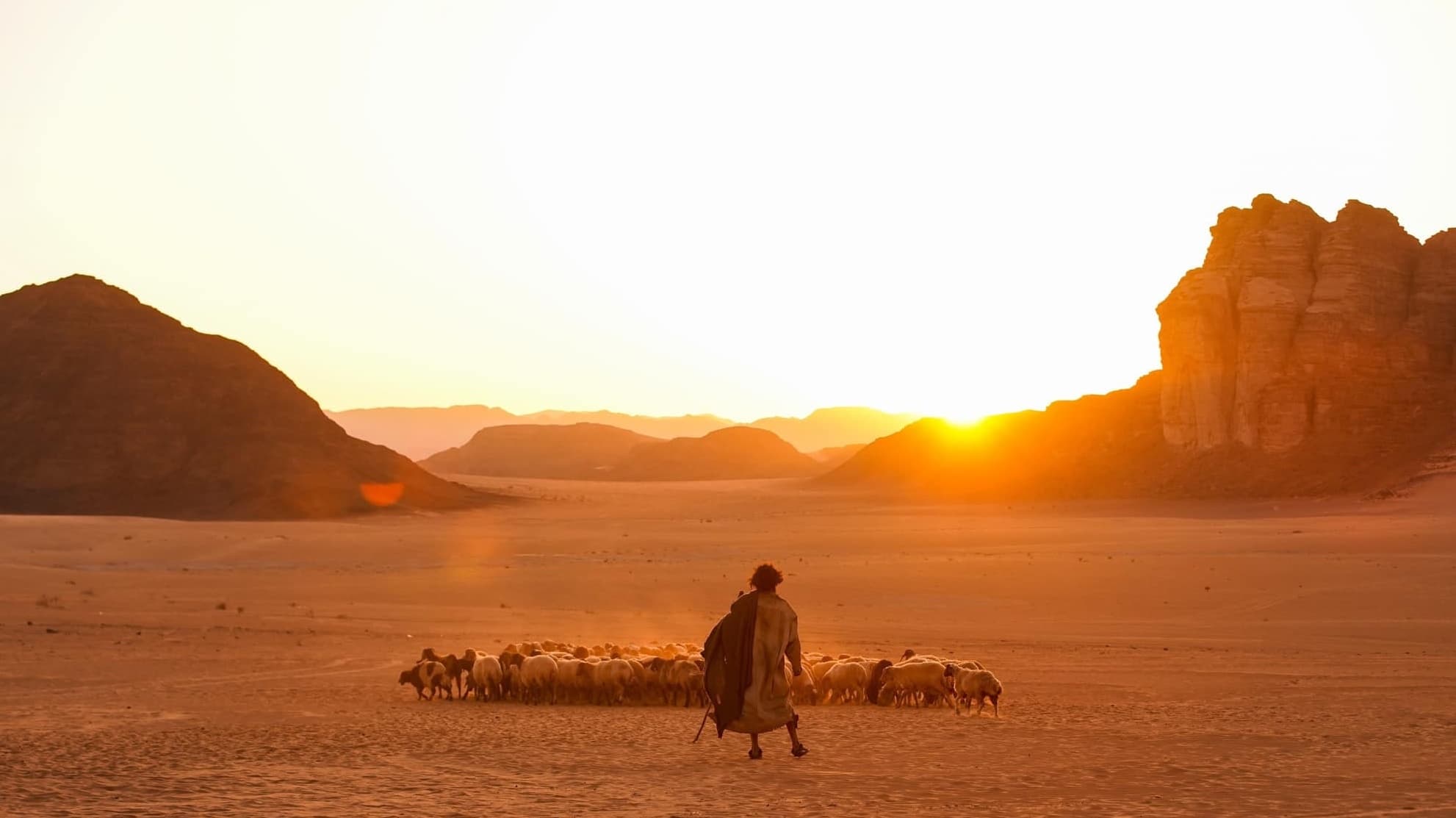
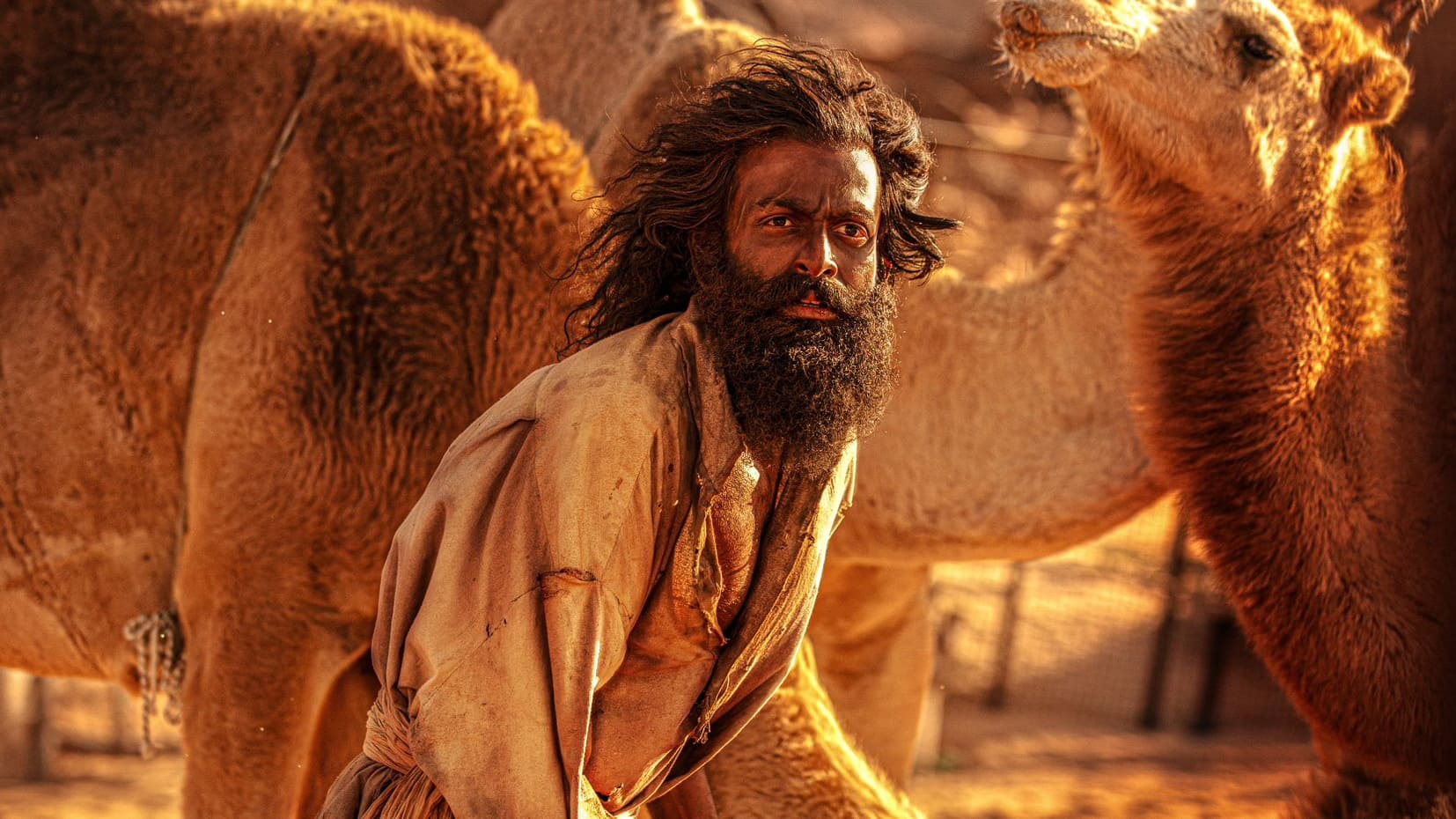
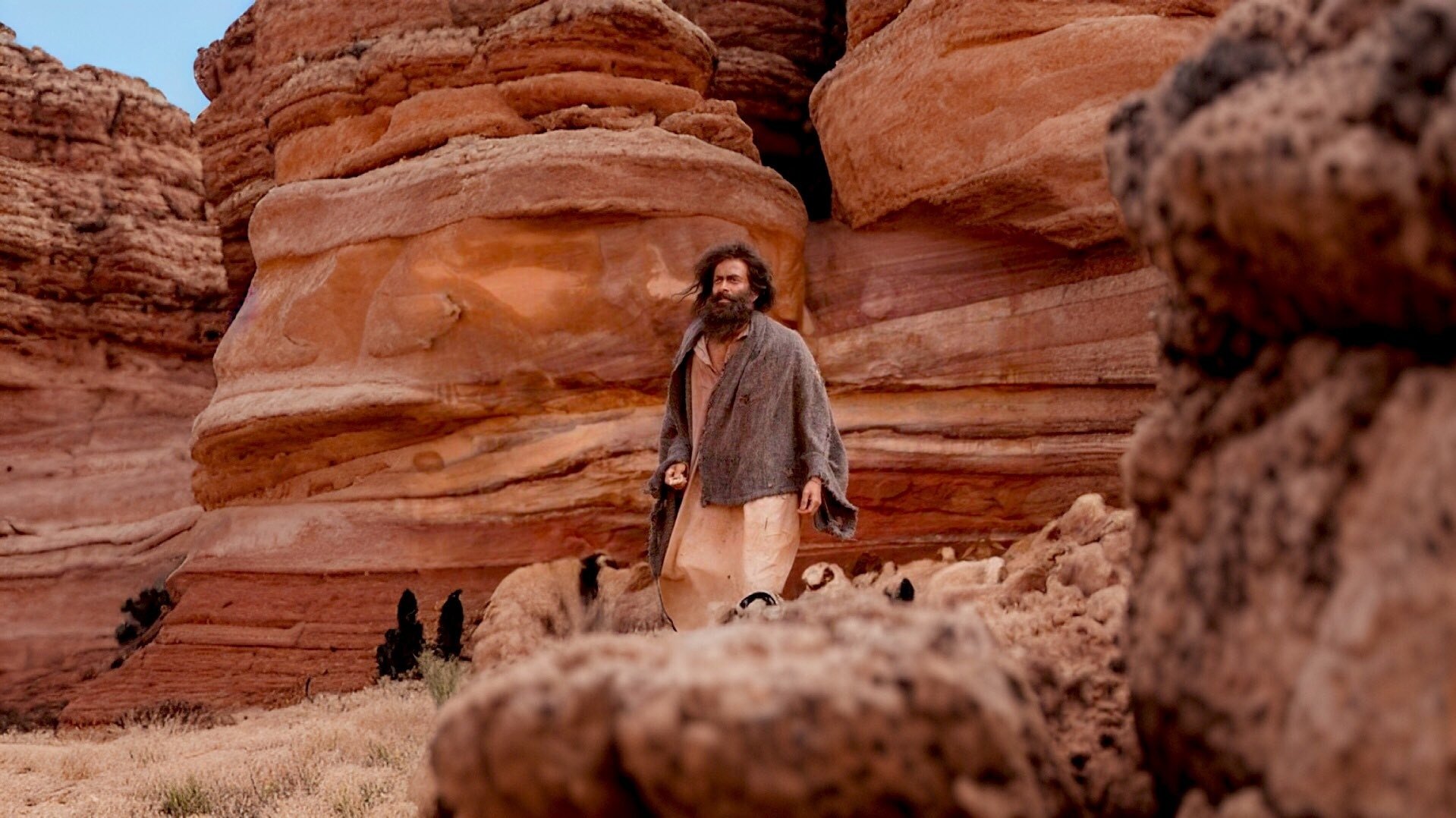
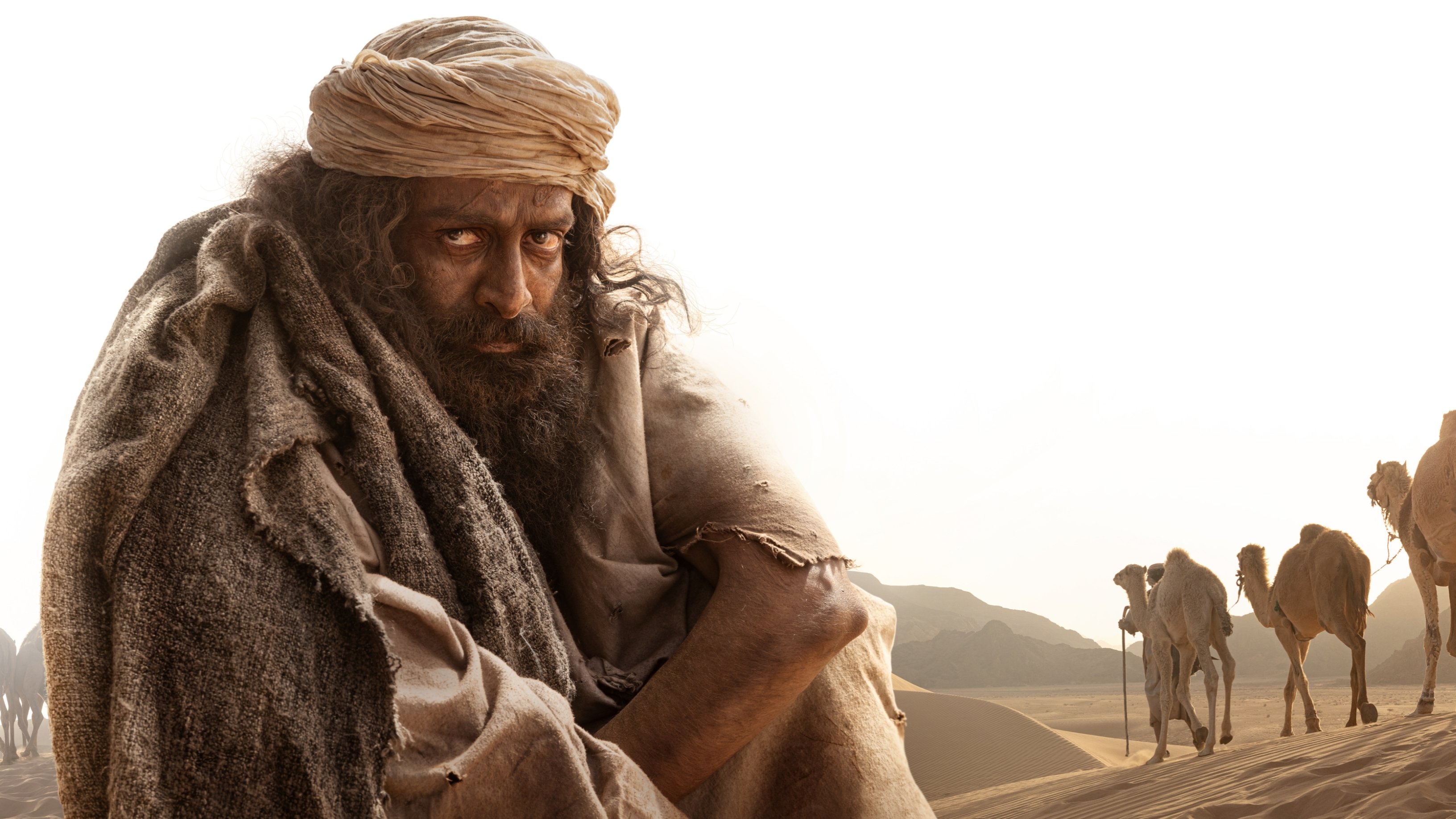
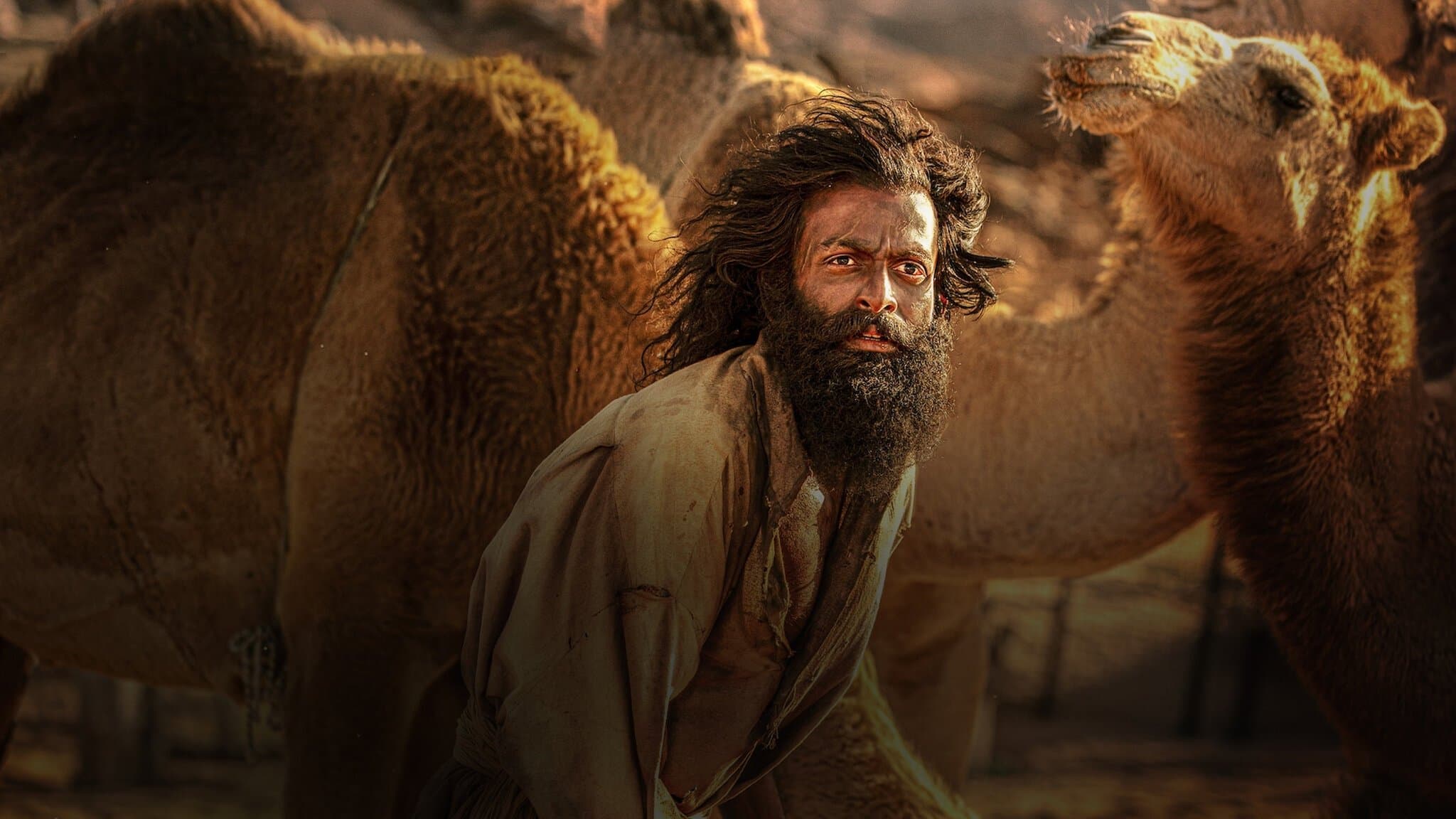
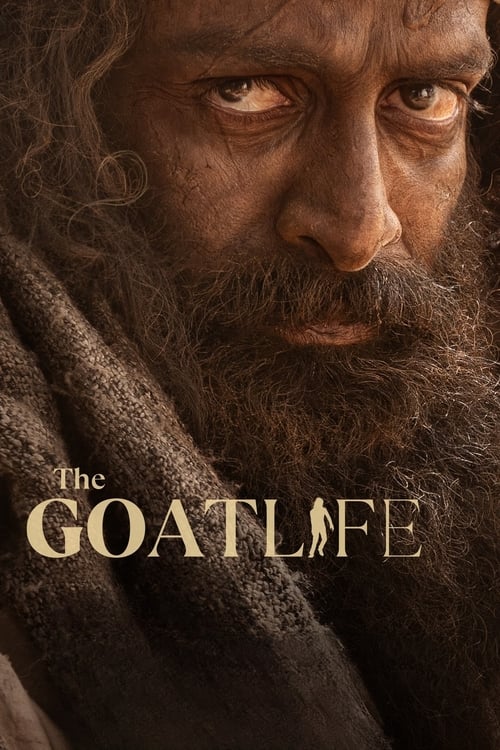
Indian migrant worker Najeeb Muhammad goes to Saudi Arabia to earn money. However, in a twist of fate, he finds himself living a slave-like existence, herding goats in the middle of the desert.
Directed by Blessy
based on novel or book
based on true story
missing person
migrant worker
goat life

Trailer

IMDB
N/A
Where to Watch

Cast

Prithviraj Sukumaran
Najeeb Muhammad

K R Gokul
Hakkim
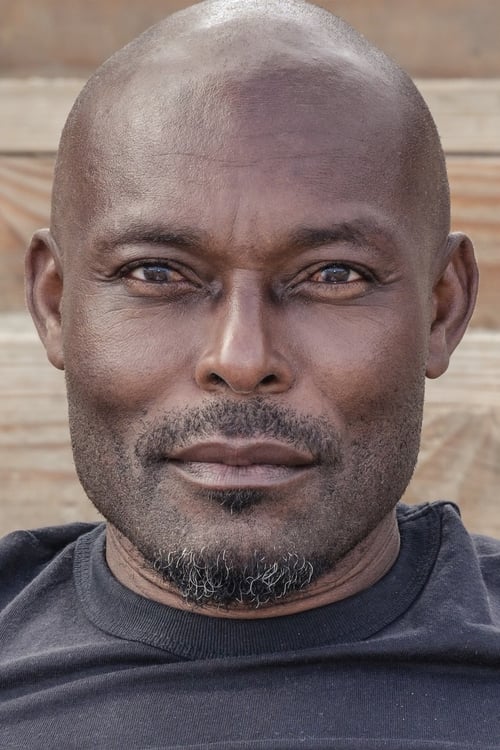
Jimmy Jean-Louis
Ibrahim Khadiri
Talib Al Balushi
Kafeel
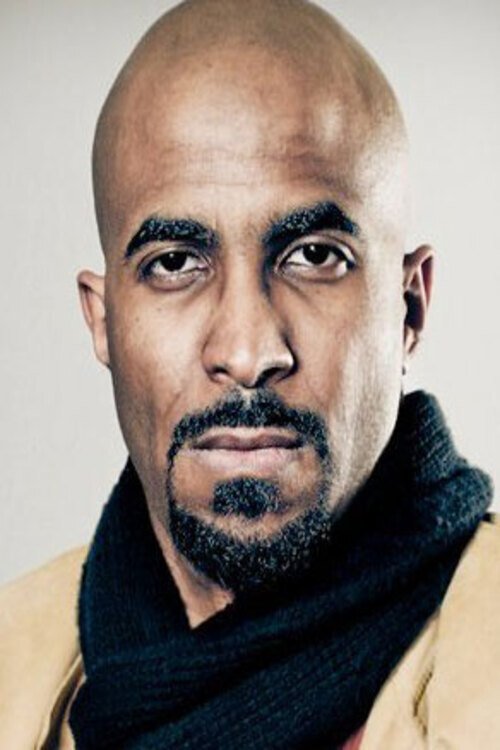
Rik Aby
Jasser
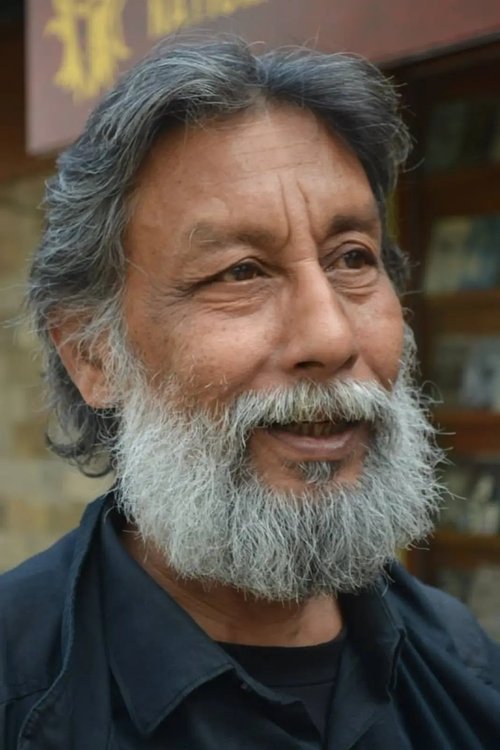
Robin Das
Hindiwala

Amala Paul
Sainu

Shobha Mohan
Ummah
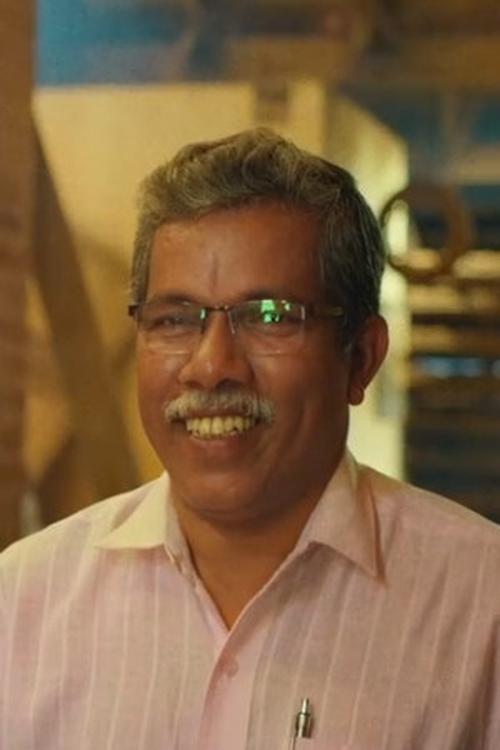
Nasar Karutheni
Kunjikka

Akef Najem
Rich Man
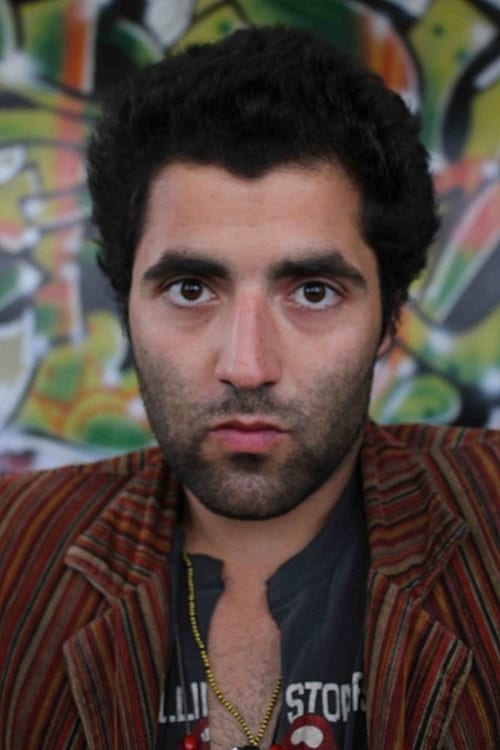
Giovanni V. Giusti
Rebel Fighter (uncredited)
Crew

Blessy
Director
Blessy
Writer

A.R. Rahman
Original Music Composer

Sreekar Prasad
Editor
Blessy
Producer
Jimmy Jean-Louis
Producer
Prithviraj Sukumaran
Producer
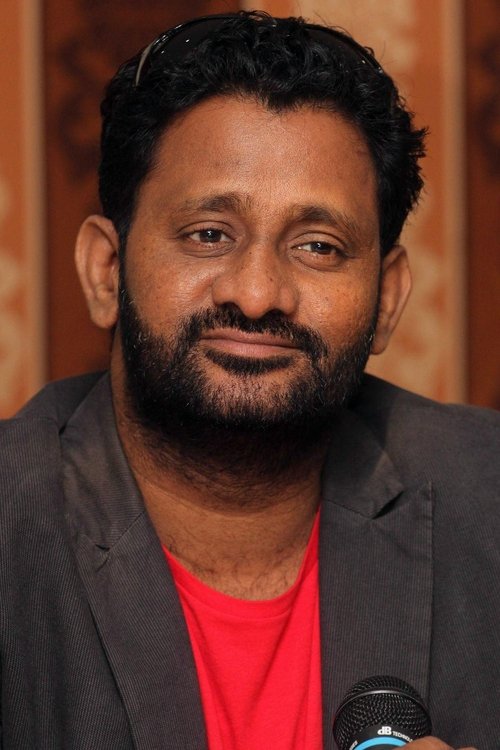
Resul Pookutty
Sound Designer
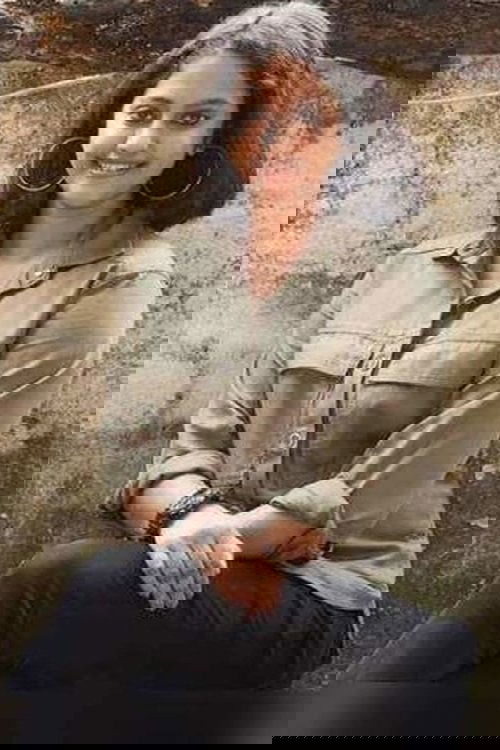
Stephy Zaviour
Costume Designer
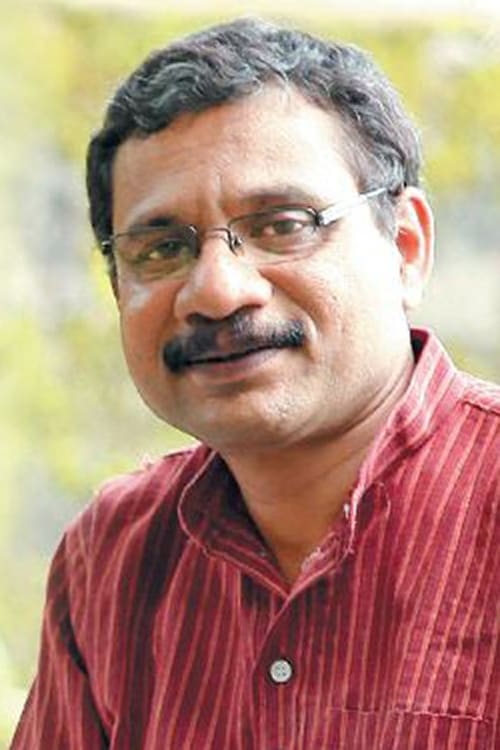
Rafeeq Ahammed
Lyricist

Dhilip Subbarayan
Stunts

Oldmonks Design
Publicist
Popular Reviews
123 reviews
Vinayak
Real 🐐
Real 🐐

1

Leo Kröhnke
6.0★ · 06/06/26
Tim Payne Biopic
Tim Payne Biopic
Merlom
6.0★ · 03/04/26
🥹
🥹
icpz1
1.0★ · 12/21/25
تشوية سمعة السعوديين والمسلمينما شفته ولا يحتاج اشوفه عشان اقيم عمل عنصري وقذر
تشوية سمعة السعوديين والمسلمينما شفته ولا يحتاج اشوفه عشان اقيم عمل عنصري وقذر
Mari
5.0★ · 12/01/25
I understand getting your point across, trafficking is genuinely a scourge upon our globe. But this is unfortunately a disempowering misery train.
The narrative of this movie completely disengages from the character work it sets up in its first half for an hour of multiple grueling scenes of our characters stumbling across the dunes. It's also nearly 3 hours long if you don't see how this is an issue. My affective range needs to be reset before I can grieve over their situation further. I'm not sure why we don't dive into the backstories of the other characters. Equally puzzled at the idea that we get characterization, metaphorical props, and water as metaphor for home for the main character but never complete the arc with any development or look into Hakim and Ibrahim. A death of a certain someone invites more tragedy into the protagonists story, but not much more than that. Ibrahims sacrifice feels dull without getting to know him too.
I understand the directors vision for depicting an unfiltered shock to the audience here. Disengaging from a story based narrative to dive deeper into this horror has some admiration from me. Rules can be expertly broken to great effect, I just don't think this did it very well. I don't like it when depictions of struggle make the downtrodden look completely weak and miserable. I know this isn't necessarily the same case here, but movies showing minority populations are typically careful not to demean them in depiction. These characters are effectively vessels with no agency which can work to convey a certain brutal physicality.
The narrative of this movie completely disengages from the character work it sets up in its first half for an hour of multiple grueling scenes of our characters stumbling across the dunes. It's also nearly 3 hours long if you don't see how this is an issue. My affective range needs to be reset before I can grieve over their situation further. I'm not sure why we don't dive into the backstories of the other characters. Equally puzzled at the idea that we get characterization, metaphorical props, and water as metaphor for home for the main character but never complete the arc with any development or look into Hakim and Ibrahim. A death of a certain someone invites more tragedy into the protagonists story, but not much more than that. Ibrahims sacrifice feels dull without getting to know him too.
I understand the directors vision for depicting an unfiltered shock to the audience here. Disengaging from a story based narrative to dive deeper into this horror has some admiration from me. Rules can be expertly broken to great effect, I just don't think this did it very well. I don't like it when depictions of struggle make the downtrodden look completely weak and miserable. I know this isn't necessarily the same case here, but movies showing minority populations are typically careful not to demean them in depiction. These characters are effectively vessels with no agency which can work to convey a certain brutal physicality.
I understand getting your point across, trafficking is genuinely a scourge upon our globe. But this is unfortunately a disempowering misery train.
The narrative of this movie completely disengages from the character work it sets up in its first half for an hour of multiple grueling scenes of our characters stumbling across the dunes. It's also nearly 3 hours long if you don't see how this is an issue. My affective range needs to be reset before I can grieve over their situation further. I'm not sure why we don't dive into the backstories of the other characters. Equally puzzled at the idea that we get characterization, metaphorical props, and water as metaphor for home for the main character but never complete the arc with any development or look into Hakim and Ibrahim. A death of a certain someone invites more tragedy into the protagonists story, but not much more than that. Ibrahims sacrifice feels dull without getting to know him too.
I understand the directors vision for depicting an unfiltered shock to the audience here. Disengaging from a story based narrative to dive deeper into this horror has some admiration from me. Rules can be expertly broken to great effect, I just don't think this did it very well. I don't like it when depictions of struggle make the downtrodden look completely weak and miserable. I know this isn't necessarily the same case here, but movies showing minority populations are typically careful not to demean them in depiction. These characters are effectively vessels with no agency which can work to convey a certain brutal physicality.
The narrative of this movie completely disengages from the character work it sets up in its first half for an hour of multiple grueling scenes of our characters stumbling across the dunes. It's also nearly 3 hours long if you don't see how this is an issue. My affective range needs to be reset before I can grieve over their situation further. I'm not sure why we don't dive into the backstories of the other characters. Equally puzzled at the idea that we get characterization, metaphorical props, and water as metaphor for home for the main character but never complete the arc with any development or look into Hakim and Ibrahim. A death of a certain someone invites more tragedy into the protagonists story, but not much more than that. Ibrahims sacrifice feels dull without getting to know him too.
I understand the directors vision for depicting an unfiltered shock to the audience here. Disengaging from a story based narrative to dive deeper into this horror has some admiration from me. Rules can be expertly broken to great effect, I just don't think this did it very well. I don't like it when depictions of struggle make the downtrodden look completely weak and miserable. I know this isn't necessarily the same case here, but movies showing minority populations are typically careful not to demean them in depiction. These characters are effectively vessels with no agency which can work to convey a certain brutal physicality.