
1967·Drama·2h 37m
7.1
★
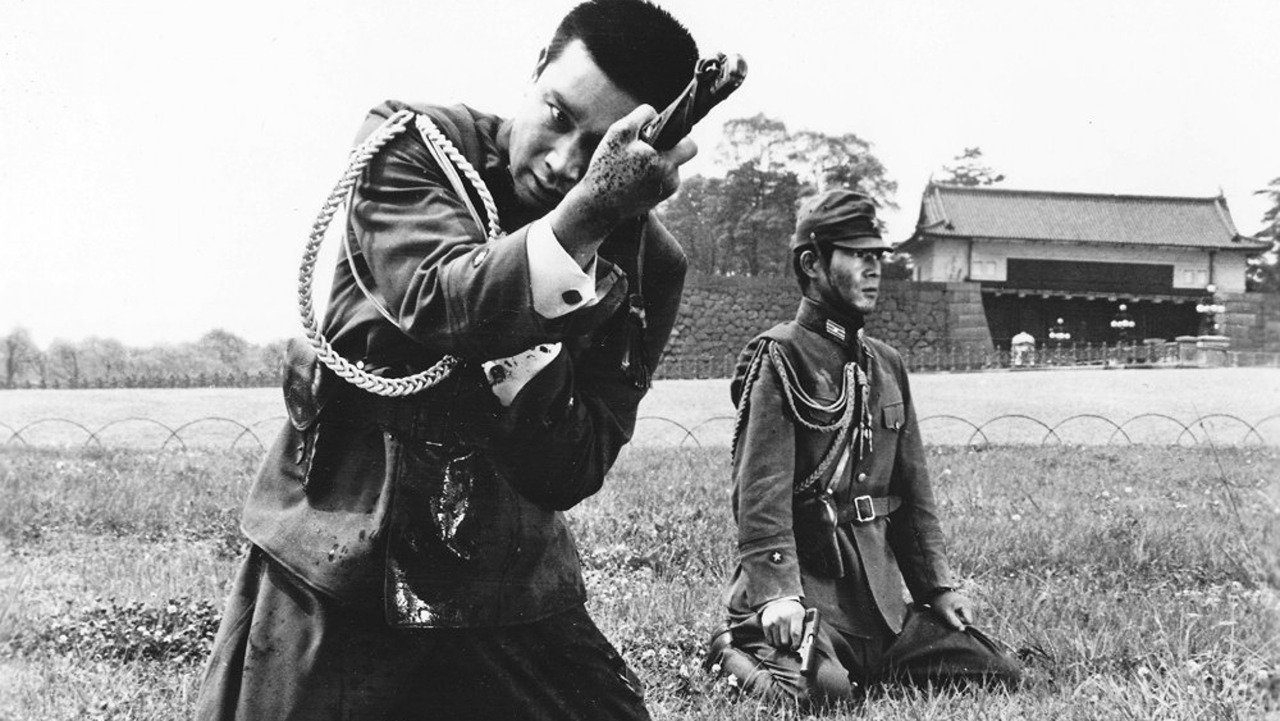
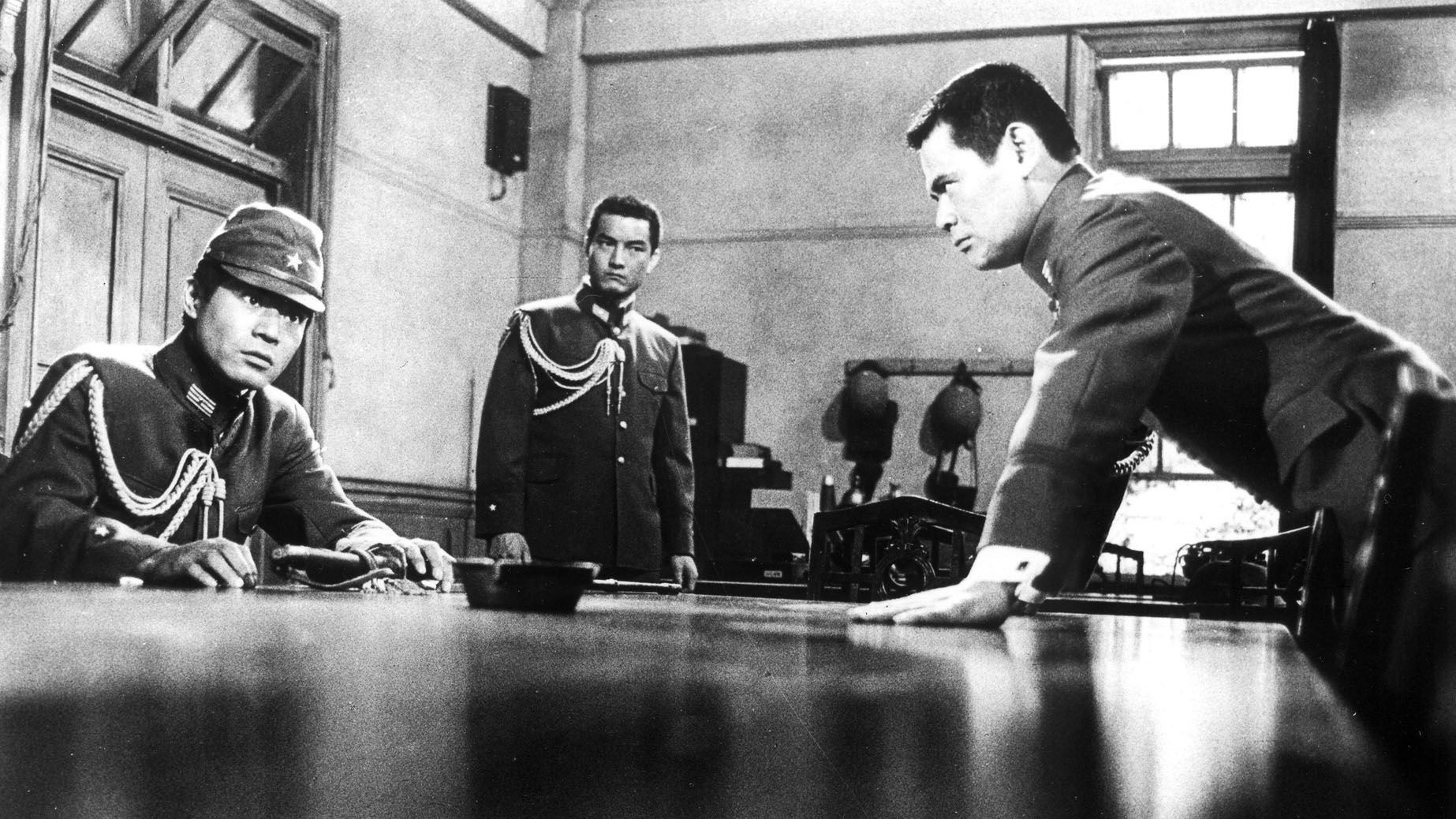
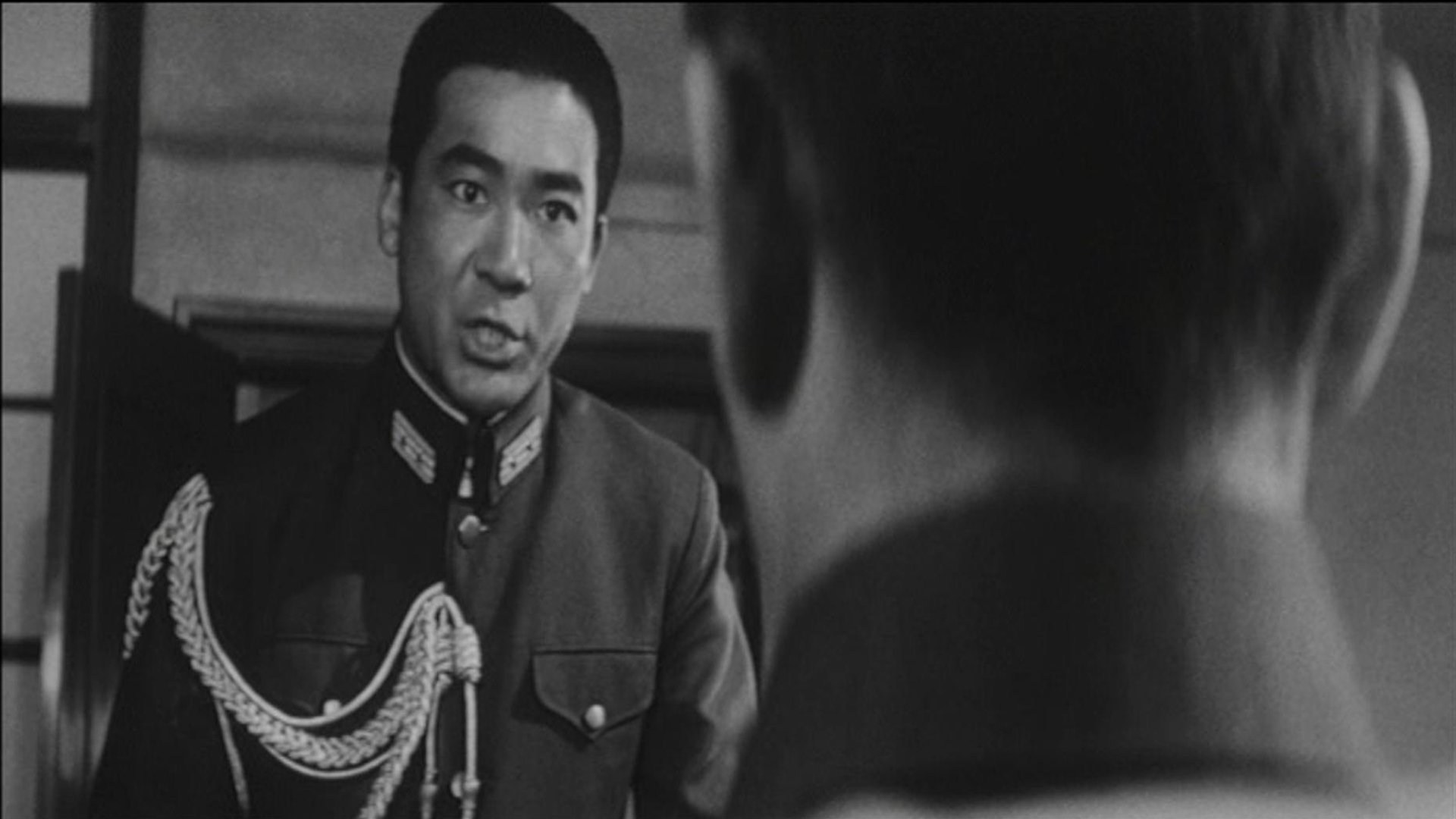
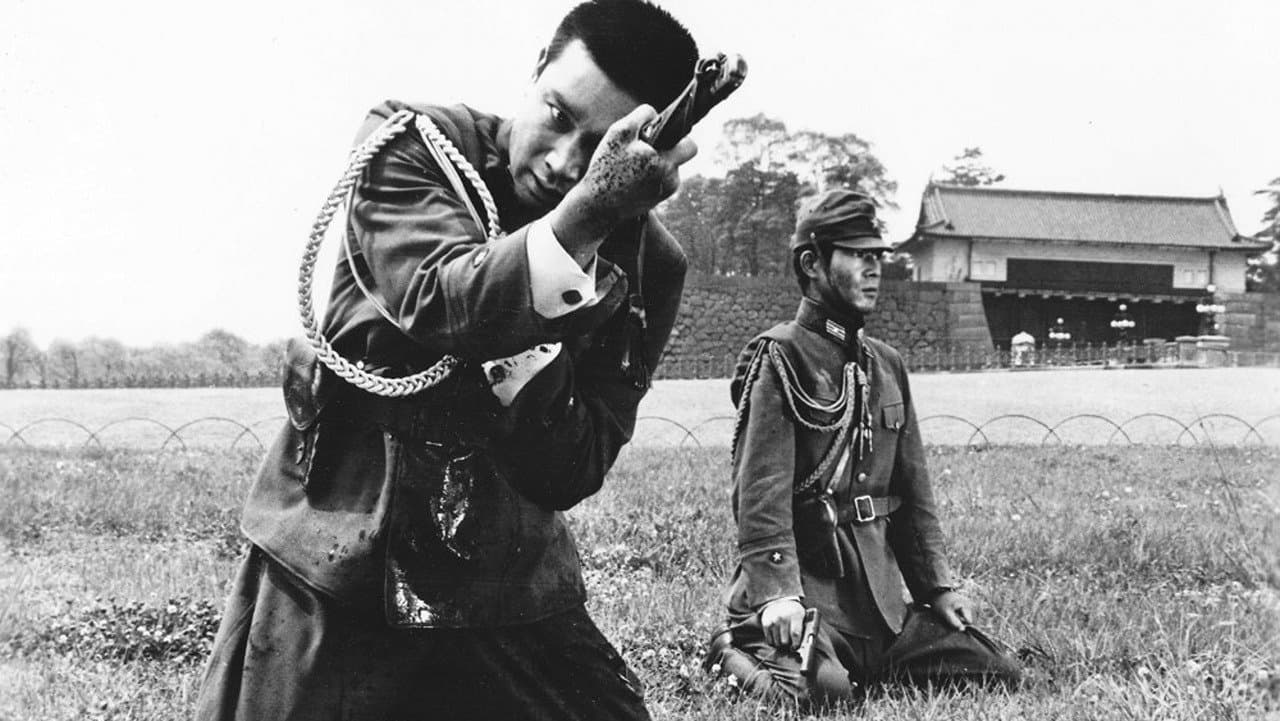
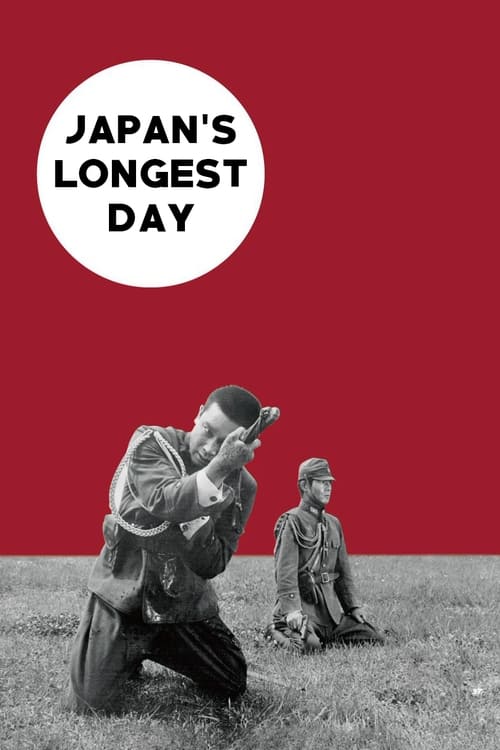
Following the detonation of the atomic bombs on Hiroshima and Nagasaki, the Japanese military and the government clash over the demand from the Allies for unconditional surrender. Minister of the Army Anami leads the military officers who propose to fight on, even to the death of every Japanese citizen. Emperor Hirohito, however, joins with his ministers in asking the unthinkable, the peaceful surrender of Japan. When the military plots a coup to overthrow the Emperor's civilian government, Anami must face the choice between his desires and loyalty to his Emperor.
Directed by Kihachi Okamoto
japan
based on novel or book
world war ii
based on true story
pacific war
japanese army
japanese soldier
japanese surrender
hirohito

Trailer

IMDB
N/A
Cast

Seiji Miyaguchi
Foreign Minister Shigenori Togo
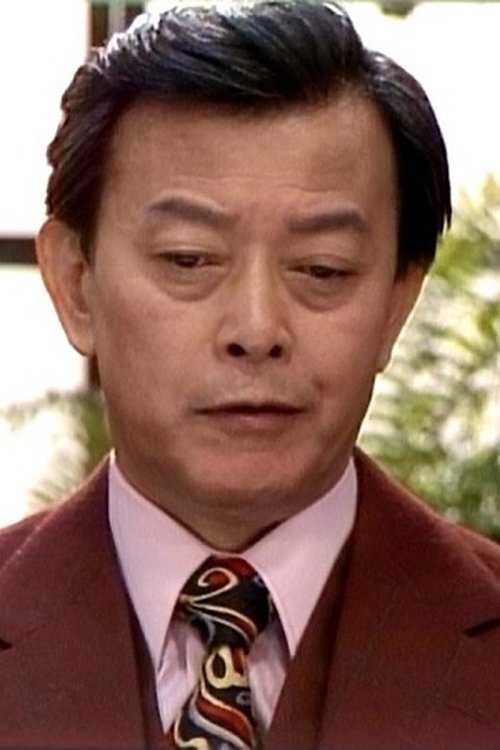
Rokkō Toura
Vice Minister of Foreign Affairs Shunichi Matsumato
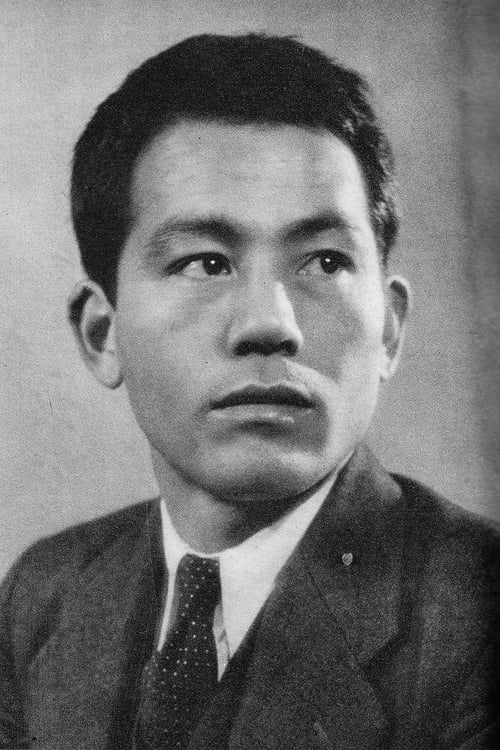
Chishū Ryū
Prime Minister Baron Kantaro Suzuki
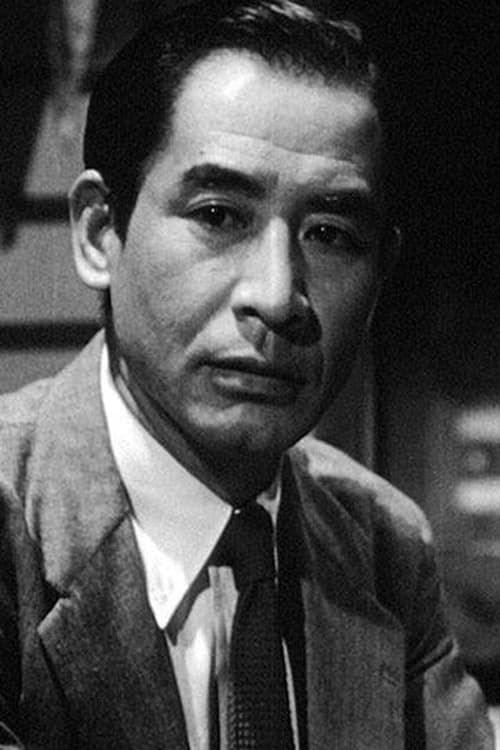
So Yamamura
Navy Minister Admiral Mitsumasa Yonai
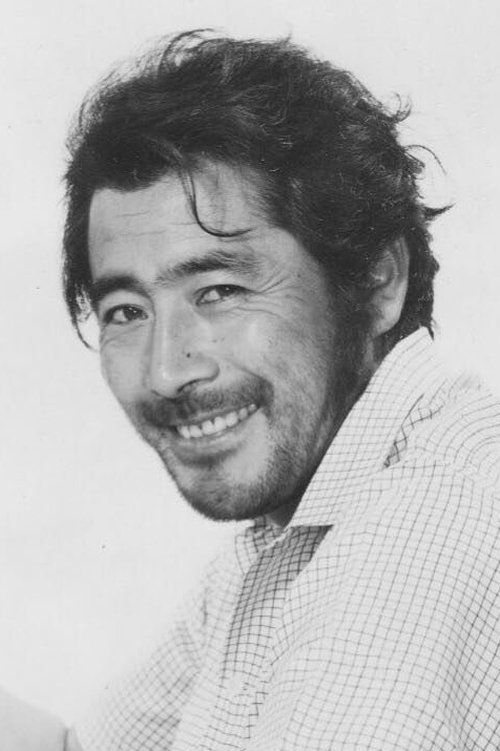
Toshirō Mifune
War Minister General Korechika Anami

Yoshio Kosugi
Minister of Public Welfare Keisuke Okade

Takashi Shimura
Information Bureau Director Hiroshi Shimomura
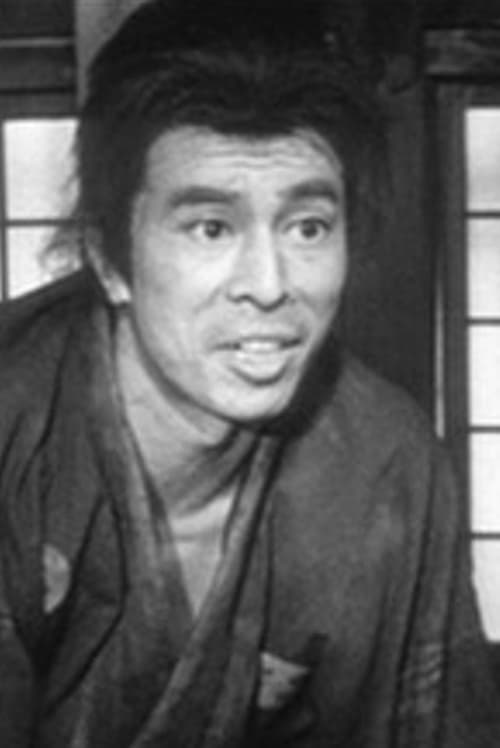
Etsushi Takahashi
Lt. Colonel Masutaka Ida
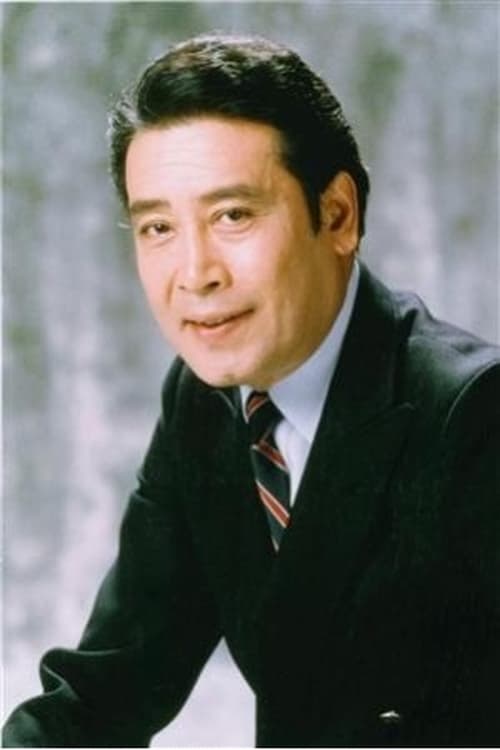
Tadao Nakamaru
Lt. Colonel Jiro Shiizaki

Toshio Kurosawa
Major Kenji Hatanaka - Military Affairs Section
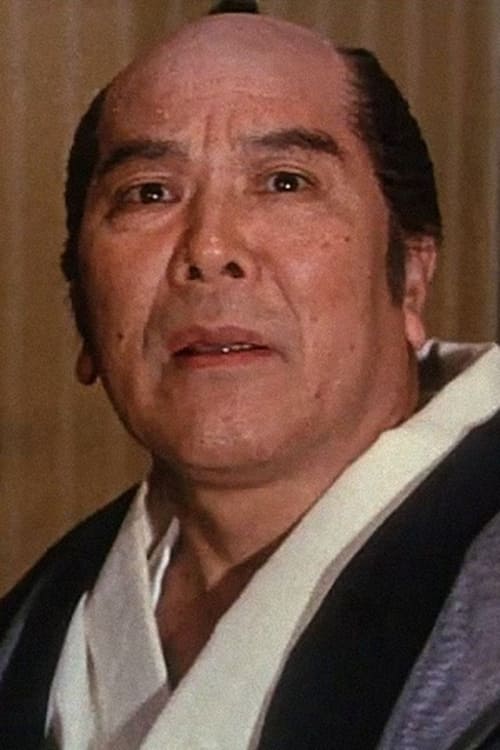
Ryōsuke Kagawa
Minister of Agriculture and Forestry Tadaatsu Ishiguro
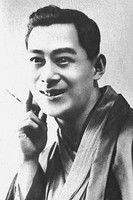
Ushio Akashi
President of the Privy Council Baron Kiichiro Hiranuma
Crew
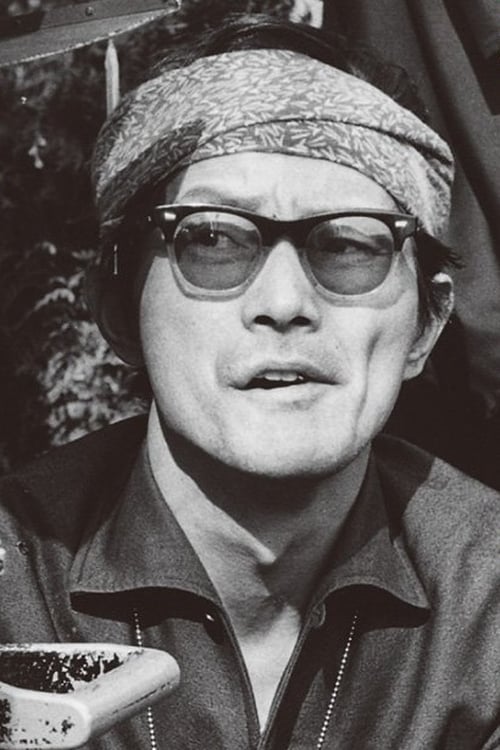
Kihachi Okamoto
Director
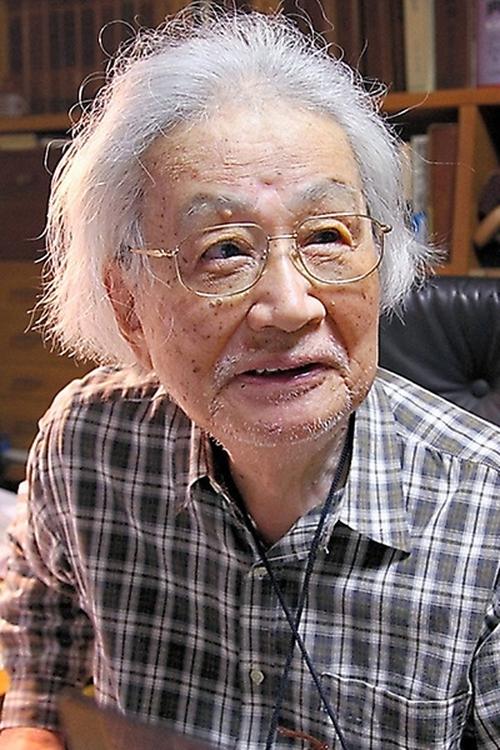
Shinobu Hashimoto
Screenplay

Masaru Satō
Original Music Composer
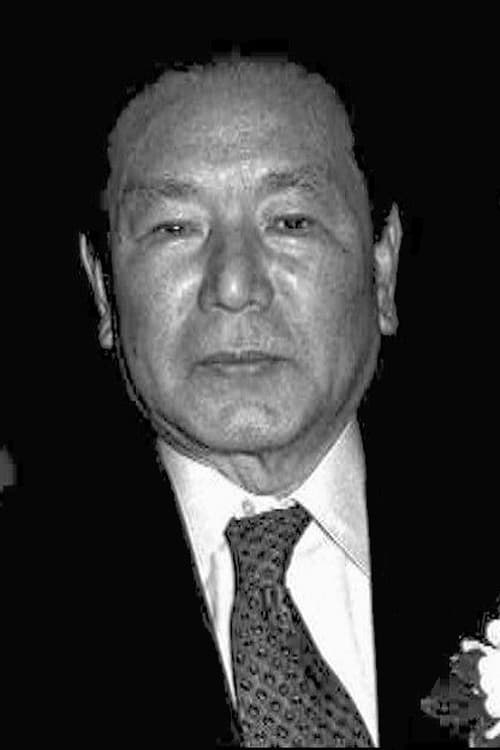
Tomoyuki Tanaka
Producer
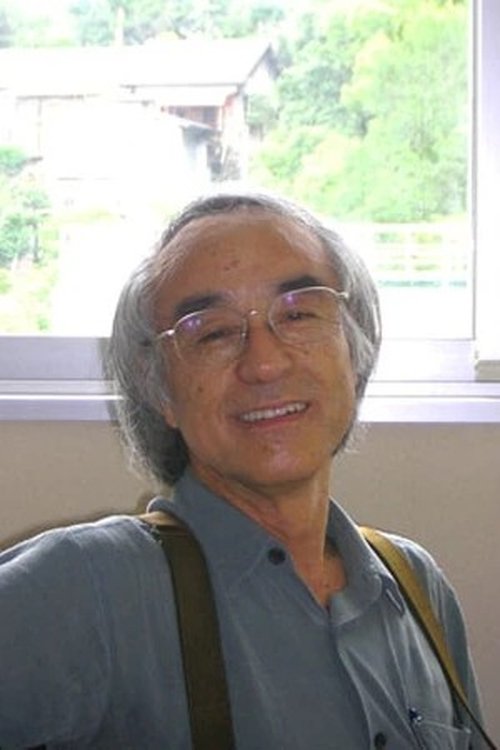
Michio Yamamoto
Assistant Director
Popular Reviews
11 reviews
niaknyai
Au moins la fin n’est pas frustrante.
Au moins la fin n’est pas frustrante.


Medhansh Kaushik
6.1★ · 10/18/24
Director- Okamoto Kihachi.This is the second Okamoto movie that I have seen. The first was the magnificent Sword of Doom, which I thoroughly enjoyed.This film follows the journey of the Japanese Army's coup on 14th August 1945 and what problems arose at that time.It is made in a docu-movie way.The film was written by Hashimoto Shinobu who has also written Seven Samurai, Harakiri, Ikiru, etc.The editing was done by Kuroiwa Yoshitami who has also worked on Sword of Doom, Samurai Assassin, several Godzilla films, etc.The sound design was done by Watari Shin who has also worked on Kill, Tora Tora Tora, Nomugi Pass, etc.The film was shot by Murai Hiroshi who has also worked on Sword of Doom, Giants and Toys, Afraid to Die, etc.The lighting was done by Nishikawa Tsuruzo who has also worked on The Age of Assassins, the Jirocho film series, The Last Gunfight, etc.The art direction was done by The Inugamis, The Age of Assassin, The Last Gunfight, etc.The reason for their uprising is quite humorous and nonsensical. Japan was losing the Second World War with no chance of ever winning, so the emperor decided to end the war once and for all to save the country and its people. Some people from the army didn't like this one bit and believed that Japan as a whole must be thoroughly destroyed at the hands of the enemy and that Japan must have no way to recover.The country was swimming in debt as well as the bodies of the people. The country was in ruin when America offered them the golden chance of redevelopment.The acting of Mifune Toshiro was superb in this.This is a thoroughly satirical and sadistic take on the mindset of the soldiers during that era. It sheds light on the empty pride of the Japanese army men and how it is the root cause of their state.It is filled with trivia that will only benefit someone who already knows the subject or is planning to spend time on the subject later on to understand it better. As a standalone take for someone new to this subject, it fails in a few vital aspects.The runtime is too long, the subject matter is tackled quite boringly, and all the action is in the second half, leaving us with an empty first half.The film doesn't tackle other strata beyond the army and a few government officials during that era even with a 150-minute runtime. A way better time divide could have been- one hour focus on the military, one hour on the common man, and thirty minutes on the government officials.The dialogue delivery was filled with pauses, meaningless in parts but at times it gets too fast to read subtitles too.
Overall it's a decent feature with a one-dimensional focus.
Overall it's a decent feature with a one-dimensional focus.
Director- Okamoto Kihachi.This is the second Okamoto movie that I have seen. The first was the magnificent Sword of Doom, which I thoroughly enjoyed.This film follows the journey of the Japanese Army's coup on 14th August 1945 and what problems arose at that time.It is made in a docu-movie way.The film was written by Hashimoto Shinobu who has also written Seven Samurai, Harakiri, Ikiru, etc.The editing was done by Kuroiwa Yoshitami who has also worked on Sword of Doom, Samurai Assassin, several Godzilla films, etc.The sound design was done by Watari Shin who has also worked on Kill, Tora Tora Tora, Nomugi Pass, etc.The film was shot by Murai Hiroshi who has also worked on Sword of Doom, Giants and Toys, Afraid to Die, etc.The lighting was done by Nishikawa Tsuruzo who has also worked on The Age of Assassins, the Jirocho film series, The Last Gunfight, etc.The art direction was done by The Inugamis, The Age of Assassin, The Last Gunfight, etc.The reason for their uprising is quite humorous and nonsensical. Japan was losing the Second World War with no chance of ever winning, so the emperor decided to end the war once and for all to save the country and its people. Some people from the army didn't like this one bit and believed that Japan as a whole must be thoroughly destroyed at the hands of the enemy and that Japan must have no way to recover.The country was swimming in debt as well as the bodies of the people. The country was in ruin when America offered them the golden chance of redevelopment.The acting of Mifune Toshiro was superb in this.This is a thoroughly satirical and sadistic take on the mindset of the soldiers during that era. It sheds light on the empty pride of the Japanese army men and how it is the root cause of their state.It is filled with trivia that will only benefit someone who already knows the subject or is planning to spend time on the subject later on to understand it better. As a standalone take for someone new to this subject, it fails in a few vital aspects.The runtime is too long, the subject matter is tackled quite boringly, and all the action is in the second half, leaving us with an empty first half.The film doesn't tackle other strata beyond the army and a few government officials during that era even with a 150-minute runtime. A way better time divide could have been- one hour focus on the military, one hour on the common man, and thirty minutes on the government officials.The dialogue delivery was filled with pauses, meaningless in parts but at times it gets too fast to read subtitles too.
Overall it's a decent feature with a one-dimensional focus.
Overall it's a decent feature with a one-dimensional focus.
Medhansh
4.6★ · 10/18/24
Director- Okamoto Kihachi.This is the second Okamoto movie that I have seen. The first was the magnificent Sword of Doom, which I thoroughly enjoyed.This film follows the journey of the Japanese Army's coup on 14th August 1945 and what problems arose at that time.It is made in a docu-movie way.The film was written by Hashimoto Shinobu who has also written Seven Samurai, Harakiri, Ikiru, etc.The editing was done by Kuroiwa Yoshitami who has also worked on Sword of Doom, Samurai Assassin, several Godzilla films, etc.The sound design was done by Watari Shin who has also worked on Kill, Tora Tora Tora, Nomugi Pass, etc.The film was shot by Murai Hiroshi who has also worked on Sword of Doom, Giants and Toys, Afraid to Die, etc.The lighting was done by Nishikawa Tsuruzo who has also worked on The Age of Assassins, the Jirocho film series, The Last Gunfight, etc.The art direction was done by The Inugamis, The Age of Assassin, The Last Gunfight, etc.The reason for their uprising is quite humorous and nonsensical. Japan was losing the Second World War with no chance of ever winning, so the emperor decided to end the war once and for all to save the country and its people. Some people from the army didn't like this one bit and believed that Japan as a whole must be thoroughly destroyed at the hands of the enemy and that Japan must have no way to recover.The country was swimming in debt as well as the bodies of the people. The country was in ruin when America offered them the golden chance of redevelopment.The acting of Mifune Toshiro was superb in this.This is a thoroughly satirical and sadistic take on the mindset of the soldiers during that era. It sheds light on the empty pride of the Japanese army men and how it is the root cause of their state.It is filled with trivia that will only benefit someone who already knows the subject or is planning to spend time on the subject later on to understand it better. As a standalone take for someone new to this subject, it fails in a few vital aspects.The runtime is too long, the subject matter is tackled quite boringly, and all the action is in the second half, leaving us with an empty first half.The film doesn't tackle other strata beyond the army and a few government officials during that era even with a 150-minute runtime. A way better time divide could have been- one hour focus on the military, one hour on the common man, and thirty minutes on the government officials.The dialogue delivery was filled with pauses, meaningless in parts but at times it gets too fast to read subtitles too.
Overall it's a decent feature with a one-dimensional focus.
Overall it's a decent feature with a one-dimensional focus.
Director- Okamoto Kihachi.This is the second Okamoto movie that I have seen. The first was the magnificent Sword of Doom, which I thoroughly enjoyed.This film follows the journey of the Japanese Army's coup on 14th August 1945 and what problems arose at that time.It is made in a docu-movie way.The film was written by Hashimoto Shinobu who has also written Seven Samurai, Harakiri, Ikiru, etc.The editing was done by Kuroiwa Yoshitami who has also worked on Sword of Doom, Samurai Assassin, several Godzilla films, etc.The sound design was done by Watari Shin who has also worked on Kill, Tora Tora Tora, Nomugi Pass, etc.The film was shot by Murai Hiroshi who has also worked on Sword of Doom, Giants and Toys, Afraid to Die, etc.The lighting was done by Nishikawa Tsuruzo who has also worked on The Age of Assassins, the Jirocho film series, The Last Gunfight, etc.The art direction was done by The Inugamis, The Age of Assassin, The Last Gunfight, etc.The reason for their uprising is quite humorous and nonsensical. Japan was losing the Second World War with no chance of ever winning, so the emperor decided to end the war once and for all to save the country and its people. Some people from the army didn't like this one bit and believed that Japan as a whole must be thoroughly destroyed at the hands of the enemy and that Japan must have no way to recover.The country was swimming in debt as well as the bodies of the people. The country was in ruin when America offered them the golden chance of redevelopment.The acting of Mifune Toshiro was superb in this.This is a thoroughly satirical and sadistic take on the mindset of the soldiers during that era. It sheds light on the empty pride of the Japanese army men and how it is the root cause of their state.It is filled with trivia that will only benefit someone who already knows the subject or is planning to spend time on the subject later on to understand it better. As a standalone take for someone new to this subject, it fails in a few vital aspects.The runtime is too long, the subject matter is tackled quite boringly, and all the action is in the second half, leaving us with an empty first half.The film doesn't tackle other strata beyond the army and a few government officials during that era even with a 150-minute runtime. A way better time divide could have been- one hour focus on the military, one hour on the common man, and thirty minutes on the government officials.The dialogue delivery was filled with pauses, meaningless in parts but at times it gets too fast to read subtitles too.
Overall it's a decent feature with a one-dimensional focus.
Overall it's a decent feature with a one-dimensional focus.
Andromaque_tho
10.0★ · 06/10/26
Abinesh
5.0★ · 05/20/26