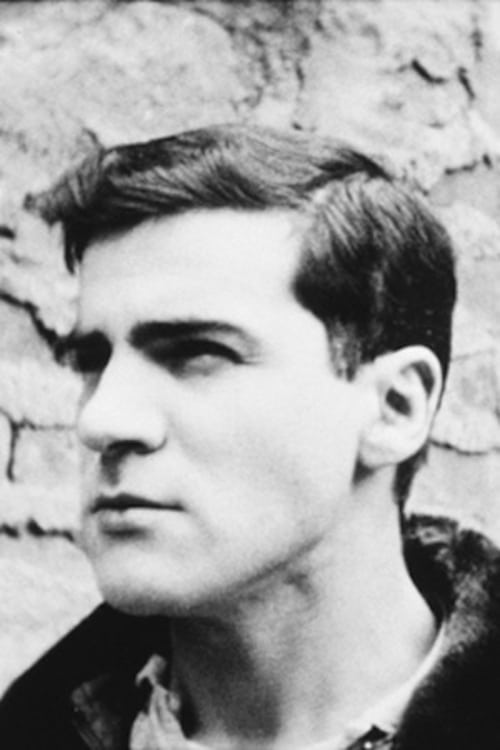
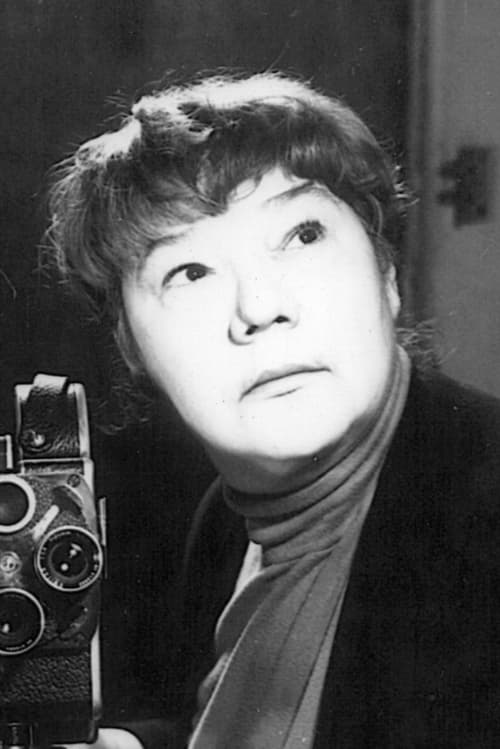
Maas points a macro lens at the human body and suddenly you don't know where you are.
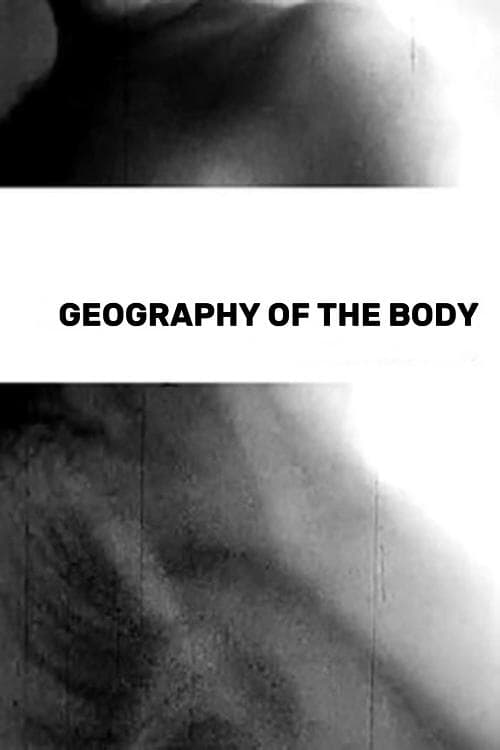
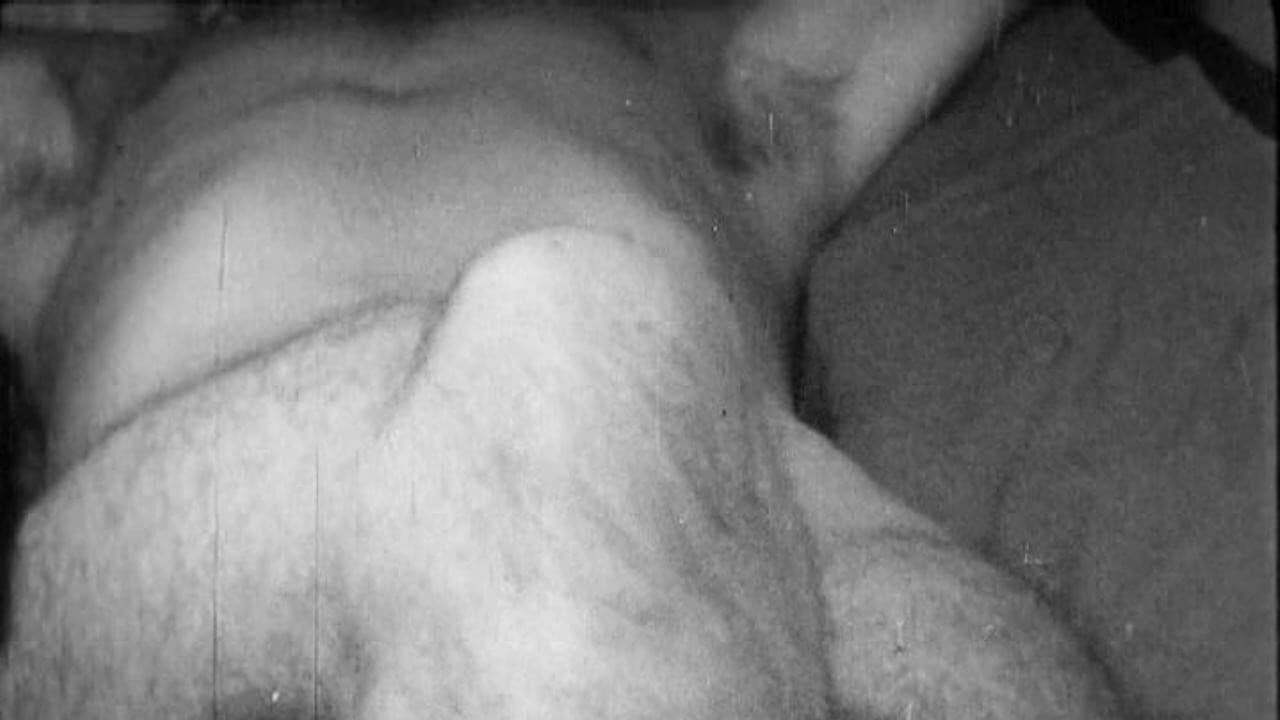
That's the whole film and it's enough. Extreme close-ups of skin, hair, the landscape of an elbow or a lip or the curve of a shoulder, rendered so large and so abstract that the body becomes genuinely alien, a terrain, a topography, something you might find on another planet if another planet happened to be warm and strange and faintly erotic. George Barker's poetry reads over the images in that mid-century bardic register, simultaneously illuminating and obscuring, which is exactly the right relationship between word and image for what this film is trying to do.
There's something quietly radical about it even now. The body as geography, as landscape to be explored rather than form to be displayed, it sidesteps the male gaze almost by accident, or maybe by design, because when you get close enough to anything it stops being an object and becomes a place. You're no longer looking at someone. You're somewhere.
It sits comfortably in the tradition of the American avant-garde film poem, alongside Deren and Anger and Brakhage, though it predates most of them and arguably pointed the way. Eight minutes of defamiliarization so complete that you might catch yourself looking at your own hand afterward and finding it briefly, genuinely, unknowable.
Which is a gift, if a disorienting one.
Maas points a macro lens at the human body and suddenly you don't know where you are.
That's the whole film and it's enough. Extreme close-ups of skin, hair, the landscape of an elbow or a lip or the curve of a shoulder, rendered so large and so abstract that the body becomes genuinely alien, a terrain, a topography, something you might find on another planet if another planet happened to be warm and strange and faintly erotic. George Barker's poetry reads over the images in that mid-century bardic register, simultaneously illuminating and obscuring, which is exactly the right relationship between word and image for what this film is trying to do.
There's something quietly radical about it even now. The body as geography, as landscape to be explored rather than form to be displayed, it sidesteps the male gaze almost by accident, or maybe by design, because when you get close enough to anything it stops being an object and becomes a place. You're no longer looking at someone. You're somewhere.
It sits comfortably in the tradition of the American avant-garde film poem, alongside Deren and Anger and Brakhage, though it predates most of them and arguably pointed the way. Eight minutes of defamiliarization so complete that you might catch yourself looking at your own hand afterward and finding it briefly, genuinely, unknowable.
Which is a gift, if a disorienting one.