
1975·Drama·1h 44m
7.1
★
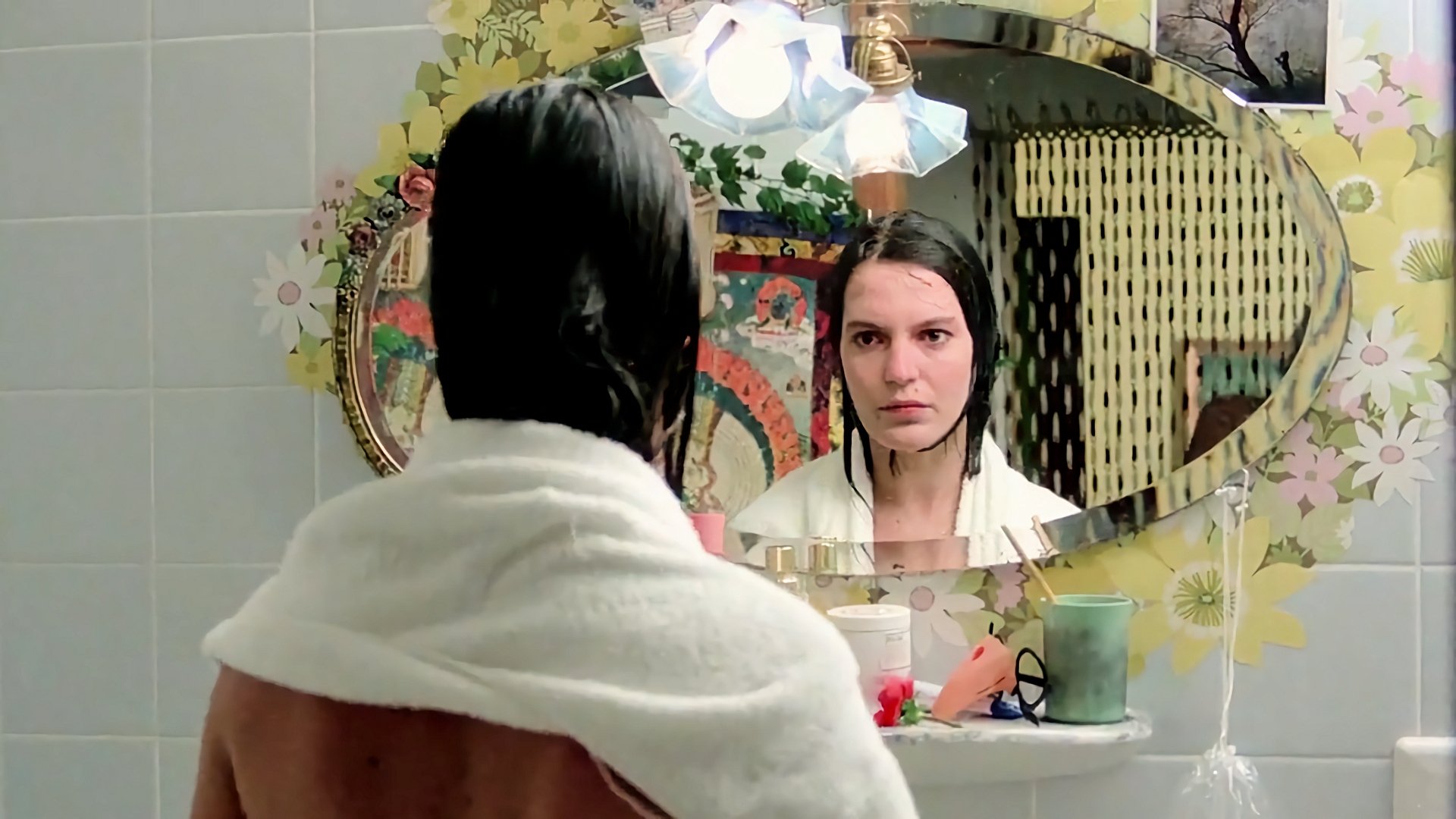
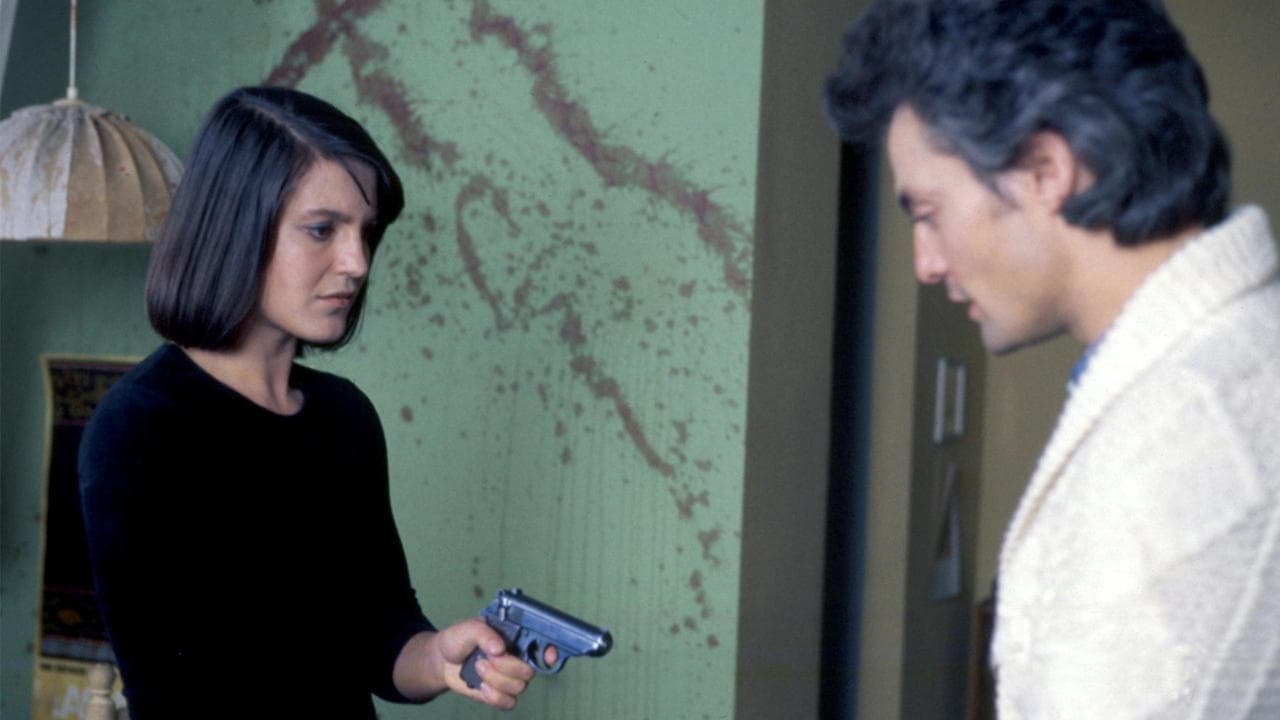

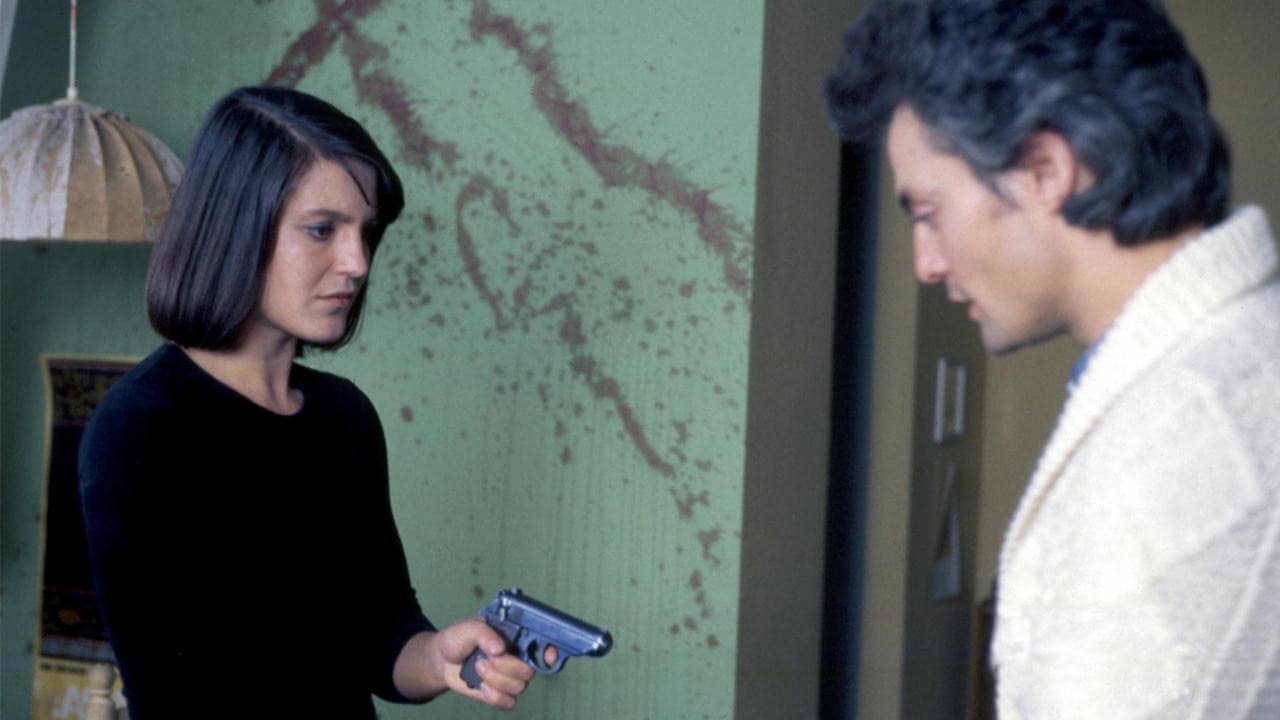
After a chance encounter with a wanted man, a woman is harassed by the police and press until she takes violent action.
Directed by Volker Schlöndorff and Margarethe von Trotta
shadowing
cologne, germany
yellow press
1970s
investigation
carnival
calumny
glory
press freedom
terrorism
police harassment
woman director
social issues
pressure from the press
new german cinema
intimidation by police
instigation
guilt by association

Trailer

IMDB
N/A
Where to Watch

Cast

Angela Winkler
Katharina Blum

Mario Adorf
Kommissar Beizmenne

Dieter Laser
Werner Tötges

Jürgen Prochnow
Ludwig Götten

Heinz Bennent
Dr. Blorna, Anwalt

Hannelore Hoger
Trude Blorna
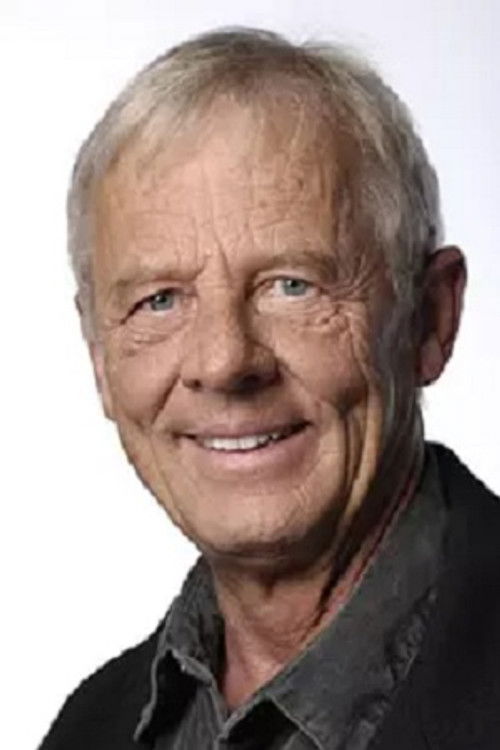
Rolf Becker
Staatsanwalt Hach

Harald Kuhlmann
Moeding, Polizist

Herbert Fux
Weninger, Journalist „Die Zeitung“

Regine Lutz
Else Woltersheim, Patentante Katharinas

Karl-Heinz Vosgerau
Alois Sträubleder, Unternehmer

Peter Franke
Dr. Heinen
Crew

Volker Schlöndorff
Director

Margarethe von Trotta
Director
Volker Schlöndorff
Screenplay
Margarethe von Trotta
Screenplay

Jost Vacano
Director of Photography
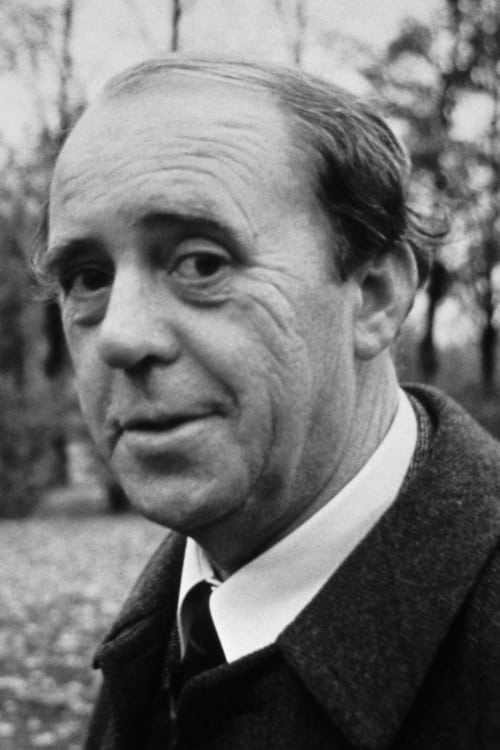
Heinrich Böll
Novel
Popular Reviews
33 reviews
Emma
8.0★ · 04/28/26

Go get him girl
Go get him girl


Giulianna
9.0★ · 01/25/26
Good time to say that I hate journalists.
Good time to say that I hate journalists.
axeIV
8.0★ · 12/29/25
No podes puyar al animal una y otra vez y luego sorprenderte del porque te salta encima. Es lo correcto? Debatible aunque probablemente no. Entendible? Si.
No podes puyar al animal una y otra vez y luego sorprenderte del porque te salta encima. Es lo correcto? Debatible aunque probablemente no. Entendible? Si.
abby
6.0★ · 03/27/25
how good was he in bed for her to go all the way in jail with him
how good was he in bed for her to go all the way in jail with him
Jayda
6.8★ · 11/15/24
Cool story about the harmfulness of the media, especially towards women
Cool story about the harmfulness of the media, especially towards women