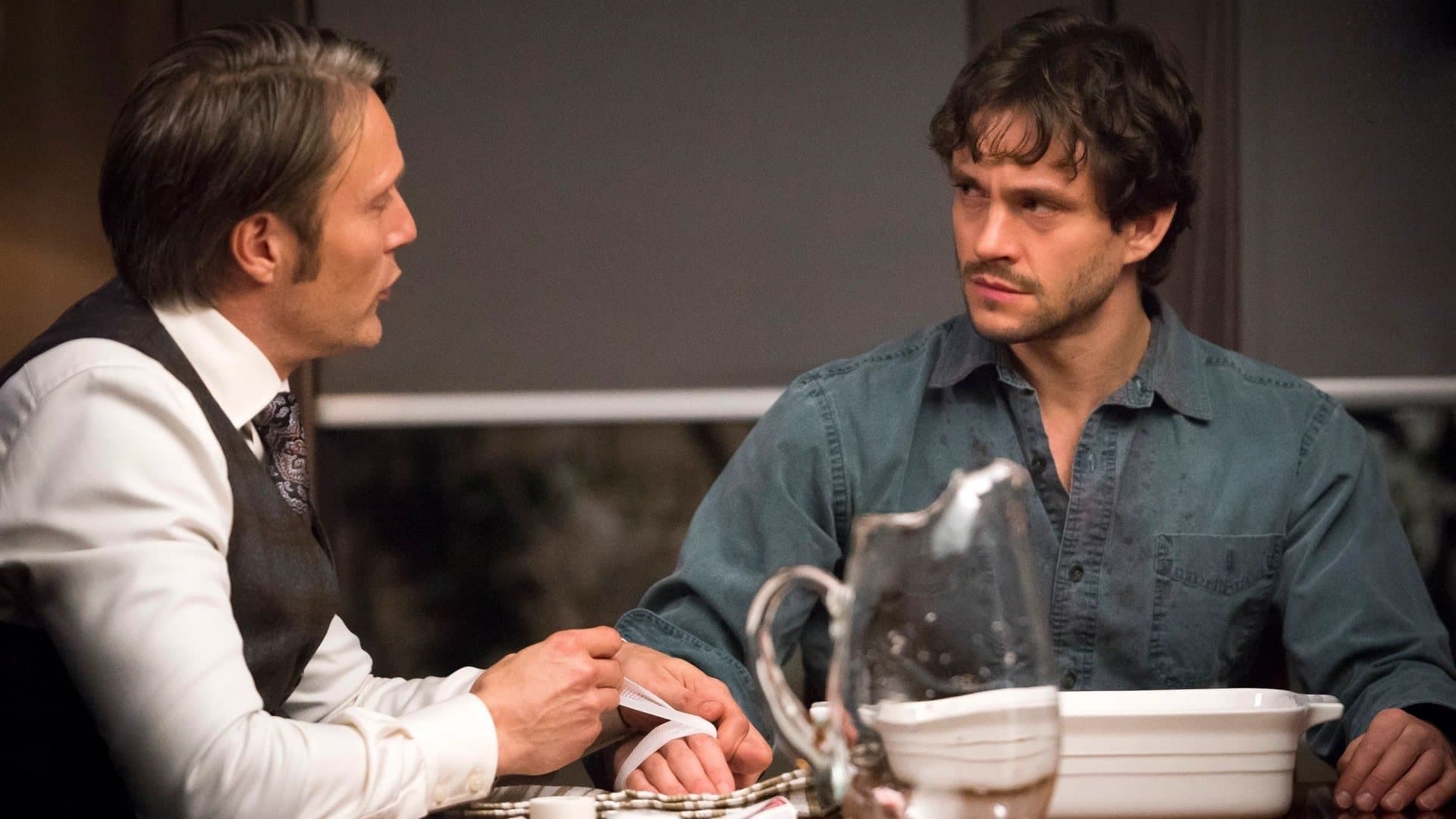
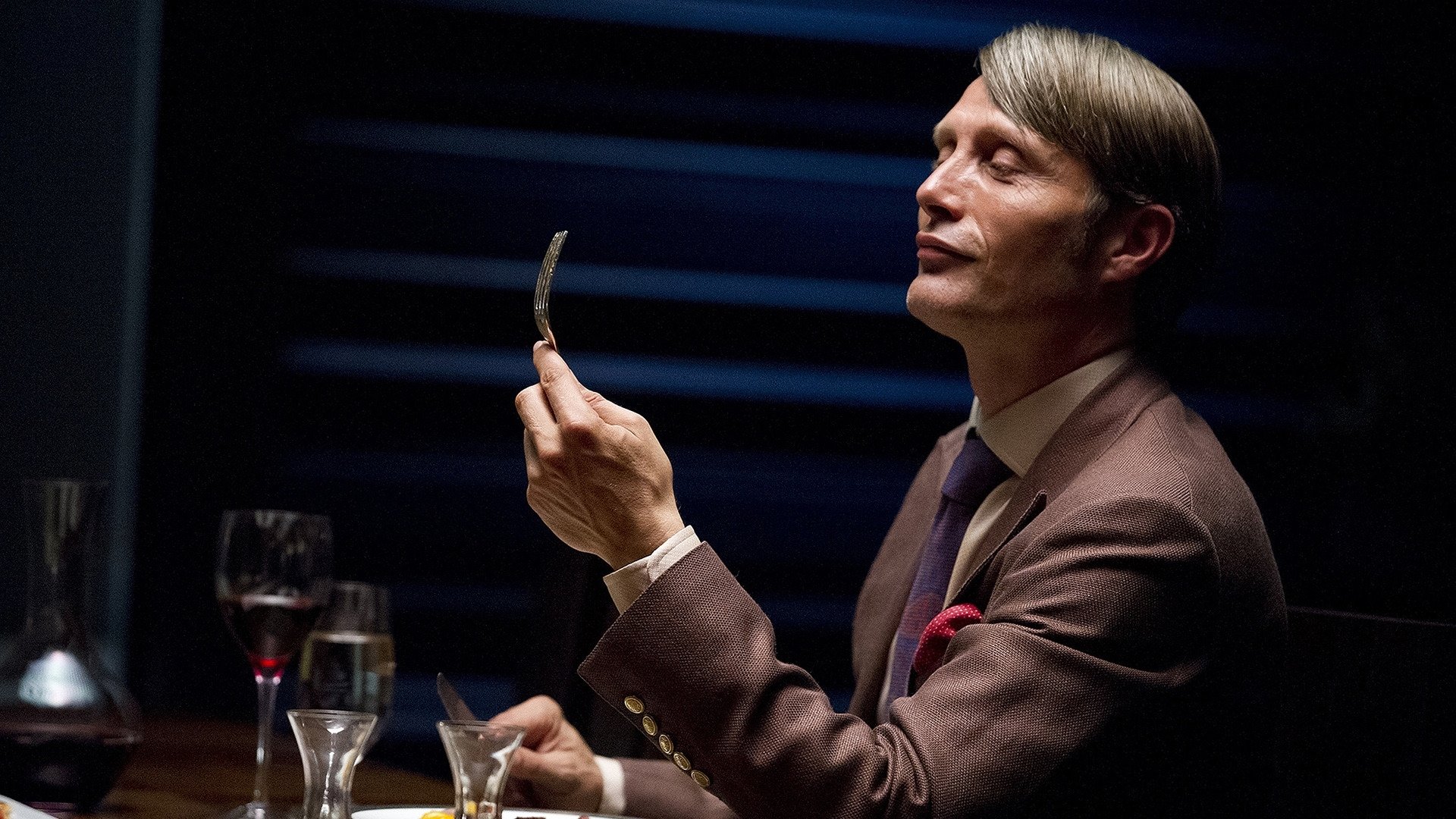
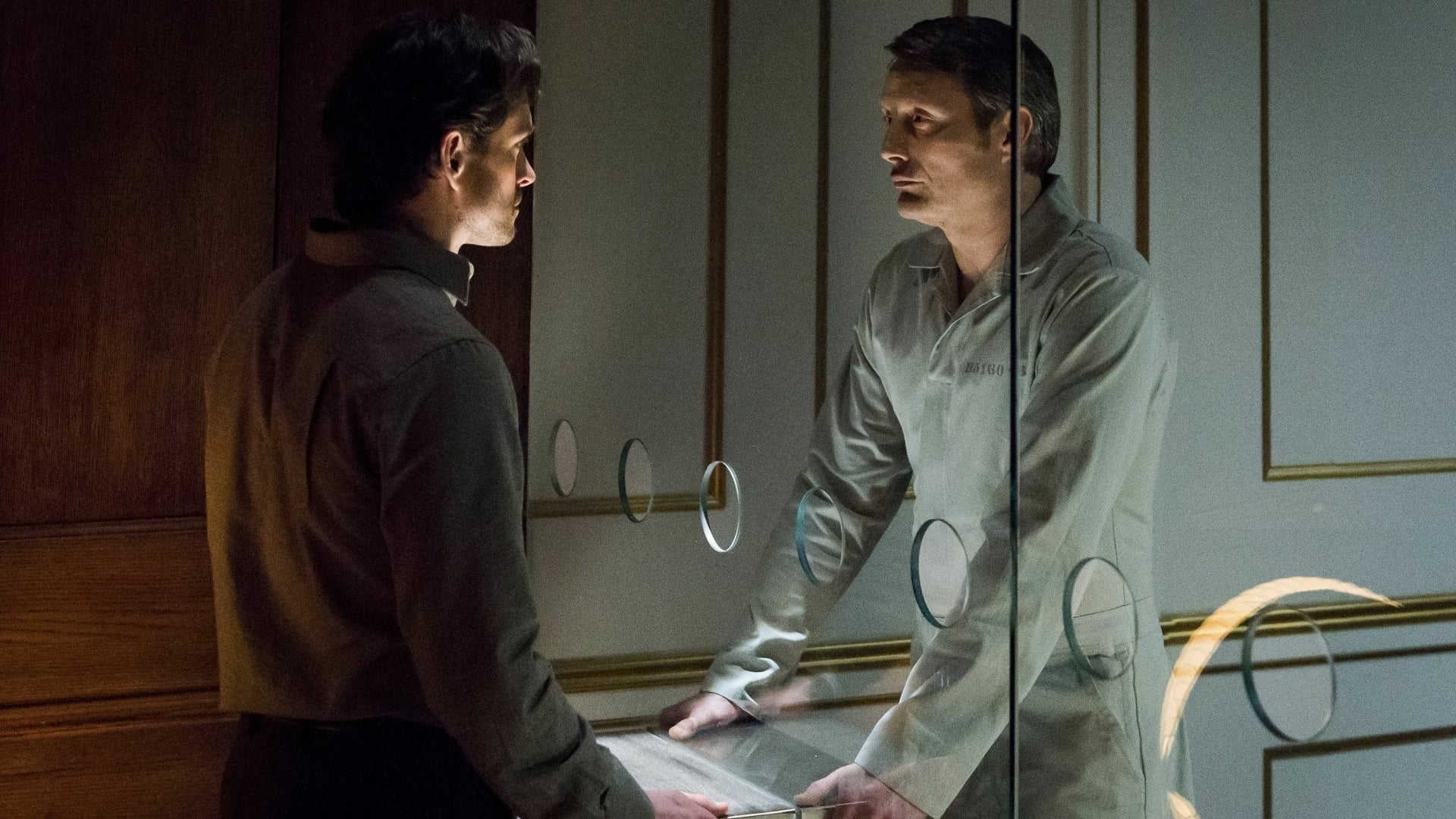
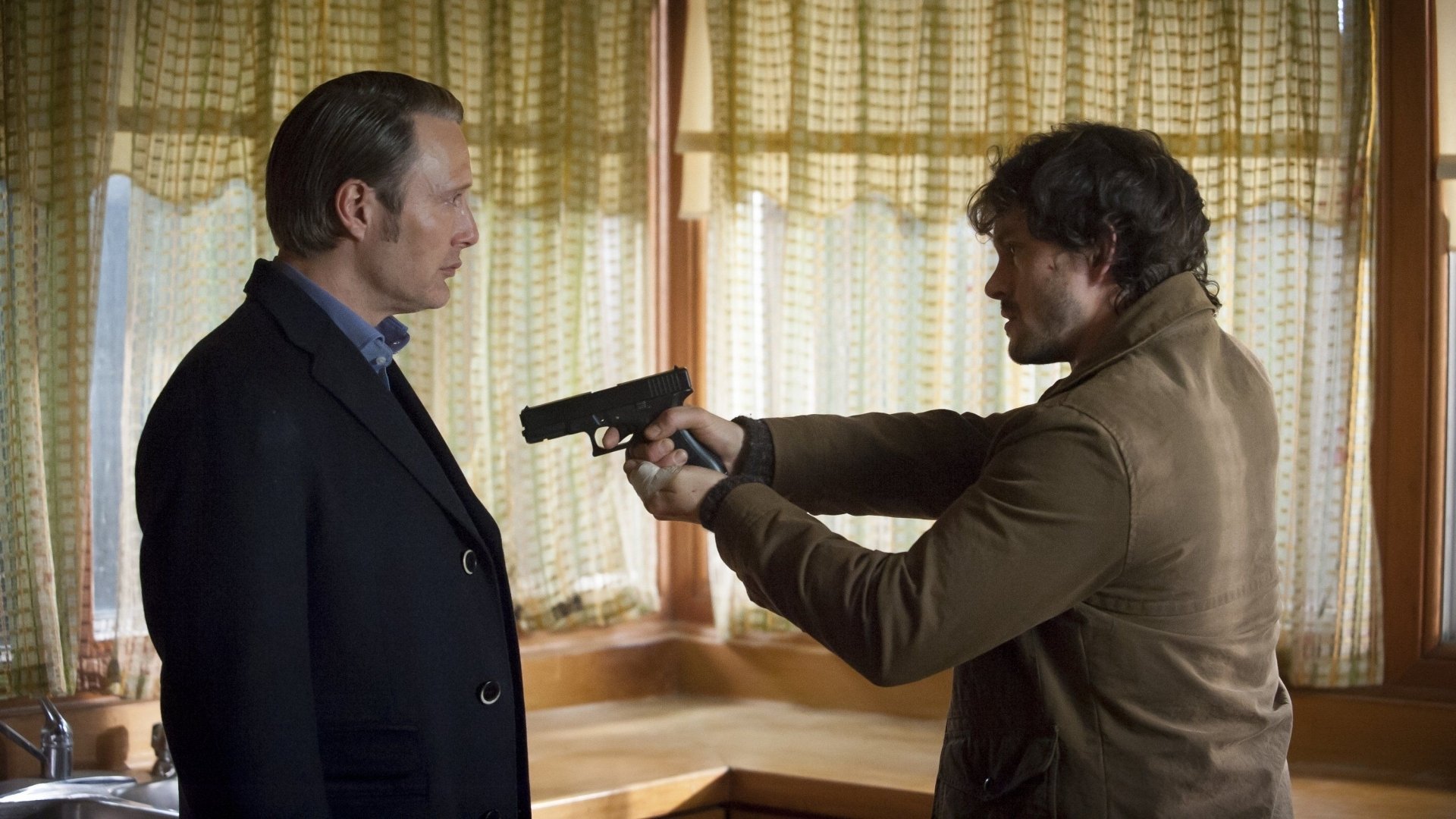
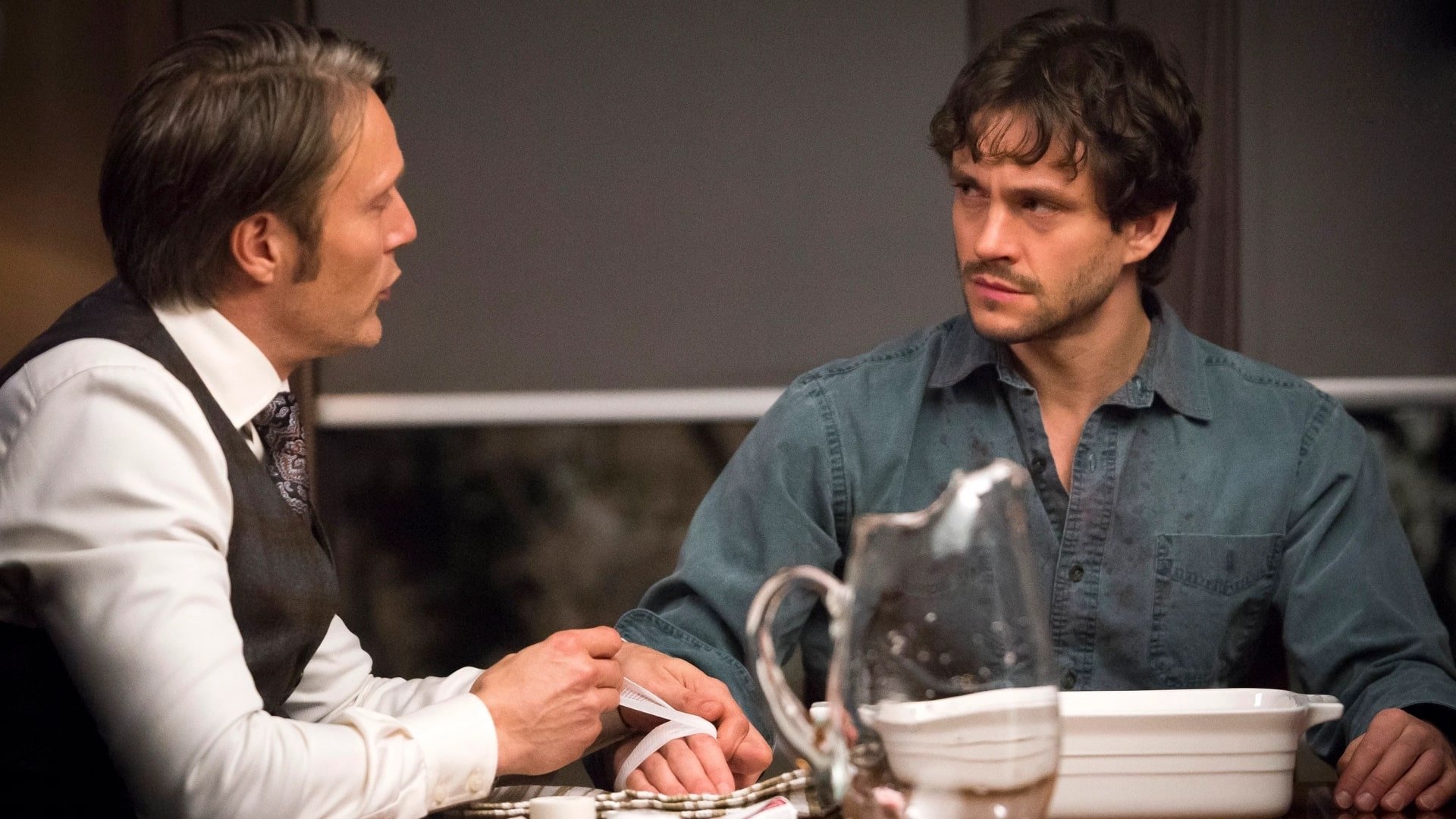
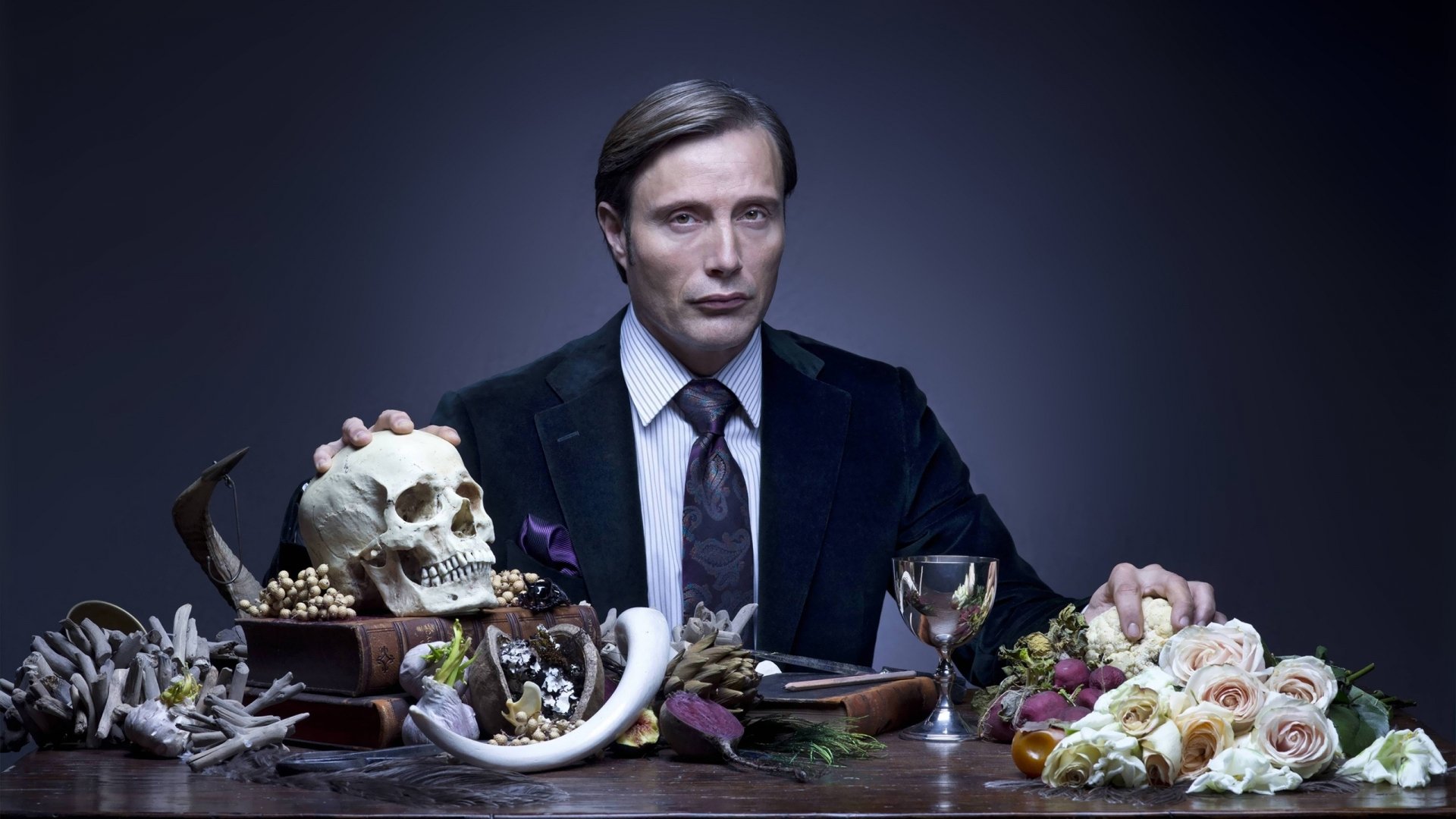
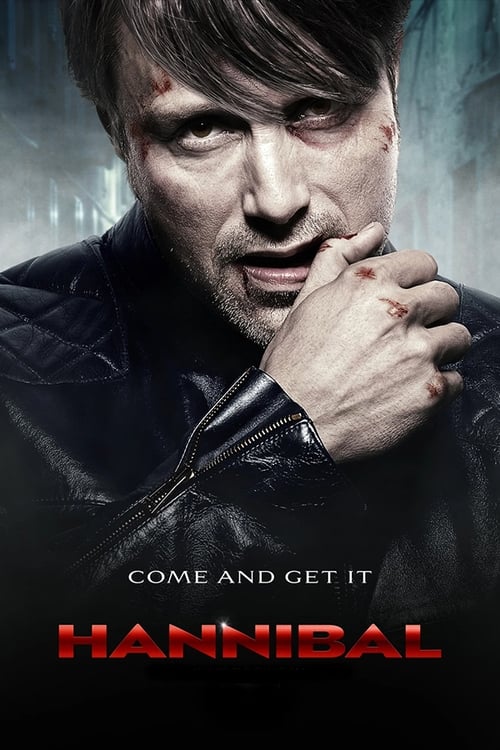
Well, this one was not as enjoyable for me as the documentary about the second season, partly because I still don’t really know how I feel about the third season itself and Richard Armitage as Francis Dolarhyde…
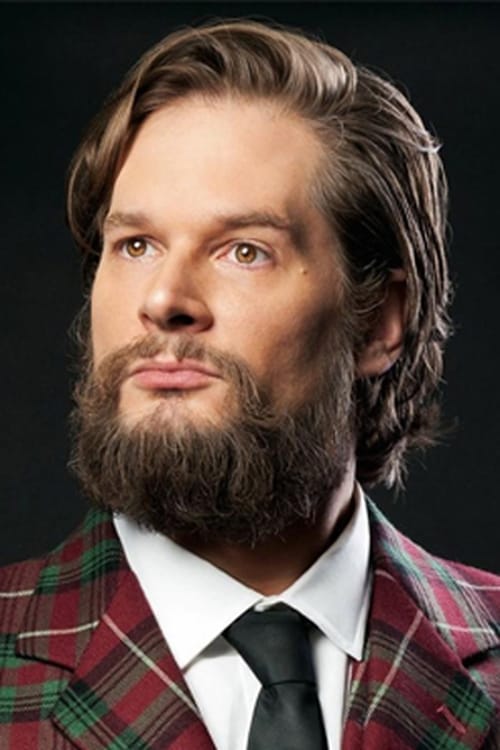
One of the highlights of the documentary for me was hearing Bryan Fuller, the creator and showrunner of Hannibal, talk about onscreen violence and nudity in the series. At times the show was difficult for me to watch because the amount of gore often felt right on the edge of what I’m personally comfortable with 🤧 Because of that, it meant a lot to hear Fuller reflect on those choices and explain the reasoning behind them.
As he explains in the documentary:
“Up until the Dolarhyde arc, rape was non-existent in the show because I do not find rape as a story element entertaining. And so I felt that as a crime procedural, I just didn’t want to engage in the storytelling that involved rape. I find it offensive when other shows do and don’t back it up with some thought. I think it’s a very cheap device. And I didn’t want to be part of that exploitation of women. I think it was enough of a violation and the core of the violation of what Francis Dolarhyde was doing to his victims was destroying family units, and that is horrific enough that you don’t need to see a dying woman raped in order to feel that that’s a bad thing.”
*“We always had more problems with nudity in Hannibal than we did with any sort of violence… It goes to a very deep-seated problem in this country, which is we are fine seeing horrible things happen to human beings, but we are not fine seeing beautiful things happen to human beings… I can’t wrap my head around the reasoning as a country why it is okay to see someone get their throat cut and die miserably, but it is not okay to see two people make love.”
*
What stood out to me was that Bryan Fuller considers sexual violence unacceptable as a dramatic device. At the same time, the show contains a huge amount of violent imagery that is heavily stylized and sometimes presented almost like a visual installation. When violence becomes so visually striking that it resembles art, is it still condemning violence or is it already admiring it? 🤔
While I understand why Fuller singles out sexual violence given its historical and cultural background, I think it also raises a broader question about context and consistency. Difficult or explicit material doesn’t bother me on its own, but I need to feel that it truly serves the story and is used only to the extent that it’s necessary. I also find it curious that sexual violence is treated as clearly off-limits, while physical violence is approached in a very different way. If sexual violence is rejected because it exploits suffering for dramatic effect, I wonder whether the same question could be asked about stylized physical violence. Regardless of the form it takes, the core element remains violence. Because of that, the contrast between how different forms of violence are treated felt especially striking within a series that is otherwise so intense…
Well, this one was not as enjoyable for me as the documentary about the second season, partly because I still don’t really know how I feel about the third season itself and Richard Armitage as Francis Dolarhyde…
One of the highlights of the documentary for me was hearing Bryan Fuller, the creator and showrunner of Hannibal, talk about onscreen violence and nudity in the series. At times the show was difficult for me to watch because the amount of gore often felt right on the edge of what I’m personally comfortable with 🤧 Because of that, it meant a lot to hear Fuller reflect on those choices and explain the reasoning behind them.
As he explains in the documentary:
“Up until the Dolarhyde arc, rape was non-existent in the show because I do not find rape as a story element entertaining. And so I felt that as a crime procedural, I just didn’t want to engage in the storytelling that involved rape. I find it offensive when other shows do and don’t back it up with some thought. I think it’s a very cheap device. And I didn’t want to be part of that exploitation of women. I think it was enough of a violation and the core of the violation of what Francis Dolarhyde was doing to his victims was destroying family units, and that is horrific enough that you don’t need to see a dying woman raped in order to feel that that’s a bad thing.”
*“We always had more problems with nudity in Hannibal than we did with any sort of violence… It goes to a very deep-seated problem in this country, which is we are fine seeing horrible things happen to human beings, but we are not fine seeing beautiful things happen to human beings… I can’t wrap my head around the reasoning as a country why it is okay to see someone get their throat cut and die miserably, but it is not okay to see two people make love.”
*
What stood out to me was that Bryan Fuller considers sexual violence unacceptable as a dramatic device. At the same time, the show contains a huge amount of violent imagery that is heavily stylized and sometimes presented almost like a visual installation. When violence becomes so visually striking that it resembles art, is it still condemning violence or is it already admiring it? 🤔
While I understand why Fuller singles out sexual violence given its historical and cultural background, I think it also raises a broader question about context and consistency. Difficult or explicit material doesn’t bother me on its own, but I need to feel that it truly serves the story and is used only to the extent that it’s necessary. I also find it curious that sexual violence is treated as clearly off-limits, while physical violence is approached in a very different way. If sexual violence is rejected because it exploits suffering for dramatic effect, I wonder whether the same question could be asked about stylized physical violence. Regardless of the form it takes, the core element remains violence. Because of that, the contrast between how different forms of violence are treated felt especially striking within a series that is otherwise so intense…