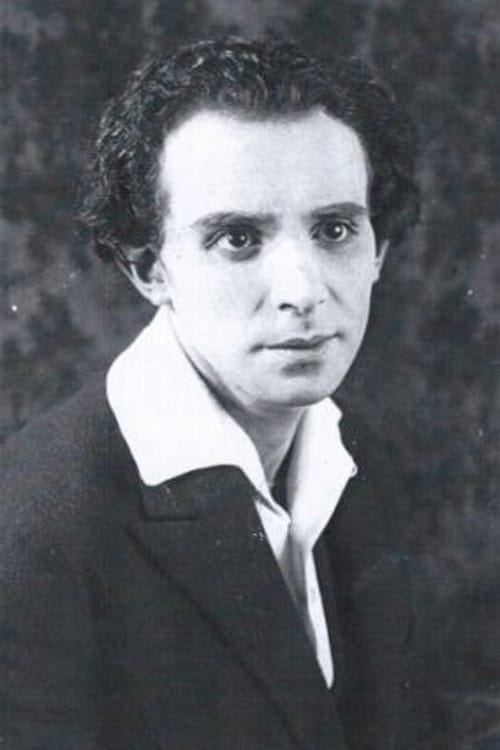
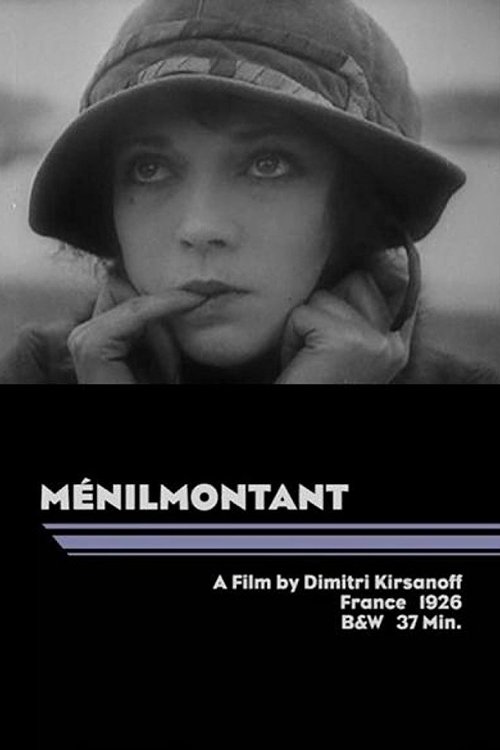
The russian filmmaker Dimitri Kirsanoff captured, in 37 minutes of film, a masterclass in cinema, expressionism, and tragedy.
The imagery speaks for itself with a wild kind of skill, striking in the way it spreads impressions, sensations, moods, feelings, and emotions. Human suffering is shown raw through restless and unsettling shots that focus on gestures, facial expressions, and the shifting, subjective view of the world around the characters. The film also makes brilliant use of ellipses, both visual and narrative. We do not need to explicitly see an axe or a stone hitting a body to feel a chill down the spine. Nor do we need the director to explain every detail step by step. What is left unseen calls on the imagination and on implication, and becomes just as important (if not more so) than what is directly shown.
The scenes do not need words to communicate powerfully. The visual ideas are constant and filled with symbolism: the devastating opening, reflecting the cruelty of human nature; the peaceful images of the girls happily playing in the fields, pure innocence in the most romantic sense; the stress and chaos of Paris, nervous crowds, growing traffic, endless shops, hotels, lights; the city as something aggressive and hungry. Fading images, superimpositions, and a flood of shots, angles, and frames leave marks on the spectators mind, awakening feelings of sadness, tension, and hopelessness.
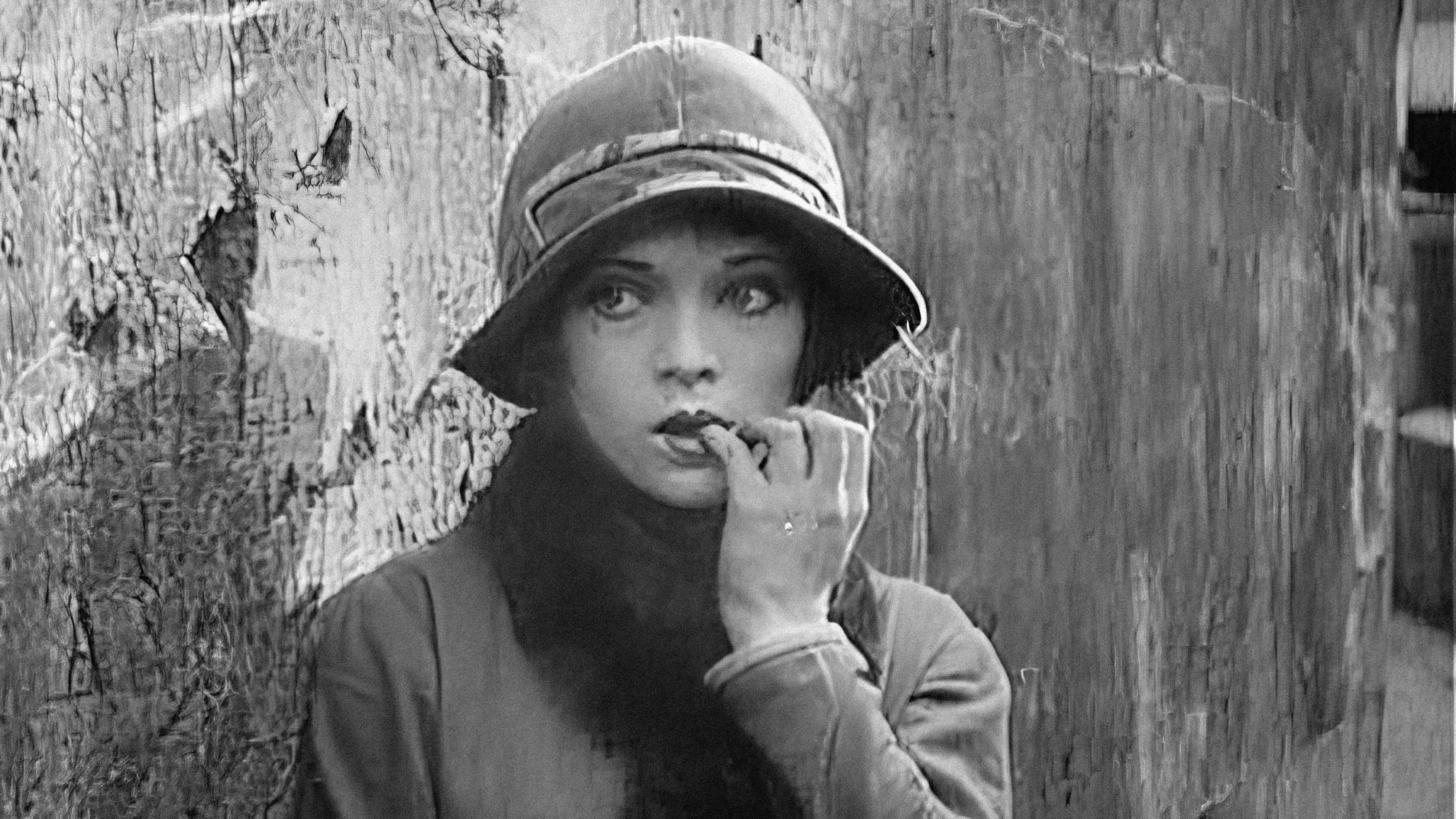
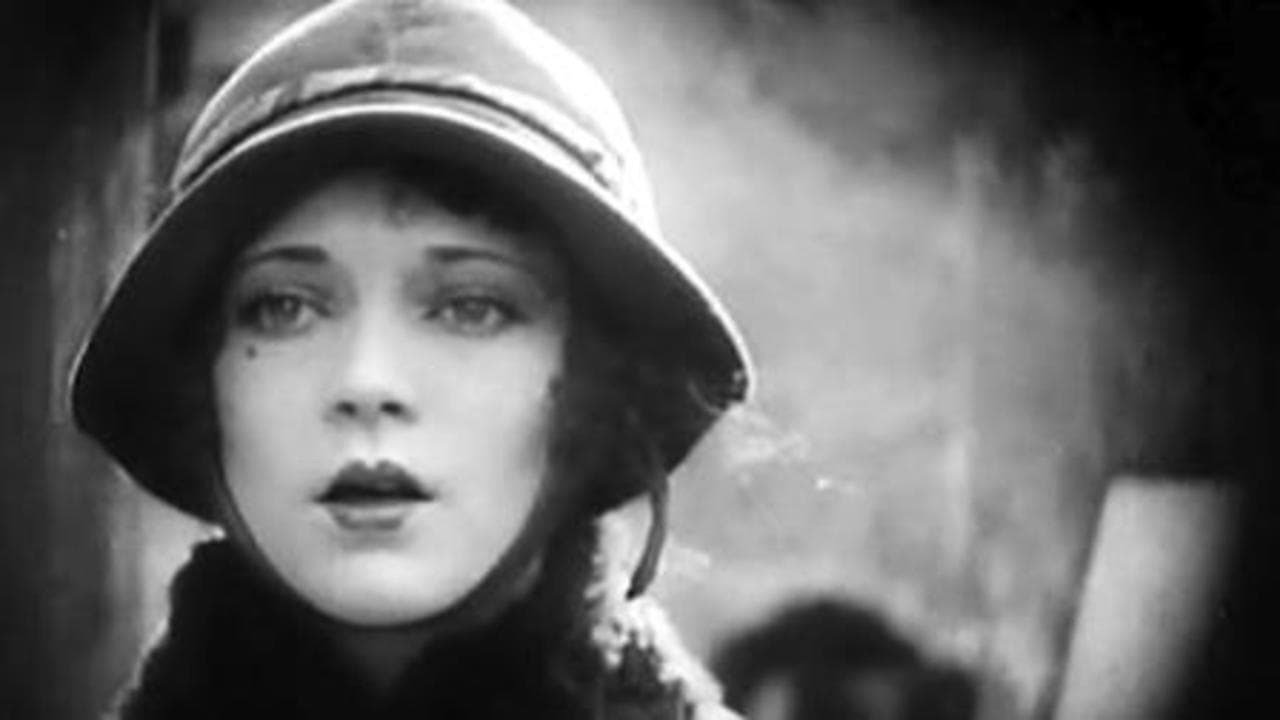
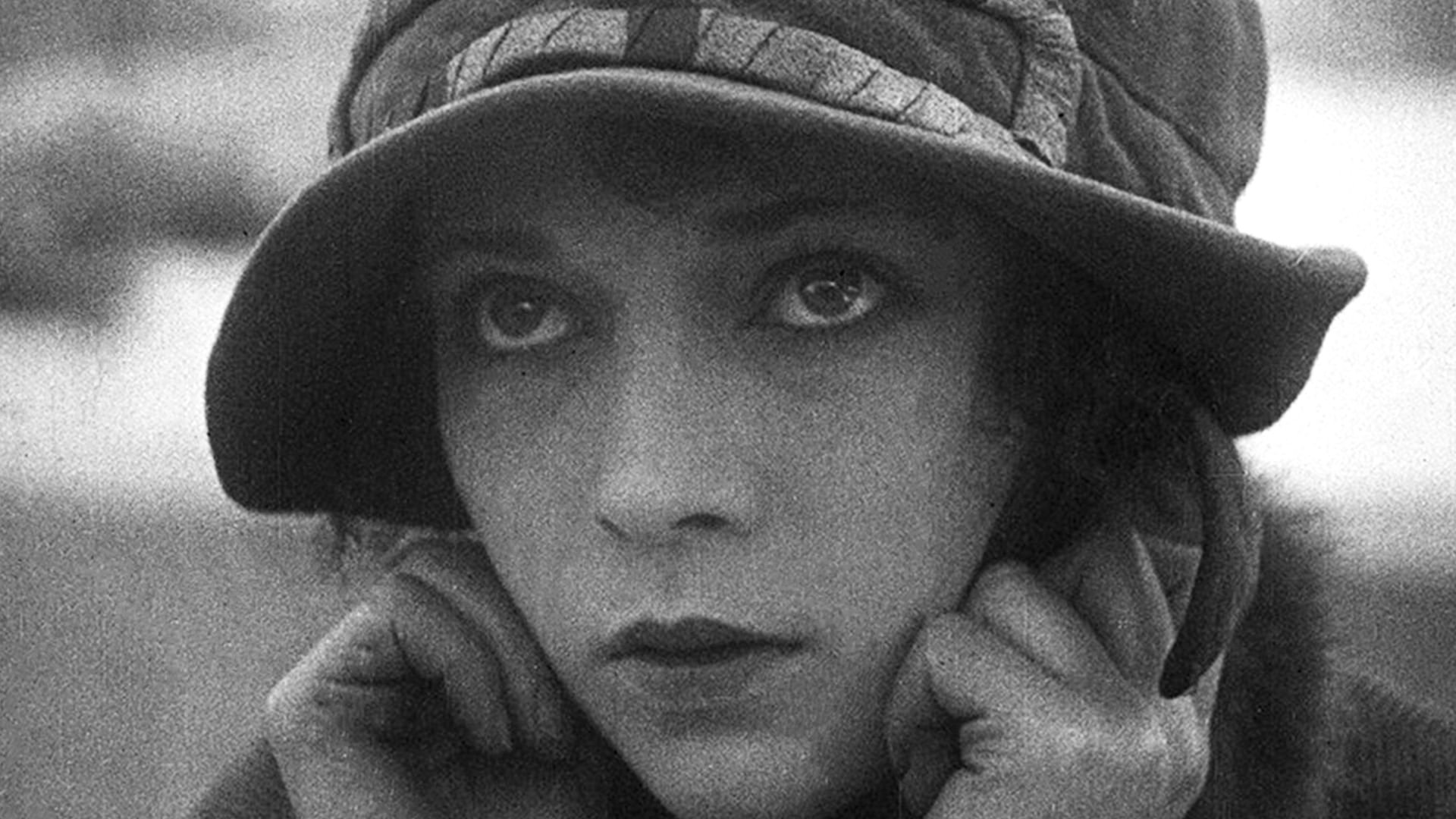
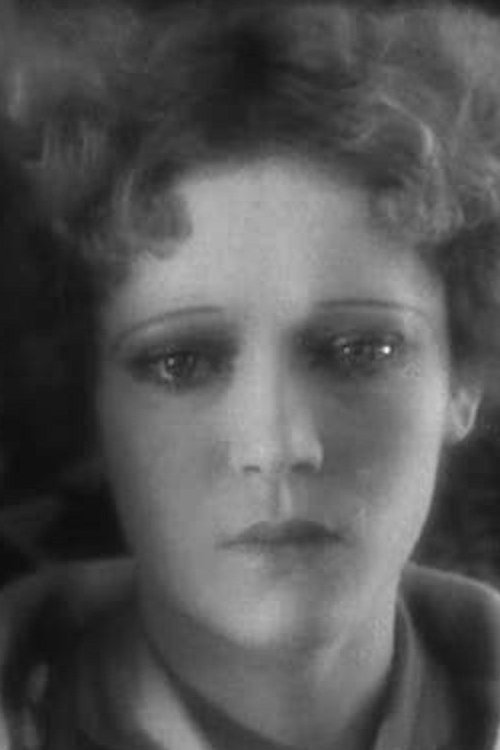
Bright eyes speak through that special language of glances, moving from the open joy of carefree childhood to the melancholy and fear of an early and unfortunate adulthood.
Like two lambs without a shepherd, the sisters walk straight into the trap that is the city of Paris. They are swallowed by the merciless force of a stone hearted city that watches with indifference while many of the people, hungry for young and vulnerable flesh, devour the helpless victims.
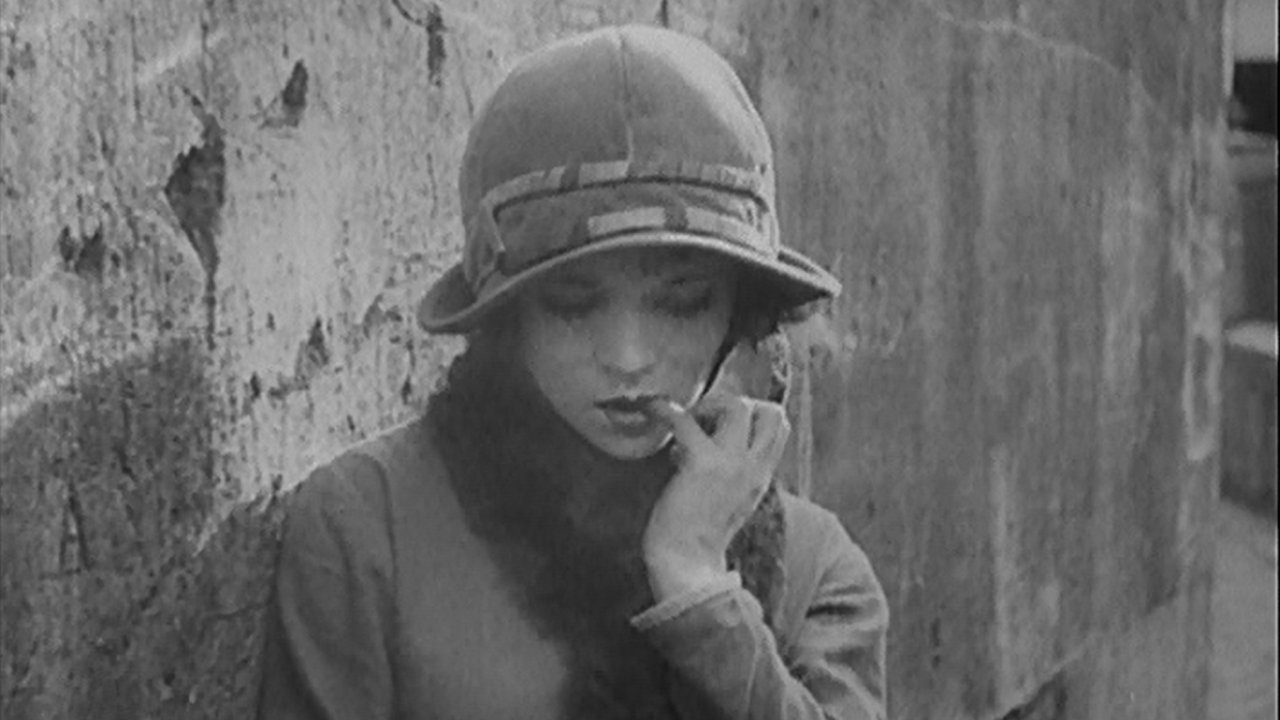
The way this story is told, the way the camera cries, screams, and lets itself be carried away by fear, sorrow, abandonment, and madness, is what turns this silent film into a work of astonishing power and lyricism, one that still spills the frozen tears of a young girl on that icy winter afternoon when she believed she had seen the end.
The russian filmmaker Dimitri Kirsanoff captured, in 37 minutes of film, a masterclass in cinema, expressionism, and tragedy.
The imagery speaks for itself with a wild kind of skill, striking in the way it spreads impressions, sensations, moods, feelings, and emotions. Human suffering is shown raw through restless and unsettling shots that focus on gestures, facial expressions, and the shifting, subjective view of the world around the characters. The film also makes brilliant use of ellipses, both visual and narrative. We do not need to explicitly see an axe or a stone hitting a body to feel a chill down the spine. Nor do we need the director to explain every detail step by step. What is left unseen calls on the imagination and on implication, and becomes just as important (if not more so) than what is directly shown.
The scenes do not need words to communicate powerfully. The visual ideas are constant and filled with symbolism: the devastating opening, reflecting the cruelty of human nature; the peaceful images of the girls happily playing in the fields, pure innocence in the most romantic sense; the stress and chaos of Paris, nervous crowds, growing traffic, endless shops, hotels, lights; the city as something aggressive and hungry. Fading images, superimpositions, and a flood of shots, angles, and frames leave marks on the spectators mind, awakening feelings of sadness, tension, and hopelessness.
Bright eyes speak through that special language of glances, moving from the open joy of carefree childhood to the melancholy and fear of an early and unfortunate adulthood.
Like two lambs without a shepherd, the sisters walk straight into the trap that is the city of Paris. They are swallowed by the merciless force of a stone hearted city that watches with indifference while many of the people, hungry for young and vulnerable flesh, devour the helpless victims.
The way this story is told, the way the camera cries, screams, and lets itself be carried away by fear, sorrow, abandonment, and madness, is what turns this silent film into a work of astonishing power and lyricism, one that still spills the frozen tears of a young girl on that icy winter afternoon when she believed she had seen the end.