MAN IS NOTHING ELSE BUT WHAT HE MAKES OF HIMSELF. — Jean-Paul Sartre
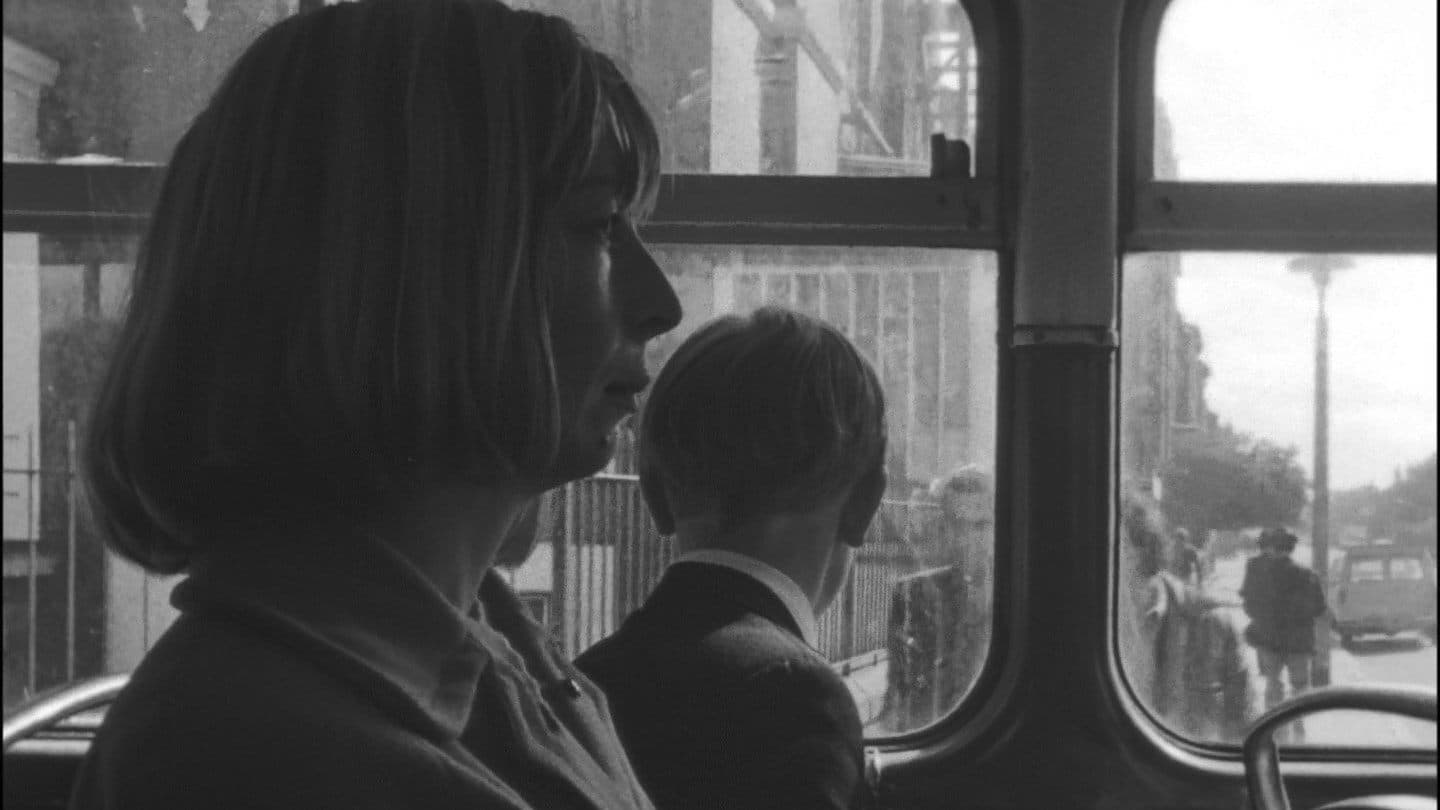
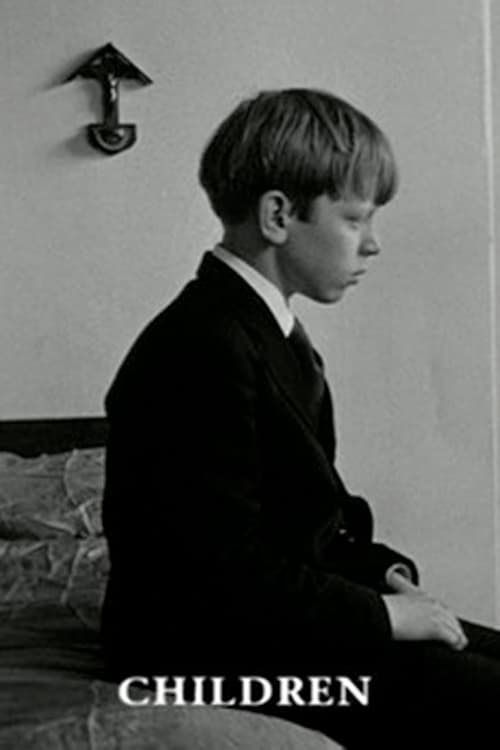
catholicism in children doesn’t offer grace, it governs through dread. it drips into every crevice of robert’s interior world like holy water gone sour. the crucifix becomes less a symbol of redemption than an emblem of surveillance, like
foucault’s ideas of internalized discipline where the body becomes a site of control and guilt. growing up in a devout filipino community, i saw firsthand how religion didn't just teach morality, it taught us to fear ourselves, to mistrust our own longing. this film understands this with surgical precision; his mise-en-scène is stripped bare, cloistered, as if the very walls are suppressing breath. even moments of fantasy like brief flickers of tenderness or homoerotic awe are tinged with self-hatred, like reading
Arthur Rimbaud poems under fluorescent lights in a school run by nuns. somehow this reminds me of Genet’s novel
Our Lady of the Flowers, where desire is sanctified through sin, or Dreyer’s
The Passion of Joan of Arc (1928), where divine ecstasy and bodily punishment blur. the film becomes a portrait of spiritual entrapment, where intimacy is denied even in dreams, and the body, instead of a vessel of joy or truth, becomes a cursed object. this felt like sitting through a mass you never believed in, dressed in your best, praying only that no one sees who you really are.
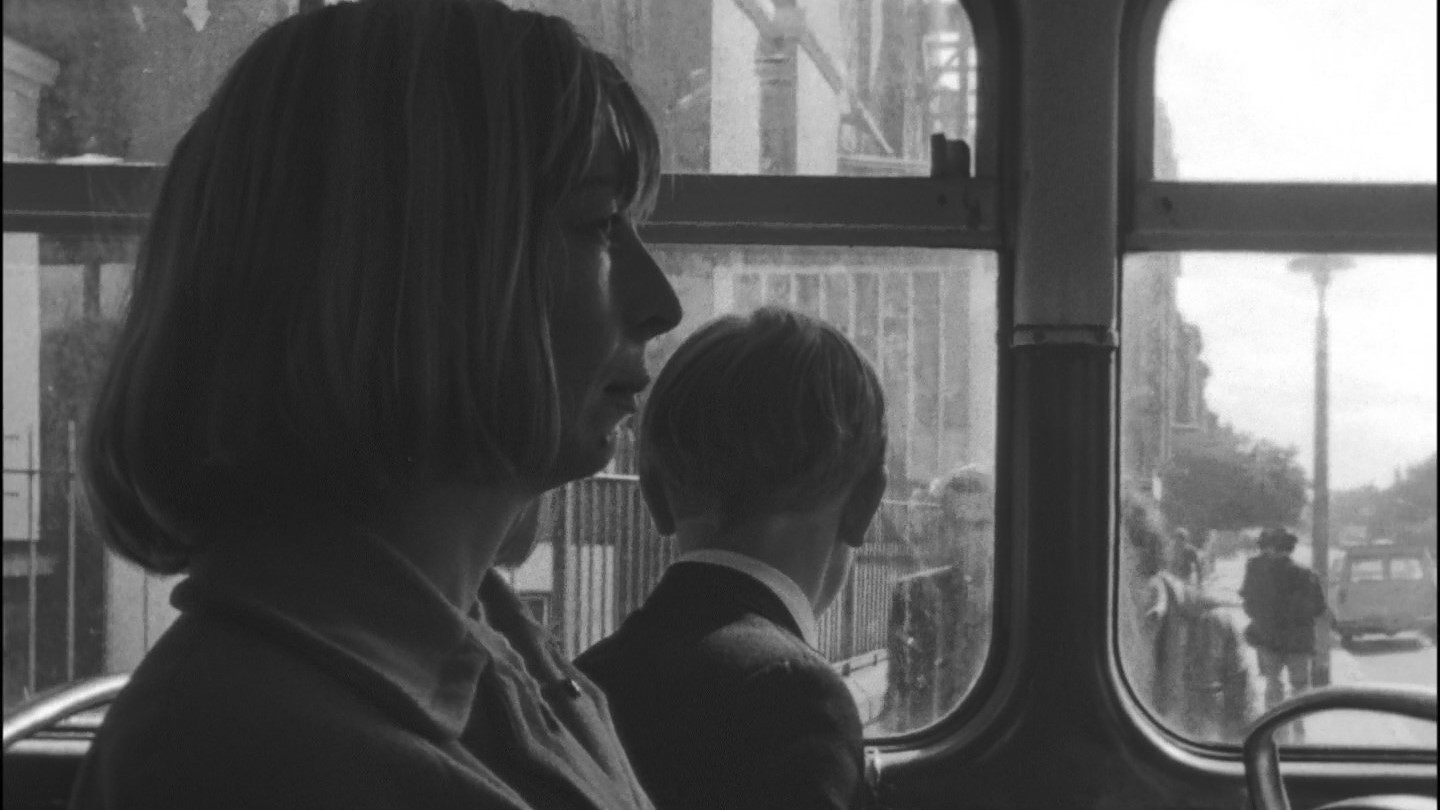
robert is shown at multiple ages, but not to map a journey of growth instead, davies disassembles him across time, refusing the neat trajectory of coming-of-age and replacing it with a brutal, recursive anatomy of memory. the trauma repeats itself in hushed whispers and psychic ruptures. the film’s structure, like in Resnais’
Hiroshima mon amour (1959) collapses time into emotional logic like each cut feels less like a transition and more like a shiver through the nervous system. watching this, i kept thinking of how, childhood is preserved only through faded photographs and silence emotions buried under duty, religion, and the myth of resilience. kind of cultural repression with surgical intimacy. i love how every frame composed like a still-life of grief, recalling the static poetry of Dreyer’s
Ordet (1955) or the suffocating interiors of Bresson’s
Diary of a Country Priest (1951). but for me this isn’t just cinephilic homage, it’s deeply personal filmmaking as secular confession, where editing becomes penance and the screen becomes a shrine to all that was felt.
#17 : 1970s | the first part of terence davies’ trilogy |
auteur-coded |
film posters i’d sell my soul for |
the criterion challenge 2025 𖥔 ݁˖