
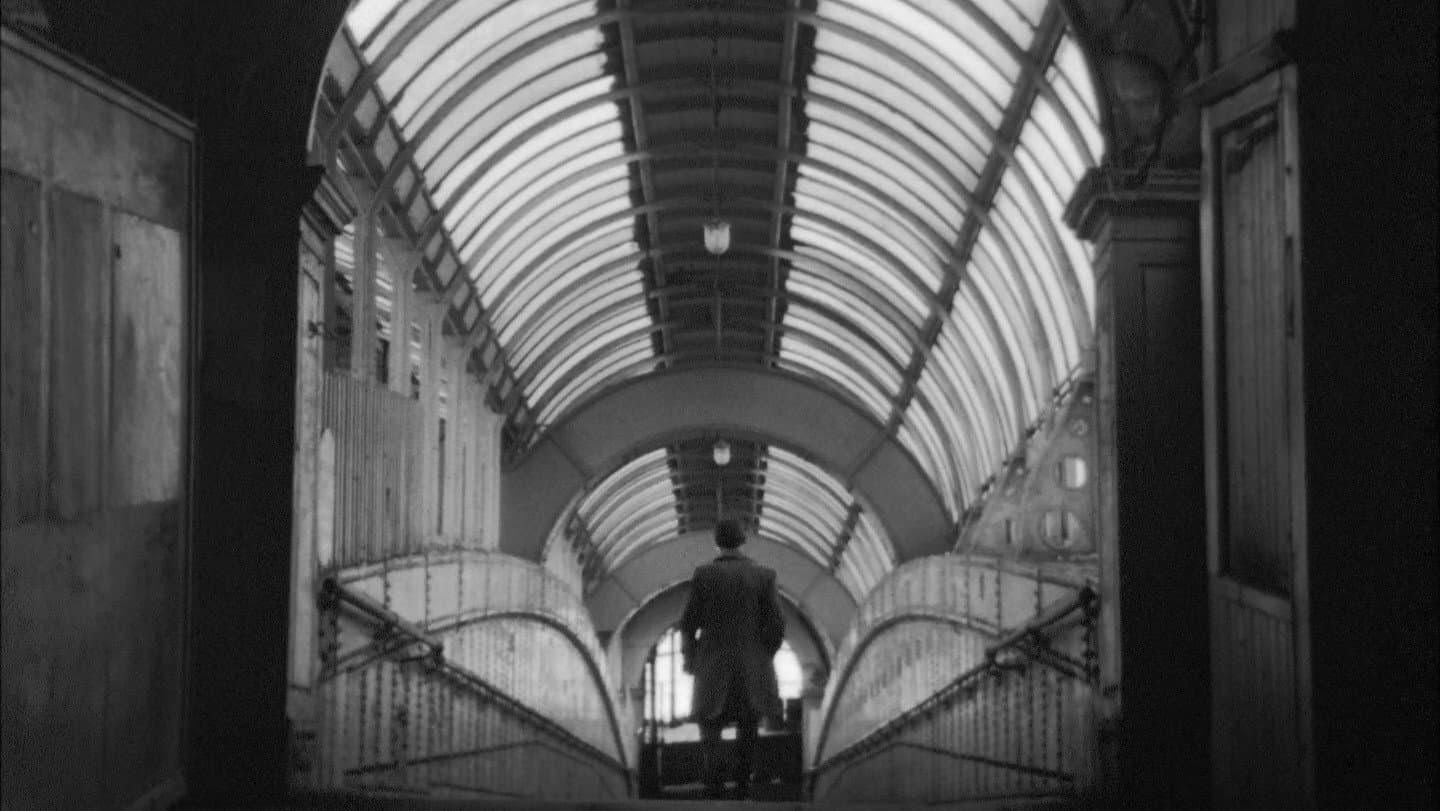
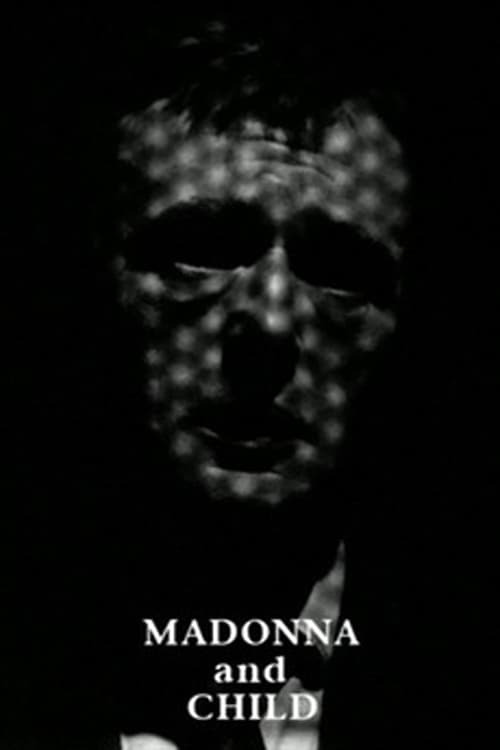
Madonna and Child
1980·Drama·29m
7.1
★
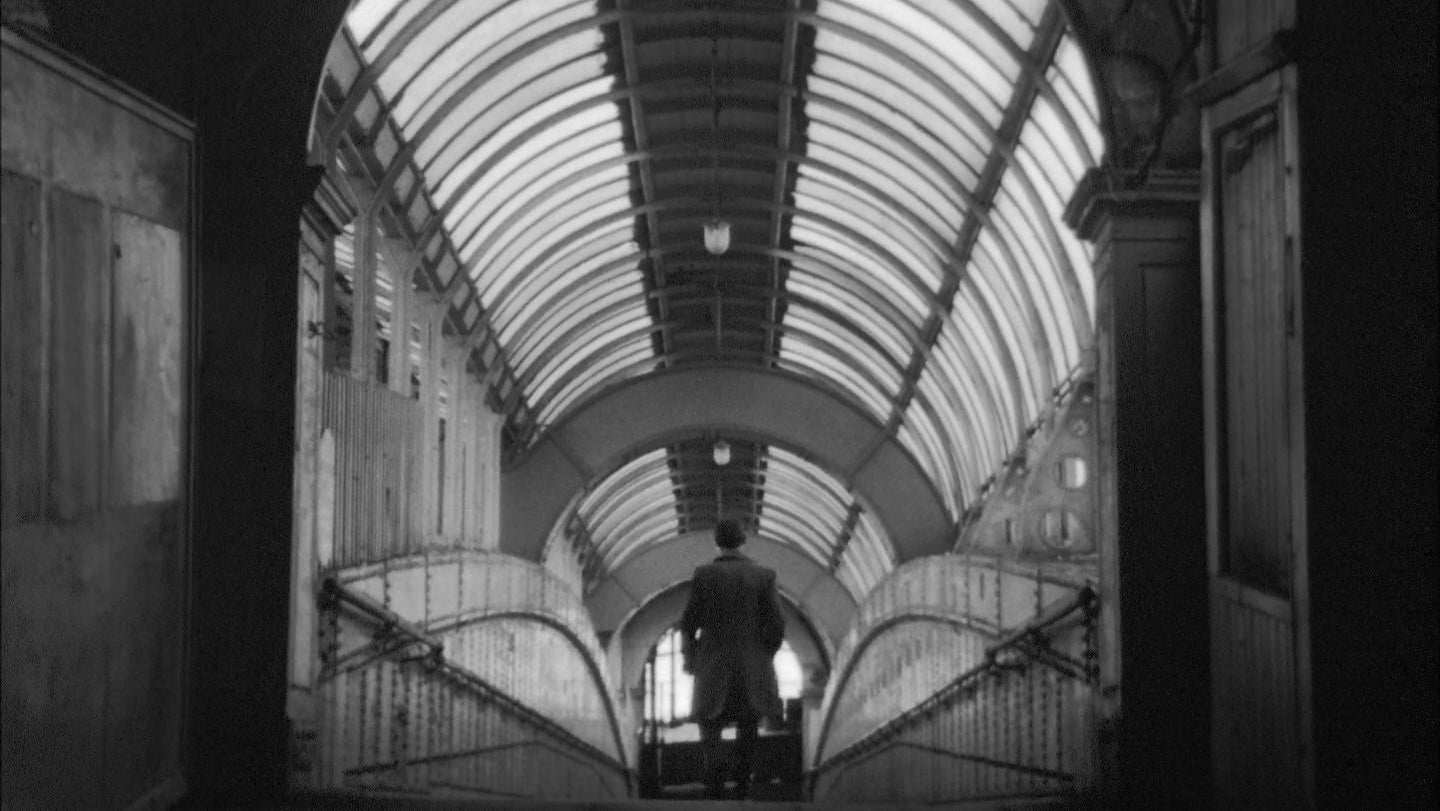
A middle-aged British man struggles to reconcile his homosexuality and his Catholic upbringing.
Directed by Terence Davies
liverpool, england
lgbt
semi autobiographical
short film

IMDB
N/A
Cast
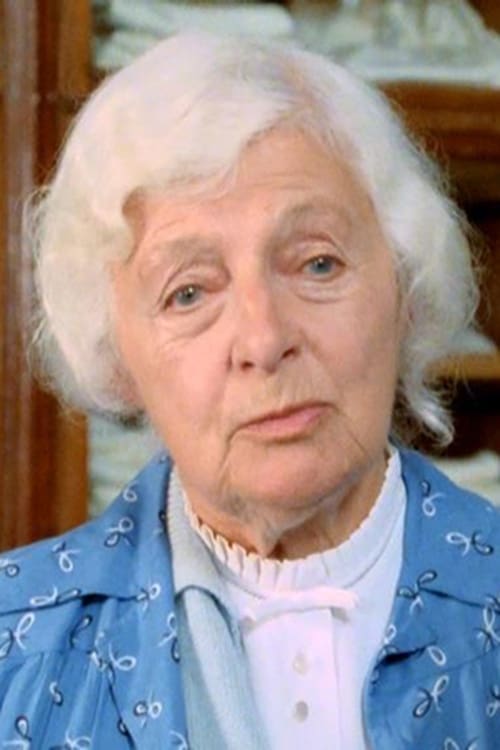
Sheila Raynor
Robert's mother
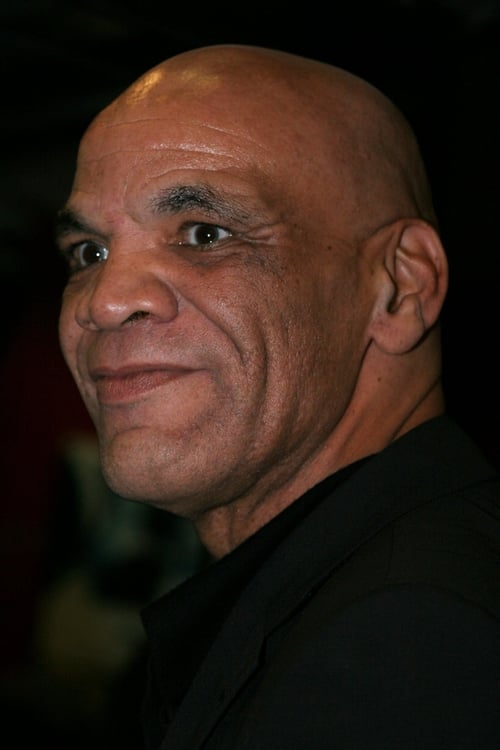
Paul Barber
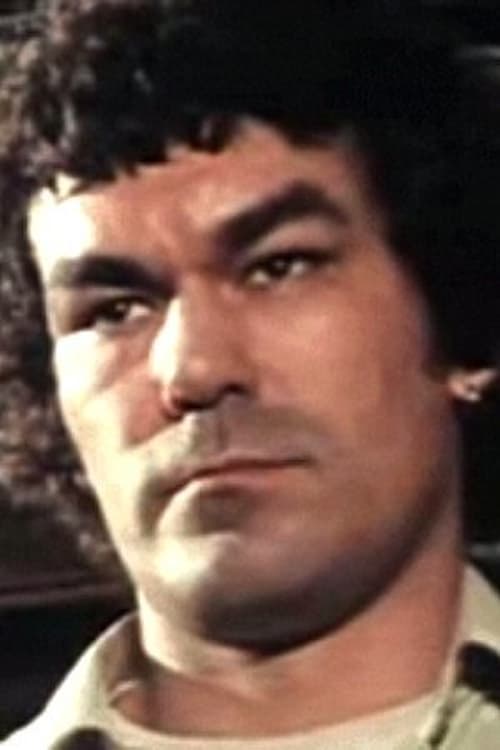
Dave Cooper
Crew

Terence Davies
Director
Terence Davies
Writer
Popular Reviews
12 reviews
eu.
8.0★ · 07/17/25
“THE MIND IS ITS OWN PLACE, AND IN ITSELF CAN MAKE A HEAVEN OF HELL, A HELL OF HEAVEN.” — John Milton, Paradise Lost
i love how this film make his mother becomes this strange dual symbol: comfort and confinement. a madonna figure, divine but also a warden. in a way, she mirrors the god robert’s been taught to worship. omnipotent, like a god who doesn’t smite you but watches so closely you forget how to move freely. her love is the kind that’s so consuming, it leaves no room for him to grow beyond it.
robert’s relationship with his mother is both tender and suffocating. he loves her and cares for her, but there’s something about their closeness that freezes him in place. like freud’s idea of the oedipal bind twisted inward not about desire, but about emotional dependency. he can’t fully become himself because she’s still the center of his orbit.
he doesn’t literally despise his queerness but he’s terrified of what it means in the eyes of god or maybe even his own mother. Søren Kierkegaard talked about despair as being out of sync with yourself. i see that in robert. he knows what he wants, but can’t accept it. so he punishes himself like a loop of guilt and yearning that won’t end.
the film quietly critiques how religious systems can harm more than heal. for queer people like robert, faith becomes less about redemption and more about endurance. terence davies doesn’t give easy answers, but he shows what it’s like to live in that space between shame and silence, between a mother’s love and the fear of hell.
#38 : european film | the second part of terence davies’ trilogy | the criterion challenge 2025 | my short film memoir ⋆。˚
“THE MIND IS ITS OWN PLACE, AND IN ITSELF CAN MAKE A HEAVEN OF HELL, A HELL OF HEAVEN.” — John Milton, Paradise Lost
i love how this film make his mother becomes this strange dual symbol: comfort and confinement. a madonna figure, divine but also a warden. in a way, she mirrors the god robert’s been taught to worship. omnipotent, like a god who doesn’t smite you but watches so closely you forget how to move freely. her love is the kind that’s so consuming, it leaves no room for him to grow beyond it.
robert’s relationship with his mother is both tender and suffocating. he loves her and cares for her, but there’s something about their closeness that freezes him in place. like freud’s idea of the oedipal bind twisted inward not about desire, but about emotional dependency. he can’t fully become himself because she’s still the center of his orbit.
he doesn’t literally despise his queerness but he’s terrified of what it means in the eyes of god or maybe even his own mother. Søren Kierkegaard talked about despair as being out of sync with yourself. i see that in robert. he knows what he wants, but can’t accept it. so he punishes himself like a loop of guilt and yearning that won’t end.
the film quietly critiques how religious systems can harm more than heal. for queer people like robert, faith becomes less about redemption and more about endurance. terence davies doesn’t give easy answers, but he shows what it’s like to live in that space between shame and silence, between a mother’s love and the fear of hell.
#38 : european film | the second part of terence davies’ trilogy | the criterion challenge 2025 | my short film memoir ⋆。˚

2

Yan Gabriel
9.0★ · 04/21/26
Definitivamente isso tinha que ser uma trilogia, são médias-metragens com estruturas bem diferentes
Definitivamente isso tinha que ser uma trilogia, são médias-metragens com estruturas bem diferentes
Ash
8.0★ · 03/10/26
The church sequence was EXQUISITE
The church sequence was EXQUISITE
Mark
9.0★ · 05/27/25
A heartbreakingly poignant portrait of the director as a lonely middle aged man.
A heartbreakingly poignant portrait of the director as a lonely middle aged man.
ciann
10.0★ · 05/20/25
beautiful
beautiful