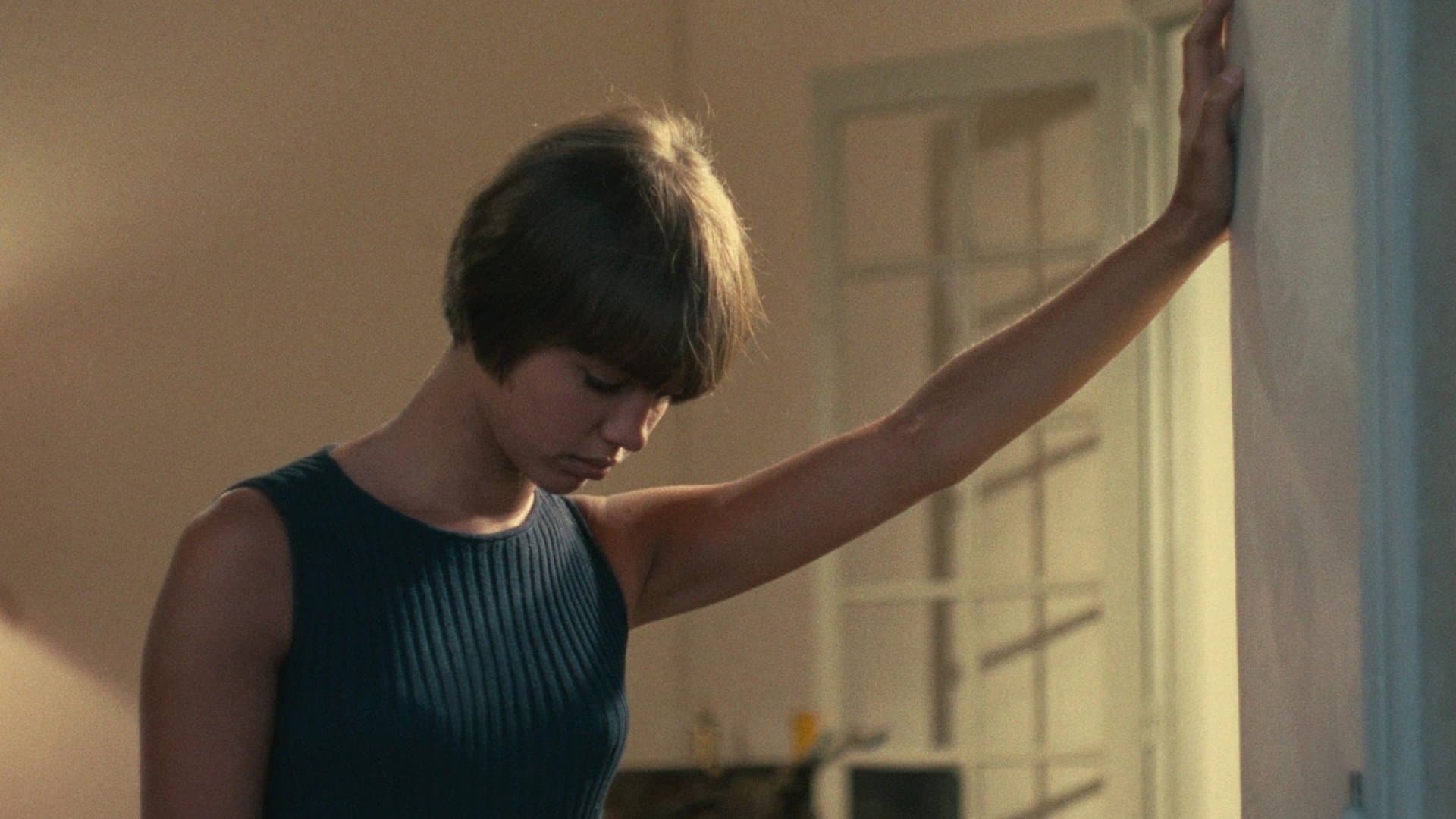
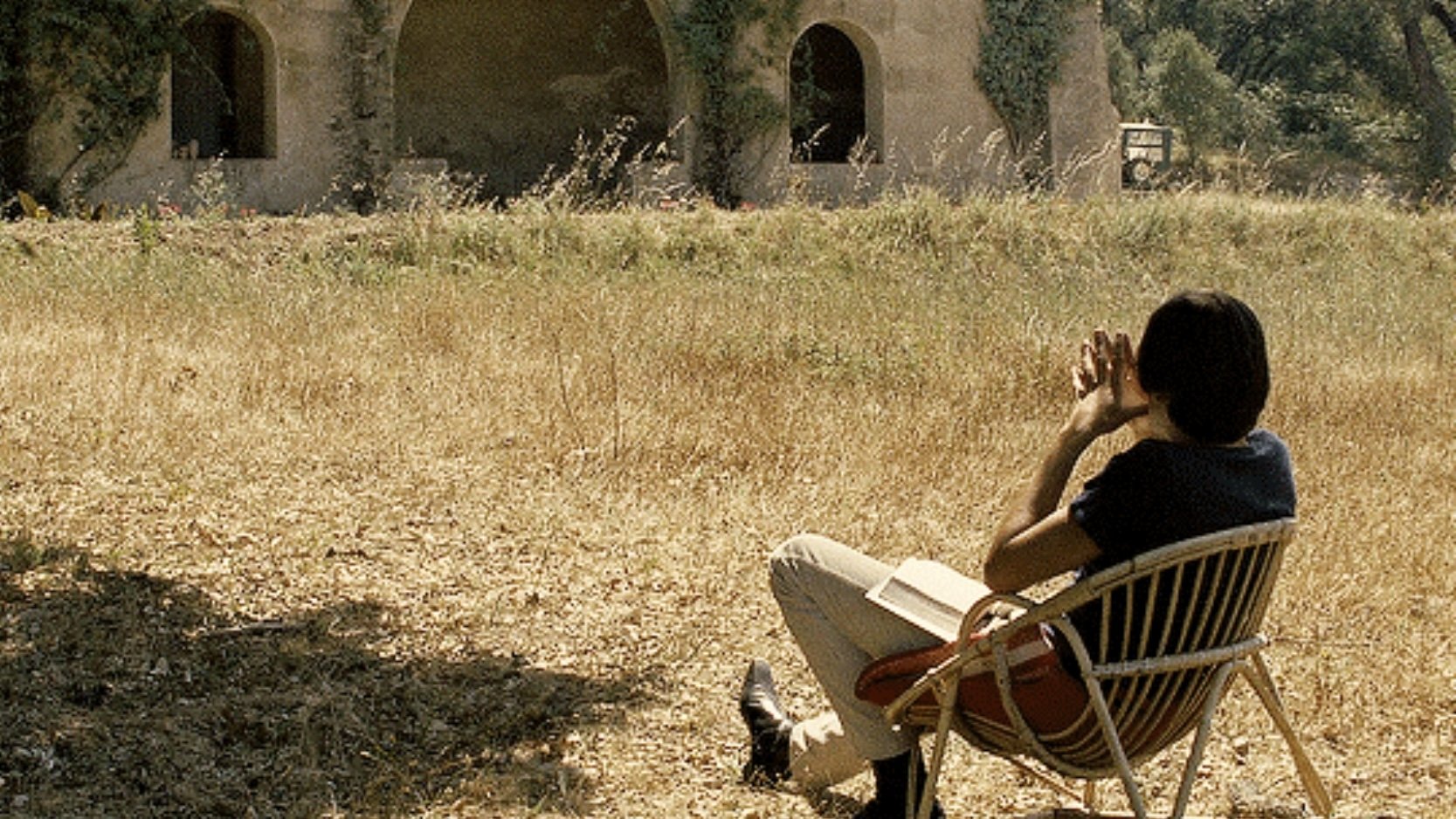
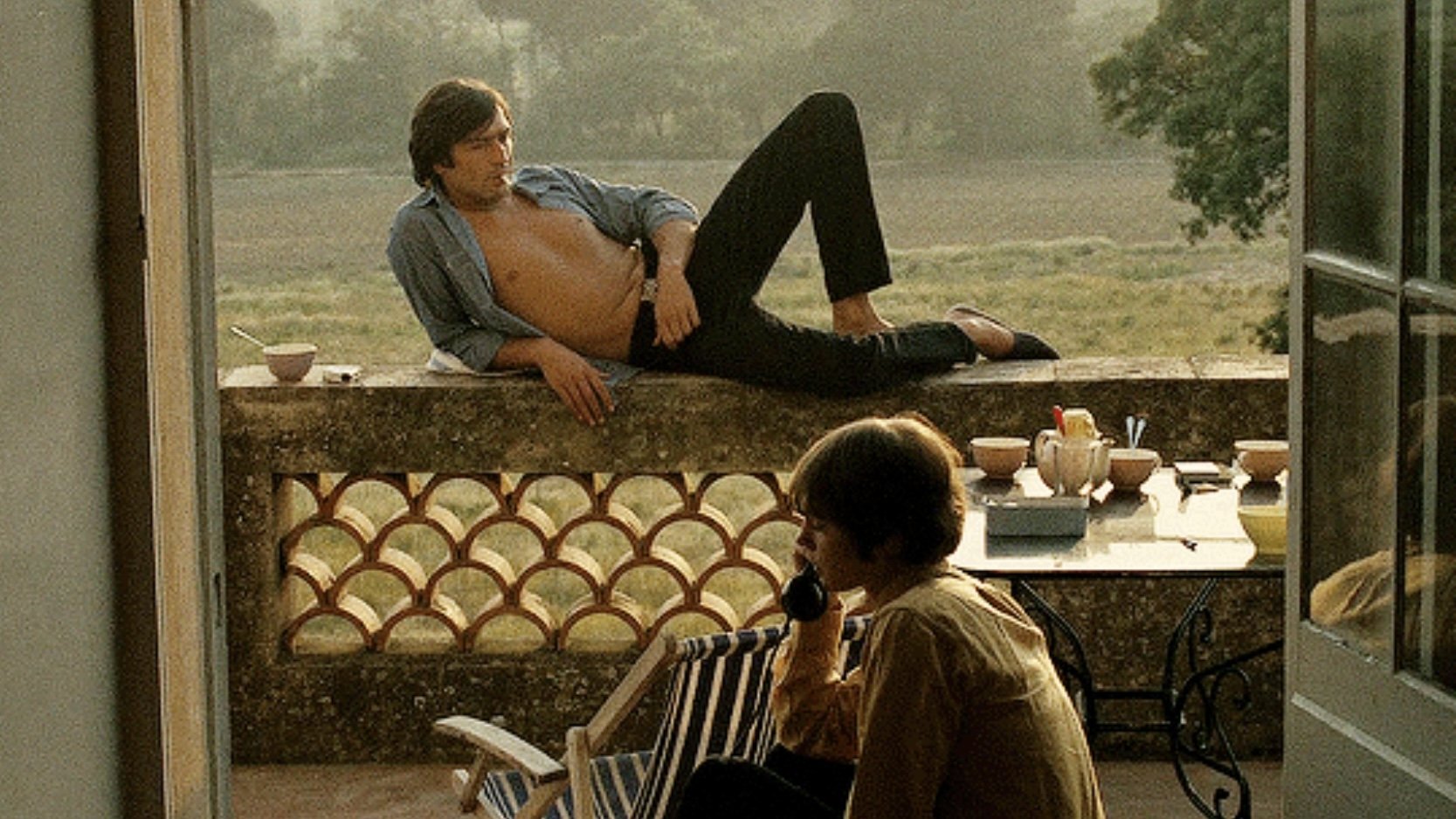
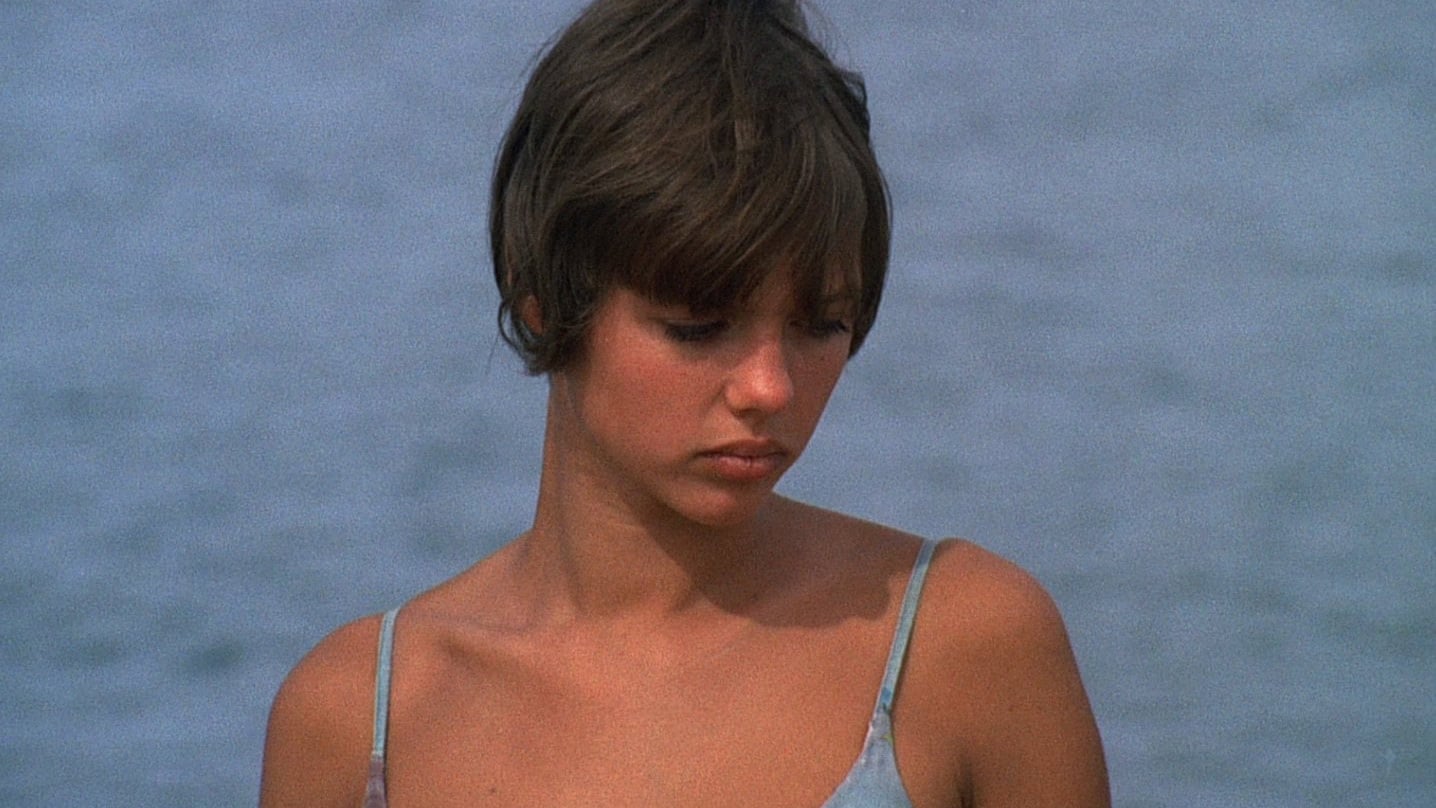
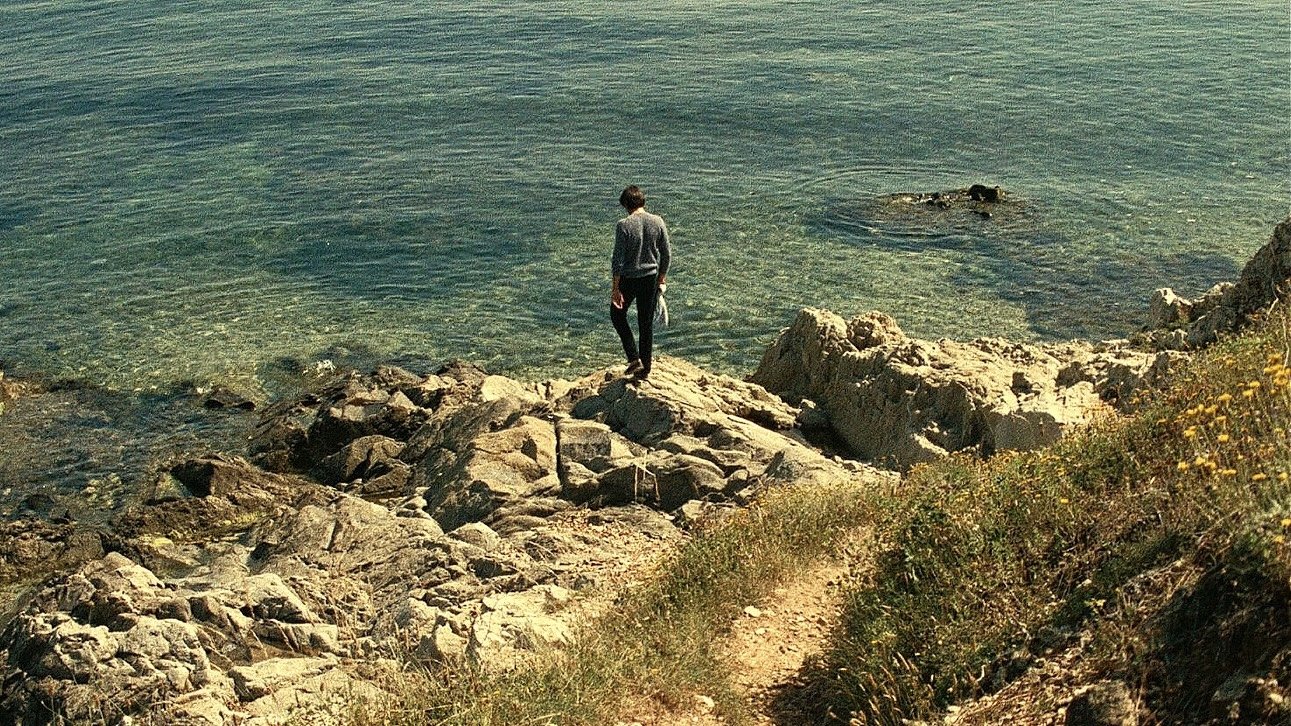
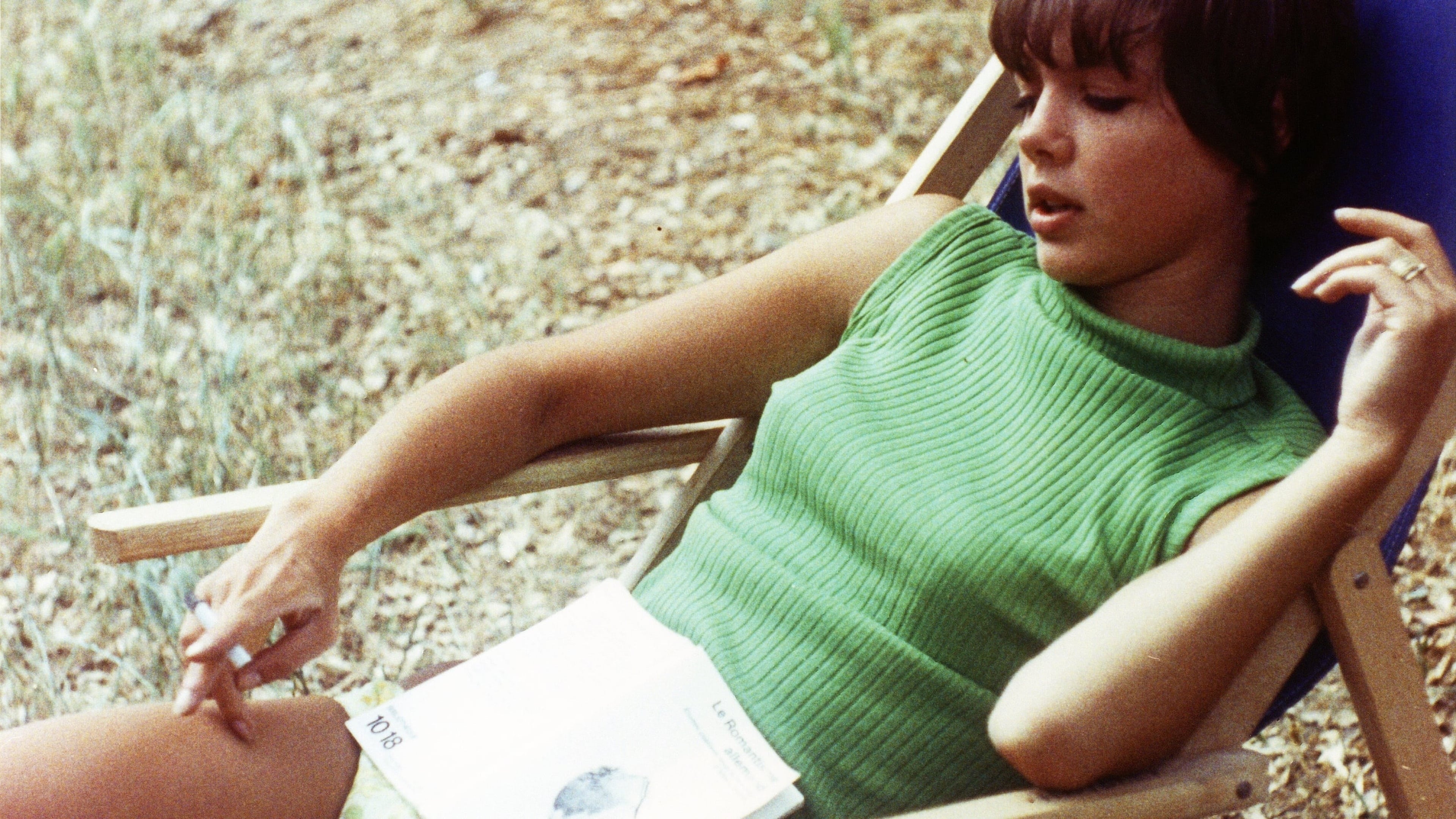
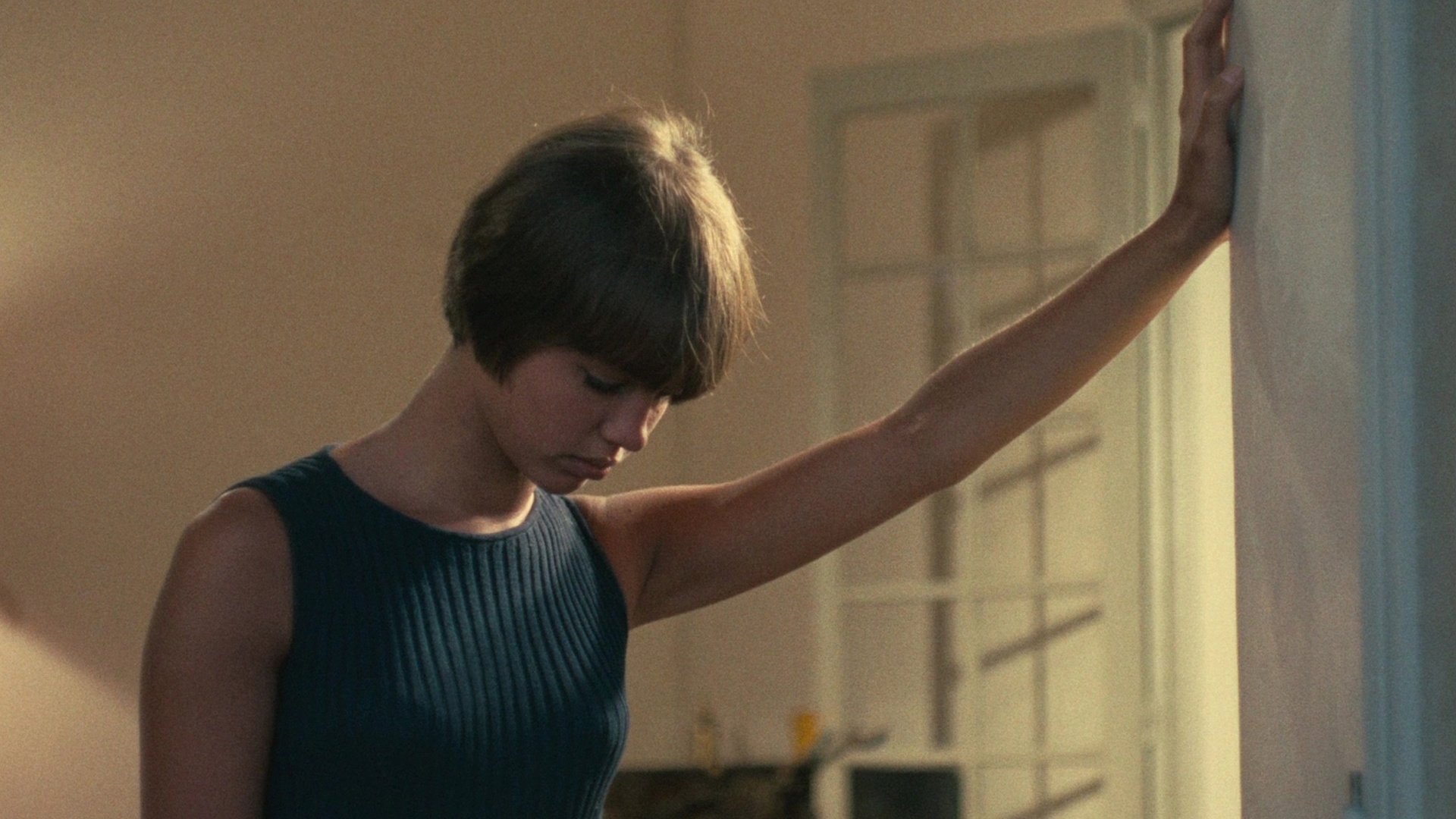
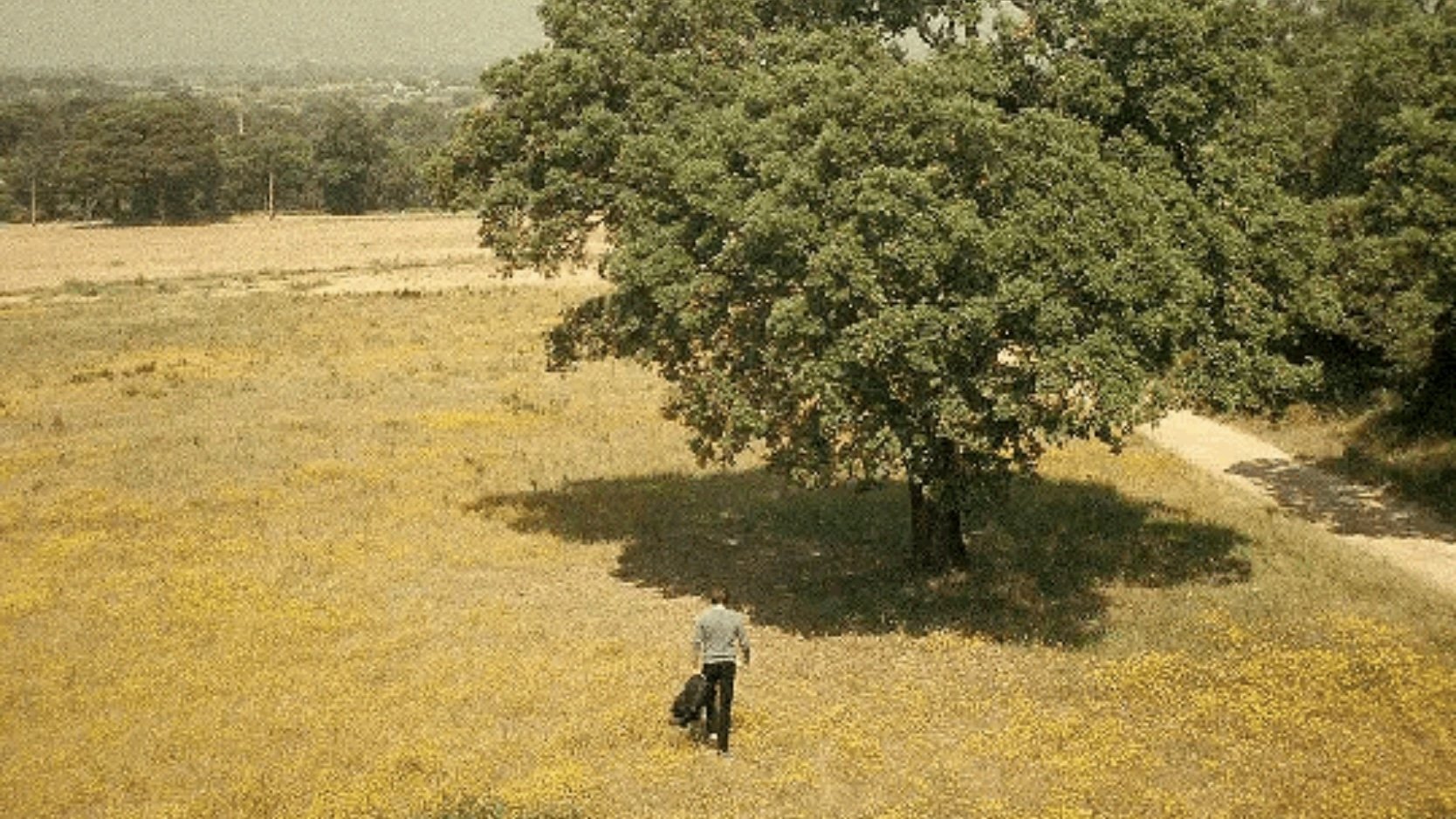
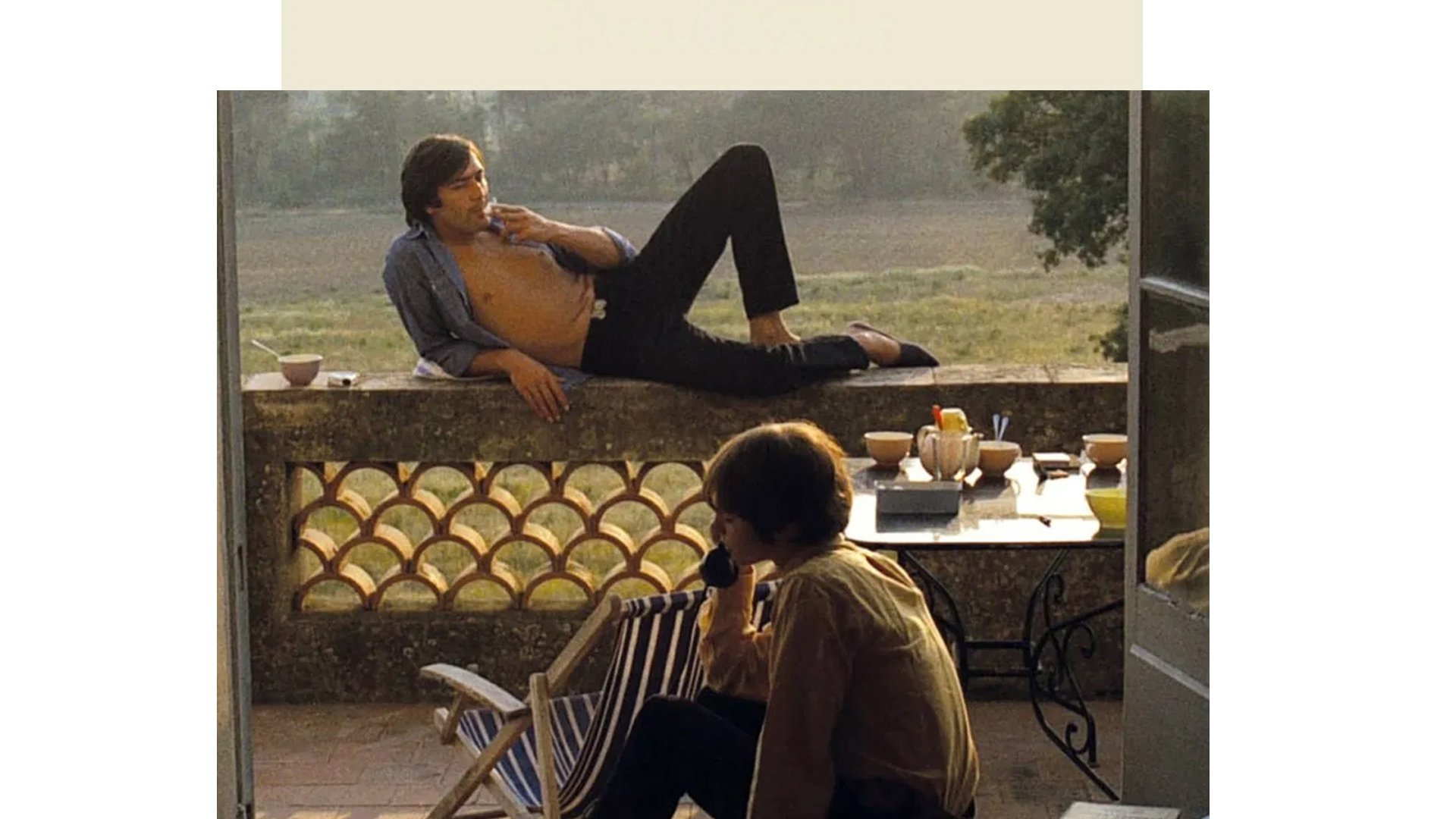
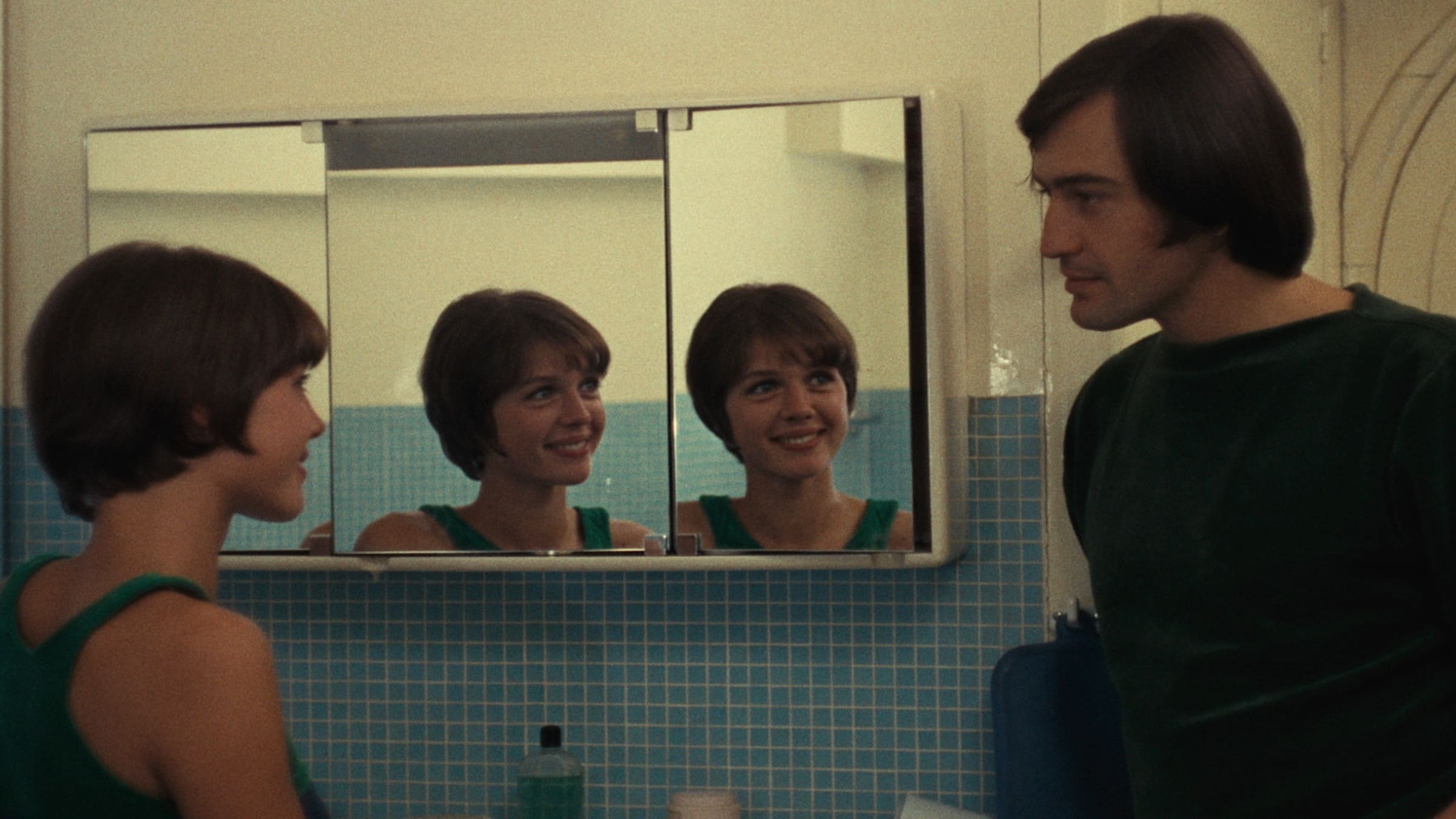
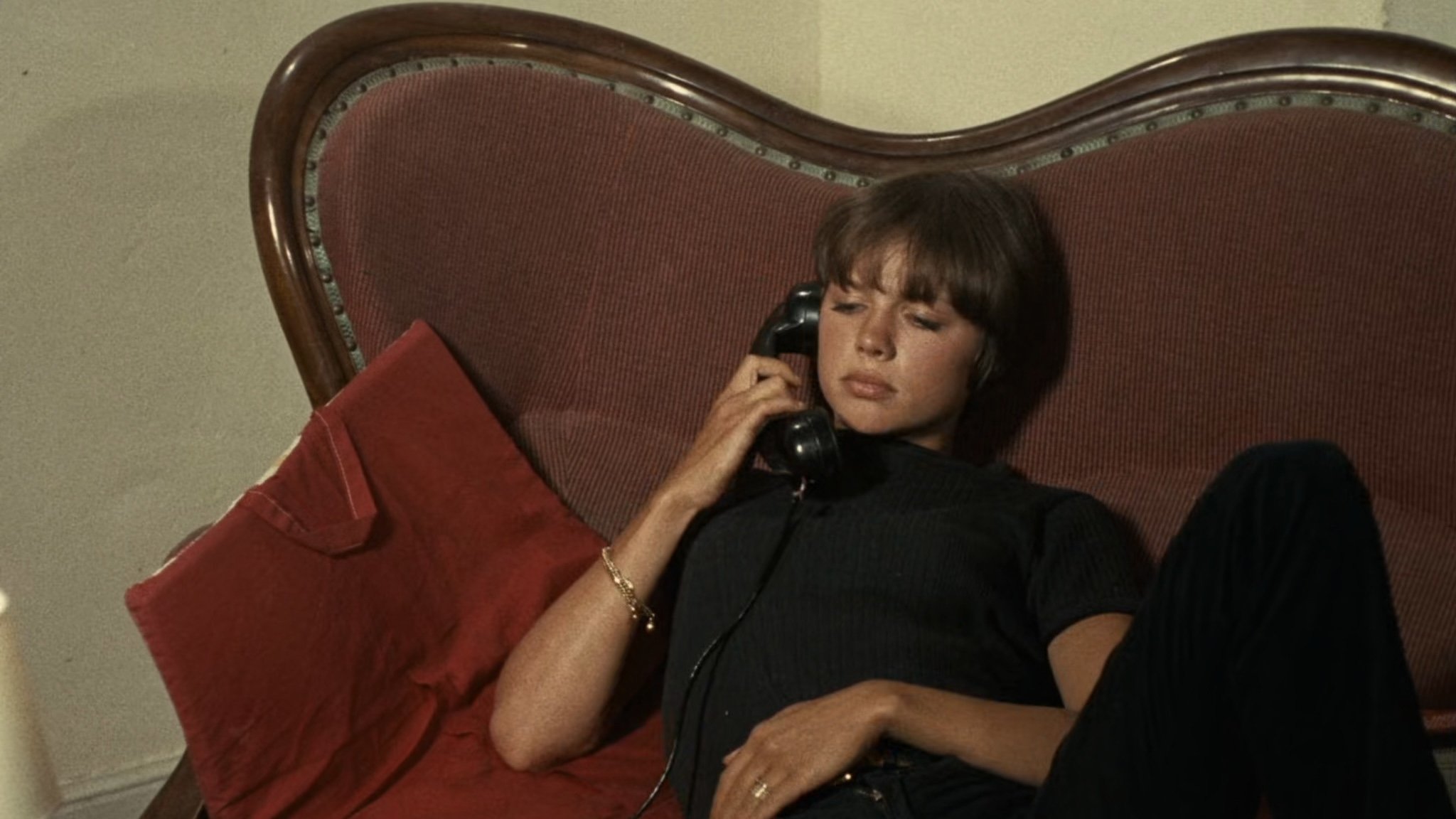
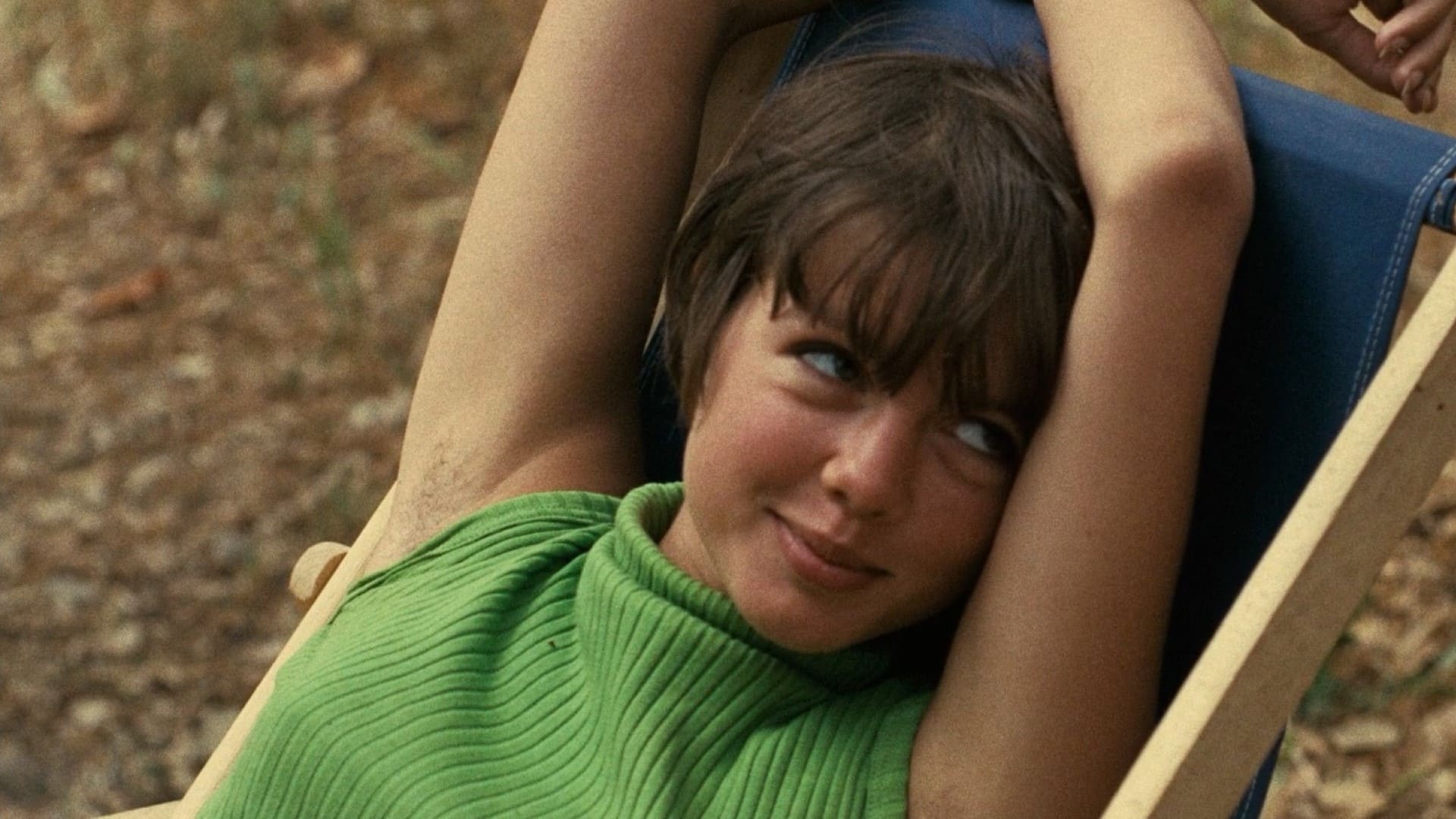
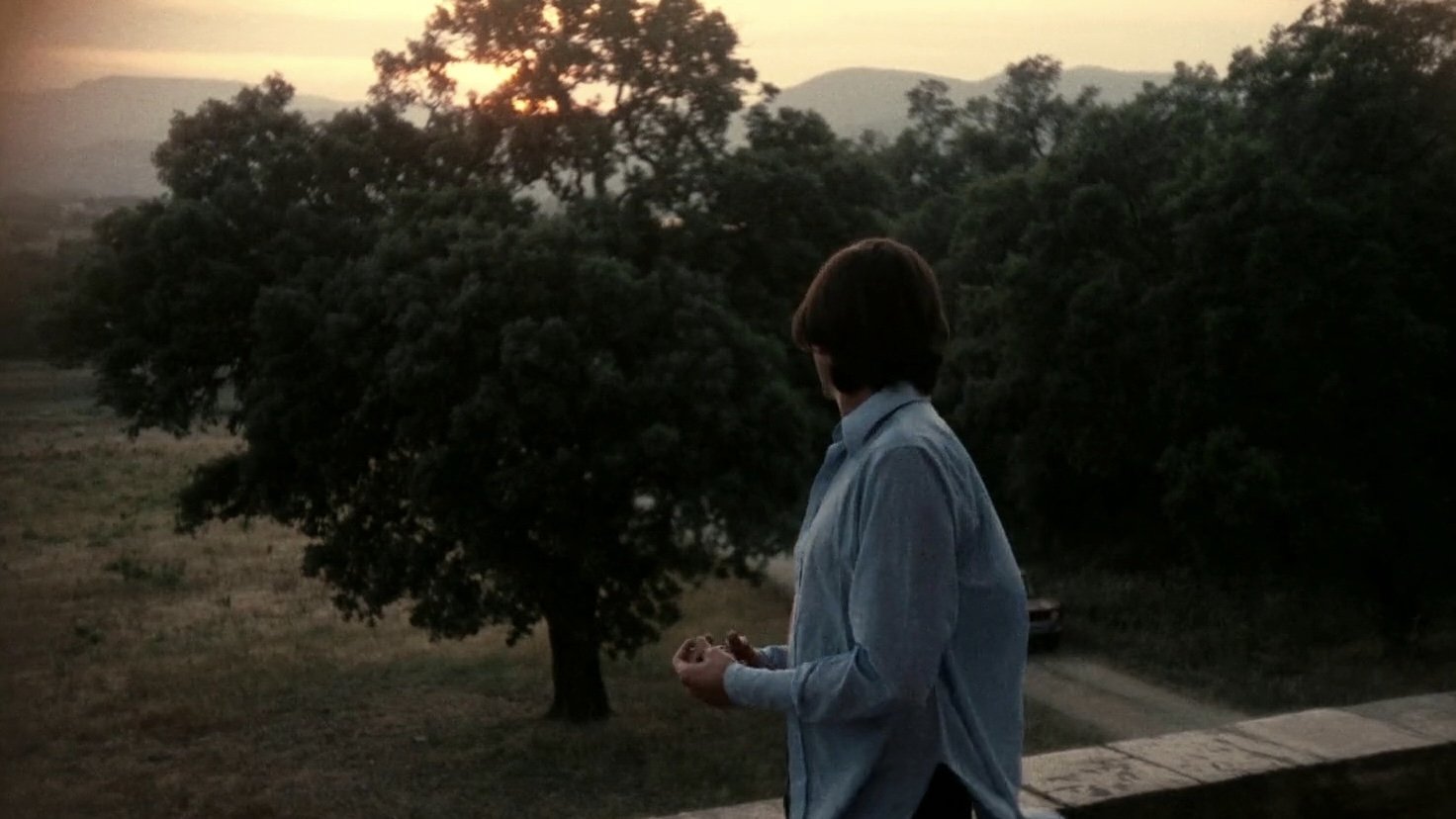
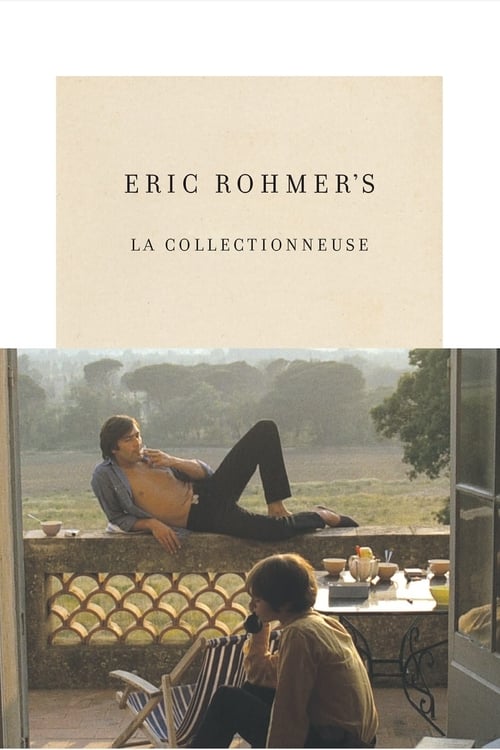
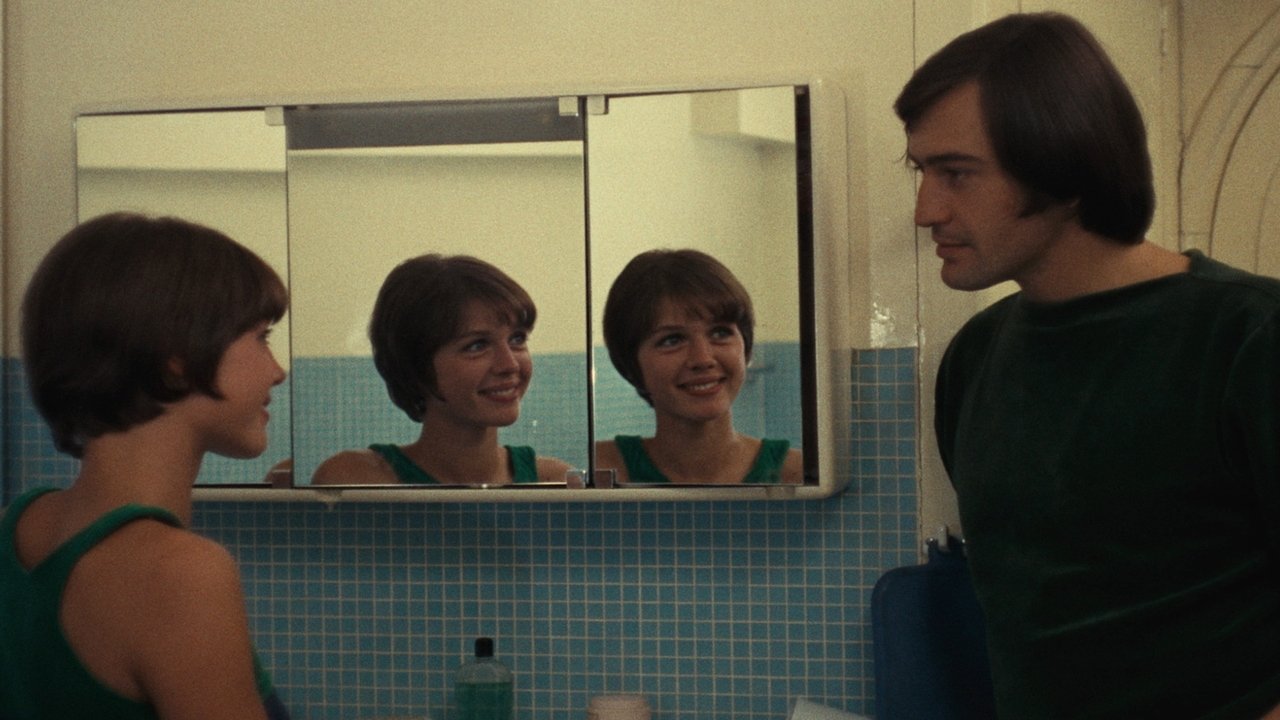
If you sleep around without premeditation you are the lowest of the low. The atrocious ingenue. But, if you collect in a consistent way, with obstinacy, it's a plot, things are entirely different.Wait, it's actually good, way better than I first expected. I'm really starting to enjoy these French New Wave movies. Guadagnino is obviously inspired by them. There isn't a single bad frame in this movie. Seriously, I wasn't expecting a film from 1967 to be one of the most visually pleasing I've ever seen. Every scene feels like an oil painting, something poetic and deep, and it’s all so beautiful. If my vacation in two weeks doesn't look like this, I don't want it because it's so stunning.Rohmer has a profound love for cinema; I admire his perspective, believing film is the last refuge of poetry. The story is minimal but still strong and smart with its themes. It portrays a narcissistic, self-proclaimed intelligent man who believes he is smarter than everyone, but his intelligence turns against him, revealing his repressed feelings and egotistical behavior. Rohmer seems more interested in women than men; the women in his films feel like poetry. Maybe I'm delusional, but I enjoyed how his attention to women made them impossible to understand. I don't think anyone could fully grasp Haydee's behavior at times, and I feel like he did that on purpose to put us in Daniel's shoes because he doesn’t understand women. We see this from his perspective, and while he doesn't comprehend her, it's clear Haydee didn't want anything to do with him. We see that, but his ego made him think otherwise.
The French New Wave started in the 1950s and peaked in the 1960s. Rohmer was initially part of it until circumstances changed. This movement is one of the most influential periods in cinema history, where old-school tactics and mainstream movies were rejected. Directors in the movement emphasized craft over innovation, adopting a more artistic and poetic approach to filmmaking. They explored societal themes and used irony to reflect on the world around them. Rohmer's films are heavily influenced by this movement. His work appeals more to older audiences or true cinema enthusiasts rather than mainstream fans. It's for those seeking calmness and serenity in a movie or a sense of summer vibes without much happening.Rohmer's movie often center on themes of ego and narcissistic behavior. For instance, Adrien and Daniel in his films believe Haydee is interested in them, while she is simply trying to relax and enjoy her vacation. These two men consider themselves superior to Haydee, which they explicitly state in the movie. They have strong morals and can't handle the existence of someone with completely opposite beliefs, leading them to despise her and force their views upon her. Yet, Haydee remains indifferent to their judgments and continues to live her life unfazed. It's about narcissism, how sensitive their egos are, and how you being there not caring about them simply affects them. It's about their craving for attention, their desperation. They criticize everything and talk about everything through a lens of connoisseurship. Even his holiday, he has to overanalyze every single thing. His peace and quiet become meaningless when the audience doesn't give a damn.
"La Collectionneuse" (that's a hard title to write) is a much-needed example of the French New Wave's ability to blend narrative subtlety with visual poetry. The film really stands out from the other ordinary ones of its time thanks to not only its minimalist story but also how deeply it studies human reactions and behaviors and does so so subtly the whole movie is about that and it can easily fly over people's heads. The location was just amazing, so beautiful I fucking want to spend summer in there. It seems like such a serene summer retreat and it is for a while until a girl shows up and becomes a battle of ideologies and a battle for desire. Adrien and Daniel, like I said before, are just ridiculous. They want to spend their summer in quiet contemplation but Haydée walks in chilling and suddenly they all are up her ass just because she embodies carefree sensuality and independence, things that they do not find attractive in a woman but still get mad at themselves for finding her hot. The film, although it’s much more less about their superficial actions but more of the tensions under them and the unspoken and barely seeable complexities that drive them to do that.
If we view the movie through Haydée's perspective, we see themes of freedom, judgment, and self-discovery. It challenges viewers' perspectives on morality and personal autonomy. Haydée isn't portrayed as a hero or a villain; she simply exists as a free spirit navigating a world of societal expectations imposed by characters like Adrien and Daniel. They attempt to impose roles on her, highlighting the film's exploration of the complexities of human existence. Rohmer's philosophy shines through in portraying the intricacies of purpose and freedom: Adrien and Daniel represent the struggle with purpose, while Haydée embodies the complexity of living without predefined roles and enjoying freedom.The film's unique aesthetic enhances its thematic exploration. The natural lighting, everyday conversations, and well-composed shots contribute to a narrative that feels self-driven, mirroring Haydée's own autonomy. The cinematography, particularly notable for its transformation of beautiful landscapes into explorations of emotional shifts and human nature, adds depth to the film's philosophical underpinnings.