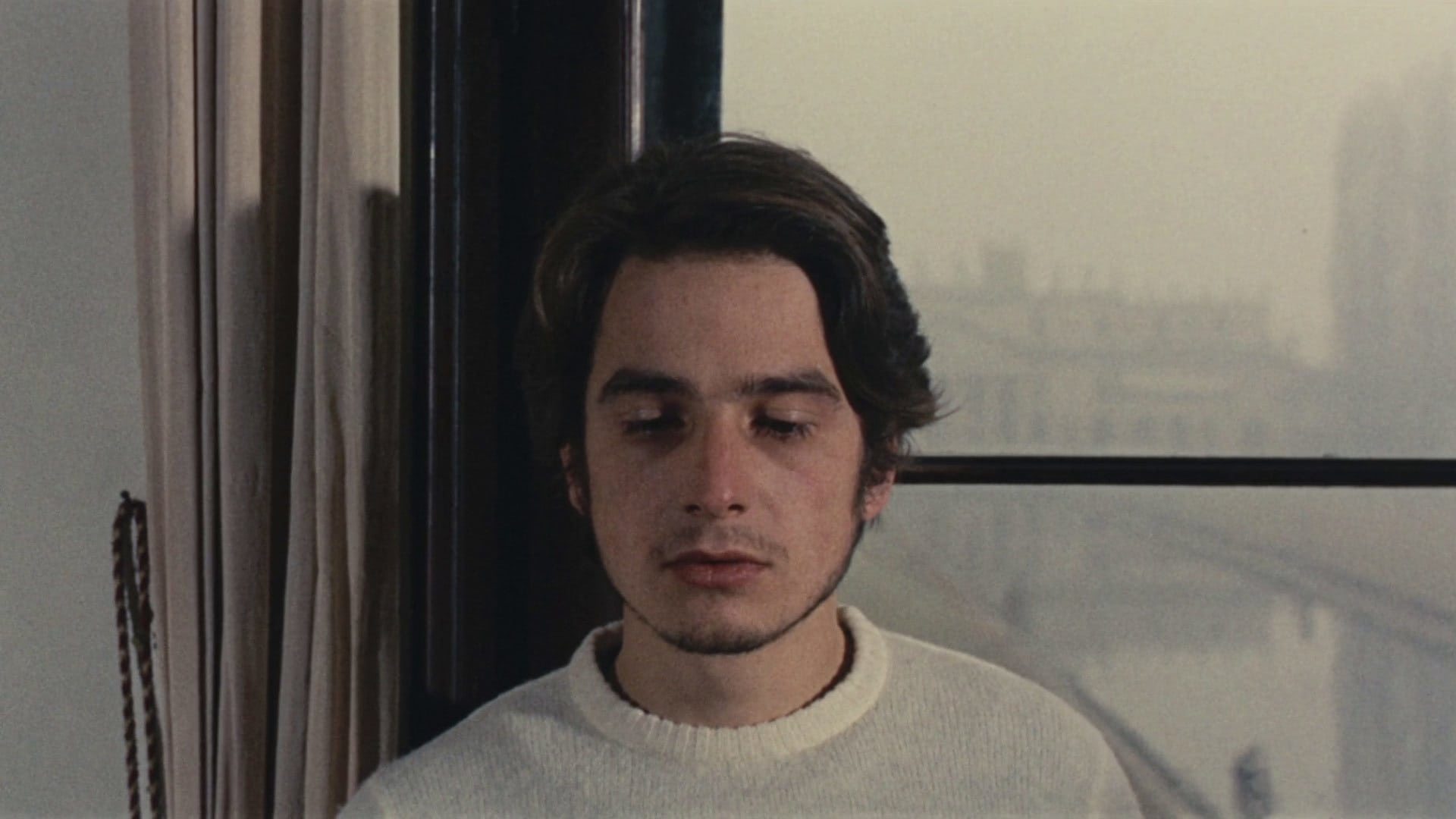
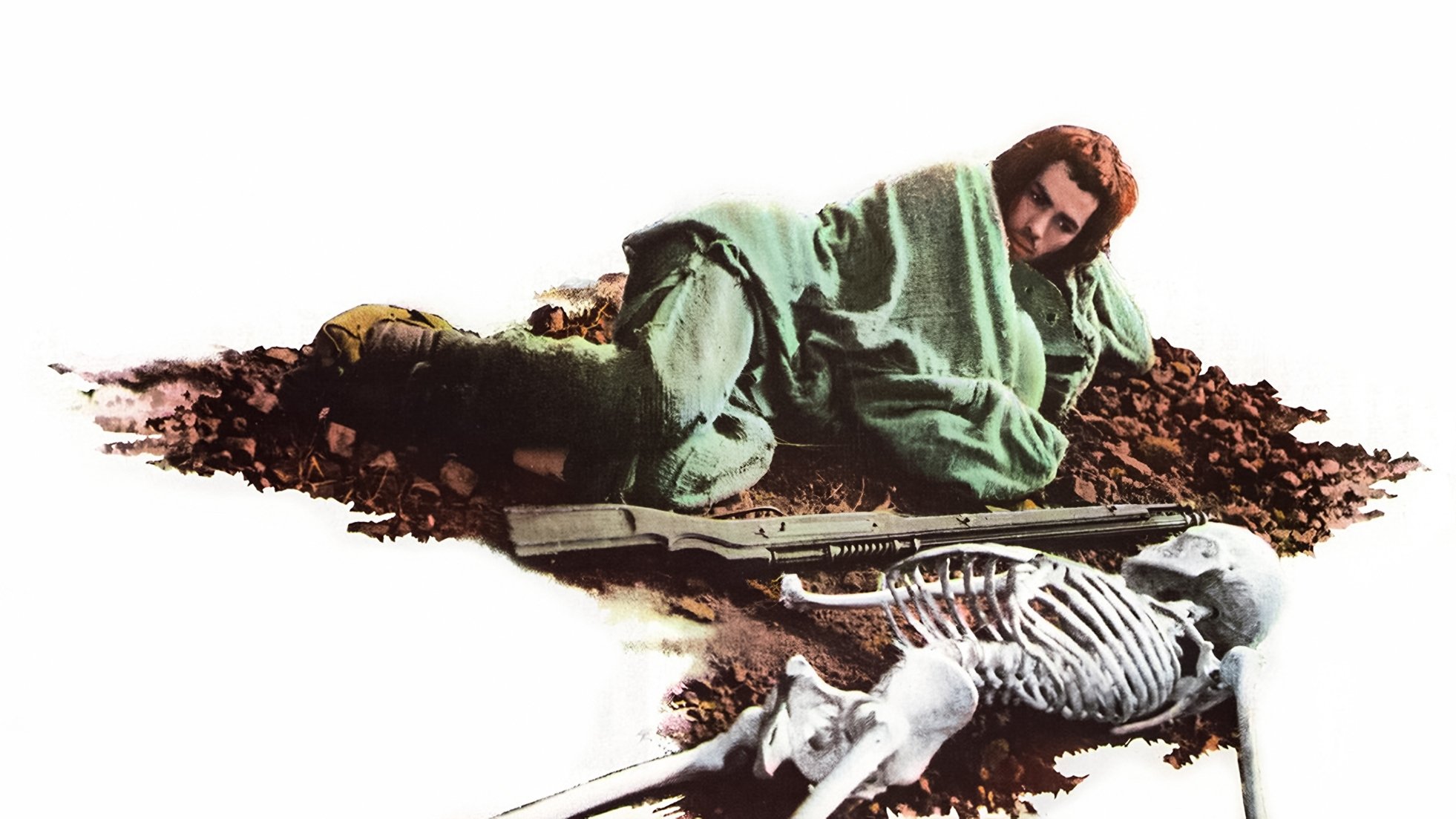
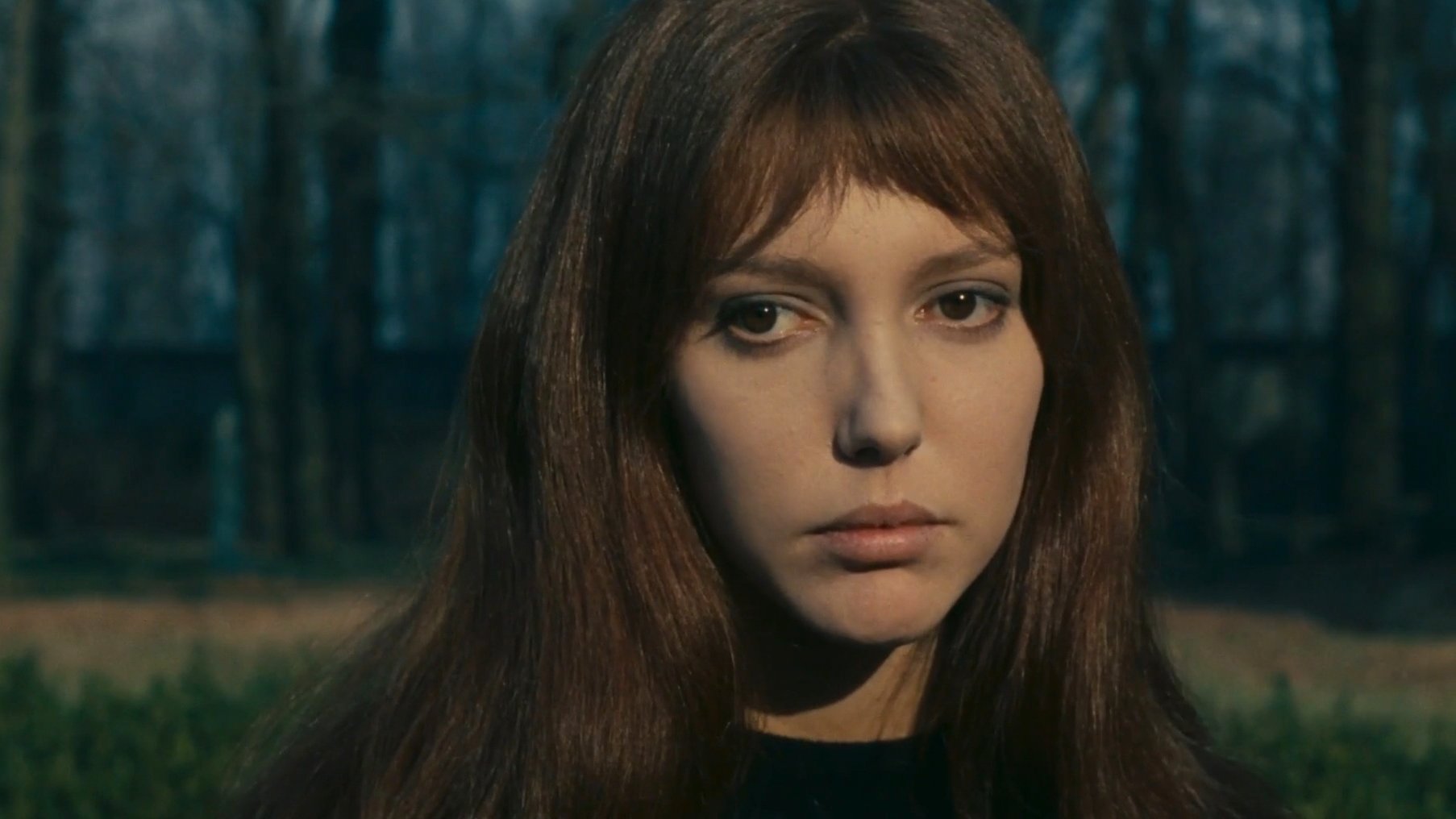
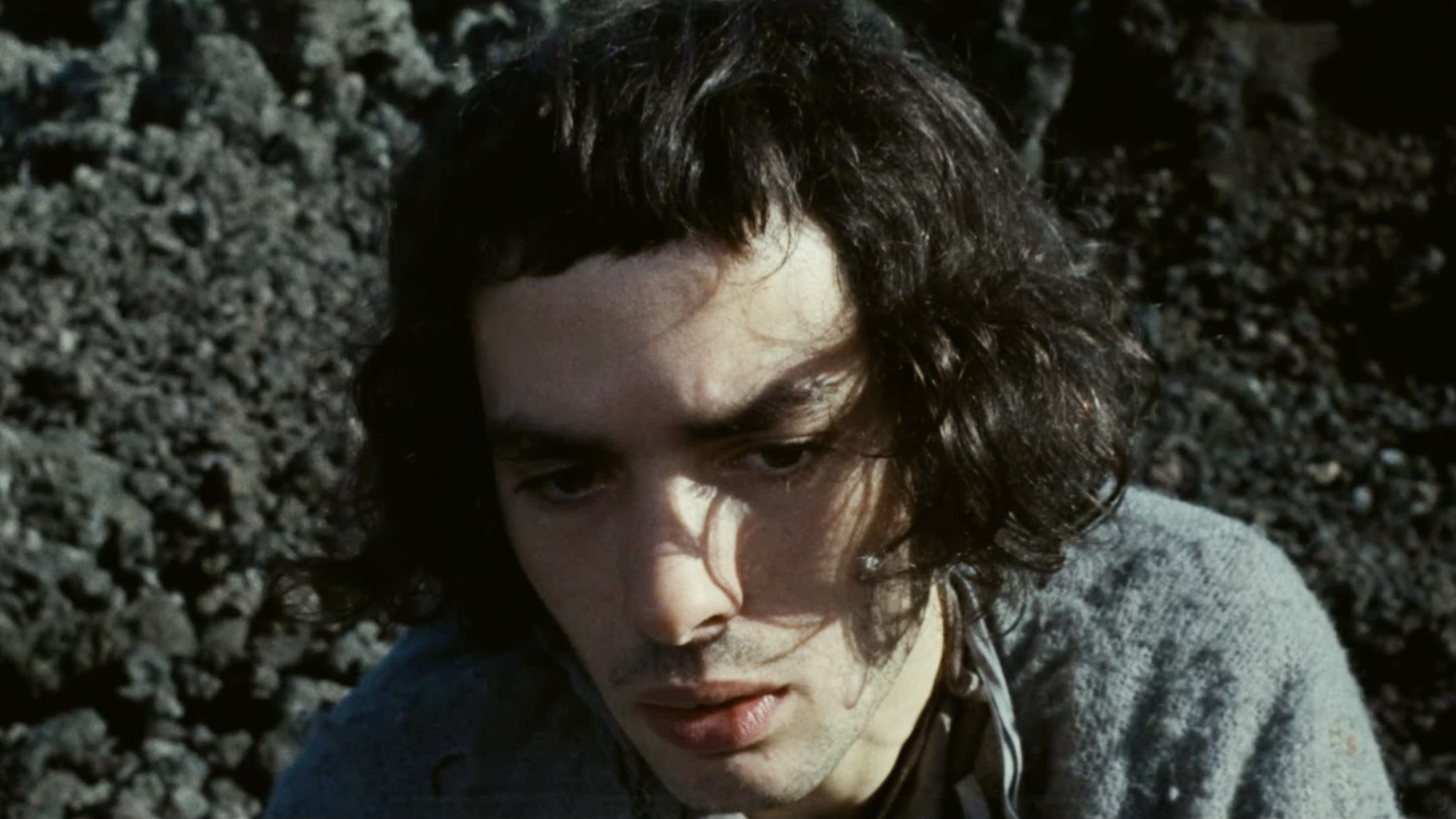
I have no opinions. I tried to have some, and did my duty accordingly; so I realized that even as a revolutionary I was a conformist.
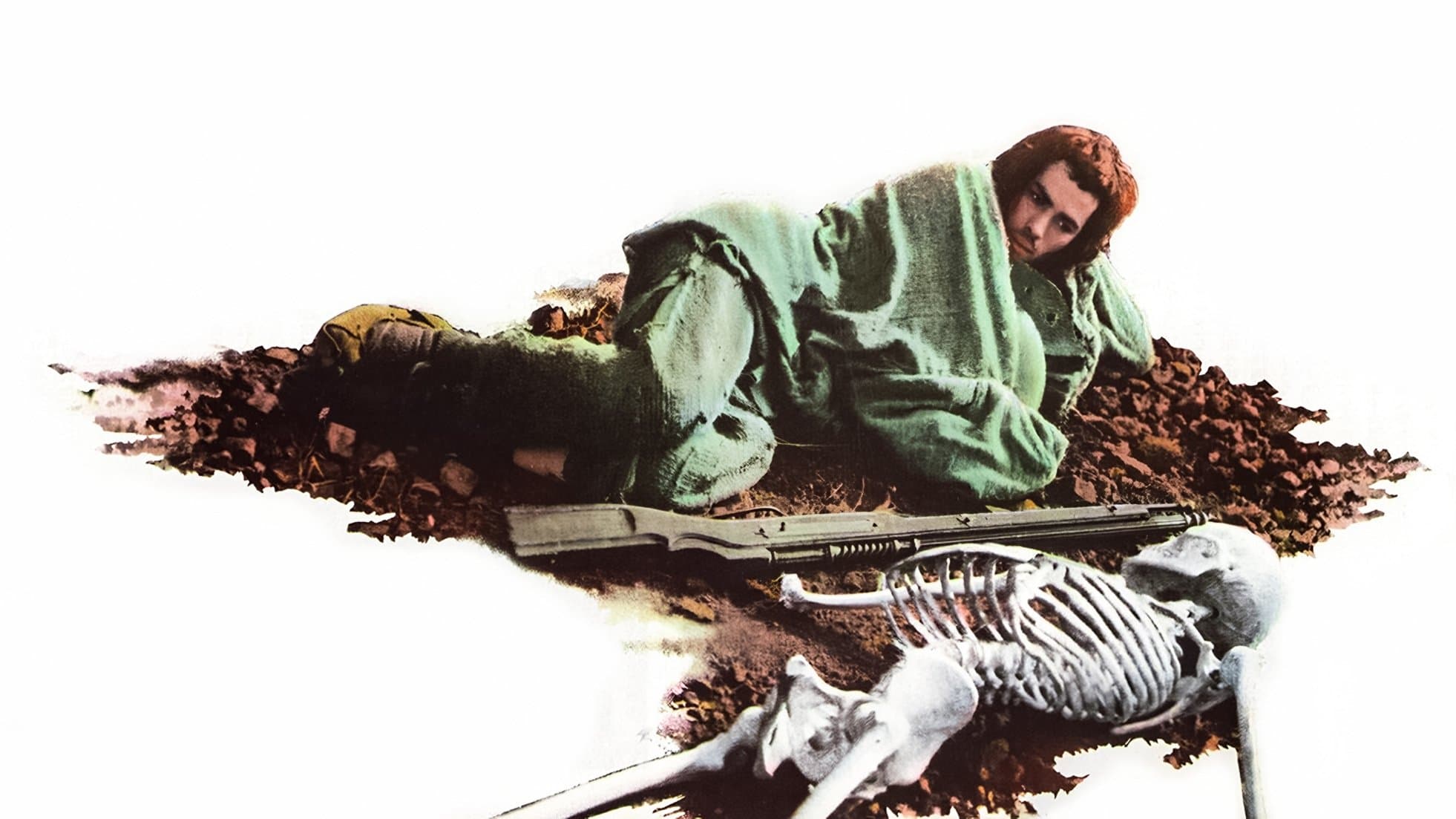
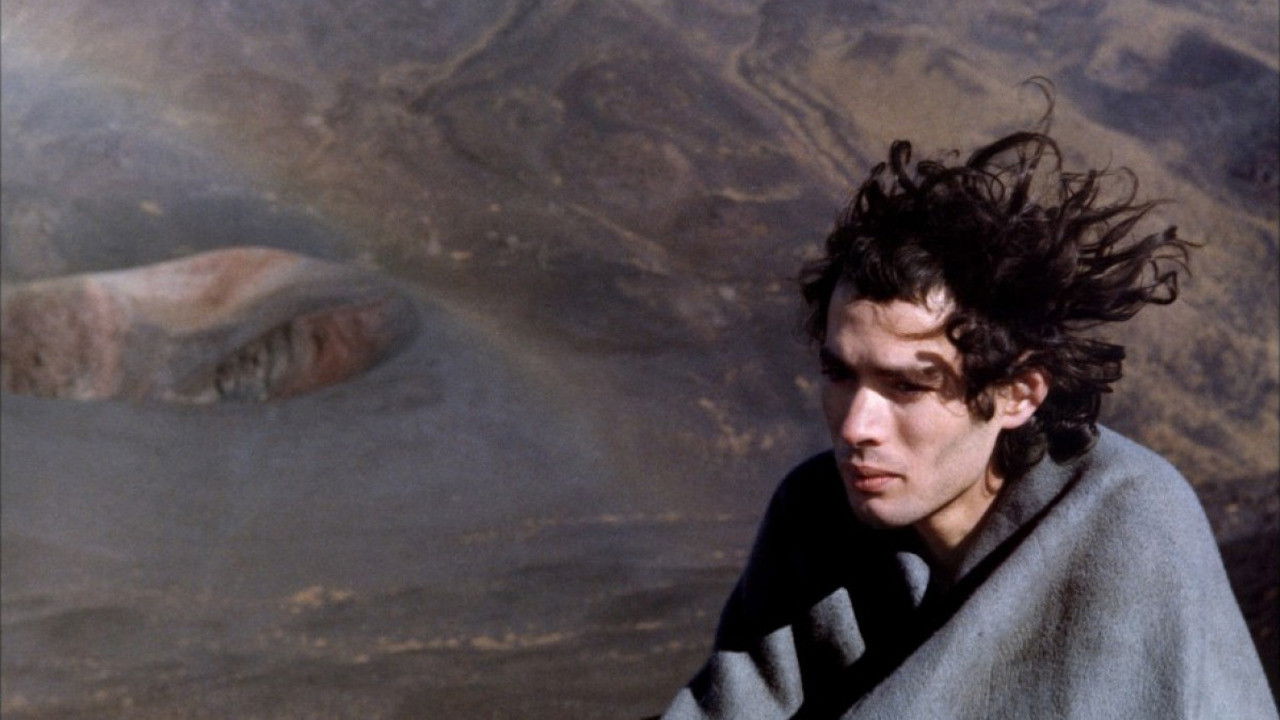
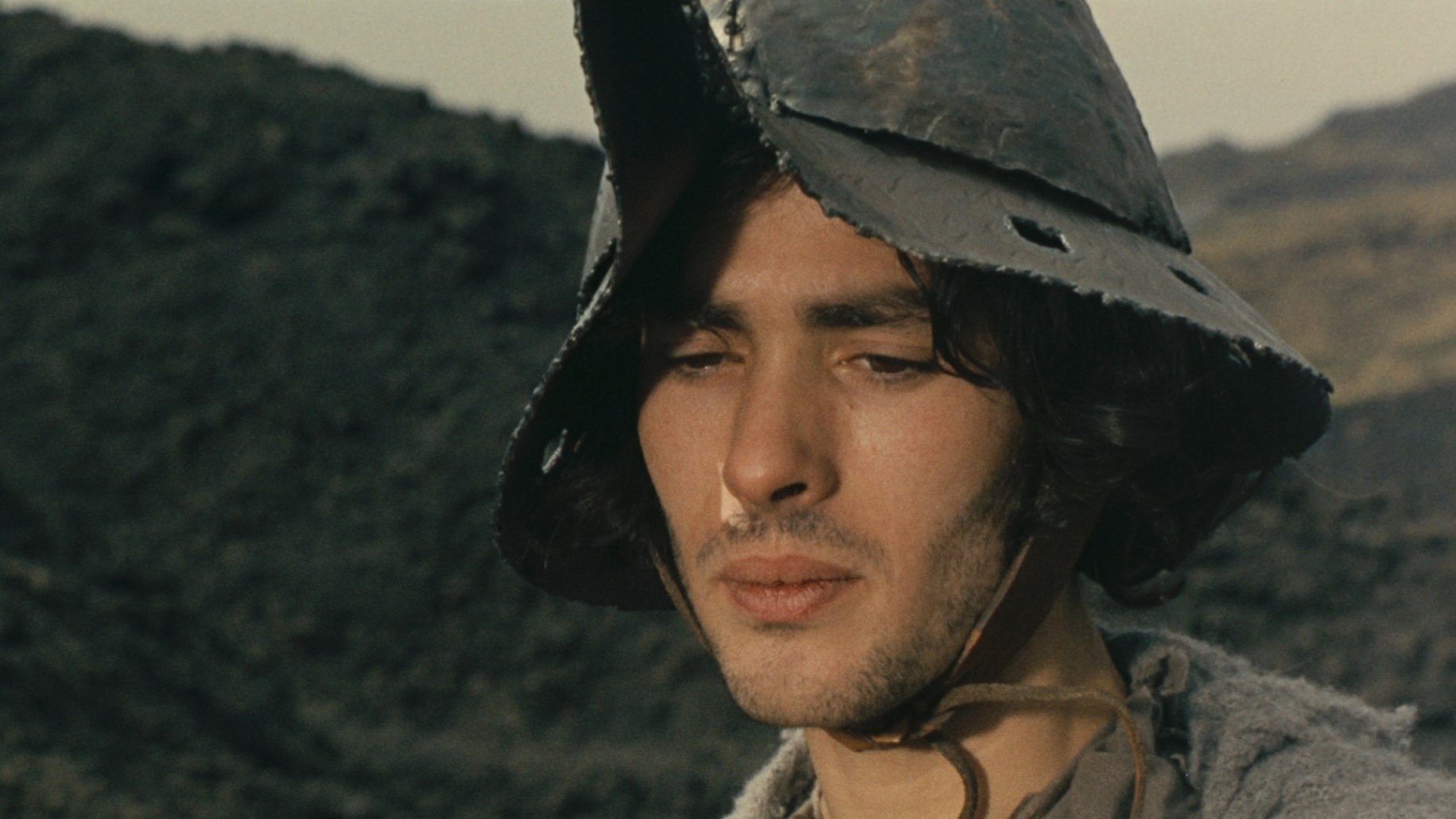
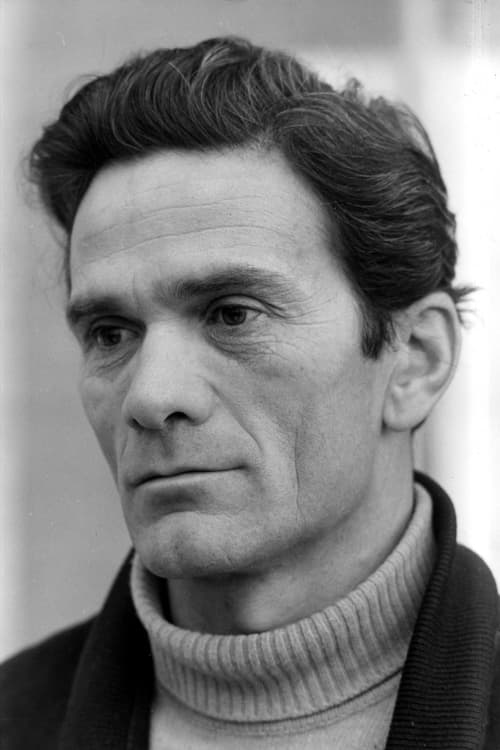
A film that cannot be summarized or explained, it must be watched and explored (with a grain of salt that is). I don’t think I’ve ever gone down such a rabbit hole while watching a movie. It started with Bonn and Hitler’s Germany, which Pasolini describes Hitler by saying “It’s true, we know Hitler was a little female, but we all know he was a female killer.”
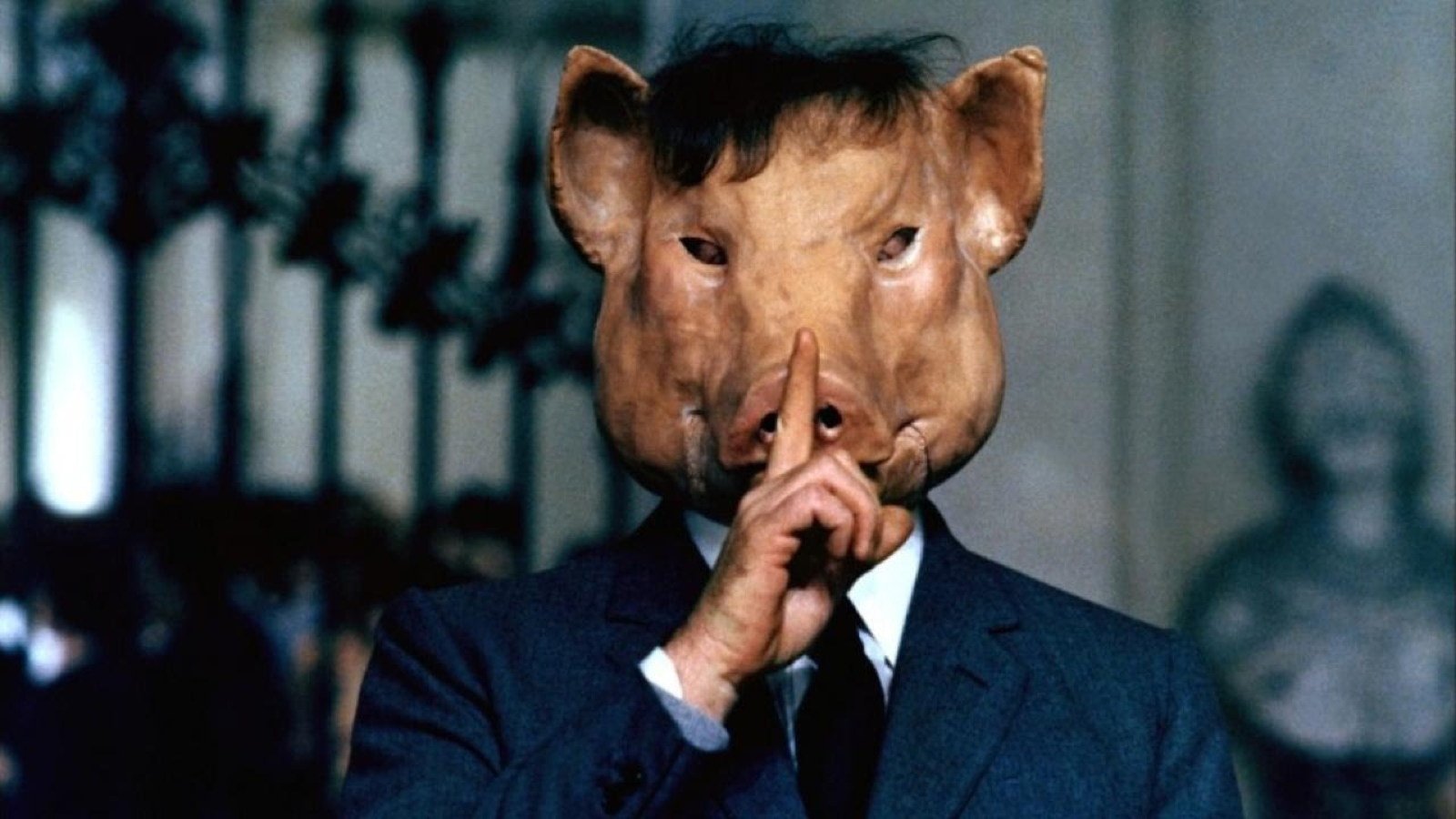
From there, I landed on George Grosz and Bertolt Brecht both obsessed with pigs, but in different ways. The bourgeoisie seemed to be afraid of them. Grosz through his paintings, Brecht through storytelling. In Grosz’s Germany,
Everything and everybody is for sale. All human transactions, except for the class solidarity of the workers, are poisoned. The world is owned by four breeds of pig: the capitalist, the officer, the priest, and the hooker
Brecht’s story of “the pig that fell in love “ was a direct shot at human hypocrisy.
That led me to Bob Dylan, who, in his memoir, talks about how much "Pirate Jenny” from The Threepenny Opera affected him. He describes it as an epiphany that pushed him to explore storytelling through song, a piece written by none other than Bertolt Brecht.
From there, I found myself at Diotima, the ancient Greek figure from Plato’s Symposium. Some say she was purely a Plato’s invention, yet Plato presented her as a real person who taught Socrates about love (Eros). Her Ladder of Love places love for wisdom at the pinnacle. “The great love couldn’t be anything but fatal, because the fault lies with those who think they’re above their own past.”
Finally, Murnau’s discography.
Returning to the film itself, my last Pasolini watch was Salò, and honestly, it was a disaster. I couldn’t handle the sccumb. But Pigsty’s satire is quite powerful. It was almost watchable, at least until the last scene. I blamed myself for going throughwith Pasolini again, and at the same time, I couldn’t help but admire Pasolini’s brilliance.
He created this film to be too enigmatic to have an explanation, too cold to have emotion, too cryptic to be just bland, and to never really have an easy image or thought. To be or not to be was the premise of the entire film. It becomes a question of visibility rather than essence.Leo, in particular, seems frighteningly in touch with his id (in Freudian terms).
Tra-la-la.
And then again unlike my other Pasolini's watch i would definitely recommend this, just for the sake of the cinema.