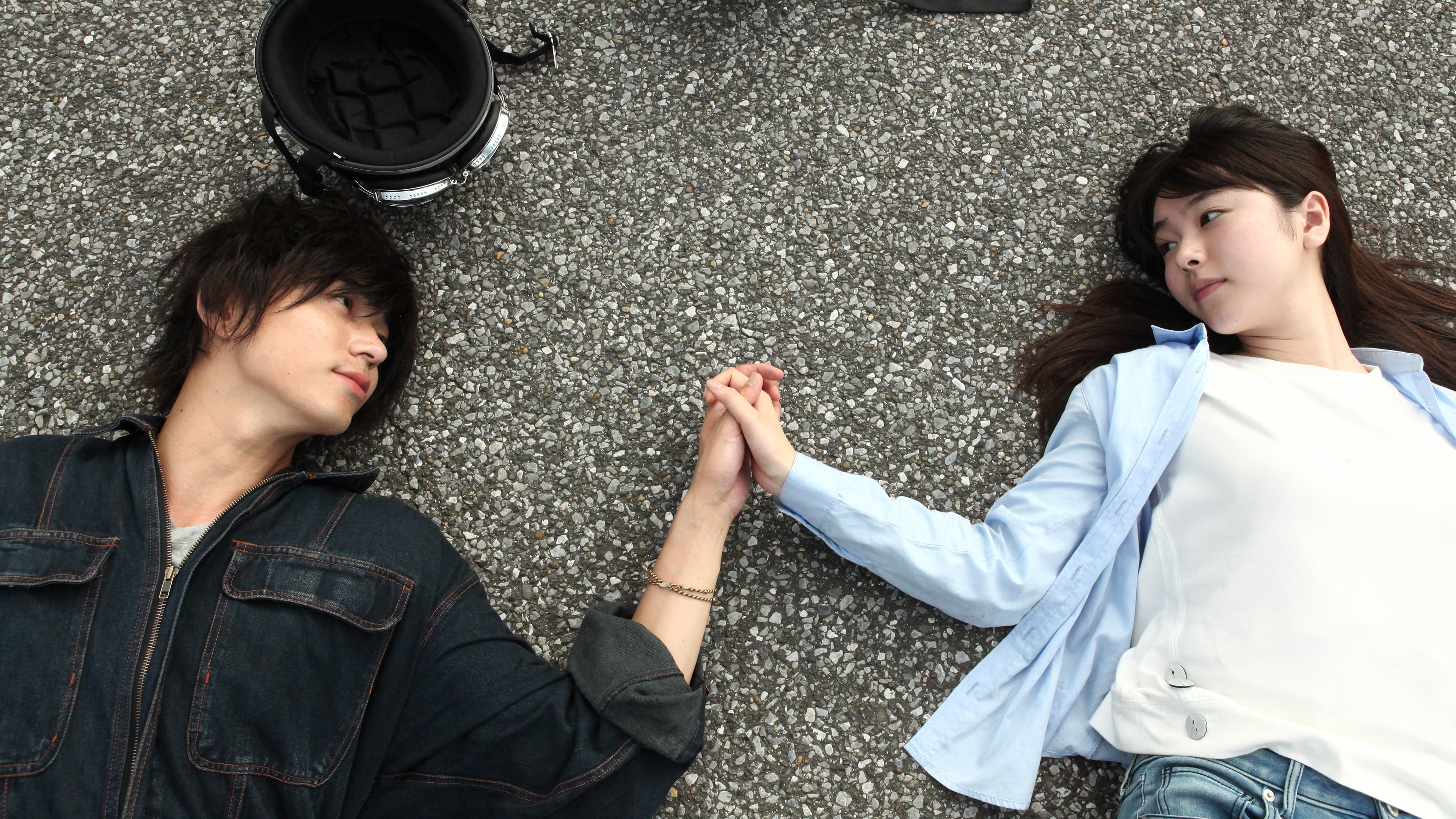
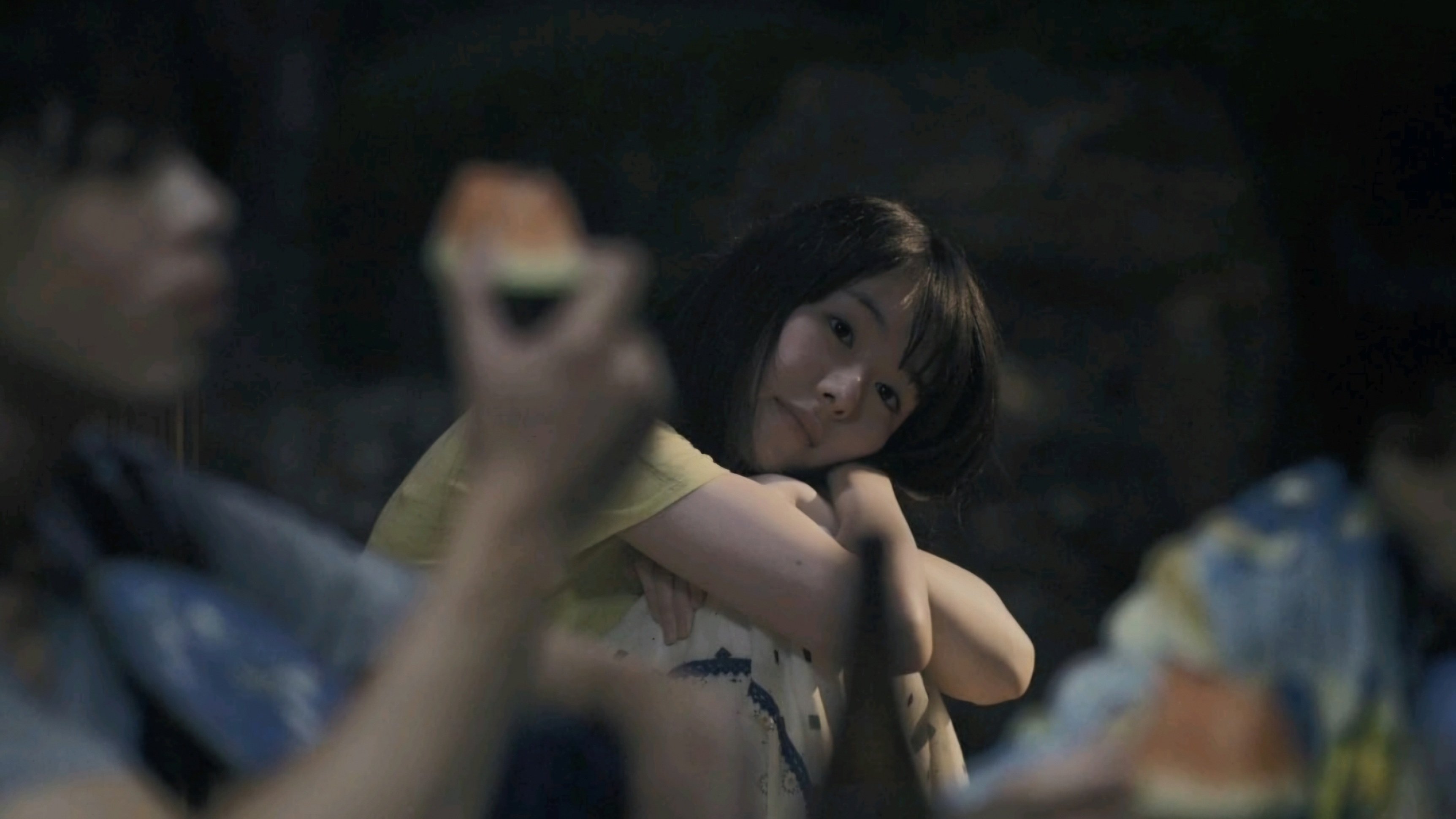
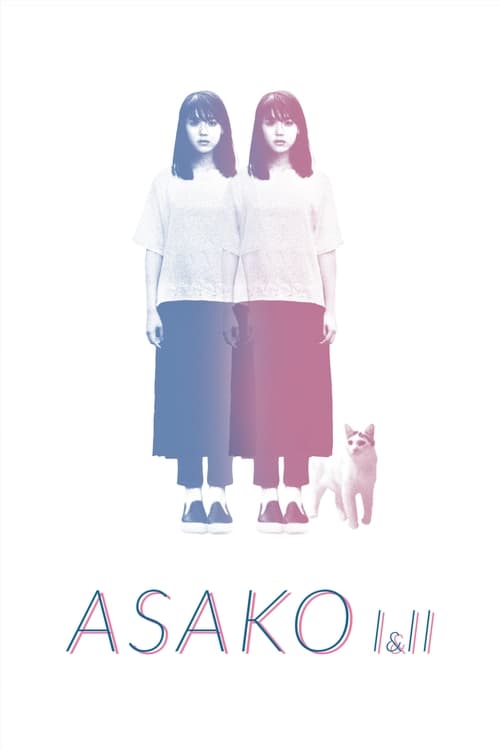
Tentative, quiet, emotional; all are words you could use to describe this movie, but I think frustrating can also apply to it.
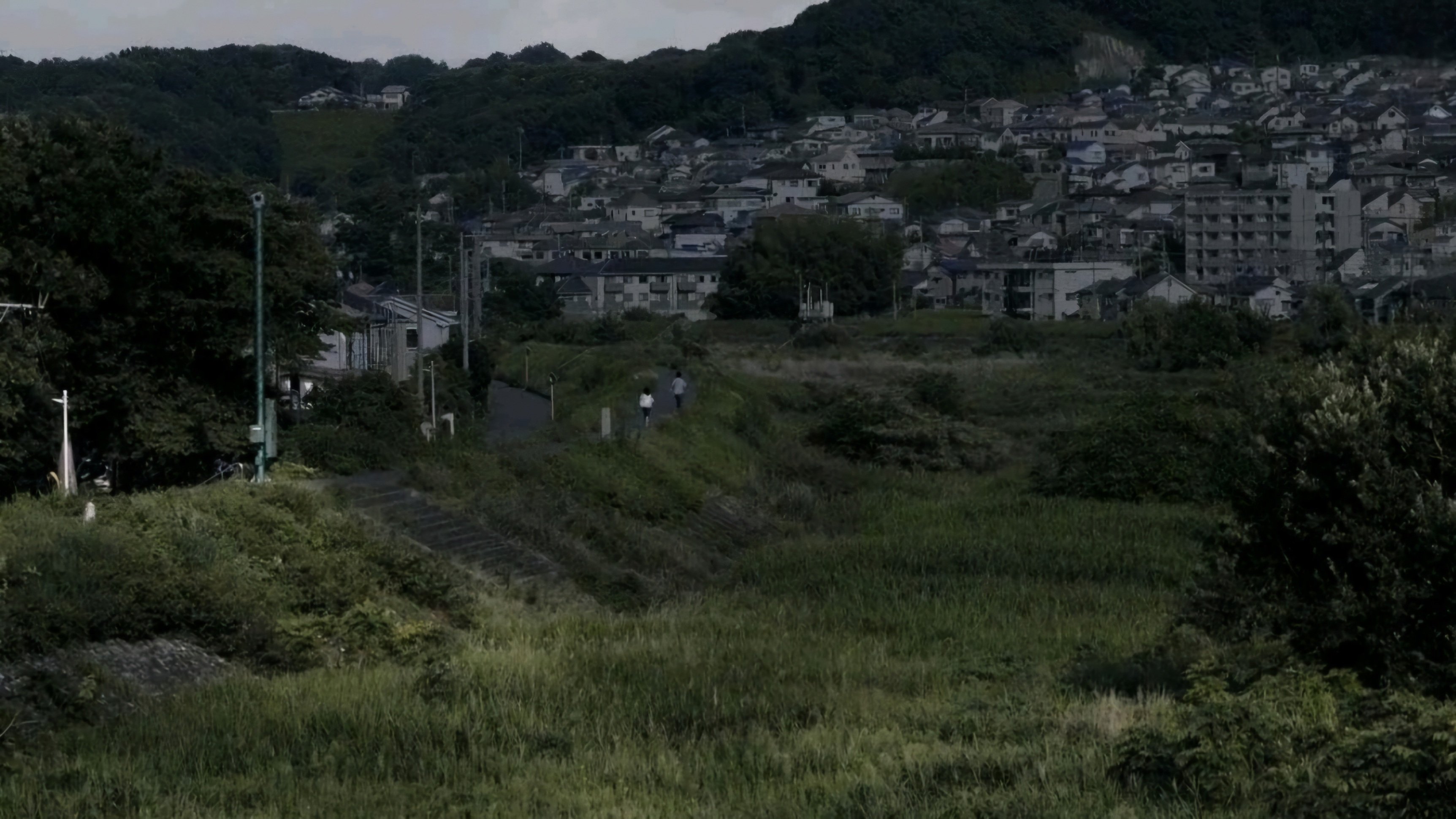
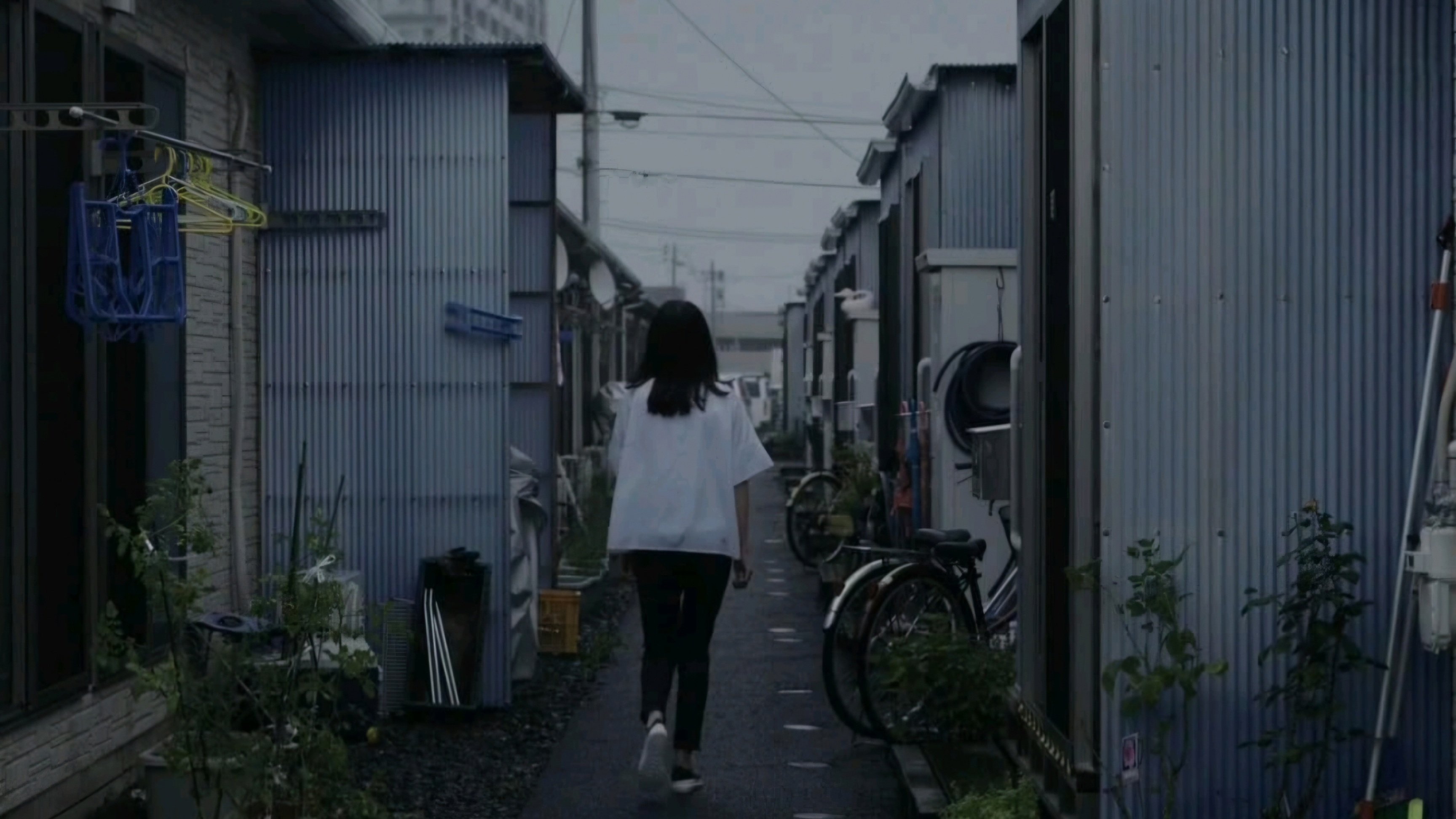
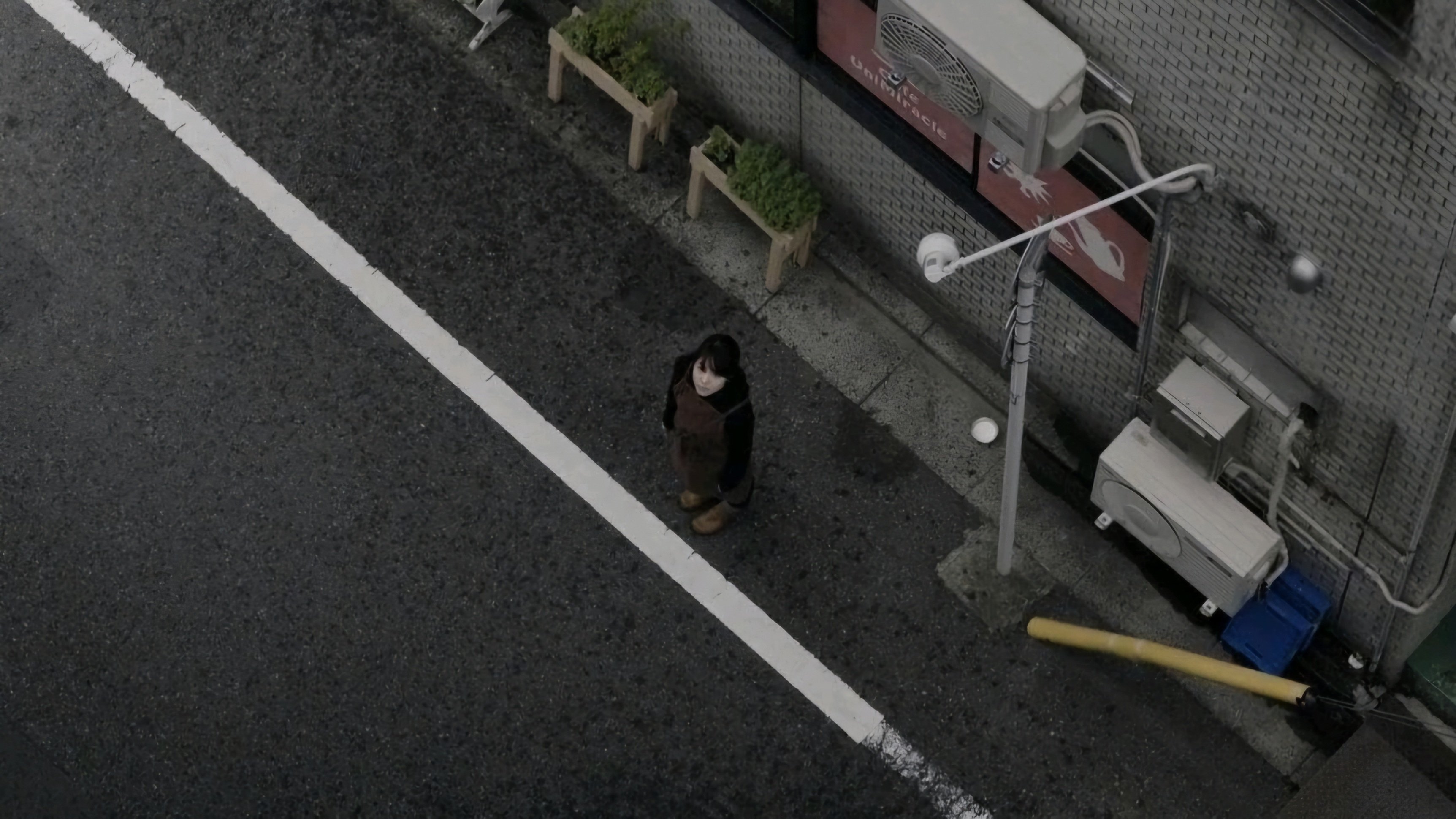
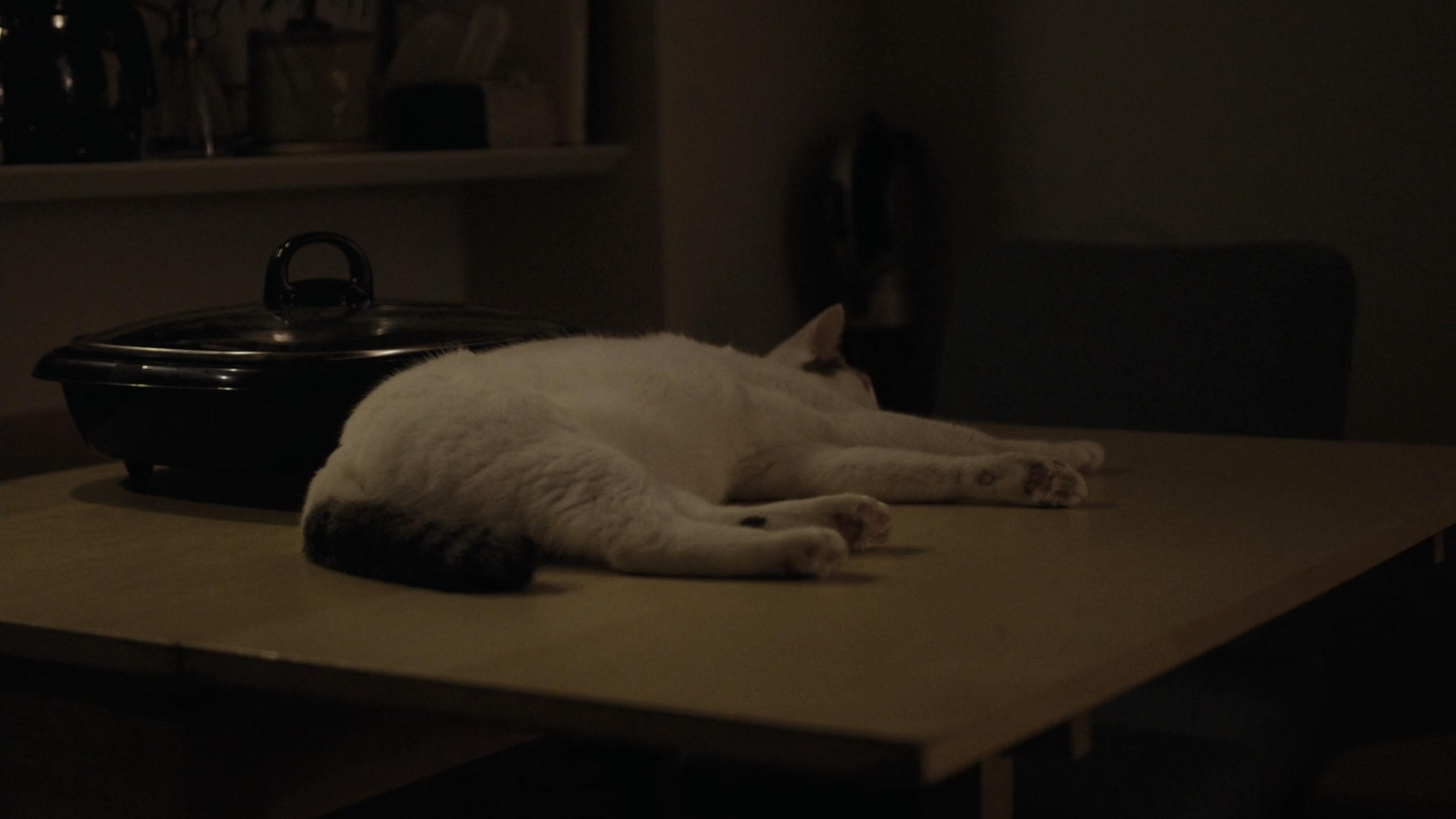
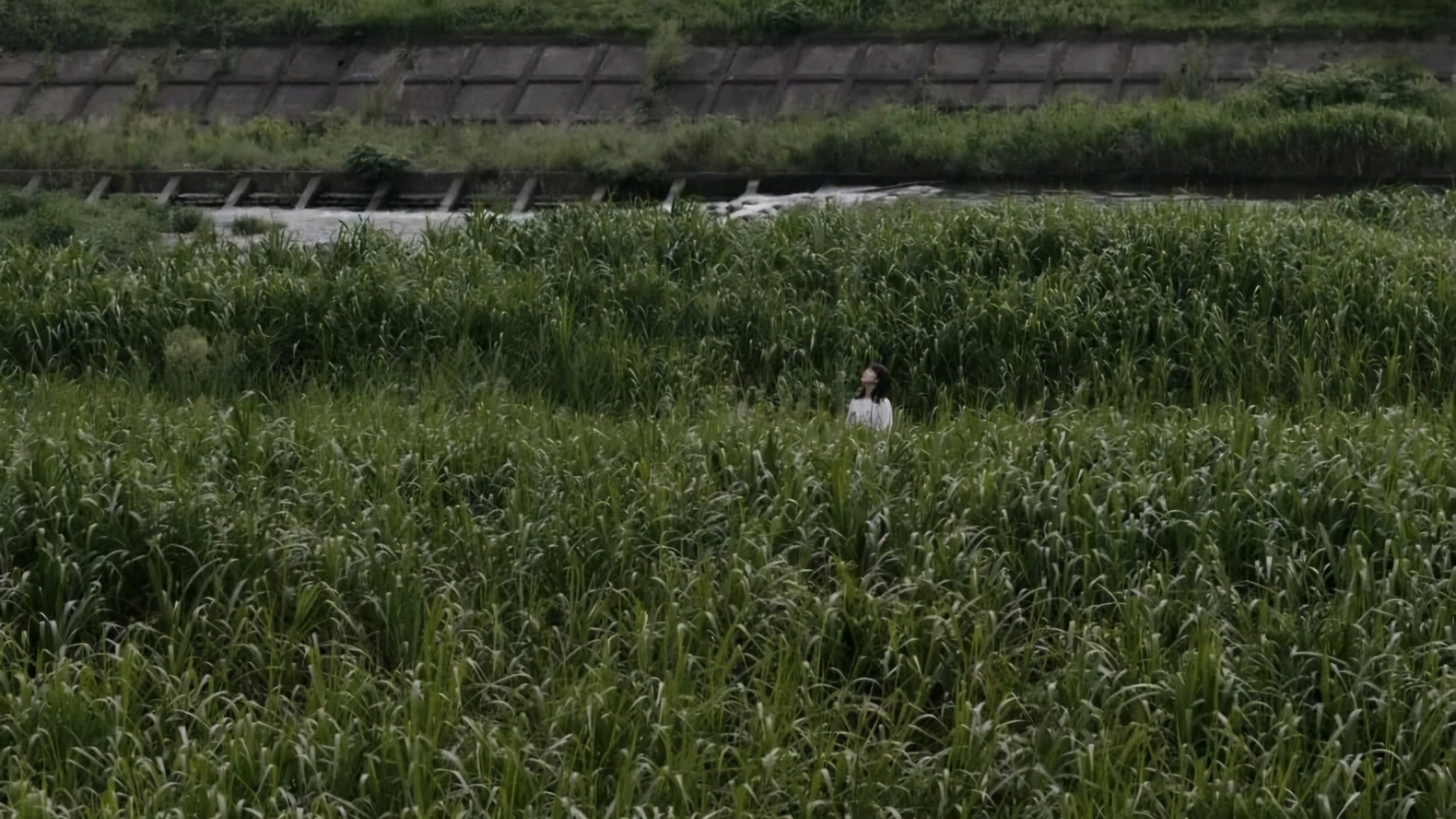
It’s honestly incredibly beautiful initially: it’s visually it’s stunning, the story has a nice slow pace and the score is quite unique as well. During the first 90 minutes I was thinking of a quote I picked up somewhere, I believe it was the mangaka Tatsuki Fujimoto who said it: „I like stories where nothing really happens, but the characters change.“
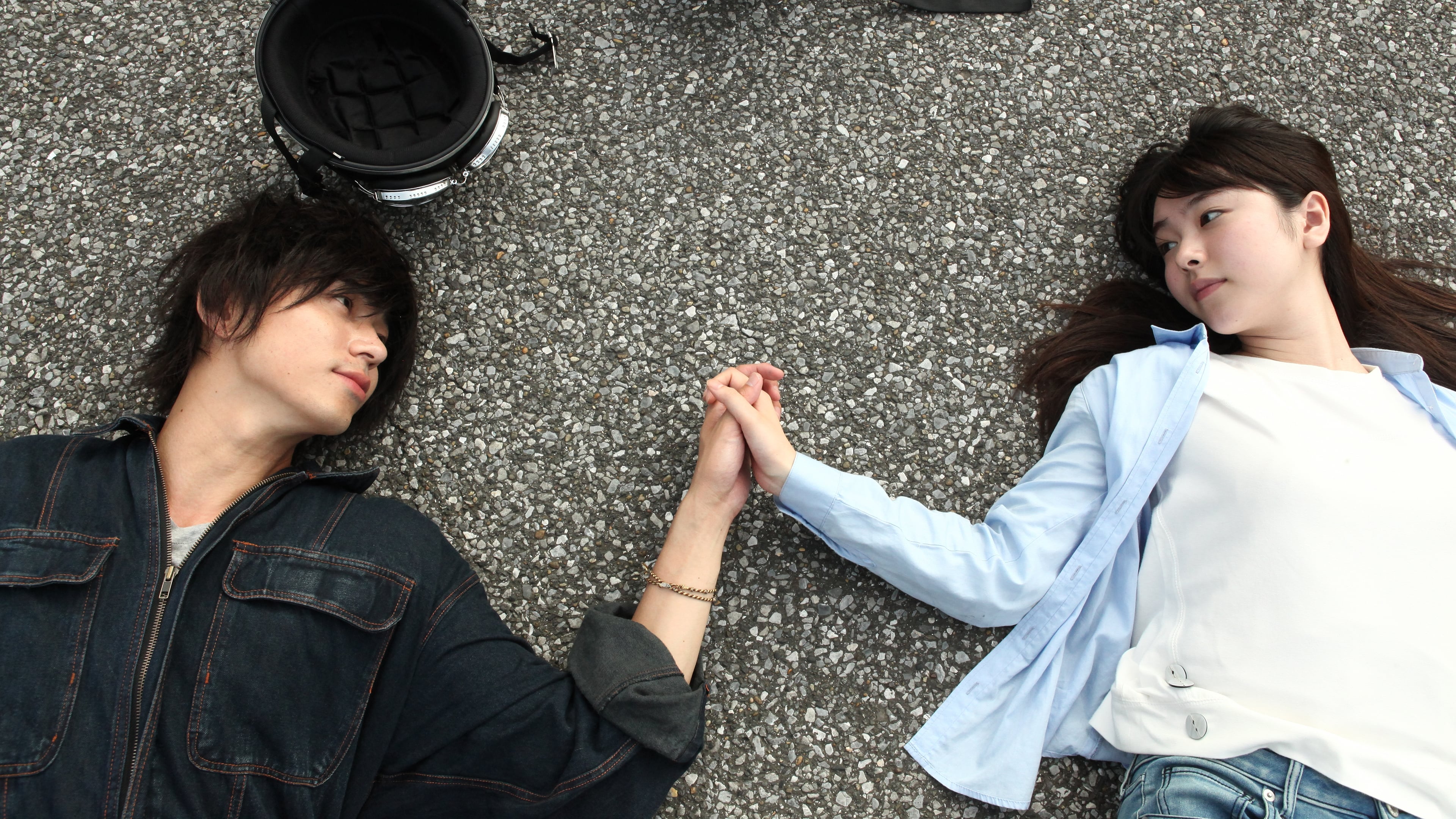
It felt like an accurate description of the movie until the finale really got going. Asako‘s choice to abandon her fiancé in front of all their shared friends to run away with her ex has thematic relevance, plays into the name and central theme of the film and is thankfully stripped of melodramatic exaggerations, but at the same time it feels like something you’d see on an „Am I the Asshole“ post or a cheap telenovela narratively.
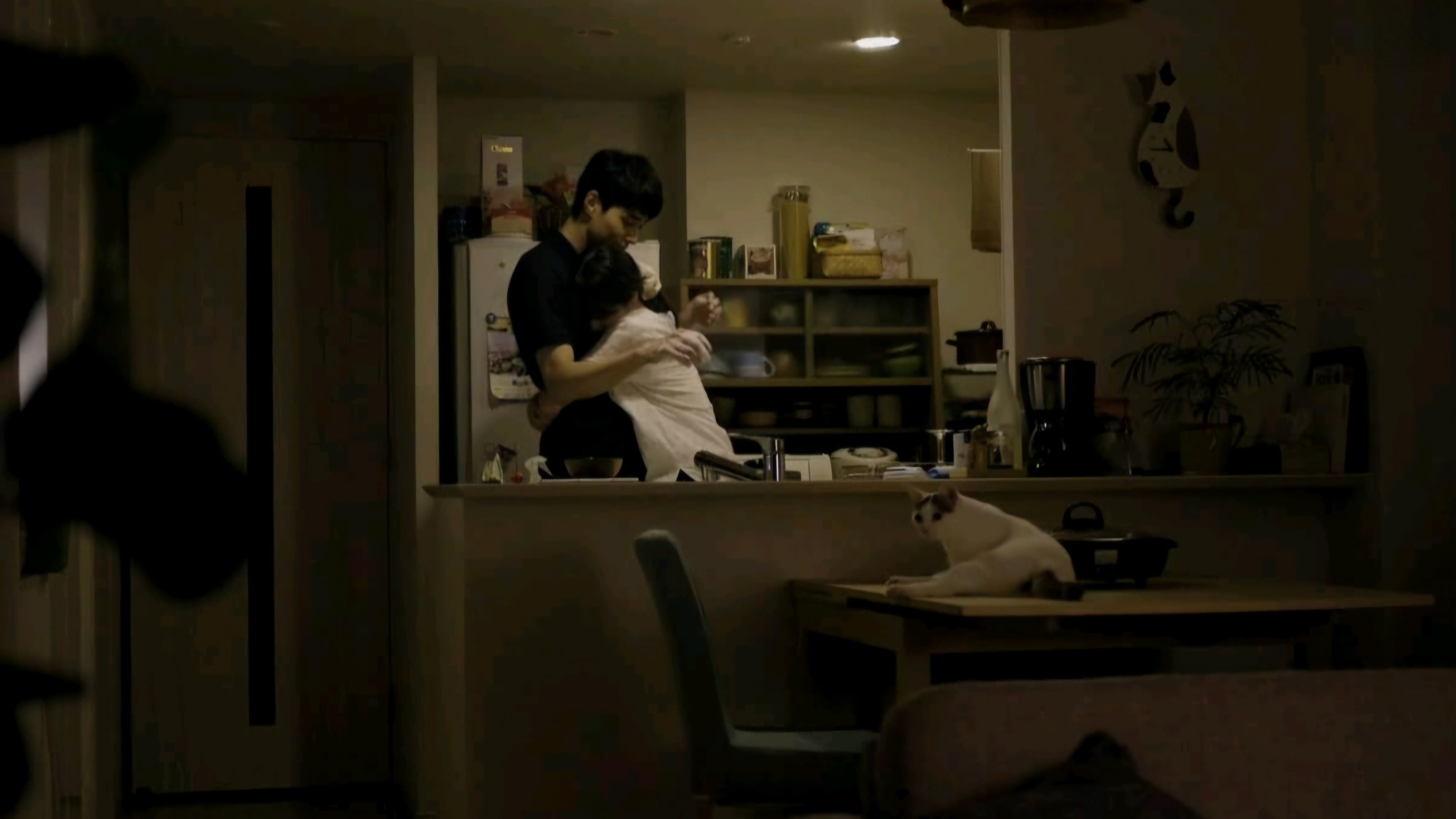
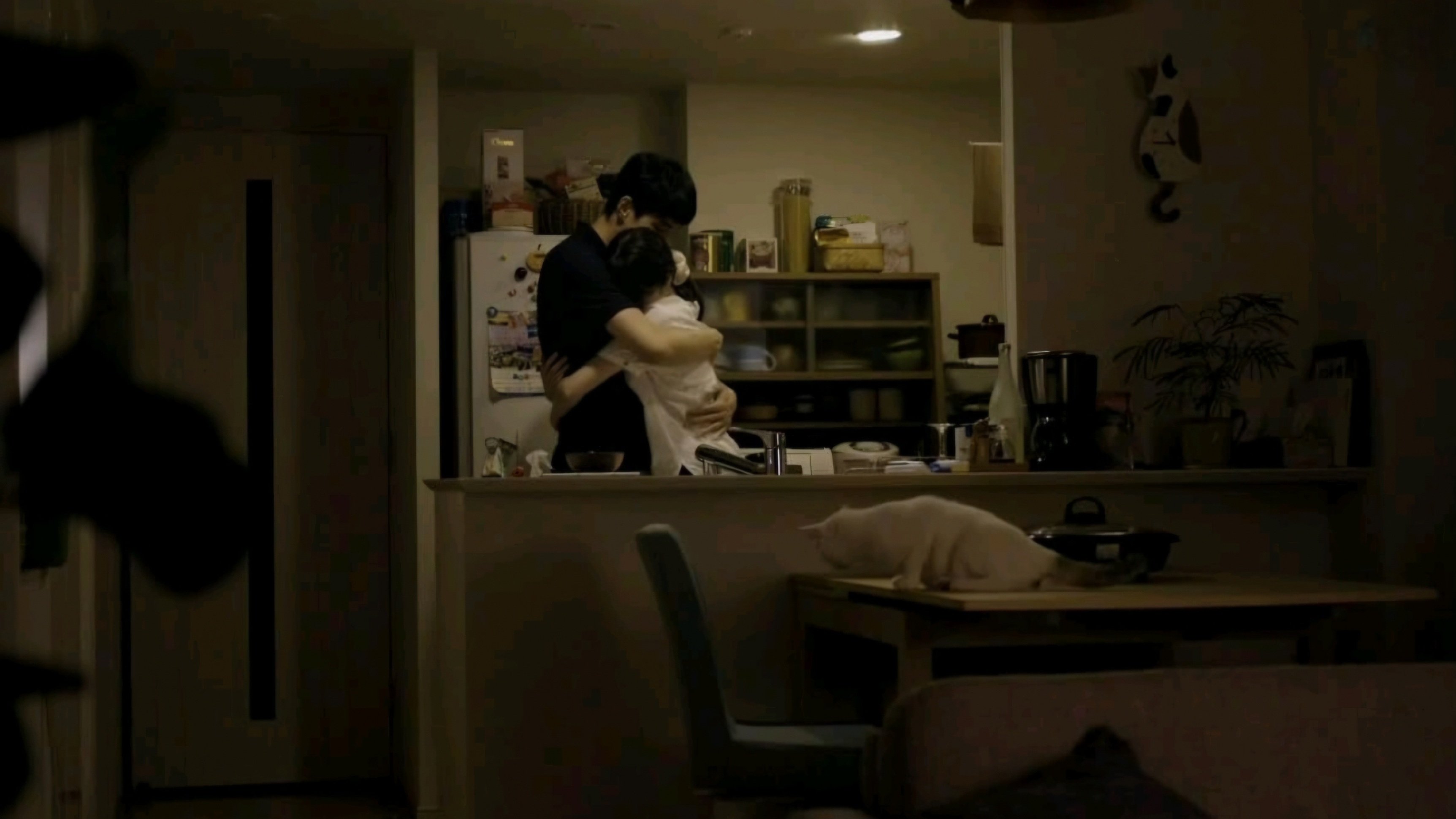
After a bit off push and pull Ryuske does take her back and we arrived at the „People changed“ part of the earlier quote. With the central difference being that a whole lot happened until then, a whole lot of uncharacteristically generic and dramatic storytelling you’d expect in a hallmark movie and not this at that.
While this review is mostly made up of my conflicted feelings towards the final act I believe that the beginning and middle parts are incredible enough to balance the things I dislike out, making for a beautiful and emotionally challenging experience.
Tentative, quiet, emotional; all are words you could use to describe this movie, but I think frustrating can also apply to it.
It’s honestly incredibly beautiful initially: it’s visually it’s stunning, the story has a nice slow pace and the score is quite unique as well. During the first 90 minutes I was thinking of a quote I picked up somewhere, I believe it was the mangaka Tatsuki Fujimoto who said it: „I like stories where nothing really happens, but the characters change.“
It felt like an accurate description of the movie until the finale really got going. Asako‘s choice to abandon her fiancé in front of all their shared friends to run away with her ex has thematic relevance, plays into the name and central theme of the film and is thankfully stripped of melodramatic exaggerations, but at the same time it feels like something you’d see on an „Am I the Asshole“ post or a cheap telenovela narratively.
After a bit off push and pull Ryuske does take her back and we arrived at the „People changed“ part of the earlier quote. With the central difference being that a whole lot happened until then, a whole lot of uncharacteristically generic and dramatic storytelling you’d expect in a hallmark movie and not this at that.
While this review is mostly made up of my conflicted feelings towards the final act I believe that the beginning and middle parts are incredible enough to balance the things I dislike out, making for a beautiful and emotionally challenging experience.