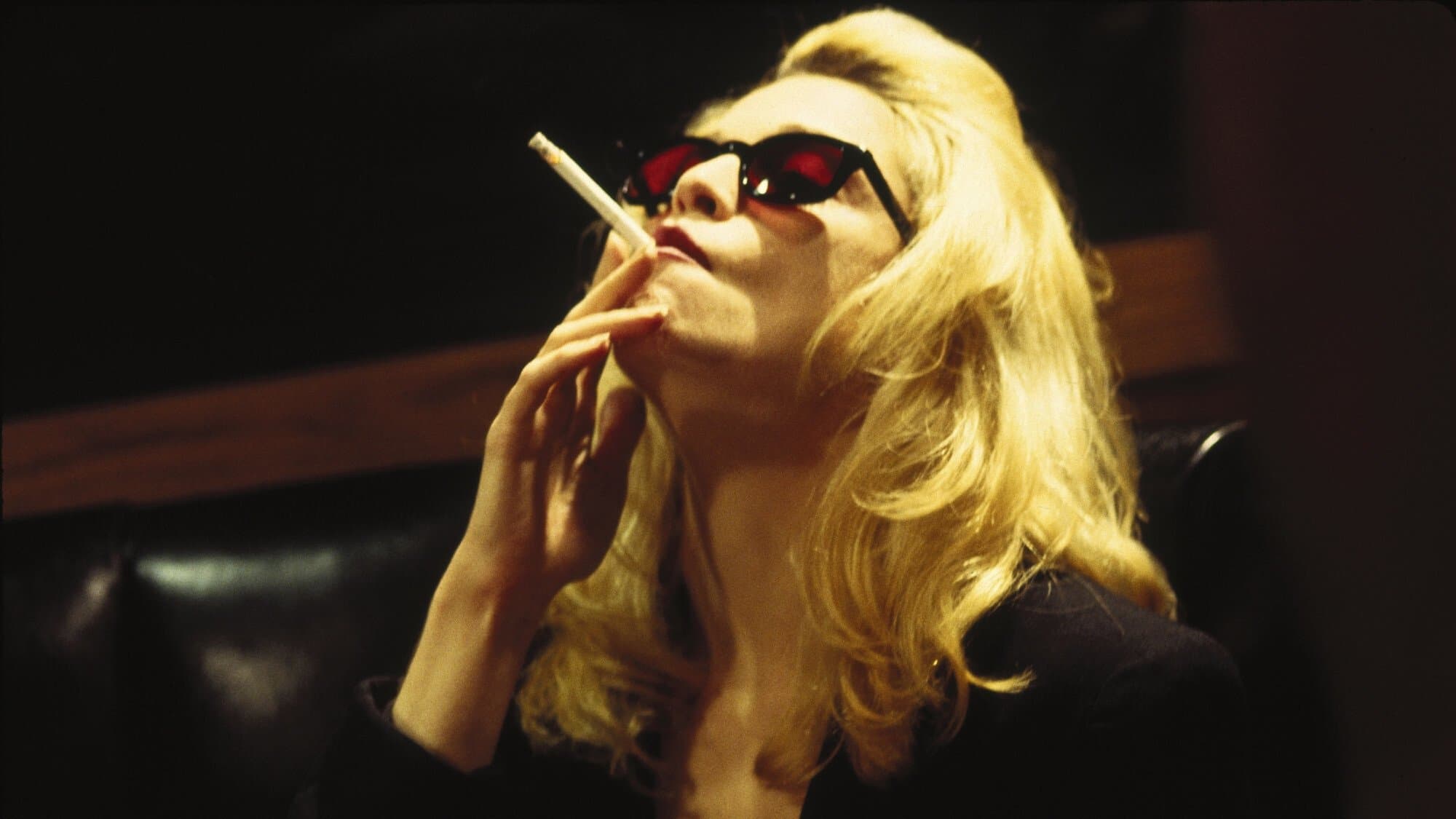
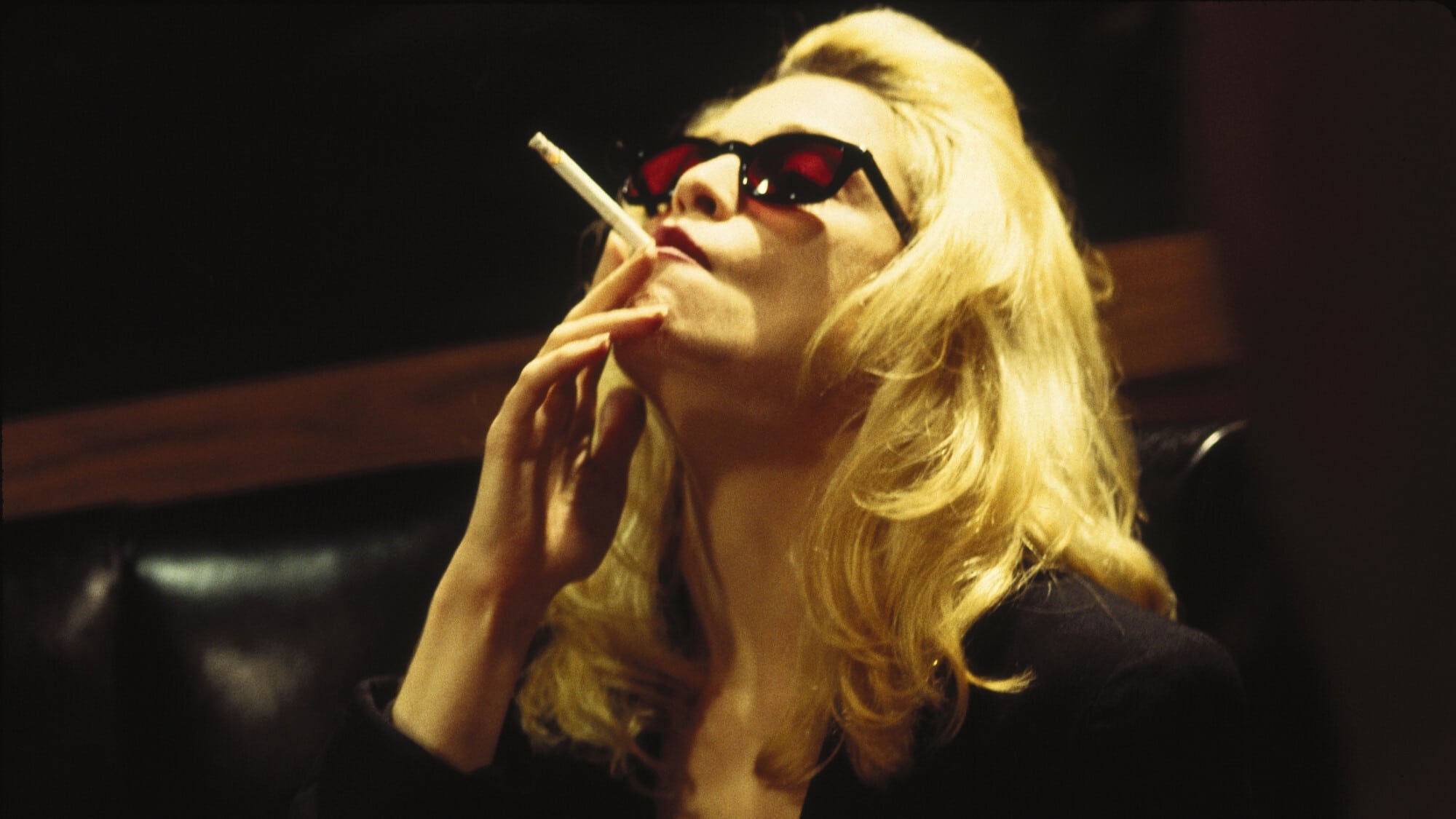
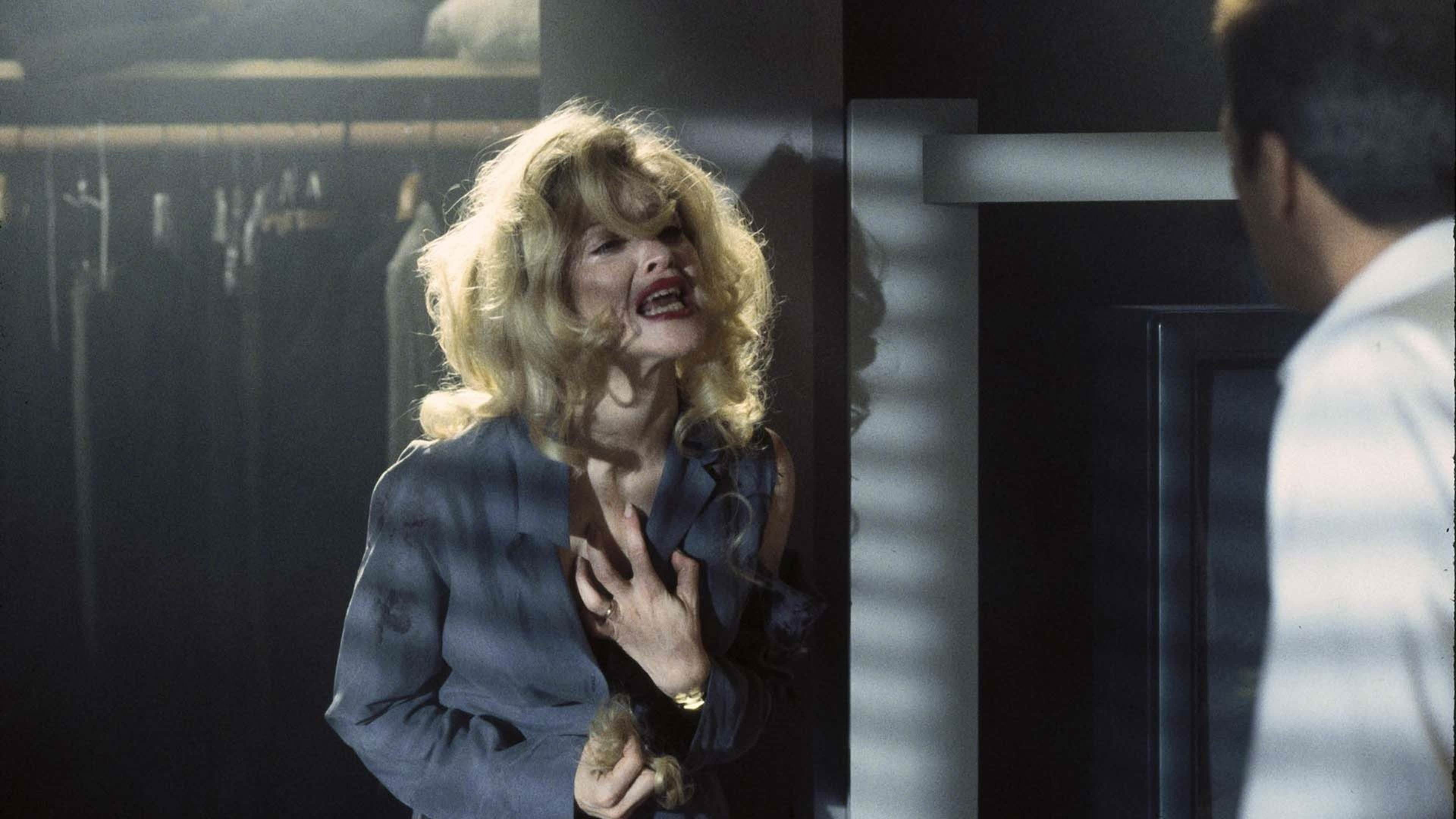
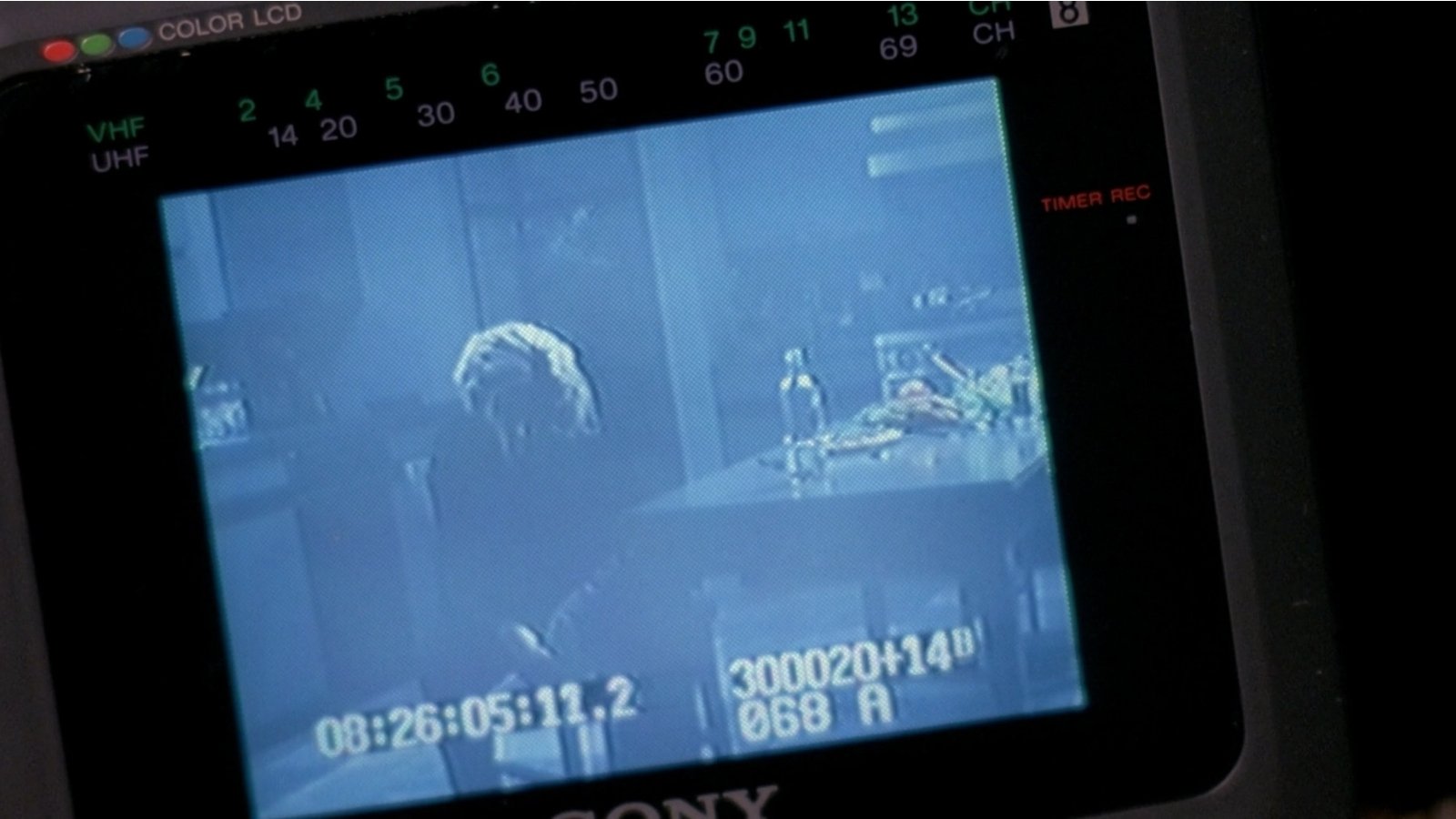
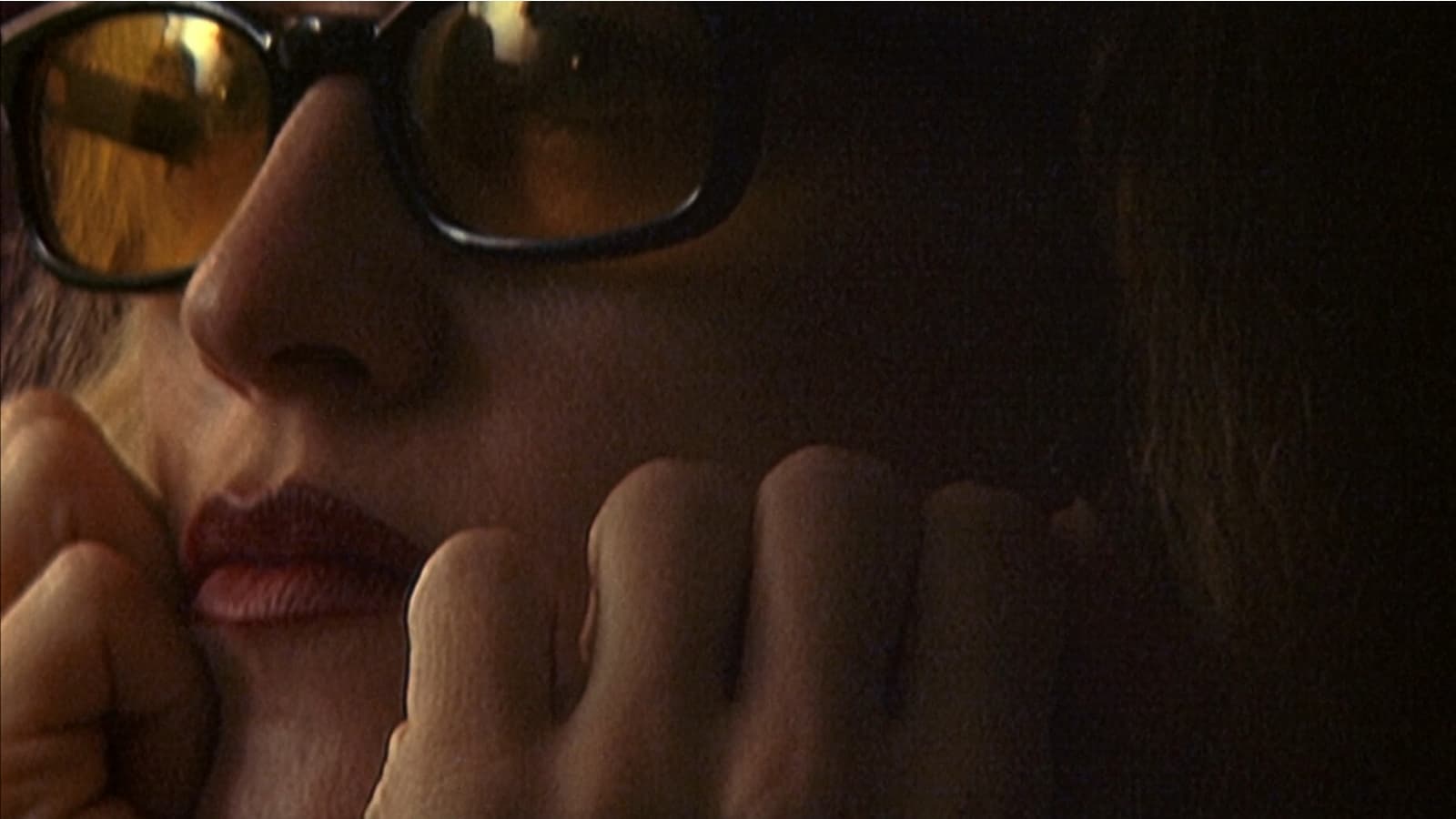
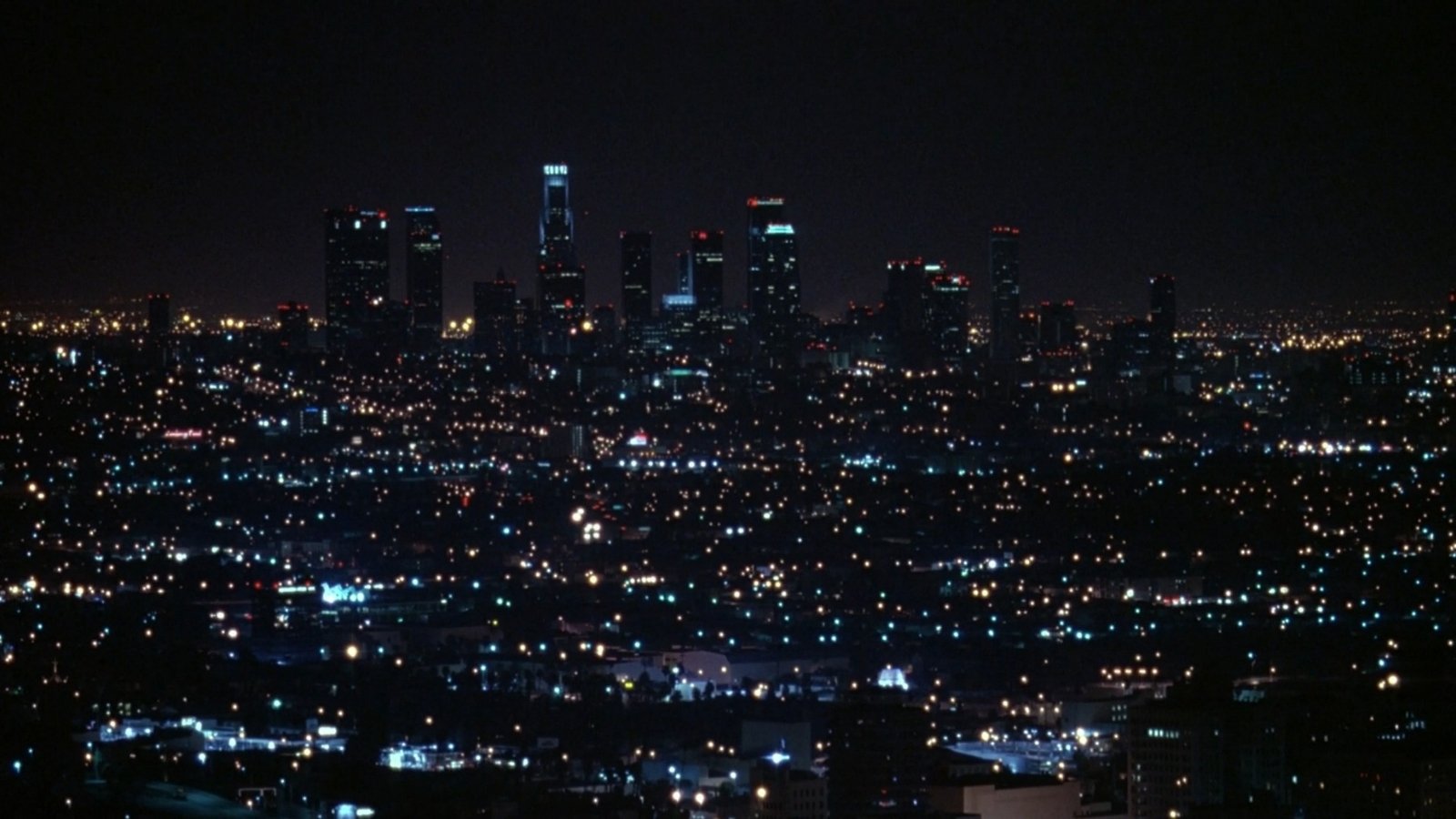
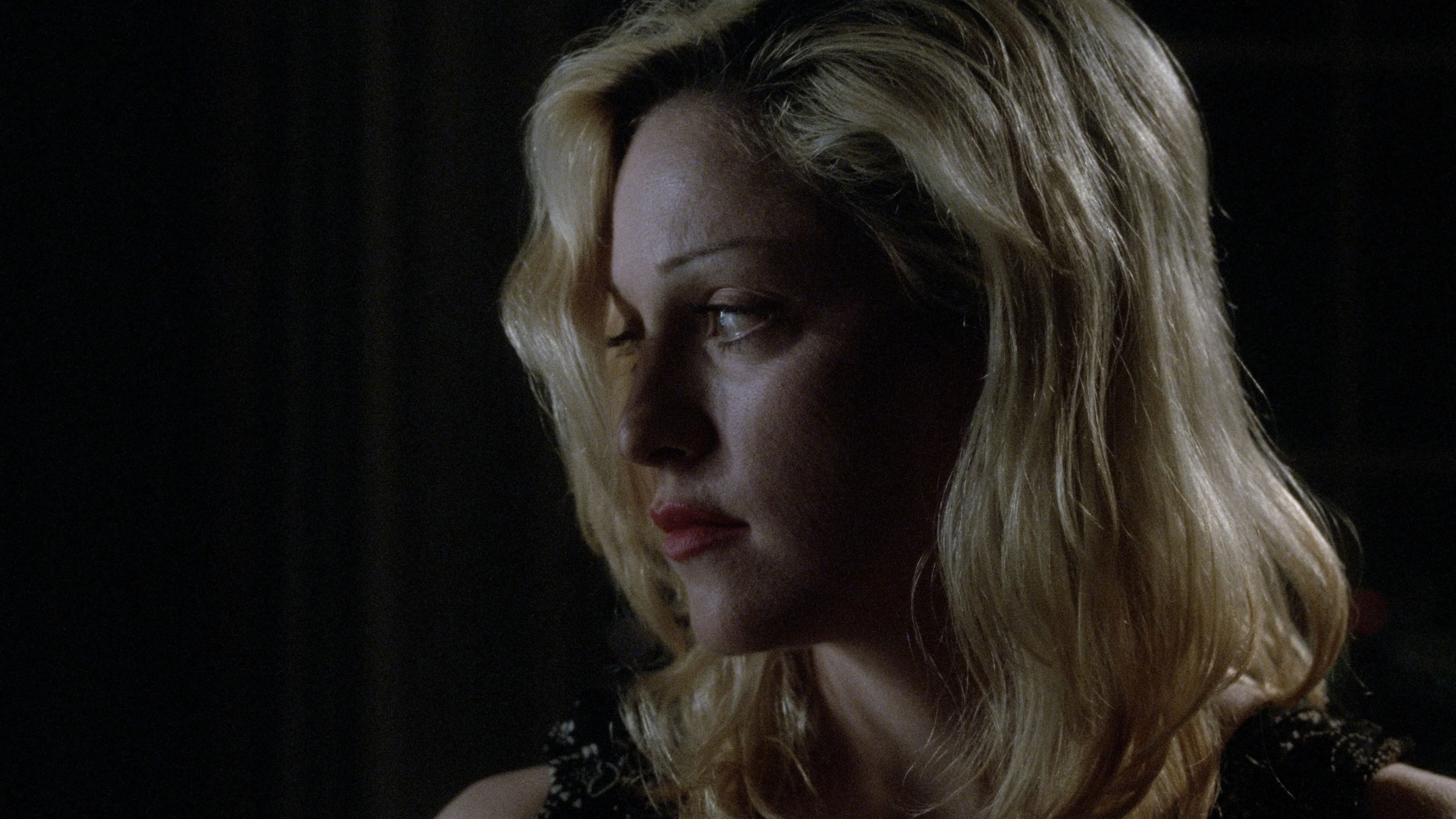
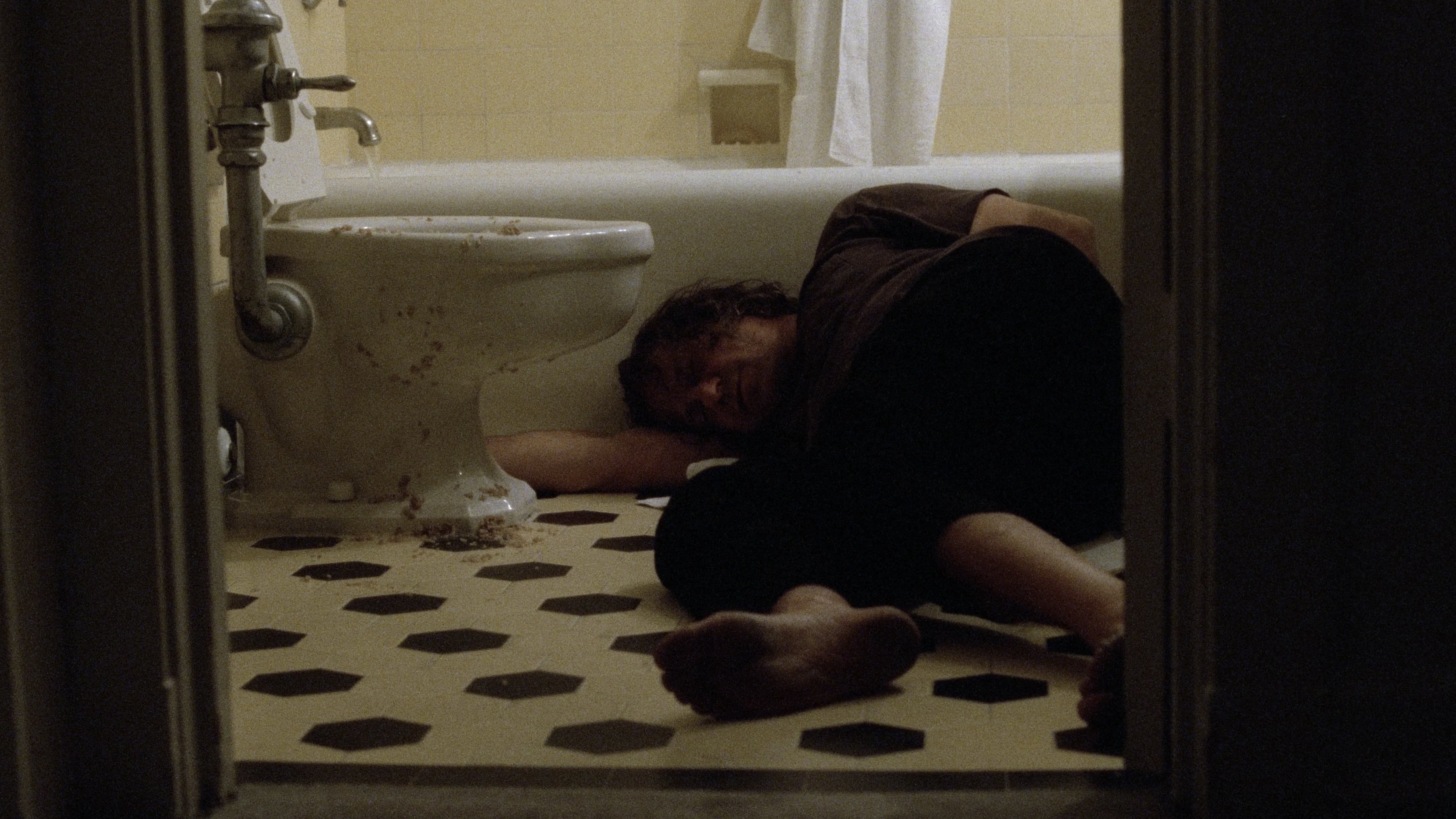
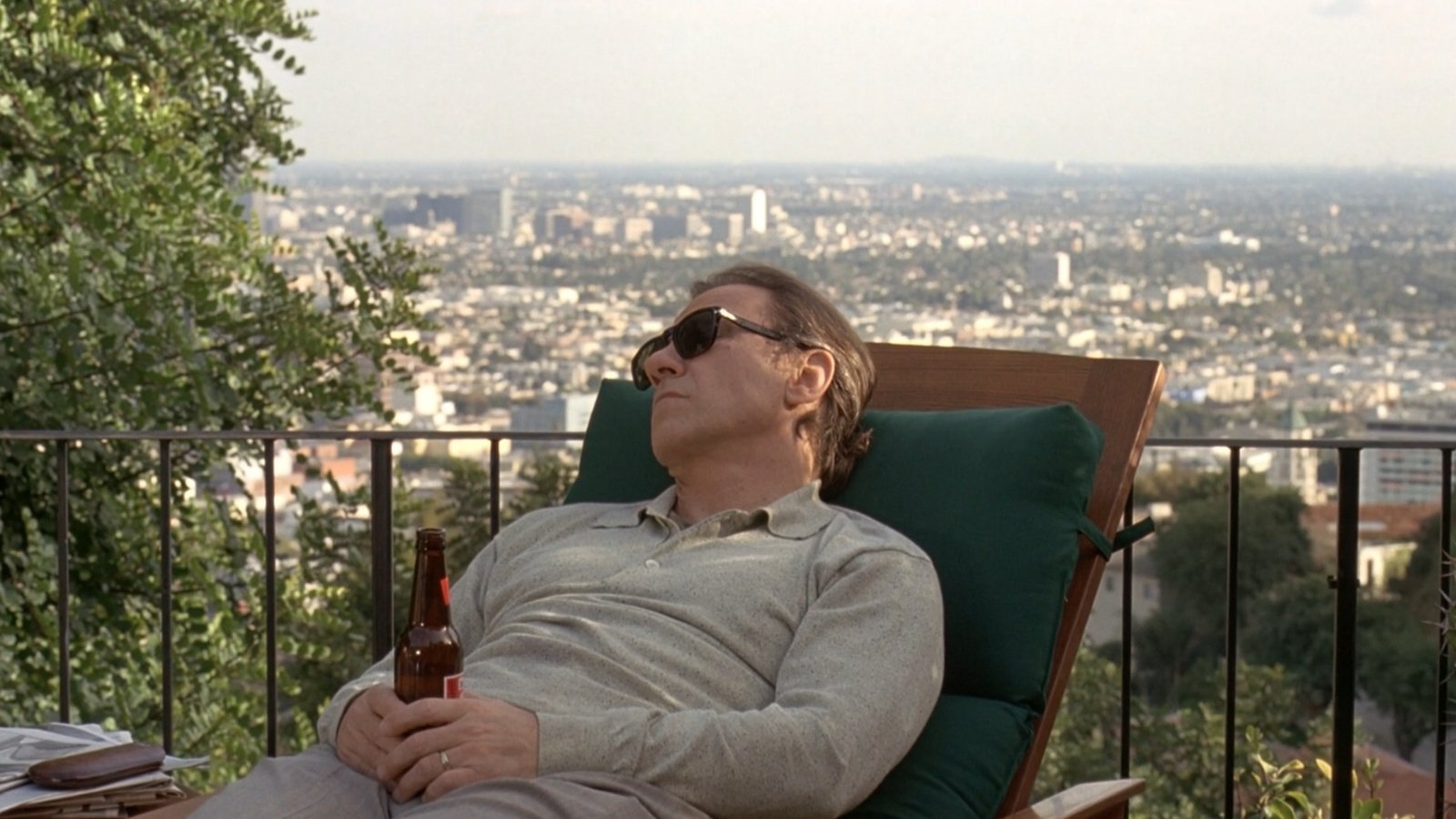
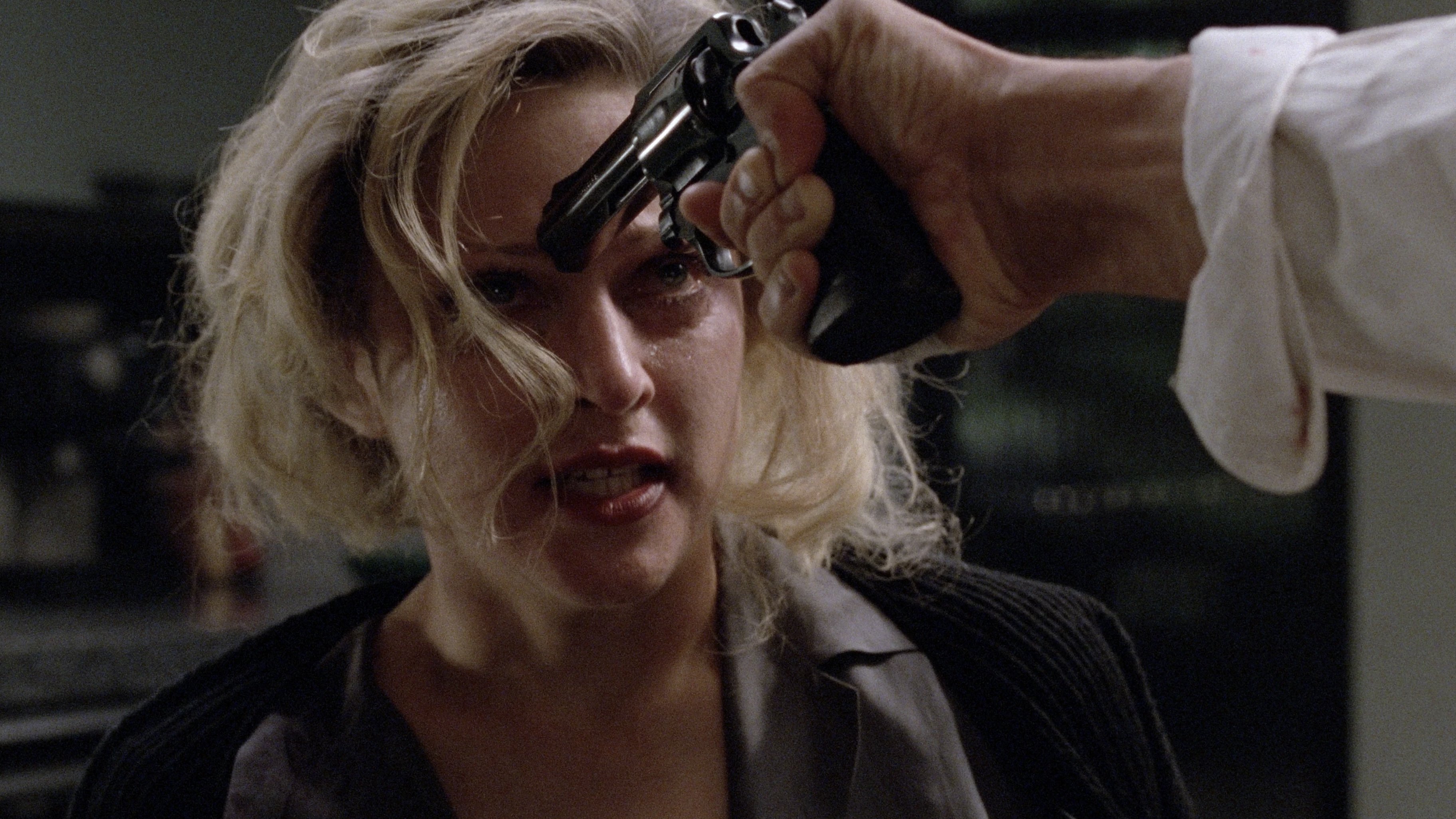
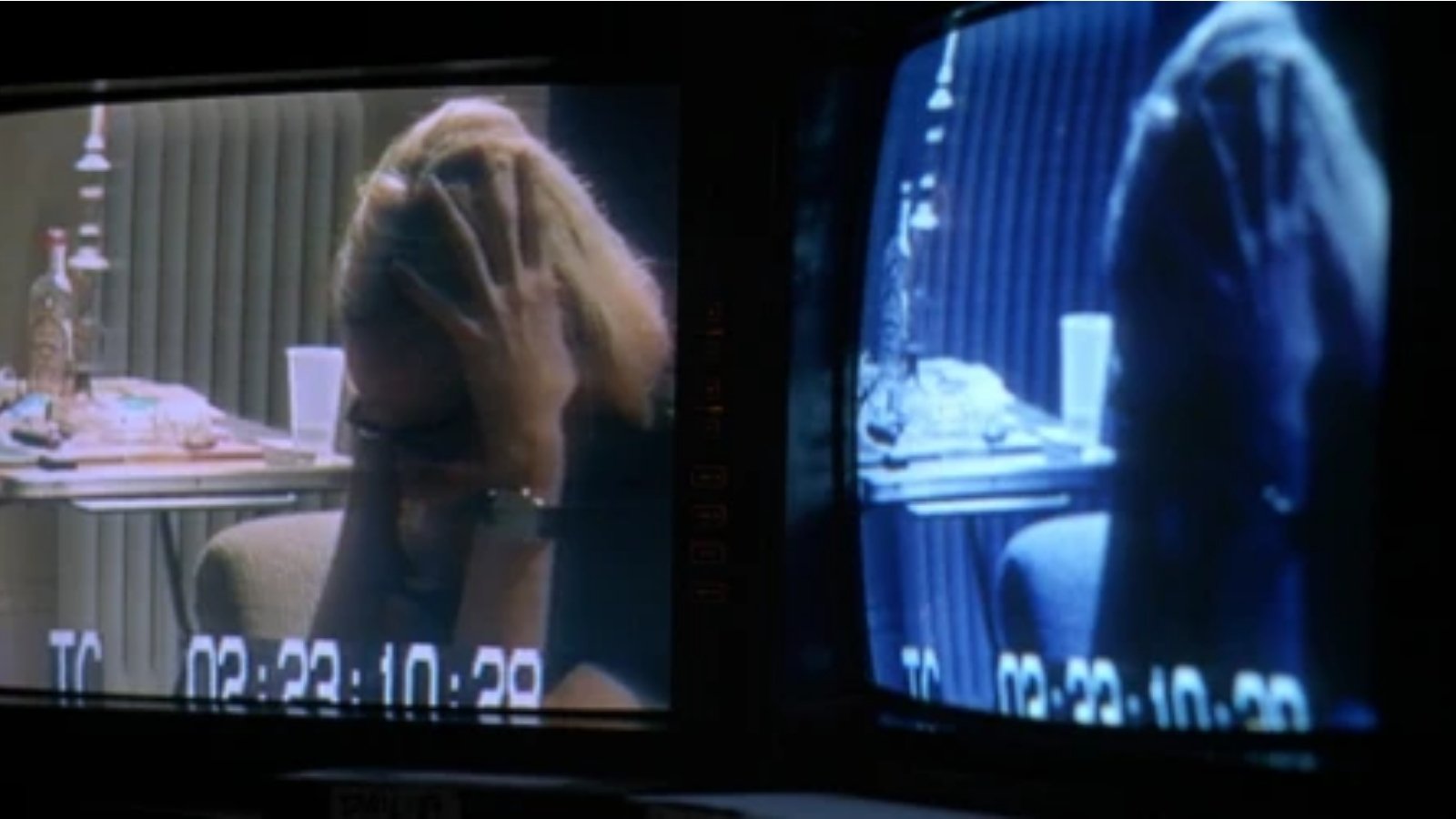
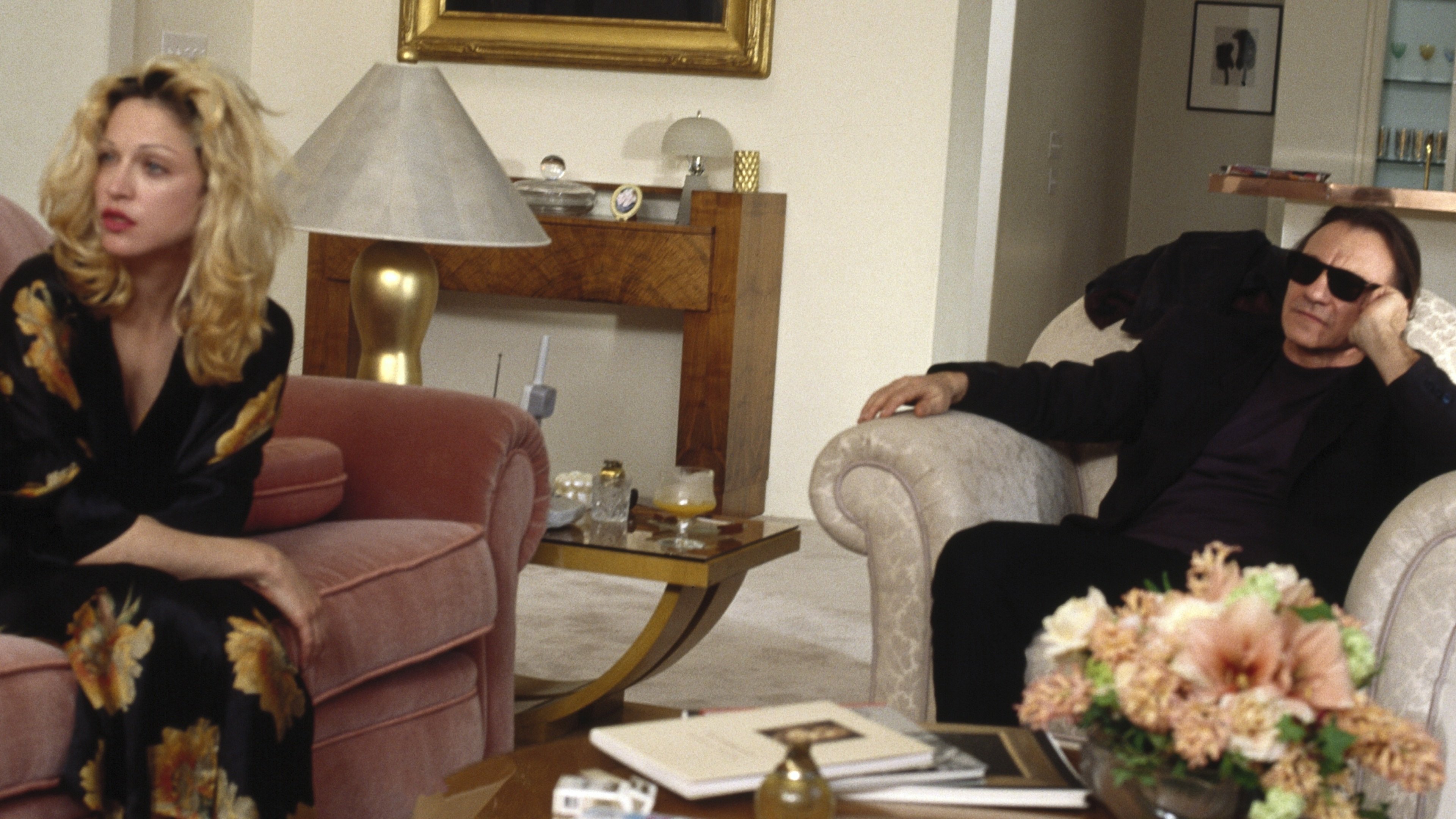
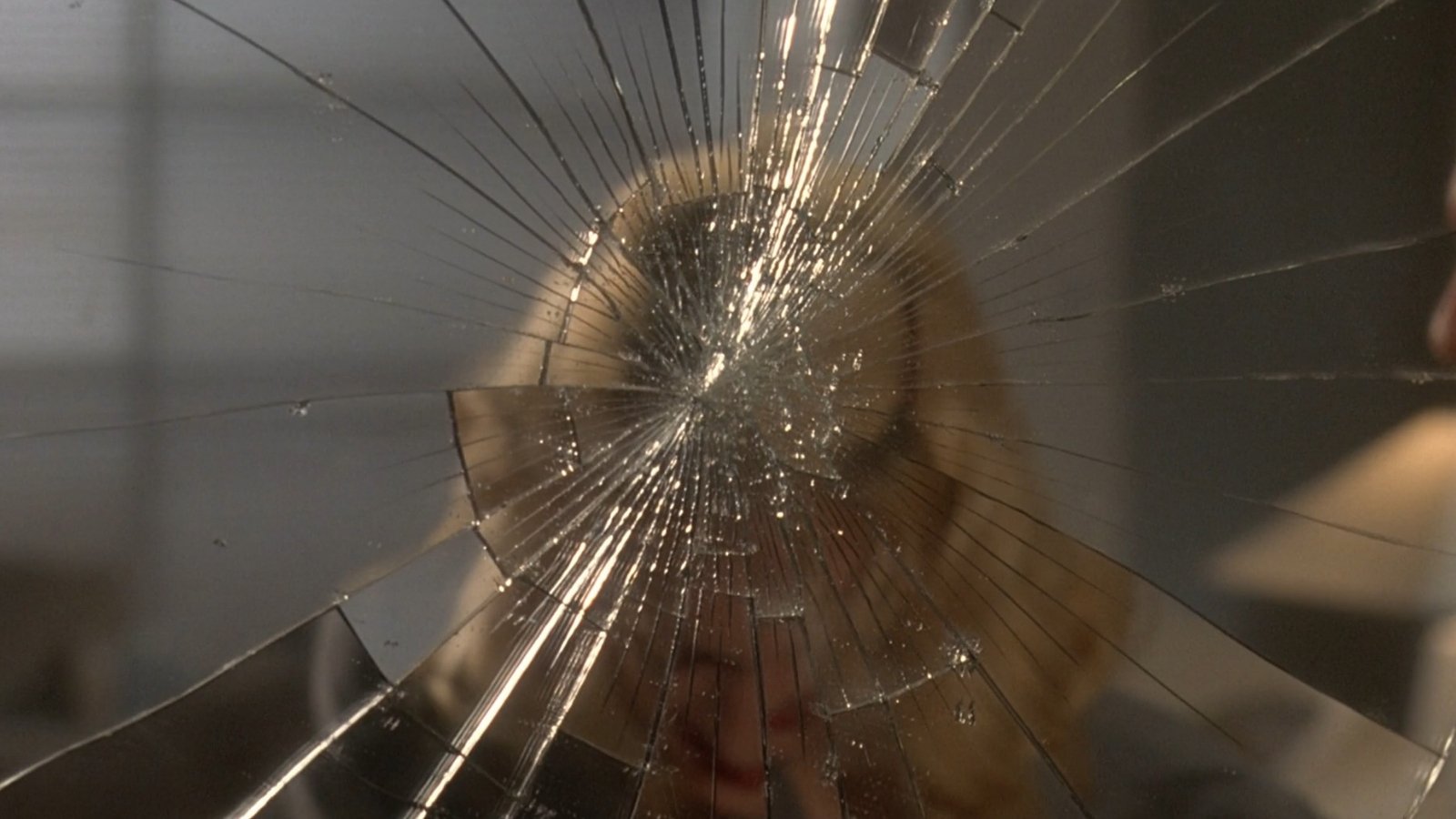
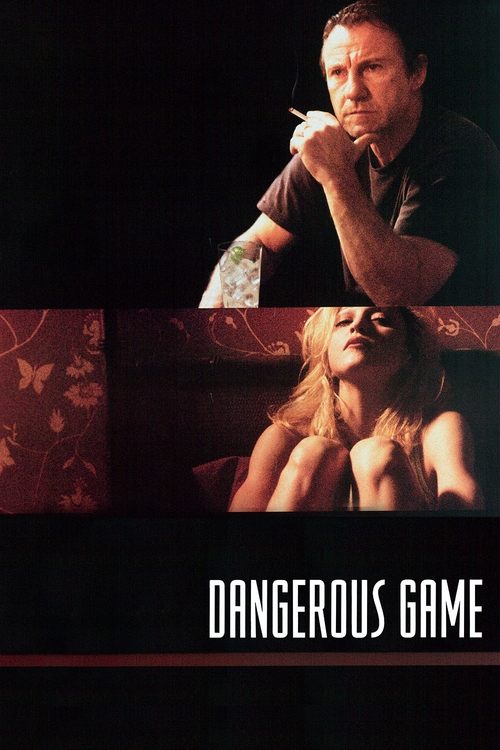
Off the rip: incredibly fascinating to see perhaps the most excruciatingly down-to-his-bones New York filmmaker alive venture out to Hollywood. And what most intrigues me about this is that, for all the horrible things he’s depicted in the Big Apple, I’m not sure he’s ever made something look and feel quite as hellish and evil as the City of Angels. Artists, creative folk, whatever your preferred terminology, are a strange lot of people because I cannot imagine the testicular fortitude and self assurance it must have required of Ferrara to cast his own wife as the bride of a shithead director who is cheating on her with his leading lady, who also happens to be played by fucking Madonna. The film-within-a-film nature of it all really makes this feel extremely introspective. It is a thought that’s crossed my mind every so often: how strange and alien must a film set be sometimes? Beneath all the movie magic and the exertion of artistic merit and creativity, do the people involved ever stare into that camera and have any sort of out of body experience? Is there any kind of internal pull and tug? Ferrara, one of the medium’s kings of depicting matters of a corrupted soul, really forces to look at what goes on during a film shoot and you, as a normal person who has never been in that world, get a face full of a man behind a camera trying to work out how bad a person he is with his art. There is nothing especially gory or particularly violent in a traditional sense that happens here, but the extensive and unflinchingly detailed scene where they’re shooting a rape sequence is one of the most skin crawling things I’ve ever seen. Even on the other side of the protective barrier of your television, you can feel that thick and excruciatingly awkward air that must fill a set when you have to witness something like that. What must that drum up in the people who have to perform it? The two core performances at the epicenter of all of it are sort of monumental. I’ve seen Harvey Keitel play the guy who finds out he’s a piece of shit and tries to atone for it or soldiers through it, at least until he can’t anymore, but to see him play somebody with his head so firmly up his own ass was kind of revelatory. Works as a rather profound companion to his career-best work as the Lieutenant, seeing him try and dictate his own emotions and pent up self-hatred and deep resentment for a God he claims must not exist but tries to duplicate by commanding his cast to get him somewhere coasting off their manufactured feelings. Watching him bully and beg and coax all of these people on a film set, his domain where he sees all and runs all, and watching him get sucked into a vortex of trouble with his lead star and still holding onto that feeling of power is fascinating because he crumbles and spirals the second he goes home and finds a face that doesn’t fold for his shit. Like the fictional Eddie Israel, in a roundabout way, Ferrara brings the best out of Keitel and has gotten him to channel deep emotions that I’m not sure another filmmaker (even God Marty himself) has achieved with him. Madonna is the big revelation for me, though, because she is exceptional in a role that demands some extremely complicated emotions while also asking the person playing it to be convincing as a “bad actress”. At the risk of insinuation, I do think Ferrara fell a little bit in love with her. Or, at least, with the way she just glows in front of a camera. His closeups on her are gorgeous and devastating and delicate, even when he’s got her made up to be bruised and battered to shit. She approaches the role of Sarah with a very tender touch, to the point of being raw. It’s not hard to understand why Keitel falls so quickly for her. If he’s capable of actually feeling what he says he does, you’re coasting right along with him when she peels back the layers of her past and shares with him what’s eating at her and making this shoot so prescient for her. When we first meet her, she is elusive and sleek and beautiful and alluring. Watching the torment of this film and the man making it and the abuse of her shithead method actor co-star coming down on her is authentically haunting. The way he shoots LA is just grim as all fuck. This dark, ominously glowing hub of ecstasy and dimly lit restaurants and shady parties and rooms choking with cigarette smoke. Billboards advertising all the things you can go and see and taste and have, building after building trying to distract you with something new. Consume, consume, consume. You get the sense that, despite how elegantly he does shoot it, Ferrara might fucking hate this town and what it brings out of people. Hard to overstate the sharp contrast between how intimately and delicately he shoots the snowy and familiar little corner of New York as this sort of safe space, a home that has been founded on what was once presumed to be trust and the absolutely lawless, unrestrained new territory of Hollywood. Keitel goes to California to shoot a movie about a man who violently resents and rejects the idea that somebody can change or want to do better and want to do something about the black hole in their heart. One of the more effective and heavy shots of the whole film is when we’re watching the dailies on a Sony camera, when James Russo is taking liberties with Madonna’s safety even after the “cut” has been called, and then it cuts back to Harvey Keitel in his seat on an airplane, looking effectively and appropriately like an asshole in his black shades and headphones and nursing his glass of black wine. It’s almost as chilling as the scene where he and Madonna share their dance by the pool, to extremely ominous and understated fucking music, and he looks almost like a ghoul or like a demon in black with his back to the camera. Blanketing her figure like he’s polluting her. Like a vampire ensnaring her in his clutches. A bad man at the scene of bad things, who seems to think it gives him an outlet, as if to justify his own mess. Show business looks like a bad place to be. And it makes one wonder what Ferrara has seen to be able to conjure up such a dark vision of it. A great, evil work.
“Abandonment is a death. For all of us.”