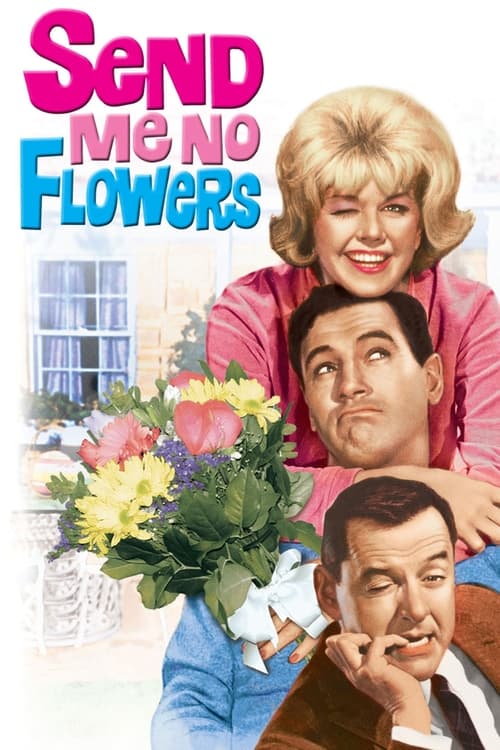
Norman Jewison’s Send Me No Flowers is a clear step up from The Thrill of It All. Where that earlier film was so aggressively misogynistic it bordered on self-parody, Send Me No Flowers, while hardly a founding feminist text, displays a noticeably greater baseline respect for women. The difference is not subtle. One film treats female autonomy as a problem to be solved; the other at least recognizes it as a reality to be negotiated.
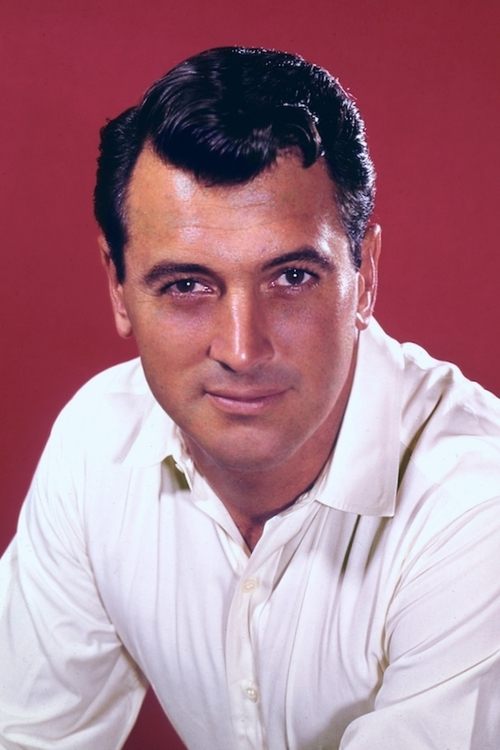
The plot centers on George Kimball (Rock Hudson), a chronic hypochondriac who returns to the doctor barely two weeks after a full physical. His physician, Dr. Morrissey, is played by Edward Andrews, whose career reads like a tour through American studio filmmaking, from Adam’s Rib to Sixteen Candles to Gremlins. George is told, correctly, that he’s fine and suffering from nothing more than indigestion. Unfortunately, before leaving the office, he overhears Morrissey on the phone discussing another patient who has only weeks to live. George misses the crucial detail that this call concerns someone else and immediately concludes that he himself is doomed.
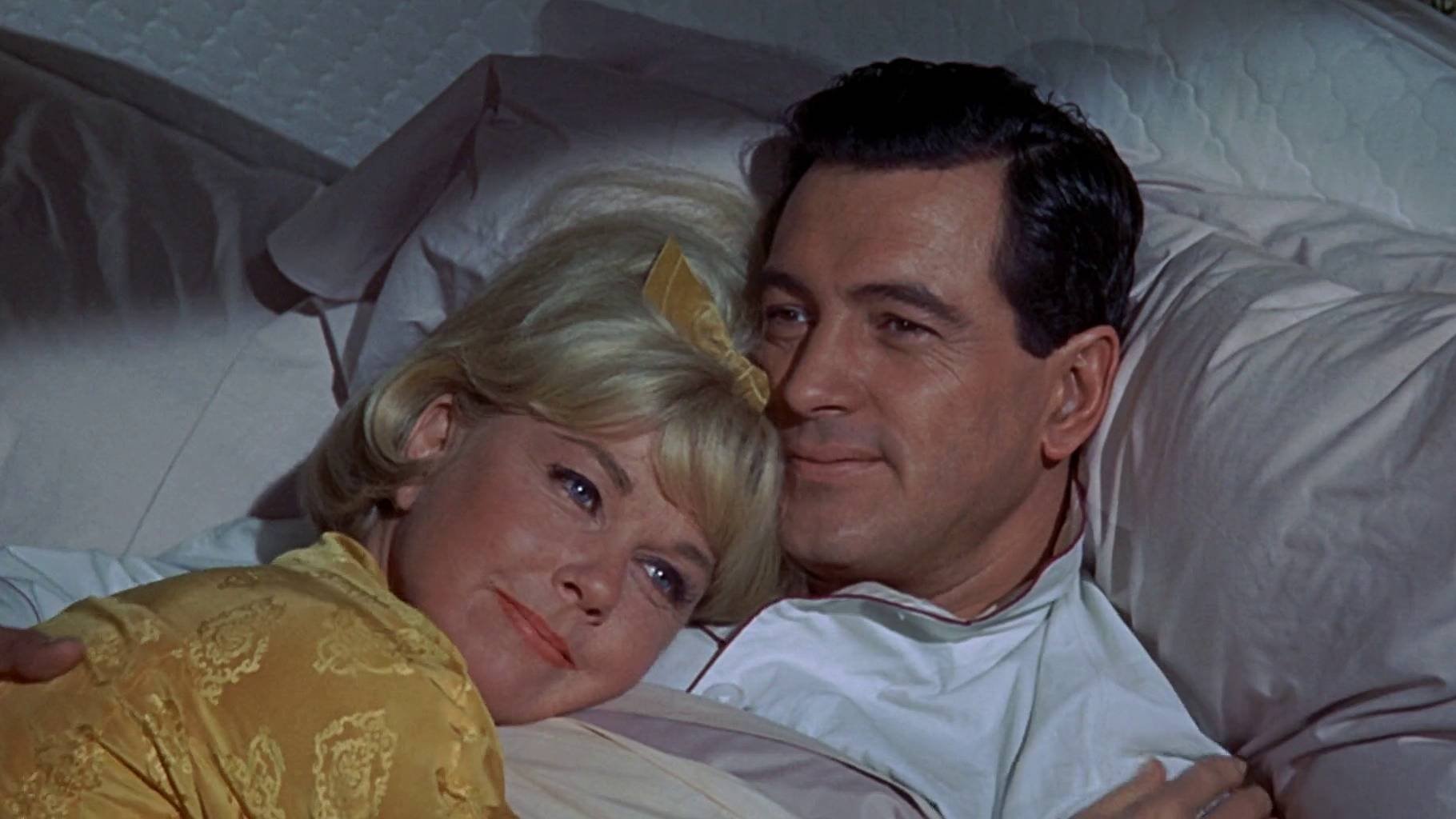
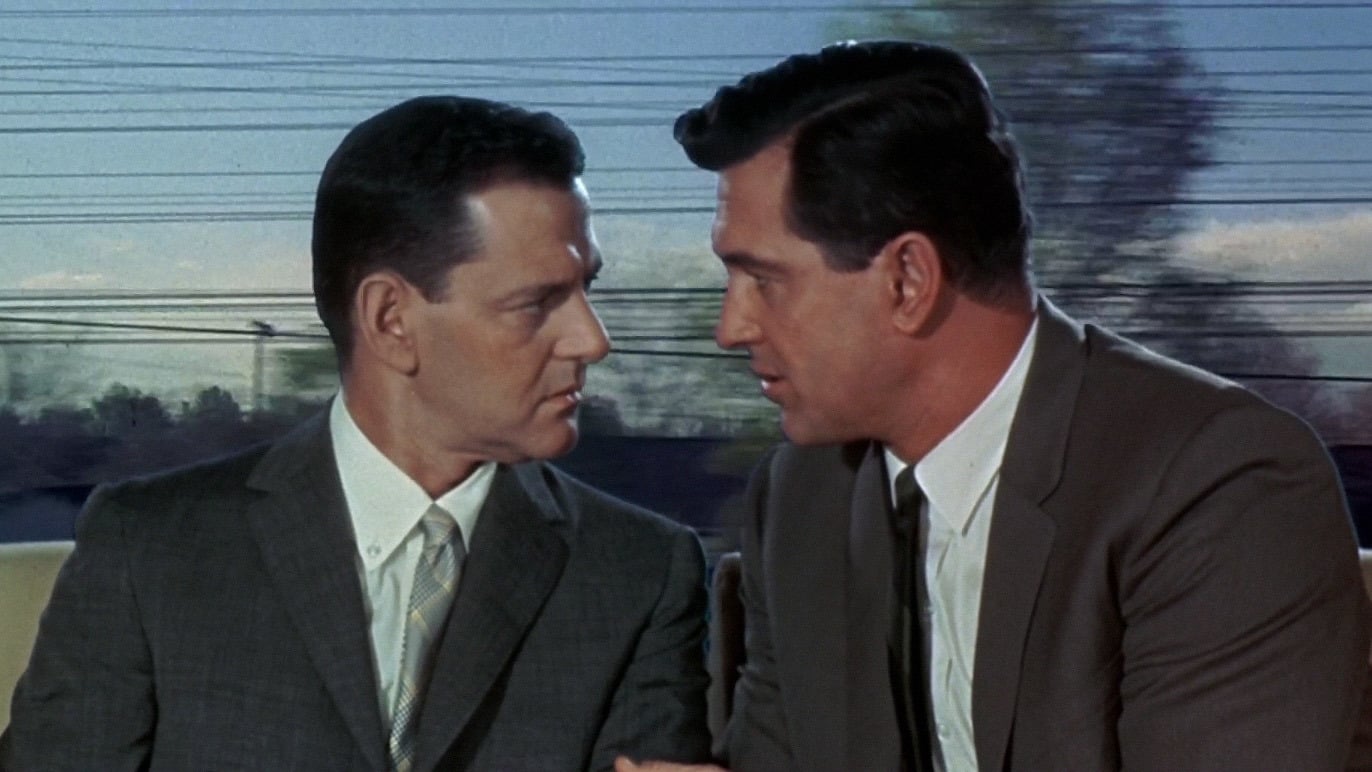
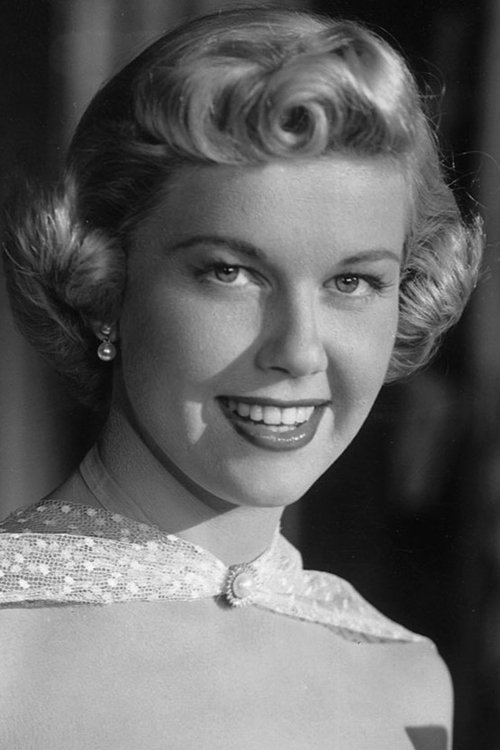
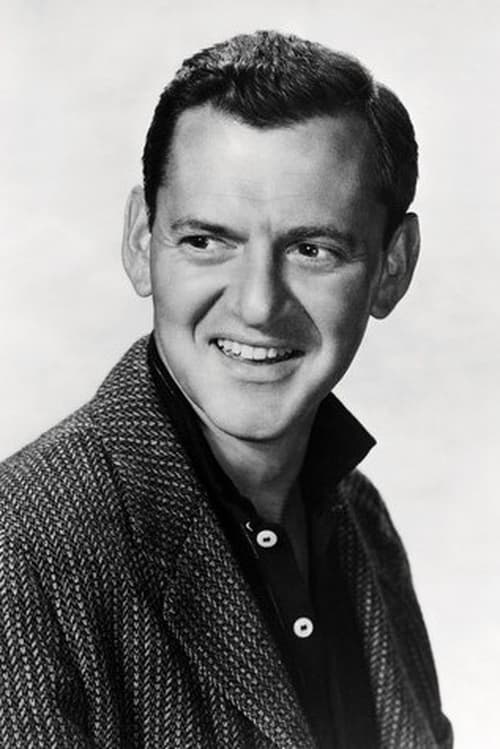
From there, the film’s engine kicks in. Convinced of his impending death, George becomes fixated on ensuring that his wife Judy (Doris Day) will be able to survive without him in the deeply patriarchal ecosystem of the early 1960s. His plan involves nudging her toward remarriage, a process that quickly becomes tangled in misunderstandings, jealousy, and wounded pride. Tony Randall’s Arnold Nash serves as George’s sole confidant, the only person who knows George believes he’s dying and who watches, helplessly, as the situation spirals.
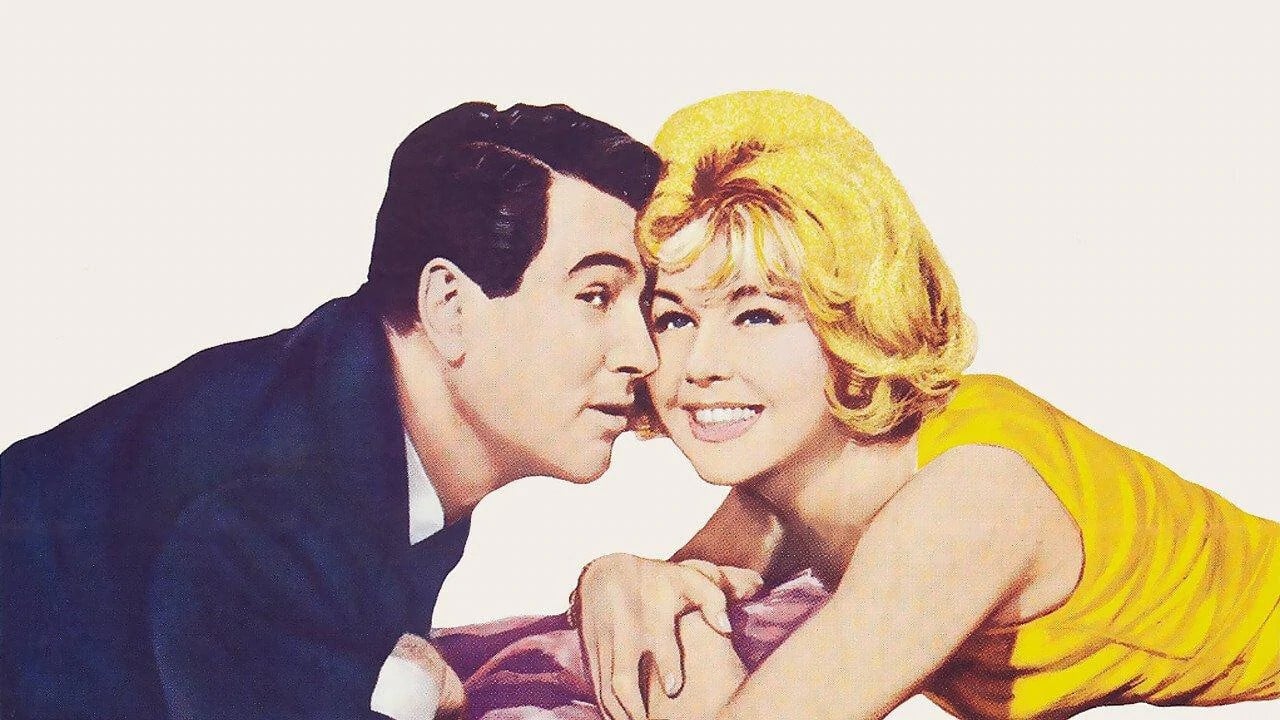
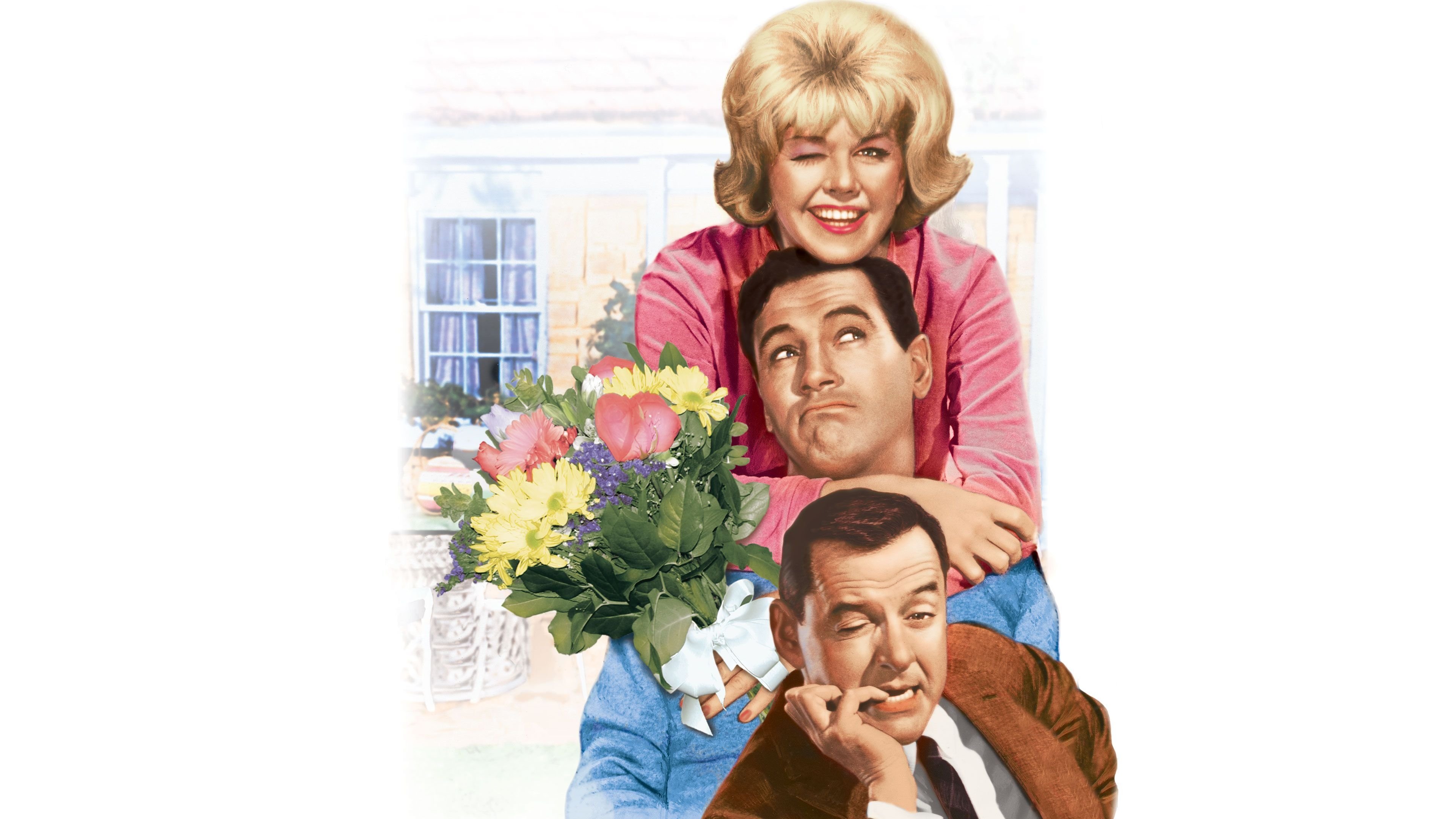
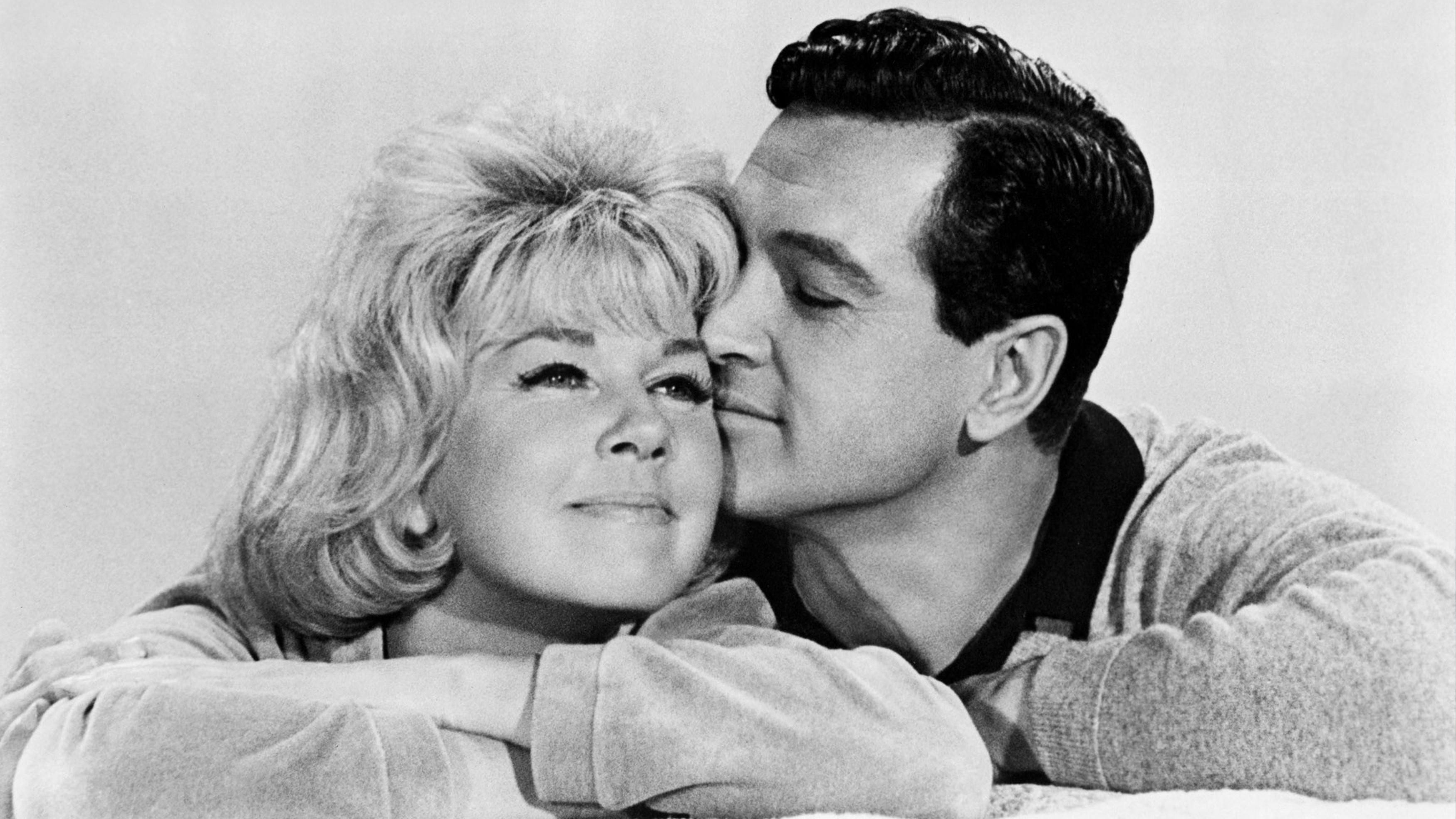
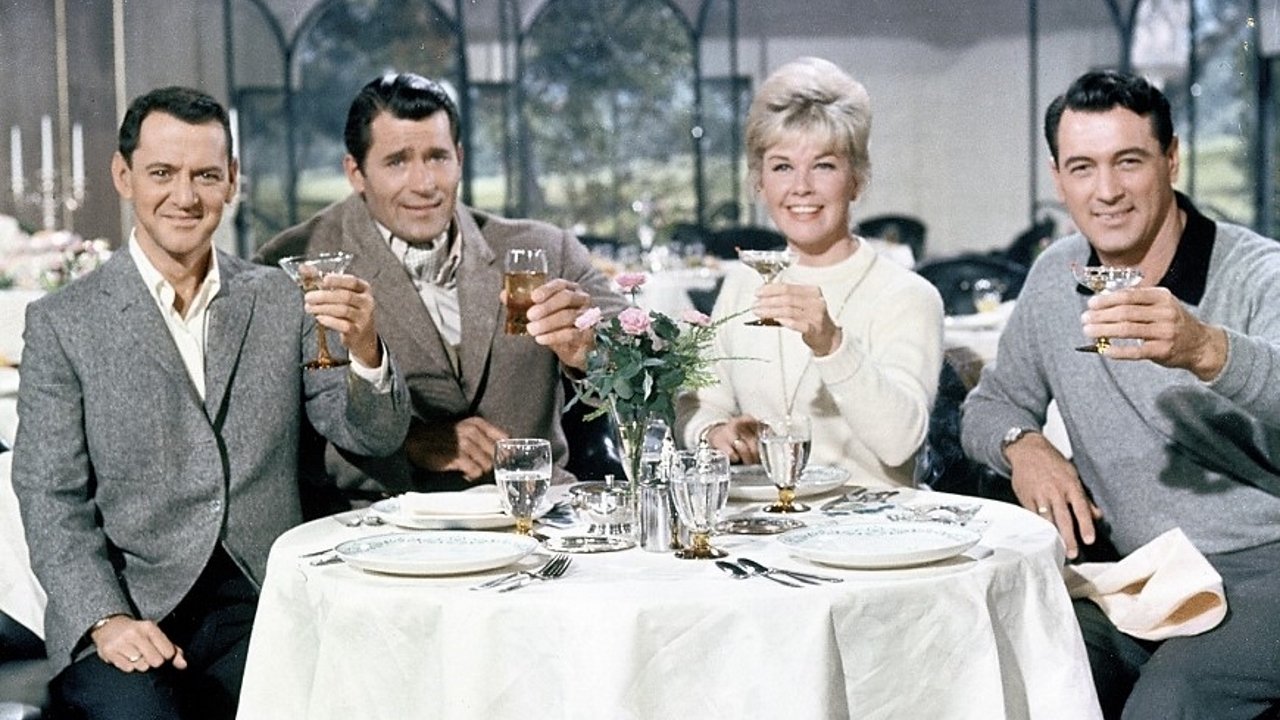
Send Me No Flowers is the third film pairing Rock Hudson, Doris Day, and Tony Randall, following Pillow Talk (1959) and Lover Come Back (1961). The trilogy functions less as a narrative sequence than as a recurring fantasy, with the trio essentially remixing the same archetypes across different romantic misunderstandings. I haven’t seen the earlier two entries, though Lover Come Back, arriving shortly after Delbert Mann’s Oscar win for Marty, was likely treated as something of an event.
Like The Thrill of It All, this is a pastel, small-scale domestic comedy built on mistaken assumptions about infidelity, masculinity, and cuckoldry, and the uneasy overlap between them. But what distinguishes Send Me No Flowers is its surprisingly thoughtful treatment of anxiety. George accepts the idea of his death with startling speed. After a brief bout of despair, his focus shifts almost entirely to practical concerns, specifically Judy’s future. This feels oddly perceptive for a studio comedy of the era.
People with anxiety disorders, hypochondria included, often respond to catastrophic ideas with a kind of grim calm. When everything already feels like a crisis, the leap from indigestion to terminal illness is not a leap at all. George’s reaction rings true in this way. Despite having nothing more than mild stomach trouble, he fully commits to the belief that he is dying, not because he is irrational, but because his internal logic has always been calibrated to disaster.
That psychological clarity is what ultimately elevates Send Me No Flowers. Beneath the farce and the period gloss, it understands something real about fear, control, and the strange relief that can come from believing the worst has already happened. George’s obsession with Judy’s future is not framed as noble self-sacrifice so much as an anxious bid for order. If he can arrange the terms of her life without him, then his death becomes a problem with steps, not an abyss. The comedy grows out of that impulse. His attempts at kindness curdle into manipulation, his concern into quiet condescension, and the film is sharp enough to recognize that distinction even when it plays the results for laughs.
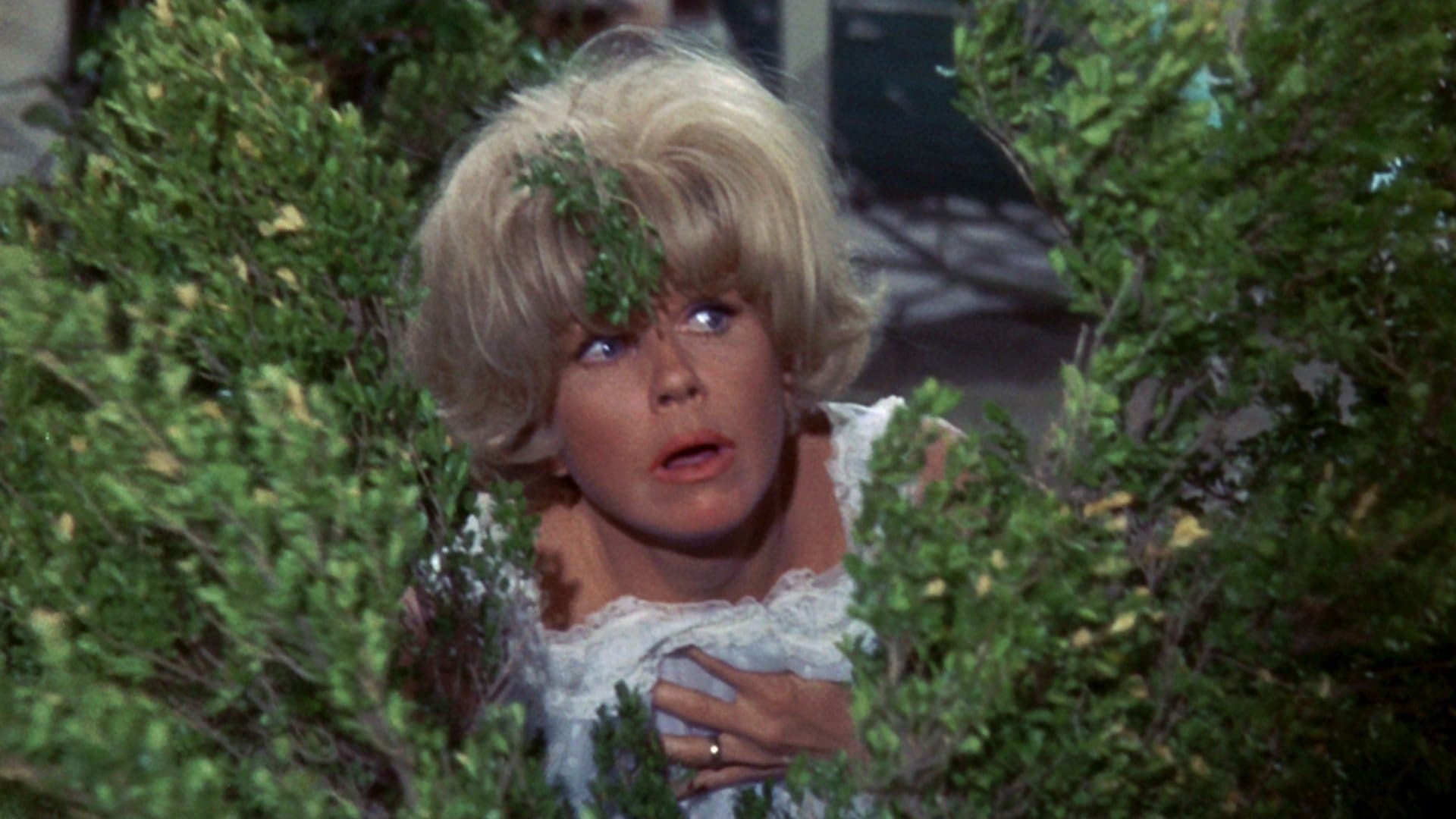
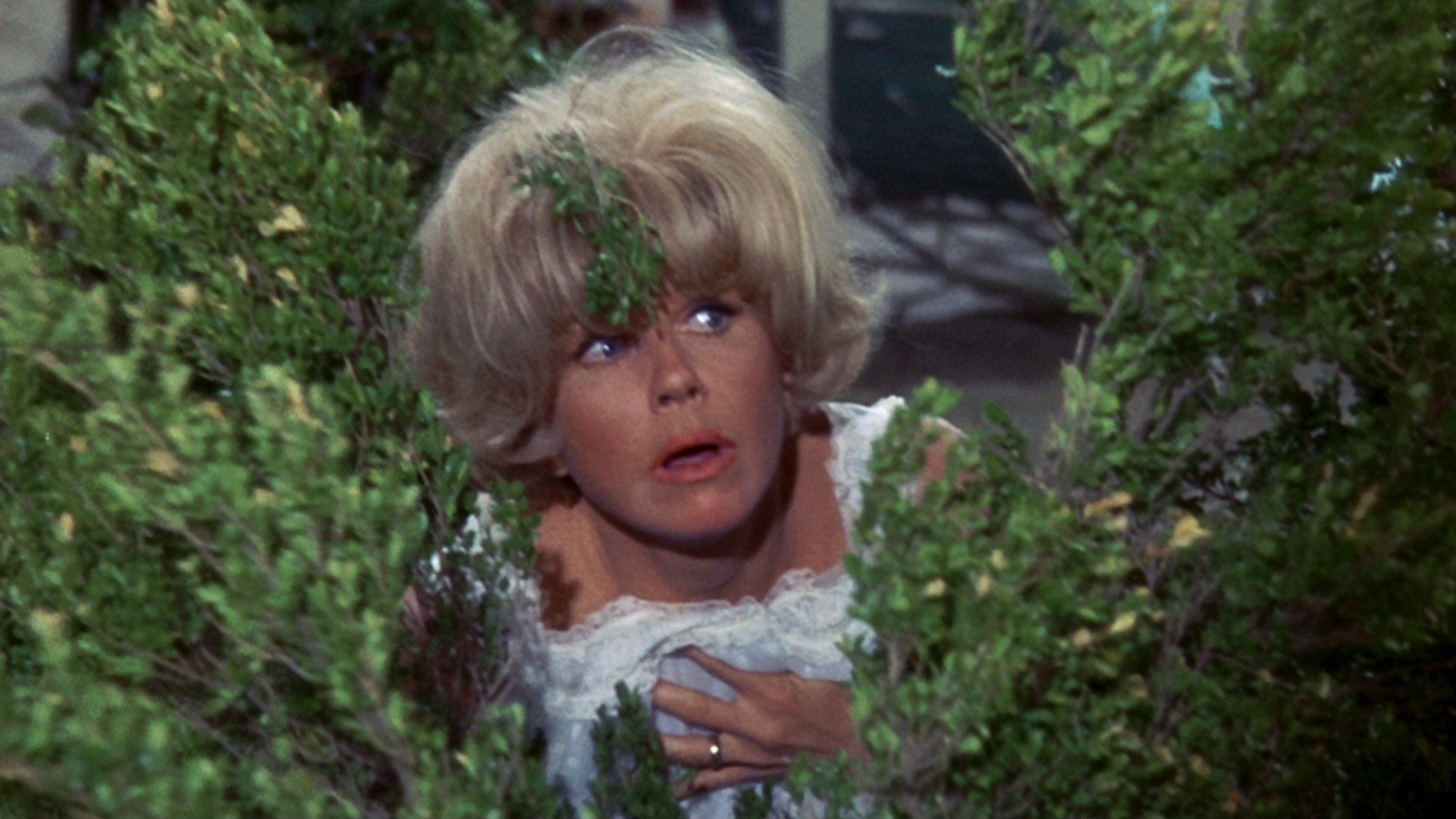
Crucially, the movie does not punish Judy for pushing back. Doris Day’s performance carries a steadiness that the script wisely allows to register. She is not a hysteric or a cipher, nor is she simply a prize being passed between men. When the misunderstandings pile up and George’s plans start to insult her intelligence, the film lets her register genuine hurt and anger. That alone separates Send Me No Flowers from many of its contemporaries, where the wife’s role is to absorb male insecurity with a smile and a forgiving shrug. Here, Judy’s patience has limits, and the film treats those limits as reasonable.
Jewison’s direction keeps the tone light without flattening the emotional stakes. The pastel aesthetic and tidy domestic spaces feel less like an endorsement of mid-century norms than a container for their contradictions. This is a world where male anxiety is indulged to the point of absurdity, but not entirely excused. George’s hypochondria is the joke, yet it is also the problem, and the film never loses sight of the damage it causes. That balance is harder to strike than it looks, especially in a studio comedy built around misunderstanding as a structural principle.
What makes Send Me No Flowers linger is not its punchlines, which are pleasant but rarely memorable, but its underlying tension between care and control. George loves Judy, sincerely, but his love is filtered through fear and ego, through a belief that her life cannot proceed without his supervision. The film gently dismantles that belief. By the time the central misunderstanding is resolved, what’s been exposed is not just a comic error but a worldview that needed correcting.
In that sense, Send Me No Flowers feels unexpectedly humane. It does not overthrow the gender politics of its era, but it nudges them, testing their logic and finding them wanting. Compared to The Thrill of It All, which collapses into capitulation, this film allows growth, however modest. It recognizes anxiety as something that distorts perception, not destiny, and it treats marriage less as a hierarchy to be preserved than a negotiation that requires honesty to function at all. For a glossy studio comedy from the early 1960s, that’s not nothing.
Norman Jewison’s Send Me No Flowers is a clear step up from The Thrill of It All. Where that earlier film was so aggressively misogynistic it bordered on self-parody, Send Me No Flowers, while hardly a founding feminist text, displays a noticeably greater baseline respect for women. The difference is not subtle. One film treats female autonomy as a problem to be solved; the other at least recognizes it as a reality to be negotiated.
The plot centers on George Kimball (Rock Hudson), a chronic hypochondriac who returns to the doctor barely two weeks after a full physical. His physician, Dr. Morrissey, is played by Edward Andrews, whose career reads like a tour through American studio filmmaking, from Adam’s Rib to Sixteen Candles to Gremlins. George is told, correctly, that he’s fine and suffering from nothing more than indigestion. Unfortunately, before leaving the office, he overhears Morrissey on the phone discussing another patient who has only weeks to live. George misses the crucial detail that this call concerns someone else and immediately concludes that he himself is doomed.
From there, the film’s engine kicks in. Convinced of his impending death, George becomes fixated on ensuring that his wife Judy (Doris Day) will be able to survive without him in the deeply patriarchal ecosystem of the early 1960s. His plan involves nudging her toward remarriage, a process that quickly becomes tangled in misunderstandings, jealousy, and wounded pride. Tony Randall’s Arnold Nash serves as George’s sole confidant, the only person who knows George believes he’s dying and who watches, helplessly, as the situation spirals.
Send Me No Flowers is the third film pairing Rock Hudson, Doris Day, and Tony Randall, following Pillow Talk (1959) and Lover Come Back (1961). The trilogy functions less as a narrative sequence than as a recurring fantasy, with the trio essentially remixing the same archetypes across different romantic misunderstandings. I haven’t seen the earlier two entries, though Lover Come Back, arriving shortly after Delbert Mann’s Oscar win for Marty, was likely treated as something of an event.
Like The Thrill of It All, this is a pastel, small-scale domestic comedy built on mistaken assumptions about infidelity, masculinity, and cuckoldry, and the uneasy overlap between them. But what distinguishes Send Me No Flowers is its surprisingly thoughtful treatment of anxiety. George accepts the idea of his death with startling speed. After a brief bout of despair, his focus shifts almost entirely to practical concerns, specifically Judy’s future. This feels oddly perceptive for a studio comedy of the era.
People with anxiety disorders, hypochondria included, often respond to catastrophic ideas with a kind of grim calm. When everything already feels like a crisis, the leap from indigestion to terminal illness is not a leap at all. George’s reaction rings true in this way. Despite having nothing more than mild stomach trouble, he fully commits to the belief that he is dying, not because he is irrational, but because his internal logic has always been calibrated to disaster.
That psychological clarity is what ultimately elevates Send Me No Flowers. Beneath the farce and the period gloss, it understands something real about fear, control, and the strange relief that can come from believing the worst has already happened. George’s obsession with Judy’s future is not framed as noble self-sacrifice so much as an anxious bid for order. If he can arrange the terms of her life without him, then his death becomes a problem with steps, not an abyss. The comedy grows out of that impulse. His attempts at kindness curdle into manipulation, his concern into quiet condescension, and the film is sharp enough to recognize that distinction even when it plays the results for laughs.
Crucially, the movie does not punish Judy for pushing back. Doris Day’s performance carries a steadiness that the script wisely allows to register. She is not a hysteric or a cipher, nor is she simply a prize being passed between men. When the misunderstandings pile up and George’s plans start to insult her intelligence, the film lets her register genuine hurt and anger. That alone separates Send Me No Flowers from many of its contemporaries, where the wife’s role is to absorb male insecurity with a smile and a forgiving shrug. Here, Judy’s patience has limits, and the film treats those limits as reasonable.
Jewison’s direction keeps the tone light without flattening the emotional stakes. The pastel aesthetic and tidy domestic spaces feel less like an endorsement of mid-century norms than a container for their contradictions. This is a world where male anxiety is indulged to the point of absurdity, but not entirely excused. George’s hypochondria is the joke, yet it is also the problem, and the film never loses sight of the damage it causes. That balance is harder to strike than it looks, especially in a studio comedy built around misunderstanding as a structural principle.
What makes Send Me No Flowers linger is not its punchlines, which are pleasant but rarely memorable, but its underlying tension between care and control. George loves Judy, sincerely, but his love is filtered through fear and ego, through a belief that her life cannot proceed without his supervision. The film gently dismantles that belief. By the time the central misunderstanding is resolved, what’s been exposed is not just a comic error but a worldview that needed correcting.
In that sense, Send Me No Flowers feels unexpectedly humane. It does not overthrow the gender politics of its era, but it nudges them, testing their logic and finding them wanting. Compared to The Thrill of It All, which collapses into capitulation, this film allows growth, however modest. It recognizes anxiety as something that distorts perception, not destiny, and it treats marriage less as a hierarchy to be preserved than a negotiation that requires honesty to function at all. For a glossy studio comedy from the early 1960s, that’s not nothing.