(3 of 5 intervalometer experiments; shown as part of Dynamic:01: The Best of DavidLynch.com)
I kind of liked them?
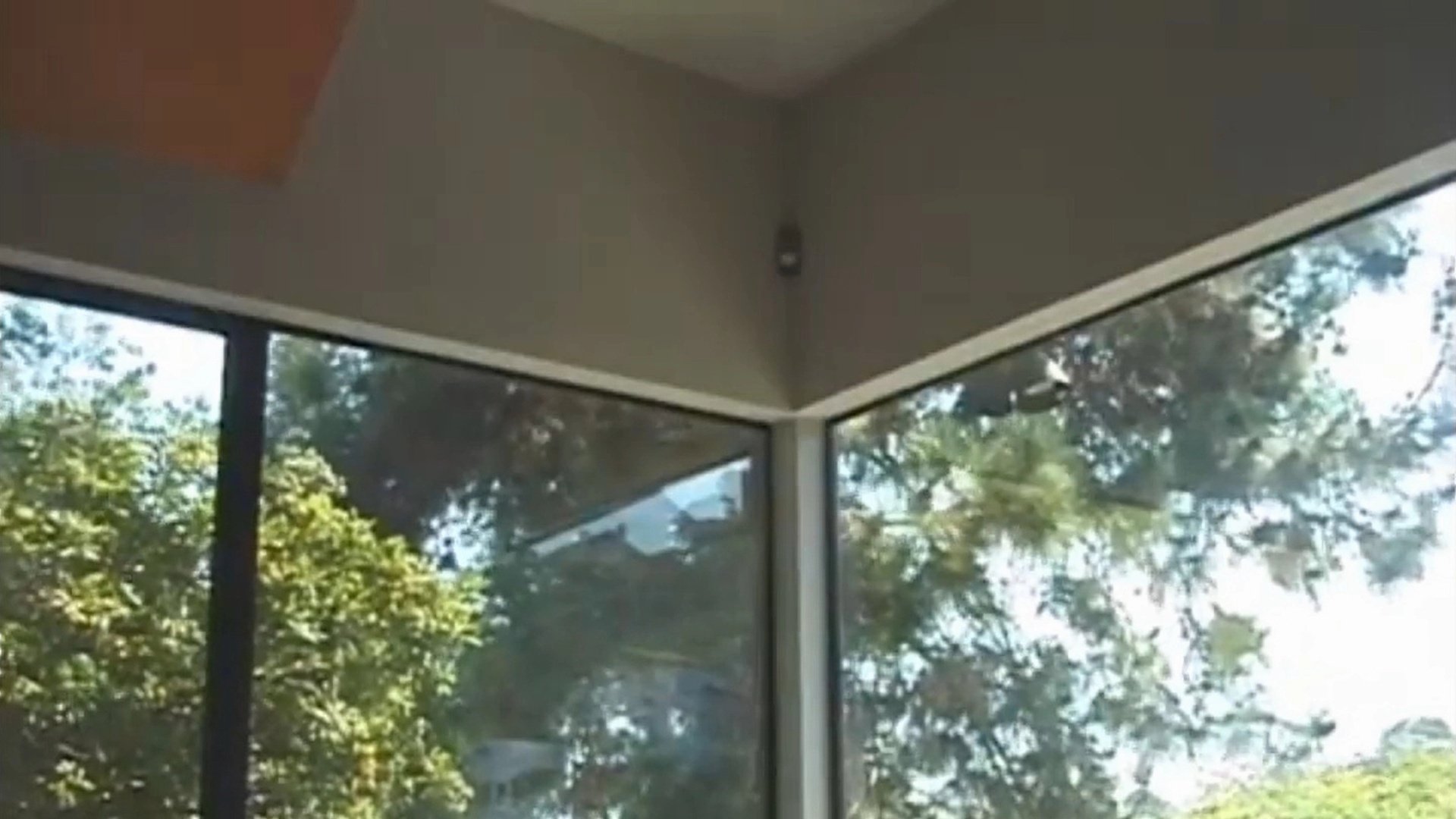
Interior Dining Room Window:
This "scene" strongly reminded me of when I was sort of estranged at my cottage during a 60-hour power outage a few years back. The internet was down too, so the only thing I used my phone battery for was listening to the countless hours of downloaded music I had on Spotify. I had Aphex Twin's Selected Ambient Works Volume II (1994) on repeat and slowly began to intertwine with nature by continuously gazing out the window. It reminded me of the beauty of that isolationist period, during which all the input I received felt incredibly calming, and the change in scenery was nearly indiscernible. The ambient soundscape of this scene pulls that memory together with surprising accuracy
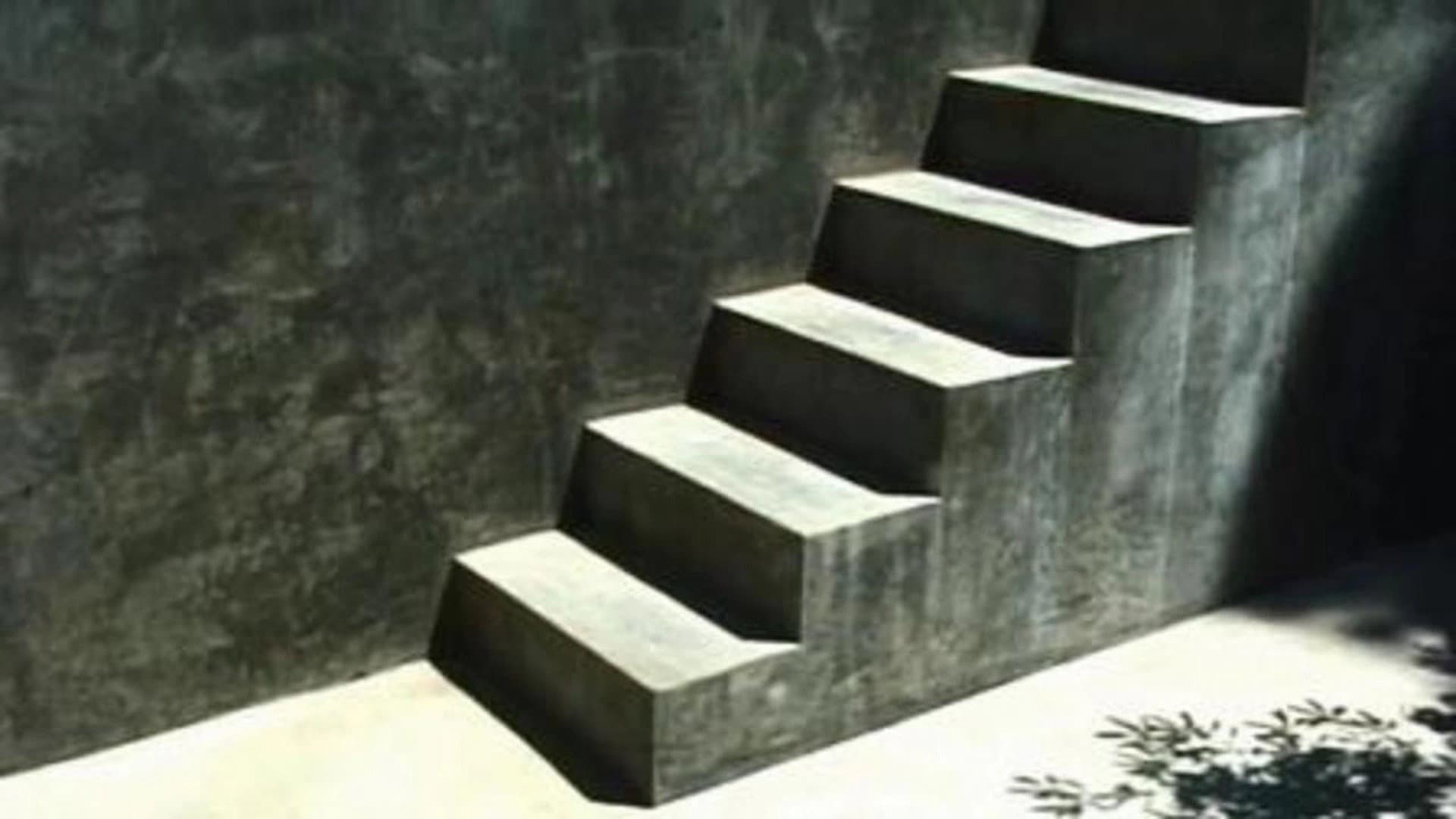
Steps:
This was technically the most impressive intervalometer experiment. The bleak canvas of concrete stairs is captured in a dialogue of light and shadow perhaps fighting, perhaps dancing, in the limelight of the camera lens. It comes together like a moving abstract painting that feels extremely raw, yet may even echo the theme of light and darkness needing each other to exist, something Lynch deeply explored in e.g. Twin Peaks (1990-1991) and its later iterations
Sunset #1:
This might've been my favorite of the three. That’s because the idea of capturing slow movement through intervalometer experimentation begins to unravel here; for much of this piece, the natural movements on screen are microscopic. It suggests that in nature, some imagery may appear completely still, even over long stretches of time. Personally, it reminded me of Melancholia (2011) and how that film captured the feeling of losing one's sense of time as a symptom of depression. It's highly unlikely that this was Lynch’s intended message, but on a personal level, that was the sentiment I felt. Especially during summertime, my sense of time deconstructs to hellish degrees, and I begin to feel seriously detached from other members of society. Time is an awfully subjective concept, and this anti-realist manifestation made it feel as though it was running both fast and slow; sauntering, with no worry in the world. To be a tree in this scenery, to have no thought, and to fulfill the purpose of growing and dying with zero relations to serving someone's capitalist interest
(3 of 5 intervalometer experiments; shown as part of Dynamic:01: The Best of DavidLynch.com)
I kind of liked them?
Interior Dining Room Window:
This "scene" strongly reminded me of when I was sort of estranged at my cottage during a 60-hour power outage a few years back. The internet was down too, so the only thing I used my phone battery for was listening to the countless hours of downloaded music I had on Spotify. I had Aphex Twin's Selected Ambient Works Volume II (1994) on repeat and slowly began to intertwine with nature by continuously gazing out the window. It reminded me of the beauty of that isolationist period, during which all the input I received felt incredibly calming, and the change in scenery was nearly indiscernible. The ambient soundscape of this scene pulls that memory together with surprising accuracy
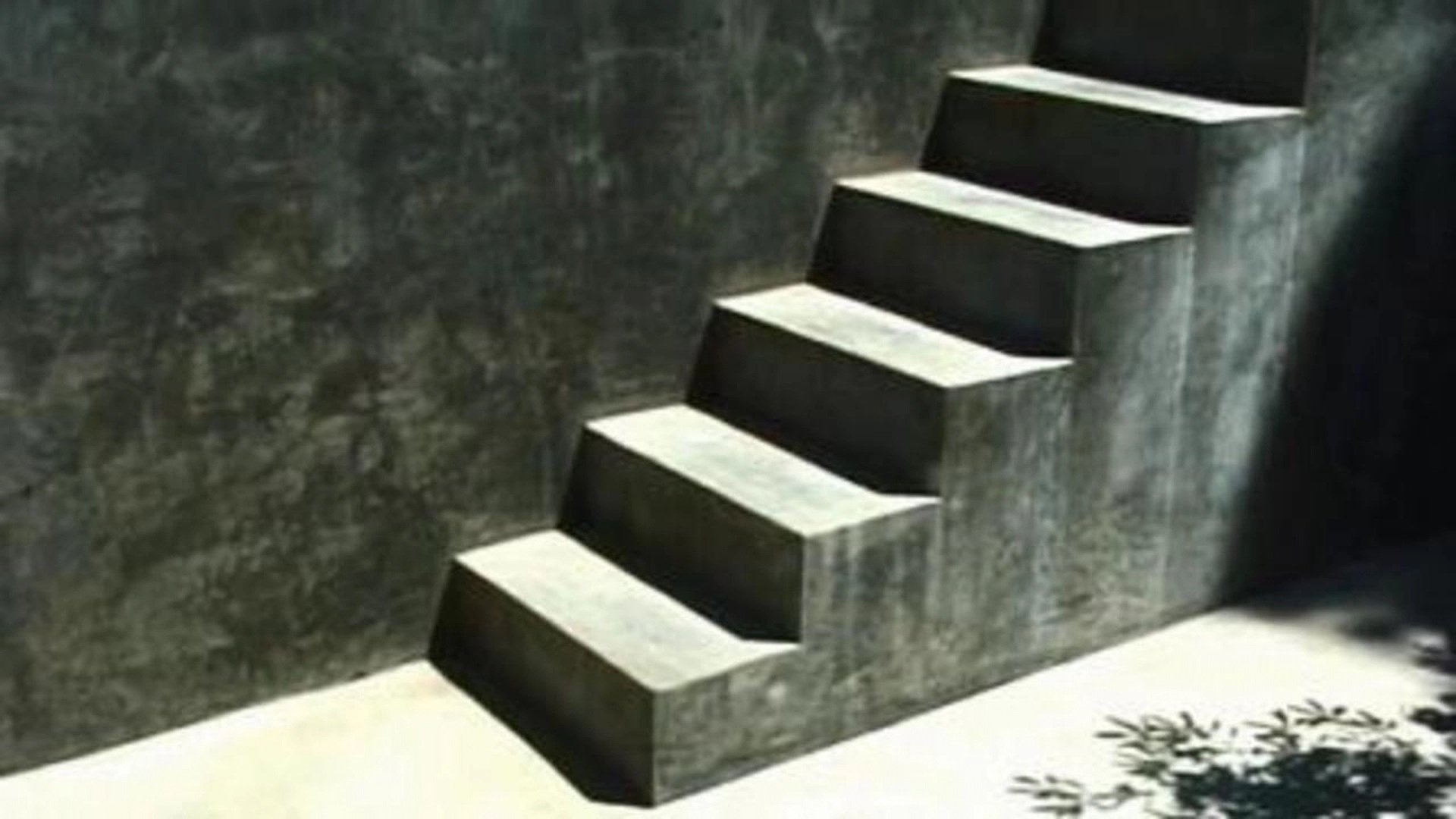
Steps:
This was technically the most impressive intervalometer experiment. The bleak canvas of concrete stairs is captured in a dialogue of light and shadow perhaps fighting, perhaps dancing, in the limelight of the camera lens. It comes together like a moving abstract painting that feels extremely raw, yet may even echo the theme of light and darkness needing each other to exist, something Lynch deeply explored in e.g. Twin Peaks (1990-1991) and its later iterations
Sunset #1:
This might've been my favorite of the three. That’s because the idea of capturing slow movement through intervalometer experimentation begins to unravel here; for much of this piece, the natural movements on screen are microscopic. It suggests that in nature, some imagery may appear completely still, even over long stretches of time. Personally, it reminded me of Melancholia (2011) and how that film captured the feeling of losing one's sense of time as a symptom of depression. It's highly unlikely that this was Lynch’s intended message, but on a personal level, that was the sentiment I felt. Especially during summertime, my sense of time deconstructs to hellish degrees, and I begin to feel seriously detached from other members of society. Time is an awfully subjective concept, and this anti-realist manifestation made it feel as though it was running both fast and slow; sauntering, with no worry in the world. To be a tree in this scenery, to have no thought, and to fulfill the purpose of growing and dying with zero relations to serving someone's capitalist interest