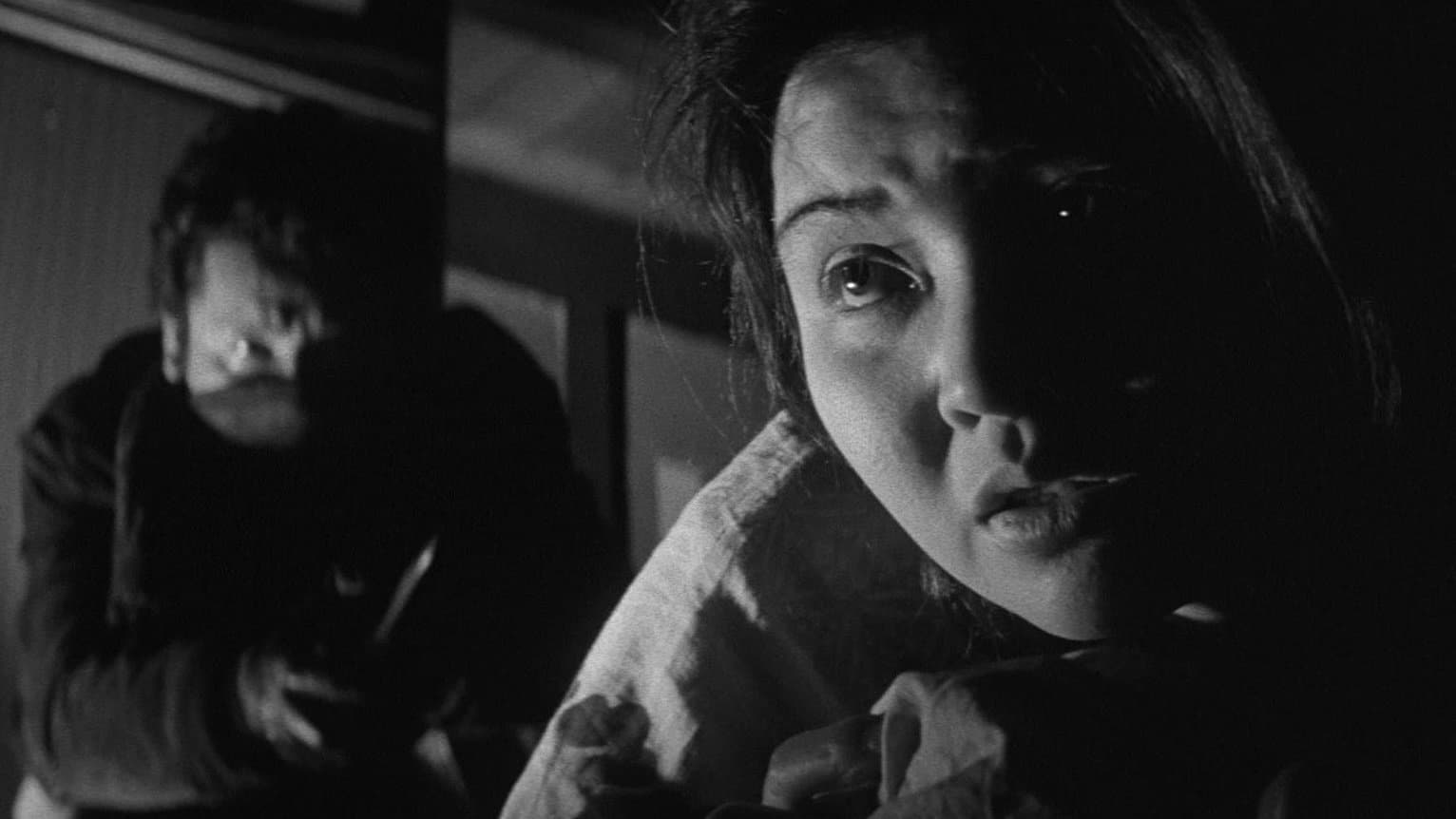
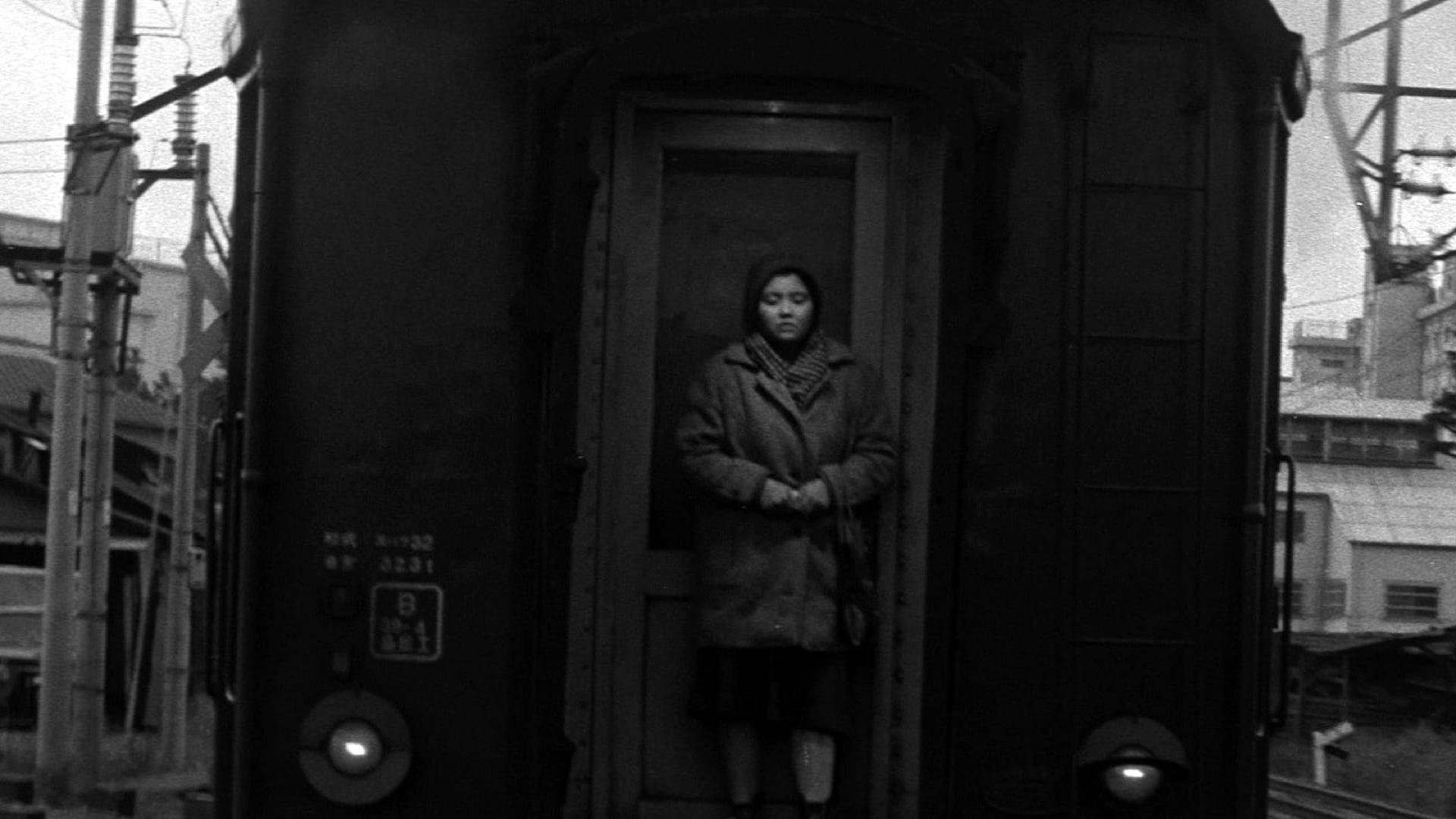
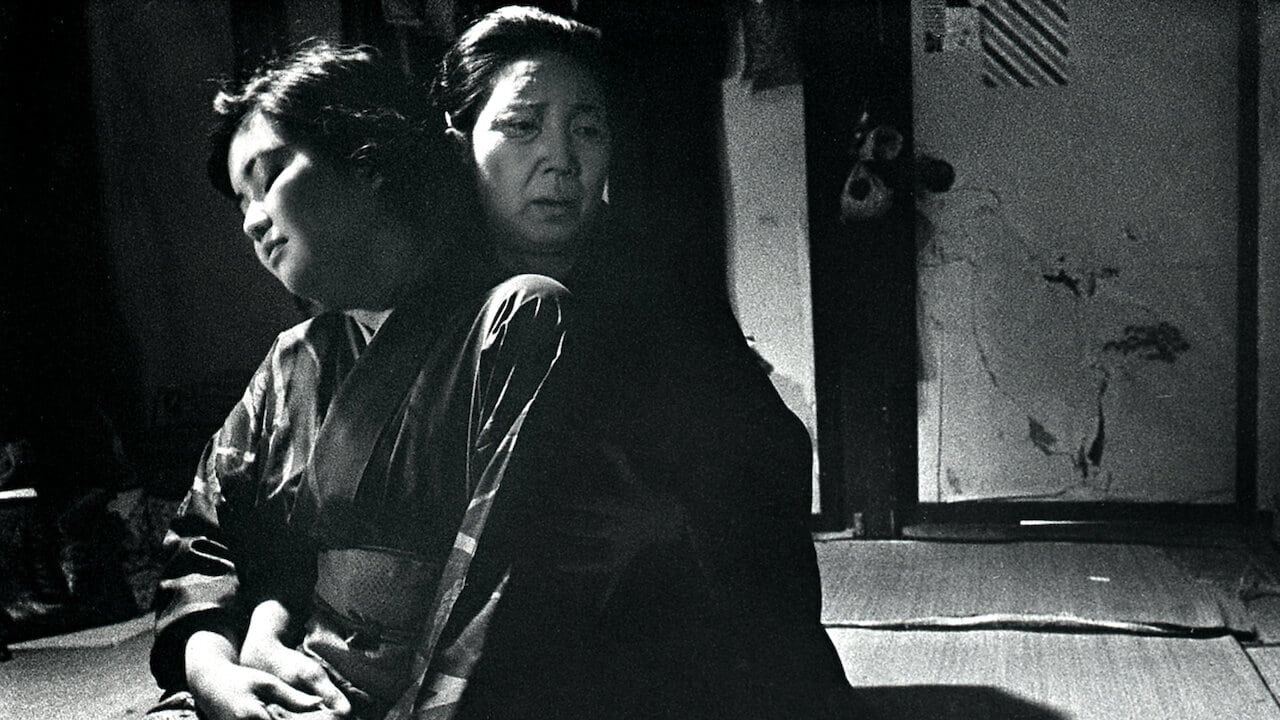
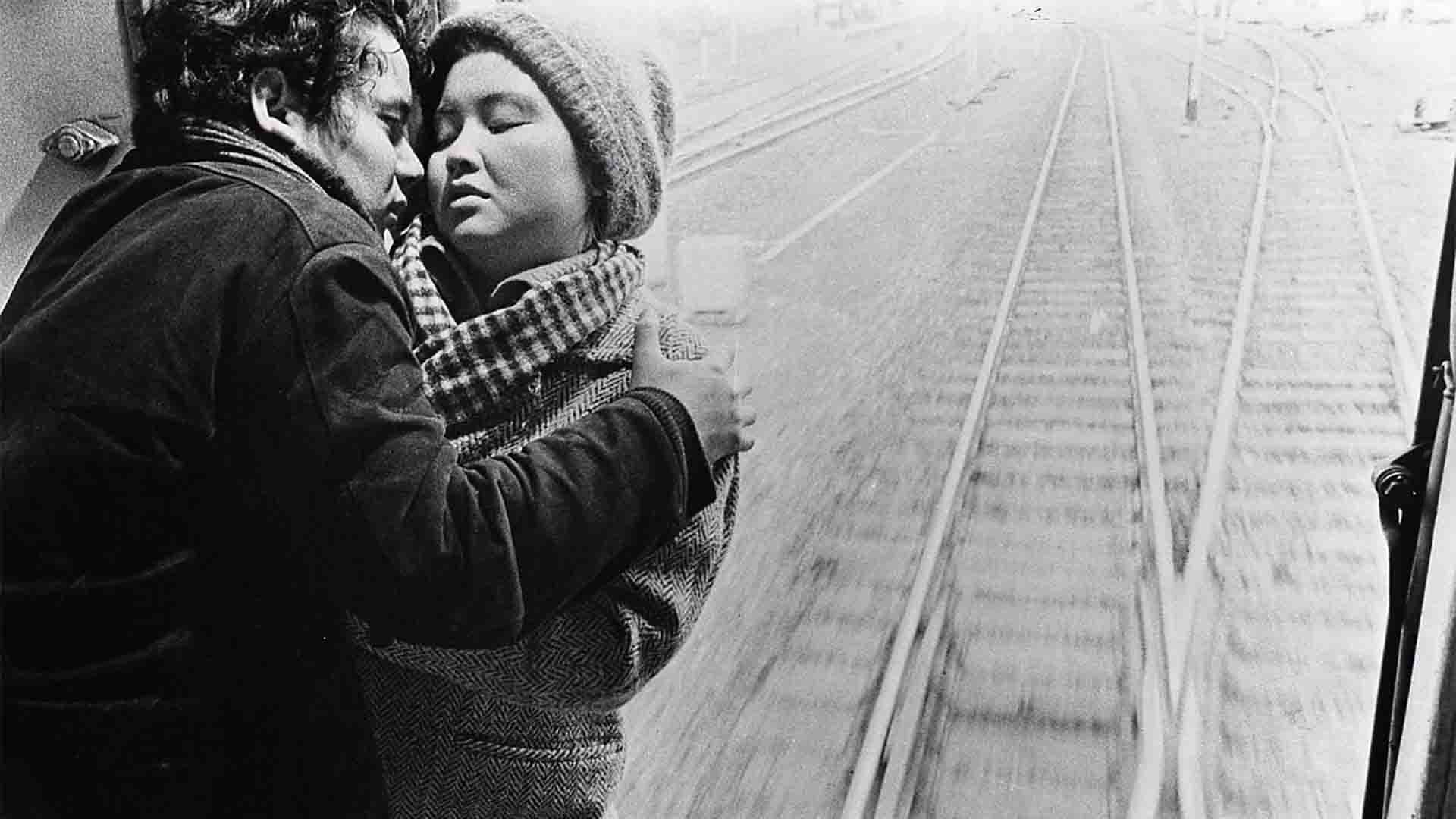
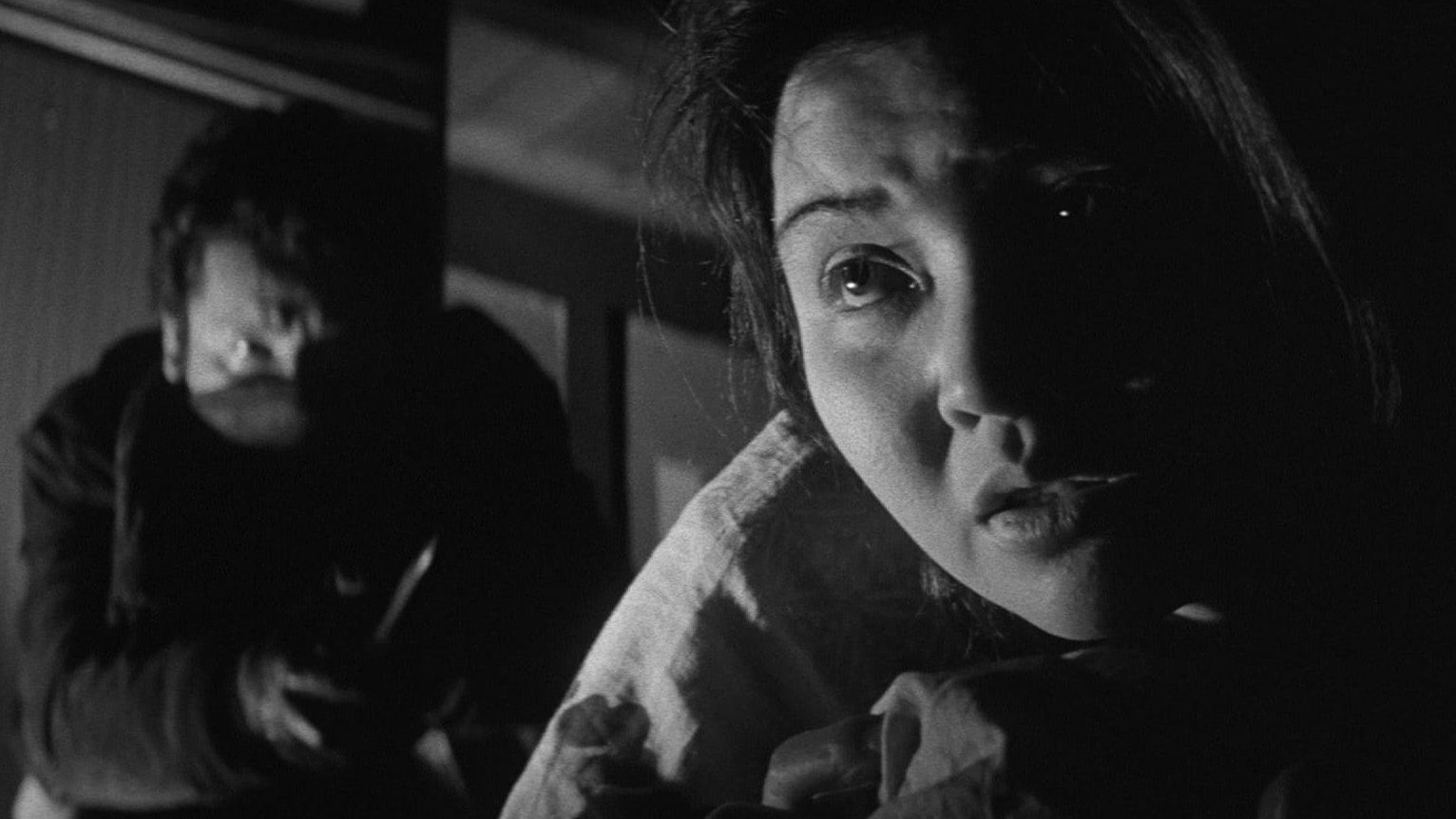
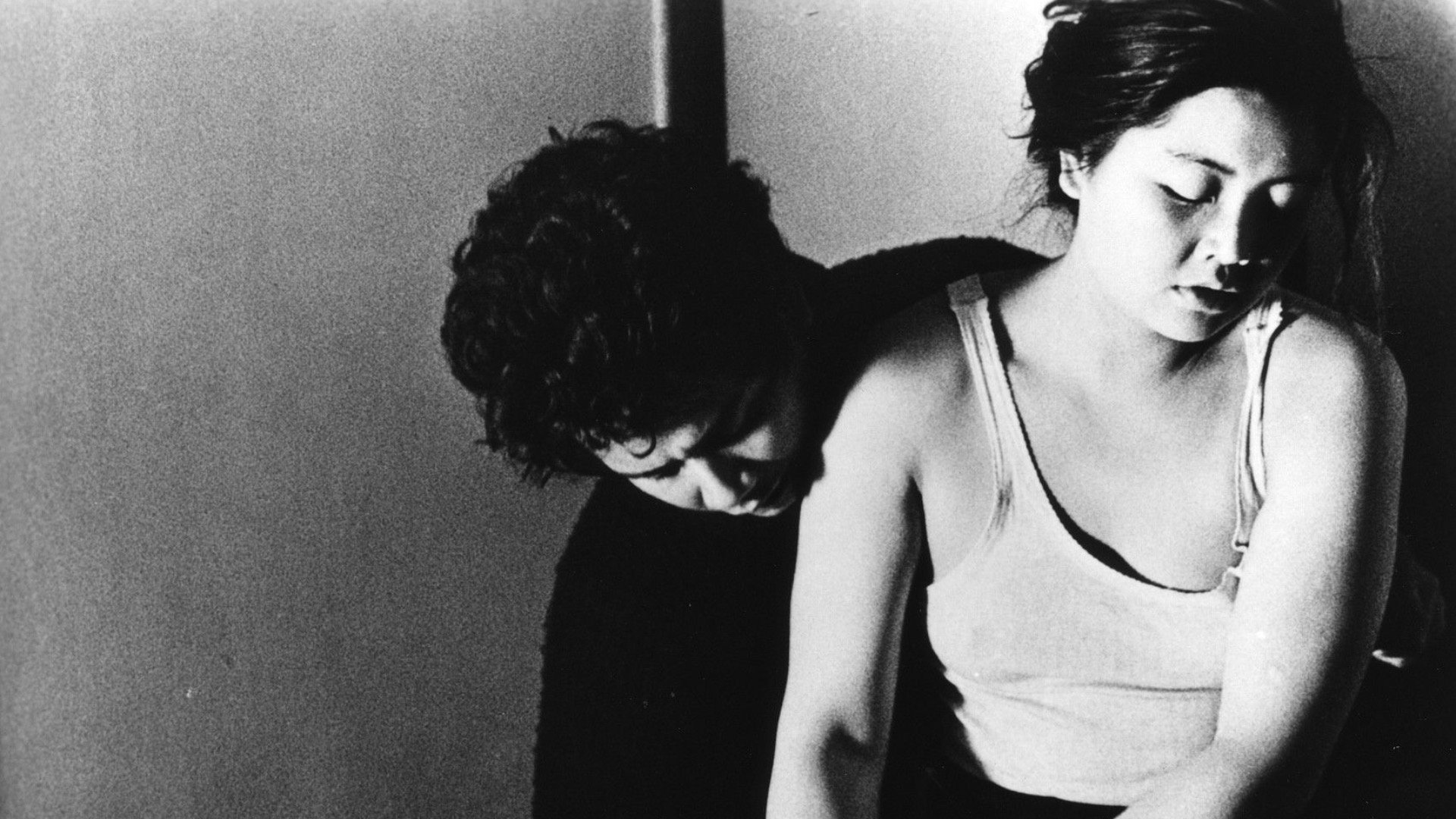
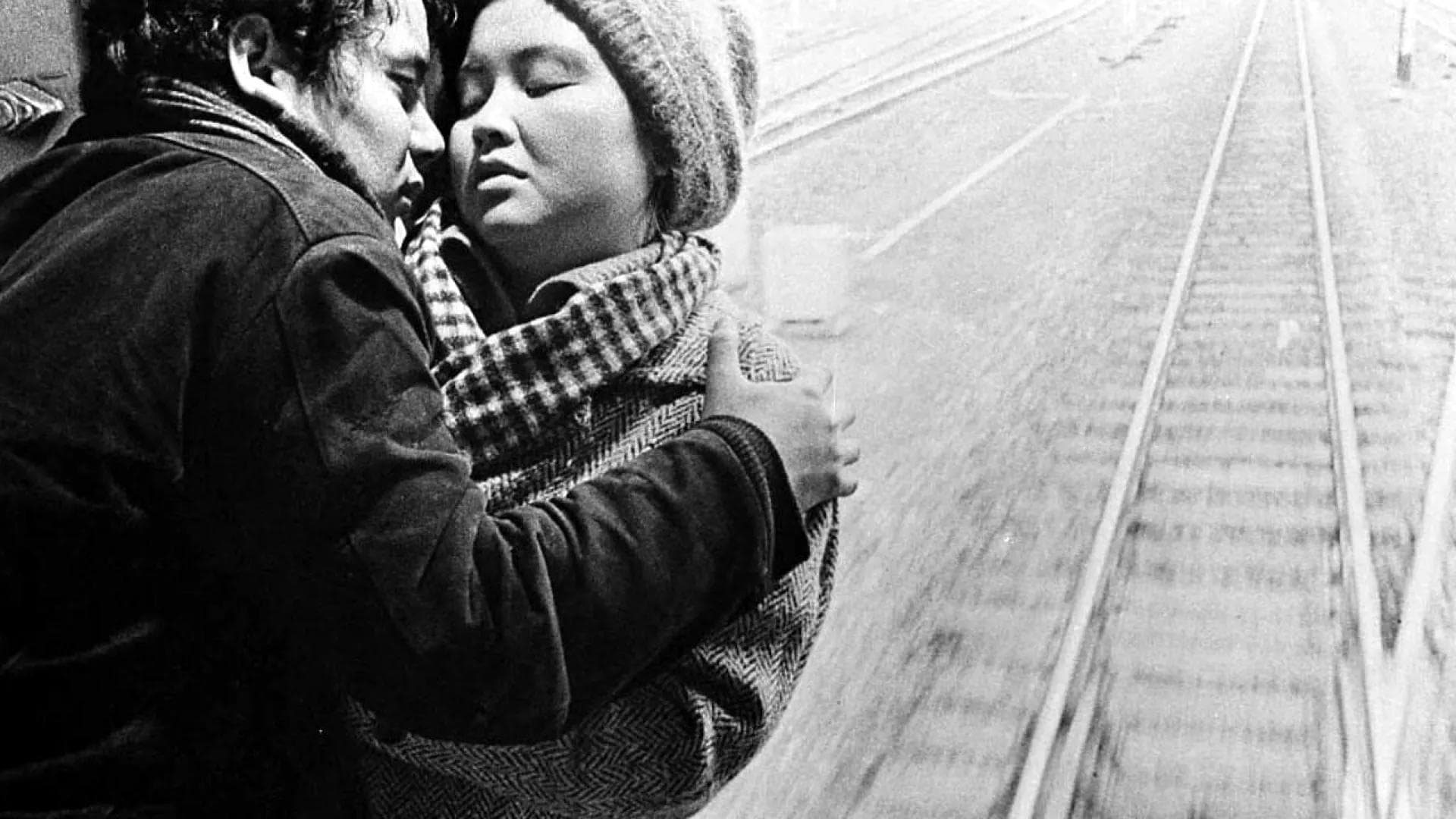
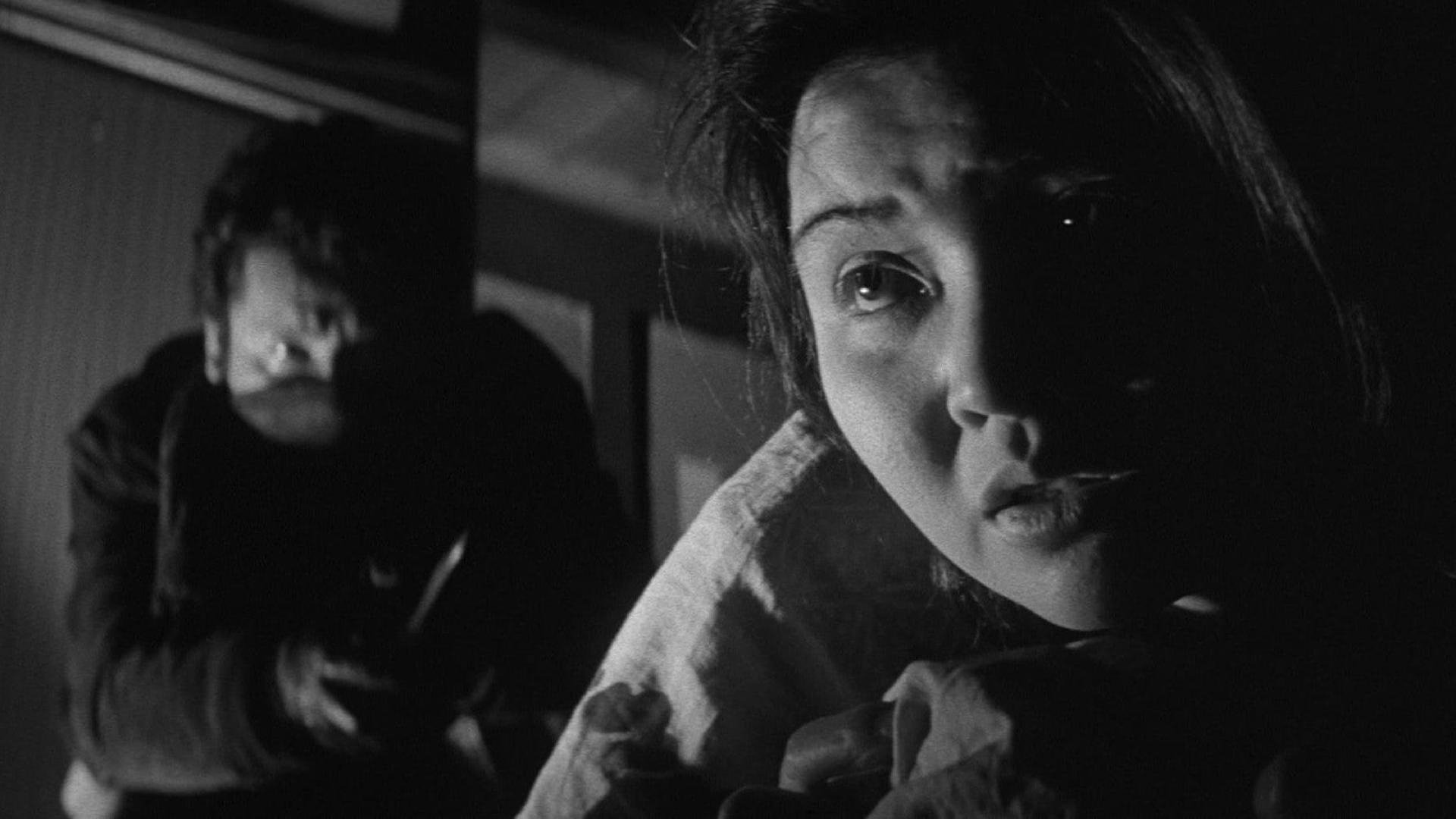
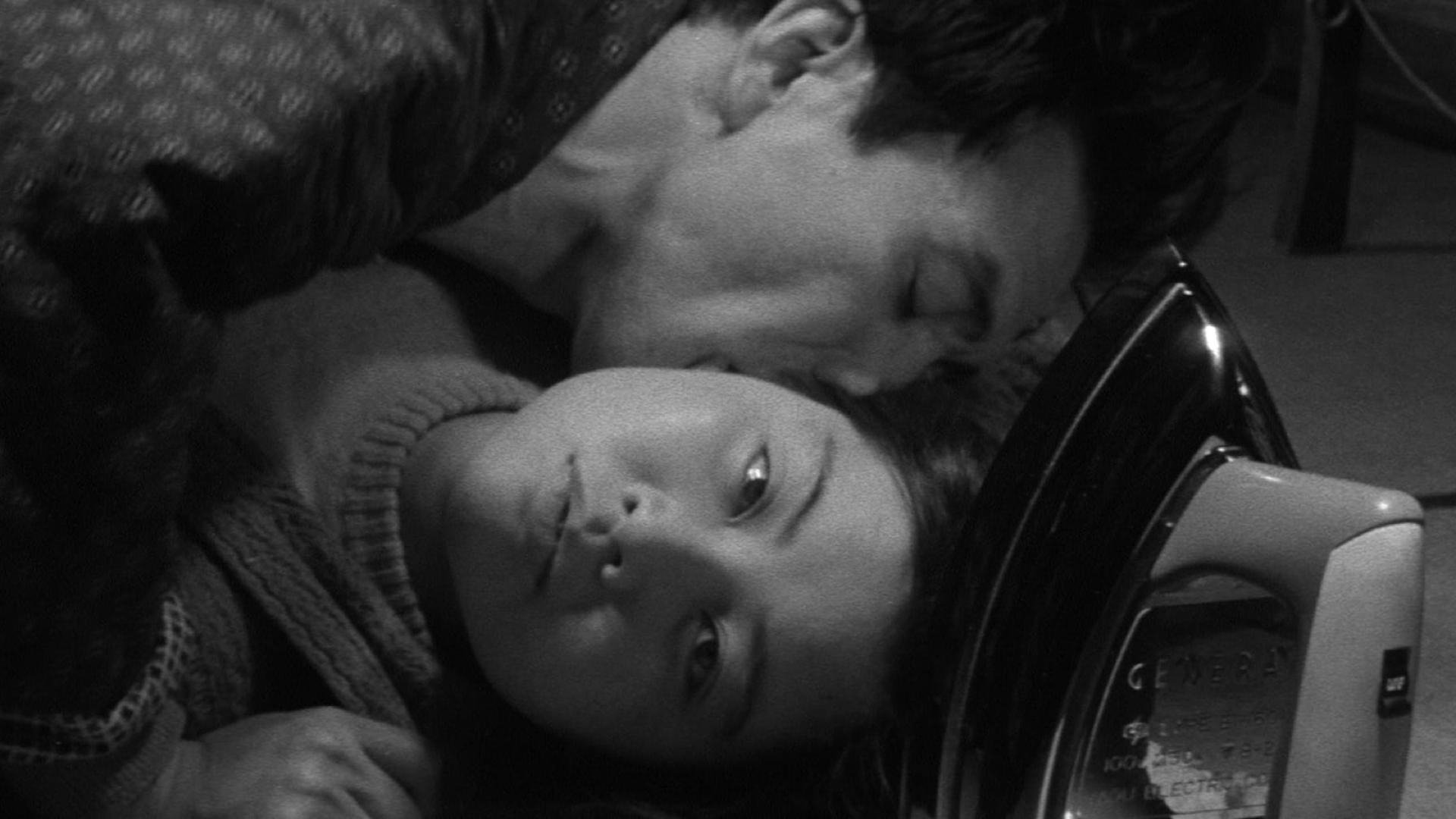
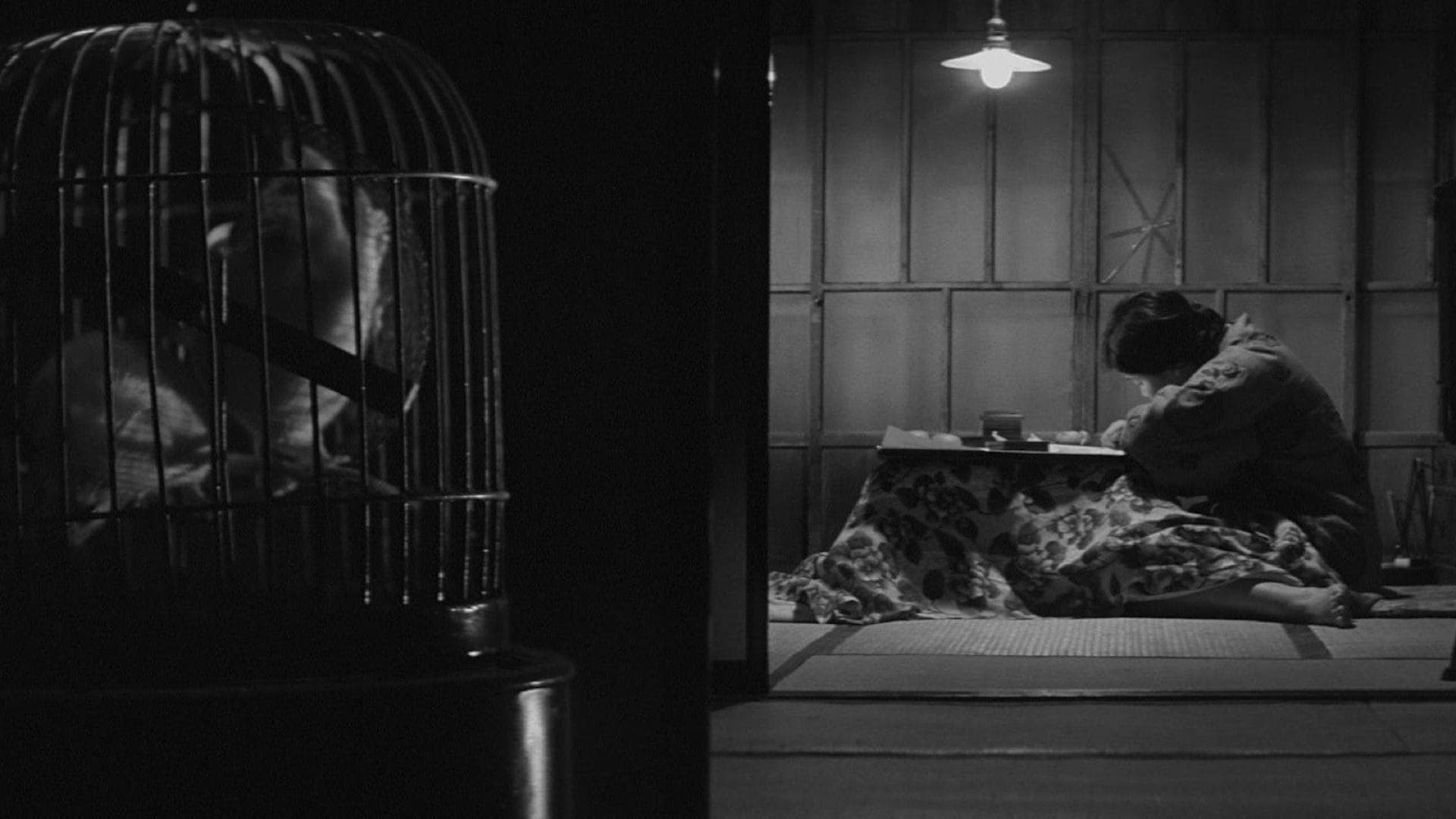
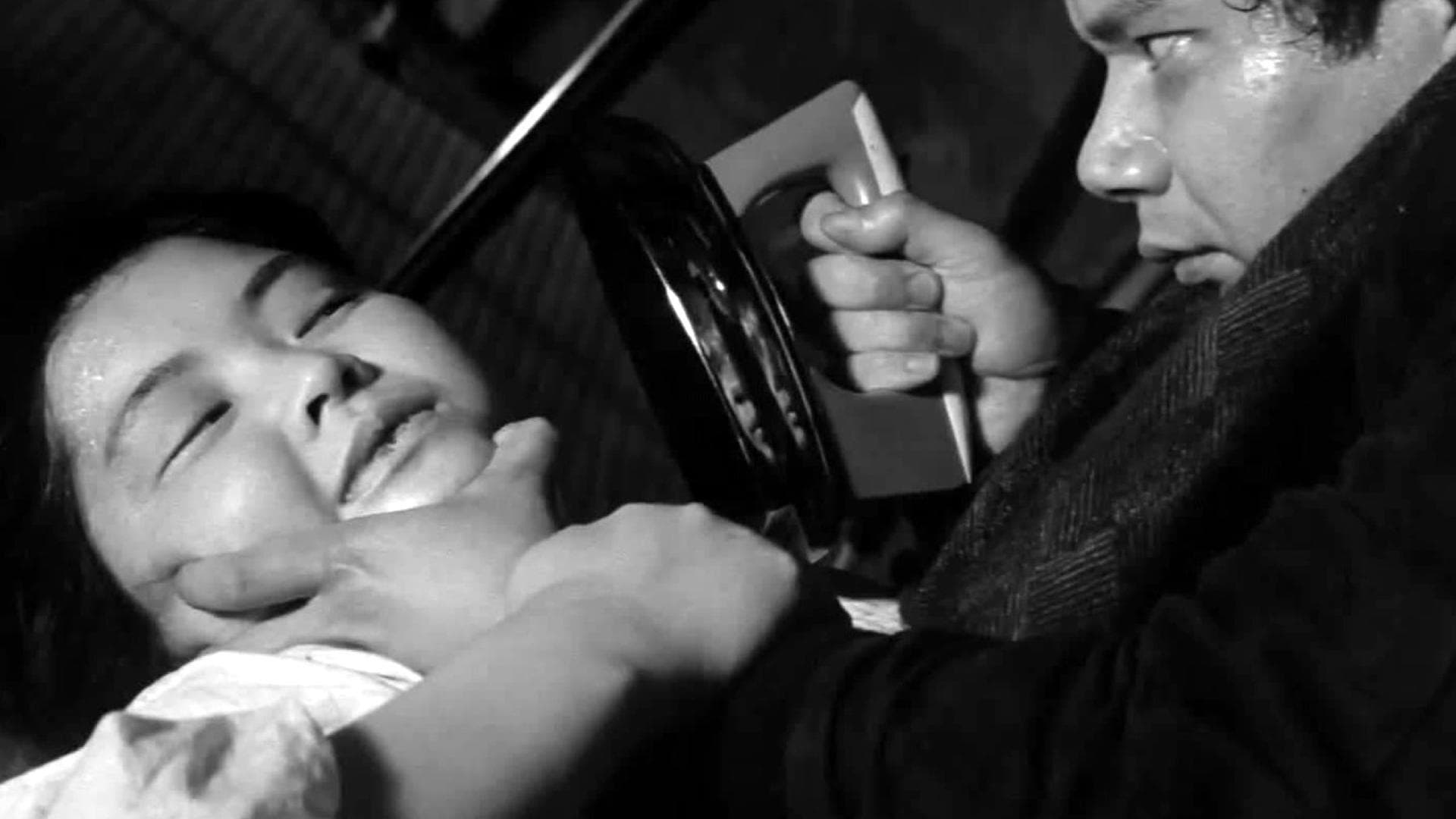
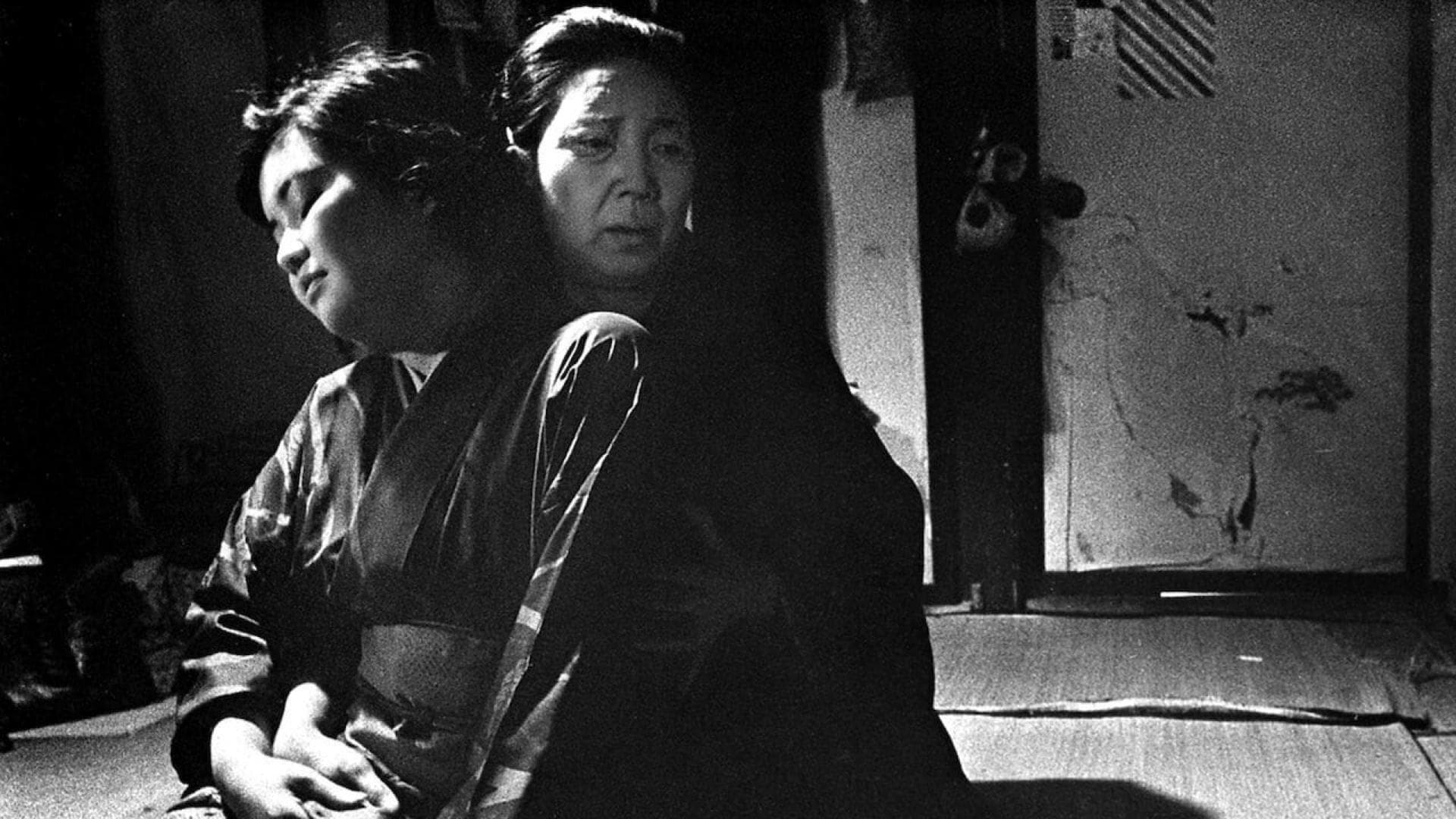
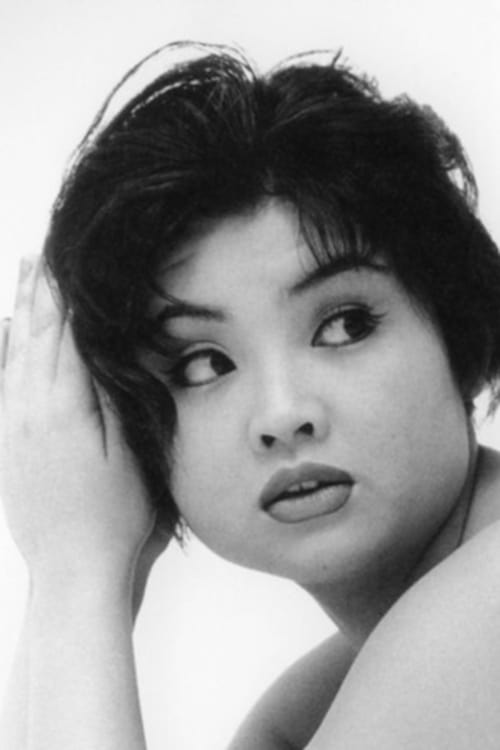
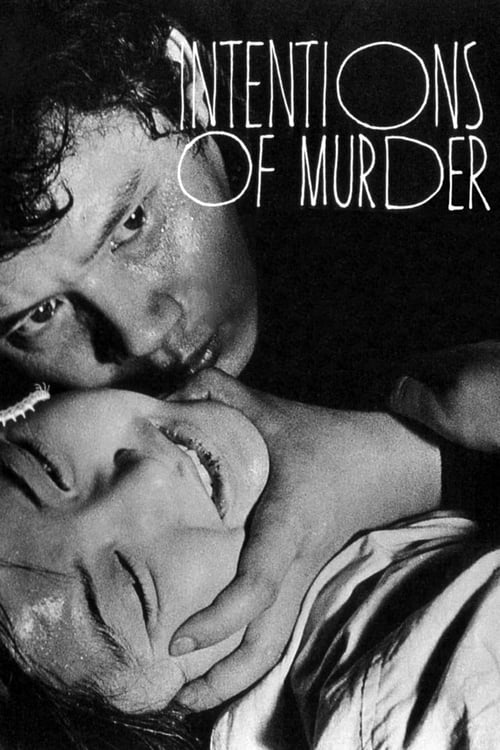
Director- Imamura Shohei.This is the fourth film I have seen of his, and till now, I have seen the theme of changing values in Japanese society due to the changing cultural landscape.This film of the Japanese New Wave is one of the most out-and-out criticisms of past films in the style of the Modern and classical styles. I consider this film to be the criticism and opposite of Tokyo Story by Ozu Yasujiro.The premise of this film revolves around the protagonist, a devoted wife who finds herself in precarious situations, causing her a great deal of mental as well as physical trauma. The film is about moving away from one's family, no matter the consequences, when facing difficult situations beyond one's control.The film outright rejects the idealised version of Japanese life, which his previous mentor, Ozu, is most known for. He instead shows us the characters as deeply flawed individuals who deserve to be punished for their sins.The protagonist's name being Sadako, made me laugh many times due to remembering the Ringu film series. The acting of Harukawa Masumi is excellent as the protagonist, and her vulnerability adds to the charm.The film plays into the family dynamics of an overbearing mother-in-law, absent husband and spoilt son quite well. One can see how such families still exist after more than sixty years.Imamura explores many themes in the film about the treatment of women and the treatment of the lower classes in post-war Japan. He also explores matters of lust and sexuality.Imamura shows us the generational cycle of mistreatment etched in the society quite well, with the protagonist hearing ill words about her dead grandmother, whom she had never met.The protagonist's psyche is explored quite well, and the dream sequences make it even better. Her newfound resilience makes this film much better as it moves beyond being a torture porn with it. The conflicts we view between her ideal self and her current self are excellent.I loved the insect allegory with the silkworm. I think it is showing us about the protagonist's relationship with intercourse and how she is more or less forced to do it helplessly, just like a silkworm can be controlled by us. It also shows us about breadcrumbing and how one can get caught in a deeper net simply due to focusing on a singular good aspect within a myriad of bad ones. The protagonist's husband showers her with some affection once in a while to keep her hooked and wanting more. She is caught in his net and is unable to leave.The scene with the hamster and the wheel could be an allegory for her being stuck in a wheel as well.The cinematography of this film was done by Himeda Shinsaku, who has also worked on other Imamura works such as Pigs and Battleships, Vengeance is Mine, etc. The cinematography is an incredibly strong aspect of this film, with its camerawork and lighting in scenes such as trains, the interior shots of the house, library scenes, the tunnel scene, etc. It has a monochromatic style.The film's editing was done by Tanji Mutsuo and is excellent as well, and also shows us how experienced he is, having worked on films like Branded to Kill, Pigs and Battleships, etc. It gave me a cold vibe, cynical even.In many scenes, we can see Sadako chowing down, showing us her gluttonous nature, which is a byproduct of the strain she is in. One can view it as her coping mechanism. The film makes use of Stockholm syndrome as well, with the protagonist slowly falling in love with the thief who forced her at the start. That scene was shot in quite an unnerving way, and rightfully so, as more voyeurism during such scenes would have made this a pinku film instead of a mirror for our society.Us finding out that the husband is carrying on an affair makes sense, as he is always paranoid about his wife doing the same. The best part about this is that she is not even his wife on the official papers. Nor is she the mother of her son. So she is doing everything for no returns.The scene with the girl from the library flying after being hit by a truck made me laugh a lot, as it came out of left field. The death of the thief, on the other hand, is much more jarring as it features a man on the last of his legs trying to survive against all odds and failing at the end. His character is written in a more greyer shade compared to the other dark shade characters, such as her husband and his mistress. This made me connect to him a bit, as he was the best of the rest.The scene at the hospital when the protagonist denies every accusation, even though her husband is holding incriminating evidence, shows us the survivor nature of the women and how they manipulate the narrative to befit them.The film mirrors real life with its end, which is far from grandiose as we had thought it would be. It is instead about the protagonist growing enough to navigate the world on her own now, so she isn't shackled to his husband's family anymore.Overall, this is an excellent film which brings me one step closer to adding Imamura as one of my favourite filmmakers. Coincidentally, this is the second film I have seen recently that is Japanese, has a female protagonist and also has the use of Stockholm syndrome.
Director- Imamura Shohei.This is the fourth film I have seen of his, and till now, I have seen the theme of changing values in Japanese society due to the changing cultural landscape.This film of the Japanese New Wave is one of the most out-and-out criticisms of past films in the style of the Modern and classical styles. I consider this film to be the criticism and opposite of Tokyo Story by Ozu Yasujiro.The premise of this film revolves around the protagonist, a devoted wife who finds herself in precarious situations, causing her a great deal of mental as well as physical trauma. The film is about moving away from one's family, no matter the consequences, when facing difficult situations beyond one's control.The film outright rejects the idealised version of Japanese life, which his previous mentor, Ozu, is most known for. He instead shows us the characters as deeply flawed individuals who deserve to be punished for their sins.The protagonist's name being Sadako, made me laugh many times due to remembering the Ringu film series. The acting of Harukawa Masumi is excellent as the protagonist, and her vulnerability adds to the charm.The film plays into the family dynamics of an overbearing mother-in-law, absent husband and spoilt son quite well. One can see how such families still exist after more than sixty years.Imamura explores many themes in the film about the treatment of women and the treatment of the lower classes in post-war Japan. He also explores matters of lust and sexuality.Imamura shows us the generational cycle of mistreatment etched in the society quite well, with the protagonist hearing ill words about her dead grandmother, whom she had never met.The protagonist's psyche is explored quite well, and the dream sequences make it even better. Her newfound resilience makes this film much better as it moves beyond being a torture porn with it. The conflicts we view between her ideal self and her current self are excellent.I loved the insect allegory with the silkworm. I think it is showing us about the protagonist's relationship with intercourse and how she is more or less forced to do it helplessly, just like a silkworm can be controlled by us. It also shows us about breadcrumbing and how one can get caught in a deeper net simply due to focusing on a singular good aspect within a myriad of bad ones. The protagonist's husband showers her with some affection once in a while to keep her hooked and wanting more. She is caught in his net and is unable to leave.The scene with the hamster and the wheel could be an allegory for her being stuck in a wheel as well.The cinematography of this film was done by Himeda Shinsaku, who has also worked on other Imamura works such as Pigs and Battleships, Vengeance is Mine, etc. The cinematography is an incredibly strong aspect of this film, with its camerawork and lighting in scenes such as trains, the interior shots of the house, library scenes, the tunnel scene, etc. It has a monochromatic style.The film's editing was done by Tanji Mutsuo and is excellent as well, and also shows us how experienced he is, having worked on films like Branded to Kill, Pigs and Battleships, etc. It gave me a cold vibe, cynical even.In many scenes, we can see Sadako chowing down, showing us her gluttonous nature, which is a byproduct of the strain she is in. One can view it as her coping mechanism. The film makes use of Stockholm syndrome as well, with the protagonist slowly falling in love with the thief who forced her at the start. That scene was shot in quite an unnerving way, and rightfully so, as more voyeurism during such scenes would have made this a pinku film instead of a mirror for our society.Us finding out that the husband is carrying on an affair makes sense, as he is always paranoid about his wife doing the same. The best part about this is that she is not even his wife on the official papers. Nor is she the mother of her son. So she is doing everything for no returns.The scene with the girl from the library flying after being hit by a truck made me laugh a lot, as it came out of left field. The death of the thief, on the other hand, is much more jarring as it features a man on the last of his legs trying to survive against all odds and failing at the end. His character is written in a more greyer shade compared to the other dark shade characters, such as her husband and his mistress. This made me connect to him a bit, as he was the best of the rest.The scene at the hospital when the protagonist denies every accusation, even though her husband is holding incriminating evidence, shows us the survivor nature of the women and how they manipulate the narrative to befit them.The film mirrors real life with its end, which is far from grandiose as we had thought it would be. It is instead about the protagonist growing enough to navigate the world on her own now, so she isn't shackled to his husband's family anymore.Overall, this is an excellent film which brings me one step closer to adding Imamura as one of my favourite filmmakers. Coincidentally, this is the second film I have seen recently that is Japanese, has a female protagonist and also has the use of Stockholm syndrome.