2000 |
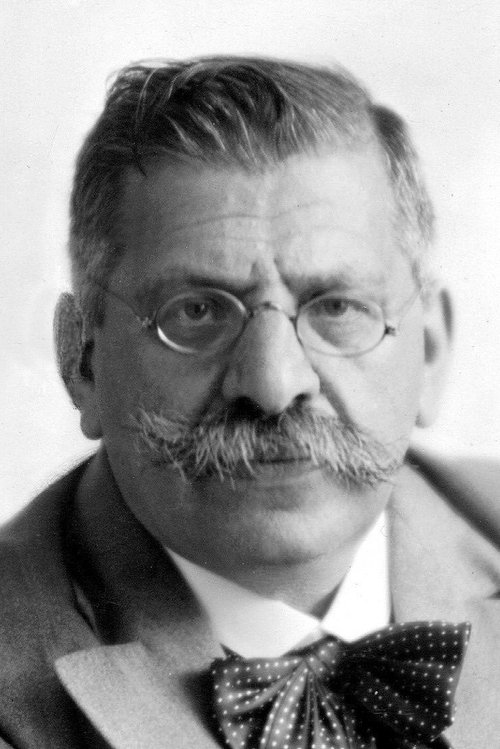
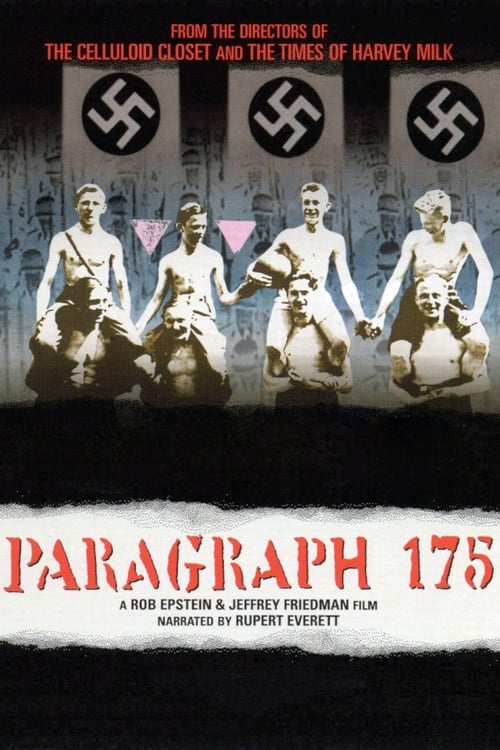
Documentary“Paragraph 175” tells the stories of a forgotten - ignored - part of german history. Tens of thousands of primarily gay men, but queer people in general and trans people in particular, were persecuted, jailed, sent to concentration camps and murdered under the nazi regime. The first books burned after the nazis took power were books on gender studies and trans people from the Magnus Hirschfeld institute in berlin.
They’re the invisible victims of the genocide the nazis committed. And they’re not alone with that, unfortunately. There’s so many groups that don’t get recognition, like Sinti
zze und Romnja. Don’t even get me started on the very selective and highly performative way germany remembers its past. Thinking about that fills me with so much rage.
These people were persecuted, sent to concentration camps and murdered because of their sexuality. And it didn’t end with the nazis. If you were in a concentration camp because of paragraph 175, chances are you weren’t freed like most others. Chances are you were immediately sent to prison again. If not immediately, then you probably went to prison some time later cause you can’t just stop being queer. There’s a great film about that starring Franz Rogowski, called “Große Freiheit”.
Important documentary. Unfortunately, its importance doesn’t solely lie in its historical value, but also in what it can tell us about the present. In an era where queer rights - after a decade or so of progress - are under constant attack and trans people in particular vilified beyond belief, it is important to know where stuff like that can lead.