

1950·Drama·1h 38m
7.1
★
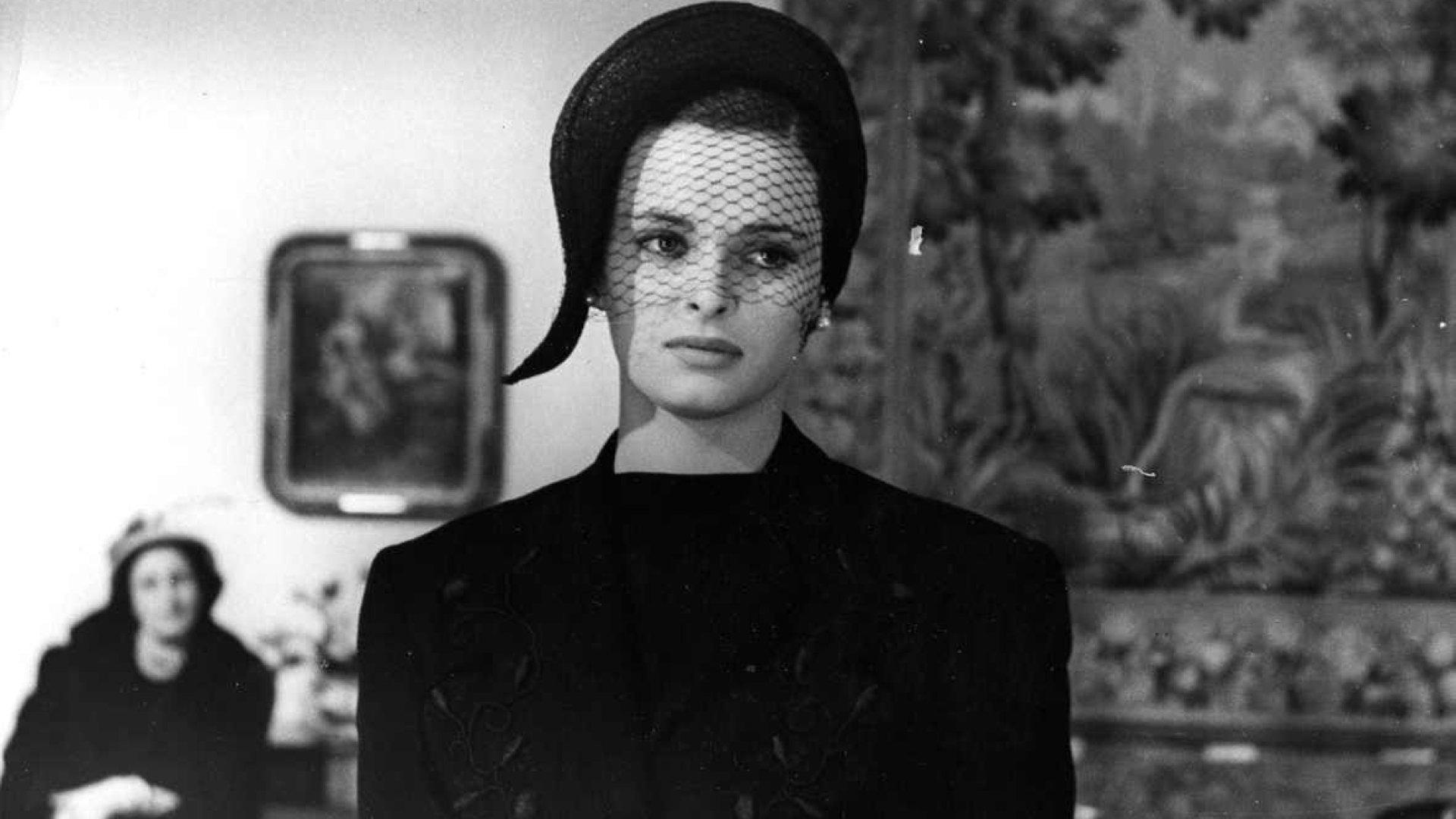
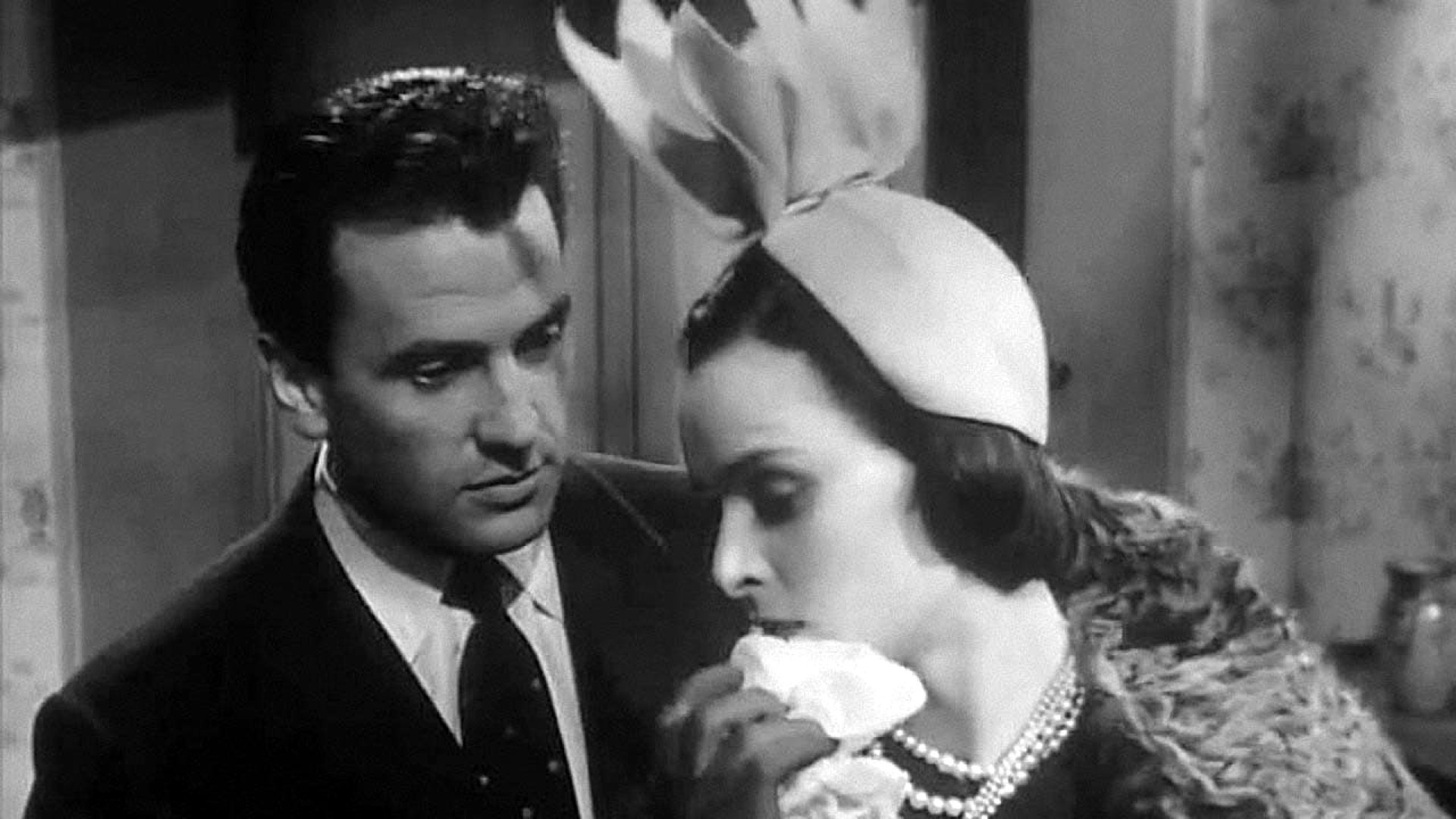
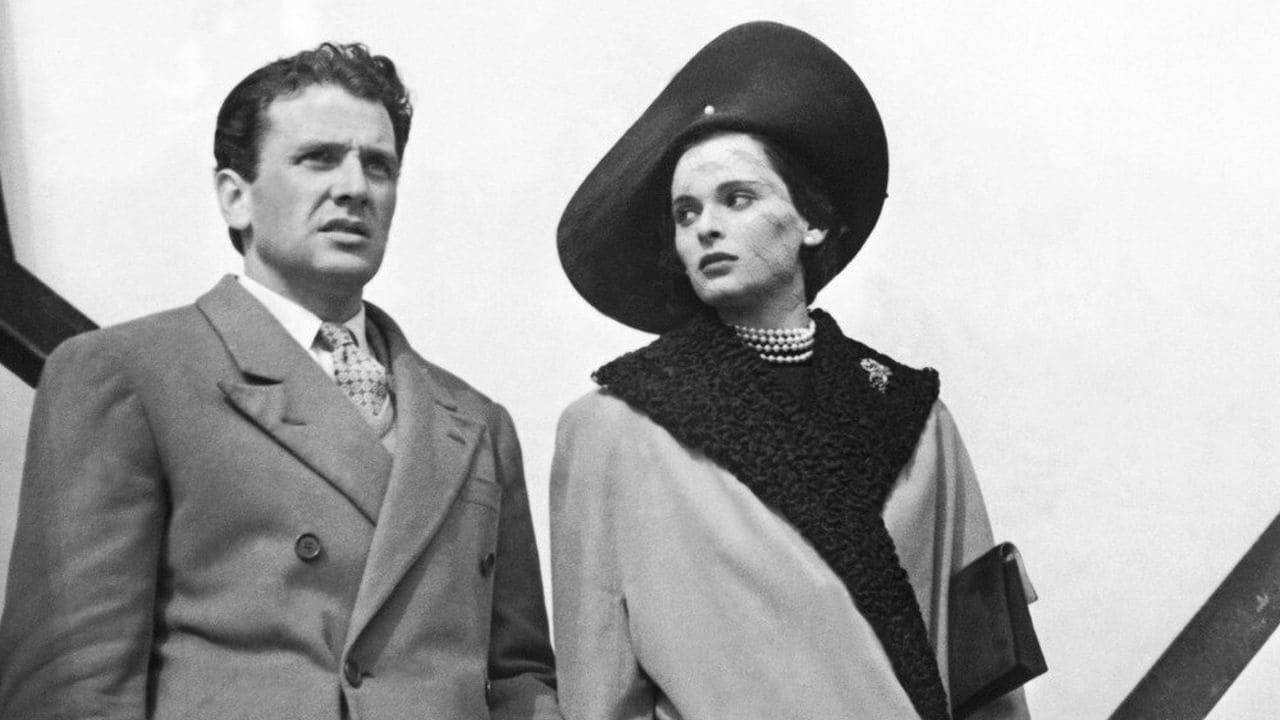
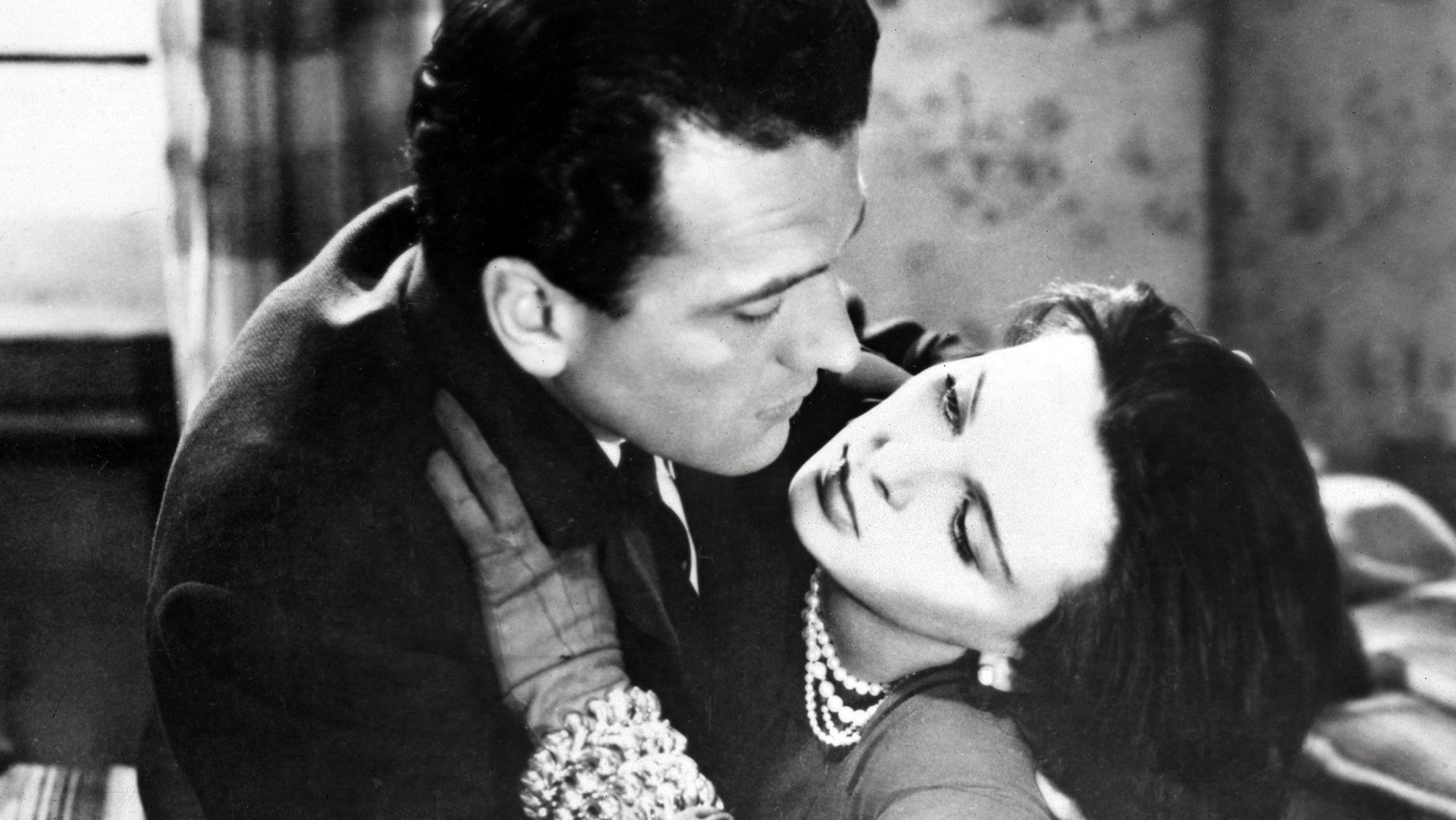
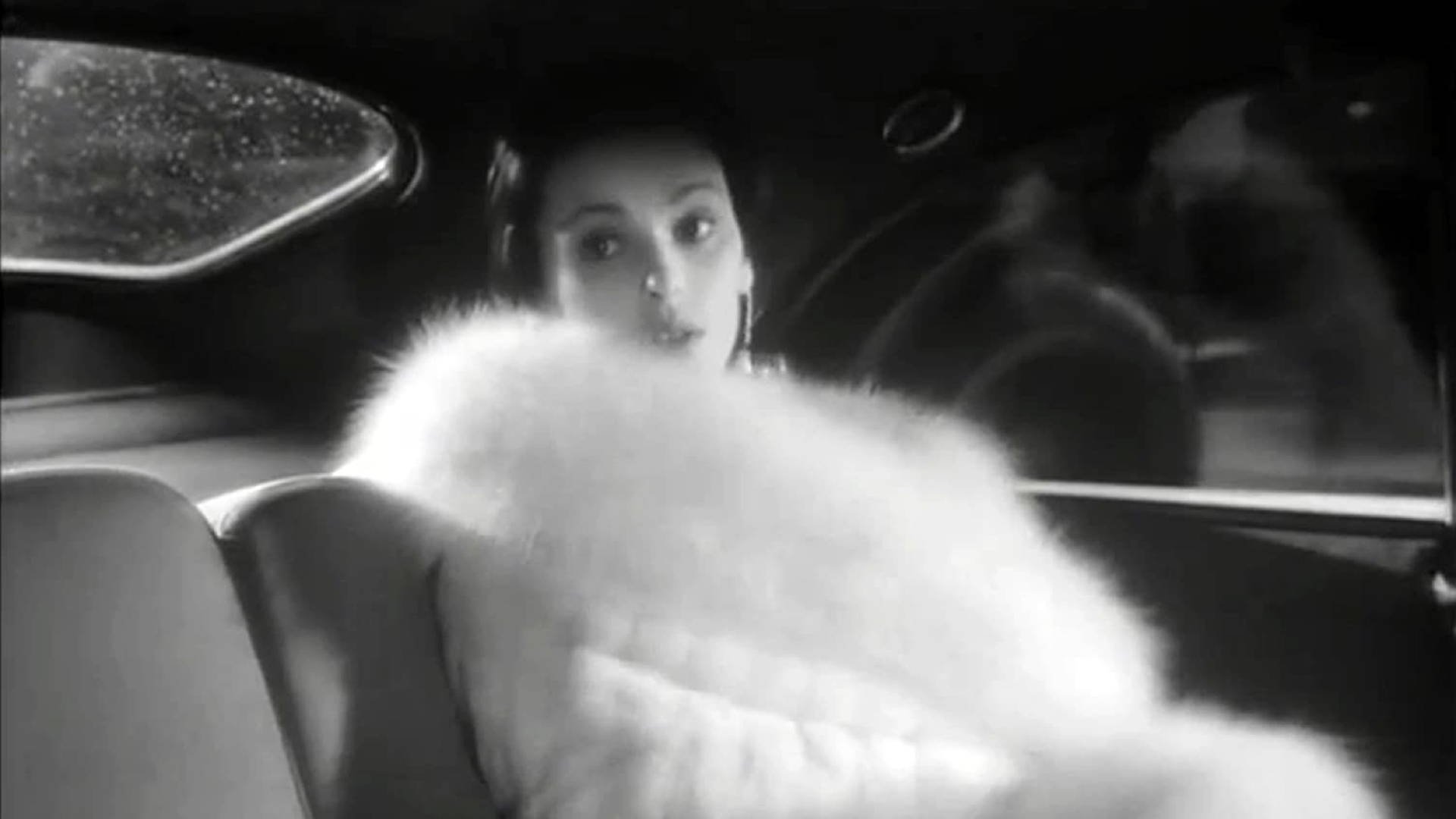
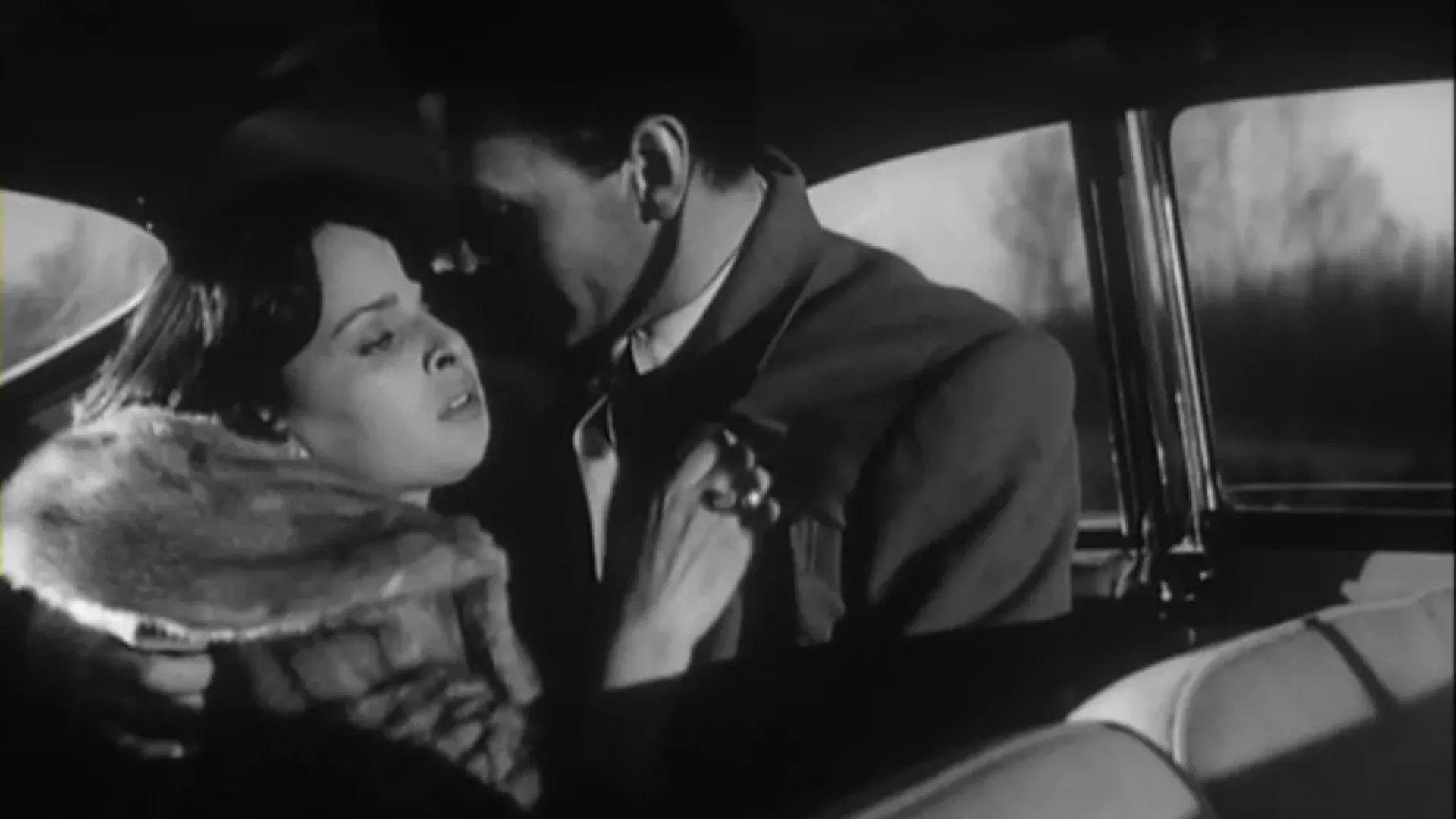
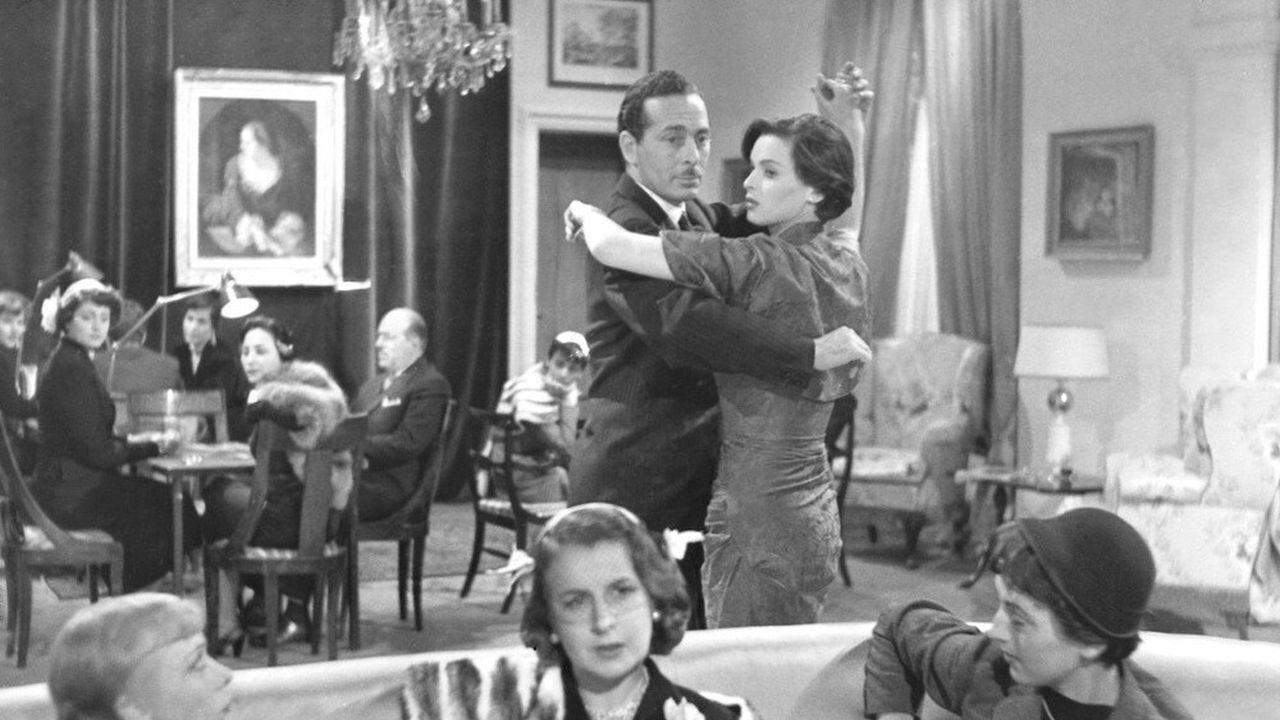
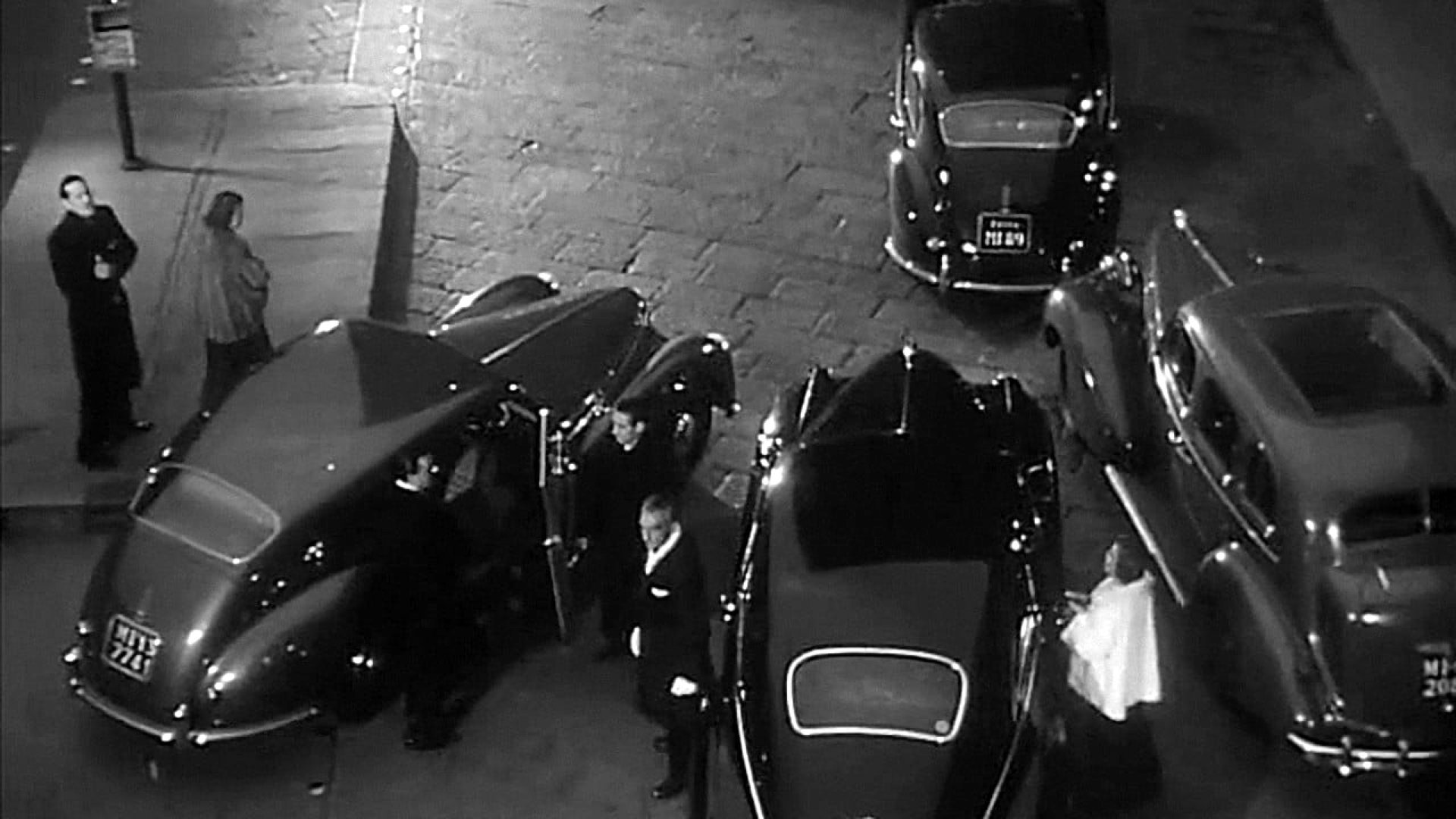
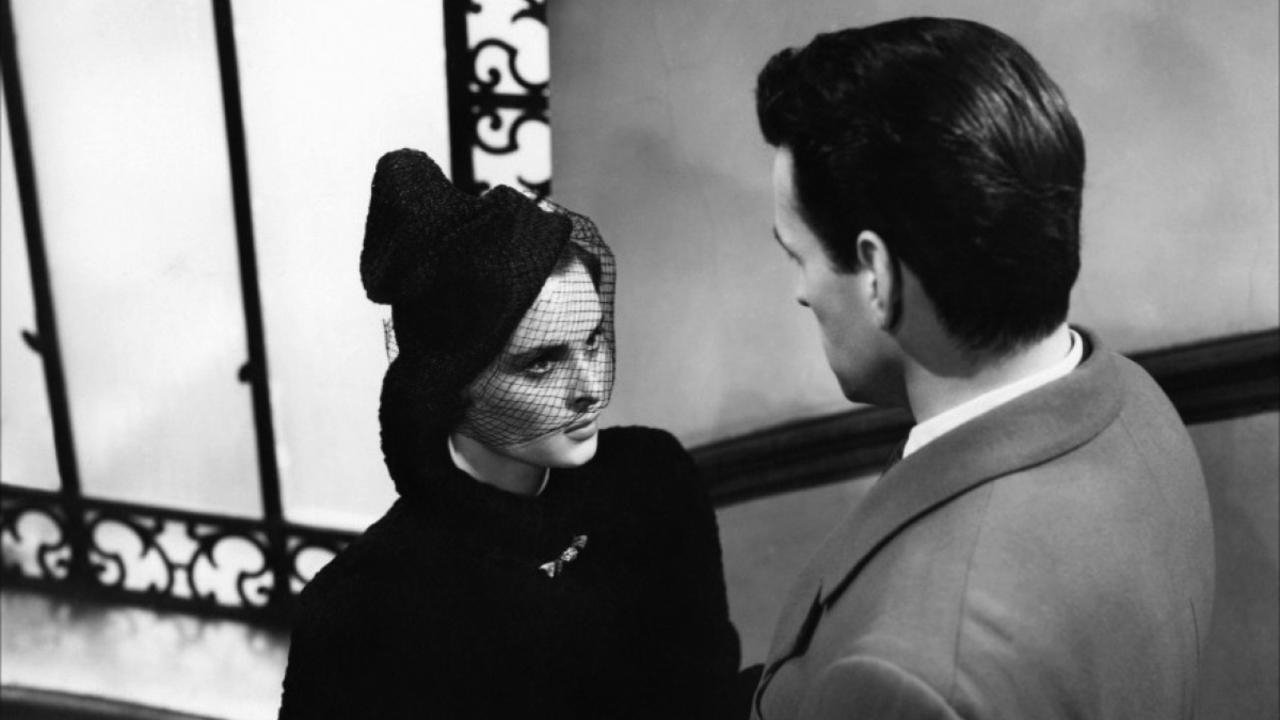
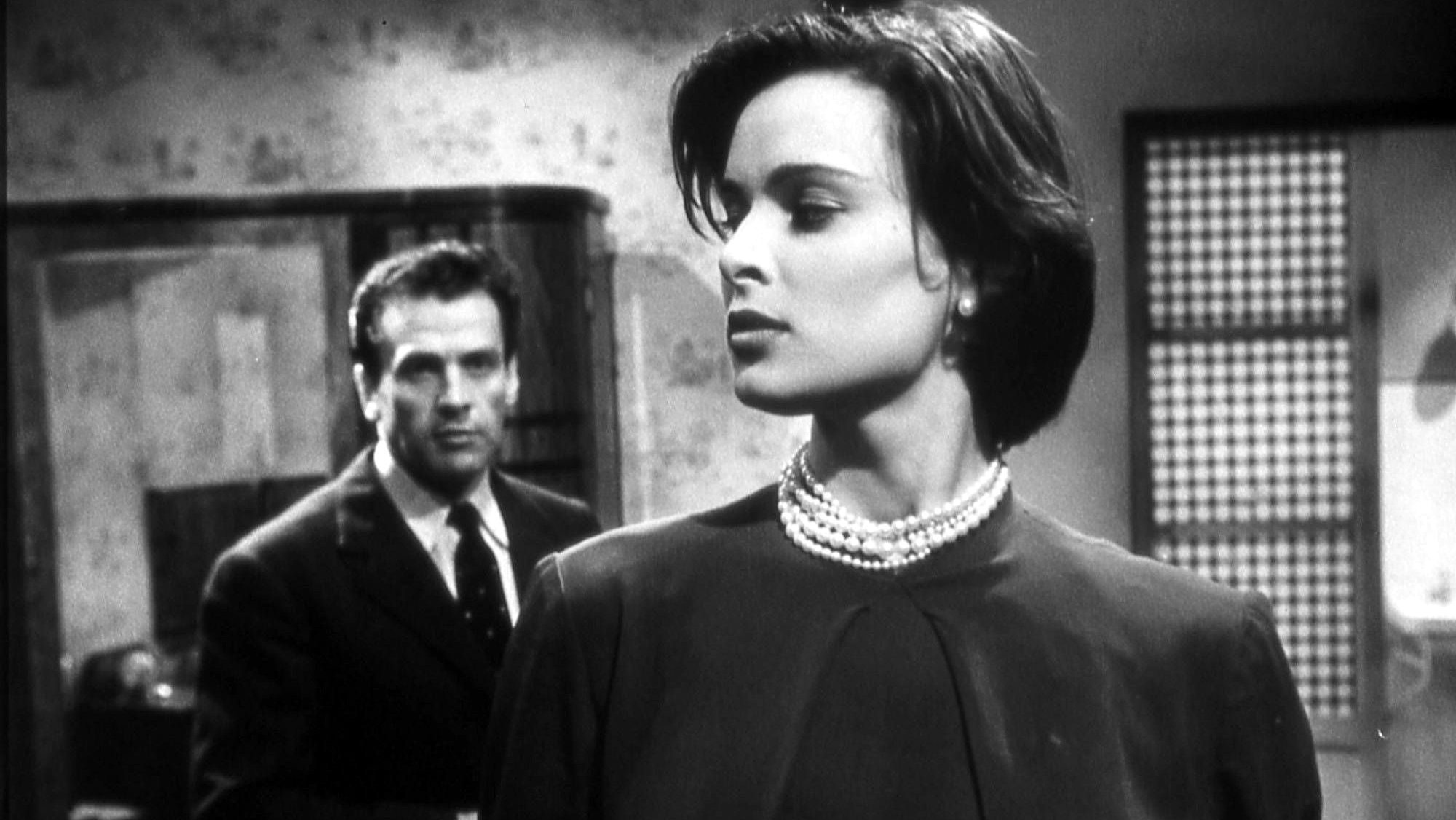

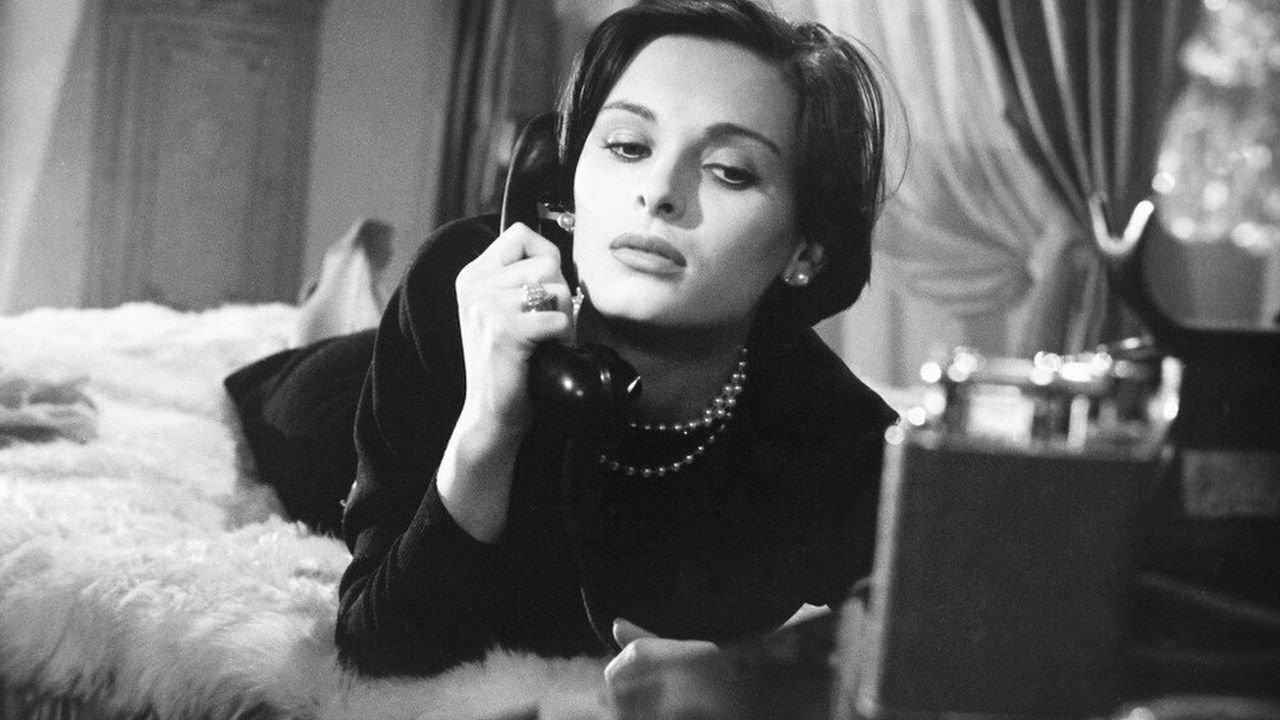
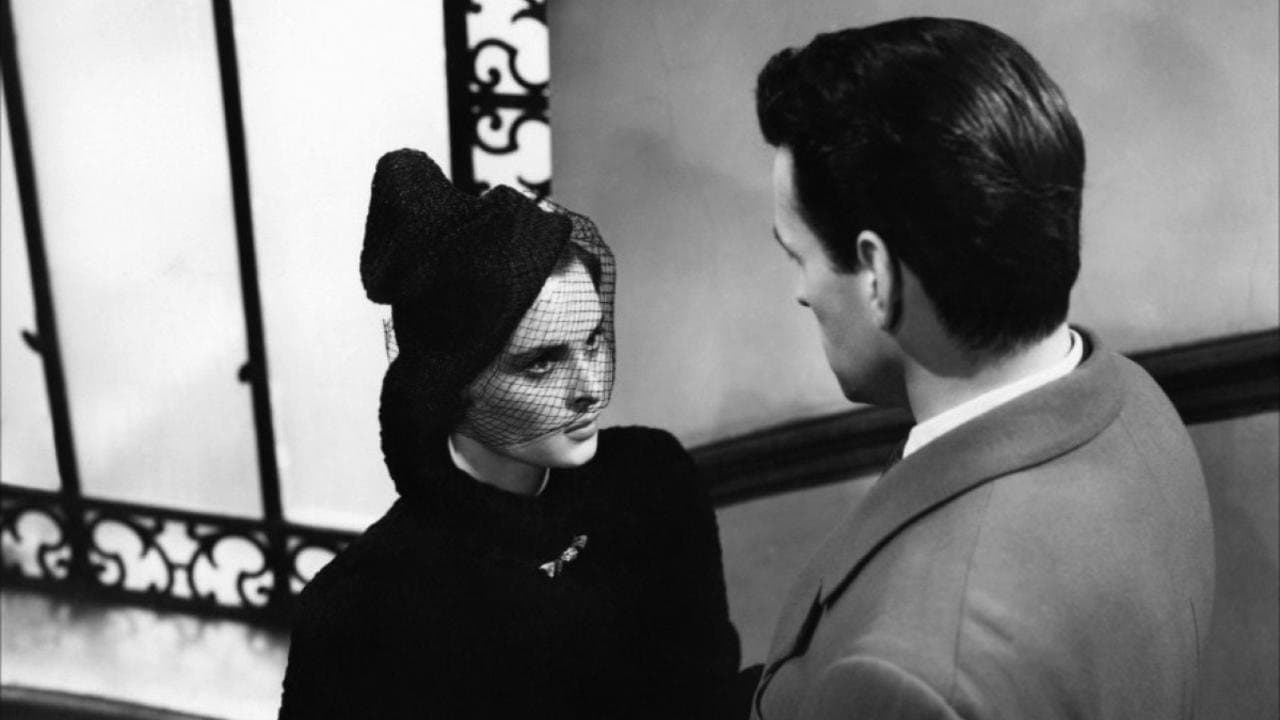
A wealthy, possessive husband's investigation reignites his young wife's past love, leading them to plot against him. As obstacles fall away, their passion faces a new test.
Directed by Michelangelo Antonioni

Trailer

IMDB
N/A
Where to Watch

Cast
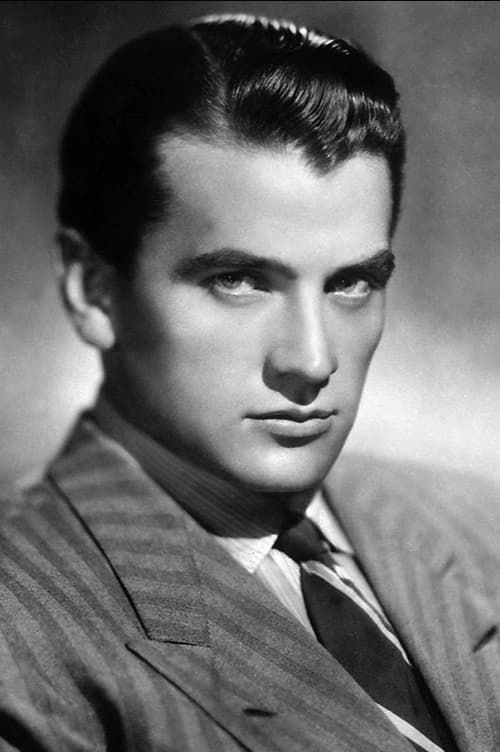
Massimo Girotti
Guido

Lucia Bosè
Paola Molon Fontana

Rubi D'Alma
Paola's friend

Anita Farra

Franco Fabrizi
Fashion show presentator (uncredited)
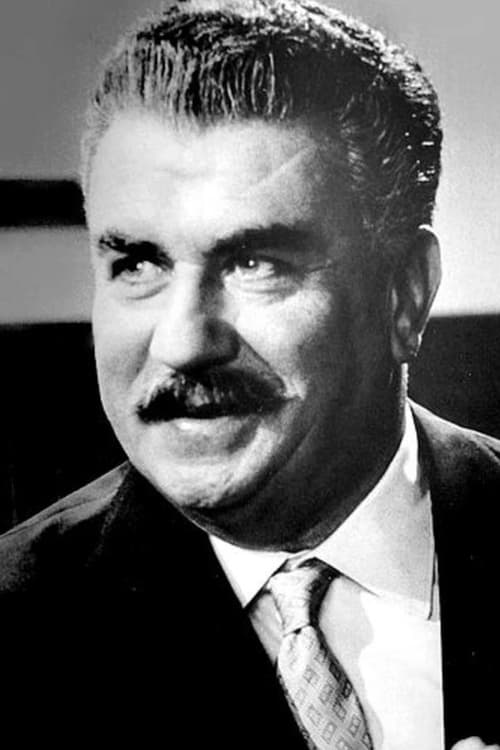
Gino Cervi
(uncredited)
Crew

Michelangelo Antonioni
Director

Piero Tellini
Screenplay
Michelangelo Antonioni
Screenplay

Giovanni Fusco
Original Music Composer
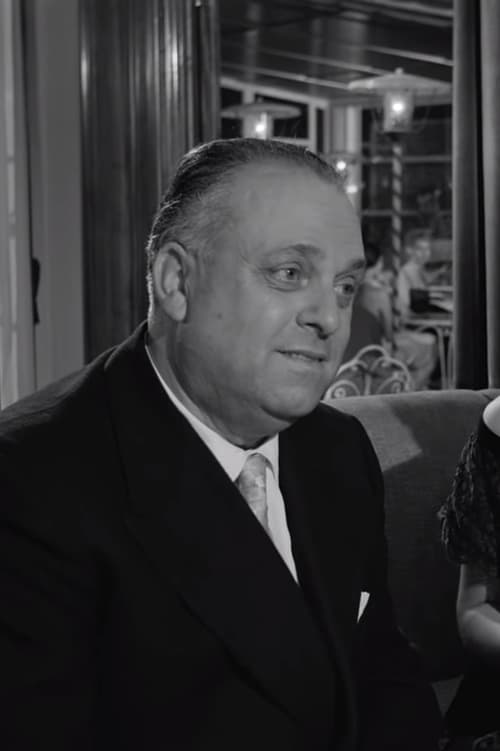
Eraldo Da Roma
Editor
Michelangelo Antonioni
Story
Popular Reviews
14 reviews
Hektor
8.0★ · 10/07/25
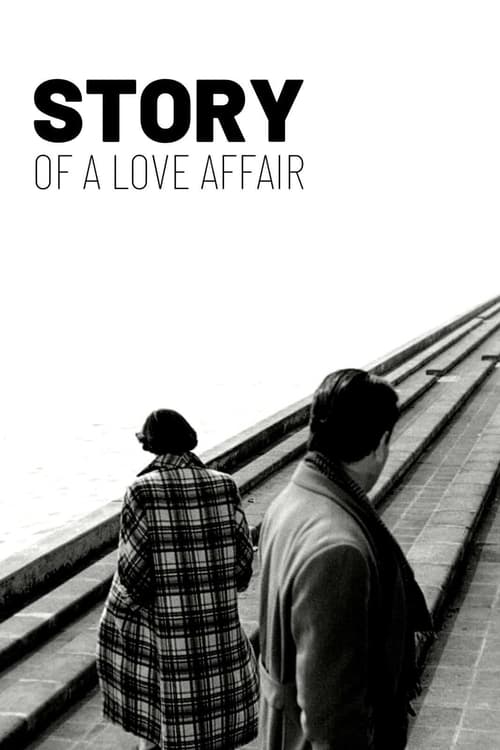
Latent infidelity ironically marries aristocratic jealousy on the altar of Antonioni’s debut, as seemingly none of the characters attain the shared desires they seek. Wealth’s inability to satisfy human needs - its tendency to alienate and destroy rather than bring happiness and joy - drives Story of a Love Affair forward in its minor identity crisis of mixed styles and influences - blending neorealism, melodrama, and Antonioni’s emerging modernist style into one, coherent, voice - slowly but surely blossoming as the minutes fly by.
This was BFI:s official recommendation for what film to start of with in Antonionis filmography, but I can’t help but to feel that one of his later, more pronounced films would’ve been the better choice, as this is much more interesting as a retrospective film to his style than it is as a standalone.
The film is a meticulous study in visual and emotional architecture: bold, bright cinematography sharply contrasts the dark, morally ambiguous themes Antonioni explores. Luminous, often sterile interiors and urban exteriors create an ironic tension: the world appears radiant yet is saturated with betrayal, alienation, and longing. The metropolitan landscape has never seemed more devoid of life, emphasising the emptiness and social isolation the characters carry. Lavish dresses and fancy cars are reduced to pity means of spontaneous, self-serving attempts at righteousness, revenge and to truckle beneath desire when the once desired, searches for something else.
This was BFI:s official recommendation for what film to start of with in Antonionis filmography, but I can’t help but to feel that one of his later, more pronounced films would’ve been the better choice, as this is much more interesting as a retrospective film to his style than it is as a standalone.
The film is a meticulous study in visual and emotional architecture: bold, bright cinematography sharply contrasts the dark, morally ambiguous themes Antonioni explores. Luminous, often sterile interiors and urban exteriors create an ironic tension: the world appears radiant yet is saturated with betrayal, alienation, and longing. The metropolitan landscape has never seemed more devoid of life, emphasising the emptiness and social isolation the characters carry. Lavish dresses and fancy cars are reduced to pity means of spontaneous, self-serving attempts at righteousness, revenge and to truckle beneath desire when the once desired, searches for something else.
Latent infidelity ironically marries aristocratic jealousy on the altar of Antonioni’s debut, as seemingly none of the characters attain the shared desires they seek. Wealth’s inability to satisfy human needs - its tendency to alienate and destroy rather than bring happiness and joy - drives Story of a Love Affair forward in its minor identity crisis of mixed styles and influences - blending neorealism, melodrama, and Antonioni’s emerging modernist style into one, coherent, voice - slowly but surely blossoming as the minutes fly by.
This was BFI:s official recommendation for what film to start of with in Antonionis filmography, but I can’t help but to feel that one of his later, more pronounced films would’ve been the better choice, as this is much more interesting as a retrospective film to his style than it is as a standalone.
The film is a meticulous study in visual and emotional architecture: bold, bright cinematography sharply contrasts the dark, morally ambiguous themes Antonioni explores. Luminous, often sterile interiors and urban exteriors create an ironic tension: the world appears radiant yet is saturated with betrayal, alienation, and longing. The metropolitan landscape has never seemed more devoid of life, emphasising the emptiness and social isolation the characters carry. Lavish dresses and fancy cars are reduced to pity means of spontaneous, self-serving attempts at righteousness, revenge and to truckle beneath desire when the once desired, searches for something else.
This was BFI:s official recommendation for what film to start of with in Antonionis filmography, but I can’t help but to feel that one of his later, more pronounced films would’ve been the better choice, as this is much more interesting as a retrospective film to his style than it is as a standalone.
The film is a meticulous study in visual and emotional architecture: bold, bright cinematography sharply contrasts the dark, morally ambiguous themes Antonioni explores. Luminous, often sterile interiors and urban exteriors create an ironic tension: the world appears radiant yet is saturated with betrayal, alienation, and longing. The metropolitan landscape has never seemed more devoid of life, emphasising the emptiness and social isolation the characters carry. Lavish dresses and fancy cars are reduced to pity means of spontaneous, self-serving attempts at righteousness, revenge and to truckle beneath desire when the once desired, searches for something else.


giuls
10.0★ · 01/05/25
- "Tutto è amore, l'universo non è che amore”: Foscolo
- Chi è?
- Era uno senza una lira
- Chi è?
- Era uno senza una lira
- "Tutto è amore, l'universo non è che amore”: Foscolo
- Chi è?
- Era uno senza una lira
- Chi è?
- Era uno senza una lira
JambaPRO
BASTA PROGETTARE OMICIDI MASSIMO
BASTA PROGETTARE OMICIDI MASSIMO
Ivan Lamera
9.0★ · 03/24/26
Claypolian
8.0★ · 03/14/26