
The Singing Nun
1966·Music·1h 37m
7.1
★
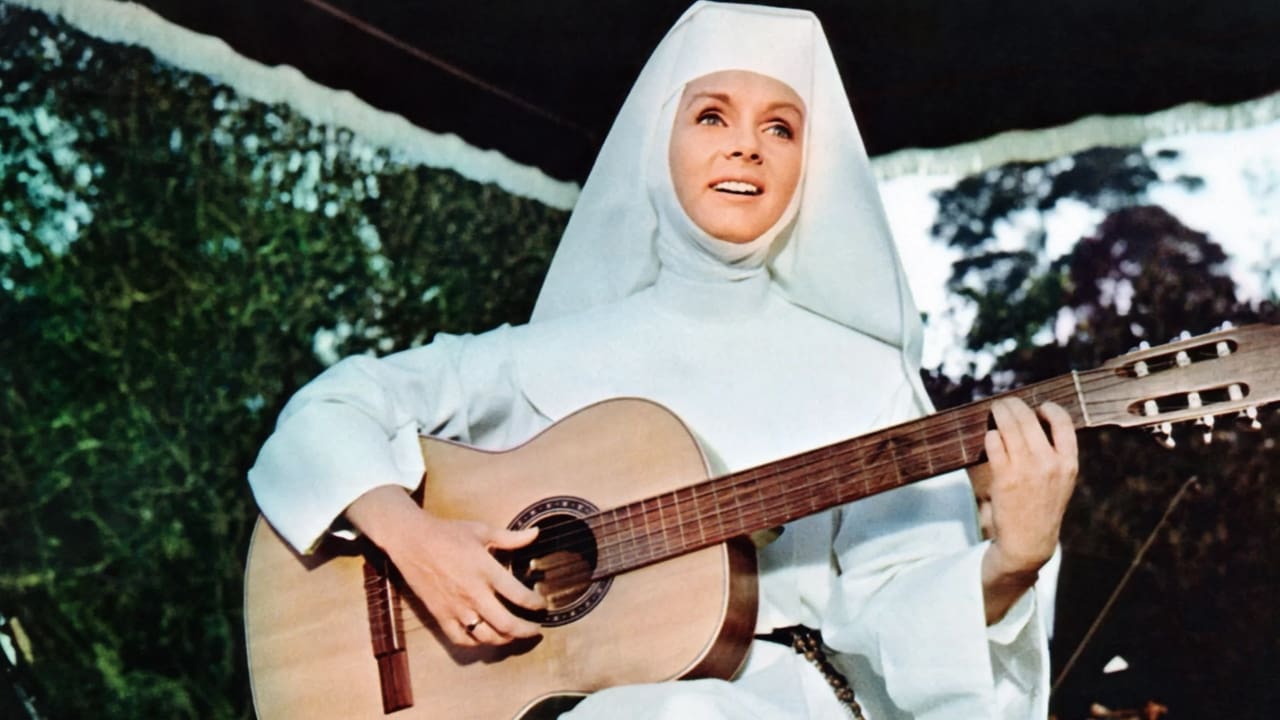
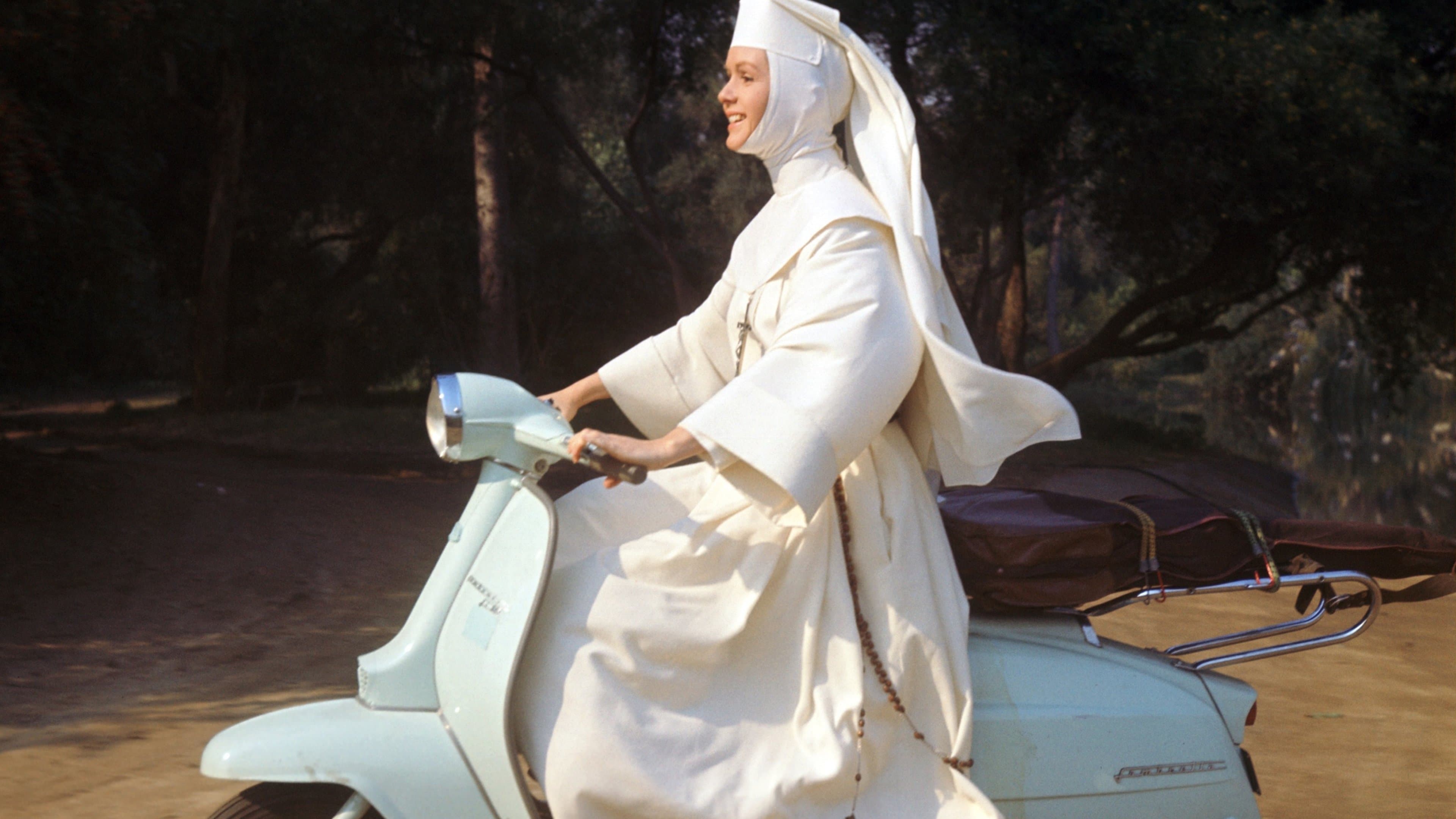
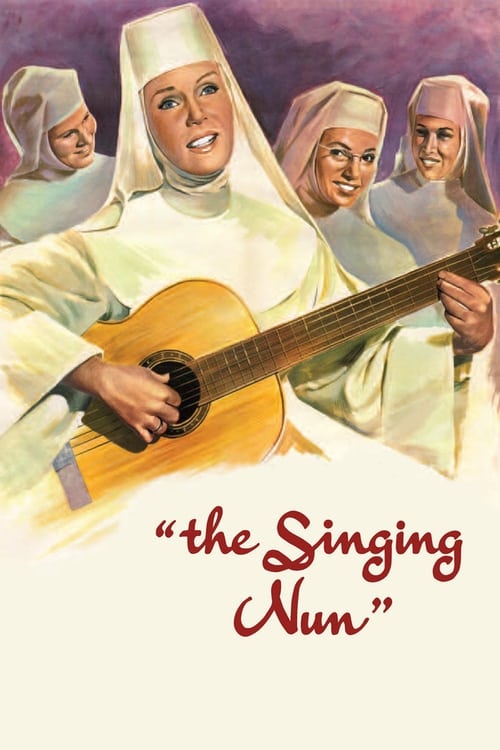
Belgian nun Sister Ann is sent to another order where she's at first committed to helping troubled souls, like Nichole and little Dominic. When Father Clementi hears Sister Ann's uplifting singing style, he takes her to a talent contest. Sister Ann is signed to a record deal and everyone is listening to her lighthearted songs. She is unprepared for her newfound fame (like appearing on The Ed Sullivan Show) and unwanted side effects, including a wrongful attraction to an old friend.
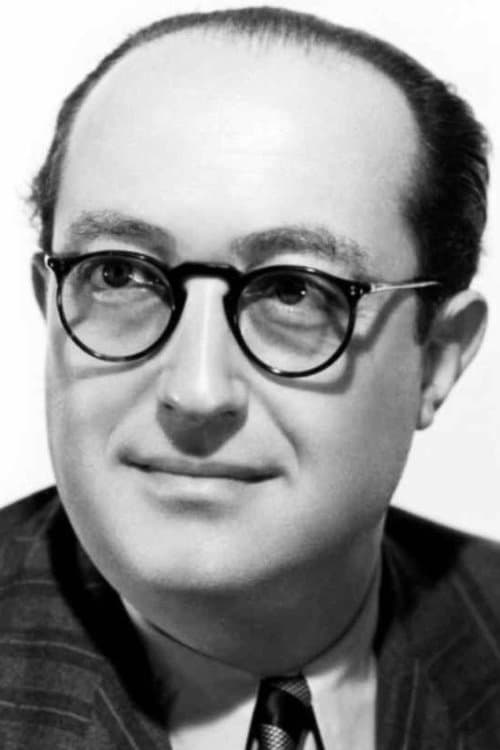
Directed by Henry Koster
nun
musical
singing nun
vespa
adoring

IMDB
N/A
Where to Watch


Cast

Debbie Reynolds
Sister Ann
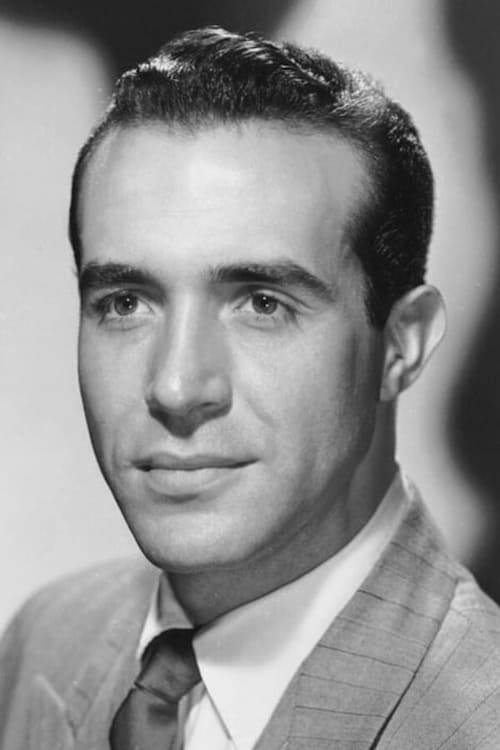
Ricardo Montalban
Father Clementi

Greer Garson
Mother Prioress
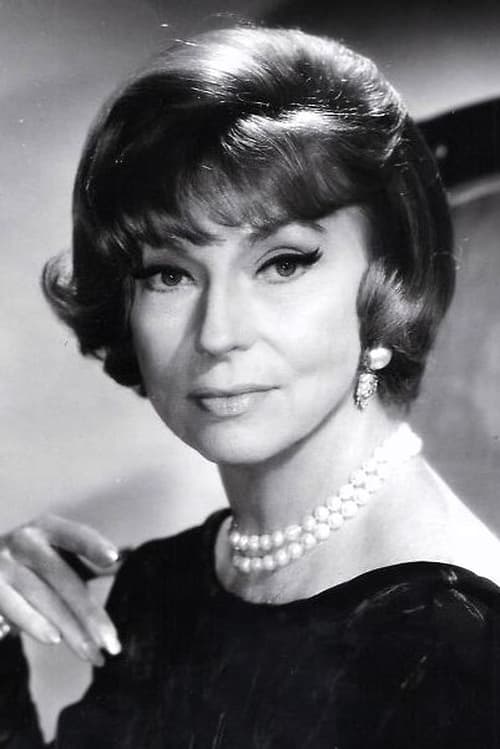
Agnes Moorehead
Sister Cluny

Chad Everett
Robert Gerarde
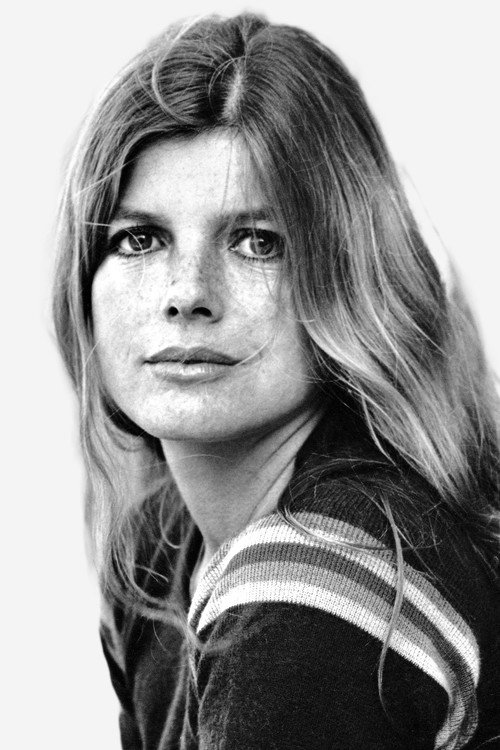
Katharine Ross
Nicole Arlien
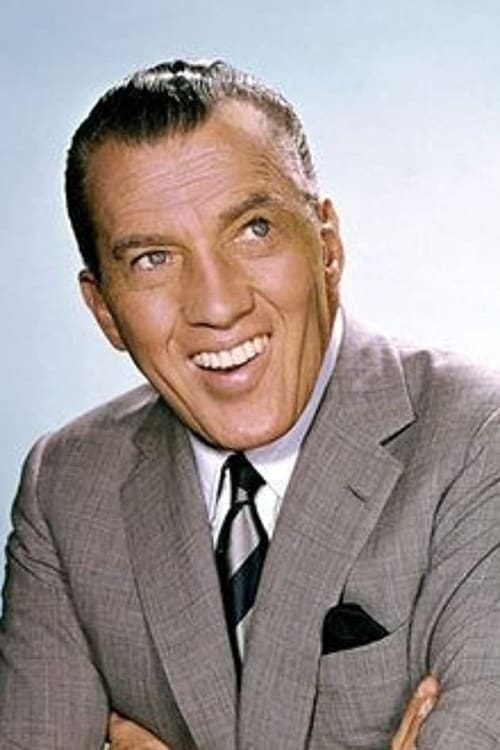
Ed Sullivan
Himself
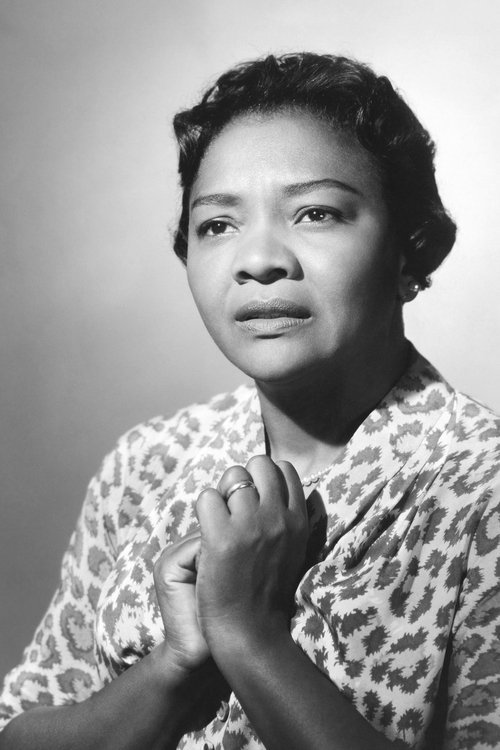
Juanita Moore
Sister Mary
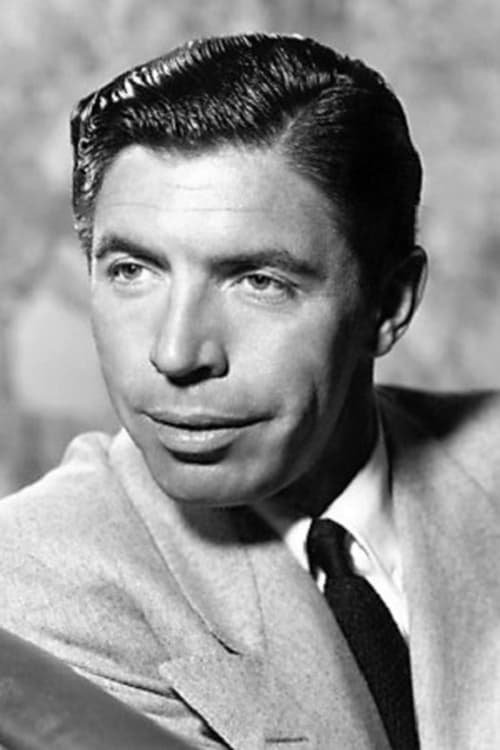
Michael Pate
Mr. Arlien
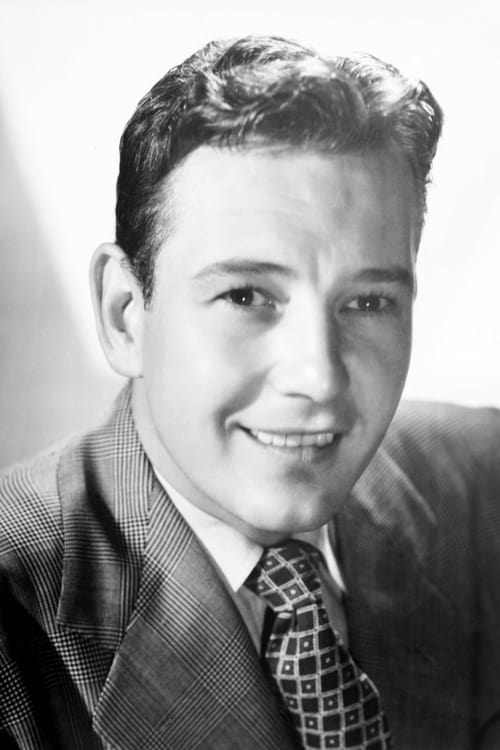
Tom Drake
Fitzpatrick
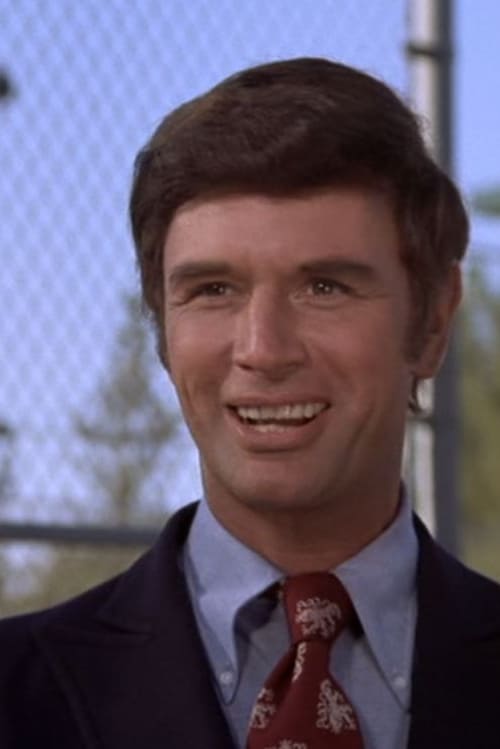
Charles Robinson
Marauder
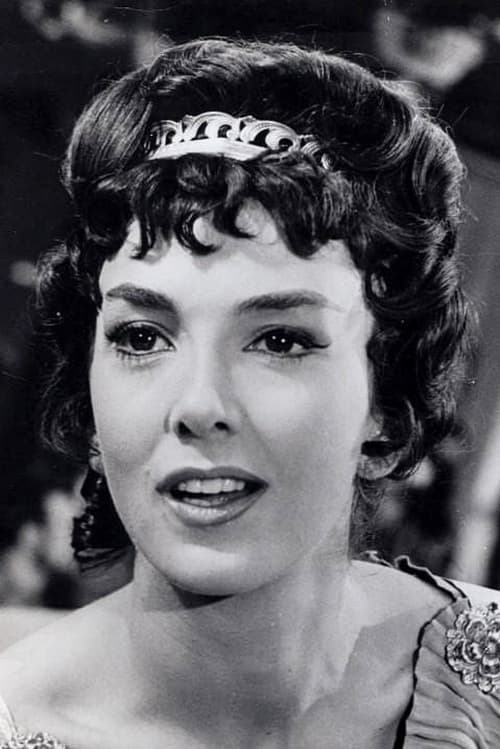
Anne Wakefield
Sister Brigitte
Crew
Henry Koster
Director

Sally Benson
Writer
Milton Krasner
Director of Photography

John Beck
Producer
Popular Reviews
4 reviews
Jacob Dickens
6.5★ · 05/20/22
One of the unexplained and underdiscussed aspects of Hollywood in a broad lens is its on-and-off-again relationship with nuns. Stories about nuns and their adventures have come out in every decade, but they seem to have little pockets of intense exposure every so often: the 40s had Black Narcissus, The Bells of St. Mary's, and The Song of Bernadette; the 60s had The Sound of Music, The Nun's Story, and The Nun; the 90s had Sister Act and Nunsense and all their sequels; this past decade saw The Little Hours, The Nun, Doubt, and Novitiate. In between, you have shows like The Flying Nun and Call the Midwife, the whole nunsploitation genre, and musicals a-plenty making convents light up in song and dance. There's something about a nunnery that seems irresistible to Hollywood and even more rarely broader pop culture. The Singing Nun is a somewhat minor entry in this lineage with its happy-go-lucky attitude occasionally interrupted by surprisingly dark moments. Debbie Reynolds as the titular Singing Nun is an endearing performance that rests on her natural gifts for singing and the surrounding cast embody the film's pleasant aura. It's a film that has no real interest in going any deeper on Sister Ann than is necessary, relying more on the power of her songs and the light comedy of the script than anything else. What makes this film so strange in retrospect is the later life of its subject which is mired in financial troubles, possible homosexuality, and an unfortunately early suicide. Perhaps that Singing Nun film would be more interesting if you're looking to know about Sister Ann, but this film is a light and pleasant slice of late studio Hollywood.
One of the unexplained and underdiscussed aspects of Hollywood in a broad lens is its on-and-off-again relationship with nuns. Stories about nuns and their adventures have come out in every decade, but they seem to have little pockets of intense exposure every so often: the 40s had Black Narcissus, The Bells of St. Mary's, and The Song of Bernadette; the 60s had The Sound of Music, The Nun's Story, and The Nun; the 90s had Sister Act and Nunsense and all their sequels; this past decade saw The Little Hours, The Nun, Doubt, and Novitiate. In between, you have shows like The Flying Nun and Call the Midwife, the whole nunsploitation genre, and musicals a-plenty making convents light up in song and dance. There's something about a nunnery that seems irresistible to Hollywood and even more rarely broader pop culture. The Singing Nun is a somewhat minor entry in this lineage with its happy-go-lucky attitude occasionally interrupted by surprisingly dark moments. Debbie Reynolds as the titular Singing Nun is an endearing performance that rests on her natural gifts for singing and the surrounding cast embody the film's pleasant aura. It's a film that has no real interest in going any deeper on Sister Ann than is necessary, relying more on the power of her songs and the light comedy of the script than anything else. What makes this film so strange in retrospect is the later life of its subject which is mired in financial troubles, possible homosexuality, and an unfortunately early suicide. Perhaps that Singing Nun film would be more interesting if you're looking to know about Sister Ann, but this film is a light and pleasant slice of late studio Hollywood.


Claire
9.7★ · 06/03/25
SofiaPRO
6.0★ · 07/27/24
Marisa
4.0★ · 04/07/24