
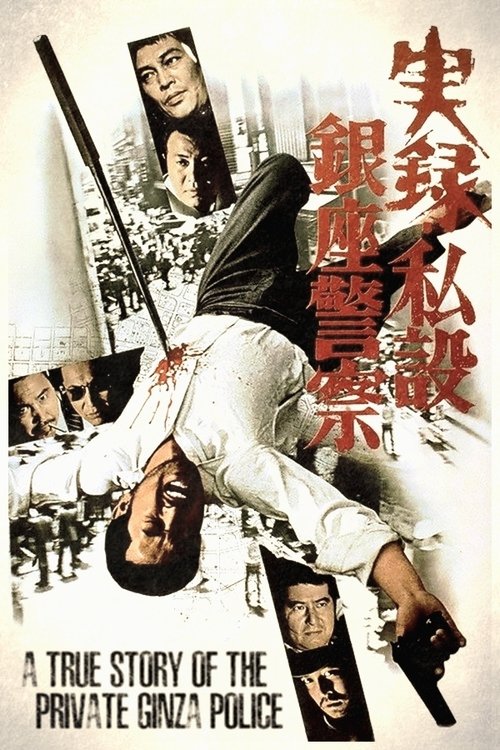
A True Story of the Private Ginza Police
1973·Drama·1h 35m
7.1
★
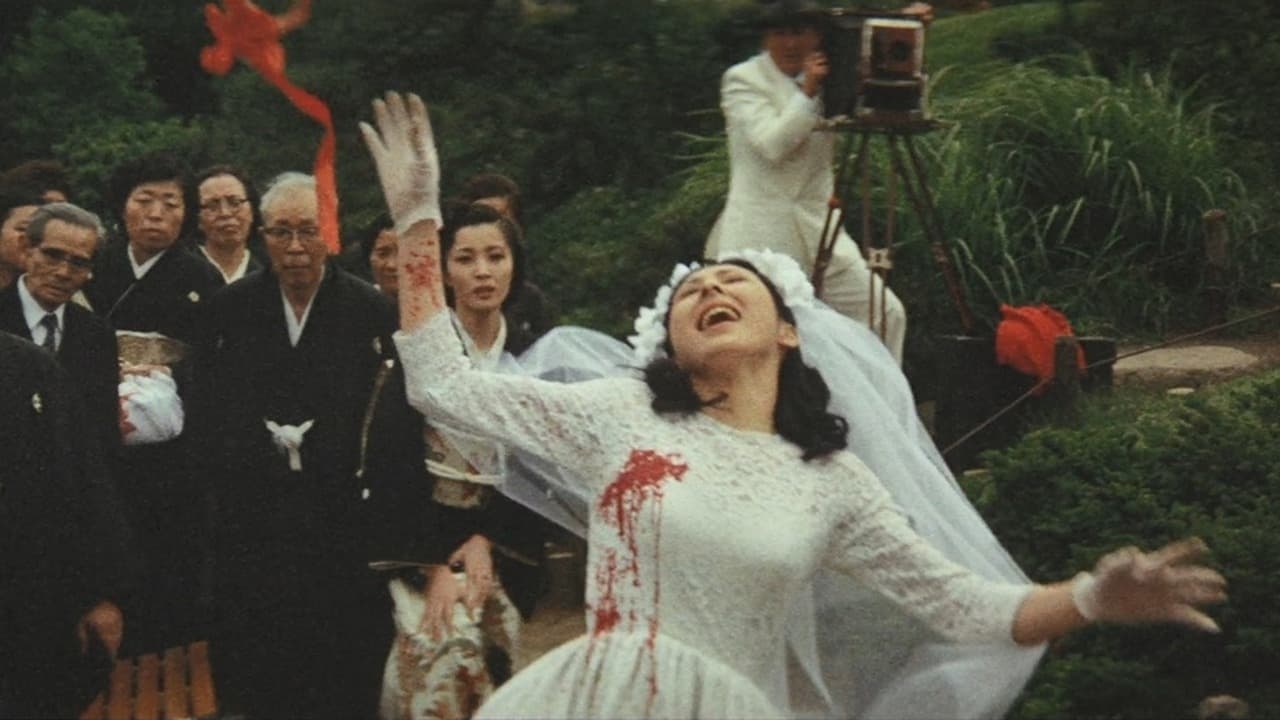
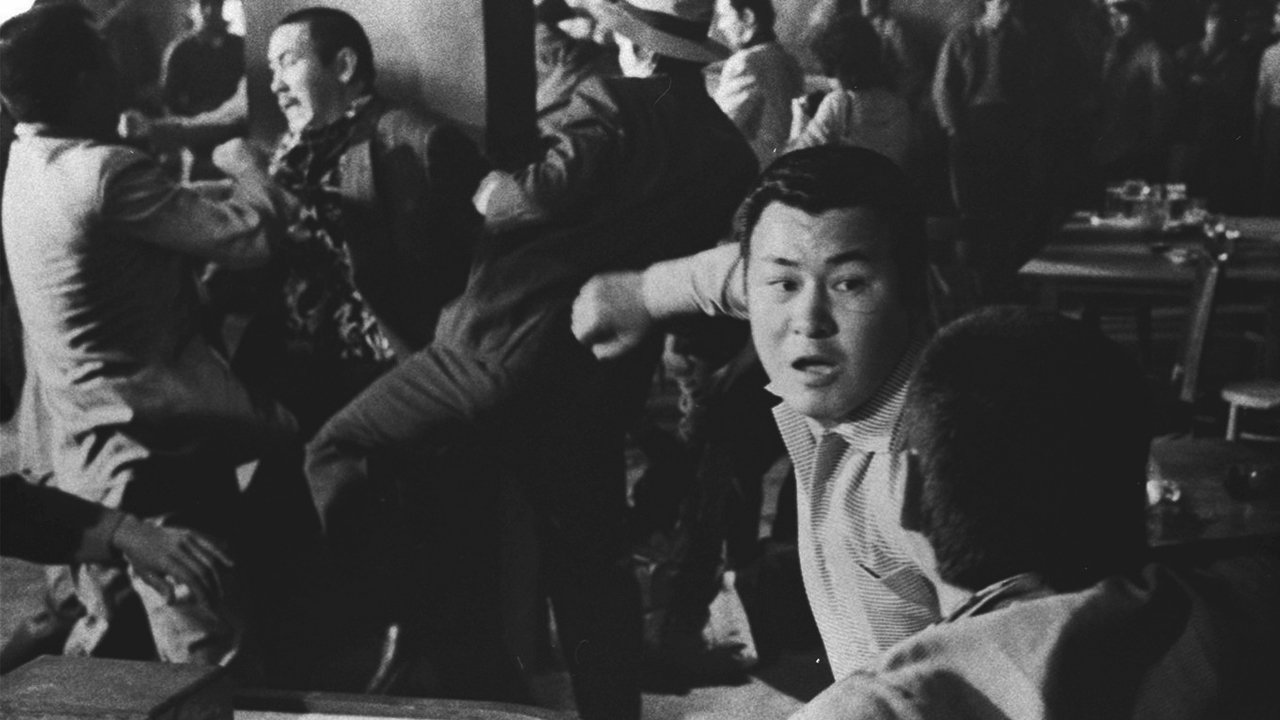
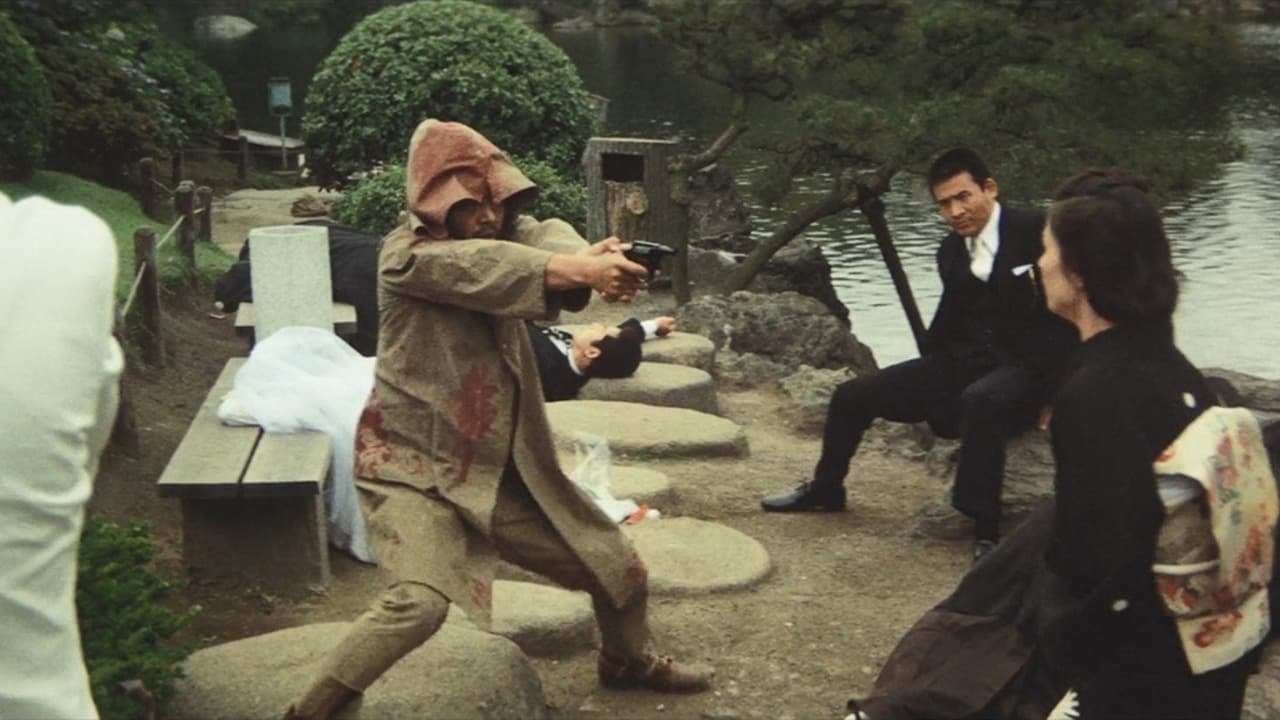
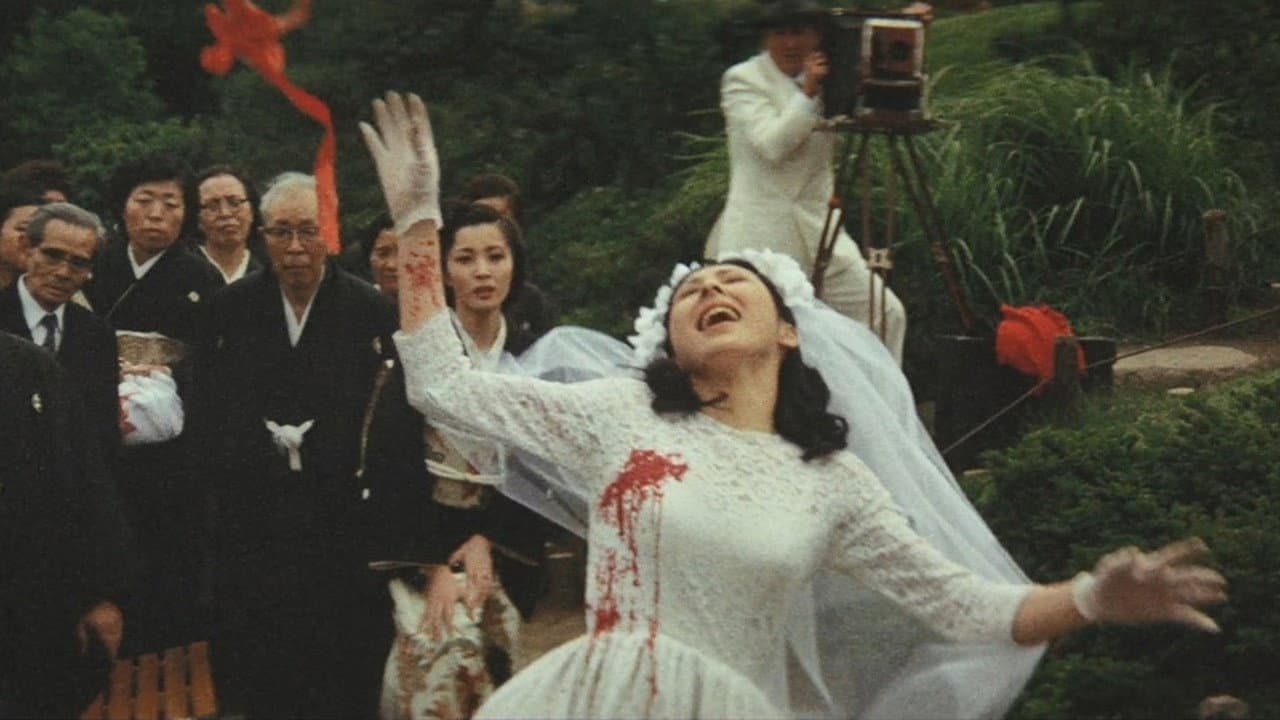
Japan, 1946, just after the end of World War II. As the US occupation army patrols the dilapidated streets of Tokyo, a desperate and ambitious group of war veterans and gamblers struggle to take control of the Ginza district's underworld with the help of a deranged soldier.
Directed by Junya Satō
war veteran
yakuza
tokyo, japan
gambler
post world war ii
japanese soldier
1940s

IMDB
N/A
Cast
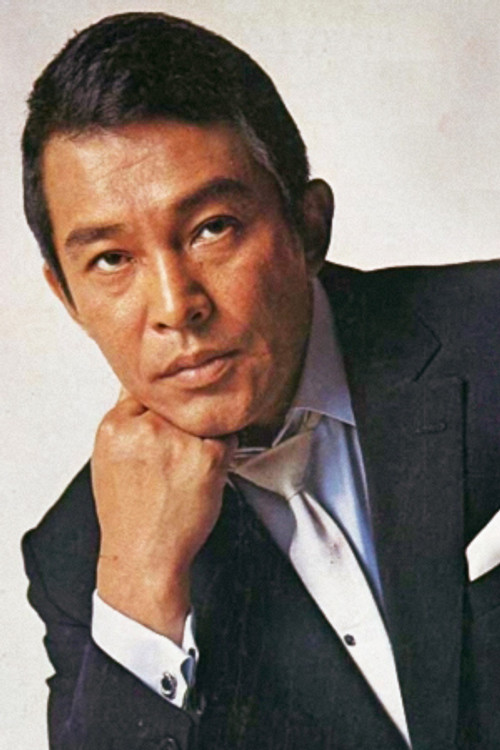
Noboru Andō
Iketani
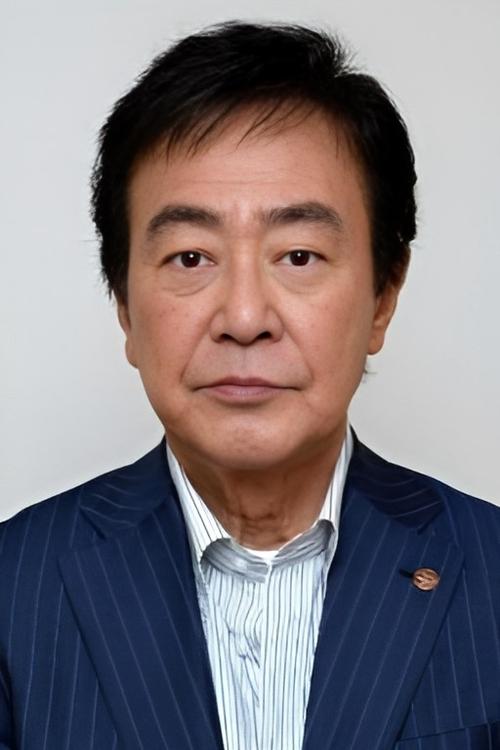
Tsunehiko Watase
Watarai
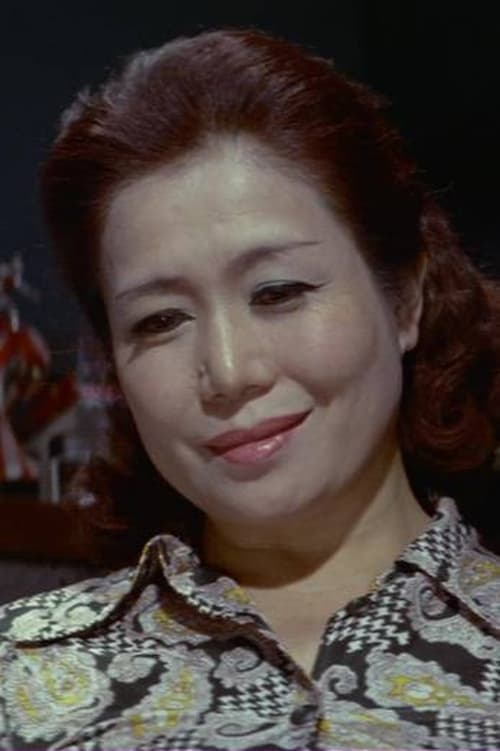
Hiroko Fuji
Kyōko
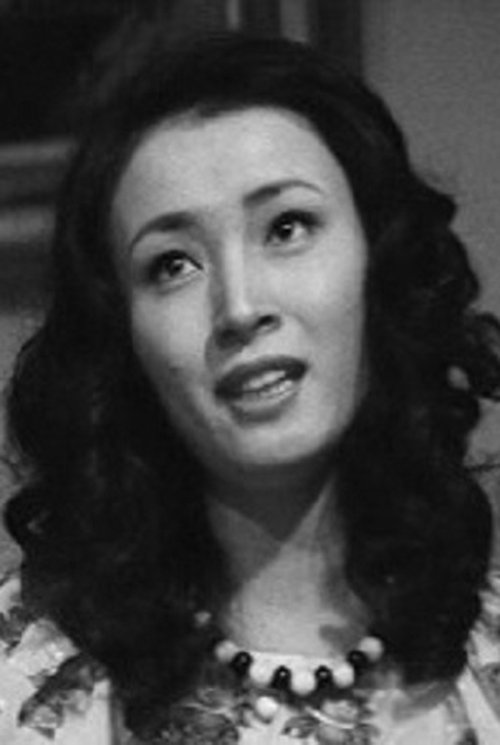
Eiko Nakamura
Yoshie
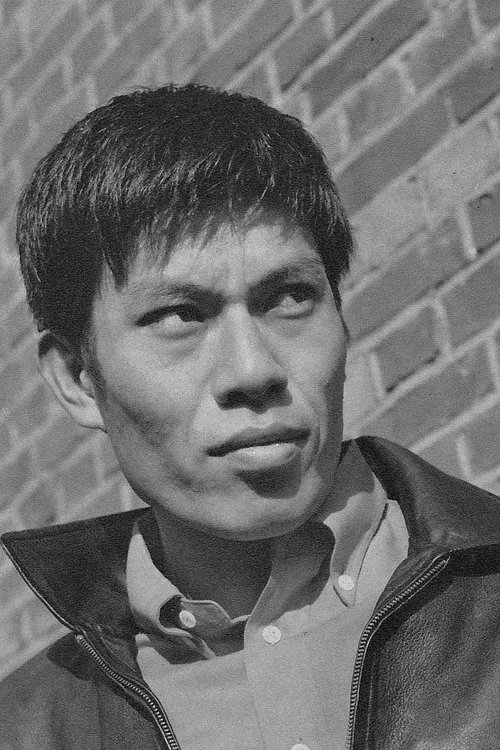
Eiji Gō
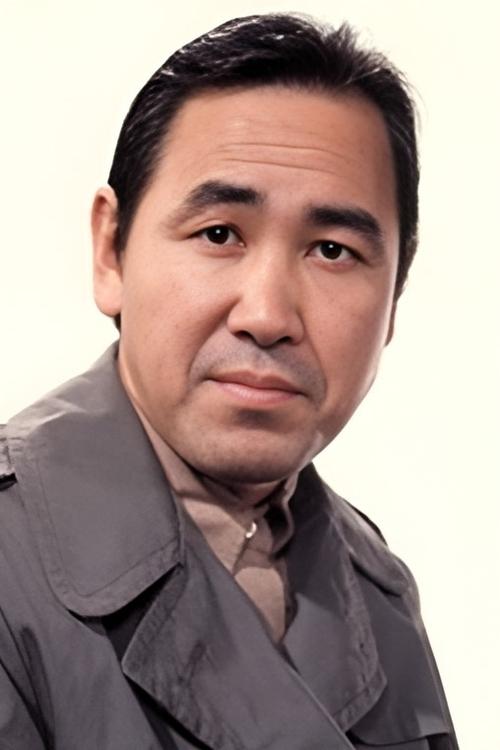
Hideo Murota
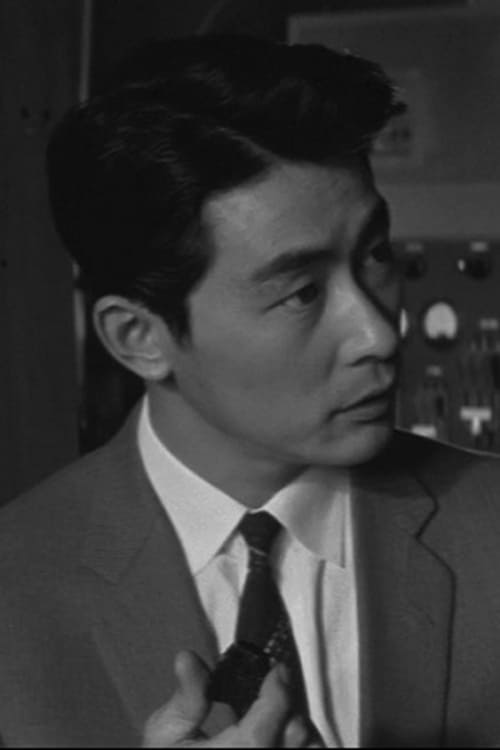
Hiroshi Kondō
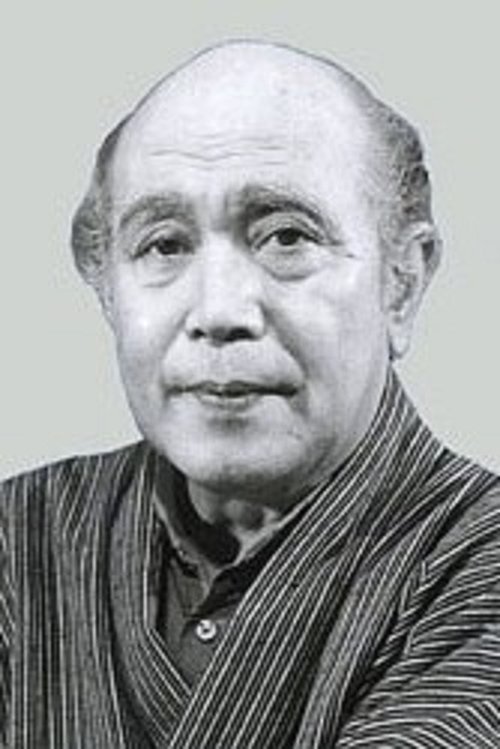
Asao Uchida

Yayoi Watanabe
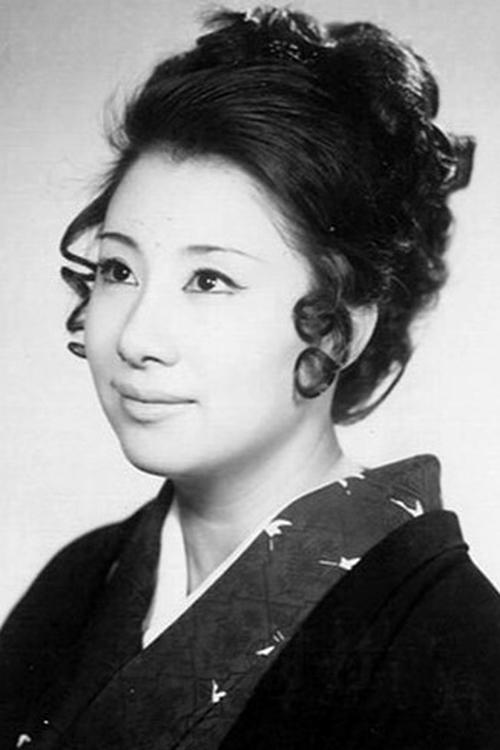
Yasuko Matsui
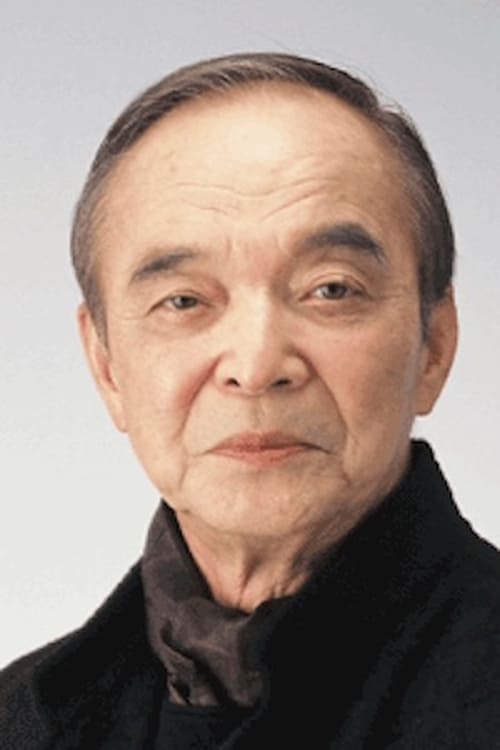
Kei Taguchi
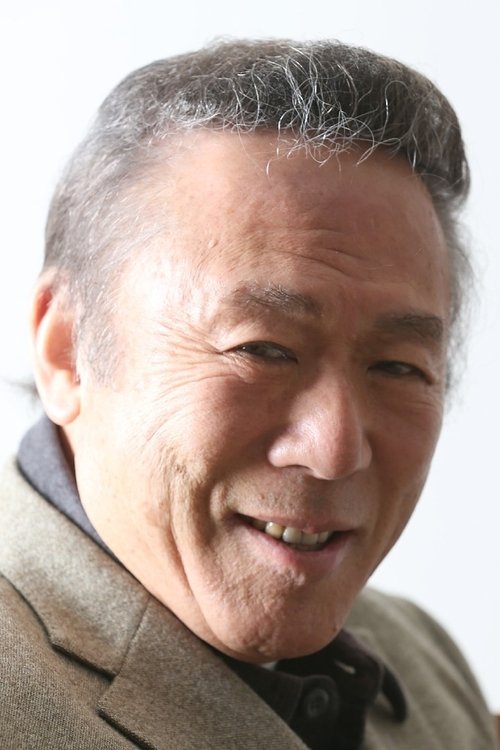
Nenji Kobayashi
Crew

Junya Satō
Director

Hirō Matsuda
Screenplay
Popular Reviews
1 review
Dontknow
10.0★ · 06/26/26
This is the craziest film ever made. The concept of a 70s exploitation yakuza film already sounds violent, now multiply the violence by 1,000. I genuinely have no words to describe how shocked I was on my first viewing, there is not one single breather here. The opening 20 minutes are filled with murder, rape, assault, drug addiction, arson, and just about every other crime or taboo you could think of. I don’t even want to spoil anything about this plot, it’s best that you go in blind. Never before have I seen a film so unapologetically masculine, and yet so deeply pathetic and hateful. I can only somewhat compare the analysis of masculinity in this movie to Bring Me The Head Of Alfredo Garcia, which also had a lot of focus on male violence and loserdom, but this is on a whole other level in terms of depravity.
The main characters here are utterly powerless in their lives. These men have come back from a war that they lost, and they have nothing to come back home to. Even Japanese women want nothing to do with them, instead they’d rather be around US soldiers. There’s a heavy theme of emasculation in Private Ginza Police, whether it be the main characters being laughed at or berated by women they proposition for sex, or the men crying and breaking down when things don’t go their way, these are not the traditional “cool yakuza” types at all. These are total losers. What makes them terrifying, is that they actually have power over Ginza. Even when they have control over an entire city of Japan, these men still want more power, and they end up causing their own downfall by betraying each other and causing constant gang wars.
The most fascinating character to me is Watarai. The movie begins and ends with him, in two of the most shocking scenes I’ve ever seen on celluloid. Watarai becomes a drug addict when his friends force him to take a shot of heroin. Those same friends then complain when he becomes a total junkie. Watarai feels a sense of shame for his way of living, but he never changes. Unlike everyone else in this film, Watarai is the only one who never had a peak to fall from, he was already in a horrible state to begin with. While Iketani and Usami fight over ownership of Ginza, Watarai sits in the corner, knowing that him, and everyone around him, are doomed to fail.
One of the most interesting parts about this film is the blatant sexism and racism. I’d say a woman gets brutalized in this film every 10 or so minutes. It’s so often that you’d think it was just done out of shock, but it’s done in such a horrific and unflattering way that you can’t misconstrue it as a fetishization of violence. The same anger (although to a much lesser extent) is shown towards American soldiers, especially black soldiers. The main characters have already lost a war to the Americans, so imagine how deeply enraged they feel when they see an American soldier court a Japanese lady. To them, it feels like a total betrayal of everything their nation and their ancestors promised them. The rage is mostly shown towards women though, not only because American soldiers pose a bigger threat, but because the main character's lose their sense of manhood through the indifference of the women they come across. That’s why Usami is bragging about raping a woman in one scene, and then whimpering in the next; he wants to put on the facade of machismo.
I don’t even know how to convey how explosive this movie is. Every shot is frantic, the violence is genuinely hard to stomach at times, and the soundtrack is absolutely amazing, it sounds like a total jazz freakout in the vain of Electric Masada. On my rewatch of this film, not only did I connect with the themes of emasculation, misguided anger, and powerless desperation, but I also started to understand that the violence isn’t gratuitous; it’s meant to convey how deeply these men wanted to make sense of their lives. Not only is Private Ginza Police a 10/10 for me, it is one of my favorite movies ever made.
The main characters here are utterly powerless in their lives. These men have come back from a war that they lost, and they have nothing to come back home to. Even Japanese women want nothing to do with them, instead they’d rather be around US soldiers. There’s a heavy theme of emasculation in Private Ginza Police, whether it be the main characters being laughed at or berated by women they proposition for sex, or the men crying and breaking down when things don’t go their way, these are not the traditional “cool yakuza” types at all. These are total losers. What makes them terrifying, is that they actually have power over Ginza. Even when they have control over an entire city of Japan, these men still want more power, and they end up causing their own downfall by betraying each other and causing constant gang wars.
The most fascinating character to me is Watarai. The movie begins and ends with him, in two of the most shocking scenes I’ve ever seen on celluloid. Watarai becomes a drug addict when his friends force him to take a shot of heroin. Those same friends then complain when he becomes a total junkie. Watarai feels a sense of shame for his way of living, but he never changes. Unlike everyone else in this film, Watarai is the only one who never had a peak to fall from, he was already in a horrible state to begin with. While Iketani and Usami fight over ownership of Ginza, Watarai sits in the corner, knowing that him, and everyone around him, are doomed to fail.
One of the most interesting parts about this film is the blatant sexism and racism. I’d say a woman gets brutalized in this film every 10 or so minutes. It’s so often that you’d think it was just done out of shock, but it’s done in such a horrific and unflattering way that you can’t misconstrue it as a fetishization of violence. The same anger (although to a much lesser extent) is shown towards American soldiers, especially black soldiers. The main characters have already lost a war to the Americans, so imagine how deeply enraged they feel when they see an American soldier court a Japanese lady. To them, it feels like a total betrayal of everything their nation and their ancestors promised them. The rage is mostly shown towards women though, not only because American soldiers pose a bigger threat, but because the main character's lose their sense of manhood through the indifference of the women they come across. That’s why Usami is bragging about raping a woman in one scene, and then whimpering in the next; he wants to put on the facade of machismo.
I don’t even know how to convey how explosive this movie is. Every shot is frantic, the violence is genuinely hard to stomach at times, and the soundtrack is absolutely amazing, it sounds like a total jazz freakout in the vain of Electric Masada. On my rewatch of this film, not only did I connect with the themes of emasculation, misguided anger, and powerless desperation, but I also started to understand that the violence isn’t gratuitous; it’s meant to convey how deeply these men wanted to make sense of their lives. Not only is Private Ginza Police a 10/10 for me, it is one of my favorite movies ever made.
This is the craziest film ever made. The concept of a 70s exploitation yakuza film already sounds violent, now multiply the violence by 1,000. I genuinely have no words to describe how shocked I was on my first viewing, there is not one single breather here. The opening 20 minutes are filled with murder, rape, assault, drug addiction, arson, and just about every other crime or taboo you could think of. I don’t even want to spoil anything about this plot, it’s best that you go in blind. Never before have I seen a film so unapologetically masculine, and yet so deeply pathetic and hateful. I can only somewhat compare the analysis of masculinity in this movie to Bring Me The Head Of Alfredo Garcia, which also had a lot of focus on male violence and loserdom, but this is on a whole other level in terms of depravity.
The main characters here are utterly powerless in their lives. These men have come back from a war that they lost, and they have nothing to come back home to. Even Japanese women want nothing to do with them, instead they’d rather be around US soldiers. There’s a heavy theme of emasculation in Private Ginza Police, whether it be the main characters being laughed at or berated by women they proposition for sex, or the men crying and breaking down when things don’t go their way, these are not the traditional “cool yakuza” types at all. These are total losers. What makes them terrifying, is that they actually have power over Ginza. Even when they have control over an entire city of Japan, these men still want more power, and they end up causing their own downfall by betraying each other and causing constant gang wars.
The most fascinating character to me is Watarai. The movie begins and ends with him, in two of the most shocking scenes I’ve ever seen on celluloid. Watarai becomes a drug addict when his friends force him to take a shot of heroin. Those same friends then complain when he becomes a total junkie. Watarai feels a sense of shame for his way of living, but he never changes. Unlike everyone else in this film, Watarai is the only one who never had a peak to fall from, he was already in a horrible state to begin with. While Iketani and Usami fight over ownership of Ginza, Watarai sits in the corner, knowing that him, and everyone around him, are doomed to fail.
One of the most interesting parts about this film is the blatant sexism and racism. I’d say a woman gets brutalized in this film every 10 or so minutes. It’s so often that you’d think it was just done out of shock, but it’s done in such a horrific and unflattering way that you can’t misconstrue it as a fetishization of violence. The same anger (although to a much lesser extent) is shown towards American soldiers, especially black soldiers. The main characters have already lost a war to the Americans, so imagine how deeply enraged they feel when they see an American soldier court a Japanese lady. To them, it feels like a total betrayal of everything their nation and their ancestors promised them. The rage is mostly shown towards women though, not only because American soldiers pose a bigger threat, but because the main character's lose their sense of manhood through the indifference of the women they come across. That’s why Usami is bragging about raping a woman in one scene, and then whimpering in the next; he wants to put on the facade of machismo.
I don’t even know how to convey how explosive this movie is. Every shot is frantic, the violence is genuinely hard to stomach at times, and the soundtrack is absolutely amazing, it sounds like a total jazz freakout in the vain of Electric Masada. On my rewatch of this film, not only did I connect with the themes of emasculation, misguided anger, and powerless desperation, but I also started to understand that the violence isn’t gratuitous; it’s meant to convey how deeply these men wanted to make sense of their lives. Not only is Private Ginza Police a 10/10 for me, it is one of my favorite movies ever made.
The main characters here are utterly powerless in their lives. These men have come back from a war that they lost, and they have nothing to come back home to. Even Japanese women want nothing to do with them, instead they’d rather be around US soldiers. There’s a heavy theme of emasculation in Private Ginza Police, whether it be the main characters being laughed at or berated by women they proposition for sex, or the men crying and breaking down when things don’t go their way, these are not the traditional “cool yakuza” types at all. These are total losers. What makes them terrifying, is that they actually have power over Ginza. Even when they have control over an entire city of Japan, these men still want more power, and they end up causing their own downfall by betraying each other and causing constant gang wars.
The most fascinating character to me is Watarai. The movie begins and ends with him, in two of the most shocking scenes I’ve ever seen on celluloid. Watarai becomes a drug addict when his friends force him to take a shot of heroin. Those same friends then complain when he becomes a total junkie. Watarai feels a sense of shame for his way of living, but he never changes. Unlike everyone else in this film, Watarai is the only one who never had a peak to fall from, he was already in a horrible state to begin with. While Iketani and Usami fight over ownership of Ginza, Watarai sits in the corner, knowing that him, and everyone around him, are doomed to fail.
One of the most interesting parts about this film is the blatant sexism and racism. I’d say a woman gets brutalized in this film every 10 or so minutes. It’s so often that you’d think it was just done out of shock, but it’s done in such a horrific and unflattering way that you can’t misconstrue it as a fetishization of violence. The same anger (although to a much lesser extent) is shown towards American soldiers, especially black soldiers. The main characters have already lost a war to the Americans, so imagine how deeply enraged they feel when they see an American soldier court a Japanese lady. To them, it feels like a total betrayal of everything their nation and their ancestors promised them. The rage is mostly shown towards women though, not only because American soldiers pose a bigger threat, but because the main character's lose their sense of manhood through the indifference of the women they come across. That’s why Usami is bragging about raping a woman in one scene, and then whimpering in the next; he wants to put on the facade of machismo.
I don’t even know how to convey how explosive this movie is. Every shot is frantic, the violence is genuinely hard to stomach at times, and the soundtrack is absolutely amazing, it sounds like a total jazz freakout in the vain of Electric Masada. On my rewatch of this film, not only did I connect with the themes of emasculation, misguided anger, and powerless desperation, but I also started to understand that the violence isn’t gratuitous; it’s meant to convey how deeply these men wanted to make sense of their lives. Not only is Private Ginza Police a 10/10 for me, it is one of my favorite movies ever made.

