
Retablo
2018·Drama·1h 35m
7.1
★
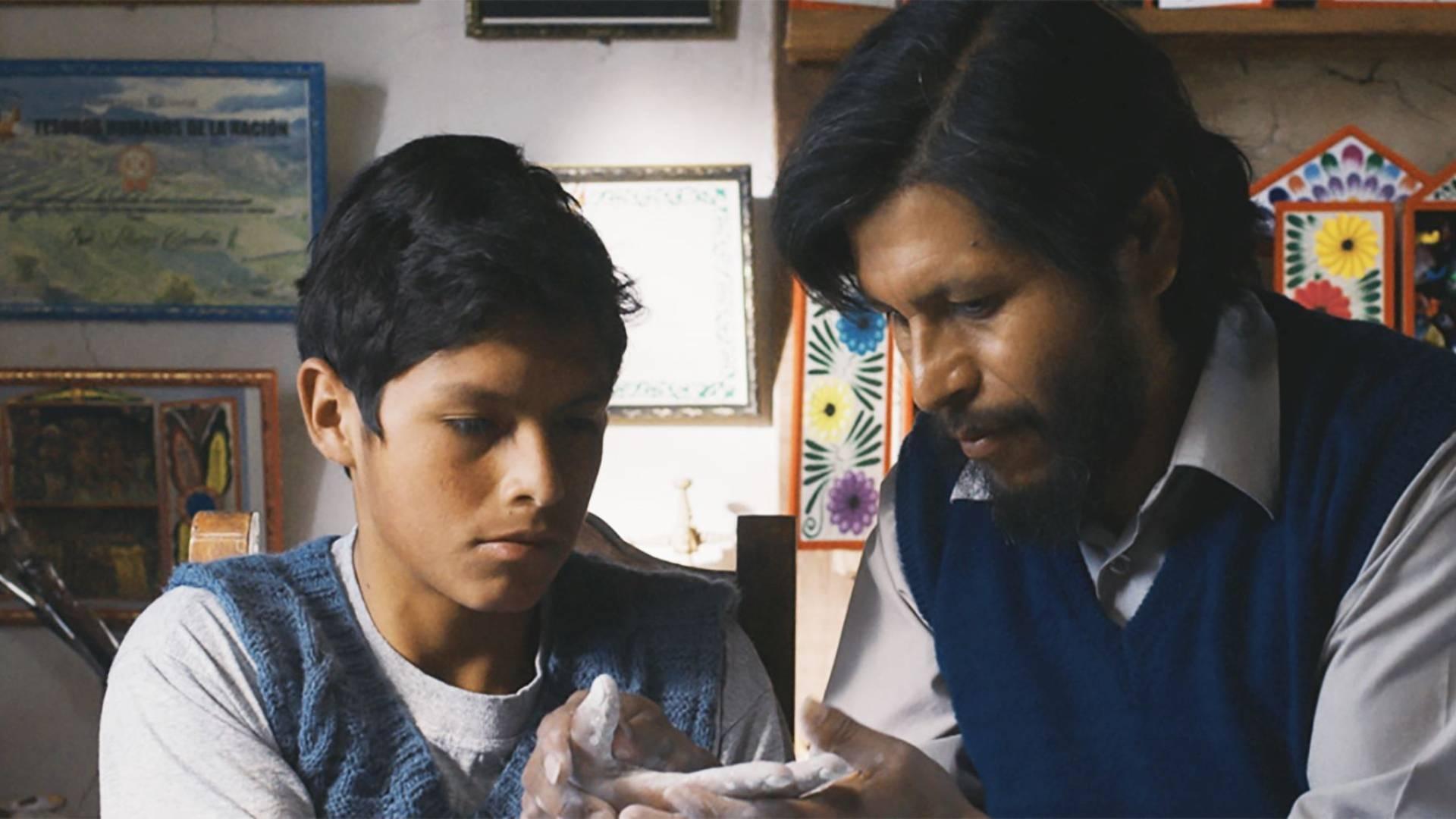
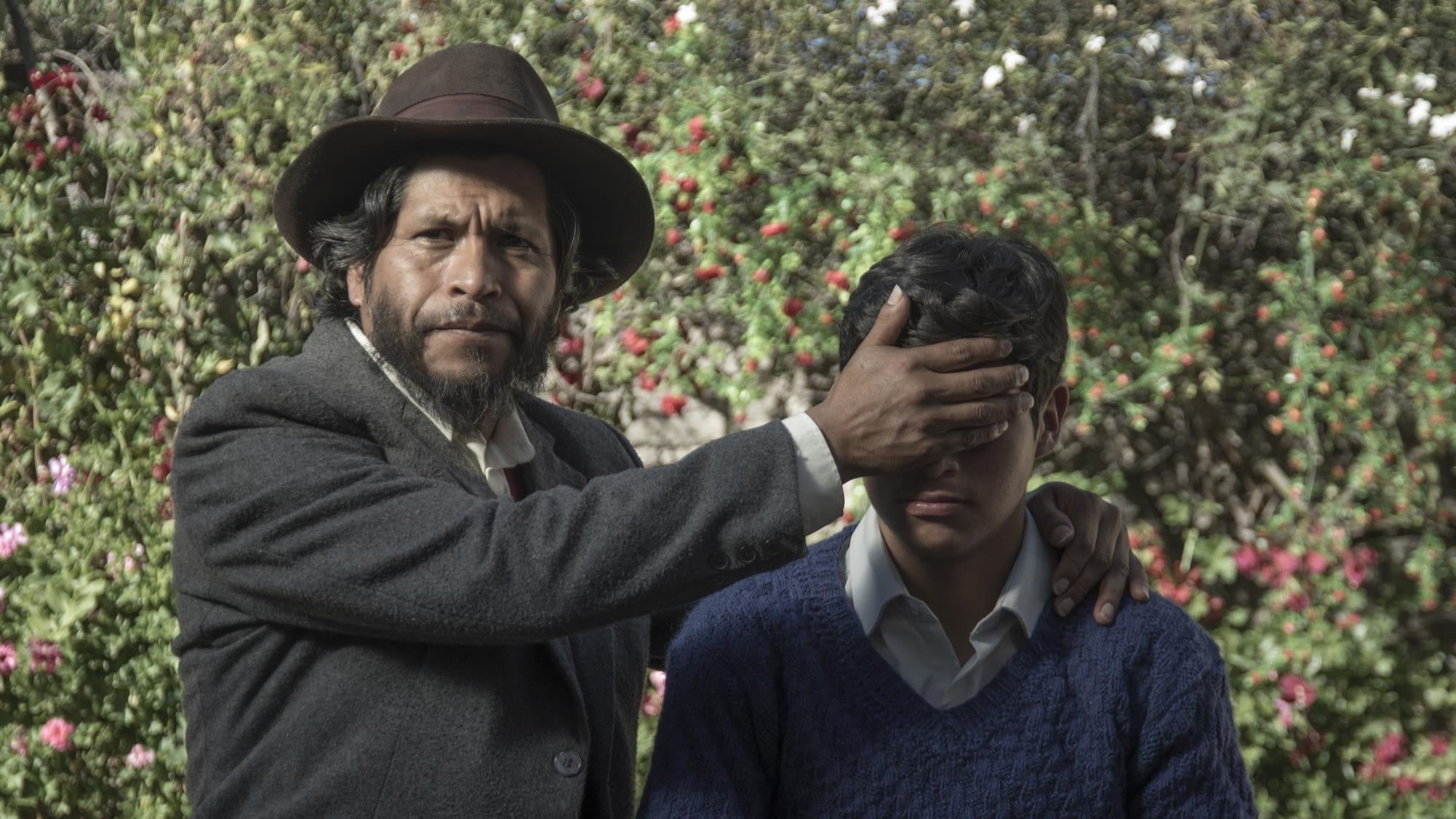
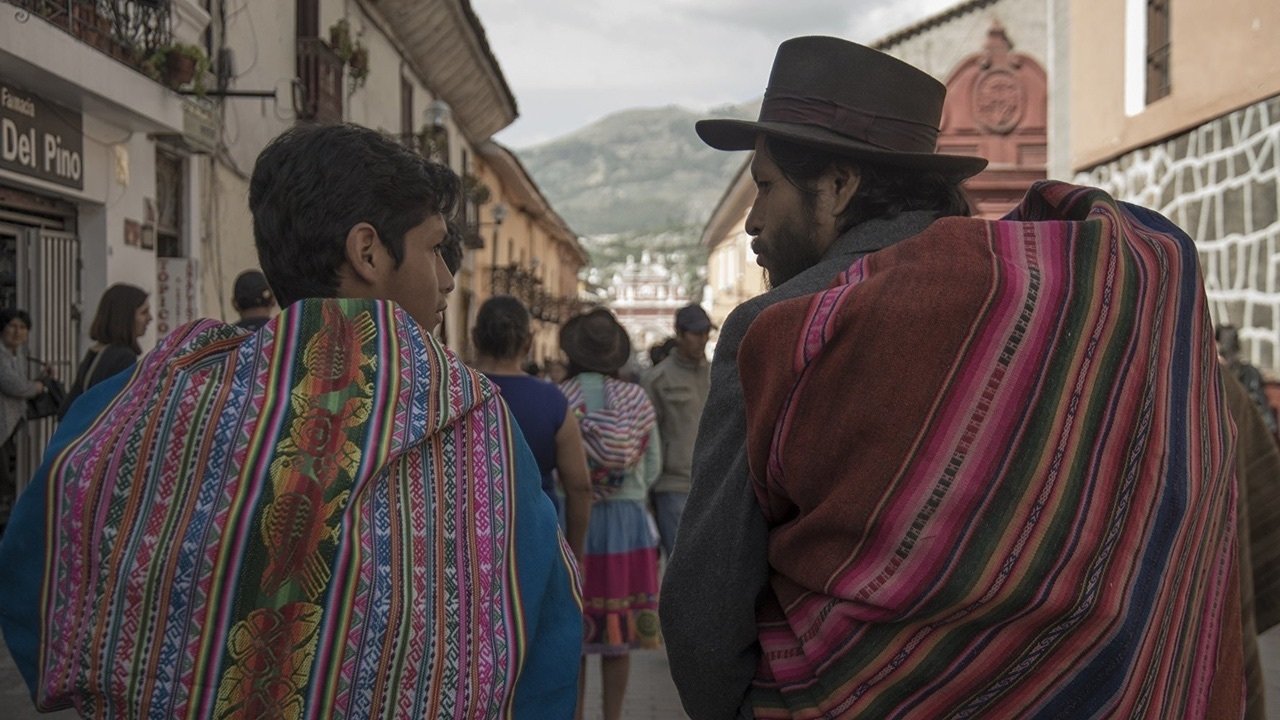
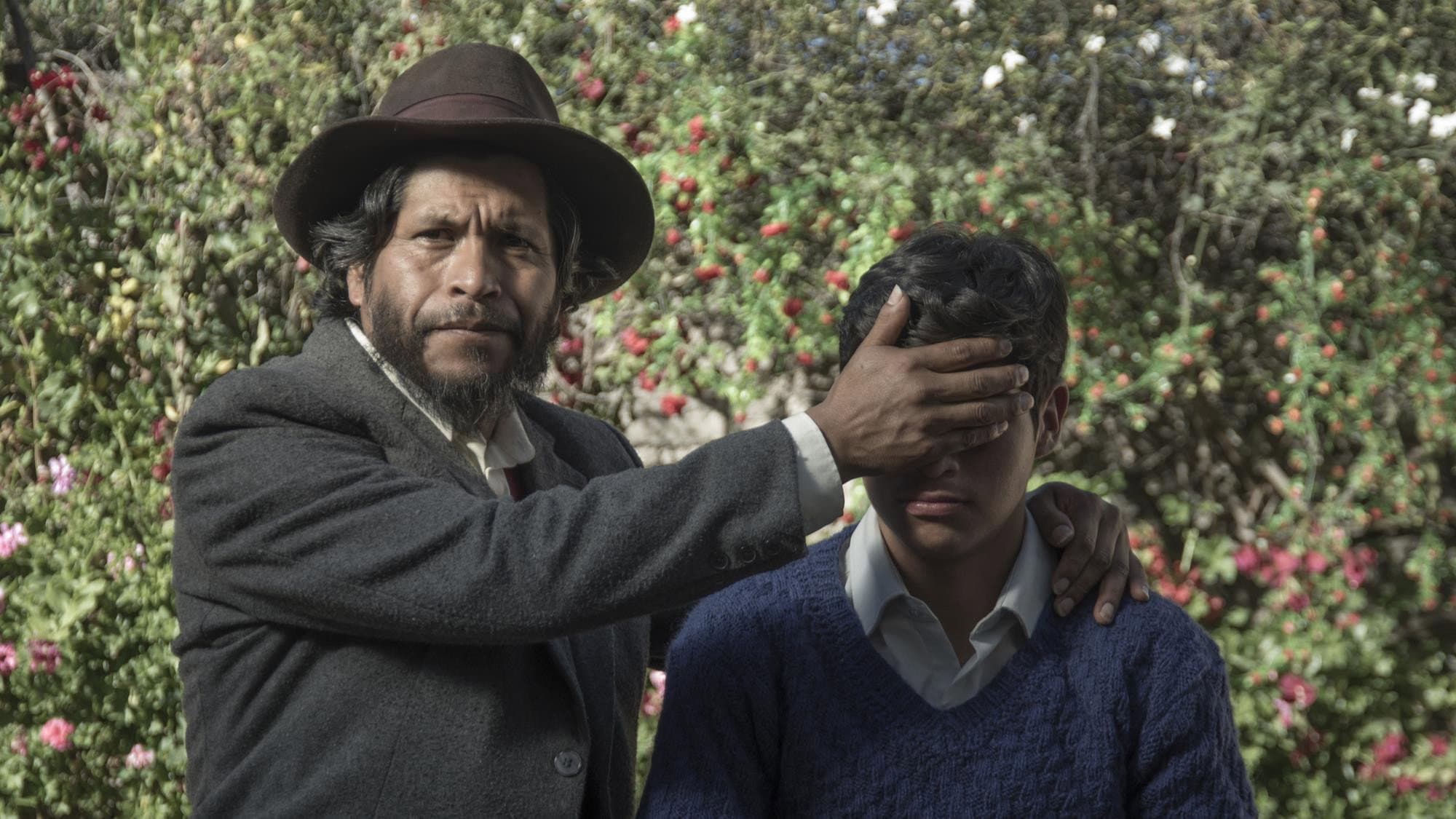
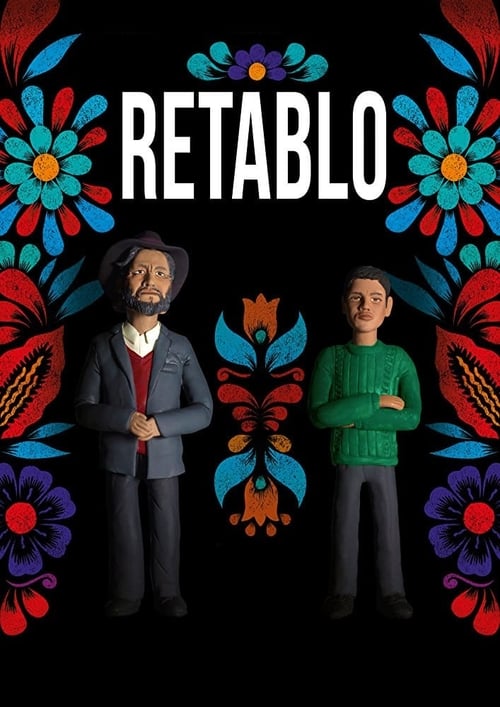
Segundo sees silence as his only option for dealing with his father Noé’s secret. The 14-year-old lives with his parents in a village high up in the mountains. Noé is a respected artisan and Segundo’s role model. With loving eye for detail, he artfully crafts altarpieces for church and homes, and is preparing his son to follow in his footsteps. But cracks form in their tight bond.
Directed by Alvaro Delgado Aparicio
teenage boy
father son relationship

Trailer

IMDB
N/A
Where to Watch



Cast
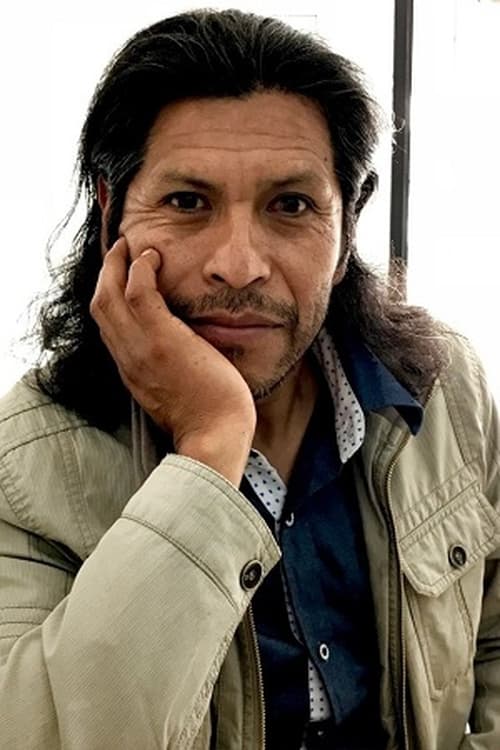
Amiel Cayo
Noé

Júnior Béjar
Segundo

Magaly Solier
Anatolia Paucar
Crew
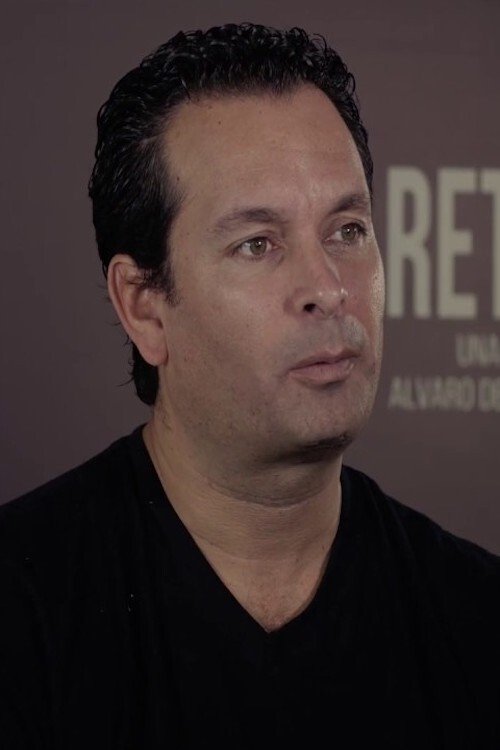
Alvaro Delgado Aparicio
Director
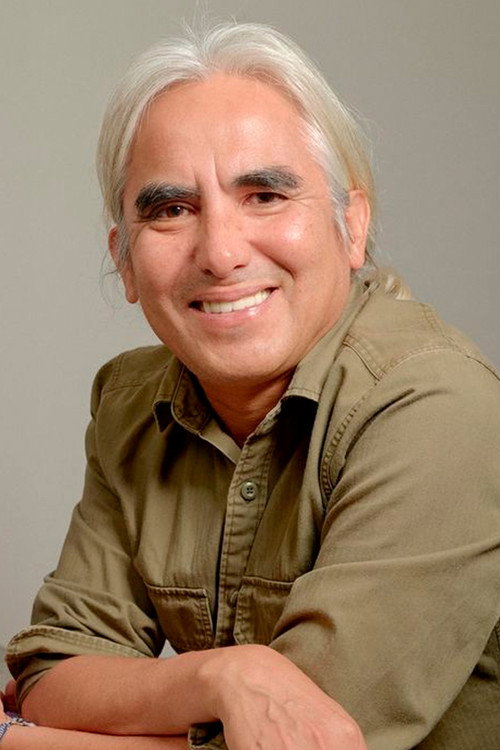
Héctor Gálvez
Screenplay
Alvaro Delgado Aparicio
Screenplay

Enid “Pinky” Campos
Producer
Alvaro Delgado Aparicio
Producer

Dag Hoel
Co-Producer
Tobias Poppe
Co-Producer

Malte Bieler
Sound Effects Editor
Tobias Poppe
Sound Re-Recording Mixer
Popular Reviews
29 reviews
ThomesPRO
8.0★ · 07/02/26
Mesmerizing film! I'm satisfied with it being my first step into South American cinema, and I'm surprised it was a directorial debut with how polished it was! It reminded me of Three Faces, the way it slowly chewed the dusty mountain scenery and examined the collective conservatism of a remote village. And tbh, I liked that vibe even more here, as it really sank its teeth into the highs and lows of the culture! The village is bursting with color, joy, and community at the start, but by the end it's so suffocating that you feel nothing but dread watching Segundo spend any amount of time there. It's haunting how quickly and harshly things shifted once his father was no longer accepted, and I think that's the part I'll remember most.
There's one thing I'm a little torn on, and that's how almost ambiguously queer it is. The story is about Segundo, a young boy who feels betrayed and confused by his father committing a cultural taboo, but ultimately chooses to stand by him when everyone else abandons him. While this taboo is shown to be Sex With Men, references to or depictions of homosexuality are so sparse that it would take minimal edits to remove or replace them entirely; there's a short shot of his father giving a truck driver a handjob and a couple scenes of characters making general homophobic statements, and that's all. Probably around one minute total of on-screen queerness, and none of that is the father addressing it himself. It makes the narrative feel unspecific, like it could be about any other prejudice or 'crime' and barely anything would change.
But, while a part of me finds that disappointing, another part of me understands that there's a big difference between minimal reference and zero reference— it could have been about anything, but it is about homosexuality. Even if I wanted more, the concept still tangibly exists in the film, and so it informs the entire plot and subtext. In that vein, I think there's an interesting potential reading of Segundo also being gay. He's quiet and sensitive, and he never actually responds to his friend's raunchy jokes about women; he seems distressed when he breaks into the girl's house as if he knows he's only trying to prove something, and he runs off without actually doing anything to her; he's constantly emphasized as being like his father, even physically taking after him in the final shot with the hat. I think it's compelling to consider he's not just struggling with what this scandal means for his dad, but for himself as well. It would add a little extra something to the themes of lineage and solidarity, at least for me.
And of course there's also the metatext— the limited depictions of queerness are likely a result of Peru not being ready for any more than this, and it's probably incredible that Alvaro Delgado-Aparicio was able to make this at all. Knowing that, it's not hard to see how valuable this film is, as it sheds light on a demographic where queerness is extremely underrepresented. I hope more people are able to stumble upon it like I did!
There's one thing I'm a little torn on, and that's how almost ambiguously queer it is. The story is about Segundo, a young boy who feels betrayed and confused by his father committing a cultural taboo, but ultimately chooses to stand by him when everyone else abandons him. While this taboo is shown to be Sex With Men, references to or depictions of homosexuality are so sparse that it would take minimal edits to remove or replace them entirely; there's a short shot of his father giving a truck driver a handjob and a couple scenes of characters making general homophobic statements, and that's all. Probably around one minute total of on-screen queerness, and none of that is the father addressing it himself. It makes the narrative feel unspecific, like it could be about any other prejudice or 'crime' and barely anything would change.
But, while a part of me finds that disappointing, another part of me understands that there's a big difference between minimal reference and zero reference— it could have been about anything, but it is about homosexuality. Even if I wanted more, the concept still tangibly exists in the film, and so it informs the entire plot and subtext. In that vein, I think there's an interesting potential reading of Segundo also being gay. He's quiet and sensitive, and he never actually responds to his friend's raunchy jokes about women; he seems distressed when he breaks into the girl's house as if he knows he's only trying to prove something, and he runs off without actually doing anything to her; he's constantly emphasized as being like his father, even physically taking after him in the final shot with the hat. I think it's compelling to consider he's not just struggling with what this scandal means for his dad, but for himself as well. It would add a little extra something to the themes of lineage and solidarity, at least for me.
And of course there's also the metatext— the limited depictions of queerness are likely a result of Peru not being ready for any more than this, and it's probably incredible that Alvaro Delgado-Aparicio was able to make this at all. Knowing that, it's not hard to see how valuable this film is, as it sheds light on a demographic where queerness is extremely underrepresented. I hope more people are able to stumble upon it like I did!
Mesmerizing film! I'm satisfied with it being my first step into South American cinema, and I'm surprised it was a directorial debut with how polished it was! It reminded me of Three Faces, the way it slowly chewed the dusty mountain scenery and examined the collective conservatism of a remote village. And tbh, I liked that vibe even more here, as it really sank its teeth into the highs and lows of the culture! The village is bursting with color, joy, and community at the start, but by the end it's so suffocating that you feel nothing but dread watching Segundo spend any amount of time there. It's haunting how quickly and harshly things shifted once his father was no longer accepted, and I think that's the part I'll remember most.
There's one thing I'm a little torn on, and that's how almost ambiguously queer it is. The story is about Segundo, a young boy who feels betrayed and confused by his father committing a cultural taboo, but ultimately chooses to stand by him when everyone else abandons him. While this taboo is shown to be Sex With Men, references to or depictions of homosexuality are so sparse that it would take minimal edits to remove or replace them entirely; there's a short shot of his father giving a truck driver a handjob and a couple scenes of characters making general homophobic statements, and that's all. Probably around one minute total of on-screen queerness, and none of that is the father addressing it himself. It makes the narrative feel unspecific, like it could be about any other prejudice or 'crime' and barely anything would change.
But, while a part of me finds that disappointing, another part of me understands that there's a big difference between minimal reference and zero reference— it could have been about anything, but it is about homosexuality. Even if I wanted more, the concept still tangibly exists in the film, and so it informs the entire plot and subtext. In that vein, I think there's an interesting potential reading of Segundo also being gay. He's quiet and sensitive, and he never actually responds to his friend's raunchy jokes about women; he seems distressed when he breaks into the girl's house as if he knows he's only trying to prove something, and he runs off without actually doing anything to her; he's constantly emphasized as being like his father, even physically taking after him in the final shot with the hat. I think it's compelling to consider he's not just struggling with what this scandal means for his dad, but for himself as well. It would add a little extra something to the themes of lineage and solidarity, at least for me.
And of course there's also the metatext— the limited depictions of queerness are likely a result of Peru not being ready for any more than this, and it's probably incredible that Alvaro Delgado-Aparicio was able to make this at all. Knowing that, it's not hard to see how valuable this film is, as it sheds light on a demographic where queerness is extremely underrepresented. I hope more people are able to stumble upon it like I did!
There's one thing I'm a little torn on, and that's how almost ambiguously queer it is. The story is about Segundo, a young boy who feels betrayed and confused by his father committing a cultural taboo, but ultimately chooses to stand by him when everyone else abandons him. While this taboo is shown to be Sex With Men, references to or depictions of homosexuality are so sparse that it would take minimal edits to remove or replace them entirely; there's a short shot of his father giving a truck driver a handjob and a couple scenes of characters making general homophobic statements, and that's all. Probably around one minute total of on-screen queerness, and none of that is the father addressing it himself. It makes the narrative feel unspecific, like it could be about any other prejudice or 'crime' and barely anything would change.
But, while a part of me finds that disappointing, another part of me understands that there's a big difference between minimal reference and zero reference— it could have been about anything, but it is about homosexuality. Even if I wanted more, the concept still tangibly exists in the film, and so it informs the entire plot and subtext. In that vein, I think there's an interesting potential reading of Segundo also being gay. He's quiet and sensitive, and he never actually responds to his friend's raunchy jokes about women; he seems distressed when he breaks into the girl's house as if he knows he's only trying to prove something, and he runs off without actually doing anything to her; he's constantly emphasized as being like his father, even physically taking after him in the final shot with the hat. I think it's compelling to consider he's not just struggling with what this scandal means for his dad, but for himself as well. It would add a little extra something to the themes of lineage and solidarity, at least for me.
And of course there's also the metatext— the limited depictions of queerness are likely a result of Peru not being ready for any more than this, and it's probably incredible that Alvaro Delgado-Aparicio was able to make this at all. Knowing that, it's not hard to see how valuable this film is, as it sheds light on a demographic where queerness is extremely underrepresented. I hope more people are able to stumble upon it like I did!


Melissa Lomeli
8.0★ · 04/16/26
una pelicula muy interesante
una pelicula muy interesante
pao
4.9★ · 12/01/24
Pain
Pain
nat
10.0★ · 11/16/24
Nada peor que nacer bisexual en Perú. Pensando en toda mi familia serrana que es parte de comunidad y que no puede decirlo por el entorno en el que vive.
Al crecer pensaba que era la única persona LGBT en mi familia y que nadie entendería los problemas por lo que pasaba/pasaría algún día, pero con el tiempo aprendí que no. Aprendí que ellos sufrieron cosas mil veces peores a las que yo me enfrentaré alguna vez, solo por el hecho que yo tuve el privilegio de nacer y crecer en la ciudad, mientras que ellos no tuvieron la misma suerte que yo.
Al crecer pensaba que era la única persona LGBT en mi familia y que nadie entendería los problemas por lo que pasaba/pasaría algún día, pero con el tiempo aprendí que no. Aprendí que ellos sufrieron cosas mil veces peores a las que yo me enfrentaré alguna vez, solo por el hecho que yo tuve el privilegio de nacer y crecer en la ciudad, mientras que ellos no tuvieron la misma suerte que yo.
Nada peor que nacer bisexual en Perú. Pensando en toda mi familia serrana que es parte de comunidad y que no puede decirlo por el entorno en el que vive.
Al crecer pensaba que era la única persona LGBT en mi familia y que nadie entendería los problemas por lo que pasaba/pasaría algún día, pero con el tiempo aprendí que no. Aprendí que ellos sufrieron cosas mil veces peores a las que yo me enfrentaré alguna vez, solo por el hecho que yo tuve el privilegio de nacer y crecer en la ciudad, mientras que ellos no tuvieron la misma suerte que yo.
Al crecer pensaba que era la única persona LGBT en mi familia y que nadie entendería los problemas por lo que pasaba/pasaría algún día, pero con el tiempo aprendí que no. Aprendí que ellos sufrieron cosas mil veces peores a las que yo me enfrentaré alguna vez, solo por el hecho que yo tuve el privilegio de nacer y crecer en la ciudad, mientras que ellos no tuvieron la misma suerte que yo.
Alexander Manrique
9.5★ · 08/05/21
Mi único “pero” realmente es que hay algunos momentos que los sentí algo lentos (hasta un poco pesados) pero también resaltó la buena actuación y dirección en lo que se me hizo una película muy fuerte sobre una comunidad homofóbica y sexista que sigue prevaleciendo.
Mi único “pero” realmente es que hay algunos momentos que los sentí algo lentos (hasta un poco pesados) pero también resaltó la buena actuación y dirección en lo que se me hizo una película muy fuerte sobre una comunidad homofóbica y sexista que sigue prevaleciendo.