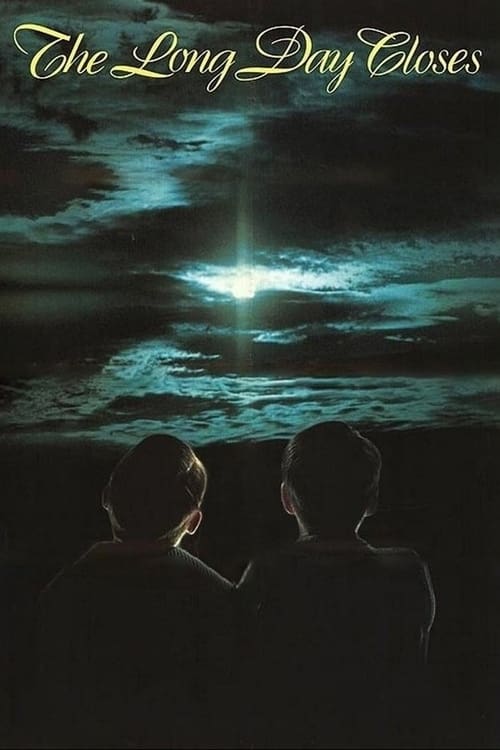
A QUIET ALCHEMY OF FRAME AND FEELING, CRAFTED FOR THOSE WHO LIVE THROUGH ART ALONE
this is the most personal film i’ve ever seen. in a world built on strict masculinity, religious pressure, and social rules that flatten everything unique, this film becomes more than cinema, it becomes proof that art sees us when nothing else does. it speaks through light, music, and image in a way that feels more honest than words ever could. for those of us who grew up out of place and feeling too deeply the cinema and art becomes more than entertainment it becomes language, haven, and home. that’s why it means everything to me.
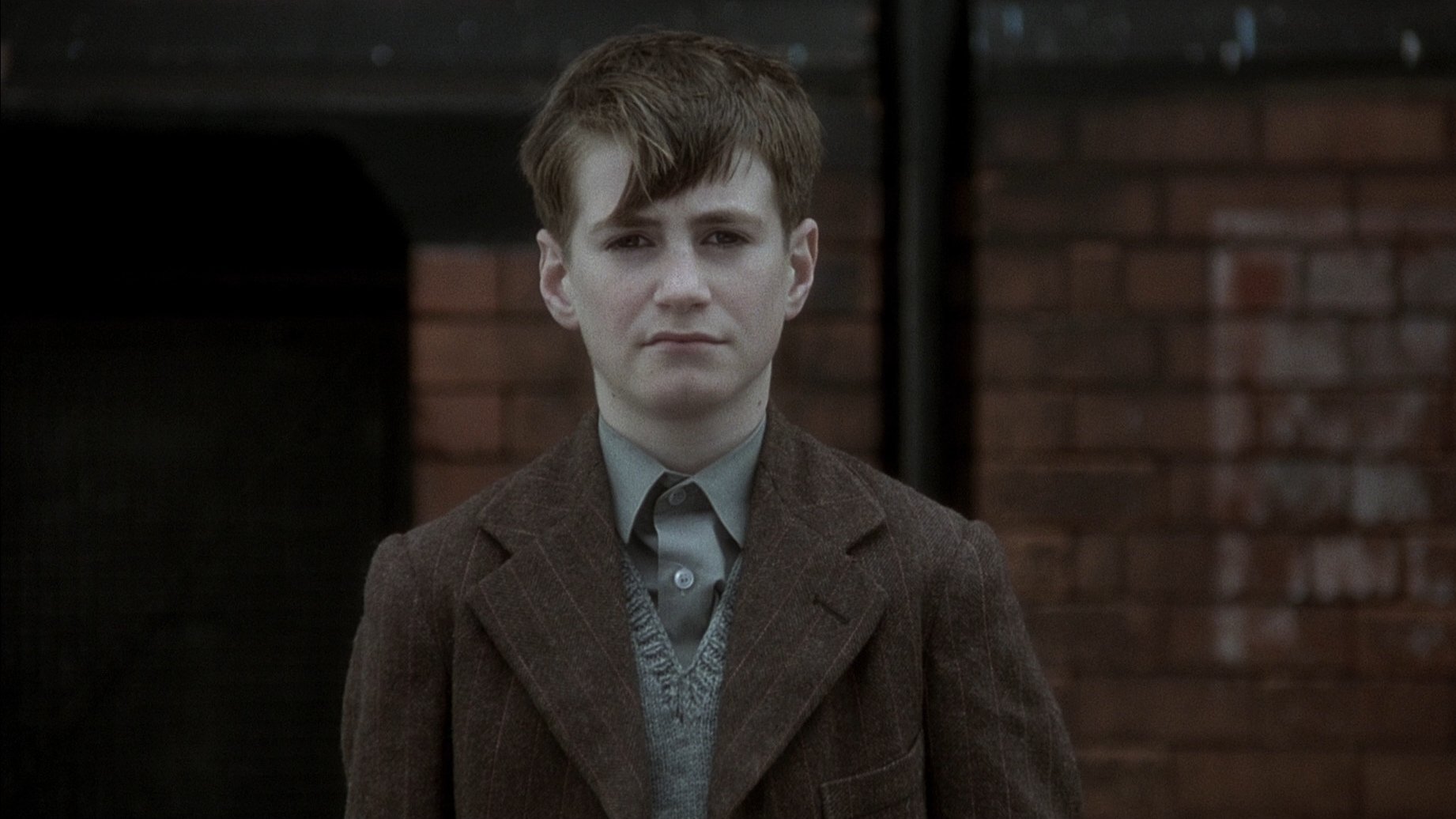
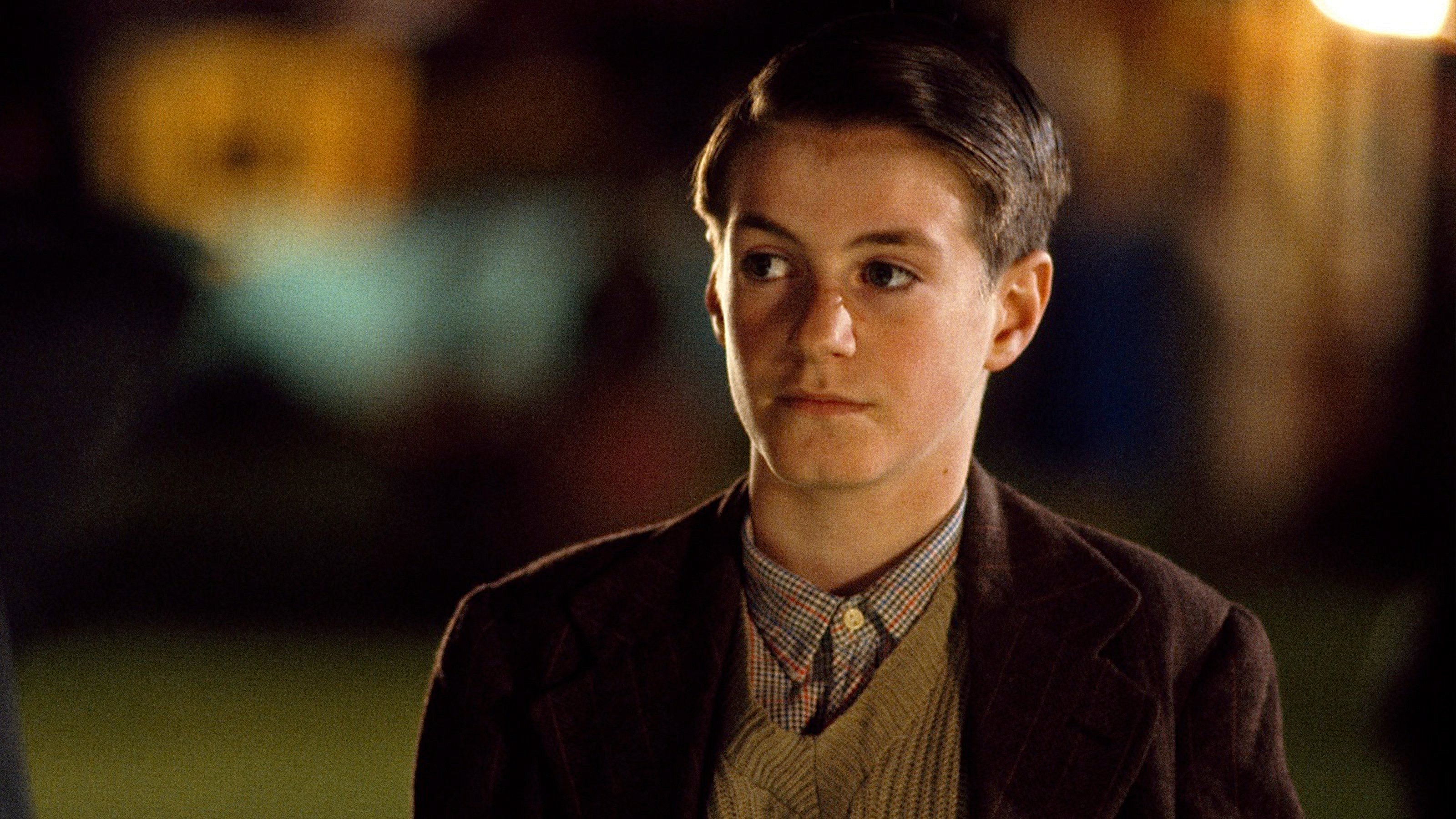
this was so painfully, intimately relatable. like someone quietly filmed the way i’ve always experienced life, as someone who’s spent most of my life inside my head, searching for meaning in things others overlook, building entire worlds out of music, old films, and stray moments of light. i really saw myself not in bud’s circumstances, but in his interiority, his silence, his constant reaching for something that would understand him without asking for explanation. davies doesn’t tell a story instead he builds a feeling, layering memory through dissolves, light, sound, and stillness, refusing the usual rules of plot or structure because that’s not how memory or loneliness works. there’s something deeply moving about how terence davies lets the film speak through image and sound instead of action or dialogue, as if cinema itself is the only language gentle enough to hold the things we’re too afraid to say out loud. i’ve always turned to film, music, and daydreams to survive the weight of being misunderstood not as escape, but as a way to make sense of myself and davies renders that exact experience with such emotional precision that it stopped feeling like i was watching someone else's story and started feeling like i was remembering my own.
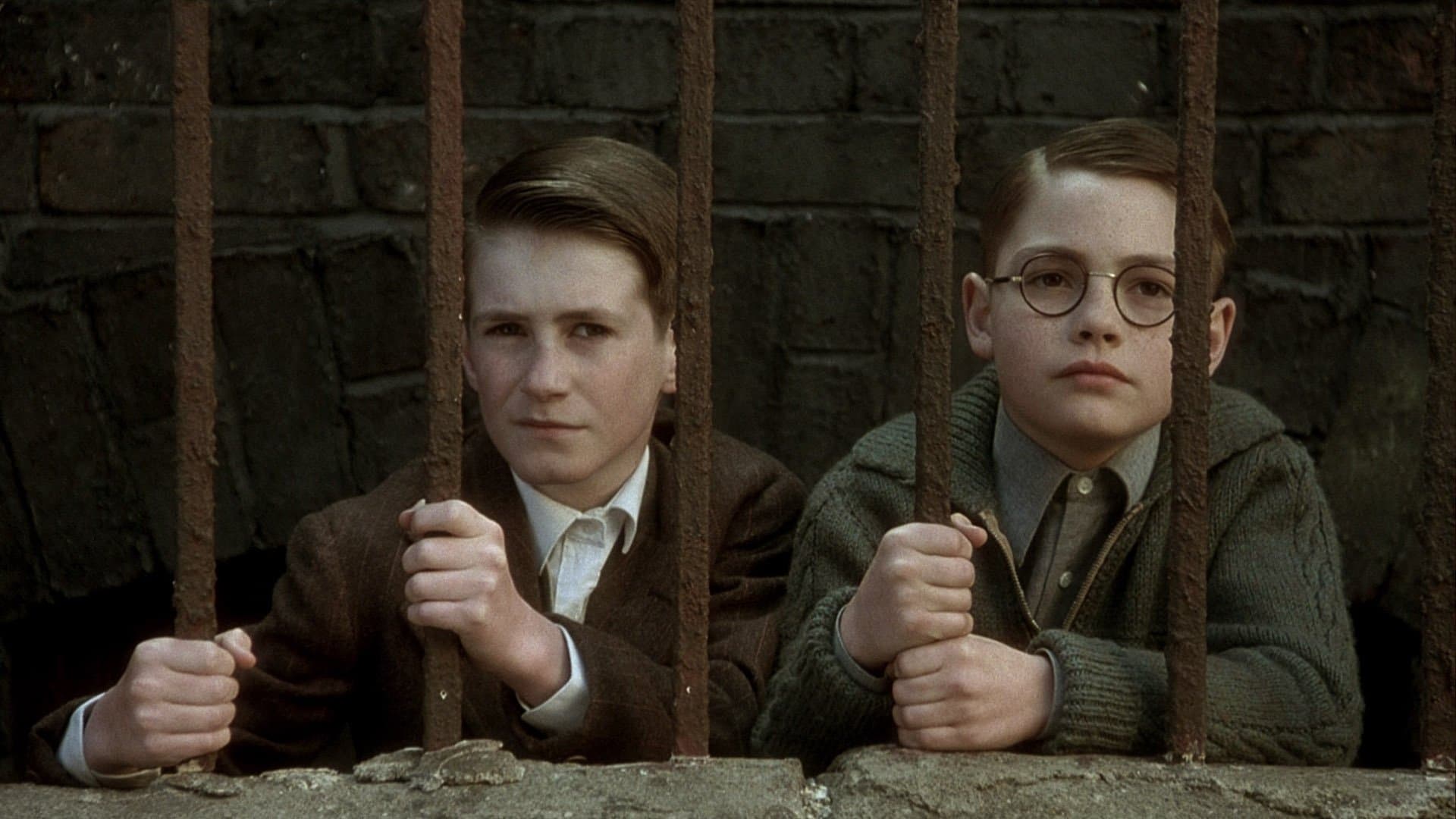
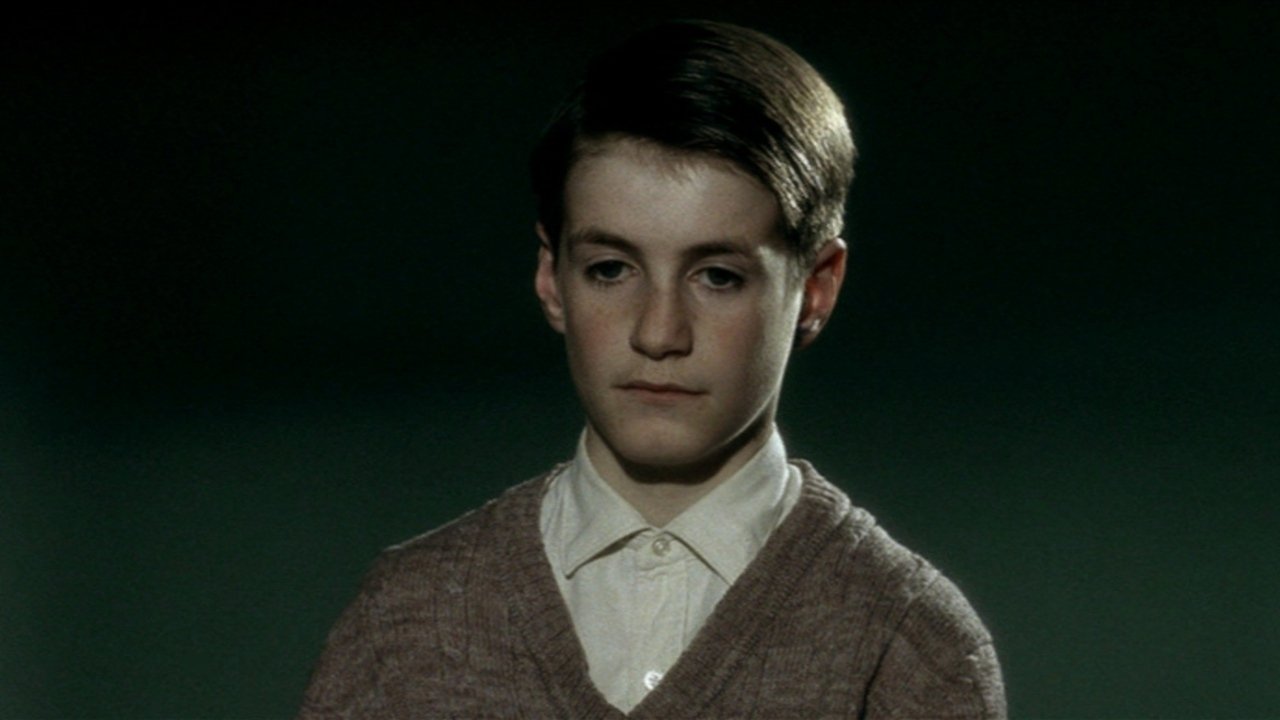
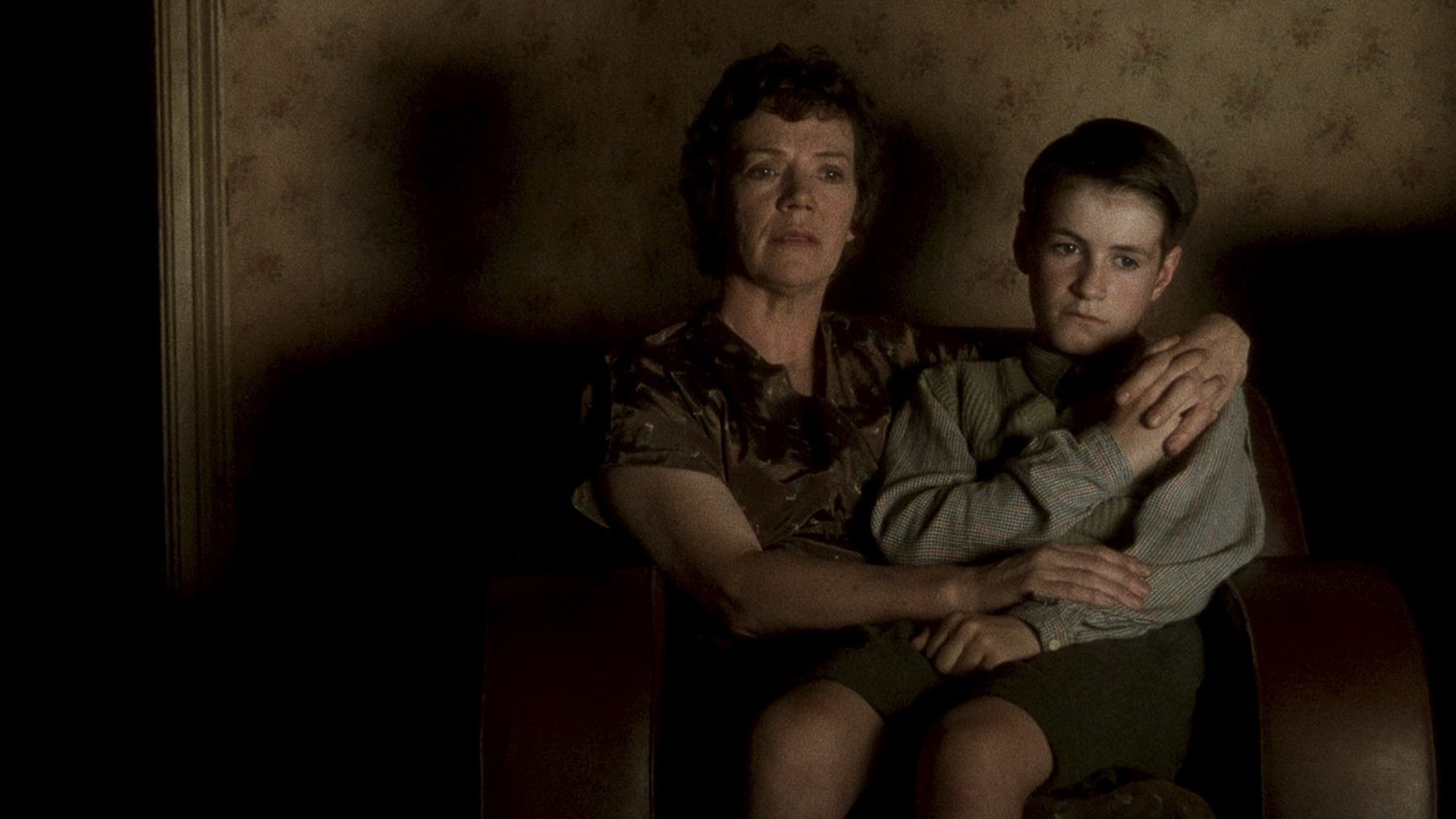
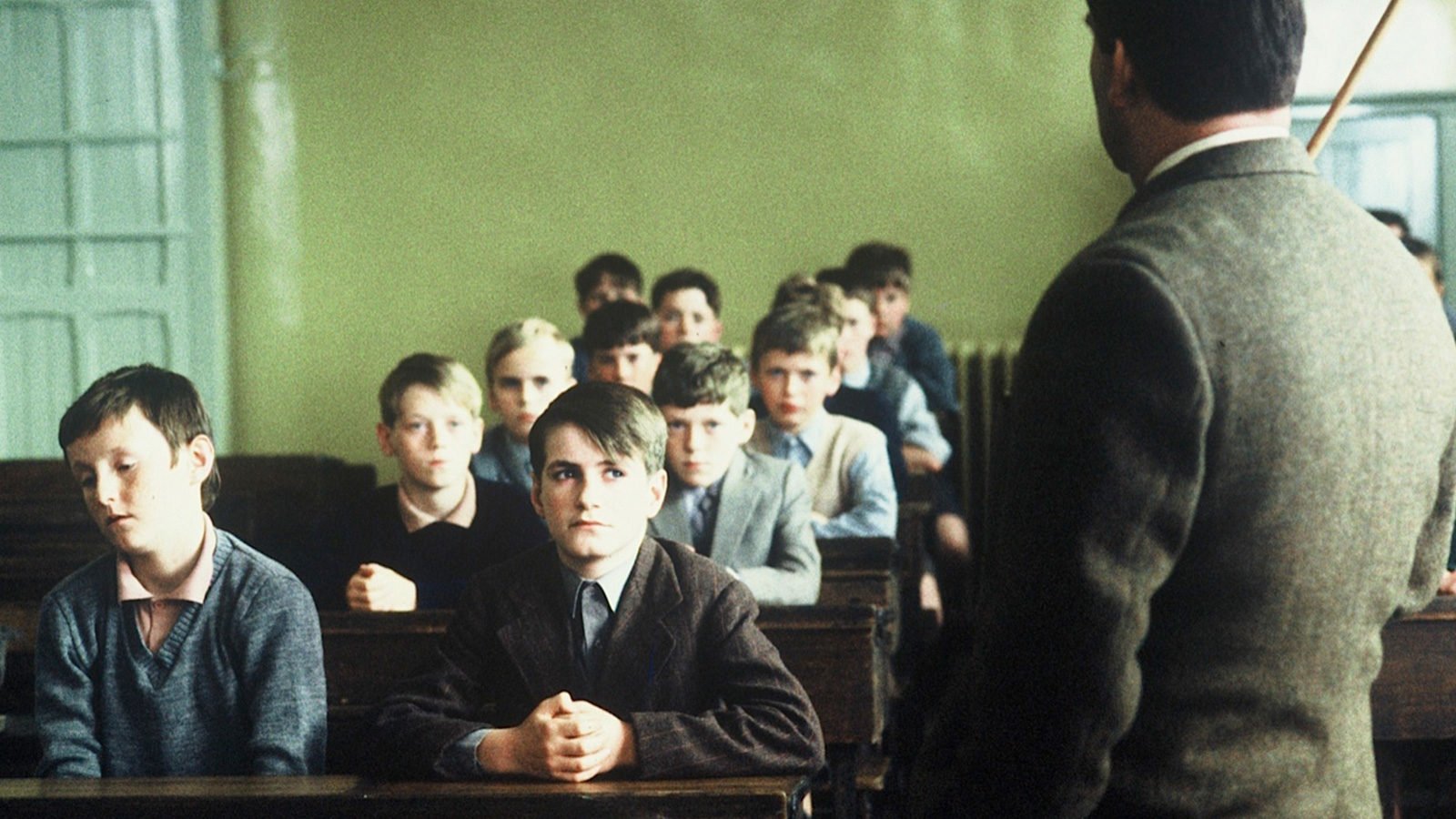
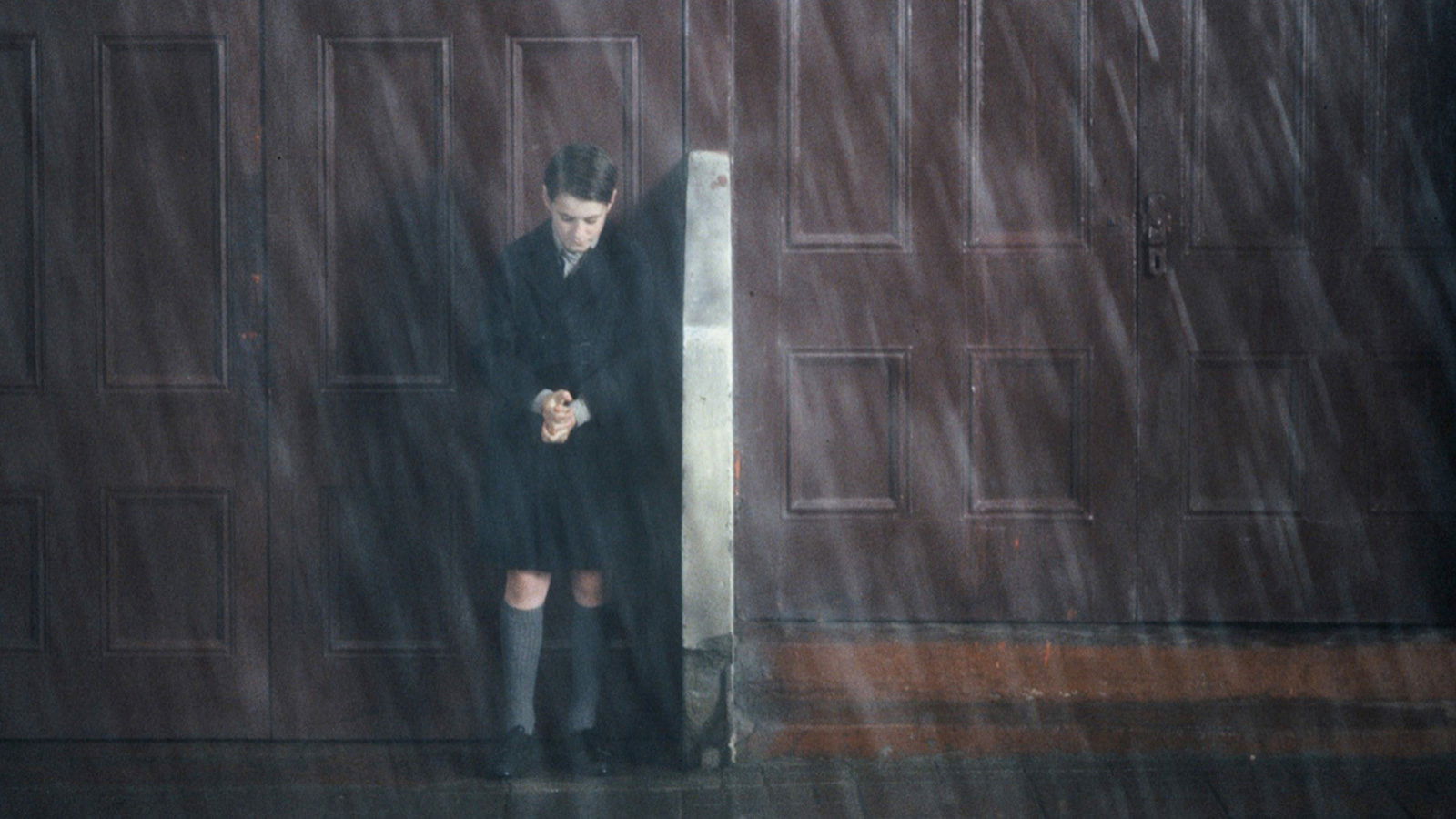
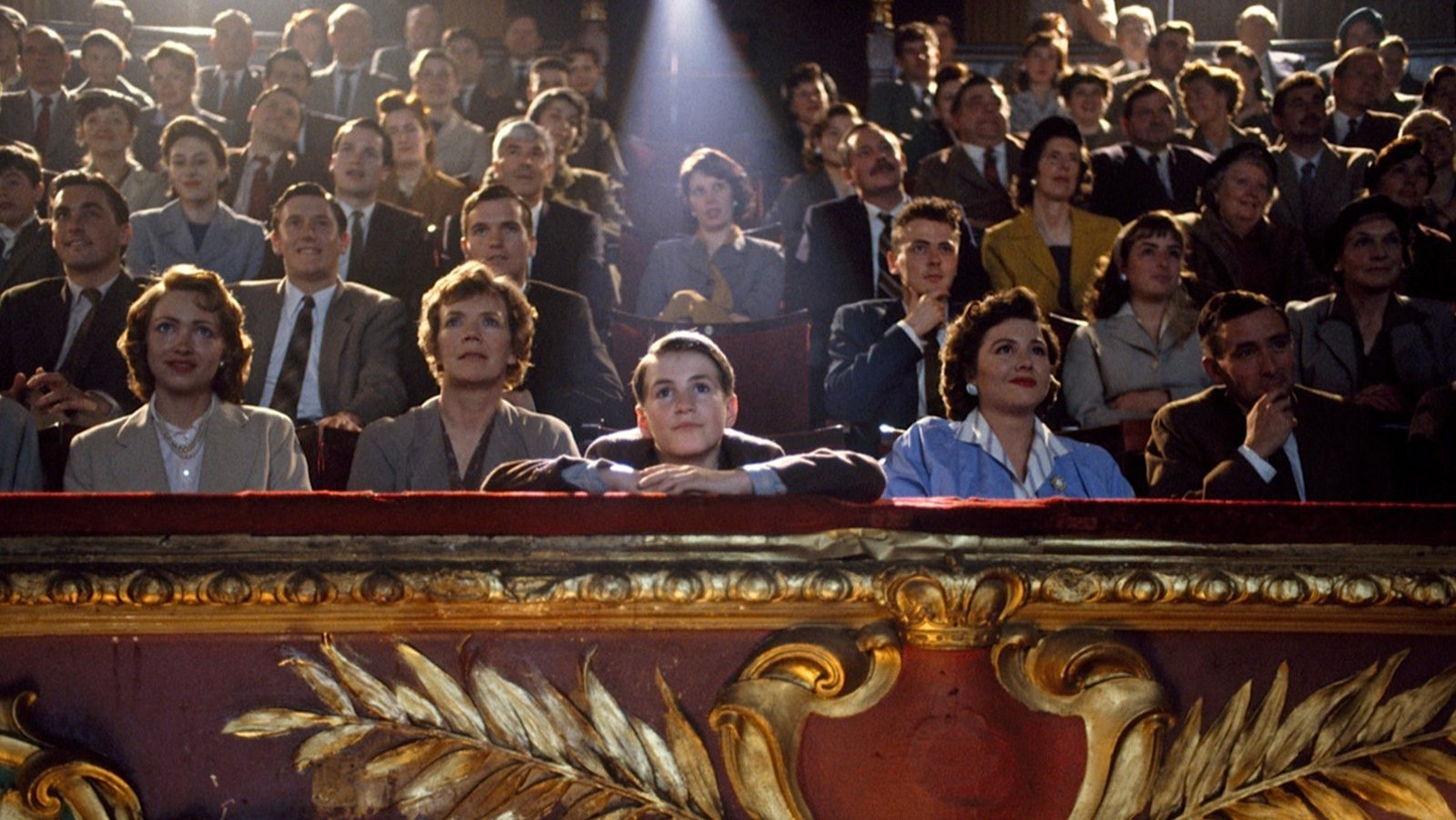
the world bud lives in is strict, masculine, catholic, working-class. where being different is something you learn to hide before you even know what it means, and yet through the soft glow of cinema, bud begins to sense there’s something more than the narrow roles he’s been given film doesn’t hand him freedom outright, but it opens a door, slowly, letting in light or possibility, and for boys like him or like me or who grew up inward, unsure, maybe queer, maybe just too sensitive for the world’s noise and harshness, art becomes less about entertainment and more about staying alive, about seeing something beautiful and realizing that beauty doesn’t have to come from power or popularity or approval but from silence, and from feeling deeply, and that’s why this film doesn’t just explore escape, it treats it with reverence, because for those of us who never felt at home in the world we were handed, cinema became a kind of truth, not as a place to run away to but a place that lets us exist fully.
this is a work made by someone who understands the delicate violence of memory and the quiet urgency of being unseen, where nothing moves toward revelation but instead drifts in cycles of sound, image, and silence that gently overwhelm; it’s a film that doesn’t seek resolution because life rarely offers one, and through this resistance to traditional narrative, it captures something more essential like how memory feels when you’re young, different, and inward, how every dissolve mirrors the blurring between past and present, how light doesn’t just illuminate but confesses, and how sound layered with hymns, film dialogue, and ambient noise are just becomes a language for those who cannot speak their truth; in davies’ hands, cinema itself becomes not only refuge but confession, not escape but embodiment, a space where isolation transforms into grace, and where even stillness becomes a kind of movement, a kind of prayer.
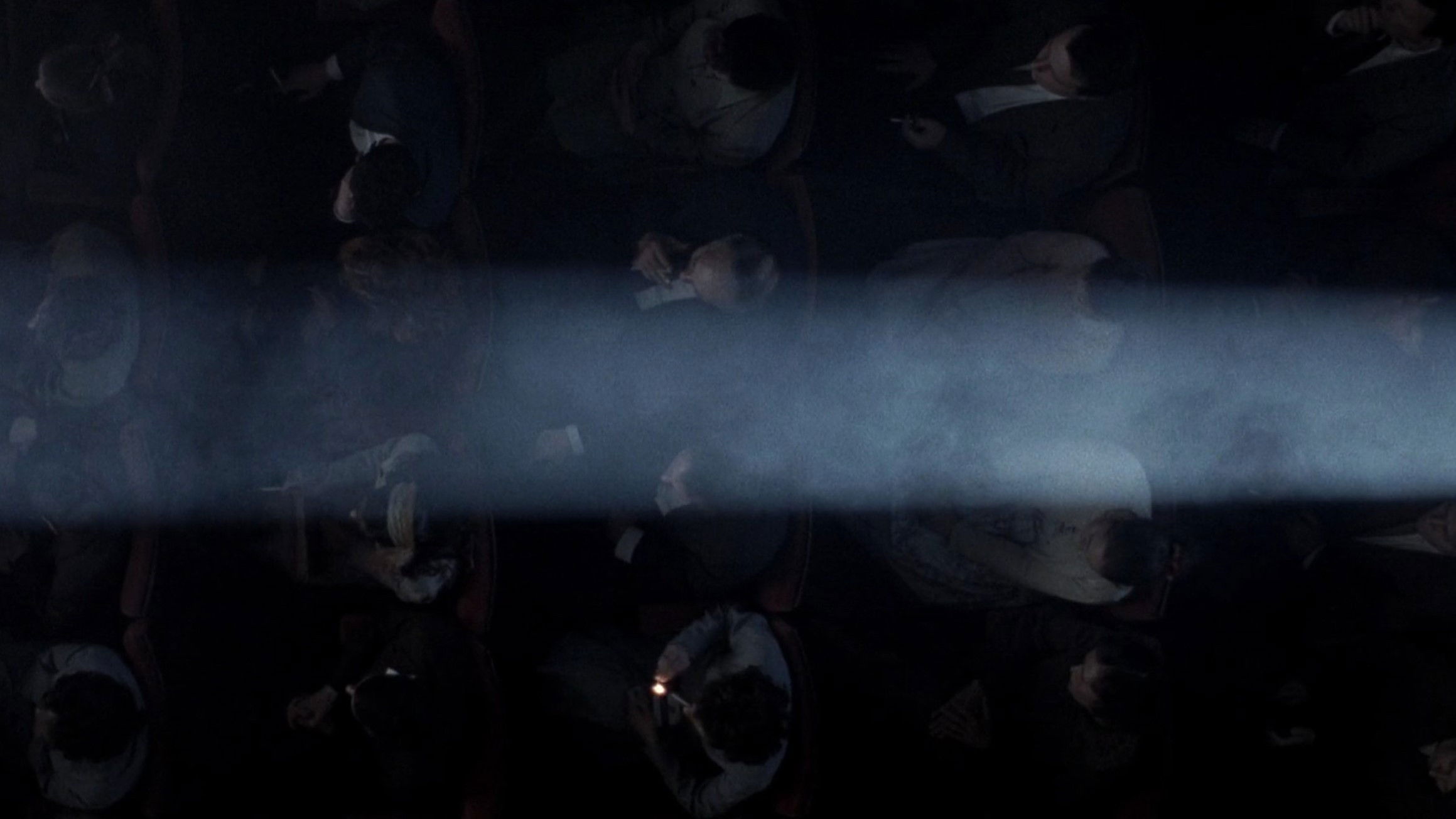
i often return to the way davies uses dissolves, not as transitions, but as emotional currents, slipping between past and present like memory itself, where nothing is ever truly gone, just softened at the edges. his layering of sound, especially borrowed film dialogue and hymns, doesn’t just set a mood but opens a space between image and emotion where something unspoken emerges or something more honest than what direct language could ever reach. he composes with light, silence, and voice in a way that feels less like storytelling and more like communion, like he’s inviting you into the sacred interior of a person who can’t speak plainly but still longs to be known. i think that’s what moves me most about this film, how it doesn’t demand anything from you, not admiration or even understanding, but quietly offers you a place to rest if you’ve ever been the kind of person who watches the world more than you live in it. It’s not a film that insists on its importance; it just is, still and luminous, like a memory someone trusted you enough to hold, and in that trust, there’s a strange kind of healing.
terence davies is often quietly hailed as one of britain’s finest filmmakers, and yet his work remains heartbreakingly underseen, something that feels all the more devastating after his passing, because films like this? don’t just deserve to be watched, they deserve to be recognized. this isn’t just cinema as narrative, this is cinema as memory, where the structure bends to the rhythm of interior life, where music takes the place of speech, and where film itself becomes both language and sanctuary. davies creates something deeply autobiographical yet universally resonant, painting with sound, light, silence, and texture in a way that lets emotion breathe instead of forcing it forward. there’s very little dialogue, but so much is spoken through movement, pacing, and mise-en-scène, and that makes every moment feel lived-in, not performed. in a cinematic world often obsessed with resolution and spectacle, davies turns inward, crafting a tender, melancholic portrait of a boy and a filmmaker who learned to survive not by confronting the world, but by finding refuge in the beauty of art. this film belongs not only in the same conversation as
Cinema Paradiso but in its own separate class, because where that film reflects on cinema as nostalgia, this film understands it as oxygen, as prayer, as the only language some of us ever truly understood.
rated 5 stars and placed it in my top 4. for people like me, who’ve spent their lives finding pieces of themselves in music, film, and art instead of the world around them, this isn’t just a film it became reflection of your own soul.
#4 : watch a film that would be your first choice in the criterion closet |
auteur-coded |
a personal primer in absolute cinema |
film posters i’d sell my soul for|
the criterion challenge 2025 𖥔 ݁˖