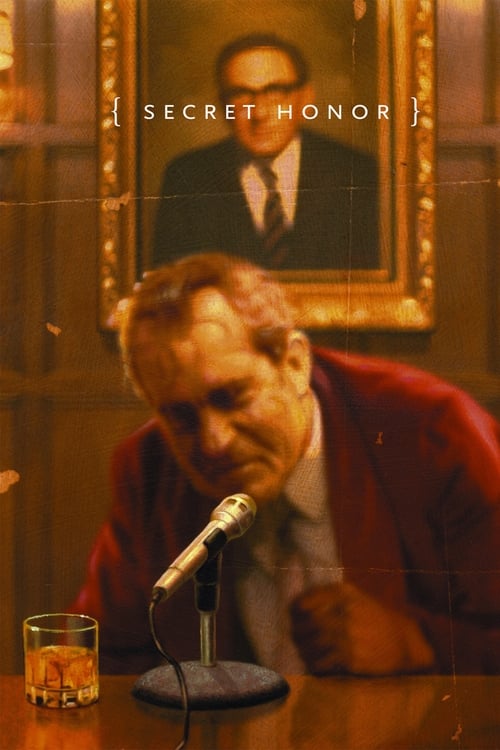
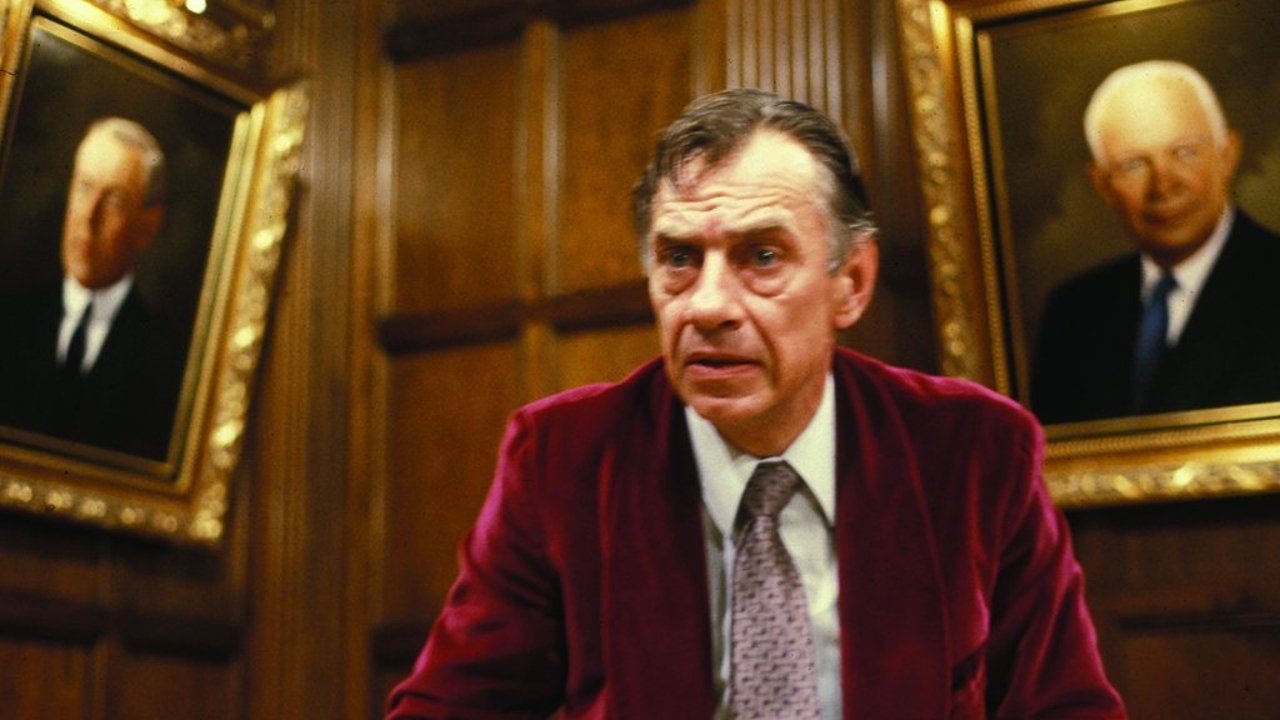
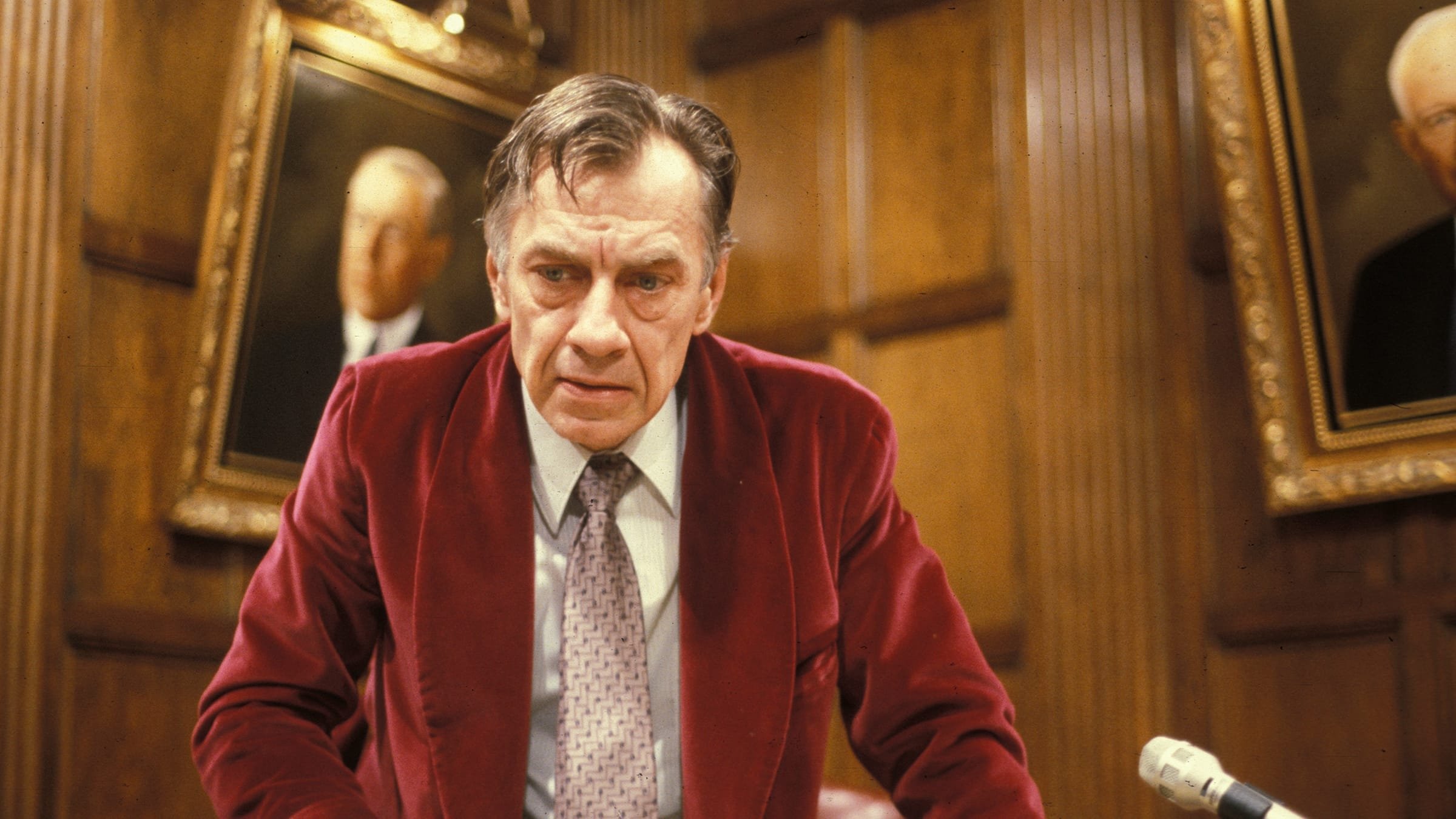
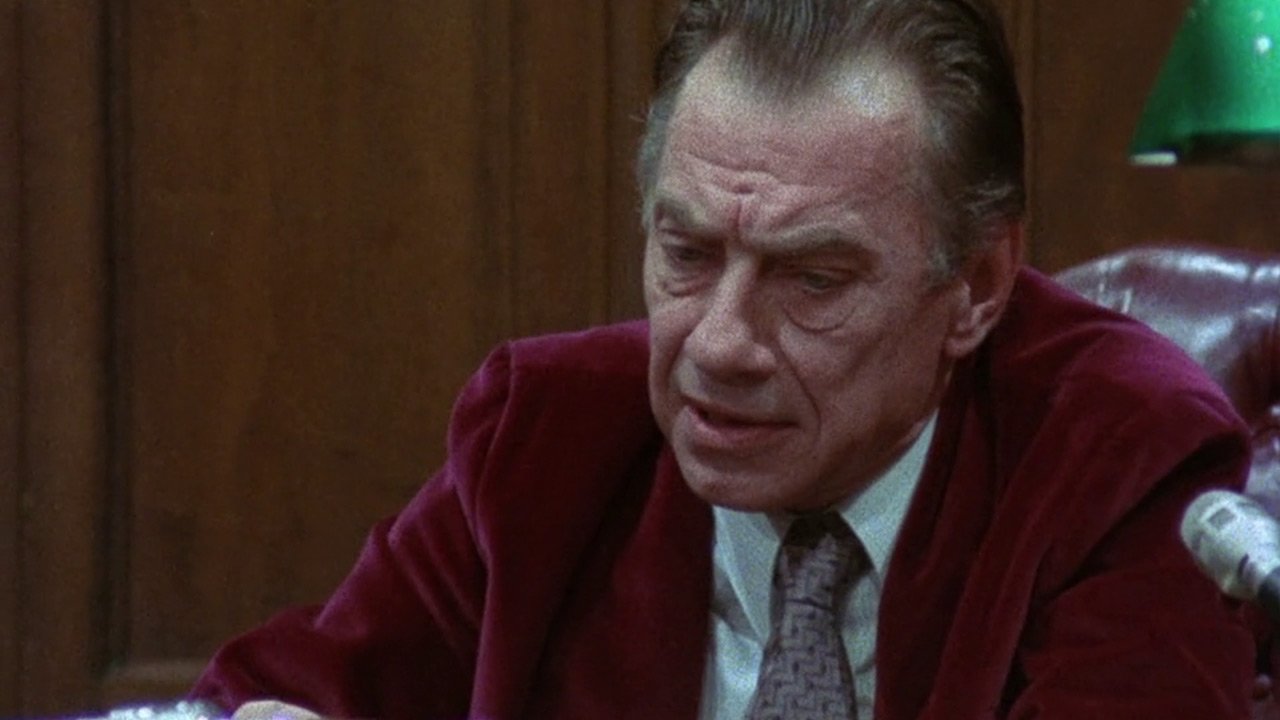
The first thing that hit me watching it was the claustrophobia — one man, one room, one endless storm of words. The confinement becomes a crucible, boiling Richard Nixon down to his darkest impulses and regrets. As I watched, I felt like I was intruding on something almost too private: a fevered confession where truth and lies blur into one suffocating monologue. That raw intimacy pulled me in immediately.
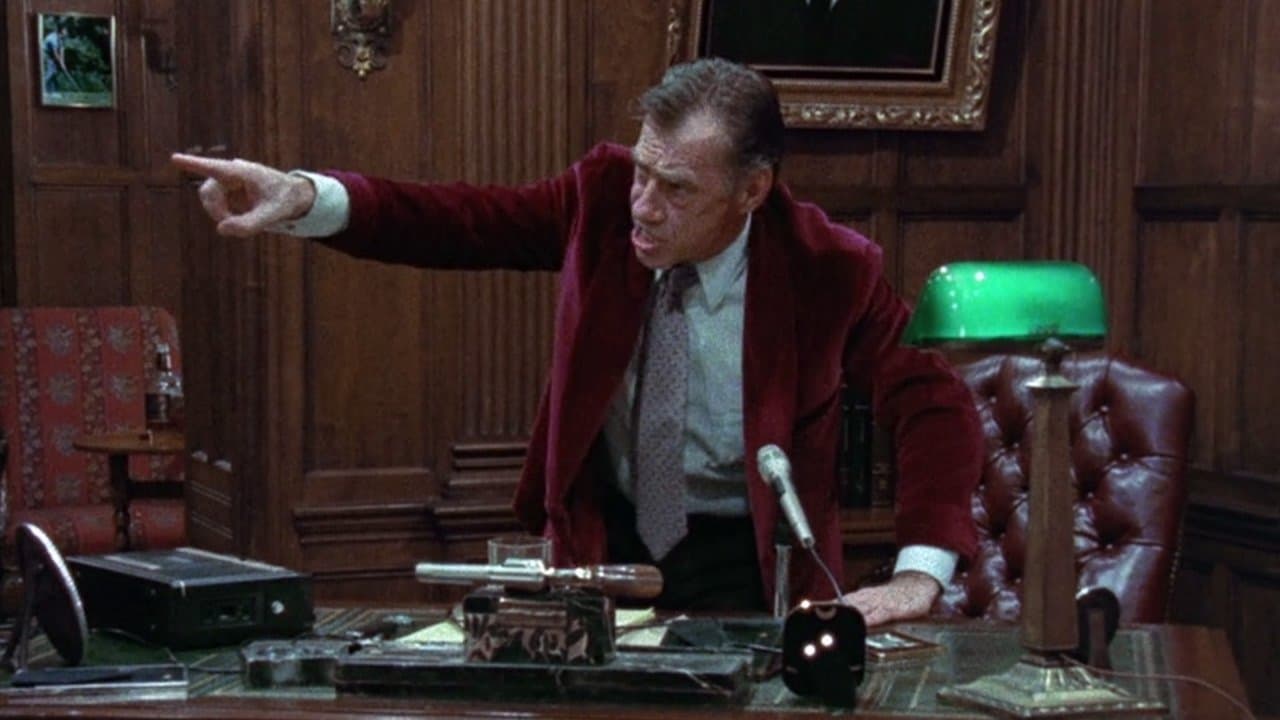
The film thrives on contradictions. Nixon rages about honor while exposing his corruption; he insists on loyalty while recounting betrayals; he paints himself as both mastermind and victim. This constant oscillation between power and weakness fascinated me. I saw in it the motif of masks peeling away, only to reveal other masks underneath. It’s a study of someone trying desperately to control a narrative that is already lost.
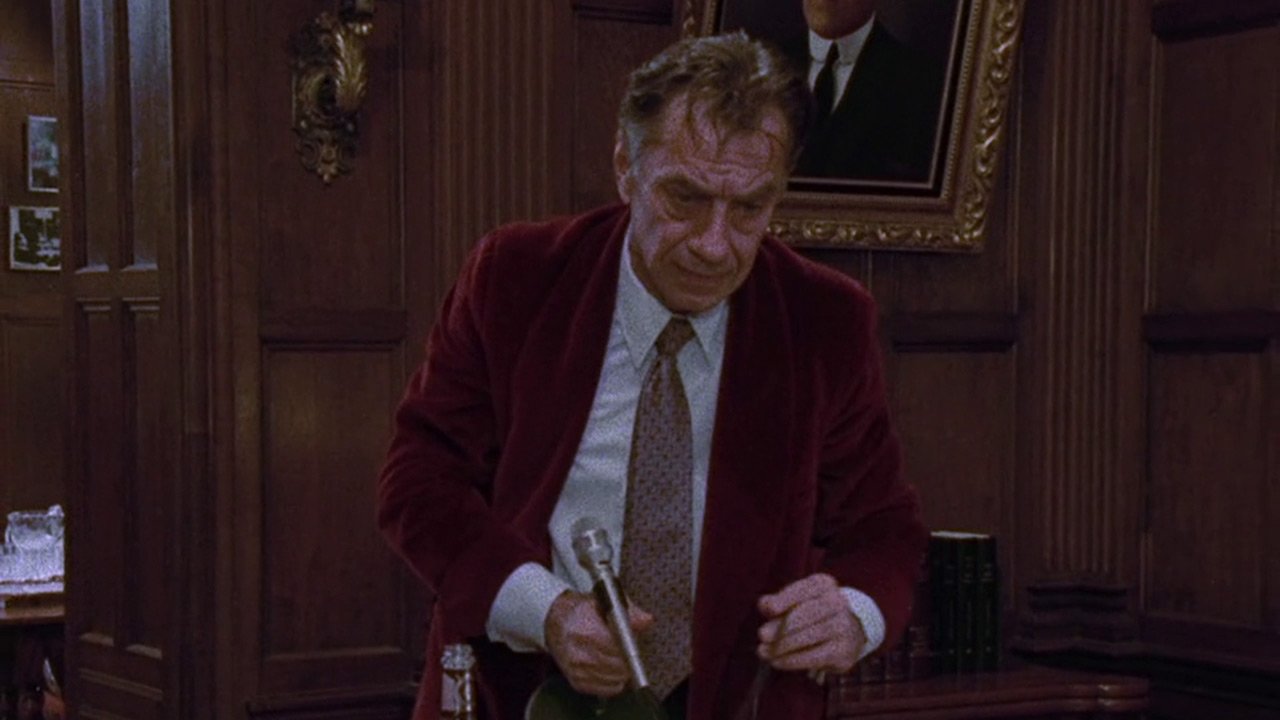
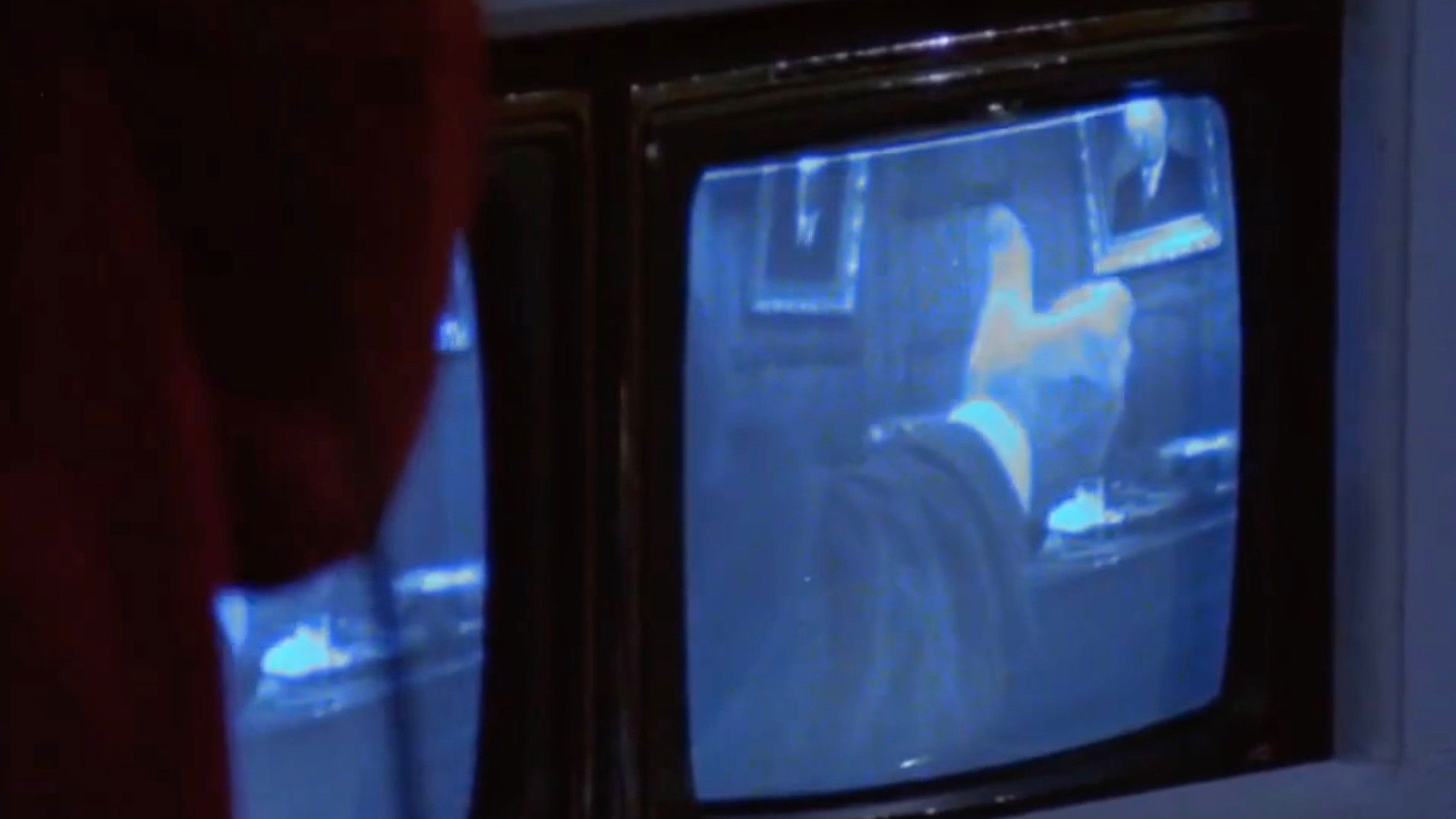
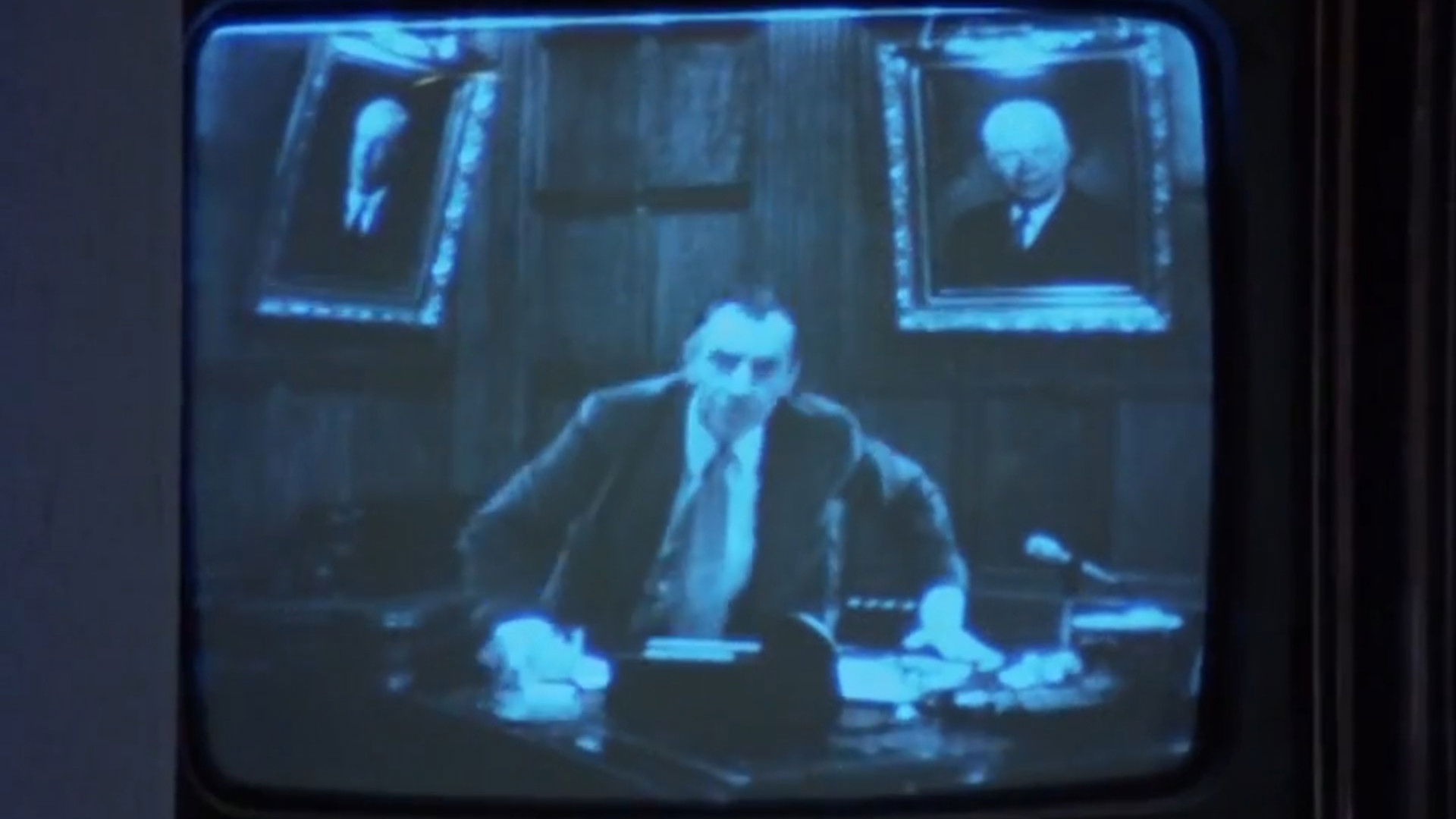
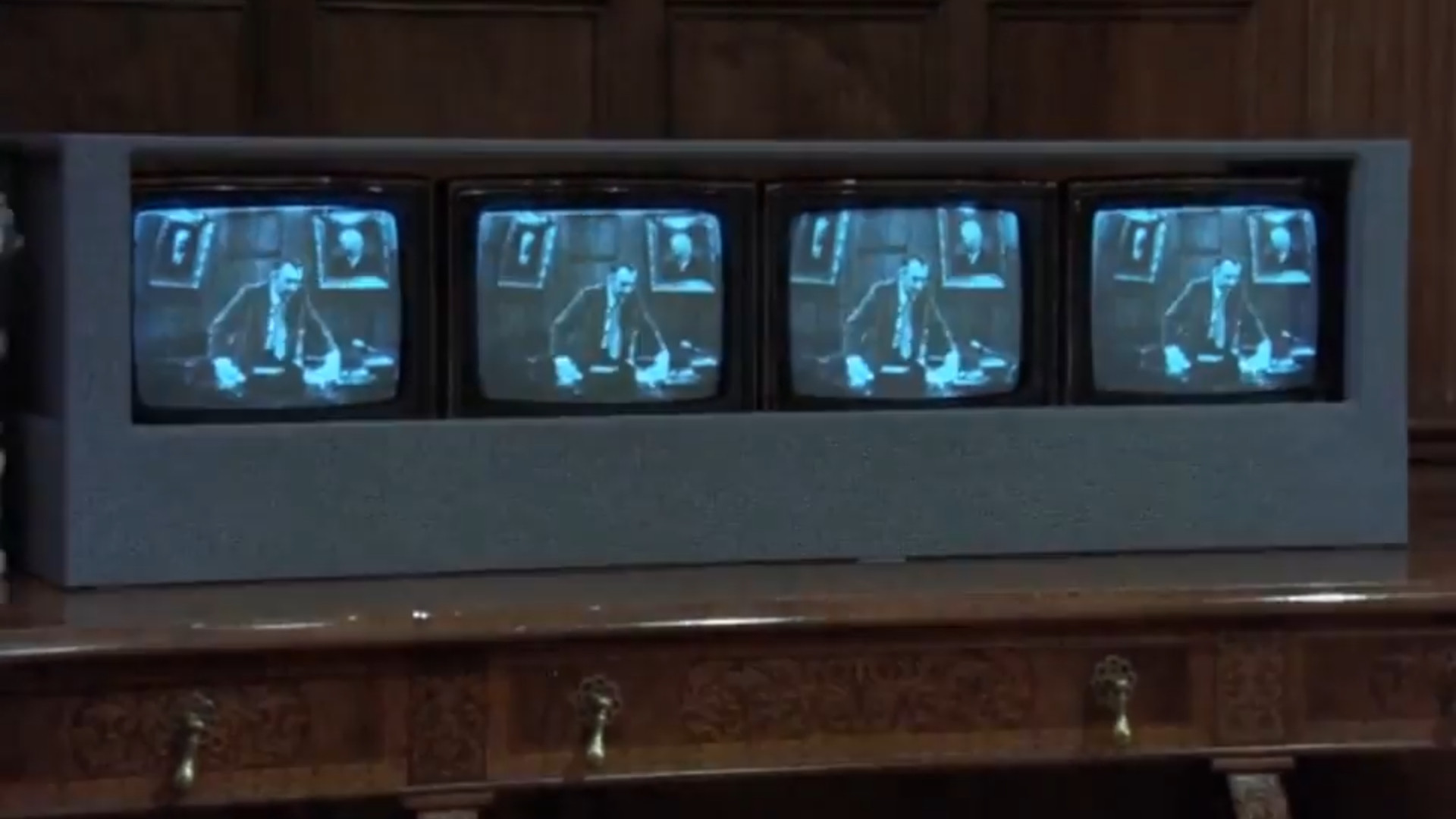
I was struck by the way paranoia saturates every corner of the film. The empty room, the recording devices, the ghostly presence of unseen conspirators — everything is charged with suspicion. It’s not just Nixon’s paranoia, but also the paranoia of power itself: the fear that the truth will surface, that history will judge, that control will slip. Watching it, I felt the weight of how power corrodes, not just politically but psychologically.
Memory plays a key role, too. The film is filled with Nixon’s recollections, but they’re fragmented, distorted, reshaped to fit his narrative. It made me think about how memory itself can be an act of self-defense, rewriting pain into justification. The motif of unreliable memory becomes a mirror of unreliable selfhood — the impossibility of ever confessing fully, because the truth is always being edited.
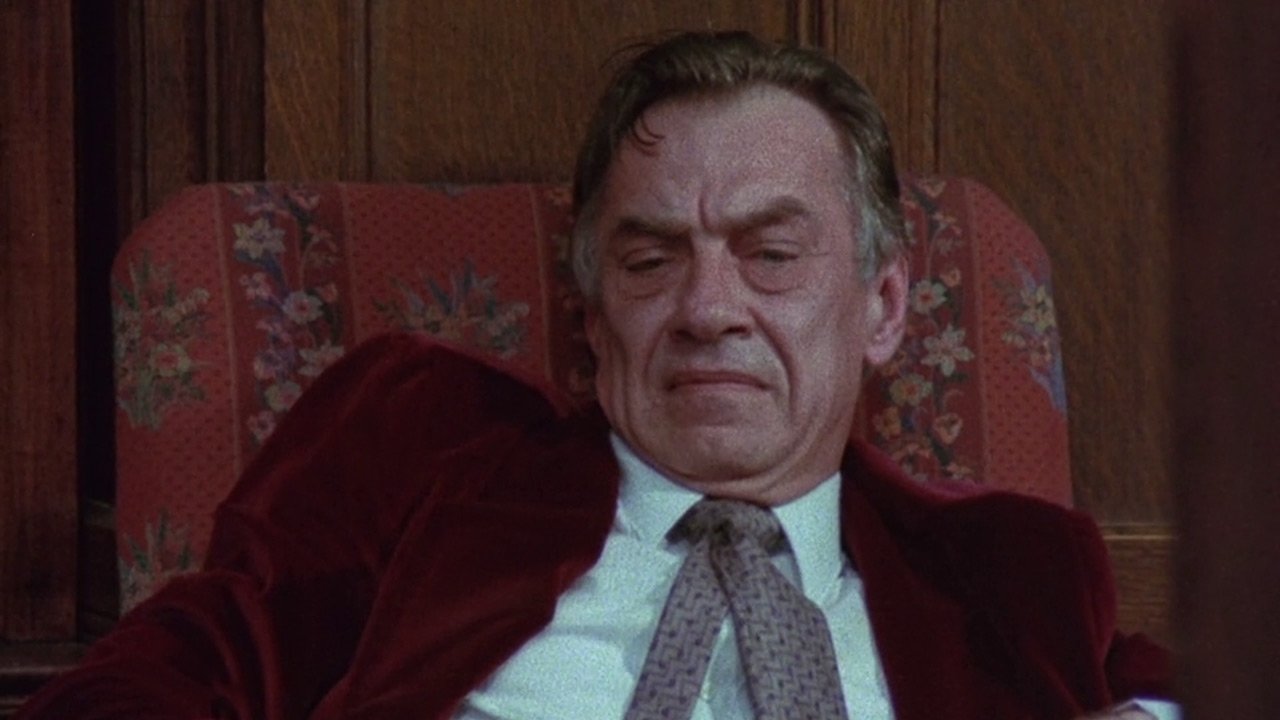
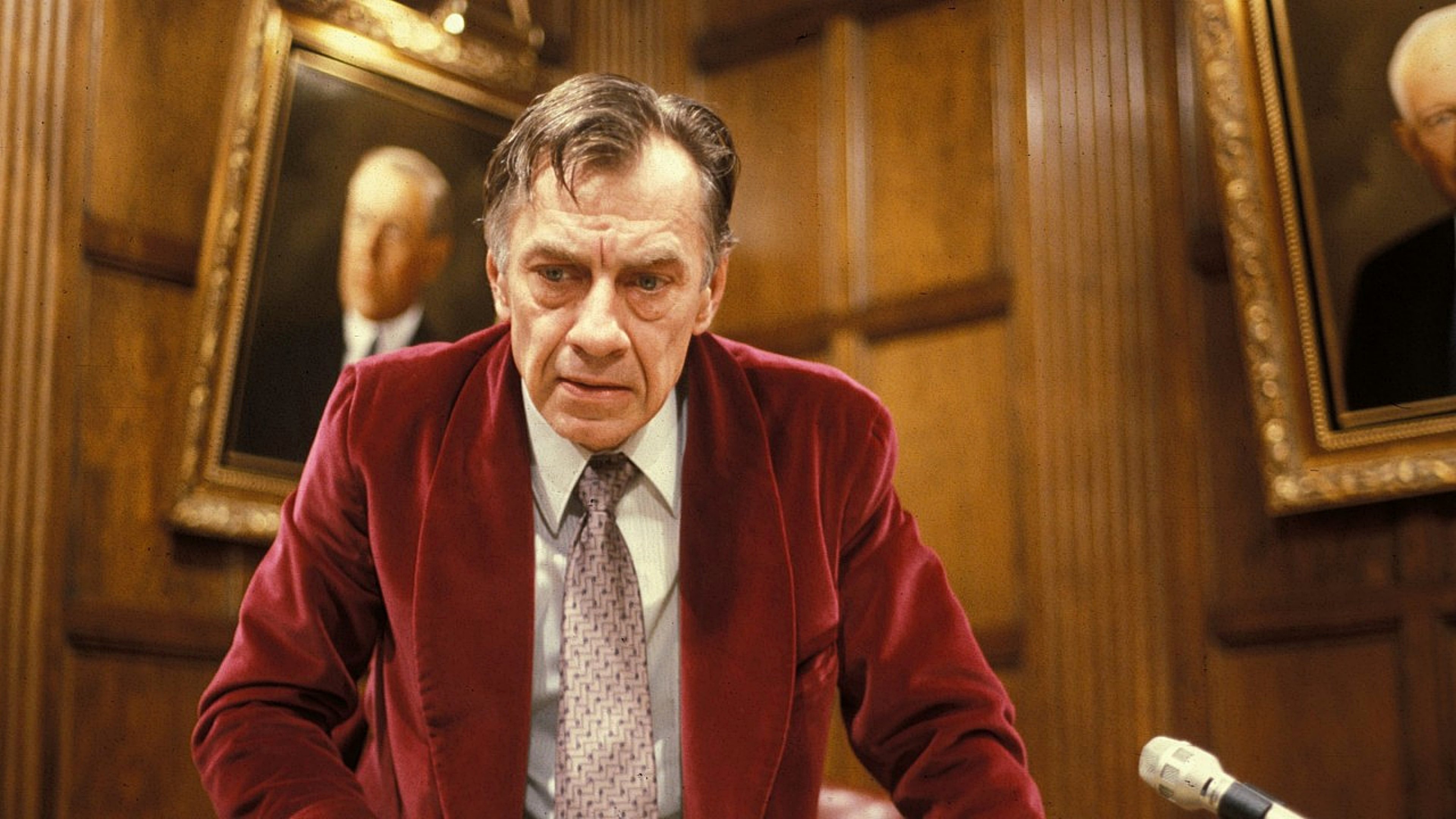
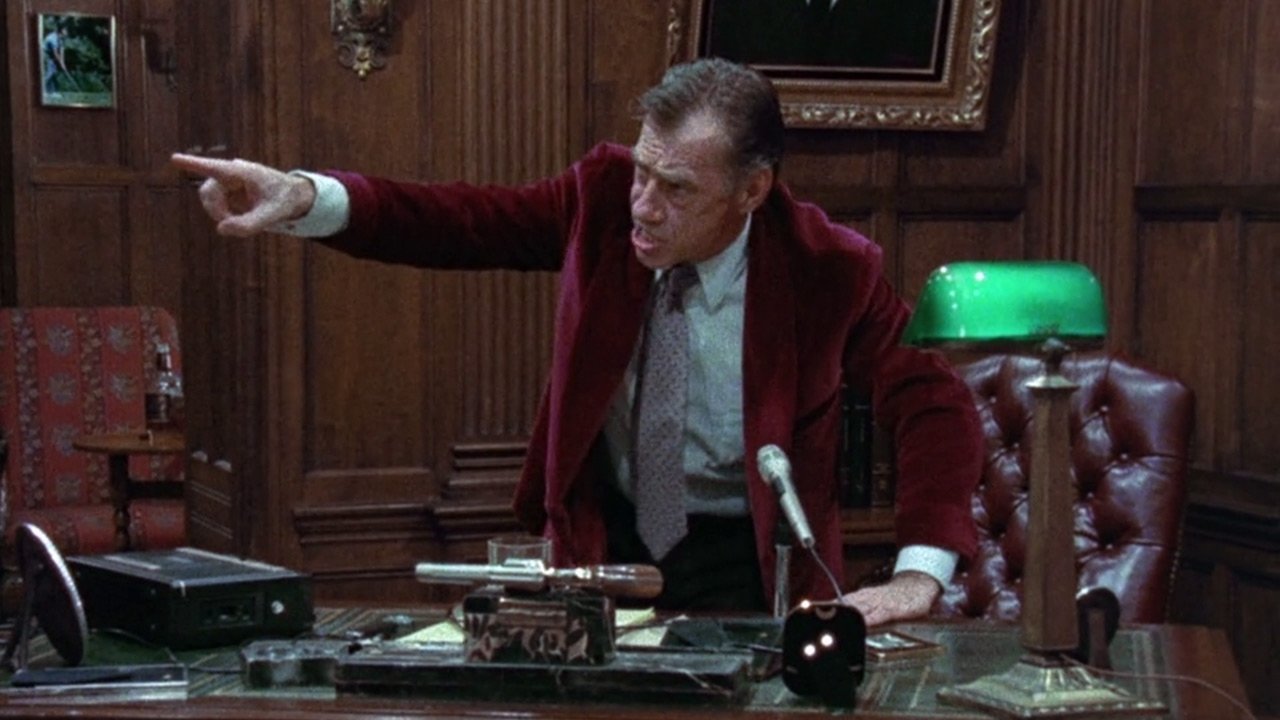
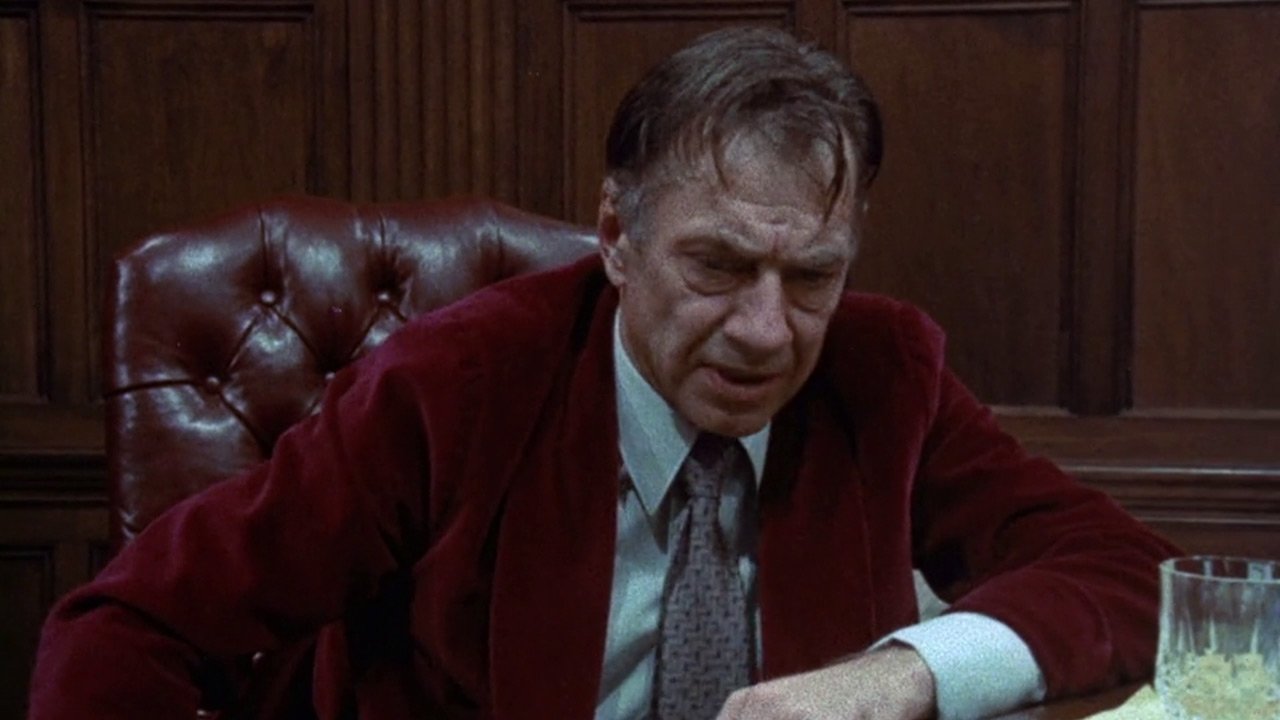
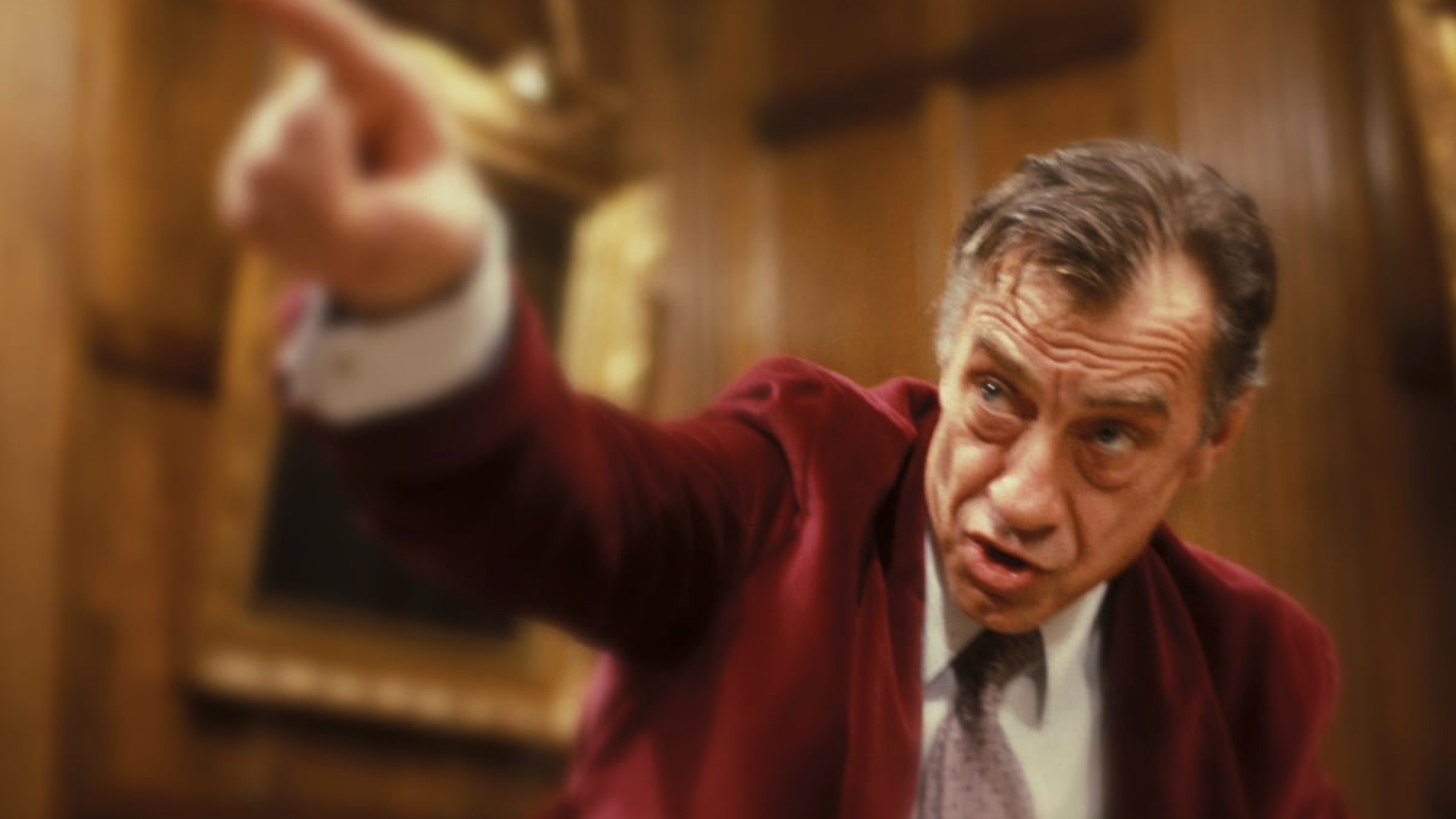
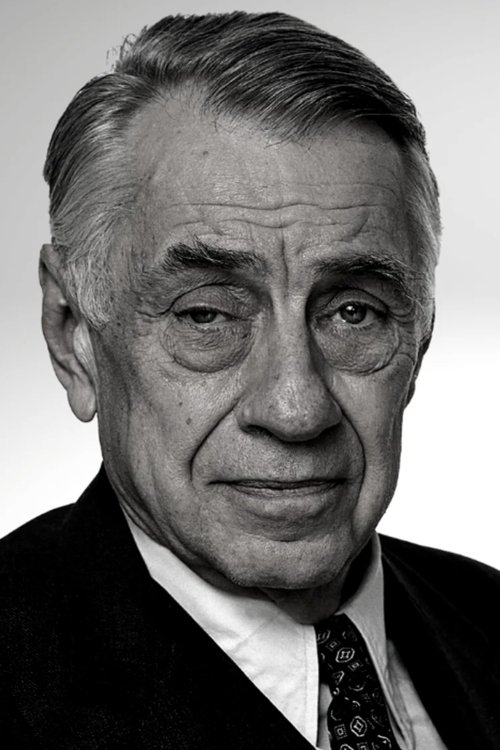
The performance carries so much of this. Philip Baker Hall transforms the room into an entire battlefield of emotions — snarling, collapsing, laughing, and whispering. His Nixon is both monstrous and pitiful, a man consumed by himself. That intensity made the themes land with devastating force; I didn’t just understand Nixon’s unraveling, I felt it vibrating in the pauses, the gasps, the moments where bravado collapsed into despair.
For me, the film succeeds because it never lets me look away from that unraveling. The minimalism becomes its power: by stripping away distractions, it forces me to confront the ugly contradictions of power and the loneliness of guilt. The room becomes a metaphor for the prison Nixon built around himself — a space he can’t escape because it’s made of his own choices and betrayals.
By the end, I wasn’t sure if I’d witnessed a confession, a delusion, or some haunted mixture of both. That ambiguity is the film’s greatest strength. It doesn’t offer catharsis or resolution, only the spectacle of a man tearing himself apart in real time. The themes of paranoia, power, and memory aren’t just explored — they’re embodied, lived out in every frantic word.
That’s why I rate it so highly. Secret Honor succeeds not because it explains Nixon, but because it embodies his contradictions in a way that feels both intimate and unsettling. It’s a psychological ghost story, where the haunting isn’t external but self-inflicted, and watching it feels like staring into the abyss of someone who can’t stop performing, even when the audience has already left.
The first thing that hit me watching it was the claustrophobia — one man, one room, one endless storm of words. The confinement becomes a crucible, boiling Richard Nixon down to his darkest impulses and regrets. As I watched, I felt like I was intruding on something almost too private: a fevered confession where truth and lies blur into one suffocating monologue. That raw intimacy pulled me in immediately.
The film thrives on contradictions. Nixon rages about honor while exposing his corruption; he insists on loyalty while recounting betrayals; he paints himself as both mastermind and victim. This constant oscillation between power and weakness fascinated me. I saw in it the motif of masks peeling away, only to reveal other masks underneath. It’s a study of someone trying desperately to control a narrative that is already lost.
I was struck by the way paranoia saturates every corner of the film. The empty room, the recording devices, the ghostly presence of unseen conspirators — everything is charged with suspicion. It’s not just Nixon’s paranoia, but also the paranoia of power itself: the fear that the truth will surface, that history will judge, that control will slip. Watching it, I felt the weight of how power corrodes, not just politically but psychologically.
Memory plays a key role, too. The film is filled with Nixon’s recollections, but they’re fragmented, distorted, reshaped to fit his narrative. It made me think about how memory itself can be an act of self-defense, rewriting pain into justification. The motif of unreliable memory becomes a mirror of unreliable selfhood — the impossibility of ever confessing fully, because the truth is always being edited.
The performance carries so much of this. Philip Baker Hall transforms the room into an entire battlefield of emotions — snarling, collapsing, laughing, and whispering. His Nixon is both monstrous and pitiful, a man consumed by himself. That intensity made the themes land with devastating force; I didn’t just understand Nixon’s unraveling, I felt it vibrating in the pauses, the gasps, the moments where bravado collapsed into despair.
For me, the film succeeds because it never lets me look away from that unraveling. The minimalism becomes its power: by stripping away distractions, it forces me to confront the ugly contradictions of power and the loneliness of guilt. The room becomes a metaphor for the prison Nixon built around himself — a space he can’t escape because it’s made of his own choices and betrayals.
By the end, I wasn’t sure if I’d witnessed a confession, a delusion, or some haunted mixture of both. That ambiguity is the film’s greatest strength. It doesn’t offer catharsis or resolution, only the spectacle of a man tearing himself apart in real time. The themes of paranoia, power, and memory aren’t just explored — they’re embodied, lived out in every frantic word.
That’s why I rate it so highly. Secret Honor succeeds not because it explains Nixon, but because it embodies his contradictions in a way that feels both intimate and unsettling. It’s a psychological ghost story, where the haunting isn’t external but self-inflicted, and watching it feels like staring into the abyss of someone who can’t stop performing, even when the audience has already left.