
1932·Drama·2h 6m
7.1
★
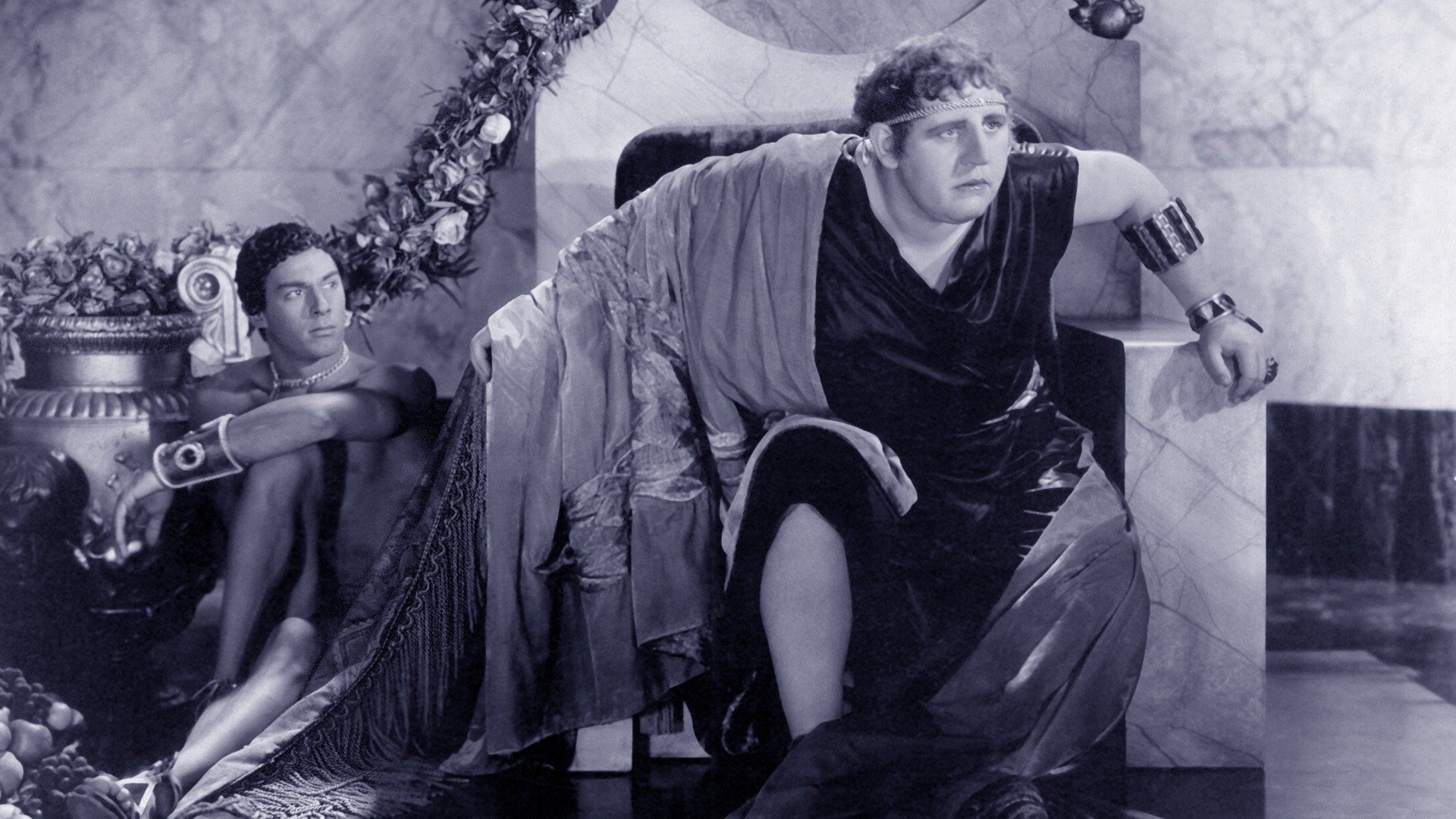
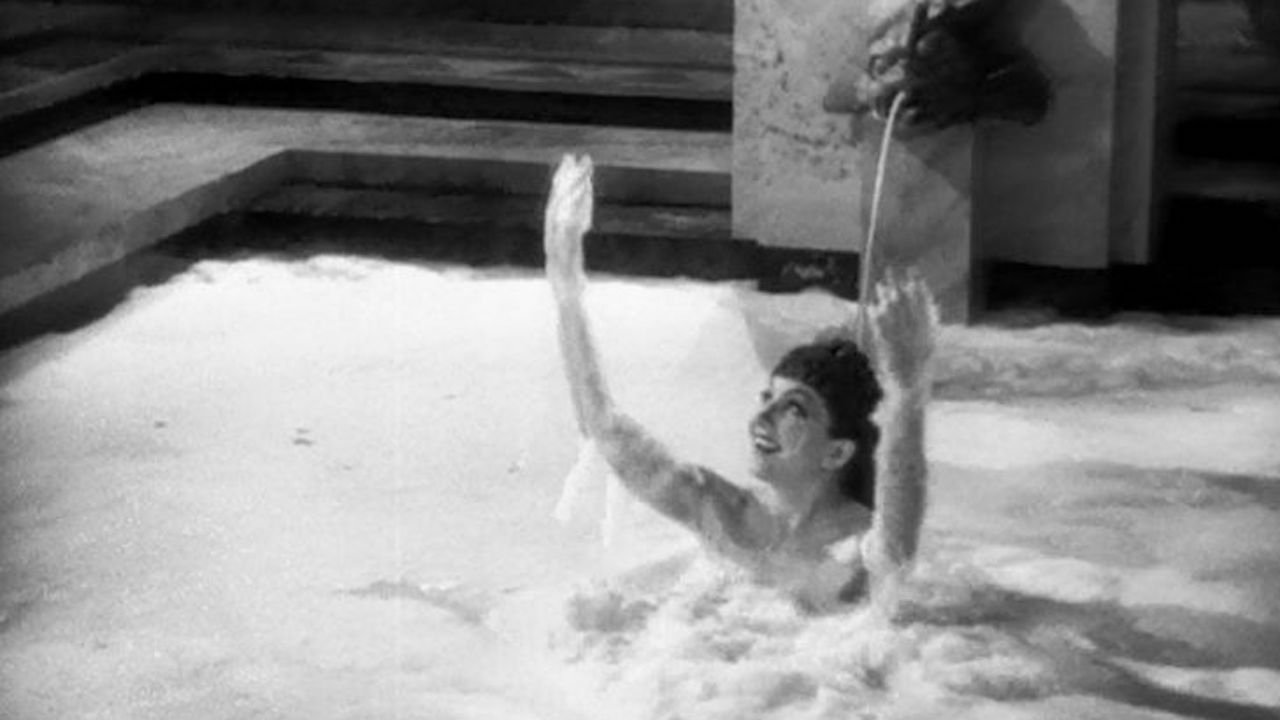
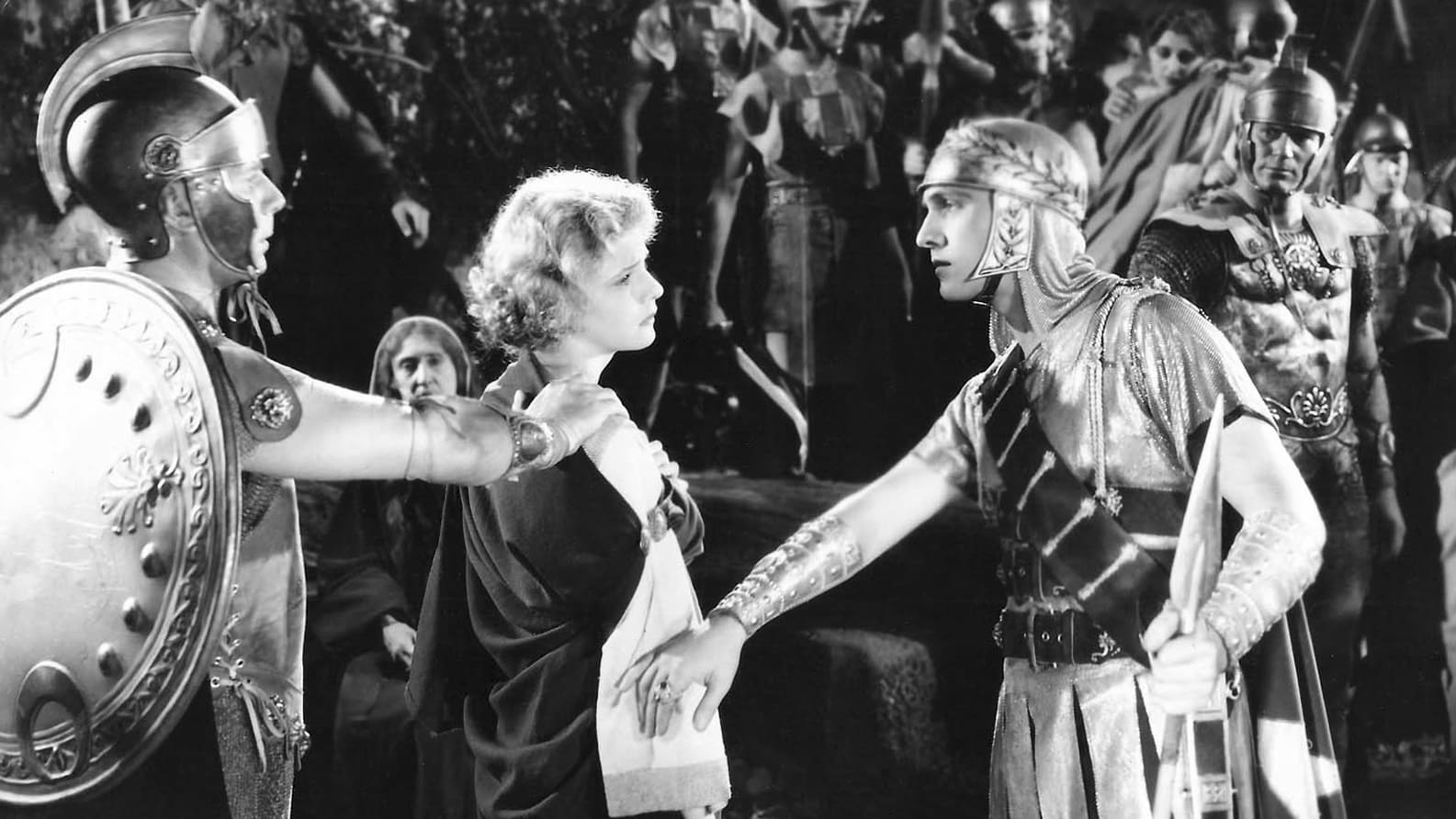
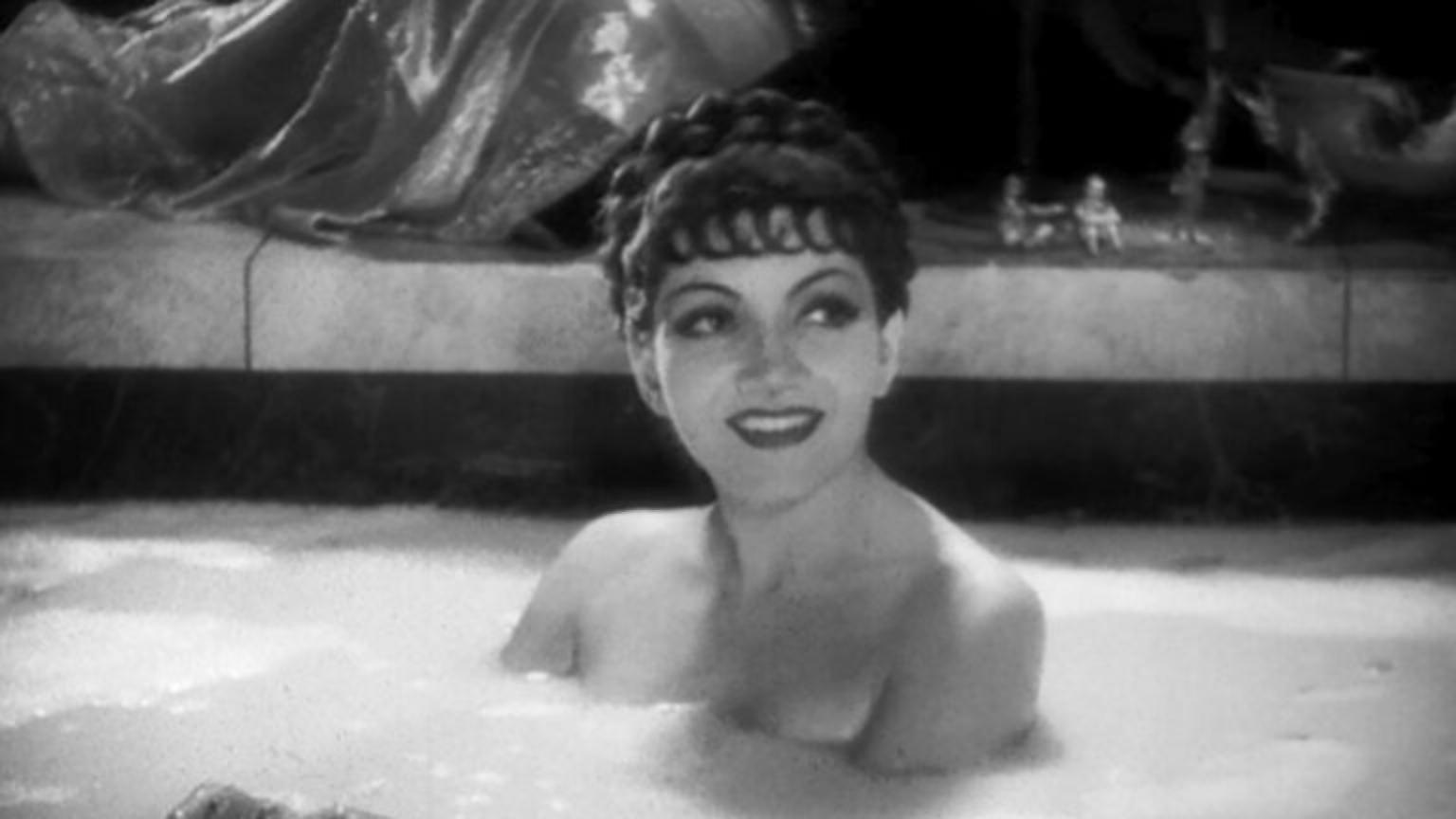
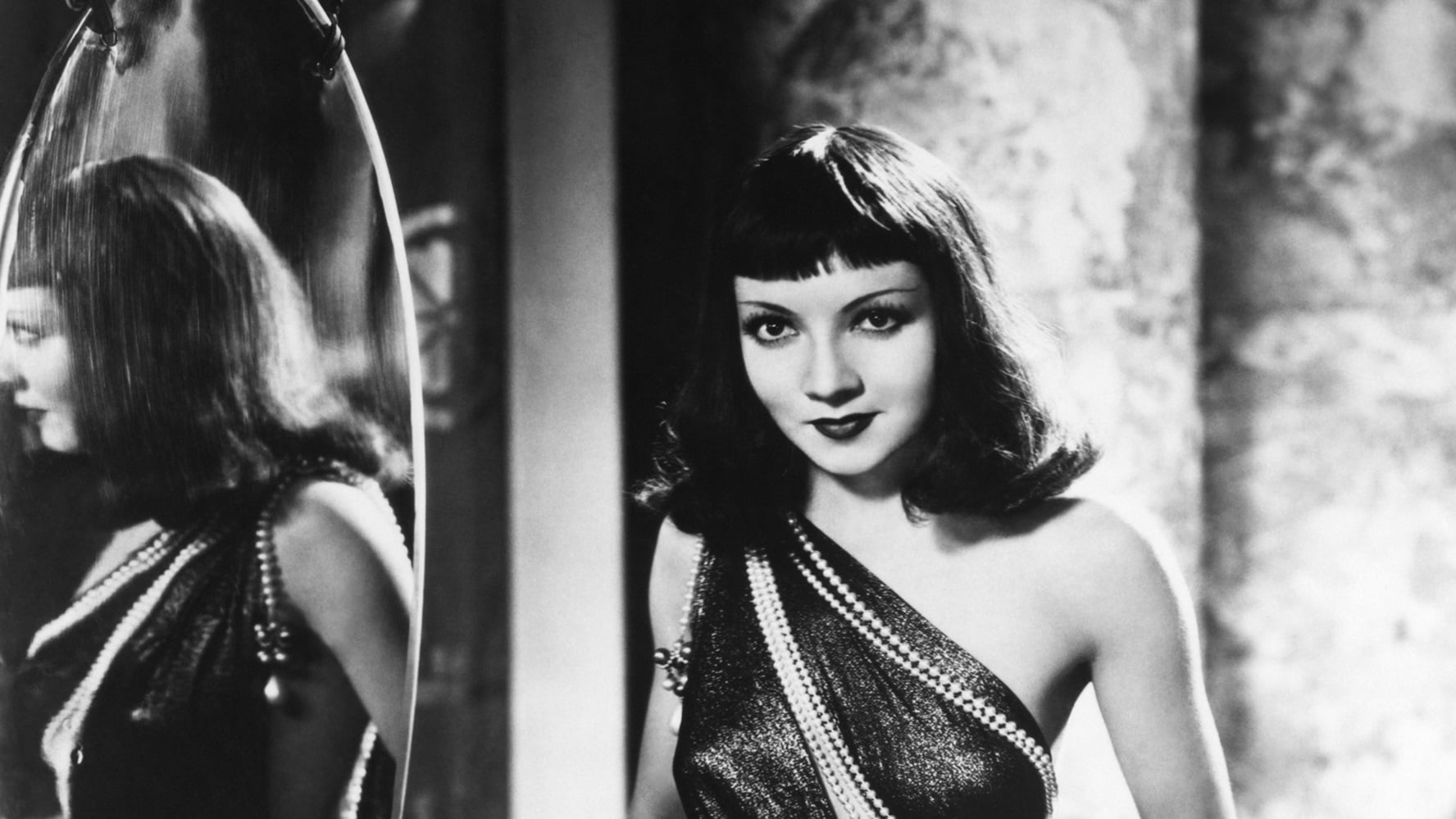
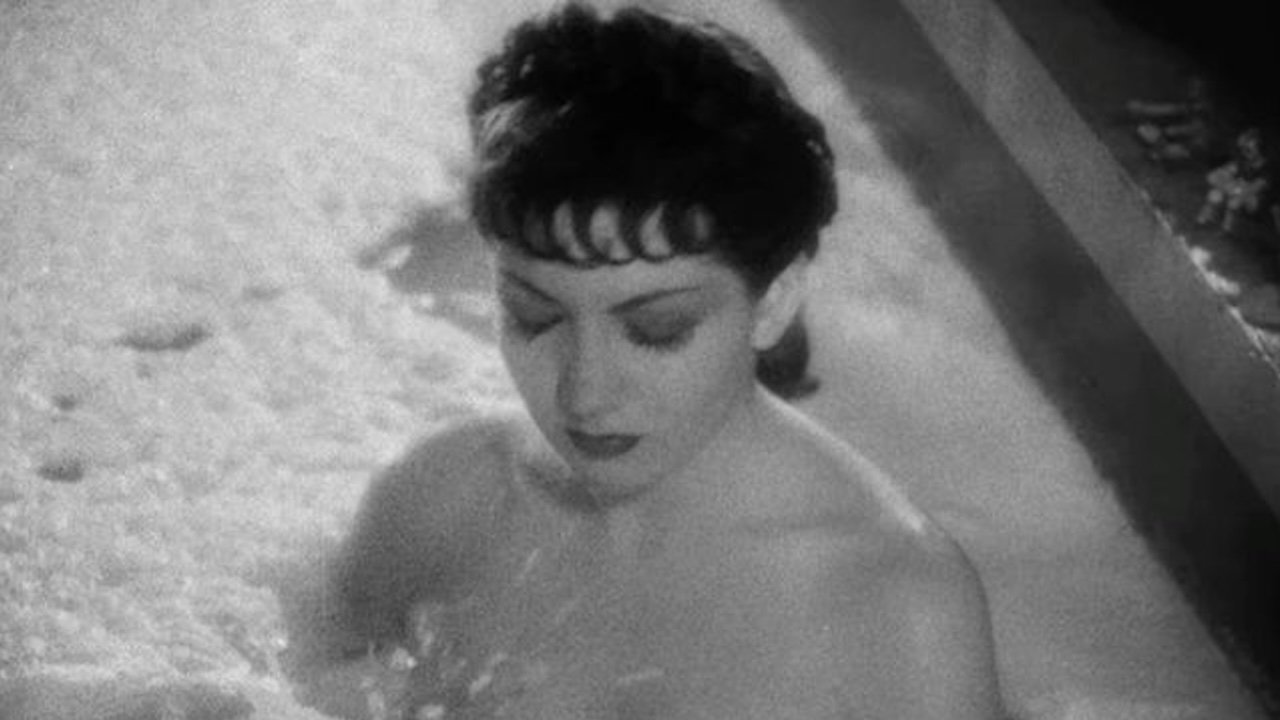
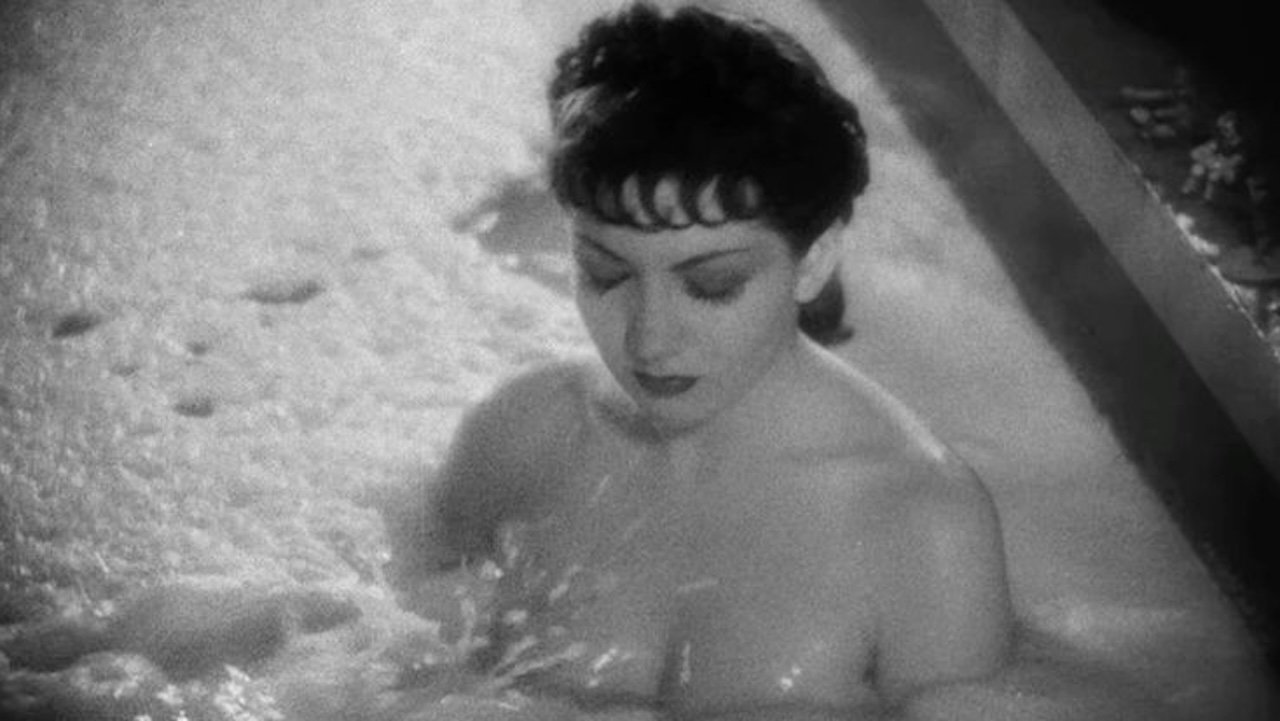
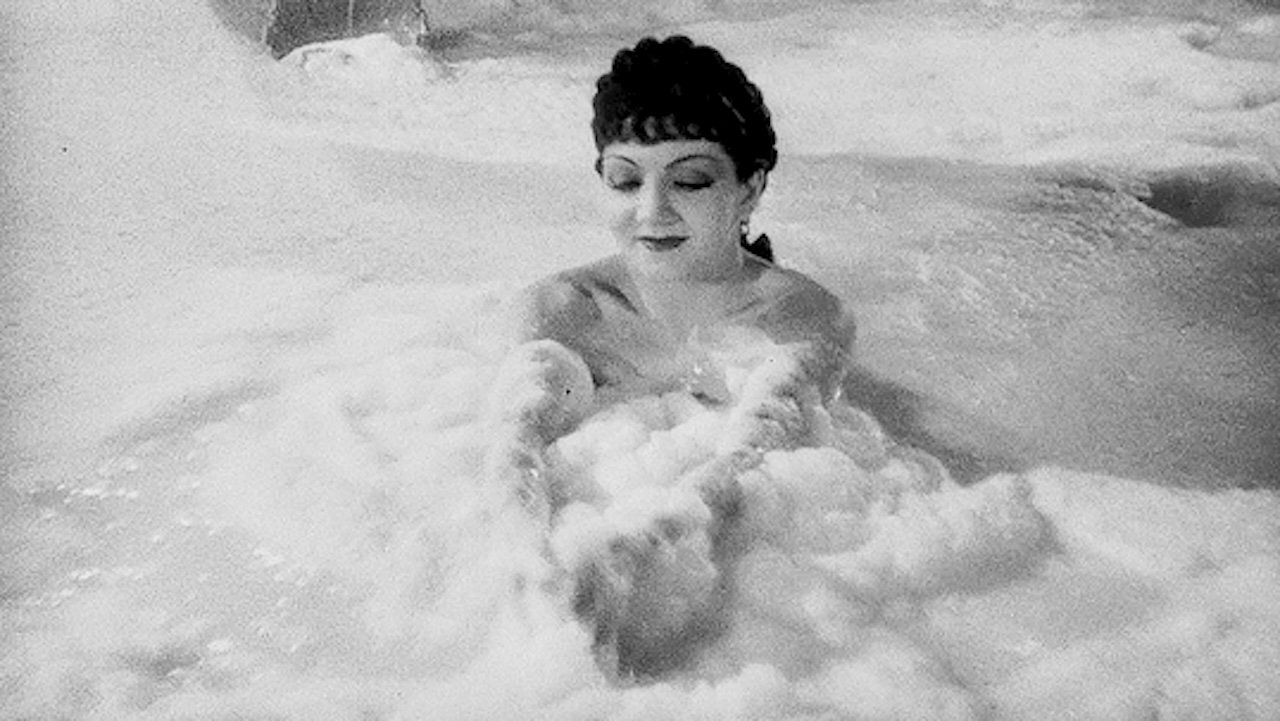
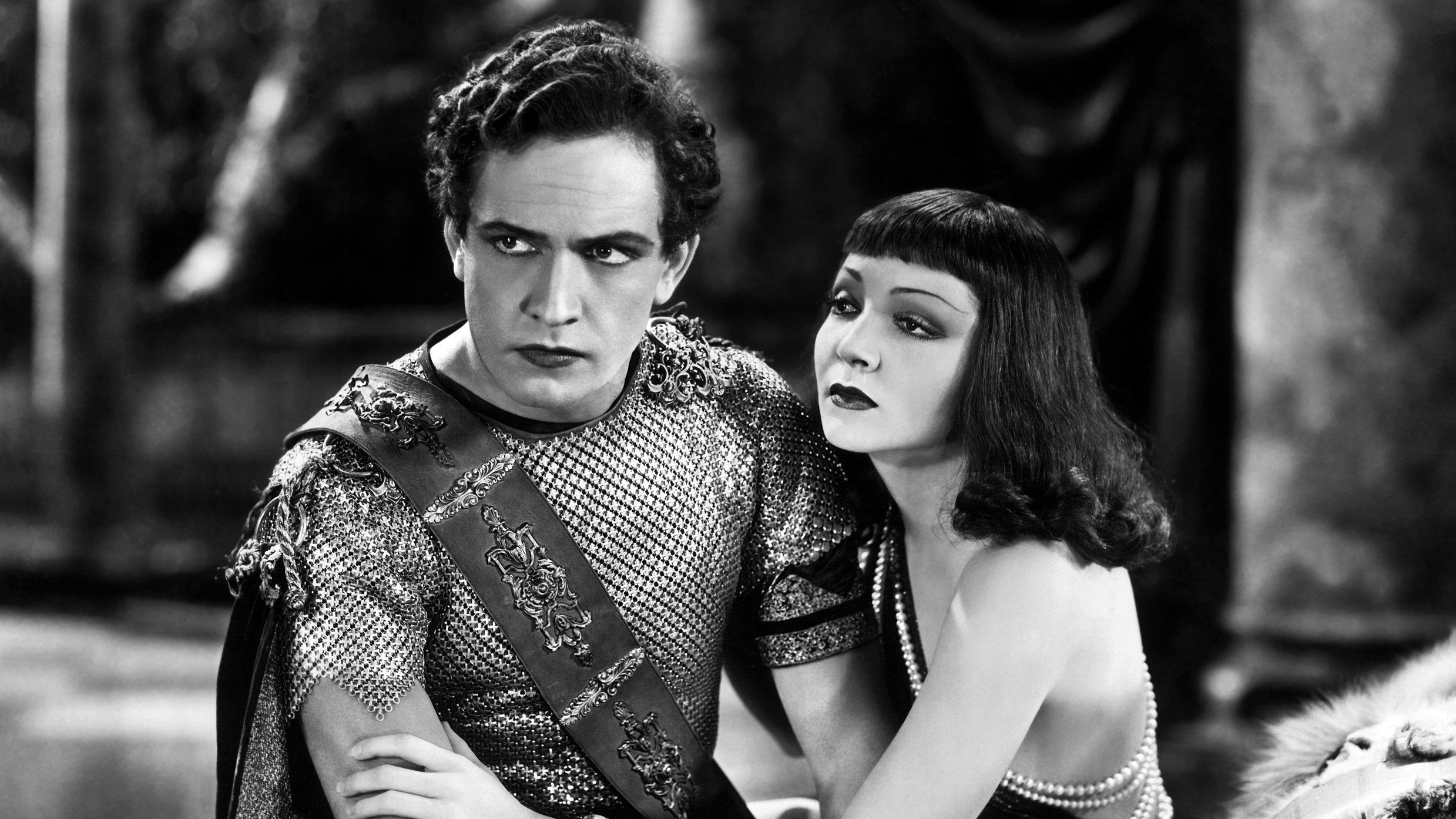
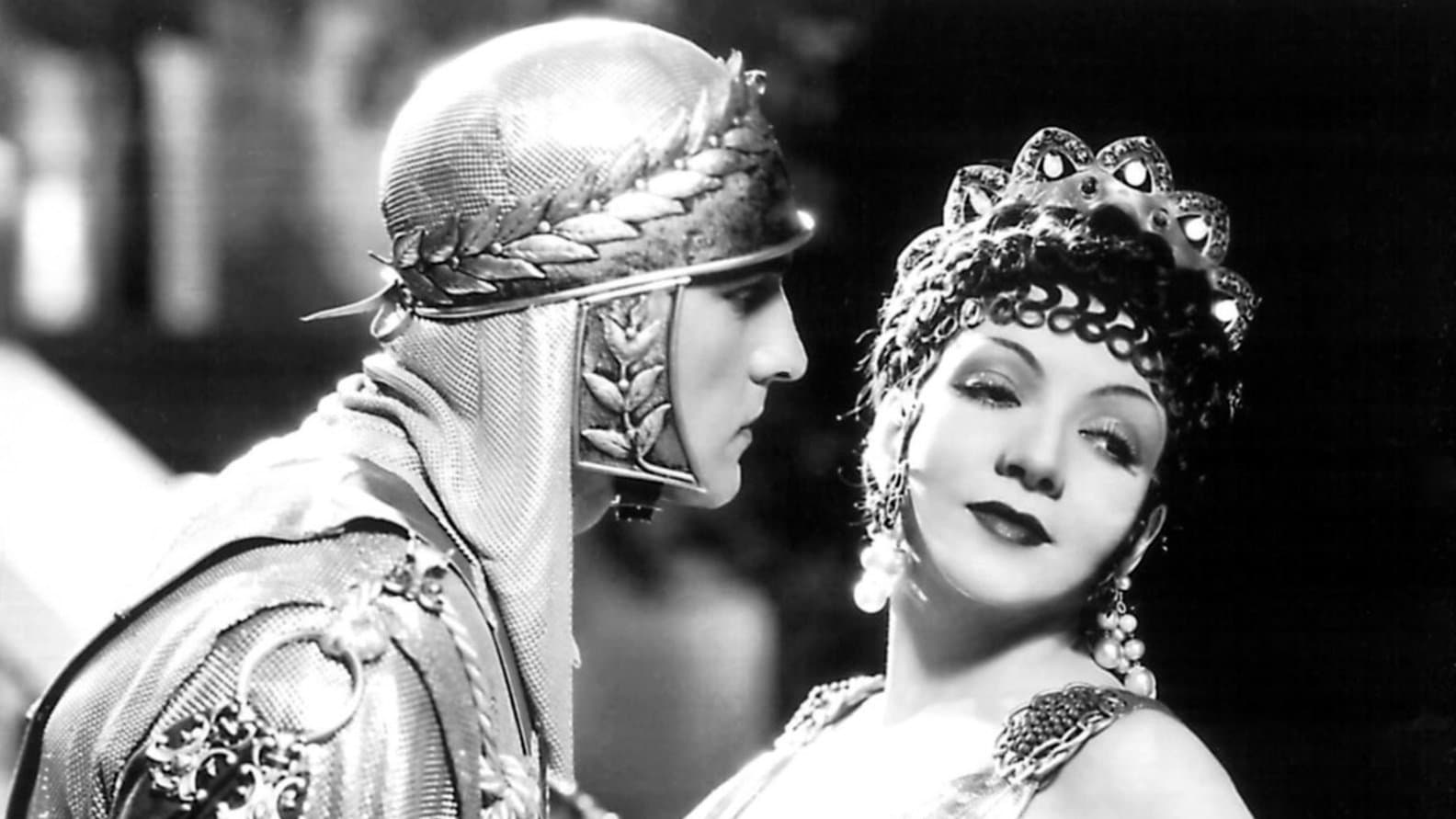
A Roman soldier becomes torn between his love for a Christian woman and his loyalty to Emperor Nero.
Directed by Cecil B. DeMille
arena
ancient rome
empress
pre-code
roman army
historical drama
nero
1st century
christian faith
historical epic
costume epic
romantic drama
divided loyalties

IMDB
N/A
Cast
Fredric March
Marcus Superbus - Prefect of Rome

Elissa Landi
Mercia
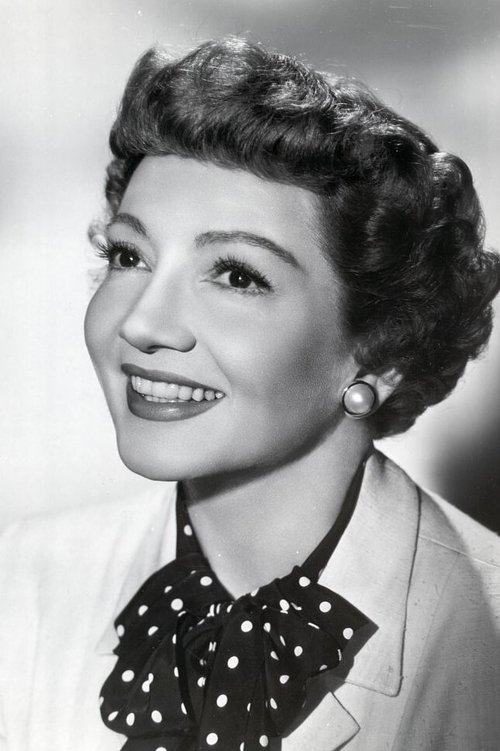
Claudette Colbert
Empress Poppaea
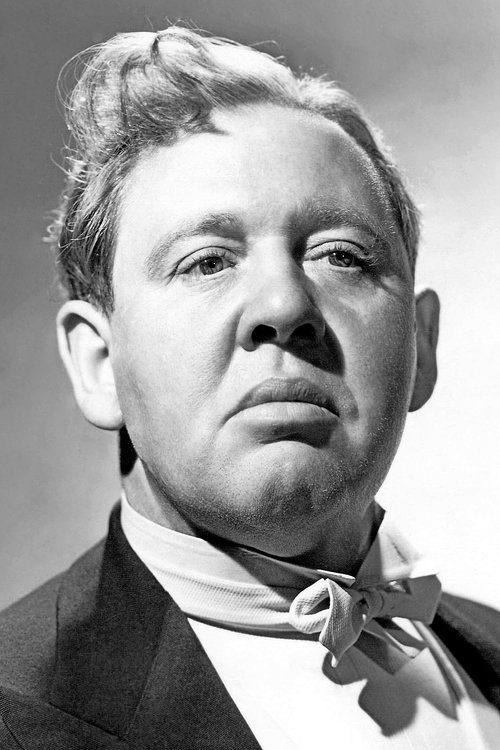
Charles Laughton
Emperor Nero Claudius Caesar
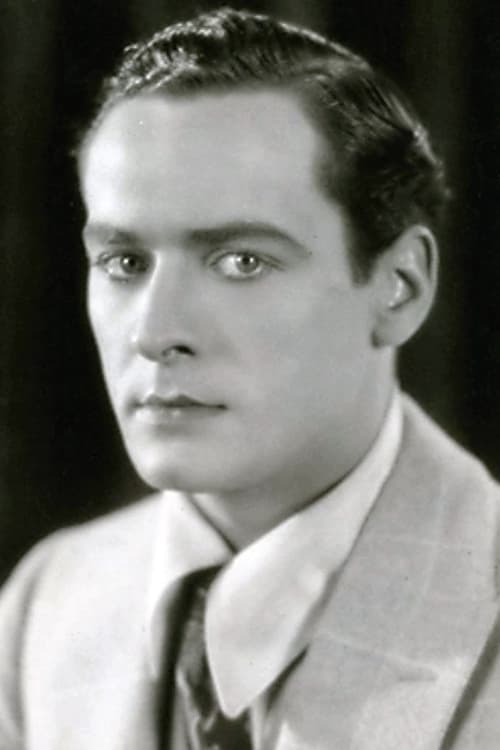
Ian Keith
Tigellinus
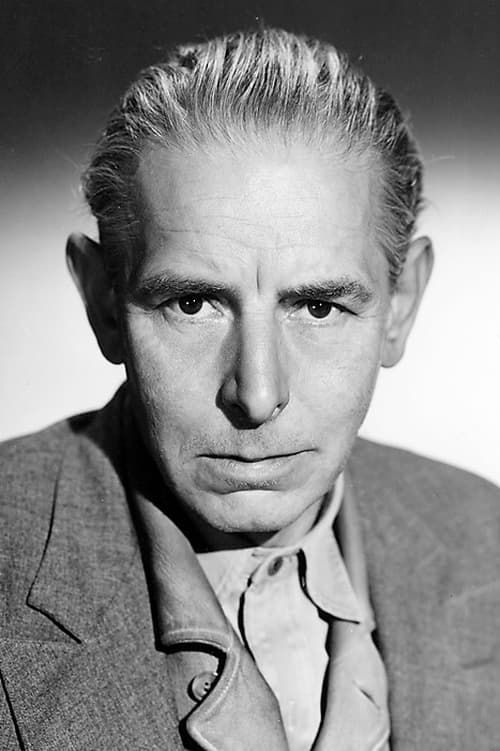
Arthur Hohl
Titus
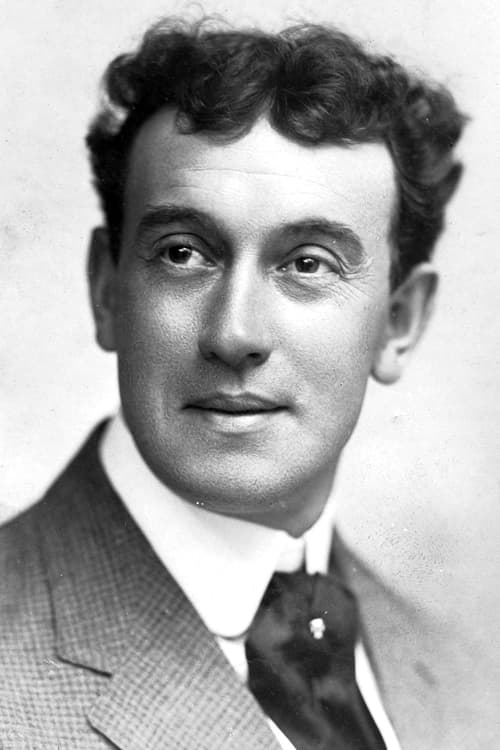
Harry Beresford
Favius Fontelas

Tommy Conlon
Stephan
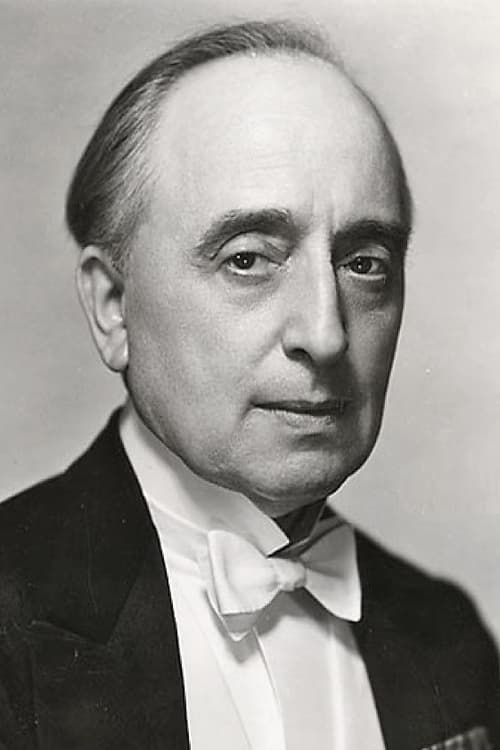
Ferdinand Gottschalk
Glabrio
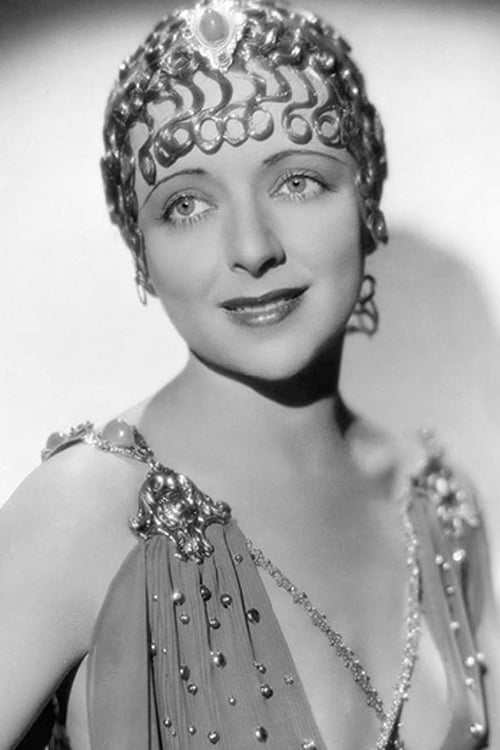
Vivian Tobin
Dacia
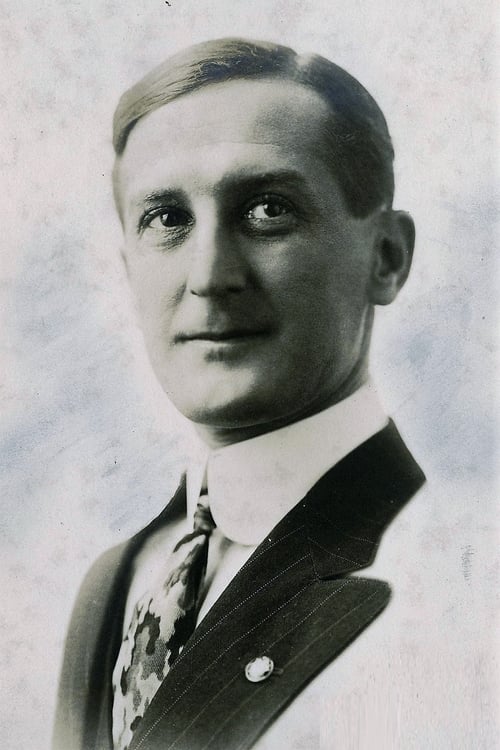
William V. Mong
Licinius

Joyzelle Joyner
Ancaria
Crew
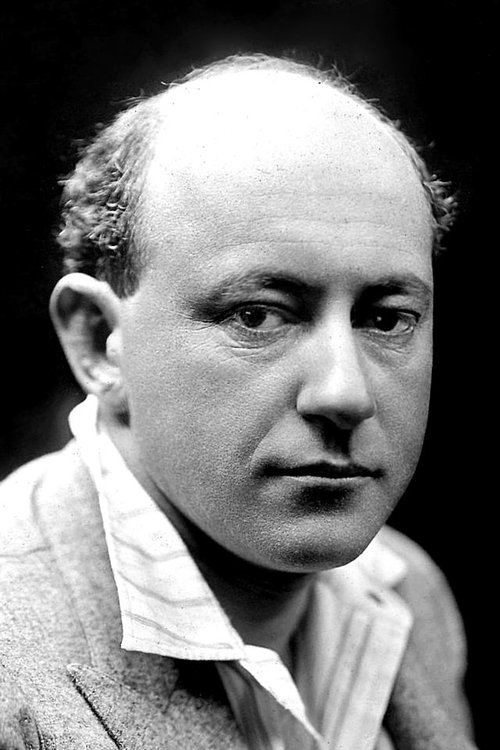
Cecil B. DeMille
Director
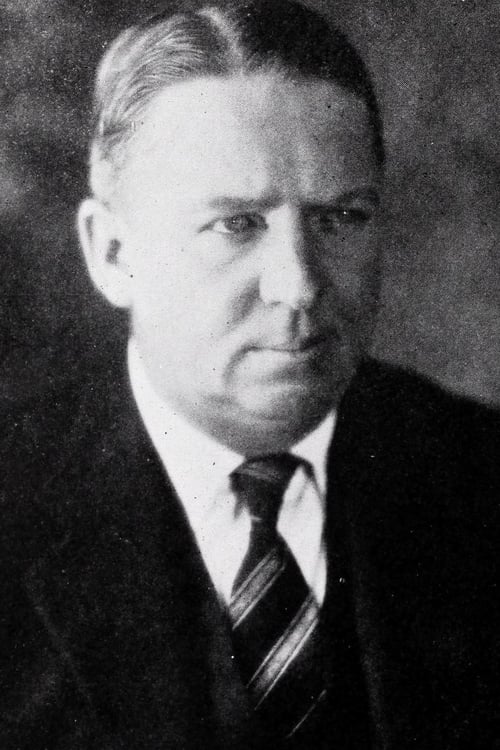
Waldemar Young
Screenplay
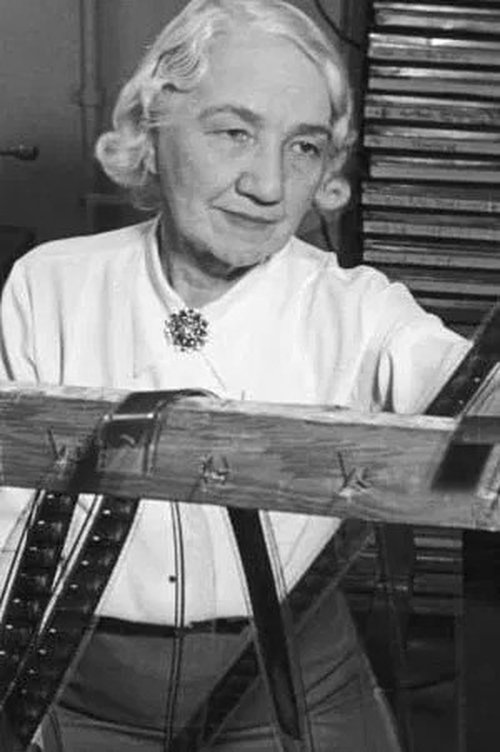
Anne Bauchens
Editor
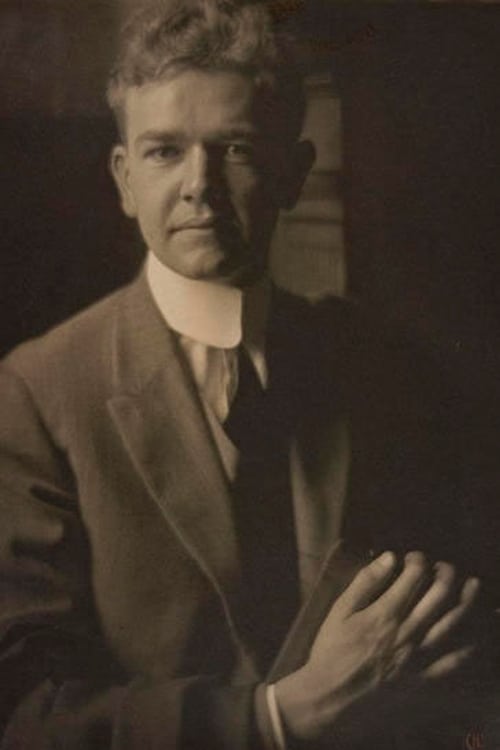
Karl Struss
Director of Photography
Cecil B. DeMille
Producer
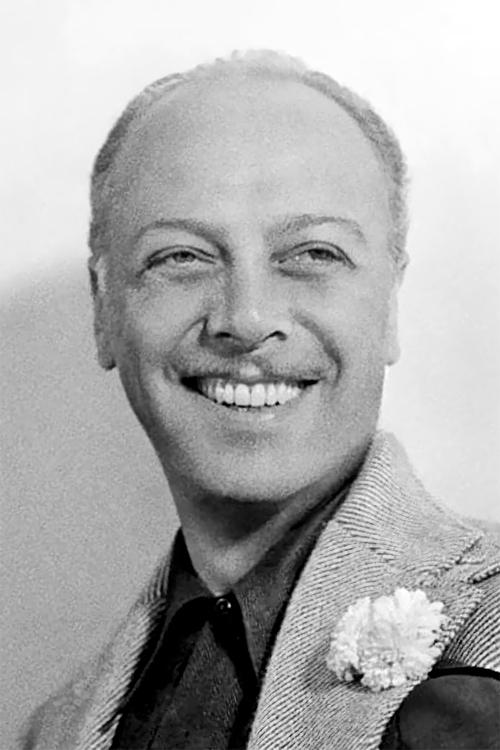
Mitchell Leisen
Costume Design
Mitchell Leisen
Art Direction
Mitchell Leisen
Assistant Director
Popular Reviews
11 reviews
Lily
6.0★ · 09/20/25
I know a pre code baddie when I see one 😝😝 clock ittttttt 🤏🤏
I know a pre code baddie when I see one 😝😝 clock ittttttt 🤏🤏

1

hQ0105
8.0★ · 02/12/26
Finally found out where Cecil B. DeMille got his reputation from.
The Sign of the Cross is one of the boldest, most lavish, campiest, and most opulent films about Christianity that I’ve ever seen. The chiaroscuro prevalent in the cinematography is simply chef’s kiss.
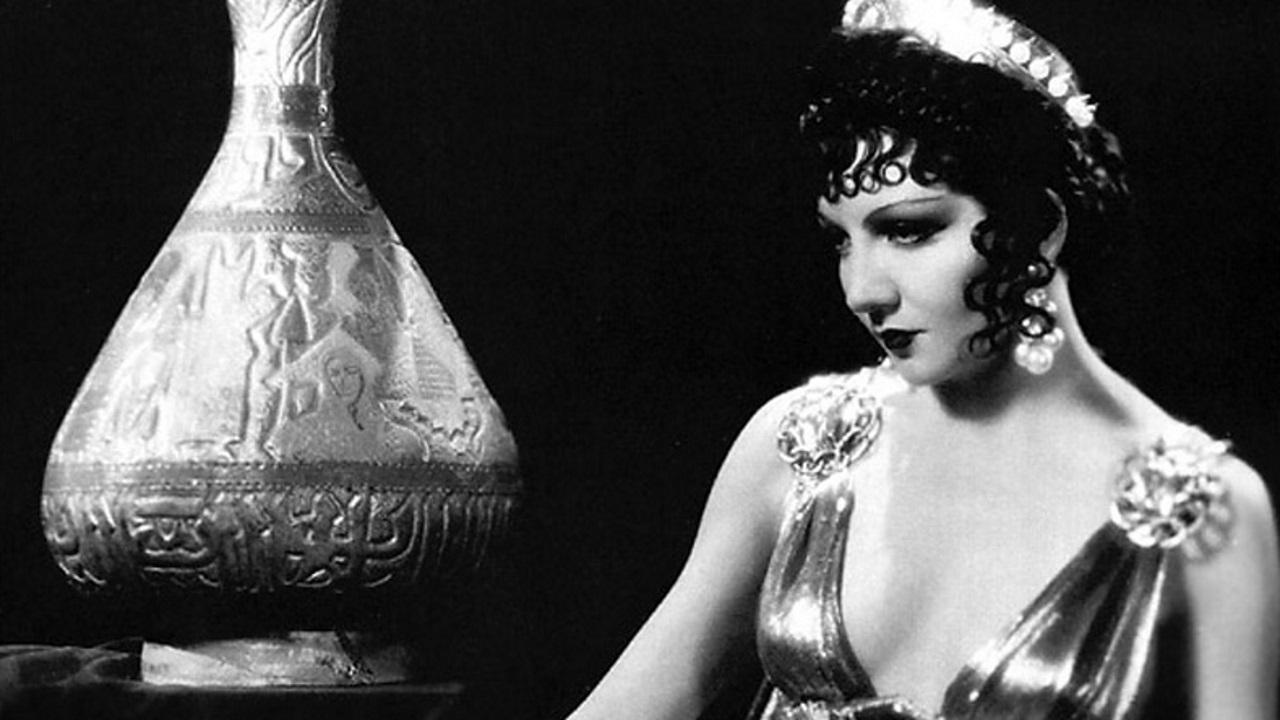
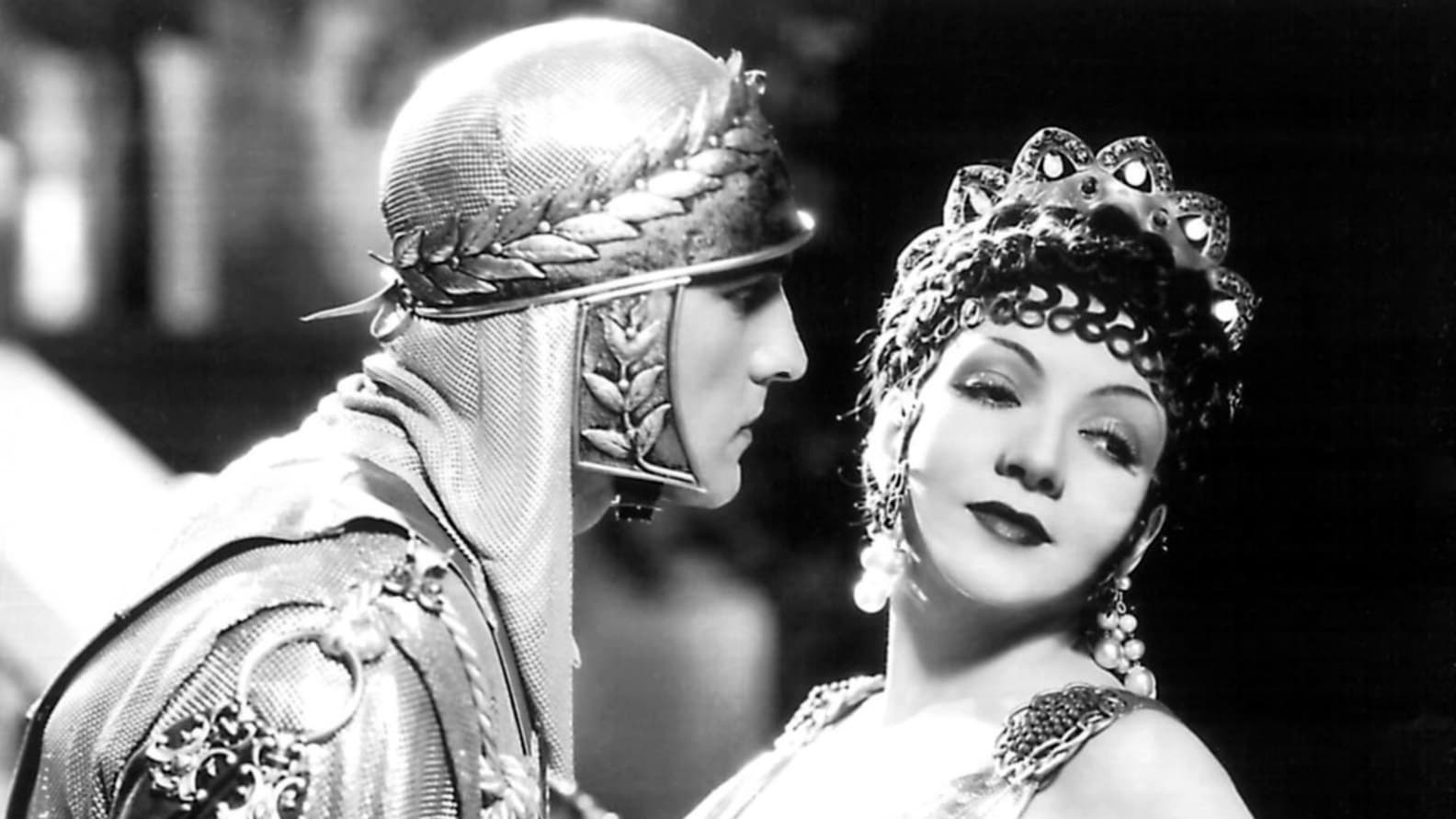
The vision poured into the art direction, sets, and costumes is truly outstanding. Personally, I loved the 1930s interpretation of ancient Roman clothing and styles. Poppaea’s hairstyle stood out to me the most – clearly influenced by historical imagery of the era, yet topped with signature ’30s pizzazz.
Absolutely spectacular
The Sign of the Cross is one of the boldest, most lavish, campiest, and most opulent films about Christianity that I’ve ever seen. The chiaroscuro prevalent in the cinematography is simply chef’s kiss.
The vision poured into the art direction, sets, and costumes is truly outstanding. Personally, I loved the 1930s interpretation of ancient Roman clothing and styles. Poppaea’s hairstyle stood out to me the most – clearly influenced by historical imagery of the era, yet topped with signature ’30s pizzazz.
Absolutely spectacular
Finally found out where Cecil B. DeMille got his reputation from.
The Sign of the Cross is one of the boldest, most lavish, campiest, and most opulent films about Christianity that I’ve ever seen. The chiaroscuro prevalent in the cinematography is simply chef’s kiss.
The vision poured into the art direction, sets, and costumes is truly outstanding. Personally, I loved the 1930s interpretation of ancient Roman clothing and styles. Poppaea’s hairstyle stood out to me the most – clearly influenced by historical imagery of the era, yet topped with signature ’30s pizzazz.
Absolutely spectacular
The Sign of the Cross is one of the boldest, most lavish, campiest, and most opulent films about Christianity that I’ve ever seen. The chiaroscuro prevalent in the cinematography is simply chef’s kiss.
The vision poured into the art direction, sets, and costumes is truly outstanding. Personally, I loved the 1930s interpretation of ancient Roman clothing and styles. Poppaea’s hairstyle stood out to me the most – clearly influenced by historical imagery of the era, yet topped with signature ’30s pizzazz.
Absolutely spectacular
YayaPRO
9.0★ · 02/03/26
Wow…this film really left me speechless…
I have so many thoughts about it and honestly don’t really know where to start, but I’ll try my best <3
First of all, the cinematography is absolutely stunning, built around long and incredibly fluid camera movements. The camera swoops over a grated opening, revealing the prison below, and zooms in on faces to capture raw emotion. Some shots are even framed from behind objects (a lamp, a pillar, for example) which creates a striking sense of depth.
This really gave me a sense of modernity, which I appreciated a lot.
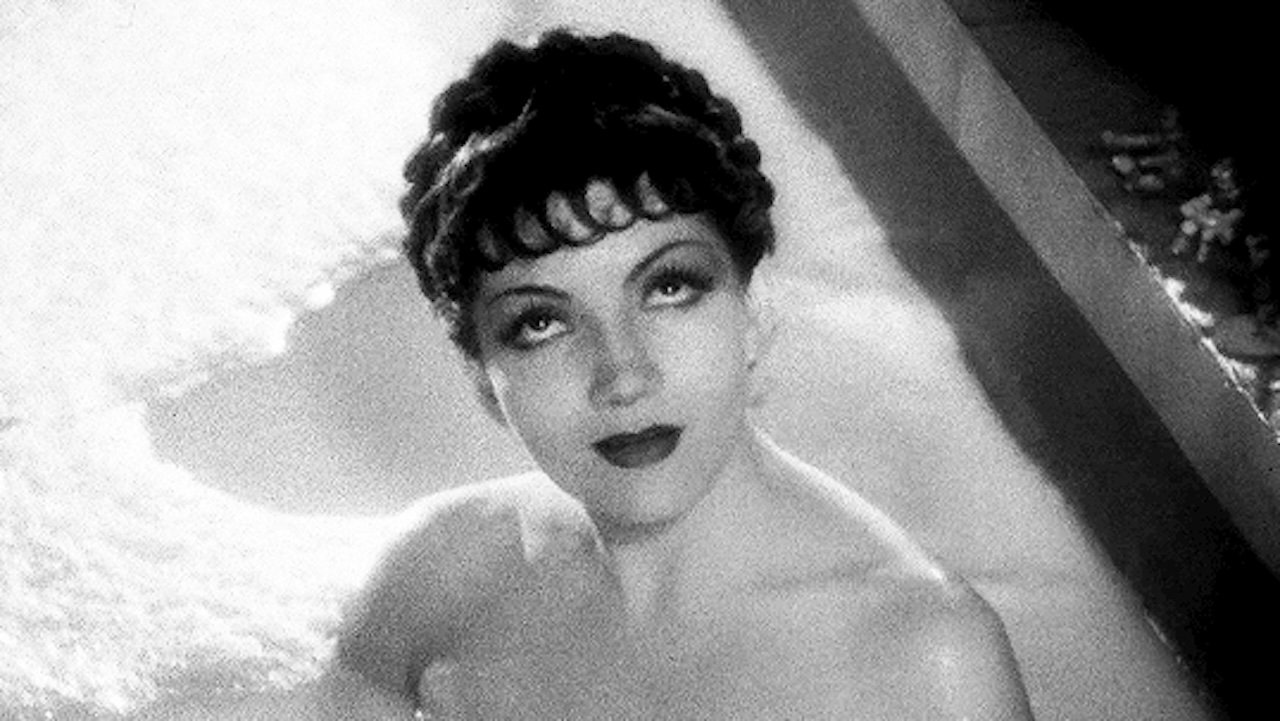
I also loved the fact that the film makes extensive use of chiaroscuro, both to heighten the tension and as a visual metaphor for good versus evil. This is particularly striking in the fountain scene, where Marcus is almost swallowed by darkness while Mercia appears bathed in light, almost angelic. This opposition is also notable in Ancara’s dancing scene, one of my favorite moments in the film, and one that really stayed with me in which close-ups emphasize the contrast between Ancara, who symbolizes Roman lust and decadence, and Mercia, who represents Christian “virtue”. And yes, I also loved this scene because of its strong sapphic vibes <3
As you’d expect from a film titled « The Sign of The Cross », there is a lot of religious imagery and symbolism throughout the movie. Even though I am not always a big fan of religious narratives in cinema, here, it feels remarkably well handled (and visually stunning).
I was also surprised by the downright violence of the film, especially in the arena scenes, which really disturbed me. But then again… it is pre-code Hollywood so nothing that shocking actually.
-1/2 star because it only gets really interesting (at best) in the second half of the movie.
Cecil B. DeMille truly masters large-scale compositions, especially when it comes to crowd scenes with people piling up; be it in combat, praying gatherings or during the debauched Roman banquets.
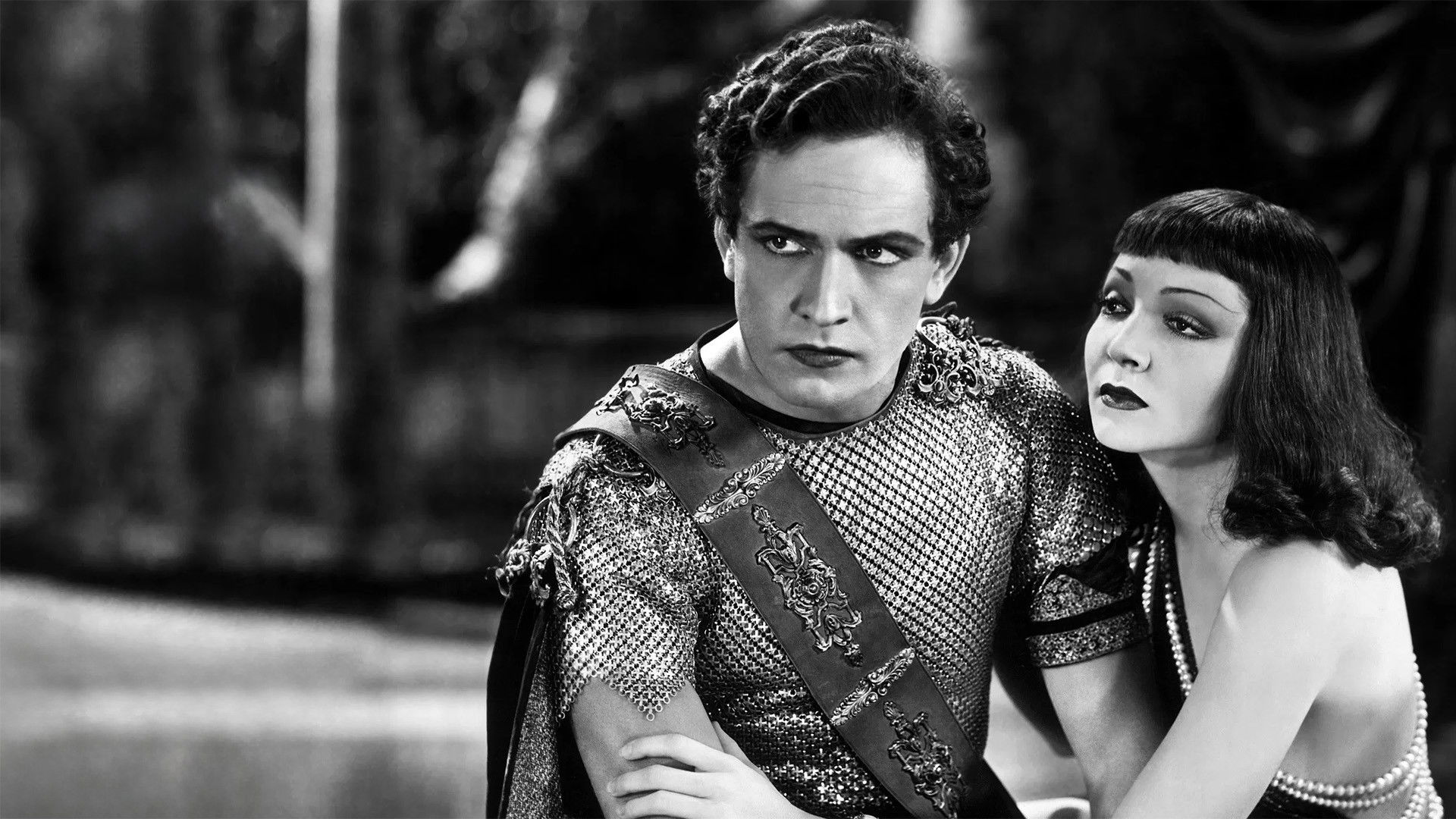
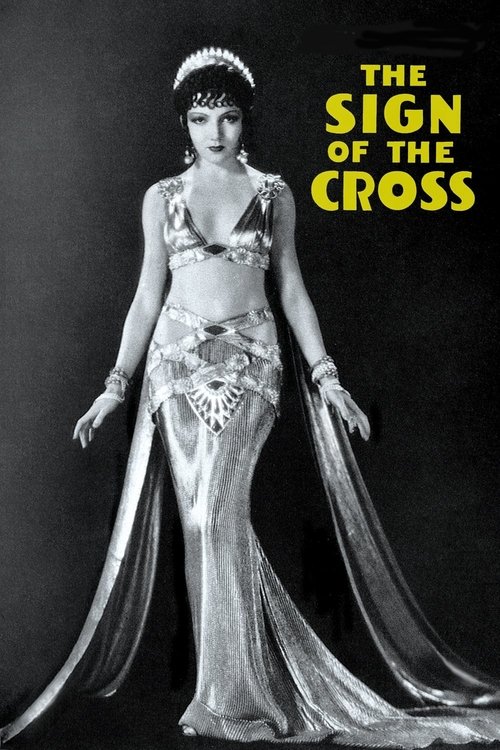
The whole cast really delivered, but Claudette Colbert particularly struck me. She is absolutely superb in the role of the charismatic, sensual and manipulative empress Poppaea, always draped in lavish, shimmering costumes.
That said, it would be naive to ignore the film's overt glorification of Christianity, which leads to a rather Manichaean worldview : Romans are reduced to indulgence and sin, while Christians are portrayed as perfectly pure and virtuous.
Still, overall, this movie feels like a masterpiece; the work of an artist at the height of his craft.
(sorry for the messy thoughts & review btw)
I have so many thoughts about it and honestly don’t really know where to start, but I’ll try my best <3
First of all, the cinematography is absolutely stunning, built around long and incredibly fluid camera movements. The camera swoops over a grated opening, revealing the prison below, and zooms in on faces to capture raw emotion. Some shots are even framed from behind objects (a lamp, a pillar, for example) which creates a striking sense of depth.
This really gave me a sense of modernity, which I appreciated a lot.
I also loved the fact that the film makes extensive use of chiaroscuro, both to heighten the tension and as a visual metaphor for good versus evil. This is particularly striking in the fountain scene, where Marcus is almost swallowed by darkness while Mercia appears bathed in light, almost angelic. This opposition is also notable in Ancara’s dancing scene, one of my favorite moments in the film, and one that really stayed with me in which close-ups emphasize the contrast between Ancara, who symbolizes Roman lust and decadence, and Mercia, who represents Christian “virtue”. And yes, I also loved this scene because of its strong sapphic vibes <3
As you’d expect from a film titled « The Sign of The Cross », there is a lot of religious imagery and symbolism throughout the movie. Even though I am not always a big fan of religious narratives in cinema, here, it feels remarkably well handled (and visually stunning).
I was also surprised by the downright violence of the film, especially in the arena scenes, which really disturbed me. But then again… it is pre-code Hollywood so nothing that shocking actually.
-1/2 star because it only gets really interesting (at best) in the second half of the movie.
Cecil B. DeMille truly masters large-scale compositions, especially when it comes to crowd scenes with people piling up; be it in combat, praying gatherings or during the debauched Roman banquets.
The whole cast really delivered, but Claudette Colbert particularly struck me. She is absolutely superb in the role of the charismatic, sensual and manipulative empress Poppaea, always draped in lavish, shimmering costumes.
That said, it would be naive to ignore the film's overt glorification of Christianity, which leads to a rather Manichaean worldview : Romans are reduced to indulgence and sin, while Christians are portrayed as perfectly pure and virtuous.
Still, overall, this movie feels like a masterpiece; the work of an artist at the height of his craft.
(sorry for the messy thoughts & review btw)
Wow…this film really left me speechless…
I have so many thoughts about it and honestly don’t really know where to start, but I’ll try my best <3
First of all, the cinematography is absolutely stunning, built around long and incredibly fluid camera movements. The camera swoops over a grated opening, revealing the prison below, and zooms in on faces to capture raw emotion. Some shots are even framed from behind objects (a lamp, a pillar, for example) which creates a striking sense of depth.
This really gave me a sense of modernity, which I appreciated a lot.
I also loved the fact that the film makes extensive use of chiaroscuro, both to heighten the tension and as a visual metaphor for good versus evil. This is particularly striking in the fountain scene, where Marcus is almost swallowed by darkness while Mercia appears bathed in light, almost angelic. This opposition is also notable in Ancara’s dancing scene, one of my favorite moments in the film, and one that really stayed with me in which close-ups emphasize the contrast between Ancara, who symbolizes Roman lust and decadence, and Mercia, who represents Christian “virtue”. And yes, I also loved this scene because of its strong sapphic vibes <3
As you’d expect from a film titled « The Sign of The Cross », there is a lot of religious imagery and symbolism throughout the movie. Even though I am not always a big fan of religious narratives in cinema, here, it feels remarkably well handled (and visually stunning).
I was also surprised by the downright violence of the film, especially in the arena scenes, which really disturbed me. But then again… it is pre-code Hollywood so nothing that shocking actually.
-1/2 star because it only gets really interesting (at best) in the second half of the movie.
Cecil B. DeMille truly masters large-scale compositions, especially when it comes to crowd scenes with people piling up; be it in combat, praying gatherings or during the debauched Roman banquets.
The whole cast really delivered, but Claudette Colbert particularly struck me. She is absolutely superb in the role of the charismatic, sensual and manipulative empress Poppaea, always draped in lavish, shimmering costumes.
That said, it would be naive to ignore the film's overt glorification of Christianity, which leads to a rather Manichaean worldview : Romans are reduced to indulgence and sin, while Christians are portrayed as perfectly pure and virtuous.
Still, overall, this movie feels like a masterpiece; the work of an artist at the height of his craft.
(sorry for the messy thoughts & review btw)
I have so many thoughts about it and honestly don’t really know where to start, but I’ll try my best <3
First of all, the cinematography is absolutely stunning, built around long and incredibly fluid camera movements. The camera swoops over a grated opening, revealing the prison below, and zooms in on faces to capture raw emotion. Some shots are even framed from behind objects (a lamp, a pillar, for example) which creates a striking sense of depth.
This really gave me a sense of modernity, which I appreciated a lot.
I also loved the fact that the film makes extensive use of chiaroscuro, both to heighten the tension and as a visual metaphor for good versus evil. This is particularly striking in the fountain scene, where Marcus is almost swallowed by darkness while Mercia appears bathed in light, almost angelic. This opposition is also notable in Ancara’s dancing scene, one of my favorite moments in the film, and one that really stayed with me in which close-ups emphasize the contrast between Ancara, who symbolizes Roman lust and decadence, and Mercia, who represents Christian “virtue”. And yes, I also loved this scene because of its strong sapphic vibes <3
As you’d expect from a film titled « The Sign of The Cross », there is a lot of religious imagery and symbolism throughout the movie. Even though I am not always a big fan of religious narratives in cinema, here, it feels remarkably well handled (and visually stunning).
I was also surprised by the downright violence of the film, especially in the arena scenes, which really disturbed me. But then again… it is pre-code Hollywood so nothing that shocking actually.
-1/2 star because it only gets really interesting (at best) in the second half of the movie.
Cecil B. DeMille truly masters large-scale compositions, especially when it comes to crowd scenes with people piling up; be it in combat, praying gatherings or during the debauched Roman banquets.
The whole cast really delivered, but Claudette Colbert particularly struck me. She is absolutely superb in the role of the charismatic, sensual and manipulative empress Poppaea, always draped in lavish, shimmering costumes.
That said, it would be naive to ignore the film's overt glorification of Christianity, which leads to a rather Manichaean worldview : Romans are reduced to indulgence and sin, while Christians are portrayed as perfectly pure and virtuous.
Still, overall, this movie feels like a masterpiece; the work of an artist at the height of his craft.
(sorry for the messy thoughts & review btw)
Olivia Mont
4.8★ · 07/09/25
So sad I found this extremely boring because it was full of delightful 1932 freakiness. Has much stuff you wouldn't expect to see in an old film centered around christianity
So sad I found this extremely boring because it was full of delightful 1932 freakiness. Has much stuff you wouldn't expect to see in an old film centered around christianity
Sali
5.0★ · 03/18/26