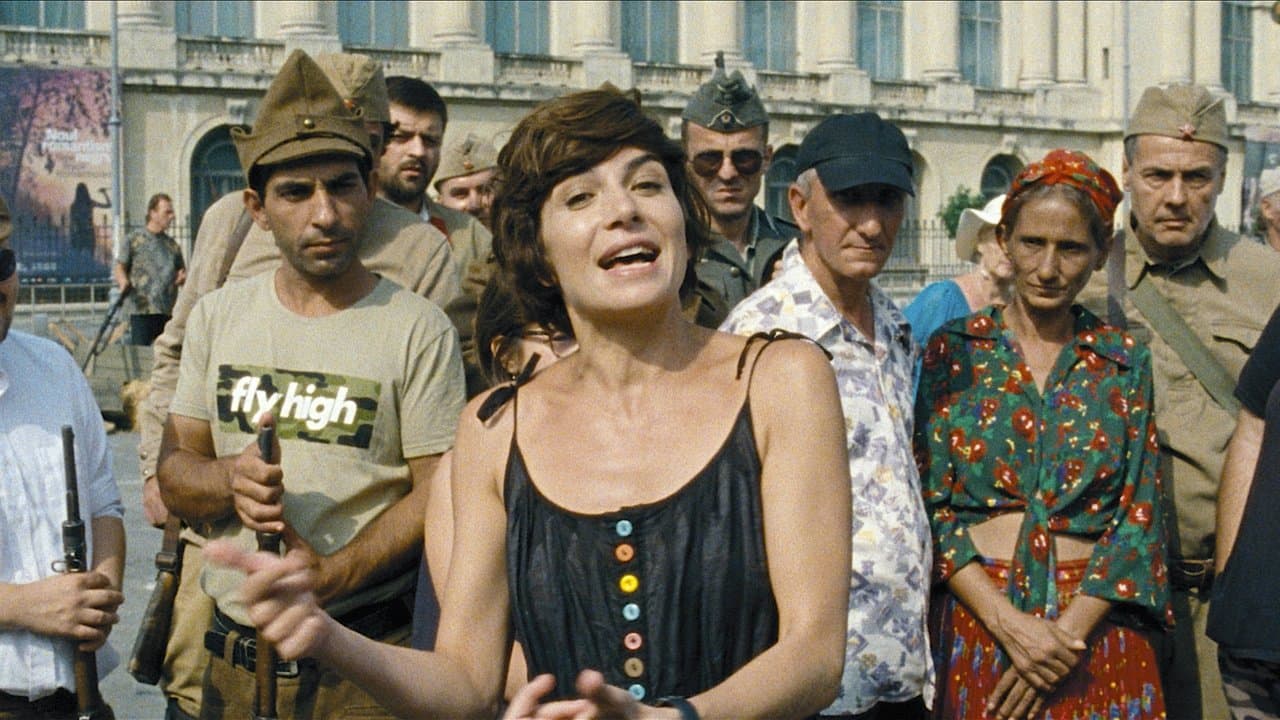
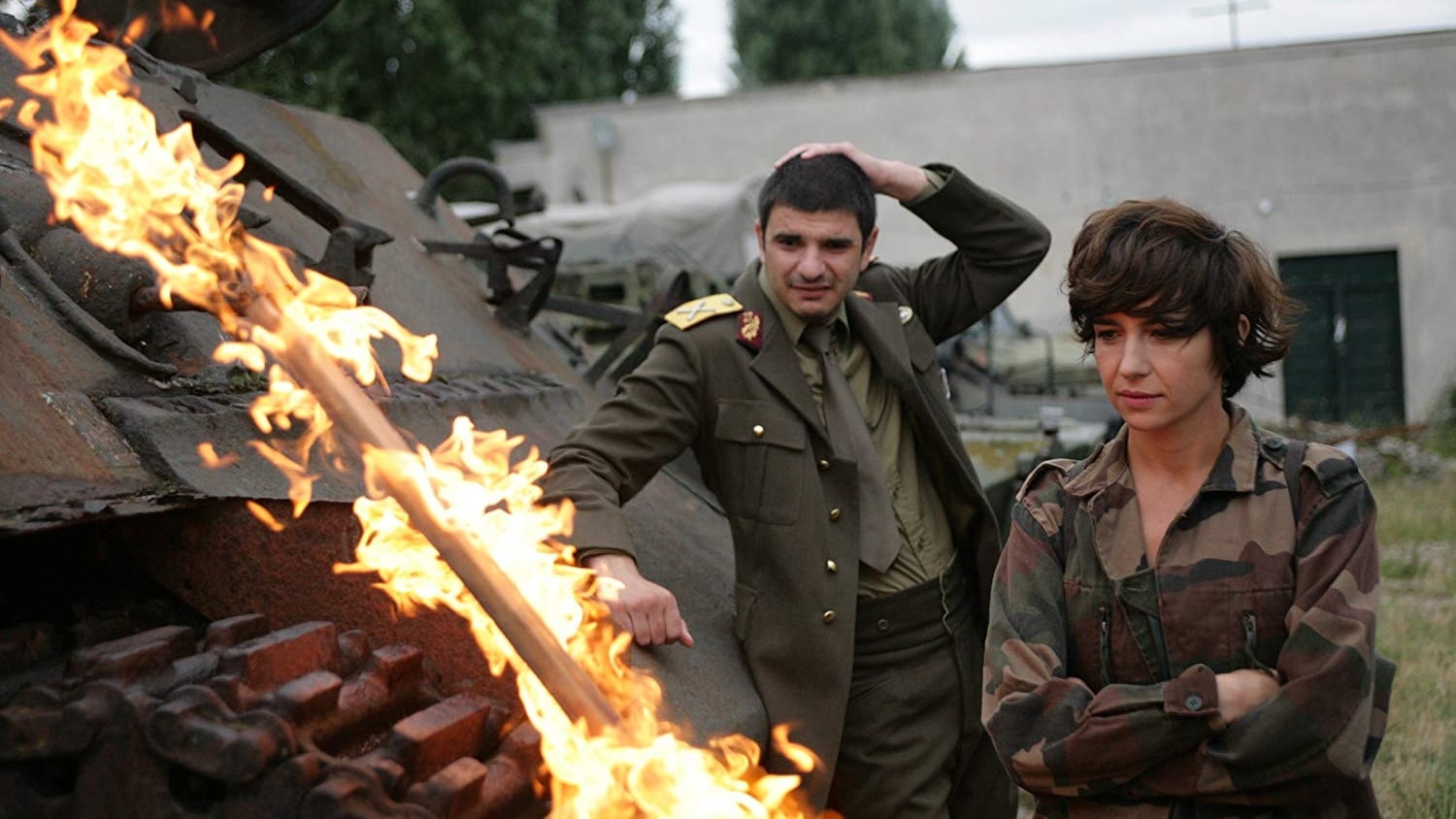
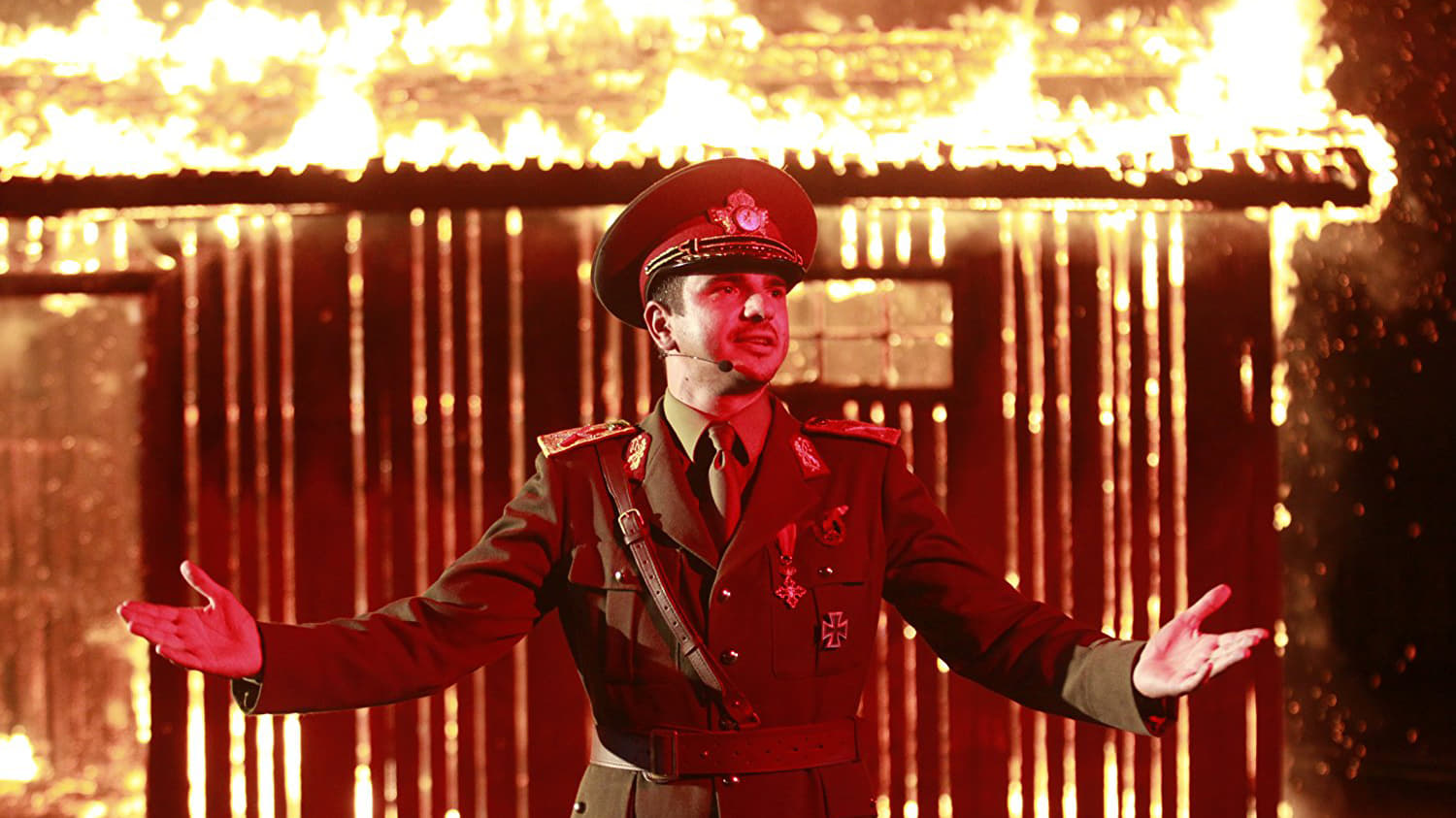
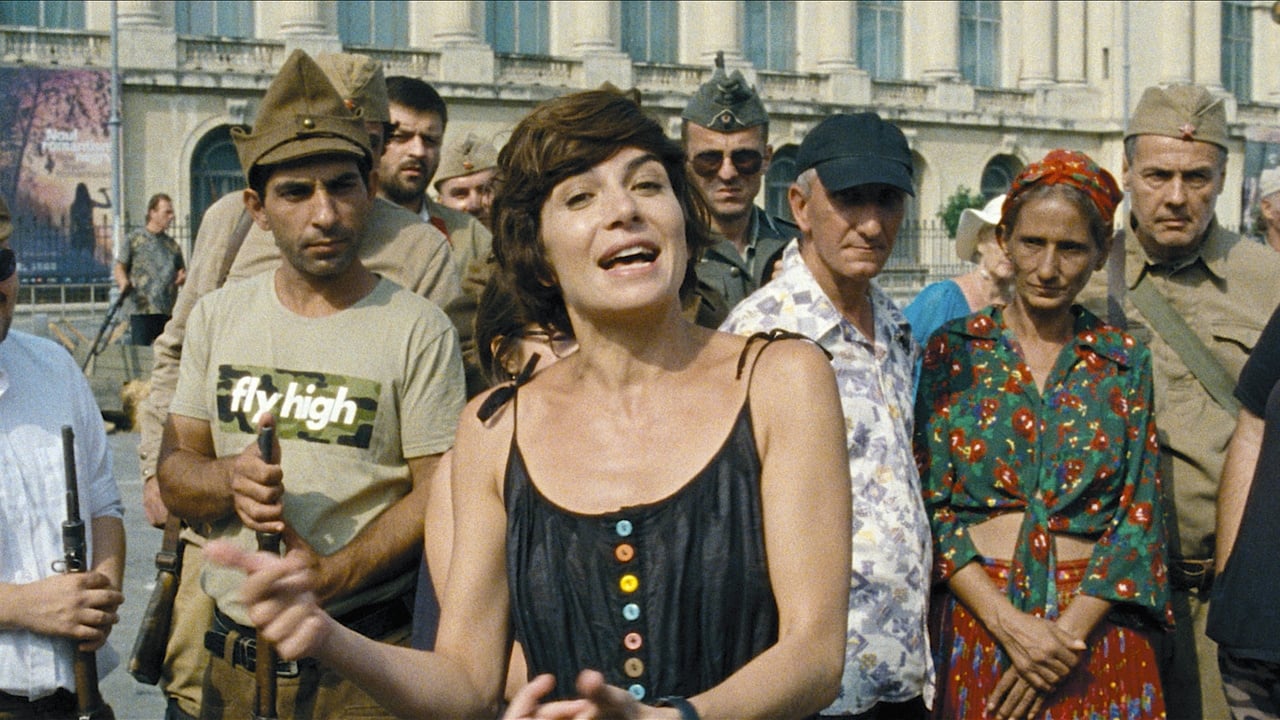
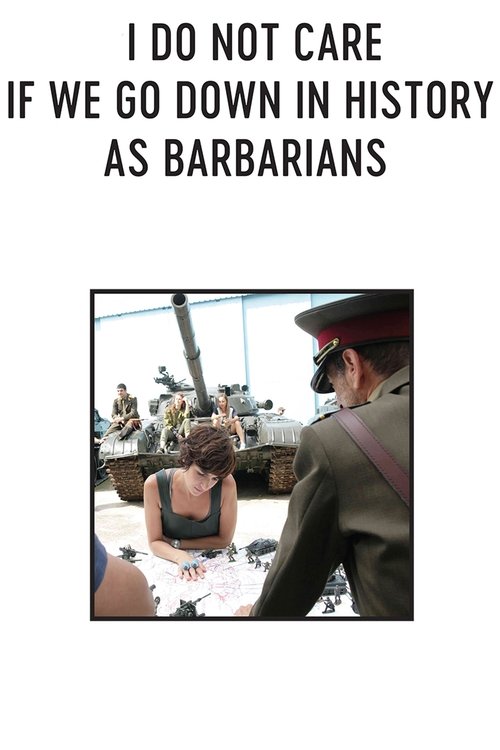
In 1941, tens of thousands of Bessarabian and Eastern European Jews were slaughtered by the Romanian army as retaliation for an attack on Romanian headquarters. In the popular history of the Holocaust, the role of European countries like Romania tend to get ignored even by their own citizens in favor of nationalist narratives of heroism and justice. Romania is not the only country to memory hole their atrocities but Radu Jude focuses on the Odessa massacre as a focal point to interrogate both this tendency from governments and popular culture to sweep away historical sins and the role of art to expose these contradictions. Much of the film is composed of debates between our protagonist, a theatre director hired to stage a re-enactment of the massacre in Bucharest, and a slate of officials and participants who bristle at the implication that their army was responsible for this ethnic cleansing. Historians are lobbed back and forth as references, some question why certain massacres are remembered while others aren't, and some seem willing to excuse the massacre as just or necessary in war. Even our protagonist who is determined to confront the audience with their lack of empathy is prone to this herself even if she can't detect it (in one scene, she joins cast members in discussing the attractiveness of Romanian soldiers in historic footage and in another she playfully rejects and approves the sounds of screams and gunfire for background sound effects). Jude takes great joy in tying more and more complex knots about historical re-enactment, the relationship between spectacle and reality, the ugly desire for historical revisionism to save us from the need to reflect and confront these events in our history. It all culminates in the event itself which is itself a thorny expose of its audience as they cheer for Nazis and at one point willingly return a fleeing Jew to his captors. What's most remarkable about this film though is that for all its intellectual rigor and philosophical exercising, it's never a film that feels like it's bogged down by a dry, impenetrable script. Even in an extended twenty-minute dialogue between the director and the government official funding her project Jude injects enough wit and intrigue that it feels less like a lecture than it could have. There's so many other facets I haven't even touched on that felt like their own worlds to analyze, such is the richness of this text and the still relevant forces it satirizes. Worth a watch even if you're not familiar with its references to Romanian historical minutiae (I certainly am not).