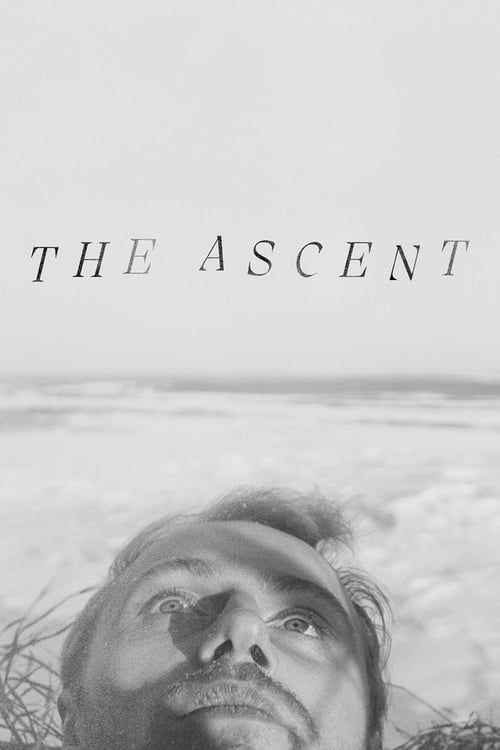
The ascent is so painful that we don’t even know whether it is really a descent. One thing is certain, though: by the time the film ends, your whole body may ache. Films from the former USSR about their wartime past often paint such agonizing portraits that, even when warned beforehand, it is impossible to imagine something this harsh.
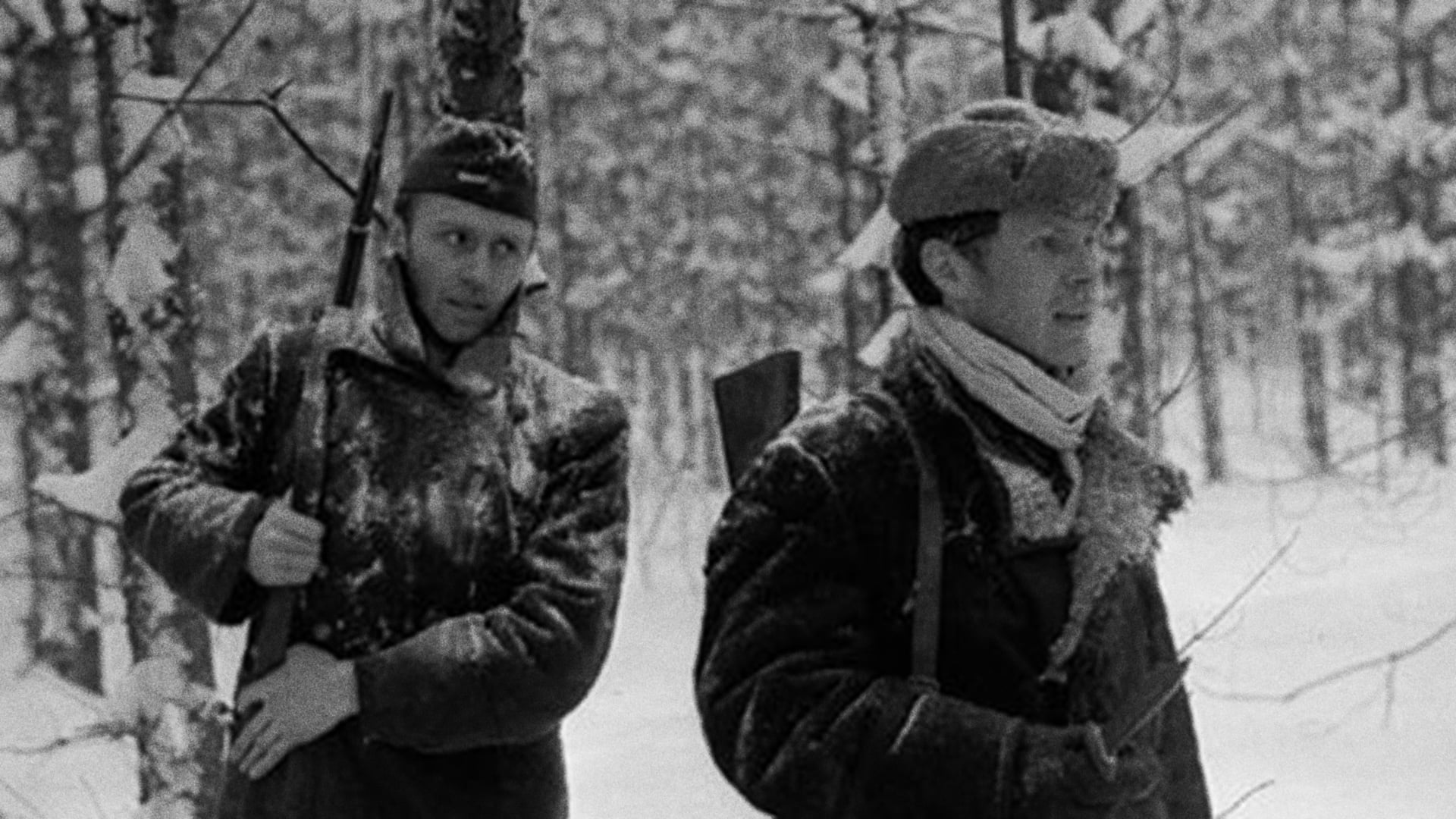
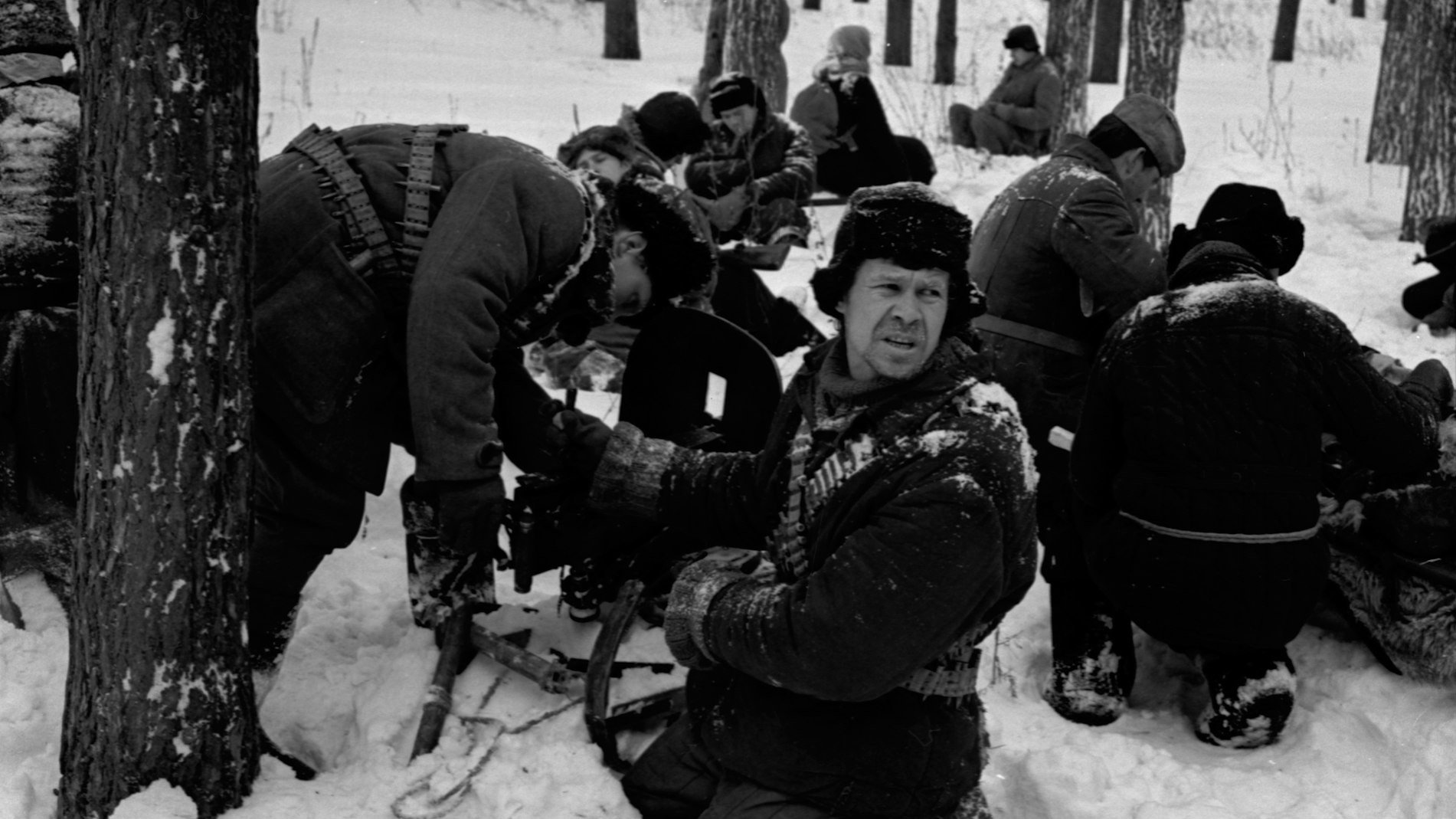
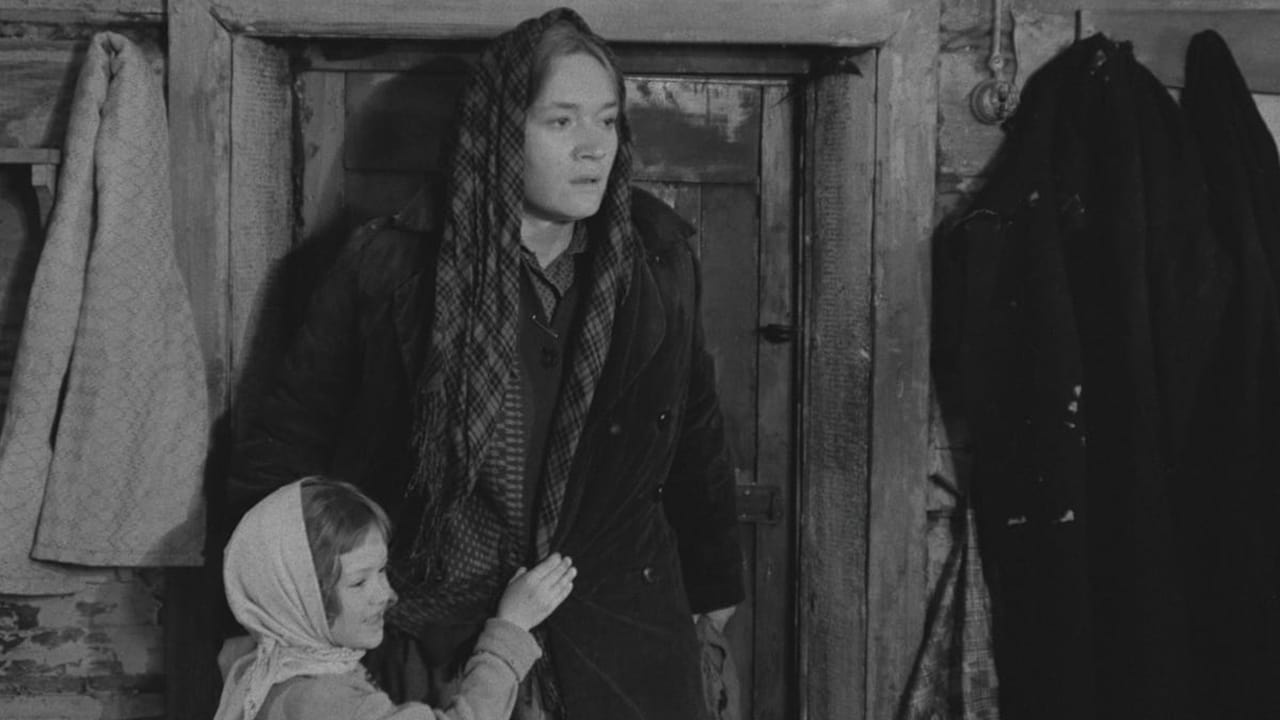
The sickle and hammer were the same when they were invaded by the nazis as they were later, much later, in peacetime. We all know the story: surviving on a knife’s edge in Stalingrad, rebuilding, and launching a counterattack with wave after wave of cannon fodder. What we often fail to appreciate enough is the role of the partisans, the loyal Soviet citizens who suddenly found themselves surrounded by the enemy. The life of the invaded is a melodrama: being crushed again on your own already-devastated land, watching life turned into a nightmare. The sickle and hammer lived through the war at home, i’lll say it plainly, not like the americans did.
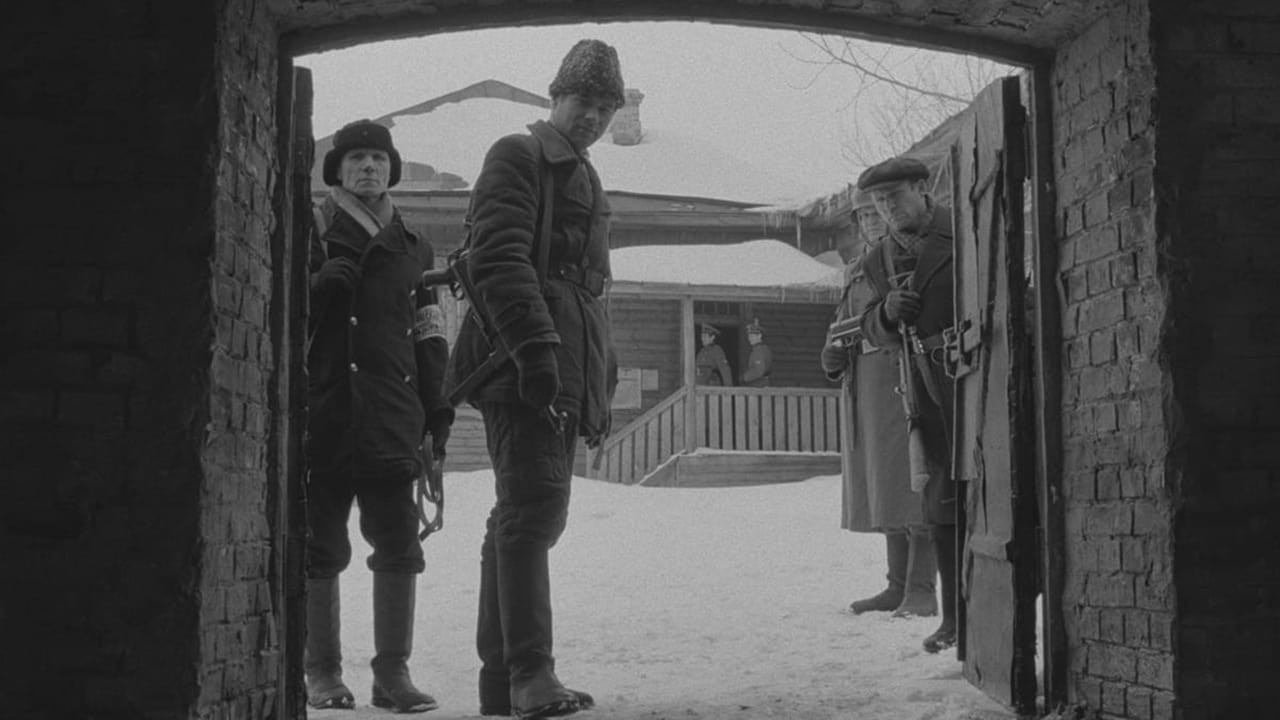
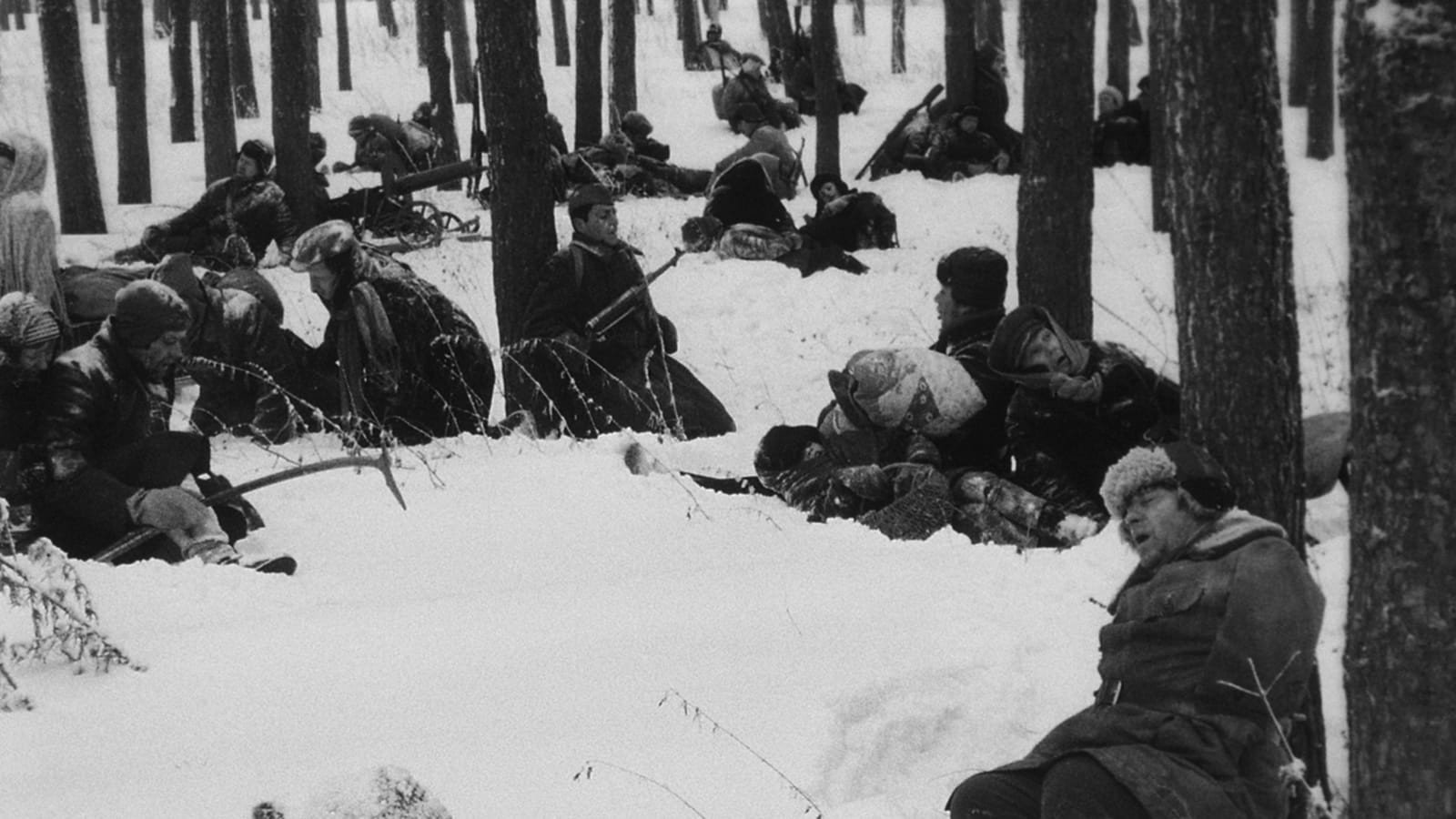
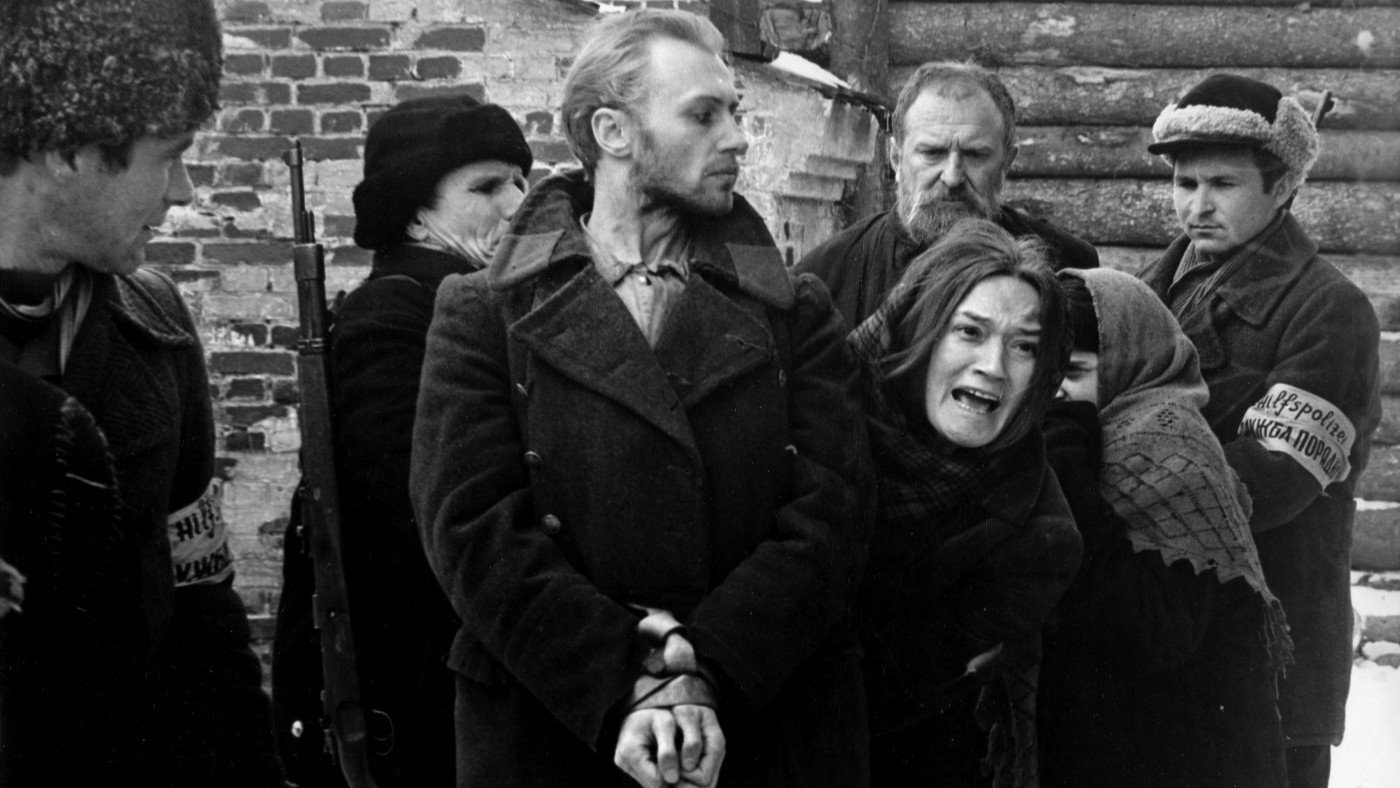
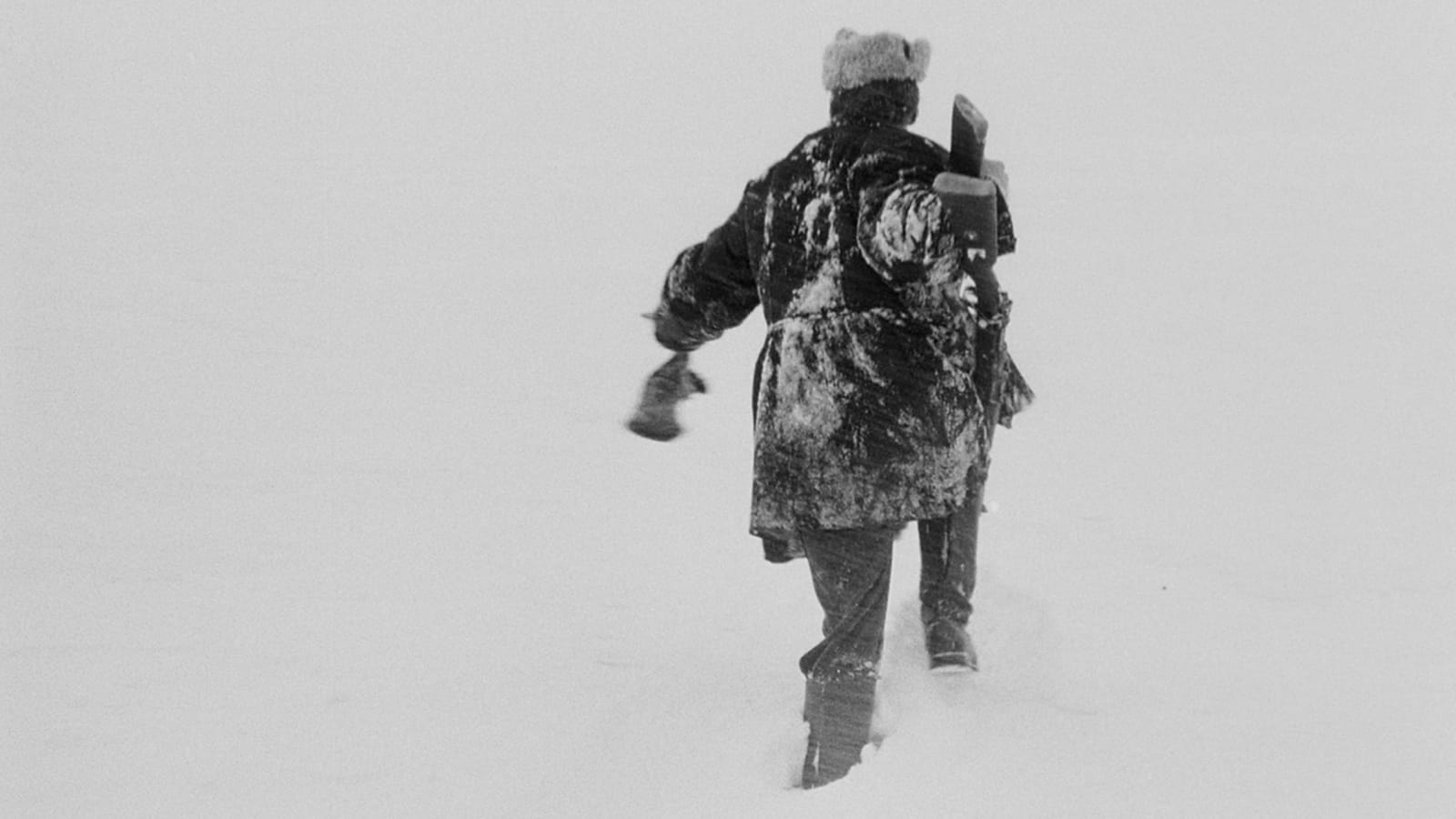
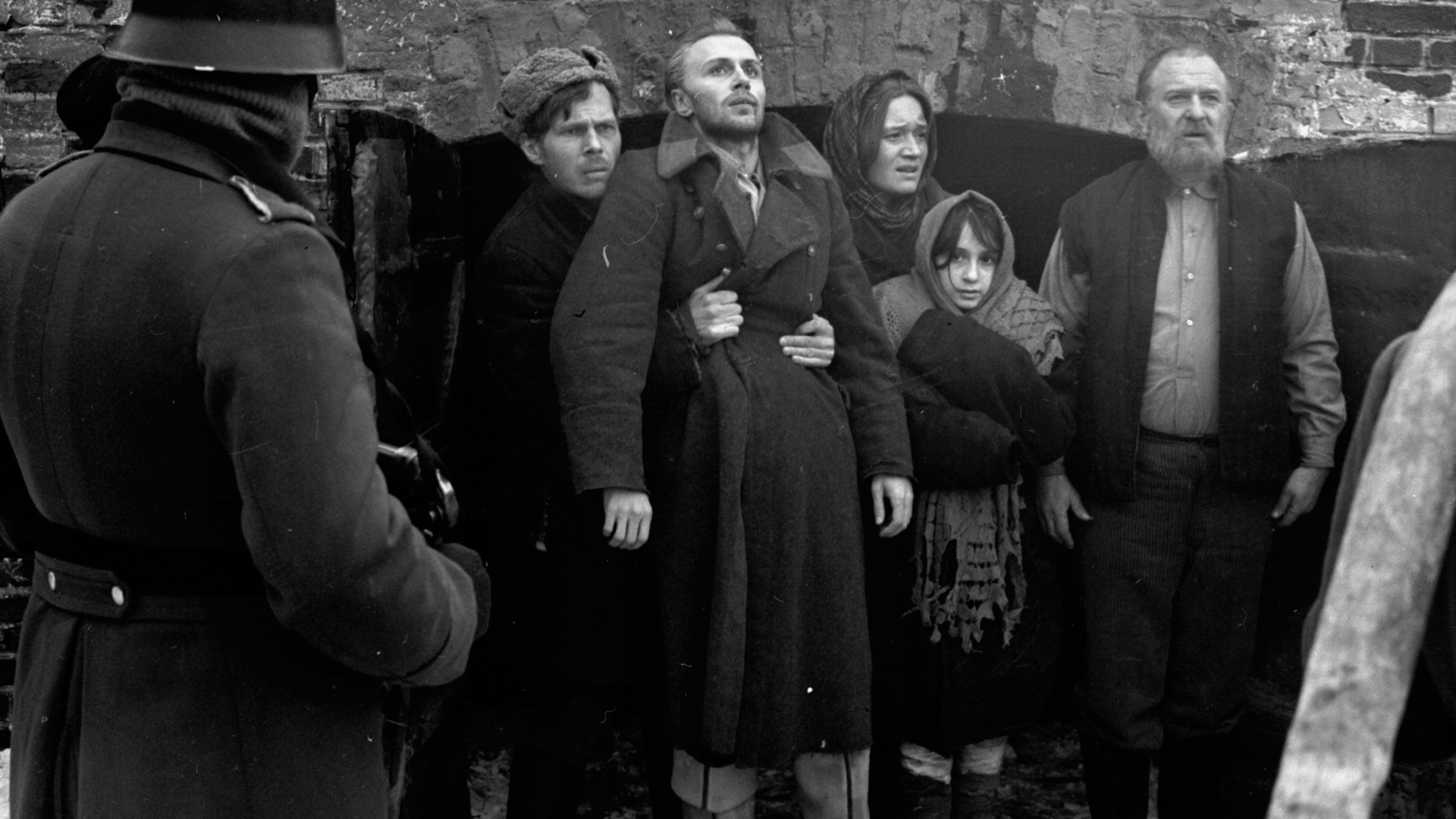
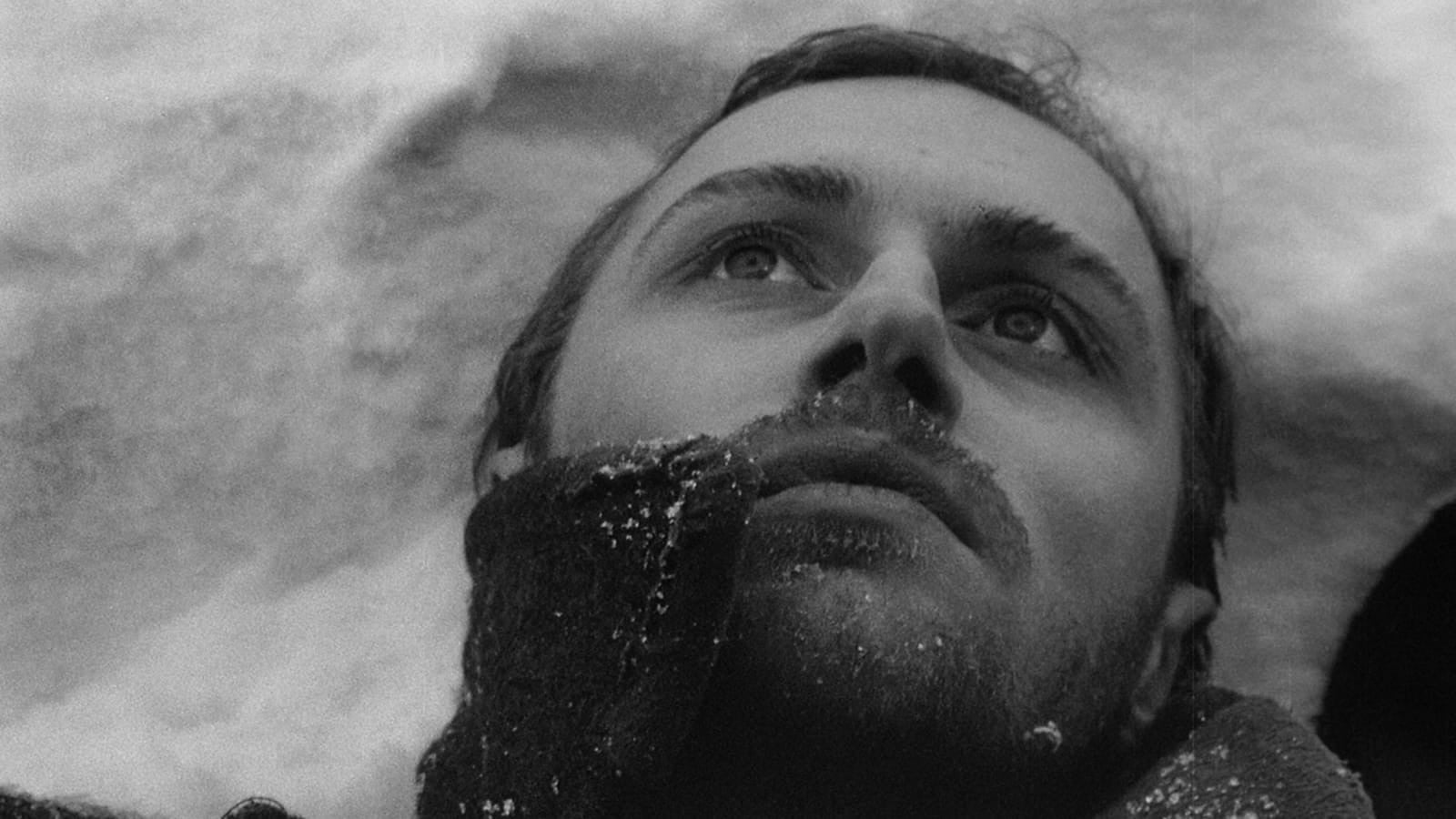
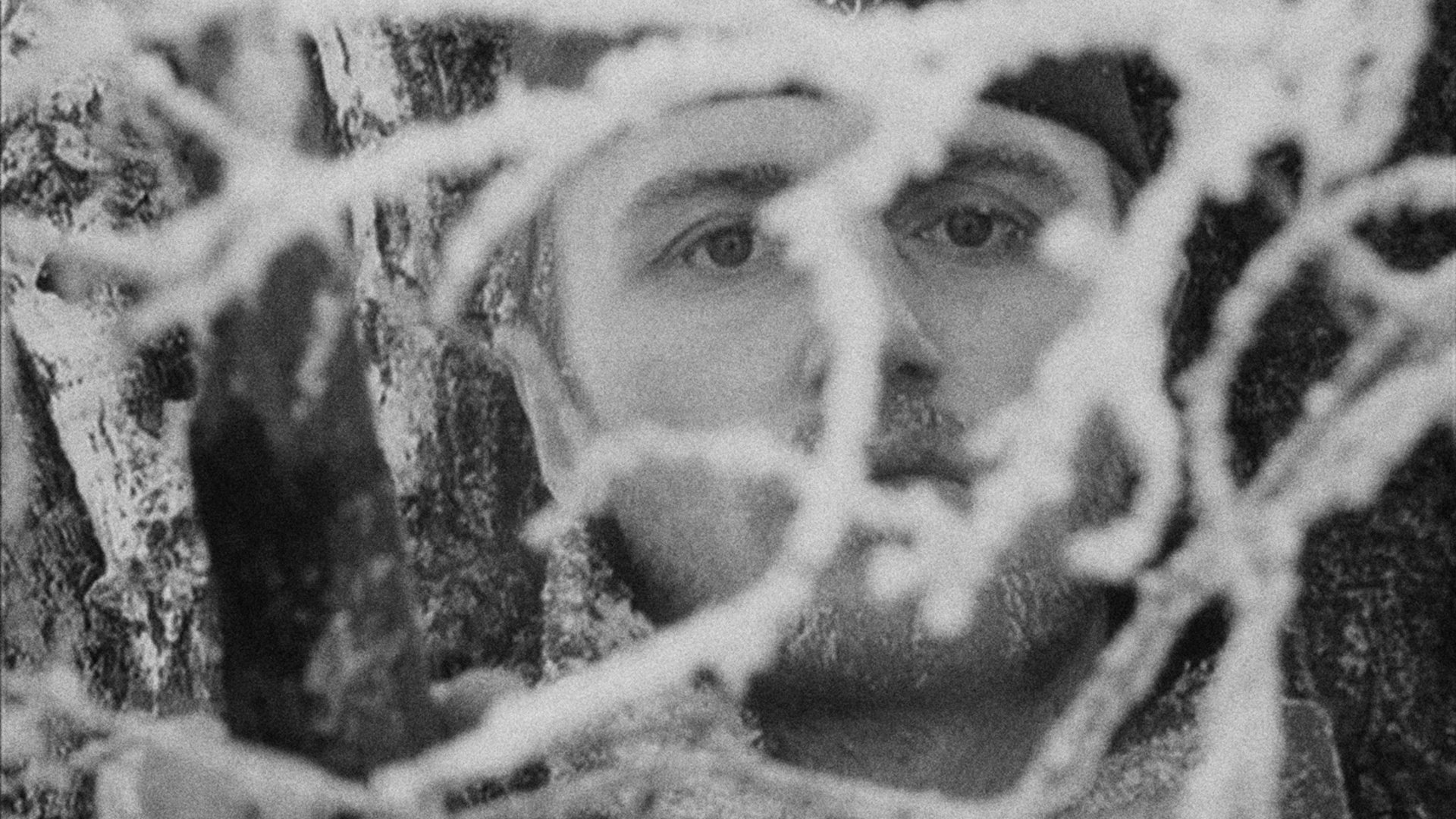
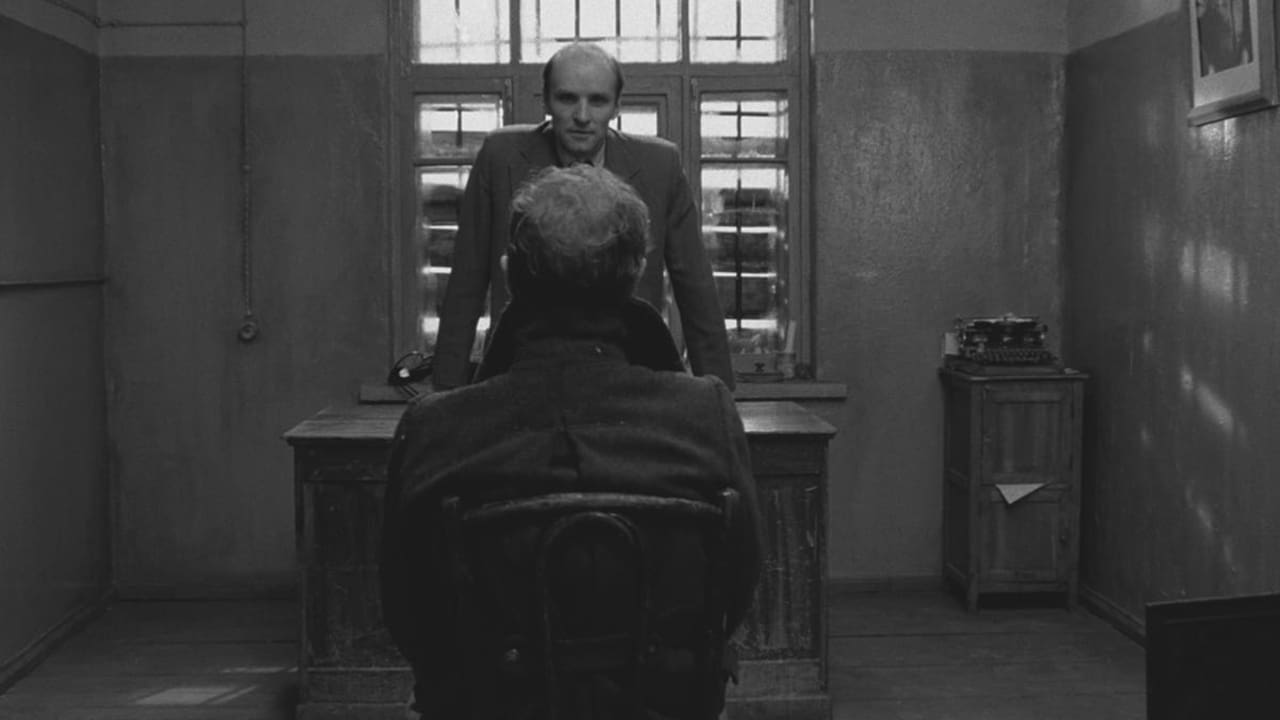
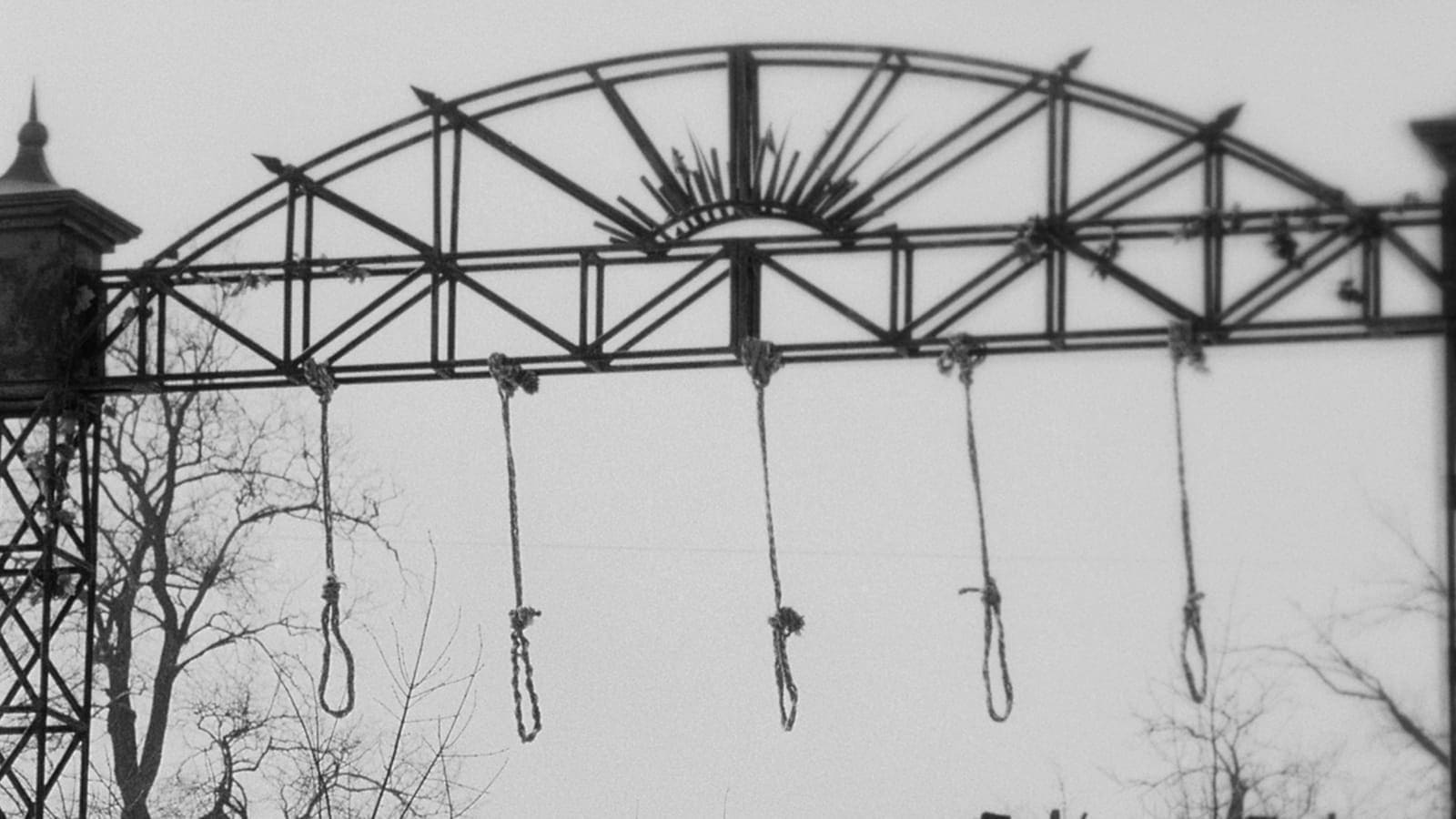
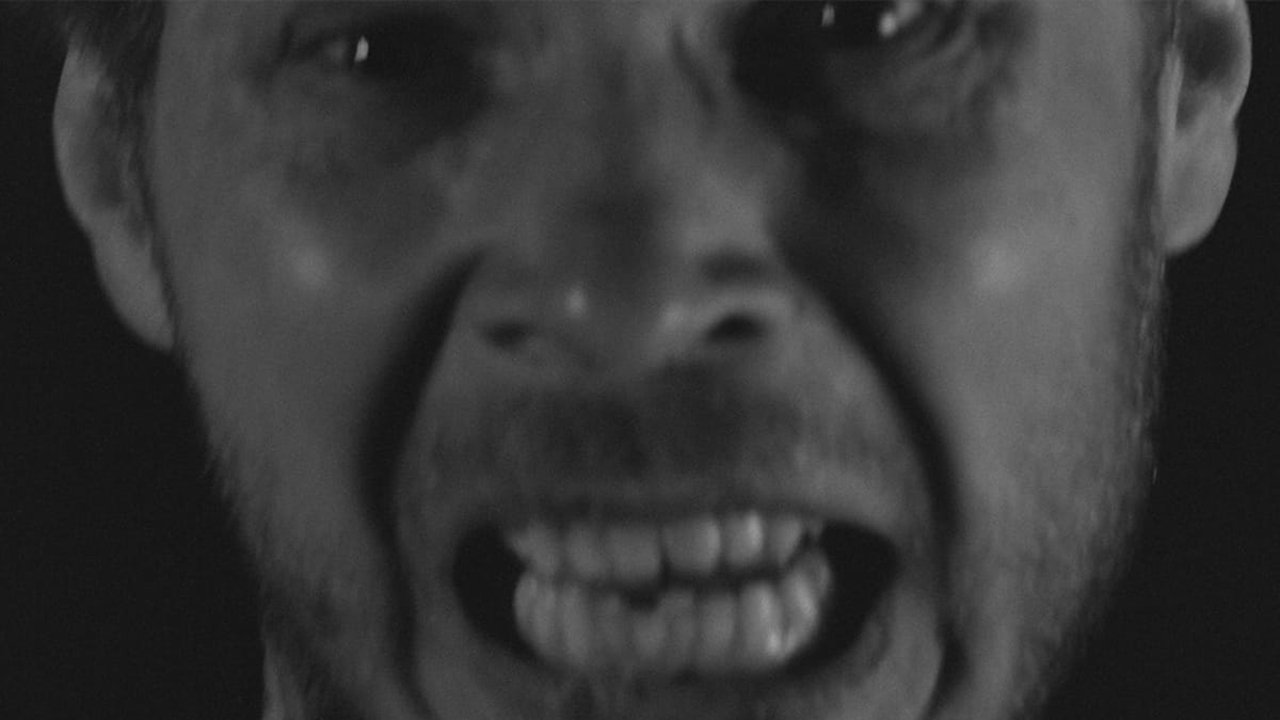
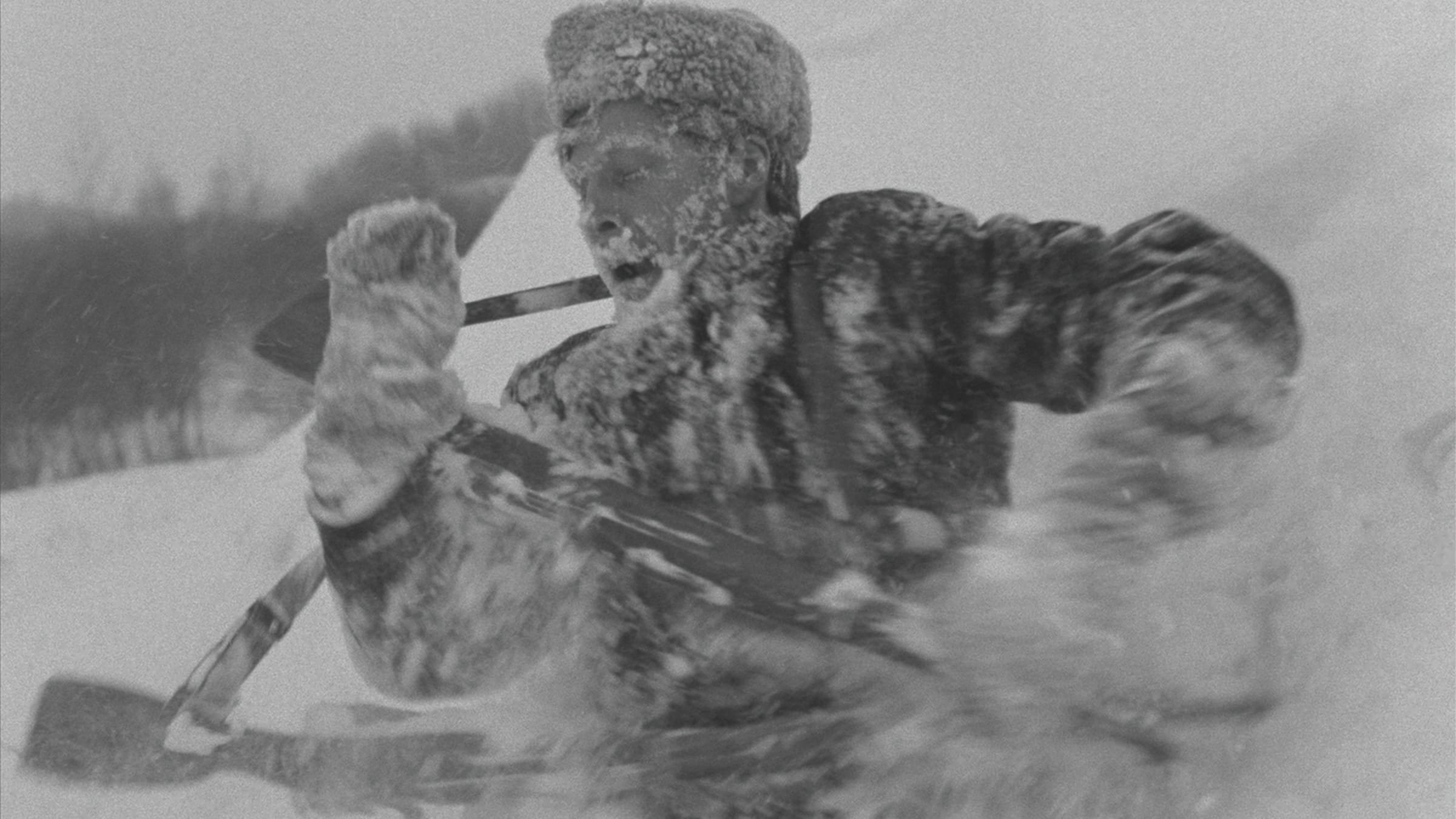
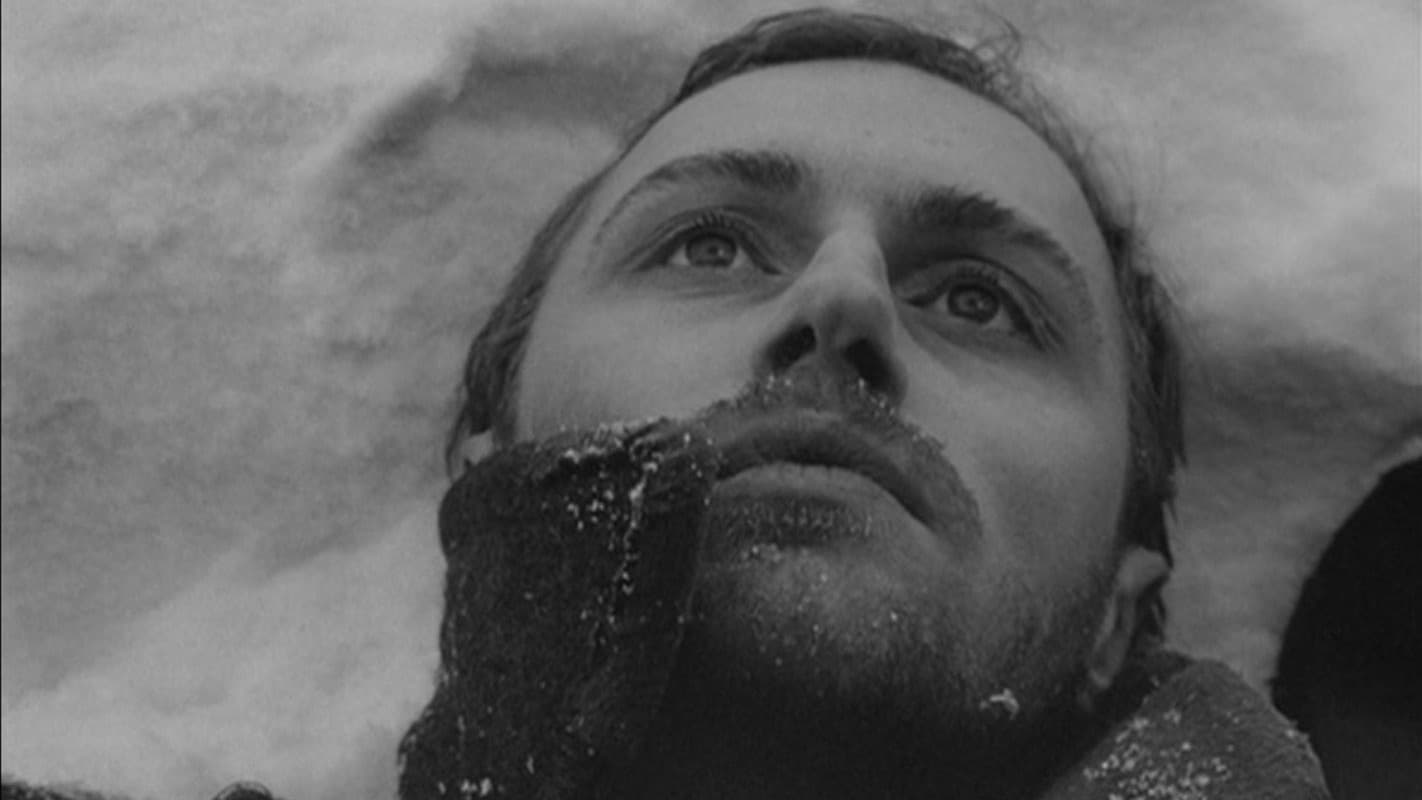
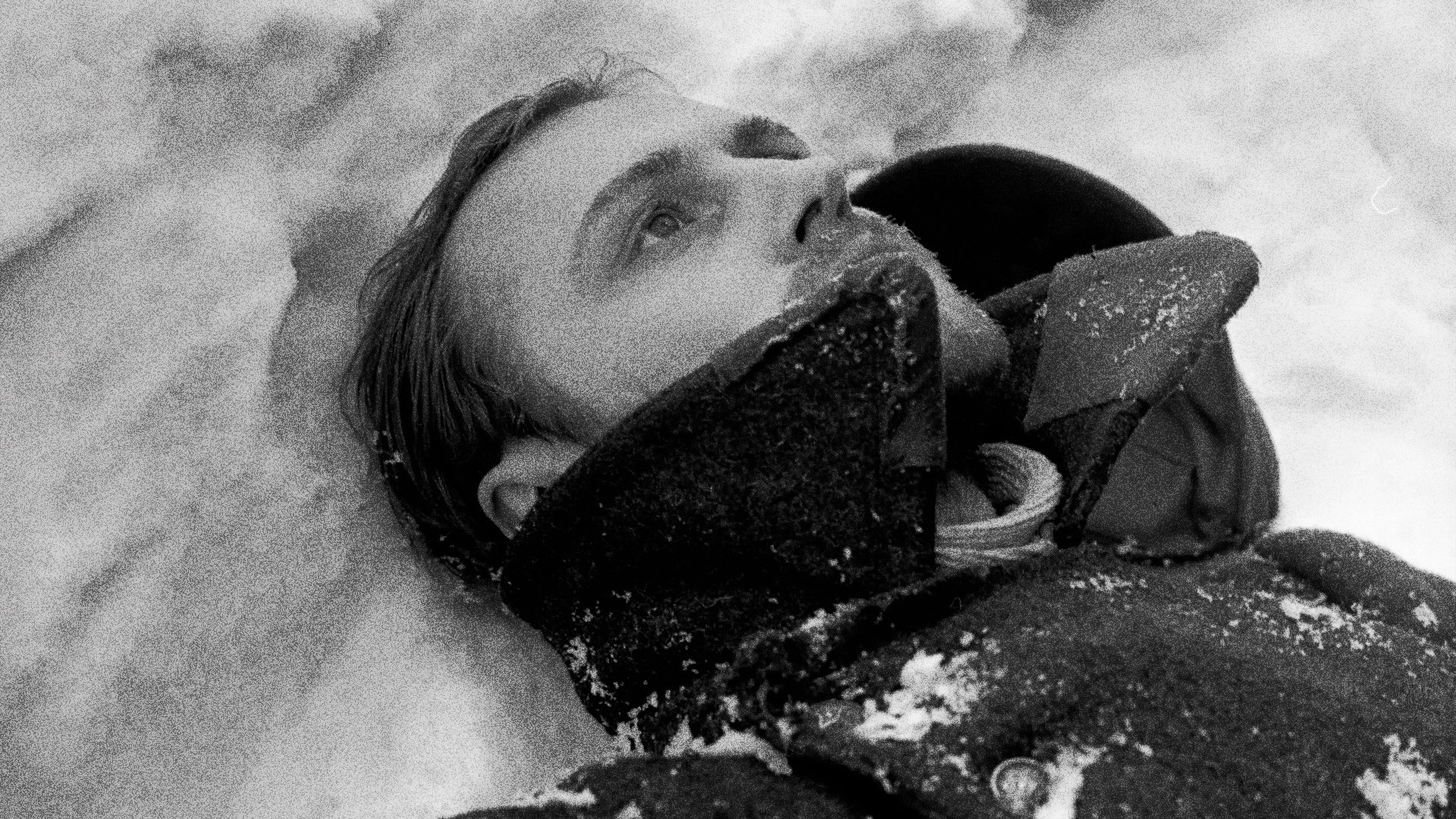
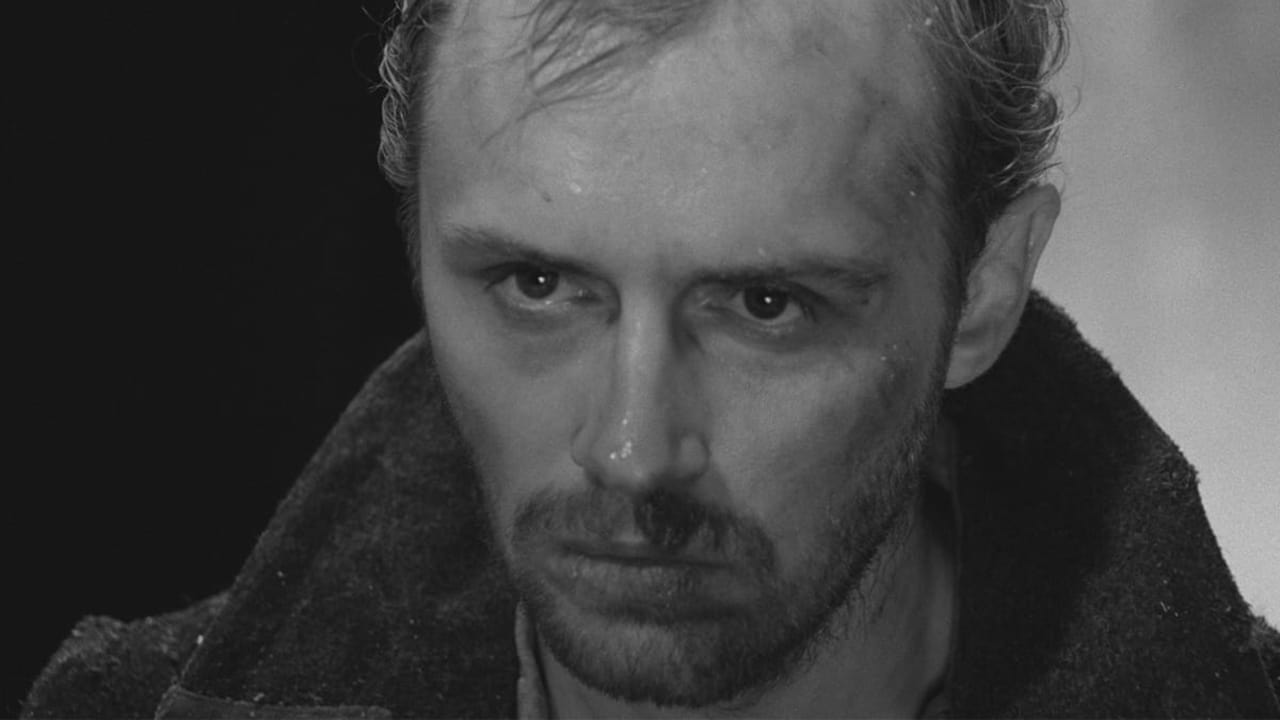
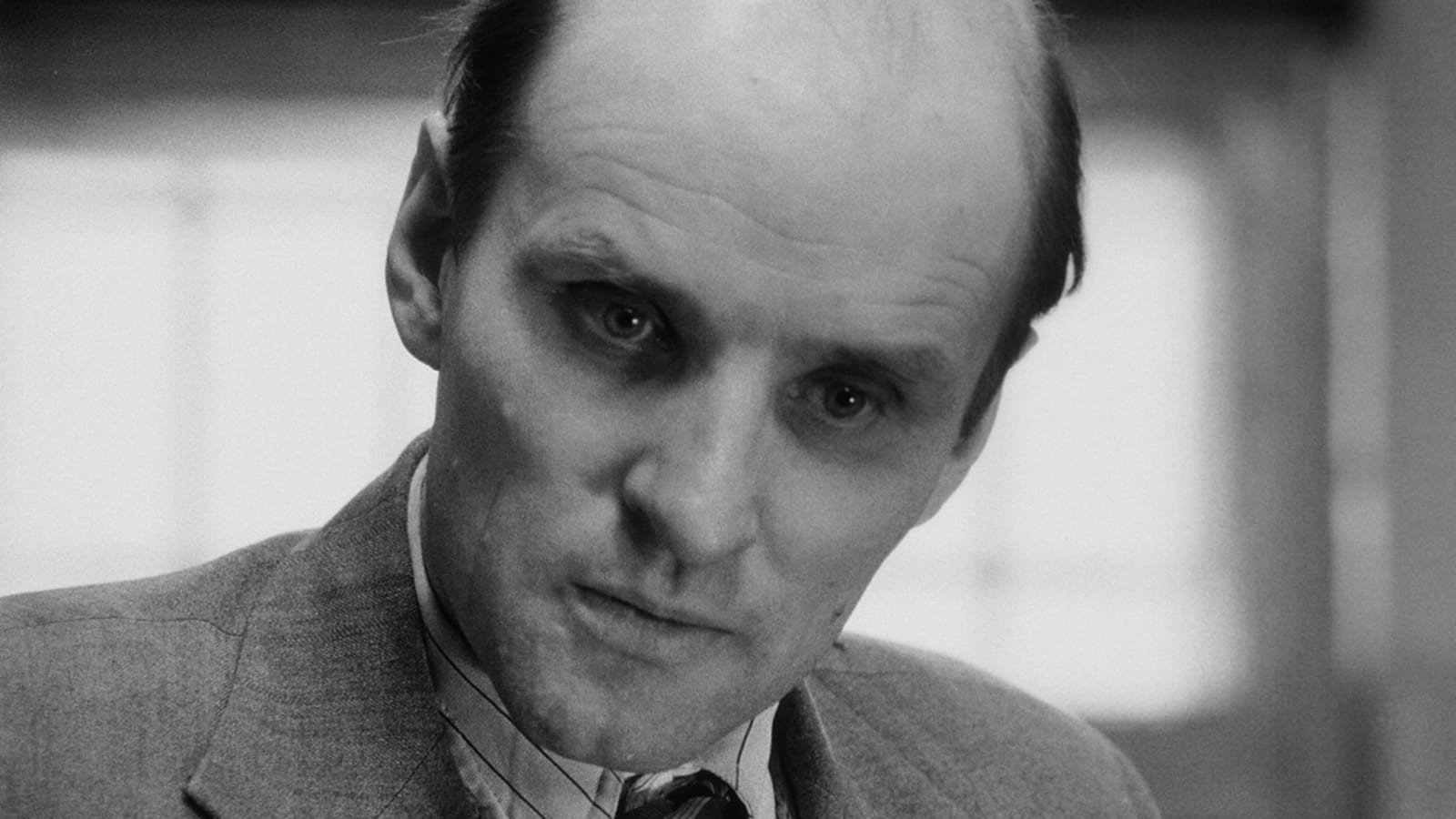
“The Ascent” is about that. It is about tears in the snow, not on a sunny beach in summer. It is about collaborators, and patriots too, I suppose. It is about feeling filthy for wanting to stay alive, and about inner ruin. Fortunately, we cannot truly imagine what that is like, we comfortable westerners in today’s prosperous Europe: having everything taken from you, stripped away, having your open wounds squeezed until they bleed again. This is not merely a hard film… it goes far beyond that.
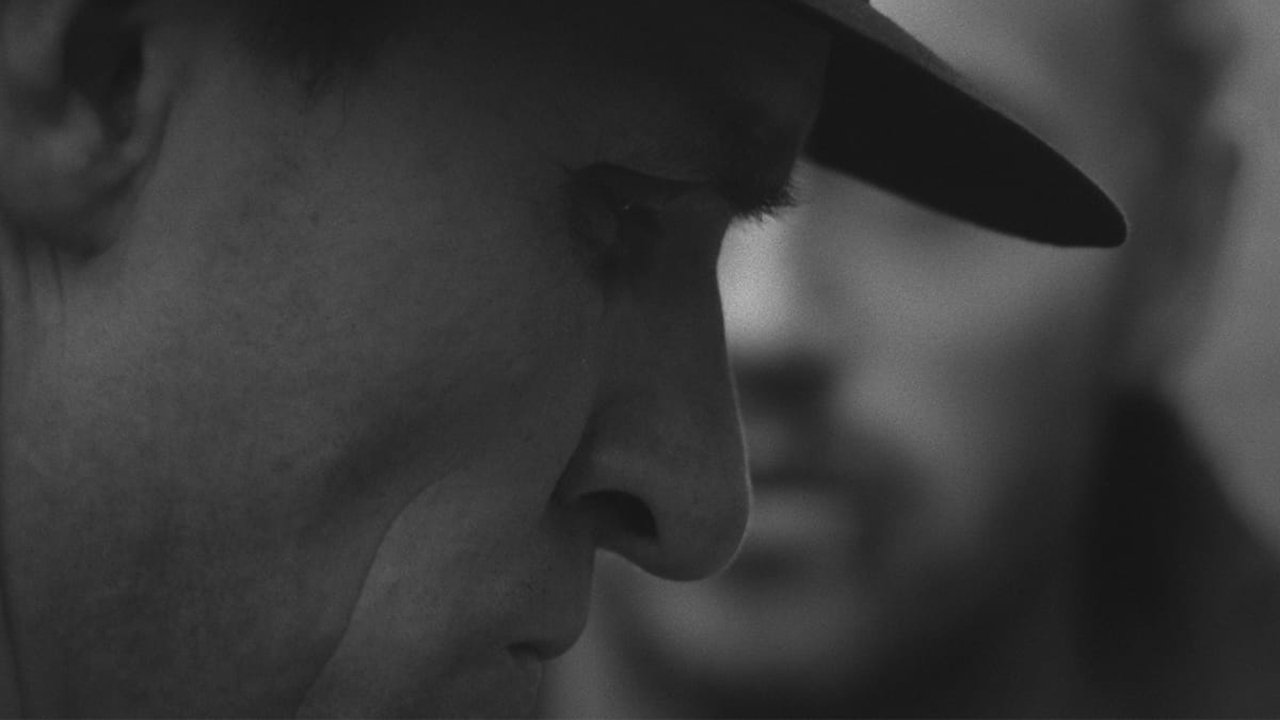
What drew me in most was the inner devastation, even if the film perhaps lingers on it a little too long, because the things that truly hurt tend to hurt for a very long time.
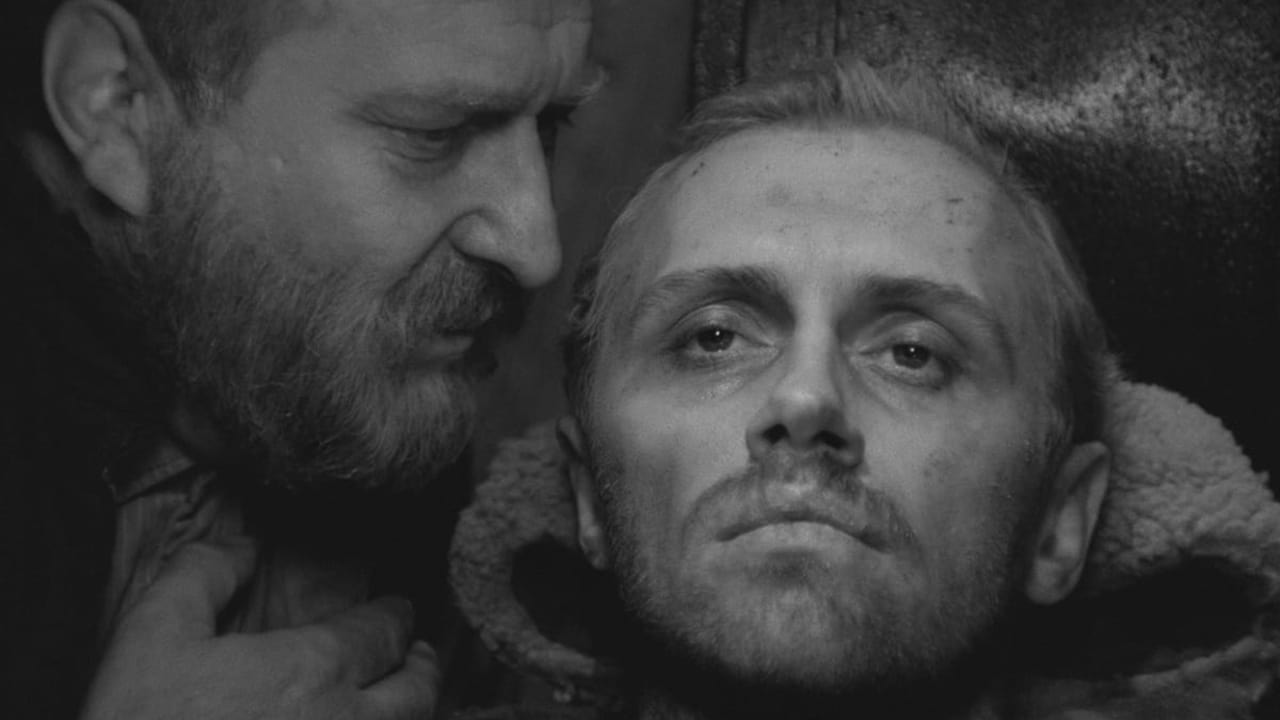
I have no complaints about the first part, in which the two protagonists experience the existence of partisans trapped behind enemy lines. Nor do I have any complaints about the second part, in which we no longer know who is ascending and who is descending because, in the end, that is all war leaves us with: everyone dies.
The ascent is so painful that we don’t even know whether it is really a descent. One thing is certain, though: by the time the film ends, your whole body may ache. Films from the former USSR about their wartime past often paint such agonizing portraits that, even when warned beforehand, it is impossible to imagine something this harsh.
The sickle and hammer were the same when they were invaded by the nazis as they were later, much later, in peacetime. We all know the story: surviving on a knife’s edge in Stalingrad, rebuilding, and launching a counterattack with wave after wave of cannon fodder. What we often fail to appreciate enough is the role of the partisans, the loyal Soviet citizens who suddenly found themselves surrounded by the enemy. The life of the invaded is a melodrama: being crushed again on your own already-devastated land, watching life turned into a nightmare. The sickle and hammer lived through the war at home, i’lll say it plainly, not like the americans did.
“The Ascent” is about that. It is about tears in the snow, not on a sunny beach in summer. It is about collaborators, and patriots too, I suppose. It is about feeling filthy for wanting to stay alive, and about inner ruin. Fortunately, we cannot truly imagine what that is like, we comfortable westerners in today’s prosperous Europe: having everything taken from you, stripped away, having your open wounds squeezed until they bleed again. This is not merely a hard film… it goes far beyond that.
What drew me in most was the inner devastation, even if the film perhaps lingers on it a little too long, because the things that truly hurt tend to hurt for a very long time.
I have no complaints about the first part, in which the two protagonists experience the existence of partisans trapped behind enemy lines. Nor do I have any complaints about the second part, in which we no longer know who is ascending and who is descending because, in the end, that is all war leaves us with: everyone dies.