
1986·Horror·1h 30m
7.1
★
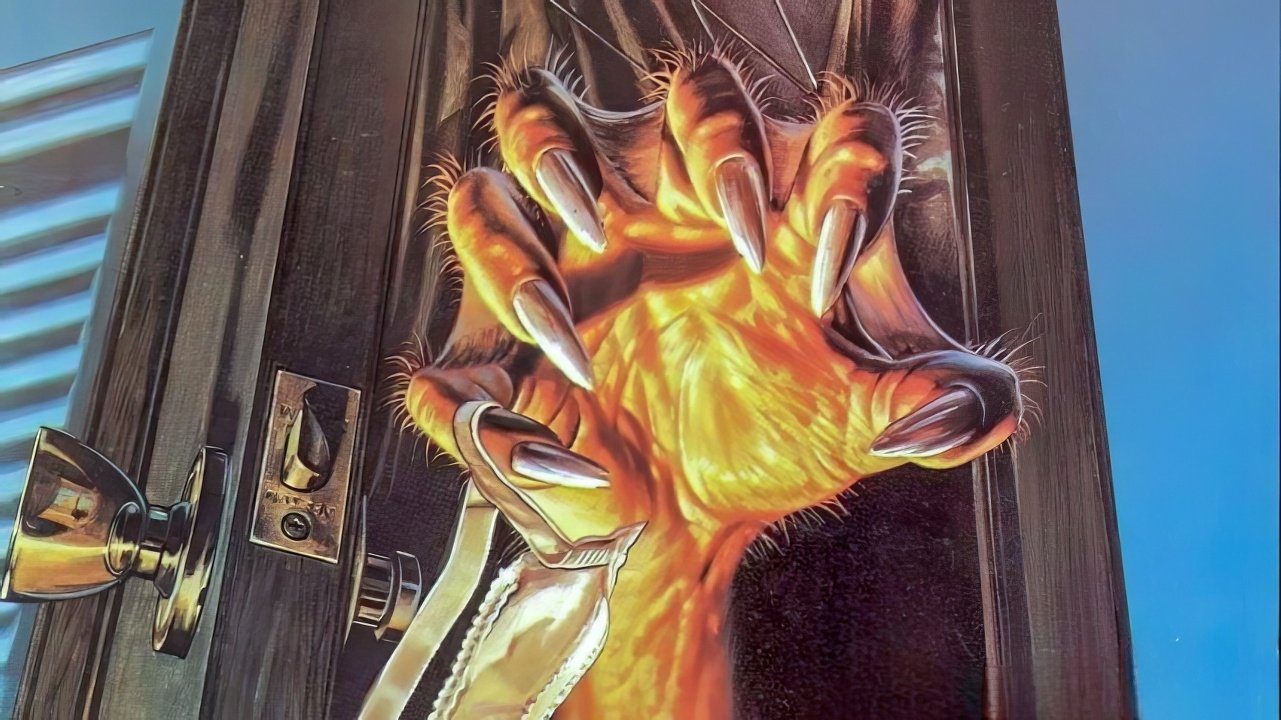
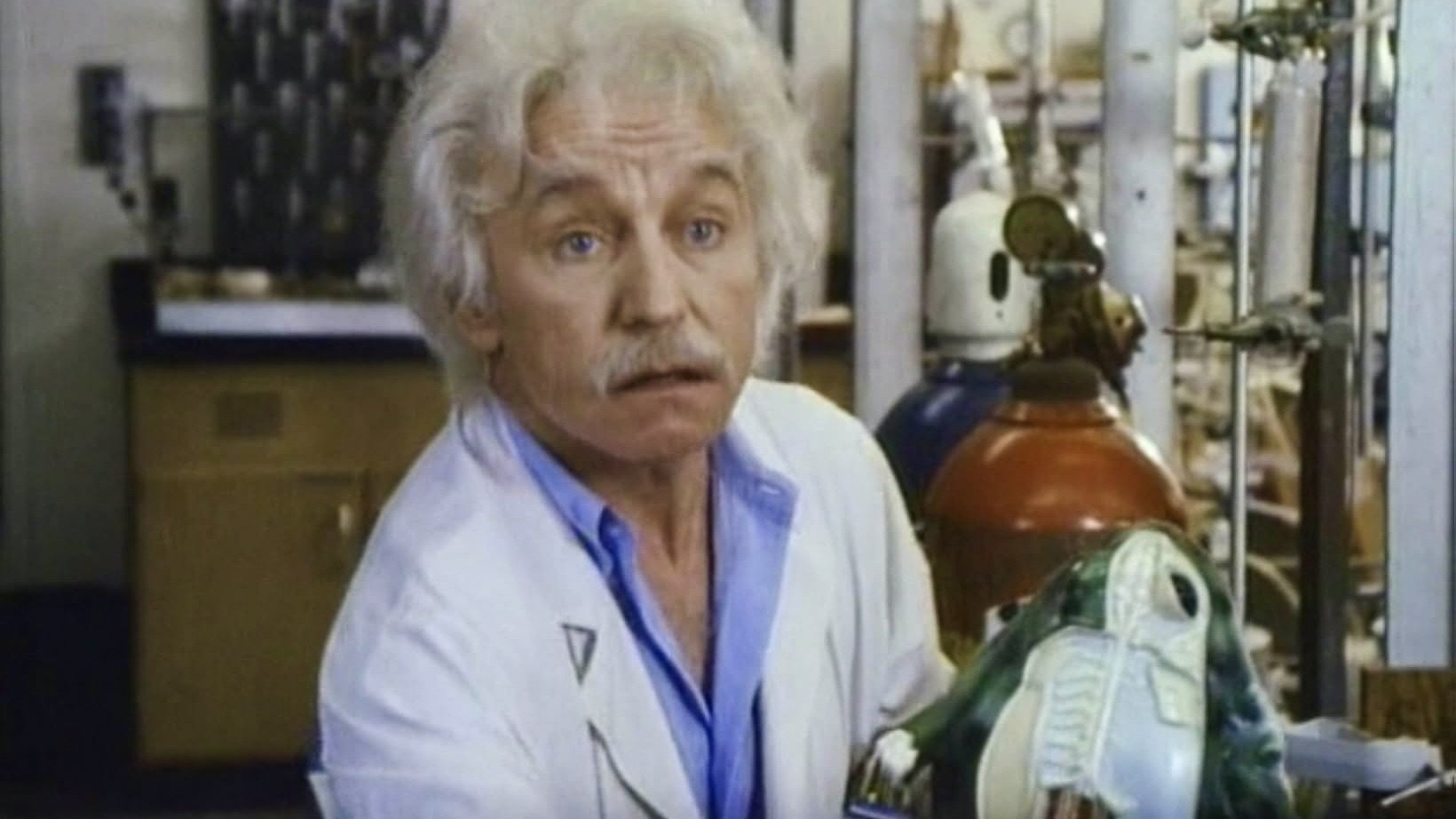
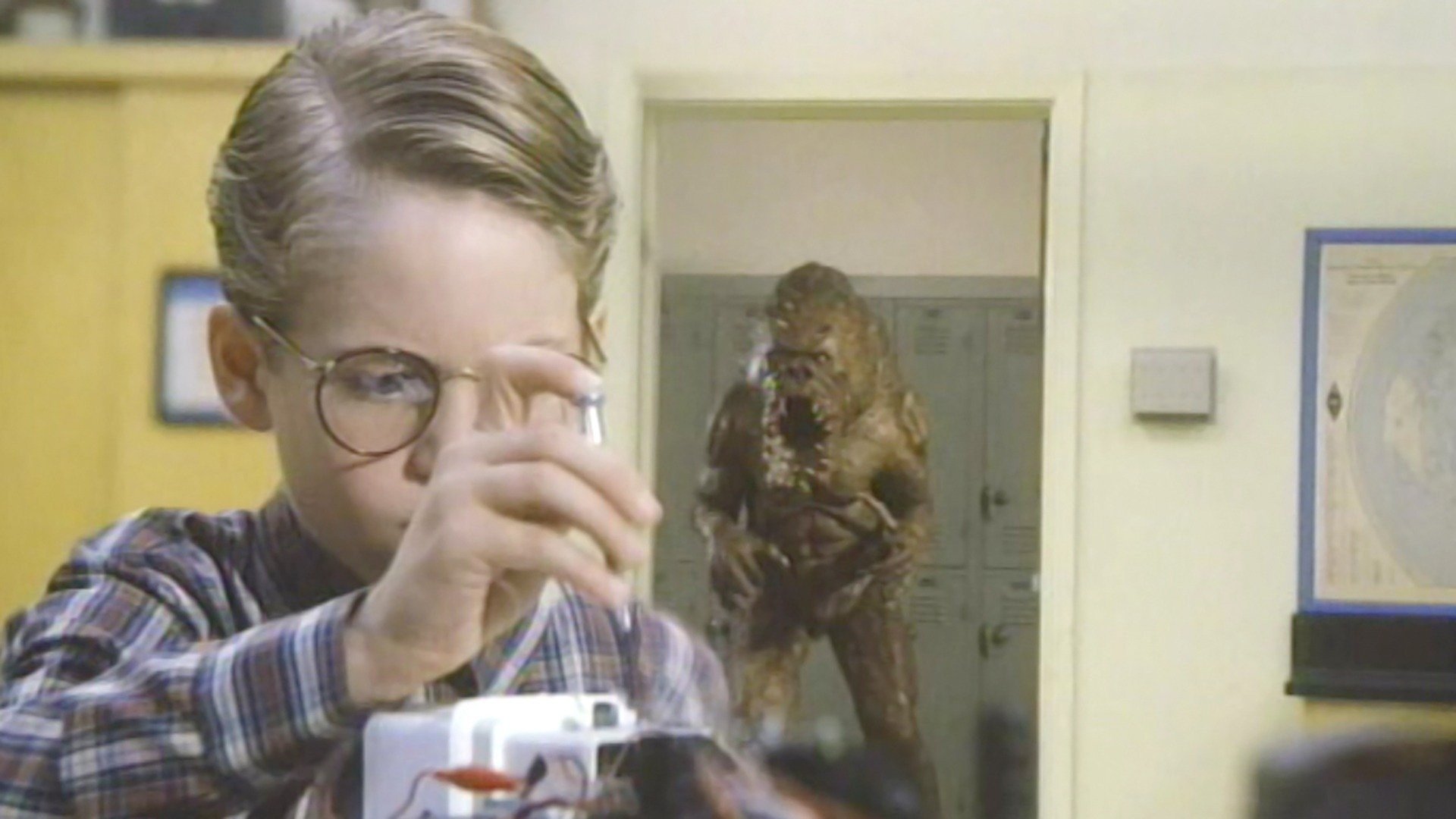

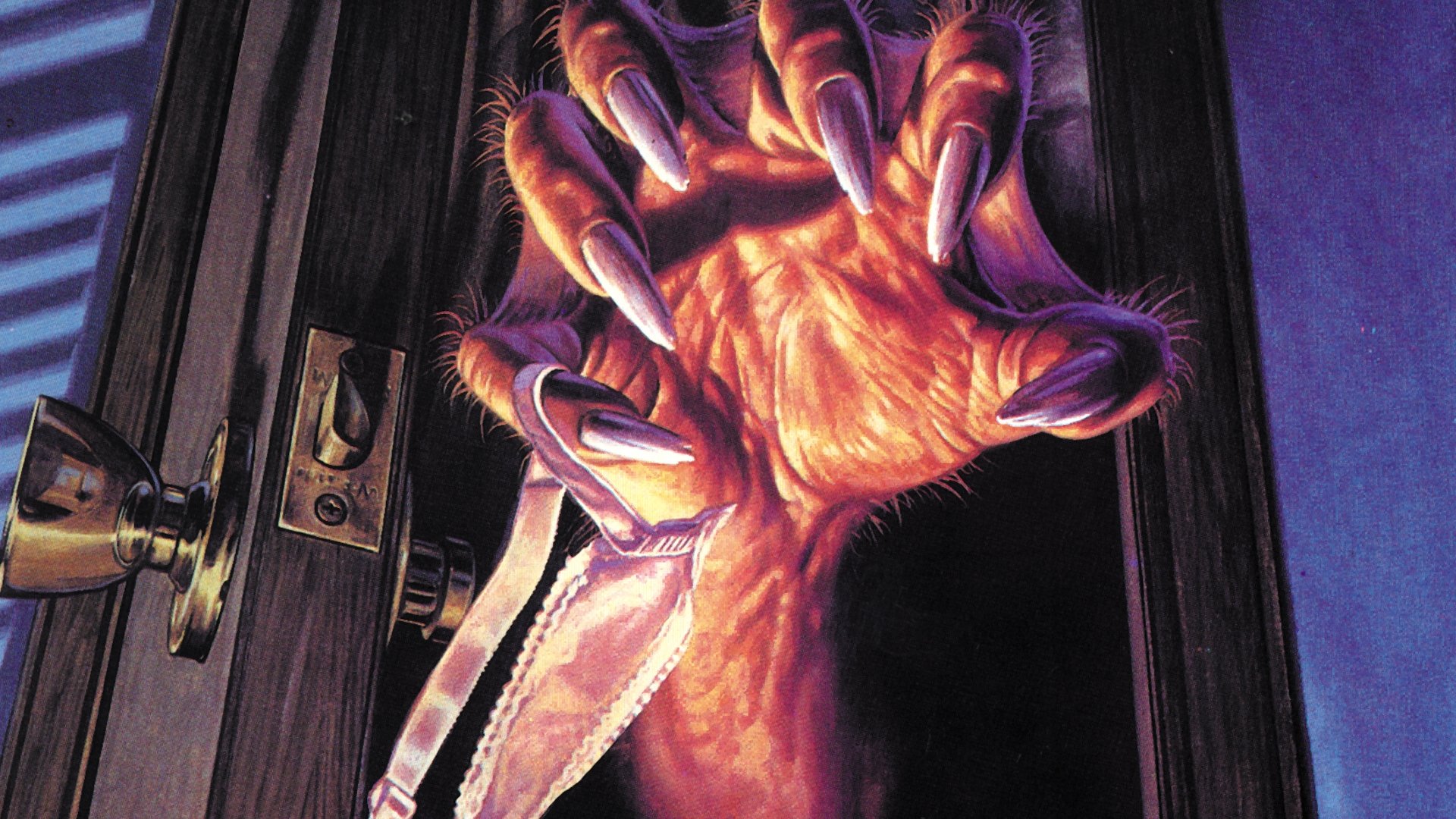
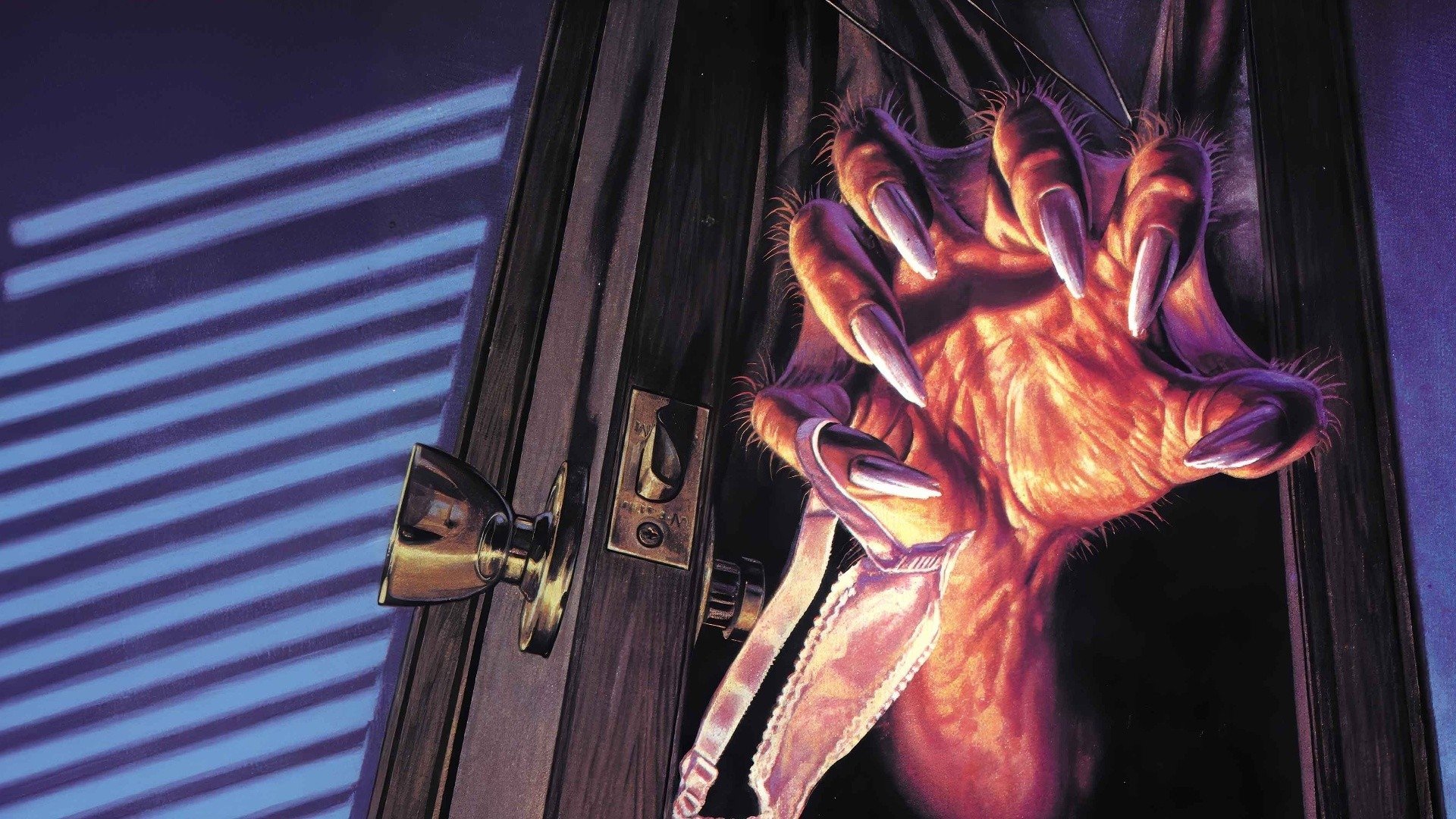
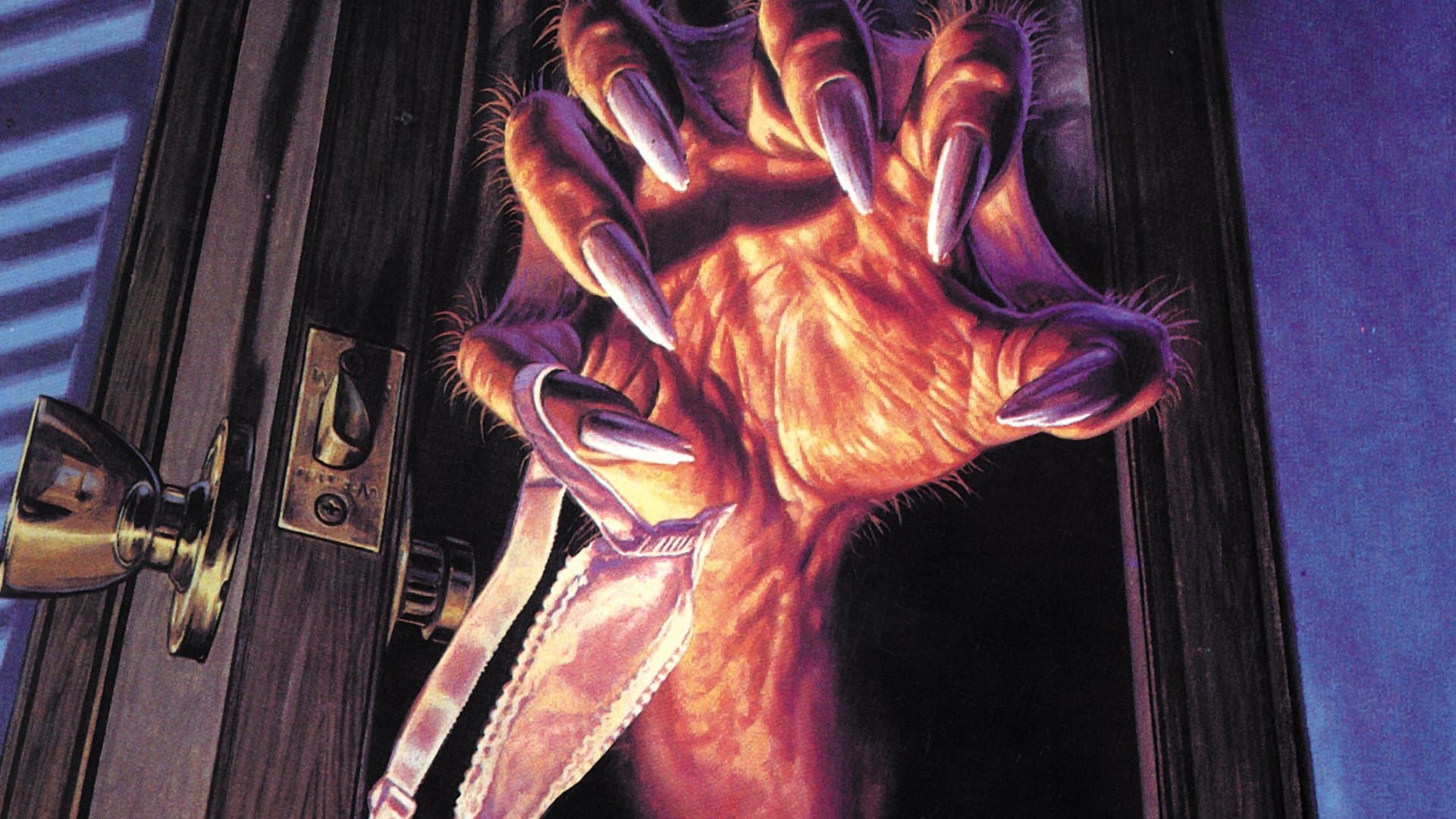
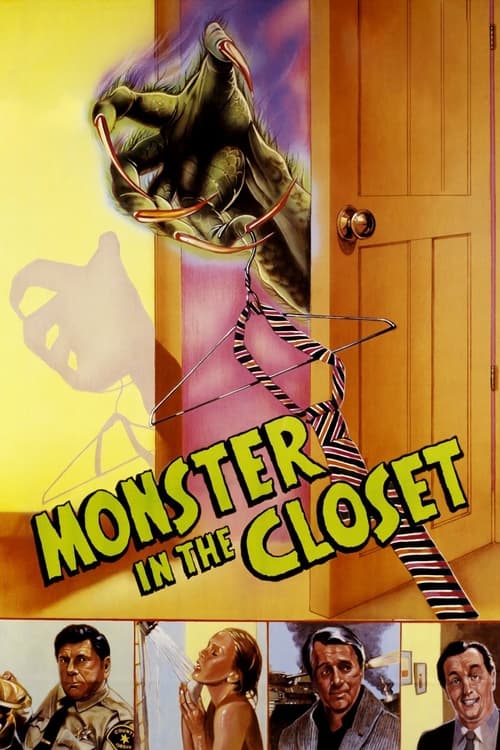
After several people and a dog are found dead in their closets a "mild-mannered" reporter, a college professor, her son and a befuddled professor band together to uncover the mystery but not without involving the U.S. Army and mass panic.
Directed by Bob Dahlin
allegory
parody
gay theme

Trailer

IMDB
N/A
Where to Watch



Cast

Henry Gibson
Dr. Philip Pennyworth

Paul Walker
'Professor' Bennett
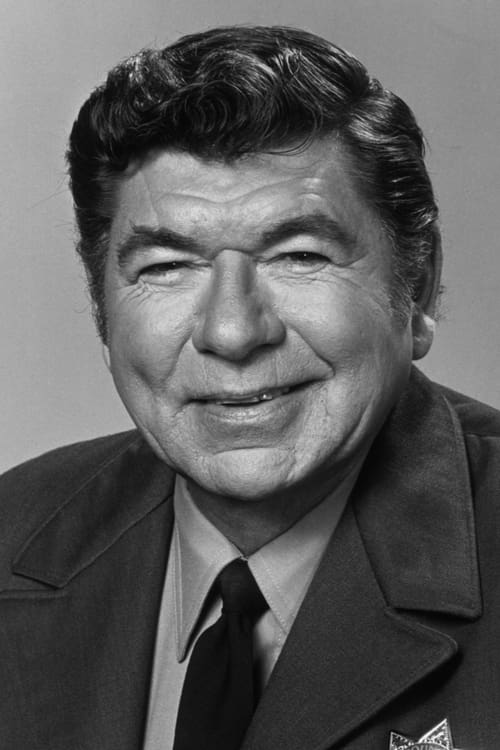
Claude Akins
Sheriff Sam Ketchem
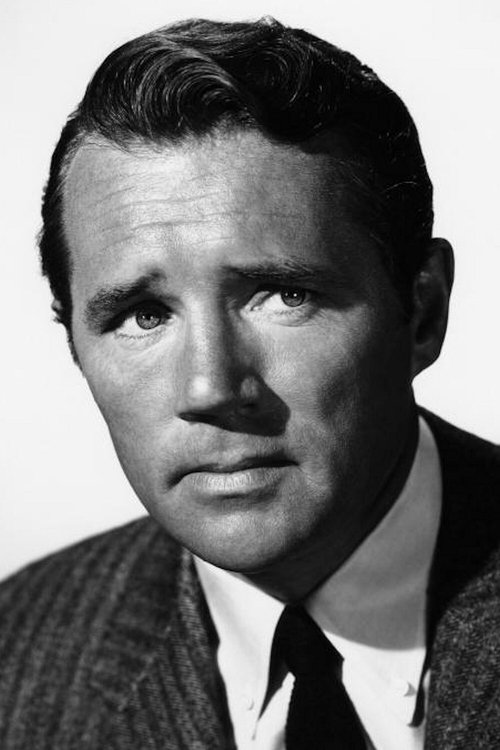
Howard Duff
Father Martin Finnegan
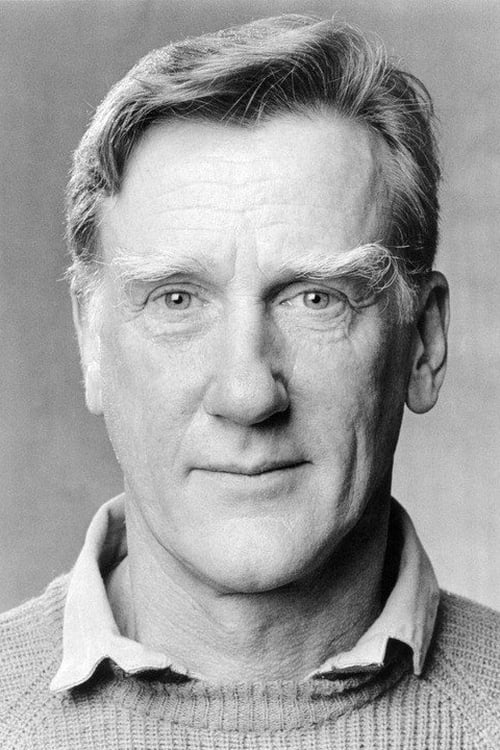
Donald Moffat
General Franklin Turnbull

Paul Dooley
Roy Crane
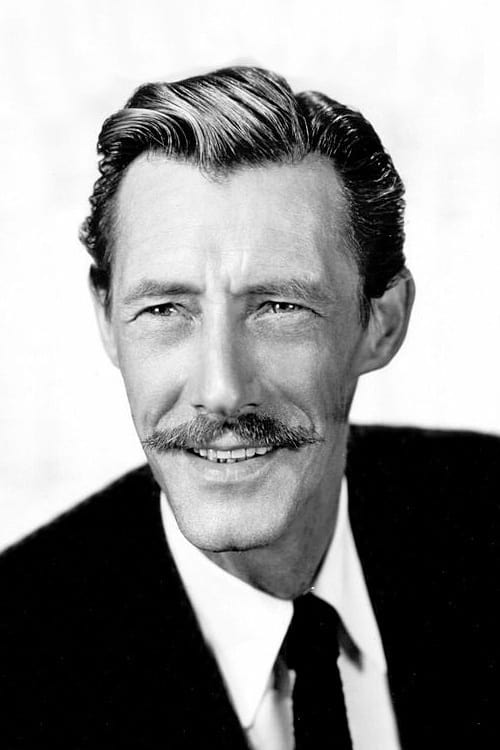
John Carradine
Old Joe Shempter

Frank Ashmore
Scoop Johnson

Stella Stevens
Margo Crane

Fergie
Lucy
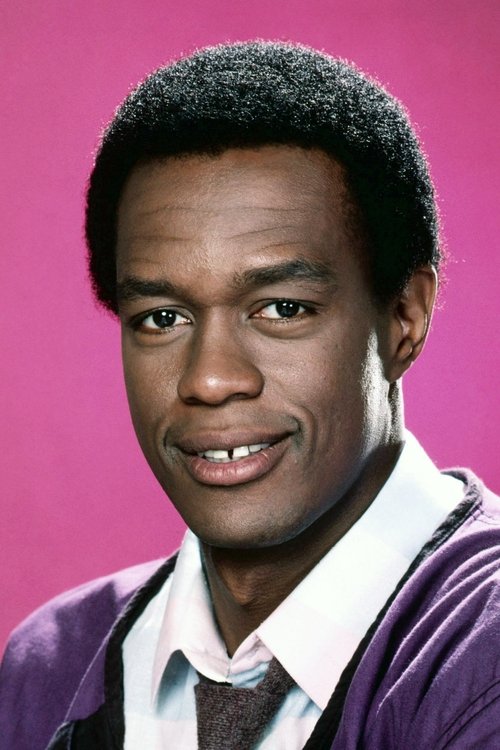
Kevin Peter Hall
The Monster
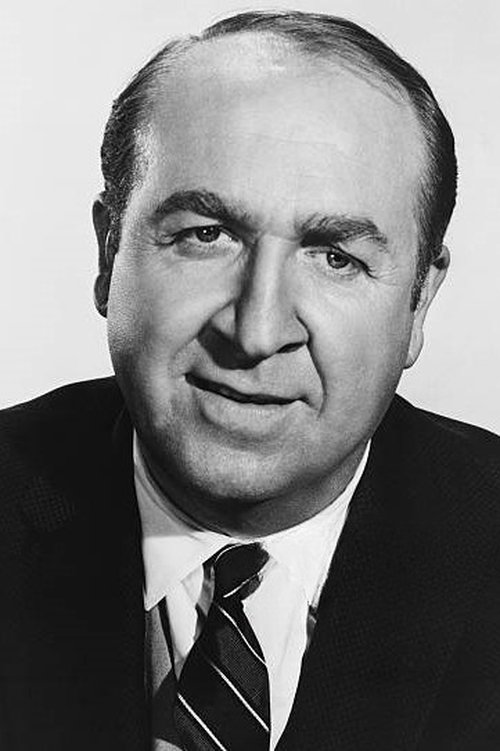
Jesse White
Ben
Crew
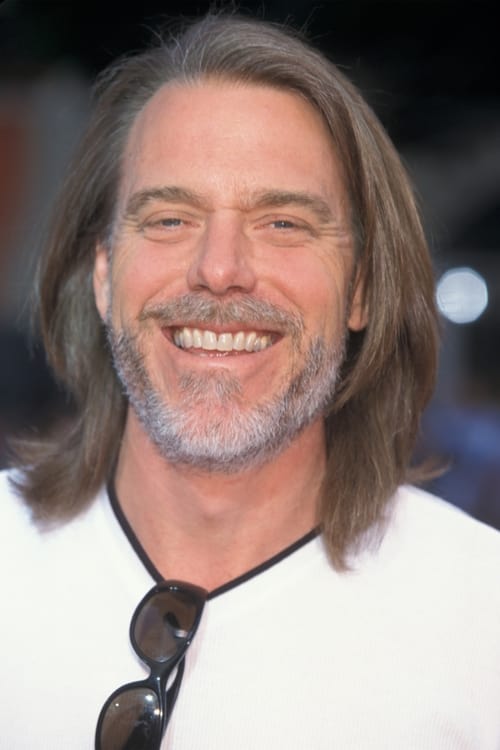
Raja Gosnell
Editor

Lloyd Kaufman
Executive Producer
Popular Reviews
4 reviews
Grim
8.4★ · 09/04/25
this is my gay agenda
i just can’t get over the way the monster is built; i love it so much
they tried to put the monster on the cover of vogue, but it’s legs were toooo long
i have the exact opposite reaction around a man with(out) glasses, but i get it
i just can’t get over the way the monster is built; i love it so much
they tried to put the monster on the cover of vogue, but it’s legs were toooo long
i have the exact opposite reaction around a man with(out) glasses, but i get it
this is my gay agenda
i just can’t get over the way the monster is built; i love it so much
they tried to put the monster on the cover of vogue, but it’s legs were toooo long
i have the exact opposite reaction around a man with(out) glasses, but i get it
i just can’t get over the way the monster is built; i love it so much
they tried to put the monster on the cover of vogue, but it’s legs were toooo long
i have the exact opposite reaction around a man with(out) glasses, but i get it


Bernie
6.0★ · 04/28/22
HIT IT FERGIE
HIT IT FERGIE
The
7.0★ · 10/02/21
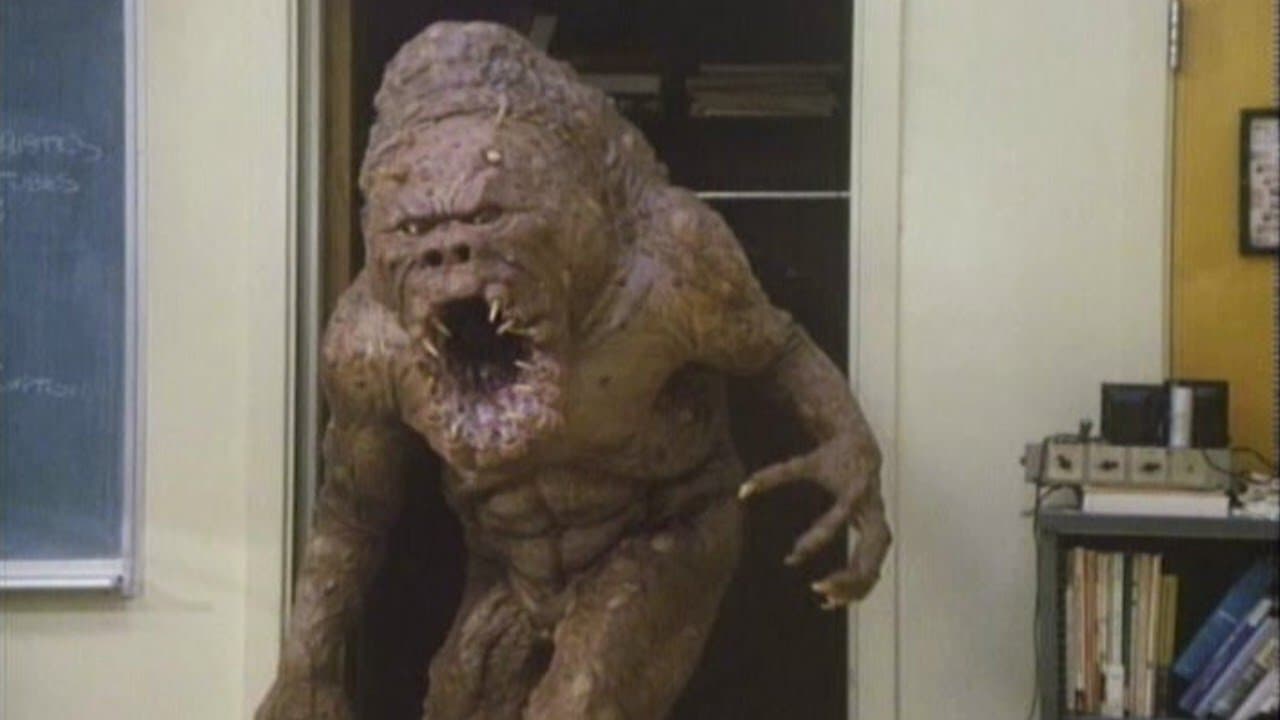
Grim and harrowing, but you’re dragged into it right away with an opening sequence of vignettes where the titular monster kills a woman, a child, and a dog that is left hung for its blind owner to stumble upon. Then it kills the blind man, too. No one is safe. In fact, very early on the movie establishes that fact as the monster breaks out of a house onto the street where panicked neighbors have gathered after hearing a victim’s screaming. It murders the sheriff in front of everyone. Bullets can’t hurt it. It flips a cop car and crushes another policeman before sauntering off to disappear.
Not much later, the military arrives and it is revealed the monster isn’t just killing the inhabitants of a small town: it’s all over the country. Like the monster from It Follows, the creature operates on a very simple rule but one pulled from childhood boogeyman logic: it can travel through any closet and it seems to just kill the first person (or people or animals) it finds before disappearing back into the closet to reappear somewhere else and kill again. The military proves futile. A priest and a scientist- introduced at odds about the sanctity of life but eventually agreed in their pacifism towards the monster - work with the film’s protagonists to attempt a solution when society’s organized forces of violence and control fail. The priest is the luckier of the two; near the conclusion of the film he’s still alive, though cowering in a chapel with other survivors awaiting the inevitable.
The avatar of death and fear stalking from closet to closet is the center of the plot but there’s a lot going on here. It’s obvious that closets are significant and the movie is set in and around San Francisco. Plus, the male protagonist gets carried off by the beast in an inversion of the classic monster movie trope. “Destroy all closets” is the solution, ultimately. Still, those are surface signifiers and I think a deeper queer reading is due. Then there’s the Brechtian repetition and Buñuelian fetishism of certain motifs and objects. Glasses are not tools of sight, but obscure the wearer being seen. In this case, a character without his glasses possesses an arresting beauty that practically stops time. Chocolate, a forbidden indulgence proffered as to Eve at first is revealed to be almost the only food anyone in the movie eats. There is a five note xylophone riff that will be pinged into your cerebral cortex via repetition like nails tack hammered into your skull. It is the siren song of the beast but, tragically for all that plinking, not the Close Encounters sound key to unlocking communication with the monster.
The total mockery the monster makes of our society’s protections and controls is perhaps best exemplified by a child called The Professor. After the heroes’ ultimate attempt to use science to kill the scourge fail - involving a poetic moment where the beast pauses its march of death to crush some flowers and then is lured into a trap by (what else?) chocolate - this juvenile avatar of academia and human knowledge tries his own contraption to stop the beast and it breaks, just as ineffectual as the rest. It’s only when the collective of survivors are given the idea to destroy the very portals in their homes that the monster has violated to wreak havoc that order can be restored. This monster, repeatedly shown punching and kicking and smashing through doors, is done in when the pockets of our living space we close off for storage are ripped apart in a joyful sequence of savage, animalistic remodeling. The monster without a closet grows weak and collapses. It took destruction in every home (every building! including the TransAm building in SF) to stop it, not cops, soldiers, priests, scientists, or all the king’s men. Doom deferred.
Not much later, the military arrives and it is revealed the monster isn’t just killing the inhabitants of a small town: it’s all over the country. Like the monster from It Follows, the creature operates on a very simple rule but one pulled from childhood boogeyman logic: it can travel through any closet and it seems to just kill the first person (or people or animals) it finds before disappearing back into the closet to reappear somewhere else and kill again. The military proves futile. A priest and a scientist- introduced at odds about the sanctity of life but eventually agreed in their pacifism towards the monster - work with the film’s protagonists to attempt a solution when society’s organized forces of violence and control fail. The priest is the luckier of the two; near the conclusion of the film he’s still alive, though cowering in a chapel with other survivors awaiting the inevitable.
The avatar of death and fear stalking from closet to closet is the center of the plot but there’s a lot going on here. It’s obvious that closets are significant and the movie is set in and around San Francisco. Plus, the male protagonist gets carried off by the beast in an inversion of the classic monster movie trope. “Destroy all closets” is the solution, ultimately. Still, those are surface signifiers and I think a deeper queer reading is due. Then there’s the Brechtian repetition and Buñuelian fetishism of certain motifs and objects. Glasses are not tools of sight, but obscure the wearer being seen. In this case, a character without his glasses possesses an arresting beauty that practically stops time. Chocolate, a forbidden indulgence proffered as to Eve at first is revealed to be almost the only food anyone in the movie eats. There is a five note xylophone riff that will be pinged into your cerebral cortex via repetition like nails tack hammered into your skull. It is the siren song of the beast but, tragically for all that plinking, not the Close Encounters sound key to unlocking communication with the monster.
The total mockery the monster makes of our society’s protections and controls is perhaps best exemplified by a child called The Professor. After the heroes’ ultimate attempt to use science to kill the scourge fail - involving a poetic moment where the beast pauses its march of death to crush some flowers and then is lured into a trap by (what else?) chocolate - this juvenile avatar of academia and human knowledge tries his own contraption to stop the beast and it breaks, just as ineffectual as the rest. It’s only when the collective of survivors are given the idea to destroy the very portals in their homes that the monster has violated to wreak havoc that order can be restored. This monster, repeatedly shown punching and kicking and smashing through doors, is done in when the pockets of our living space we close off for storage are ripped apart in a joyful sequence of savage, animalistic remodeling. The monster without a closet grows weak and collapses. It took destruction in every home (every building! including the TransAm building in SF) to stop it, not cops, soldiers, priests, scientists, or all the king’s men. Doom deferred.
Grim and harrowing, but you’re dragged into it right away with an opening sequence of vignettes where the titular monster kills a woman, a child, and a dog that is left hung for its blind owner to stumble upon. Then it kills the blind man, too. No one is safe. In fact, very early on the movie establishes that fact as the monster breaks out of a house onto the street where panicked neighbors have gathered after hearing a victim’s screaming. It murders the sheriff in front of everyone. Bullets can’t hurt it. It flips a cop car and crushes another policeman before sauntering off to disappear.
Not much later, the military arrives and it is revealed the monster isn’t just killing the inhabitants of a small town: it’s all over the country. Like the monster from It Follows, the creature operates on a very simple rule but one pulled from childhood boogeyman logic: it can travel through any closet and it seems to just kill the first person (or people or animals) it finds before disappearing back into the closet to reappear somewhere else and kill again. The military proves futile. A priest and a scientist- introduced at odds about the sanctity of life but eventually agreed in their pacifism towards the monster - work with the film’s protagonists to attempt a solution when society’s organized forces of violence and control fail. The priest is the luckier of the two; near the conclusion of the film he’s still alive, though cowering in a chapel with other survivors awaiting the inevitable.
The avatar of death and fear stalking from closet to closet is the center of the plot but there’s a lot going on here. It’s obvious that closets are significant and the movie is set in and around San Francisco. Plus, the male protagonist gets carried off by the beast in an inversion of the classic monster movie trope. “Destroy all closets” is the solution, ultimately. Still, those are surface signifiers and I think a deeper queer reading is due. Then there’s the Brechtian repetition and Buñuelian fetishism of certain motifs and objects. Glasses are not tools of sight, but obscure the wearer being seen. In this case, a character without his glasses possesses an arresting beauty that practically stops time. Chocolate, a forbidden indulgence proffered as to Eve at first is revealed to be almost the only food anyone in the movie eats. There is a five note xylophone riff that will be pinged into your cerebral cortex via repetition like nails tack hammered into your skull. It is the siren song of the beast but, tragically for all that plinking, not the Close Encounters sound key to unlocking communication with the monster.
The total mockery the monster makes of our society’s protections and controls is perhaps best exemplified by a child called The Professor. After the heroes’ ultimate attempt to use science to kill the scourge fail - involving a poetic moment where the beast pauses its march of death to crush some flowers and then is lured into a trap by (what else?) chocolate - this juvenile avatar of academia and human knowledge tries his own contraption to stop the beast and it breaks, just as ineffectual as the rest. It’s only when the collective of survivors are given the idea to destroy the very portals in their homes that the monster has violated to wreak havoc that order can be restored. This monster, repeatedly shown punching and kicking and smashing through doors, is done in when the pockets of our living space we close off for storage are ripped apart in a joyful sequence of savage, animalistic remodeling. The monster without a closet grows weak and collapses. It took destruction in every home (every building! including the TransAm building in SF) to stop it, not cops, soldiers, priests, scientists, or all the king’s men. Doom deferred.
Not much later, the military arrives and it is revealed the monster isn’t just killing the inhabitants of a small town: it’s all over the country. Like the monster from It Follows, the creature operates on a very simple rule but one pulled from childhood boogeyman logic: it can travel through any closet and it seems to just kill the first person (or people or animals) it finds before disappearing back into the closet to reappear somewhere else and kill again. The military proves futile. A priest and a scientist- introduced at odds about the sanctity of life but eventually agreed in their pacifism towards the monster - work with the film’s protagonists to attempt a solution when society’s organized forces of violence and control fail. The priest is the luckier of the two; near the conclusion of the film he’s still alive, though cowering in a chapel with other survivors awaiting the inevitable.
The avatar of death and fear stalking from closet to closet is the center of the plot but there’s a lot going on here. It’s obvious that closets are significant and the movie is set in and around San Francisco. Plus, the male protagonist gets carried off by the beast in an inversion of the classic monster movie trope. “Destroy all closets” is the solution, ultimately. Still, those are surface signifiers and I think a deeper queer reading is due. Then there’s the Brechtian repetition and Buñuelian fetishism of certain motifs and objects. Glasses are not tools of sight, but obscure the wearer being seen. In this case, a character without his glasses possesses an arresting beauty that practically stops time. Chocolate, a forbidden indulgence proffered as to Eve at first is revealed to be almost the only food anyone in the movie eats. There is a five note xylophone riff that will be pinged into your cerebral cortex via repetition like nails tack hammered into your skull. It is the siren song of the beast but, tragically for all that plinking, not the Close Encounters sound key to unlocking communication with the monster.
The total mockery the monster makes of our society’s protections and controls is perhaps best exemplified by a child called The Professor. After the heroes’ ultimate attempt to use science to kill the scourge fail - involving a poetic moment where the beast pauses its march of death to crush some flowers and then is lured into a trap by (what else?) chocolate - this juvenile avatar of academia and human knowledge tries his own contraption to stop the beast and it breaks, just as ineffectual as the rest. It’s only when the collective of survivors are given the idea to destroy the very portals in their homes that the monster has violated to wreak havoc that order can be restored. This monster, repeatedly shown punching and kicking and smashing through doors, is done in when the pockets of our living space we close off for storage are ripped apart in a joyful sequence of savage, animalistic remodeling. The monster without a closet grows weak and collapses. It took destruction in every home (every building! including the TransAm building in SF) to stop it, not cops, soldiers, priests, scientists, or all the king’s men. Doom deferred.
Pretentious
7.0★ · 04/01/19