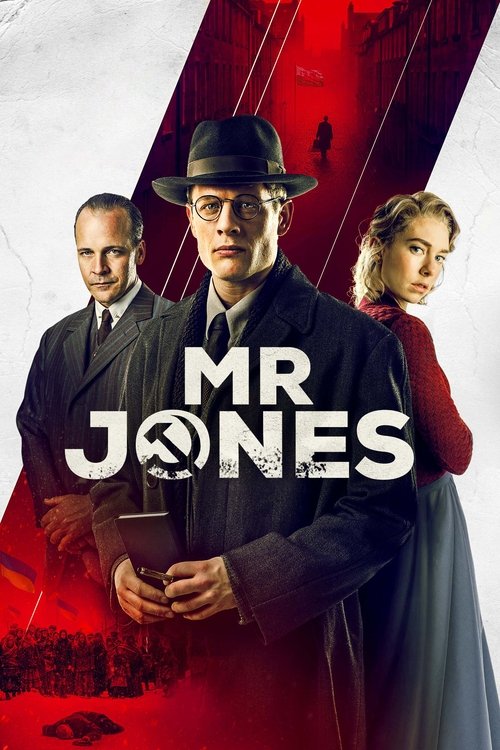
Steven Knight once again hides an understated masterpiece inside of a thriller. This is the kind of movie that makes me want to be a cinema student just to dive into the minutiae.
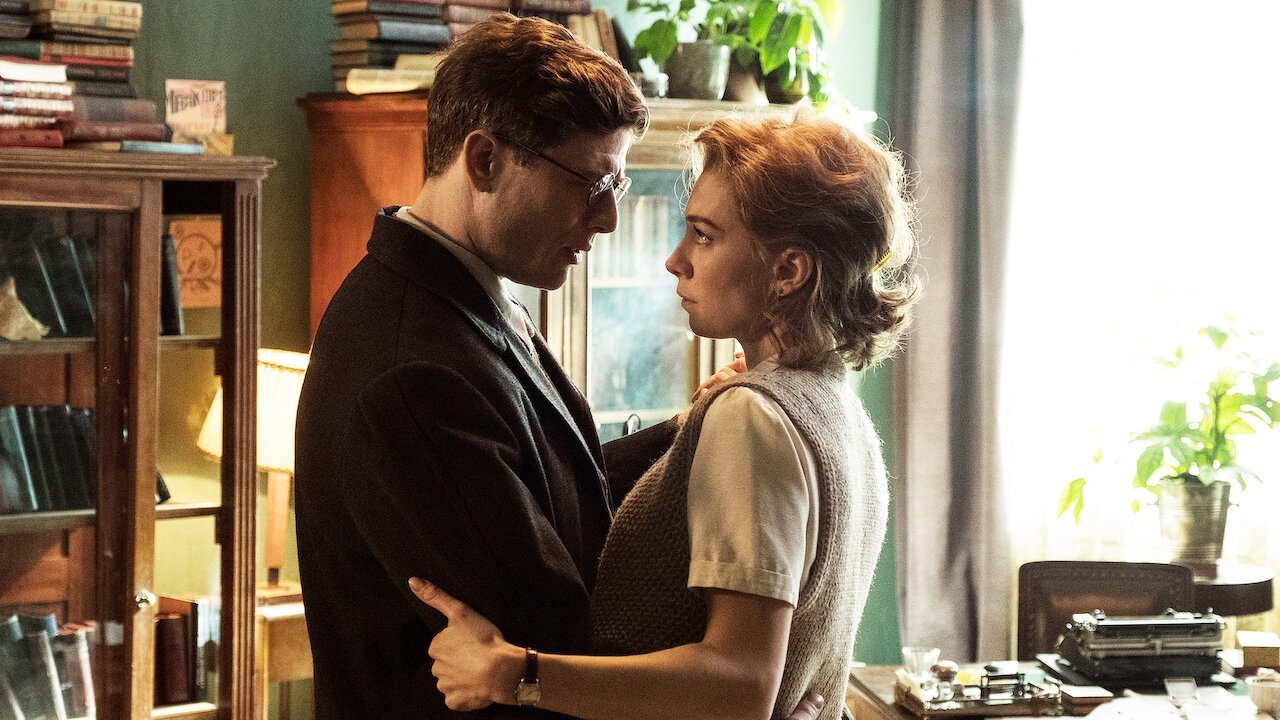
James Norton’s character and everything after the climax was just a vehicle for the sobering and astonishing long sequences in the Ukraine. There’s this idea that a profane-sacred dichotomy is far more descriptive than good-bad, and I think that’s what the movie plays with.
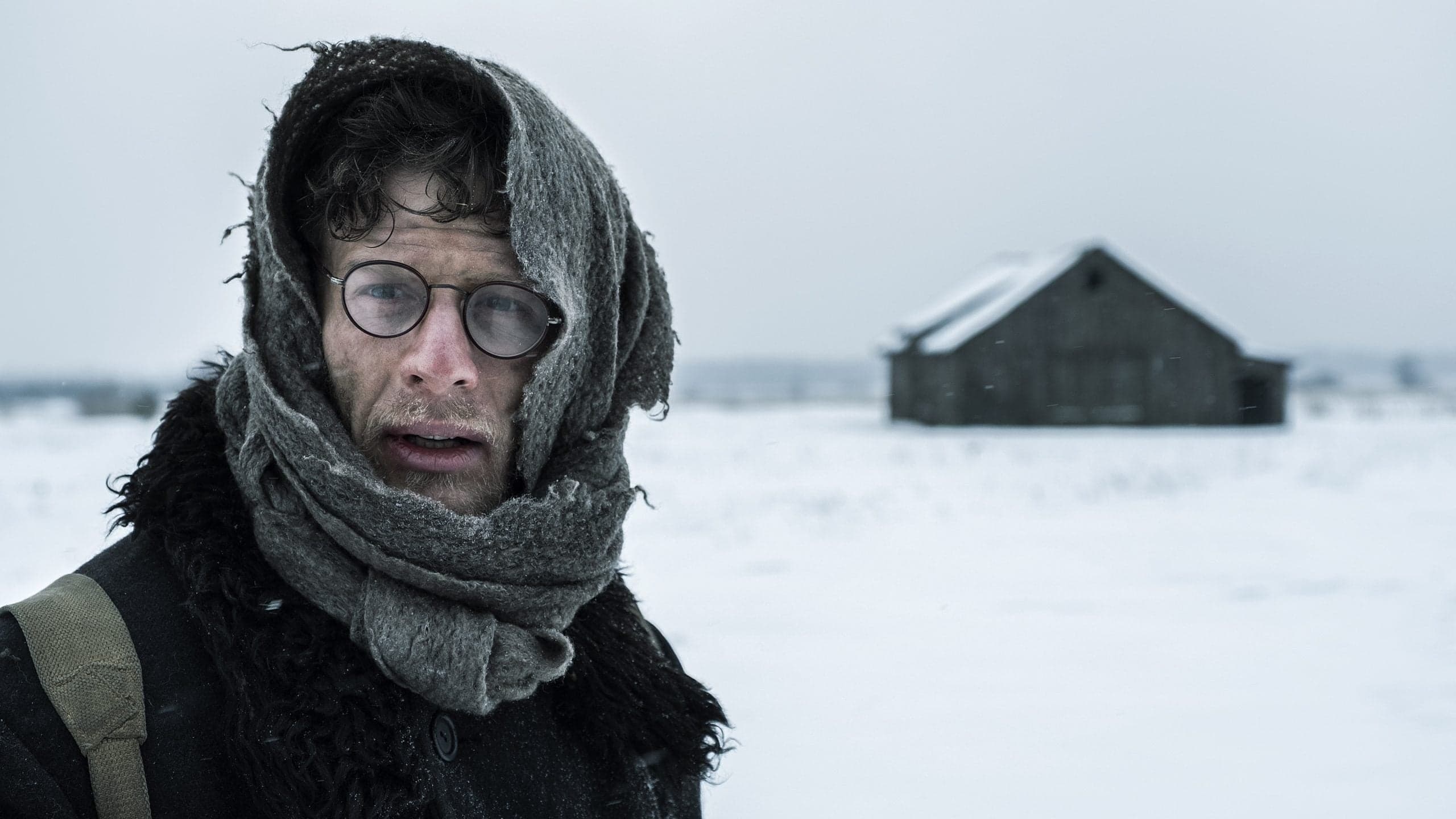
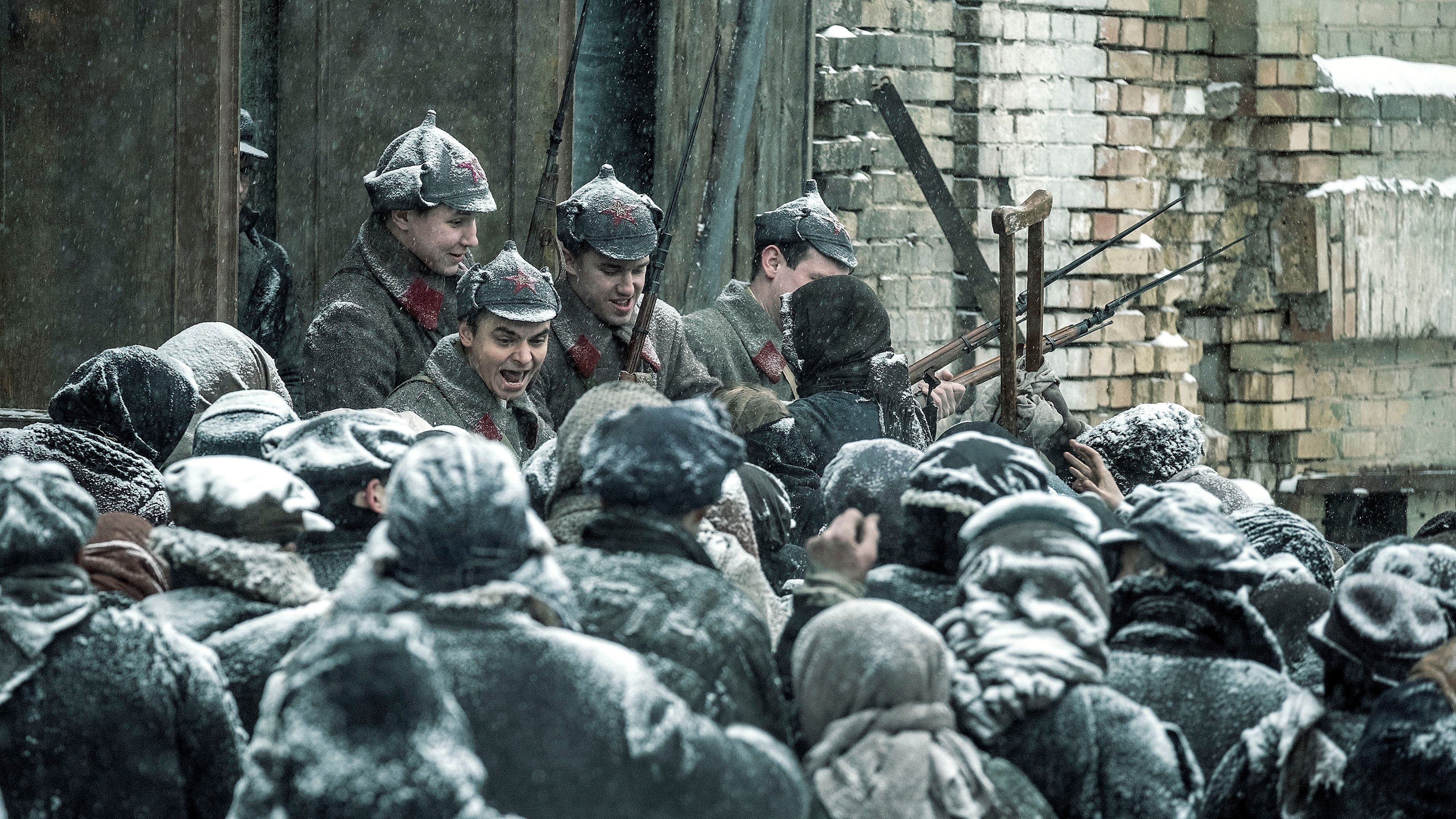
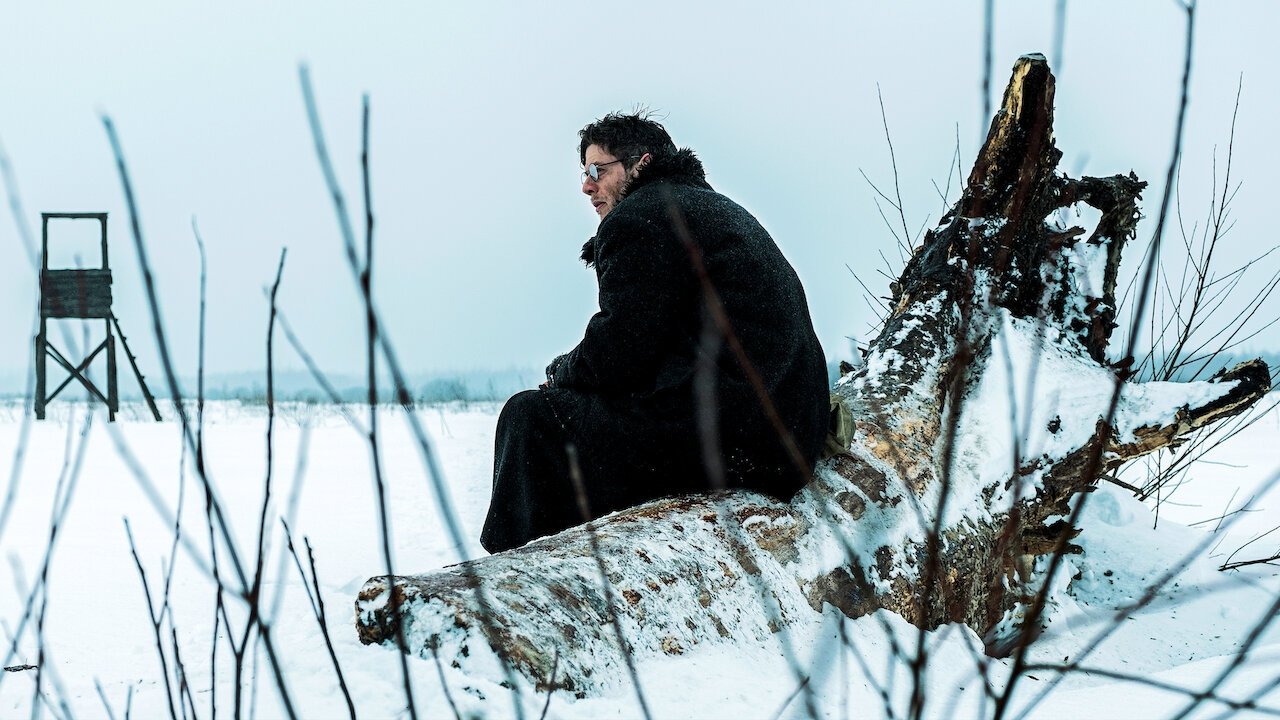
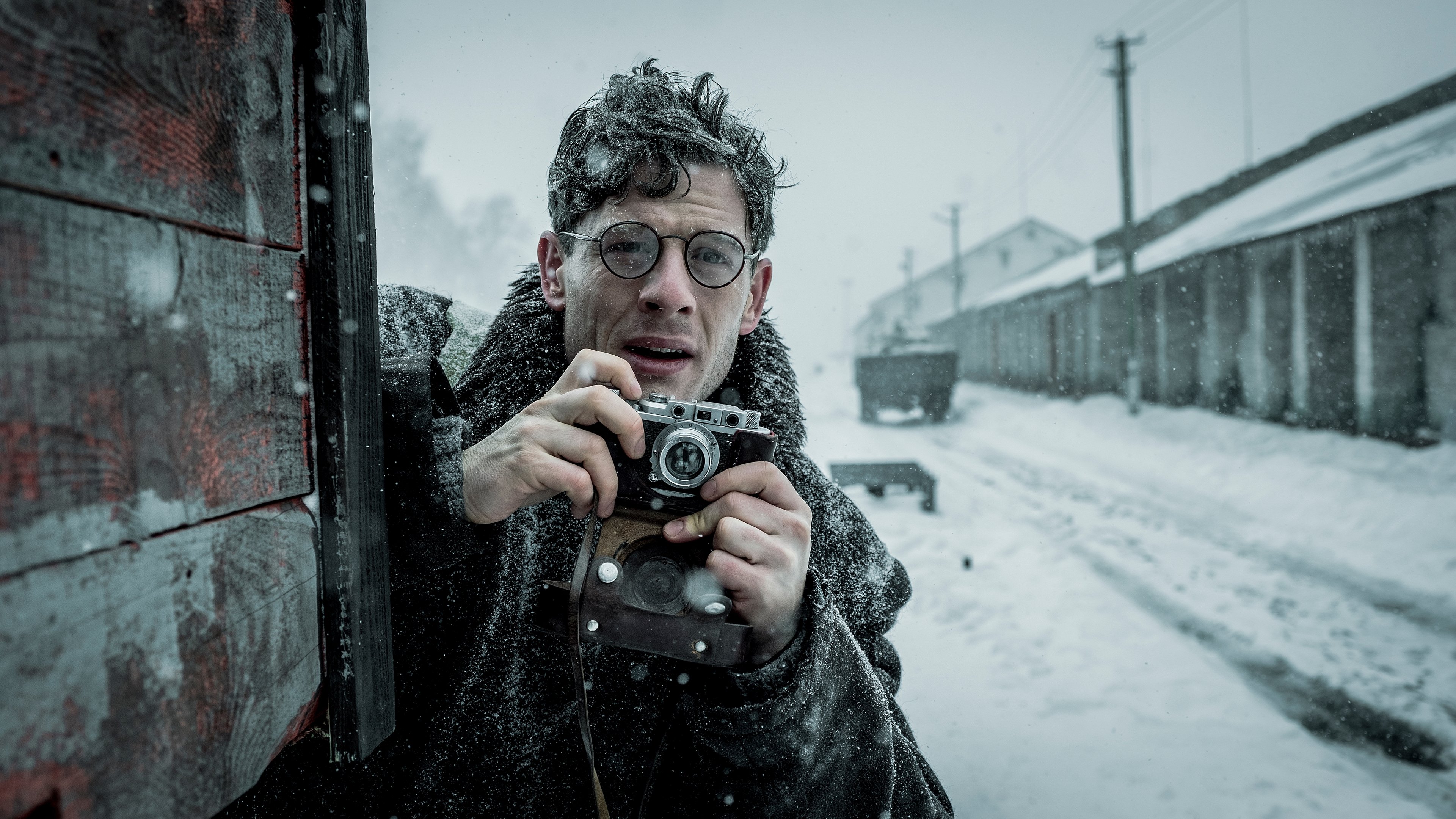
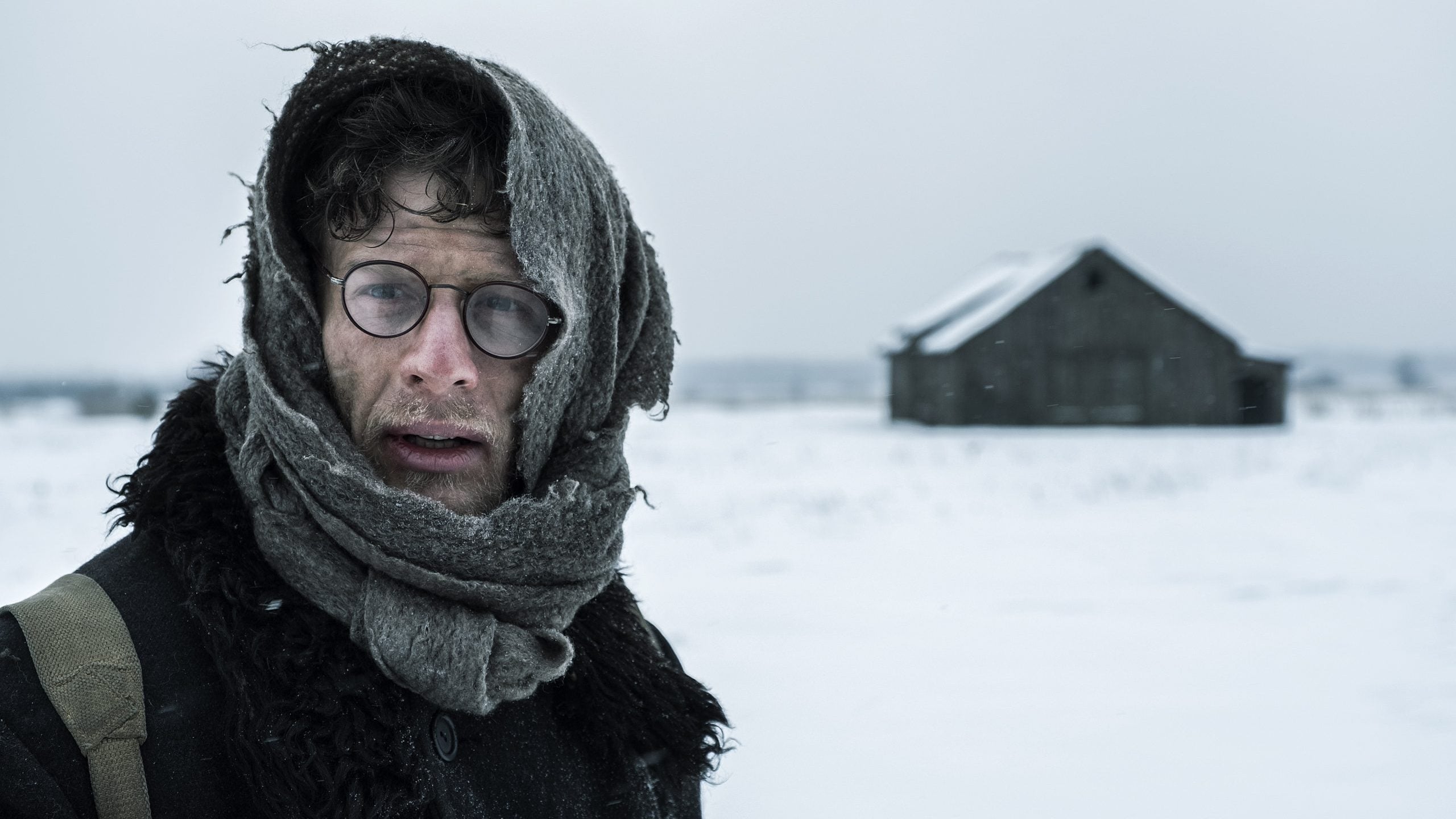
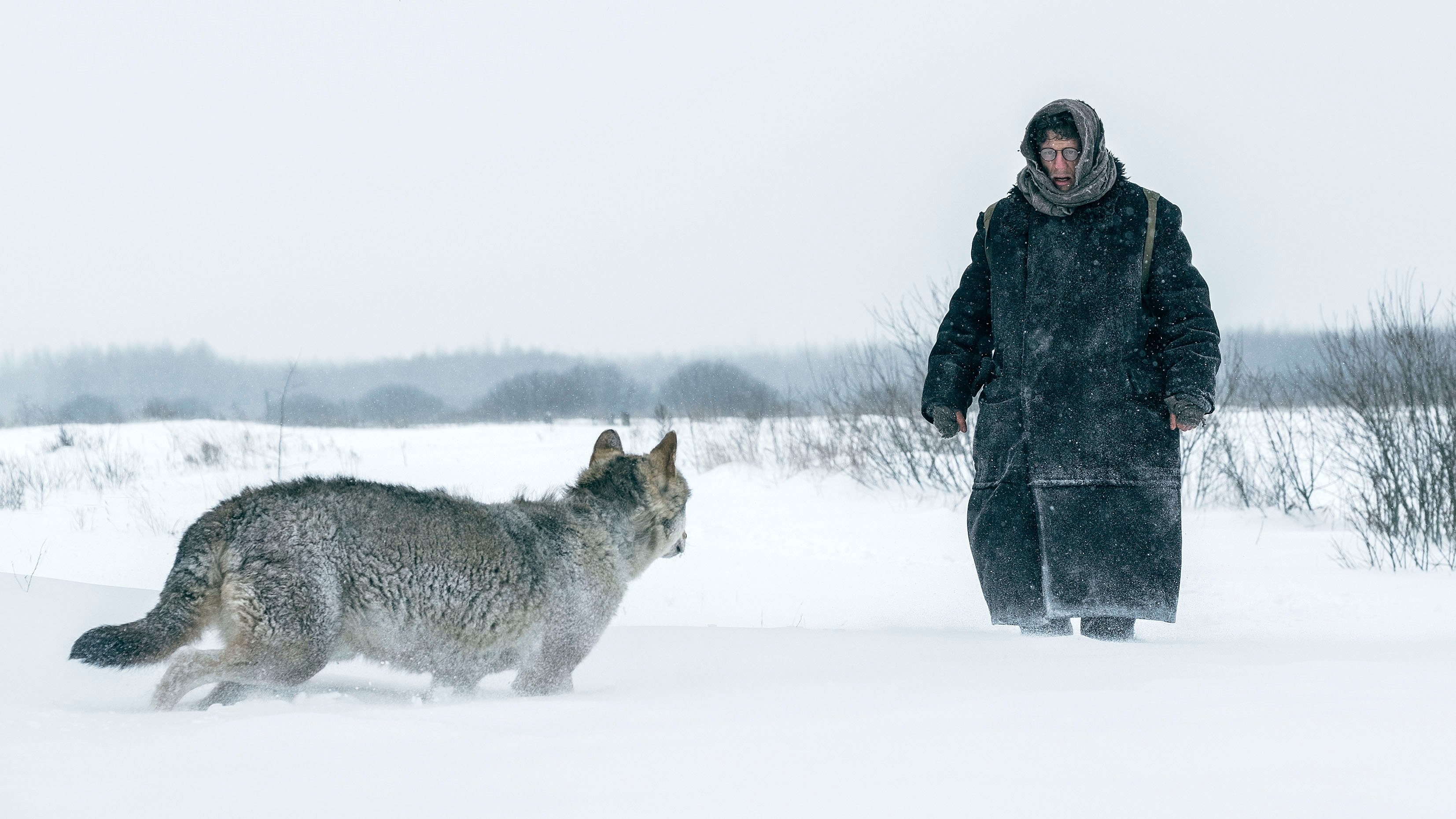
The shots in the Ukraine contain profane activities— moral taboos committed in desperation and resignation. But they are surrounded by the sacredness of a choir set in pure white snow. It forces you to reckon with this idea that the profane creates the sacredness, even in the most literal sense with the lyrics of the children’s song.
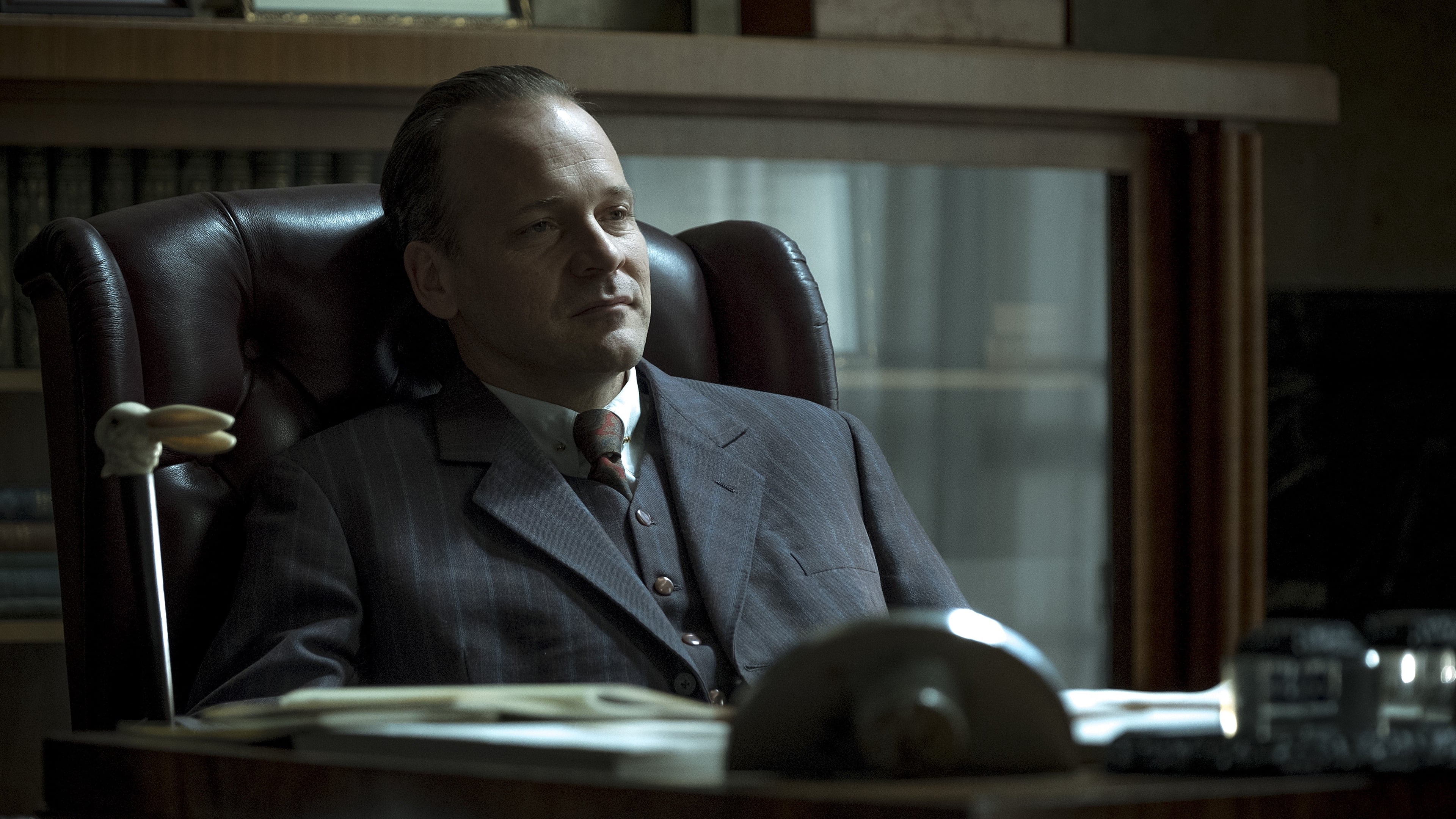
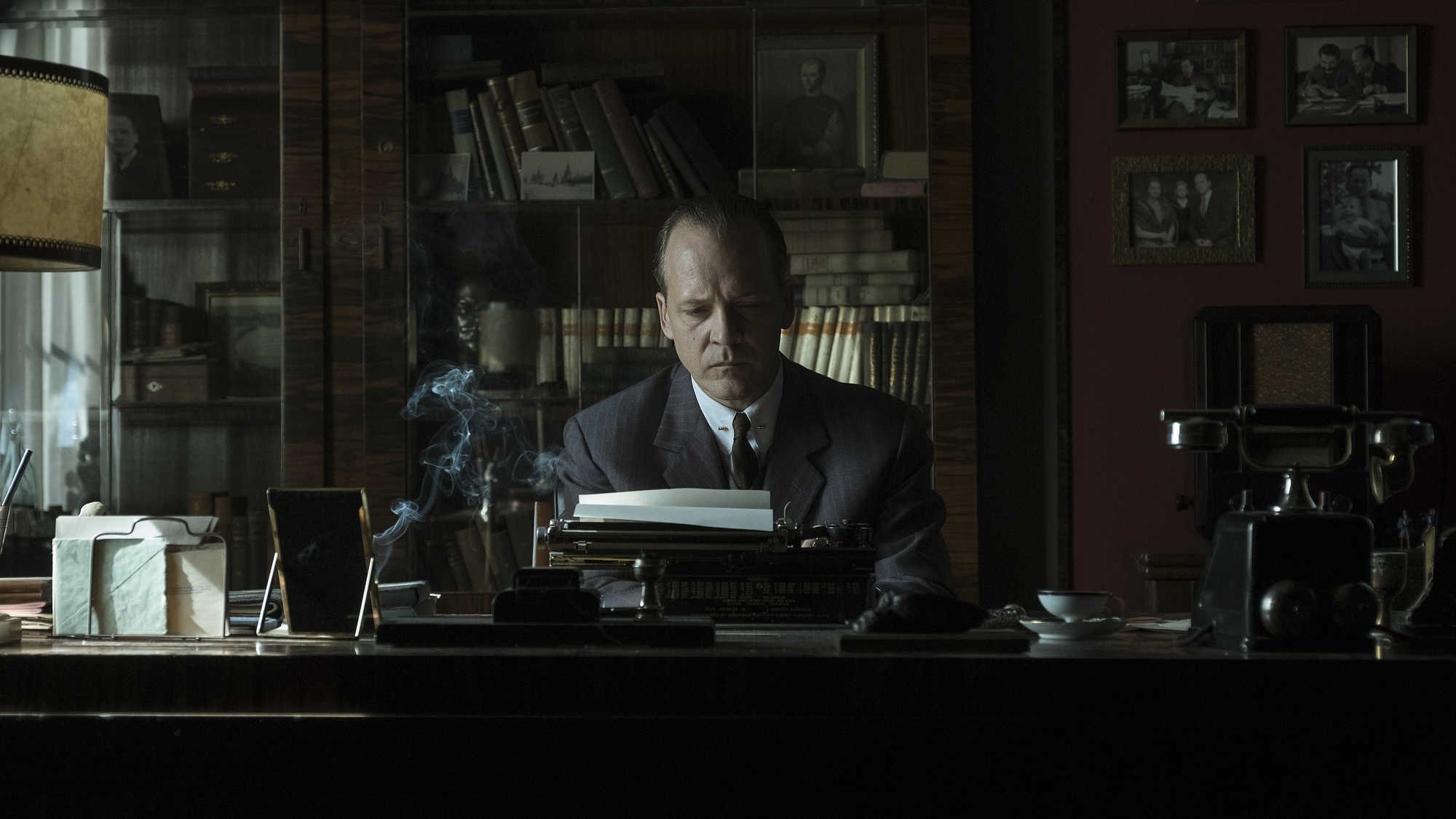
Moscow, on the other hand, proclaims to embrace the taboo and profane. Yet very little is shot in a sacred light. Is the difference agency? Moscow is choosing the profane, while the Ukraine has it thrust upon them?
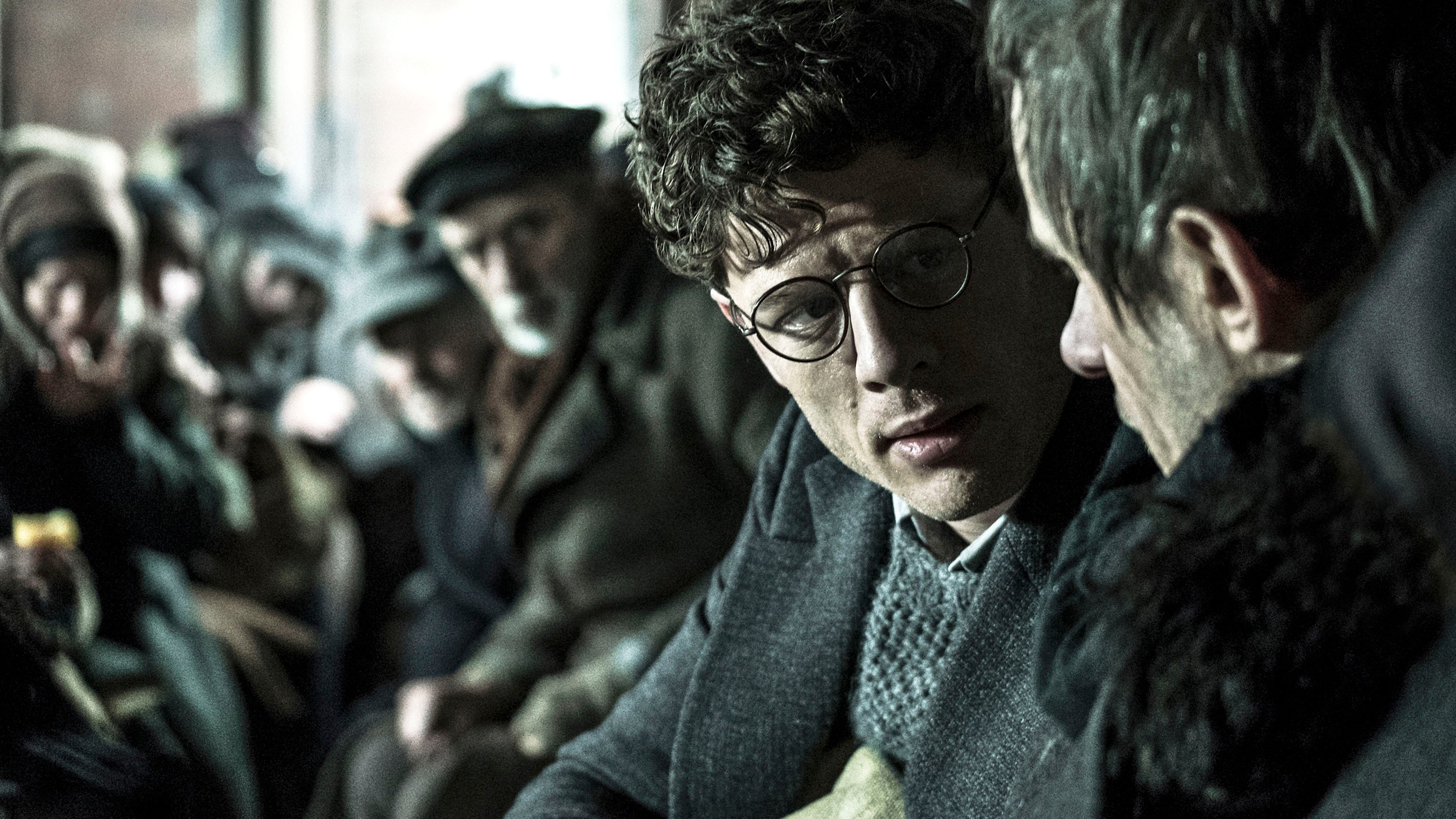
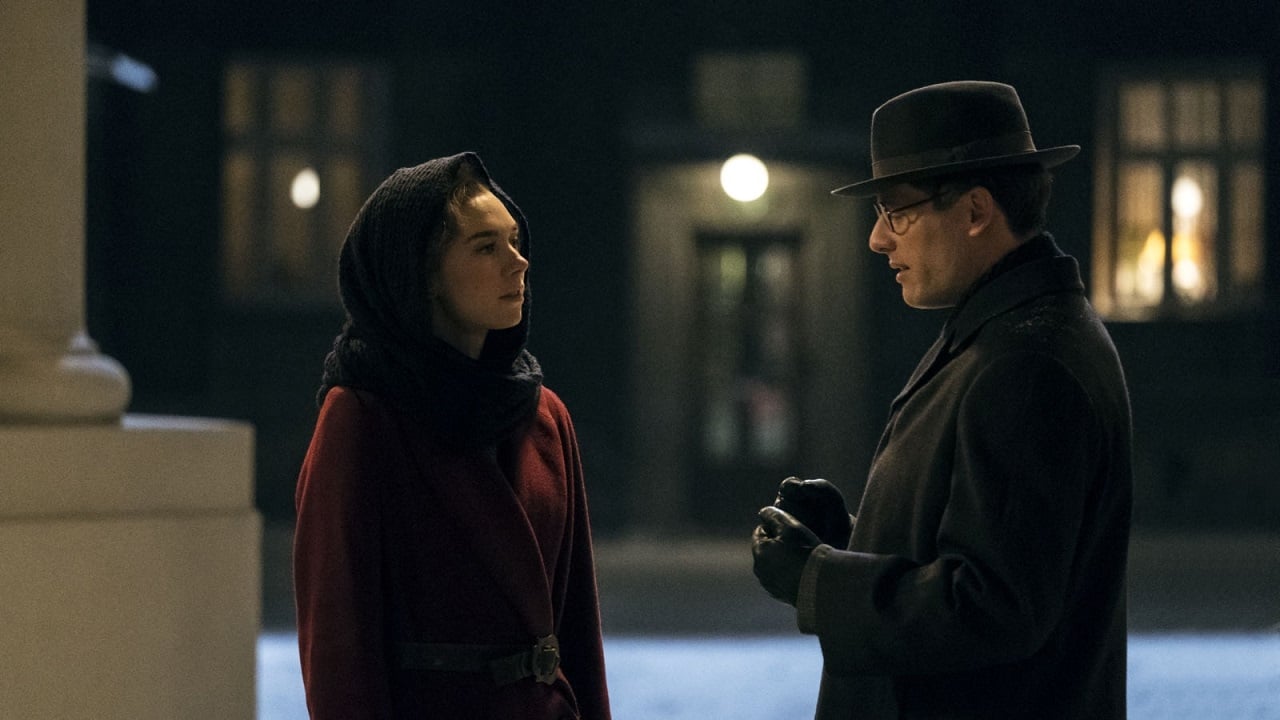
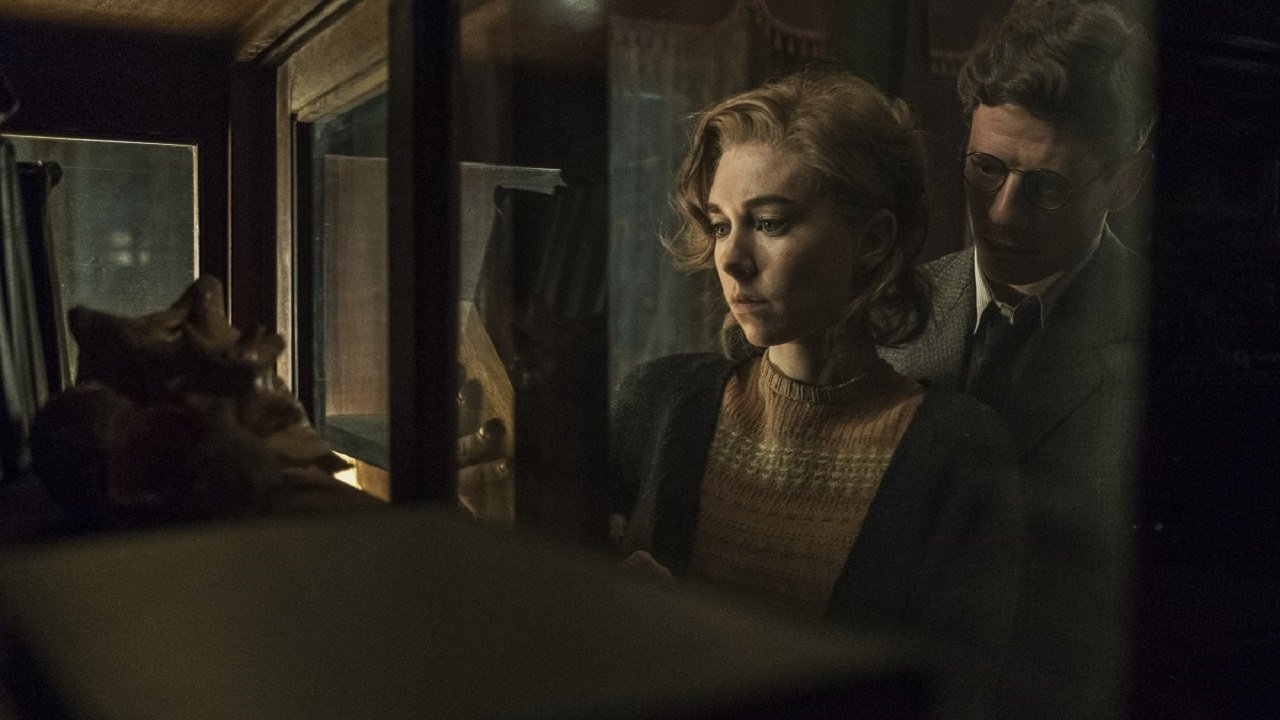
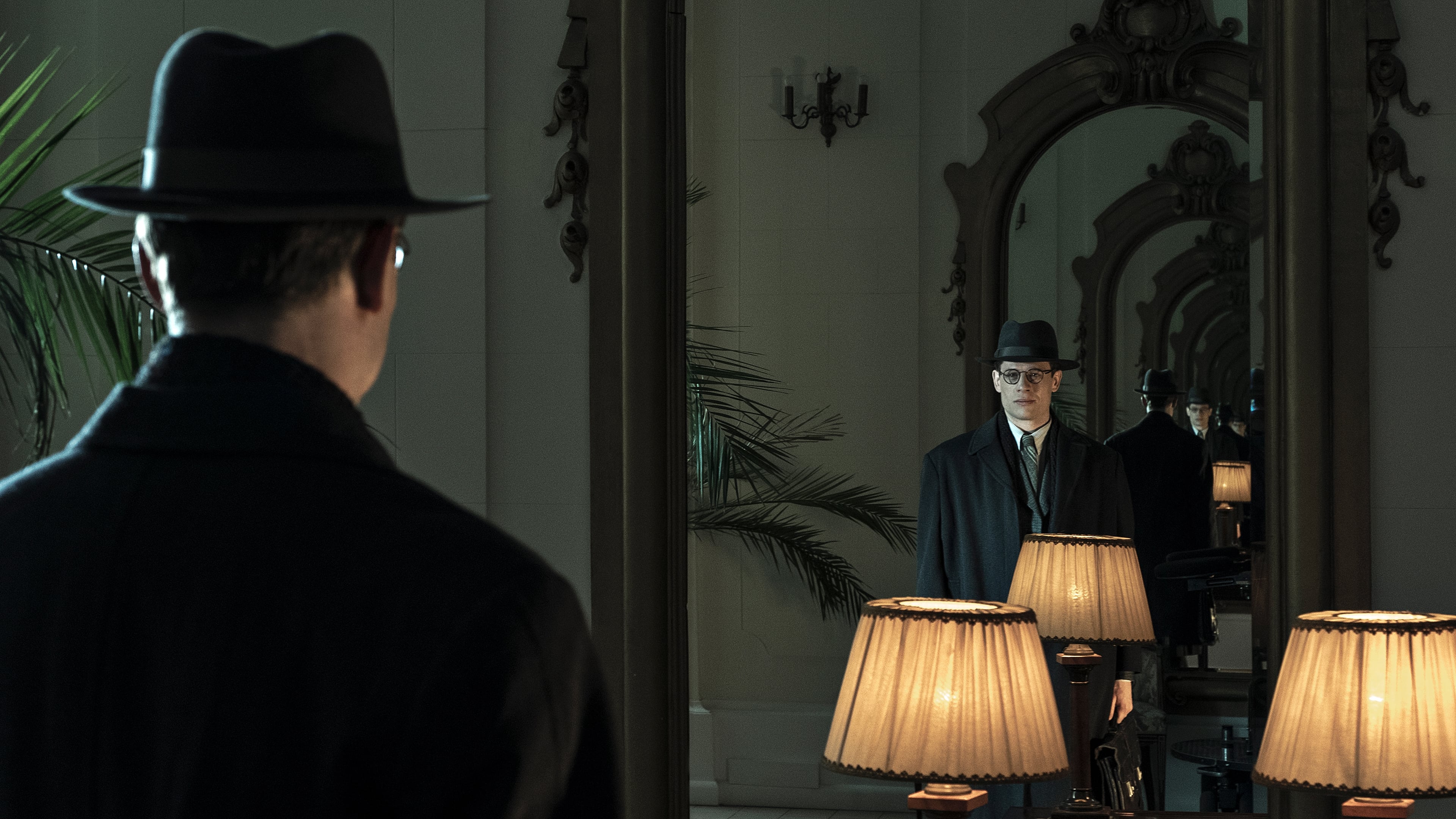
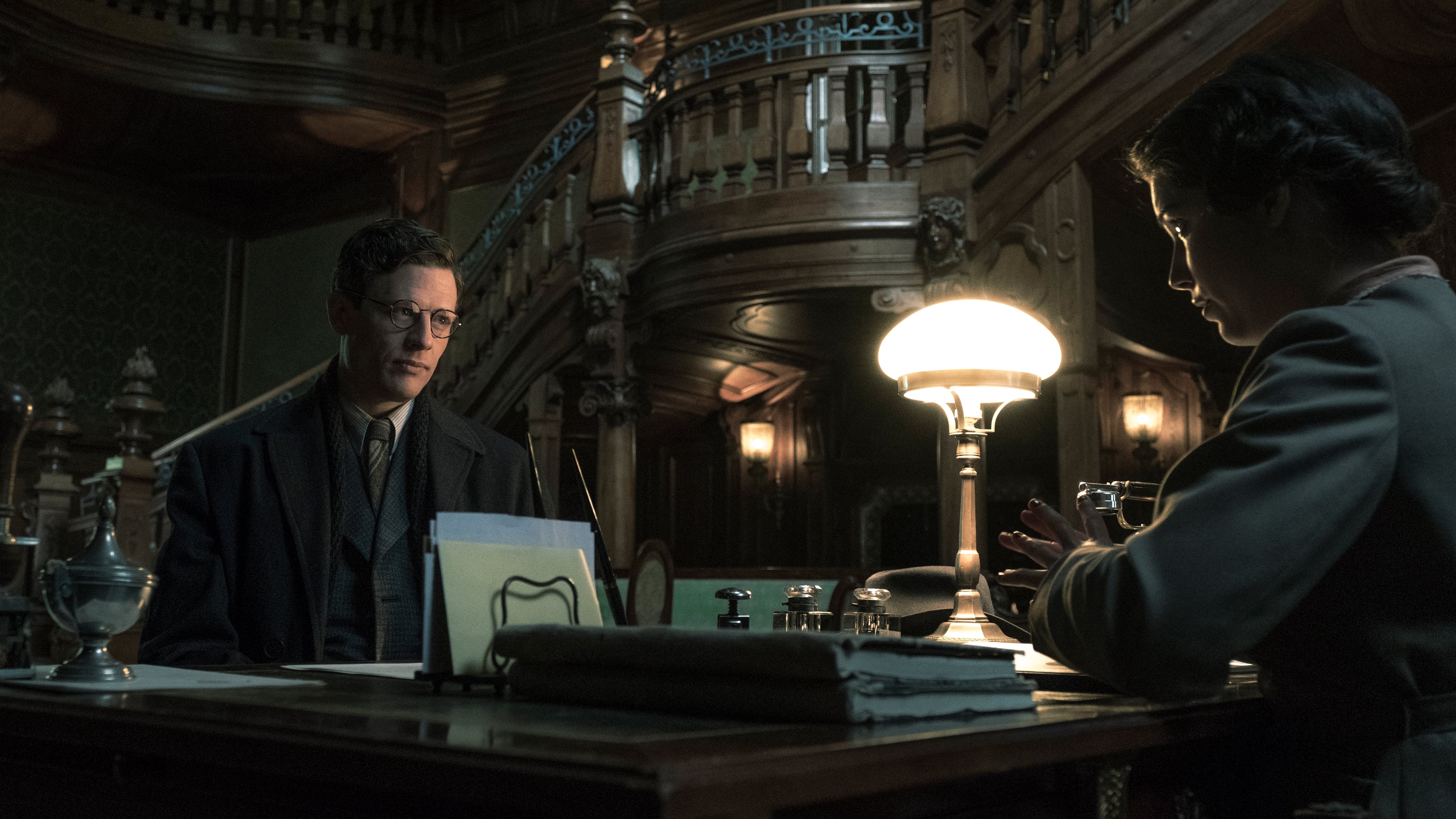
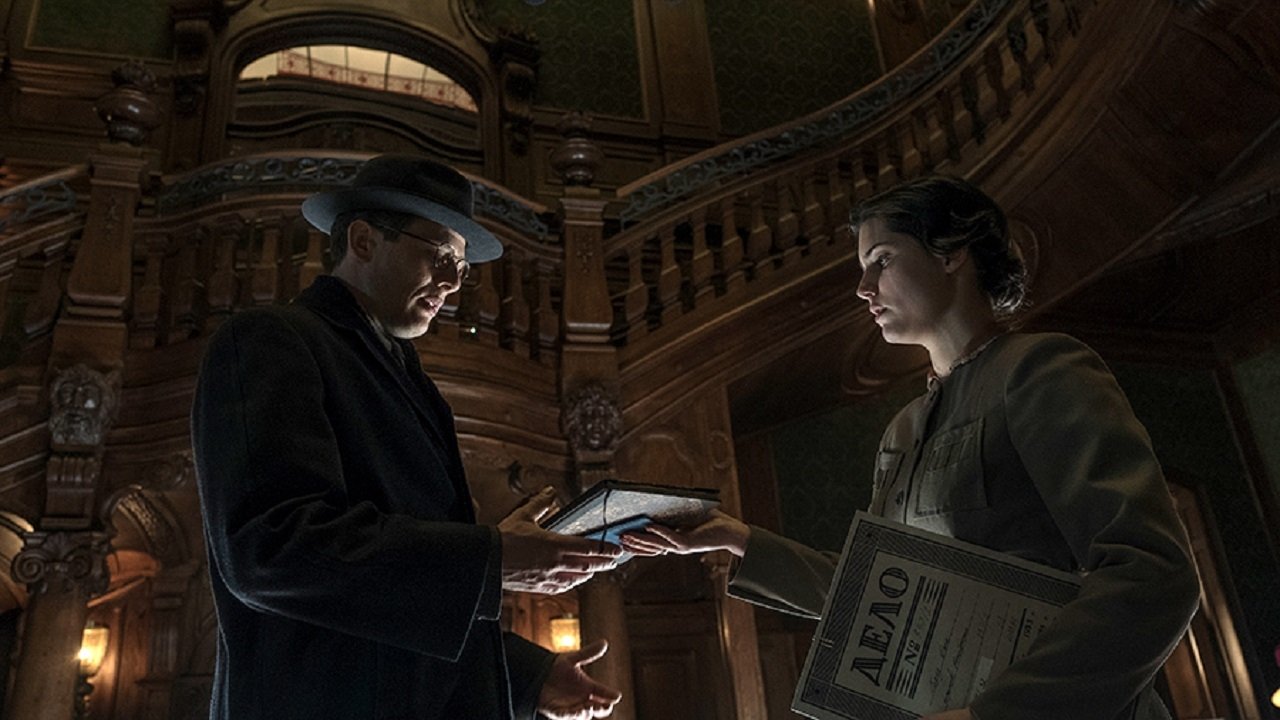
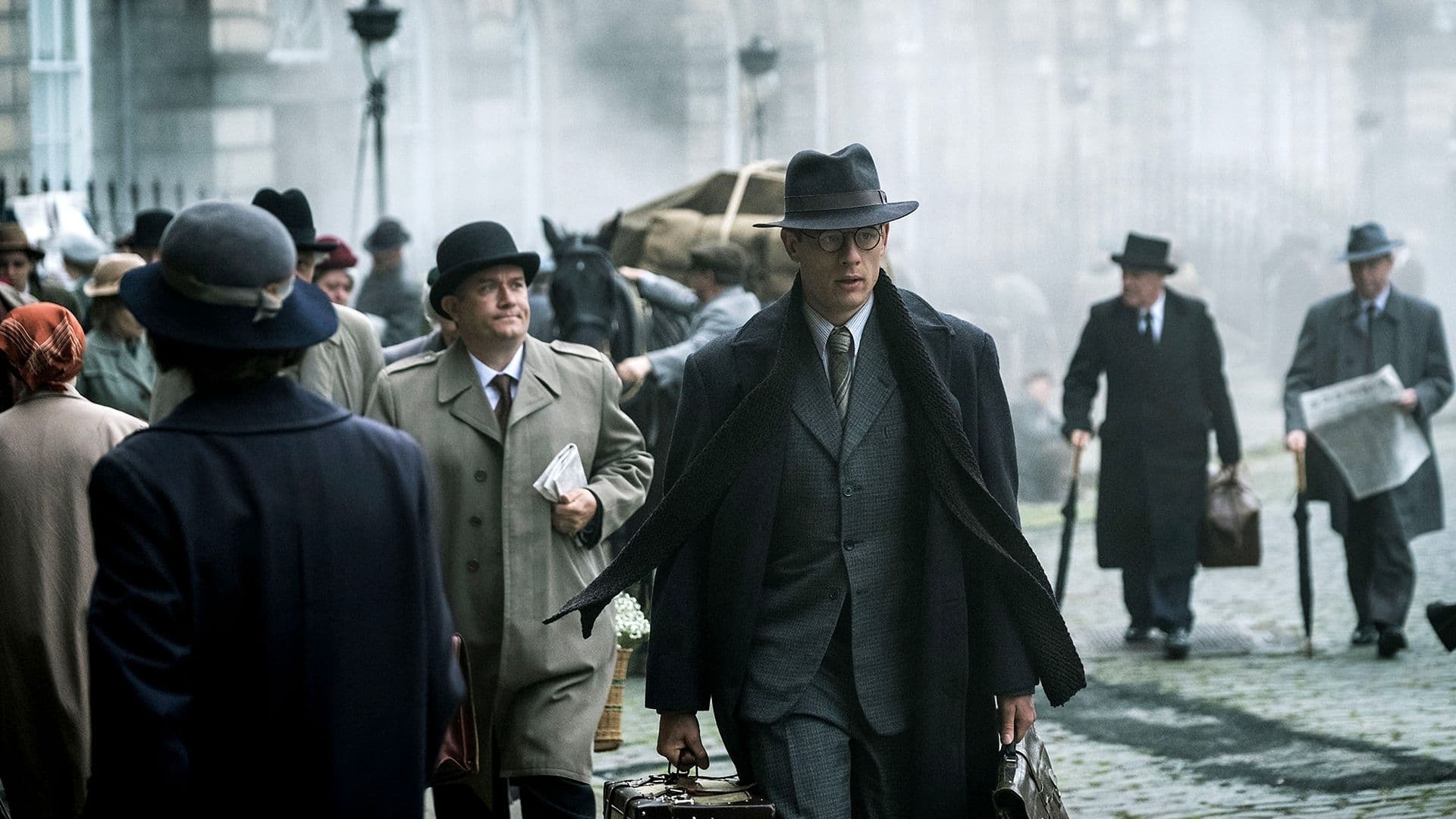
Knight always builds these beautiful scenes that are dim and dreary and convey this bone-deep sense of weariness. The grayness, lento pacing, and unobtrusive score create this sense of malaise in the Ukraine— whereas the exact opposite evoke a revulsion with the excess in Moscow.
The color grading is a bit on the nose, but the sequences are haunting and powerful. I think the editing had a few odd moments; some awkward cuts (especially in the White House scene, where the point could’ve been made much more subtlety and at a greater magnitude).
Steven Knight once again hides an understated masterpiece inside of a thriller. This is the kind of movie that makes me want to be a cinema student just to dive into the minutiae.
James Norton’s character and everything after the climax was just a vehicle for the sobering and astonishing long sequences in the Ukraine. There’s this idea that a profane-sacred dichotomy is far more descriptive than good-bad, and I think that’s what the movie plays with.
The shots in the Ukraine contain profane activities— moral taboos committed in desperation and resignation. But they are surrounded by the sacredness of a choir set in pure white snow. It forces you to reckon with this idea that the profane creates the sacredness, even in the most literal sense with the lyrics of the children’s song.
Moscow, on the other hand, proclaims to embrace the taboo and profane. Yet very little is shot in a sacred light. Is the difference agency? Moscow is choosing the profane, while the Ukraine has it thrust upon them?
Knight always builds these beautiful scenes that are dim and dreary and convey this bone-deep sense of weariness. The grayness, lento pacing, and unobtrusive score create this sense of malaise in the Ukraine— whereas the exact opposite evoke a revulsion with the excess in Moscow.
The color grading is a bit on the nose, but the sequences are haunting and powerful. I think the editing had a few odd moments; some awkward cuts (especially in the White House scene, where the point could’ve been made much more subtlety and at a greater magnitude).