“Prendetela la fabbrica è vostra! Tornateci, Si, ma per occuparla! Dovete far capire a tutti che ci tenete più della vostra casa! Fate capire ai padroni, alla città o al governo che lì è la vostra vita e la vostra morte, AVANTI!”
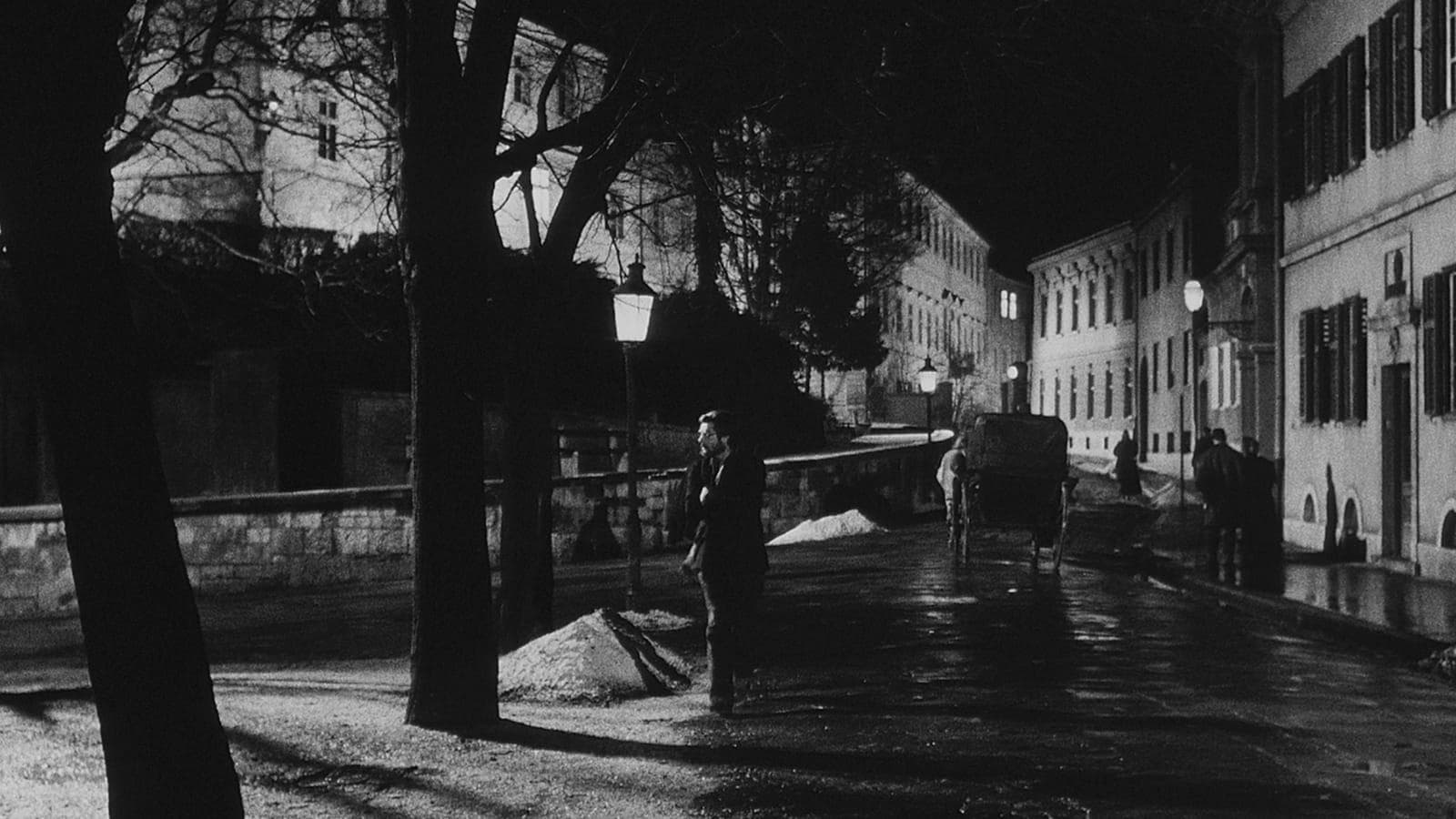
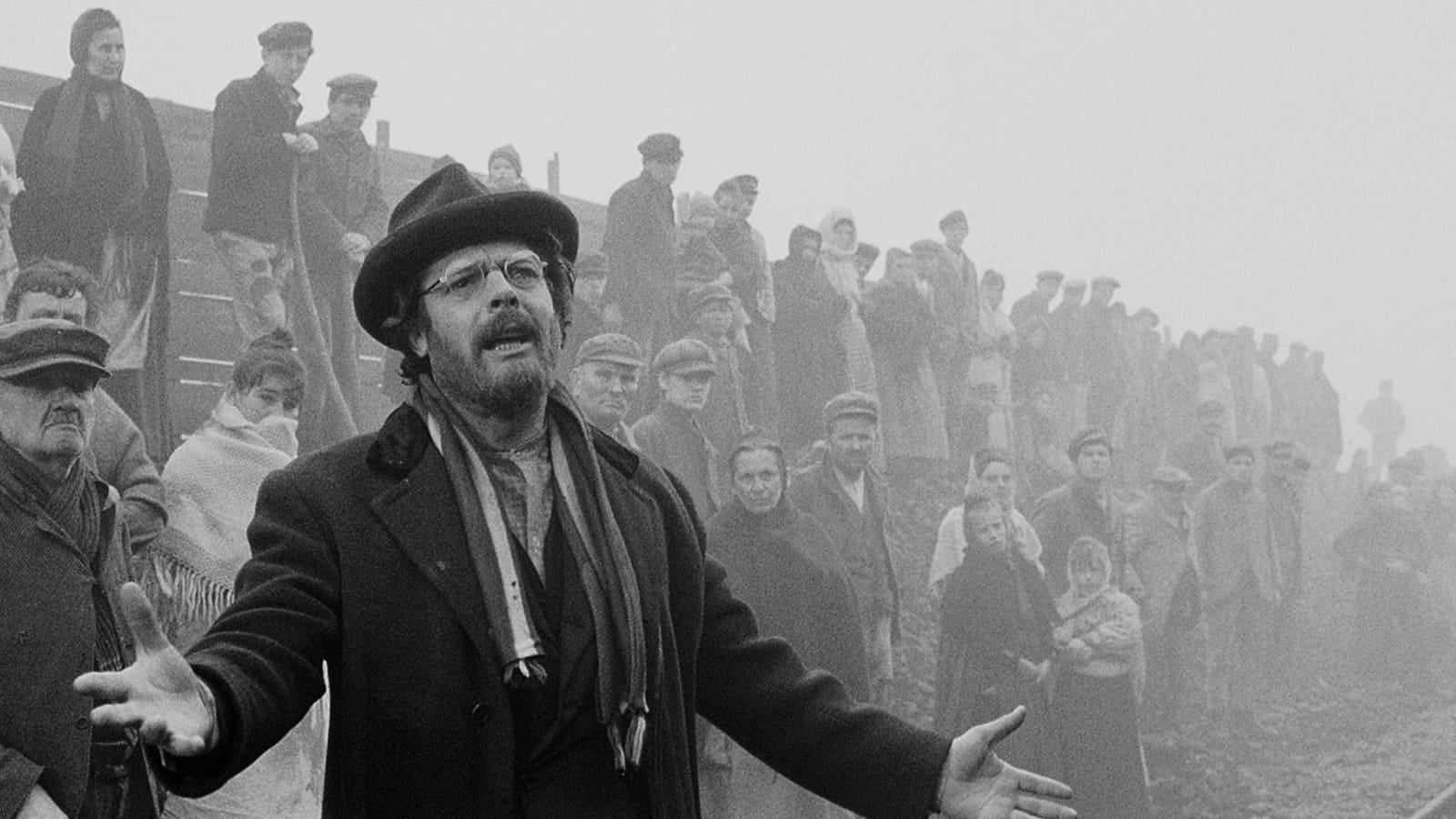
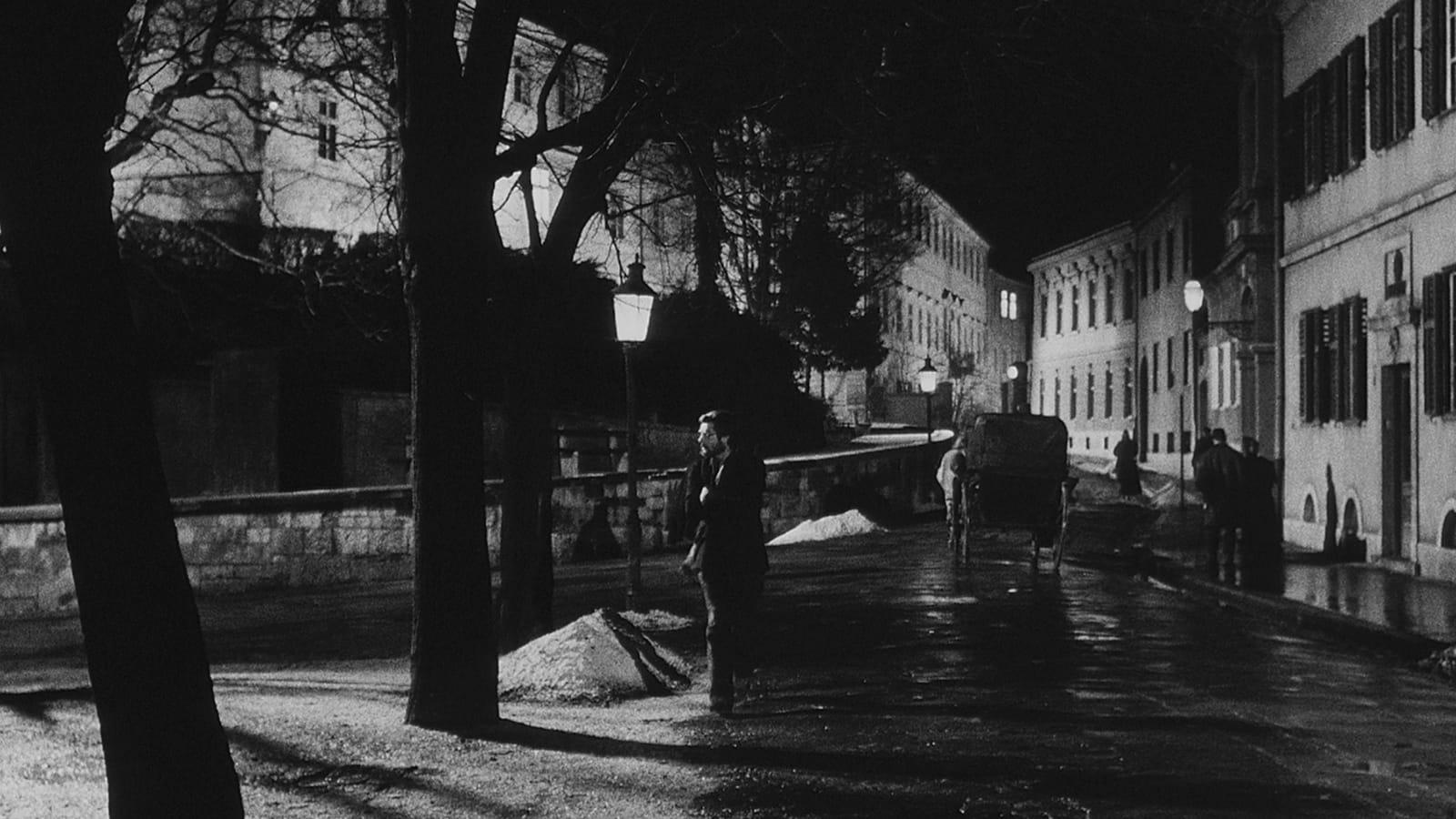
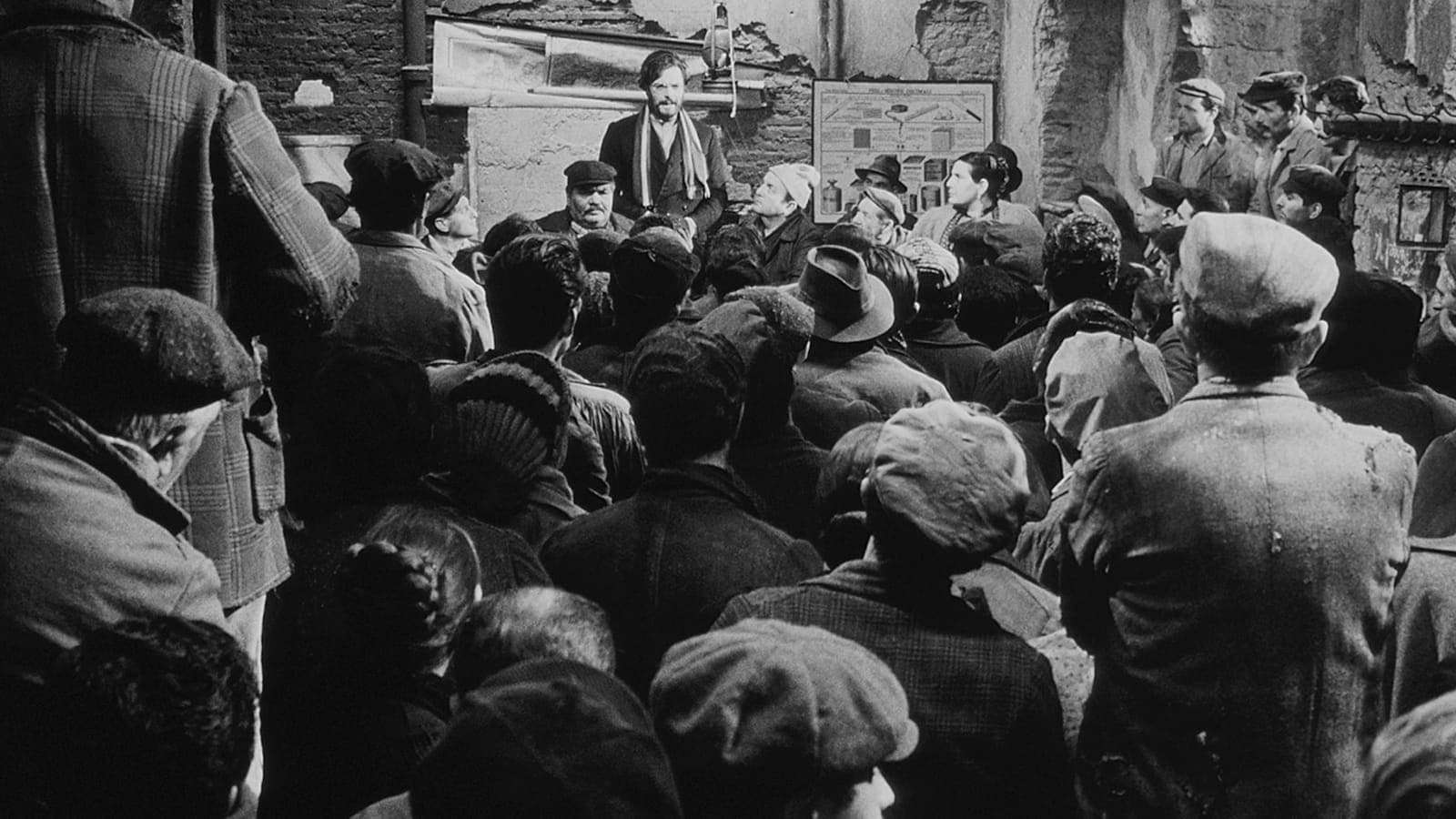
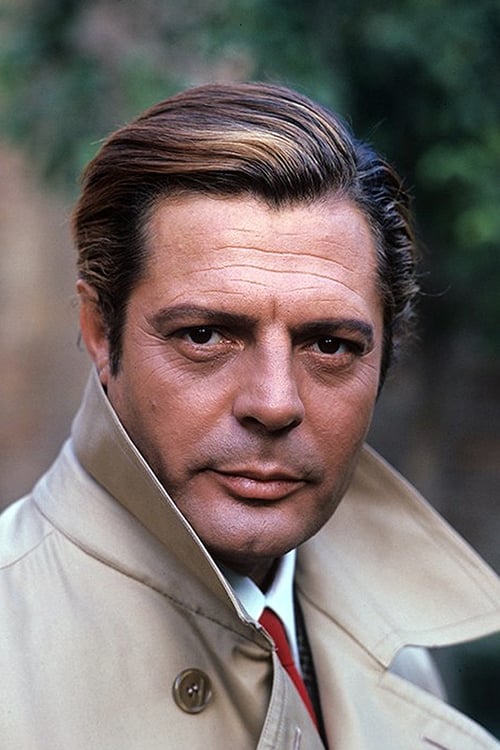
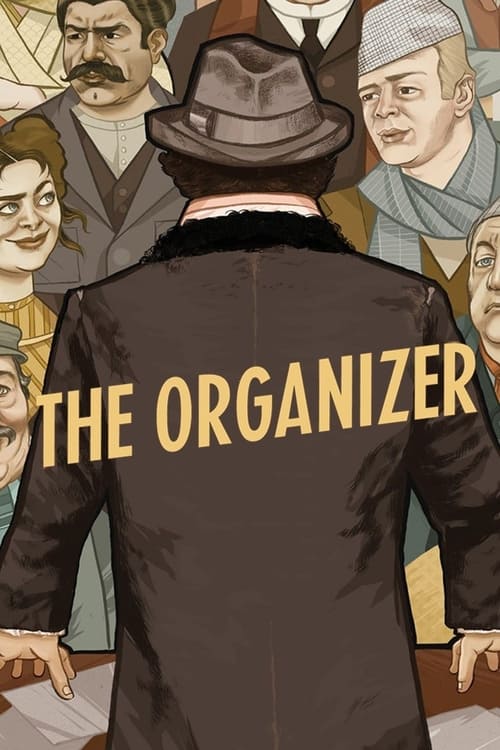
This movie is the perfect blending of "commedia all'italiana" and Italian neorealism. A satirical depiction of the brutal condition of the working class in Italy during the late XIX century. It shows the perpetual abuse of the poorest by the richest. Mastroianni's character serves as the voice of the people, making them realize the injustice they live in. We stay on the edge hoping they will make it, but Monicelli avoids giving us the "they lived happily ever after" movie ending. It's says coherent to the reality of our history. The mass will always bow, the rich will always win, and the poorest will always be exploited. But that doesn't mean the exploited should stop fighting, because even if throughout history the difference is minimal, there will always be room for change
“Prendetela la fabbrica è vostra! Tornateci, Si, ma per occuparla! Dovete far capire a tutti che ci tenete più della vostra casa! Fate capire ai padroni, alla città o al governo che lì è la vostra vita e la vostra morte, AVANTI!”
This movie is the perfect blending of "commedia all'italiana" and Italian neorealism. A satirical depiction of the brutal condition of the working class in Italy during the late XIX century. It shows the perpetual abuse of the poorest by the richest. Mastroianni's character serves as the voice of the people, making them realize the injustice they live in. We stay on the edge hoping they will make it, but Monicelli avoids giving us the "they lived happily ever after" movie ending. It's says coherent to the reality of our history. The mass will always bow, the rich will always win, and the poorest will always be exploited. But that doesn't mean the exploited should stop fighting, because even if throughout history the difference is minimal, there will always be room for change