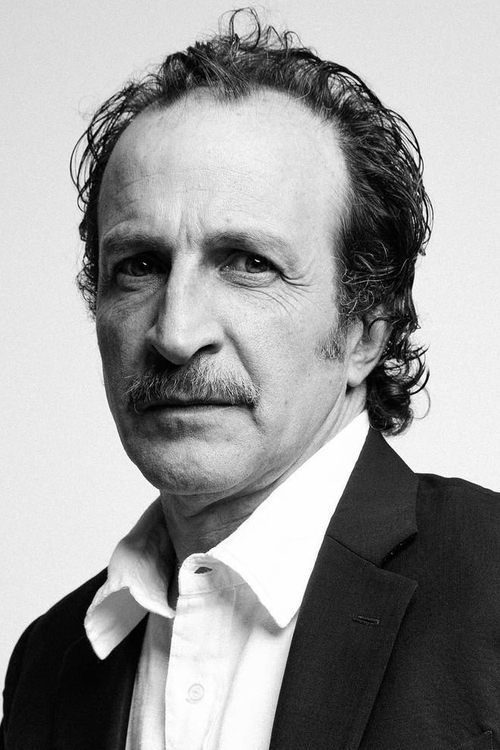
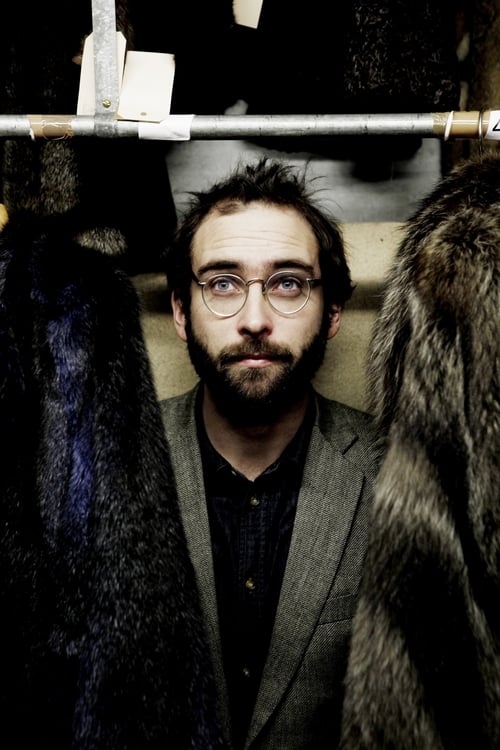
I feel like this Santiago guy was a little too big a fan of Freudian psychology. This is a great example of how reductive and narrow the whole psychosexual view of human behavior is. It just reminds me of how inclined who are seeking conclusive answers to unanswerable questions are to believing the answers must themselves be shocking and provocative. It's the same sort of compulsion that draws people to conspiracy theories and delusions in the face of even situations that seem very cut-and-dry. Simple answers are not enough to the frenzied hunger of an insatiable mind.
I'm not trying to pretend I am better than anyone else, or could kid myself alleging I would always take the mundane at face-value. It's just an observation I've made about the narratives we tend to paint, and I think those stories are more destructive than they are insightful. This experiment demonstrates that. Those participants somehow still shared genuine connections despite enduring over 3 months of living in close proximity with people who were unlike themselves, all the while being incessantly tormented by a vexatious instigator. Imagine how much more meaningful the experience could've been without his sabotage.
I don't know, maybe that's a pretty boring answer ("Our shared humanity allows us to overcome great odds and forge genuine connections with others,") but wouldn't that also where the evidence would lead him? That's kind of how science works.
Anyway, I think the way the experiment played out is interesting, and I enjoyed hearing those first-hand accounts. It's like the opposite of the Stanford Prison Experiment. The documentary's execution in exploring those lessons just fell a little short for me. I would've loved to have heard more about what the participants felt the results of the experiment meant to them then, and more-so now looking back decades later. I'm still glad the story was told though, so props to the filmmakers for all the research this definitely took to get made.
I feel like this Santiago guy was a little too big a fan of Freudian psychology. This is a great example of how reductive and narrow the whole psychosexual view of human behavior is. It just reminds me of how inclined who are seeking conclusive answers to unanswerable questions are to believing the answers must themselves be shocking and provocative. It's the same sort of compulsion that draws people to conspiracy theories and delusions in the face of even situations that seem very cut-and-dry. Simple answers are not enough to the frenzied hunger of an insatiable mind.
I'm not trying to pretend I am better than anyone else, or could kid myself alleging I would always take the mundane at face-value. It's just an observation I've made about the narratives we tend to paint, and I think those stories are more destructive than they are insightful. This experiment demonstrates that. Those participants somehow still shared genuine connections despite enduring over 3 months of living in close proximity with people who were unlike themselves, all the while being incessantly tormented by a vexatious instigator. Imagine how much more meaningful the experience could've been without his sabotage.
I don't know, maybe that's a pretty boring answer ("Our shared humanity allows us to overcome great odds and forge genuine connections with others,") but wouldn't that also where the evidence would lead him? That's kind of how science works.
Anyway, I think the way the experiment played out is interesting, and I enjoyed hearing those first-hand accounts. It's like the opposite of the Stanford Prison Experiment. The documentary's execution in exploring those lessons just fell a little short for me. I would've loved to have heard more about what the participants felt the results of the experiment meant to them then, and more-so now looking back decades later. I'm still glad the story was told though, so props to the filmmakers for all the research this definitely took to get made.