**
March Around the World 2025 - 22/30, Russia 🇷🇺**
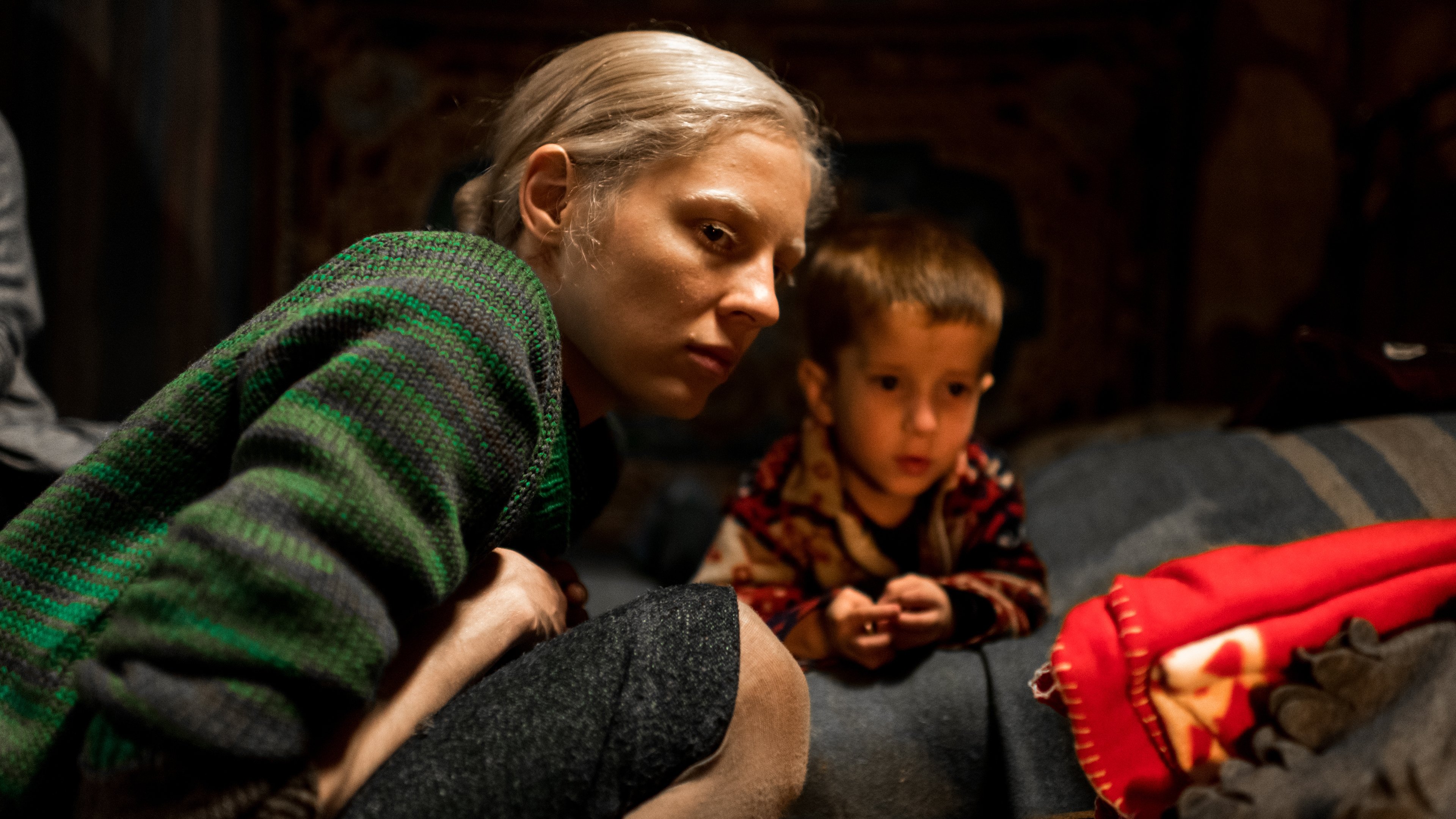
I want a human being inside me, I want to be a mom.
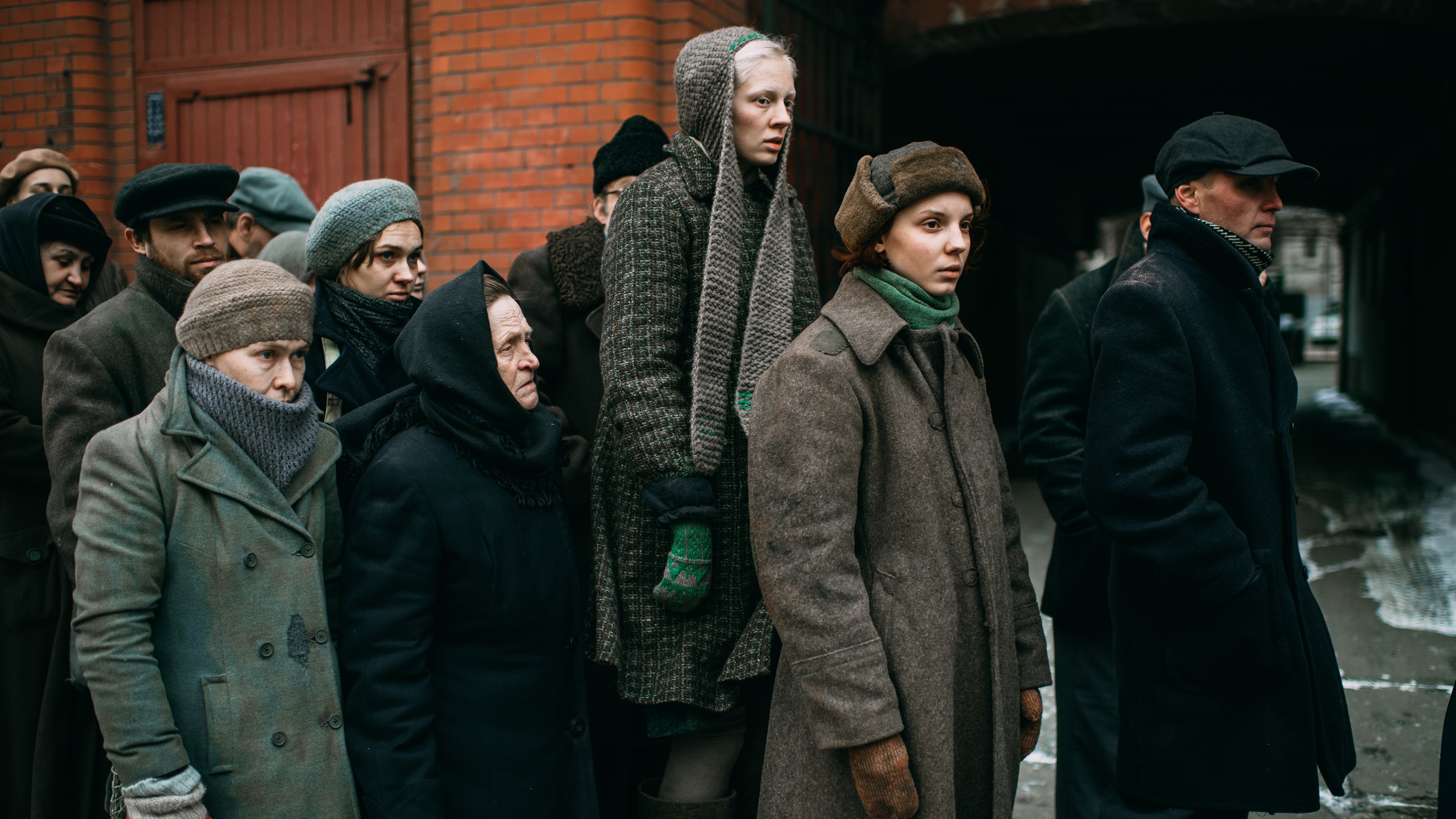
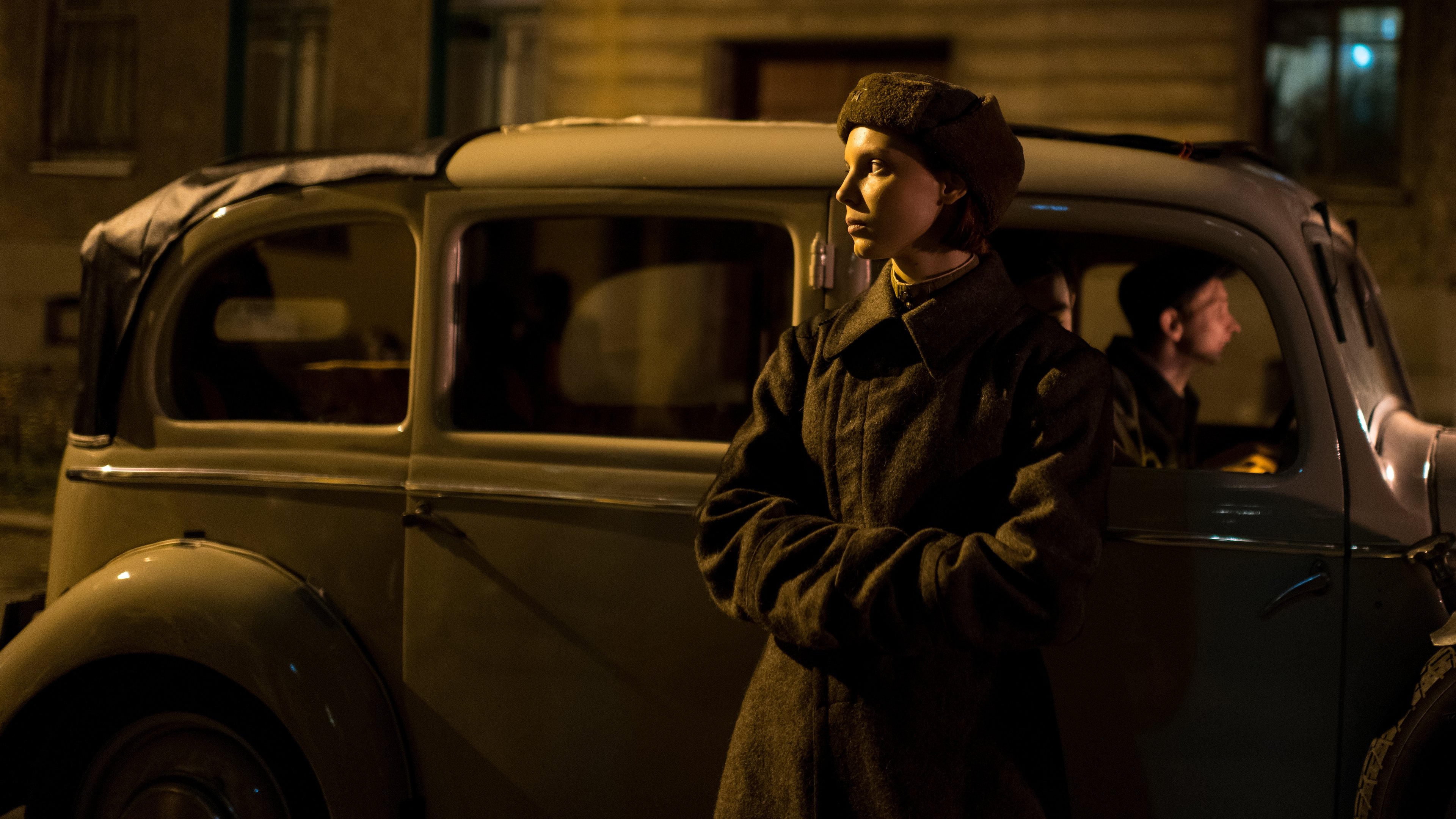
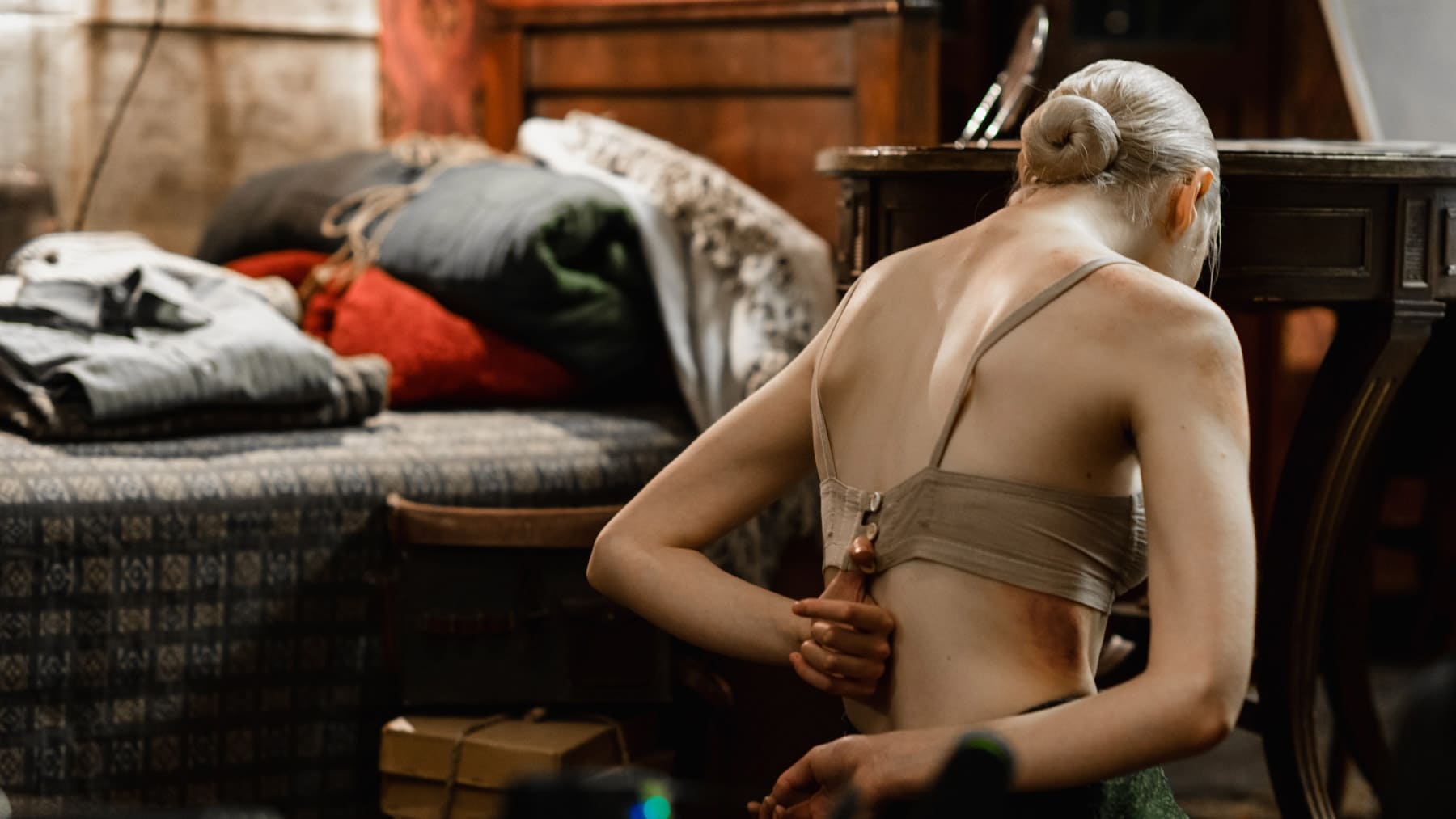
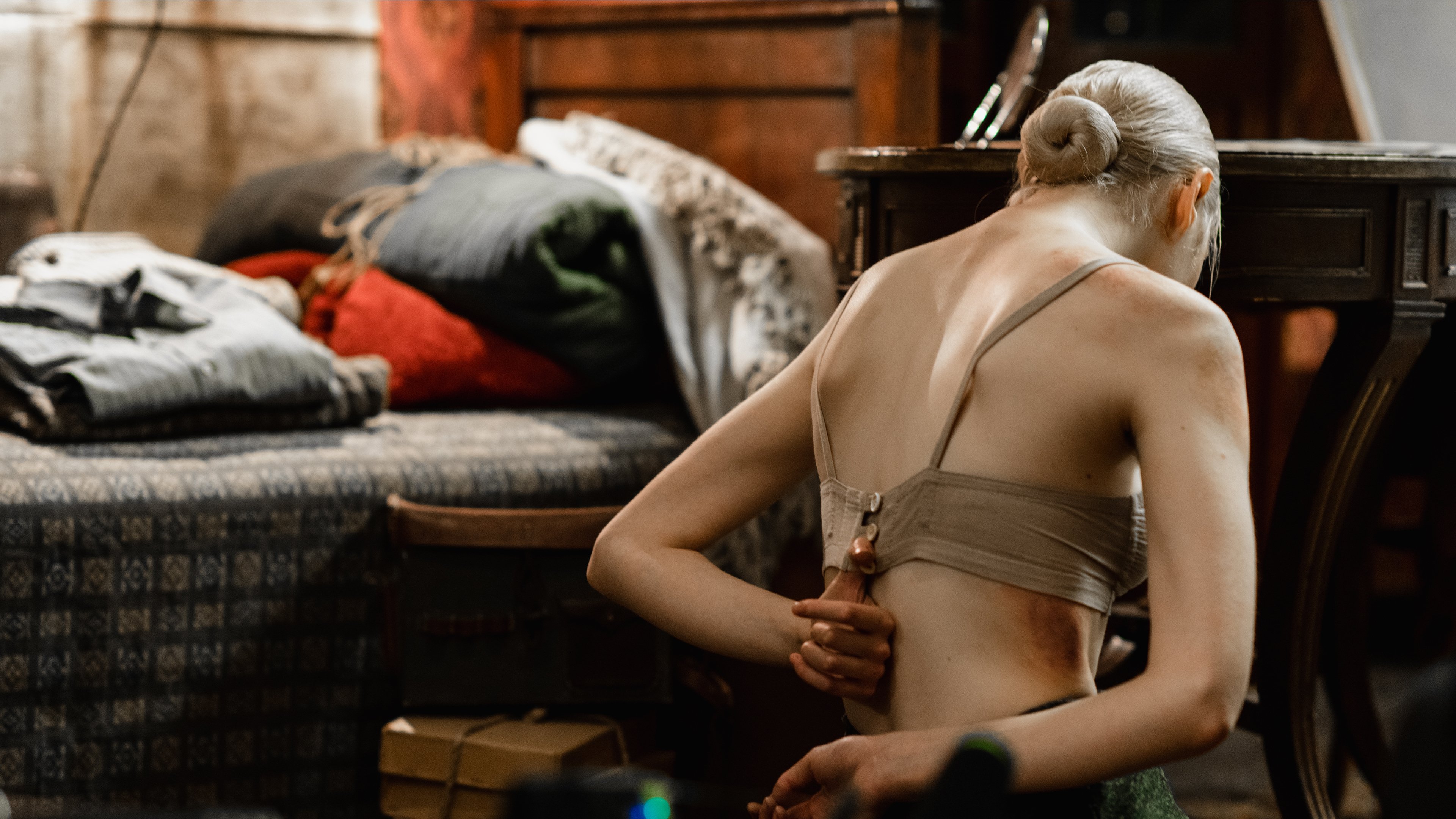
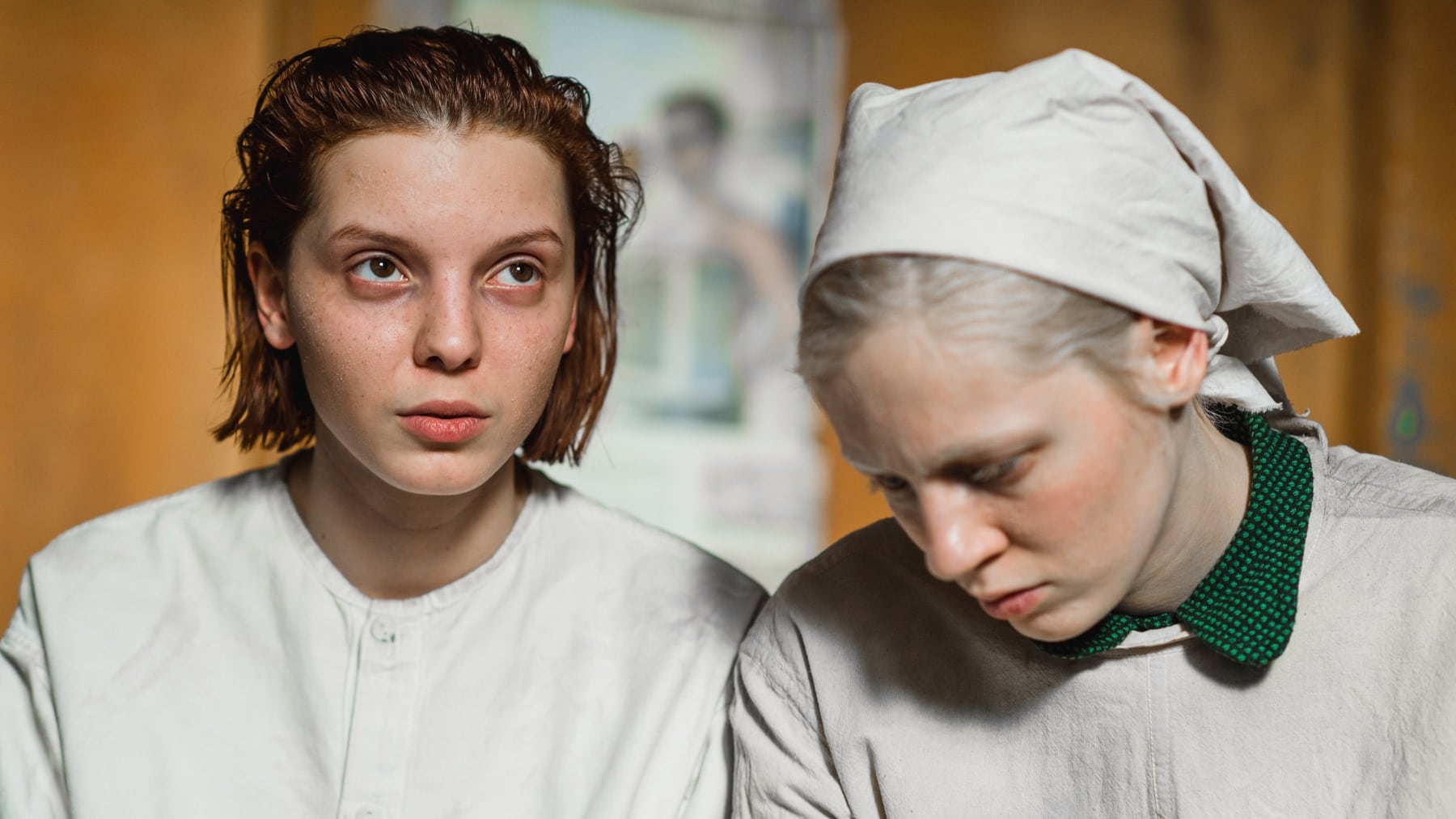
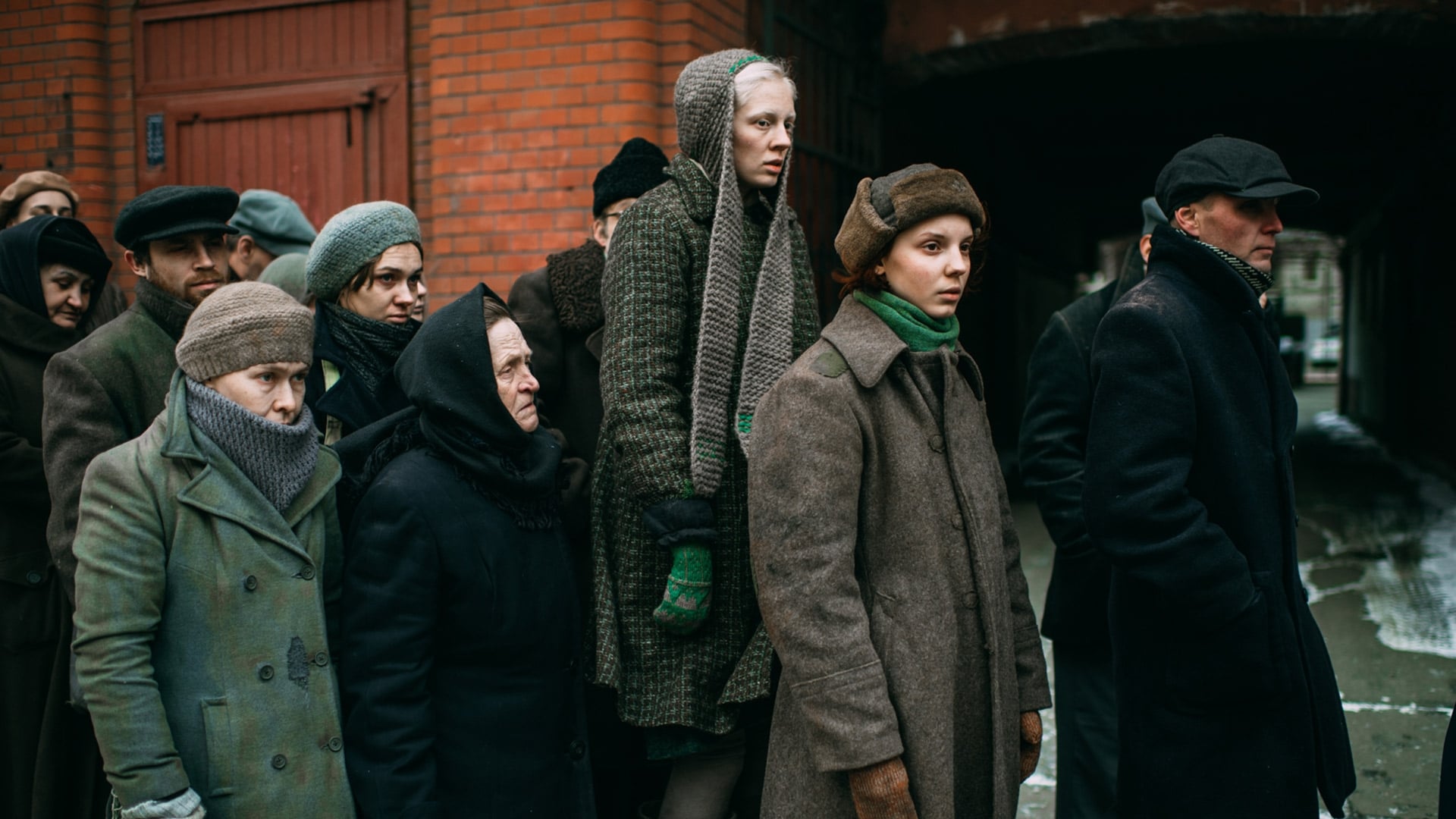
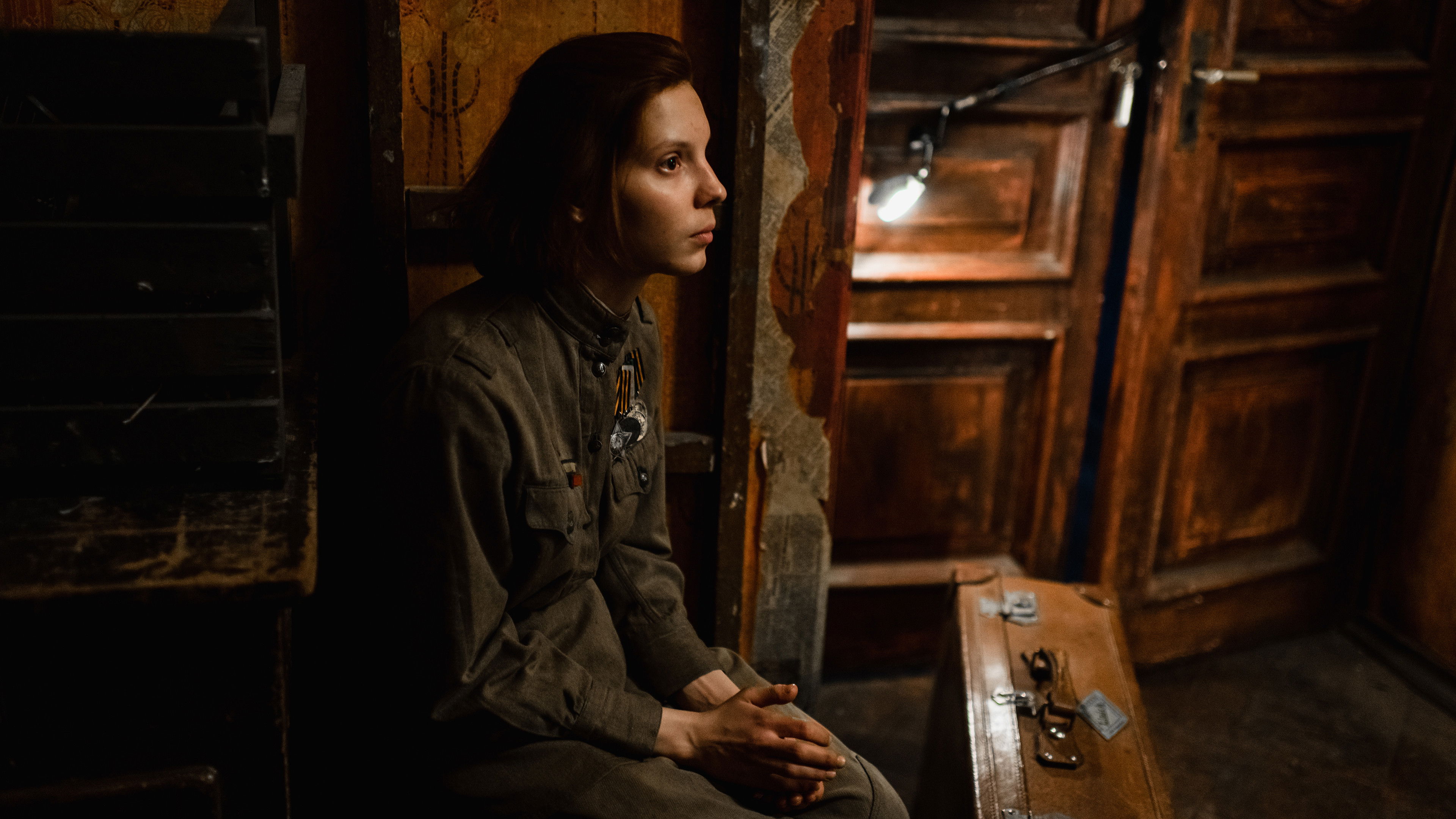
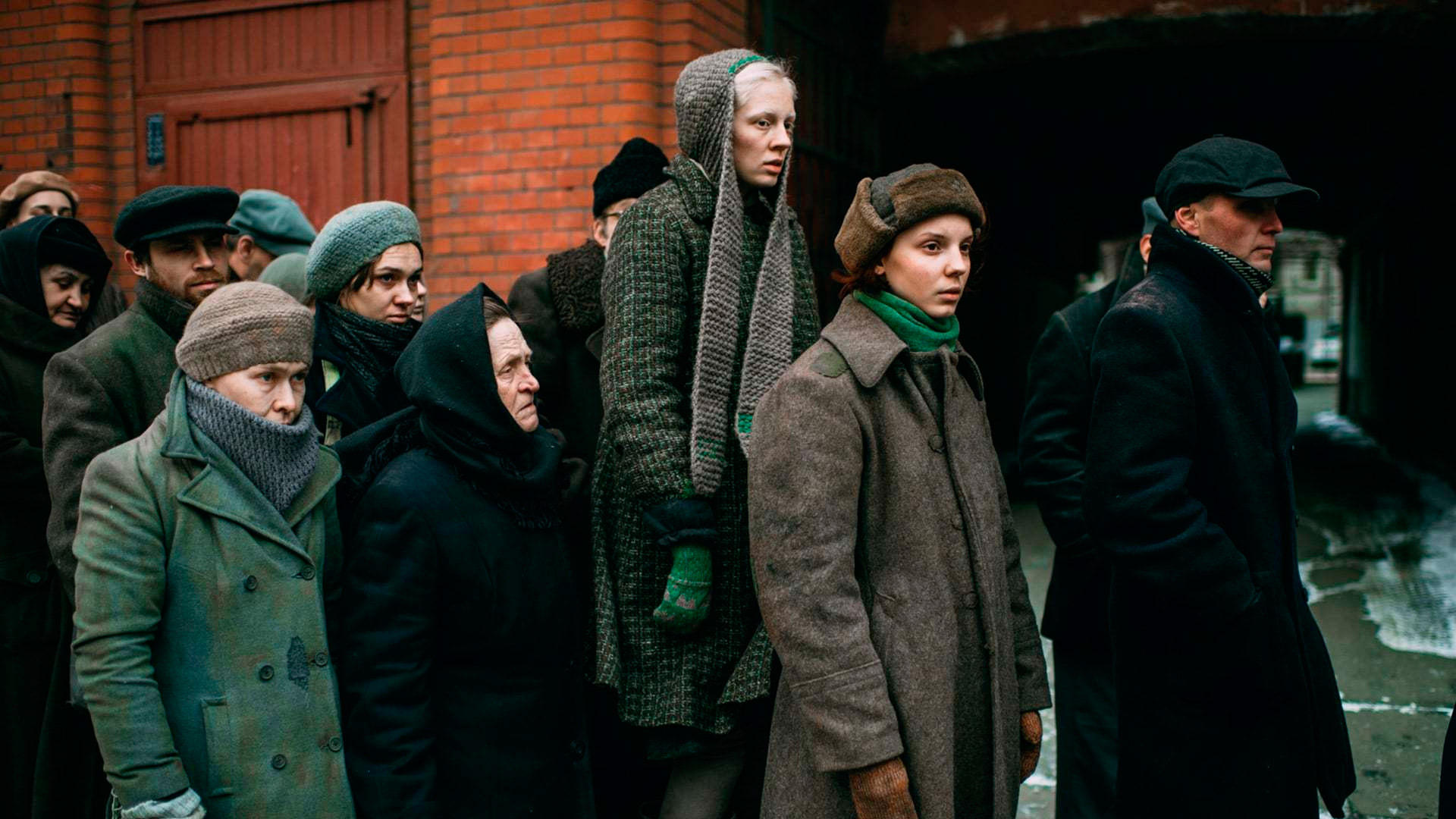
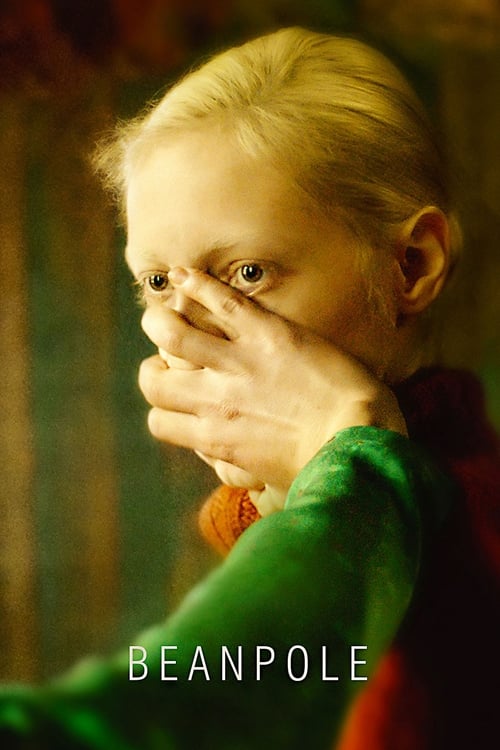
Beanpole is set in a post-war context, in Leningrad experiencing its first autumn free from World War II. In this context, it is clear that the film depicts a landscape of open wounds, physical and psychological, but especially social, as Kantemir Balagov explores this hostility and abuse of neighbor in the interactions between these ghosts of the conflict.
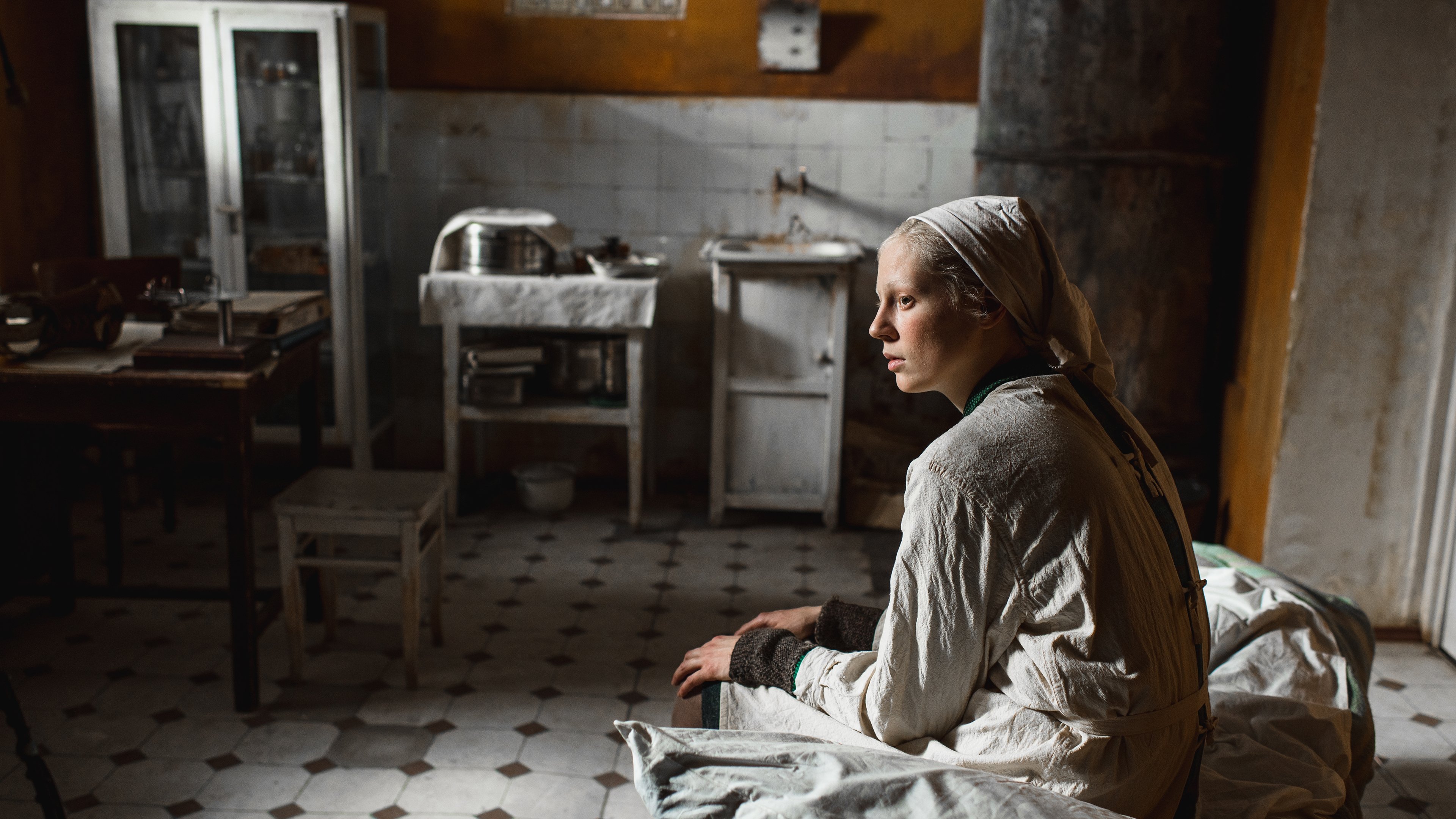
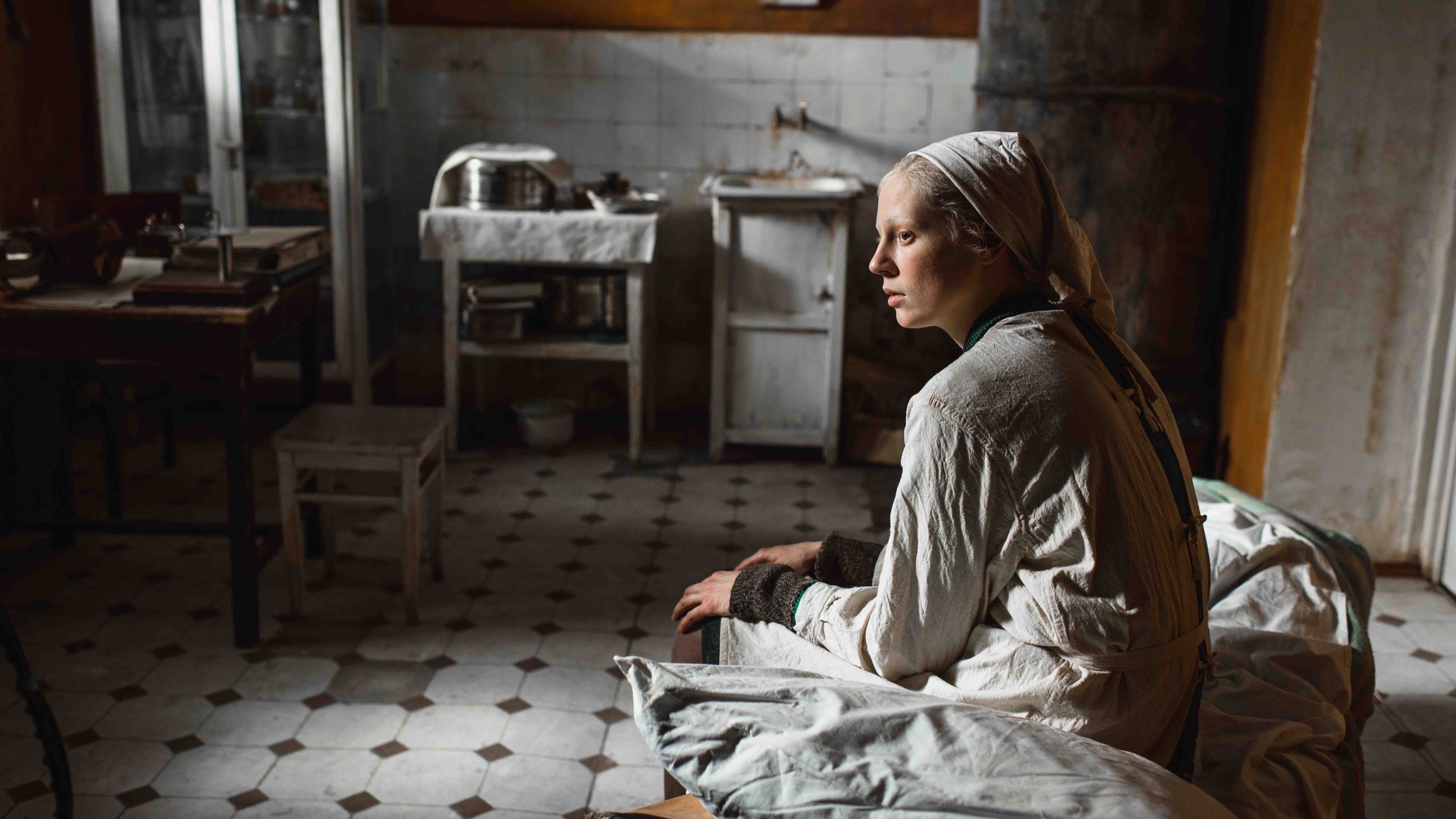
We meet our protagonists in a hospital for the treatment of disabled veterans, a location that, far from being random, contributes to intensifying the idea that the heroic actions of wartime have come to an end, now transformed into misery and decadence. The film is a cruel portrait of a new era where war is absent, but its reminiscence remains, vestiges capable of suffocating the present of those who participated in the conflict.
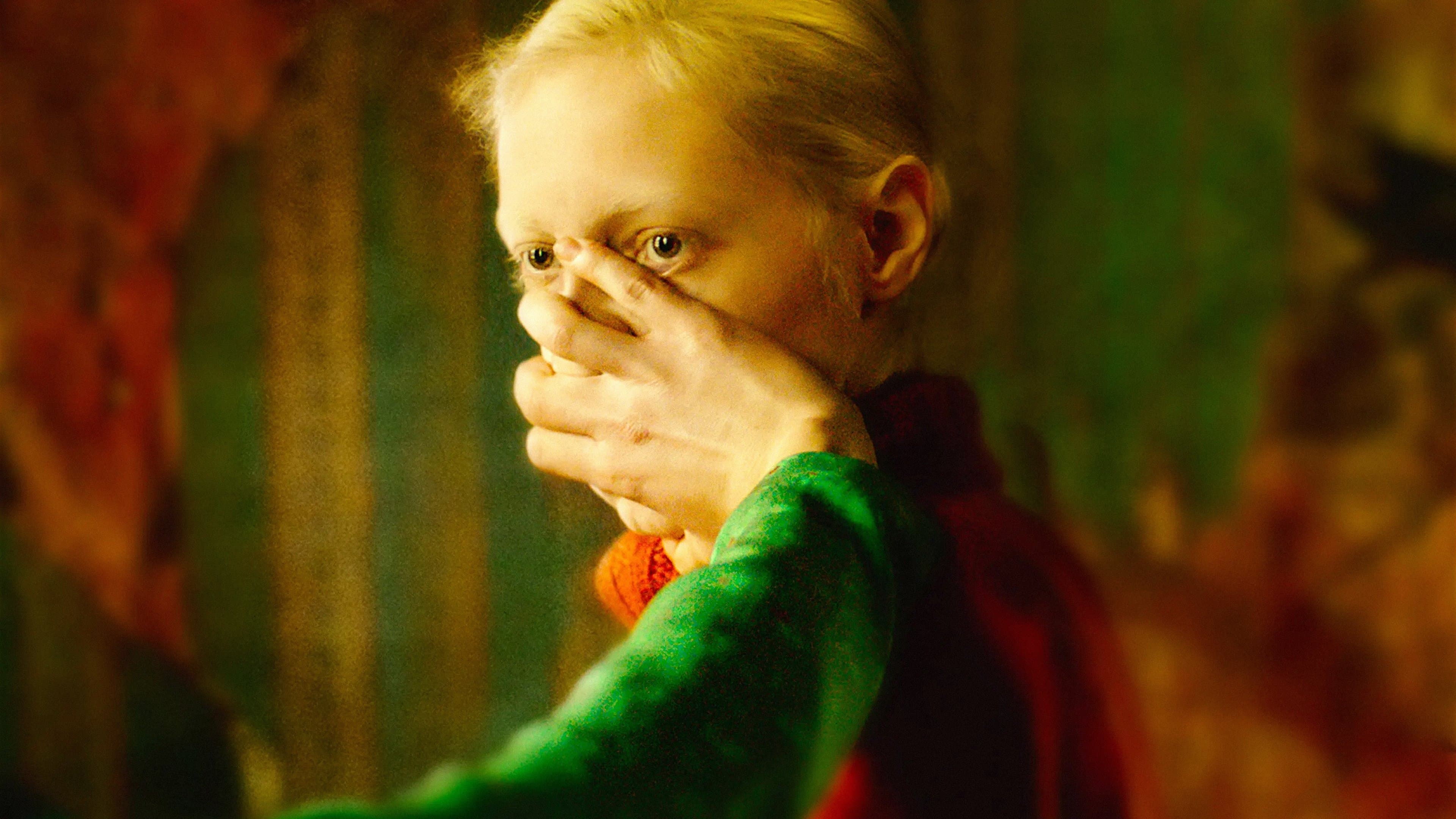
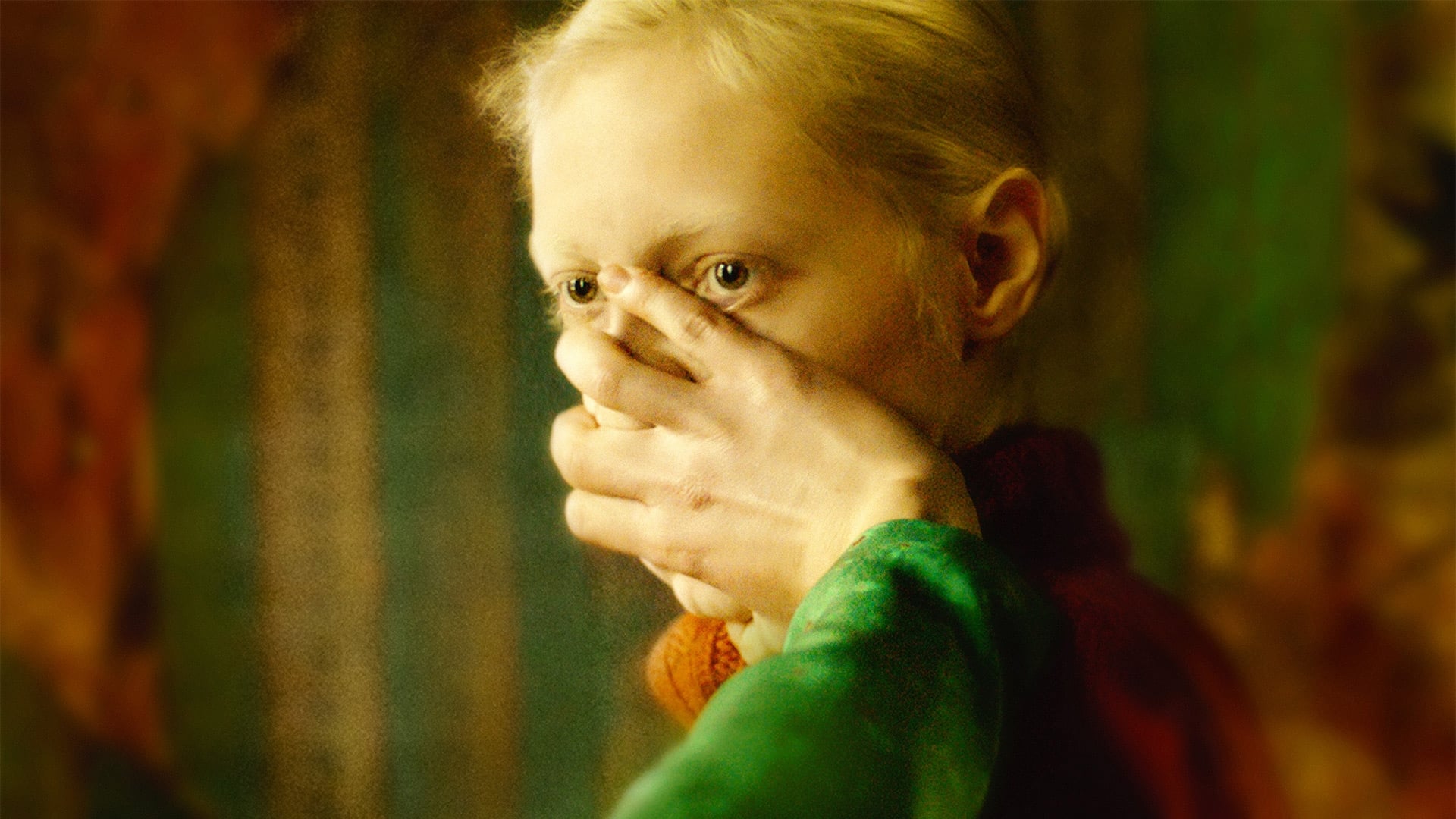
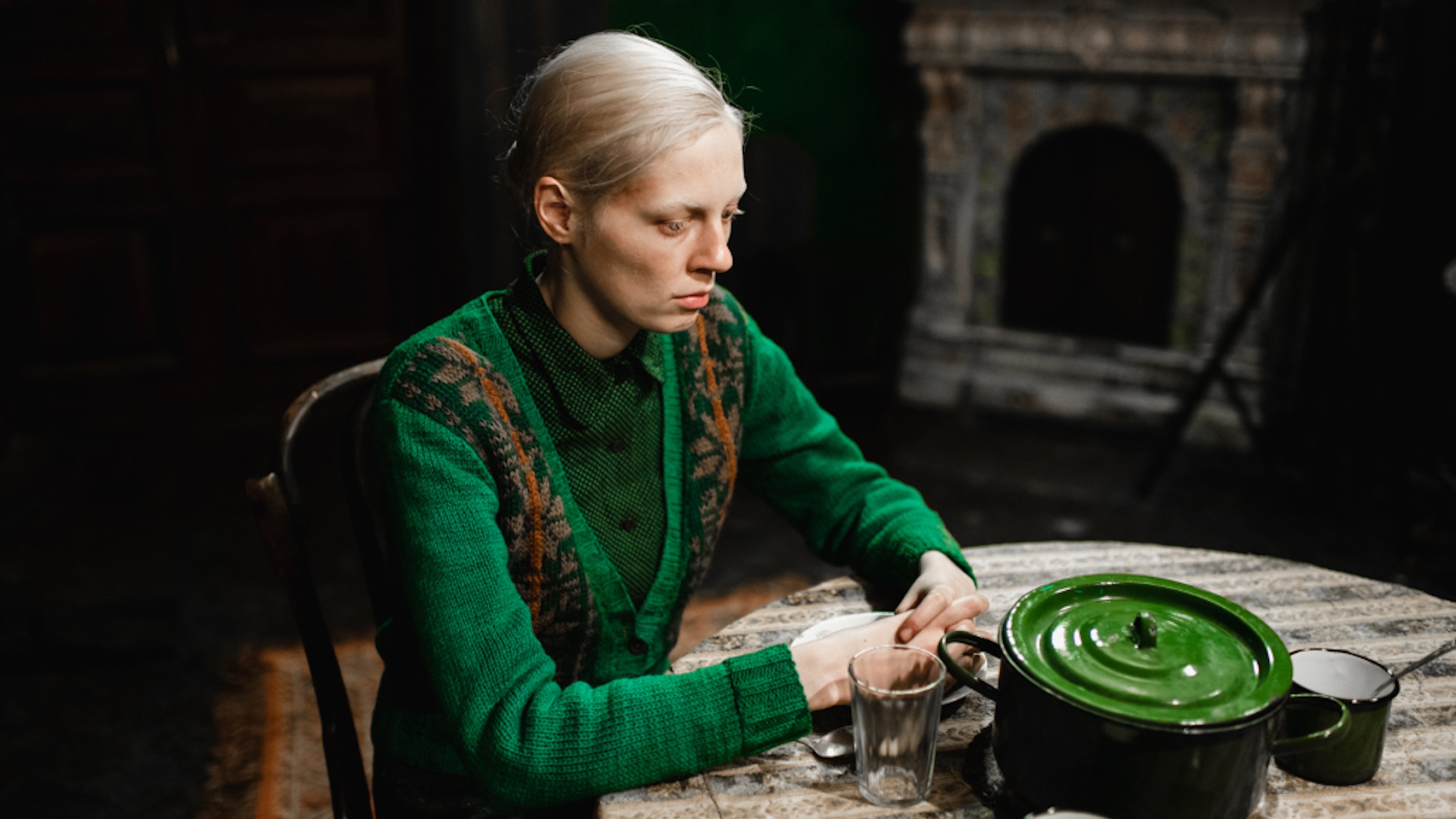
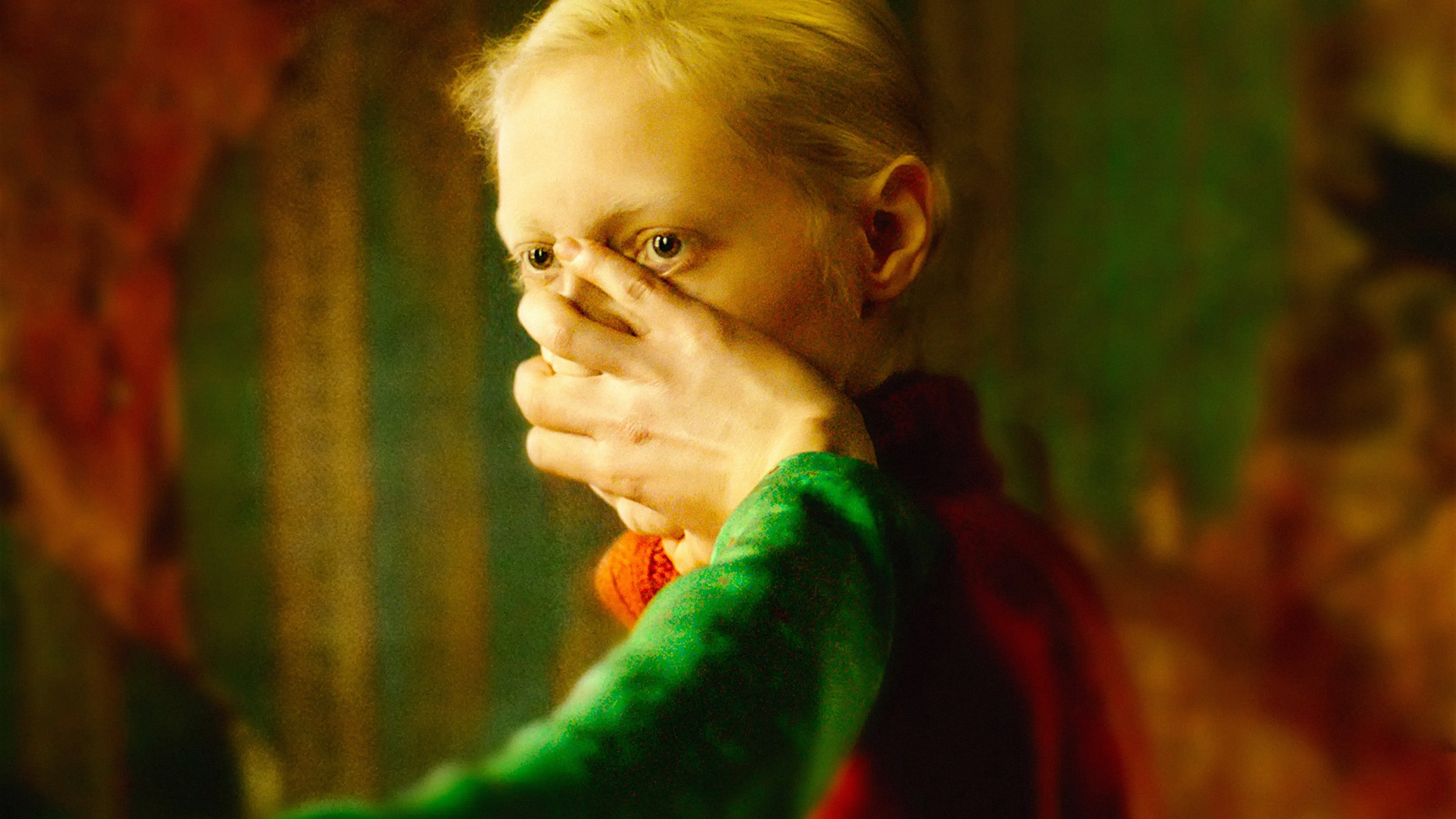
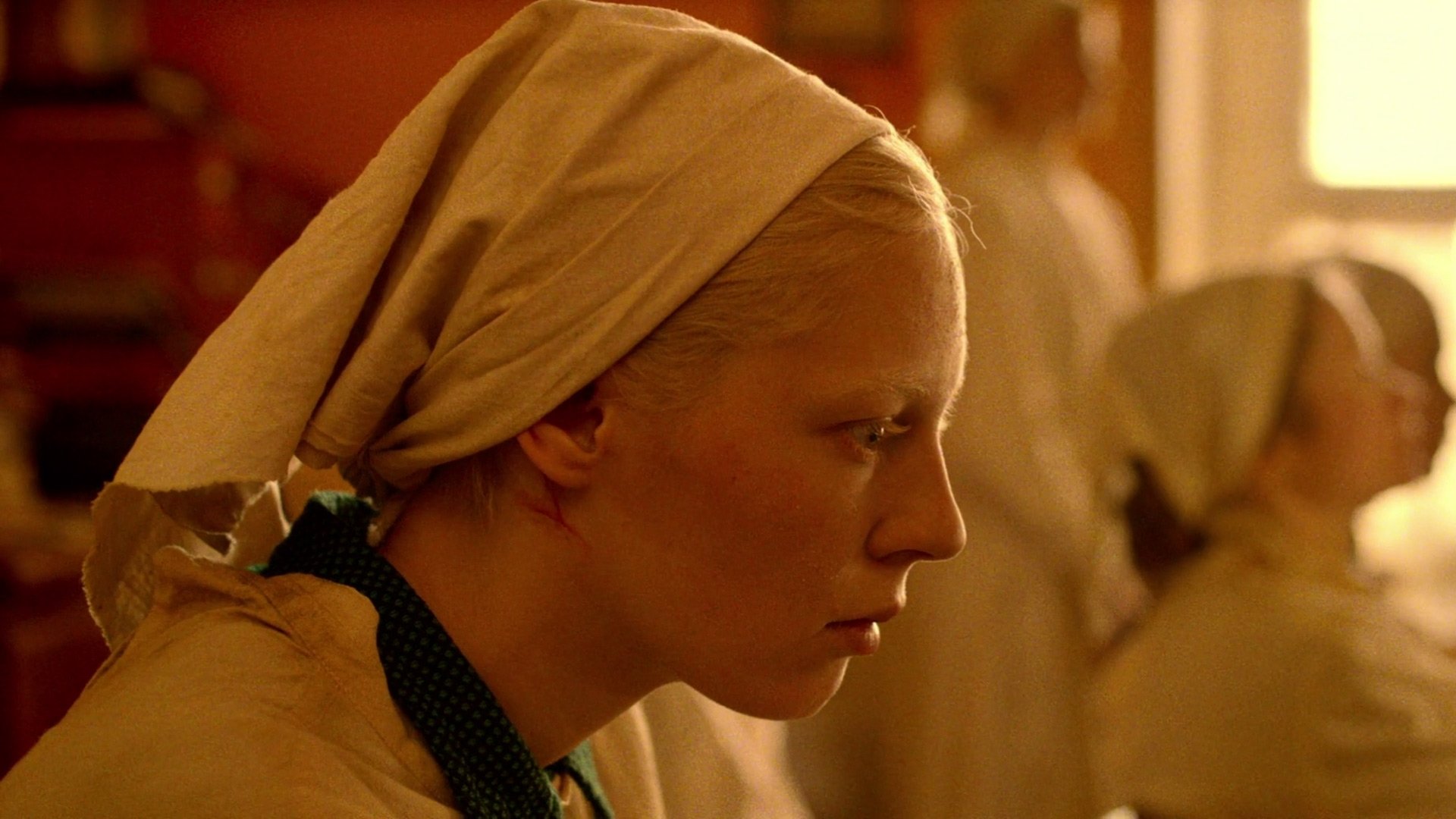
As the film unfolds, it's interesting how the desire to conceive and nurture a new life becomes a selfish pursuit, an end to be achieved no matter the means. And this may be the main point in Beanpole: the desperation for a new dawn for a society mired in the red shadow of pain and death, yet still managing to glimpse some vitality, a green that manages to exist and make itself felt, but doesn't take over the landscape.
It's a convoluted look at emotions and trauma. The film doesn't seek to simplify specific issues or fall into commonplaces to provide a simple experience for the viewer. Kantemir Balagov aims for the opposite, to make the matter more complex and offer a viewing experience filled with disturbing images and behaviors.
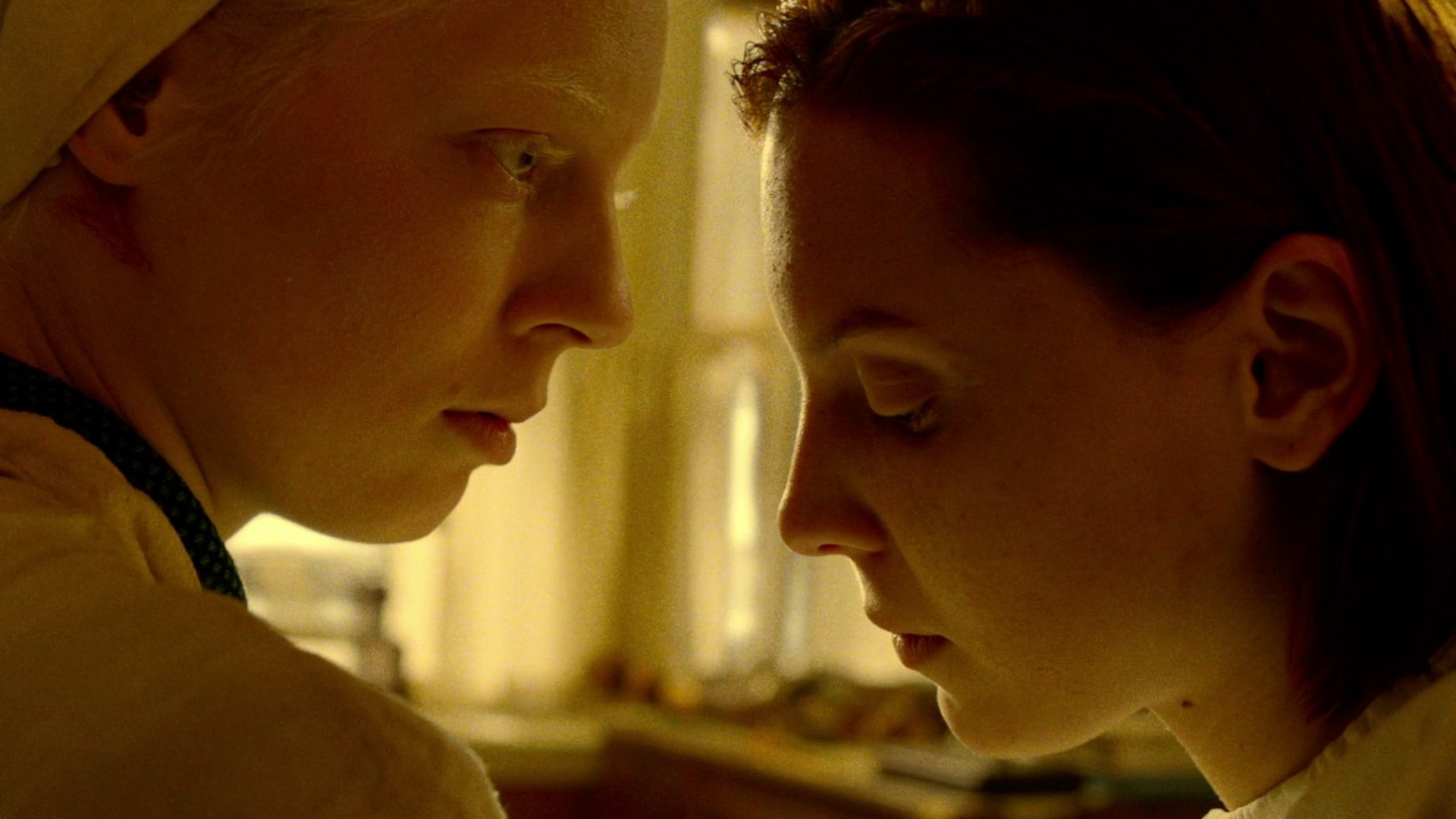
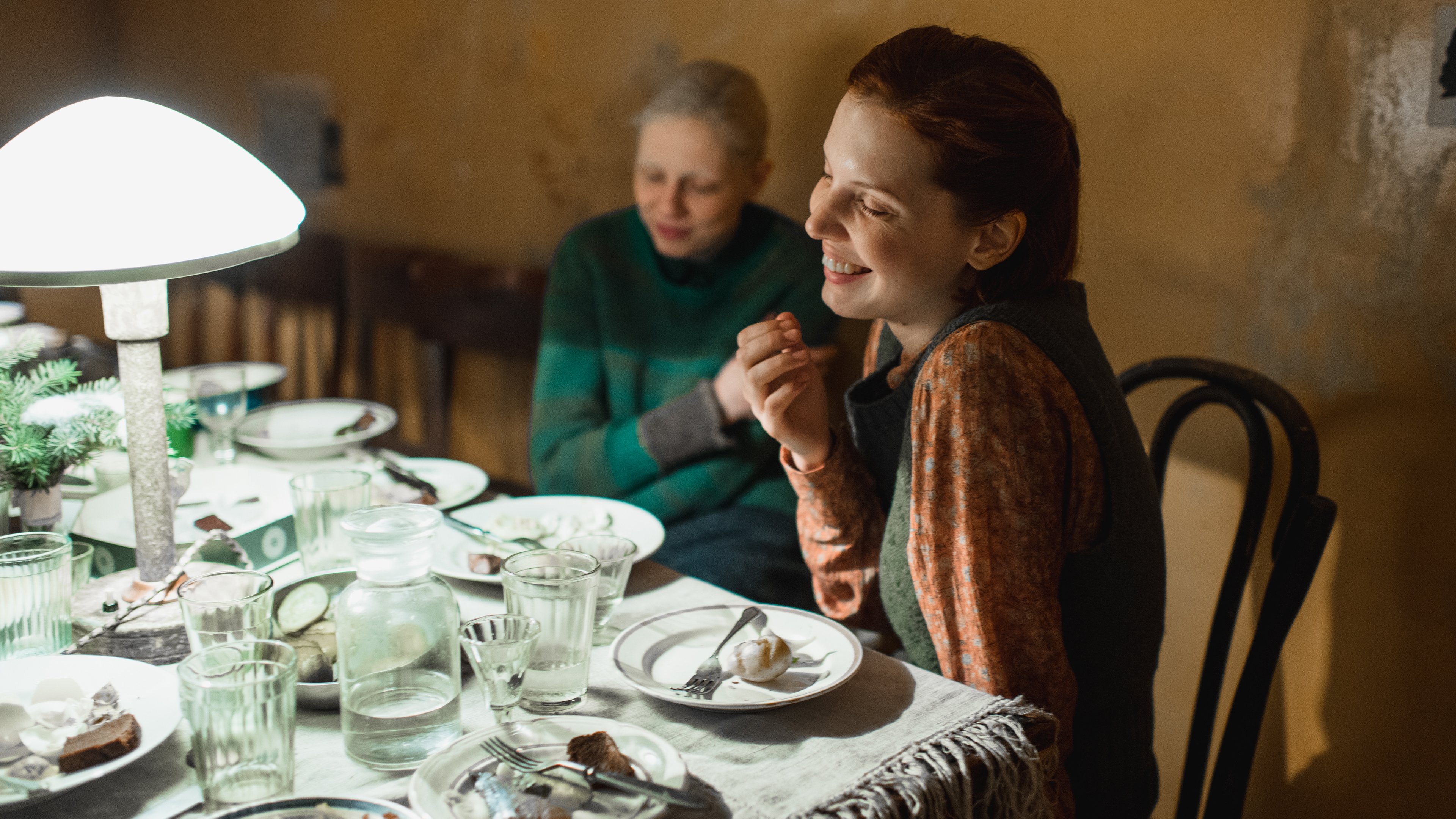
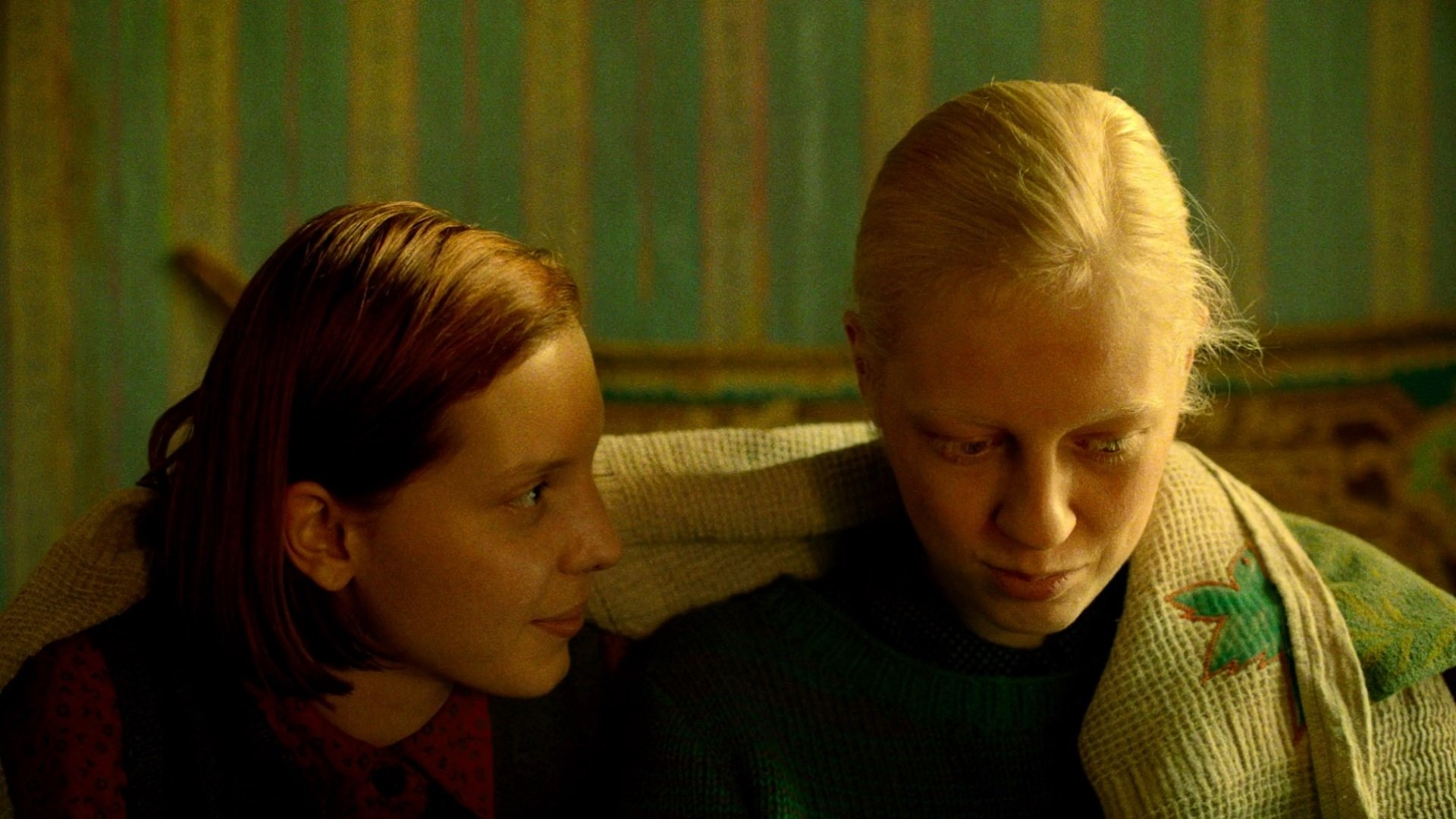
It's a brutal look at power relations and manipulation in the economic instability of the post-war period, but it also focuses on more positive aspects of human interactions, evidence of understanding, empathy, and support. A fascinating film on an emotional level, because it caresses and punishes the human being without making judgments, simply showing him or her to the viewer in all his or her nature.