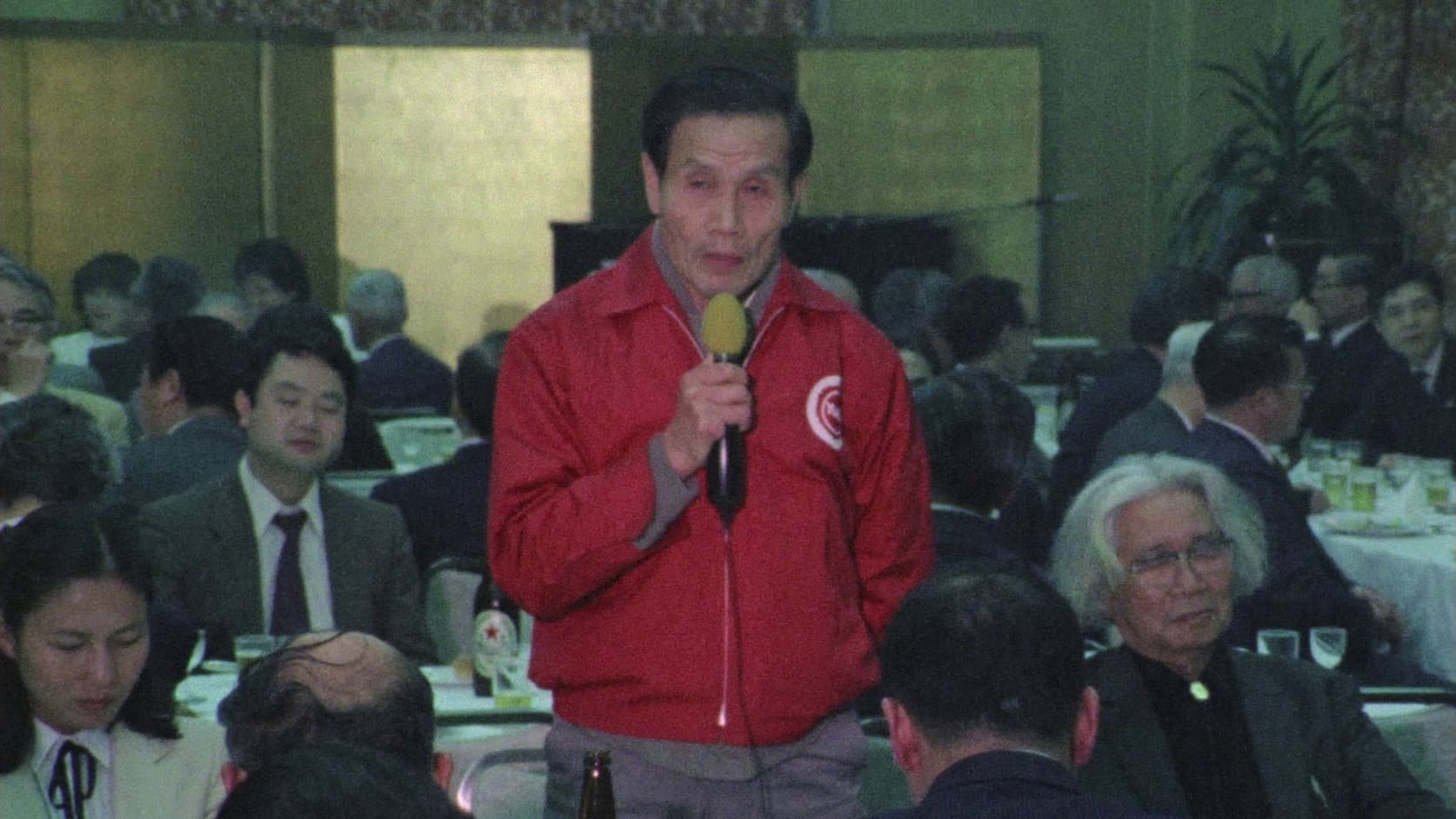
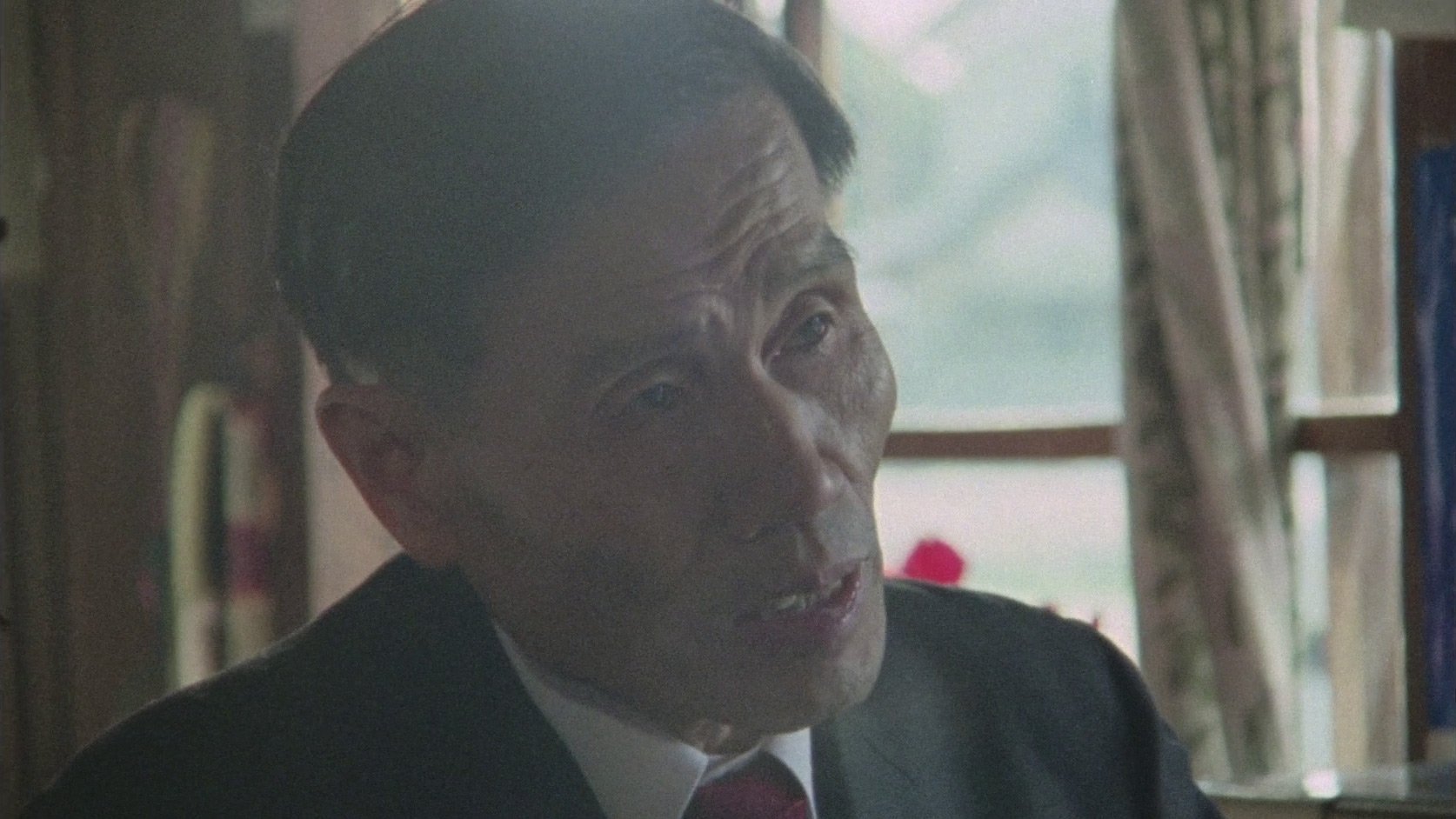
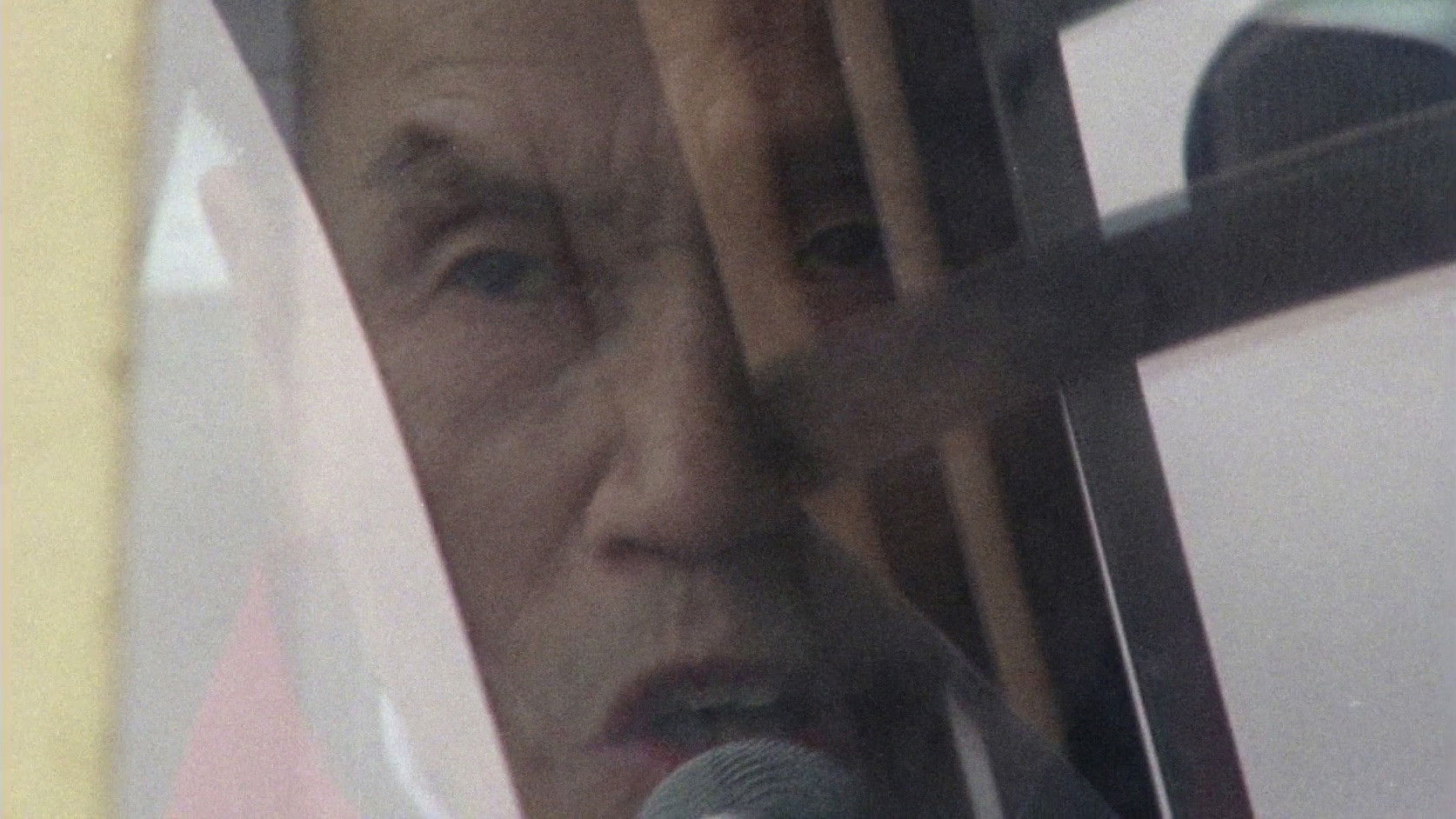
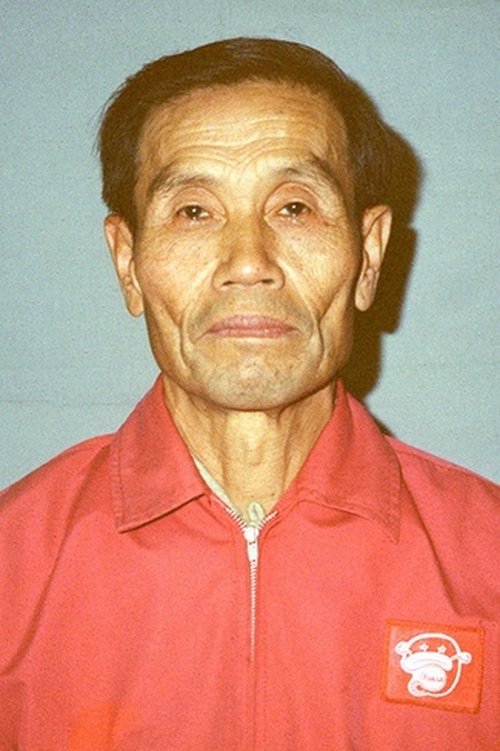
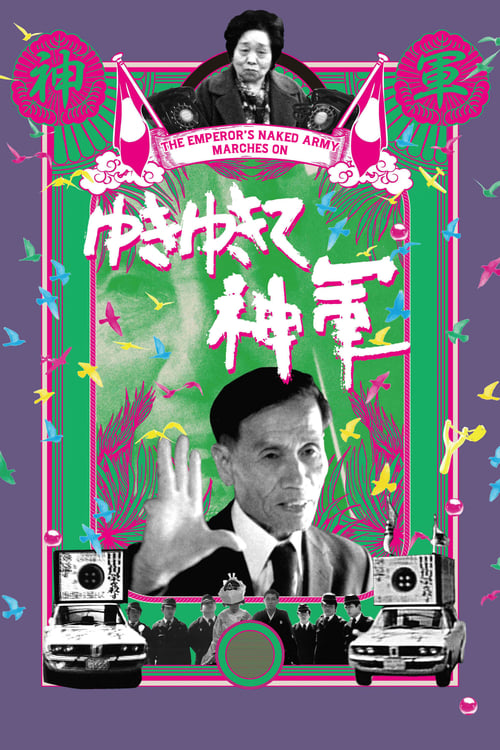
The Emperor’s Naked Army Marches On explores how the trauma of war doesn’t end; it lingers in the memory. Kenzo Okuzaki, an unhinged veteran battling his guilt with the corrosive aftershocks of fascism, solves an eroded part of history from World War II. Essentially, his performative tirades convey an effort to purge himself of what he perceives as tacit collaboration. Okuzaki’s obsession with exposing atrocities creates a spectacle that is both unnerving and absurd. The fragmented testimonies he extracts reveal how memory itself becomes unreliable and a patchwork of half-truths. He's fighting his own private war, one where the search for redemption is inseparable from violence. The documentarian Hara suggests that the cruelty of the Empire demanded more than loyalty by leaving survivors to wrestle with shame and rage.
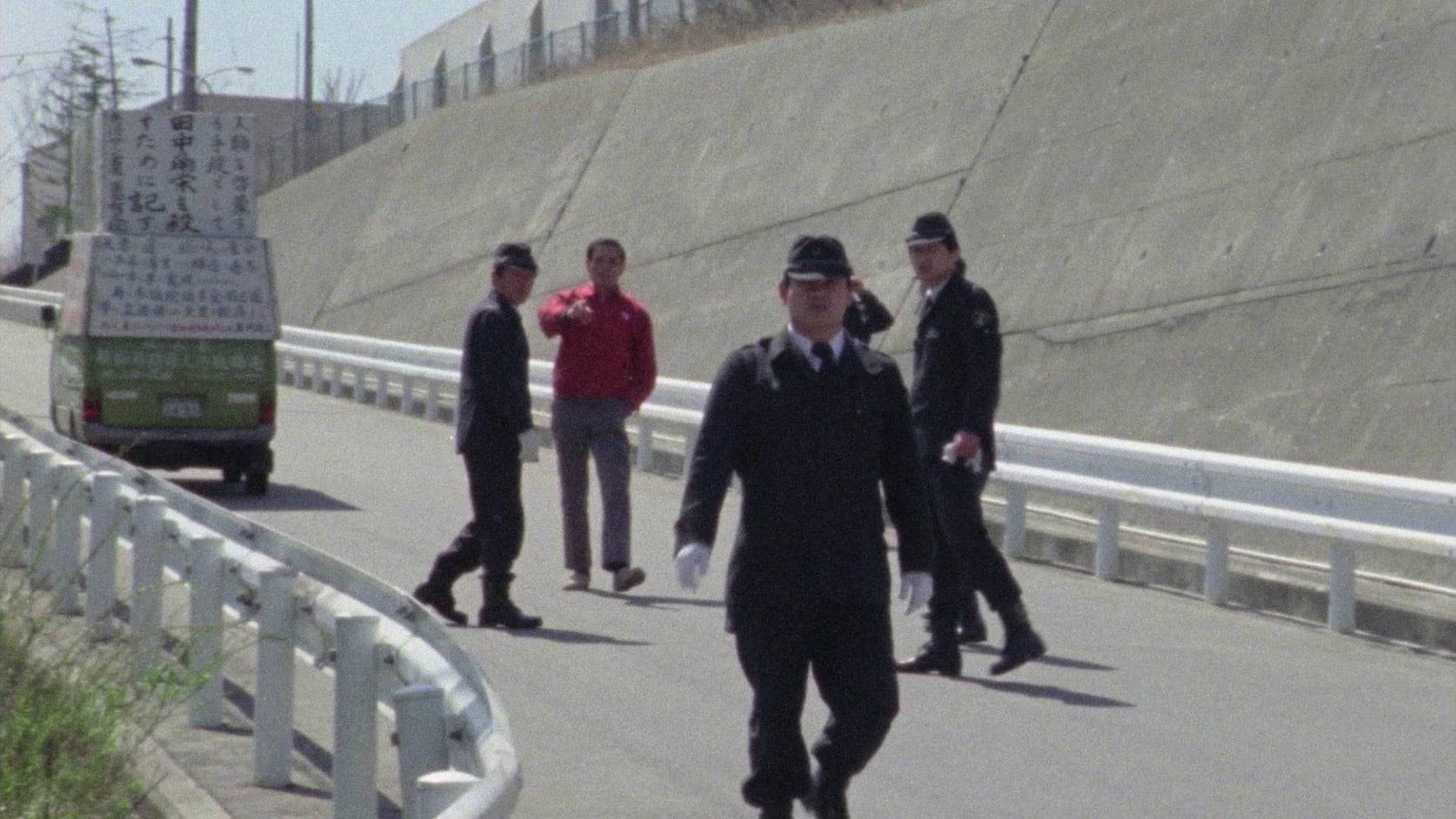
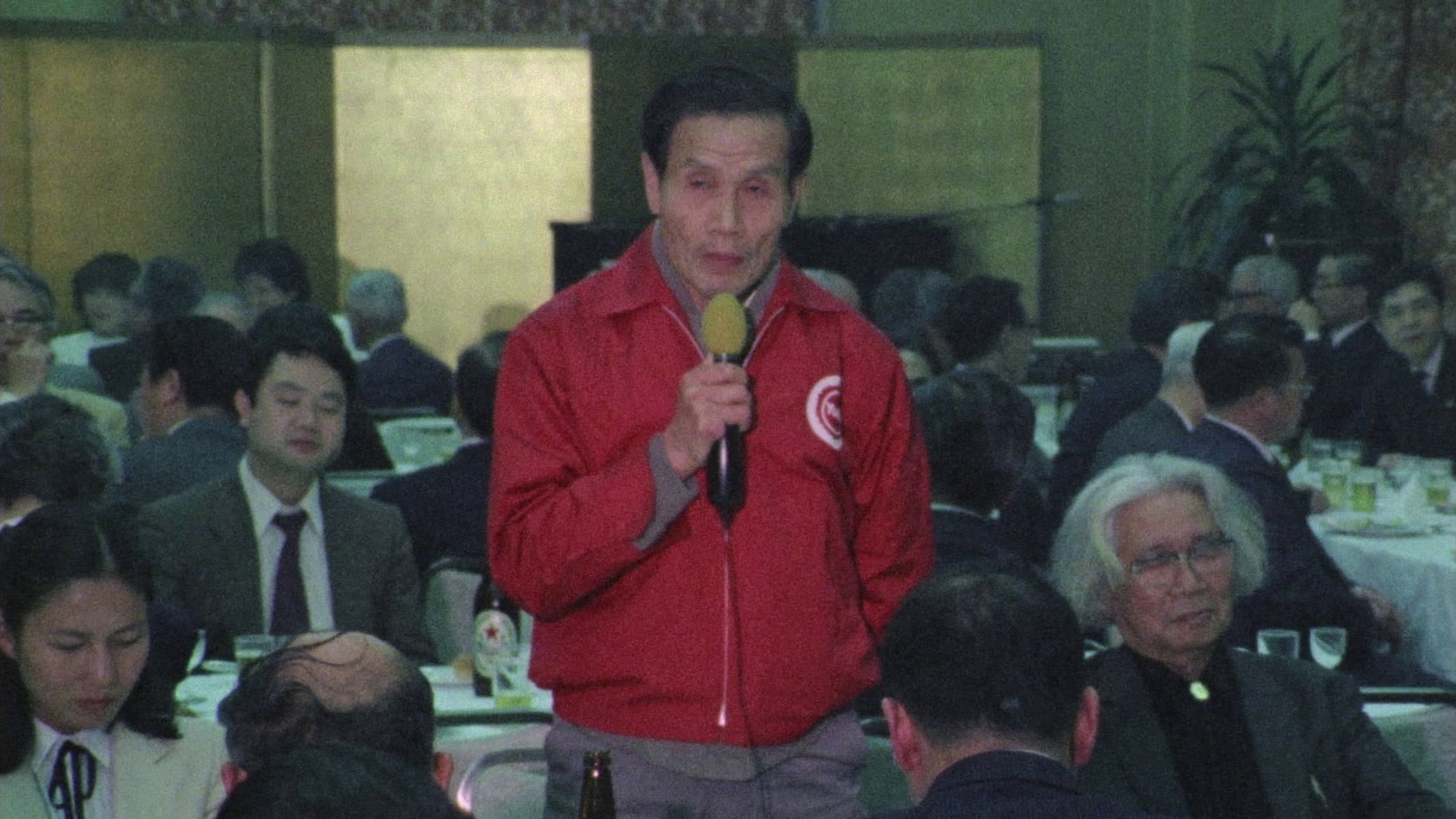
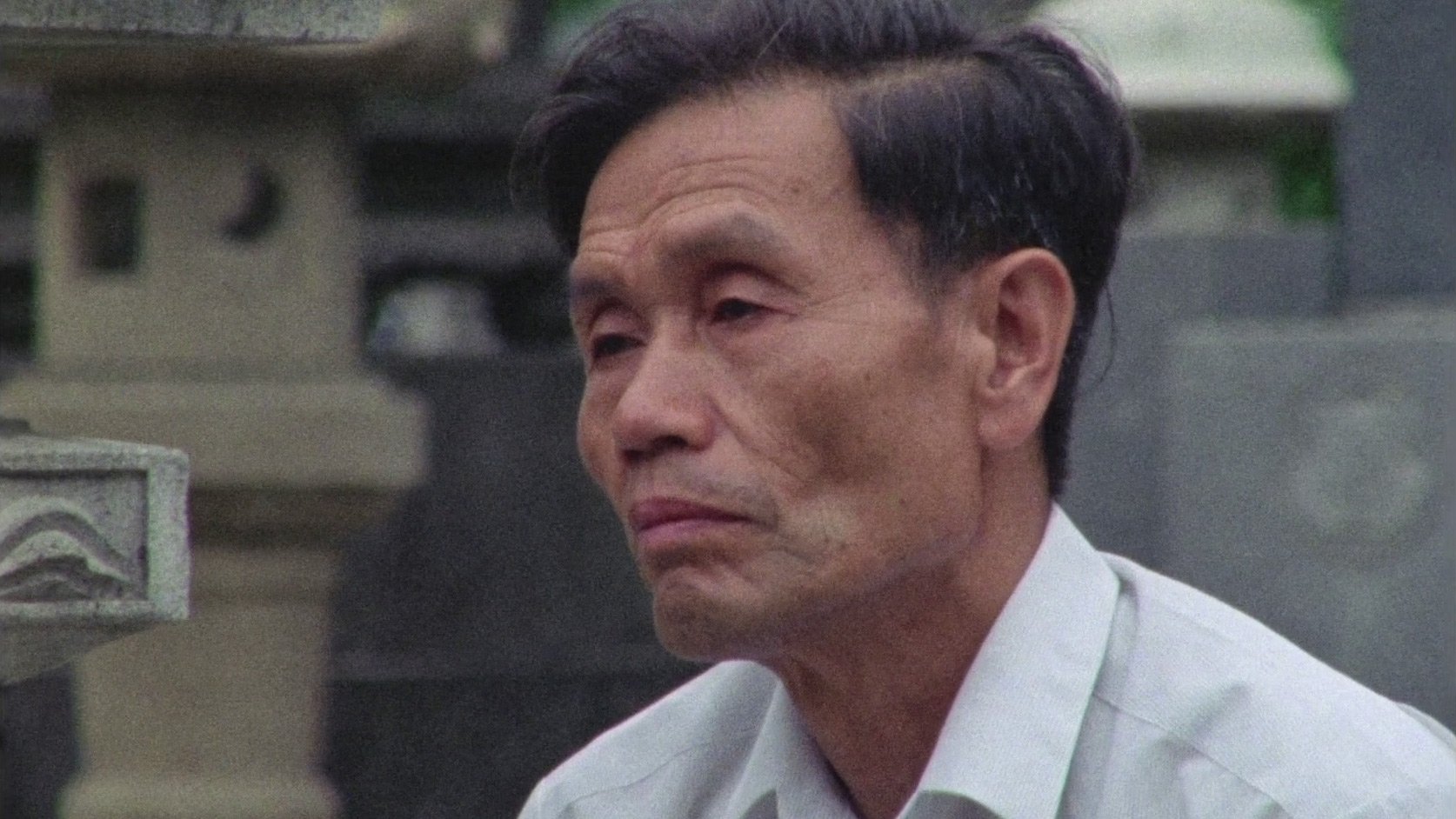
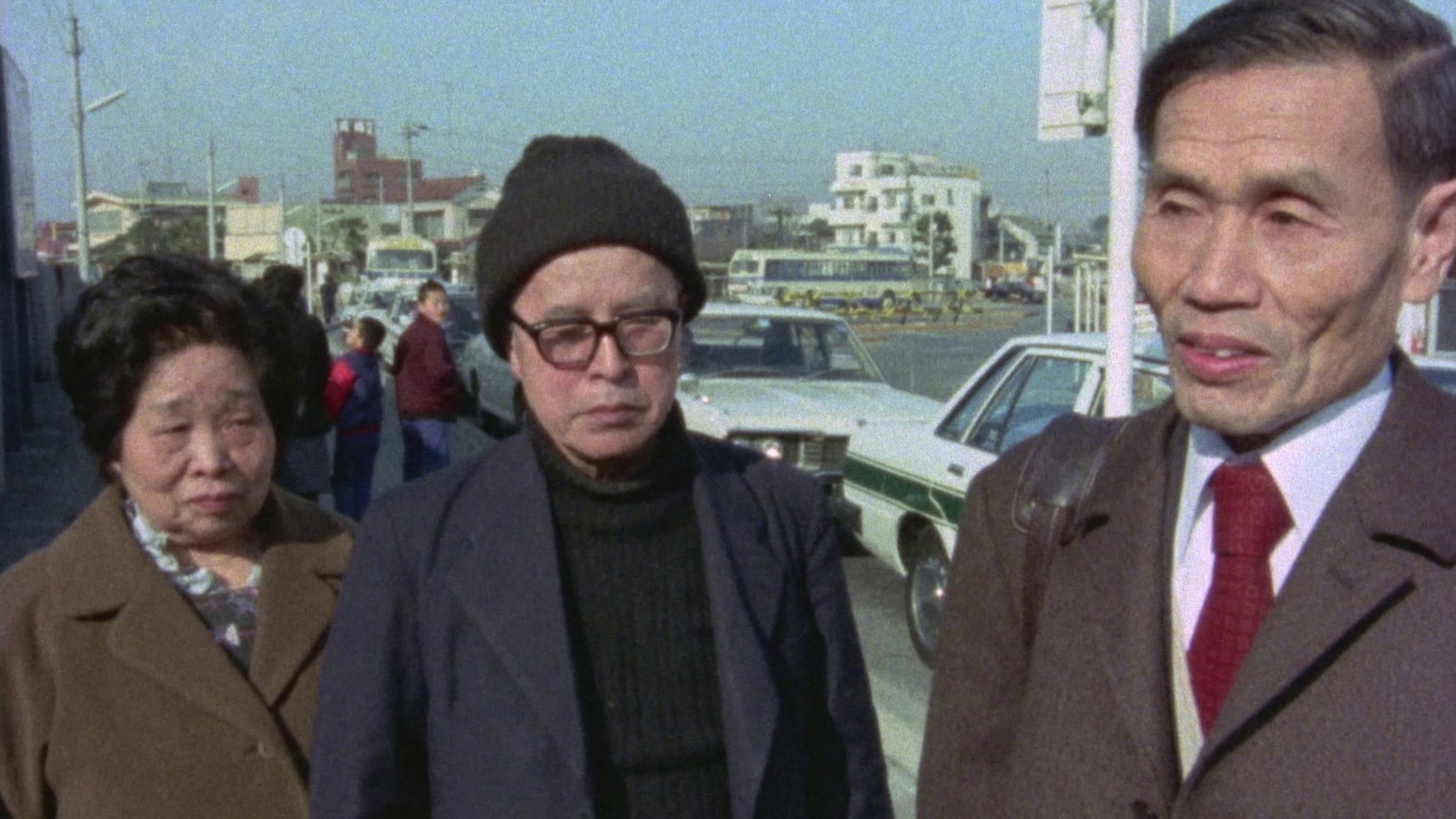
The film begins with a striking contradiction: Okuzaki officiates a wedding, blessing the continuation of life. While simultaneously he condemns the fascist nationalism that exists only to divide and debase human connection. From the start, we witness his manic extremism. However, he finds a strange solace in visiting veterans’ graves. Soon, the tirades begin. Okuzaki travels across Japan tracking down surviving officers from his New Guinea unit and corners them into confessing. The historical context he forces into view is grim. At the end of the war, Japanese troops stranded in New Guinea were starving. From there, the question of cannibalism arises. Okuzaki insists on dragging it into the light, demanding confessions in front of Hara’s camera.
What emerges is ethically fraught; Hara never lets us forget that history is not a closed book but a battlefield of memory and denial. The Emperor’s Naked Army Marches On forces us to ask: Is Okuzaki a lunatic, a prophet, or both? The answer may not matter. Because it captures how memory fractures and violence reproduces itself across generations. By lingering on one man's descent into obsession with the wreckage of war, it represents the past refusing to stay buried.
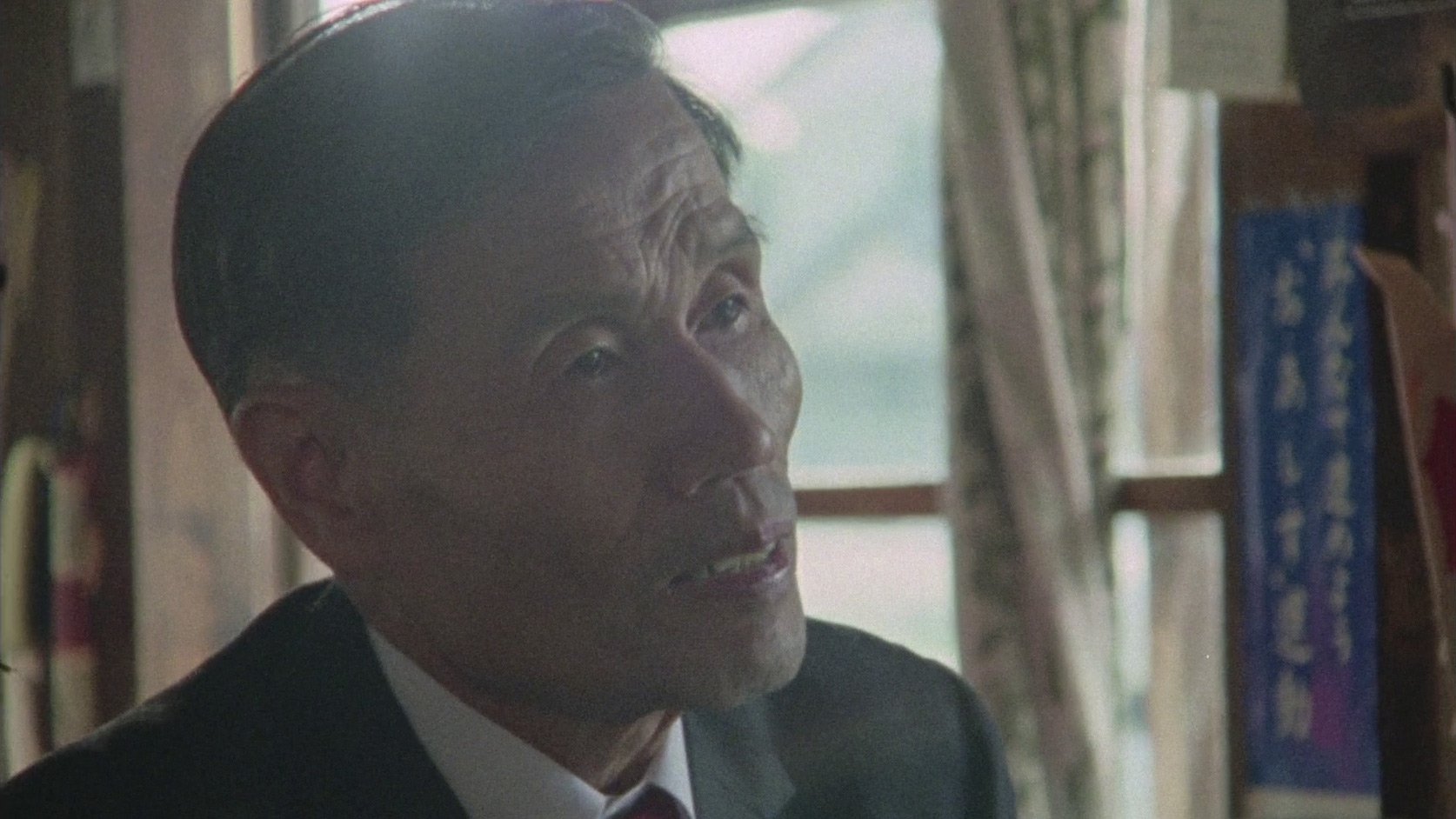
Okuzaki: "Since the war, you dedicated your whole life to your family. But if you hadn't returned alive you wouldn't have had a family. . . . So family and children are important indeed. But you must remember the fact that you survived New Guinea. Then you must tell the truth. Your experience is invaluable. You are a sole survivor witness of the company. Yet you lived your life as if you saw nothing, caring only about your family. I don't think God approves it. He didn't send you home to live like those who had not experienced the agony of war. So He punished you and caused you to suffer for so long. I killed a man. I didn't want to kill ten years after the war ended. It was my punishment. I'd been thinking of my business and my living for ten years. God sent me and you back from New Guinea. I was God's messenger, but I betrayed His trust. I used to go to brothels, but I stopped after I went to prison. I didn't want to kill him, and I didn't want to be in jail, but I ended up in solitary confinement for ten years. That's because I was chosen to return alive from the war yet I wasted ten years thinking of self-interest like an ordinary man, living shamelessly, not realizing my duty. So God punished me."
The Emperor’s Naked Army Marches On explores how the trauma of war doesn’t end; it lingers in the memory. Kenzo Okuzaki, an unhinged veteran battling his guilt with the corrosive aftershocks of fascism, solves an eroded part of history from World War II. Essentially, his performative tirades convey an effort to purge himself of what he perceives as tacit collaboration. Okuzaki’s obsession with exposing atrocities creates a spectacle that is both unnerving and absurd. The fragmented testimonies he extracts reveal how memory itself becomes unreliable and a patchwork of half-truths. He's fighting his own private war, one where the search for redemption is inseparable from violence. The documentarian Hara suggests that the cruelty of the Empire demanded more than loyalty by leaving survivors to wrestle with shame and rage.
The film begins with a striking contradiction: Okuzaki officiates a wedding, blessing the continuation of life. While simultaneously he condemns the fascist nationalism that exists only to divide and debase human connection. From the start, we witness his manic extremism. However, he finds a strange solace in visiting veterans’ graves. Soon, the tirades begin. Okuzaki travels across Japan tracking down surviving officers from his New Guinea unit and corners them into confessing. The historical context he forces into view is grim. At the end of the war, Japanese troops stranded in New Guinea were starving. From there, the question of cannibalism arises. Okuzaki insists on dragging it into the light, demanding confessions in front of Hara’s camera.
What emerges is ethically fraught; Hara never lets us forget that history is not a closed book but a battlefield of memory and denial. The Emperor’s Naked Army Marches On forces us to ask: Is Okuzaki a lunatic, a prophet, or both? The answer may not matter. Because it captures how memory fractures and violence reproduces itself across generations. By lingering on one man's descent into obsession with the wreckage of war, it represents the past refusing to stay buried.
Okuzaki: "Since the war, you dedicated your whole life to your family. But if you hadn't returned alive you wouldn't have had a family. . . . So family and children are important indeed. But you must remember the fact that you survived New Guinea. Then you must tell the truth. Your experience is invaluable. You are a sole survivor witness of the company. Yet you lived your life as if you saw nothing, caring only about your family. I don't think God approves it. He didn't send you home to live like those who had not experienced the agony of war. So He punished you and caused you to suffer for so long. I killed a man. I didn't want to kill ten years after the war ended. It was my punishment. I'd been thinking of my business and my living for ten years. God sent me and you back from New Guinea. I was God's messenger, but I betrayed His trust. I used to go to brothels, but I stopped after I went to prison. I didn't want to kill him, and I didn't want to be in jail, but I ended up in solitary confinement for ten years. That's because I was chosen to return alive from the war yet I wasted ten years thinking of self-interest like an ordinary man, living shamelessly, not realizing my duty. So God punished me."





 1
1