AZE
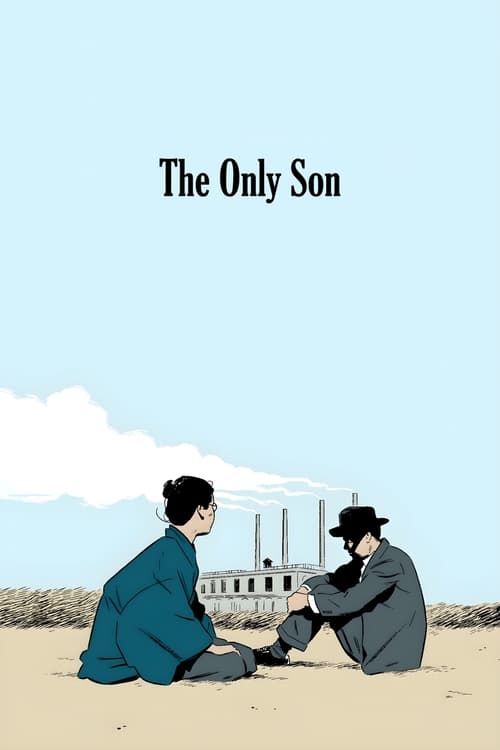
The Criterion Challange #7: 1930sOverfitting etməyən ML modelimin də dediyi kimi bu film Autumn Sonata'ın oğlan versiyası kimi idi.
Texniki cəhətinə bu dəfə mən də toxunmayacam, çünki "
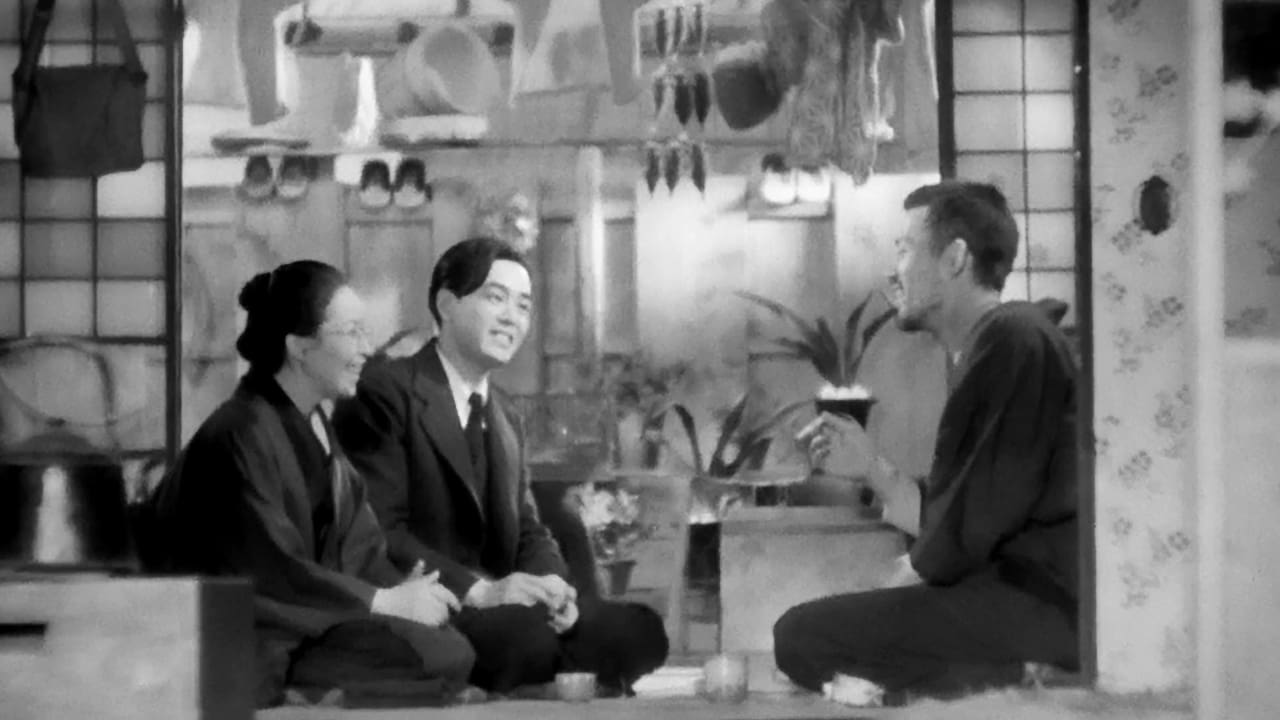
Late Spring" ilə bənzər texniki xüsusiyyətlə daşımaqdadır. Tatami shot tərzi çəkilişdən tutun istifadə edilən məkanları sadəliyi eyni idi.
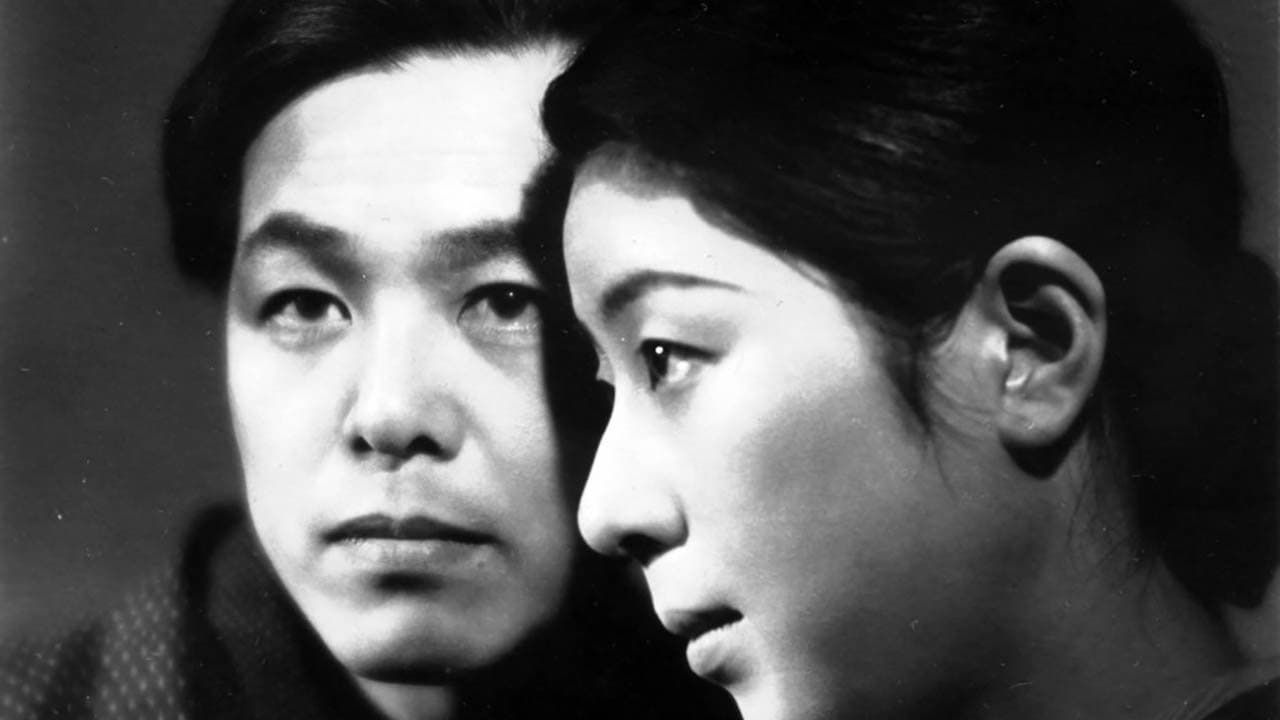
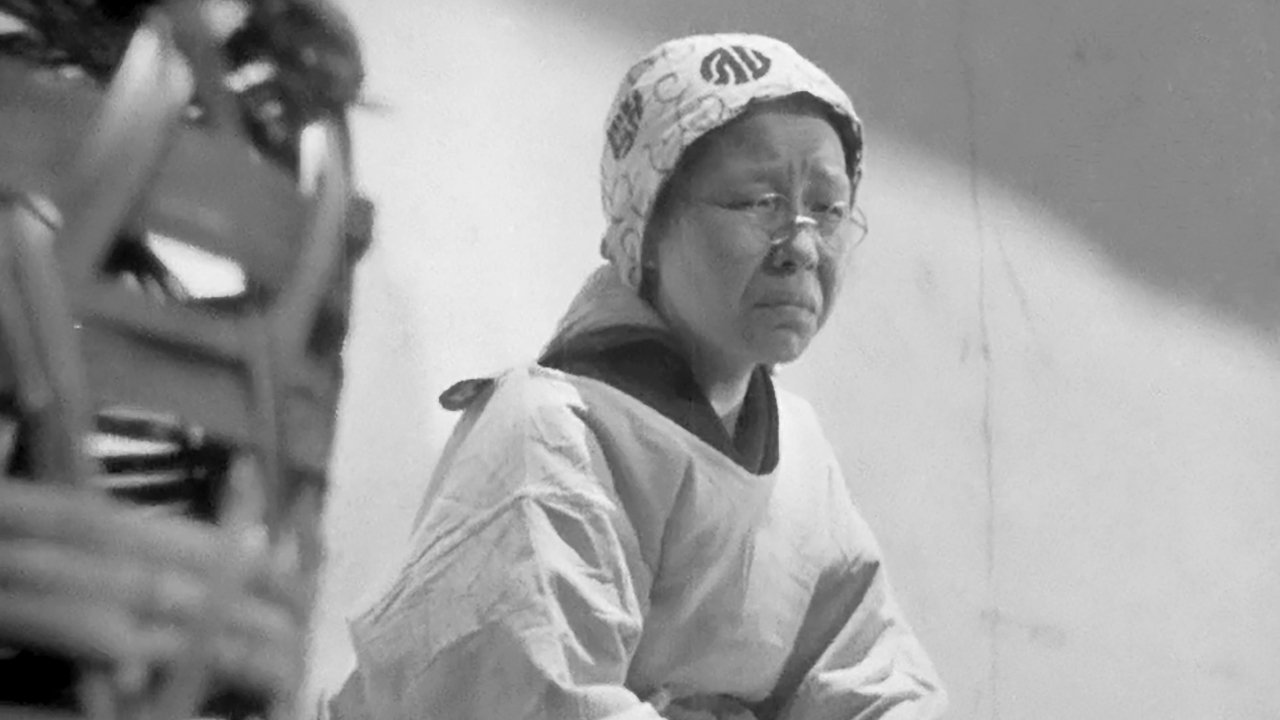
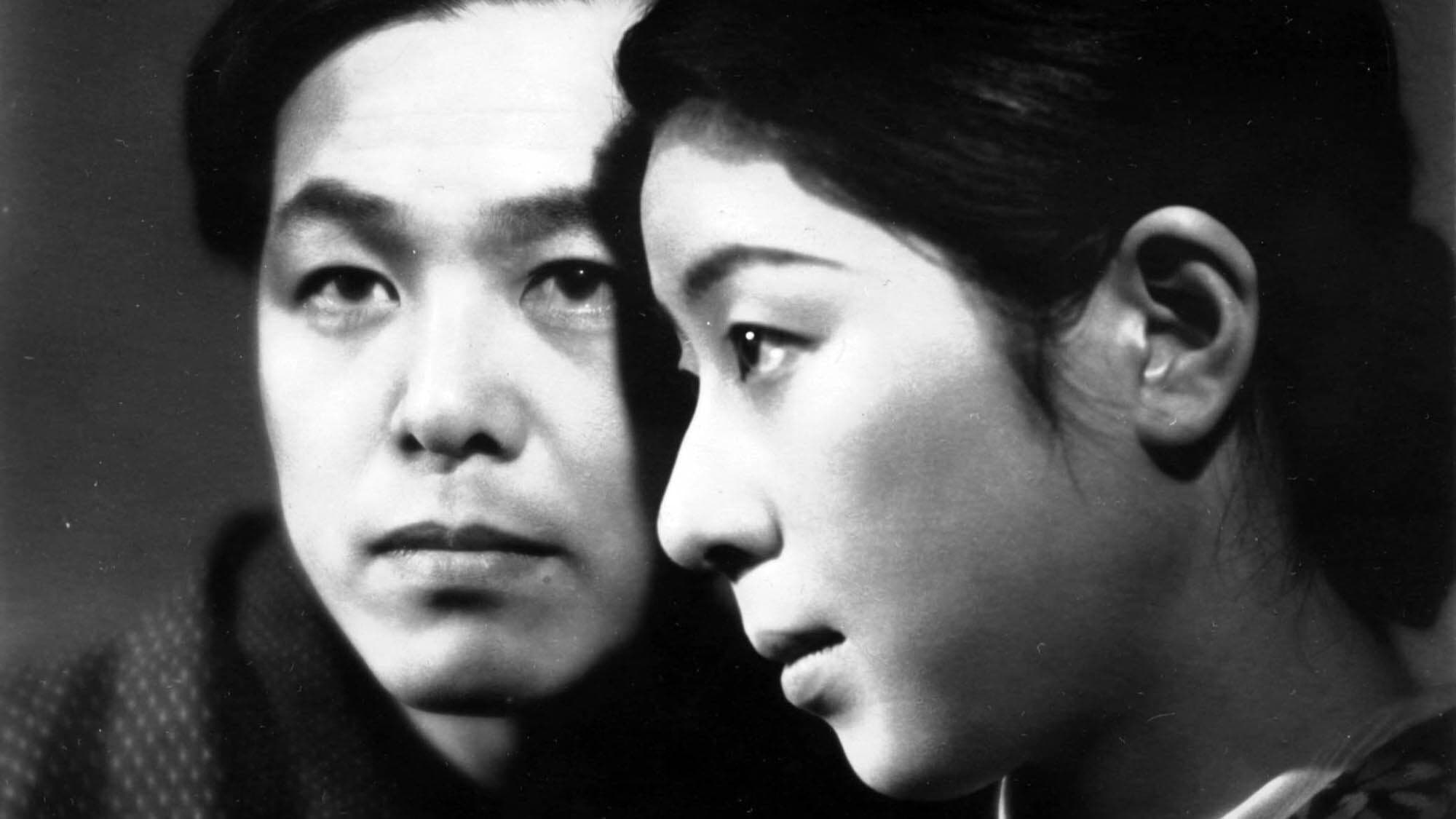
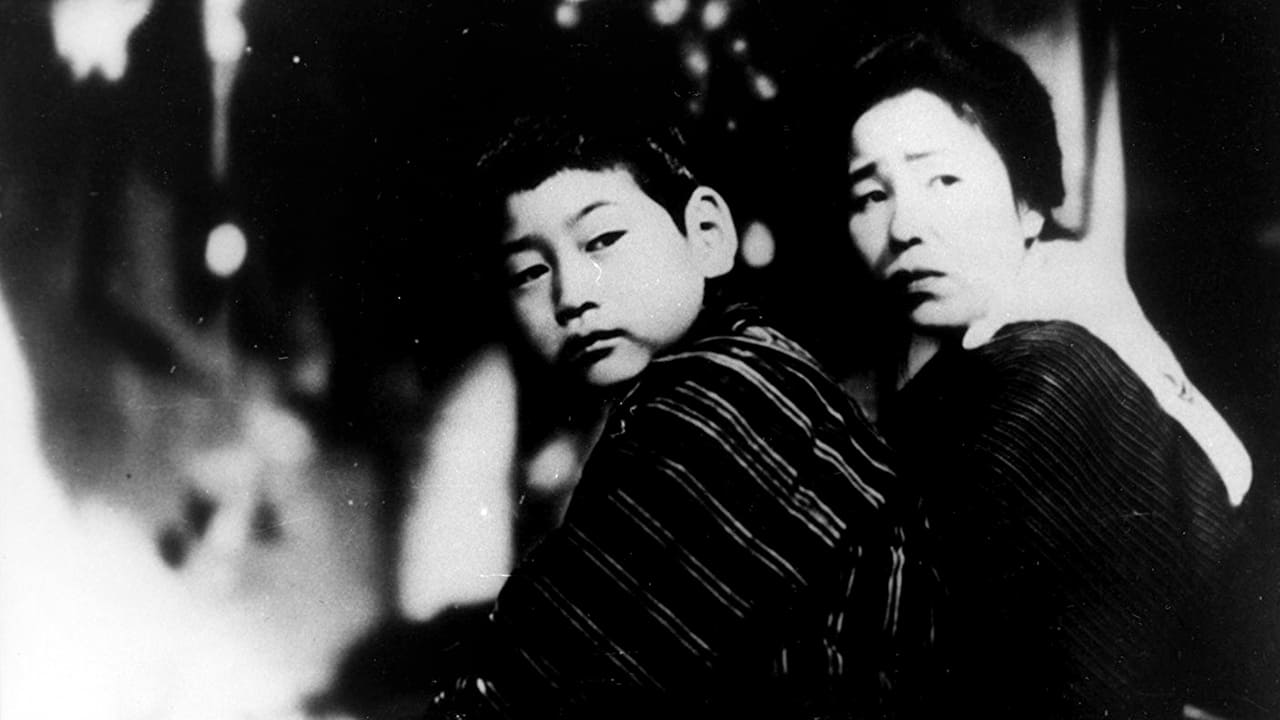
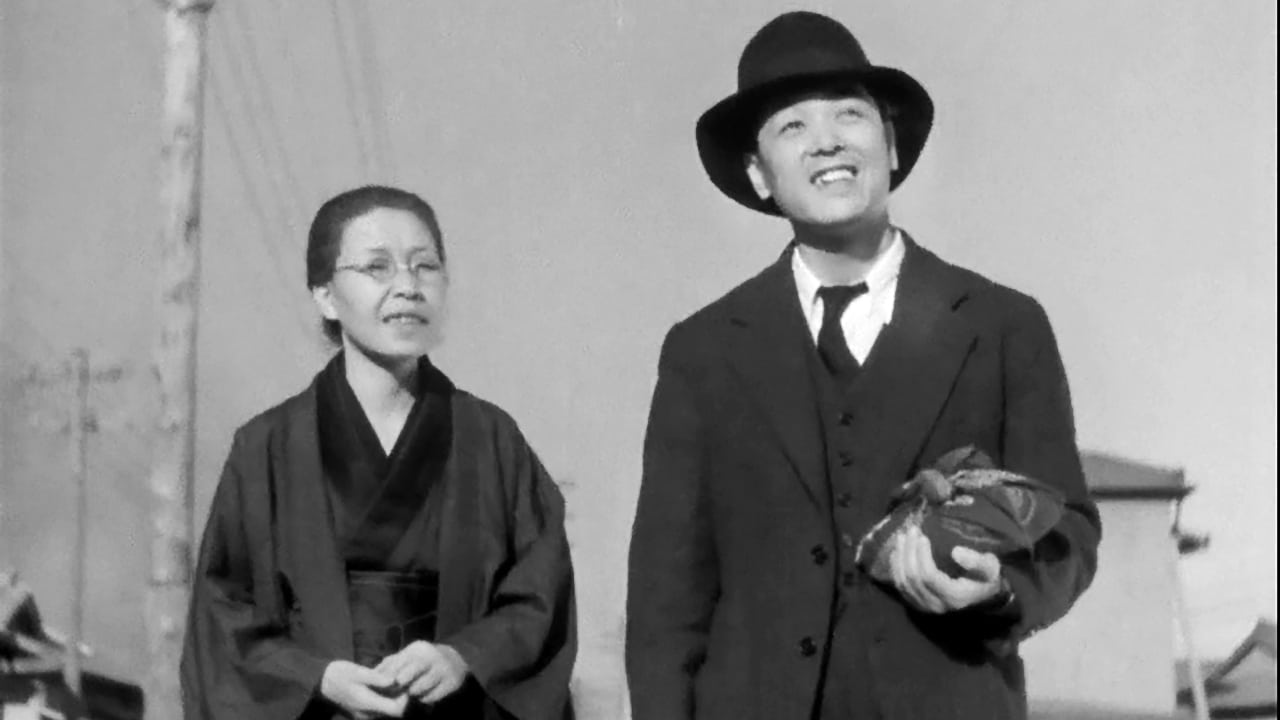
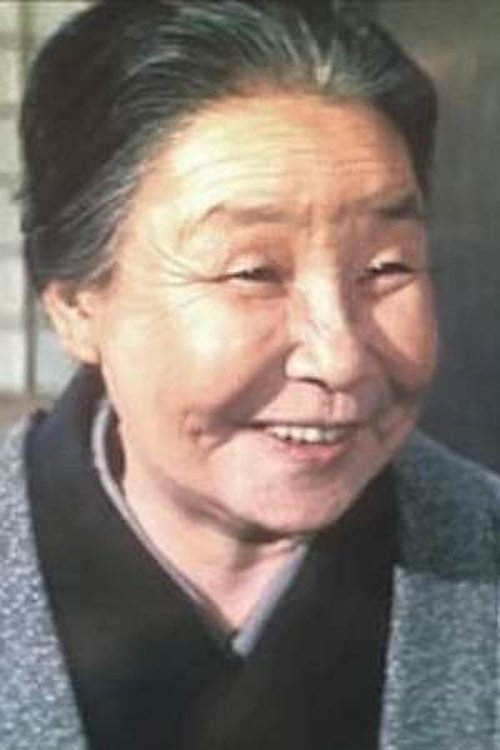
Ana və övlad münasibətləri yer alan filmlər həmişə mənim yumşaq qarnım olaraq qalacaq deyə düşünürəm. Bu filmdə də ana və oğul münasibəti olduqca uğurlu təsvir edilərək səhnələşdirilmişdi. Çoxlarımızın həyatında məruz qaldığı "gələcək təminatl olan övlad" anlayışı burda da öz əksini tapır. Ana öz övladını yemir yedirdir, geyinmir geyindirir və oxudur ki, o gələcəkdə daha ali yerlərə gələ bilsin və onun da həyatını xilas edə bilsin. O uşaq artıq övladdan əlavə həyata keçirilməli olan bir layihə halını almış olur. Çünki ana düşünür ki, təhsil uğurdur, uğur xoşbəxtlikdir, sonda əldə edilən xoşbəxtlik isə onun həyatı boyu çəkmiş olduğu əziyyətin bəhrəsidir. Hələ o Tokyoya gəlmədən əvvəl kənddəki tanışlarına övladının böyük şəhərdə necə səfa ilə yaşadığını deyir. Amma reallığa gəldikdə isə təəssüf ki, oğlu tam olaraq o istəyən formada yaşaya bilmir. Ozu burda zəhmət və doğru seçimlərin belə xoşbəxt nəticəyə zəmanət vermədiyini bizlərə bildirir.
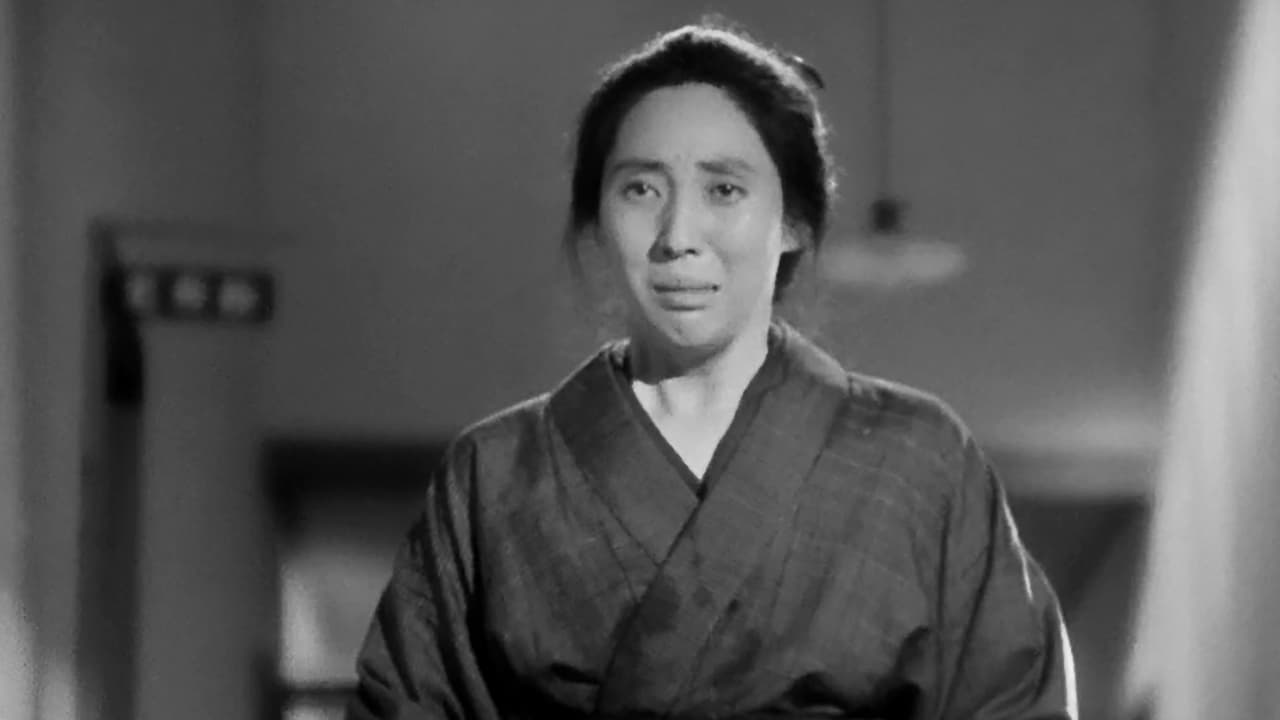
Bunu fərq edən ana artıq dərin hüsran və kədər duyur, ancaq bunu ekspressiv emosialarla kənara büruzə vermir, övladının üstünə daha çox getmir və konflikt yaratmır. Sadəcə səssizcə içdən-içə heyfislənir, daxili peşmanlıq və susqun utanc hissi yaşayır.
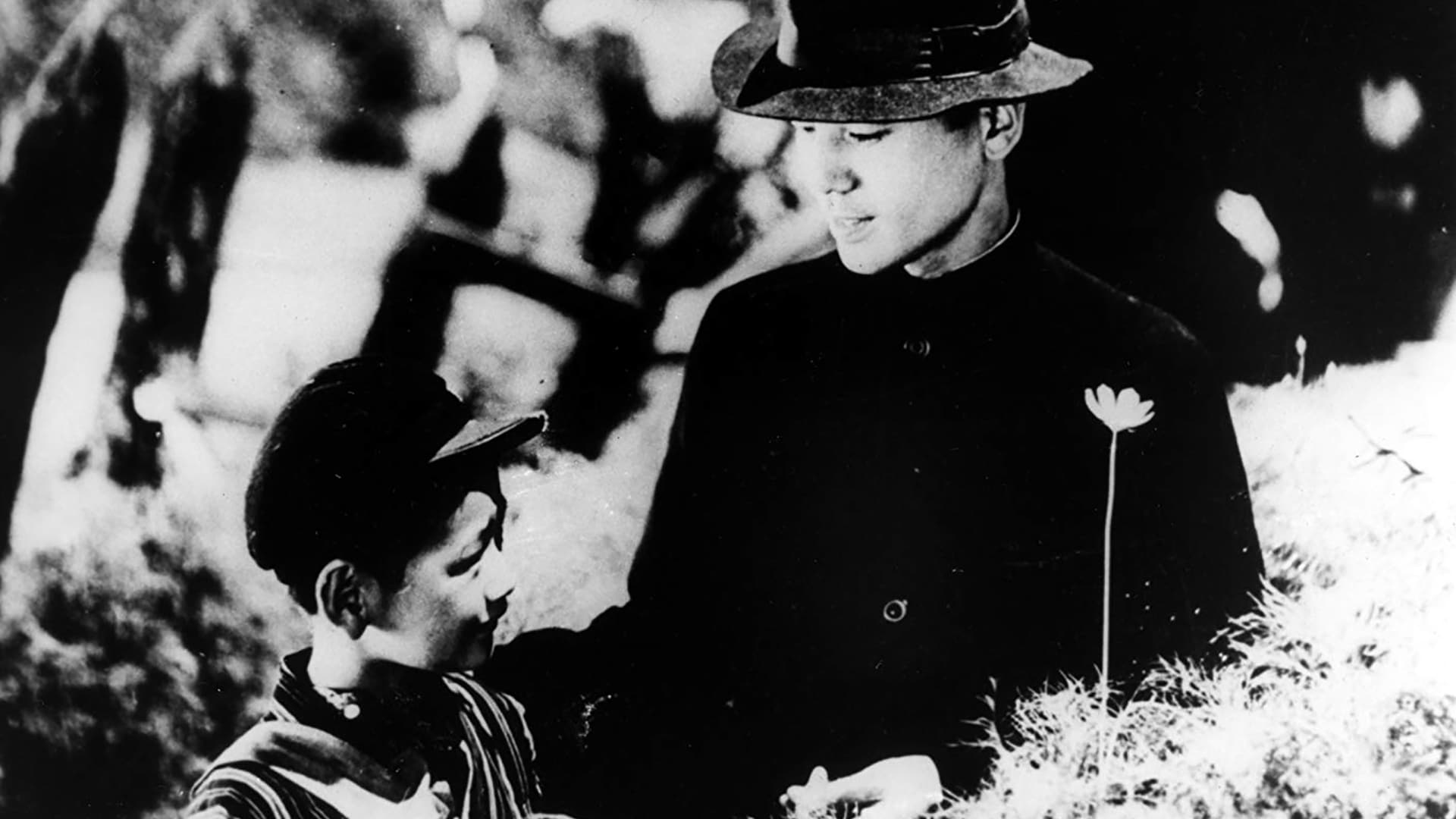
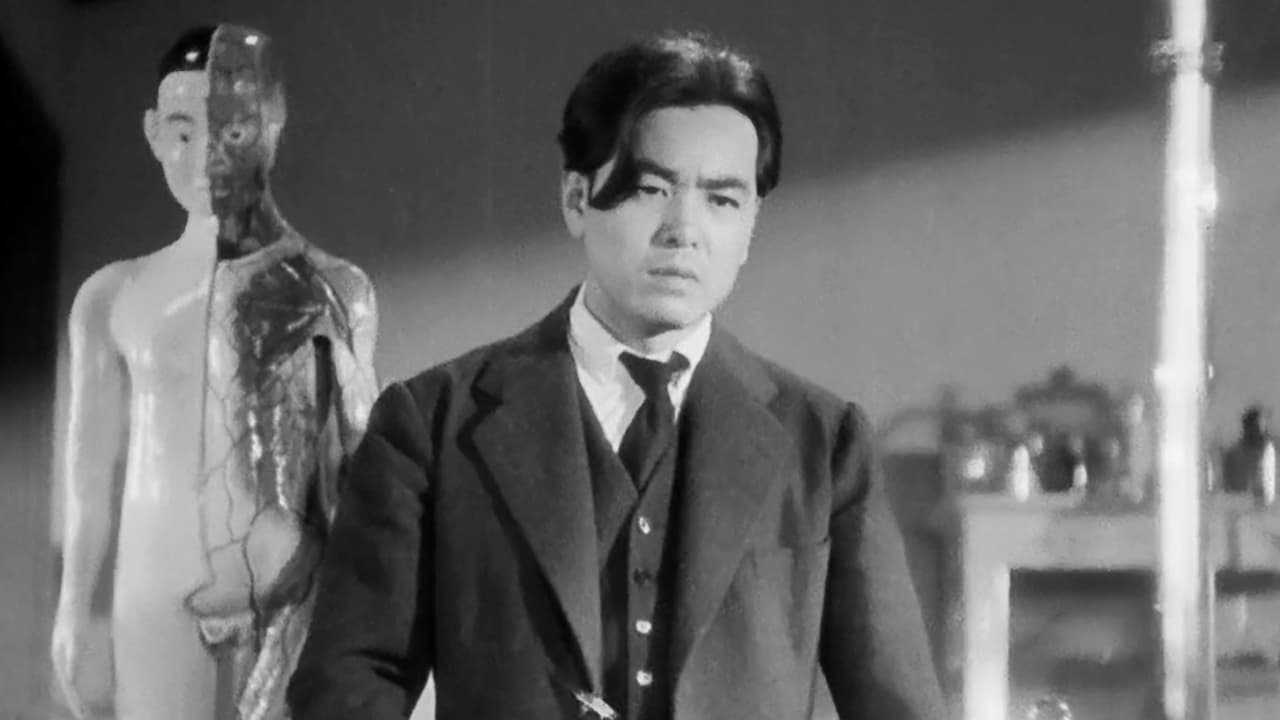
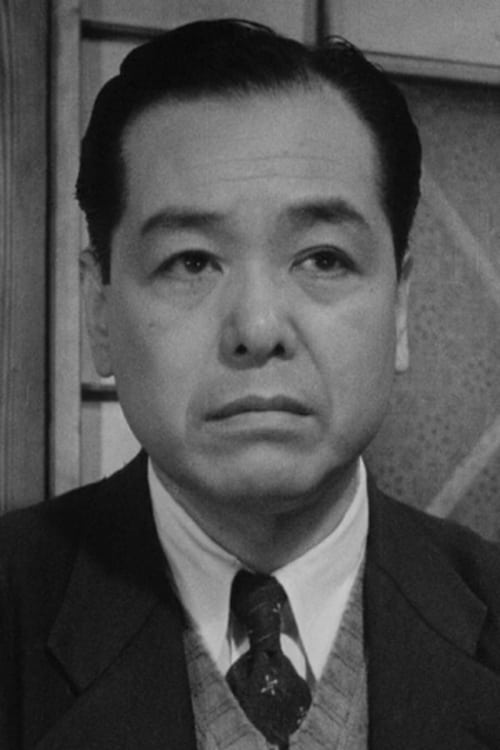
Oğul obrazına gəldikdə isə o da dərin bir utancı iliklərinə qədər hiss edir. Anasını xəyal qırıqlığına məruz qoyduğunu bilir, lakin bunu dəyişə bilmir deyə də kədərlənir. Anasına onsuz nəsə deyə bilmir, eyni zamanda fiziki olaraq da nəsə edə bilmir. İnsan bəzən öz potensialına baxmayaraq sistemin gətirdiklərinə və şərtlərinə boyun əyməli, məğlub olmalı olur.
Hekayənin kapitalist sistemə bir üsyan olduğunu düşünmürəm açığı, amma açıq-aydın görünür ki, kapitalist sistemin bizə dayatmış olduğu çox çalışan çox qazanar, xoşbəxt olar kimi düşüncələr sadəcə bir mifdən ibarətdir.
Qəbullanma hadisəsi insan həyatındakı ən önəmli şeylərdən biridir, zənnimcə. Burda da ana obrazı reallığı görəndə dağılmır, üsyan etmir, eləcə səssizcə qəbullanır. Niyə? Çünki xoşbəxtlik hər şeyi əldə etmək deyil, bəzən heç nəyi dəyişə bilmədiyini qəbullana bilmək deməkdir. Bu çox stoik bir yanaşmadır əslində.
Açığı mən özüm də hər zaman adi bir həyat yaşamaqdan qorxan birisi olmuşam. Buna görə də bu filmin mənim qəlbimdəki yeri daha özəl oldu.
ENG
The Criterion Challenge #7: 1930s
As my non-overfitting ML model would also suggest, this film felt like the “male version” of Autumn Sonata.
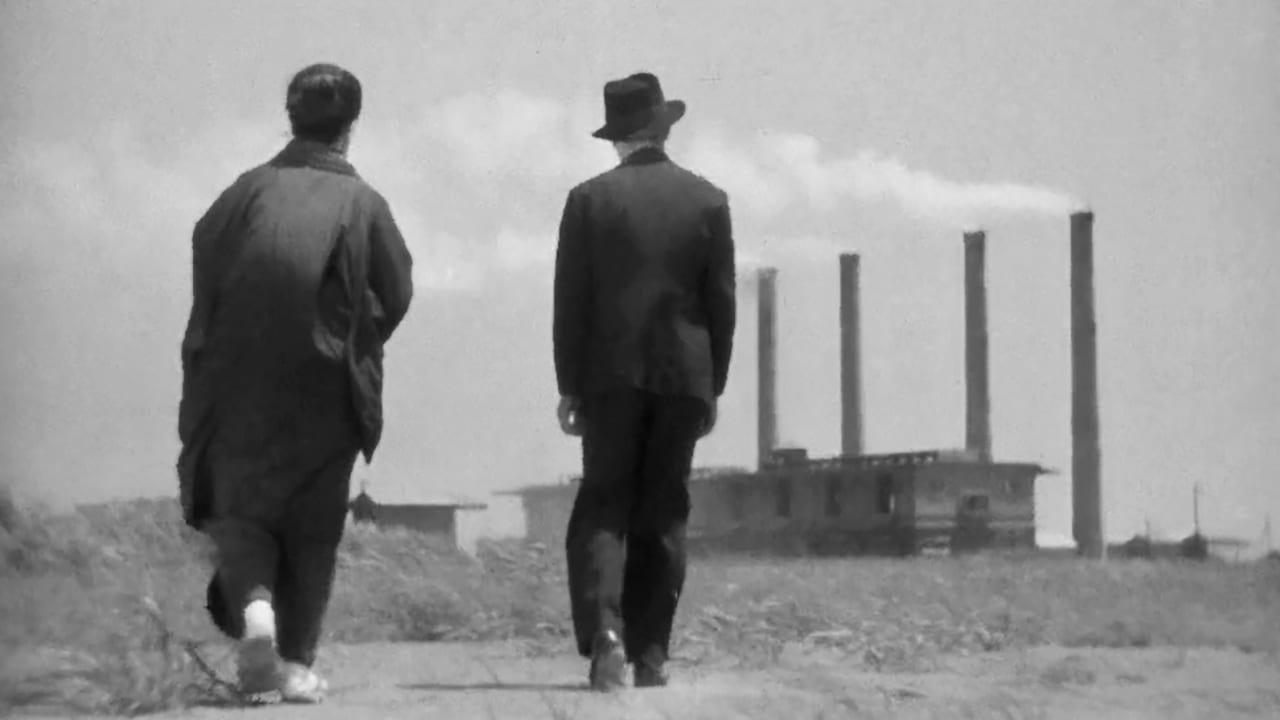
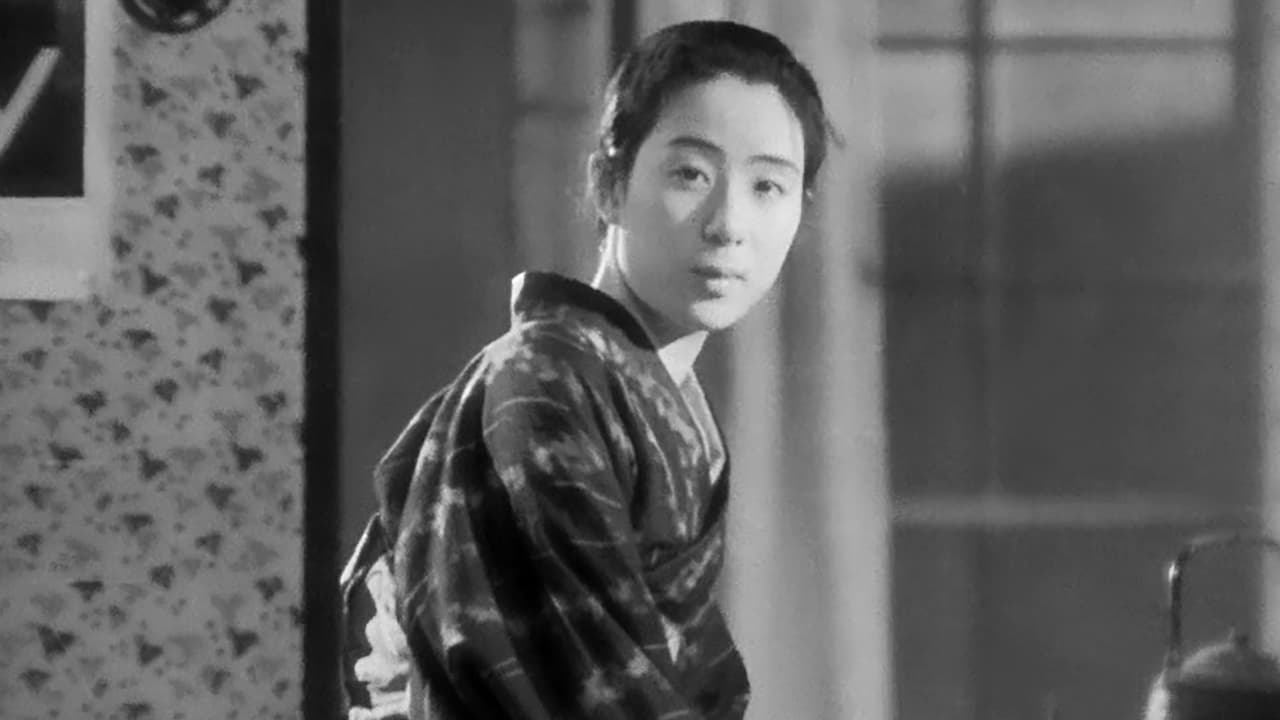
This time, I won’t really touch on the technical aspects, because it shares very similar stylistic qualities with Late Spring. From the tatami shot style to the simplicity of the spaces used, it all feels quite familiar.
Films that revolve around parent-child relationships have always been a soft spot for me, and this one was no exception. The relationship between the mother and the son is portrayed and staged very successfully here.
We are introduced to a concept many of us are familiar with: the “child as future security.”
The mother sacrifices everything for her son—she deprives herself to feed him, to clothe him, to educate him—so that he can reach greater heights and, in a way, save her life too. At some point, the child stops being just a child and becomes a project that must succeed.
Because in her mind, the equation is simple:
education leads to success, success leads to happiness, and that happiness becomes the reward for a lifetime of sacrifice.
Even before she arrives in Tokyo, she proudly tells people in her village about how well her son is living in the big city.
But reality, unfortunately, is different.
Her son is not living the life she imagined.
Through this, Yasujirō Ozu quietly shows us that even hard work and the “right” choices do not guarantee a happy outcome.
When the mother realizes this, she experiences deep disappointment and sorrow. Yet, she does not express it through dramatic or explosive emotions. She doesn’t push her son or create conflict. Instead, she internalizes it—living with a quiet sense of regret, disappointment, and unspoken shame.
As for the son, he carries an equally heavy burden.
He knows he has disappointed his mother. He feels it deeply, yet he cannot change his situation, and that helplessness only deepens his sadness.
He cannot express himself emotionally, nor can he fix things in a practical sense.
The film presents a painful truth:
sometimes, despite one’s potential, a person is forced to surrender to the conditions imposed by life.
I don’t necessarily see the story as a direct rebellion against capitalism. However, it clearly exposes the myth imposed by the system—that working hard inevitably leads to success and happiness.
Acceptance, I think, is one of the most important aspects of human life.
Here, the mother does not collapse when faced with reality. She does not rebel. She simply accepts it in silence.
Because happiness is not about having everything; sometimes, it is about accepting that there are things you cannot change.
In that sense, it reflects a very stoic philosophy.
To be honest, I’ve always been someone who is afraid of living an “ordinary” life.
Maybe that’s why this film feels more personal to me.