

Neo-noir films hold a special place in my heart, and after a long day, nothing quite hits the spot like sinking into a moody, modern noir. Recently, I've been reflecting on how much I loved The Kid Detective and Knox Goes Away. These two films stand as prime examples of neo-noir's evolution, showing the genre's ability to be gut-wrenchingly tragic and also laugh-out-loud funny like The Kid Detective or quietly noble like Knox Goes Away while still delivering that signature moral complexity. Honestly, both are so impressive that I’d rank them among my top 100 films of the decade so far.
Neo-noir has been around for quite some time, its roots tracing back to the 1980s when directors like Brian De Palma and Martin Scorsese started reimagining the genre. De Palma’s Blow Out is a masterpiece of paranoia and doom, a conspiracy thriller that perfectly captures the sensation of being trapped in a world that’s out to get you. On the flip side, you have Scorsese’s After Hours, an entirely different yet equally impactful take on neo-noir. Instead of focusing on murder or intrigue, it’s about one man's surreal and hellish night in New York City—a dark comedy draped in noir aesthetics. Both films represent the genre’s modernization, adapting classic noir elements and making them resonate with contemporary audiences.
Fast-forward to today, and neo-noir is still thriving, thanks in large part to directors like Quentin Tarantino (a huge asshole who’s movies largely don’t work for me, but I can’t deny his influence) and Chad Stahelski. Tarantino has built a career riffing on noir tropes, injecting them with his signature dialogue-heavy, ultra-violent flair. Meanwhile, Stahelski has steered the genre in a more action-driven direction with the John Wick series, turning the brooding antihero into a highly-skilled assassin on a quest for vengeance. Both filmmakers have managed to keep neo-noir fresh and exciting, while still maintaining the moral ambiguity and atmospheric tension that define the genre.
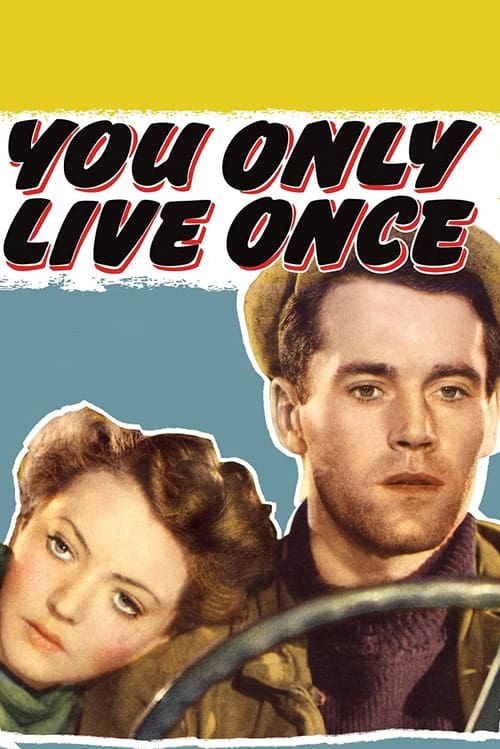
Given my love for the genre, I decided to dive into its origins and revisit Fritz Lang’s You Only Live Once. And just to clarify—this has nothing to do with the James Bond film You Only Live Twice (1967). People mix them up far more than they should, but trust me, these two movies couldn’t be more different.
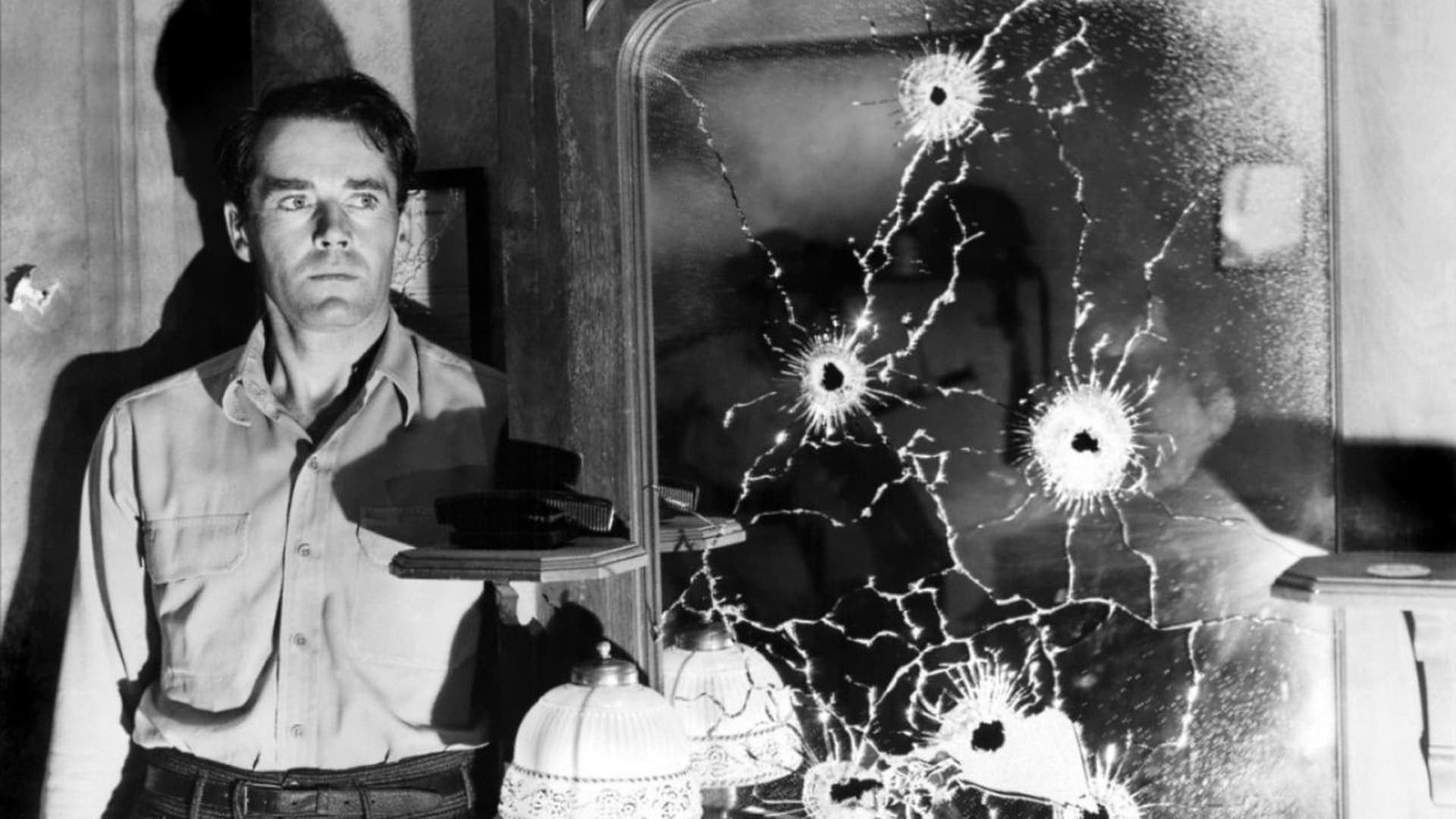
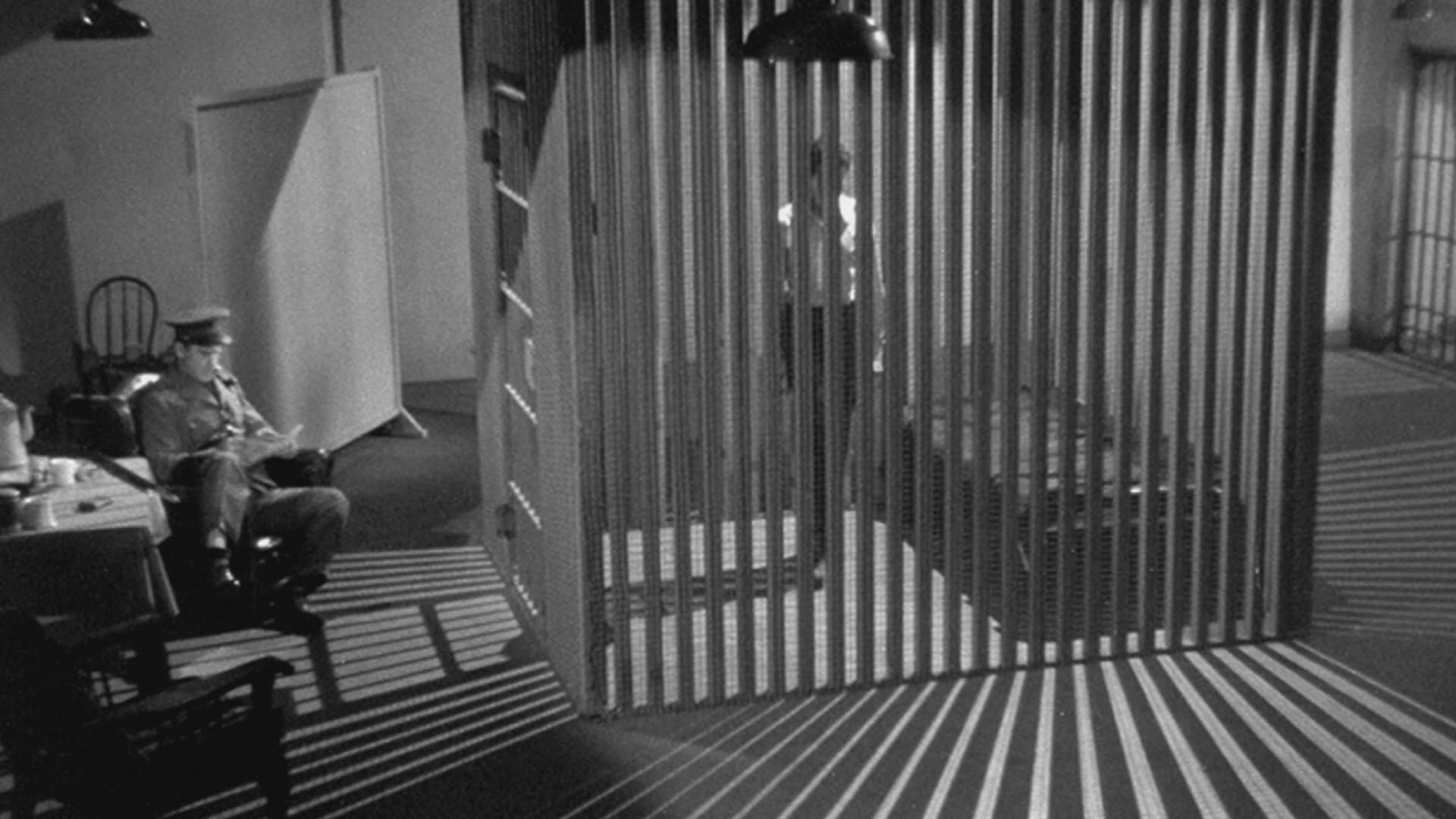
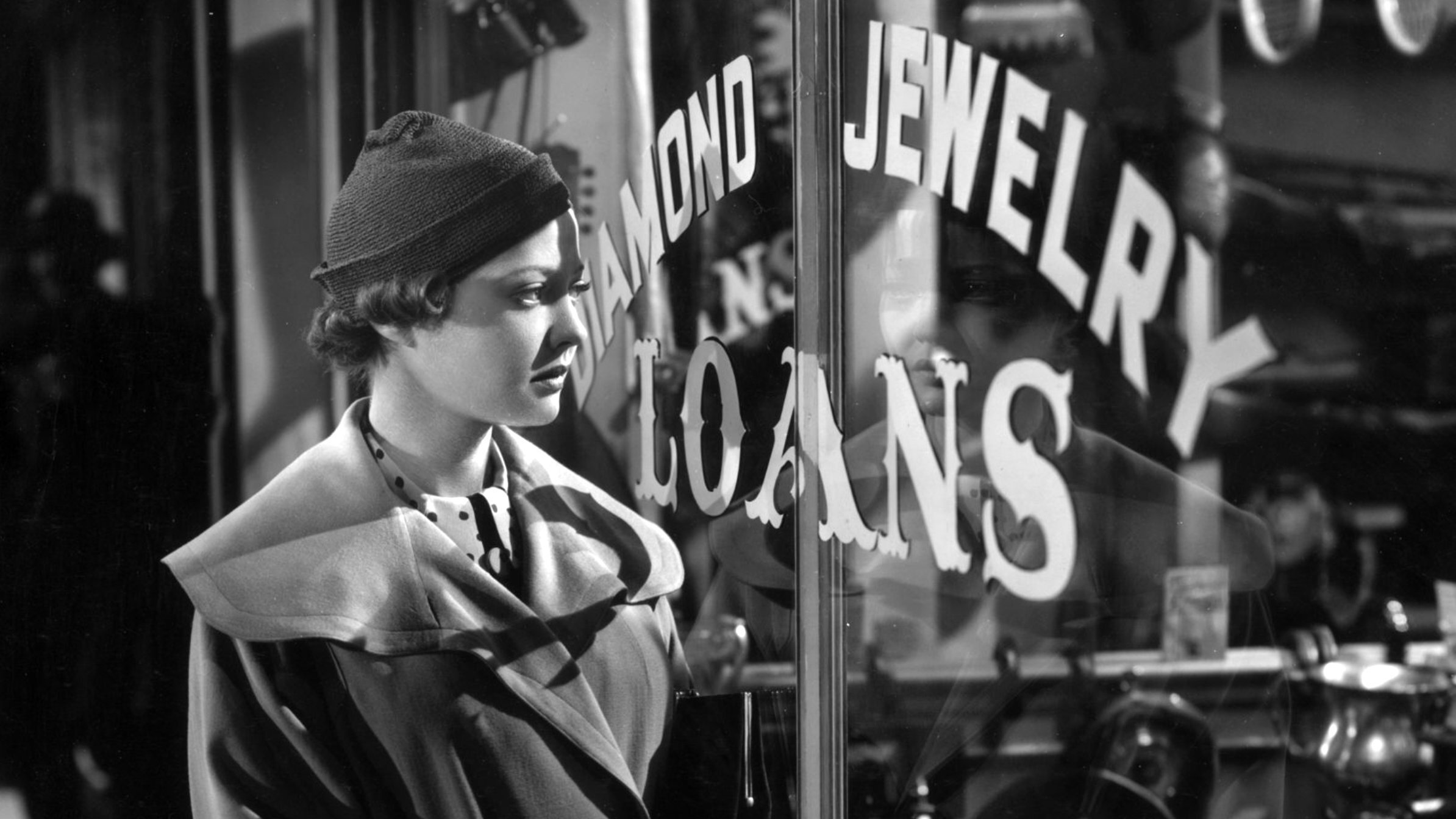
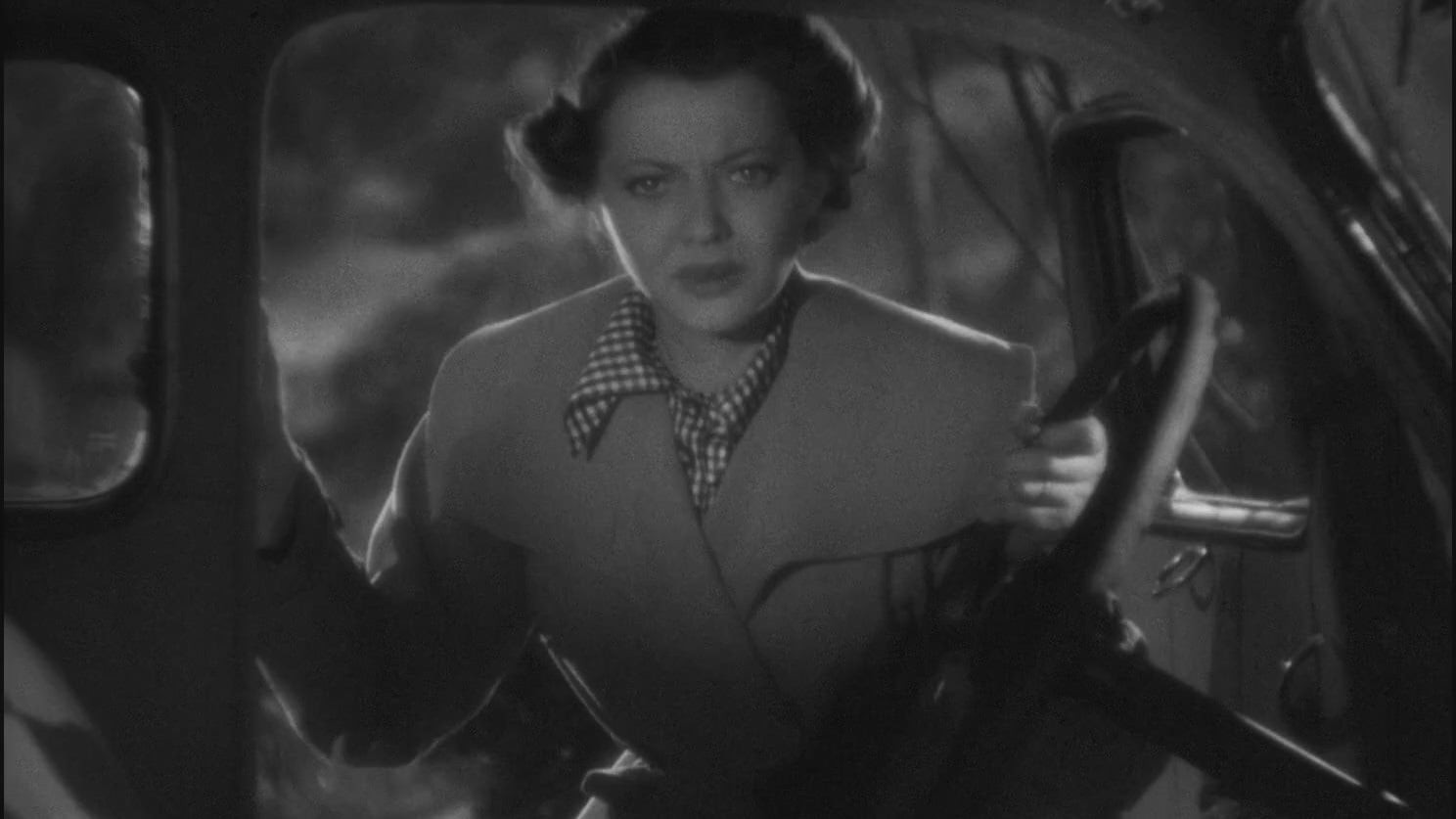
You Only Live Once is one of the foundational films that laid the groundwork for what we now think of as film noir. Released in 1937—before the genre had fully crystallized—it contains all the essential elements: the flawed protagonist, an overwhelming sense of fatalism, dark, shadowy cinematography, and the relentless feeling that the world is stacked against you. Lang, being the master filmmaker that he is, weaves these elements into a taut, gripping narrative that still feels surprisingly modern. Some films, even those made within a decade of each other, can feel dated due to narrative structure or special effects that were revolutionary in their time but look terrible today.
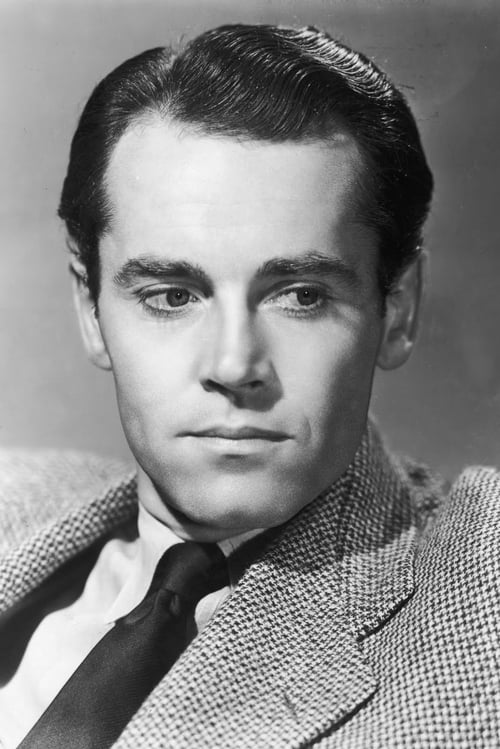
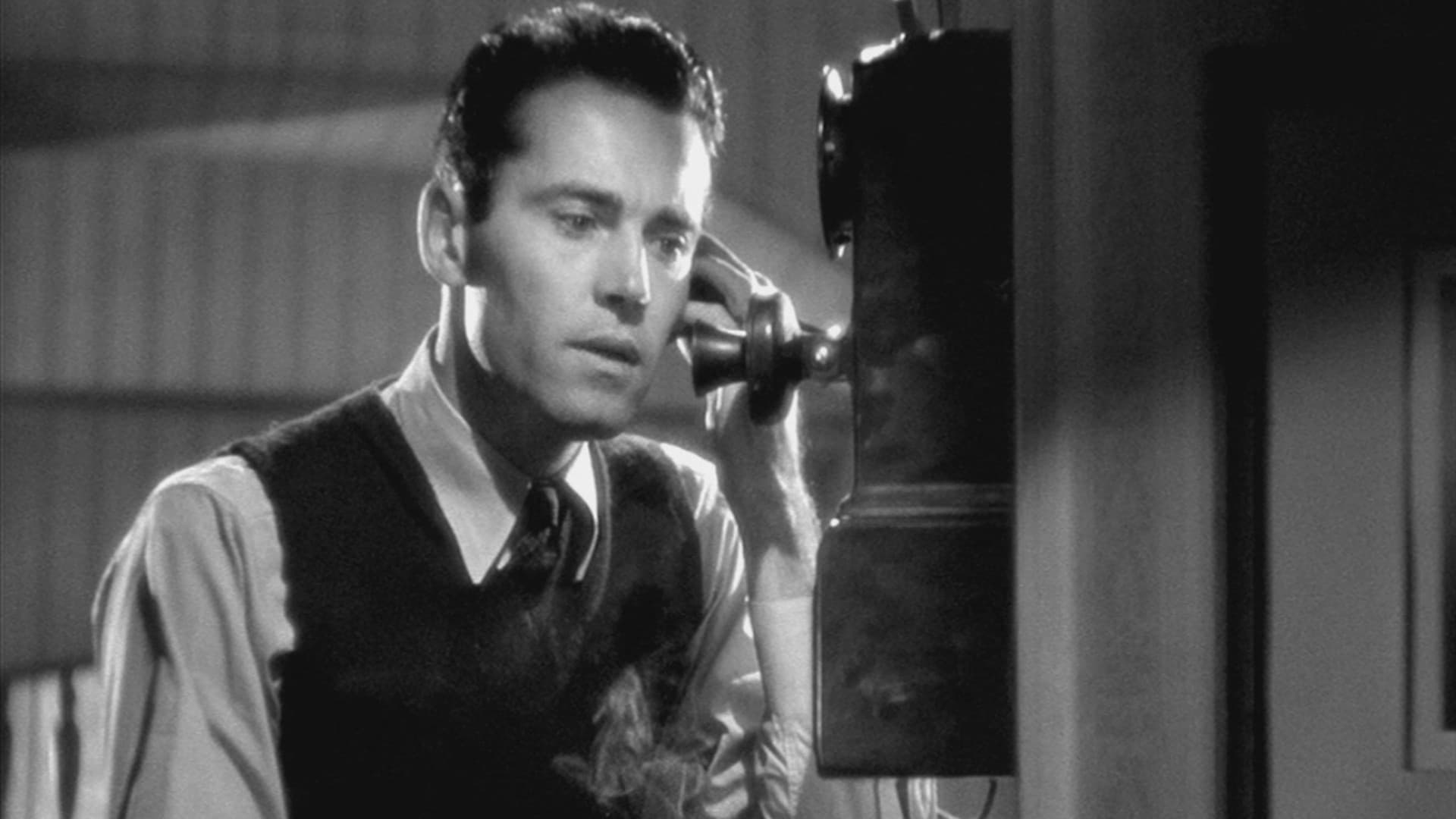
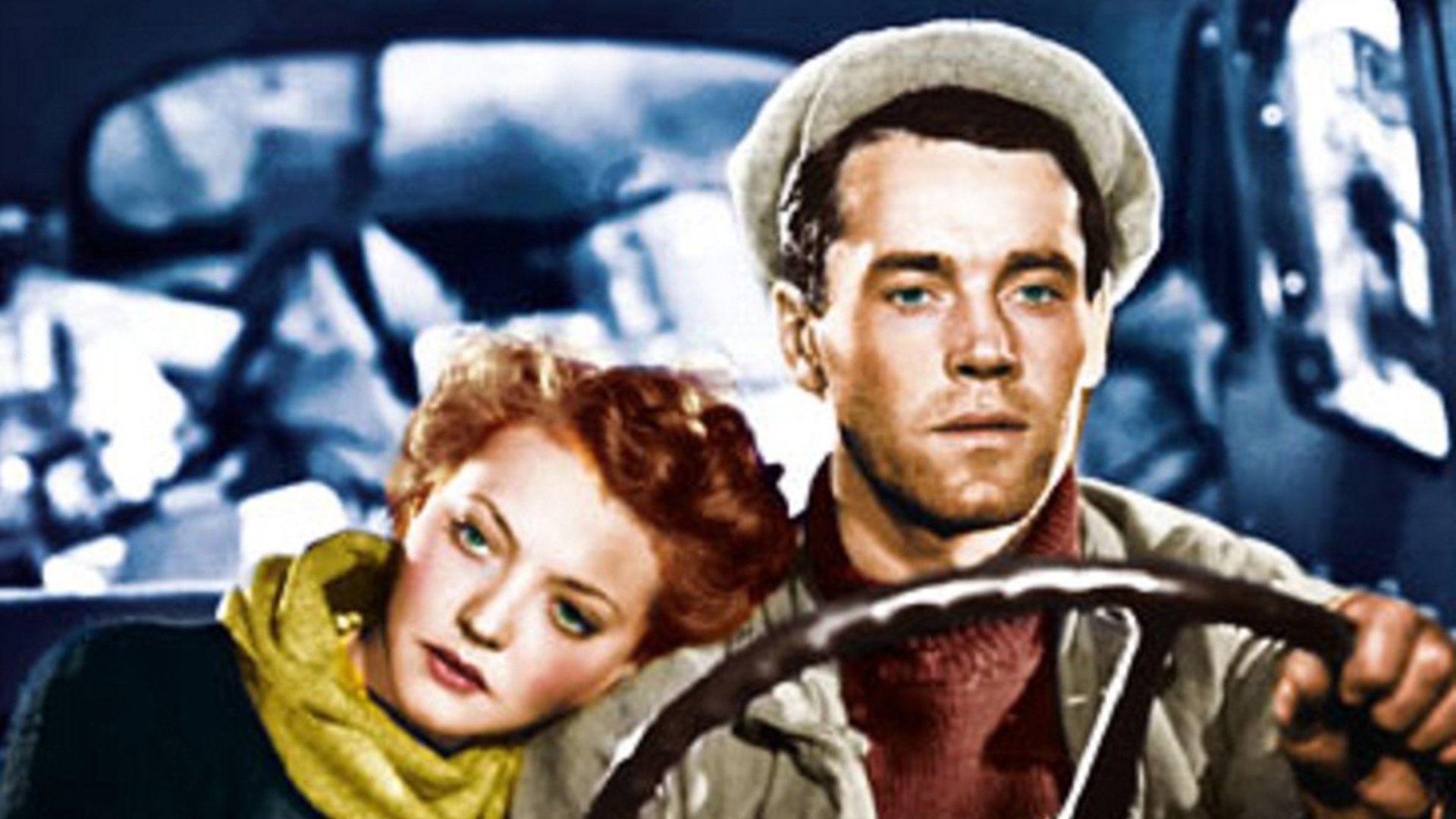
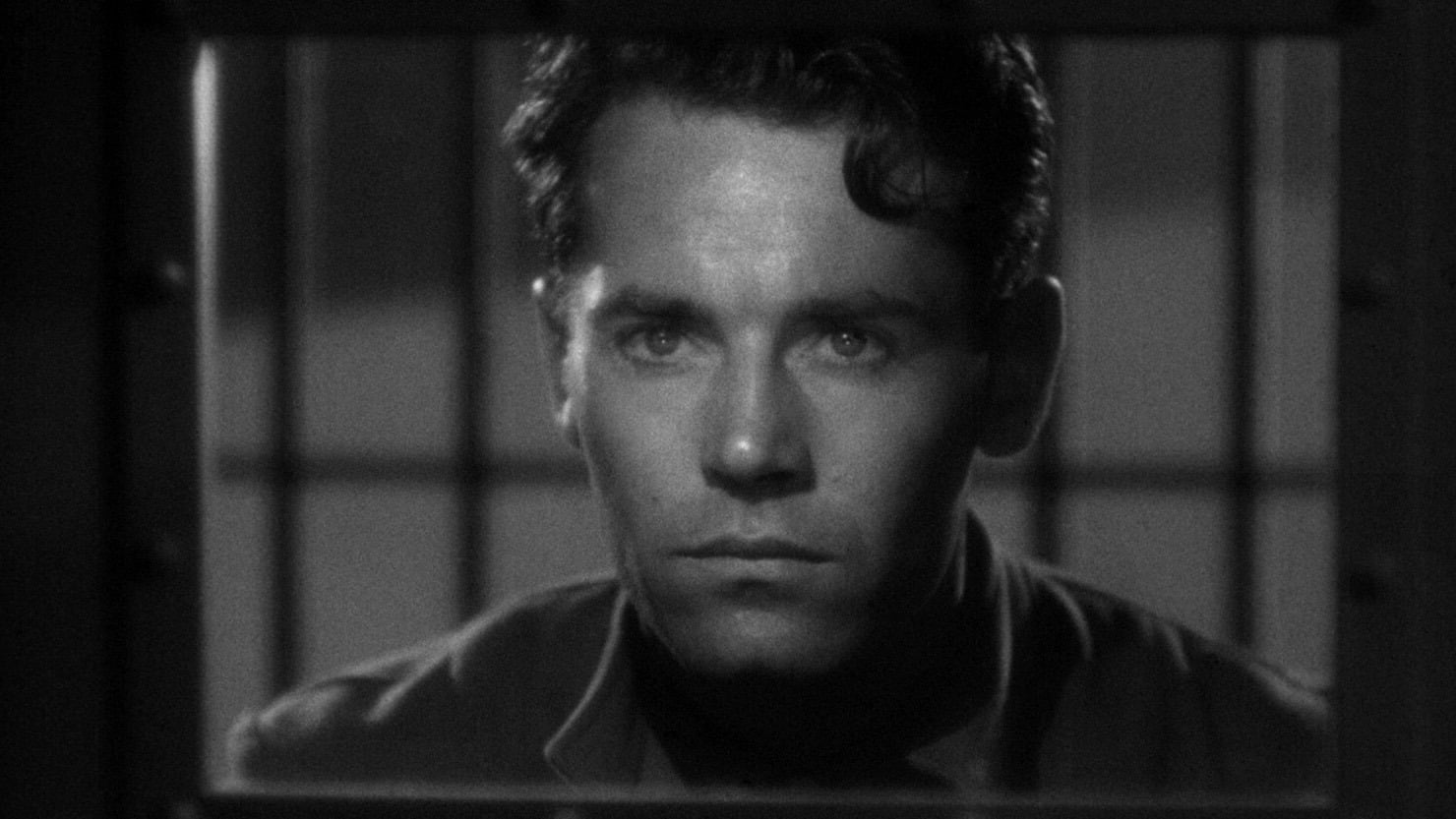
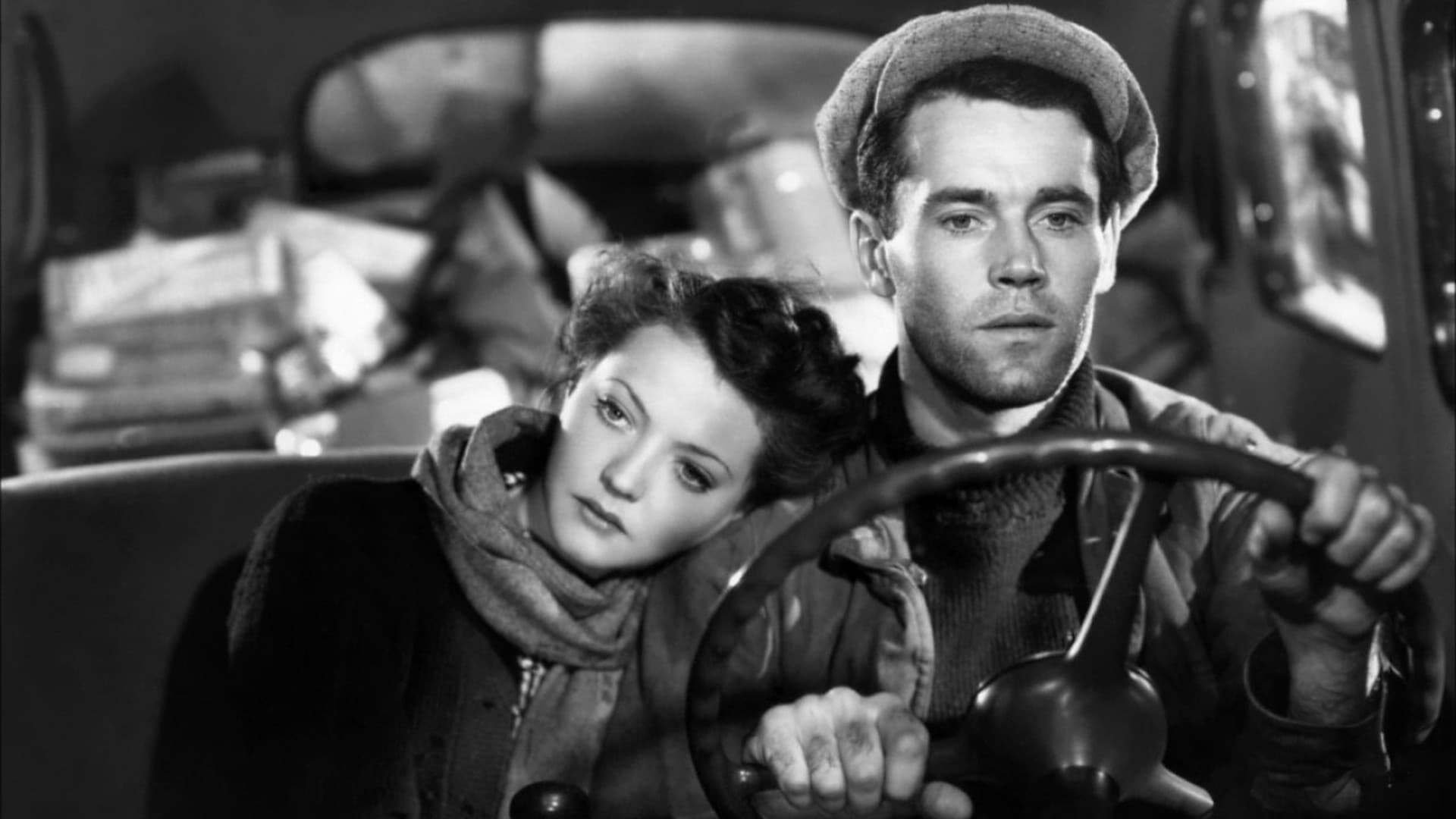
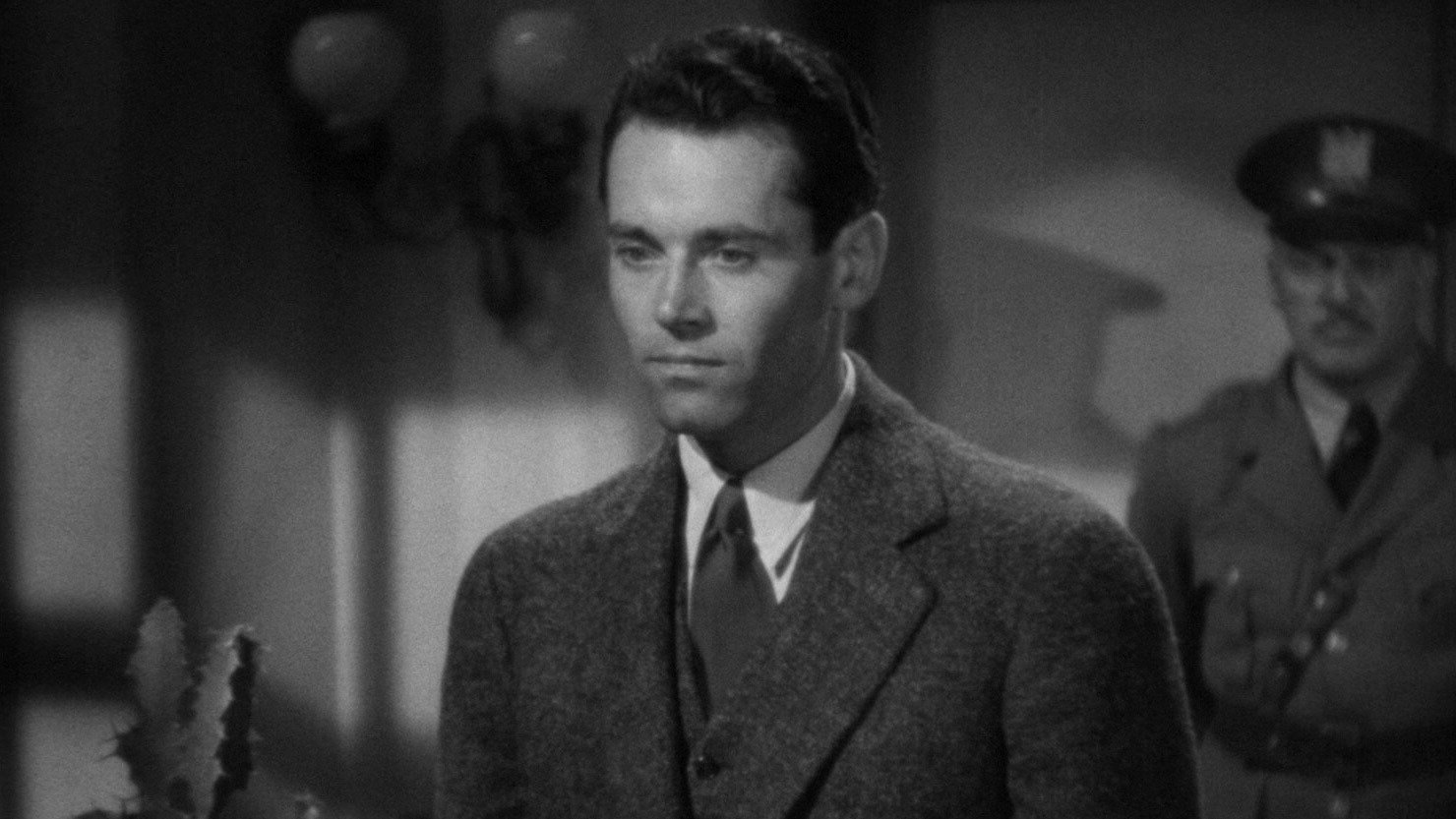
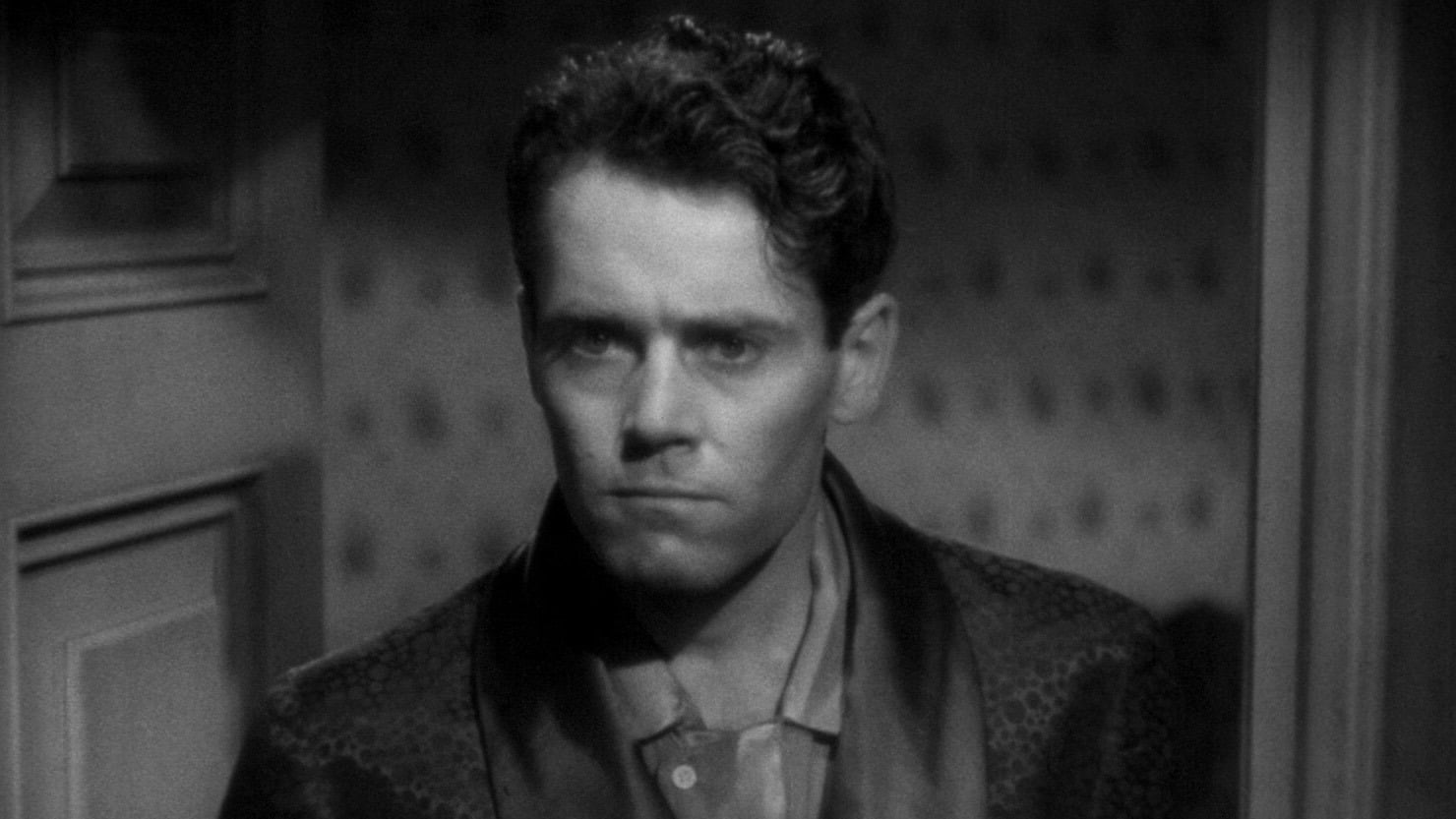
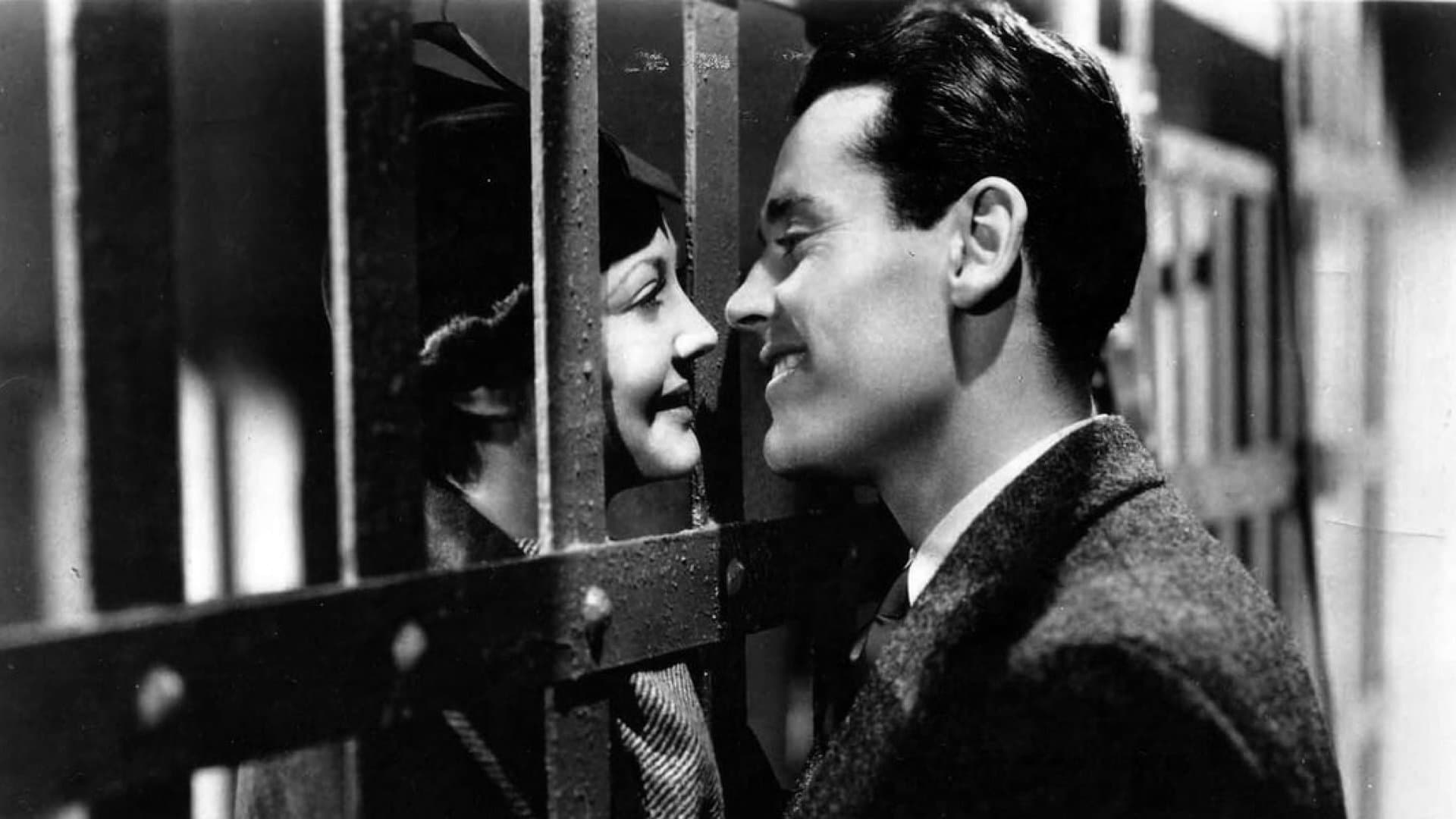
The film follows Eddie Taylor, a fictionalized version of Clyde Barrow, played by Henry Fonda. Eddie is a man with a criminal past trying desperately to go straight, but as is often the case in noir, the world won’t let him escape his former life. Despite his best efforts, Eddie is drawn back into crime, and the film spirals into a tense, relentless downfall. Fonda delivers a fantastic performance, capturing Eddie’s desperation and mounting paranoia. His character is deeply tragic—someone who wants to do the right thing but is thwarted at every turn by a society unwilling to give him a second chance.
What struck me most about You Only Live Once is how contemporary it feels. Made in 1937, only three years after the real Bonnie and Clyde died (and the only major adaptation of their story to not use their real names), the film tackles themes like institutional corruption, the failure of the justice system to rehabilitate, and the moral ambiguity of Eddie’s actions—issues that are still prevalent in modern neo-noir. Lang was engaging with these ideas decades before they became staples of American cinema. It's no surprise, though, that You Only Live Once was one of the first box office flops, with Walter Wagner Productions losing an estimated $47,000 (roughly $1,049,000 today). Quite simply, American audiences weren’t ready for a film this ahead of its time. It’s funny how something I view as a piece of history was once too revolutionary. Time is a strange soup, and the masses are fickle. I wonder which modern films will age this way—Megalopolis or The Eternals feel like strong contenders.
Watching You Only Live Once felt like reconnecting with the roots of a genre I deeply admire. Sure, it doesn’t have the stylized violence of a Tarantino flick or the brutal precision of John Wick, as improved technology has helped Tarantino, Stahelski, and others achieve technical achievements Lang probably couldn’t even dream about, but its influence is undeniable. Without films like this, we wouldn’t have today’s neo-noir classics. Lang’s direction remains as sharp as ever, and the film’s conclusion still hits with an emotional punch that resonates nearly a century later. It’s a testament to the timelessness of noir in all its forms
Neo-noir films hold a special place in my heart, and after a long day, nothing quite hits the spot like sinking into a moody, modern noir. Recently, I've been reflecting on how much I loved The Kid Detective and Knox Goes Away. These two films stand as prime examples of neo-noir's evolution, showing the genre's ability to be gut-wrenchingly tragic and also laugh-out-loud funny like The Kid Detective or quietly noble like Knox Goes Away while still delivering that signature moral complexity. Honestly, both are so impressive that I’d rank them among my top 100 films of the decade so far.
Neo-noir has been around for quite some time, its roots tracing back to the 1980s when directors like Brian De Palma and Martin Scorsese started reimagining the genre. De Palma’s Blow Out is a masterpiece of paranoia and doom, a conspiracy thriller that perfectly captures the sensation of being trapped in a world that’s out to get you. On the flip side, you have Scorsese’s After Hours, an entirely different yet equally impactful take on neo-noir. Instead of focusing on murder or intrigue, it’s about one man's surreal and hellish night in New York City—a dark comedy draped in noir aesthetics. Both films represent the genre’s modernization, adapting classic noir elements and making them resonate with contemporary audiences.
Fast-forward to today, and neo-noir is still thriving, thanks in large part to directors like Quentin Tarantino (a huge asshole who’s movies largely don’t work for me, but I can’t deny his influence) and Chad Stahelski. Tarantino has built a career riffing on noir tropes, injecting them with his signature dialogue-heavy, ultra-violent flair. Meanwhile, Stahelski has steered the genre in a more action-driven direction with the John Wick series, turning the brooding antihero into a highly-skilled assassin on a quest for vengeance. Both filmmakers have managed to keep neo-noir fresh and exciting, while still maintaining the moral ambiguity and atmospheric tension that define the genre.
Given my love for the genre, I decided to dive into its origins and revisit Fritz Lang’s You Only Live Once. And just to clarify—this has nothing to do with the James Bond film You Only Live Twice (1967). People mix them up far more than they should, but trust me, these two movies couldn’t be more different.
You Only Live Once is one of the foundational films that laid the groundwork for what we now think of as film noir. Released in 1937—before the genre had fully crystallized—it contains all the essential elements: the flawed protagonist, an overwhelming sense of fatalism, dark, shadowy cinematography, and the relentless feeling that the world is stacked against you. Lang, being the master filmmaker that he is, weaves these elements into a taut, gripping narrative that still feels surprisingly modern. Some films, even those made within a decade of each other, can feel dated due to narrative structure or special effects that were revolutionary in their time but look terrible today.
The film follows Eddie Taylor, a fictionalized version of Clyde Barrow, played by Henry Fonda. Eddie is a man with a criminal past trying desperately to go straight, but as is often the case in noir, the world won’t let him escape his former life. Despite his best efforts, Eddie is drawn back into crime, and the film spirals into a tense, relentless downfall. Fonda delivers a fantastic performance, capturing Eddie’s desperation and mounting paranoia. His character is deeply tragic—someone who wants to do the right thing but is thwarted at every turn by a society unwilling to give him a second chance.
What struck me most about You Only Live Once is how contemporary it feels. Made in 1937, only three years after the real Bonnie and Clyde died (and the only major adaptation of their story to not use their real names), the film tackles themes like institutional corruption, the failure of the justice system to rehabilitate, and the moral ambiguity of Eddie’s actions—issues that are still prevalent in modern neo-noir. Lang was engaging with these ideas decades before they became staples of American cinema. It's no surprise, though, that You Only Live Once was one of the first box office flops, with Walter Wagner Productions losing an estimated $47,000 (roughly $1,049,000 today). Quite simply, American audiences weren’t ready for a film this ahead of its time. It’s funny how something I view as a piece of history was once too revolutionary. Time is a strange soup, and the masses are fickle. I wonder which modern films will age this way—Megalopolis or The Eternals feel like strong contenders.
Watching You Only Live Once felt like reconnecting with the roots of a genre I deeply admire. Sure, it doesn’t have the stylized violence of a Tarantino flick or the brutal precision of John Wick, as improved technology has helped Tarantino, Stahelski, and others achieve technical achievements Lang probably couldn’t even dream about, but its influence is undeniable. Without films like this, we wouldn’t have today’s neo-noir classics. Lang’s direction remains as sharp as ever, and the film’s conclusion still hits with an emotional punch that resonates nearly a century later. It’s a testament to the timelessness of noir in all its forms