So this is what it’s like in Matt Walsh’s head.
Okay, so hear me out. This is obviously extreme art of the highest order, and only for the most broad-minded of literary critics. As a liberal arts collegiate and a self-described scholar of extreme art, of course I was able to draw some meaning from all the hideousness. And yes, it’s hideous. Mitch, I can either speak to you indirectly or directly, so I might as well be direct: I agree with you in that I kind of wish I could unsee this movie too. It’s possible that by seriously analyzing it and poring over the literature, I’m trying to justify the fact that I watched it, because I too feel something akin to “embarrassment” for having witnessed such godlessness. It was enough to shake even an agnostic like myself.
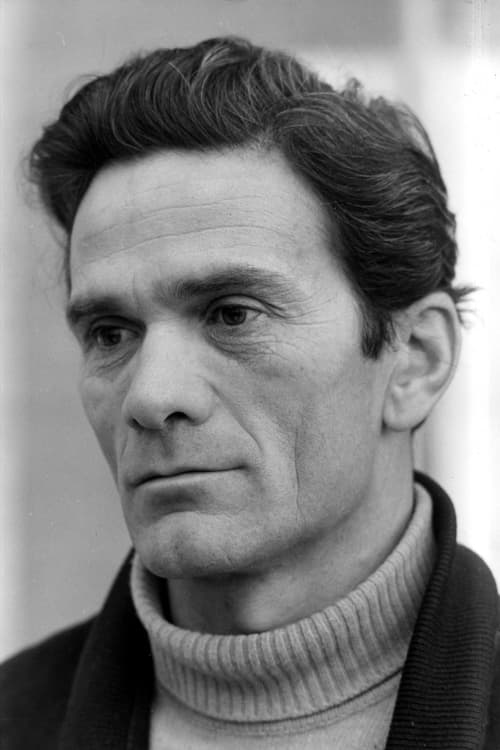
However, I think that time has proven this film right, or valuable, in a few respects. Pasolini’s death, for one, suggests that fascists and right-wing ideologues are threatened by art. Dangerous times demand aggressive art, and I hope that in the modern day, we are reminded that gentle, palatable art is a tool of the oppressors. Was anyone in power honestly threatened by Kendrick’s halftime performance? No. However, I understand that there is a serious audience drop-off with something like Salò, and there should be. On the other hand, via word-of-mouth and the mere wording of its title, there has never been any secret as to what Salò, or the 120 Days of Sodom is about, and yet it has been consumed somewhat widely. This speaks to some deep, fundamental curiosity about the darker sides of humanity that exists inside even those that ultimately hated it.
I think this movie inspires such intense hatred not because people feel robbed of two hours, but because they feel robbed of something deeper. Something like innocence. It really is that soul-affecting, and what is art if not an attempt to better understand the human condition? At its core, one must ask, “What are the awful depictions of Salò in service of?” And eventually, “What sort of world does Salò call for?” I can grant that there are movies I might dub “irresponsible”, but if you’re worried that some viewers might find Salò titillating and it should thus be banned, then boy do I have….checks notes….the entire history of cinema to show you.
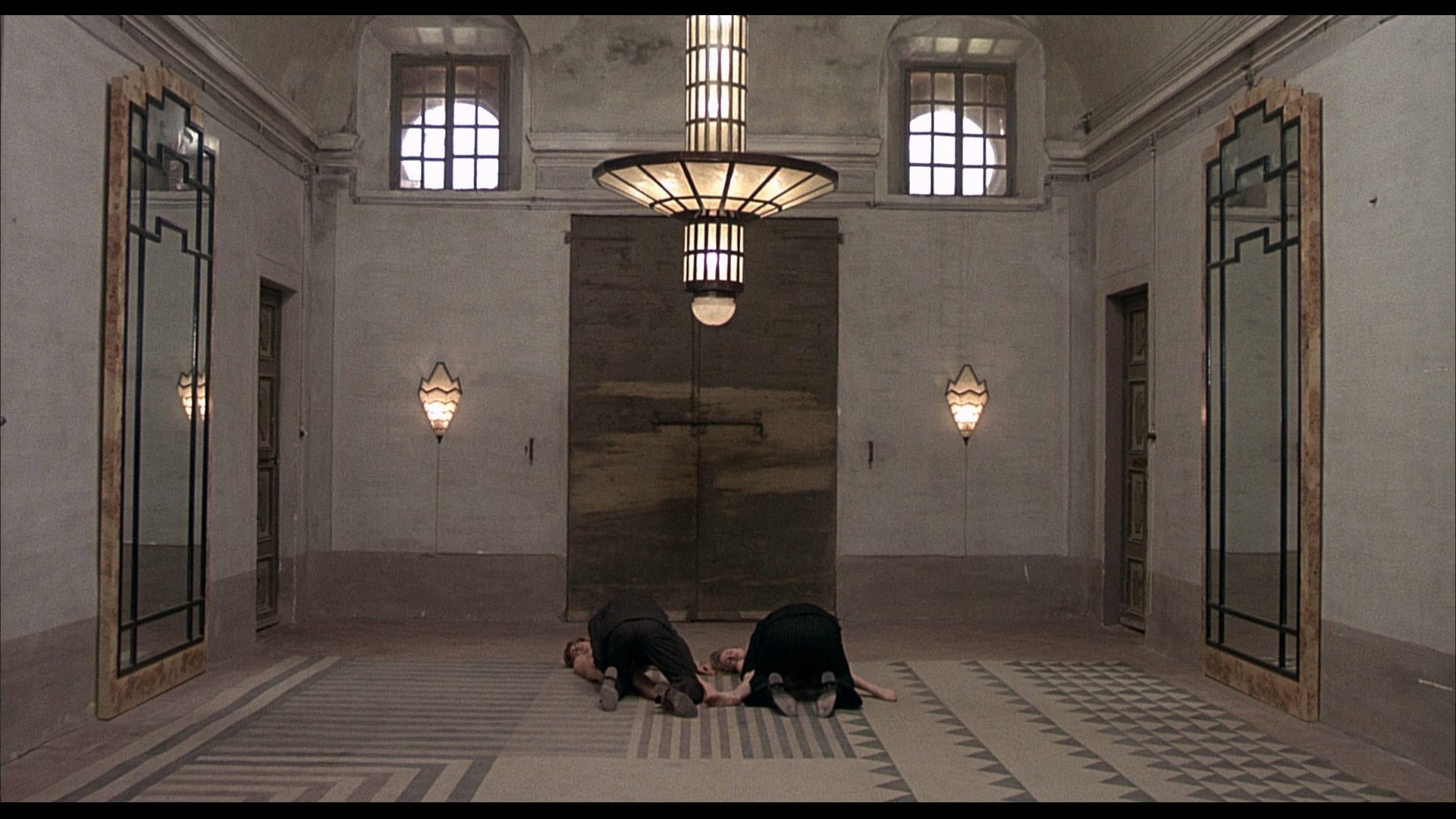
Depiction has never equaled endorsement, and I’ve become quite familiar with the implicit contract that one signs when engaging with extreme art: we’re just here to experiment. I feel like I’ve been training for this my whole life, steeling my gaze to see past the worst shit imaginable in search of something profound, and I can’t deny that as I was watching this, deep down, I felt that there was something there, through metaphor and the aesthetics.
Life on planet earth can get ugly. The darkest moments of the 20th century can be explained in wholly PG terms, despite the human experience of these moments being unimaginably bleak and upsetting. Any fascist worth their weight in iron fists knows the power of words and how to manipulate their strengths and weaknesses: how euphemism can be used to make any awful idea sound palatable; how censorship and strategic elision can rewrite the bothersome truths of history; how words can often lack the essential feelings required to foster empathy.
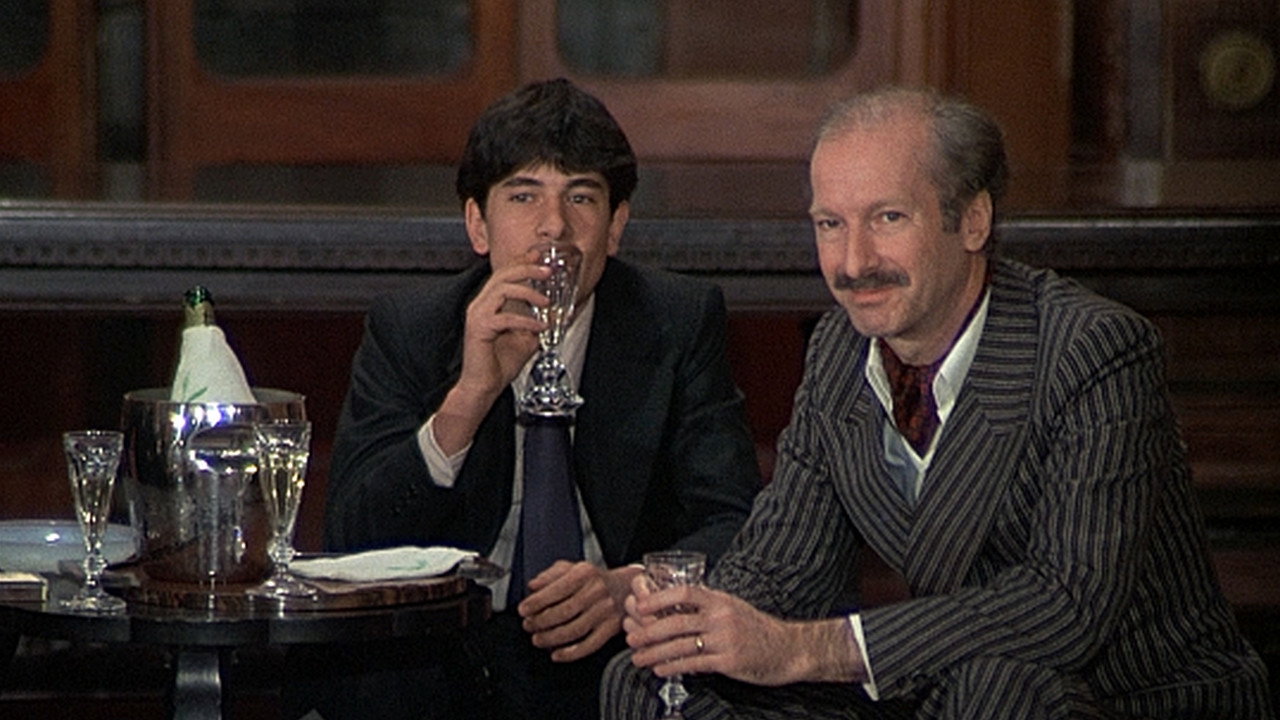
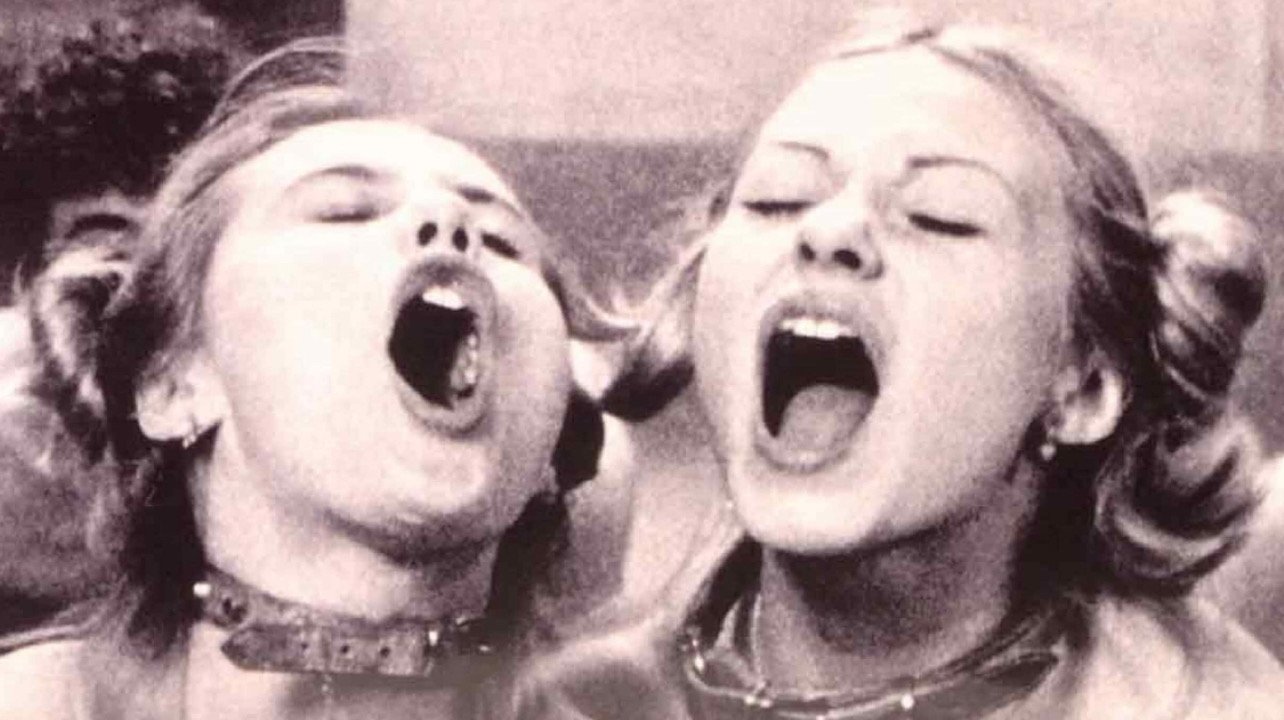
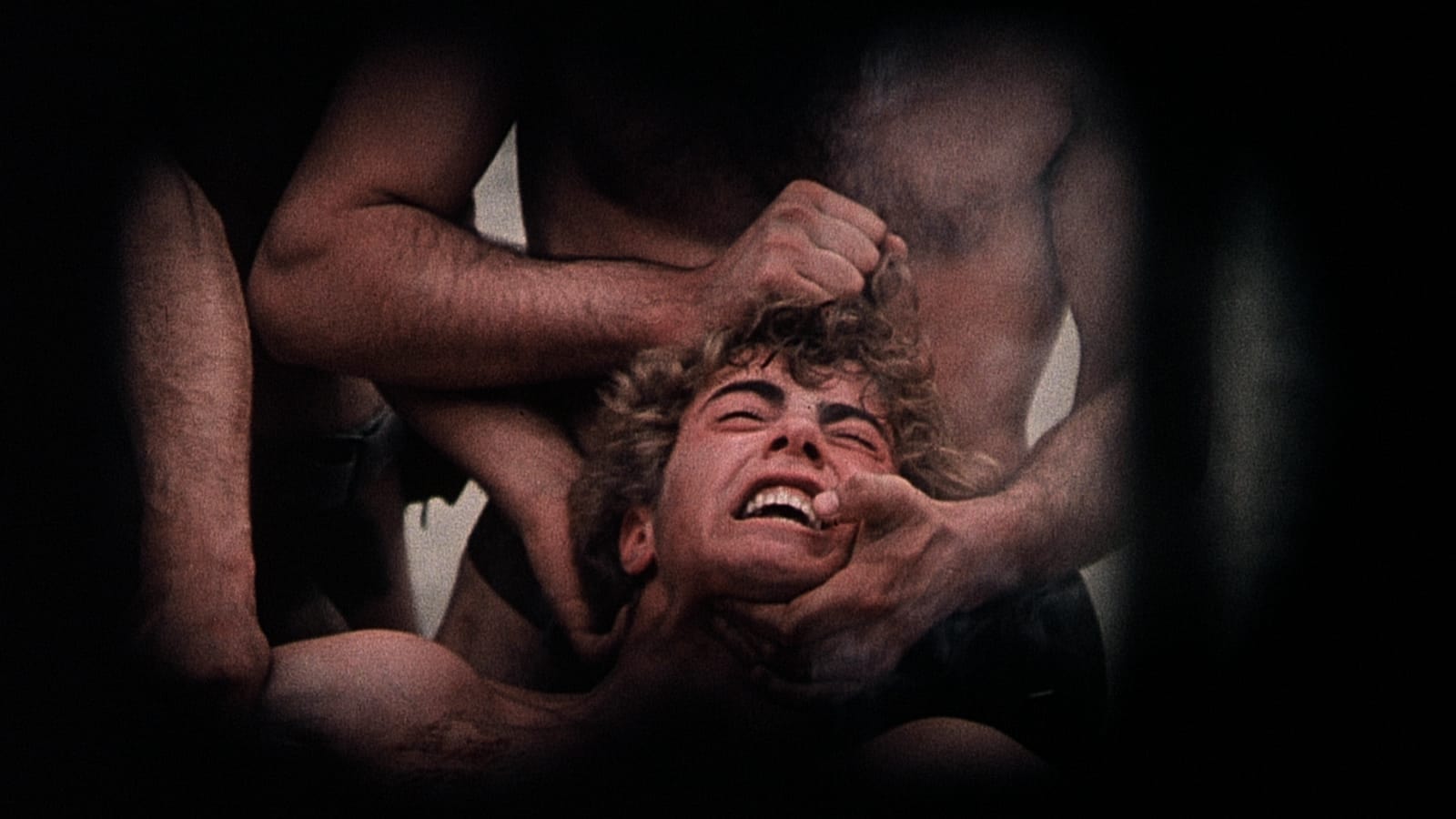
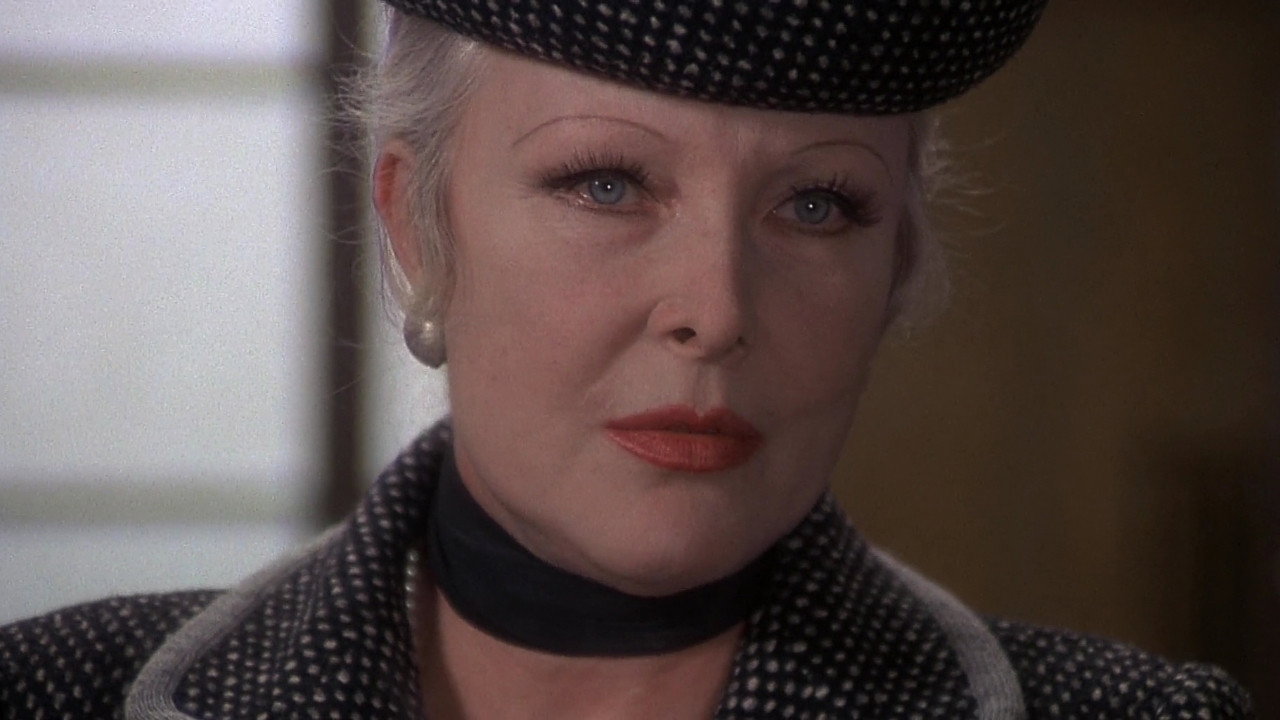
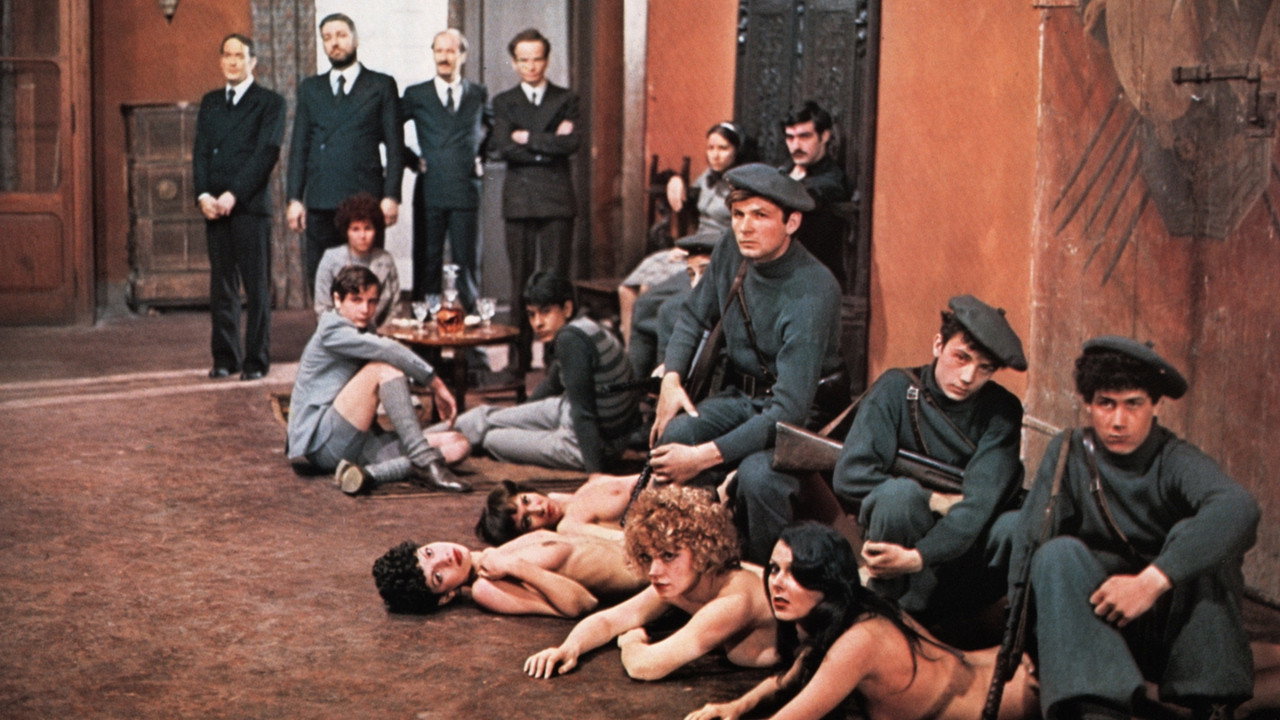
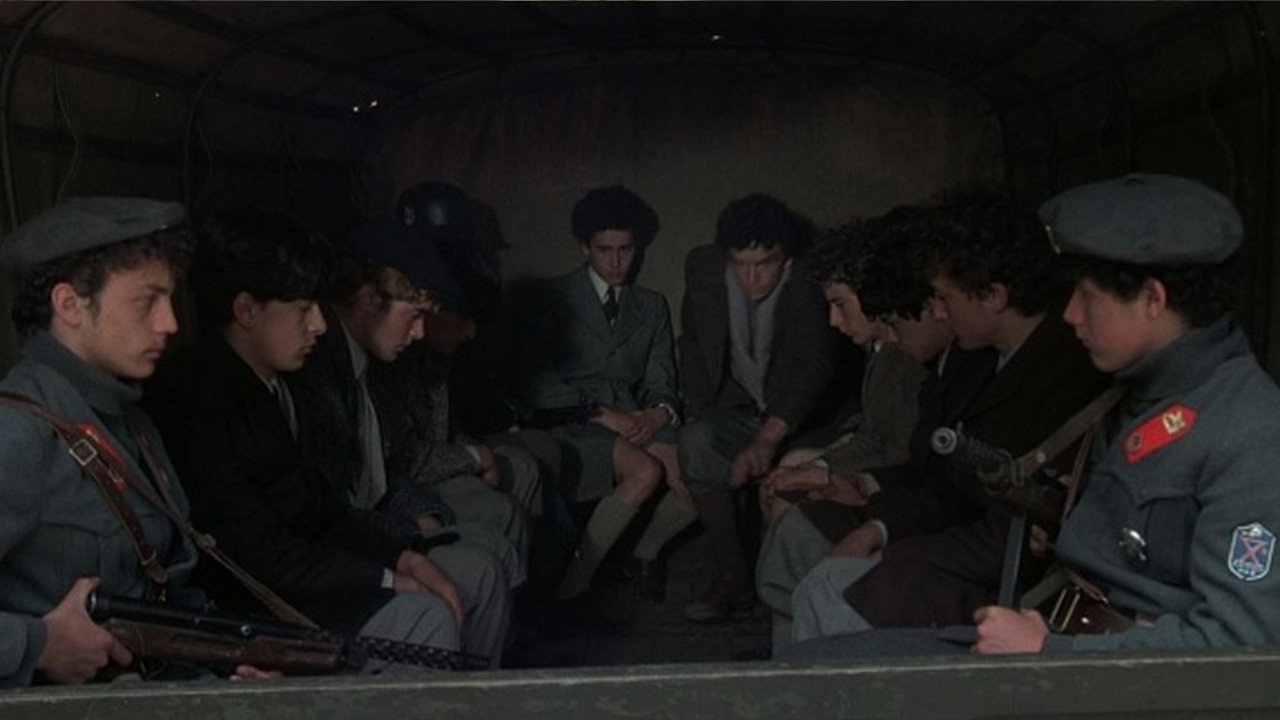
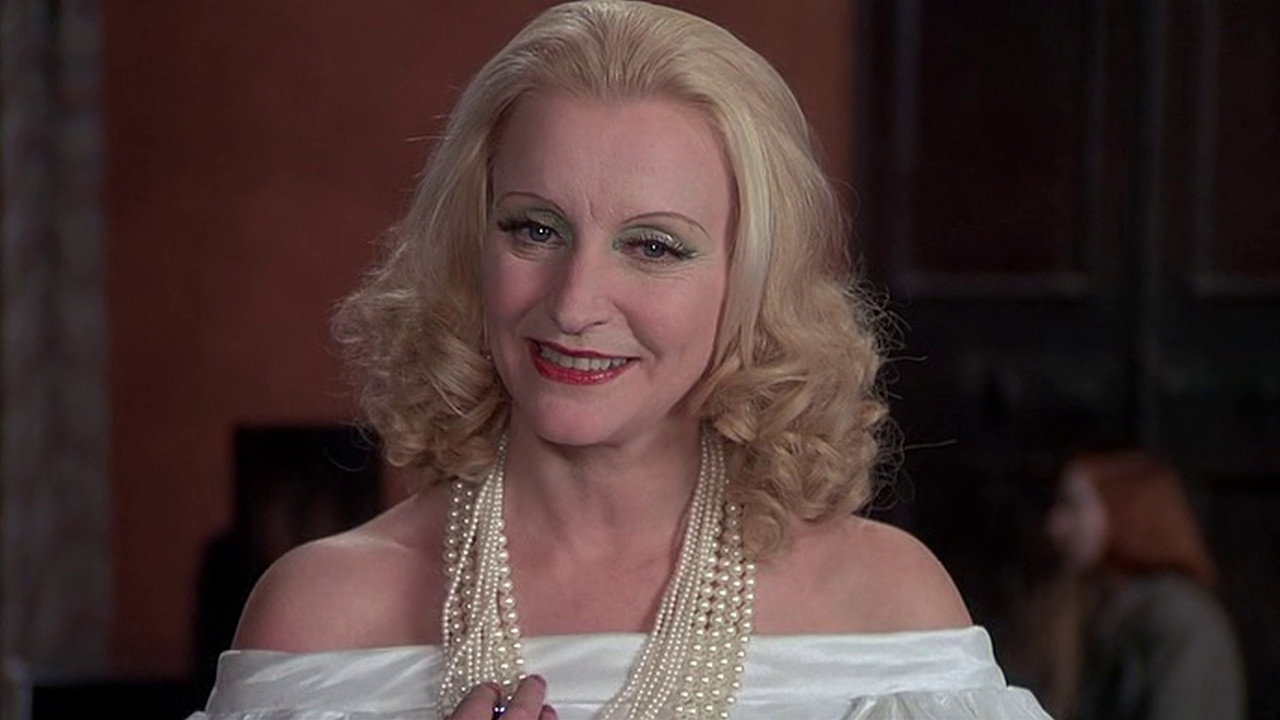
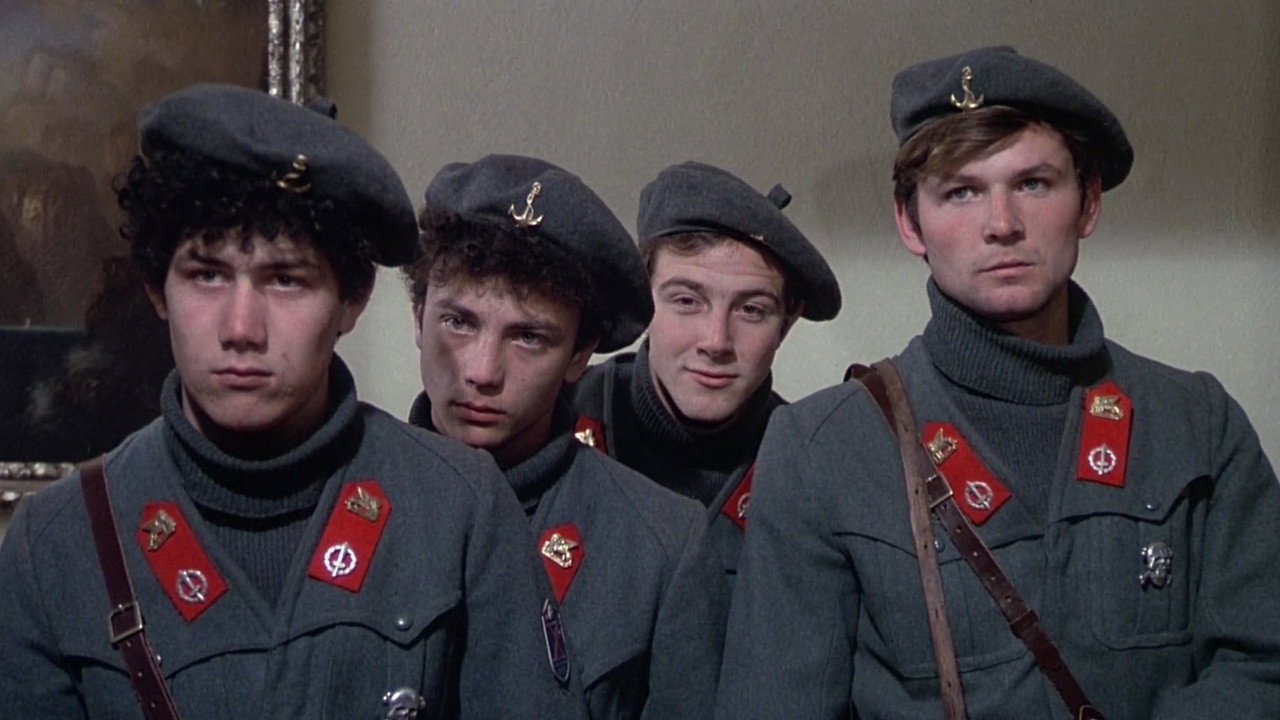
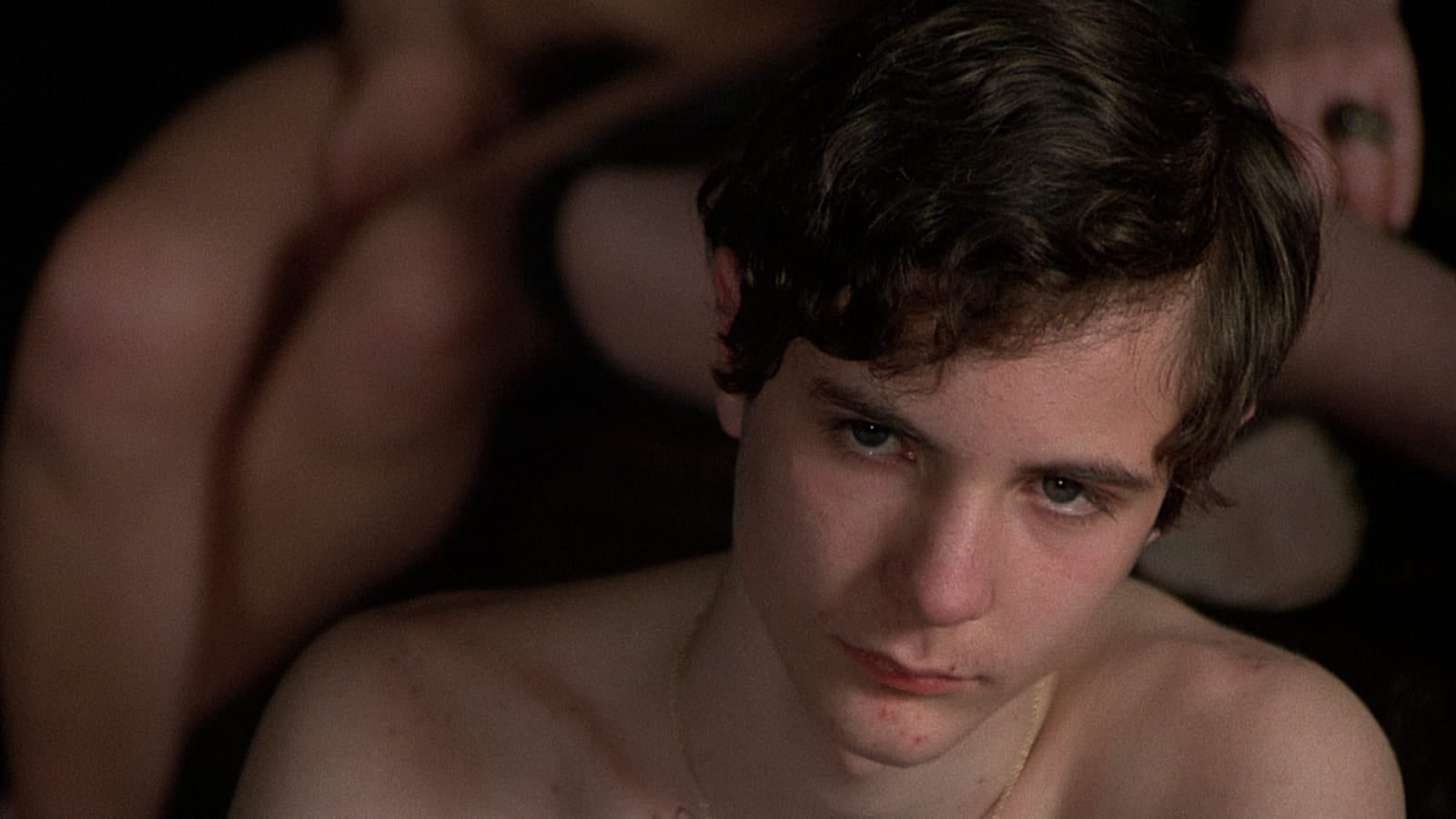
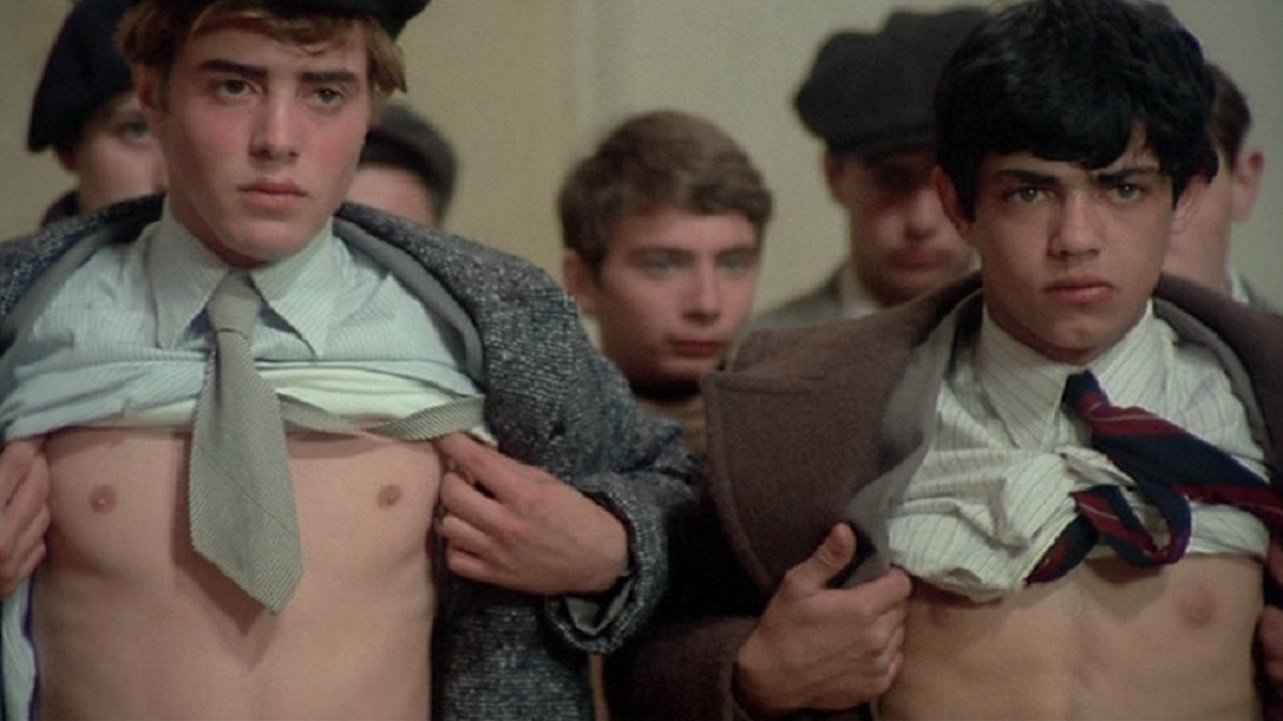
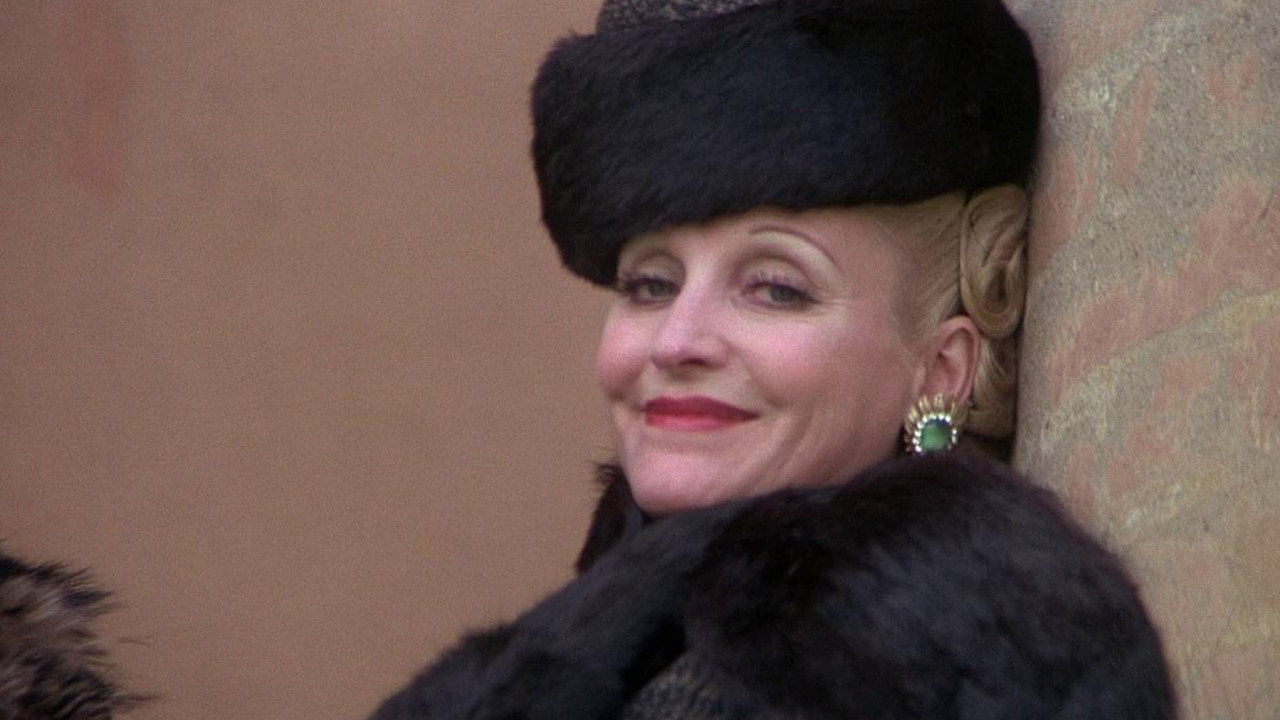
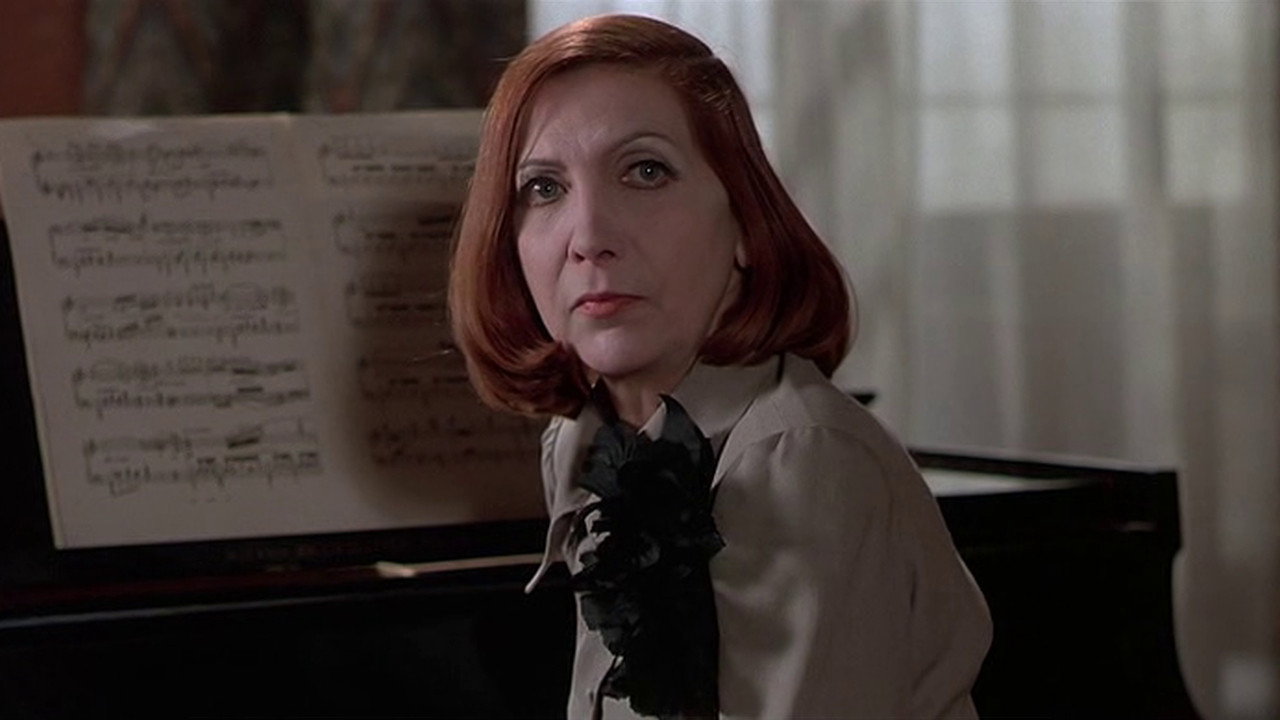
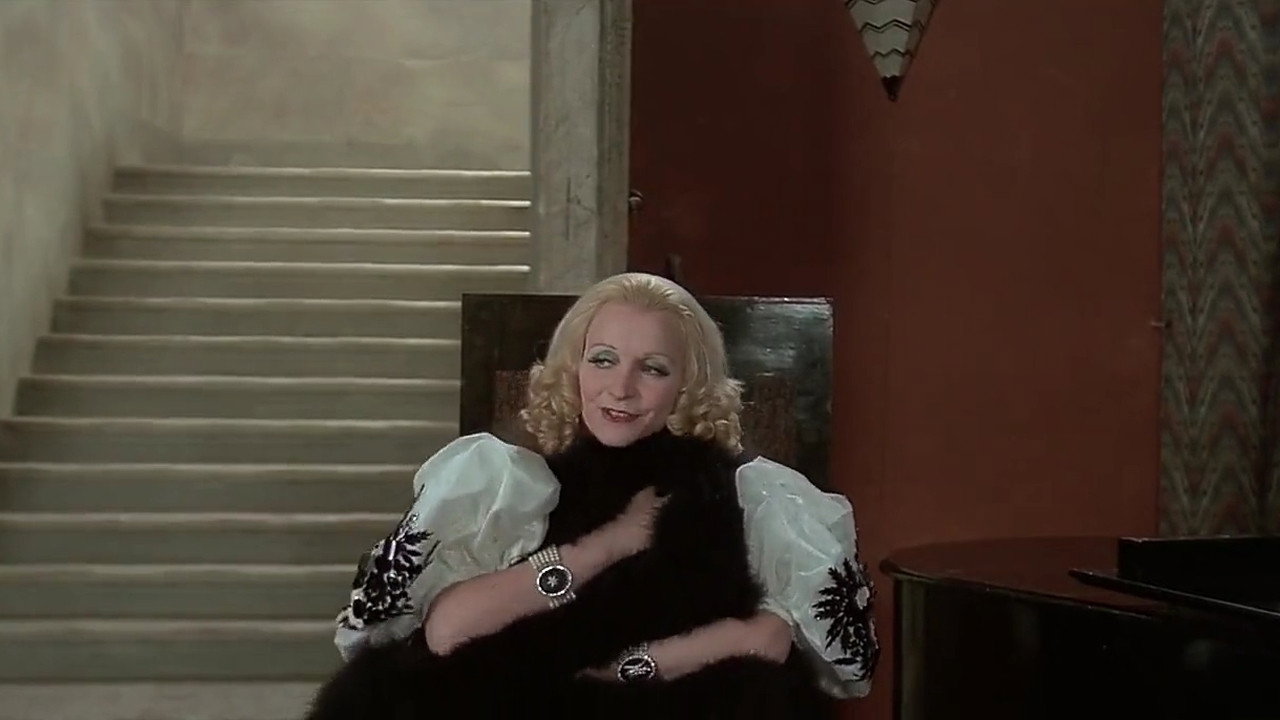
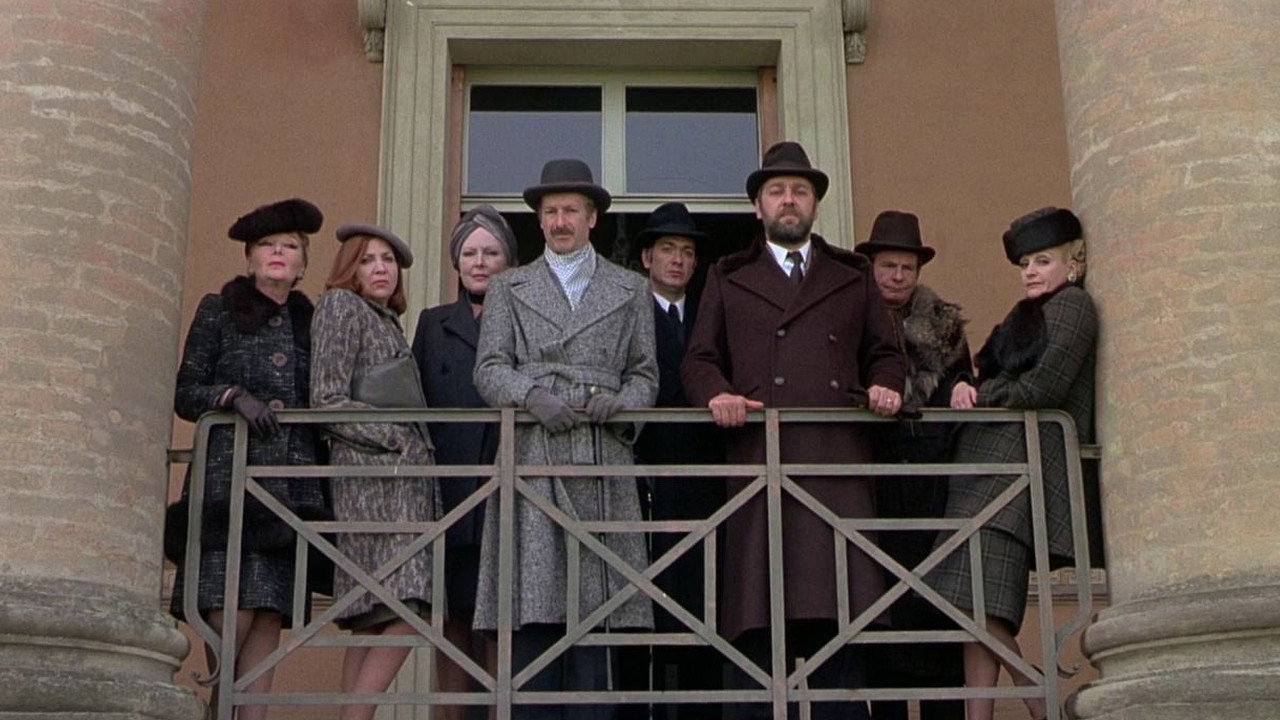
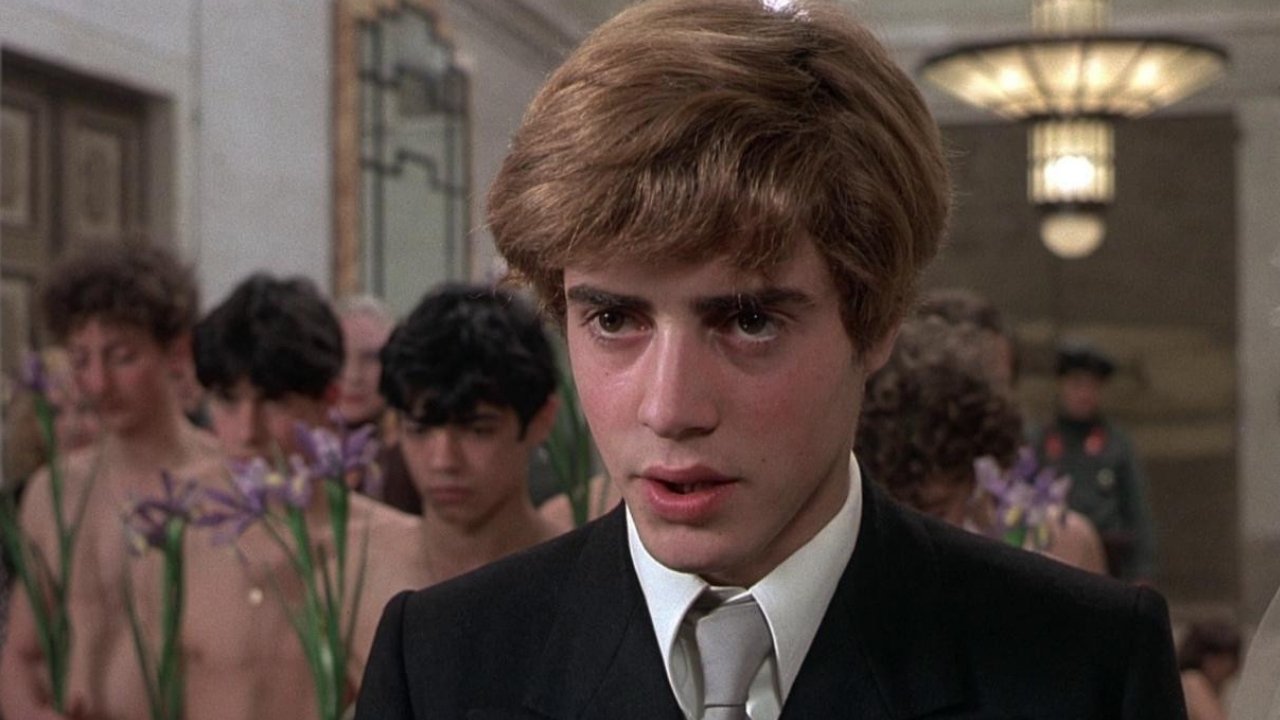
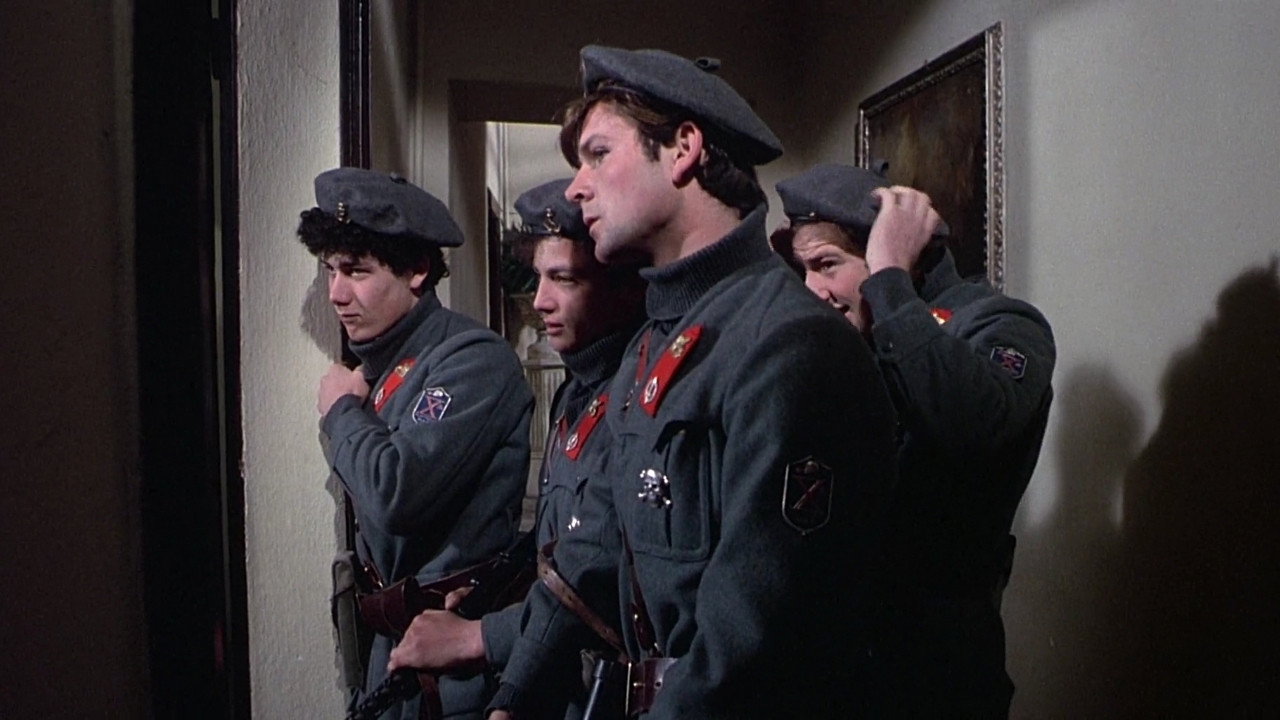
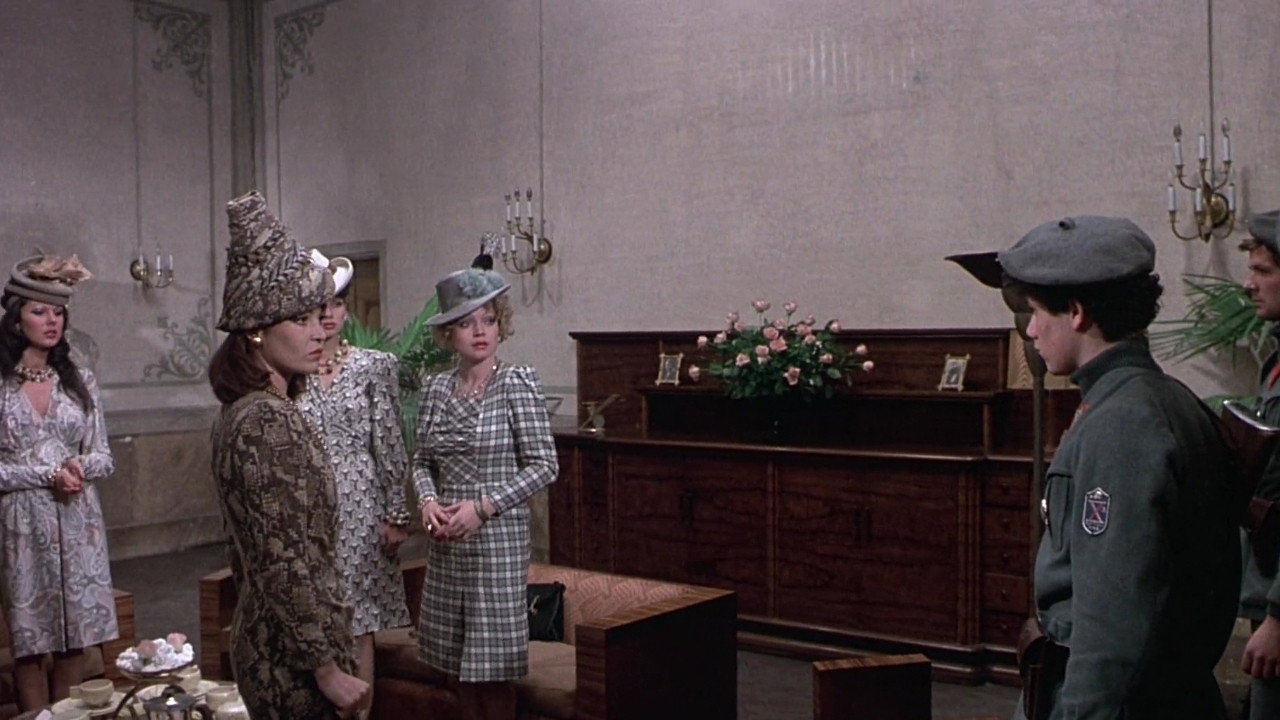
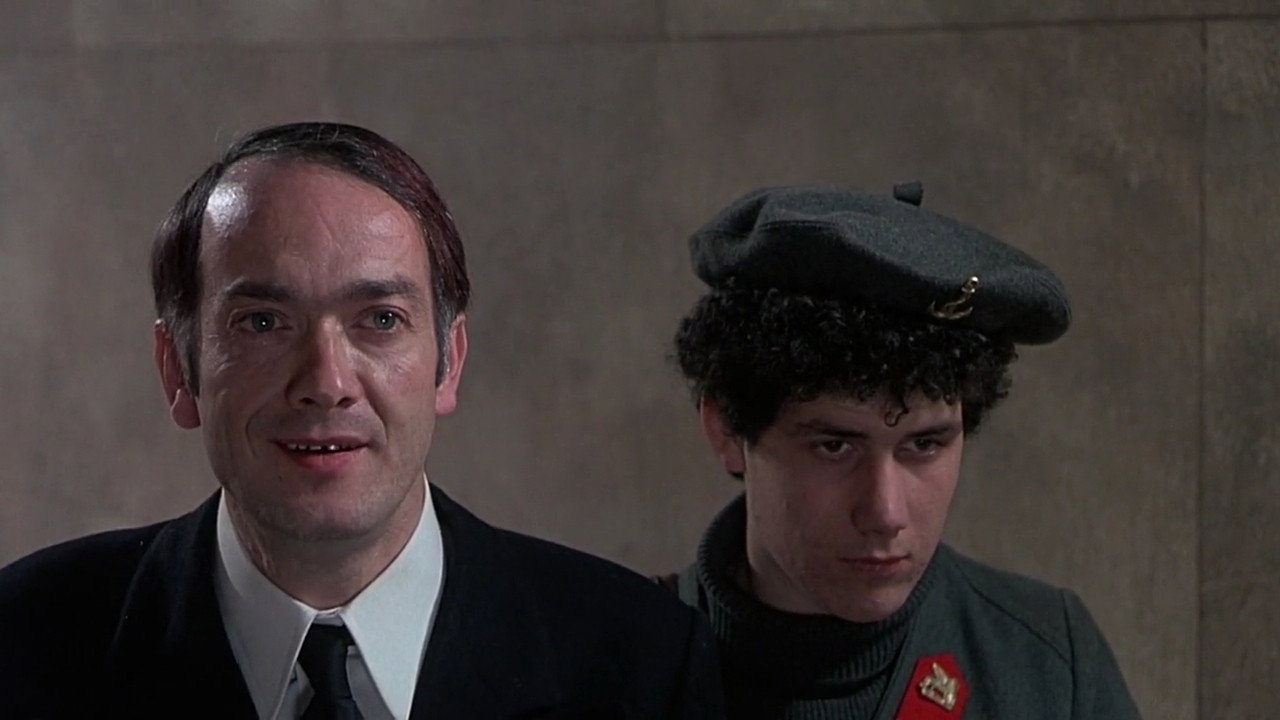
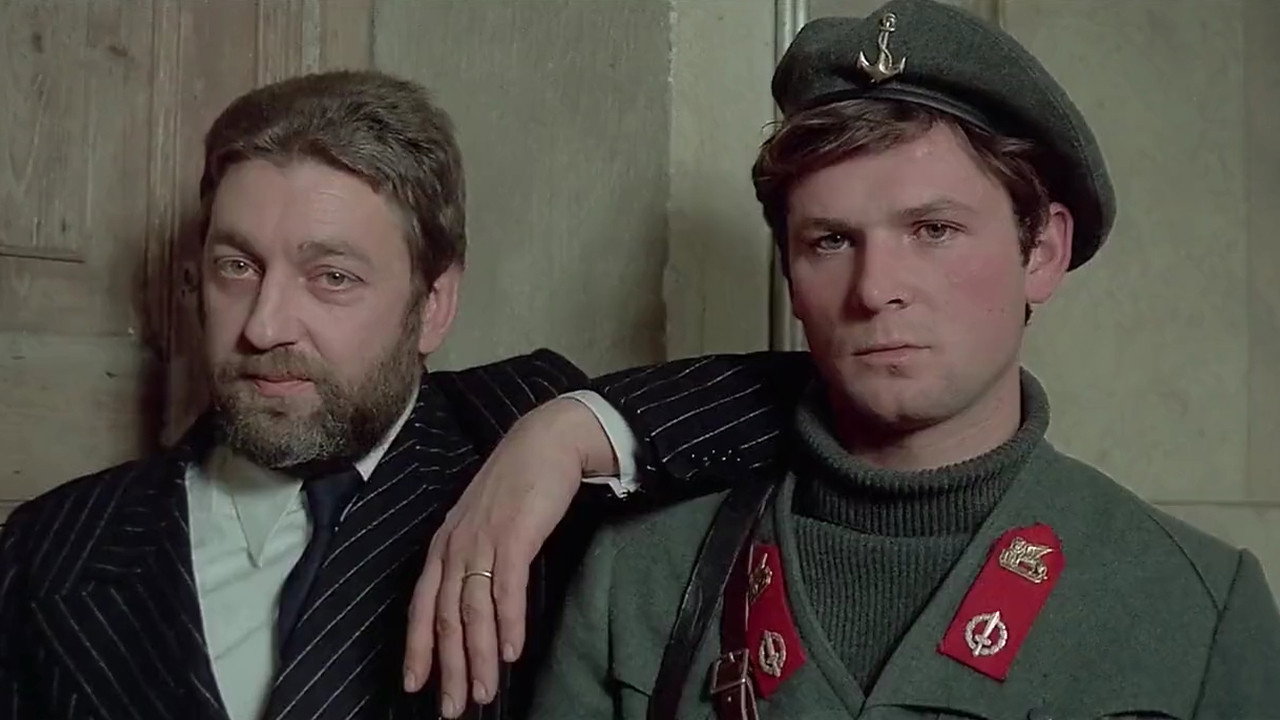
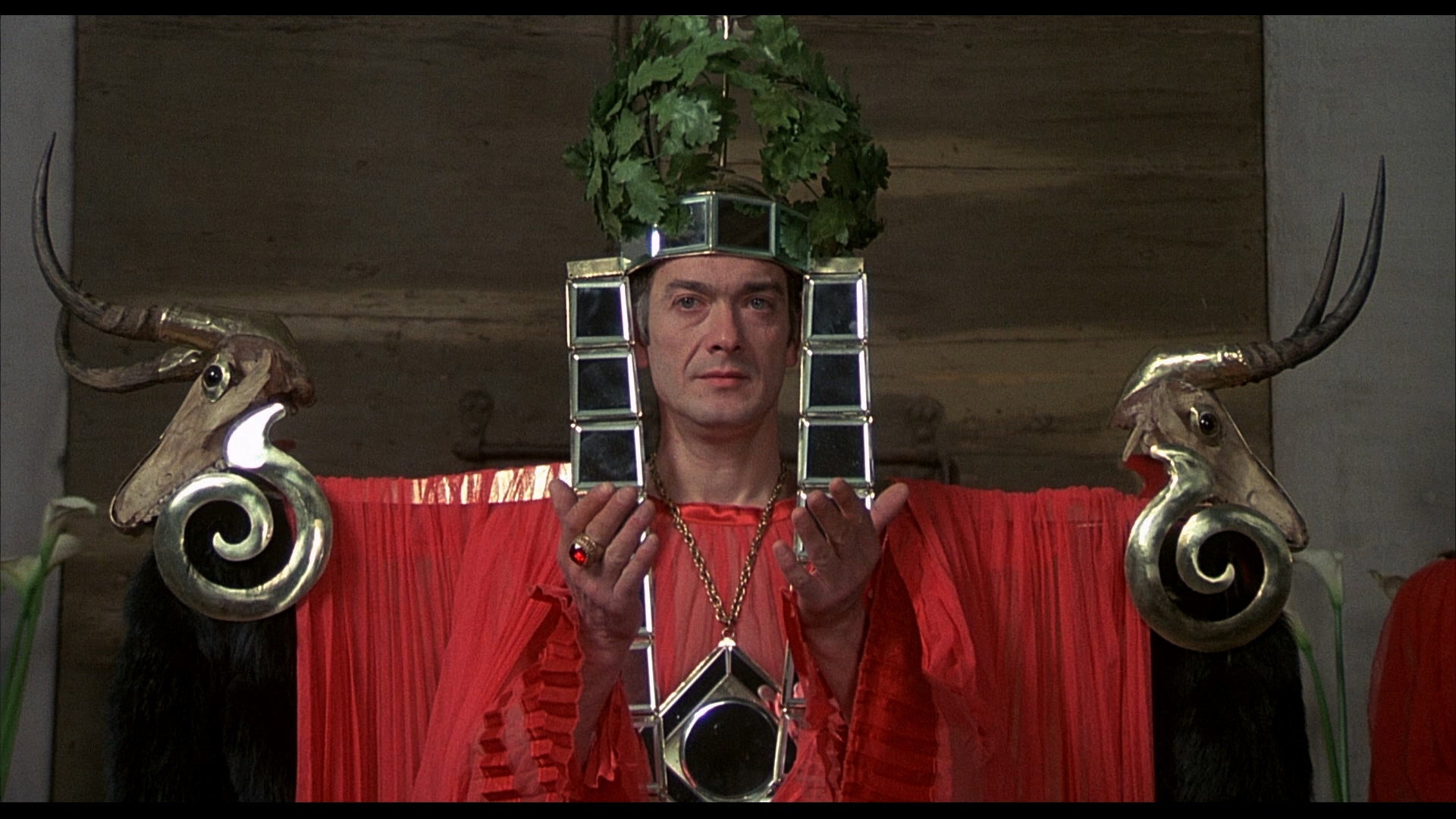
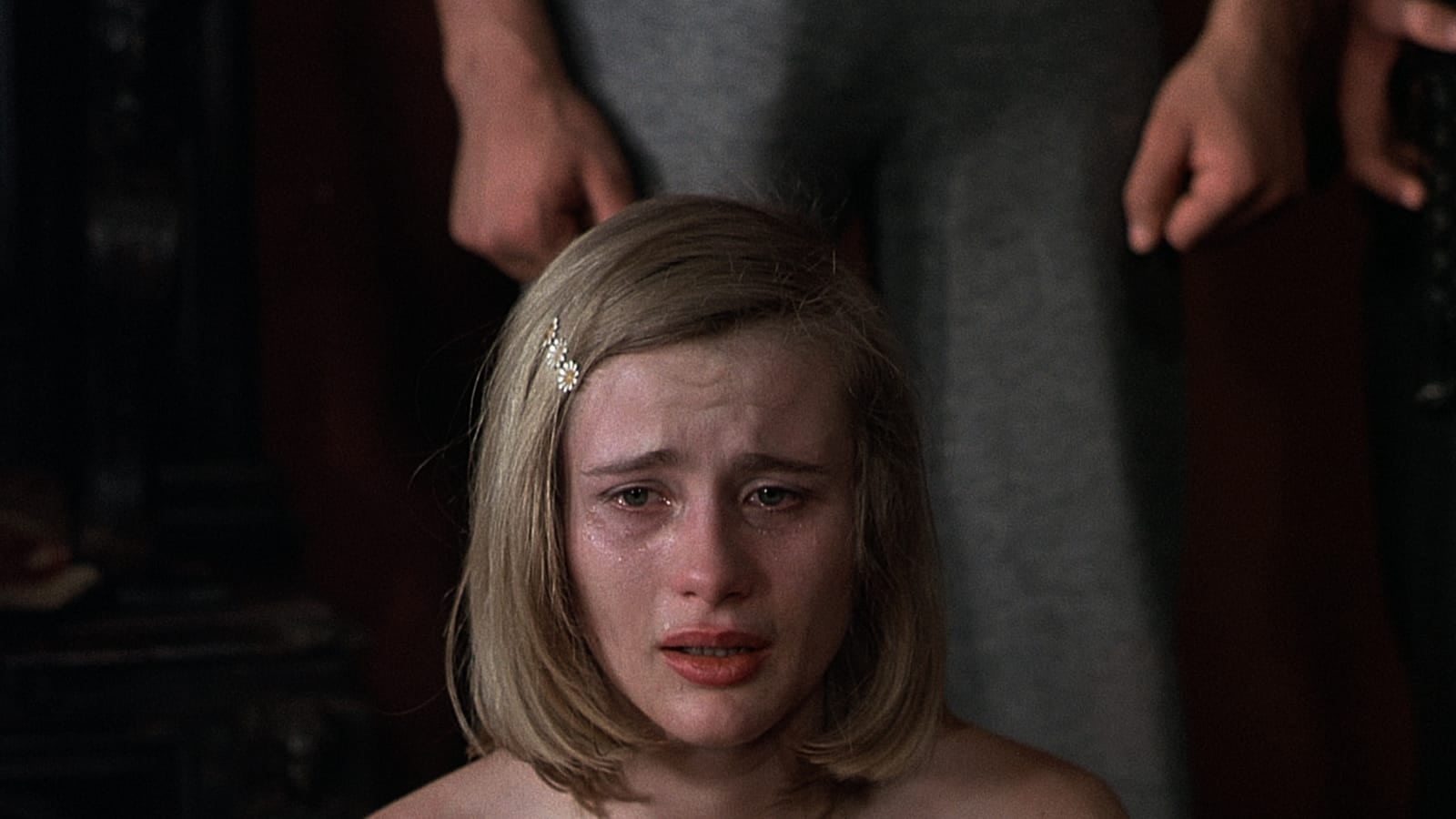
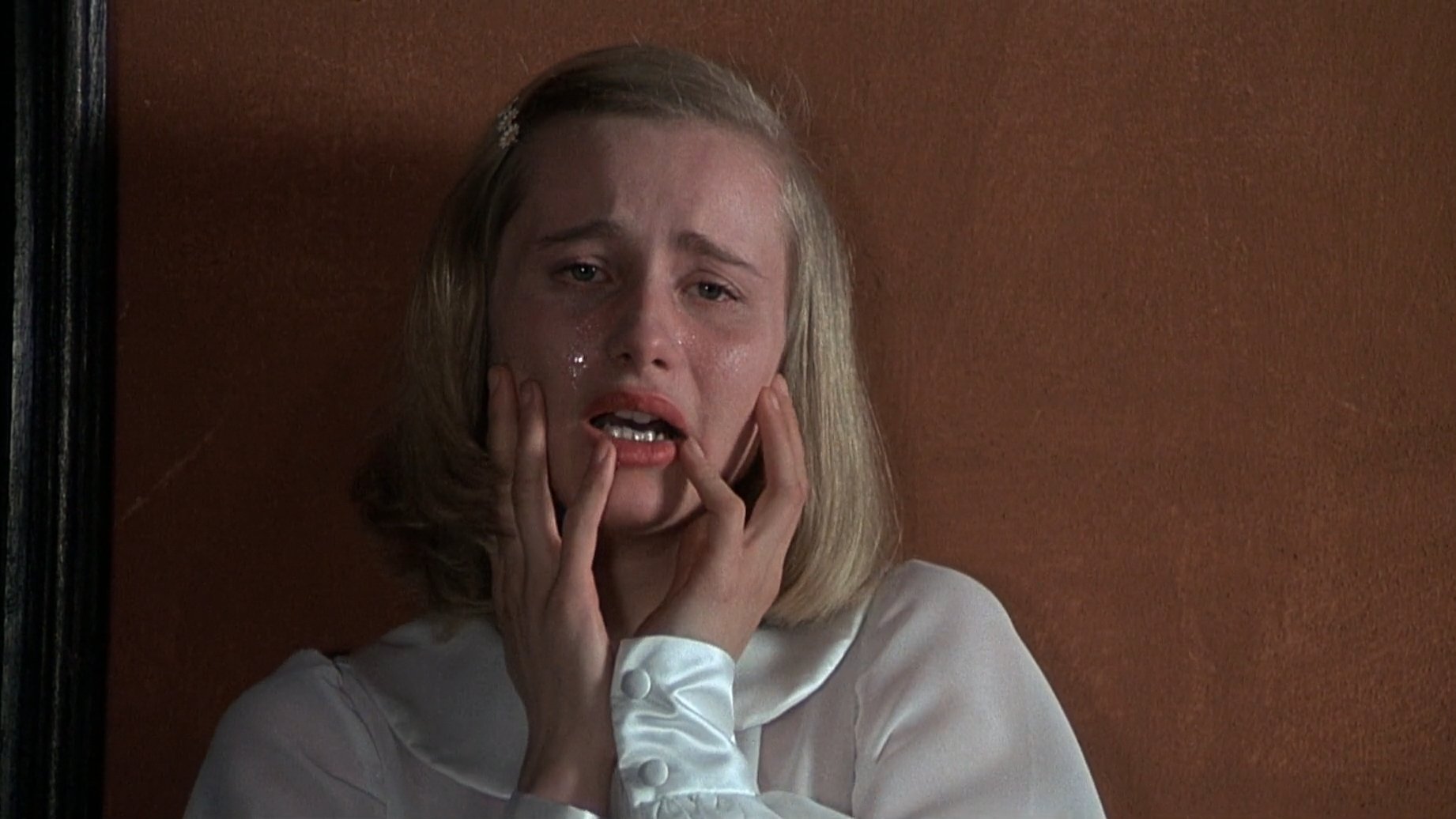
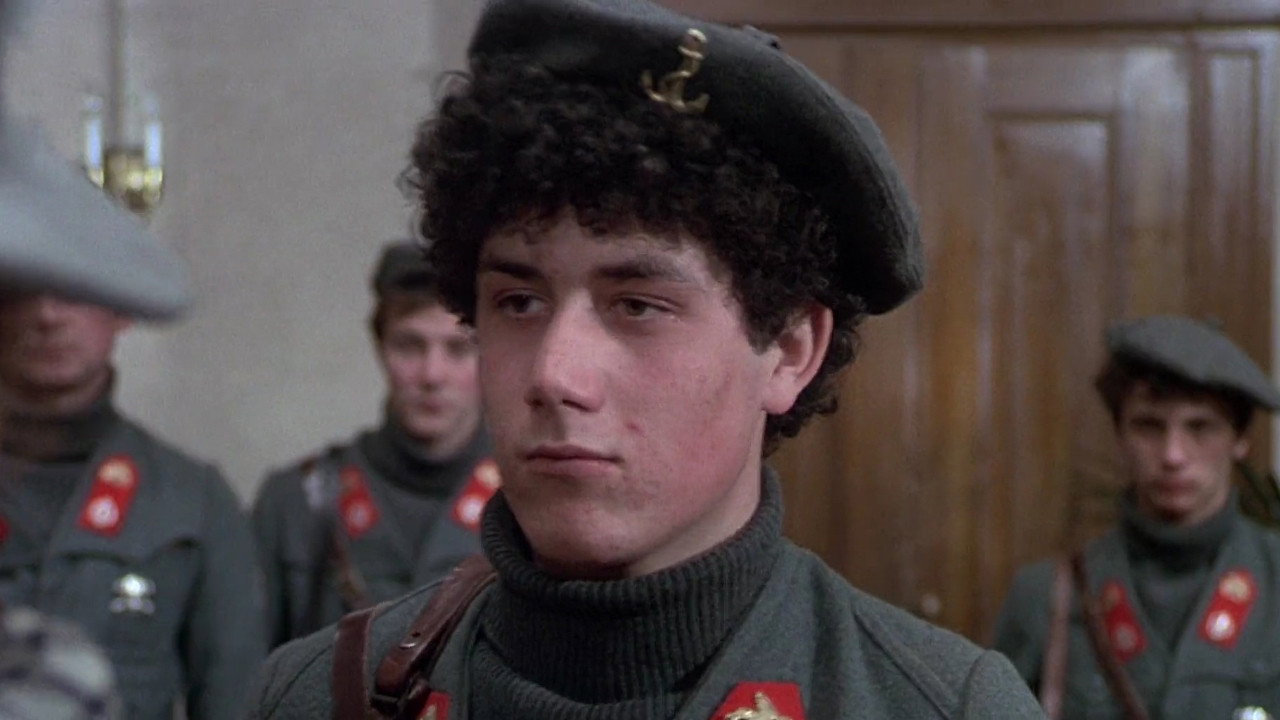
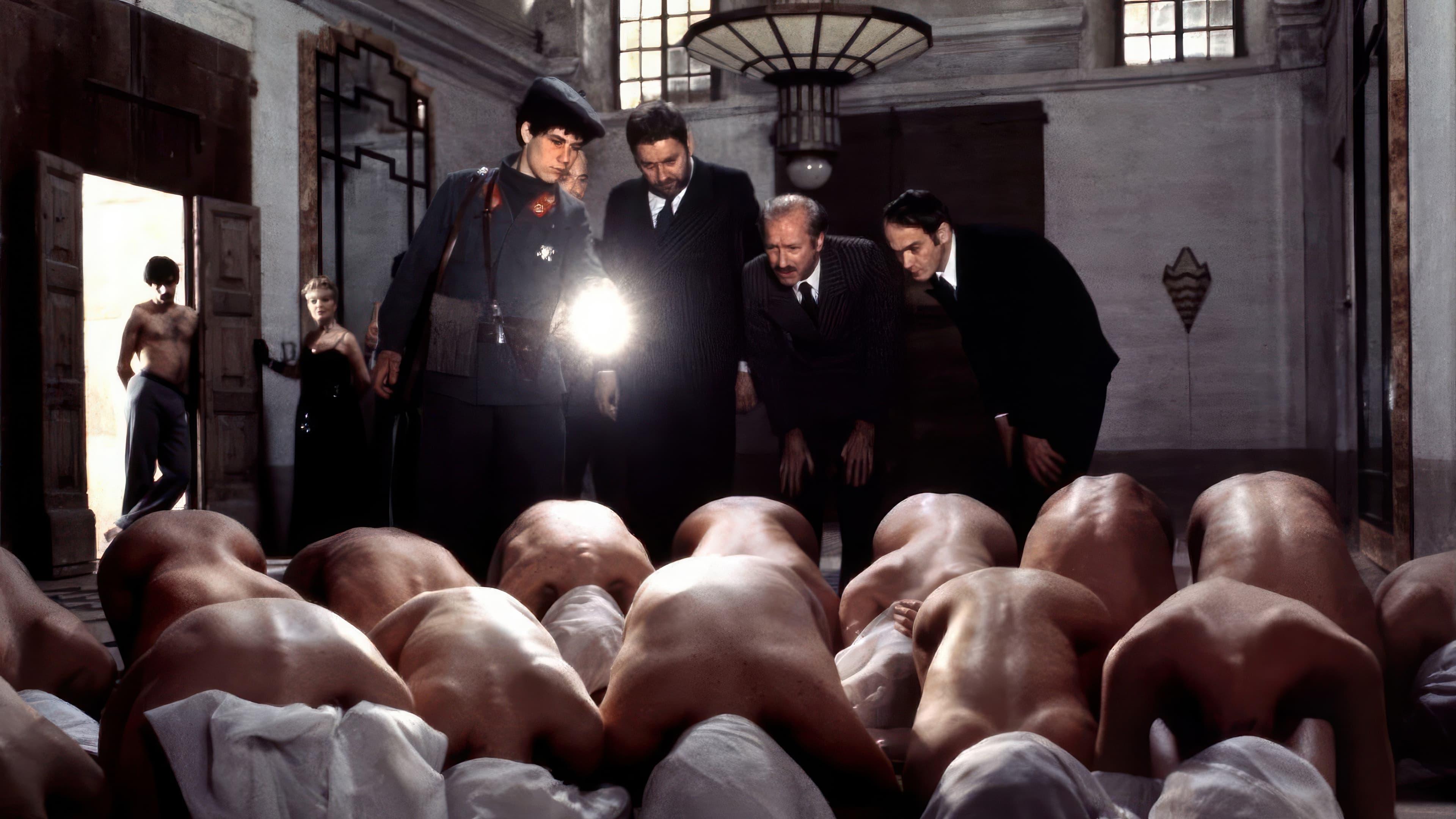
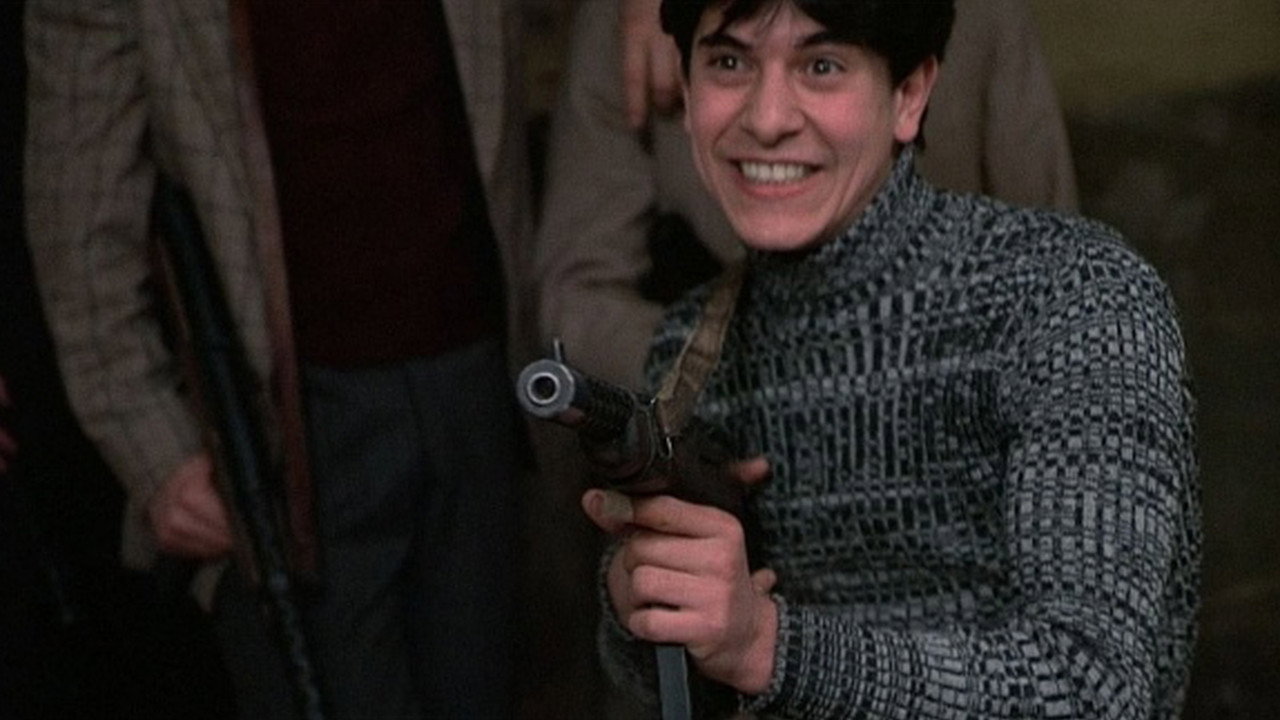
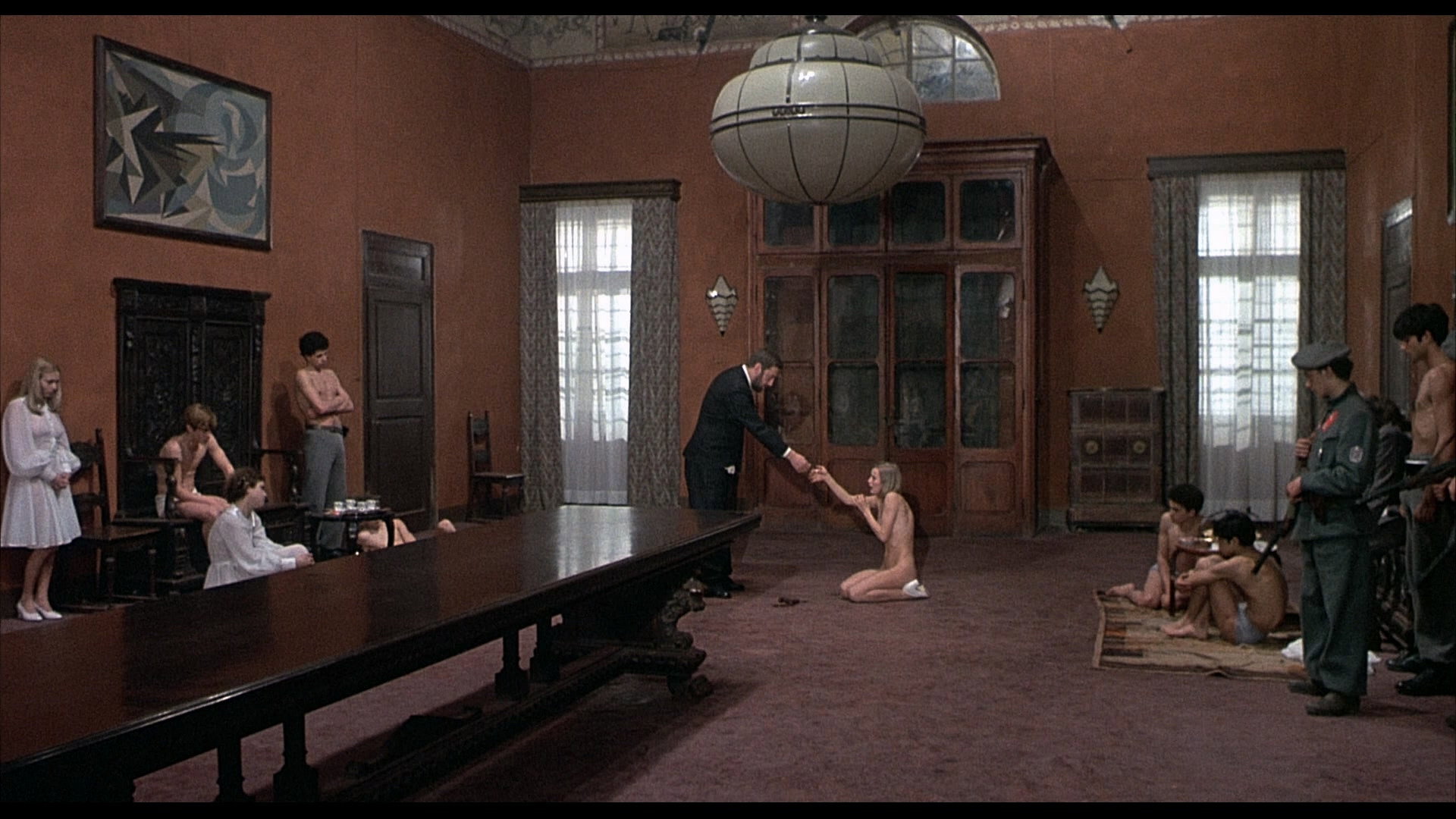
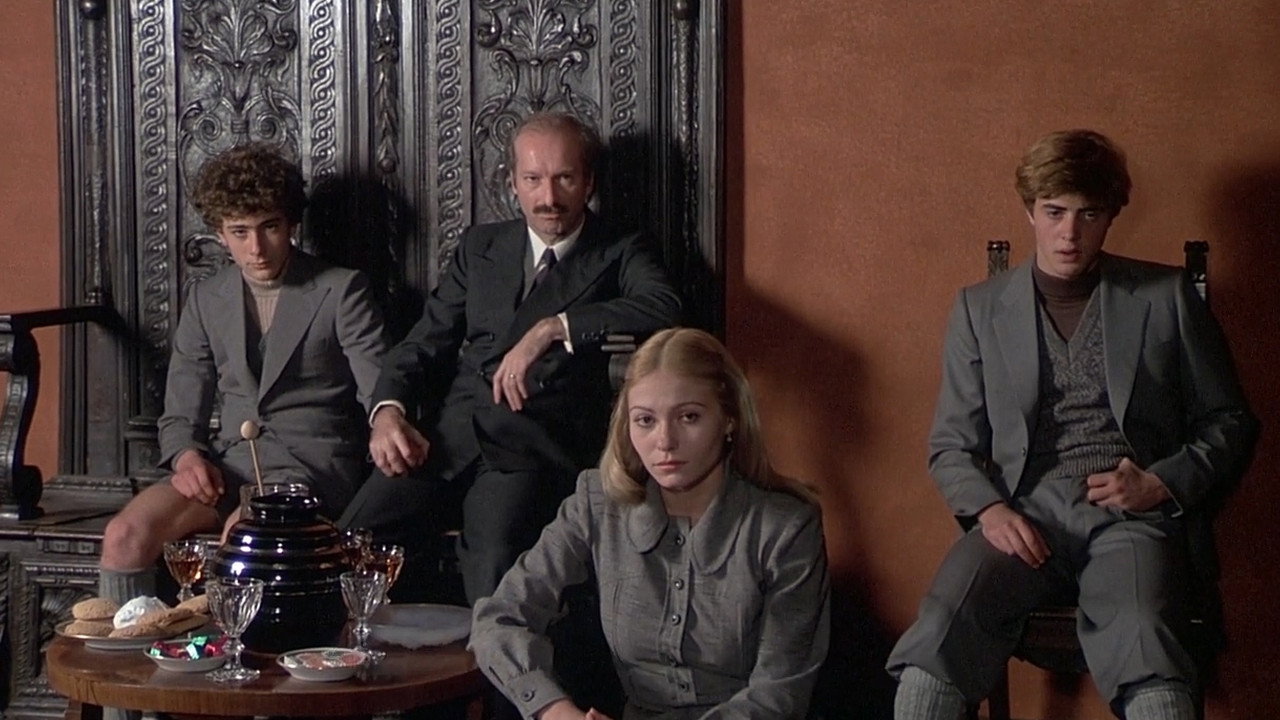
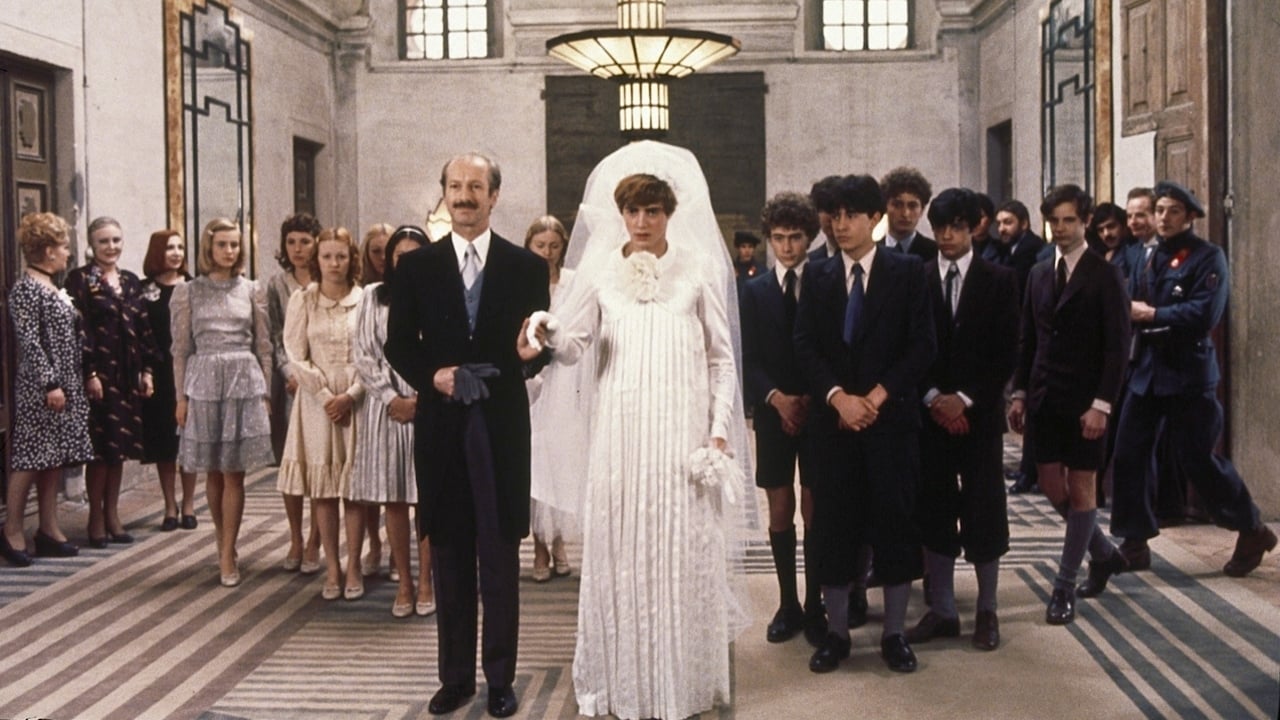
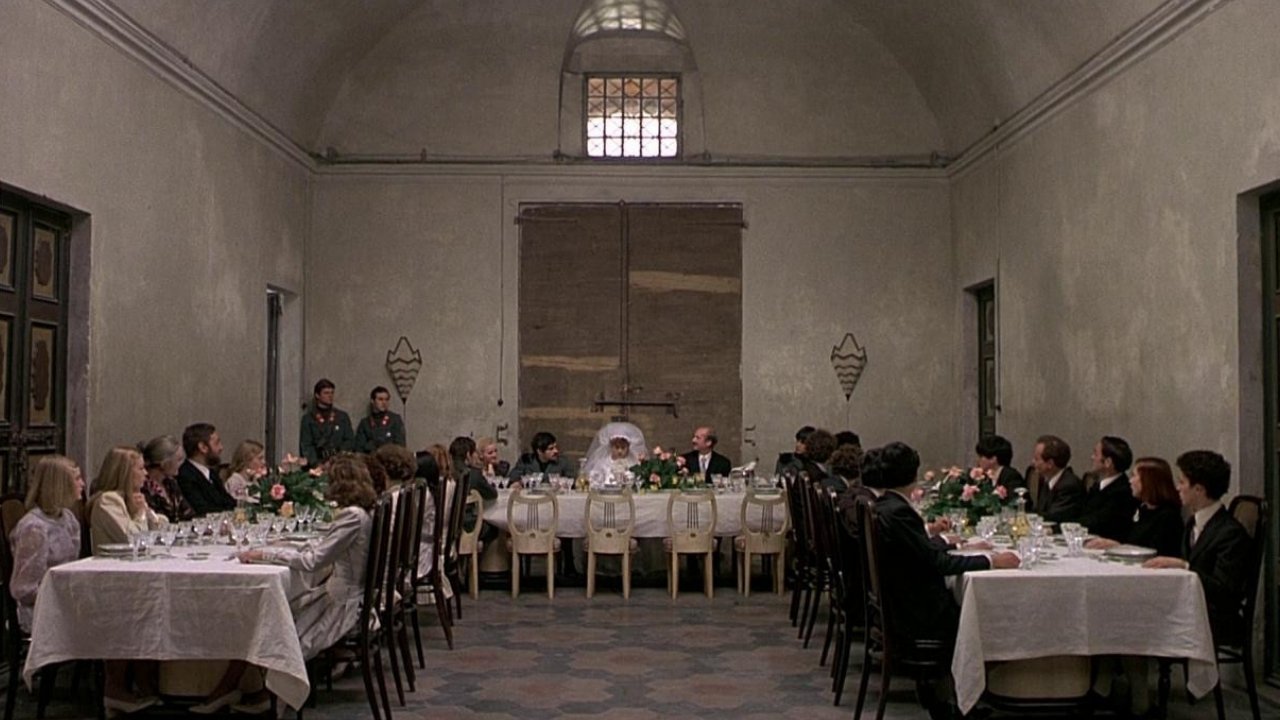
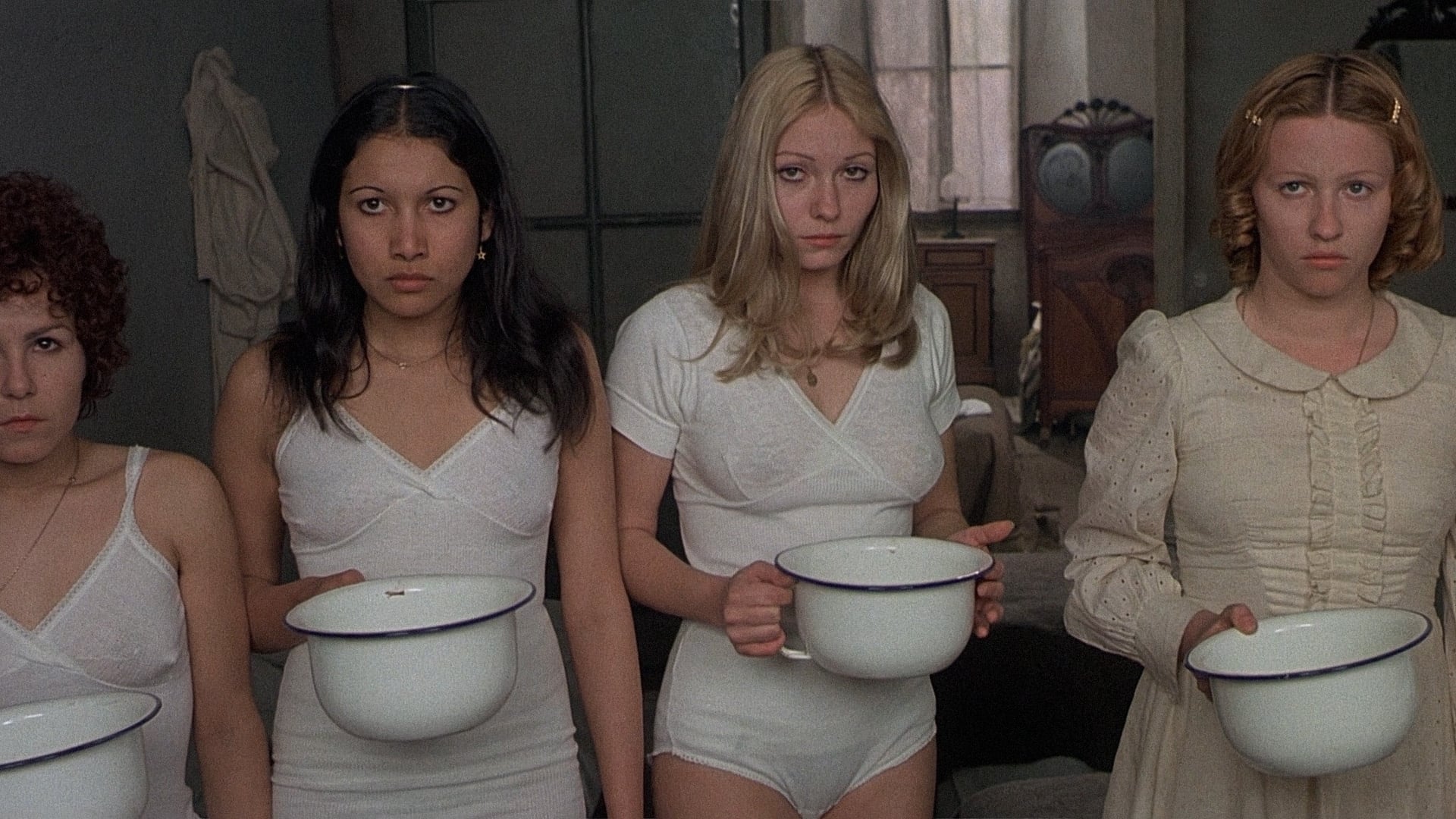
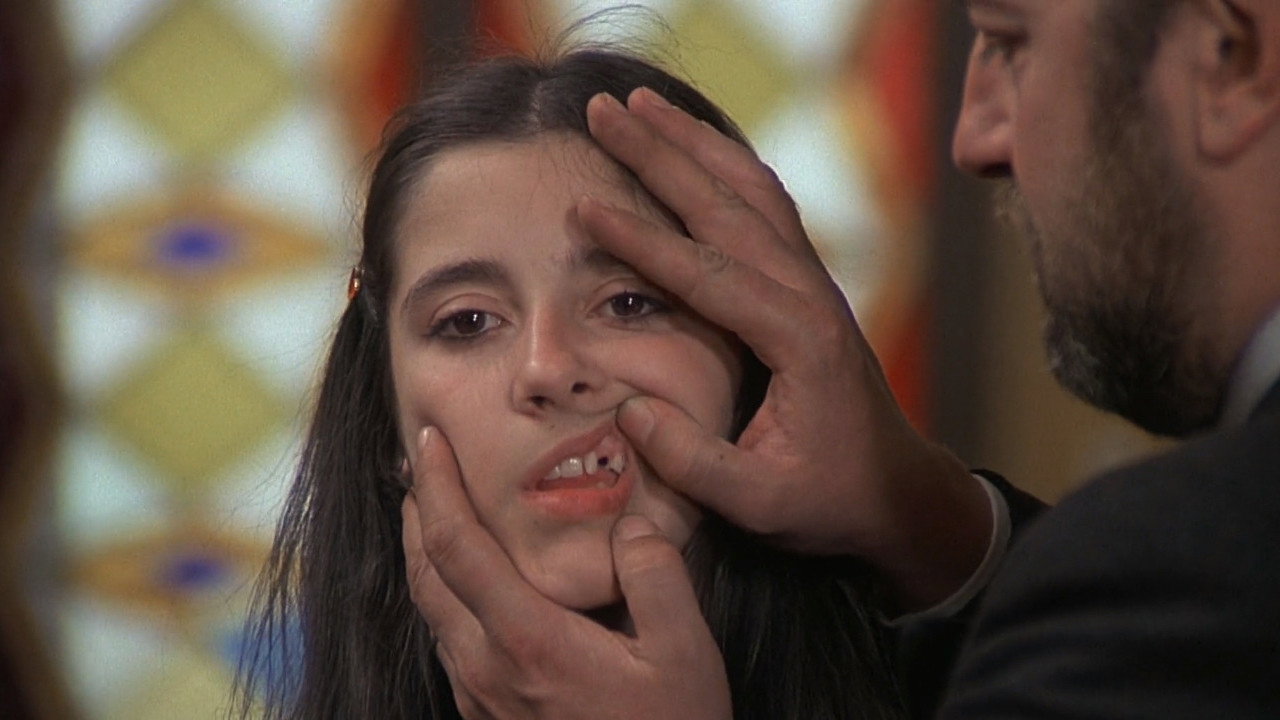
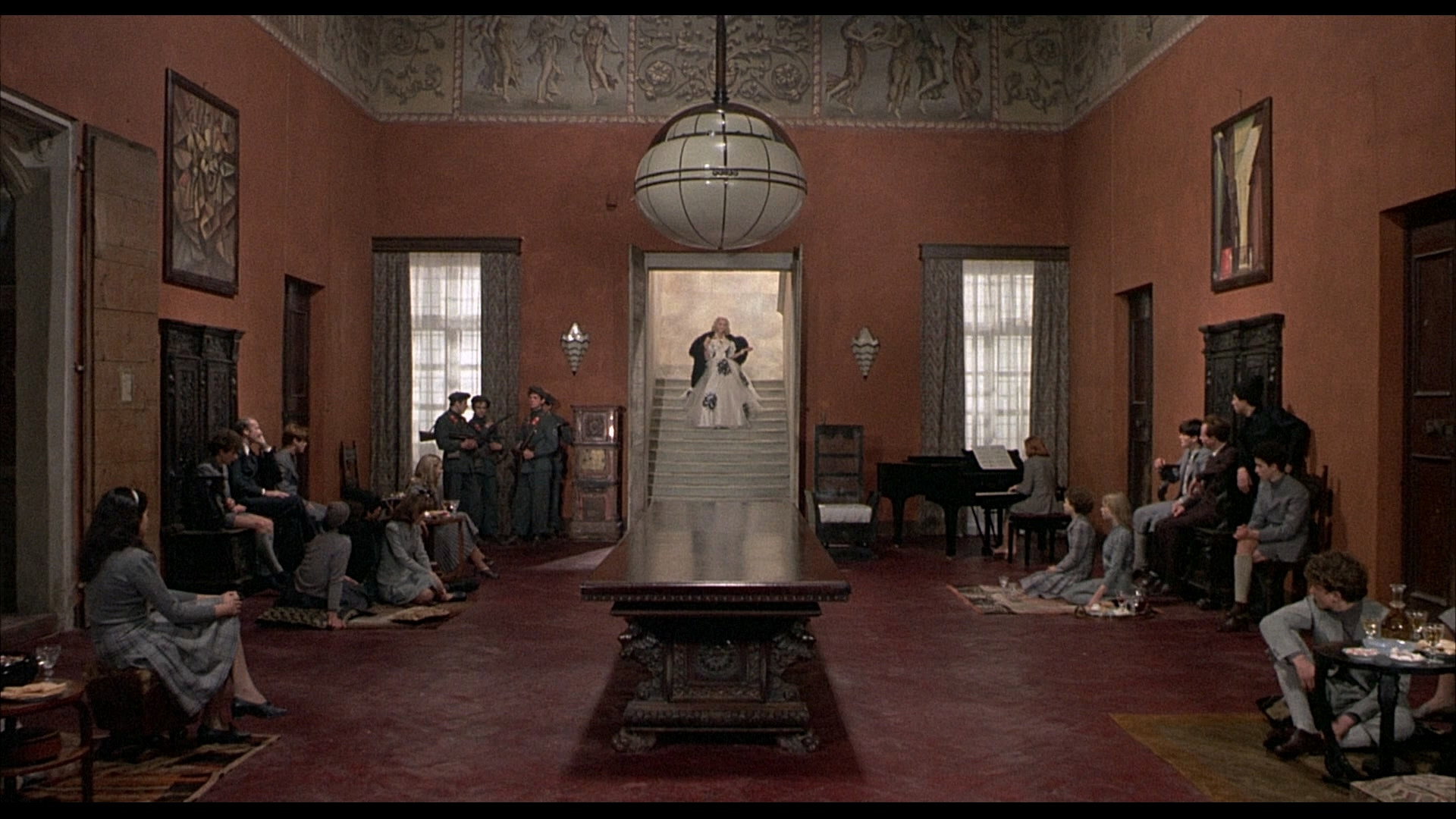
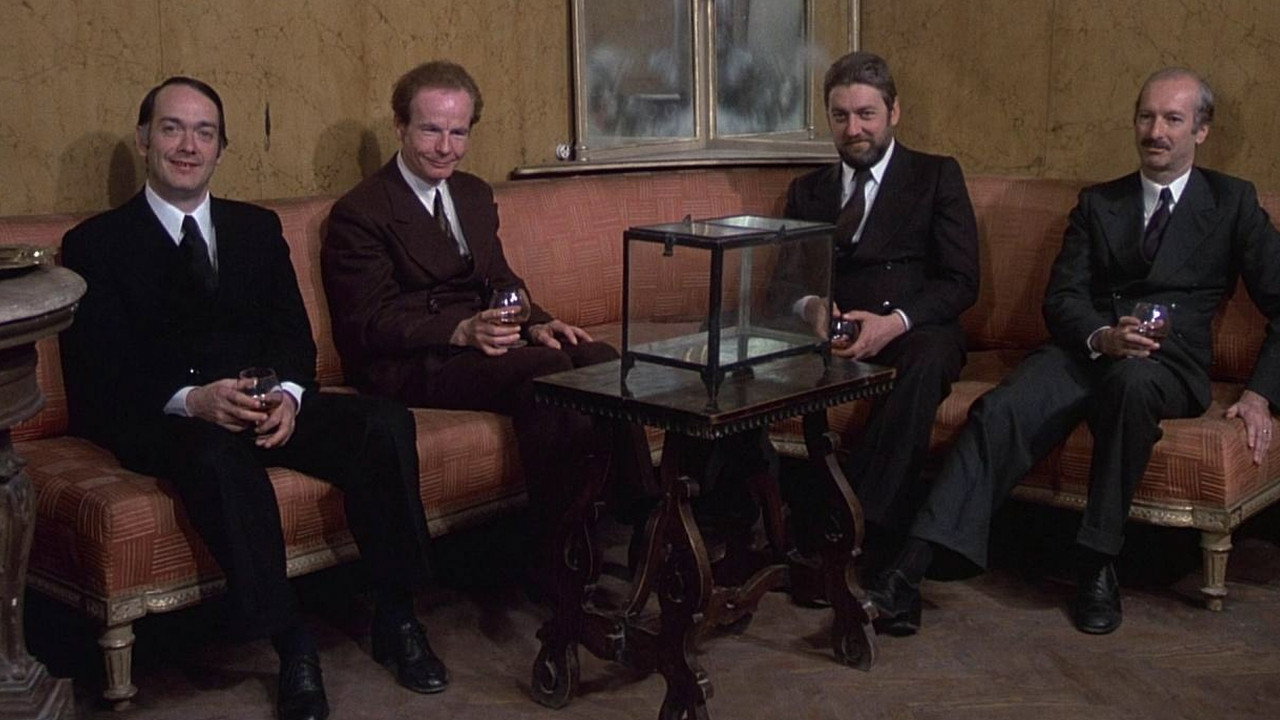
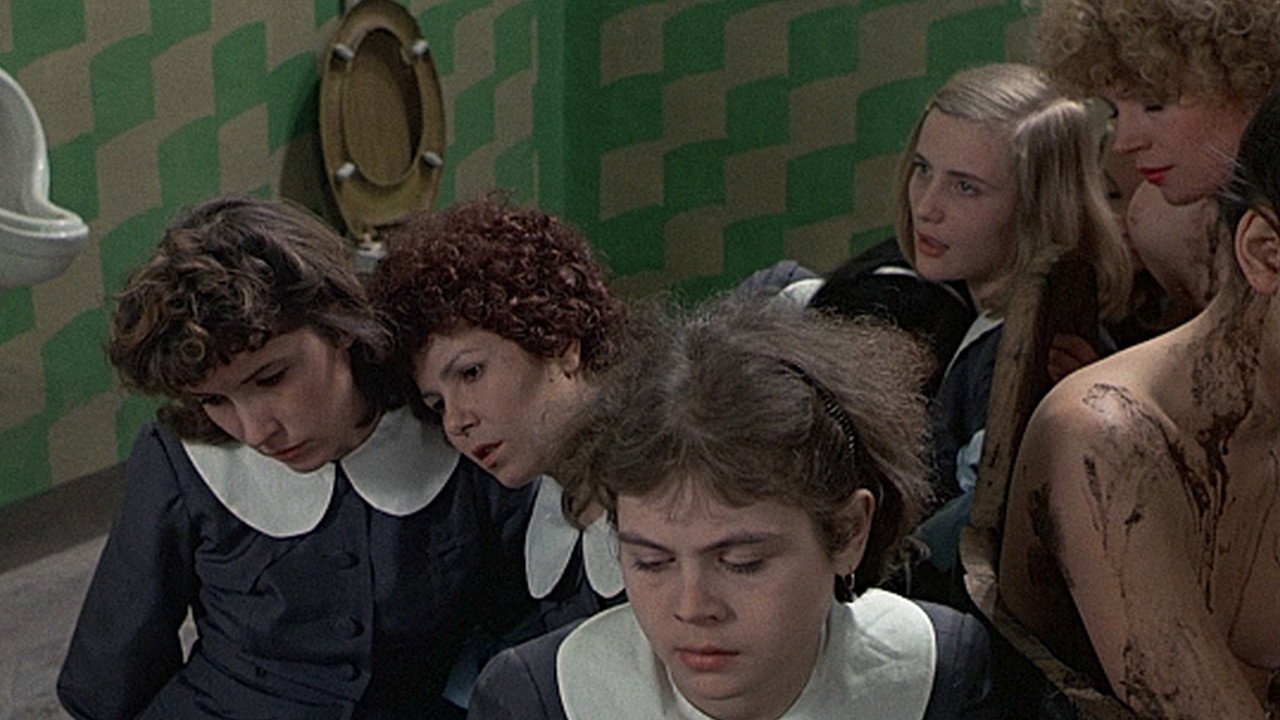
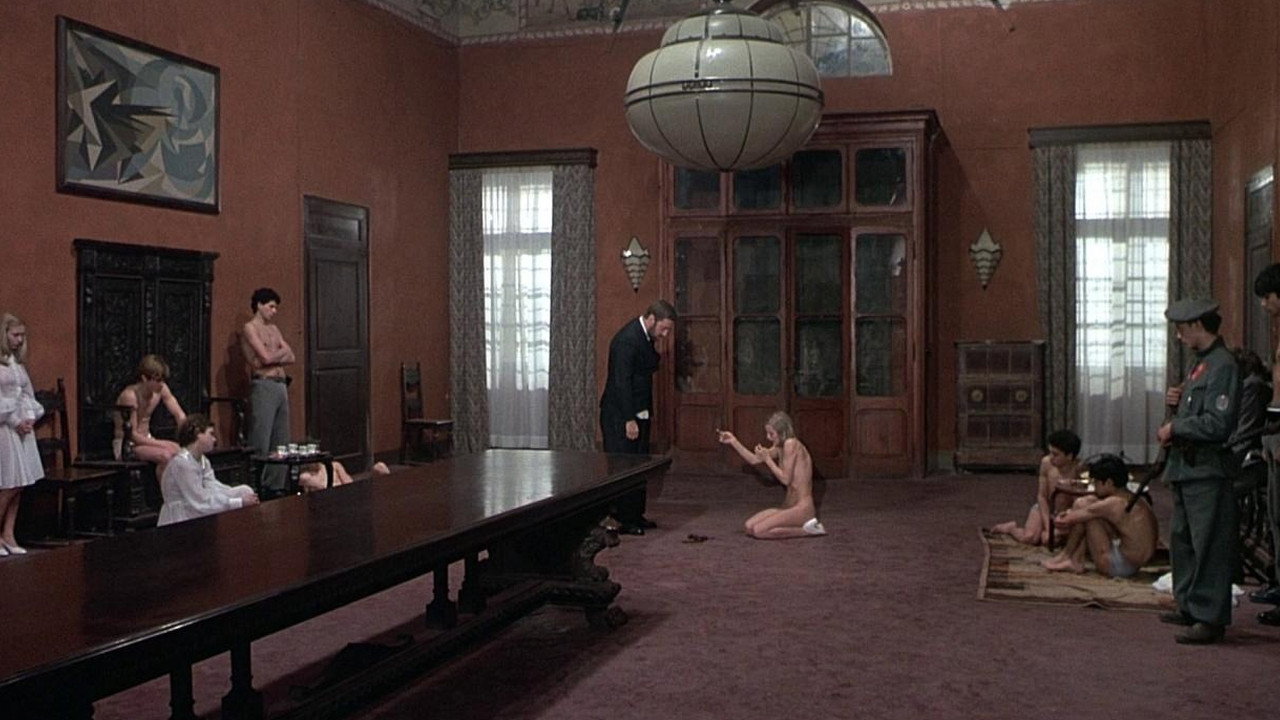
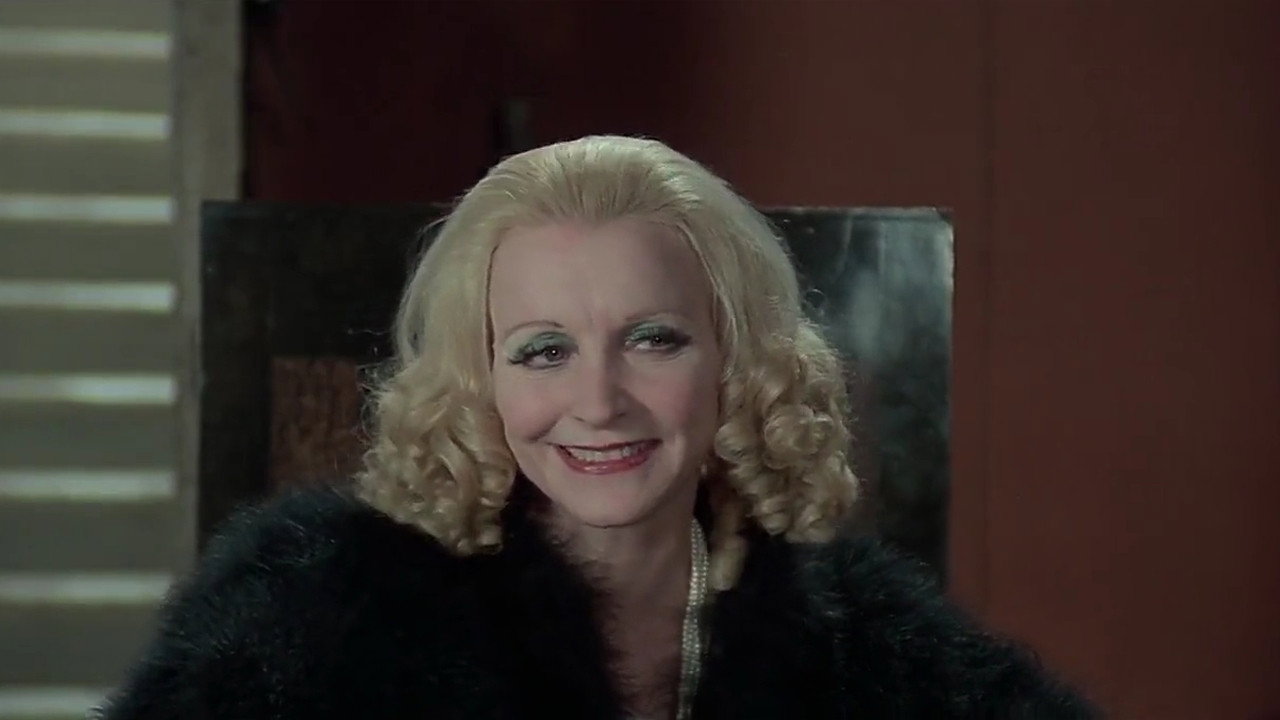
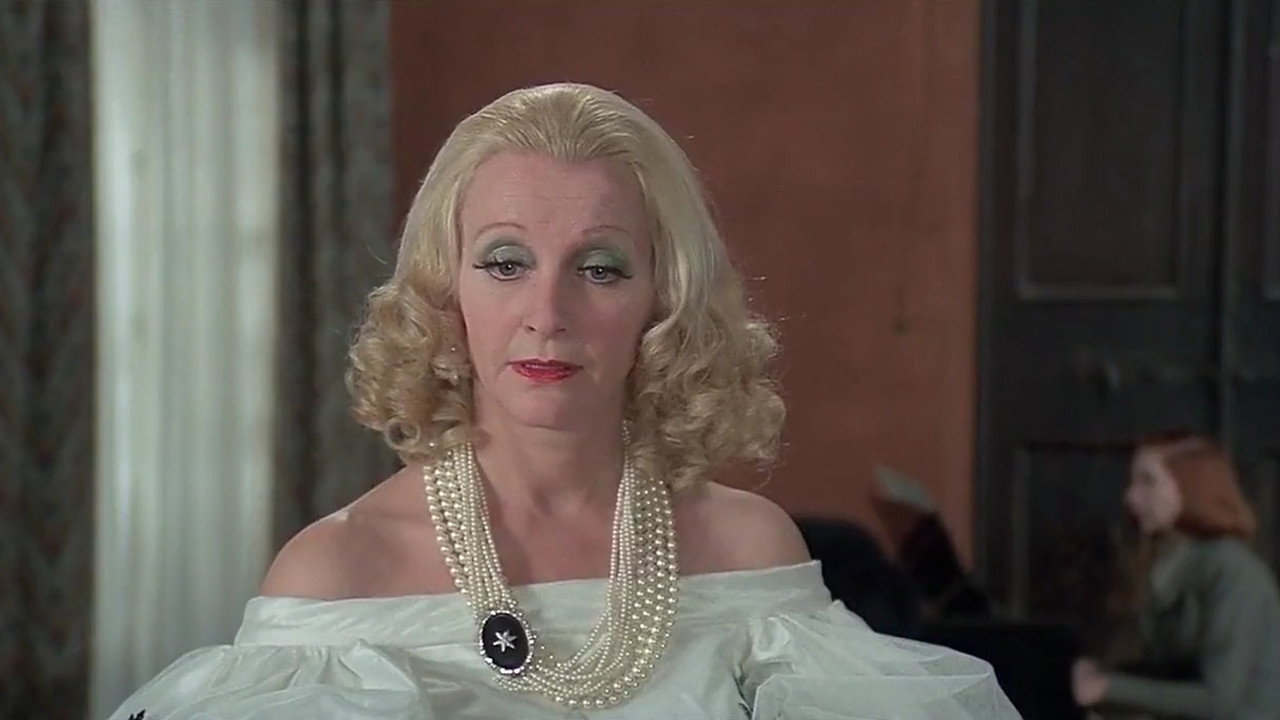
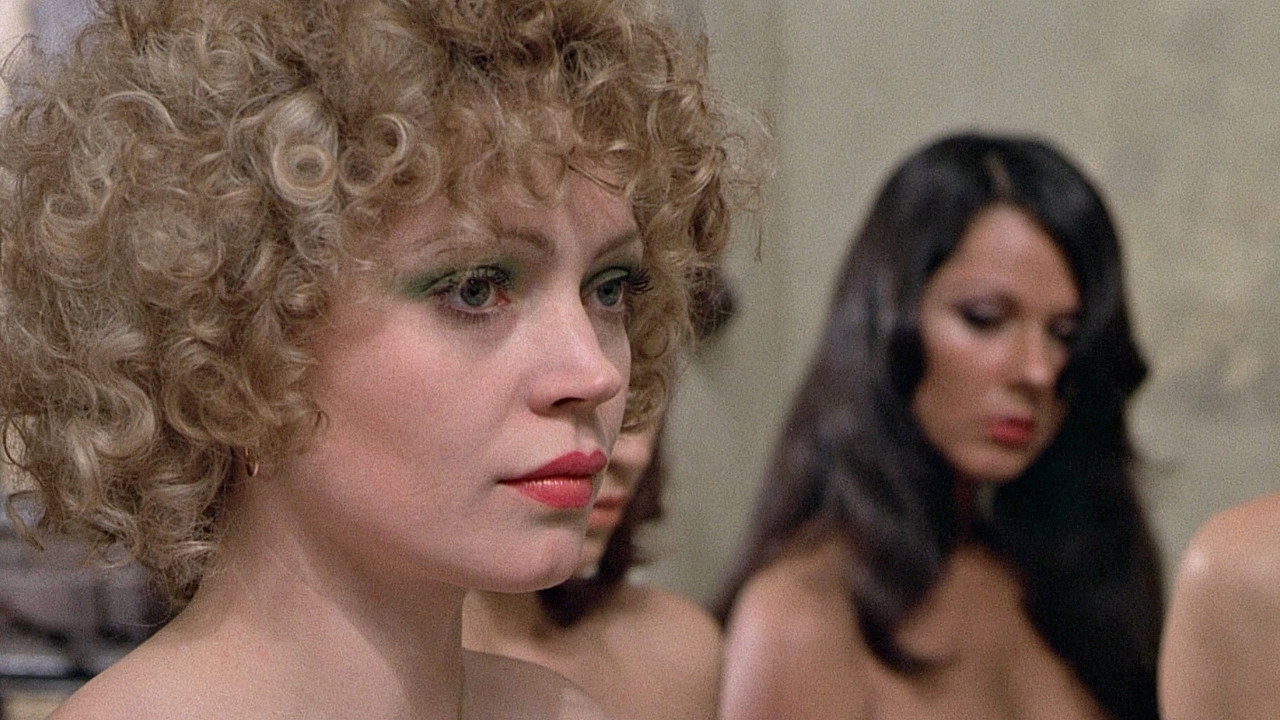
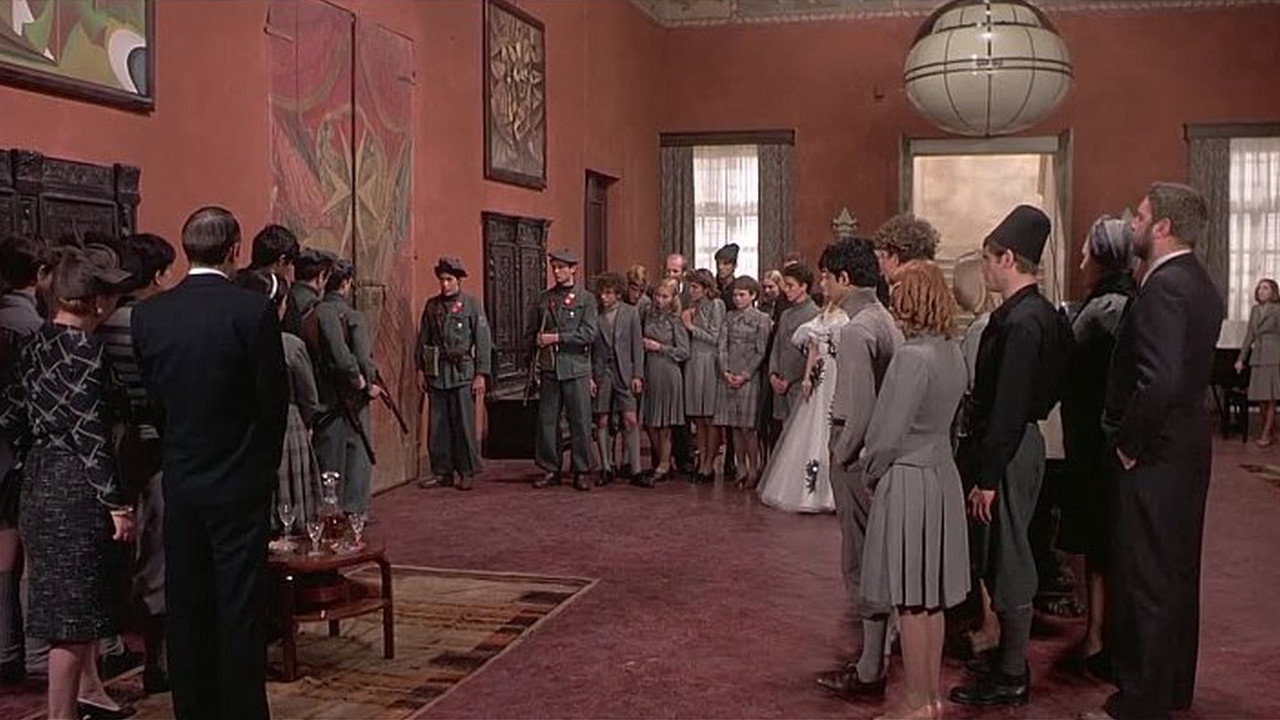
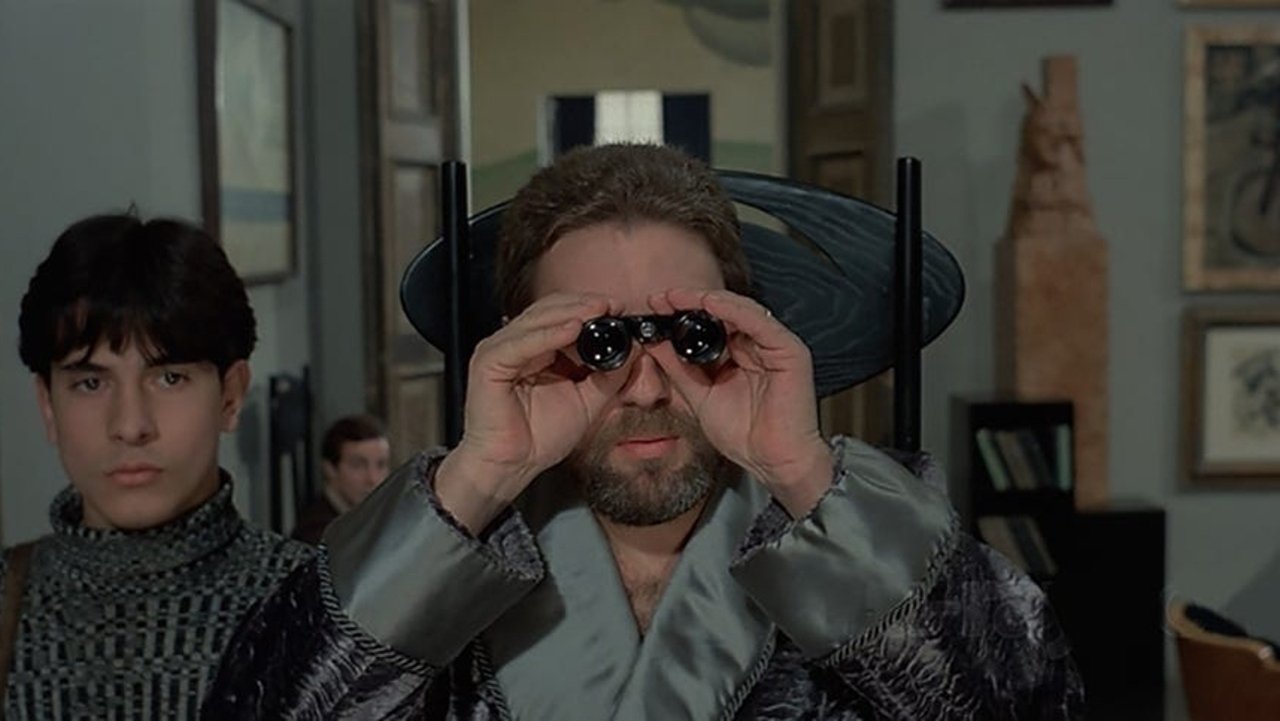
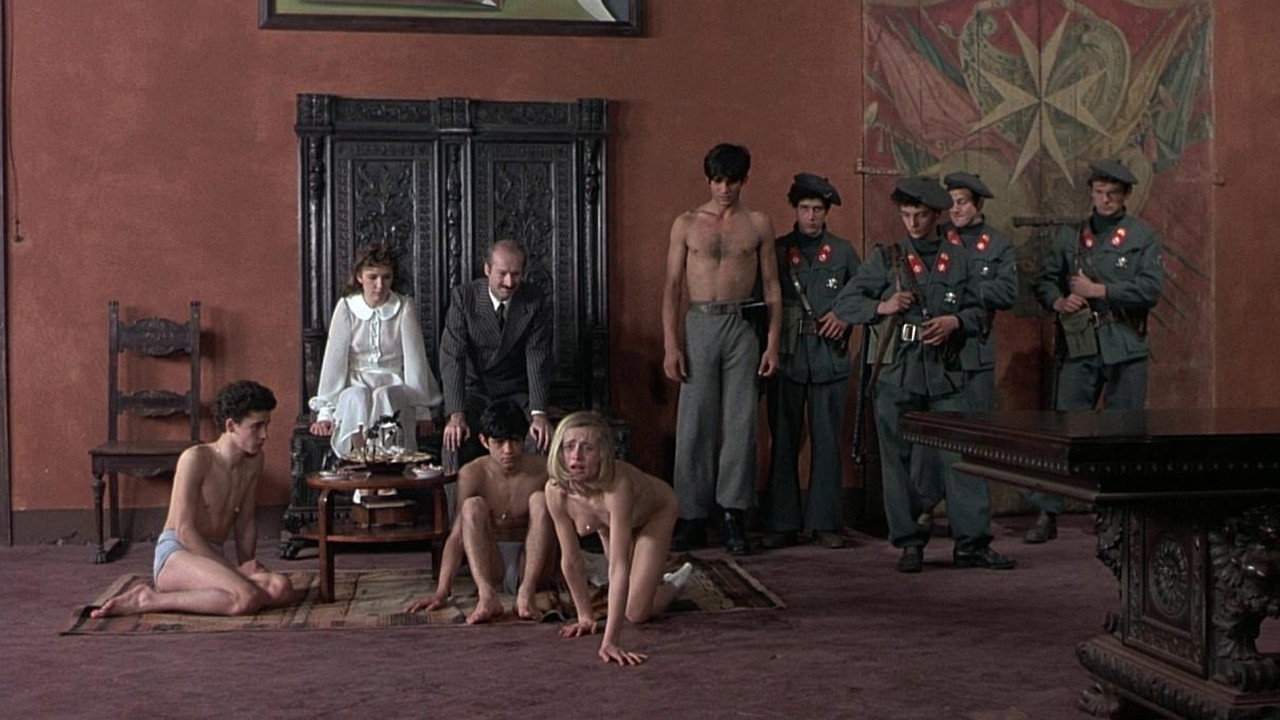
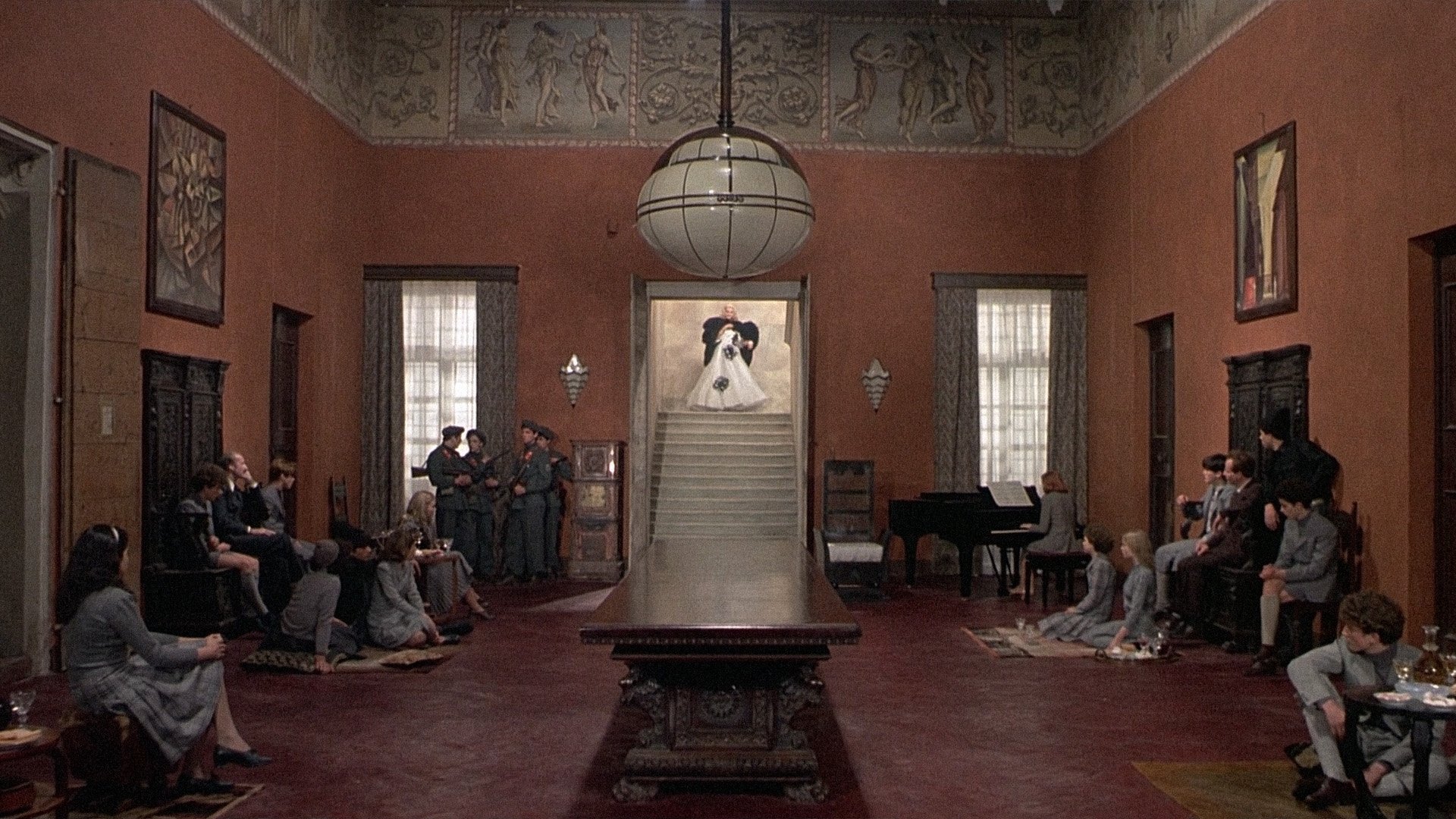
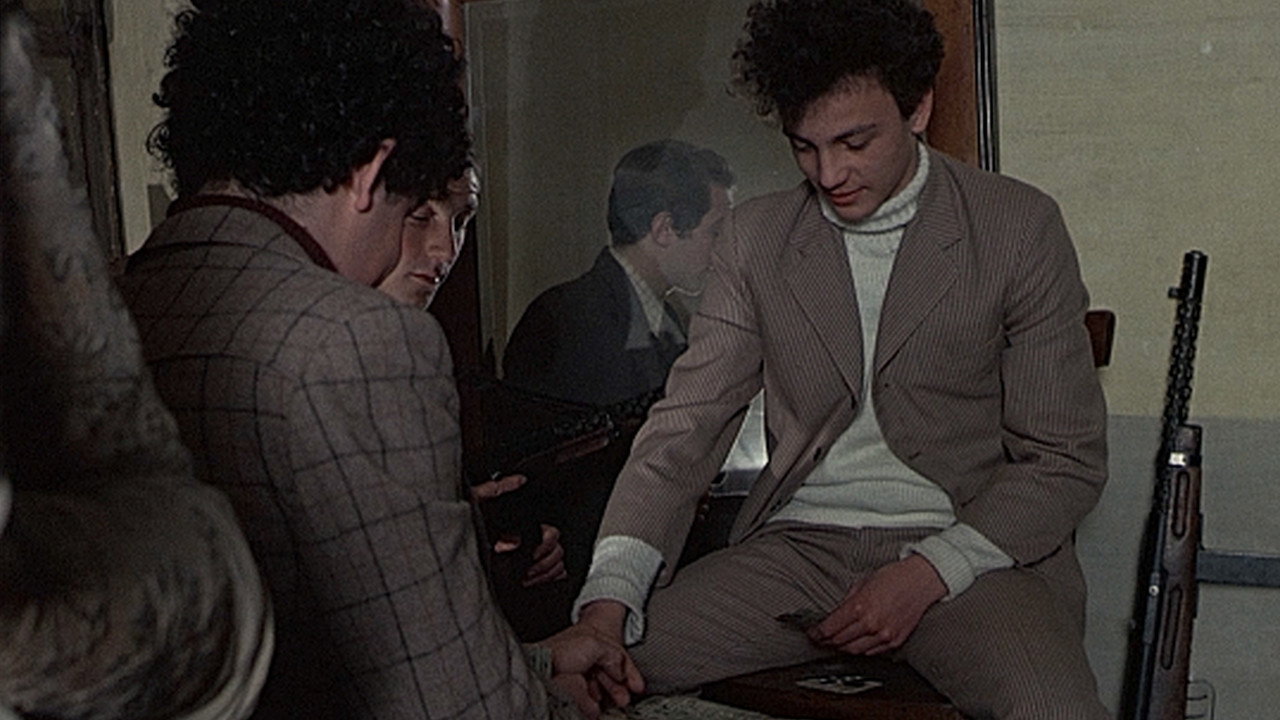
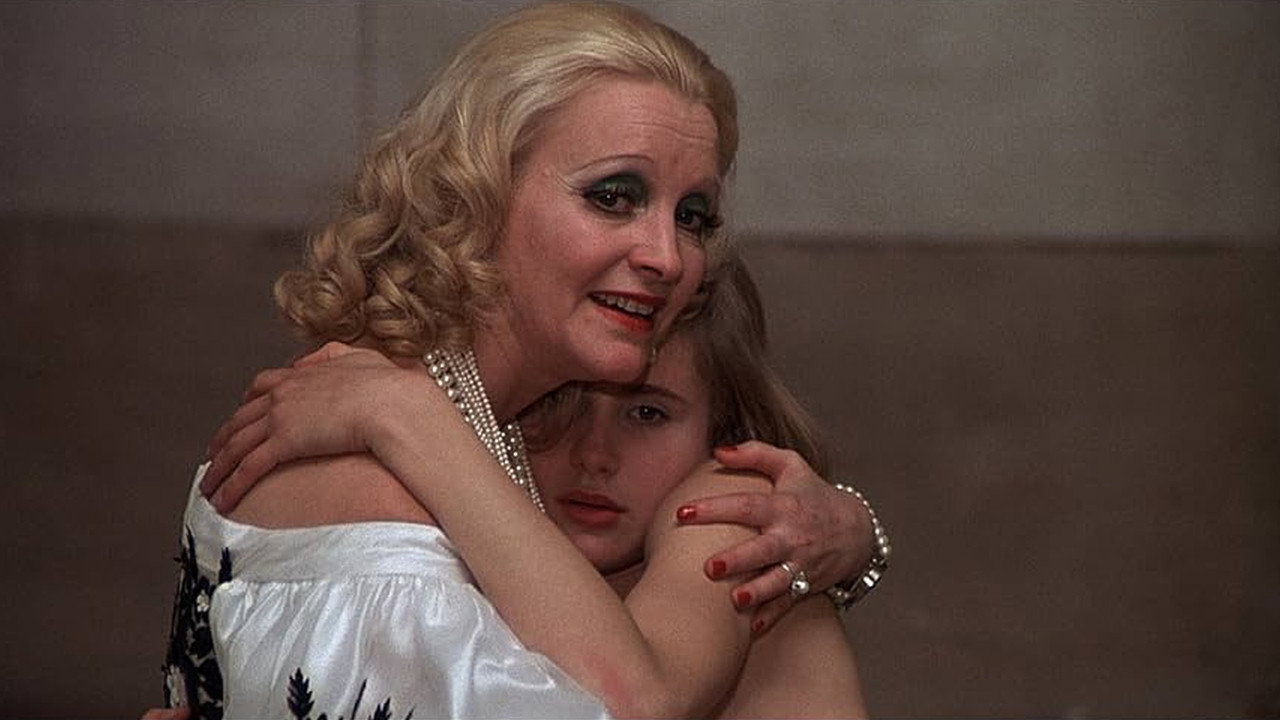
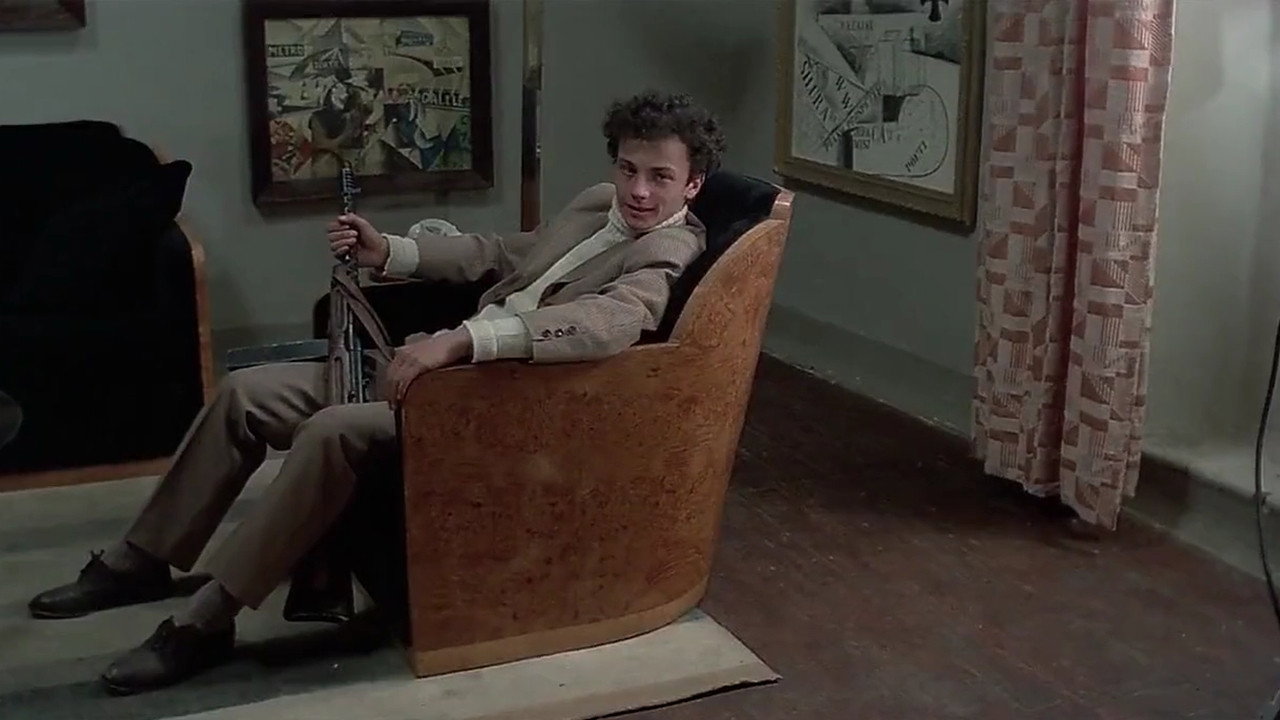
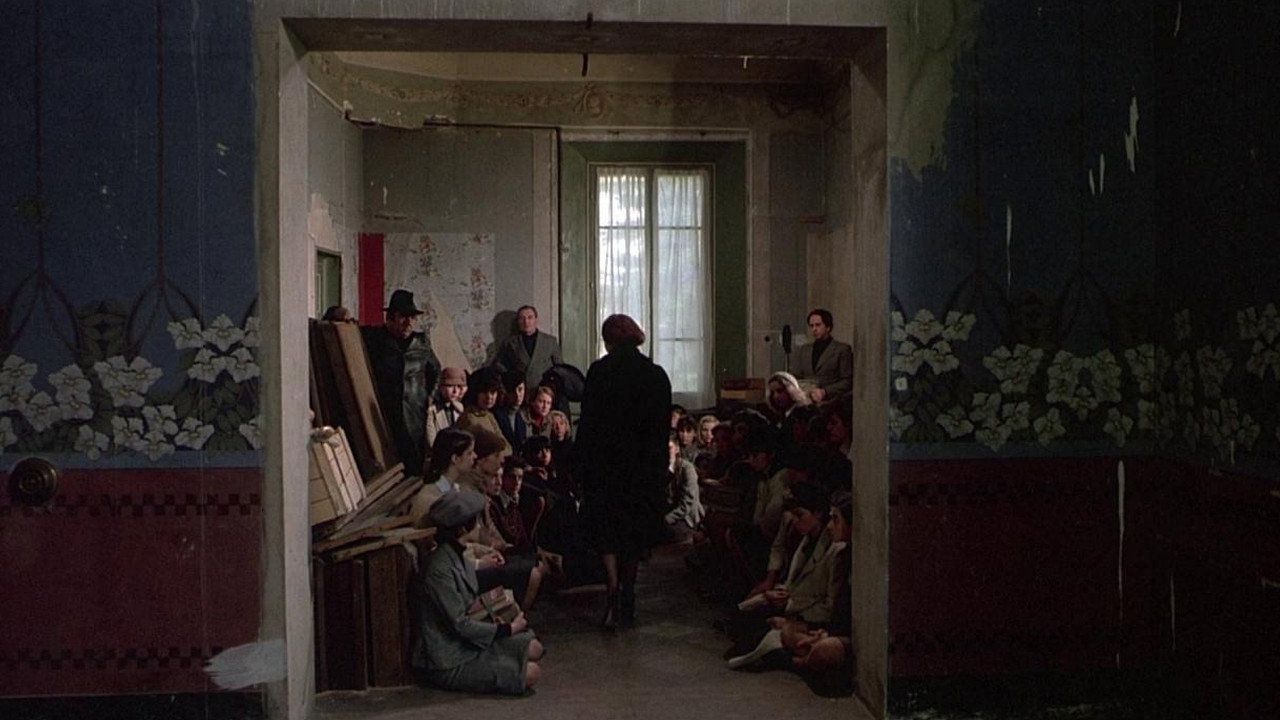
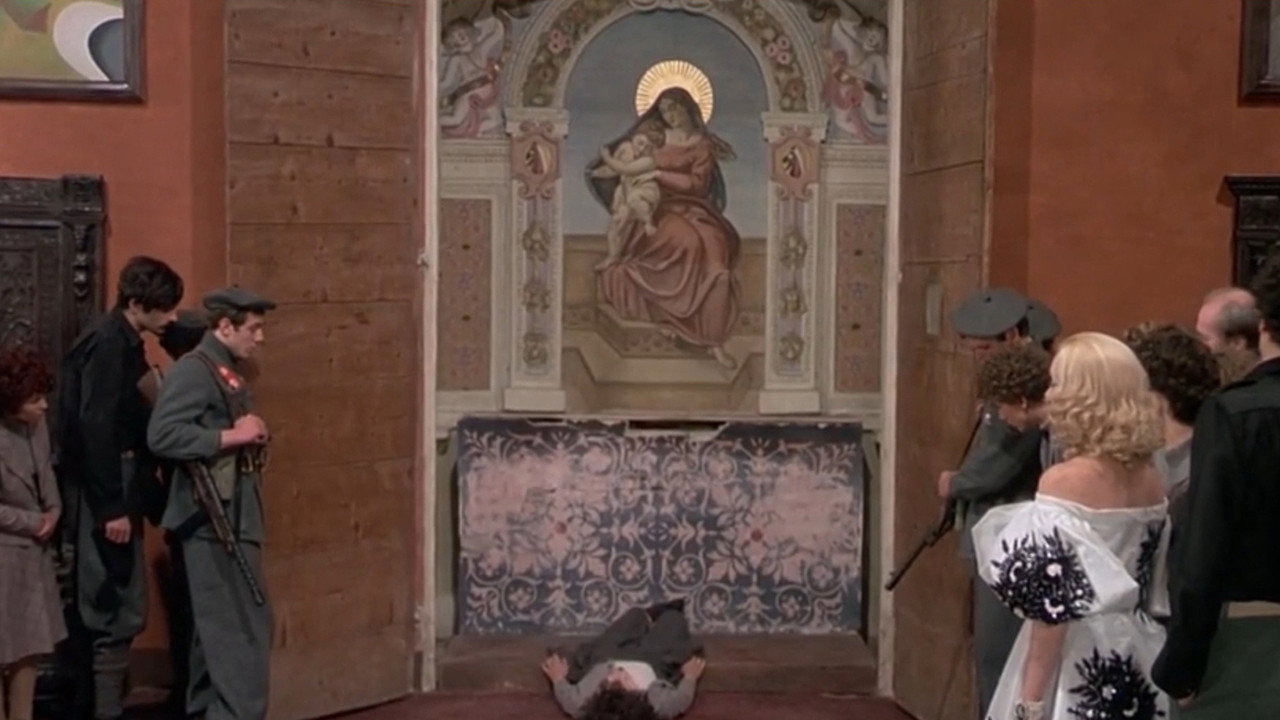
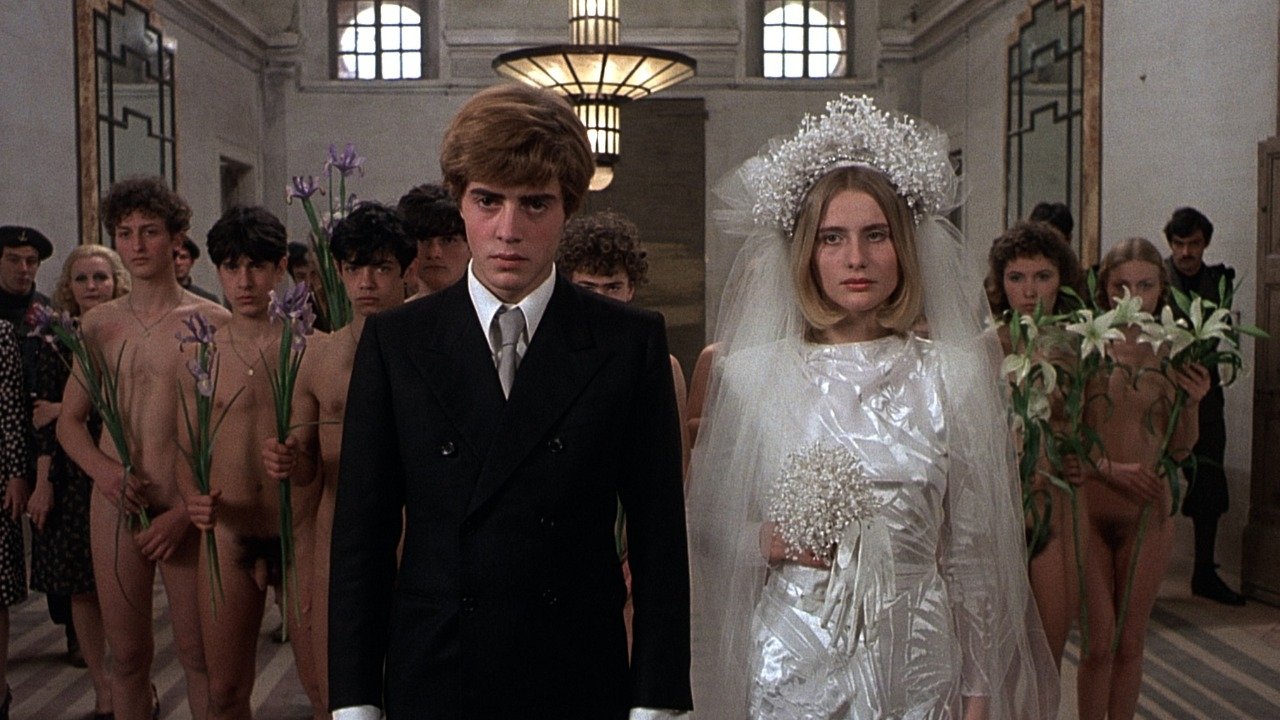
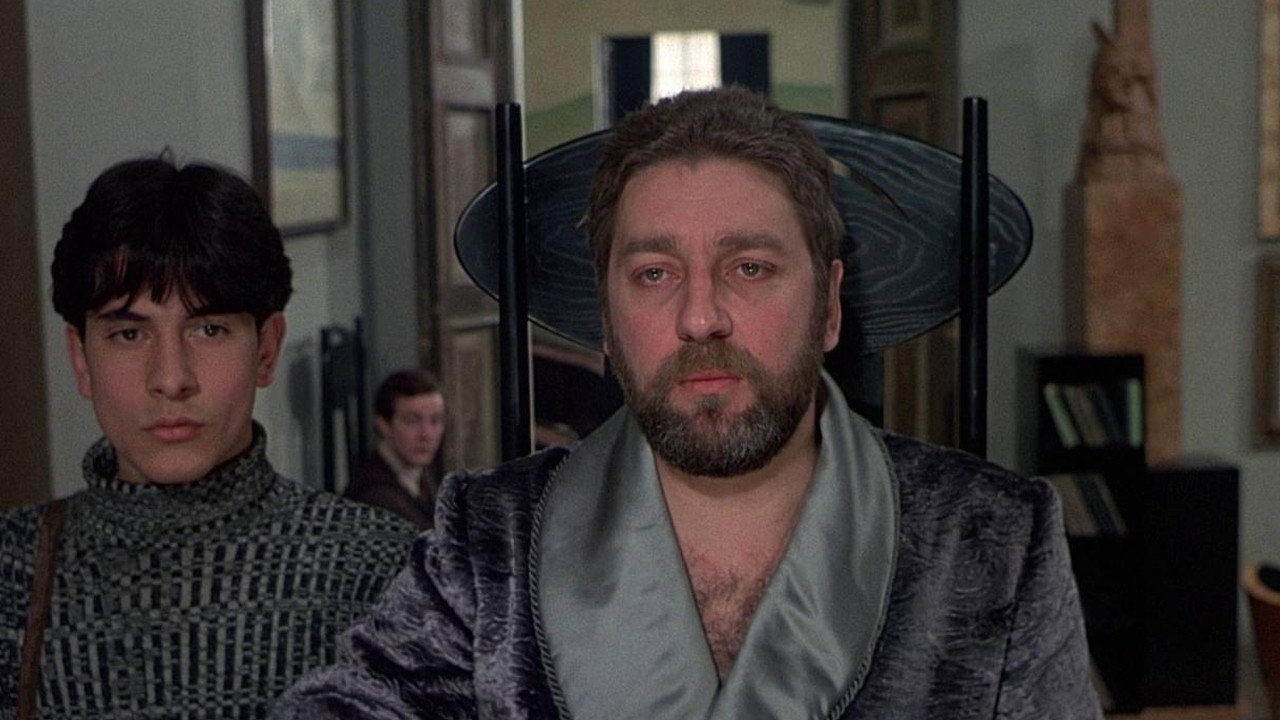
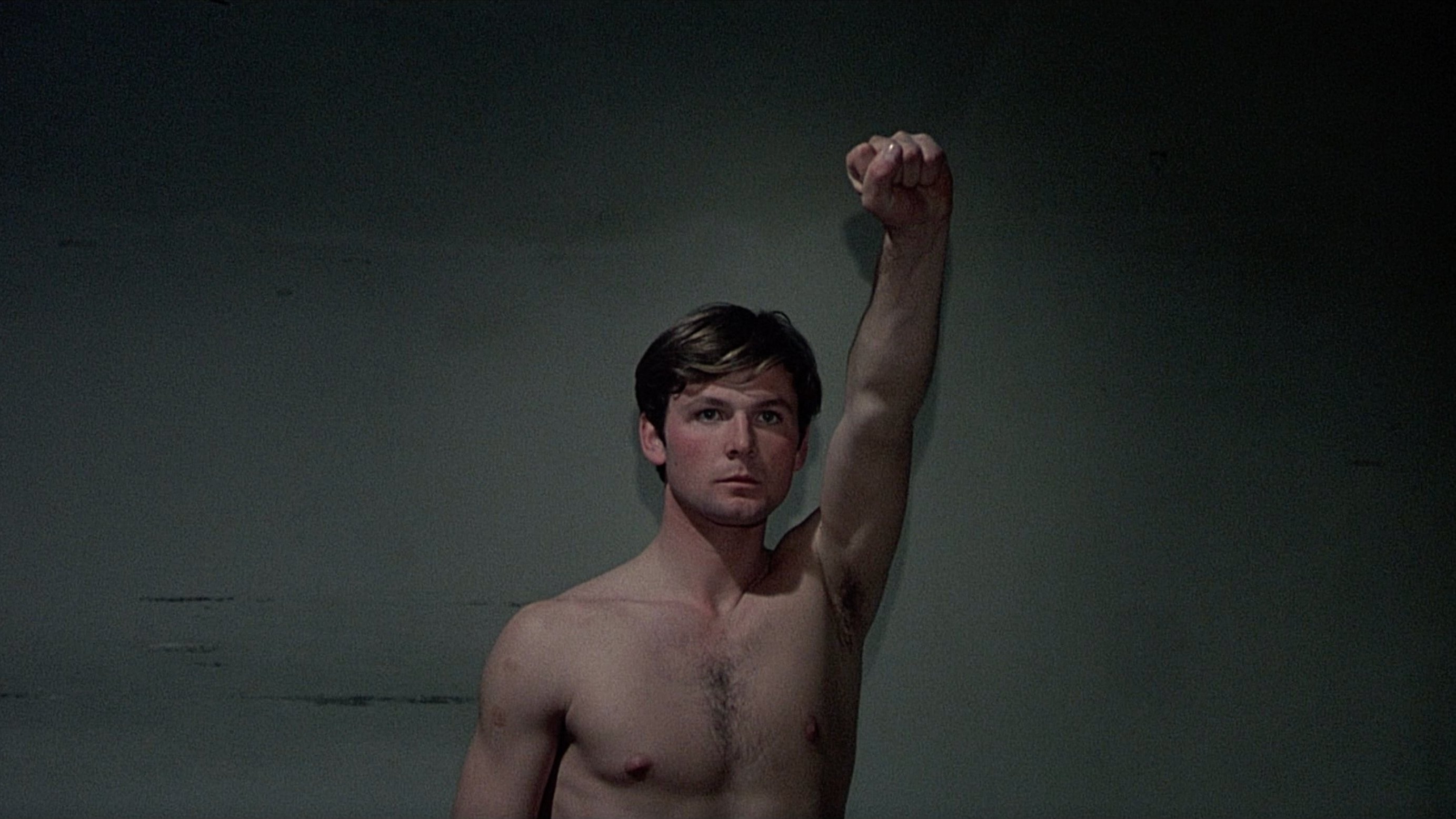
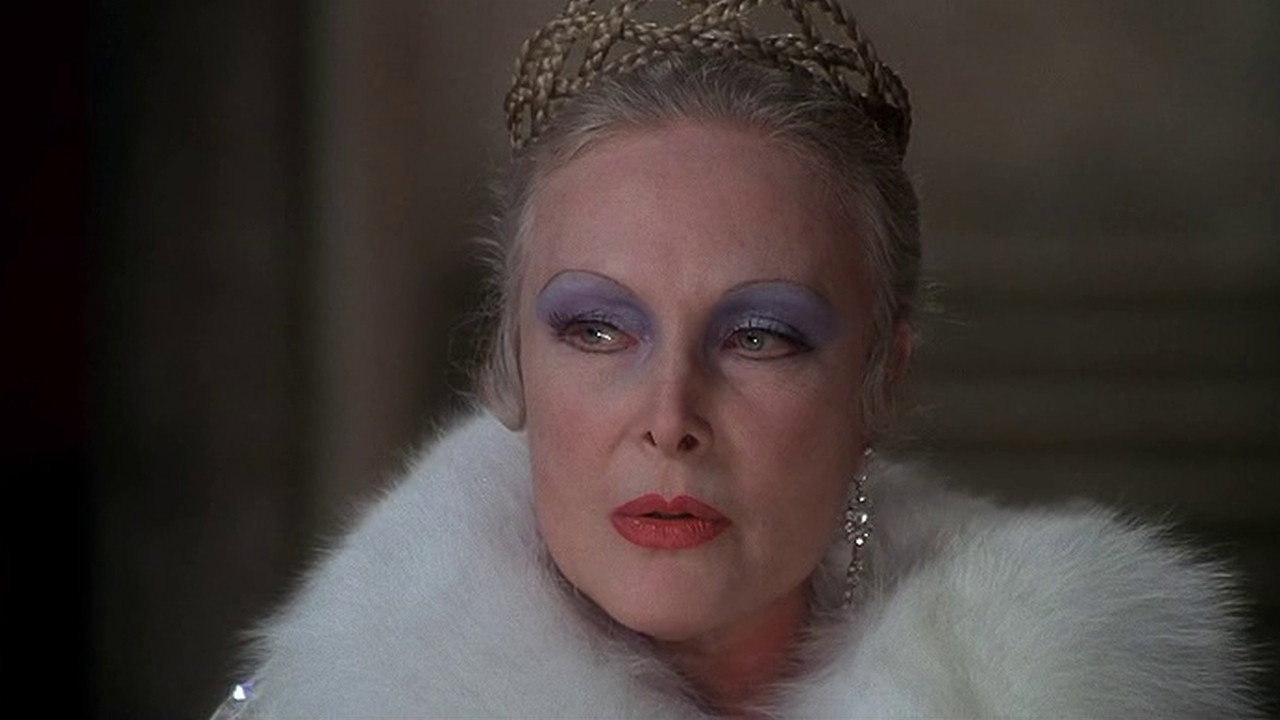
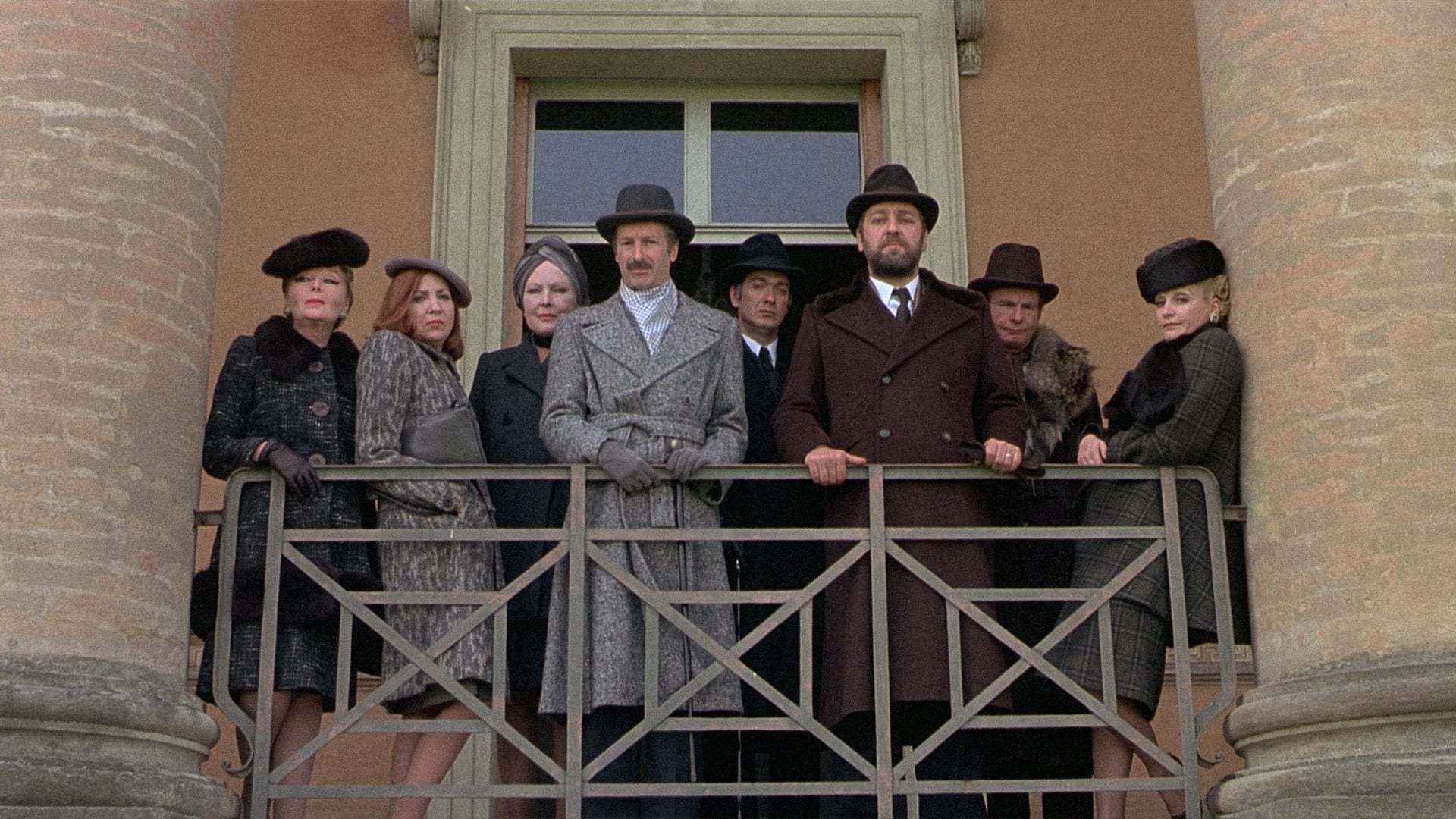
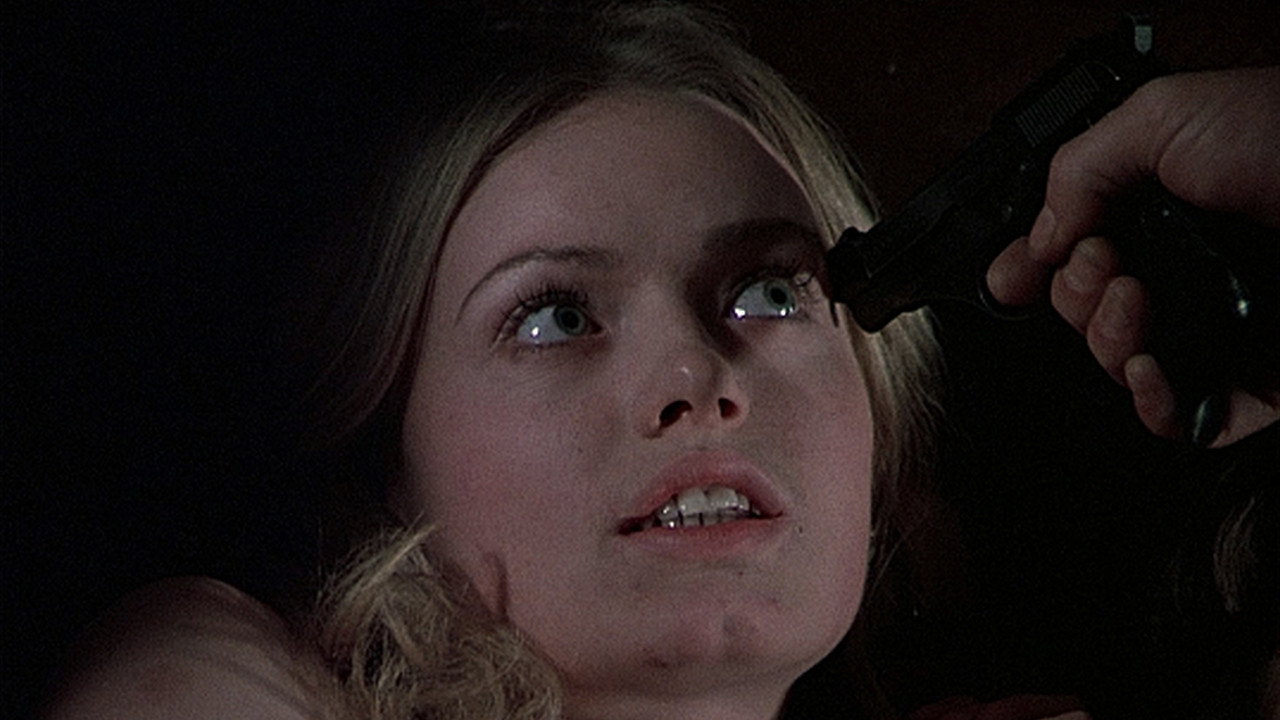
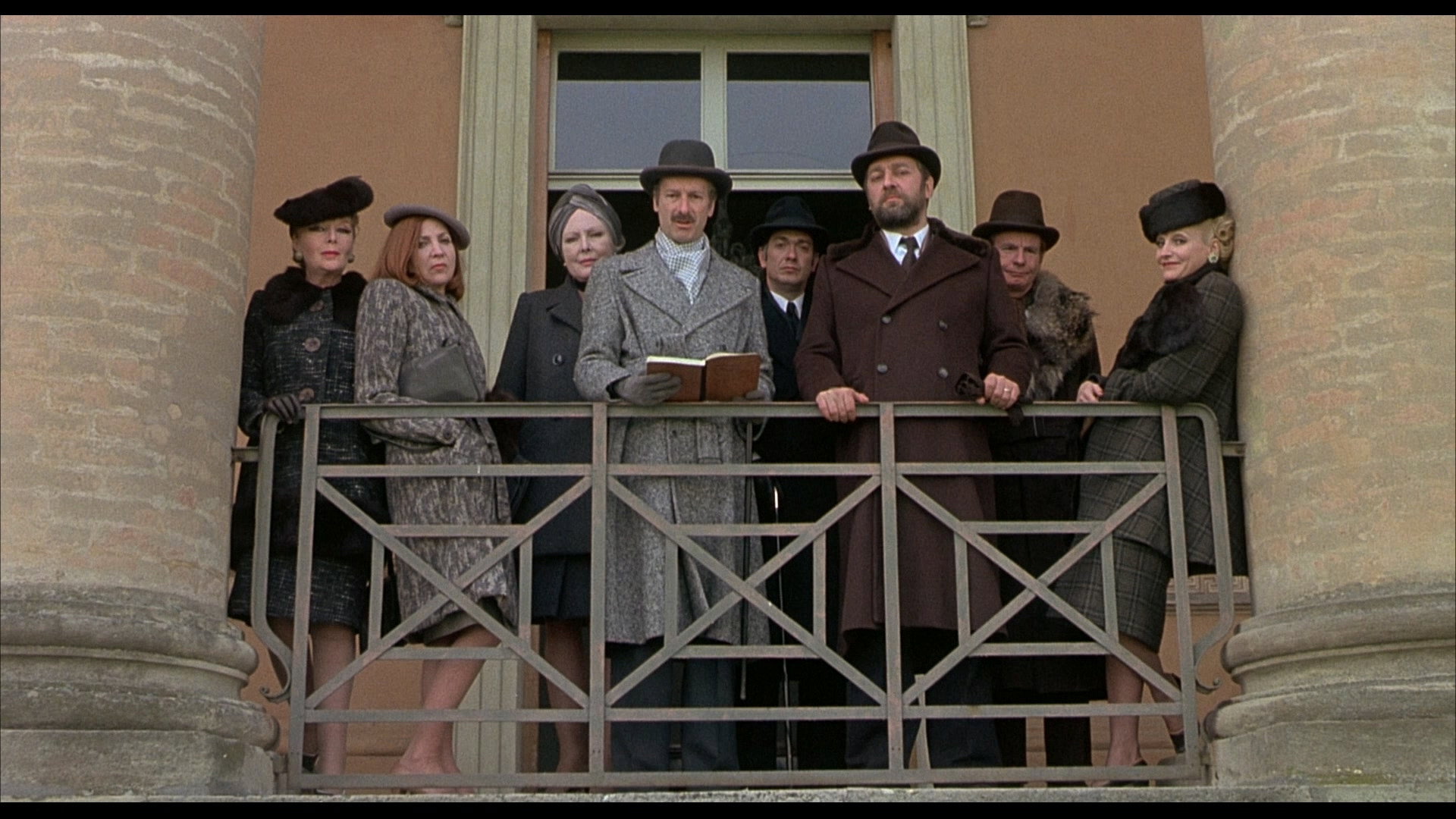
So often the ugliest parts of history are expressed through the written word, from an external and distant perspective, without capturing the emotional truth of the internal human experience. It’s easy to read the word “dehumanization” and have your eyes brush right past it. The same can be said of the blackest days of fascism when read about in history books, leading the visceral horrors of unchecked power to disintegrate from our memory. Salò brings that ugliness straight to the surface, leaving no manifestation of power or dehumanization to the imagination. I won’t soon forget the faces of the wealthy men in control of the innocent children, ghoulish in how their buffoonish disposition is juxtaposed with their monstrous actions.
You won’t find any greater dehumanization presented elsewhere in all of cinema, but it’s undoubtedly present in the world we live in, in times and places where justice and equality are allowed to wither (key word: allowed). Returning to the core question that I mentioned above, “What are the awful depictions of Salò in service of?”, I believe that by abusing the viewer and presenting that dehumanization to the extreme, Salò ultimately hopes to deliver them to empathy and the sobering necessity to fight for it, whatever the cost.
These deeply upsetting ideas regarding sexuality and power have been toyed with in other places - think of something like Hellraiser - human beings seeking out the farthest reaches of existential pleasure through sadomasochism? The darkness of Salò is not wholly new to culture, only new in depth and application. After all, it’s an adaptation of a hundreds-of-years-old book. The notion of a “medieval torture dungeon” has largely been demystified and sanitized in our minds from years of parodies and kids-book-ification, but we all grant those existed, right?
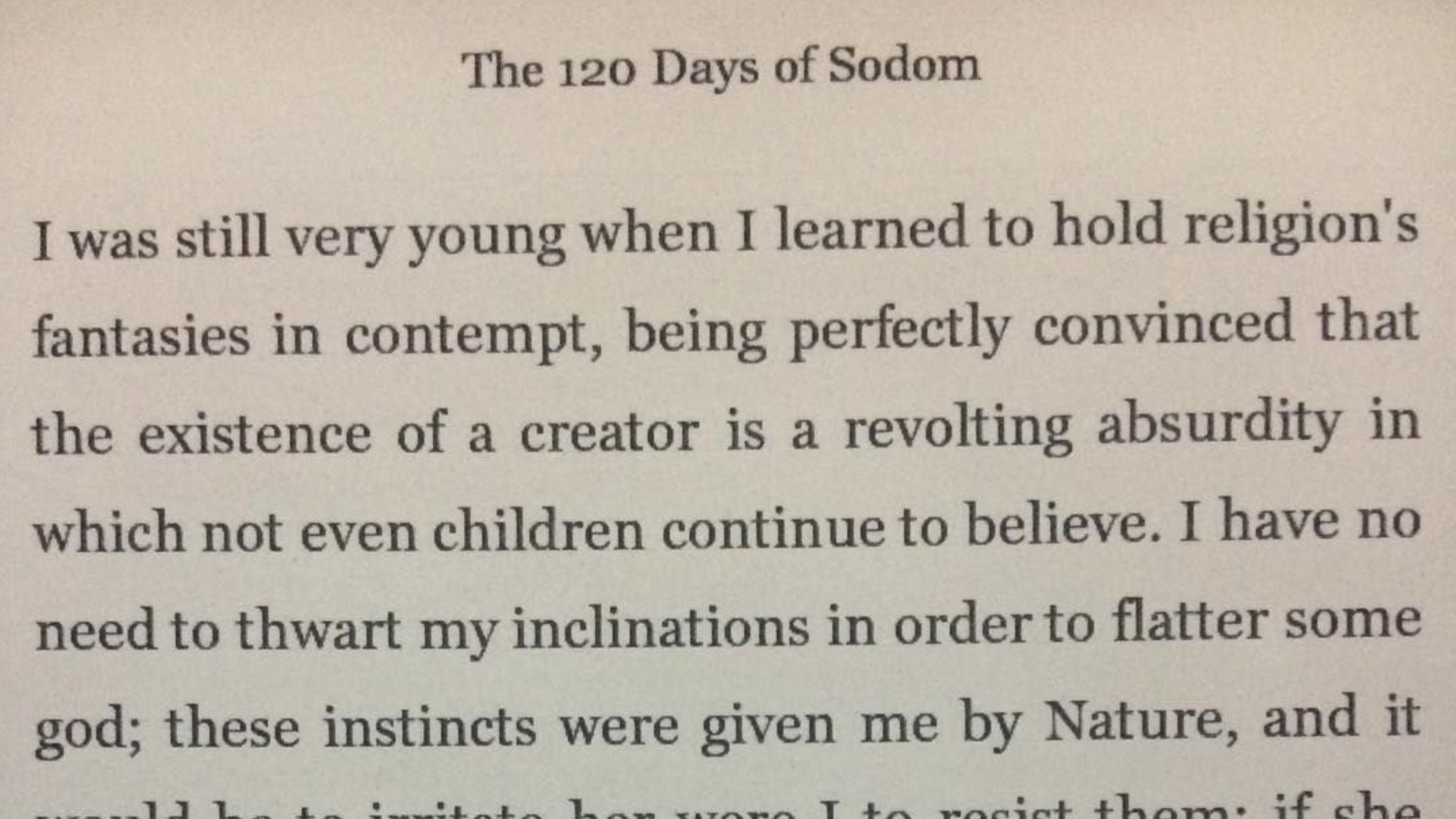
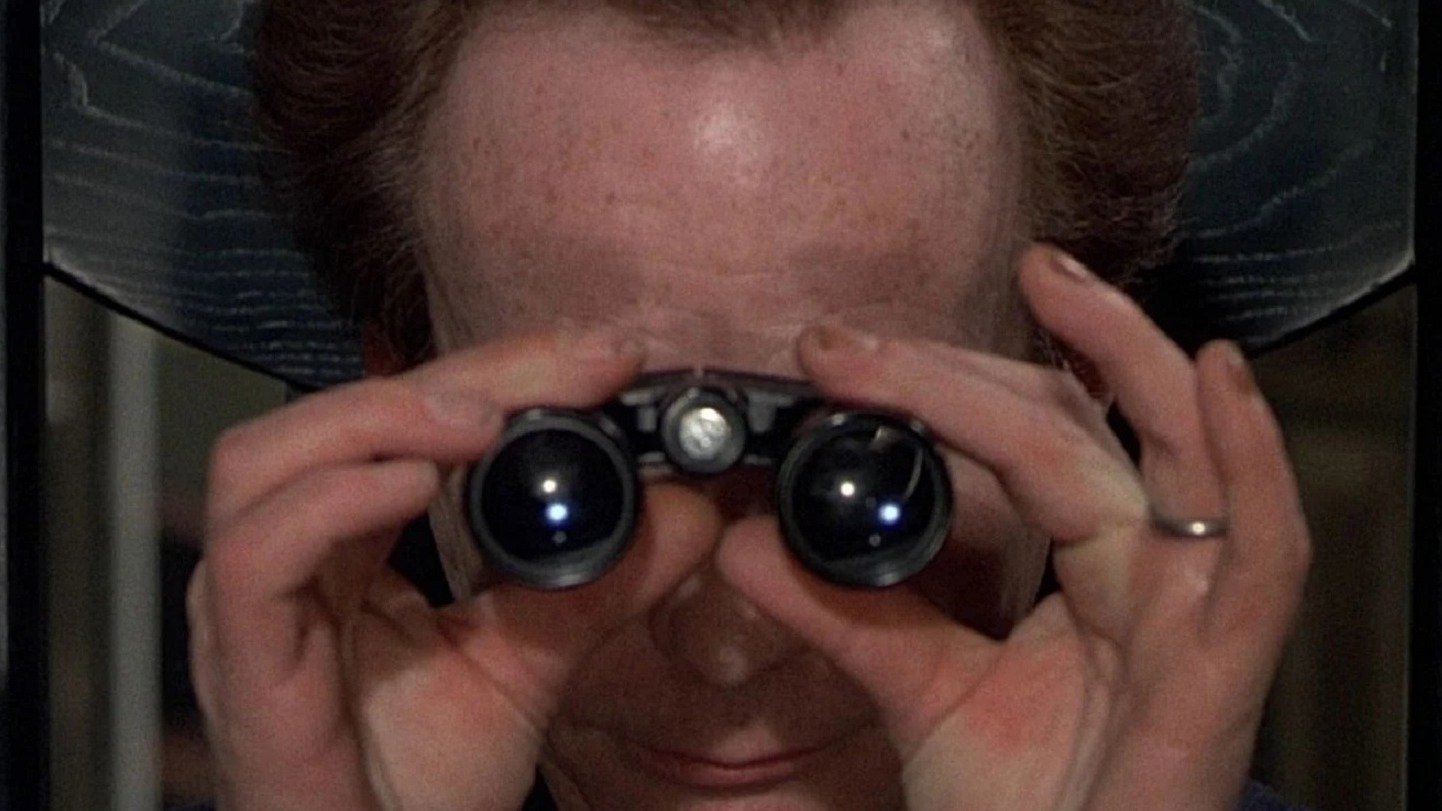
I’ll conclude by quoting this hilarious (but nevertheless intriguing) analysis from horror film scholar Stephen Barber, retrieved from Wikipedia, regarding the film’s penetrating perspective. “The core of Salò is the anus, and its narrative drive pivots around the act of sodomy. No scene of a sex act has been confirmed in the film until one of the libertines has approached its participants and sodomized the figure committing the act. The filmic material of Salò is one that compacts celluloid and feces, in Pasolini's desire to burst the limits of cinema, via the anally resonant eye of the film lens.”
So yeah, three stars. Fuck Matt Walsh and the dehumanizers of today.
So this is what it’s like in Matt Walsh’s head.
Okay, so hear me out. This is obviously extreme art of the highest order, and only for the most broad-minded of literary critics. As a liberal arts collegiate and a self-described scholar of extreme art, of course I was able to draw some meaning from all the hideousness. And yes, it’s hideous. Mitch, I can either speak to you indirectly or directly, so I might as well be direct: I agree with you in that I kind of wish I could unsee this movie too. It’s possible that by seriously analyzing it and poring over the literature, I’m trying to justify the fact that I watched it, because I too feel something akin to “embarrassment” for having witnessed such godlessness. It was enough to shake even an agnostic like myself.
However, I think that time has proven this film right, or valuable, in a few respects. Pasolini’s death, for one, suggests that fascists and right-wing ideologues are threatened by art. Dangerous times demand aggressive art, and I hope that in the modern day, we are reminded that gentle, palatable art is a tool of the oppressors. Was anyone in power honestly threatened by Kendrick’s halftime performance? No. However, I understand that there is a serious audience drop-off with something like Salò, and there should be. On the other hand, via word-of-mouth and the mere wording of its title, there has never been any secret as to what Salò, or the 120 Days of Sodom is about, and yet it has been consumed somewhat widely. This speaks to some deep, fundamental curiosity about the darker sides of humanity that exists inside even those that ultimately hated it.
I think this movie inspires such intense hatred not because people feel robbed of two hours, but because they feel robbed of something deeper. Something like innocence. It really is that soul-affecting, and what is art if not an attempt to better understand the human condition? At its core, one must ask, “What are the awful depictions of Salò in service of?” And eventually, “What sort of world does Salò call for?” I can grant that there are movies I might dub “irresponsible”, but if you’re worried that some viewers might find Salò titillating and it should thus be banned, then boy do I have….checks notes….the entire history of cinema to show you.
Depiction has never equaled endorsement, and I’ve become quite familiar with the implicit contract that one signs when engaging with extreme art: we’re just here to experiment. I feel like I’ve been training for this my whole life, steeling my gaze to see past the worst shit imaginable in search of something profound, and I can’t deny that as I was watching this, deep down, I felt that there was something there, through metaphor and the aesthetics.
Life on planet earth can get ugly. The darkest moments of the 20th century can be explained in wholly PG terms, despite the human experience of these moments being unimaginably bleak and upsetting. Any fascist worth their weight in iron fists knows the power of words and how to manipulate their strengths and weaknesses: how euphemism can be used to make any awful idea sound palatable; how censorship and strategic elision can rewrite the bothersome truths of history; how words can often lack the essential feelings required to foster empathy.
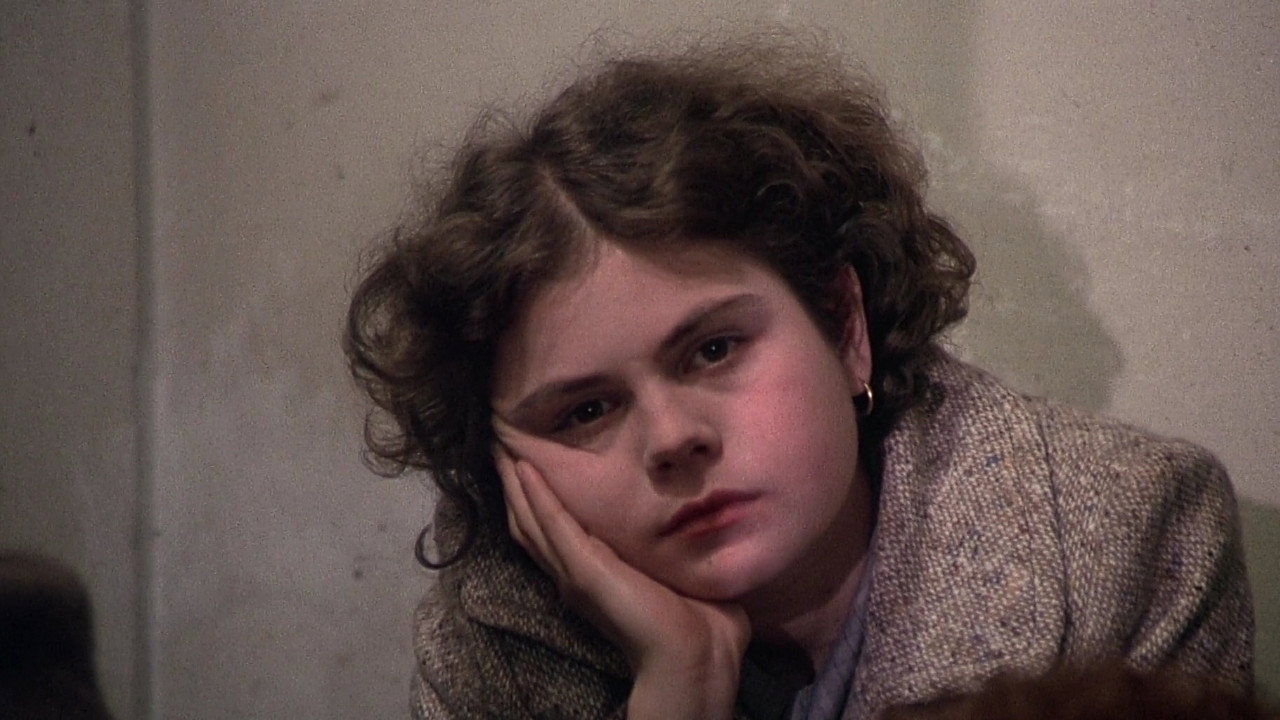
So often the ugliest parts of history are expressed through the written word, from an external and distant perspective, without capturing the emotional truth of the internal human experience. It’s easy to read the word “dehumanization” and have your eyes brush right past it. The same can be said of the blackest days of fascism when read about in history books, leading the visceral horrors of unchecked power to disintegrate from our memory. Salò brings that ugliness straight to the surface, leaving no manifestation of power or dehumanization to the imagination. I won’t soon forget the faces of the wealthy men in control of the innocent children, ghoulish in how their buffoonish disposition is juxtaposed with their monstrous actions.
You won’t find any greater dehumanization presented elsewhere in all of cinema, but it’s undoubtedly present in the world we live in, in times and places where justice and equality are allowed to wither (key word: allowed). Returning to the core question that I mentioned above, “What are the awful depictions of Salò in service of?”, I believe that by abusing the viewer and presenting that dehumanization to the extreme, Salò ultimately hopes to deliver them to empathy and the sobering necessity to fight for it, whatever the cost.
These deeply upsetting ideas regarding sexuality and power have been toyed with in other places - think of something like Hellraiser - human beings seeking out the farthest reaches of existential pleasure through sadomasochism? The darkness of Salò is not wholly new to culture, only new in depth and application. After all, it’s an adaptation of a hundreds-of-years-old book. The notion of a “medieval torture dungeon” has largely been demystified and sanitized in our minds from years of parodies and kids-book-ification, but we all grant those existed, right?
I’ll conclude by quoting this hilarious (but nevertheless intriguing) analysis from horror film scholar Stephen Barber, retrieved from Wikipedia, regarding the film’s penetrating perspective. “The core of Salò is the anus, and its narrative drive pivots around the act of sodomy. No scene of a sex act has been confirmed in the film until one of the libertines has approached its participants and sodomized the figure committing the act. The filmic material of Salò is one that compacts celluloid and feces, in Pasolini's desire to burst the limits of cinema, via the anally resonant eye of the film lens.”
So yeah, three stars. Fuck Matt Walsh and the dehumanizers of today.


























 4
4