
Monrovia, Indiana
2018·Documentary·2h 23m
7.1
★
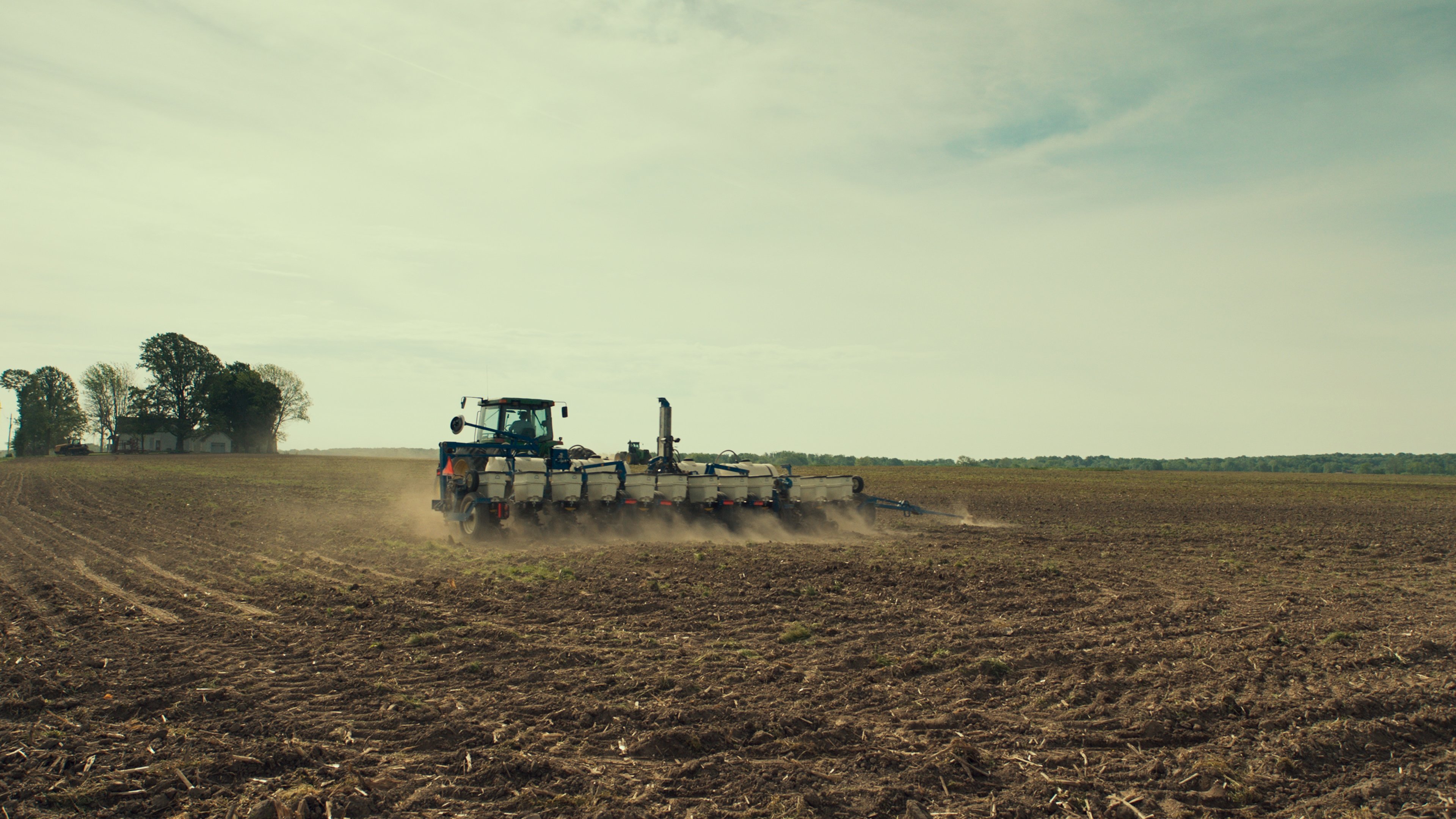
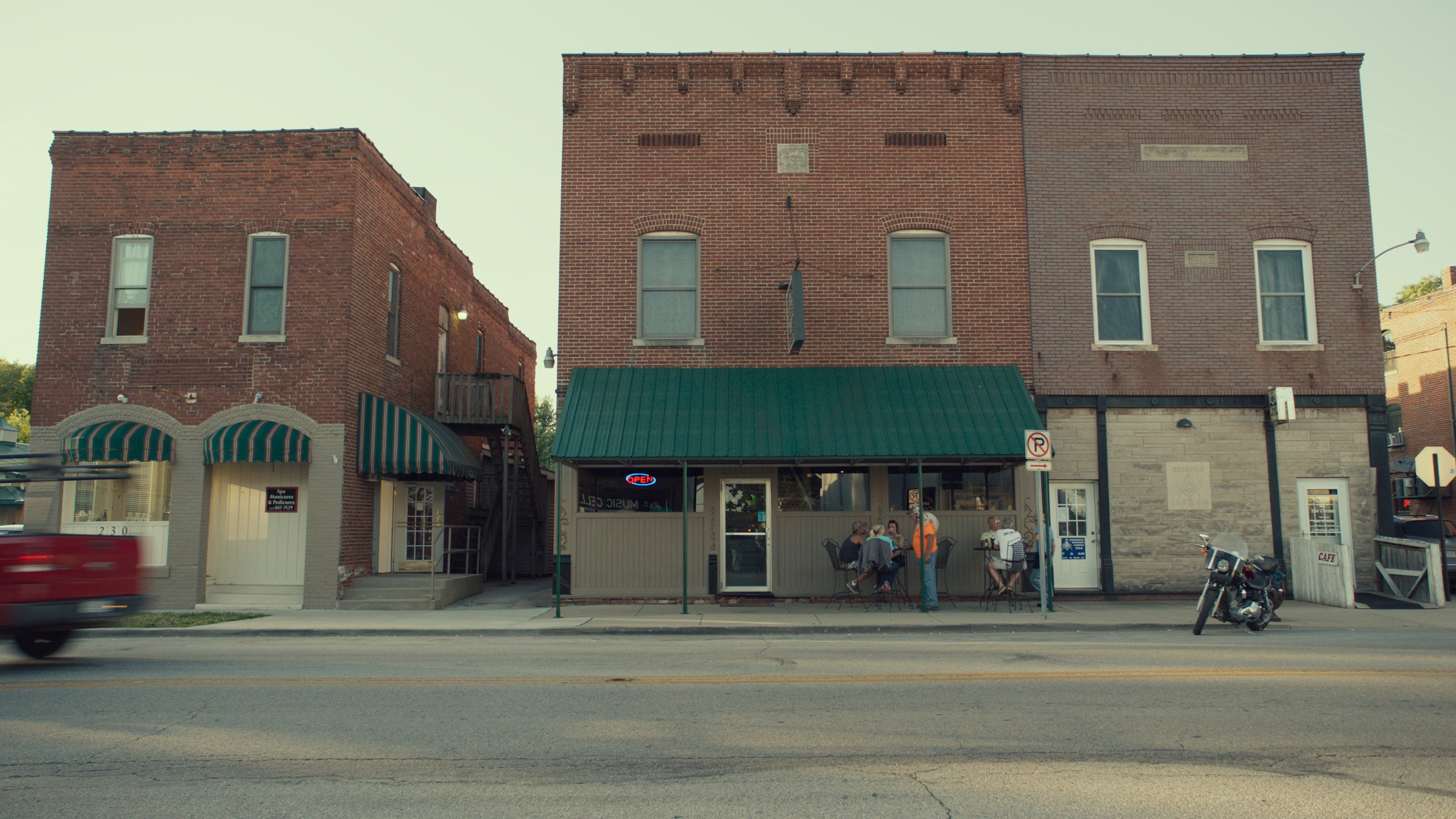
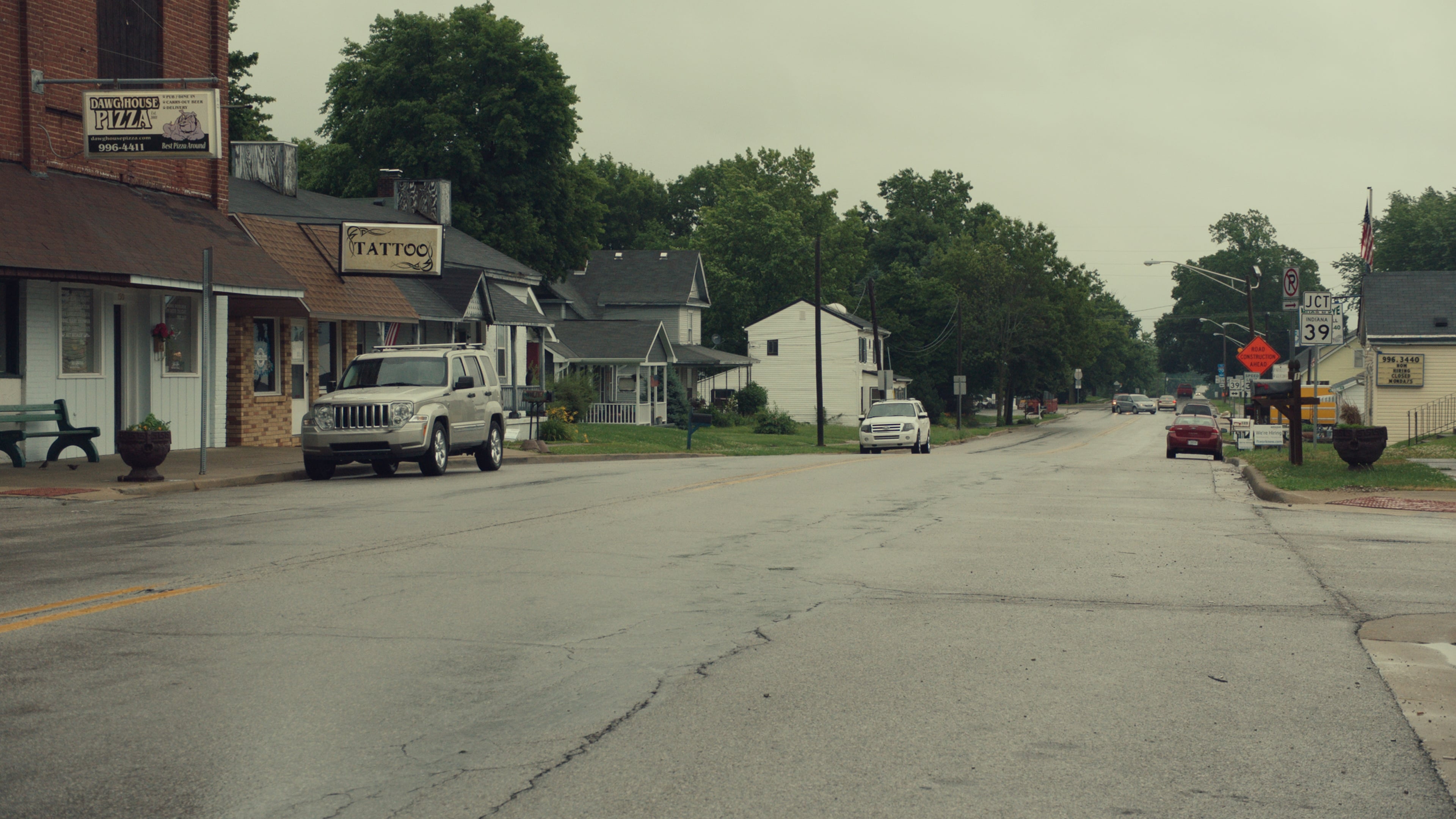
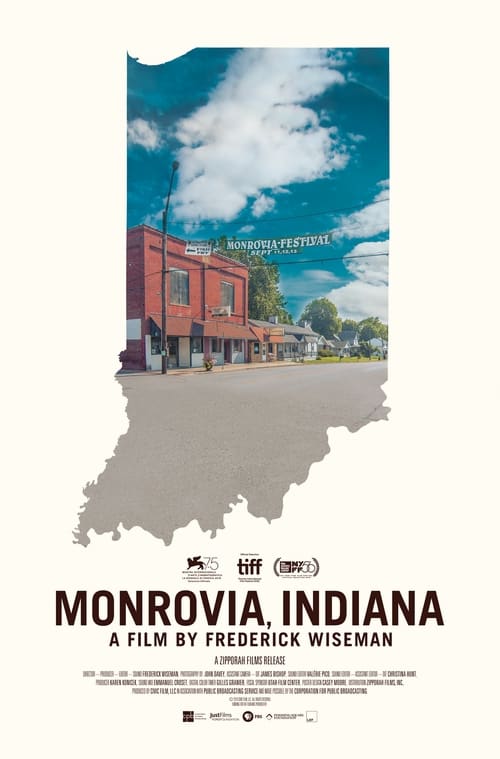
Monrovia, Indiana explores a small town in rural, mid-America and illustrates how values like community service, duty, spiritual life, generosity, and authenticity are formed, experienced, and lived along with conflicting stereotypes. The film gives a complex and nuanced view of daily life in Monrovia and provides some understanding of a way of life whose influence and force have not always been recognized or understood in the big cities on the east and west coasts of America and in other countries.
Directed by Frederick Wiseman

Trailer

IMDB
N/A
Crew
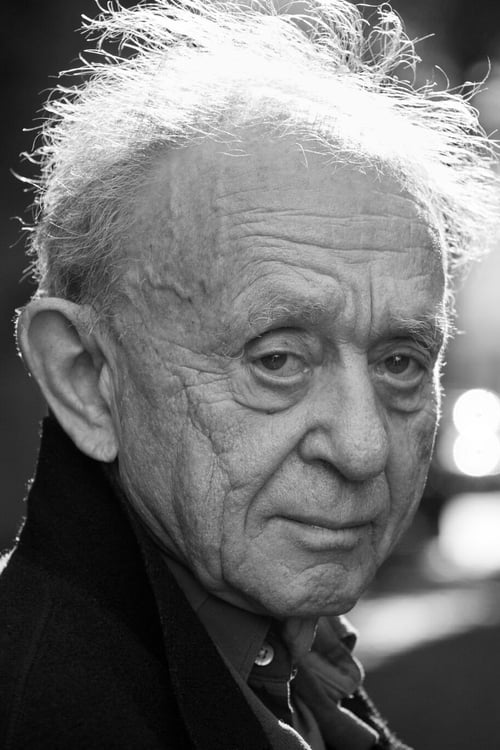
Frederick Wiseman
Director
Frederick Wiseman
Editor
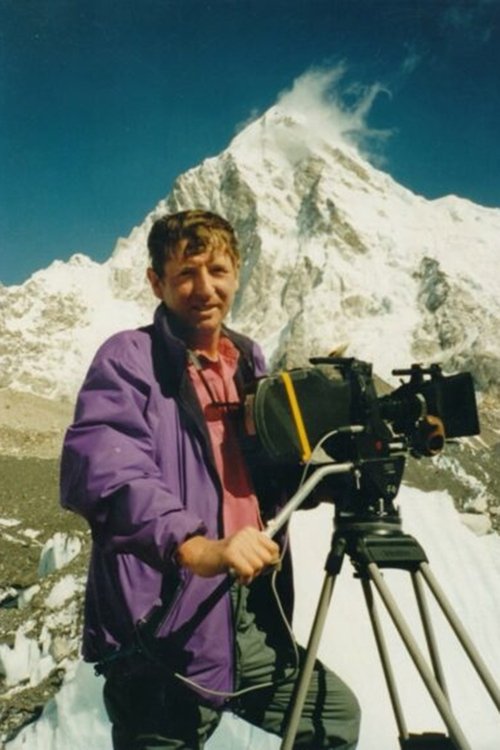
John Davey
Director of Photography
Frederick Wiseman
Producer
Frederick Wiseman
Sound

Emmanuel Croset
Sound Re-Recording Mixer
Popular Reviews
5 reviews
Ellie
9.6★ · 05/04/26
As a child I would constantly daydream of becoming a ghost. Floating from city to city, peeking behind doors, investigating anything that I find interesting. I never thought I would be able to fulfill that fantasy, until seeing this movie. To a scarily accurate degree, considering how much of my adolescence was spent in communities that look very similar to the ones in Monrovia, Indiana.
Wiseman had an eye for directing the camera to exactly where I would find my eyes wondering while standing idly at a grocery store or barber shop. Highlighting the intricacies of actions and objects that most treat as commonplace. For such a “boring movie” I feel seen as someone with adhd within the format of the documentary. Im so glad this movie was my introduction to Wiseman and the genre of direct cinema. Very excited to see more.
Wiseman had an eye for directing the camera to exactly where I would find my eyes wondering while standing idly at a grocery store or barber shop. Highlighting the intricacies of actions and objects that most treat as commonplace. For such a “boring movie” I feel seen as someone with adhd within the format of the documentary. Im so glad this movie was my introduction to Wiseman and the genre of direct cinema. Very excited to see more.
As a child I would constantly daydream of becoming a ghost. Floating from city to city, peeking behind doors, investigating anything that I find interesting. I never thought I would be able to fulfill that fantasy, until seeing this movie. To a scarily accurate degree, considering how much of my adolescence was spent in communities that look very similar to the ones in Monrovia, Indiana.
Wiseman had an eye for directing the camera to exactly where I would find my eyes wondering while standing idly at a grocery store or barber shop. Highlighting the intricacies of actions and objects that most treat as commonplace. For such a “boring movie” I feel seen as someone with adhd within the format of the documentary. Im so glad this movie was my introduction to Wiseman and the genre of direct cinema. Very excited to see more.
Wiseman had an eye for directing the camera to exactly where I would find my eyes wondering while standing idly at a grocery store or barber shop. Highlighting the intricacies of actions and objects that most treat as commonplace. For such a “boring movie” I feel seen as someone with adhd within the format of the documentary. Im so glad this movie was my introduction to Wiseman and the genre of direct cinema. Very excited to see more.


mads
I grew up in a farm town a little smaller than Monrovia. As kids, my brother and I went to daycare on a sweet corn farm run by one of my favorite people on this earth —a 60-year-old Pisces woman with bad knees that says wash like “warsh”. We both learned how to pick corn, shuck it, and sell it for $5/ a dozen by the time we were 6.
I have spent most of my life resenting where I come from. Living in rural America was difficult for me, and I spent my time in college trying to scrub that part of myself off. It was not until recently that my life changed enough to grant me a different perspective.
Movies like Monrovia, Indiana are so, so important. Representation of small towns in film is rarely anything but negative—either they’re painted as backward and hopeless, or romanticized into something unrecognizable (I’m looking at you, Hallmark). This film doesn’t do either. It isn’t a pretty version of rural America by any means, but it is real, and I appreciate that.
Wiseman’s approach is patient and unembellished. He lets the town speak for itself—the silences, the small talk, the routines that make up daily life. Watching it, I saw my childhood, and also remembered that ironically, as a pre-teen I spent a shit ton of time sitting on a bench outside of my local library drinking diet coke from the town’s only gas station. There’s something deeply unsettling about watching a life you tried to escape. But there’s also something healing about it. Monrovia, Indiana doesn’t ask us to love or hate these places—it just asks us to see them.
I have spent most of my life resenting where I come from. Living in rural America was difficult for me, and I spent my time in college trying to scrub that part of myself off. It was not until recently that my life changed enough to grant me a different perspective.
Movies like Monrovia, Indiana are so, so important. Representation of small towns in film is rarely anything but negative—either they’re painted as backward and hopeless, or romanticized into something unrecognizable (I’m looking at you, Hallmark). This film doesn’t do either. It isn’t a pretty version of rural America by any means, but it is real, and I appreciate that.
Wiseman’s approach is patient and unembellished. He lets the town speak for itself—the silences, the small talk, the routines that make up daily life. Watching it, I saw my childhood, and also remembered that ironically, as a pre-teen I spent a shit ton of time sitting on a bench outside of my local library drinking diet coke from the town’s only gas station. There’s something deeply unsettling about watching a life you tried to escape. But there’s also something healing about it. Monrovia, Indiana doesn’t ask us to love or hate these places—it just asks us to see them.
I grew up in a farm town a little smaller than Monrovia. As kids, my brother and I went to daycare on a sweet corn farm run by one of my favorite people on this earth —a 60-year-old Pisces woman with bad knees that says wash like “warsh”. We both learned how to pick corn, shuck it, and sell it for $5/ a dozen by the time we were 6.
I have spent most of my life resenting where I come from. Living in rural America was difficult for me, and I spent my time in college trying to scrub that part of myself off. It was not until recently that my life changed enough to grant me a different perspective.
Movies like Monrovia, Indiana are so, so important. Representation of small towns in film is rarely anything but negative—either they’re painted as backward and hopeless, or romanticized into something unrecognizable (I’m looking at you, Hallmark). This film doesn’t do either. It isn’t a pretty version of rural America by any means, but it is real, and I appreciate that.
Wiseman’s approach is patient and unembellished. He lets the town speak for itself—the silences, the small talk, the routines that make up daily life. Watching it, I saw my childhood, and also remembered that ironically, as a pre-teen I spent a shit ton of time sitting on a bench outside of my local library drinking diet coke from the town’s only gas station. There’s something deeply unsettling about watching a life you tried to escape. But there’s also something healing about it. Monrovia, Indiana doesn’t ask us to love or hate these places—it just asks us to see them.
I have spent most of my life resenting where I come from. Living in rural America was difficult for me, and I spent my time in college trying to scrub that part of myself off. It was not until recently that my life changed enough to grant me a different perspective.
Movies like Monrovia, Indiana are so, so important. Representation of small towns in film is rarely anything but negative—either they’re painted as backward and hopeless, or romanticized into something unrecognizable (I’m looking at you, Hallmark). This film doesn’t do either. It isn’t a pretty version of rural America by any means, but it is real, and I appreciate that.
Wiseman’s approach is patient and unembellished. He lets the town speak for itself—the silences, the small talk, the routines that make up daily life. Watching it, I saw my childhood, and also remembered that ironically, as a pre-teen I spent a shit ton of time sitting on a bench outside of my local library drinking diet coke from the town’s only gas station. There’s something deeply unsettling about watching a life you tried to escape. But there’s also something healing about it. Monrovia, Indiana doesn’t ask us to love or hate these places—it just asks us to see them.
Murphy
9.3★ · 12/26/24
So annoying how difficult these are to find. I remember earlier this year they announced that he had successfully digitized his whole filmography, but instead of putting them anywhere to stream, they just aired at the Pompidou or something. Great, thanks. He's gotta be the best documentarian of all time and I haven't even seen his best stuff. Wiseman should be a household name and these should be required viewing in schools. They should be transmitted to outer space to any potential aliens.
This one in particular is just as rich as the rest of them. One sequence at an outdoor market fair, quickly cutting between obnoxious signs and food grilling and people hawking homemade ADHD medication made me ill. Amazing what simply the organization of this can evoke without any narration or talking heads. Favorite section has to be towards the middle about arguing over whether or not to increase the big housing project, which then later bleeds into the griping about fire hydrants. Captivating stuff despite it having no business being so.
This one in particular is just as rich as the rest of them. One sequence at an outdoor market fair, quickly cutting between obnoxious signs and food grilling and people hawking homemade ADHD medication made me ill. Amazing what simply the organization of this can evoke without any narration or talking heads. Favorite section has to be towards the middle about arguing over whether or not to increase the big housing project, which then later bleeds into the griping about fire hydrants. Captivating stuff despite it having no business being so.
So annoying how difficult these are to find. I remember earlier this year they announced that he had successfully digitized his whole filmography, but instead of putting them anywhere to stream, they just aired at the Pompidou or something. Great, thanks. He's gotta be the best documentarian of all time and I haven't even seen his best stuff. Wiseman should be a household name and these should be required viewing in schools. They should be transmitted to outer space to any potential aliens.
This one in particular is just as rich as the rest of them. One sequence at an outdoor market fair, quickly cutting between obnoxious signs and food grilling and people hawking homemade ADHD medication made me ill. Amazing what simply the organization of this can evoke without any narration or talking heads. Favorite section has to be towards the middle about arguing over whether or not to increase the big housing project, which then later bleeds into the griping about fire hydrants. Captivating stuff despite it having no business being so.
This one in particular is just as rich as the rest of them. One sequence at an outdoor market fair, quickly cutting between obnoxious signs and food grilling and people hawking homemade ADHD medication made me ill. Amazing what simply the organization of this can evoke without any narration or talking heads. Favorite section has to be towards the middle about arguing over whether or not to increase the big housing project, which then later bleeds into the griping about fire hydrants. Captivating stuff despite it having no business being so.
Taylor Hyder
Felt like home
Felt like home
Giuseppe Alato
7.0★ · 11/11/24