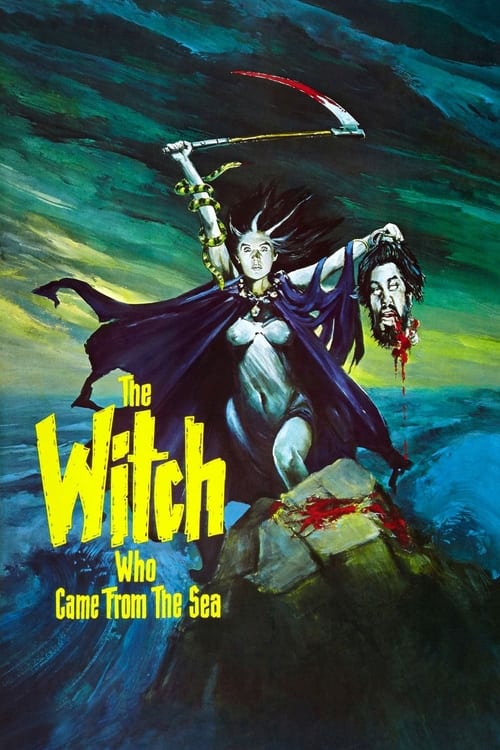
Trying to Watch as Many of the Films I Blind Bought this Year Before the Year is Over 10The Witch Who Came from the Sea, directed by Matt Cimber, 1976
I started collecting Arrow Video movies shortly after I get super deep into collecting film as a whole. When it came time to branch out of just Criterion Collection films, Arrow Video was the first place I looked at. Some of their catalogue included upgraded versions of films that Criterion no longer had in print, such as RoboCop. I haven’t kept up with all their releases like I stay up to date on the latest bunch of Criterion releases, partly because their typical output focusing mostly on cult film. This isn’t to say I’m not interested in cult flim, but rather cult film isn’t necessarily something I’d want to blind buy too often considering how a lot of it is hit or miss for me. If I buy a film I try to keep in mind if I think I’ll rewatch it. If I don’t think I would, I don’t buy it. Most of my purchases from Arrow Video have been releases of movies I’ve already seen.
However, I will often blind buy various box sets from Arrow Video. These are collections of films that sort of justify the purchase for me considering they are centered around a single franchise or director or even a theme, such as the case with American Horror Project vol 1, which The Witch Who Came from the Sea is a part of. Volumes one and two of American Horror Project aim to shine a light on smaller or lesser known American-made horror film. Granted, I knew the name of this film prior. Often when I wake up in the middle of the night, unable to go to sleep, I will end up on a Wikipedia rabbi hole, searching and researching different topics. A lot of stuff that “I don’t know how I know” probably entered my brain this way. On one such night I ended up on a page titled “Video Nasty”. Video Nasties are a bunch of films that snuck past the British Board of Film Classification - essentially the British version of the MPA - thanks to various loopholes and were widely criticized for being obscene or violent. The “Video Nasties” were grouped and subjected to judgement and, if successfully prosecuted against, banned from the UK. The Witch Who Came from the Sea was one of the films on the list, however it was listed underneath Section 2, which meant that the film itself wasn’t persecuted, but if local law enforcement agents saw the film as obscene, film distributors had to comply with the film being seized. The list as a whole is an interesting look at the history of film censorship.
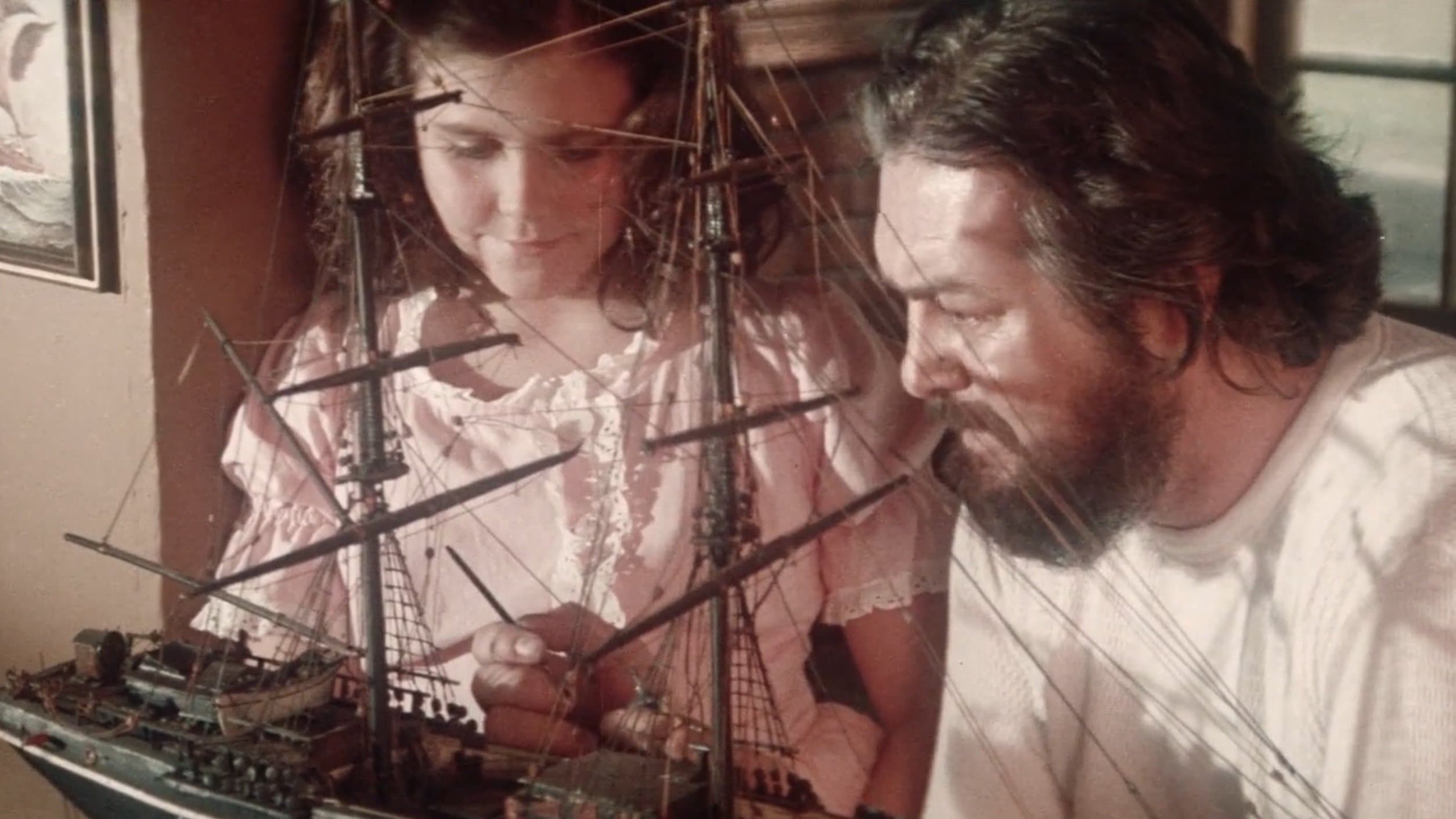
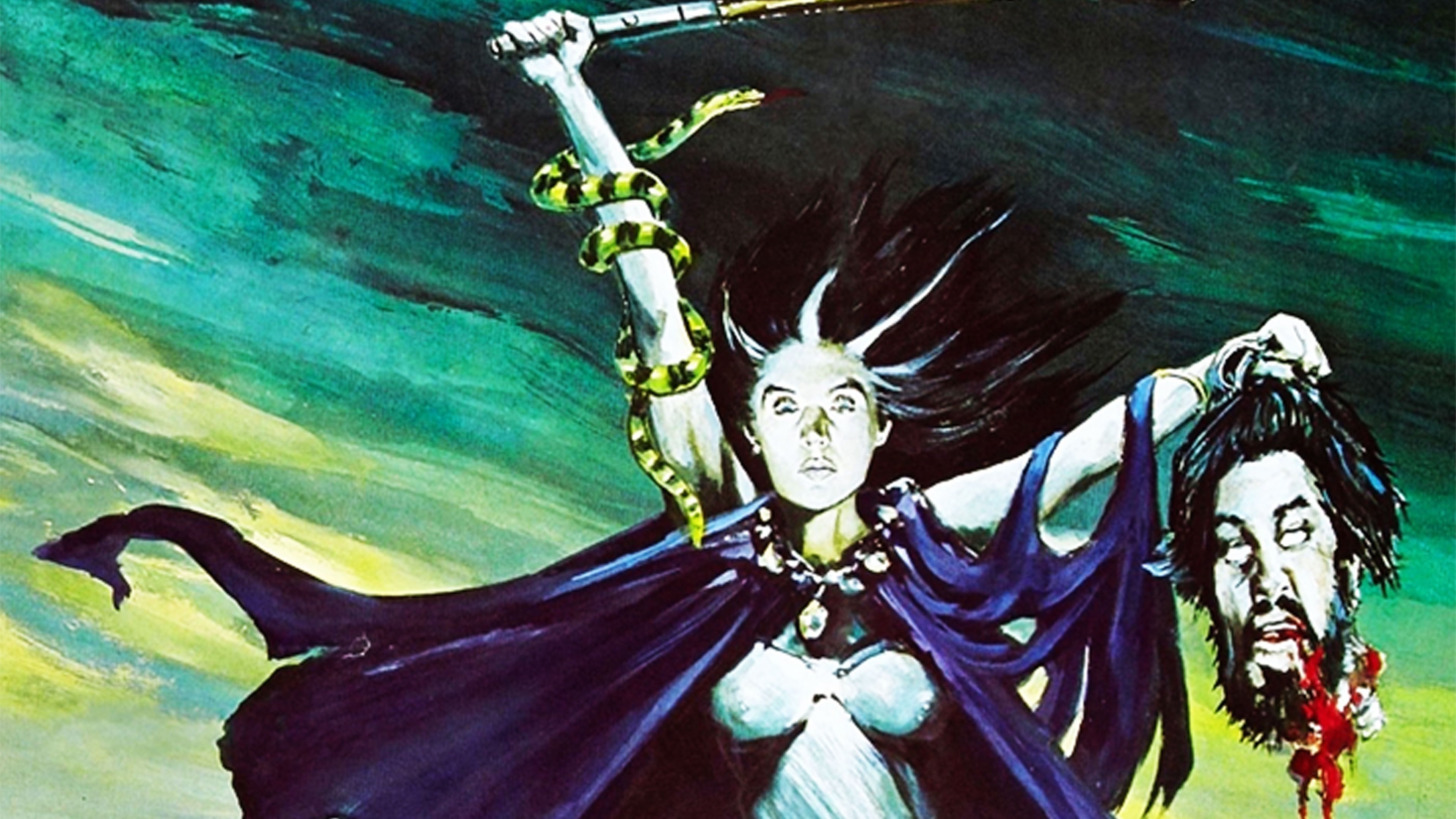
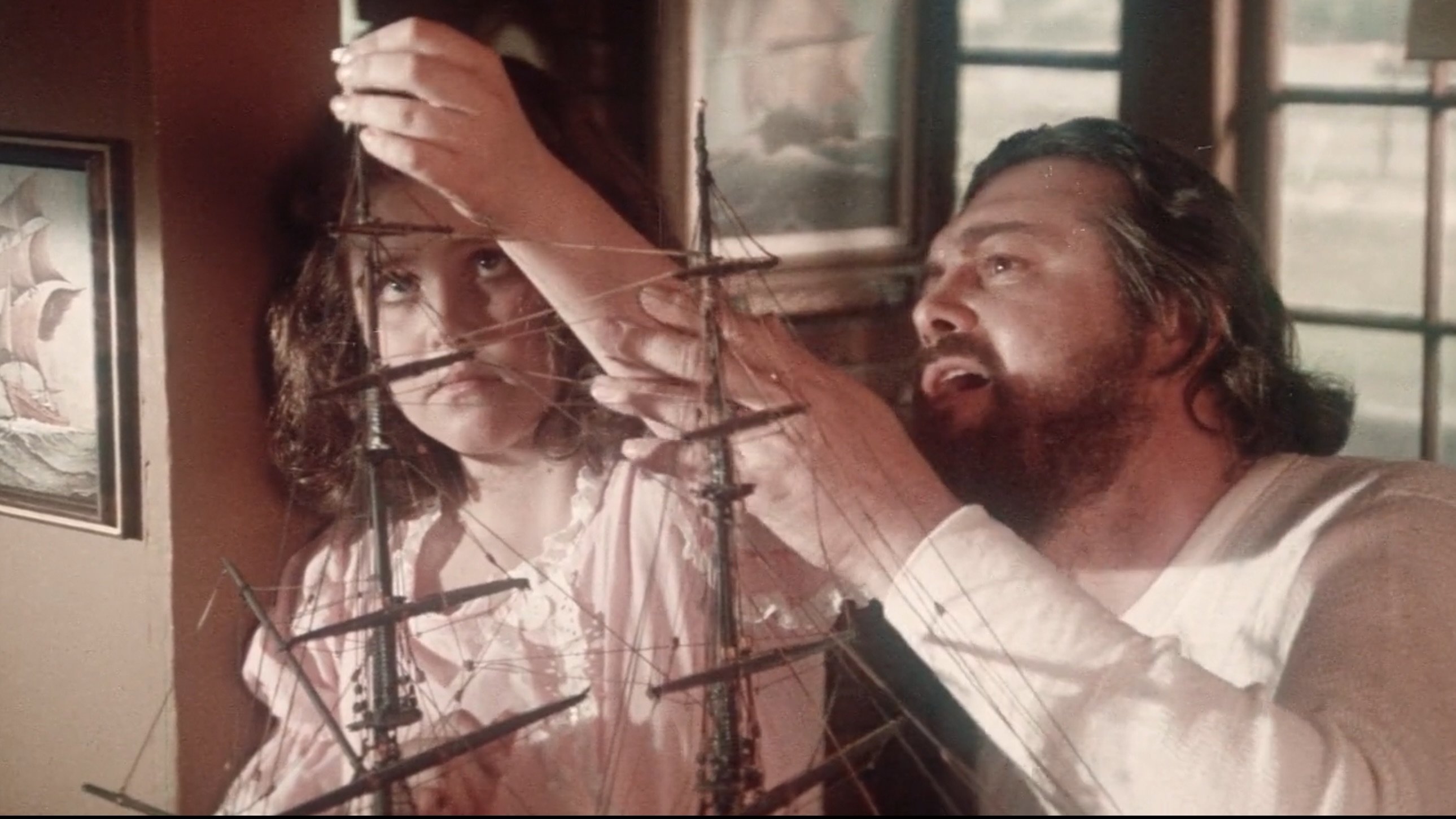
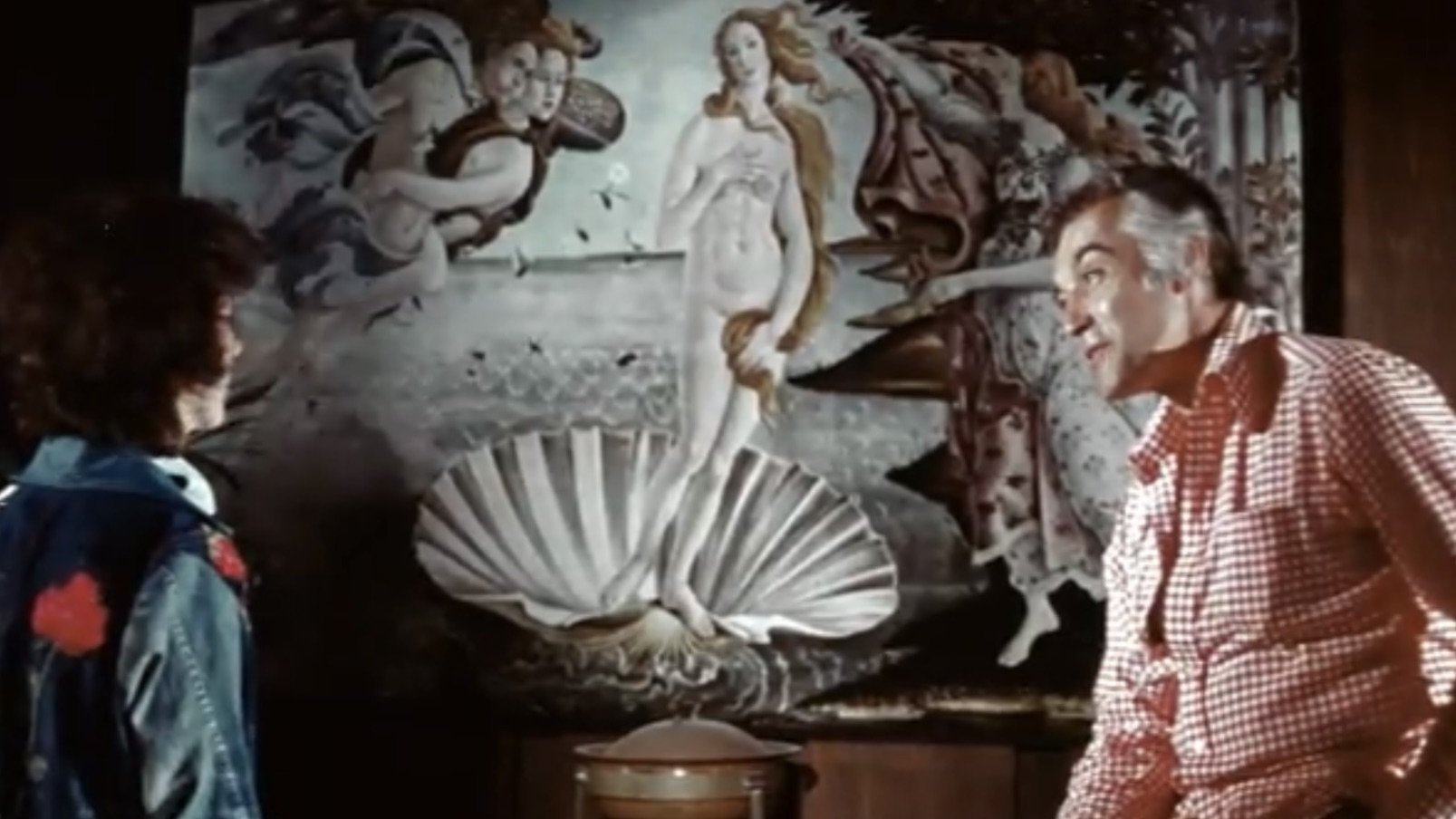
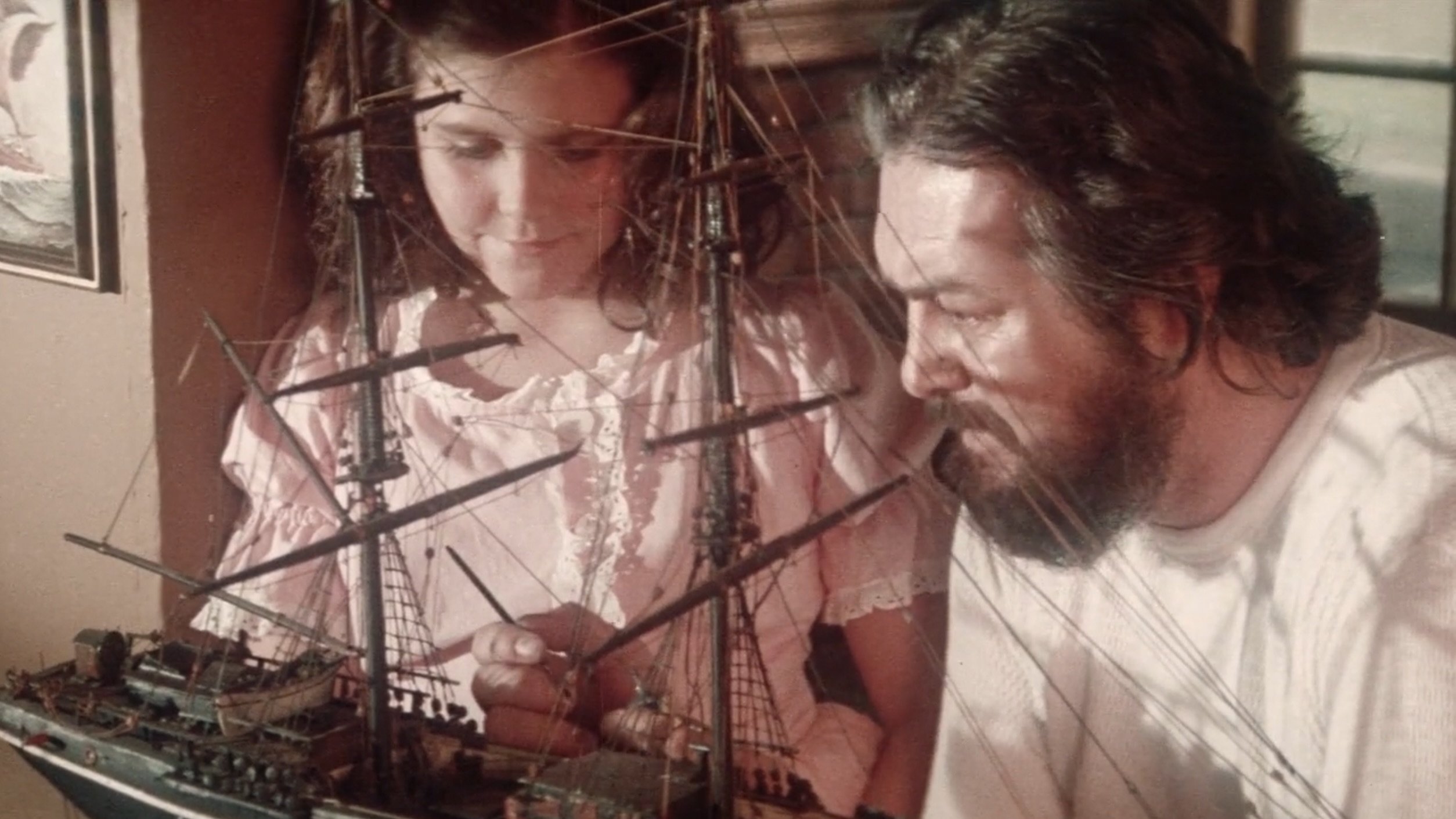
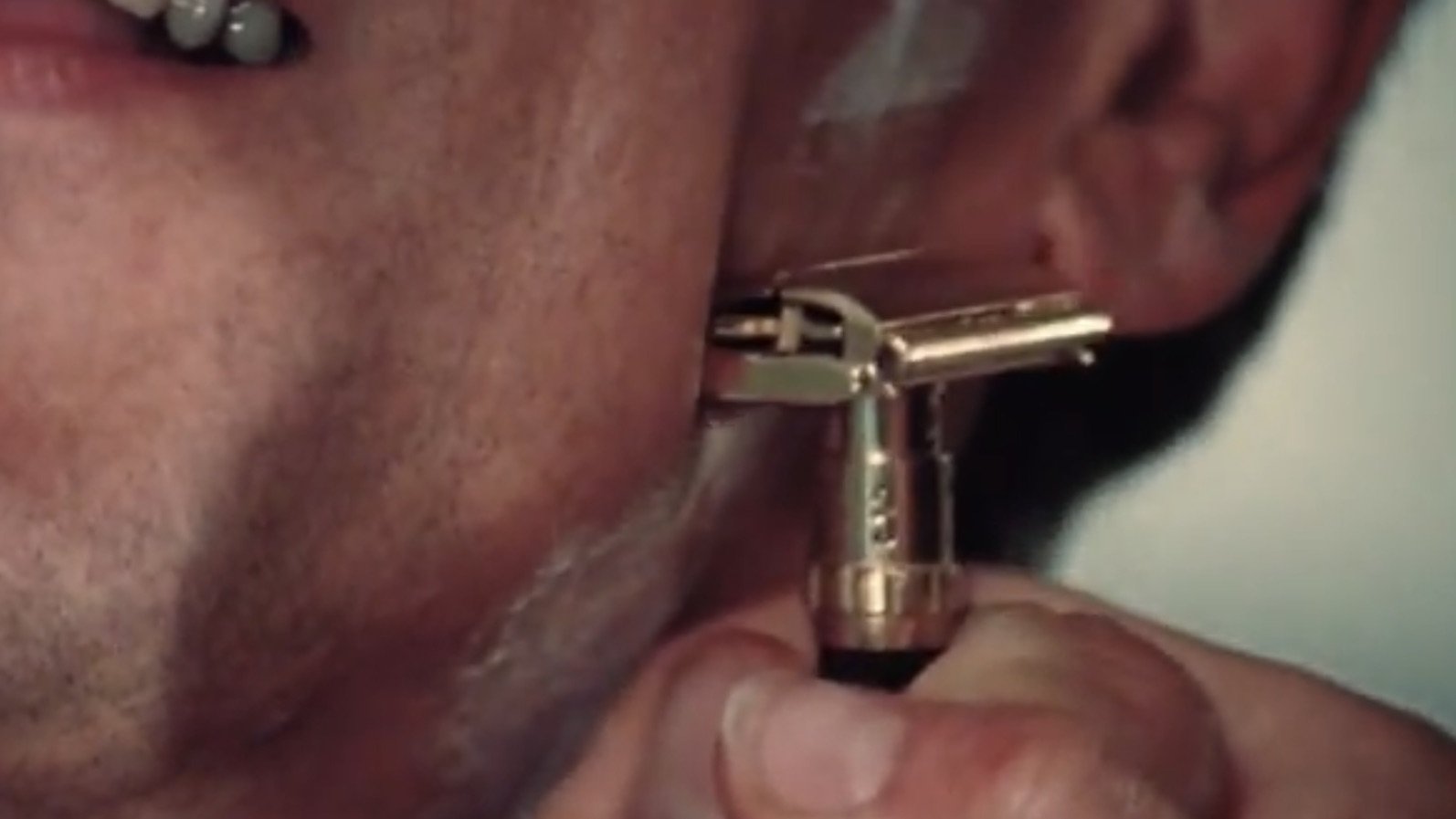
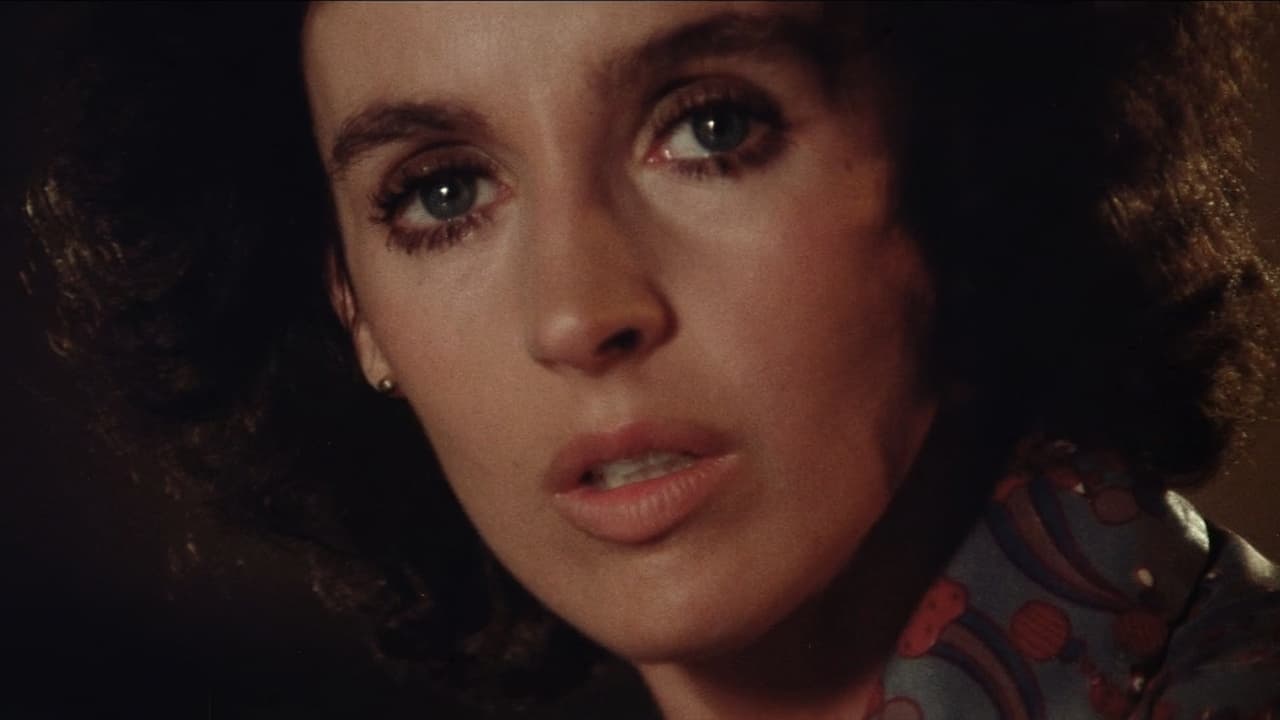
The film itself, is interesting in its own right. The movie opens with a woman, Molly, watching after her two nephews while out at the beach - near Venice Beach Boardwalk’s famous Muscle Beach, to be exact. She is drawn to the bodies of the jocks working out nearby, but violent images of those men dying in gruesome ways while exercising flash in her mind. Throughout the film we see how her relationships with men play out. She is drawn to fame and power and those men in turn become her victims. The murders she commits are usually done after weirdly ethereal scenes of Molly making love with these men. These scenes are rather tame when compared to a lot of the other films on the Video Nasties list. They largely serve as part of a commentary on the cult of status granted to those who appear on television and our relationship with mass media information. Molly “learns” of the deaths of these stars from television and will often disbelieve information she hears from other people until she either sees it talked on the television herself or finds out people heard it from the television.
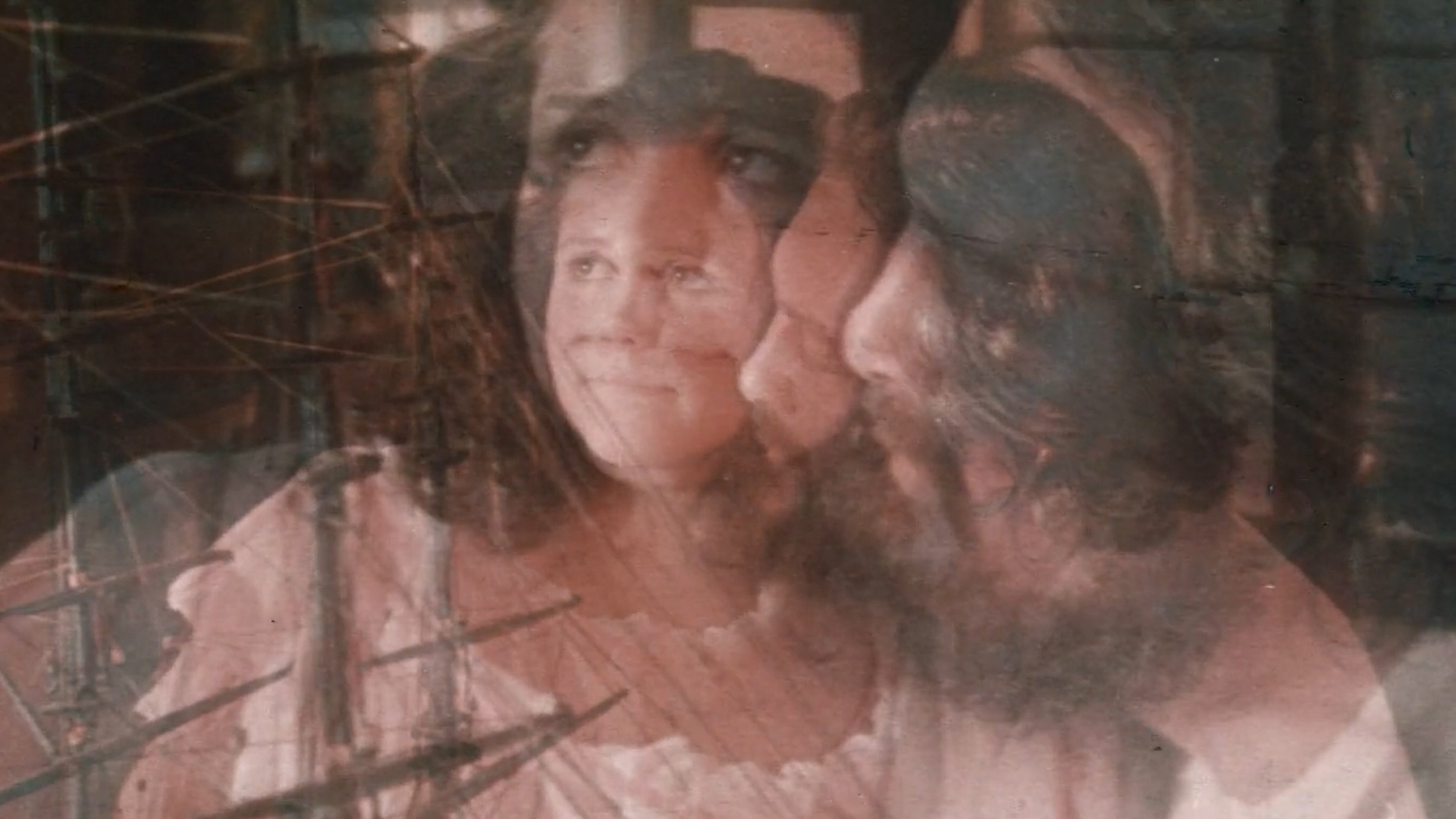
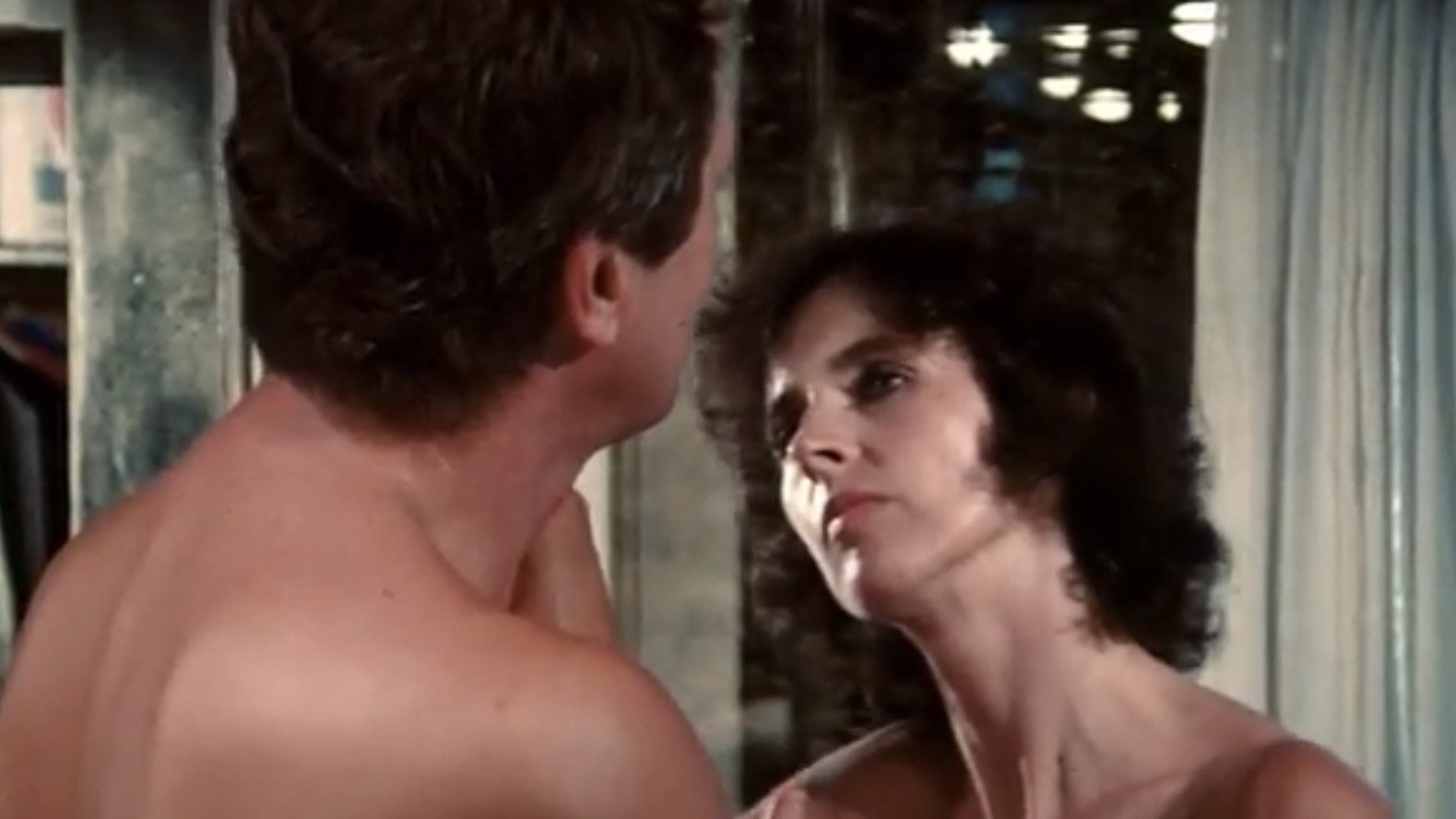
Compared to the other film on the American Horror Project vol 1. I’ve seen so far, Malatesta’s Carnival of Blood, The Witch Who Came from the Sea is a lot more focused and pointed. Its style uses rather telegraphed longer cuts to weave through a space and give a feel for a full environment. Cimber mentions in the accompanying behind the scenes documentary that he enjoyed using as few cuts as possible. This plays out well especially during the sex scenes, which he removes eroticism from by making the entire exchange feel “off”. Dialogue will be distorted, echoey and tinny. This gives it an uneasy feeling whcih does feel appropriate with how cartoonish the blood and gore feels. There’s just a lot of interesting visual flourishes, such as a sort of psychedelic flash forward sequence where the colours distort and flash over negatives of the present. It’s trippy and wild.
Overall, the film is well deserving of its spot in this box set. It is a smaller American horror film that does warrant more eyes on it. The conversation around women’s sexuality in it and how society treats sexually promiscuous women - especially as they age - is still ver pertinent to today
Trying to Watch as Many of the Films I Blind Bought this Year Before the Year is Over 10The Witch Who Came from the Sea, directed by Matt Cimber, 1976
I started collecting Arrow Video movies shortly after I get super deep into collecting film as a whole. When it came time to branch out of just Criterion Collection films, Arrow Video was the first place I looked at. Some of their catalogue included upgraded versions of films that Criterion no longer had in print, such as RoboCop. I haven’t kept up with all their releases like I stay up to date on the latest bunch of Criterion releases, partly because their typical output focusing mostly on cult film. This isn’t to say I’m not interested in cult flim, but rather cult film isn’t necessarily something I’d want to blind buy too often considering how a lot of it is hit or miss for me. If I buy a film I try to keep in mind if I think I’ll rewatch it. If I don’t think I would, I don’t buy it. Most of my purchases from Arrow Video have been releases of movies I’ve already seen.
However, I will often blind buy various box sets from Arrow Video. These are collections of films that sort of justify the purchase for me considering they are centered around a single franchise or director or even a theme, such as the case with American Horror Project vol 1, which The Witch Who Came from the Sea is a part of. Volumes one and two of American Horror Project aim to shine a light on smaller or lesser known American-made horror film. Granted, I knew the name of this film prior. Often when I wake up in the middle of the night, unable to go to sleep, I will end up on a Wikipedia rabbi hole, searching and researching different topics. A lot of stuff that “I don’t know how I know” probably entered my brain this way. On one such night I ended up on a page titled “Video Nasty”. Video Nasties are a bunch of films that snuck past the British Board of Film Classification - essentially the British version of the MPA - thanks to various loopholes and were widely criticized for being obscene or violent. The “Video Nasties” were grouped and subjected to judgement and, if successfully prosecuted against, banned from the UK. The Witch Who Came from the Sea was one of the films on the list, however it was listed underneath Section 2, which meant that the film itself wasn’t persecuted, but if local law enforcement agents saw the film as obscene, film distributors had to comply with the film being seized. The list as a whole is an interesting look at the history of film censorship.
The film itself, is interesting in its own right. The movie opens with a woman, Molly, watching after her two nephews while out at the beach - near Venice Beach Boardwalk’s famous Muscle Beach, to be exact. She is drawn to the bodies of the jocks working out nearby, but violent images of those men dying in gruesome ways while exercising flash in her mind. Throughout the film we see how her relationships with men play out. She is drawn to fame and power and those men in turn become her victims. The murders she commits are usually done after weirdly ethereal scenes of Molly making love with these men. These scenes are rather tame when compared to a lot of the other films on the Video Nasties list. They largely serve as part of a commentary on the cult of status granted to those who appear on television and our relationship with mass media information. Molly “learns” of the deaths of these stars from television and will often disbelieve information she hears from other people until she either sees it talked on the television herself or finds out people heard it from the television.
Compared to the other film on the American Horror Project vol 1. I’ve seen so far, Malatesta’s Carnival of Blood, The Witch Who Came from the Sea is a lot more focused and pointed. Its style uses rather telegraphed longer cuts to weave through a space and give a feel for a full environment. Cimber mentions in the accompanying behind the scenes documentary that he enjoyed using as few cuts as possible. This plays out well especially during the sex scenes, which he removes eroticism from by making the entire exchange feel “off”. Dialogue will be distorted, echoey and tinny. This gives it an uneasy feeling whcih does feel appropriate with how cartoonish the blood and gore feels. There’s just a lot of interesting visual flourishes, such as a sort of psychedelic flash forward sequence where the colours distort and flash over negatives of the present. It’s trippy and wild.
Overall, the film is well deserving of its spot in this box set. It is a smaller American horror film that does warrant more eyes on it. The conversation around women’s sexuality in it and how society treats sexually promiscuous women - especially as they age - is still ver pertinent to today