

1964·Action·1h 22m
7.1
★
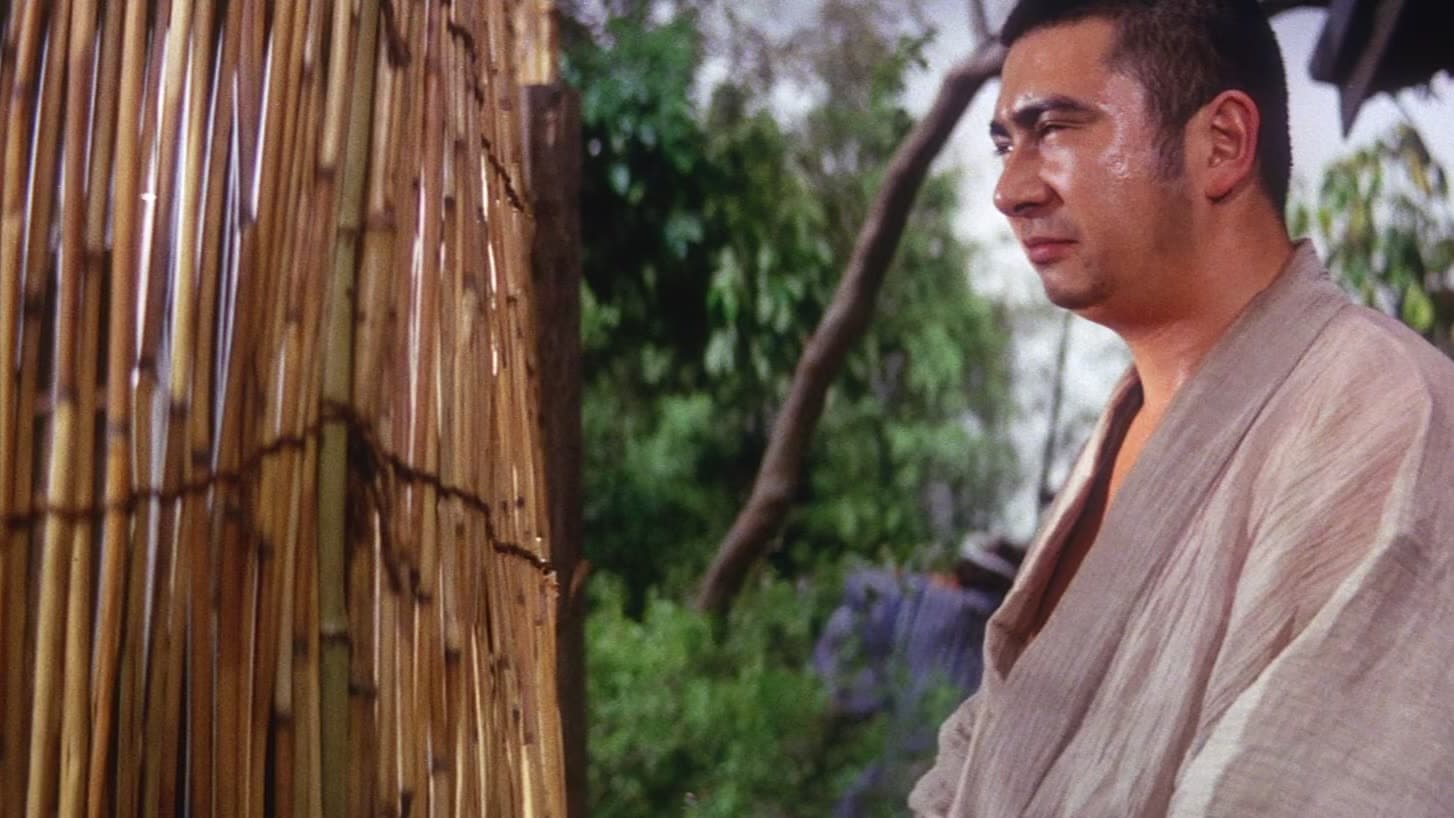
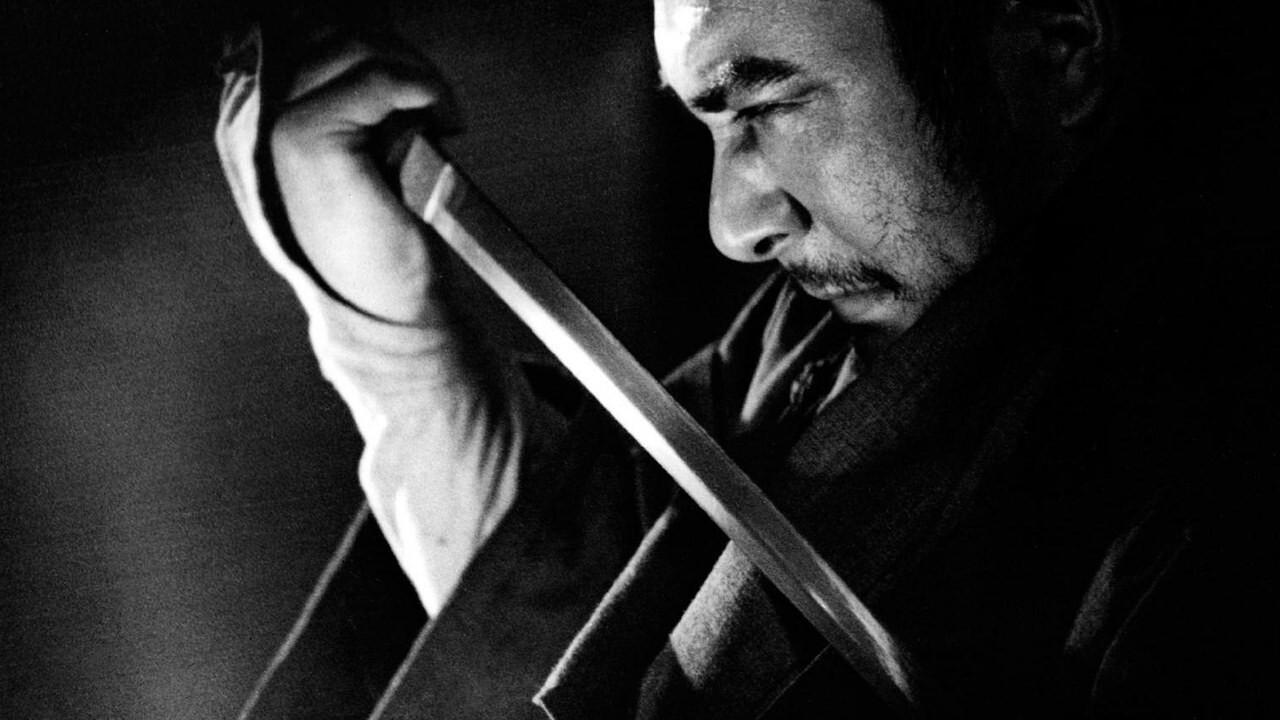
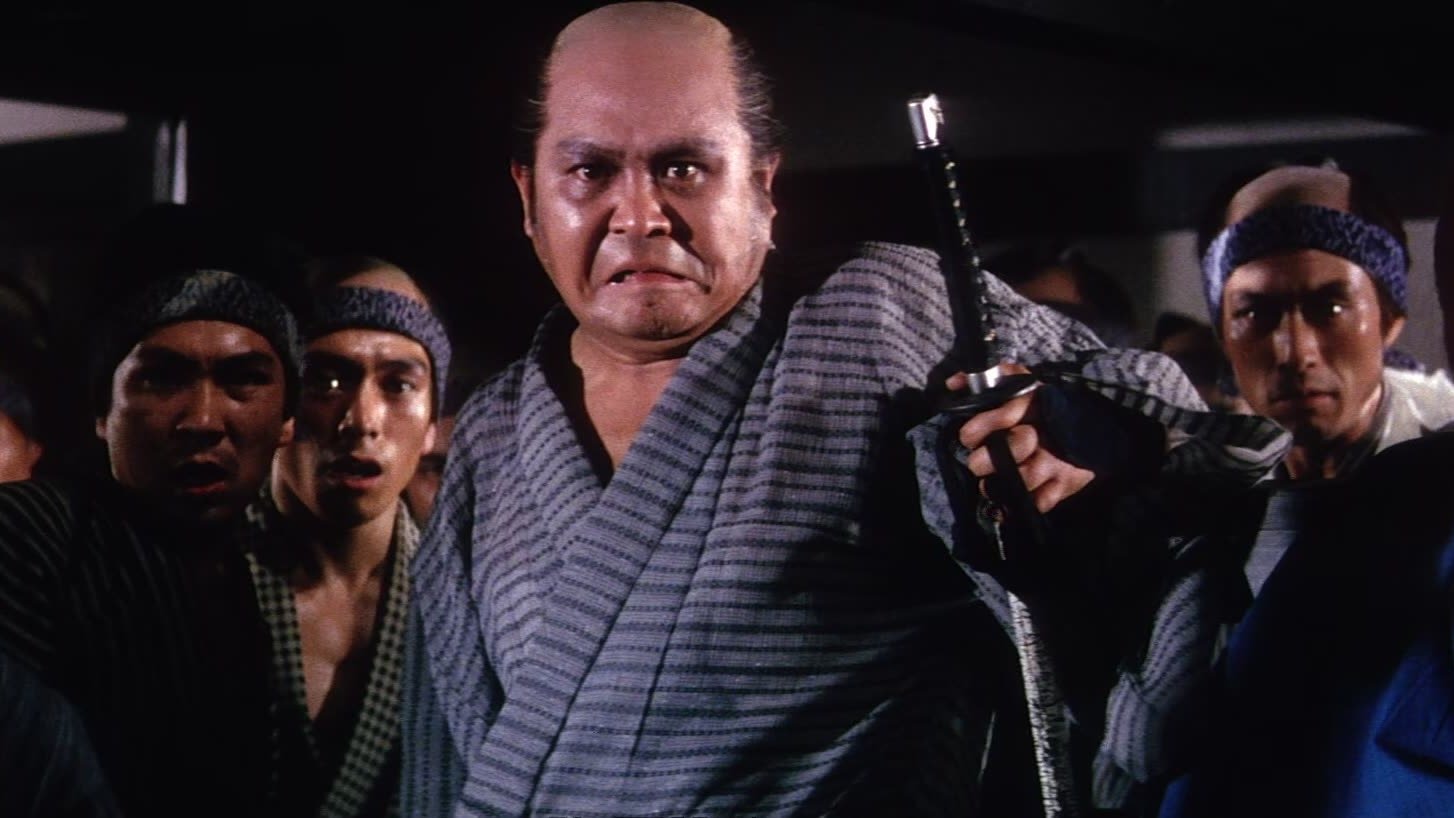
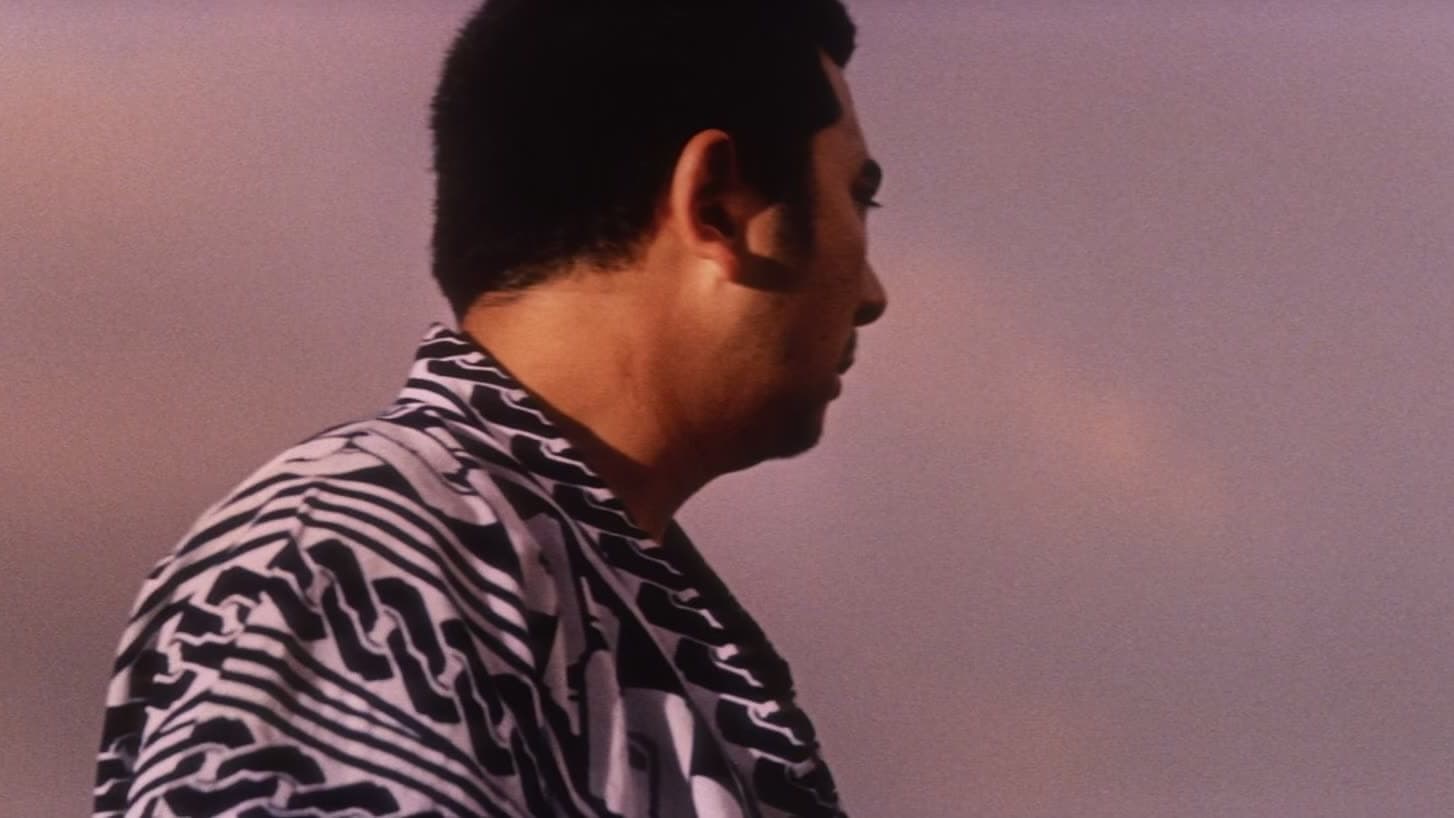
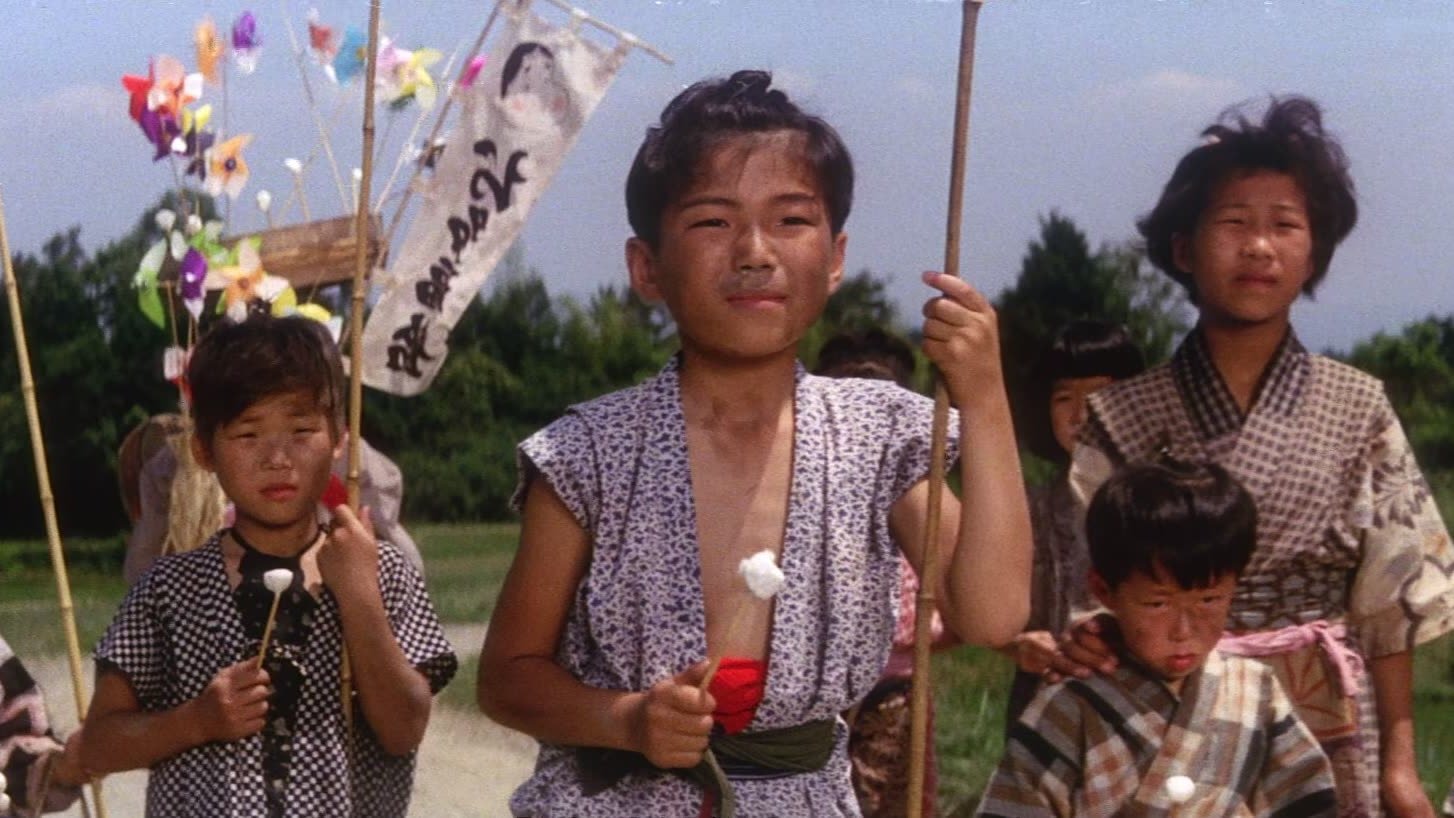
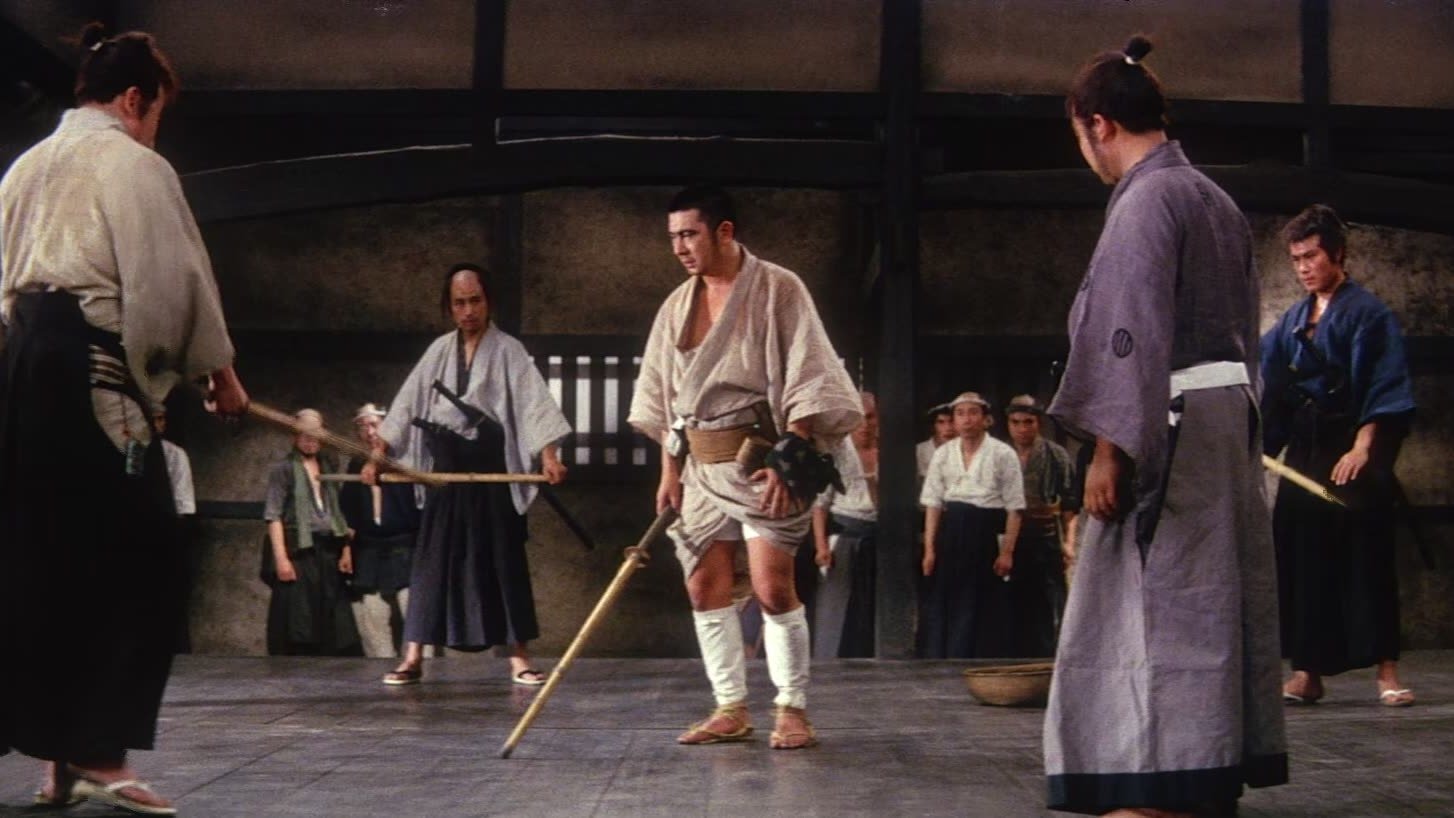
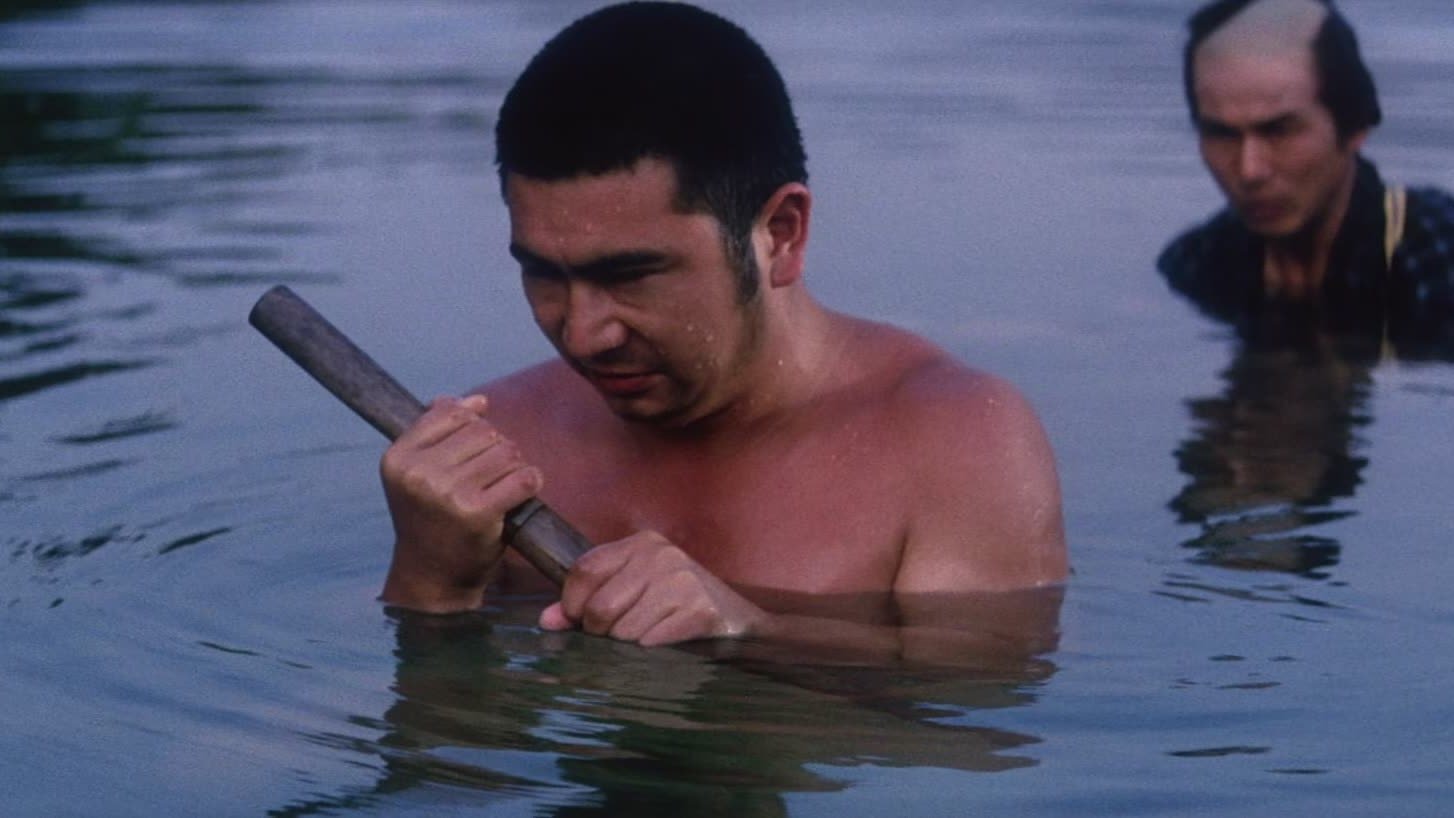
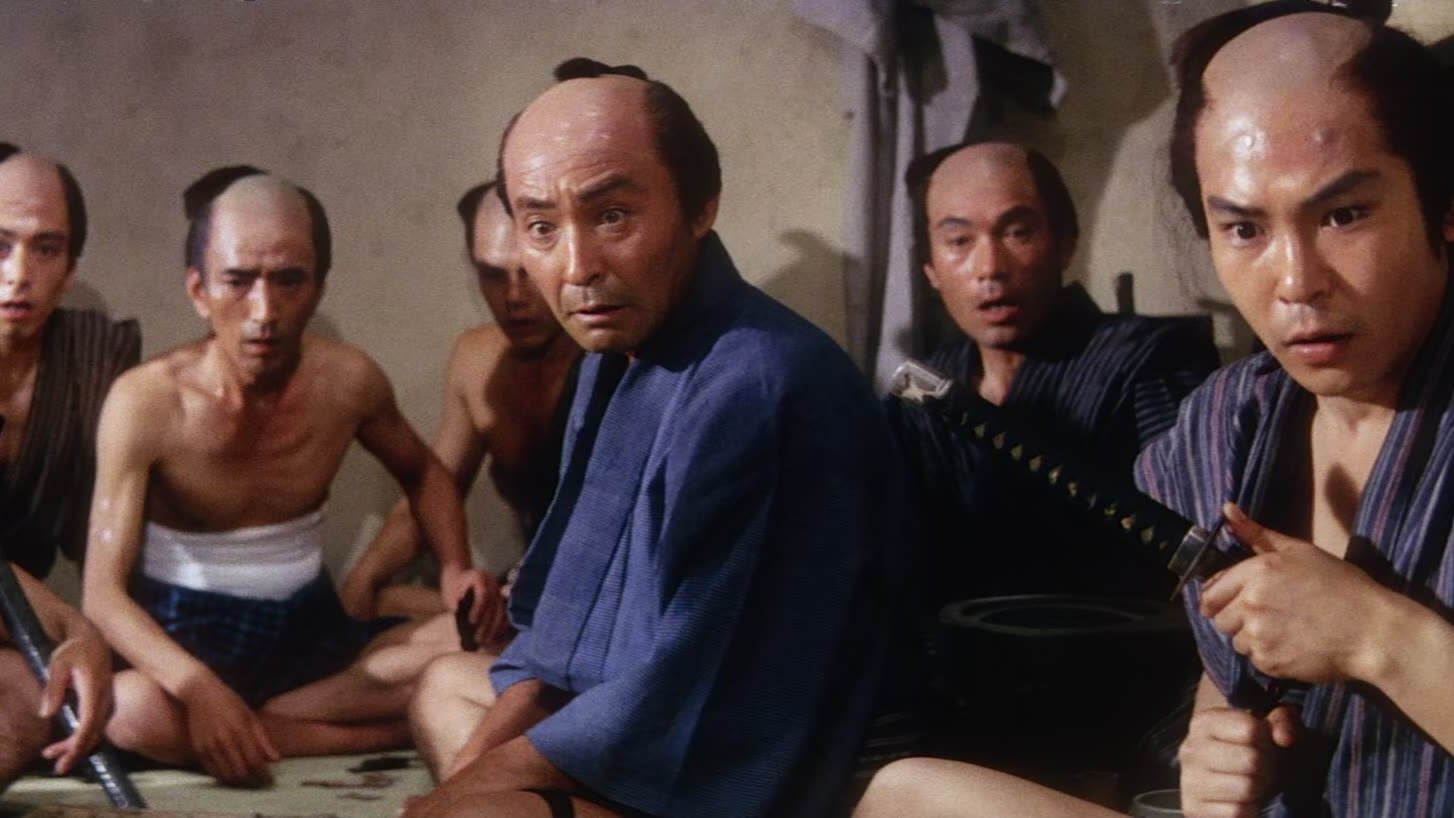
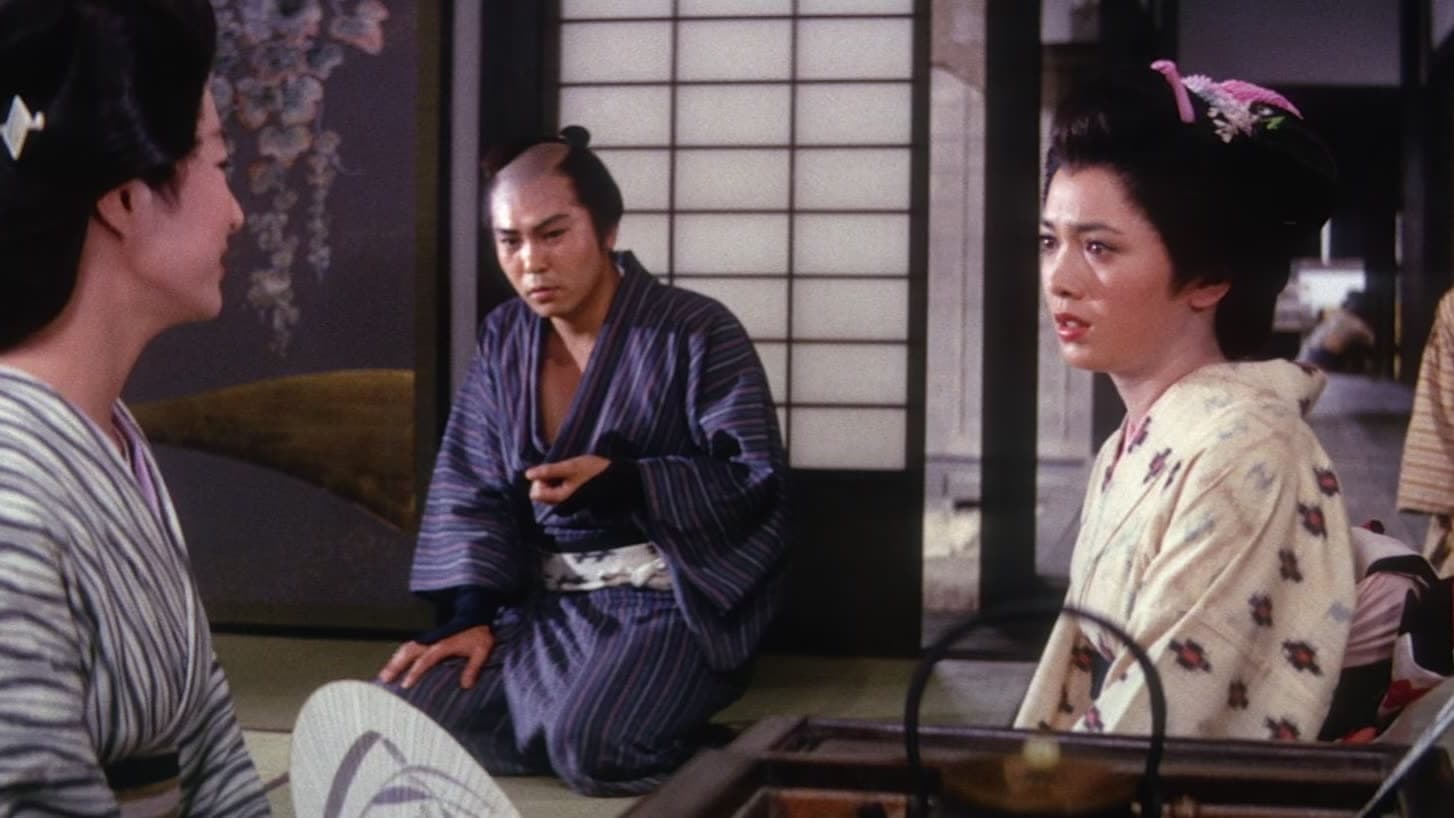
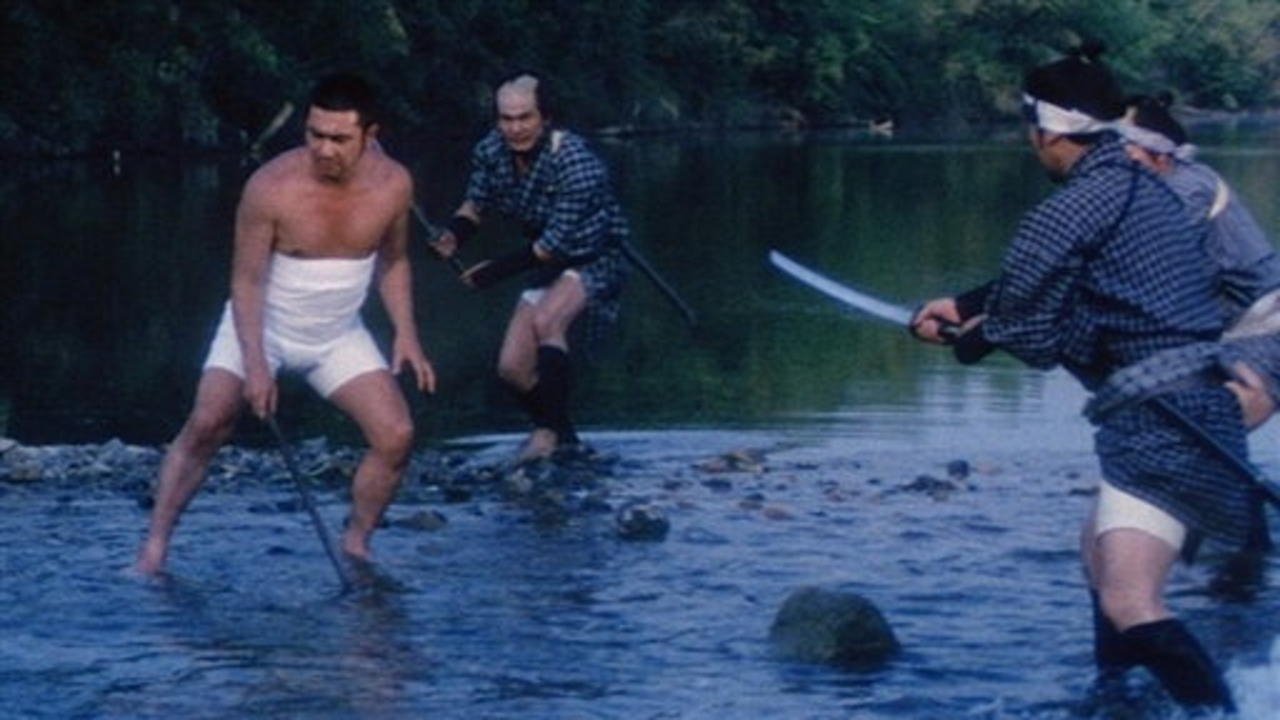
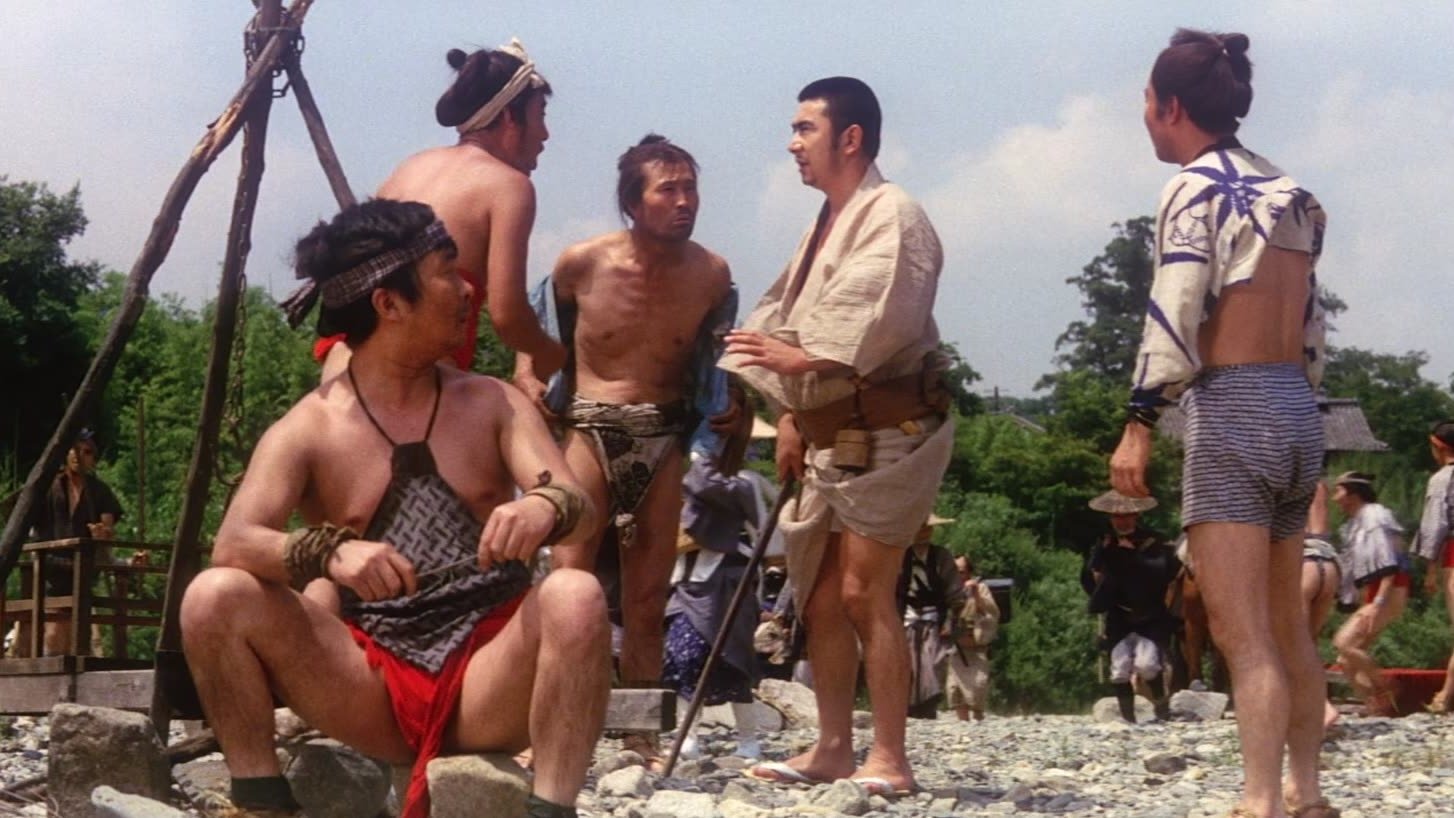
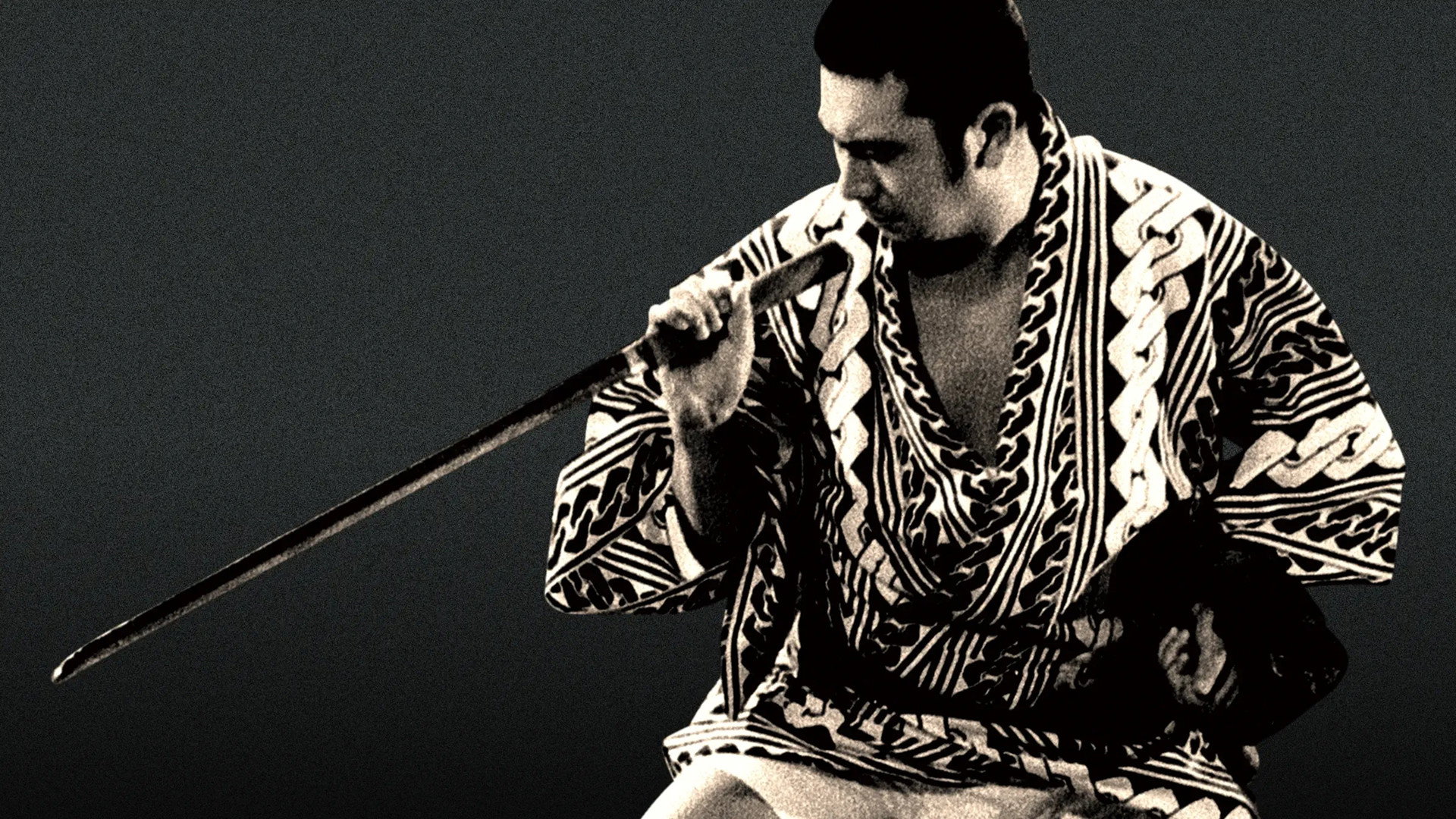
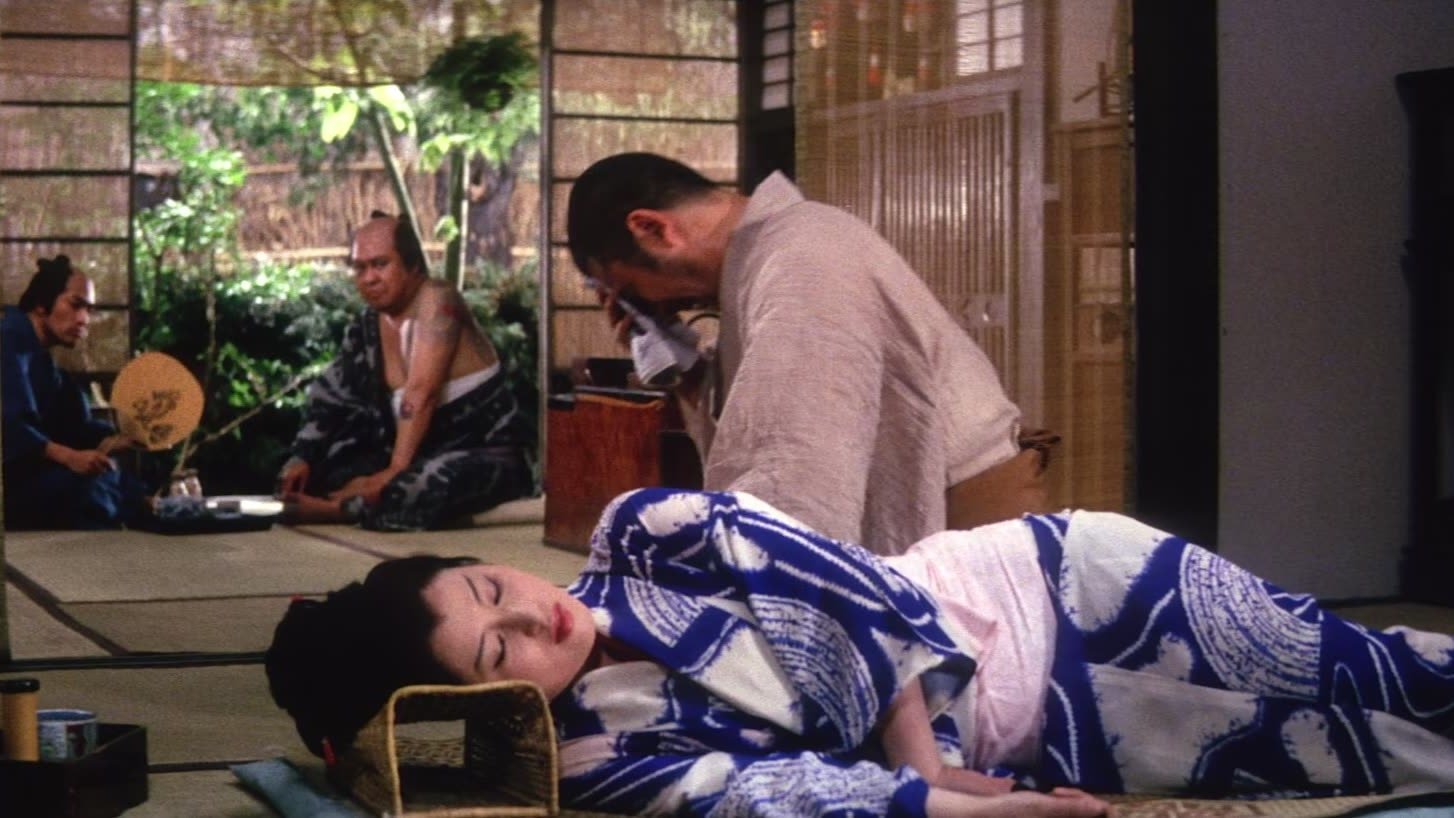
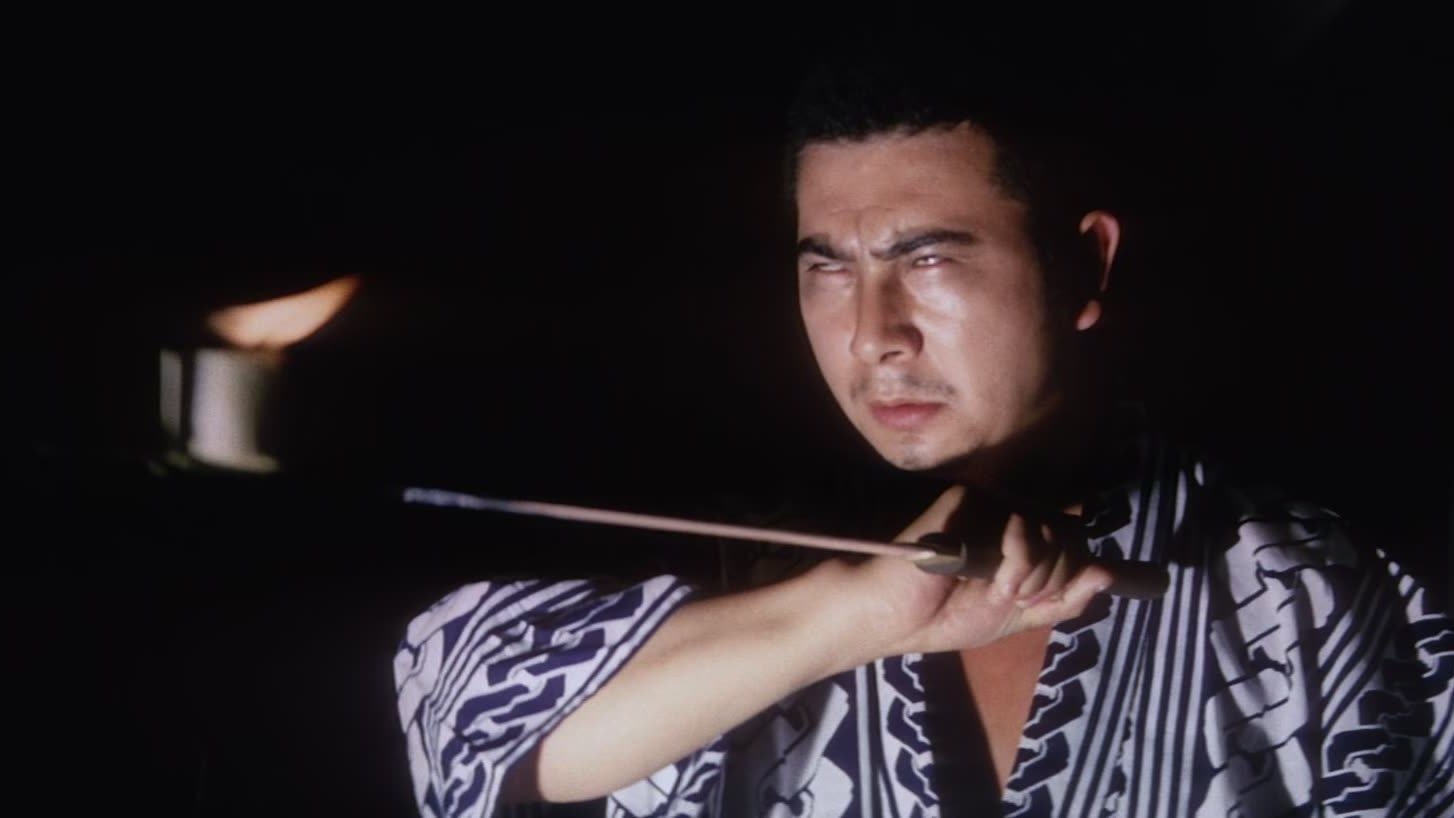
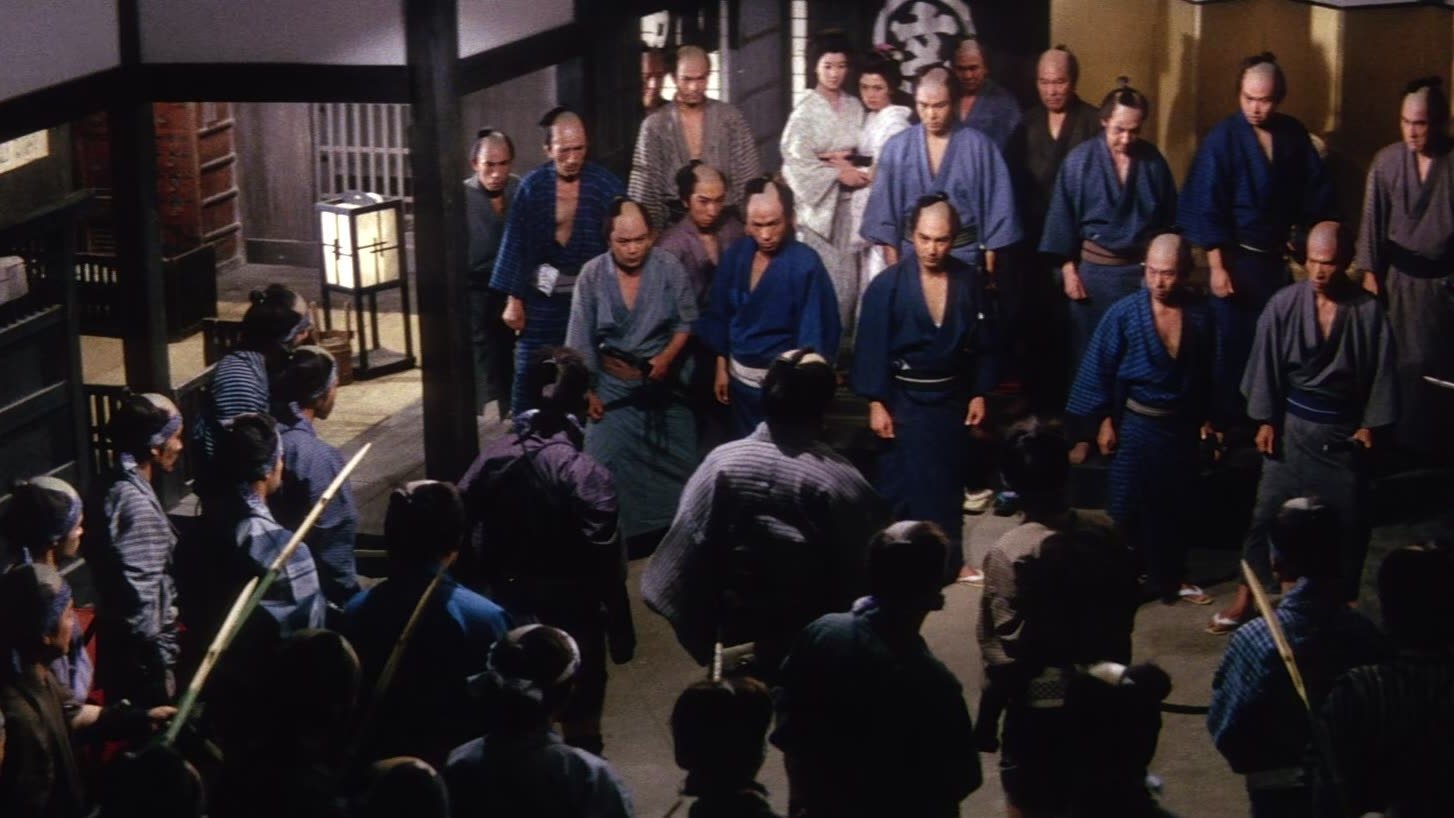
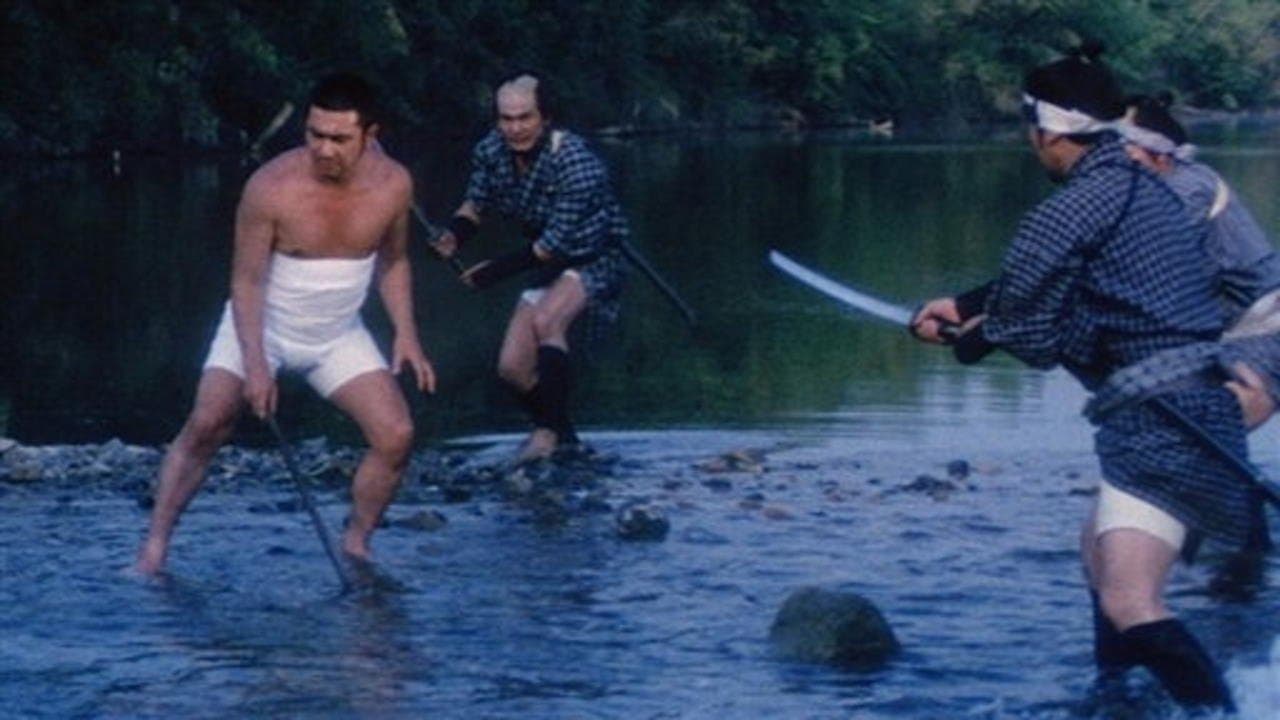
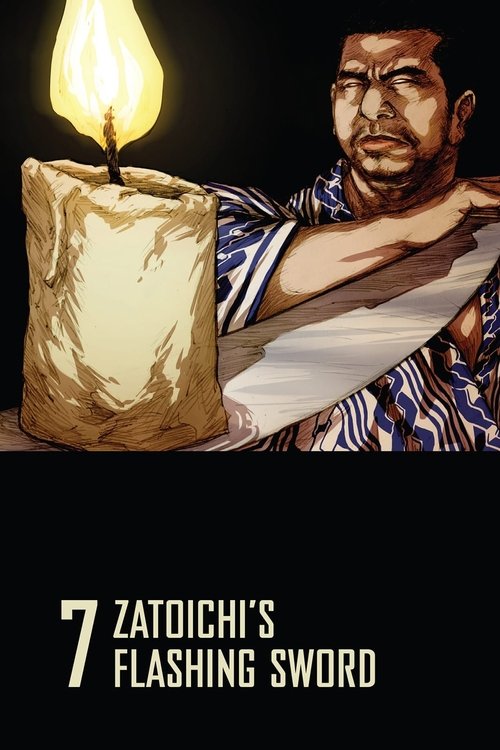
Blind masseur Zatoichi is nursed back to health by a young woman after he is shot by a gang member. Zatoichi, who had come to the village to repay a debt, now feels further indebted. He commits himself to use his amazing sword skills to help the young woman's father, whose river-crossing service is under attack by the same gang responsible for Zatoichi's wounds.
Directed by Kazuo Ikehiro
samurai
sequel
zatoichi

IMDB
N/A
Where to Watch


Cast
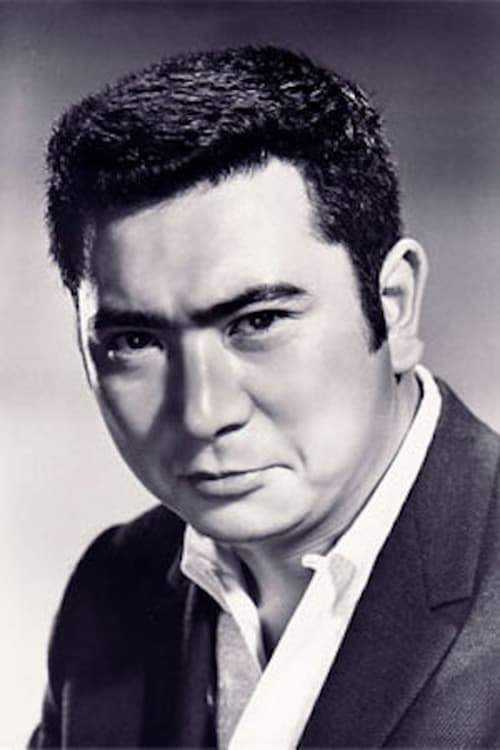
Shintarō Katsu
Zatoichi
Tatsuo Endō
Boss Yasugoro of Takeya
Bokuzen Hidari
Kyubei
Ryōsuke Kagawa
Boss Bunkichi

Naoko Kubo
Okuni

Mayumi Nagisa
Oshizu
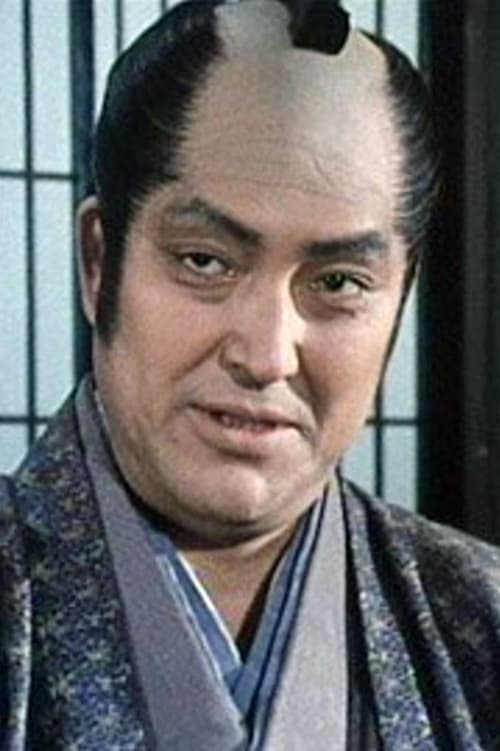
Ryūtarō Gomi
Jun Katsumura
Yasugoro yakuza
Ikuko Mōri
Yasugoro's sister

Yutaka Nakamura
Mekichi
Teruko Ōmi
Mine
Crew
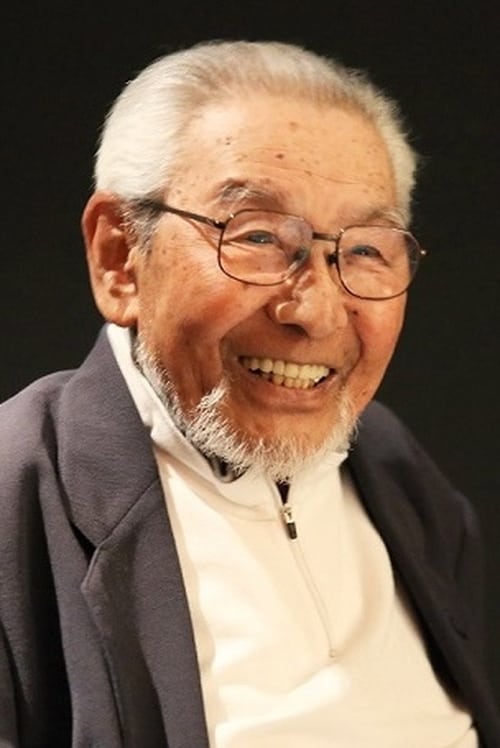
Kazuo Ikehiro
Director
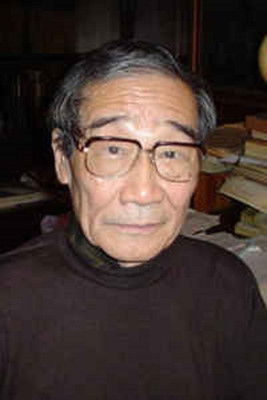
Sei Ikeno
Original Music Composer
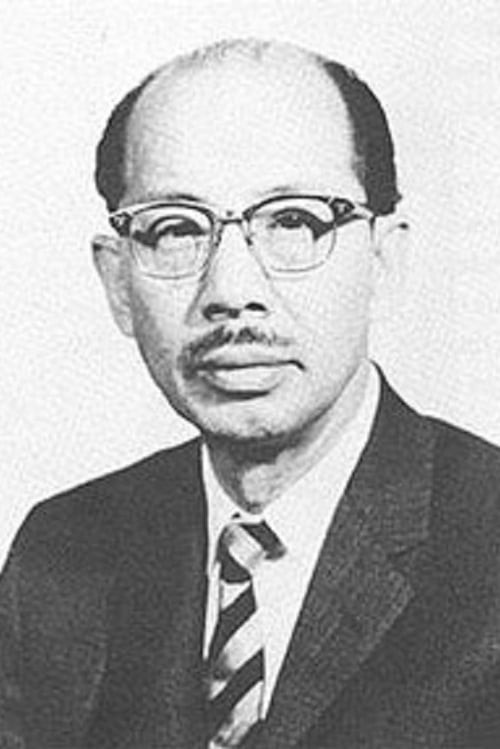
Masaichi Nagata
Producer
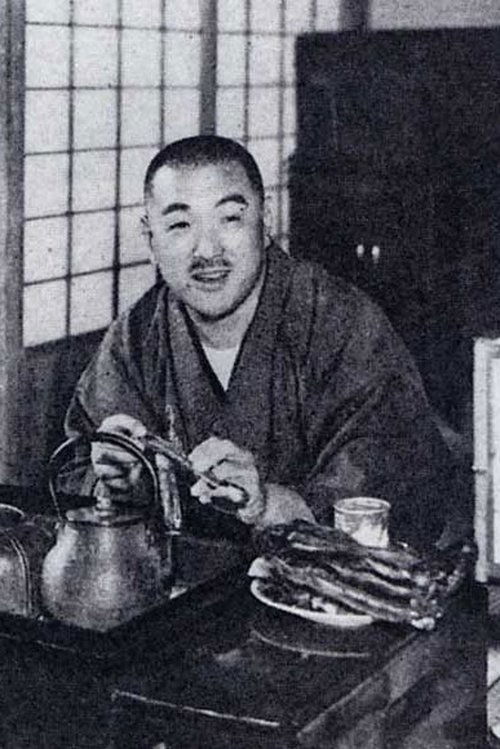
Kan Shimozawa
Original Story
Yoshinobu Nishioka
Art Direction
Popular Reviews
8 reviews
Gabriel Silva
8.4★ · 01/07/25
Ikehiro feels a little pared back in this film compared to the previous one. However, that does not mean that there is any less flair for the visual. Rather than flash black voids of intro during the opening credits, the film opens on a top-down shot of Zatoichi in one corner of a room while a bunch of men are on the opposite side, avoiding him. It’s such a strong composition but sets the film up as something a bit more serious than the previous film, less of a romp for a hunt for a macguffin and leaning even heavier on the inter-politics of yakuza territorial disputes. The lush scenery is so beautiful throughout the film and is largely invisible despite that. The idea is to be immersed as much as possible without noticing it. Simple scenes like Zatoichi being carried across a fjord establish so much about the area and the politics of those in charge incredibly quickly and effectively, even if Zatoichi still feels largely disconnected from the story, at least in a motivational sense
Ikehiro feels a little pared back in this film compared to the previous one. However, that does not mean that there is any less flair for the visual. Rather than flash black voids of intro during the opening credits, the film opens on a top-down shot of Zatoichi in one corner of a room while a bunch of men are on the opposite side, avoiding him. It’s such a strong composition but sets the film up as something a bit more serious than the previous film, less of a romp for a hunt for a macguffin and leaning even heavier on the inter-politics of yakuza territorial disputes. The lush scenery is so beautiful throughout the film and is largely invisible despite that. The idea is to be immersed as much as possible without noticing it. Simple scenes like Zatoichi being carried across a fjord establish so much about the area and the politics of those in charge incredibly quickly and effectively, even if Zatoichi still feels largely disconnected from the story, at least in a motivational sense


Eclectic Sorcerer
7.0★ · 06/03/24
I'll start off with that this was funny, like really funny. The fly scene had me snickering for a while. But apart from that, the 3rd act was good with some great action and direction. Shintaro Katzo had the time of his life with this for sure and the action was clever. But the script was mostly fine except for the first 2 acts which were bit of a slog to get through when there wasn't anything funny going on.
I'll start off with that this was funny, like really funny. The fly scene had me snickering for a while. But apart from that, the 3rd act was good with some great action and direction. Shintaro Katzo had the time of his life with this for sure and the action was clever. But the script was mostly fine except for the first 2 acts which were bit of a slog to get through when there wasn't anything funny going on.
Eclectic Sorcerer
7.0★ · 06/03/24
I'll start off with that this was funny, like really funny. The fly scene had me snickering for a while. But apart from that, the 3rd act was good with some great action and direction. Shintaro Katzo had the time of his life with this for sure and the action was clever. But the script was mostly fine except for the first 2 acts which were bit of a slog to get through when there wasn't anything funny going on.
I'll start off with that this was funny, like really funny. The fly scene had me snickering for a while. But apart from that, the 3rd act was good with some great action and direction. Shintaro Katzo had the time of his life with this for sure and the action was clever. But the script was mostly fine except for the first 2 acts which were bit of a slog to get through when there wasn't anything funny going on.
alex glifford
7.0★ · 03/01/24
That final fight sequence was immaculate
That’s gna be hard to beat
Up until then it was pretty solid
Fun for the most part, but shone mainly with its interesting back and forth, exploring a bit more about how Ichi values kindness and how he learns who to trust and disregard
Showed a bit more character that was pretty cool to see a slightly different aspect or at least explore it a little more
A great addition to the series
That’s gna be hard to beat
Up until then it was pretty solid
Fun for the most part, but shone mainly with its interesting back and forth, exploring a bit more about how Ichi values kindness and how he learns who to trust and disregard
Showed a bit more character that was pretty cool to see a slightly different aspect or at least explore it a little more
A great addition to the series
That final fight sequence was immaculate
That’s gna be hard to beat
Up until then it was pretty solid
Fun for the most part, but shone mainly with its interesting back and forth, exploring a bit more about how Ichi values kindness and how he learns who to trust and disregard
Showed a bit more character that was pretty cool to see a slightly different aspect or at least explore it a little more
A great addition to the series
That’s gna be hard to beat
Up until then it was pretty solid
Fun for the most part, but shone mainly with its interesting back and forth, exploring a bit more about how Ichi values kindness and how he learns who to trust and disregard
Showed a bit more character that was pretty cool to see a slightly different aspect or at least explore it a little more
A great addition to the series
Gojira
8.0★ · 02/05/24
Bislang der beste Film der Reihe, zumindest meiner bescheidenen Meinung nach. Die erste Hälfte ist als Komödie konzipiert und es gibt tatsächlich einiges zu lachen. Umso düsterer wirkt dann daher auch das Finale, das unserem Helden mal wieder kein Glück gönnen will. Vielleicht trösten ihn ja ein paar echt gute Ideen darüber hinweg, wie z.B. ein Wasserkampf, oder ein Gefecht in einem langen Gang, das wie eine erste Blaupause der Hammerszene in OLDBOY wirkt, von Brian de Palma gefilmt.
Bislang der beste Film der Reihe, zumindest meiner bescheidenen Meinung nach. Die erste Hälfte ist als Komödie konzipiert und es gibt tatsächlich einiges zu lachen. Umso düsterer wirkt dann daher auch das Finale, das unserem Helden mal wieder kein Glück gönnen will. Vielleicht trösten ihn ja ein paar echt gute Ideen darüber hinweg, wie z.B. ein Wasserkampf, oder ein Gefecht in einem langen Gang, das wie eine erste Blaupause der Hammerszene in OLDBOY wirkt, von Brian de Palma gefilmt.