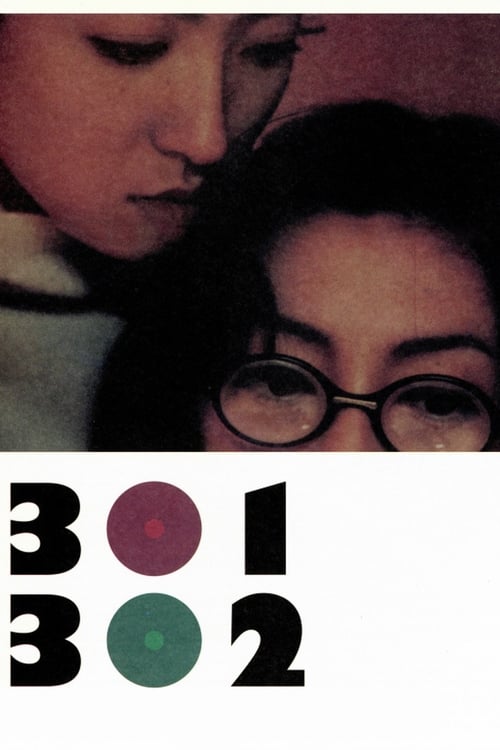
301/302 feels remarkably ahead of its time, and I’m glad it received a 4K restoration.
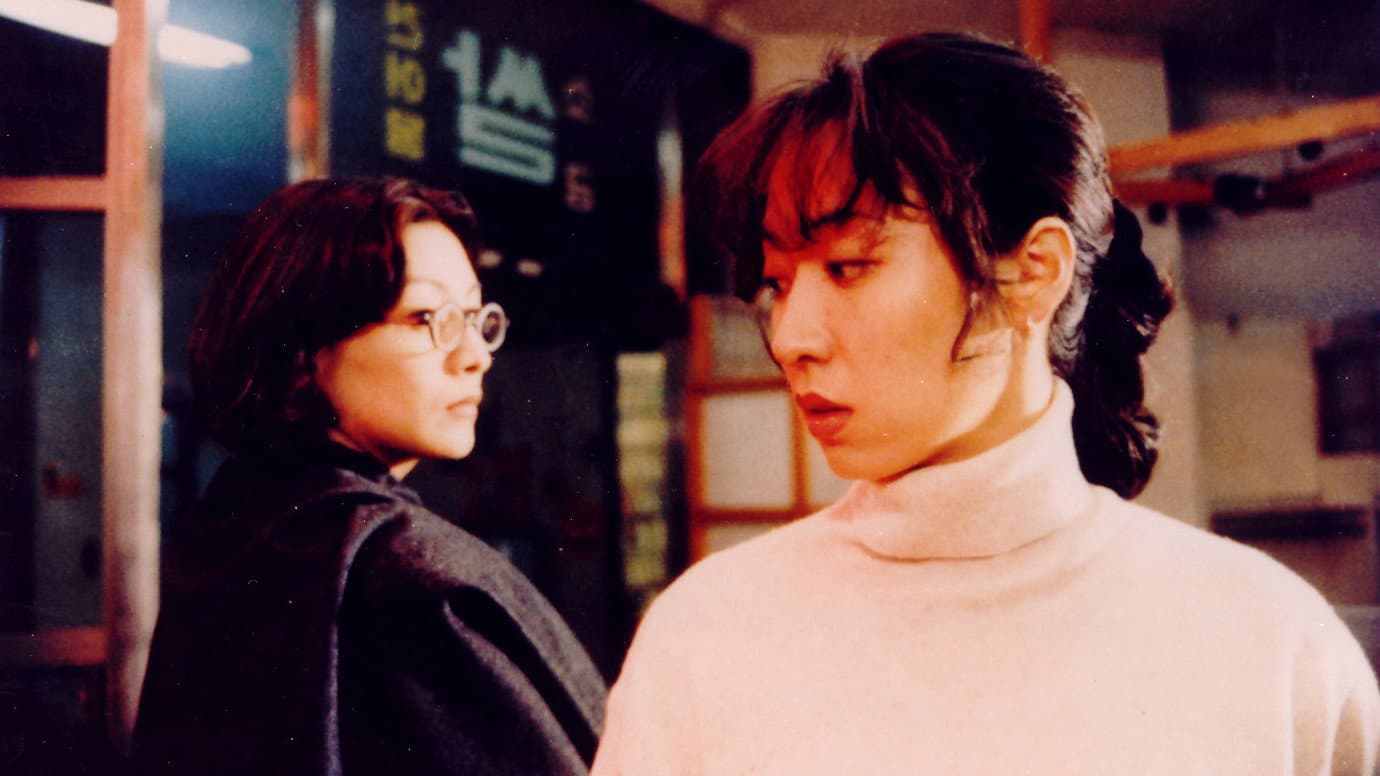
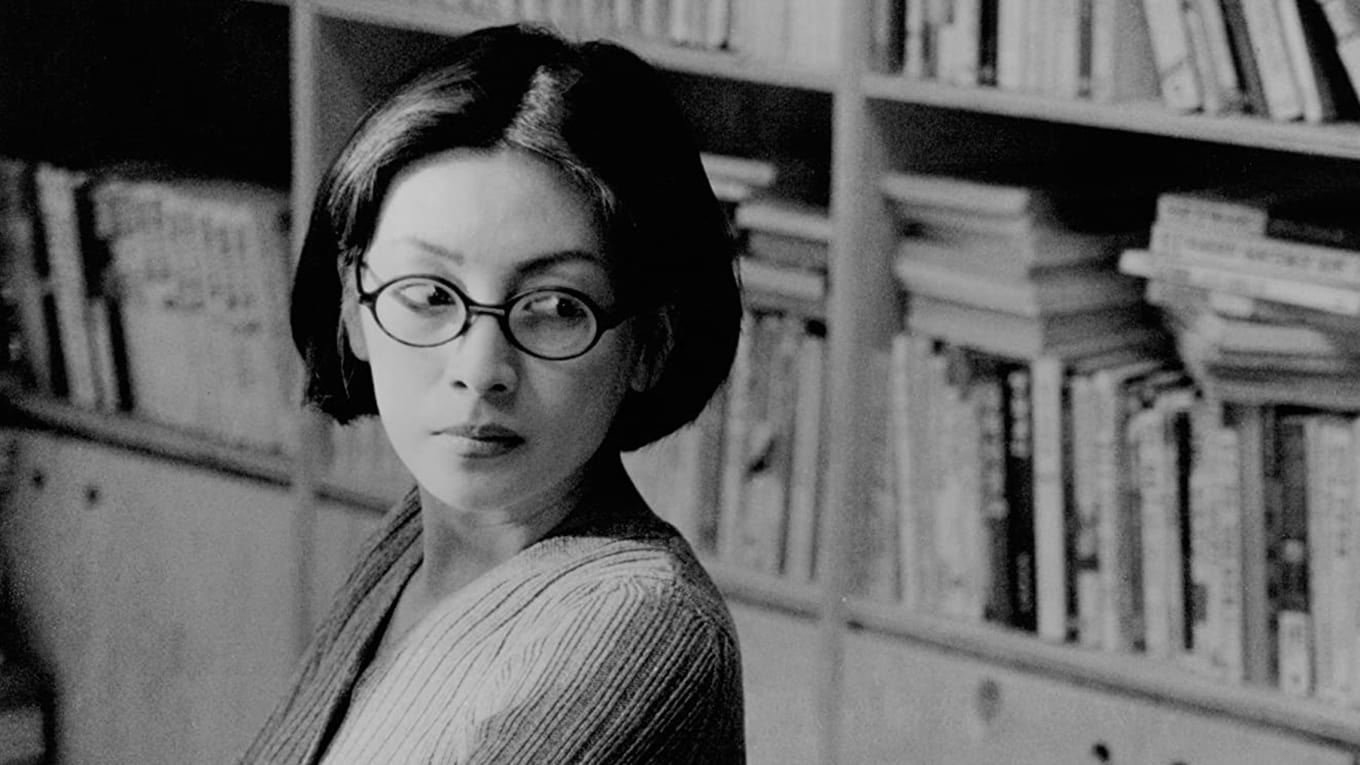
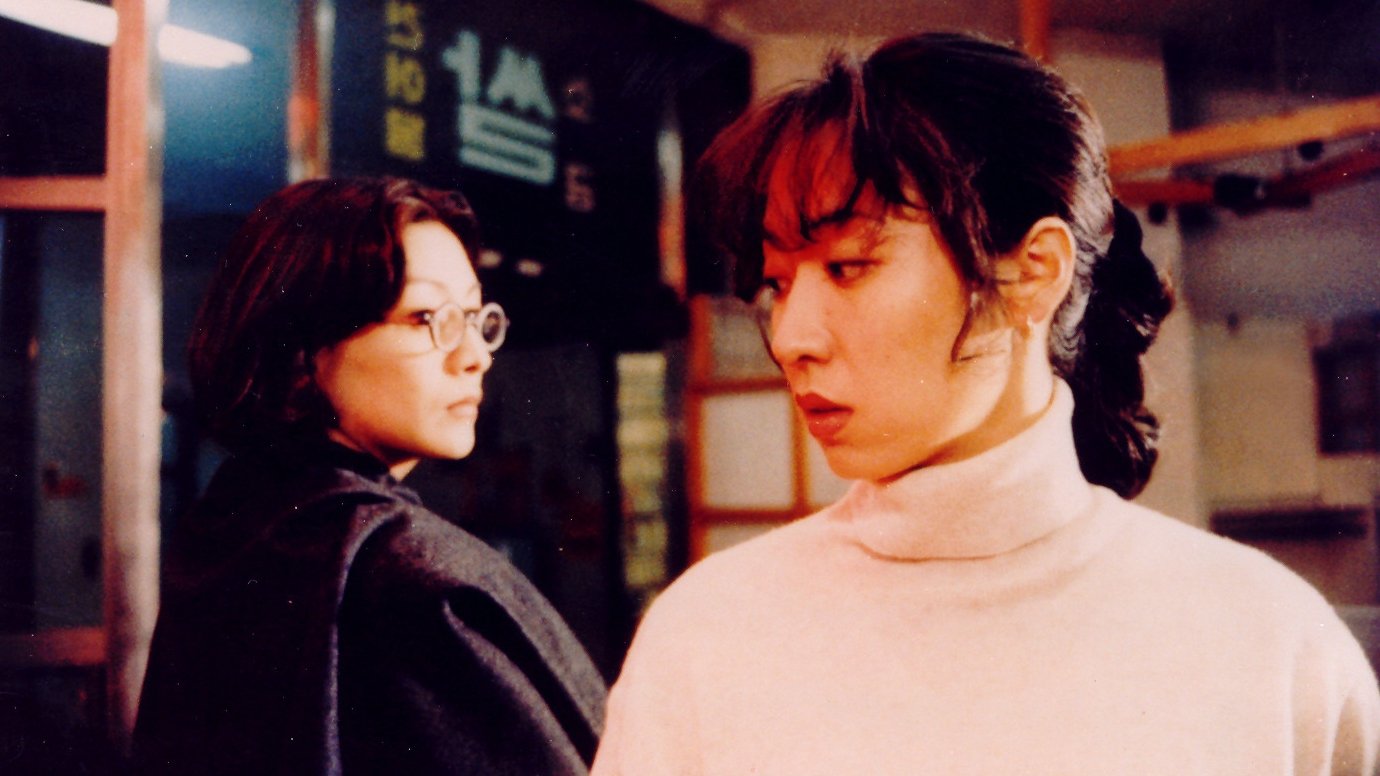
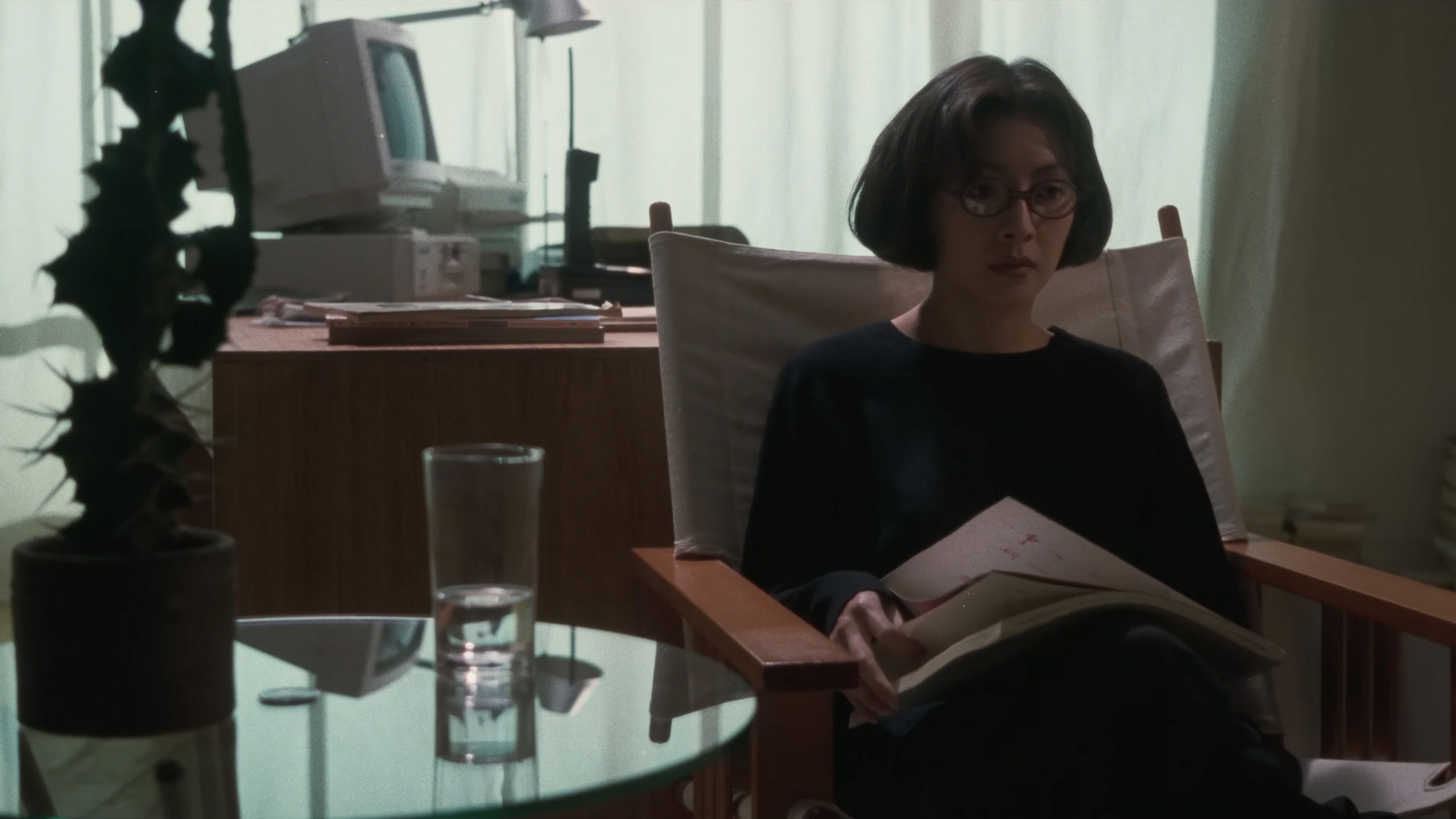
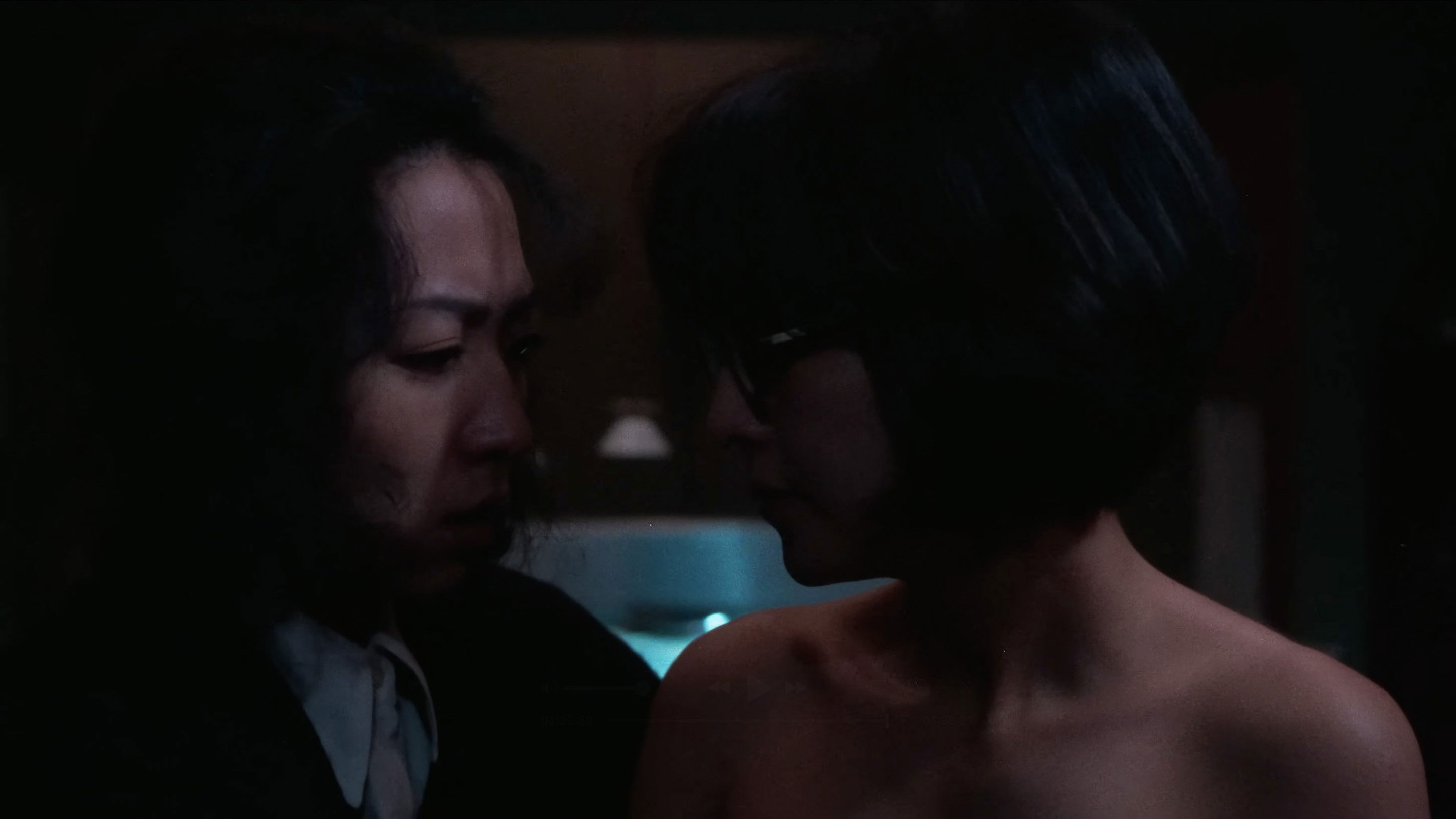
This is a deeply feminist horror story. Two women who at first glance seem like opposites, yet reflect each other in disturbingly insidious ways. Their lives are shaped, fractured, and ultimately warped by male violence and a suffocating patriarchal society that offers them no real escape. The horror doesn’t come solely from the grotesque, but from repression, isolation, and trauma quietly simmering behind closed doors.
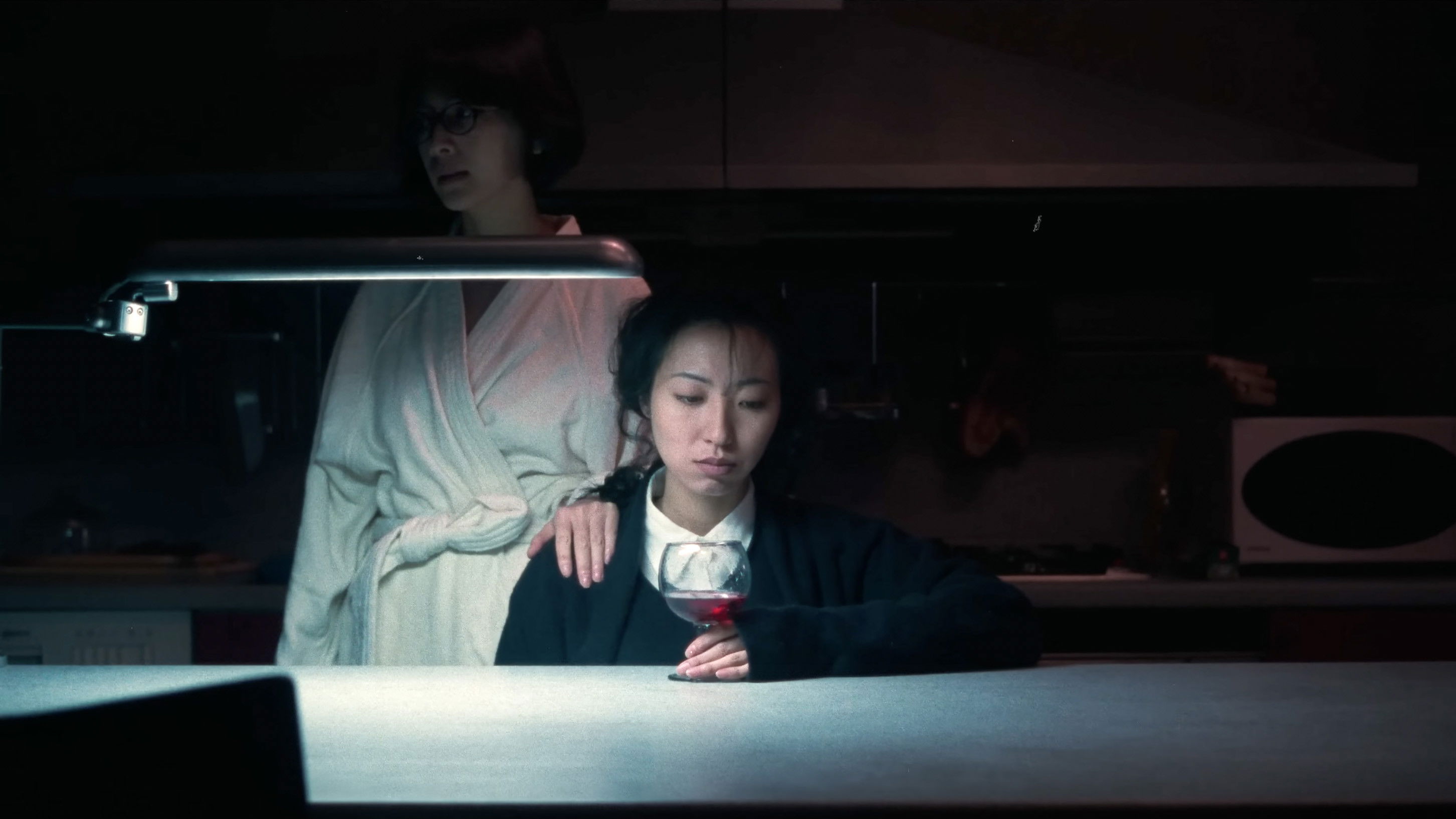
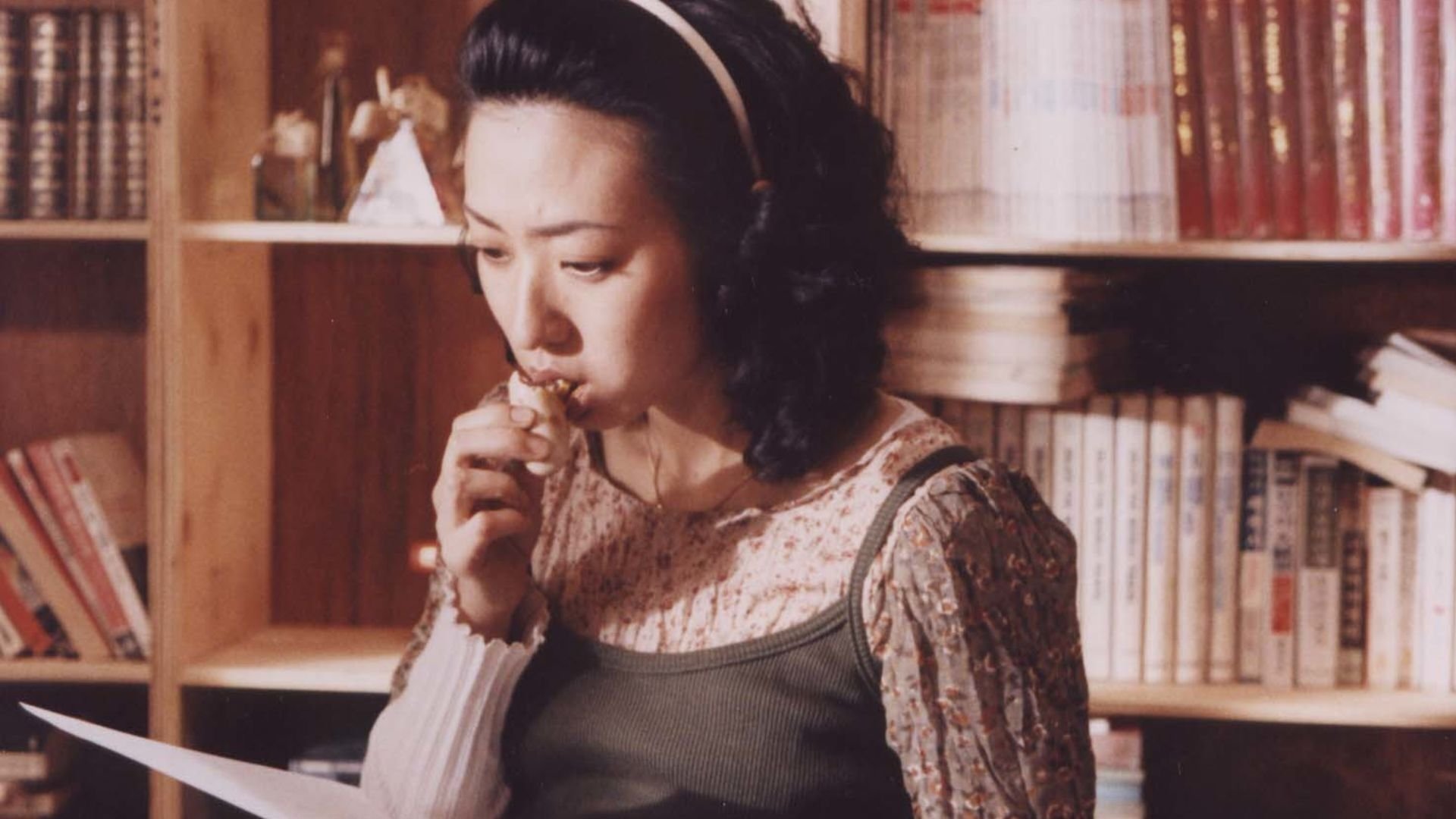
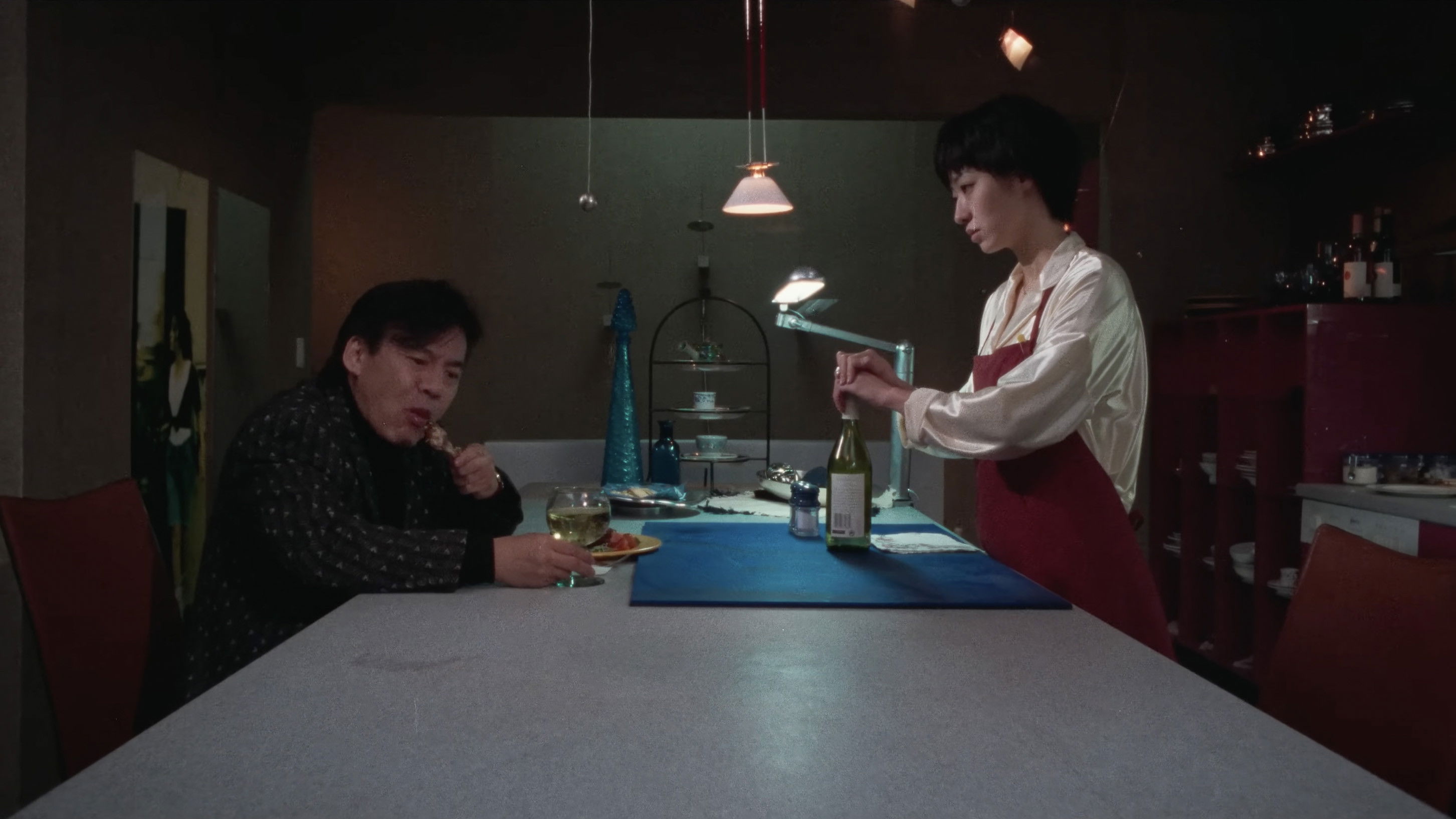
What makes 301/302 so impactful is how it uses domestic space, food, and the female body as sites of control and resistance, transforming everyday routines into something deeply unsettling. It’s intimate, cruel, and unflinching, refusing to soften its gaze or offer easy sympathy.
This film stands out as one of the many rich, bold, and deeply insightful works in Korean cinema. Despite the year it was released, it remains disturbingly relevant today.
301/302 feels remarkably ahead of its time, and I’m glad it received a 4K restoration.
This is a deeply feminist horror story. Two women who at first glance seem like opposites, yet reflect each other in disturbingly insidious ways. Their lives are shaped, fractured, and ultimately warped by male violence and a suffocating patriarchal society that offers them no real escape. The horror doesn’t come solely from the grotesque, but from repression, isolation, and trauma quietly simmering behind closed doors.
What makes 301/302 so impactful is how it uses domestic space, food, and the female body as sites of control and resistance, transforming everyday routines into something deeply unsettling. It’s intimate, cruel, and unflinching, refusing to soften its gaze or offer easy sympathy.
This film stands out as one of the many rich, bold, and deeply insightful works in Korean cinema. Despite the year it was released, it remains disturbingly relevant today.