

1929·Drama·1h 26m
7.0
★
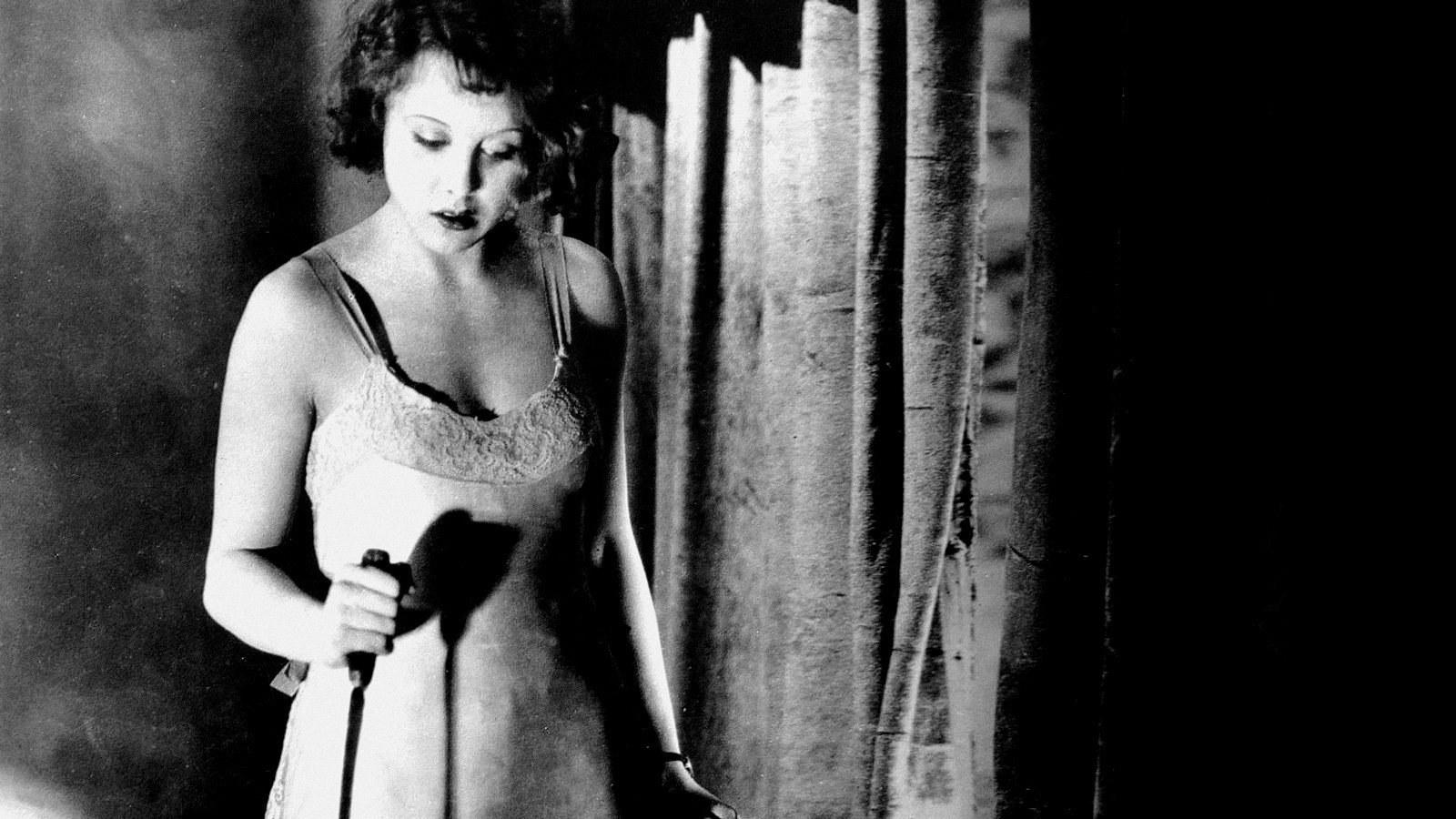
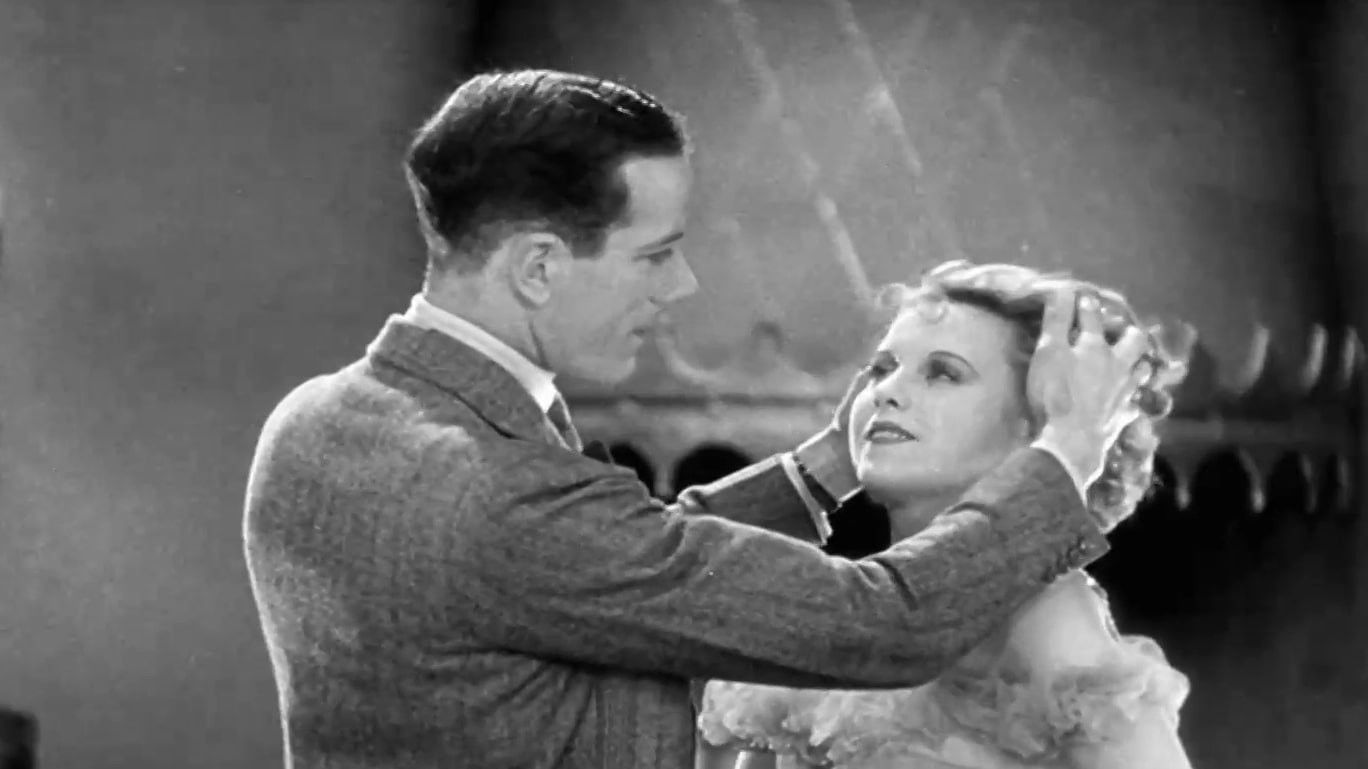
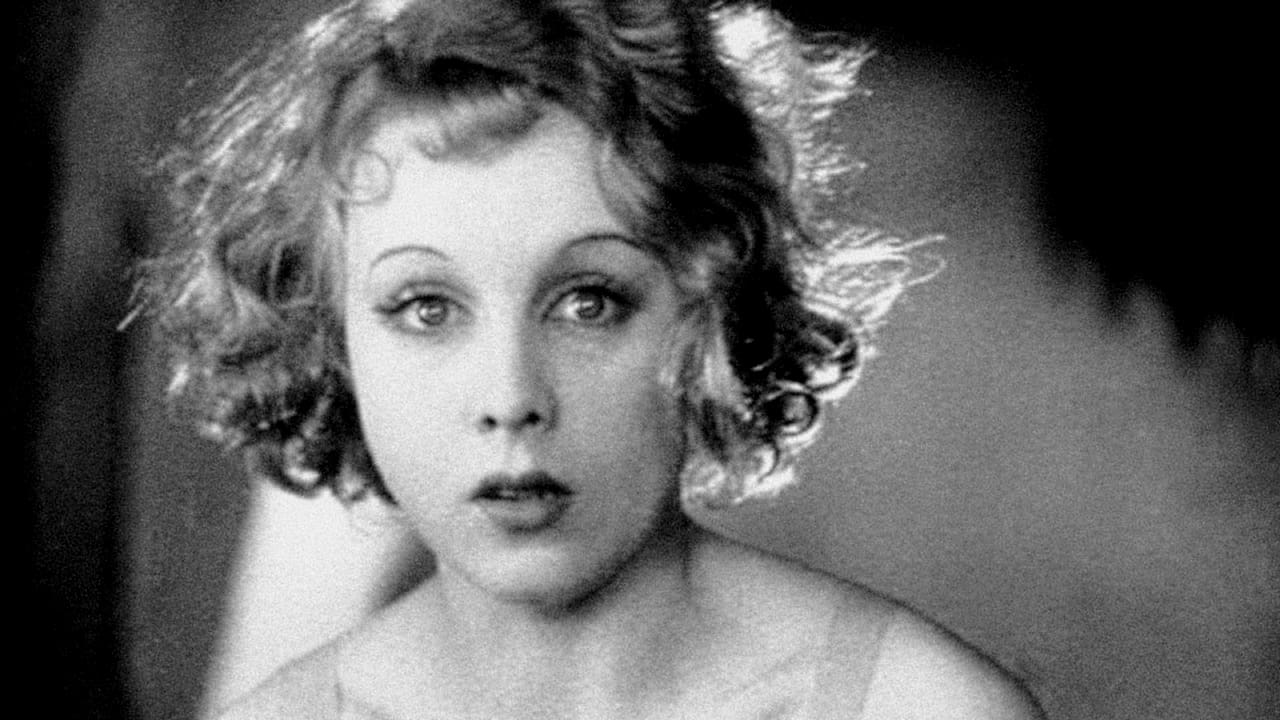
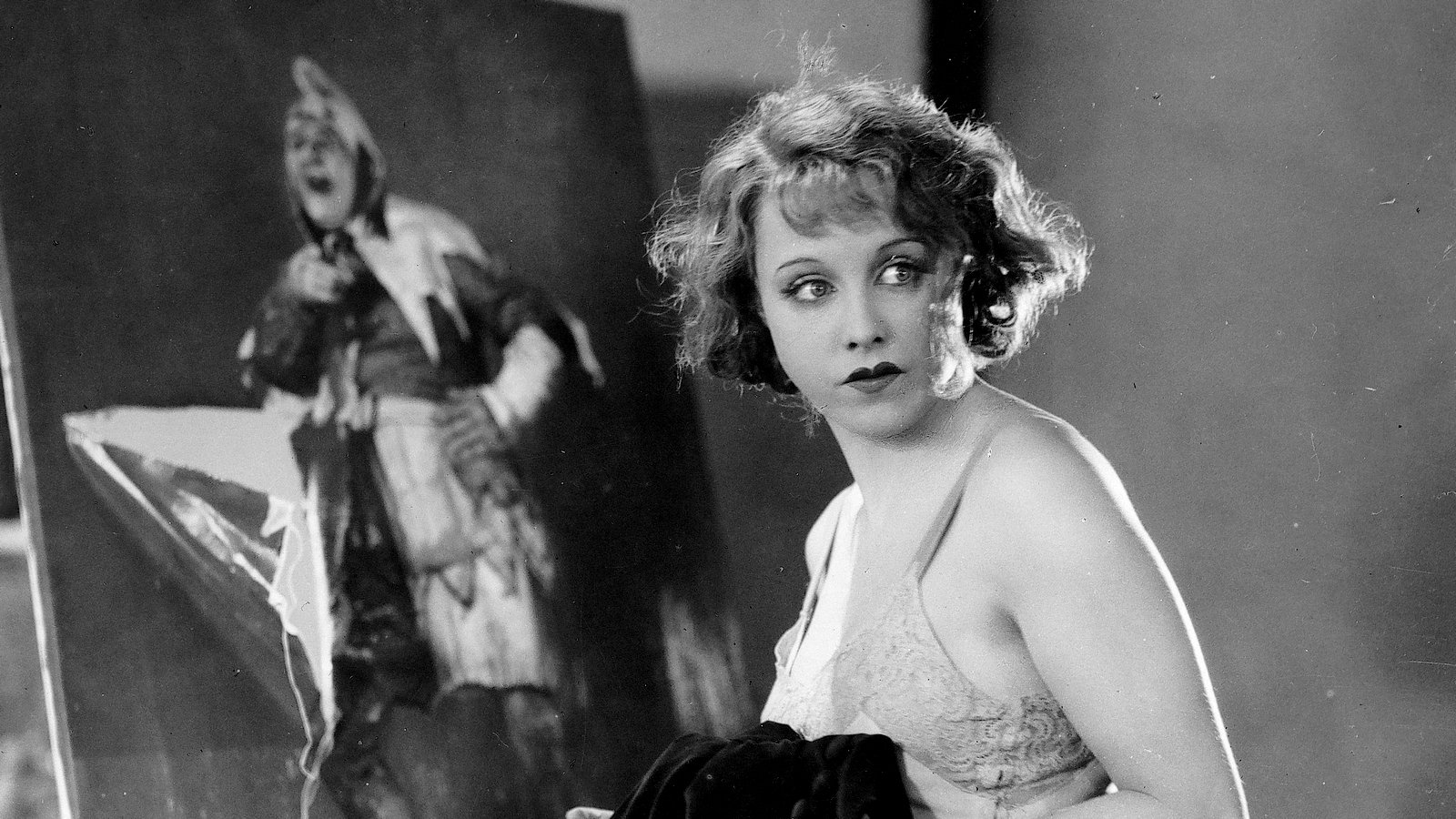
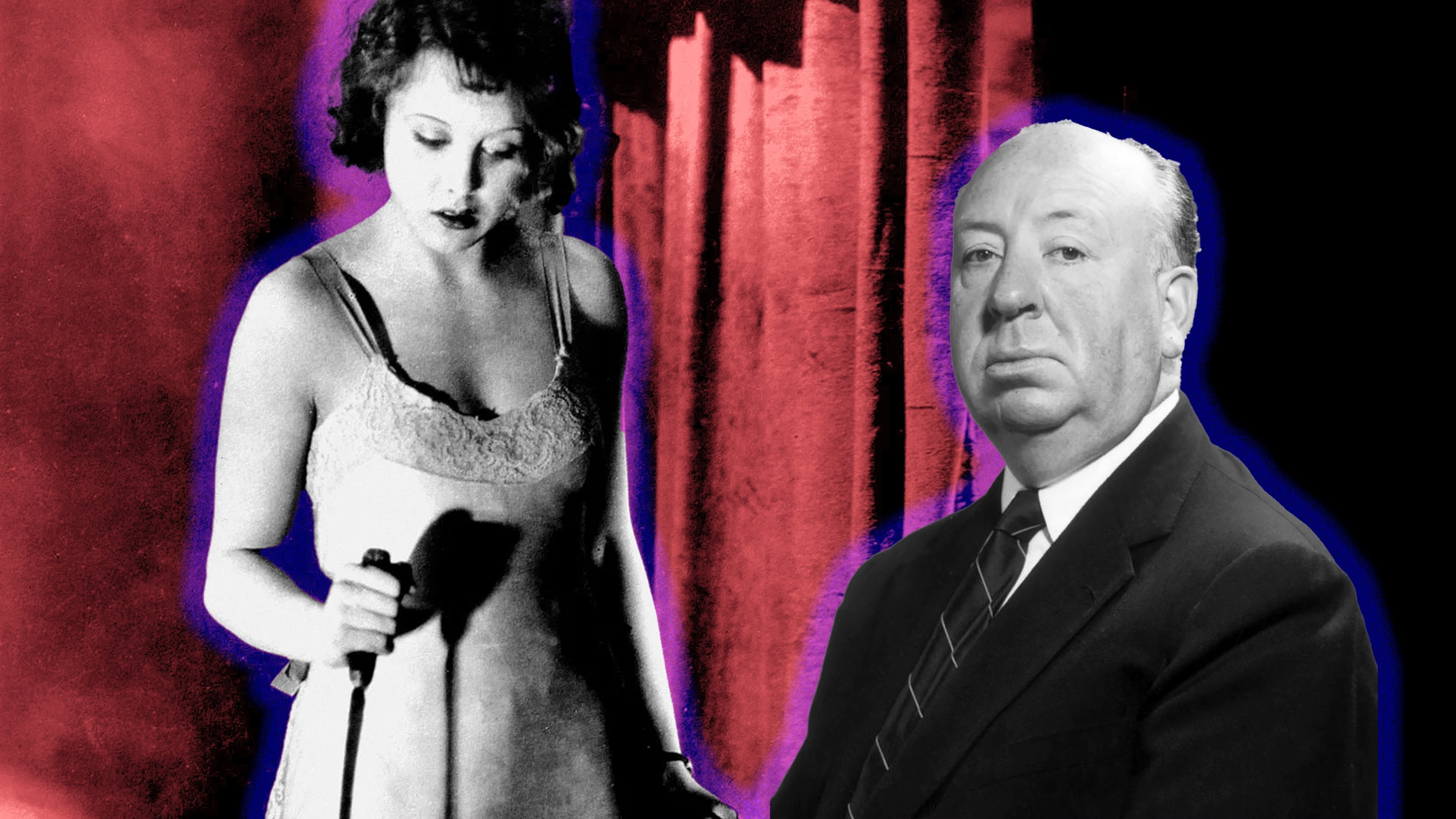
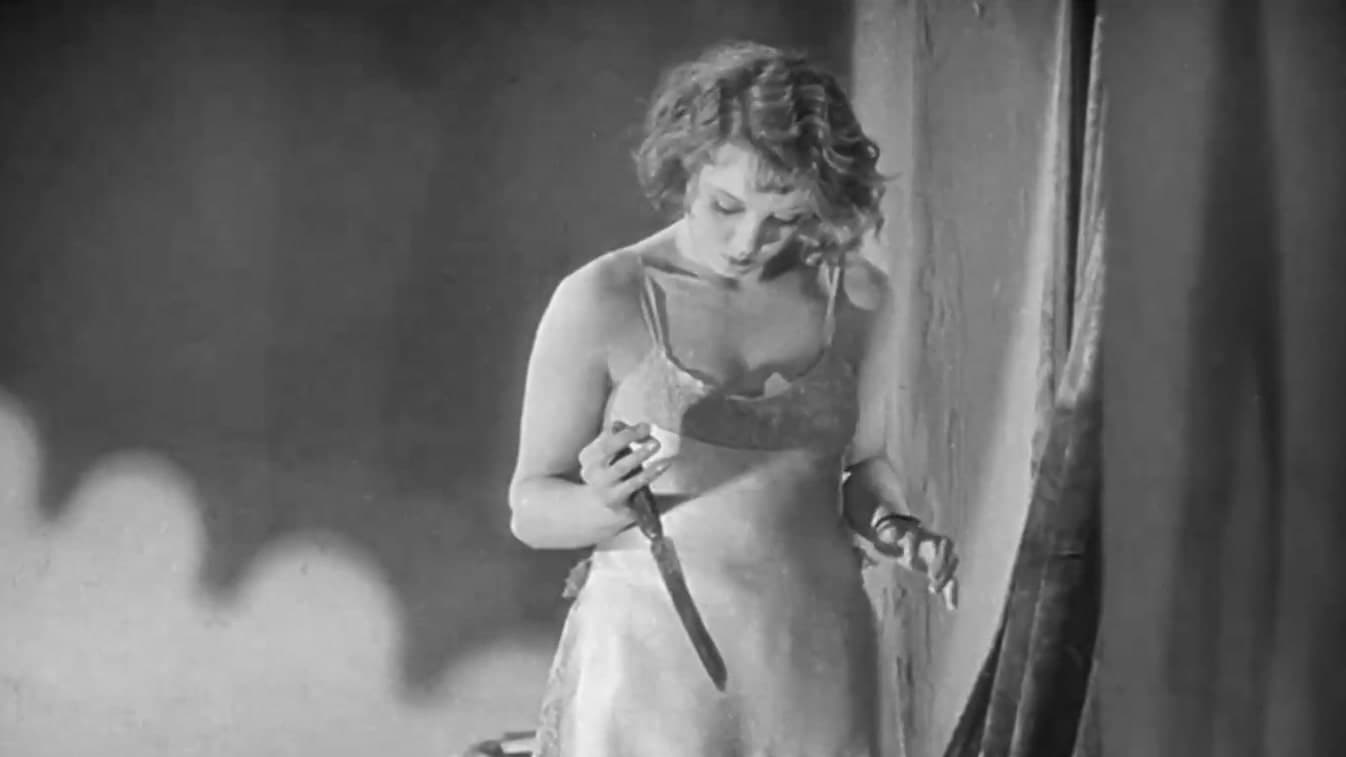
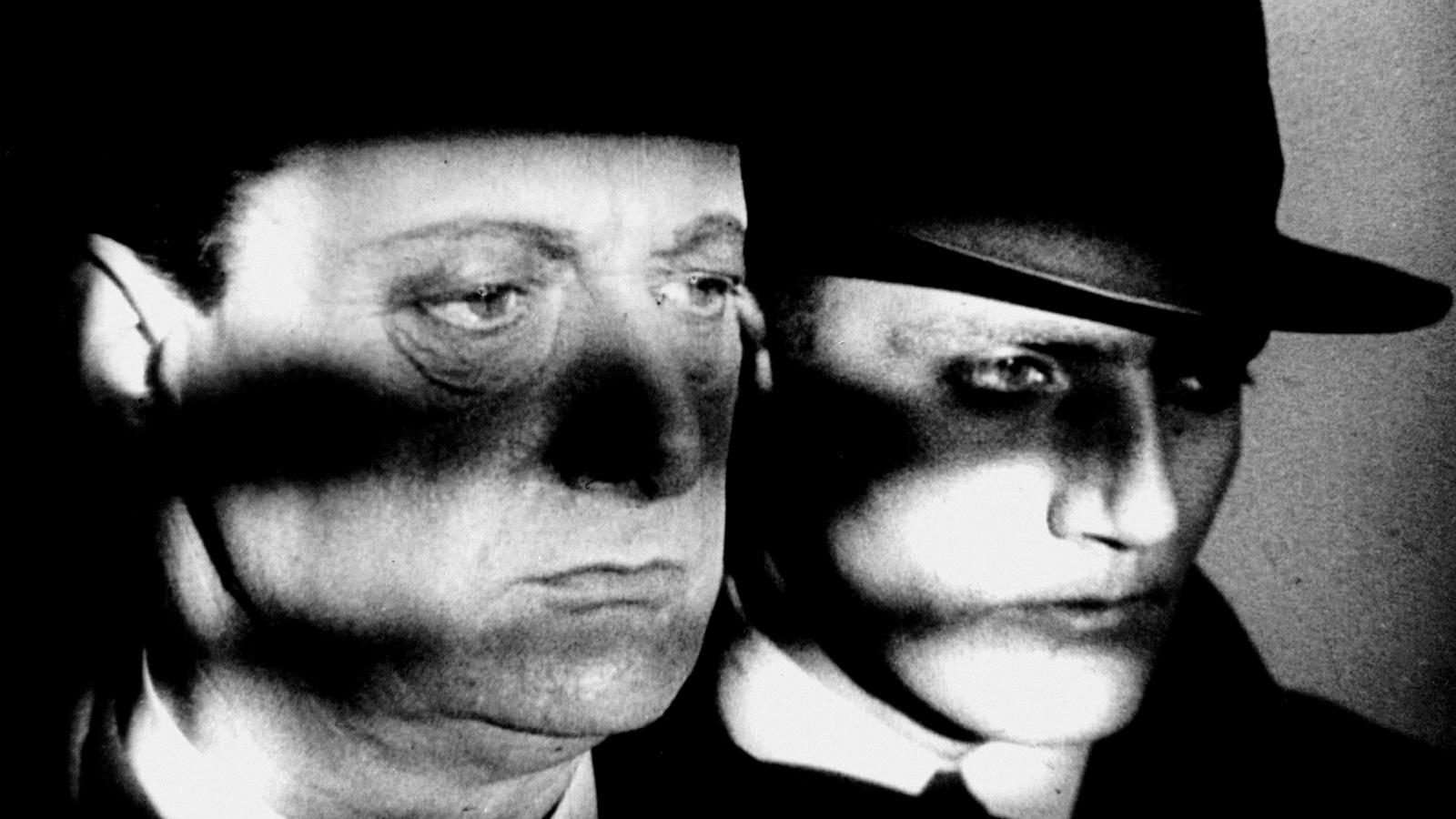
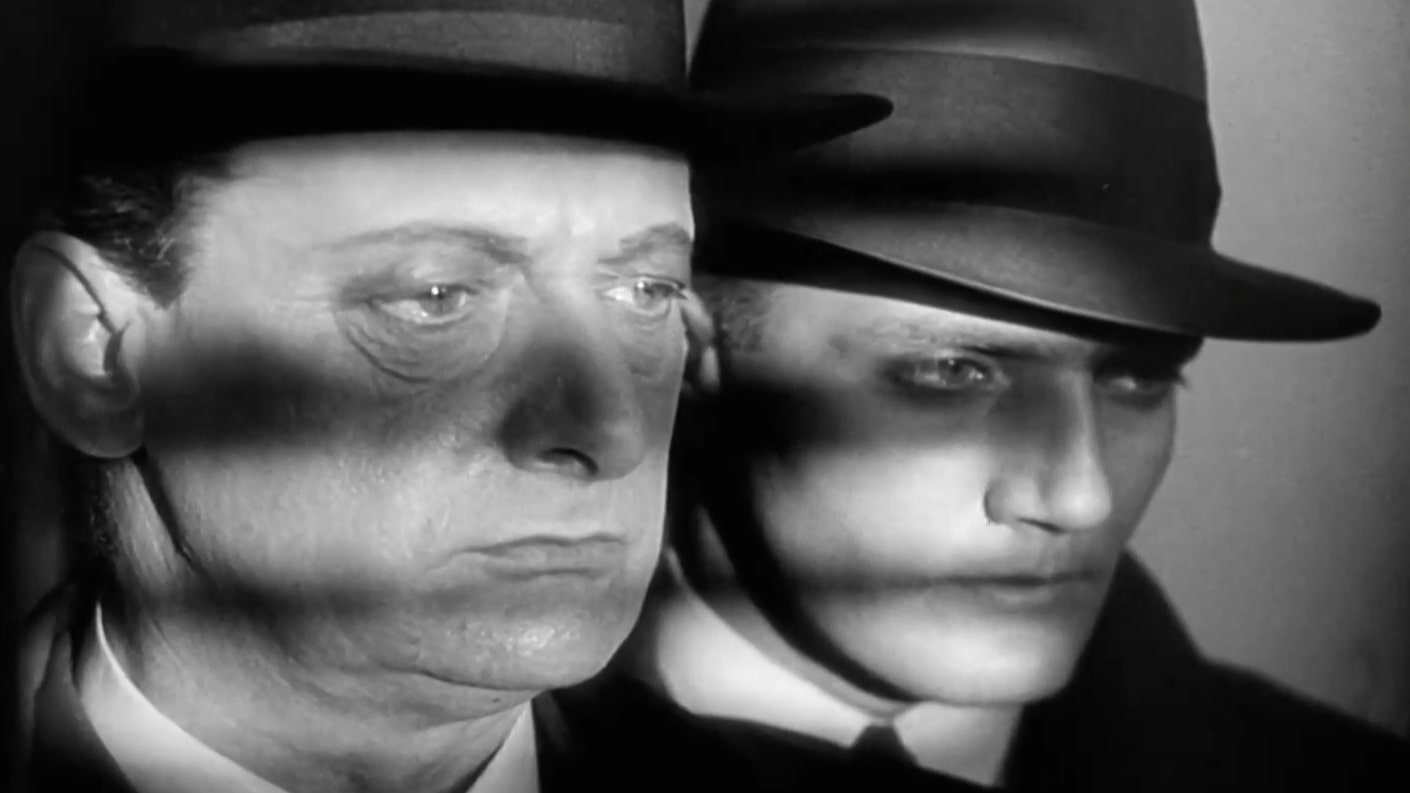
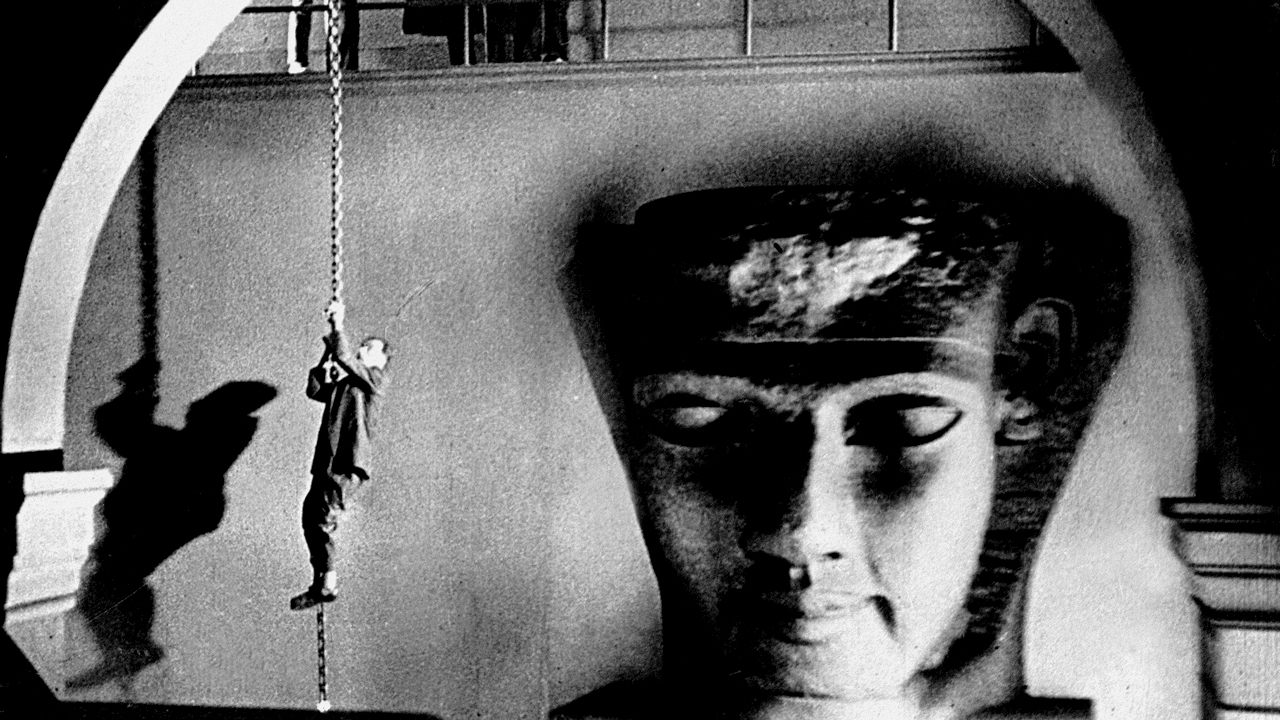
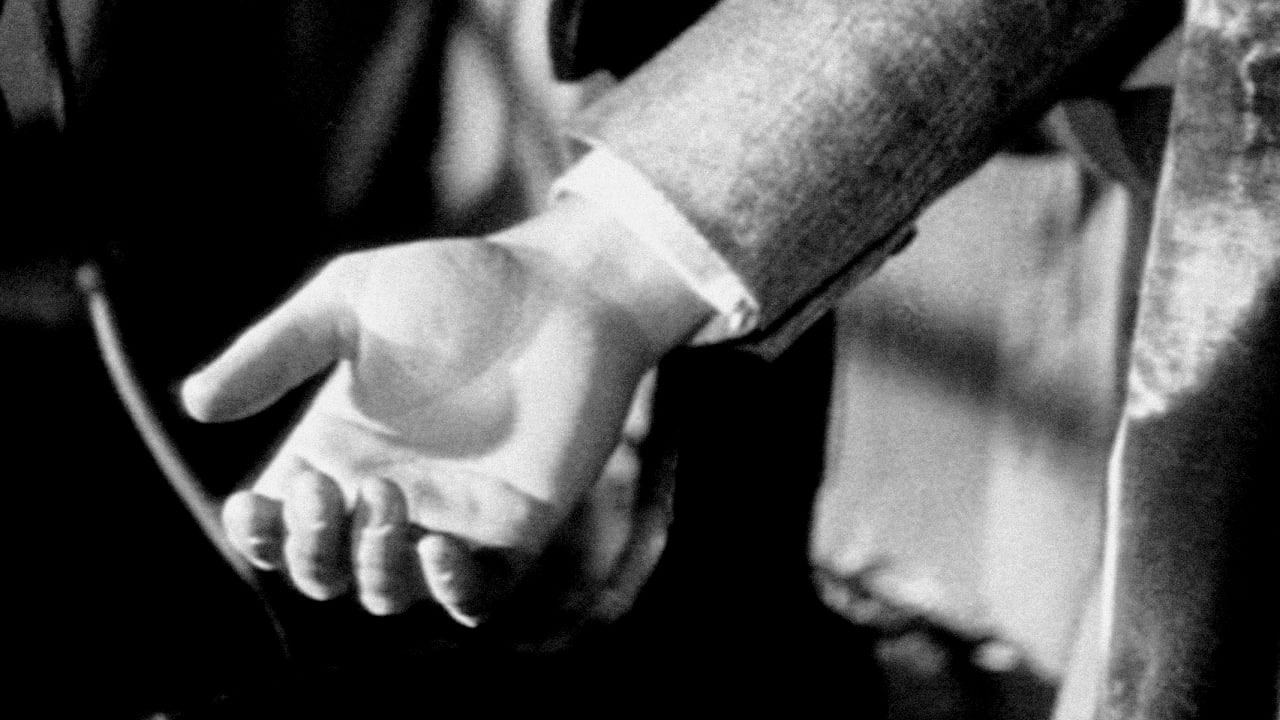
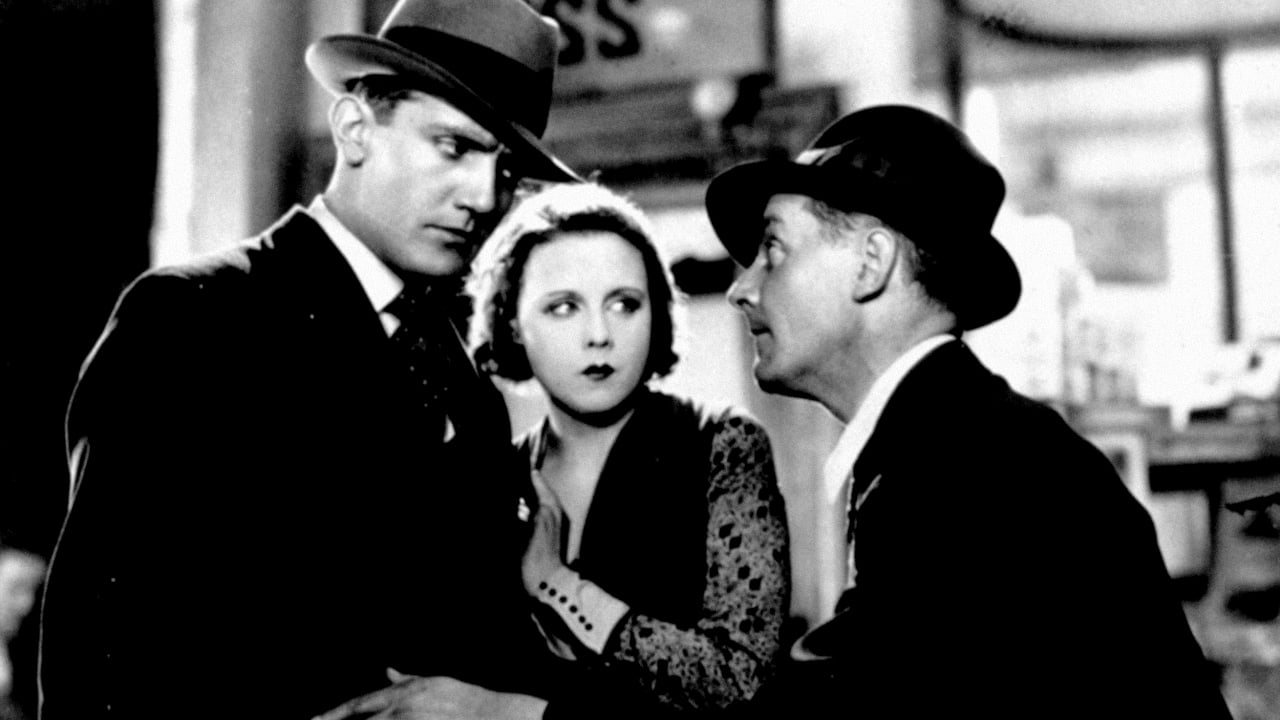
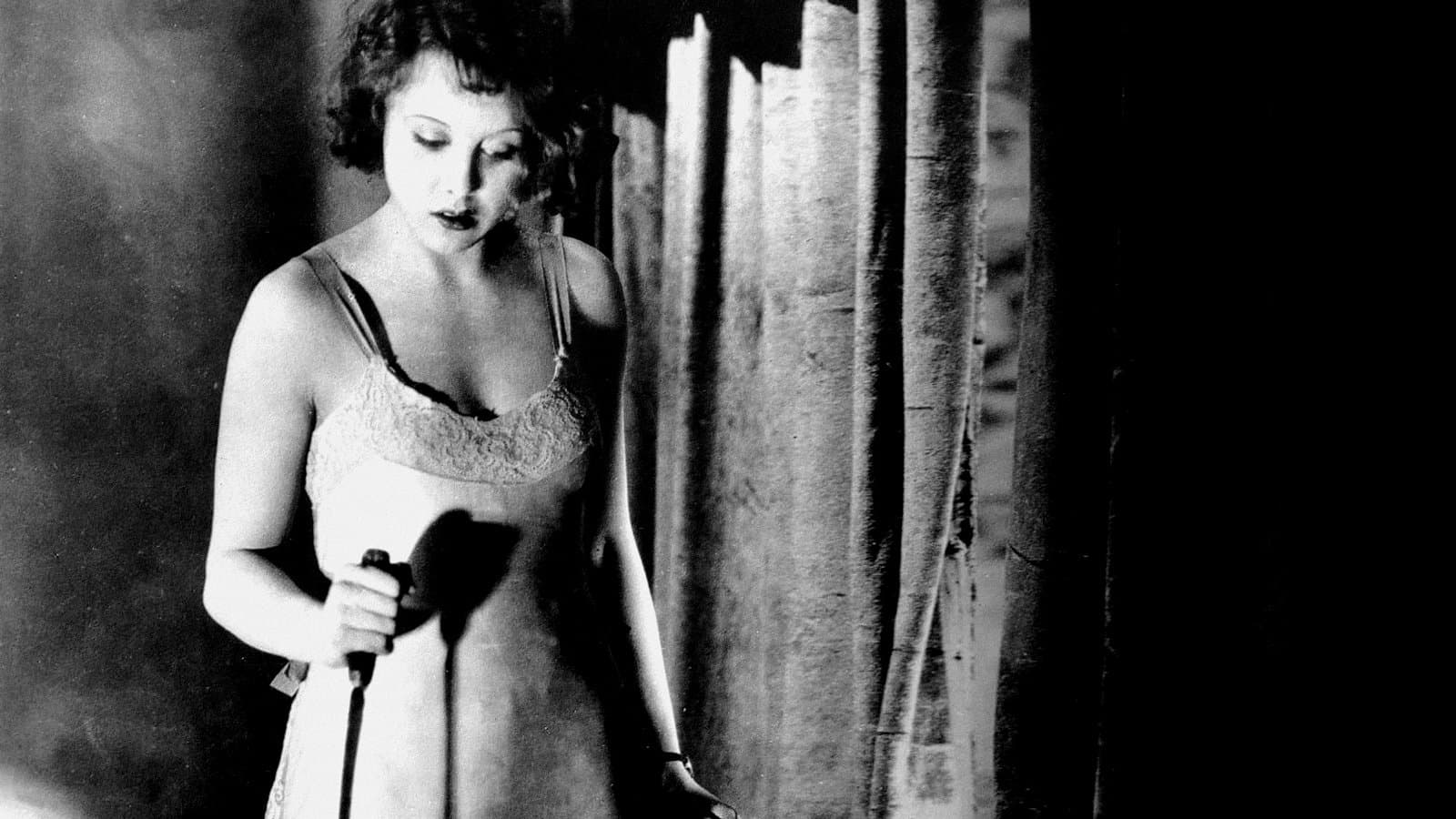
London, 1929. Frank Webber, a very busy Scotland Yard detective, seems to be more interested in his work than in Alice White, his girlfriend. Feeling herself ignored, Alice agrees to go out with an elegant and well-mannered artist who invites her to visit his fancy apartment.
Directed by Alfred Hitchcock
london, england
blackmail
scotland yard
based on play or musical
black and white
boyfriend girlfriend relationship

Trailer

IMDB
N/A
Where to Watch


Cast
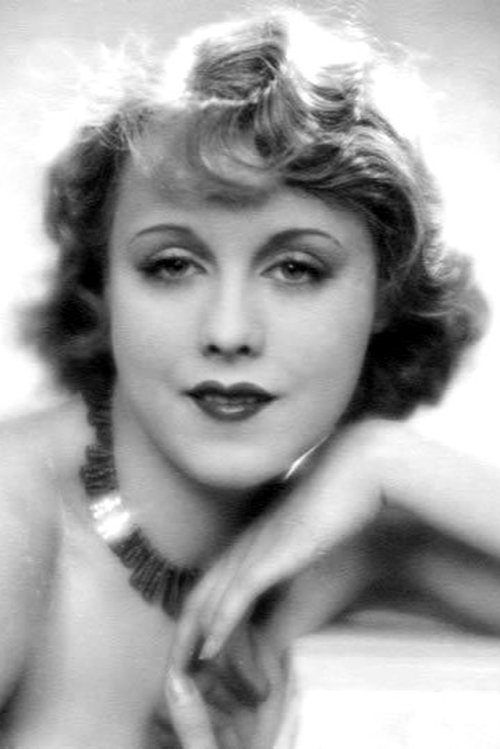
Anny Ondra
Alice White
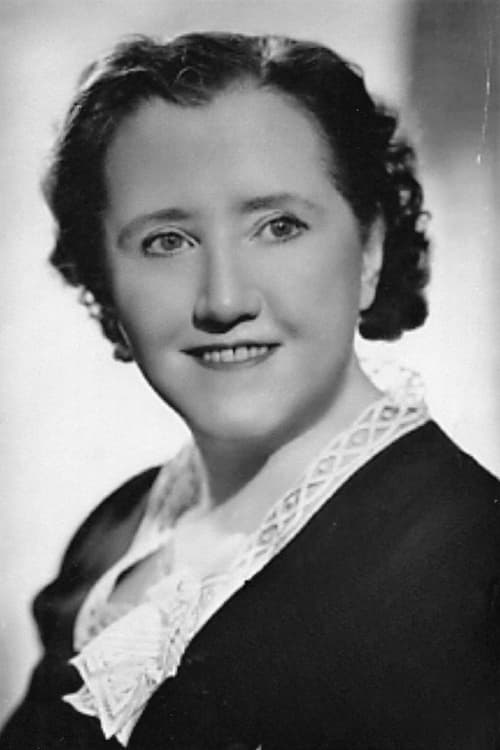
Sara Allgood
Mrs. White
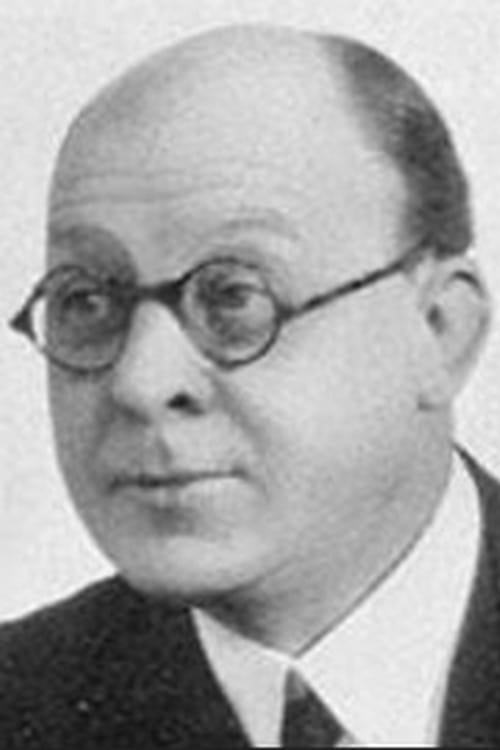
Charles Paton
Mr. White

John Longden
Detective Frank Webber
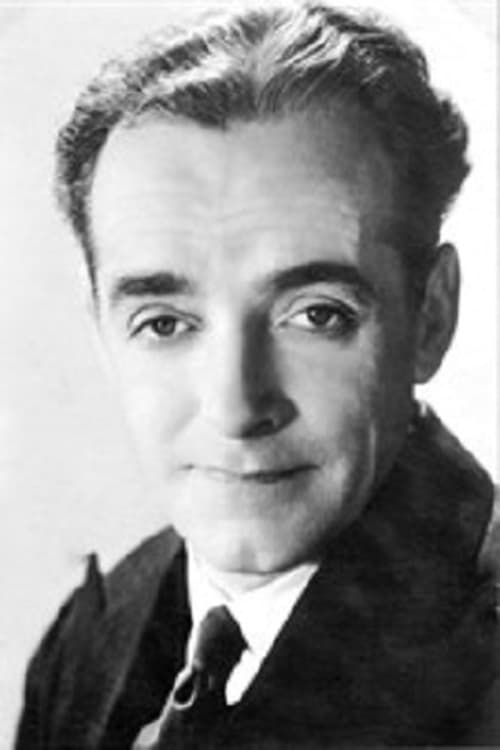
Donald Calthrop
Tracy
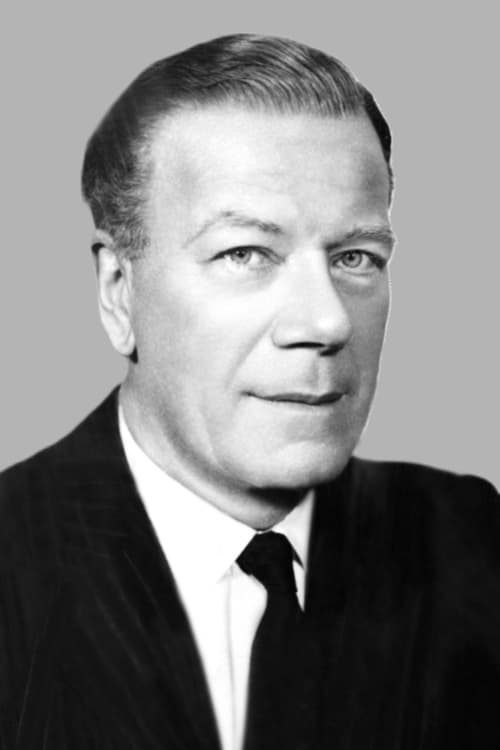
Cyril Ritchard
The Artist

Hannah Jones
The Landlady

Harvey Braban
The Chief Inspector
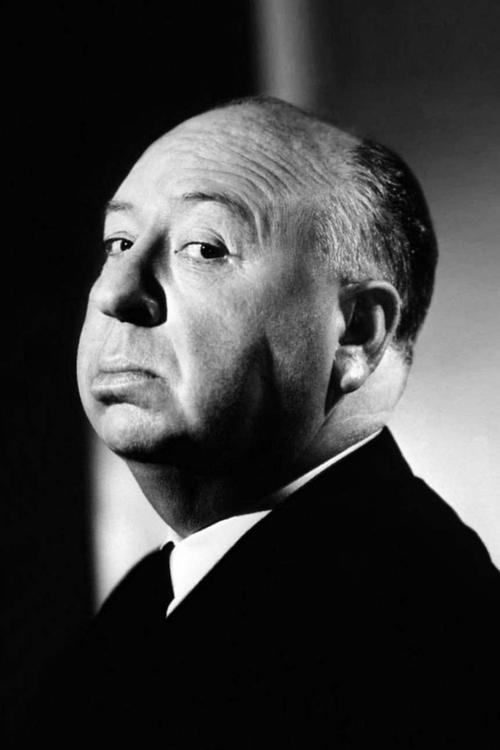
Alfred Hitchcock
Man on Subway (uncredited)
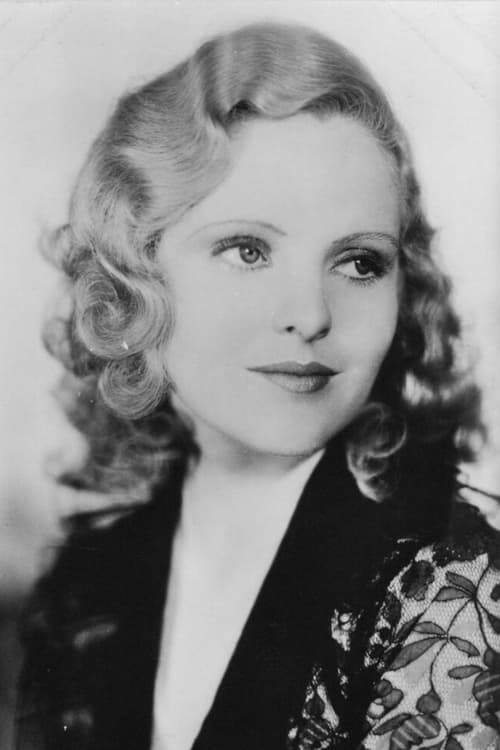
Joan Barry
Alice White (voice) (uncredited)
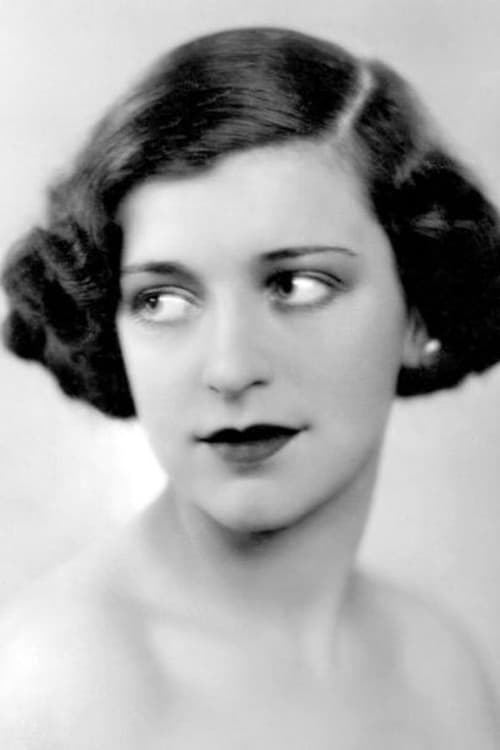
Phyllis Konstam
Gossiping Neighbour (uncredited)
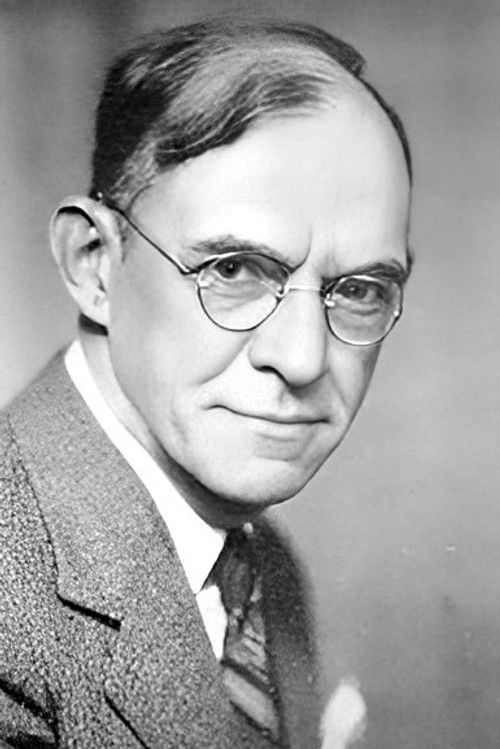
Percy Parsons
Crook (uncredited)
Crew
Alfred Hitchcock
Director
Alfred Hitchcock
Screenplay
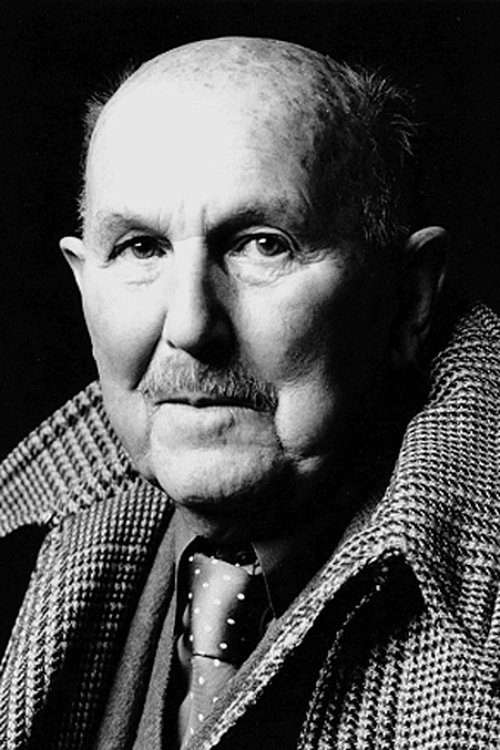
Michael Powell
Writer
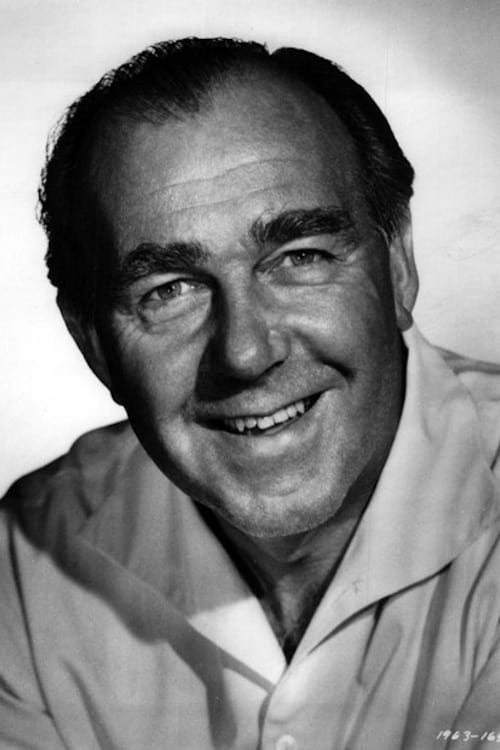
Ronald Neame
Assistant Camera
Michael Powell
Assistant Camera
Charles Bennett
Theatre Play
Popular Reviews
71 reviews
Faay
5.0★ · 06/14/26
100 ways to kill a man, butterknife
100 ways to kill a man, butterknife


Sam Stevens
6.0★ · 04/06/26
A pretty neat precursor to the noir genre and a film that’s cited as the first British ‘talkie’ feature, even though it is only part-talkie. Directed by the legendary Alfred Hitchcock, this primitive noir is quite an entertaining film with some terrific black and white photography and some decently enjoyable scenes. I thought it was slightly bland and dull but it had its moments, and I did find it very interesting for obvious foreshadowing of Hitchcocks later development in directional style. Many of his classic themes and elements were present like the seedy aggression of men and some ideas of the suspenseful mystery he becomes known for in his later career. There were some rather grand visual moments and a few nice scenes but overall this was a bit underwhelming.
A pretty neat precursor to the noir genre and a film that’s cited as the first British ‘talkie’ feature, even though it is only part-talkie. Directed by the legendary Alfred Hitchcock, this primitive noir is quite an entertaining film with some terrific black and white photography and some decently enjoyable scenes. I thought it was slightly bland and dull but it had its moments, and I did find it very interesting for obvious foreshadowing of Hitchcocks later development in directional style. Many of his classic themes and elements were present like the seedy aggression of men and some ideas of the suspenseful mystery he becomes known for in his later career. There were some rather grand visual moments and a few nice scenes but overall this was a bit underwhelming.
The Peepee Poopoo Man
6.0★ · 03/10/26
Young Hitchcock finding his footing. There’s some plot and visual elements here (and while rough) that Hitchcock would perfect as his filmography continued on. There’s not a whole lot special upon viewing as it does feel very run-of-the-mill nowadays but this was quite the accomplishment upon the making of.
Young Hitchcock finding his footing. There’s some plot and visual elements here (and while rough) that Hitchcock would perfect as his filmography continued on. There’s not a whole lot special upon viewing as it does feel very run-of-the-mill nowadays but this was quite the accomplishment upon the making of.
MikMouze
7.0★ · 02/19/26
"You and your Scotland Yard! If it weren't for Edgar Wallace, no one would ever have heard of it."
The great Alfred Hitchcock: the director of the first talkie in Britain. Blackmail is a piece of Hitchcock's early works, made in 1929. I can't say it was fantastic, nor terrible, but it was a fun watch. The film centres around Alice, a young woman trapped in a suspenseful situation that spirals from a chance encounter into a darker narrative filled with tension and moral dilemmas. The performances are compelling, particularly that of Anny Ondra as Alice.
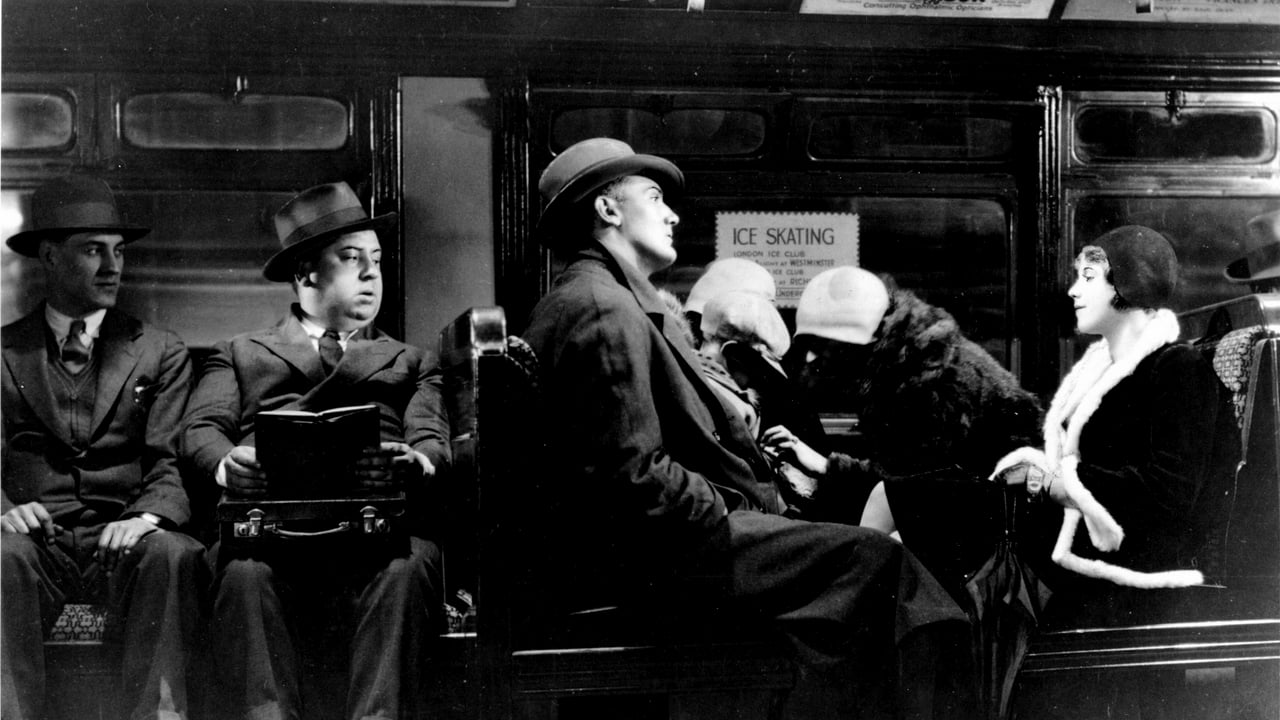
Blackmail is a significant piece of cinema history and a worthwhile watch for anyone interested in the evolution of film or the works of Hitchcock. It may not be his best work, but it certainly has moments that make it memorable. It's a fun exploration of themes like guilt and the consequences of our actions, and a testament to the early days of sound in film. The Hitchcock cameo in this one is among one of my favourites so far.
The great Alfred Hitchcock: the director of the first talkie in Britain. Blackmail is a piece of Hitchcock's early works, made in 1929. I can't say it was fantastic, nor terrible, but it was a fun watch. The film centres around Alice, a young woman trapped in a suspenseful situation that spirals from a chance encounter into a darker narrative filled with tension and moral dilemmas. The performances are compelling, particularly that of Anny Ondra as Alice.
Blackmail is a significant piece of cinema history and a worthwhile watch for anyone interested in the evolution of film or the works of Hitchcock. It may not be his best work, but it certainly has moments that make it memorable. It's a fun exploration of themes like guilt and the consequences of our actions, and a testament to the early days of sound in film. The Hitchcock cameo in this one is among one of my favourites so far.
"You and your Scotland Yard! If it weren't for Edgar Wallace, no one would ever have heard of it."
The great Alfred Hitchcock: the director of the first talkie in Britain. Blackmail is a piece of Hitchcock's early works, made in 1929. I can't say it was fantastic, nor terrible, but it was a fun watch. The film centres around Alice, a young woman trapped in a suspenseful situation that spirals from a chance encounter into a darker narrative filled with tension and moral dilemmas. The performances are compelling, particularly that of Anny Ondra as Alice.
Blackmail is a significant piece of cinema history and a worthwhile watch for anyone interested in the evolution of film or the works of Hitchcock. It may not be his best work, but it certainly has moments that make it memorable. It's a fun exploration of themes like guilt and the consequences of our actions, and a testament to the early days of sound in film. The Hitchcock cameo in this one is among one of my favourites so far.
The great Alfred Hitchcock: the director of the first talkie in Britain. Blackmail is a piece of Hitchcock's early works, made in 1929. I can't say it was fantastic, nor terrible, but it was a fun watch. The film centres around Alice, a young woman trapped in a suspenseful situation that spirals from a chance encounter into a darker narrative filled with tension and moral dilemmas. The performances are compelling, particularly that of Anny Ondra as Alice.
Blackmail is a significant piece of cinema history and a worthwhile watch for anyone interested in the evolution of film or the works of Hitchcock. It may not be his best work, but it certainly has moments that make it memorable. It's a fun exploration of themes like guilt and the consequences of our actions, and a testament to the early days of sound in film. The Hitchcock cameo in this one is among one of my favourites so far.
Joshua Timpko
8.0★ · 01/28/26
Starting Monday, I'm beginning a class on Alfred Hitchcock, so there will be lots of his films I'll be watching over the next few months. We're kicking it off with a very important film for ol' Al: Blackmail.
This was Hitchcock's first talkie. In fact, it was advertised as “The First British Talkie!” And all the while, the film was shot as though it were going to be a silent film. Only after filming did John Maxwell, the producer of the movie, set up a temporary sound stage with RCA equipment imported from America to do post-dubbing.
It's interesting knowing that now, after watching the film, because if I didn't know any better, I'd have said that Hitchcock was already well on his way to mastering the audio-visual medium altogether, based on Blackmail. The film moves with intelligent vigor and intentional, inspirational camerawork. I was keeping a mental track of the shots in this that surprised or impressed me, but then there became too many to remember by the one-hour mark. At every turn theres a fresh take on how to convey something.
When Alice is back home with her family, and the patron of the store keeps saying, "Knife... knife... knife... KNIFE!" as the camera creeps in on Alice's face, I was tilting my head, trying to think of any number of films and television shows that have borrowed that same setup. And the same goes for any number of other classic formal tropes that we all take for granted now. Of course, I can't say for certain that Hitchcock was inventing them on the spot or if they appear prior to this film, but to the best of MY knowledge, there are shots, transitions, compositions, etc, that I haven't seen in any films pre-1929.
And also, I don't want to forget the actual plot of this film, which is chock-full of all the trappings that we expect to see in a Hitchcock joint. You have a woman cheating on her husband to go up to some artists loft, only the artist gets a little too rough and handsy with her, so she kills him with a knife. Not only that, but her husband--a police detective--is assigned to the case and finds evidence that quickly suggests that his wife was there that night. When he tries to talk to her, they discover that someone ELSE knows she was in that artist's loft that night and expects something in return for keeping his trap shut. At nearly every stage, Hitchcock pulls one of those "we know, but the character doesn't" moves that, for some reason, still feel so novel and yet natural in his hands. We see Alice with the note from her secret lover when Frank goes to get her glove (the glove being a detail I foolishly assumed would be inconsequential). You also get the Blackmailer watching Alice and The Artist from across the street, his shadow climbing the wall as Alice flees the apartment.
Even nearly 100 years later, it's easy to see how this film put Hitchcock at the "top of the heap," as Michael Powell put it (he was a stills photographer on his film). The offers started rolling in for ol' Al, and the rest is history. Much like watching Charlie Chaplin's The Kid, it's a warm and fuzzy feeling when such an archaic piece of media can feel so timeless and so full of ideas, even with a century of copycats following its lead. Can't wait to dive even further into Hitchcock than I have already.
7.6/10
This was Hitchcock's first talkie. In fact, it was advertised as “The First British Talkie!” And all the while, the film was shot as though it were going to be a silent film. Only after filming did John Maxwell, the producer of the movie, set up a temporary sound stage with RCA equipment imported from America to do post-dubbing.
It's interesting knowing that now, after watching the film, because if I didn't know any better, I'd have said that Hitchcock was already well on his way to mastering the audio-visual medium altogether, based on Blackmail. The film moves with intelligent vigor and intentional, inspirational camerawork. I was keeping a mental track of the shots in this that surprised or impressed me, but then there became too many to remember by the one-hour mark. At every turn theres a fresh take on how to convey something.
When Alice is back home with her family, and the patron of the store keeps saying, "Knife... knife... knife... KNIFE!" as the camera creeps in on Alice's face, I was tilting my head, trying to think of any number of films and television shows that have borrowed that same setup. And the same goes for any number of other classic formal tropes that we all take for granted now. Of course, I can't say for certain that Hitchcock was inventing them on the spot or if they appear prior to this film, but to the best of MY knowledge, there are shots, transitions, compositions, etc, that I haven't seen in any films pre-1929.
And also, I don't want to forget the actual plot of this film, which is chock-full of all the trappings that we expect to see in a Hitchcock joint. You have a woman cheating on her husband to go up to some artists loft, only the artist gets a little too rough and handsy with her, so she kills him with a knife. Not only that, but her husband--a police detective--is assigned to the case and finds evidence that quickly suggests that his wife was there that night. When he tries to talk to her, they discover that someone ELSE knows she was in that artist's loft that night and expects something in return for keeping his trap shut. At nearly every stage, Hitchcock pulls one of those "we know, but the character doesn't" moves that, for some reason, still feel so novel and yet natural in his hands. We see Alice with the note from her secret lover when Frank goes to get her glove (the glove being a detail I foolishly assumed would be inconsequential). You also get the Blackmailer watching Alice and The Artist from across the street, his shadow climbing the wall as Alice flees the apartment.
Even nearly 100 years later, it's easy to see how this film put Hitchcock at the "top of the heap," as Michael Powell put it (he was a stills photographer on his film). The offers started rolling in for ol' Al, and the rest is history. Much like watching Charlie Chaplin's The Kid, it's a warm and fuzzy feeling when such an archaic piece of media can feel so timeless and so full of ideas, even with a century of copycats following its lead. Can't wait to dive even further into Hitchcock than I have already.
7.6/10
Starting Monday, I'm beginning a class on Alfred Hitchcock, so there will be lots of his films I'll be watching over the next few months. We're kicking it off with a very important film for ol' Al: Blackmail.
This was Hitchcock's first talkie. In fact, it was advertised as “The First British Talkie!” And all the while, the film was shot as though it were going to be a silent film. Only after filming did John Maxwell, the producer of the movie, set up a temporary sound stage with RCA equipment imported from America to do post-dubbing.
It's interesting knowing that now, after watching the film, because if I didn't know any better, I'd have said that Hitchcock was already well on his way to mastering the audio-visual medium altogether, based on Blackmail. The film moves with intelligent vigor and intentional, inspirational camerawork. I was keeping a mental track of the shots in this that surprised or impressed me, but then there became too many to remember by the one-hour mark. At every turn theres a fresh take on how to convey something.
When Alice is back home with her family, and the patron of the store keeps saying, "Knife... knife... knife... KNIFE!" as the camera creeps in on Alice's face, I was tilting my head, trying to think of any number of films and television shows that have borrowed that same setup. And the same goes for any number of other classic formal tropes that we all take for granted now. Of course, I can't say for certain that Hitchcock was inventing them on the spot or if they appear prior to this film, but to the best of MY knowledge, there are shots, transitions, compositions, etc, that I haven't seen in any films pre-1929.
And also, I don't want to forget the actual plot of this film, which is chock-full of all the trappings that we expect to see in a Hitchcock joint. You have a woman cheating on her husband to go up to some artists loft, only the artist gets a little too rough and handsy with her, so she kills him with a knife. Not only that, but her husband--a police detective--is assigned to the case and finds evidence that quickly suggests that his wife was there that night. When he tries to talk to her, they discover that someone ELSE knows she was in that artist's loft that night and expects something in return for keeping his trap shut. At nearly every stage, Hitchcock pulls one of those "we know, but the character doesn't" moves that, for some reason, still feel so novel and yet natural in his hands. We see Alice with the note from her secret lover when Frank goes to get her glove (the glove being a detail I foolishly assumed would be inconsequential). You also get the Blackmailer watching Alice and The Artist from across the street, his shadow climbing the wall as Alice flees the apartment.
Even nearly 100 years later, it's easy to see how this film put Hitchcock at the "top of the heap," as Michael Powell put it (he was a stills photographer on his film). The offers started rolling in for ol' Al, and the rest is history. Much like watching Charlie Chaplin's The Kid, it's a warm and fuzzy feeling when such an archaic piece of media can feel so timeless and so full of ideas, even with a century of copycats following its lead. Can't wait to dive even further into Hitchcock than I have already.
7.6/10
This was Hitchcock's first talkie. In fact, it was advertised as “The First British Talkie!” And all the while, the film was shot as though it were going to be a silent film. Only after filming did John Maxwell, the producer of the movie, set up a temporary sound stage with RCA equipment imported from America to do post-dubbing.
It's interesting knowing that now, after watching the film, because if I didn't know any better, I'd have said that Hitchcock was already well on his way to mastering the audio-visual medium altogether, based on Blackmail. The film moves with intelligent vigor and intentional, inspirational camerawork. I was keeping a mental track of the shots in this that surprised or impressed me, but then there became too many to remember by the one-hour mark. At every turn theres a fresh take on how to convey something.
When Alice is back home with her family, and the patron of the store keeps saying, "Knife... knife... knife... KNIFE!" as the camera creeps in on Alice's face, I was tilting my head, trying to think of any number of films and television shows that have borrowed that same setup. And the same goes for any number of other classic formal tropes that we all take for granted now. Of course, I can't say for certain that Hitchcock was inventing them on the spot or if they appear prior to this film, but to the best of MY knowledge, there are shots, transitions, compositions, etc, that I haven't seen in any films pre-1929.
And also, I don't want to forget the actual plot of this film, which is chock-full of all the trappings that we expect to see in a Hitchcock joint. You have a woman cheating on her husband to go up to some artists loft, only the artist gets a little too rough and handsy with her, so she kills him with a knife. Not only that, but her husband--a police detective--is assigned to the case and finds evidence that quickly suggests that his wife was there that night. When he tries to talk to her, they discover that someone ELSE knows she was in that artist's loft that night and expects something in return for keeping his trap shut. At nearly every stage, Hitchcock pulls one of those "we know, but the character doesn't" moves that, for some reason, still feel so novel and yet natural in his hands. We see Alice with the note from her secret lover when Frank goes to get her glove (the glove being a detail I foolishly assumed would be inconsequential). You also get the Blackmailer watching Alice and The Artist from across the street, his shadow climbing the wall as Alice flees the apartment.
Even nearly 100 years later, it's easy to see how this film put Hitchcock at the "top of the heap," as Michael Powell put it (he was a stills photographer on his film). The offers started rolling in for ol' Al, and the rest is history. Much like watching Charlie Chaplin's The Kid, it's a warm and fuzzy feeling when such an archaic piece of media can feel so timeless and so full of ideas, even with a century of copycats following its lead. Can't wait to dive even further into Hitchcock than I have already.
7.6/10