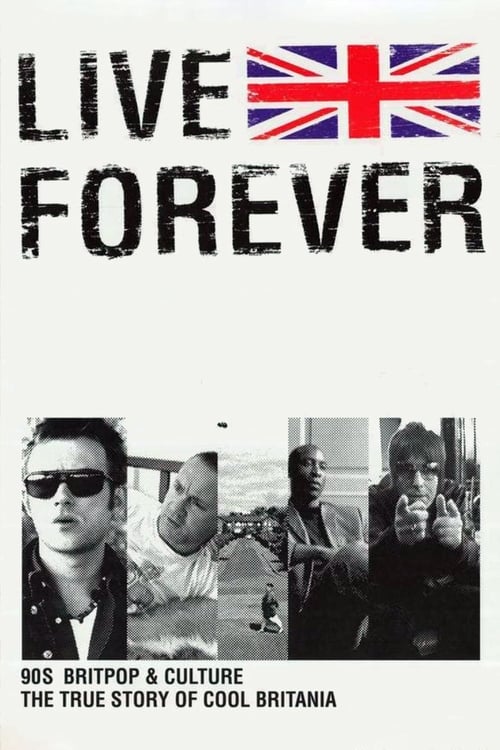
for the longest time, i always stared in disbelief at people who told me they research things for fun, when they mentioned "falling down internet rabbit holes" or reading wikipedia articles in their free time. for me, "research" is designated for schoolwork, and my free time can be better spent on other things. there have been topics here and there that have tickled my fancy enough to do a little reading about them, but nothing fully changed my perspective until i discovered britpop. i have spent so much of my time the past few months obsessively listening to these bands, watching old interviews and live performances, listening to hours-long podcasts about them, and generally trying to learn enough that i feel like i was in london from 1993 to 1997. (here's just one example: this morning, i listened to a podcast about suede, then watched a doc about suede, elastica, and blur on youtube, and THEN i watched live forever).
what even is britpop? it's not a genre, that much is for certain. i often describe it as a scene, made up of the bands, the fans, and the journalists---but i had overlooked something so crucial that this documentary does a great job of exploring: the politics in britain at the time. in every other piece of media i've consumed about britpop, the podcasts, the books, the articles (which are all mostly current, by the way, as opposed to being made only a decade after britpop's dawn), haven't touched on the political state of england, emerging from conservative thatcherism into tony blair's reign. i've learned enough about the british public's obsession with class and their disdain for people like damon albarn as a result of that, but politics is always left out of the conversation. it's surprising. as an american, i can only pretend i understand all the ins and outs of that situation, but i did appreciate that they framed britpop through a political lens, or else this would have felt like every other "what is britpop?" piece i've read or watched in the past few months.
the sheer proximity time-wise this doc had to the end of britpop makes the perspectives of some of the movement's key figures so much more interesting. oasis hadn't broken up yet, gorillaz was in its early years, and these musicians weren't yet far too tired answering questions about those years of joy, excess, and misery in the mid nineties (although judging by some of damon's answers, i could tell he was approaching that point). they were maybe a little more honest and candid about what their lives were like then than they would be if interviewed today. i enjoyed hearing from each and every person (damon, jarvis, liam, noel, louise wener of sleeper...), but i do wish they could've gotten in touch with members of suede or elastica, especially brett and justine, in order to round out the story. britpop wouldn't have existed without suede, and elastica's debut album might just be the most "britpop" album that came out of the scene.
side note but damon trying to avoid questions about the battle of britpop is genuinely so hilarious to me because...bro, you're the one who started it in the first place. he was acting very pretentious throughout the whole thing. and i say this with love because blur is my favorite band of all time. it's funny how this documentary was so definitive about oasis winning over blur when they literally detail the story of the be here now flop era and don't touch on blur's international success with self titled in '97 and their artistic high point with 13 in '99. i dare oasis to even attempt to make a record as innovative and tragic as 13.
for the longest time, i always stared in disbelief at people who told me they research things for fun, when they mentioned "falling down internet rabbit holes" or reading wikipedia articles in their free time. for me, "research" is designated for schoolwork, and my free time can be better spent on other things. there have been topics here and there that have tickled my fancy enough to do a little reading about them, but nothing fully changed my perspective until i discovered britpop. i have spent so much of my time the past few months obsessively listening to these bands, watching old interviews and live performances, listening to hours-long podcasts about them, and generally trying to learn enough that i feel like i was in london from 1993 to 1997. (here's just one example: this morning, i listened to a podcast about suede, then watched a doc about suede, elastica, and blur on youtube, and THEN i watched live forever).
what even is britpop? it's not a genre, that much is for certain. i often describe it as a scene, made up of the bands, the fans, and the journalists---but i had overlooked something so crucial that this documentary does a great job of exploring: the politics in britain at the time. in every other piece of media i've consumed about britpop, the podcasts, the books, the articles (which are all mostly current, by the way, as opposed to being made only a decade after britpop's dawn), haven't touched on the political state of england, emerging from conservative thatcherism into tony blair's reign. i've learned enough about the british public's obsession with class and their disdain for people like damon albarn as a result of that, but politics is always left out of the conversation. it's surprising. as an american, i can only pretend i understand all the ins and outs of that situation, but i did appreciate that they framed britpop through a political lens, or else this would have felt like every other "what is britpop?" piece i've read or watched in the past few months.
the sheer proximity time-wise this doc had to the end of britpop makes the perspectives of some of the movement's key figures so much more interesting. oasis hadn't broken up yet, gorillaz was in its early years, and these musicians weren't yet far too tired answering questions about those years of joy, excess, and misery in the mid nineties (although judging by some of damon's answers, i could tell he was approaching that point). they were maybe a little more honest and candid about what their lives were like then than they would be if interviewed today. i enjoyed hearing from each and every person (damon, jarvis, liam, noel, louise wener of sleeper...), but i do wish they could've gotten in touch with members of suede or elastica, especially brett and justine, in order to round out the story. britpop wouldn't have existed without suede, and elastica's debut album might just be the most "britpop" album that came out of the scene.
side note but damon trying to avoid questions about the battle of britpop is genuinely so hilarious to me because...bro, you're the one who started it in the first place. he was acting very pretentious throughout the whole thing. and i say this with love because blur is my favorite band of all time. it's funny how this documentary was so definitive about oasis winning over blur when they literally detail the story of the be here now flop era and don't touch on blur's international success with self titled in '97 and their artistic high point with 13 in '99. i dare oasis to even attempt to make a record as innovative and tragic as 13.