


1983·Drama·2h 21m
7.1
★
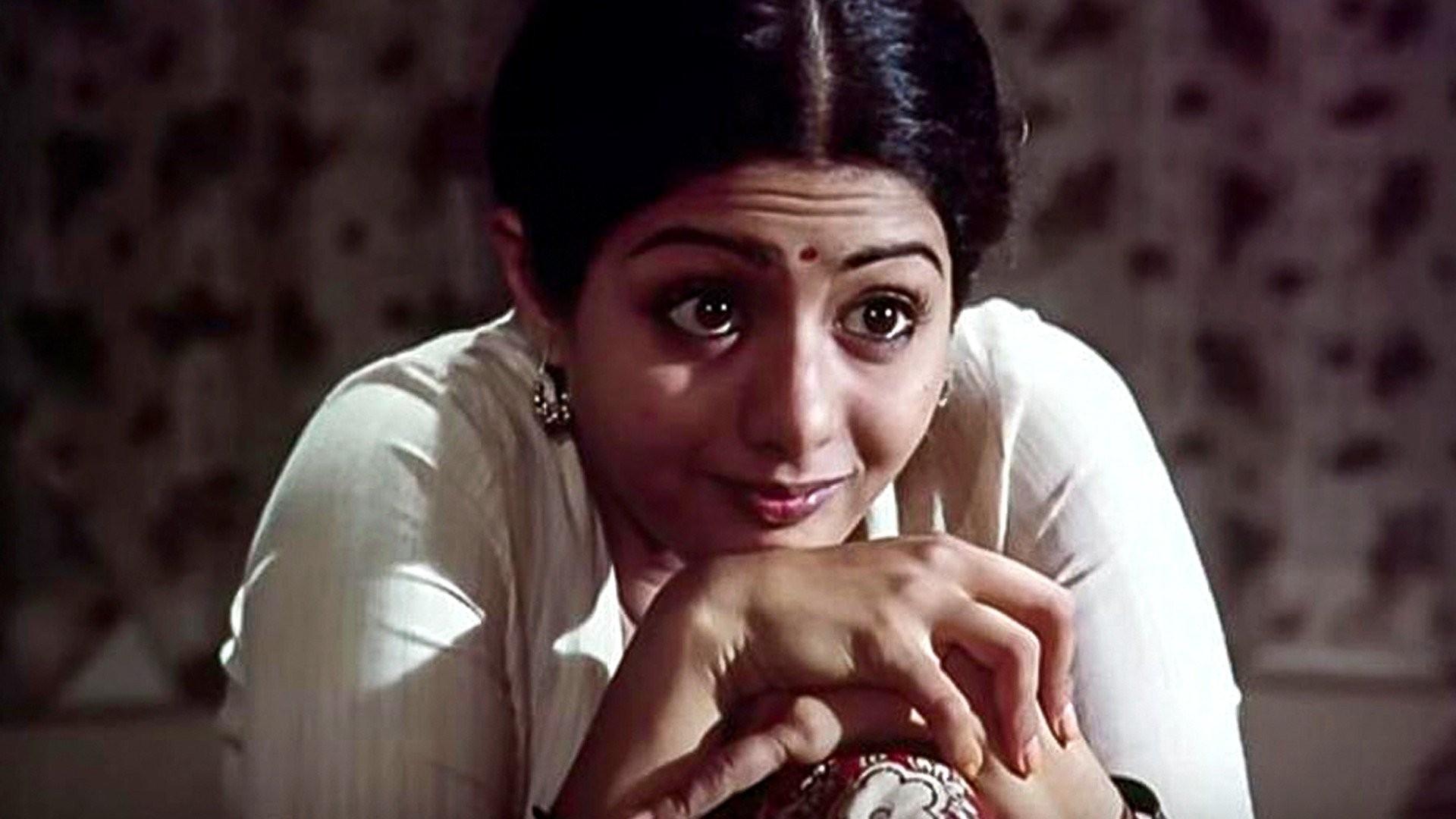
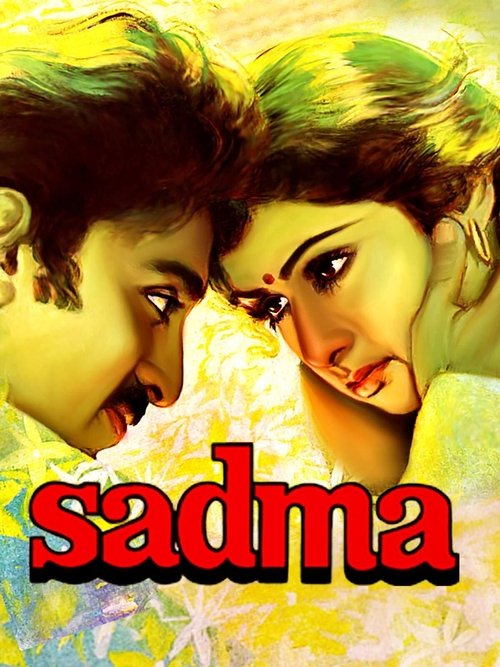
A head injury causes a woman to regress to childhood. Lost and confused, she is eventually befriended by a school teacher. A Hindi remake of the 1982 film "Moondram Pirai" by the same team.
Directed by Balu Mahendra
amnesia
love
remake
compassion

Trailer

IMDB
N/A
Cast

Kamal Haasan
Somprakash/Somu

Sridevi
Nehalata Malhotra/Reshmi
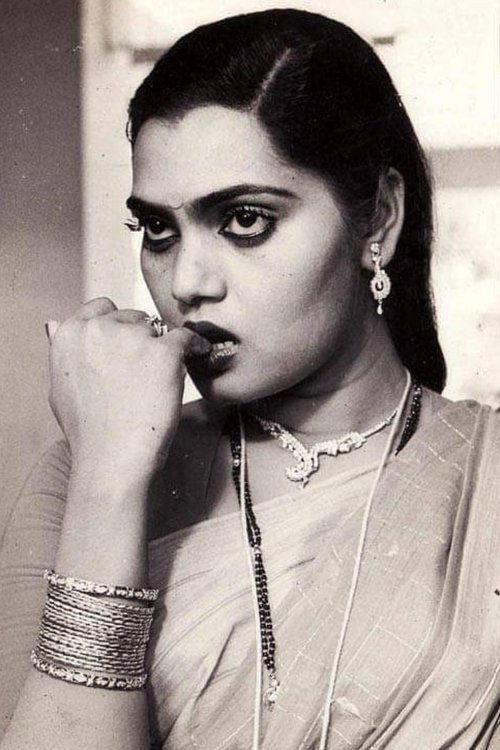
Silk Smitha
Soni

Gulshan Grover
Balua
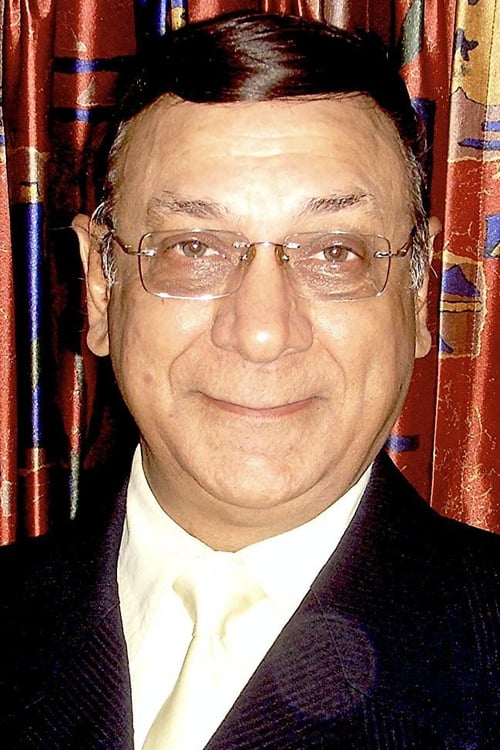
Kanwarjeet Paintal
Paintal

Viju Khote
Police Inspector David
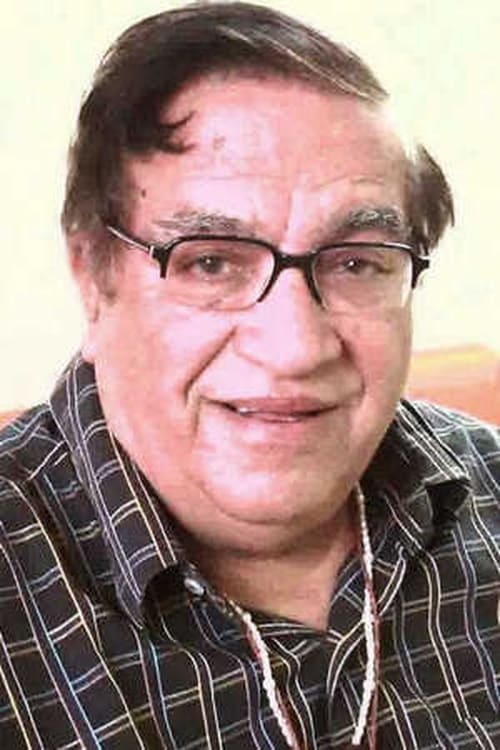
Birbal
Shamu
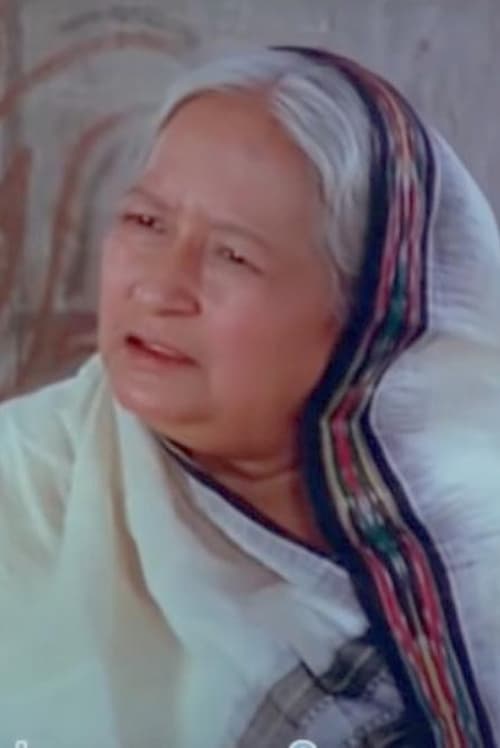
Leela Mishra
Somu's neighbor "nani"
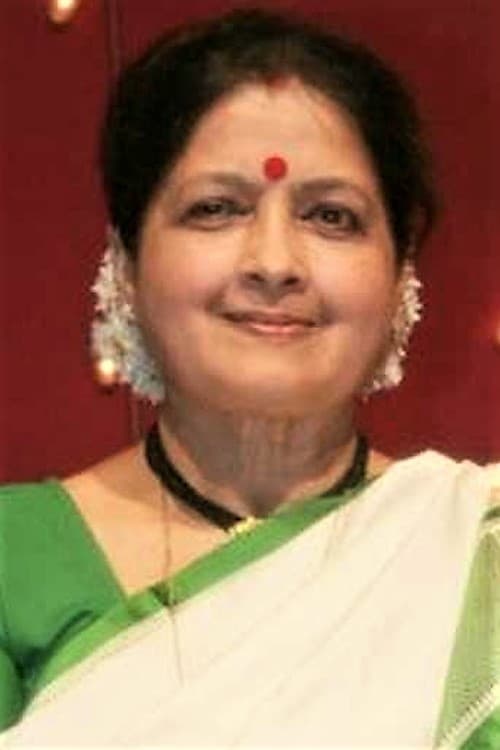
Ashalata Wabgaonkar
Rajeshwari Malhotra
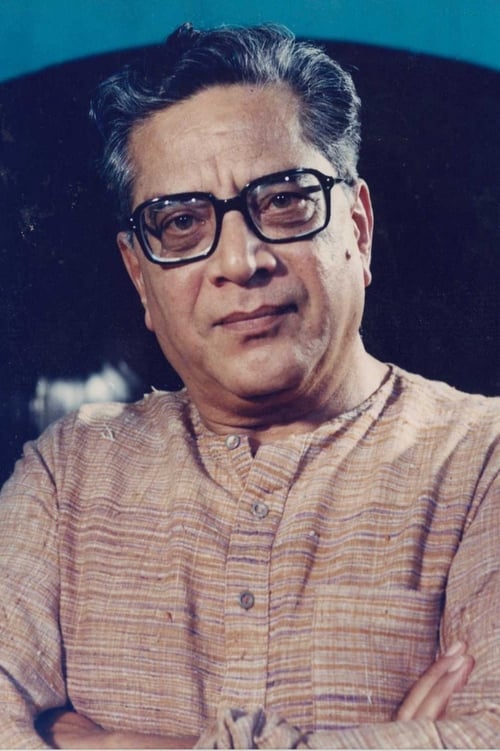
Shreeram Lagoo
Dr. Khandeparkar
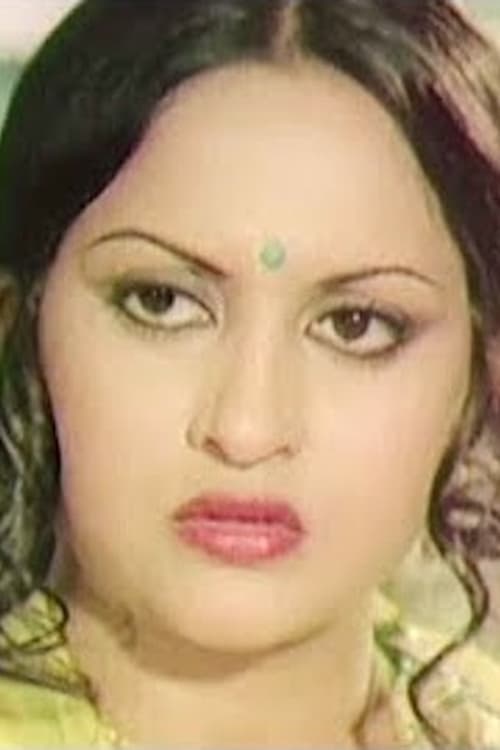
Padma Chauhan
Madam
Crew
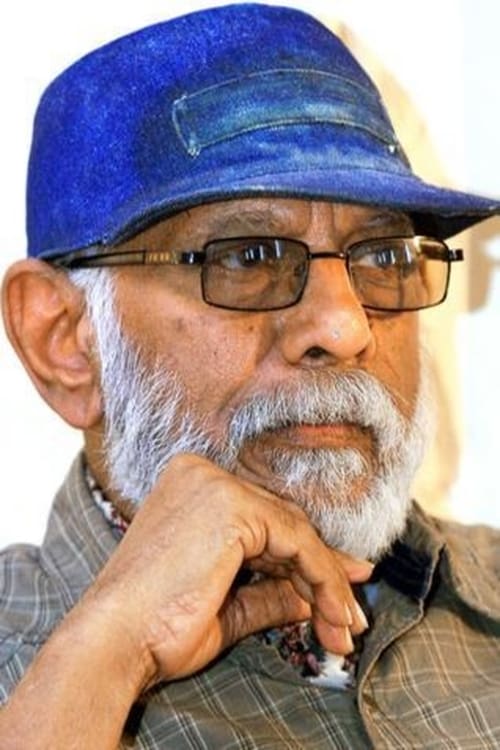
Balu Mahendra
Director
Balu Mahendra
Screenplay
Balu Mahendra
Director of Photography
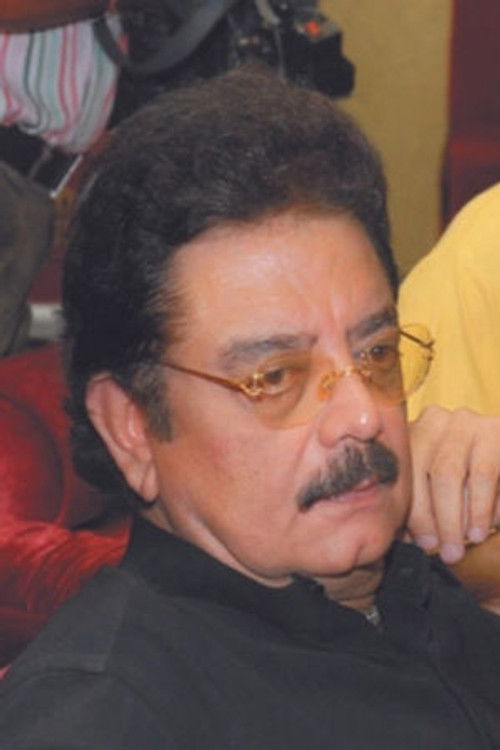
Raj N. Sippy
Producer
Ilaiyaraaja
Music
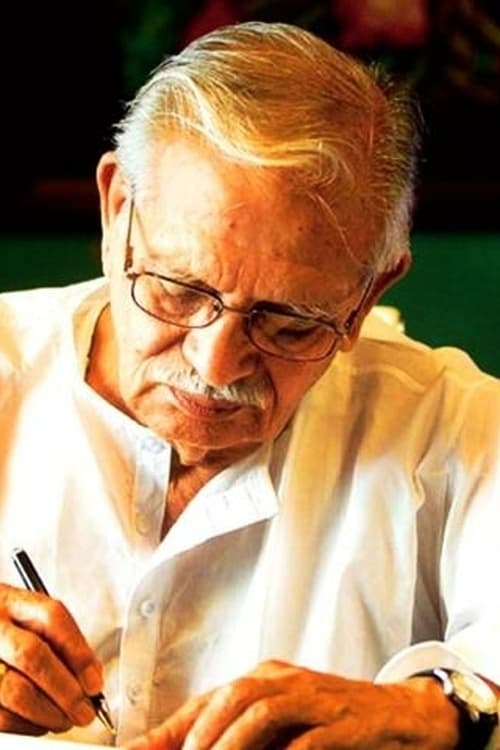
Gulzar
Dialogue
Balu Mahendra
Story
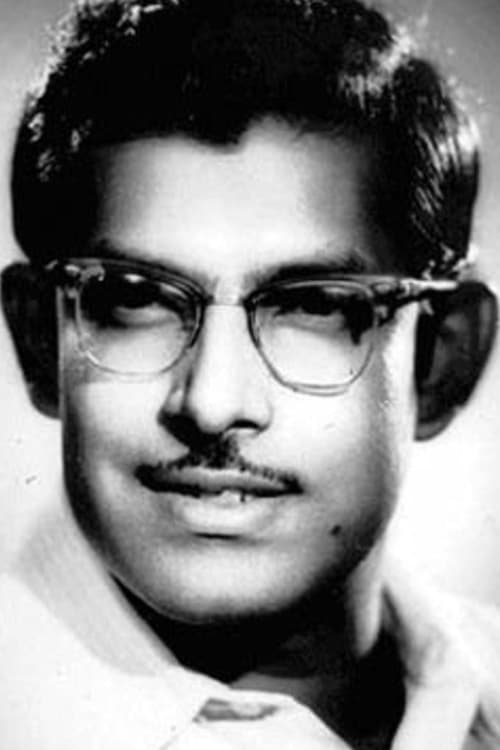
Hrishikesh Mukherjee
Presenter
Sridevi
Playback Singer
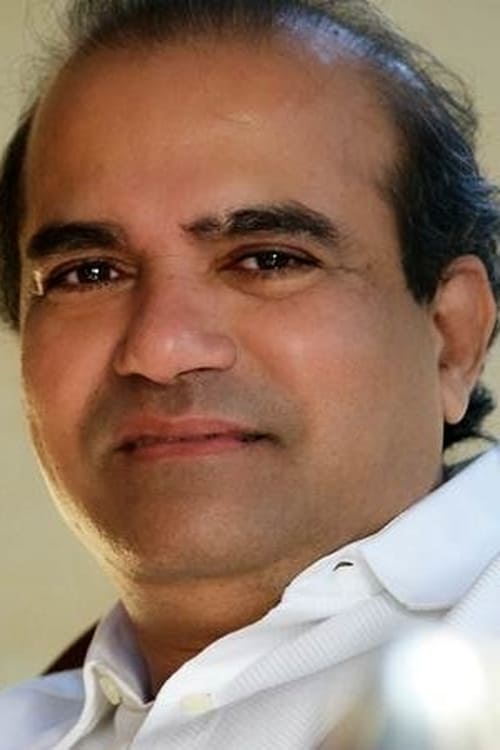
Suresh Wadkar
Playback Singer
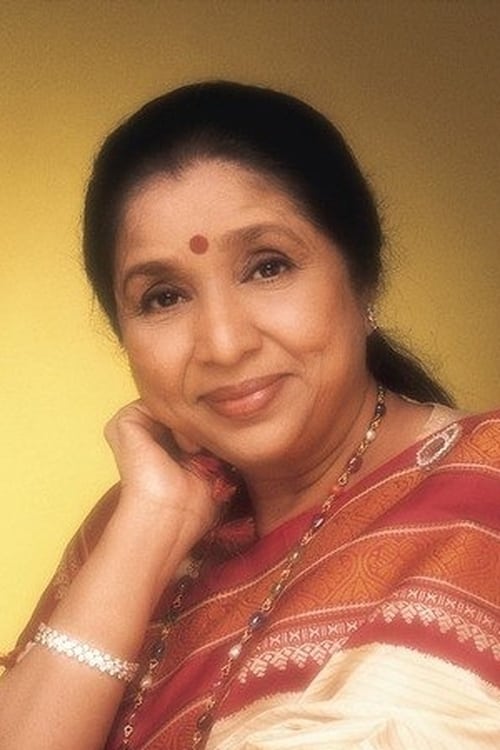
Asha Bhosle
Playback Singer
Gulzar
Lyricist
Popular Reviews
19 reviews
Gaurav
7.0★ · 06/06/26
This was a rewatch with mom, and honestly, the only time I had watched Sadma before this was when I was a kid. Back then, it was a completely different film to me. I remember finding Reshmi’s mannerisms funny… the way she spoke, the way she behaved, that childlike exaggeration in her body language. As a child, you don’t really understand trauma, regression, or the grotesque cruelty of innocence being trapped inside an adult body. You just see the surface. You laugh because the film lets you look at her from the outside.
Watching it now, from the onset itself, that outlook felt almost embarrassing. Not in a self-flagellating way, but in that quiet adult realisation that maybe childhood also has its own bluntness, its own inability to process tenderness. Reshmi isn’t “funny” anymore. She is terrifyingly vulnerable.
Sridevi is just… astonishing. There is no polite way to put it. It’s such a perilous performance because it could have so easily become caricature, something shrill or performative or gimmicky. But she keeps finding these tiny emotional calibrations. The innocence is not decorative. It is disorienting. There’s playfulness, yes, but there is also dread under it. Her face keeps shifting between trust, confusion, petulance, fear, delight… sometimes within seconds.
Somu is such a difficult character because the film places him in this morally delicate, emotionally ambiguous space. His love is tender, protective, selfless… but also complicated because of the condition Reshmi is in. The film doesn’t always sit easily by today’s gaze, and maybe that discomfort is part of watching it now. But Kamal plays him with such aching restraint that you feel the loneliness of this man before you judge him, even when you are aware of the unsettling contours around the relationship. There’s so much quiet implosion in him.
The themes of Sadma are so deceptively simple on paper: memory, love, innocence, loss. But the film is really about the fragility of identity. What remains of a person when memory is ruptured? What happens to love when only one person remembers it? Is love still real if it cannot be reciprocated in the same consciousness that received it? The film keeps circling these questions without making them sound like thesis statements. It just lets them bleed through moments.
Balu Mahendra’s direction is patient, almost dangerously patient. There’s this melancholic, mist-laden stillness to the to the film - the world feels soft, damp, lonely, like everything is already grieving before the tragedy even arrives. But that patience also comes with a discomfort I couldn’t fully ignore this time. The film is so fascinated by Reshmi’s innocence, by her helplessness, by the child trapped inside the adult body, that at times you do wonder where tenderness ends and aestheticisation begins. It’s not something that ruins the film, but it does complicate the viewing. Especially now, when you’re not just surrendering to the emotion of it, but also watching the gaze with which she is being framed.
Of course, some portions feel dated now. There are tonal choices, gender dynamics, and bits of comedy that don’t land the same way anymore. But weirdly, that also made the rewatch more interesting. Because Sadma isn’t a film I could watch now with the same uncomplicated surrender I probably had as a kid. It asks for a more conflicted viewing. You admire it, you ache with it, you question it, and then the ending still comes and destroys whatever intellectual distance you were trying to maintain.
Watching it now, from the onset itself, that outlook felt almost embarrassing. Not in a self-flagellating way, but in that quiet adult realisation that maybe childhood also has its own bluntness, its own inability to process tenderness. Reshmi isn’t “funny” anymore. She is terrifyingly vulnerable.
Sridevi is just… astonishing. There is no polite way to put it. It’s such a perilous performance because it could have so easily become caricature, something shrill or performative or gimmicky. But she keeps finding these tiny emotional calibrations. The innocence is not decorative. It is disorienting. There’s playfulness, yes, but there is also dread under it. Her face keeps shifting between trust, confusion, petulance, fear, delight… sometimes within seconds.
Somu is such a difficult character because the film places him in this morally delicate, emotionally ambiguous space. His love is tender, protective, selfless… but also complicated because of the condition Reshmi is in. The film doesn’t always sit easily by today’s gaze, and maybe that discomfort is part of watching it now. But Kamal plays him with such aching restraint that you feel the loneliness of this man before you judge him, even when you are aware of the unsettling contours around the relationship. There’s so much quiet implosion in him.
The themes of Sadma are so deceptively simple on paper: memory, love, innocence, loss. But the film is really about the fragility of identity. What remains of a person when memory is ruptured? What happens to love when only one person remembers it? Is love still real if it cannot be reciprocated in the same consciousness that received it? The film keeps circling these questions without making them sound like thesis statements. It just lets them bleed through moments.
Balu Mahendra’s direction is patient, almost dangerously patient. There’s this melancholic, mist-laden stillness to the to the film - the world feels soft, damp, lonely, like everything is already grieving before the tragedy even arrives. But that patience also comes with a discomfort I couldn’t fully ignore this time. The film is so fascinated by Reshmi’s innocence, by her helplessness, by the child trapped inside the adult body, that at times you do wonder where tenderness ends and aestheticisation begins. It’s not something that ruins the film, but it does complicate the viewing. Especially now, when you’re not just surrendering to the emotion of it, but also watching the gaze with which she is being framed.
Of course, some portions feel dated now. There are tonal choices, gender dynamics, and bits of comedy that don’t land the same way anymore. But weirdly, that also made the rewatch more interesting. Because Sadma isn’t a film I could watch now with the same uncomplicated surrender I probably had as a kid. It asks for a more conflicted viewing. You admire it, you ache with it, you question it, and then the ending still comes and destroys whatever intellectual distance you were trying to maintain.
This was a rewatch with mom, and honestly, the only time I had watched Sadma before this was when I was a kid. Back then, it was a completely different film to me. I remember finding Reshmi’s mannerisms funny… the way she spoke, the way she behaved, that childlike exaggeration in her body language. As a child, you don’t really understand trauma, regression, or the grotesque cruelty of innocence being trapped inside an adult body. You just see the surface. You laugh because the film lets you look at her from the outside.
Watching it now, from the onset itself, that outlook felt almost embarrassing. Not in a self-flagellating way, but in that quiet adult realisation that maybe childhood also has its own bluntness, its own inability to process tenderness. Reshmi isn’t “funny” anymore. She is terrifyingly vulnerable.
Sridevi is just… astonishing. There is no polite way to put it. It’s such a perilous performance because it could have so easily become caricature, something shrill or performative or gimmicky. But she keeps finding these tiny emotional calibrations. The innocence is not decorative. It is disorienting. There’s playfulness, yes, but there is also dread under it. Her face keeps shifting between trust, confusion, petulance, fear, delight… sometimes within seconds.
Somu is such a difficult character because the film places him in this morally delicate, emotionally ambiguous space. His love is tender, protective, selfless… but also complicated because of the condition Reshmi is in. The film doesn’t always sit easily by today’s gaze, and maybe that discomfort is part of watching it now. But Kamal plays him with such aching restraint that you feel the loneliness of this man before you judge him, even when you are aware of the unsettling contours around the relationship. There’s so much quiet implosion in him.
The themes of Sadma are so deceptively simple on paper: memory, love, innocence, loss. But the film is really about the fragility of identity. What remains of a person when memory is ruptured? What happens to love when only one person remembers it? Is love still real if it cannot be reciprocated in the same consciousness that received it? The film keeps circling these questions without making them sound like thesis statements. It just lets them bleed through moments.
Balu Mahendra’s direction is patient, almost dangerously patient. There’s this melancholic, mist-laden stillness to the to the film - the world feels soft, damp, lonely, like everything is already grieving before the tragedy even arrives. But that patience also comes with a discomfort I couldn’t fully ignore this time. The film is so fascinated by Reshmi’s innocence, by her helplessness, by the child trapped inside the adult body, that at times you do wonder where tenderness ends and aestheticisation begins. It’s not something that ruins the film, but it does complicate the viewing. Especially now, when you’re not just surrendering to the emotion of it, but also watching the gaze with which she is being framed.
Of course, some portions feel dated now. There are tonal choices, gender dynamics, and bits of comedy that don’t land the same way anymore. But weirdly, that also made the rewatch more interesting. Because Sadma isn’t a film I could watch now with the same uncomplicated surrender I probably had as a kid. It asks for a more conflicted viewing. You admire it, you ache with it, you question it, and then the ending still comes and destroys whatever intellectual distance you were trying to maintain.
Watching it now, from the onset itself, that outlook felt almost embarrassing. Not in a self-flagellating way, but in that quiet adult realisation that maybe childhood also has its own bluntness, its own inability to process tenderness. Reshmi isn’t “funny” anymore. She is terrifyingly vulnerable.
Sridevi is just… astonishing. There is no polite way to put it. It’s such a perilous performance because it could have so easily become caricature, something shrill or performative or gimmicky. But she keeps finding these tiny emotional calibrations. The innocence is not decorative. It is disorienting. There’s playfulness, yes, but there is also dread under it. Her face keeps shifting between trust, confusion, petulance, fear, delight… sometimes within seconds.
Somu is such a difficult character because the film places him in this morally delicate, emotionally ambiguous space. His love is tender, protective, selfless… but also complicated because of the condition Reshmi is in. The film doesn’t always sit easily by today’s gaze, and maybe that discomfort is part of watching it now. But Kamal plays him with such aching restraint that you feel the loneliness of this man before you judge him, even when you are aware of the unsettling contours around the relationship. There’s so much quiet implosion in him.
The themes of Sadma are so deceptively simple on paper: memory, love, innocence, loss. But the film is really about the fragility of identity. What remains of a person when memory is ruptured? What happens to love when only one person remembers it? Is love still real if it cannot be reciprocated in the same consciousness that received it? The film keeps circling these questions without making them sound like thesis statements. It just lets them bleed through moments.
Balu Mahendra’s direction is patient, almost dangerously patient. There’s this melancholic, mist-laden stillness to the to the film - the world feels soft, damp, lonely, like everything is already grieving before the tragedy even arrives. But that patience also comes with a discomfort I couldn’t fully ignore this time. The film is so fascinated by Reshmi’s innocence, by her helplessness, by the child trapped inside the adult body, that at times you do wonder where tenderness ends and aestheticisation begins. It’s not something that ruins the film, but it does complicate the viewing. Especially now, when you’re not just surrendering to the emotion of it, but also watching the gaze with which she is being framed.
Of course, some portions feel dated now. There are tonal choices, gender dynamics, and bits of comedy that don’t land the same way anymore. But weirdly, that also made the rewatch more interesting. Because Sadma isn’t a film I could watch now with the same uncomplicated surrender I probably had as a kid. It asks for a more conflicted viewing. You admire it, you ache with it, you question it, and then the ending still comes and destroys whatever intellectual distance you were trying to maintain.


Inaya Ahmed
9.0★ · 09/16/24
Take away the ma and that’s how I felt watching this #spellingbrainiac
Take away the ma and that’s how I felt watching this #spellingbrainiac
Srikar Gidugu
7.0★ · 05/23/24
Will break your heart! One of Sridevi’s greatest performances. The movie has its flaws but the story keeps you engrossed in it.
Will break your heart! One of Sridevi’s greatest performances. The movie has its flaws but the story keeps you engrossed in it.
EA
7.9★ · 04/10/24
rip freud you would have loved this movie
rip freud you would have loved this movie
ChaiclassicsPRO
10.0★ · 04/08/23
I have seen this before and I love it and that end scene tears me to shreds.
Also
Moondram Pirai>>>Sadma
Also
Moondram Pirai>>>Sadma
I have seen this before and I love it and that end scene tears me to shreds.
Also
Moondram Pirai>>>Sadma
Also
Moondram Pirai>>>Sadma