"Hirap na hirap na ako... Hindi ko na ito matiis... Gusto ko nang mamatay..."
Same, Lola. Same.
(wrote for a school activity)
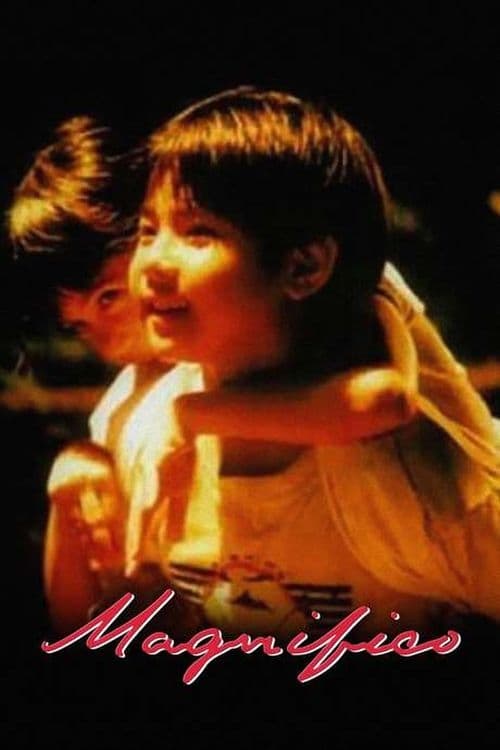
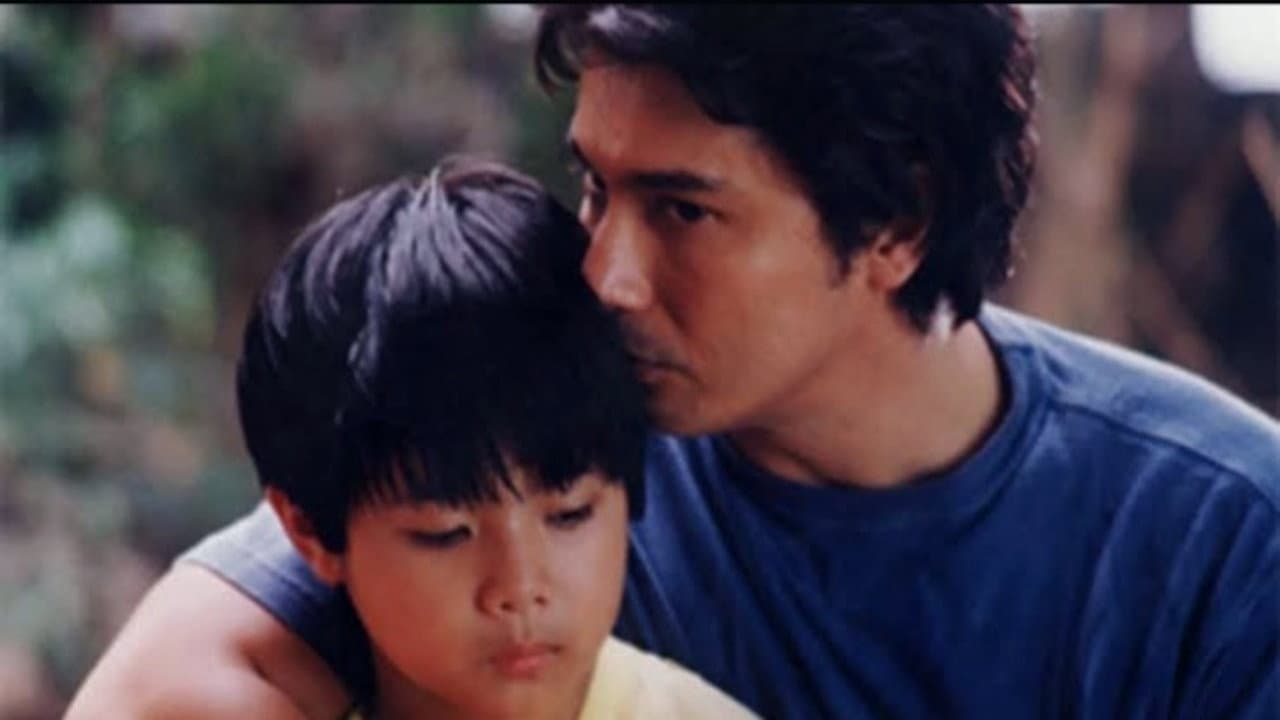
Magnifico, a 2003 Filipino drama directed by Maryo J. de los Reyes tells the story of its titular character, Magnifico (Jiro Manio), a young boy whose kindness and compassion bring hope to his impoverished family and to the members of his community who are facing their own hardships. Now this film is held in high regard by a number of people I know including my mother, grandmother, and teacher, so my expectations were high on this one. My verdict? ...It was okay.
The film isn't bad by any means. There are things to like about it such as its portrayal of poverty. Though obviously showcased dramatically, the film captures the struggles faced by those less fortunate through Magnifico's efforts to earn money for his family, further burdened by Lola Magda's (Gloria Romero) worsening illness, and being viewed differently by those in higher social classes. For many viewers, these experiences hit close to home. Another highlight of the film is Magnifico himself. His unwavering commitment to help those around him, even when others dismiss him as “walang alam,” and despite the hardships his family is facing, is both touching and heartbreaking, especially knowing how things went by at the end. There truly is nothing as pure as a child's innocence. Easily the best aspect of the movie.
Moving on to my criticisms, which I have...more than a few. Let's talk about the first problem I have with the film which is Magnifico's death. It was obvious from the start. The making of the coffin, the constant foreshadowing of him getting hit by a car, even the film title itself. Everything pointed in the direction of him dying. But the predictability of his death isn’t really the main issue here. It’s more so on how it was handled. The scene where he got hit by a truck flew by quickly, too quickly. It felt like there was no real impact, no weight felt on this supposed emotional scene. Magnifico deserved better. Maybe if they spent less time on uninteresting subplots like the scenes with Magnifico’s brother and his girl (which the film is full of), then Magnifico’s death scene would’ve been more fleshed out, improving its emotional impact.
Acting-wise, two people stand out negatively. Ka Doring or the lady with the sore throat, and Magnifico’s sister with cerebral palsy. I just can’t take these two characters seriously when they’re on screen. They felt like caricatures of what they were supposed to be, lacking depth and authenticity.
As for the film’s cinematography, I guess it was okay for its time. Considering it was released in 2003, comparing it directly to modern cinema wouldn’t be entirely fair. However, older Filipino films like Himala (1982) and José Rizal (1998), both released well before Magnifico, feature cinematography that can still hold up today, especially in terms of shot composition and creativity. This visual gap is even more noticeable when compared to older international films such as In the Mood for Love (2000) and Blade Runner (1982). But since there are a lot of factors that can affect how a film looks (budget, equipment availability, etc.), I wouldn’t put too much against Magnifico. Still, it’s important to note these differences when considering the film’s visual impact.
To conclude, despite how negative or “nitpicky” I might sound in this review, I understand why many people hold this film close to their hearts. Whether it’s due to nostalgia, an emotional connection, or the simple charm of its story. At its core, it's a tale about the kindness, compassion, and selflessness of a young boy, and that message resonates with many, myself included to some extent. However, for me personally, the story and its message weren’t quite enough to outweigh the issues I noticed throughout the film.
"Hirap na hirap na ako... Hindi ko na ito matiis... Gusto ko nang mamatay..."
Same, Lola. Same.
(wrote for a school activity)
Magnifico, a 2003 Filipino drama directed by Maryo J. de los Reyes tells the story of its titular character, Magnifico (Jiro Manio), a young boy whose kindness and compassion bring hope to his impoverished family and to the members of his community who are facing their own hardships. Now this film is held in high regard by a number of people I know including my mother, grandmother, and teacher, so my expectations were high on this one. My verdict? ...It was okay.
The film isn't bad by any means. There are things to like about it such as its portrayal of poverty. Though obviously showcased dramatically, the film captures the struggles faced by those less fortunate through Magnifico's efforts to earn money for his family, further burdened by Lola Magda's (Gloria Romero) worsening illness, and being viewed differently by those in higher social classes. For many viewers, these experiences hit close to home. Another highlight of the film is Magnifico himself. His unwavering commitment to help those around him, even when others dismiss him as “walang alam,” and despite the hardships his family is facing, is both touching and heartbreaking, especially knowing how things went by at the end. There truly is nothing as pure as a child's innocence. Easily the best aspect of the movie.
Moving on to my criticisms, which I have...more than a few. Let's talk about the first problem I have with the film which is Magnifico's death. It was obvious from the start. The making of the coffin, the constant foreshadowing of him getting hit by a car, even the film title itself. Everything pointed in the direction of him dying. But the predictability of his death isn’t really the main issue here. It’s more so on how it was handled. The scene where he got hit by a truck flew by quickly, too quickly. It felt like there was no real impact, no weight felt on this supposed emotional scene. Magnifico deserved better. Maybe if they spent less time on uninteresting subplots like the scenes with Magnifico’s brother and his girl (which the film is full of), then Magnifico’s death scene would’ve been more fleshed out, improving its emotional impact.
Acting-wise, two people stand out negatively. Ka Doring or the lady with the sore throat, and Magnifico’s sister with cerebral palsy. I just can’t take these two characters seriously when they’re on screen. They felt like caricatures of what they were supposed to be, lacking depth and authenticity.
As for the film’s cinematography, I guess it was okay for its time. Considering it was released in 2003, comparing it directly to modern cinema wouldn’t be entirely fair. However, older Filipino films like Himala (1982) and José Rizal (1998), both released well before Magnifico, feature cinematography that can still hold up today, especially in terms of shot composition and creativity. This visual gap is even more noticeable when compared to older international films such as In the Mood for Love (2000) and Blade Runner (1982). But since there are a lot of factors that can affect how a film looks (budget, equipment availability, etc.), I wouldn’t put too much against Magnifico. Still, it’s important to note these differences when considering the film’s visual impact.
To conclude, despite how negative or “nitpicky” I might sound in this review, I understand why many people hold this film close to their hearts. Whether it’s due to nostalgia, an emotional connection, or the simple charm of its story. At its core, it's a tale about the kindness, compassion, and selflessness of a young boy, and that message resonates with many, myself included to some extent. However, for me personally, the story and its message weren’t quite enough to outweigh the issues I noticed throughout the film.