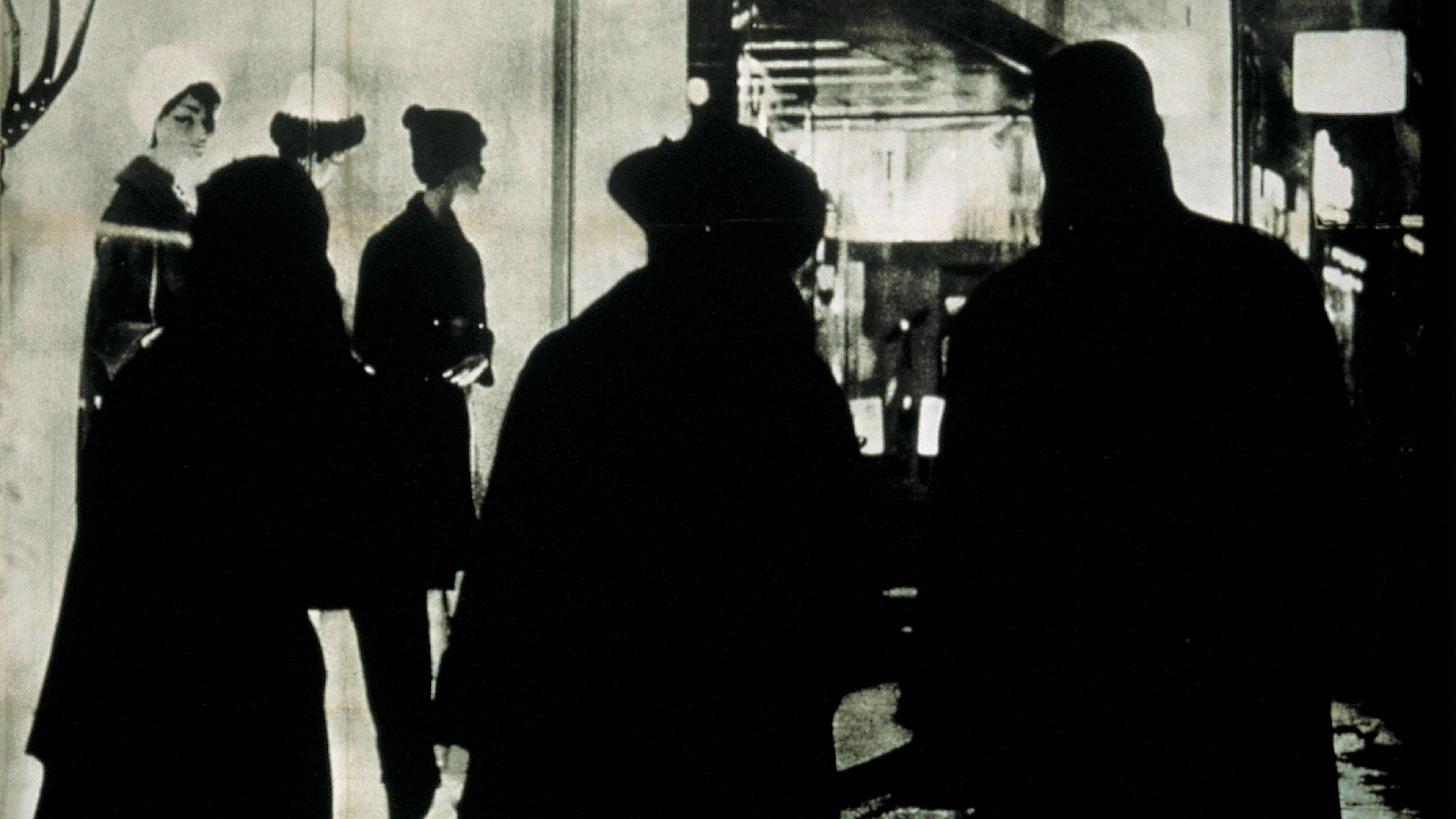
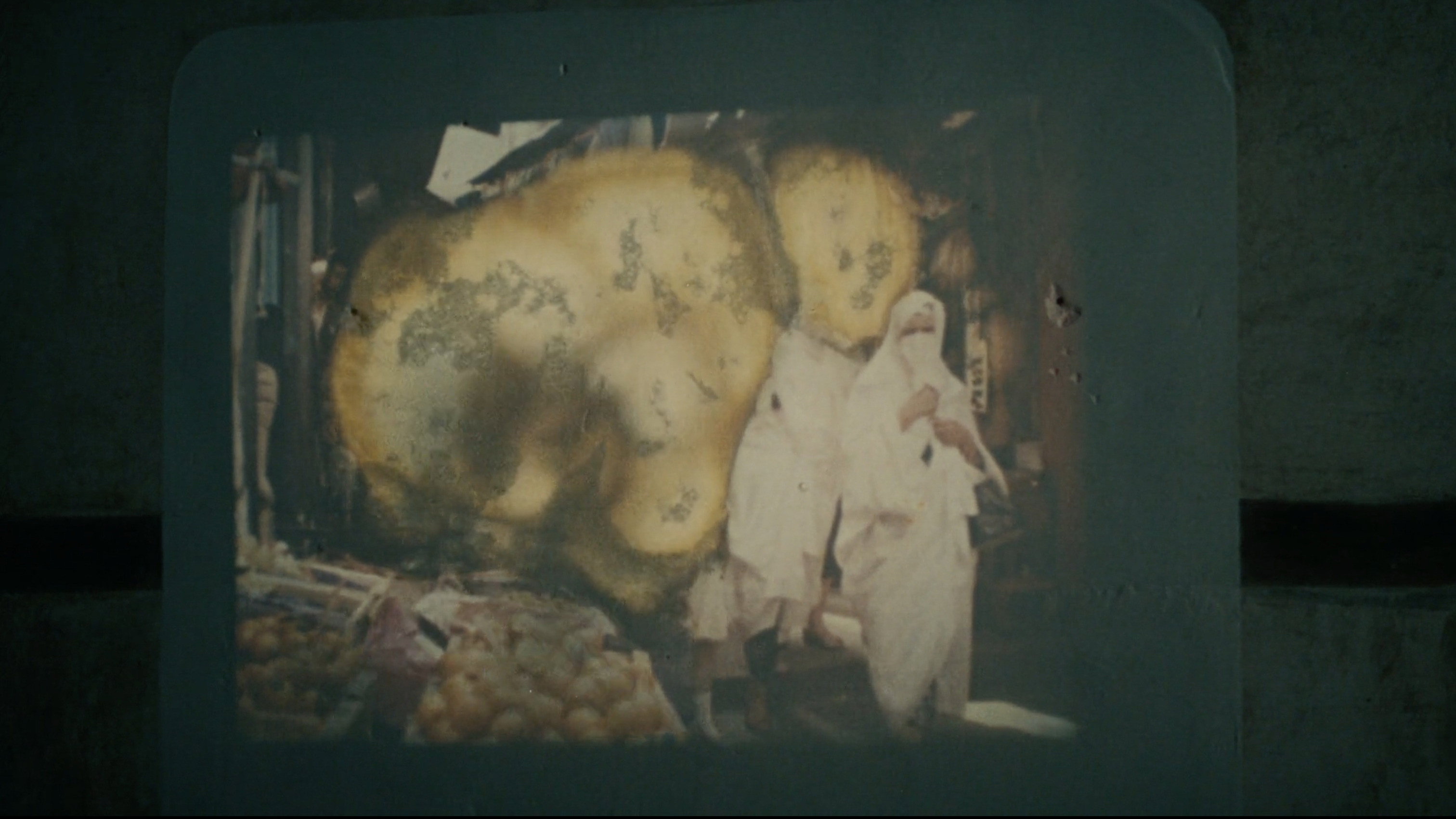
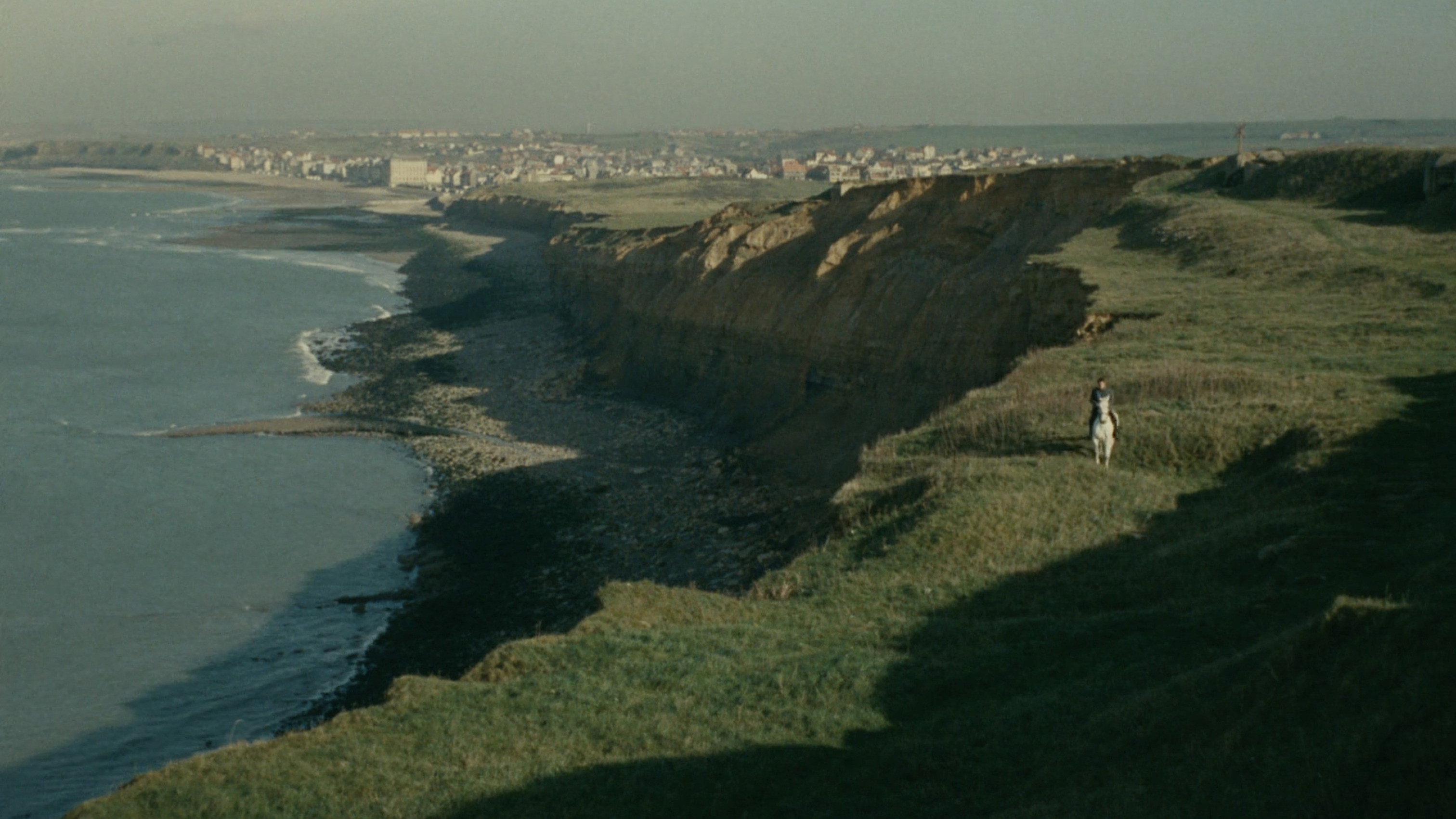
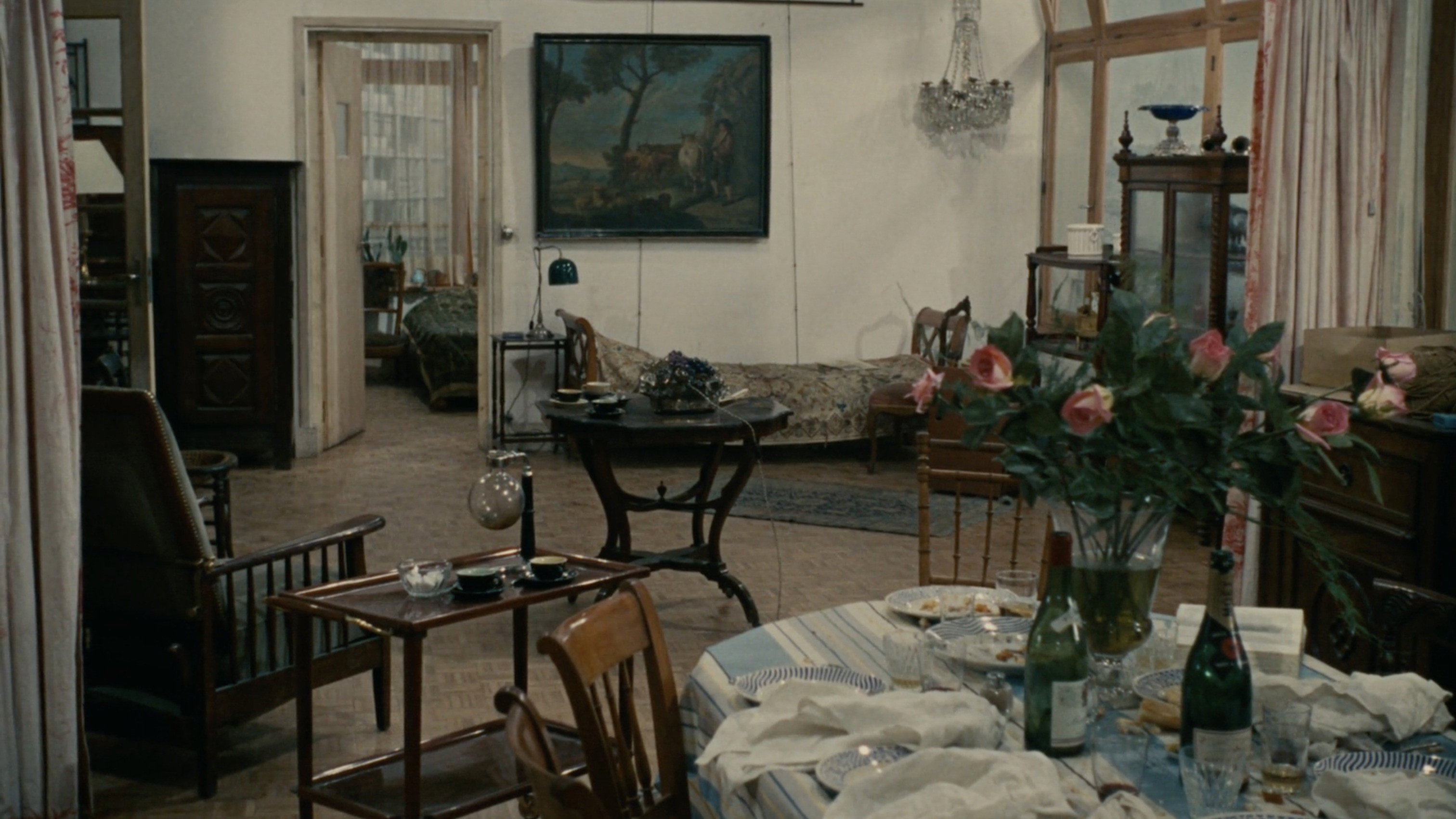
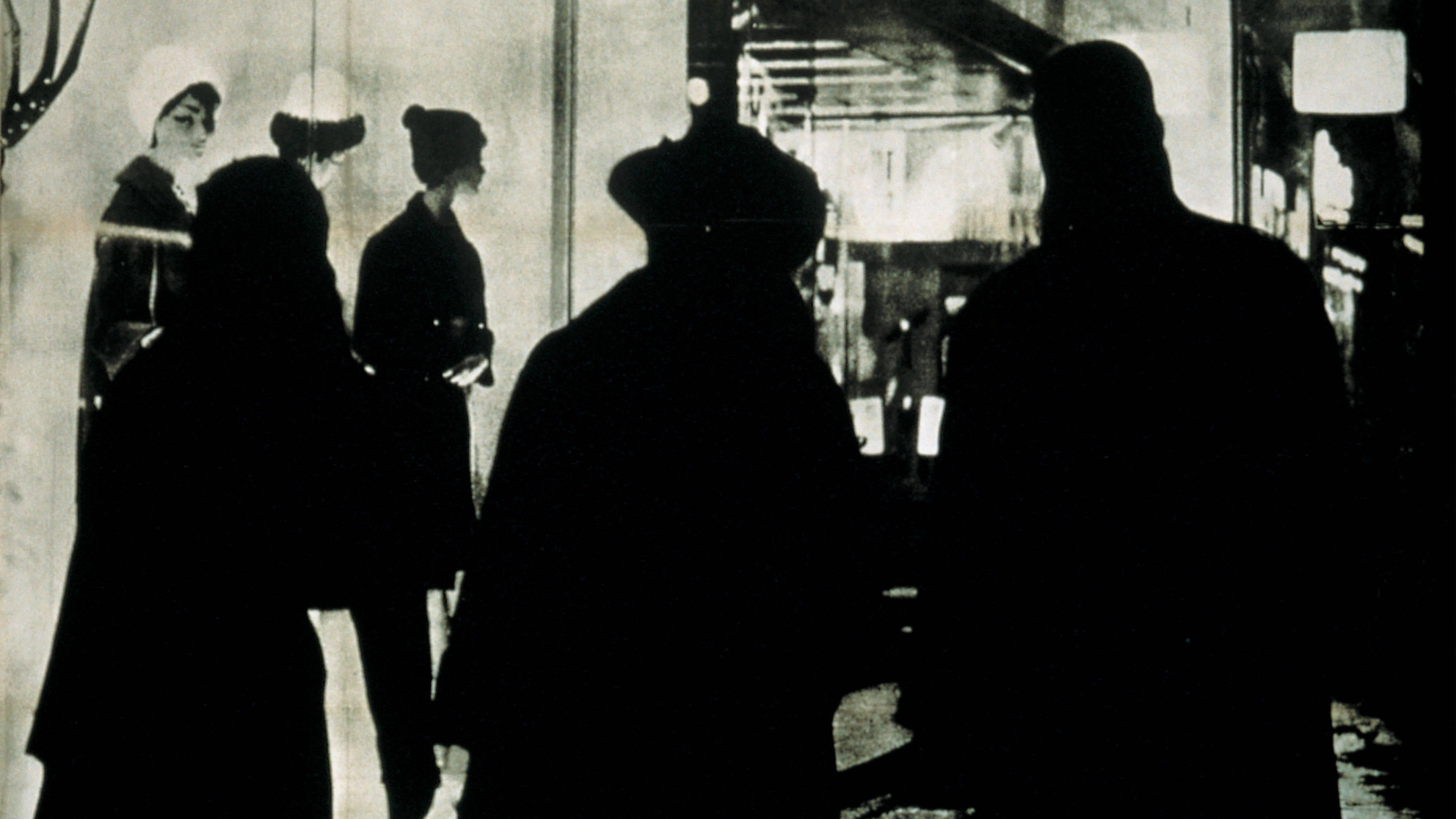
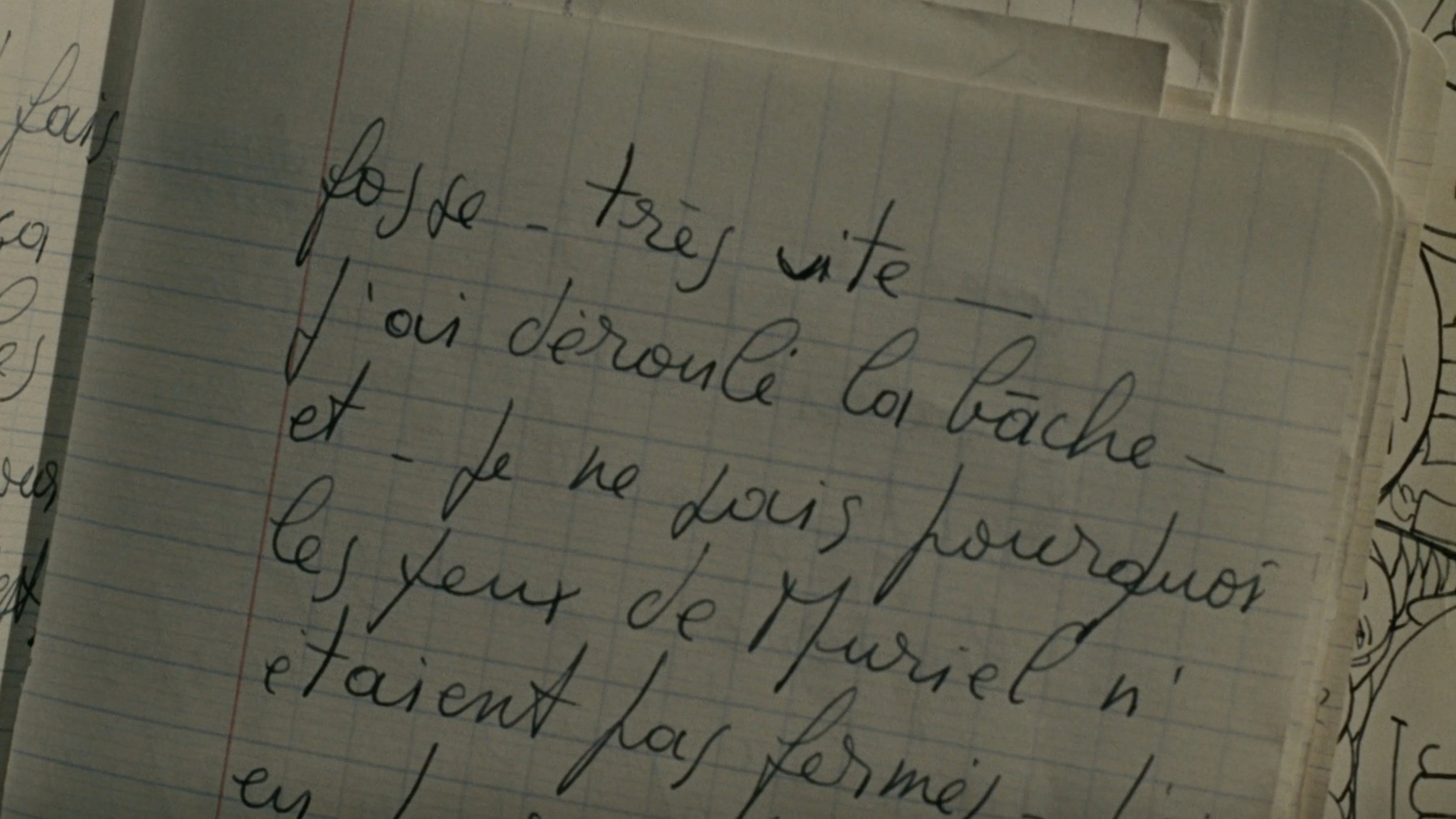
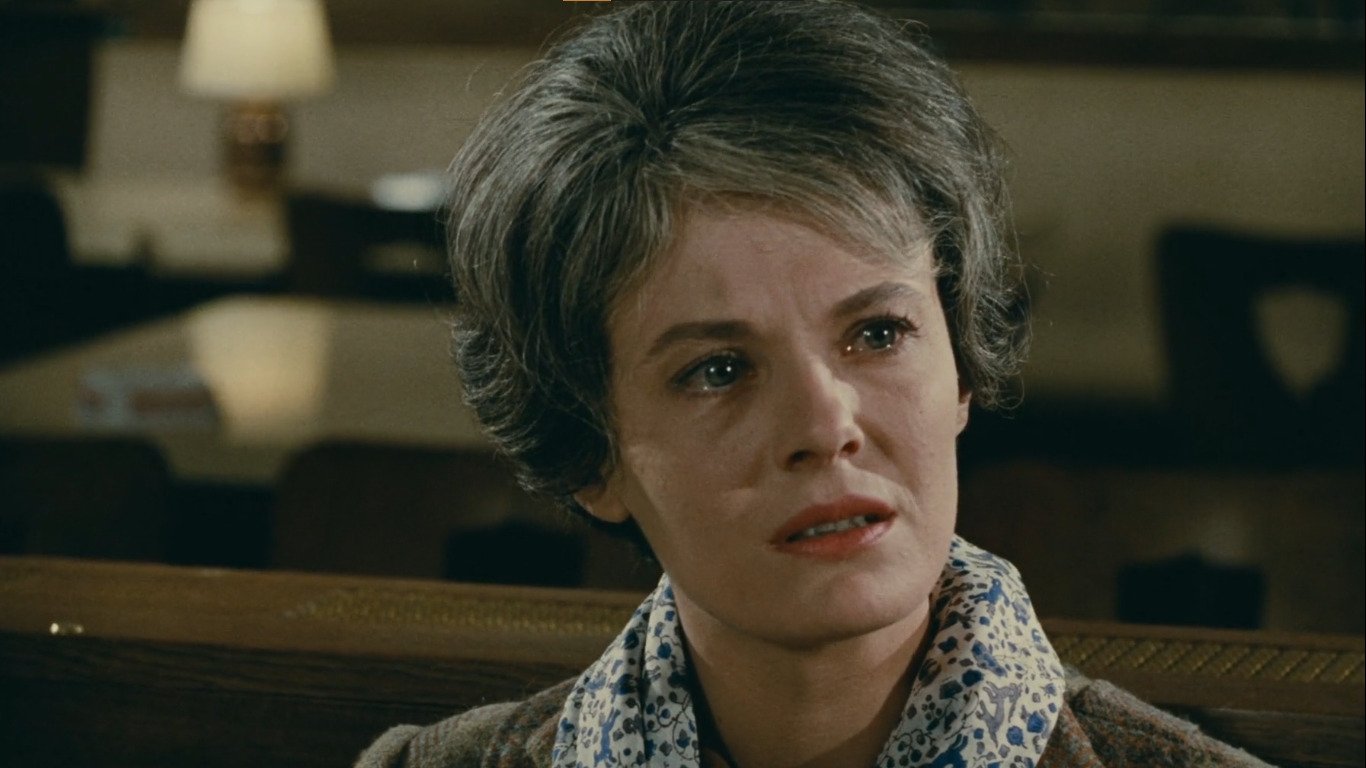
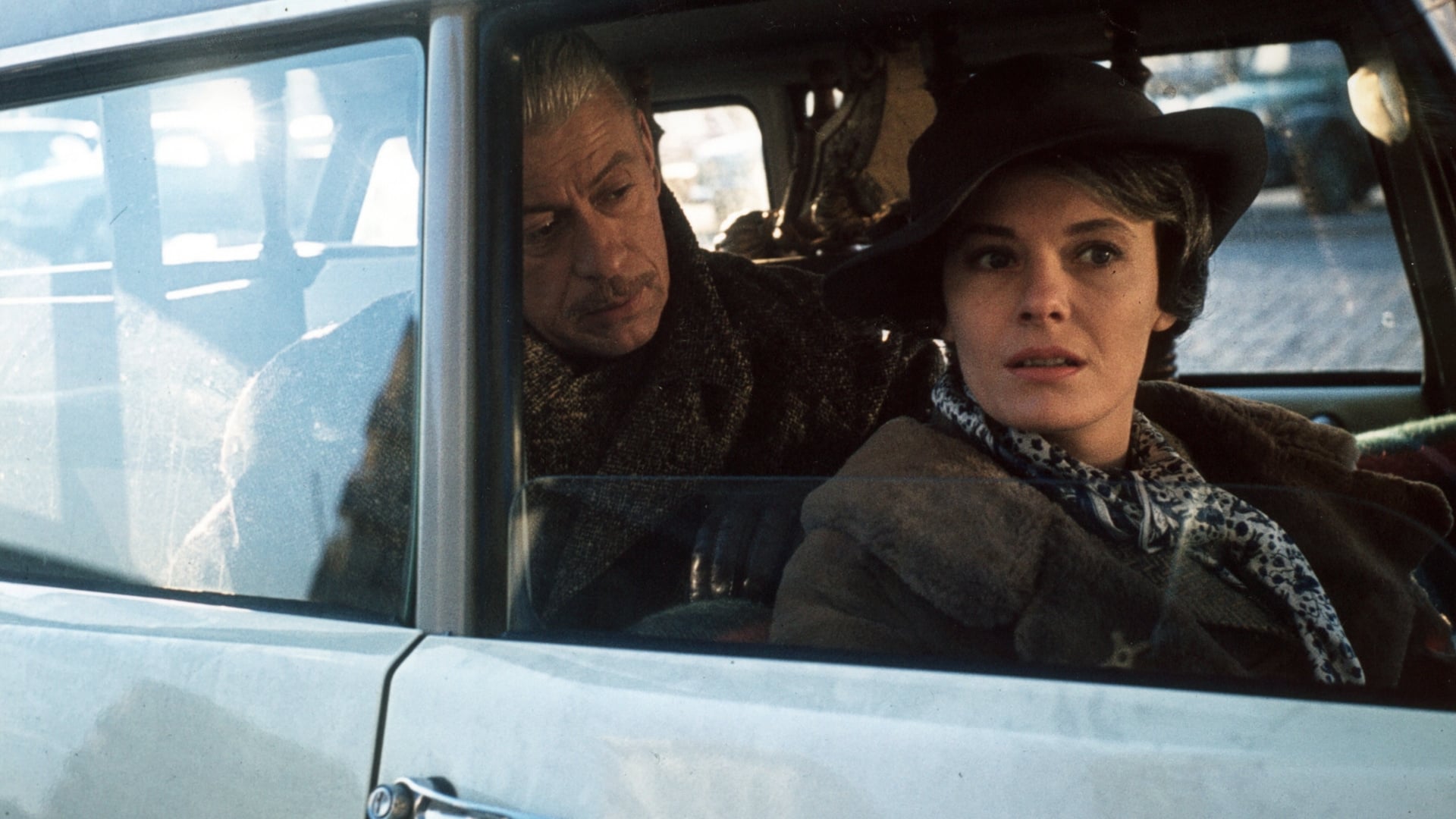
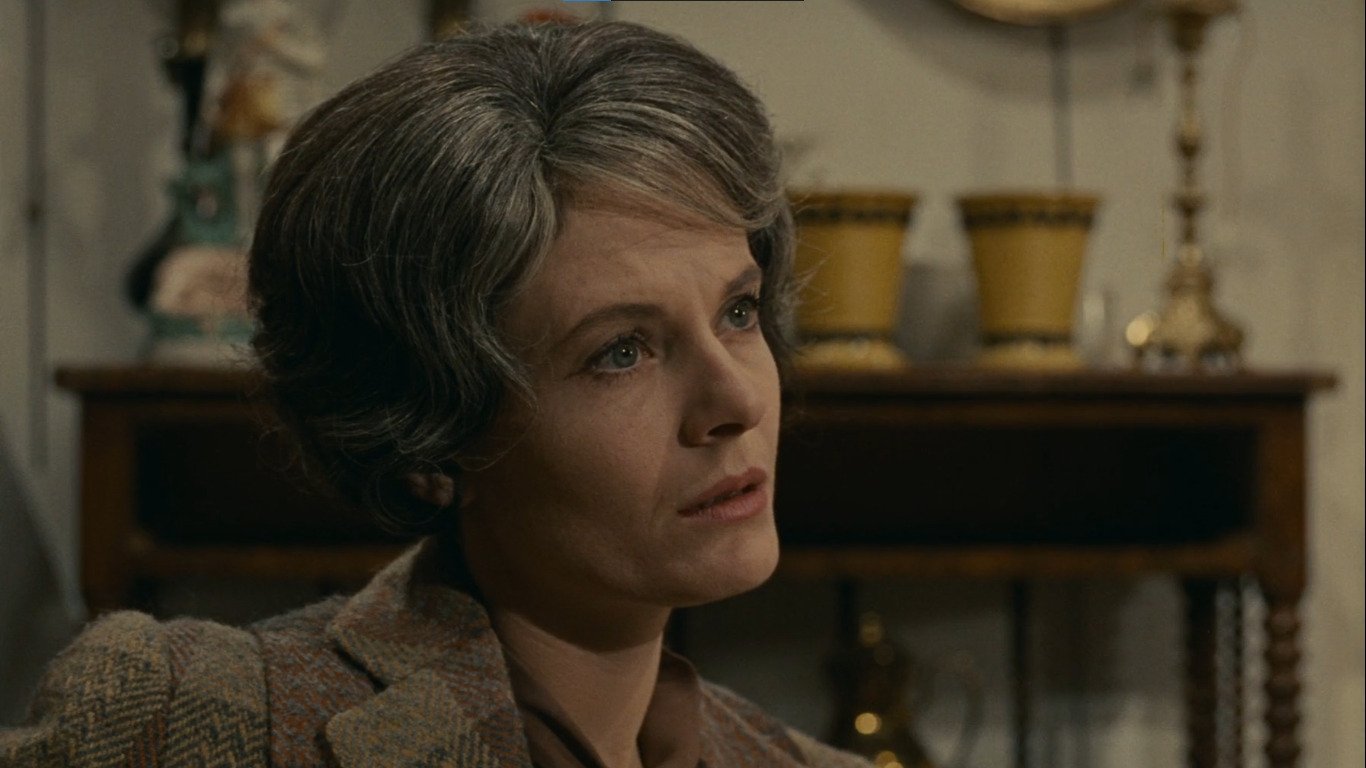
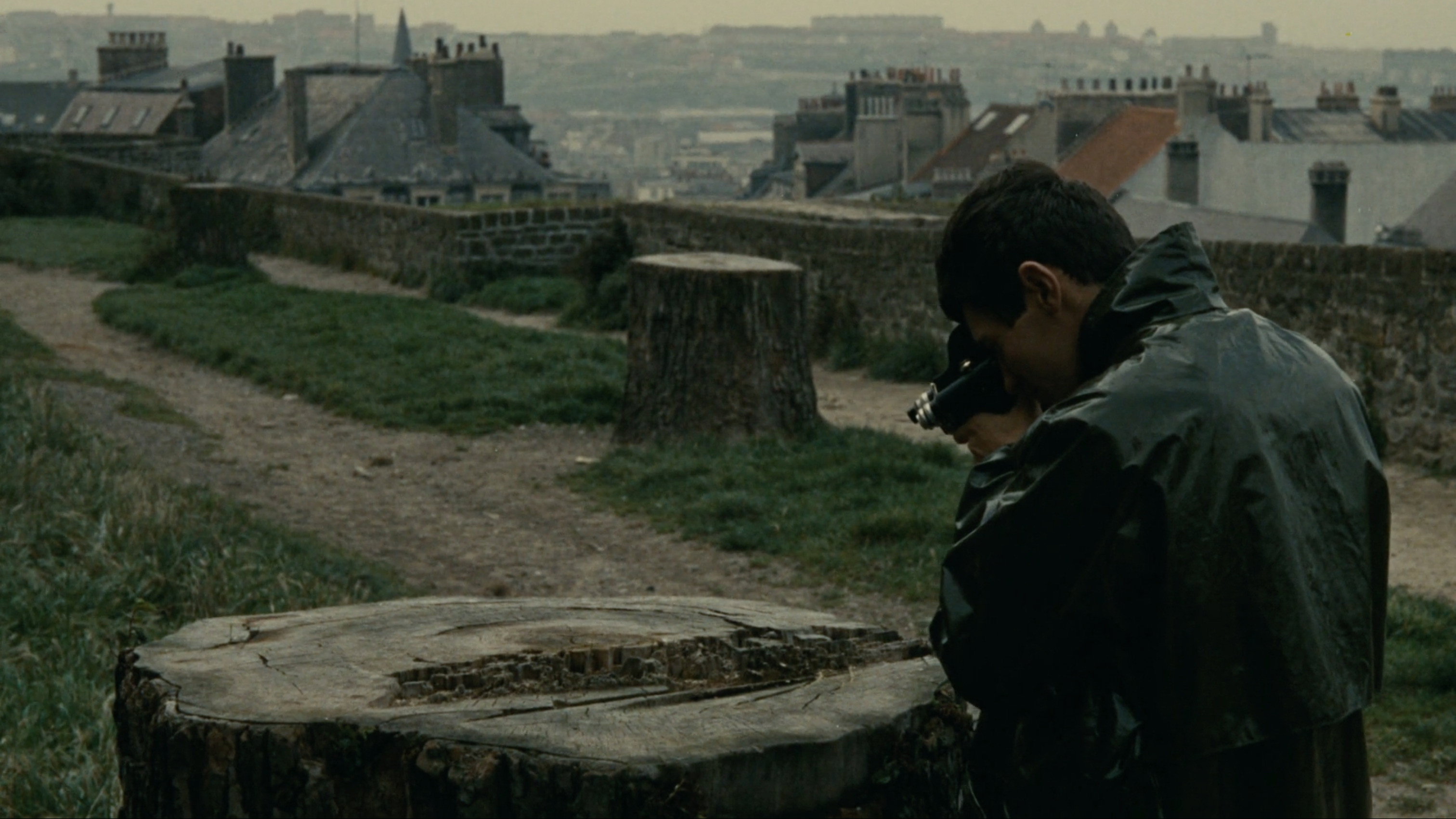
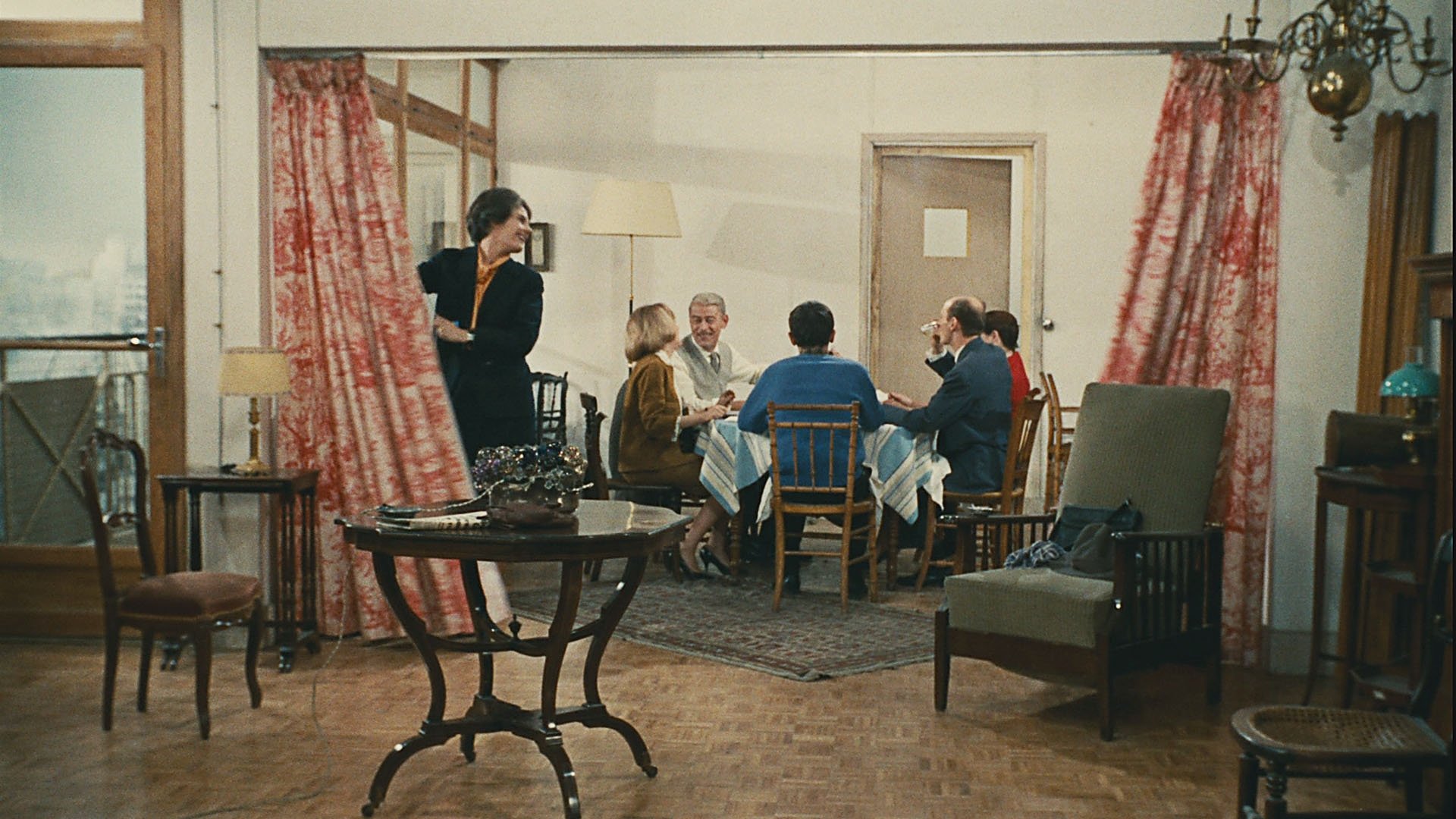
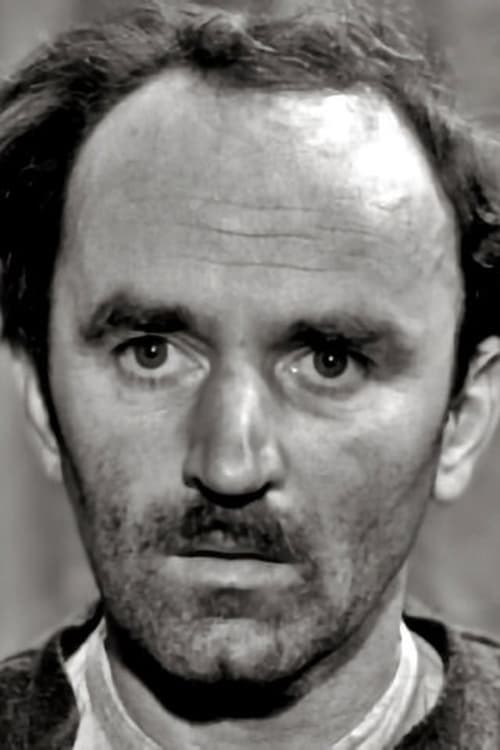
Less of a puzzle than Last Year at Marienbad and less fragmented than Hiroshima Mon Amour, Muriel, or the Time of Return’s examination of the past and the present is dependent upon secrets and mementos of the past surrounding the characters at almost all times. Living among antiques, Hélèn welcomes Alphonse - a past lover - and his supposed niece into her home. Bernard, her stepson, is not too fond of the arrangement, and is living with trauma of his own from the recent war. The way that Alphonse talks about war versus how Bernard talks about it is telling. The way that Bernard and Françoise talk about love is markedly different from how Hélèn and Alphonse talk about it. Ultimately, Muriel is about a failure to reckon with the past and how it builds upon the present. The opening sequence of Hélèn dealing with the demands of a client all while the image cuts between different detailwork of different antiques further supports this contrast between the past and modernity
Less of a puzzle than Last Year at Marienbad and less fragmented than Hiroshima Mon Amour, Muriel, or the Time of Return’s examination of the past and the present is dependent upon secrets and mementos of the past surrounding the characters at almost all times. Living among antiques, Hélèn welcomes Alphonse - a past lover - and his supposed niece into her home. Bernard, her stepson, is not too fond of the arrangement, and is living with trauma of his own from the recent war. The way that Alphonse talks about war versus how Bernard talks about it is telling. The way that Bernard and Françoise talk about love is markedly different from how Hélèn and Alphonse talk about it. Ultimately, Muriel is about a failure to reckon with the past and how it builds upon the present. The opening sequence of Hélèn dealing with the demands of a client all while the image cuts between different detailwork of different antiques further supports this contrast between the past and modernity