

2000·Romance·2h 7m
7.1
★
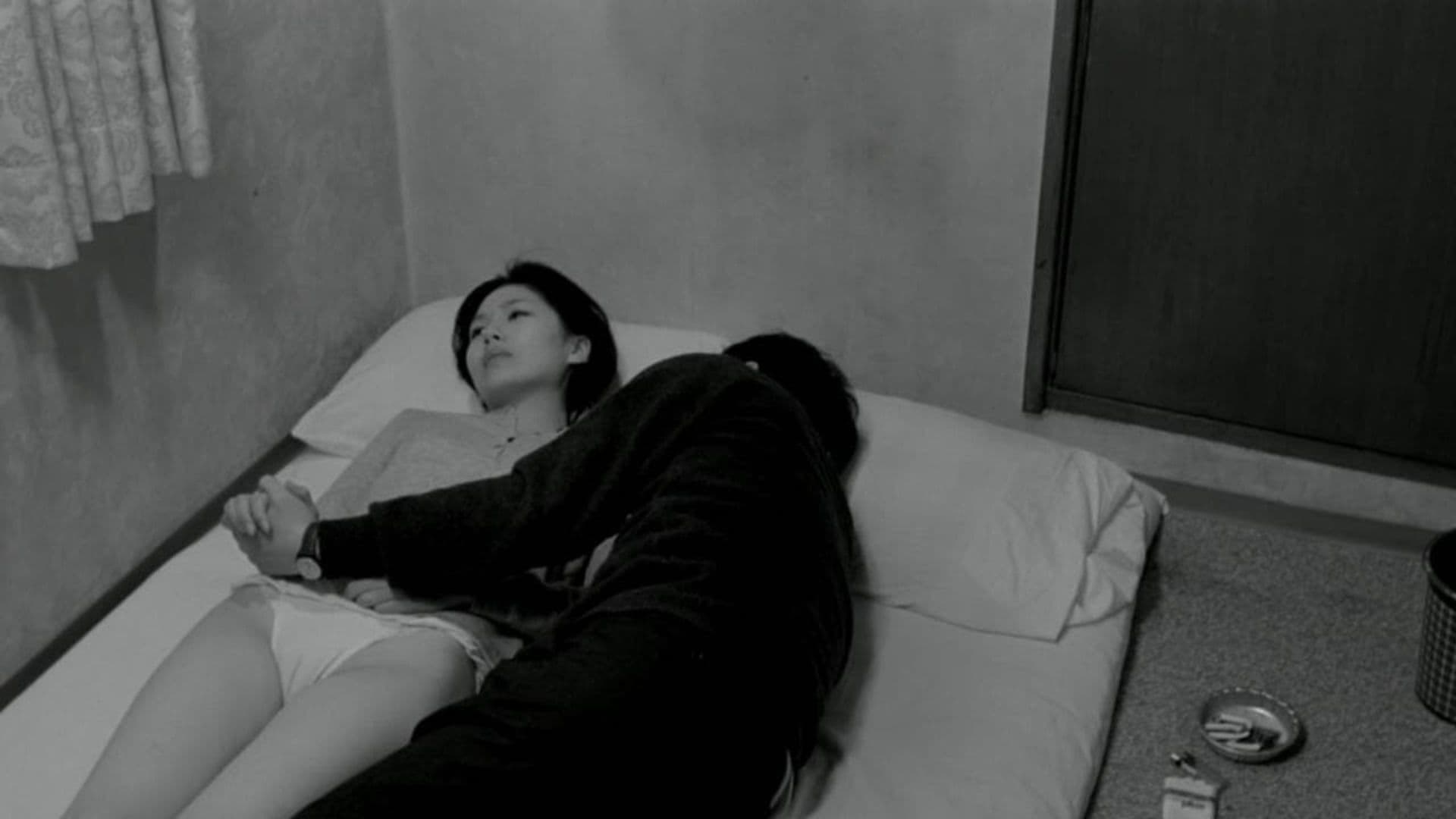
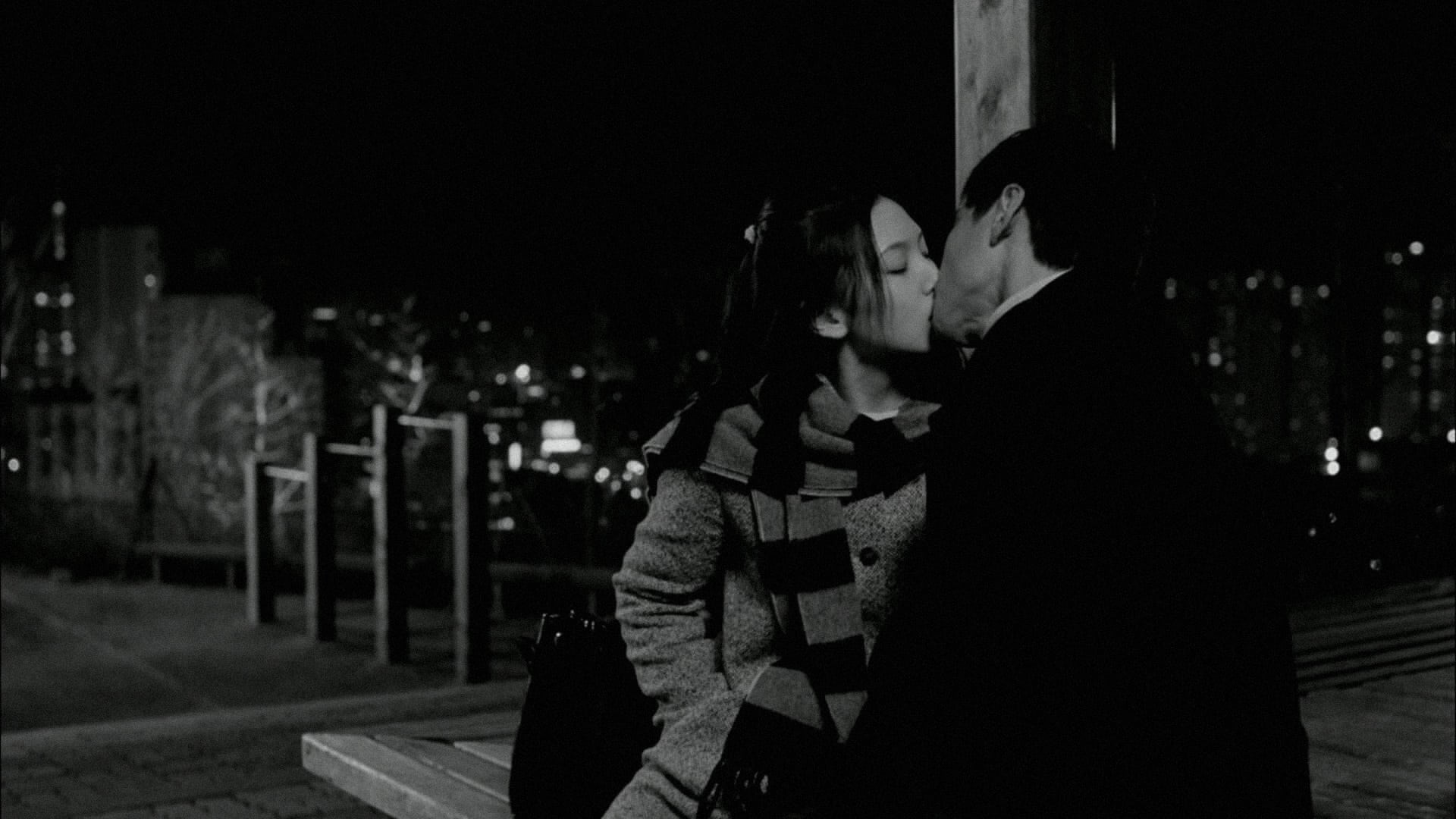
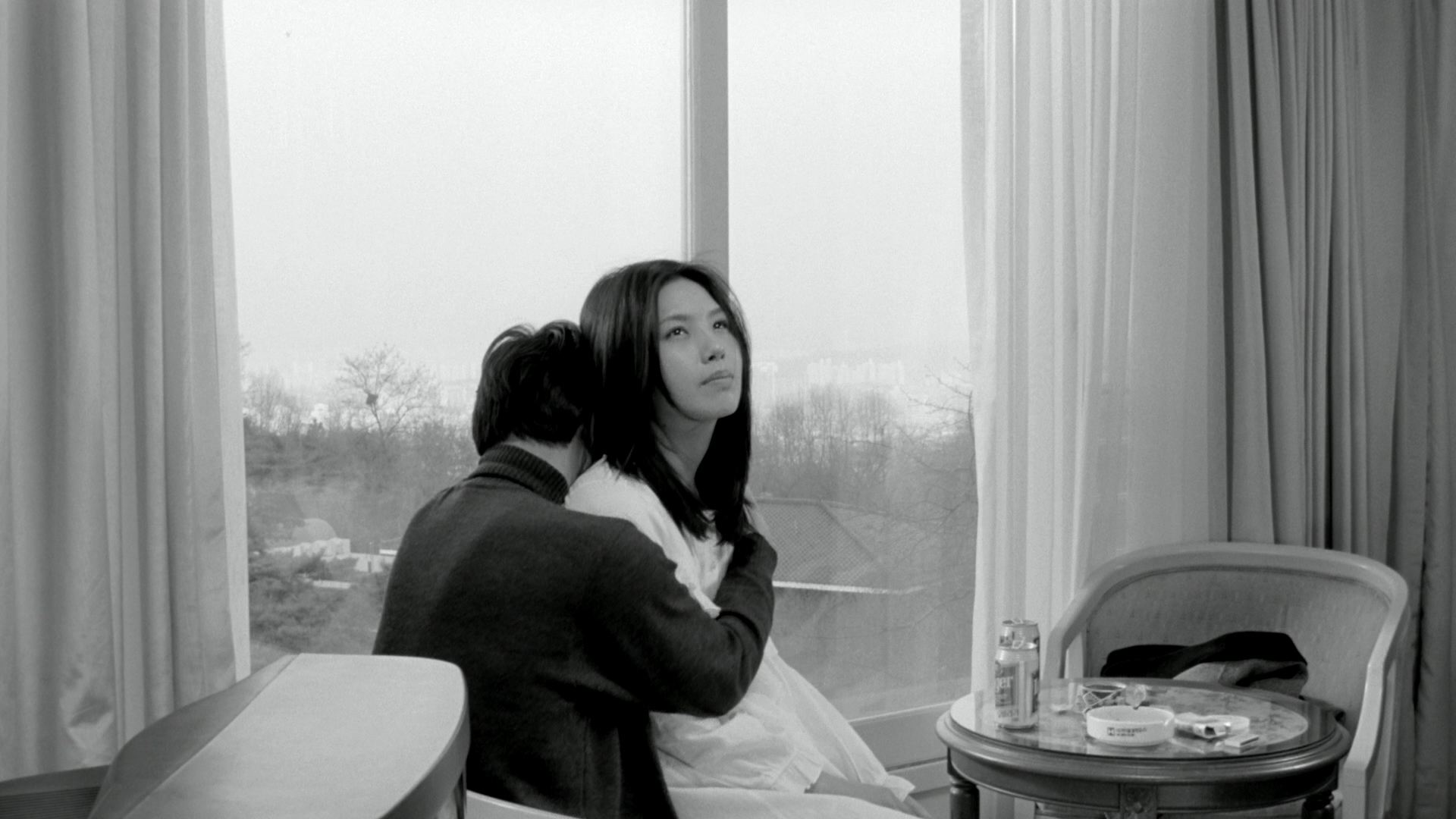
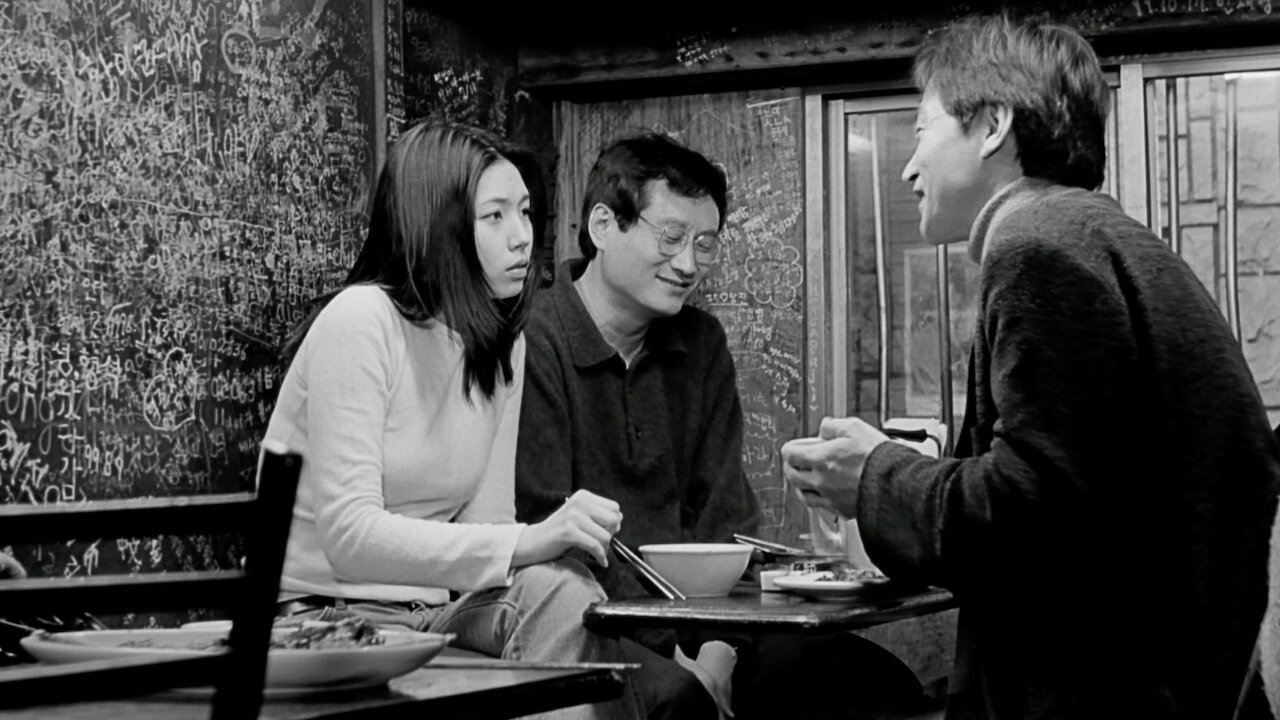
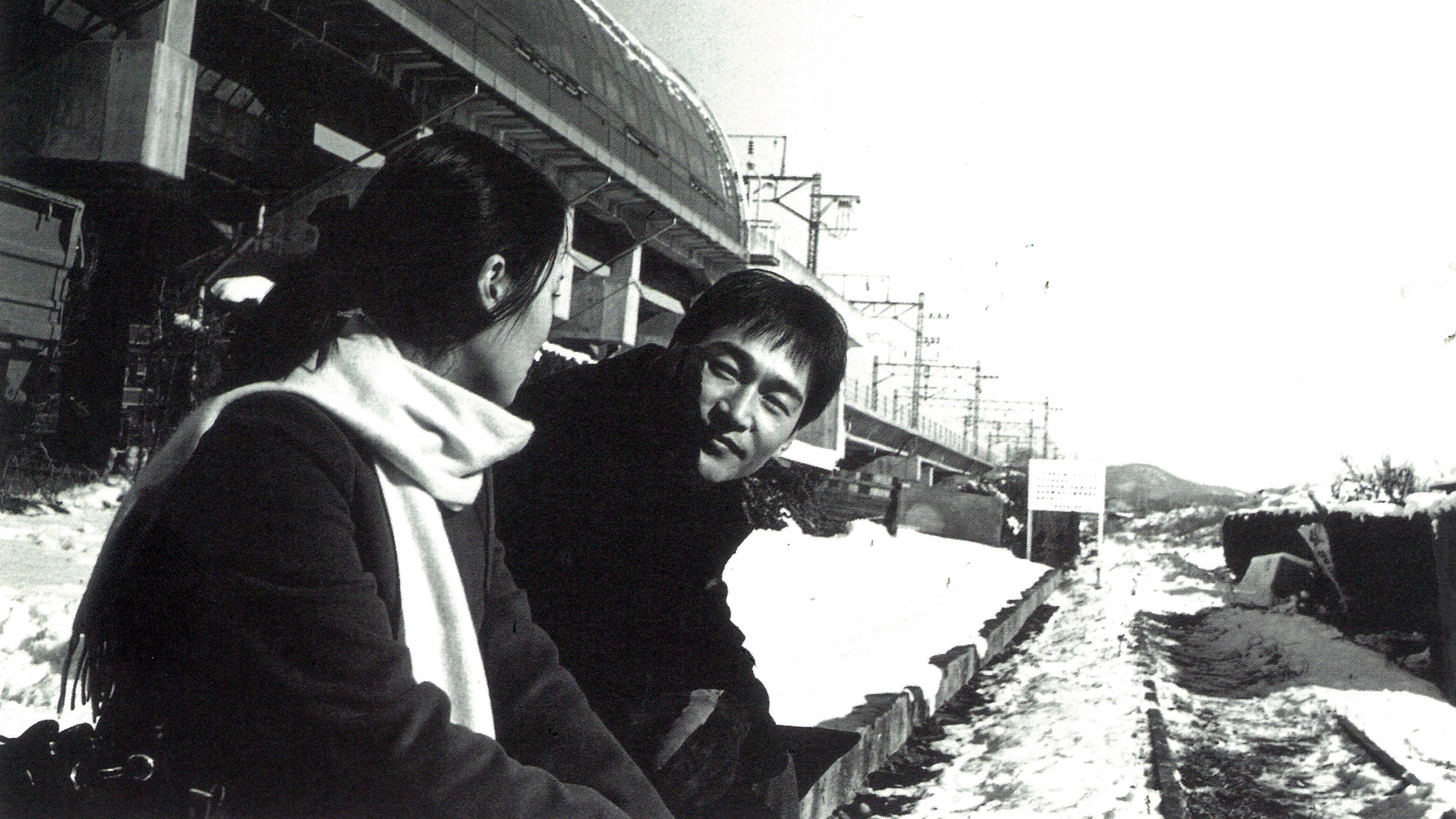
When filmmaker Young-soo introduces writer Soo-jung to his friend Jae-hoon, he unintentionally creates a love triangle. While Jae-hoon pursues Soo-jung, Young-soo clashes with his crew. Yet, just as the story appears to end, it starts all over again, this time with plenty of variations.
Directed by Hong Sang-soo

Trailer

IMDB
N/A
Where to Watch


Cast

Lee Eun-ju
Soo-jung
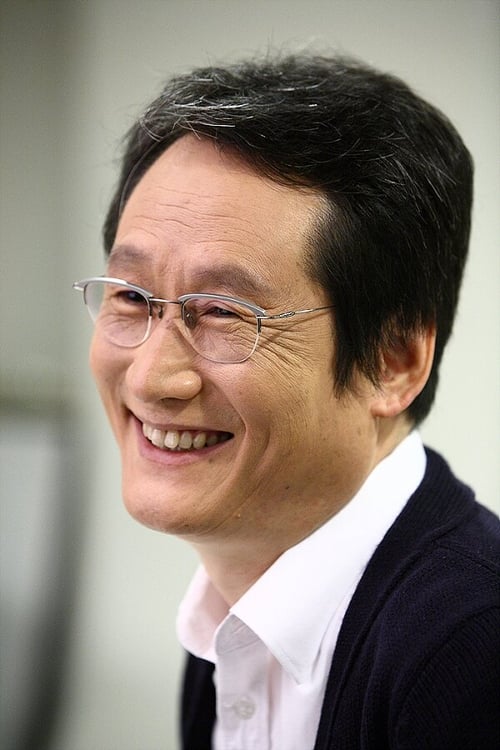
Moon Sung-keun
Young-soo
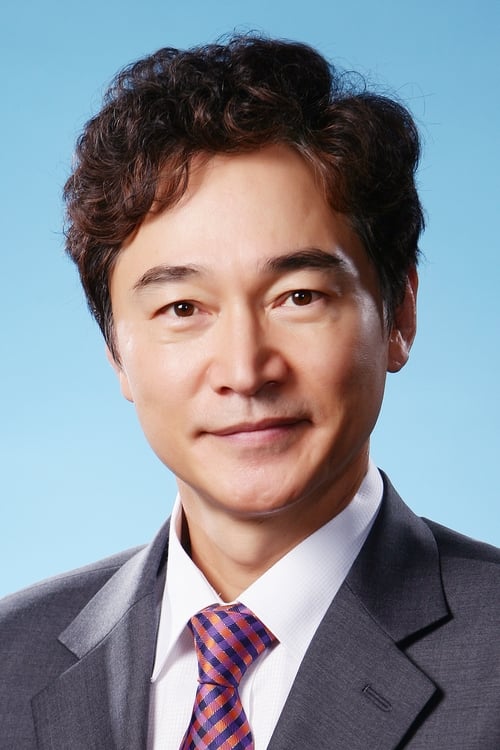
Jung Bo-seok
Jae-hoon
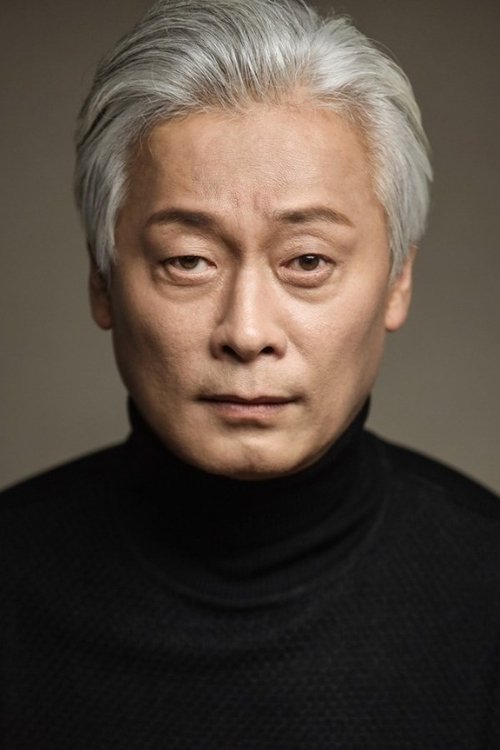
Lee Hwang-eui
Soo-jung's Older Brother

Park Mi-hyeon
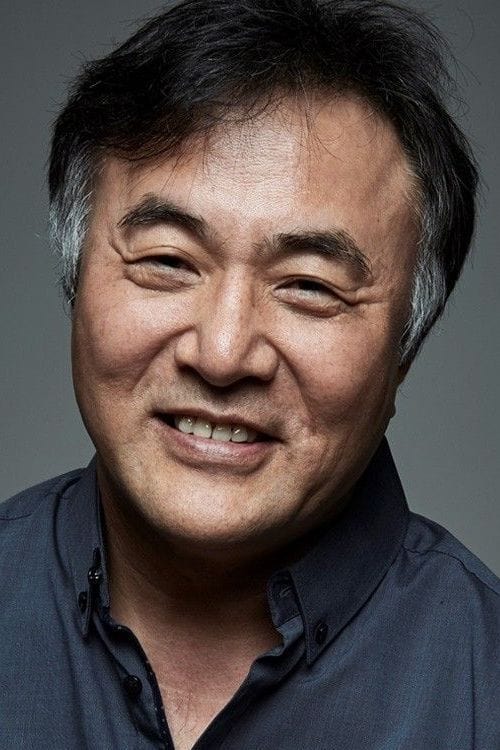
Cho Won-hee
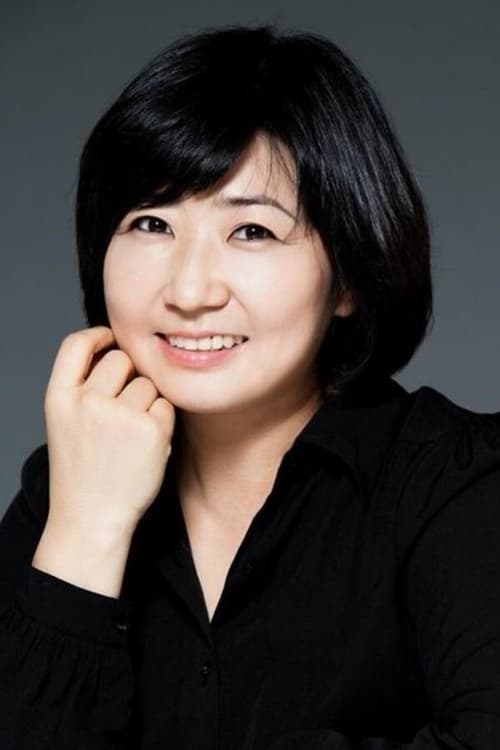
Cho Ryun
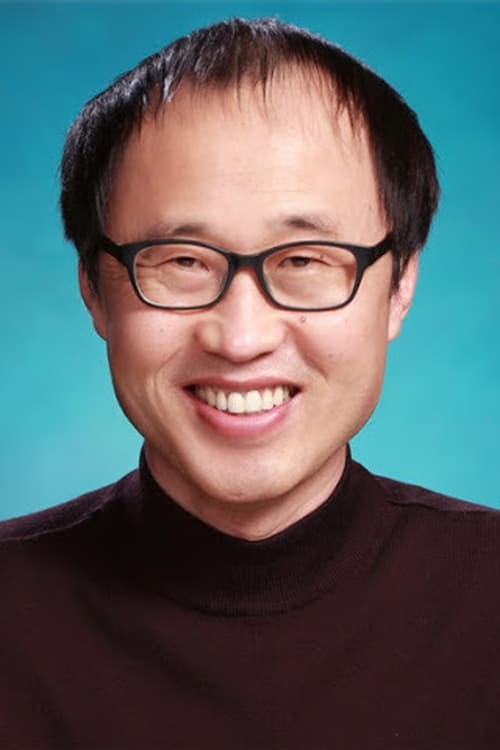
Jo Moon-ee
Crew
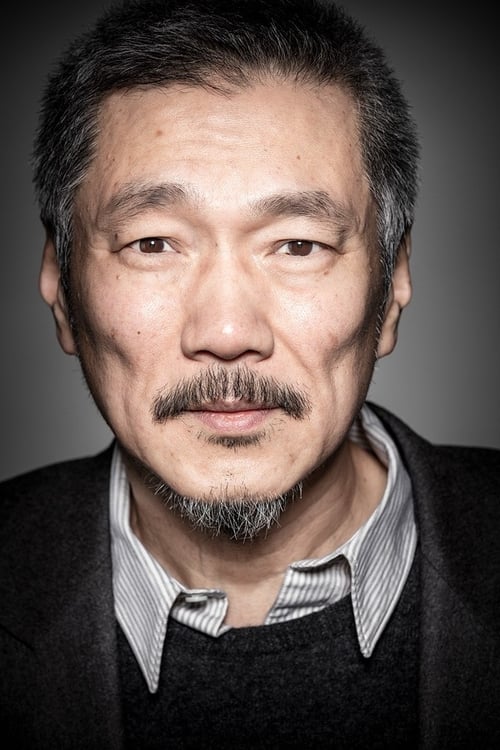
Hong Sang-soo
Director
Hong Sang-soo
Writer
Popular Reviews
12 reviews
Beisa Šabić
Pass, pass
Pass, pass


Nick
9.0★ · 06/07/20
Watched again to do a complete breakdown of sequences. What I noticed most on this deconstructive watch were the cut scenes.
When Soo-jung is in Jae-hoon's room, there is a cut scene of a woman opening a gate to let a dog in.
After the first time we see the dinner party at friends', we see two people playing badminton.
After Jae-hoon changes the date to Cheju Island, another shot of crew members playing badminton. They announce the score as 16-10. When Jae-hoon and Yong-soo played ping pong earlier, the score was 16-9.
At the end of the film, we see a shot of a chef (I think) walking. Jae-hoon then talks about being hungry.
And I'm pretty sure that pedestrian in the long coat entering the cafe/bar means something.
When Soo-jung is in Jae-hoon's room, there is a cut scene of a woman opening a gate to let a dog in.
After the first time we see the dinner party at friends', we see two people playing badminton.
After Jae-hoon changes the date to Cheju Island, another shot of crew members playing badminton. They announce the score as 16-10. When Jae-hoon and Yong-soo played ping pong earlier, the score was 16-9.
At the end of the film, we see a shot of a chef (I think) walking. Jae-hoon then talks about being hungry.
And I'm pretty sure that pedestrian in the long coat entering the cafe/bar means something.
Watched again to do a complete breakdown of sequences. What I noticed most on this deconstructive watch were the cut scenes.
When Soo-jung is in Jae-hoon's room, there is a cut scene of a woman opening a gate to let a dog in.
After the first time we see the dinner party at friends', we see two people playing badminton.
After Jae-hoon changes the date to Cheju Island, another shot of crew members playing badminton. They announce the score as 16-10. When Jae-hoon and Yong-soo played ping pong earlier, the score was 16-9.
At the end of the film, we see a shot of a chef (I think) walking. Jae-hoon then talks about being hungry.
And I'm pretty sure that pedestrian in the long coat entering the cafe/bar means something.
When Soo-jung is in Jae-hoon's room, there is a cut scene of a woman opening a gate to let a dog in.
After the first time we see the dinner party at friends', we see two people playing badminton.
After Jae-hoon changes the date to Cheju Island, another shot of crew members playing badminton. They announce the score as 16-10. When Jae-hoon and Yong-soo played ping pong earlier, the score was 16-9.
At the end of the film, we see a shot of a chef (I think) walking. Jae-hoon then talks about being hungry.
And I'm pretty sure that pedestrian in the long coat entering the cafe/bar means something.
Nick
9.0★ · 06/06/20
For the first hour or so I was wondering what it was that made me love this movie so much the first time. Then when Soo-jung welcomes Jae-hoon openly in the cafe, it all kinda clicks. I ask myself what if we had seen the sequence of events in different order. I start wondering again about the order of every sequence we've seen. The kinda separate-but-intertwined narratives become more interesting. And that's what I love so much about this film. More than any other Hong film I've seen, this one makes me think hardest about what the director is trying to do. The seeds of later works like Hotel by the River and Right Now, Wrong Then are clearly here and are still being explored in a youthful way. There's no question, there are some troubling things that happen in this film. But I gotta trust Hong.
As Marc Raymond says, "This 'rape-narrative' of conflicting uncertainty is combined with a narrative in which rape is a constant threat."
Because of the film's recognition of this overwhelming theme, I want to trust that Hong's heart is in the right place.
As Marc Raymond says, "This 'rape-narrative' of conflicting uncertainty is combined with a narrative in which rape is a constant threat."
Because of the film's recognition of this overwhelming theme, I want to trust that Hong's heart is in the right place.
For the first hour or so I was wondering what it was that made me love this movie so much the first time. Then when Soo-jung welcomes Jae-hoon openly in the cafe, it all kinda clicks. I ask myself what if we had seen the sequence of events in different order. I start wondering again about the order of every sequence we've seen. The kinda separate-but-intertwined narratives become more interesting. And that's what I love so much about this film. More than any other Hong film I've seen, this one makes me think hardest about what the director is trying to do. The seeds of later works like Hotel by the River and Right Now, Wrong Then are clearly here and are still being explored in a youthful way. There's no question, there are some troubling things that happen in this film. But I gotta trust Hong.
As Marc Raymond says, "This 'rape-narrative' of conflicting uncertainty is combined with a narrative in which rape is a constant threat."
Because of the film's recognition of this overwhelming theme, I want to trust that Hong's heart is in the right place.
As Marc Raymond says, "This 'rape-narrative' of conflicting uncertainty is combined with a narrative in which rape is a constant threat."
Because of the film's recognition of this overwhelming theme, I want to trust that Hong's heart is in the right place.
Crimson
2.0★ · 04/24/26
ssnipe
8.0★ · 01/25/26