
Swoon
1992·Drama·1h 33m
7.0
★
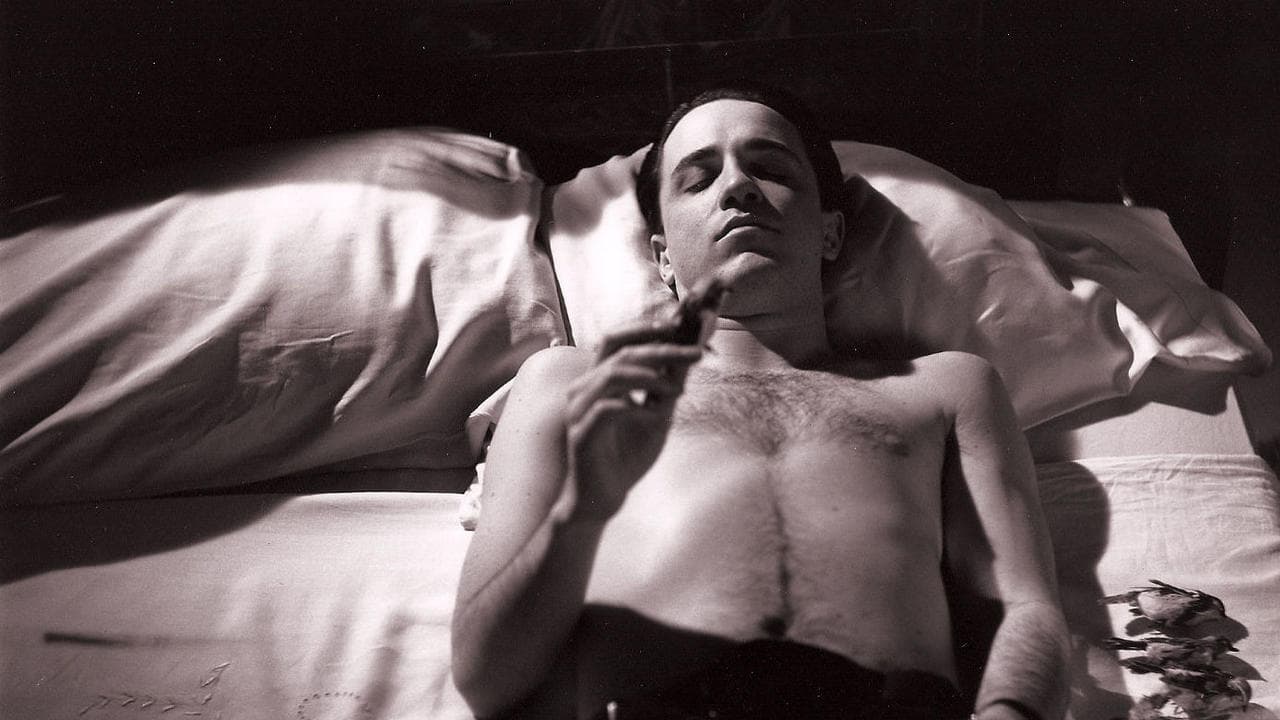
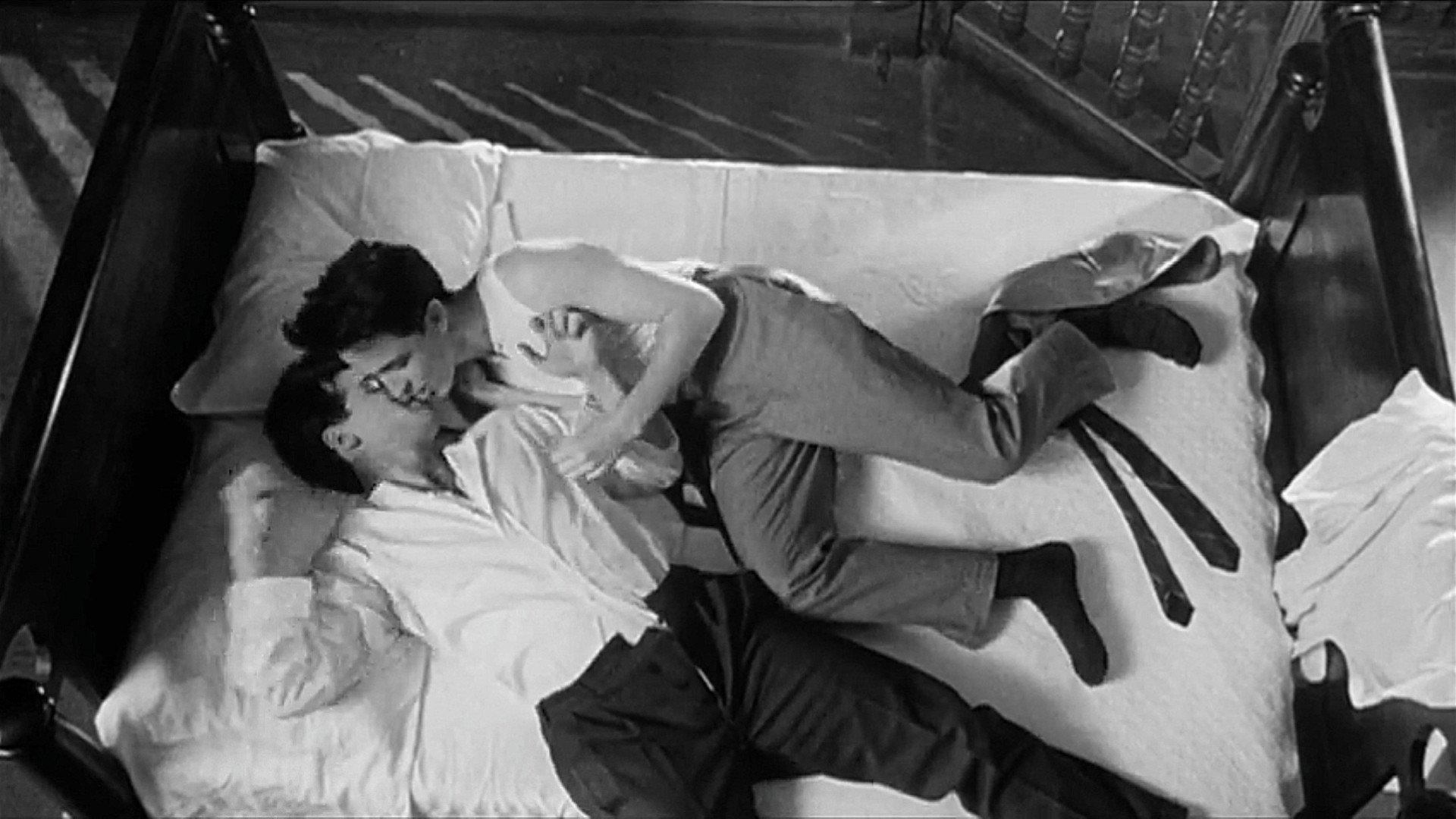
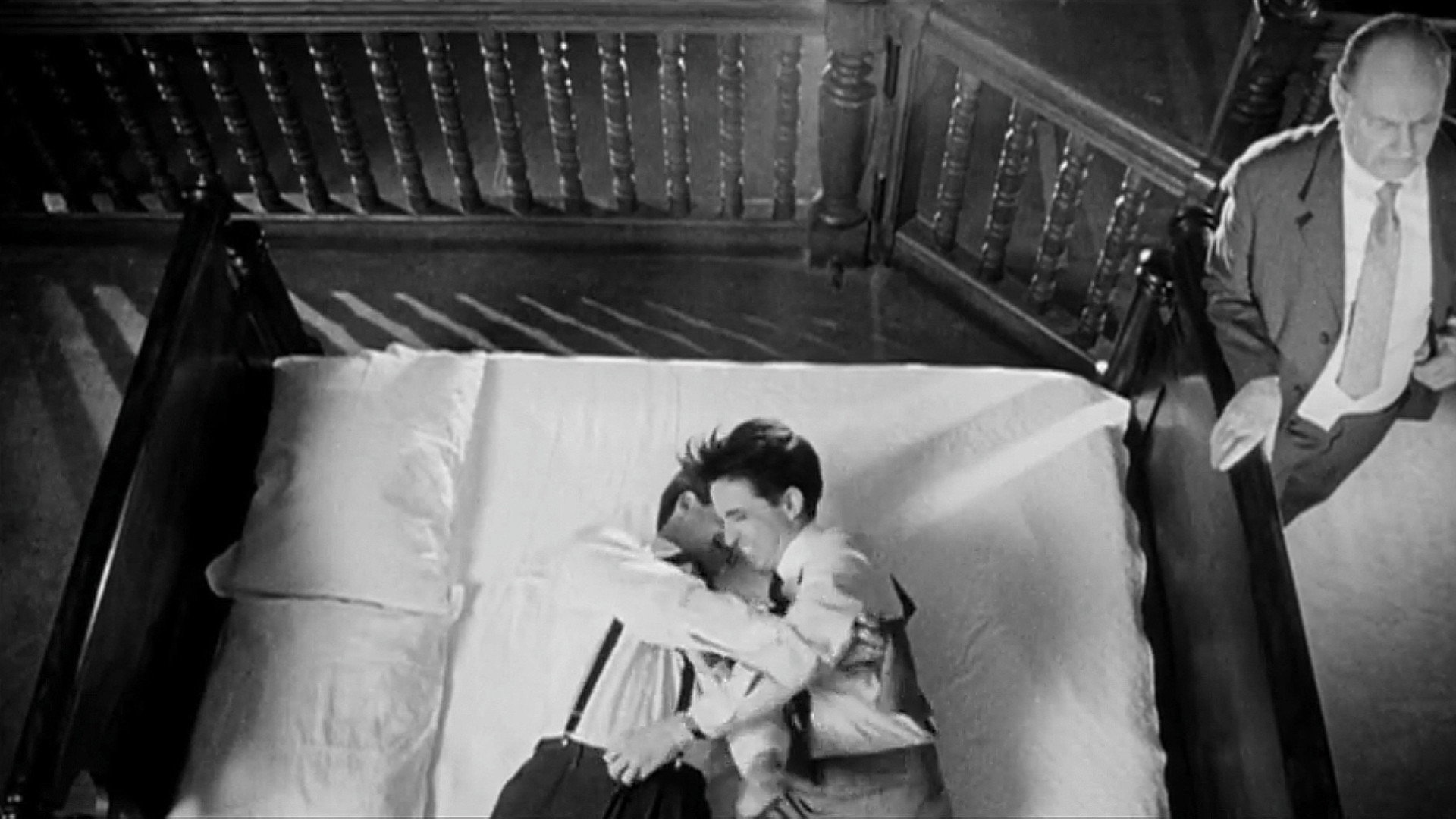
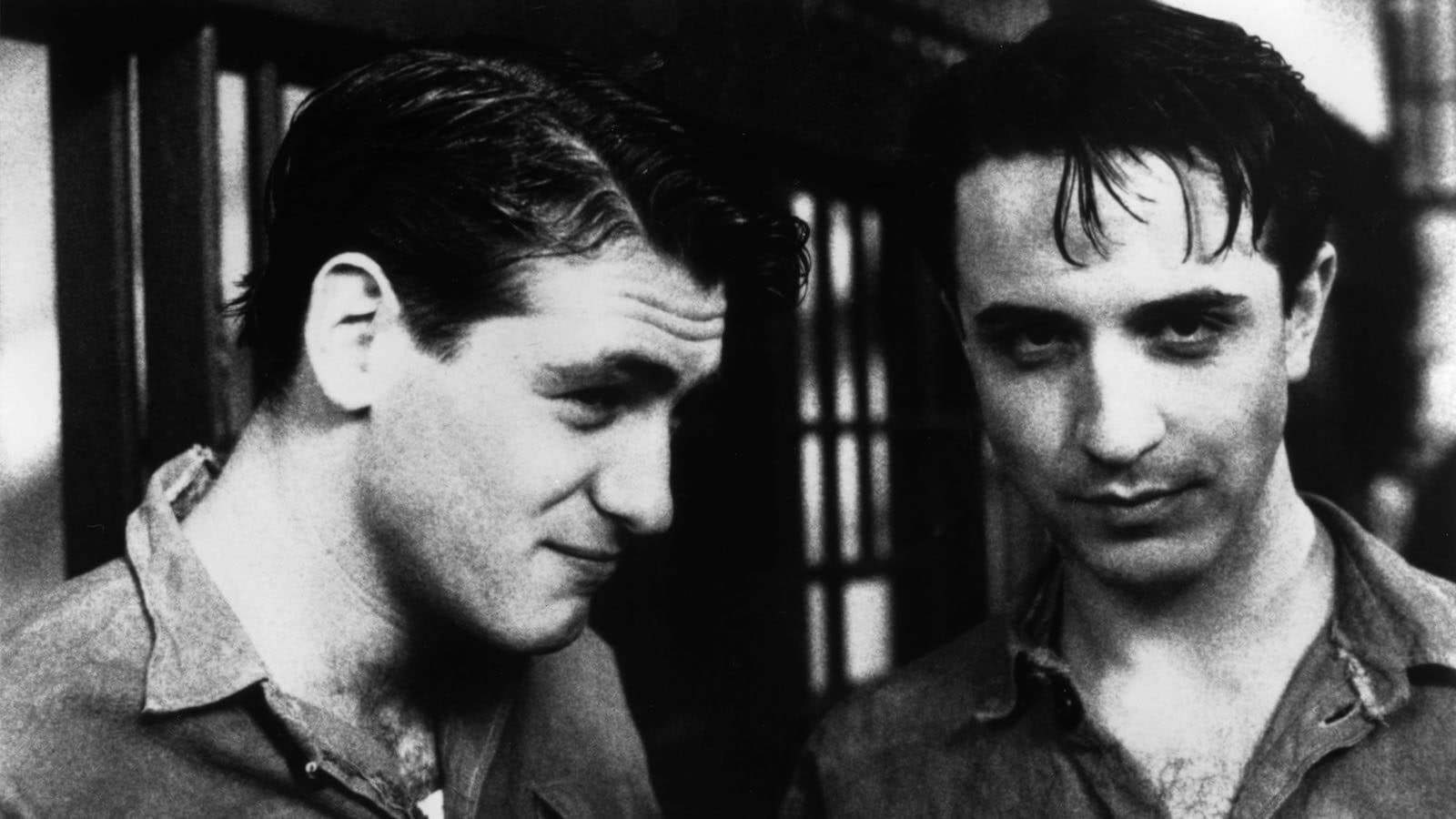
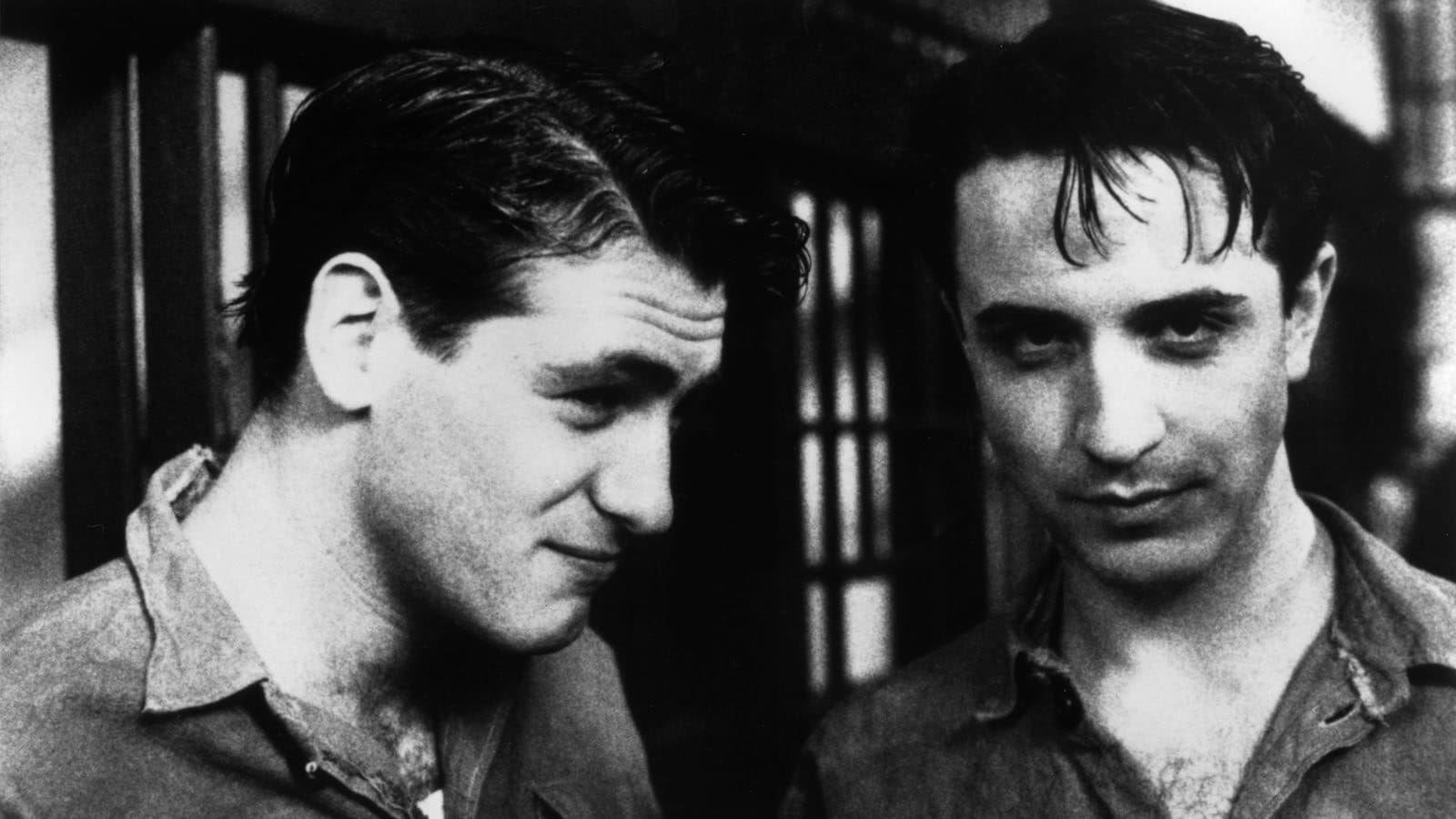
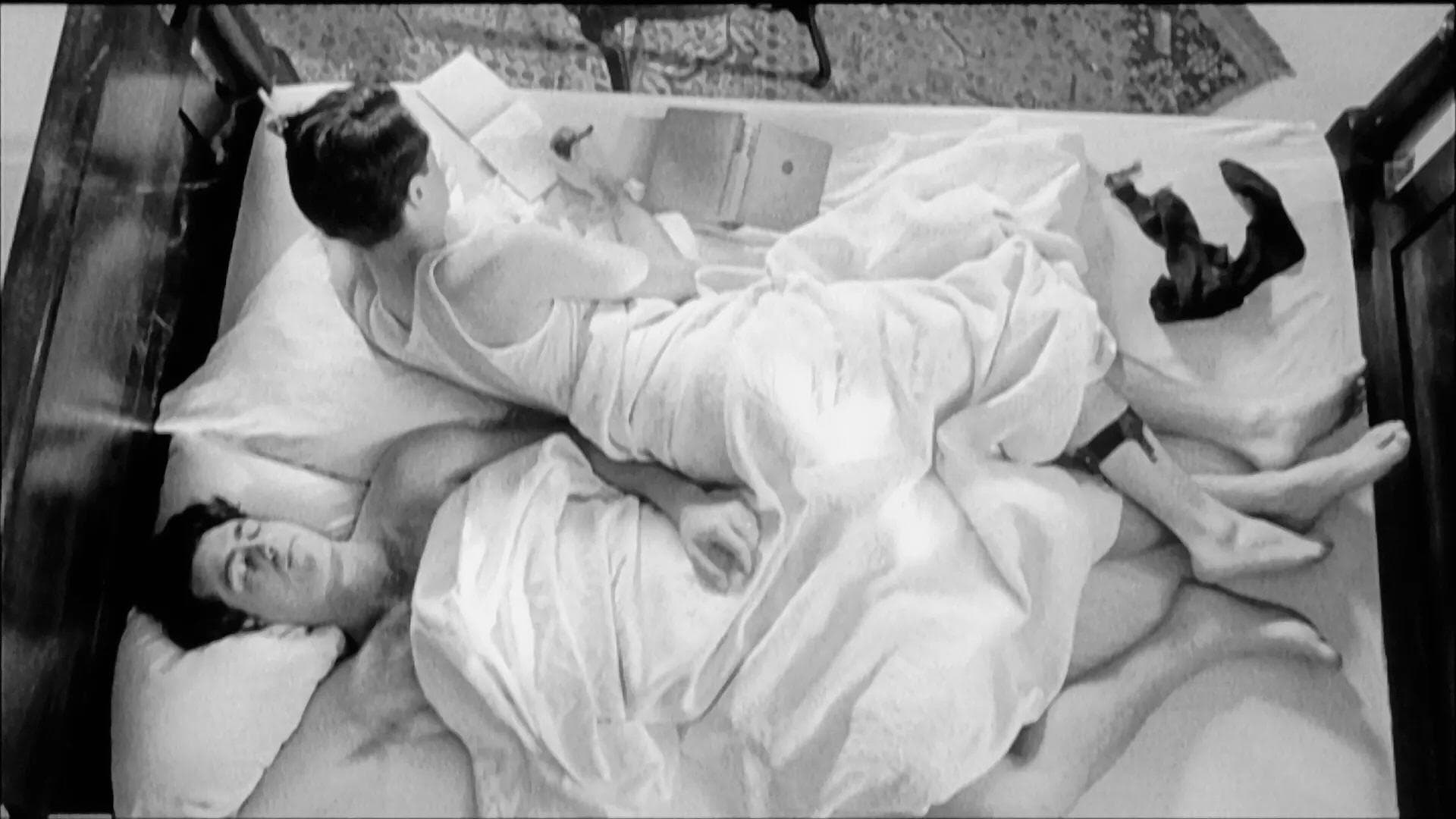
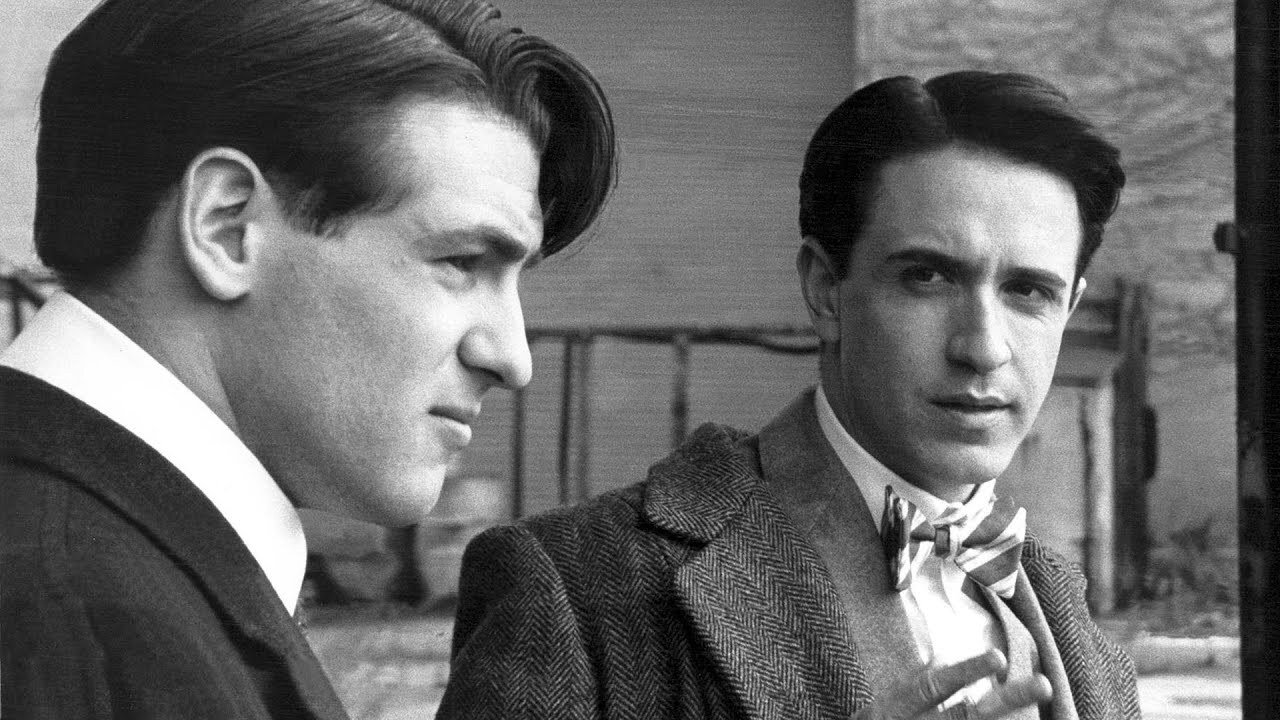
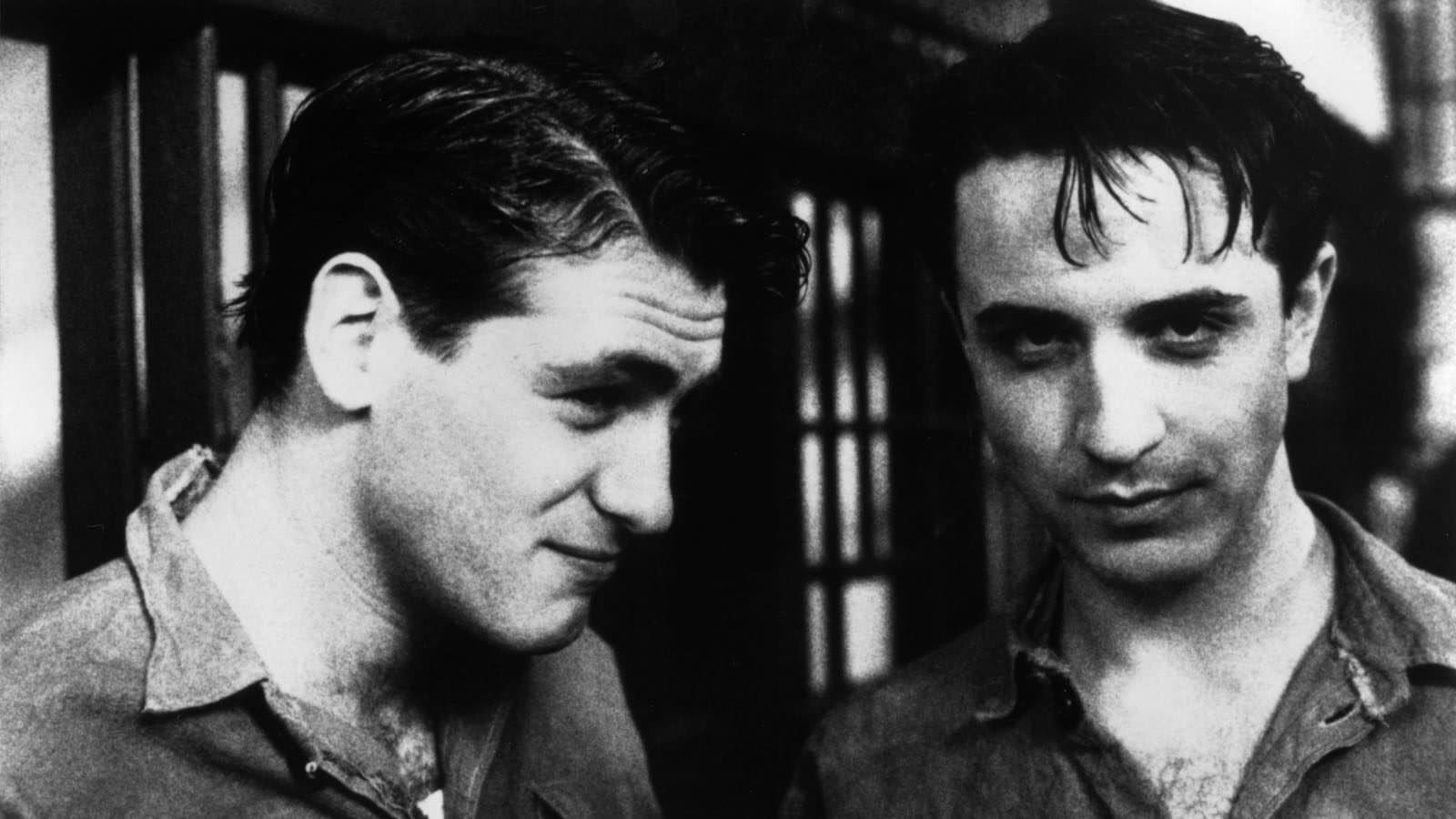
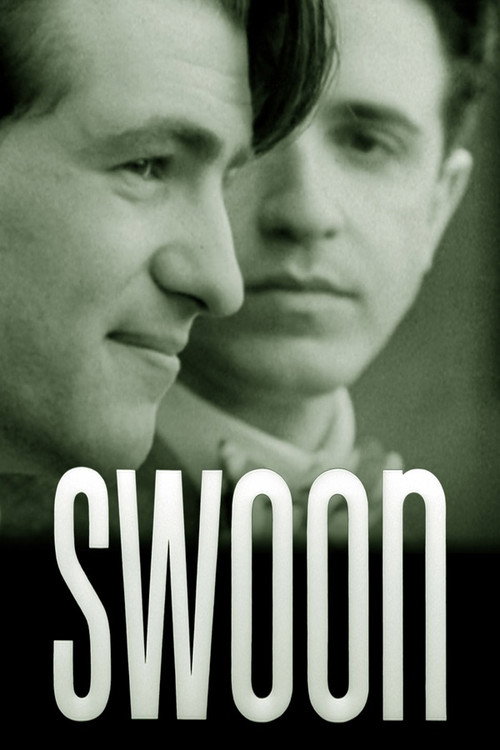
Teenagers Nathan Leopold Jr. and Richard Loeb share a dangerous sexual bond and an amoral outlook on life. They spend afternoons breaking into storefronts and engaging in petty crimes, until the calculating Nathan ups the ante by kidnapping, and murdering, a young boy.
Directed by Tom Kalin
homophobia
male homosexuality
black and white
true crime
real life
1920s
gay theme
queer cinema

Trailer

IMDB
N/A
Where to Watch



Cast
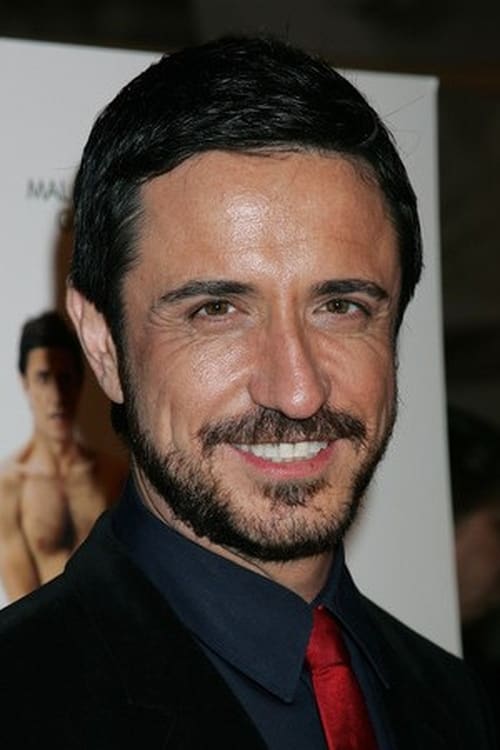
Craig Chester
Nathan Leopold Jr.
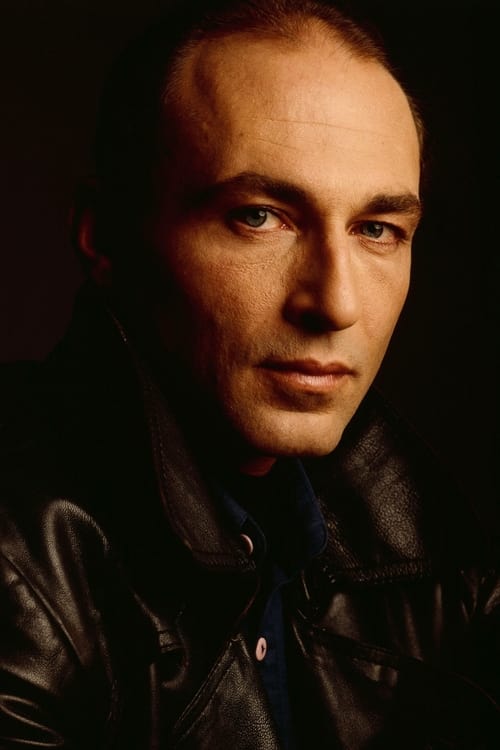
Ron Vawter
State's Attorney Crowe
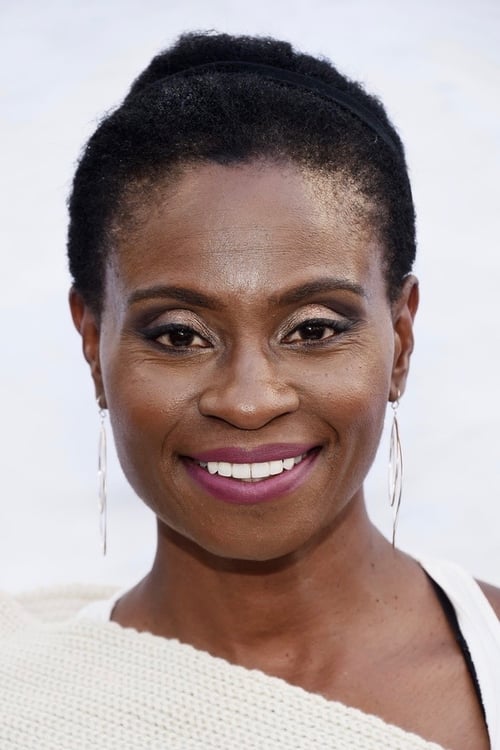
Adina Porter
Stenographer
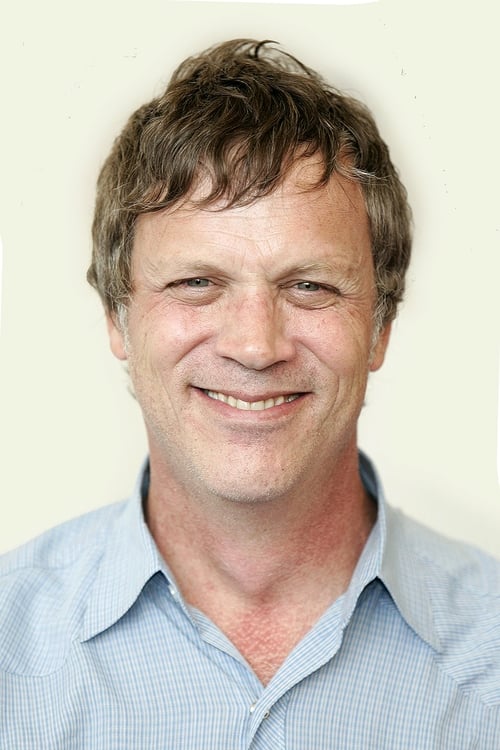
Todd Haynes
Phrenology Head
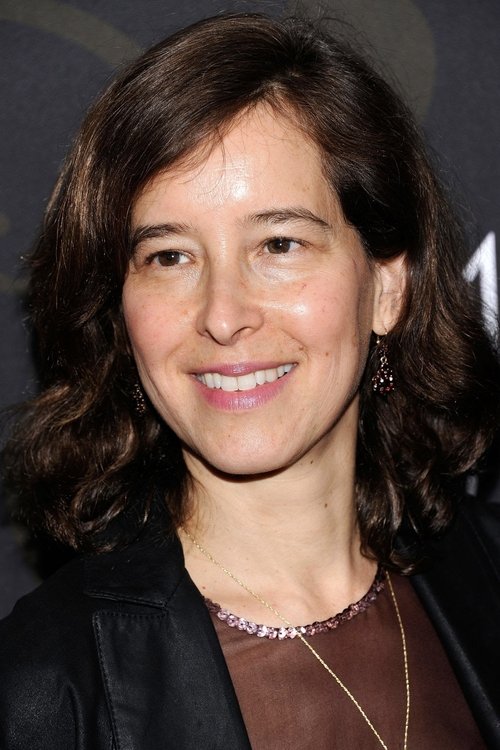
Pamela Koffler
Phrenology Head
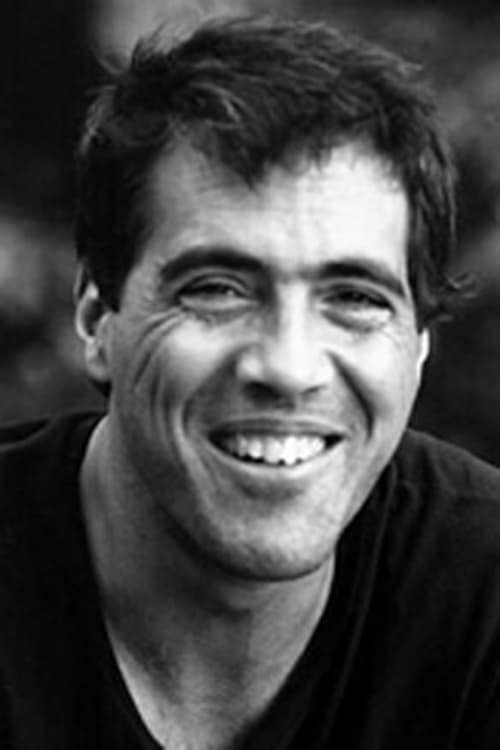
James Lyons
Prison Mugshot
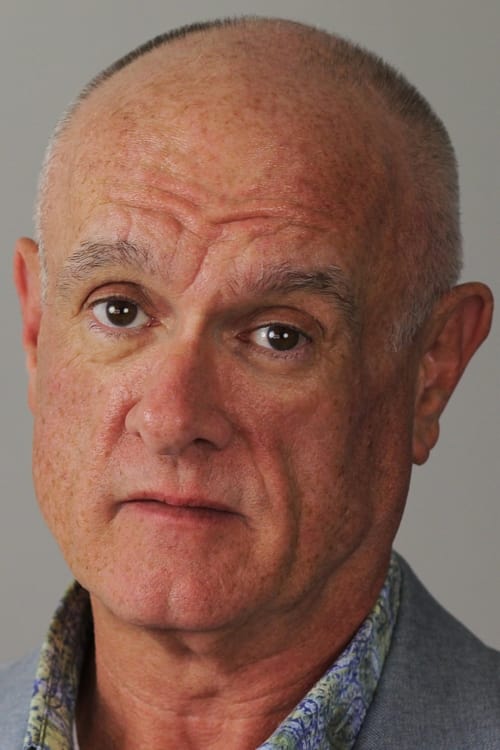
Bobby Reed
Reporter
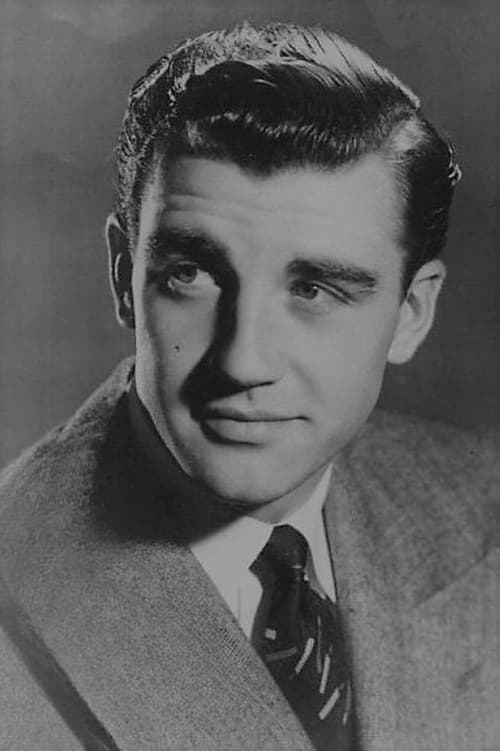
Michael Kirby
Detective Savage
Crew
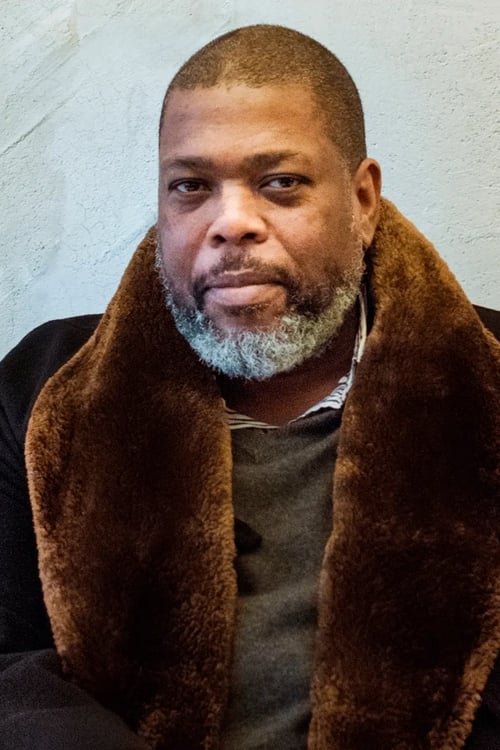
Hilton Als
Writer
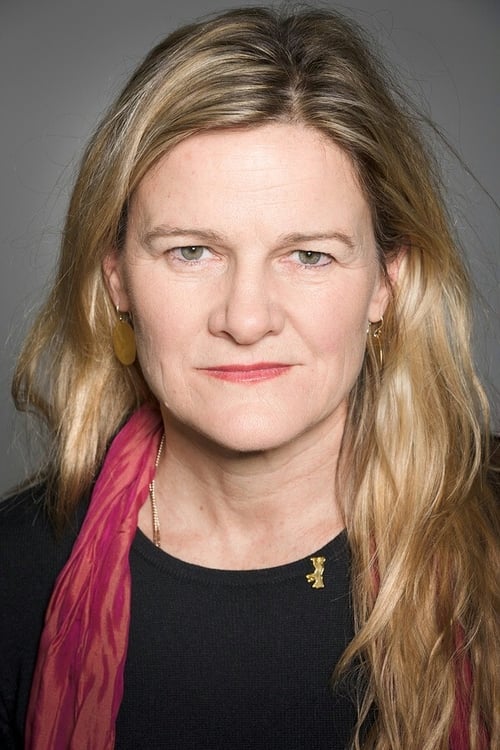
Ellen Kuras
Director of Photography
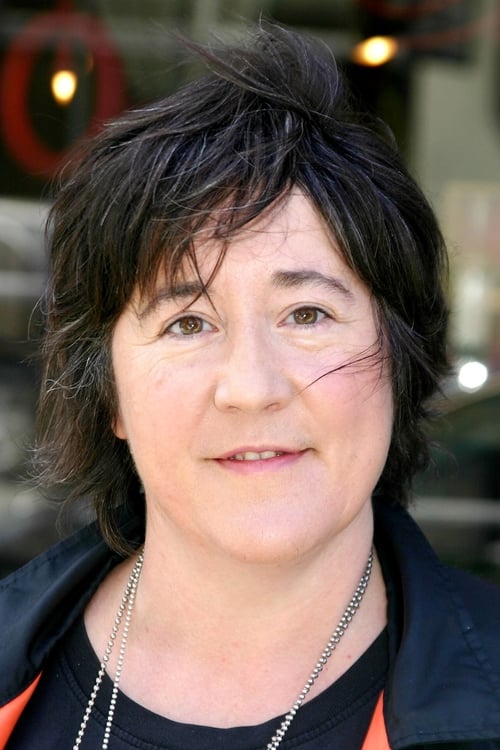
Christine Vachon
Producer

Bill Sherwood
In Memory Of
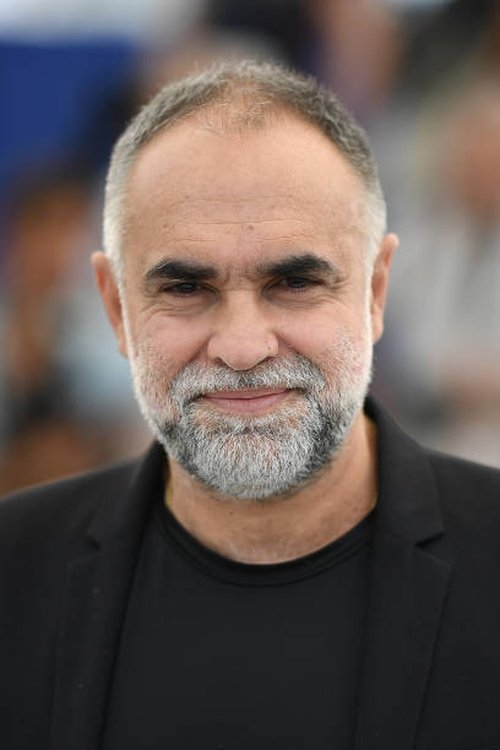
Karim Aïnouz
Assistant Editor
Popular Reviews
30 reviews
Sumedha
7.0★ · 11/14/25
icl i spent way too much of this film unable to tell them apart lmao!
icl i spent way too much of this film unable to tell them apart lmao!


Ayeshoo
"the man who wrote this letter was either an amateur at typing or a sadist"
you could just say anything in the 1920s
you could just say anything in the 1920s
"the man who wrote this letter was either an amateur at typing or a sadist"
you could just say anything in the 1920s
you could just say anything in the 1920s
ScottPRO
8.0★ · 06/02/25
Support gay rights and gay wrongs, etc etc
Asked in the q+a about a lesson learned on this film that she shared with other filmmakers at the time, producer Christine Vachon said “don’t shoot in black and white!” which I appreciated because watching the movie (on the directors personal 35mm print) I thought it looked quite bad! (Ellen Kuras’s first feature as cinematographer before going on to doing much better work on things like Eternal Sunshine of the Spotless Mind). But the style and editing were very cool, even if it drags a little in the middle
Funny how so much of the narrative around Leopold and Loeb is about how smart they were and how they did it because they crafted the perfect crime, etc. but this movie shows how dumb they actually were. Just dumb rich kids! Brilliant and crucial line about how they paid for hotel and rental car with their allowance.
Asked in the q+a about a lesson learned on this film that she shared with other filmmakers at the time, producer Christine Vachon said “don’t shoot in black and white!” which I appreciated because watching the movie (on the directors personal 35mm print) I thought it looked quite bad! (Ellen Kuras’s first feature as cinematographer before going on to doing much better work on things like Eternal Sunshine of the Spotless Mind). But the style and editing were very cool, even if it drags a little in the middle
Funny how so much of the narrative around Leopold and Loeb is about how smart they were and how they did it because they crafted the perfect crime, etc. but this movie shows how dumb they actually were. Just dumb rich kids! Brilliant and crucial line about how they paid for hotel and rental car with their allowance.
Support gay rights and gay wrongs, etc etc
Asked in the q+a about a lesson learned on this film that she shared with other filmmakers at the time, producer Christine Vachon said “don’t shoot in black and white!” which I appreciated because watching the movie (on the directors personal 35mm print) I thought it looked quite bad! (Ellen Kuras’s first feature as cinematographer before going on to doing much better work on things like Eternal Sunshine of the Spotless Mind). But the style and editing were very cool, even if it drags a little in the middle
Funny how so much of the narrative around Leopold and Loeb is about how smart they were and how they did it because they crafted the perfect crime, etc. but this movie shows how dumb they actually were. Just dumb rich kids! Brilliant and crucial line about how they paid for hotel and rental car with their allowance.
Asked in the q+a about a lesson learned on this film that she shared with other filmmakers at the time, producer Christine Vachon said “don’t shoot in black and white!” which I appreciated because watching the movie (on the directors personal 35mm print) I thought it looked quite bad! (Ellen Kuras’s first feature as cinematographer before going on to doing much better work on things like Eternal Sunshine of the Spotless Mind). But the style and editing were very cool, even if it drags a little in the middle
Funny how so much of the narrative around Leopold and Loeb is about how smart they were and how they did it because they crafted the perfect crime, etc. but this movie shows how dumb they actually were. Just dumb rich kids! Brilliant and crucial line about how they paid for hotel and rental car with their allowance.
Maxwell
3.9★ · 05/17/25
the gays love their murder
the gays love their murder
Eli Simone
10.0★ · 04/09/25
Just watched this film instead of finishing the Leopold and Loeb report that’s due tomorrow
I actually already watched this film awhile back and HOLY SHIT ITS REALLY GOOD and the way its shot and edited is so amazing oh my god
I actually already watched this film awhile back and HOLY SHIT ITS REALLY GOOD and the way its shot and edited is so amazing oh my god
Just watched this film instead of finishing the Leopold and Loeb report that’s due tomorrow
I actually already watched this film awhile back and HOLY SHIT ITS REALLY GOOD and the way its shot and edited is so amazing oh my god
I actually already watched this film awhile back and HOLY SHIT ITS REALLY GOOD and the way its shot and edited is so amazing oh my god