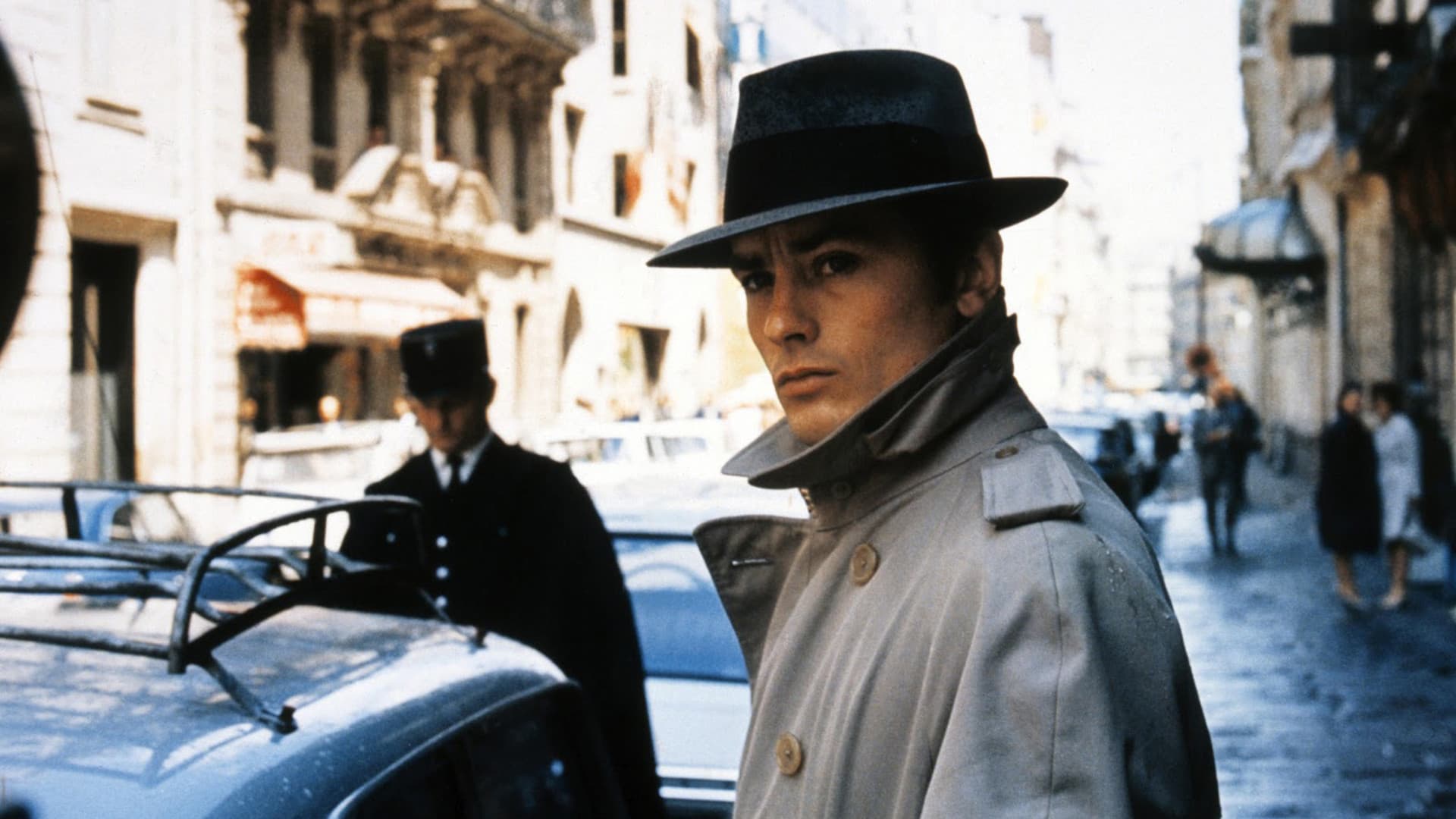
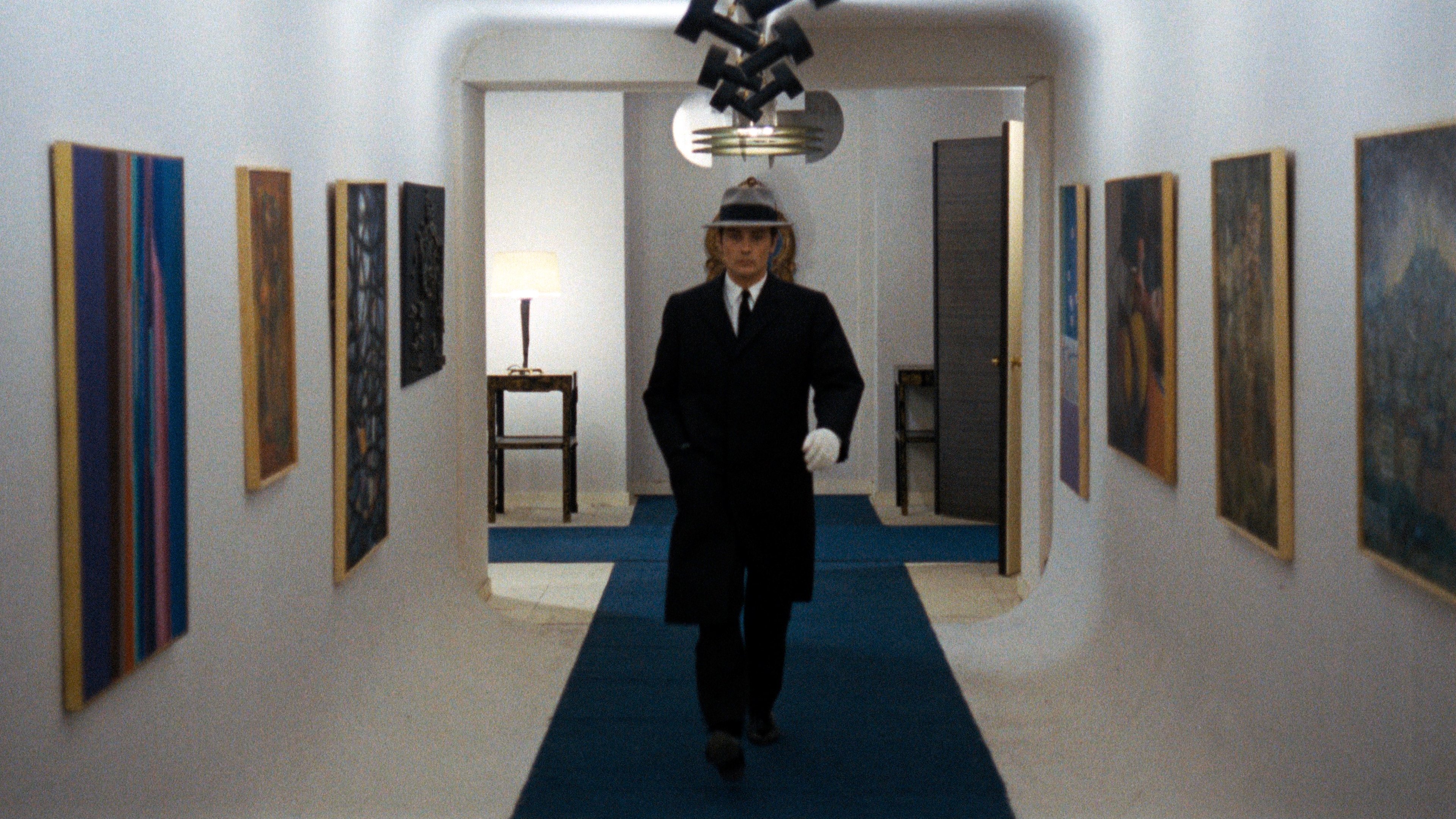
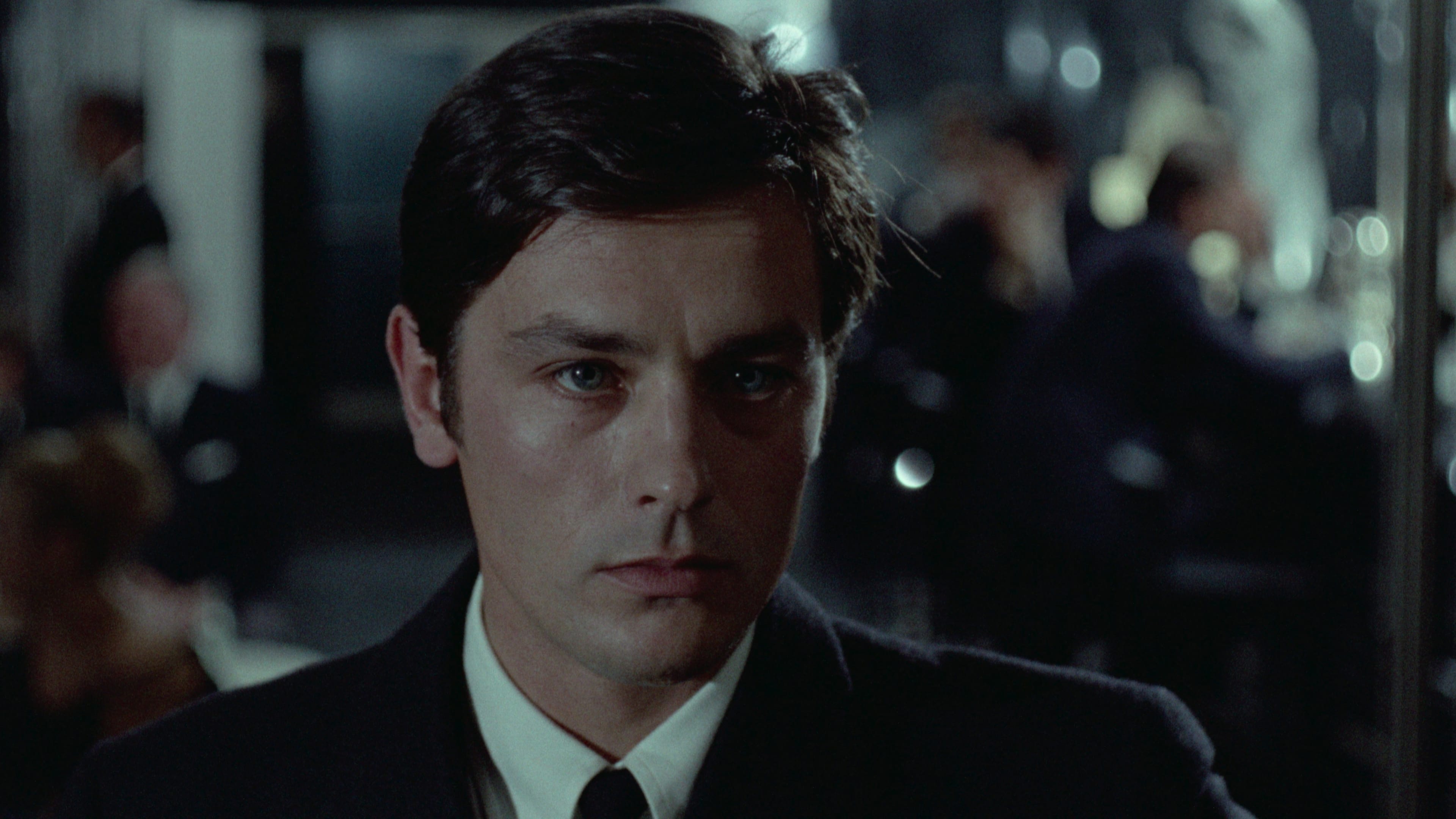
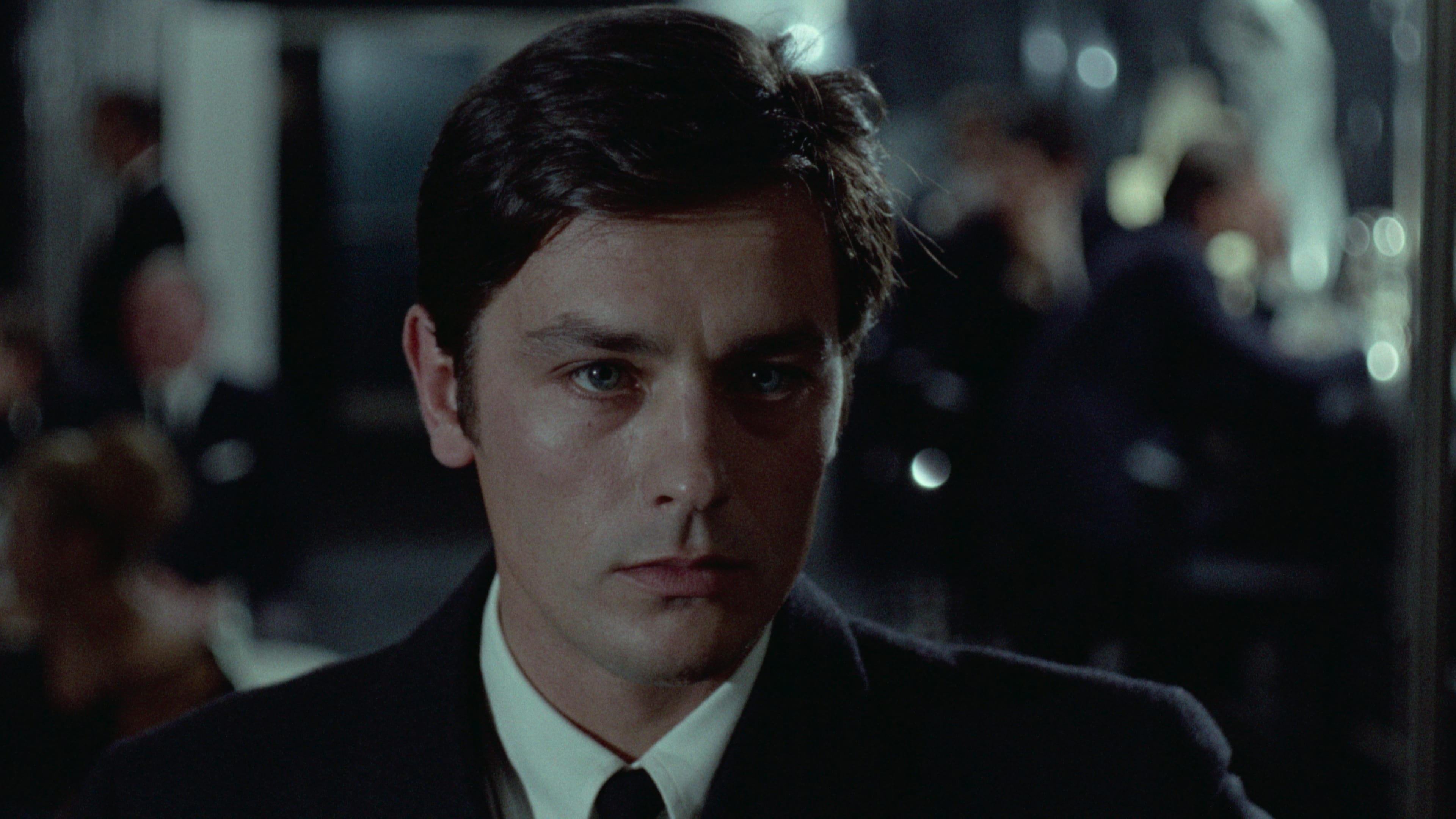
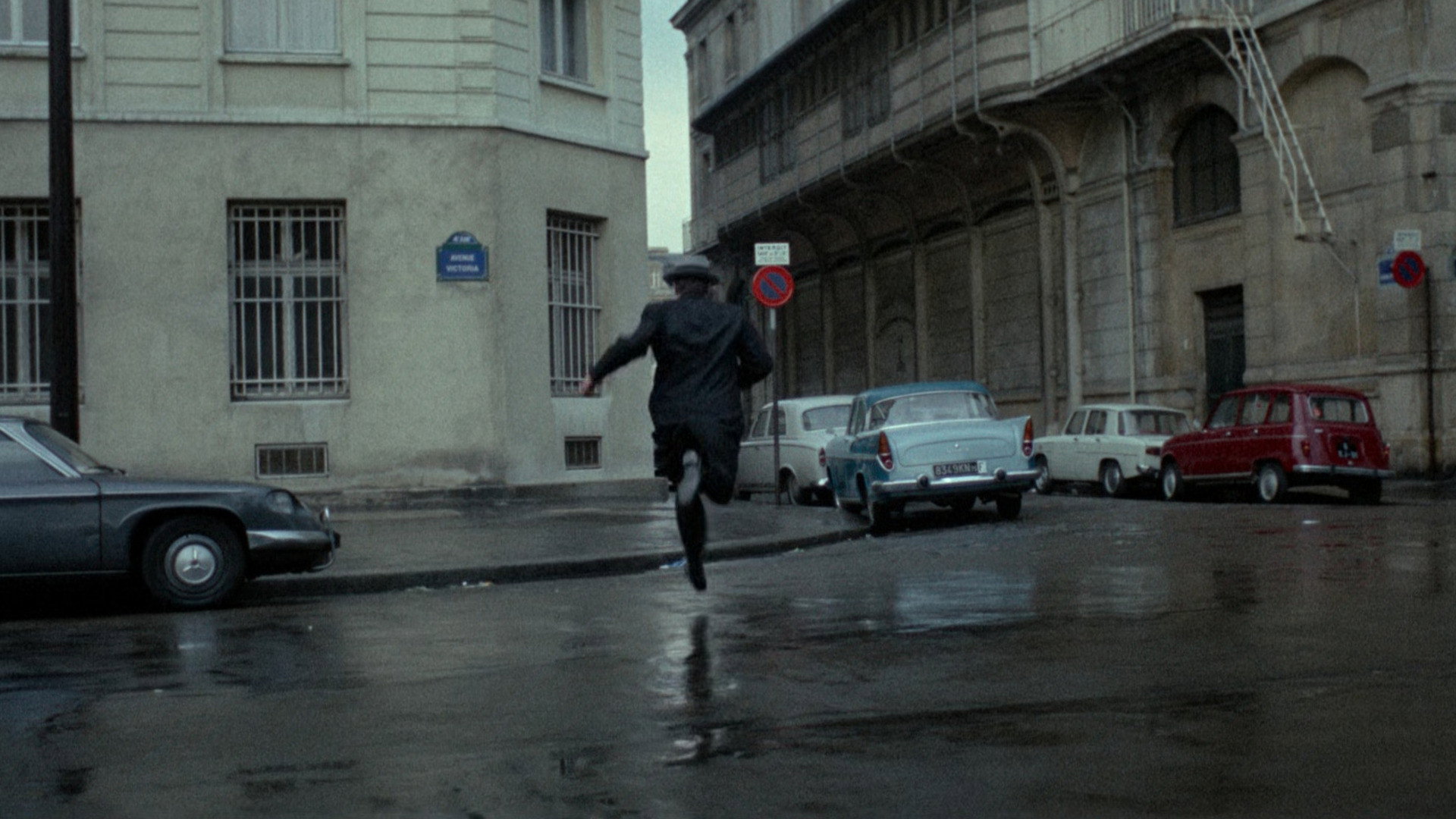
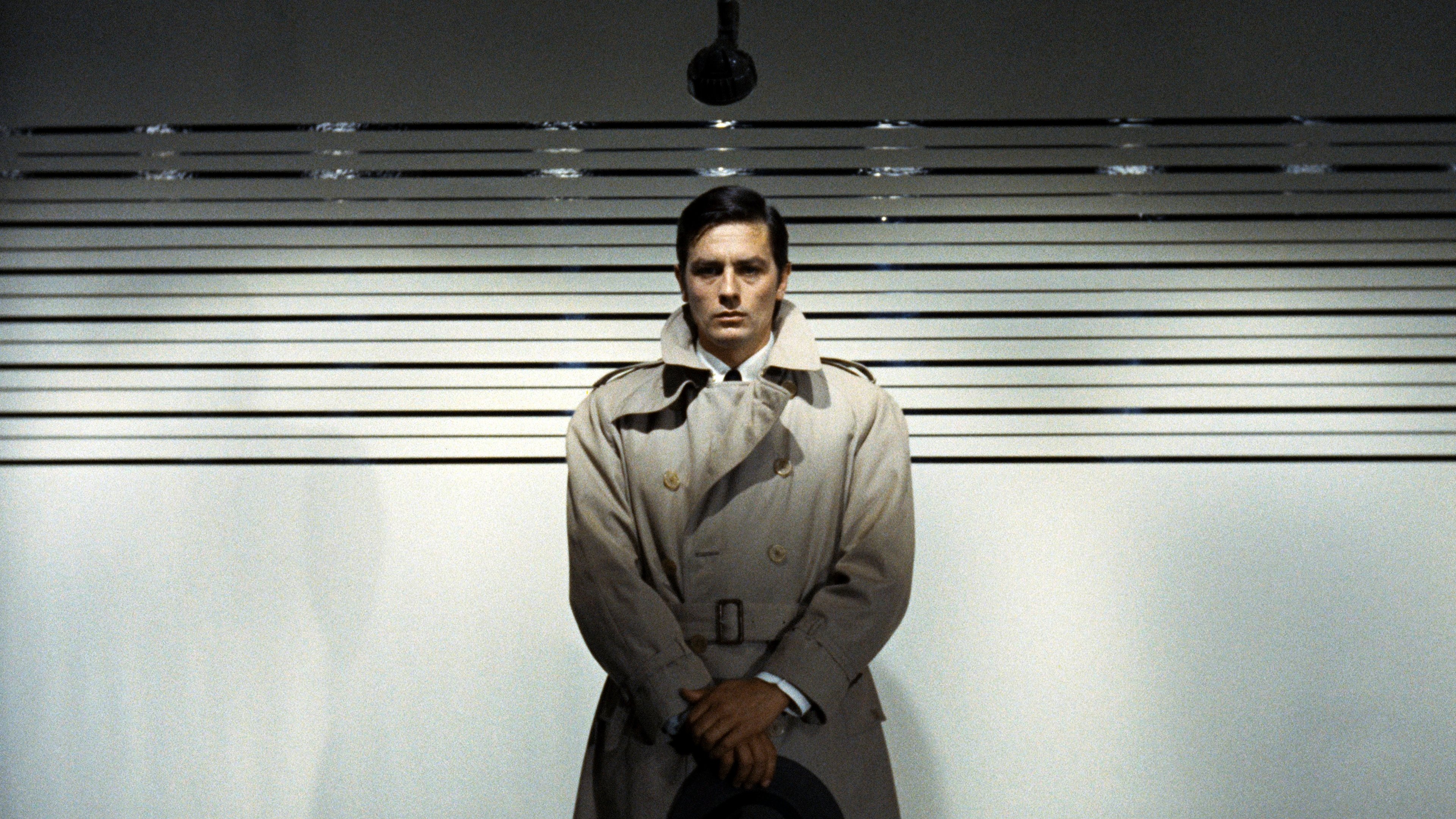
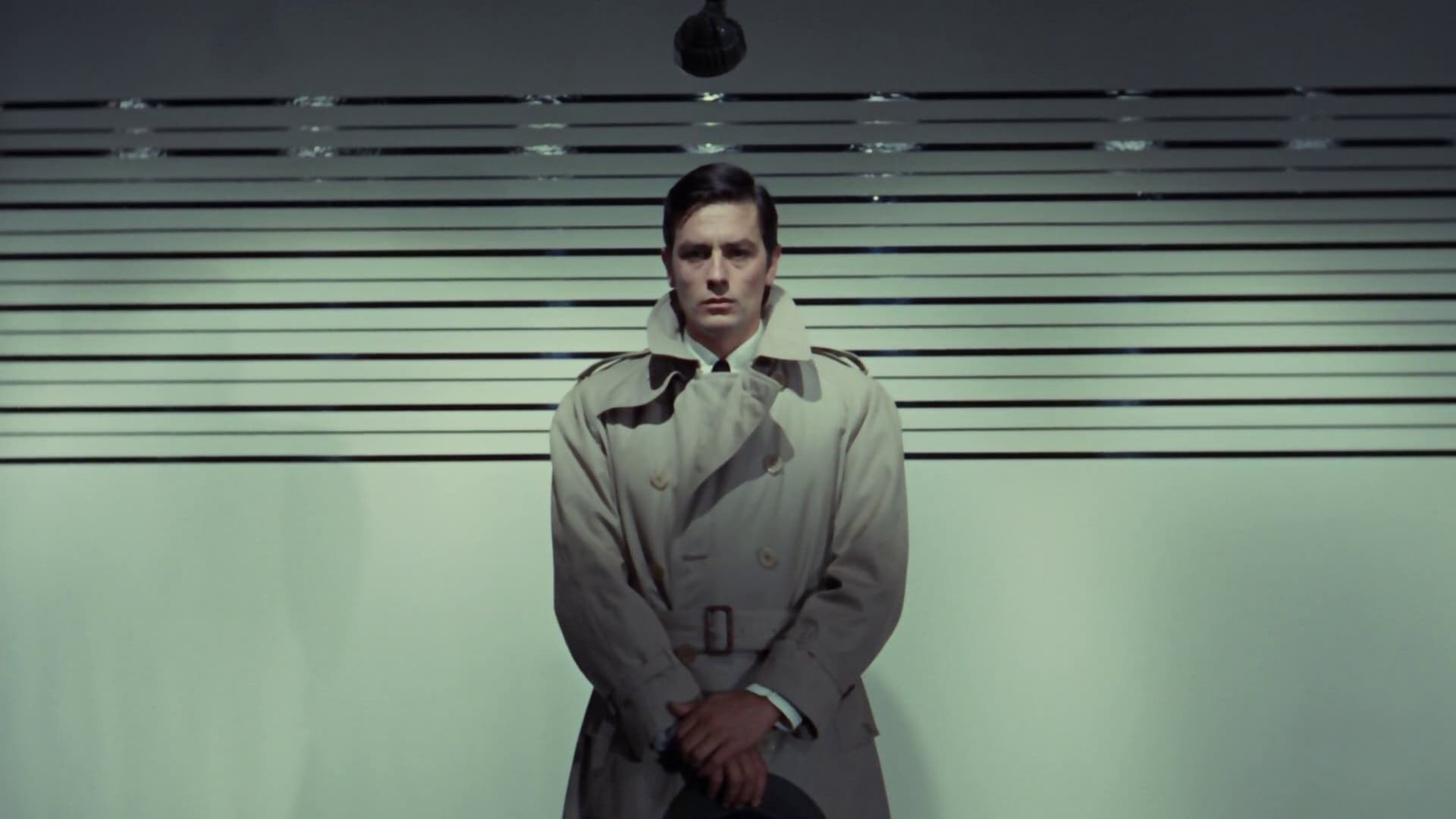
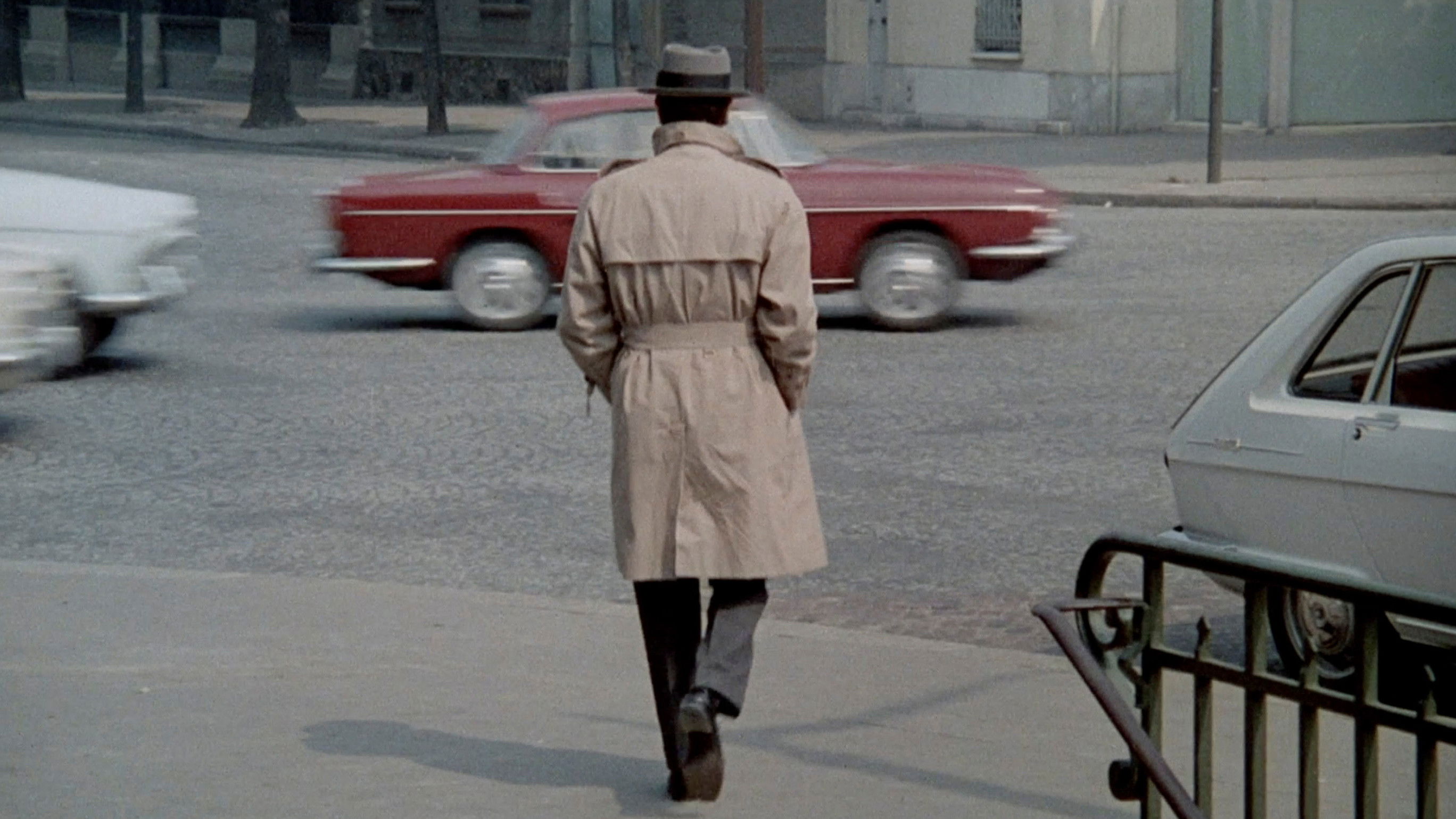
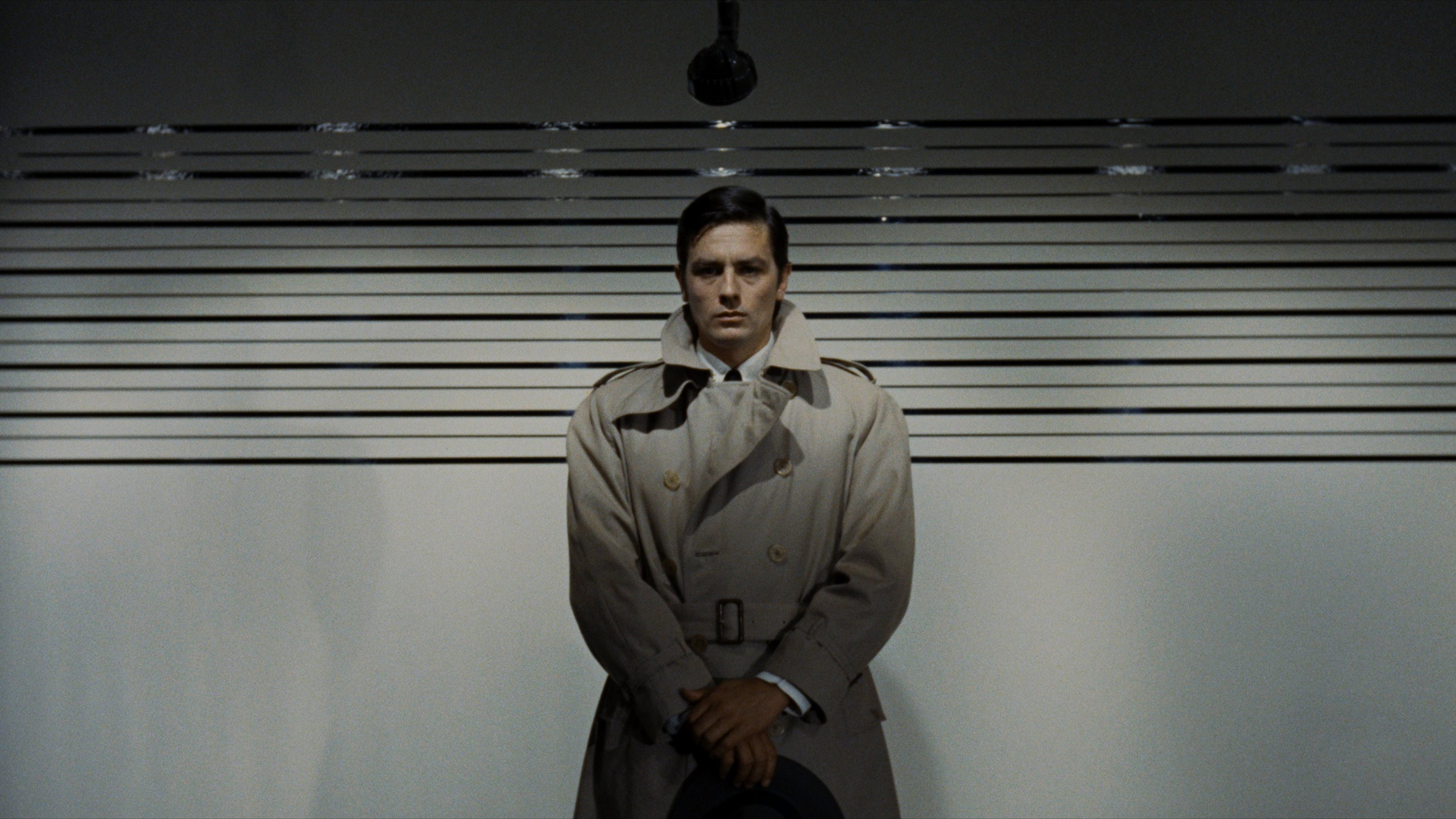
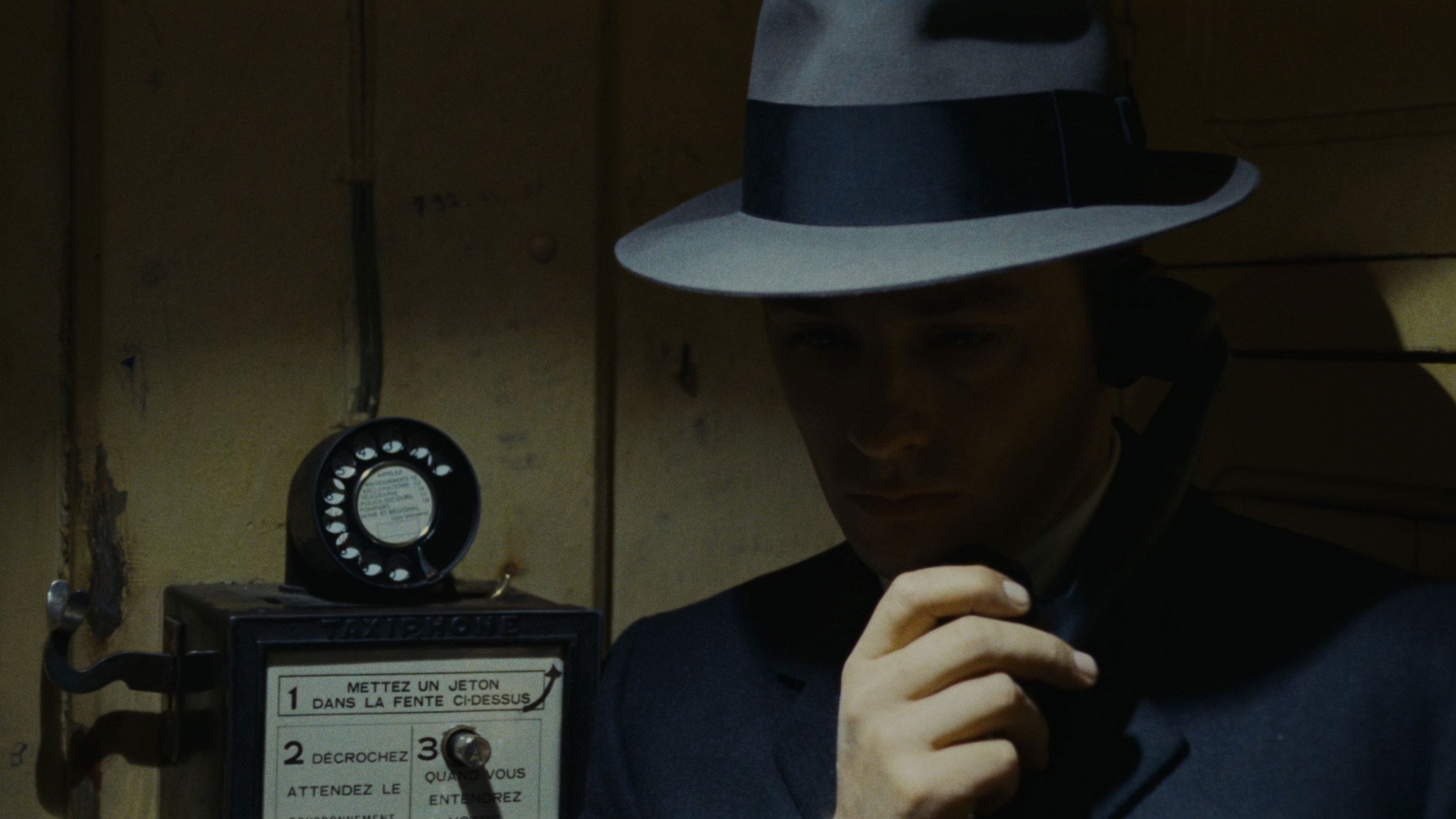
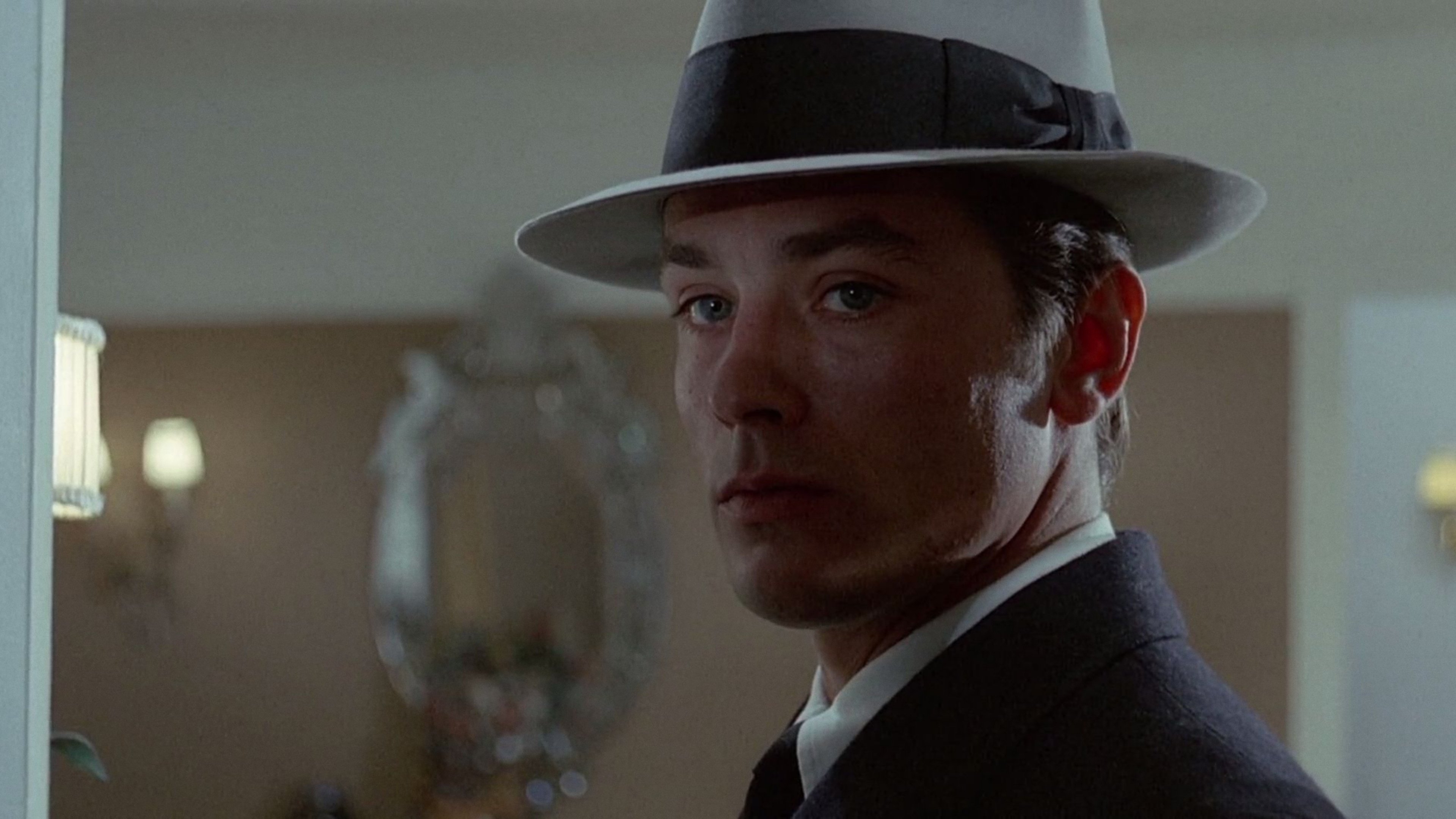
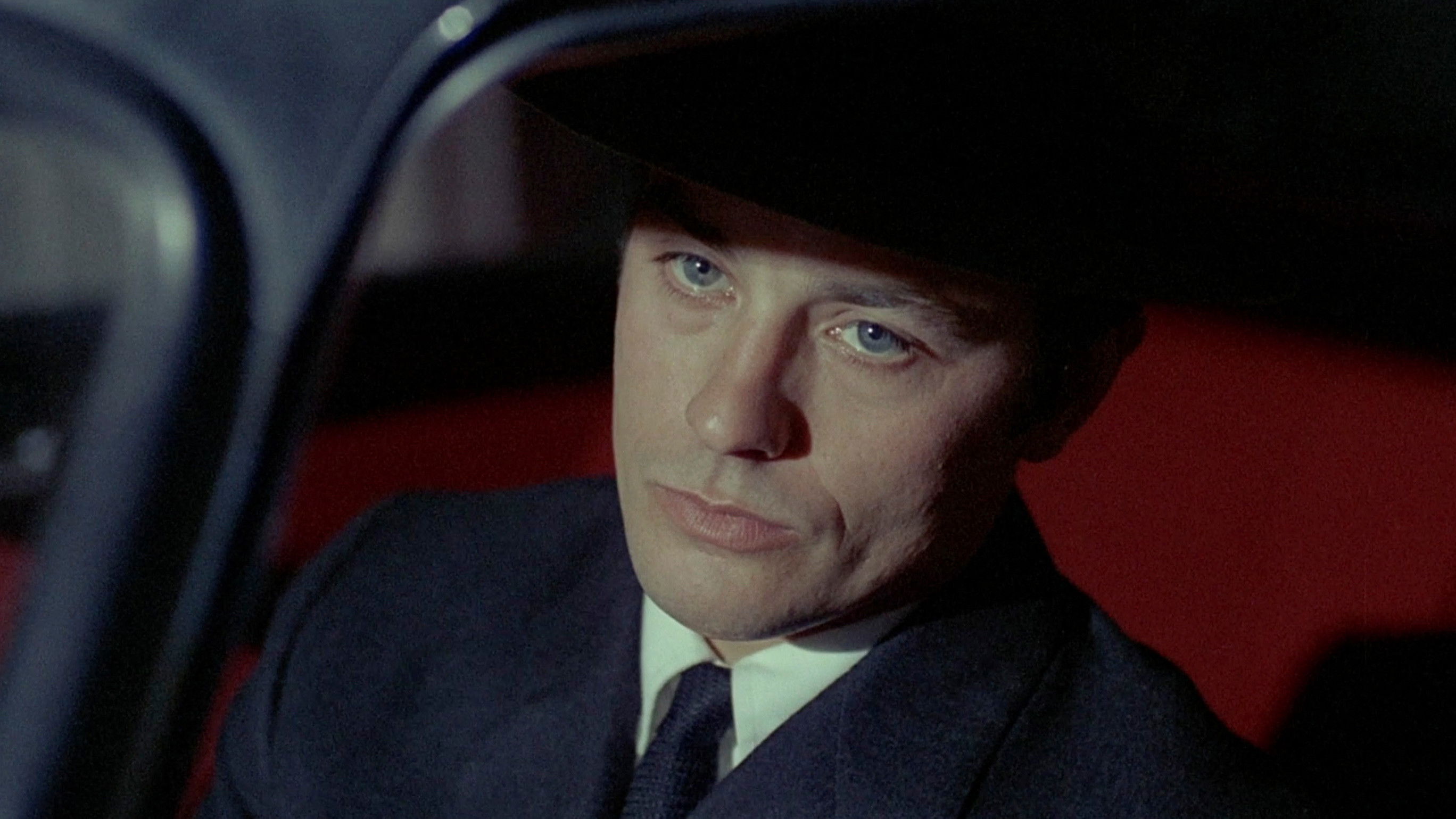
Watching Le Samouraï feels strangely empty in the best way possible. The film strips everything down—dialogue, emotion, even movement—until all that is left is silence and routine. Jean-Pierre Melville does not treat Jef Costello like a normal protagonist. He feels more like a shadow drifting through Paris, already disconnected from the world before the film even begins.
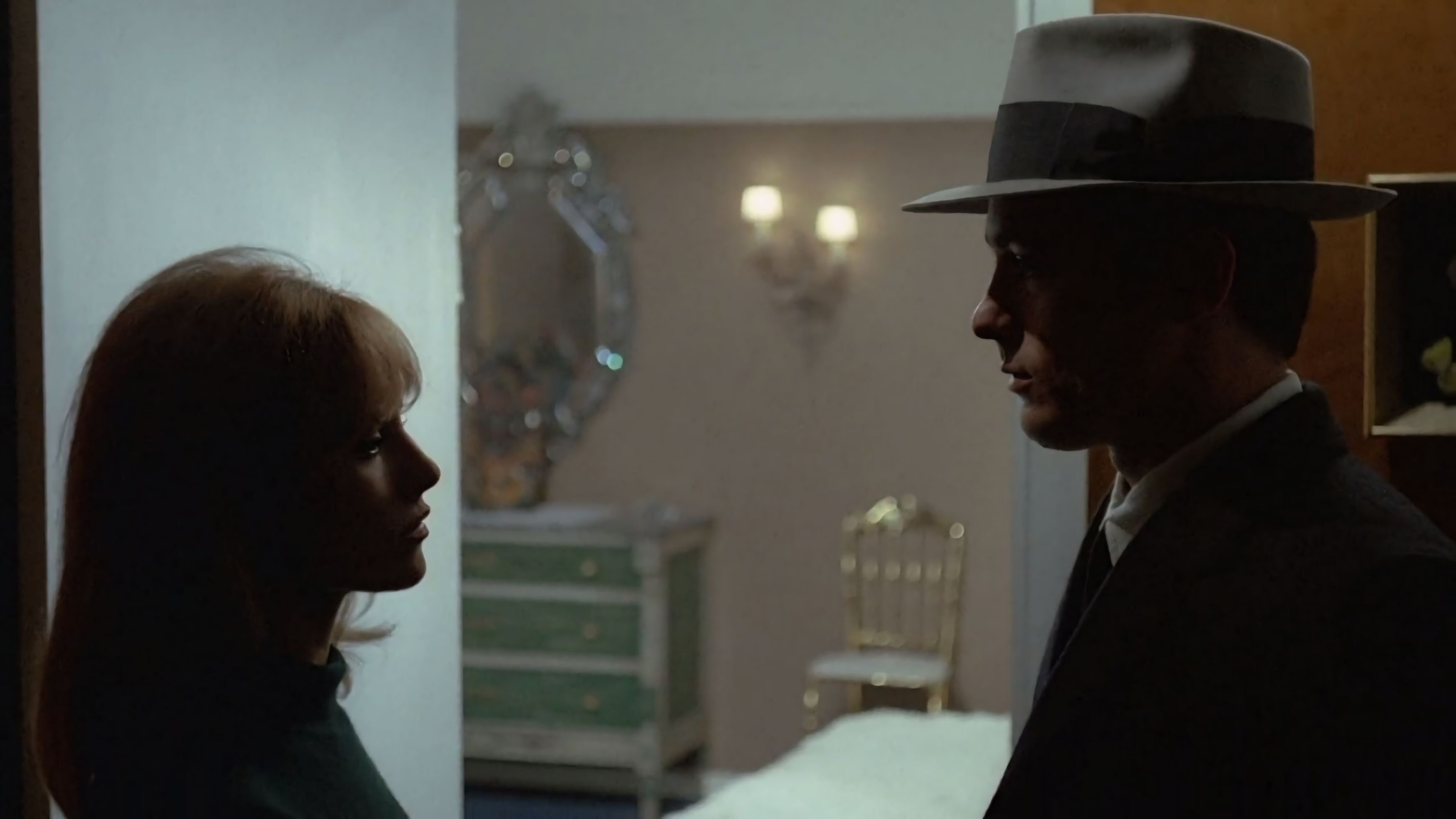
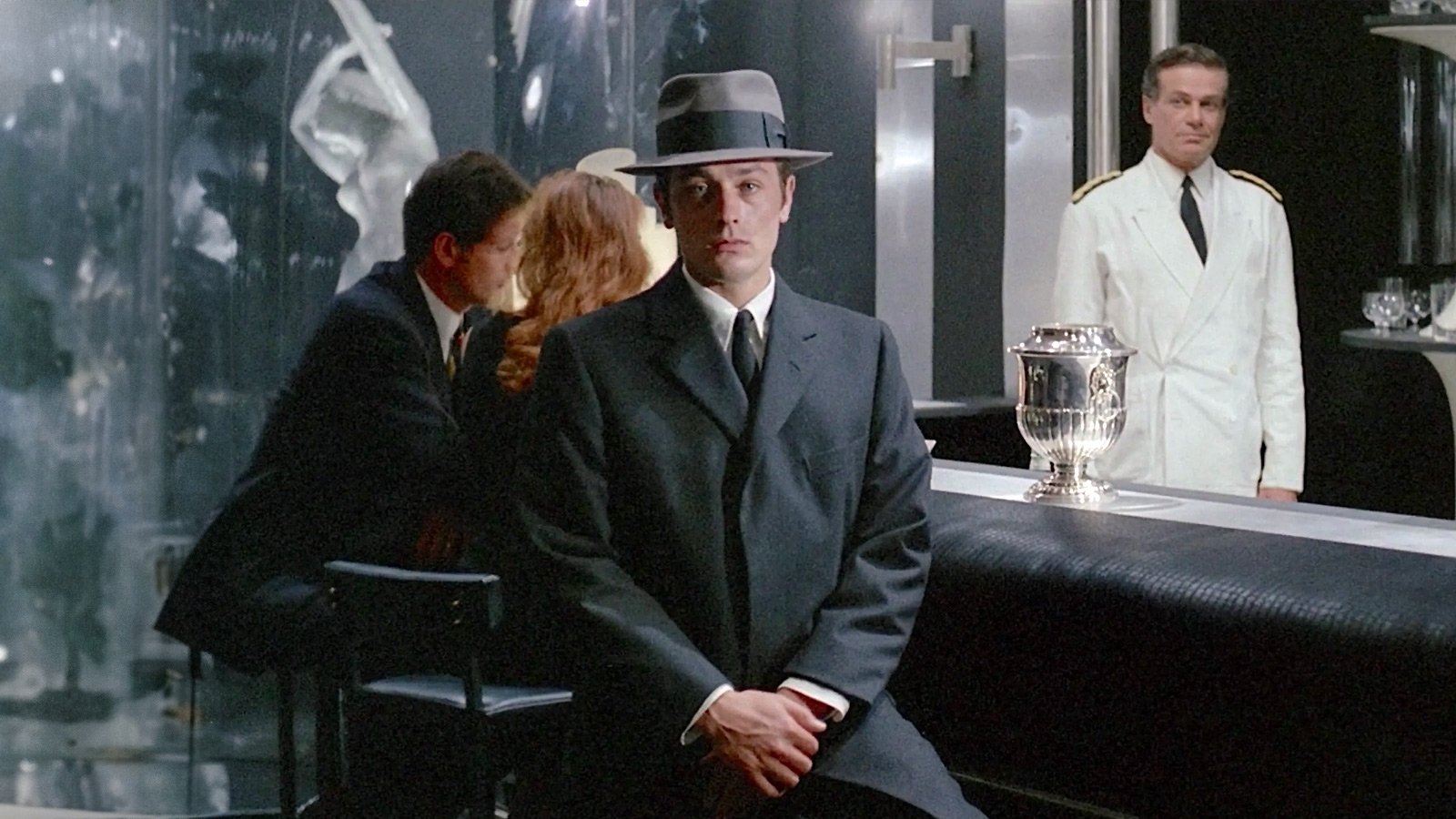
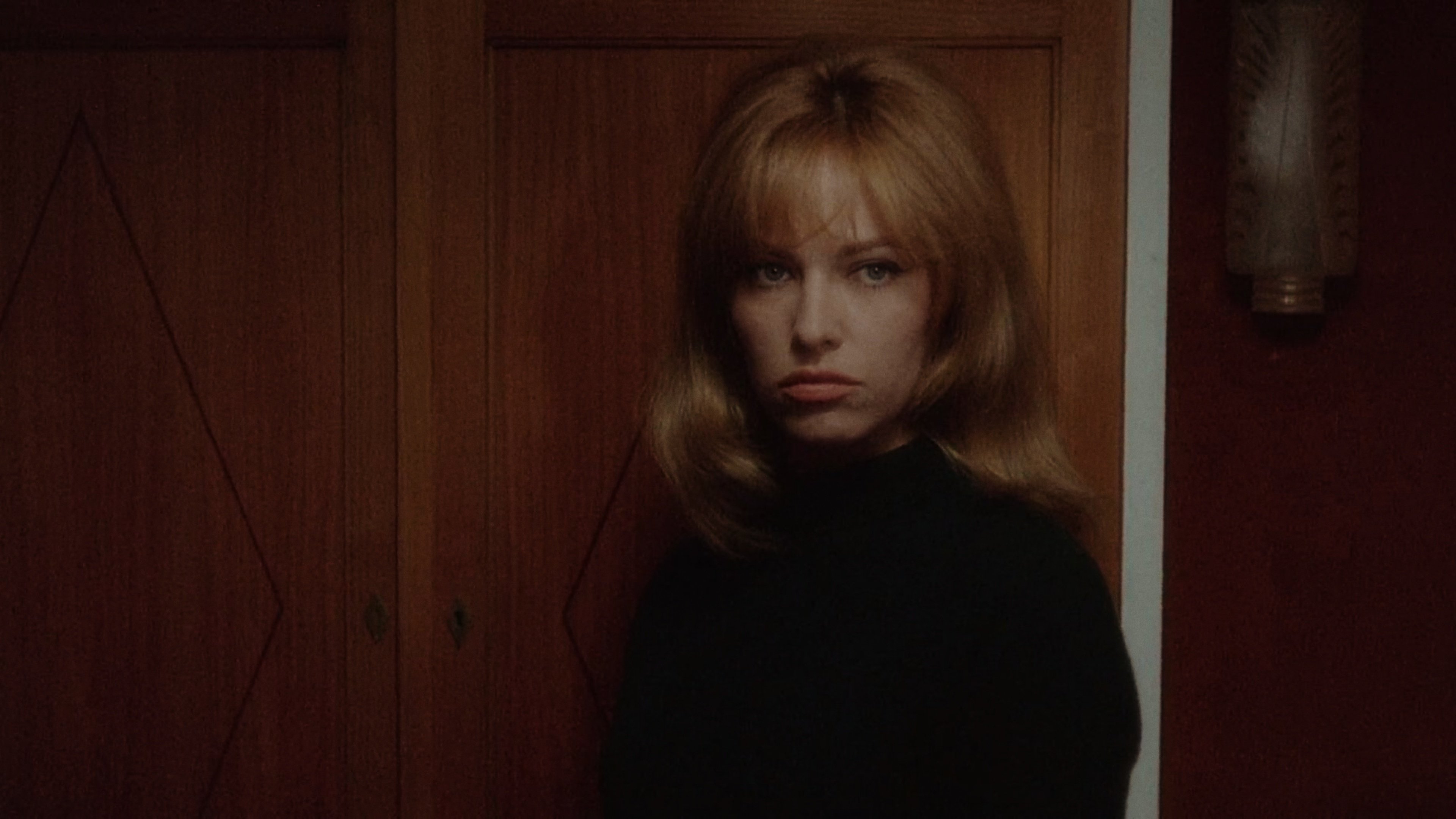
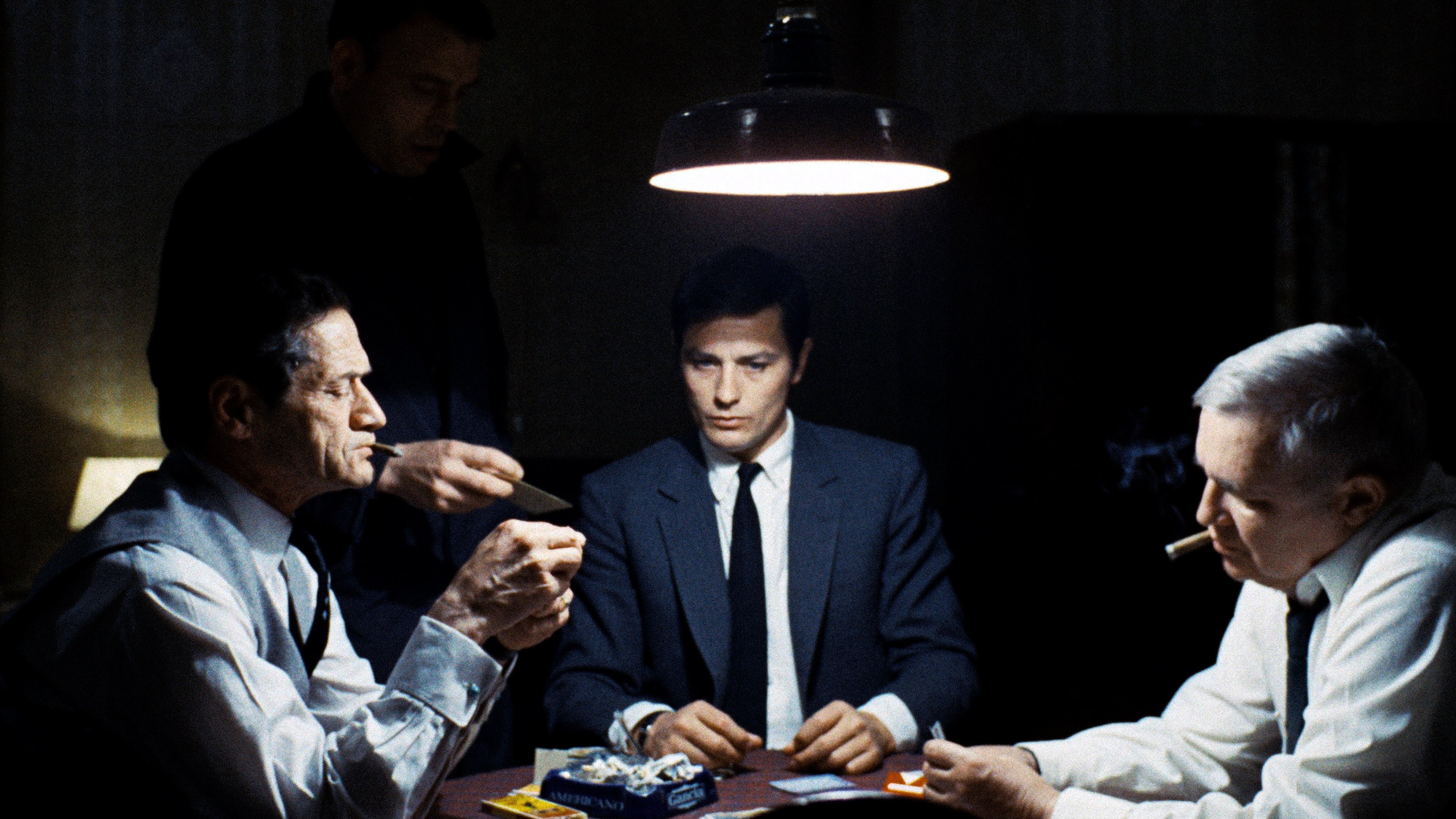
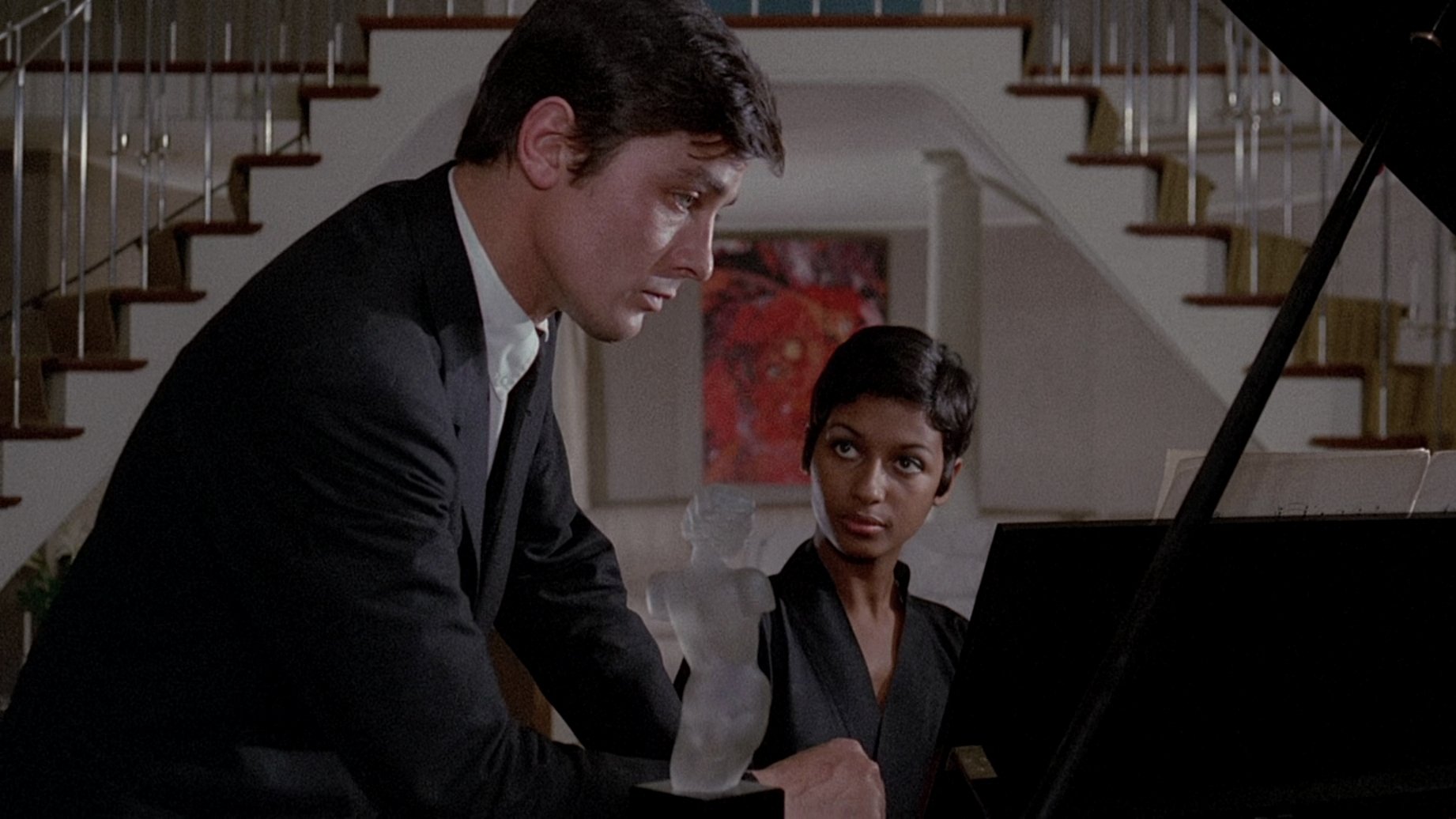
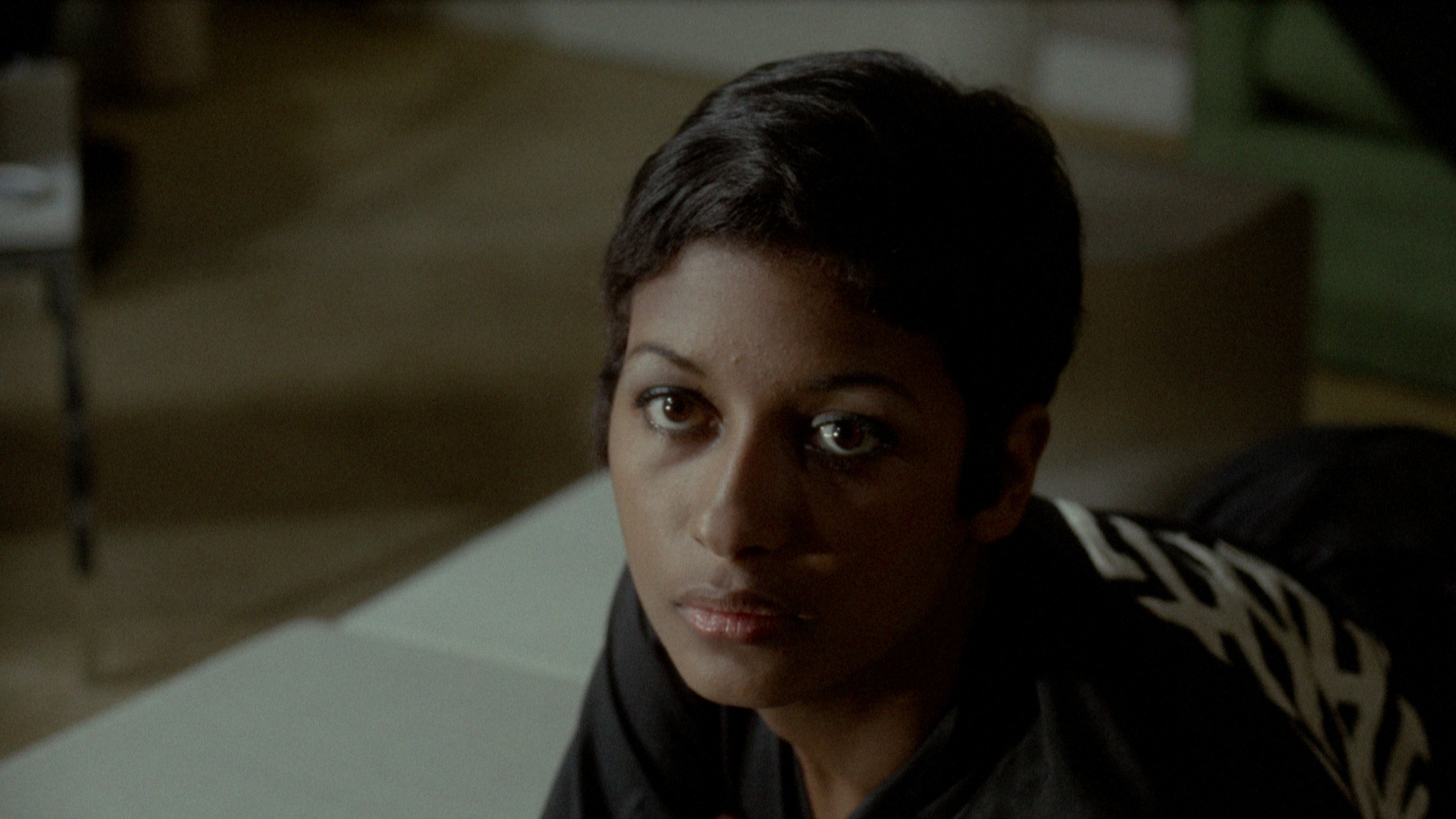
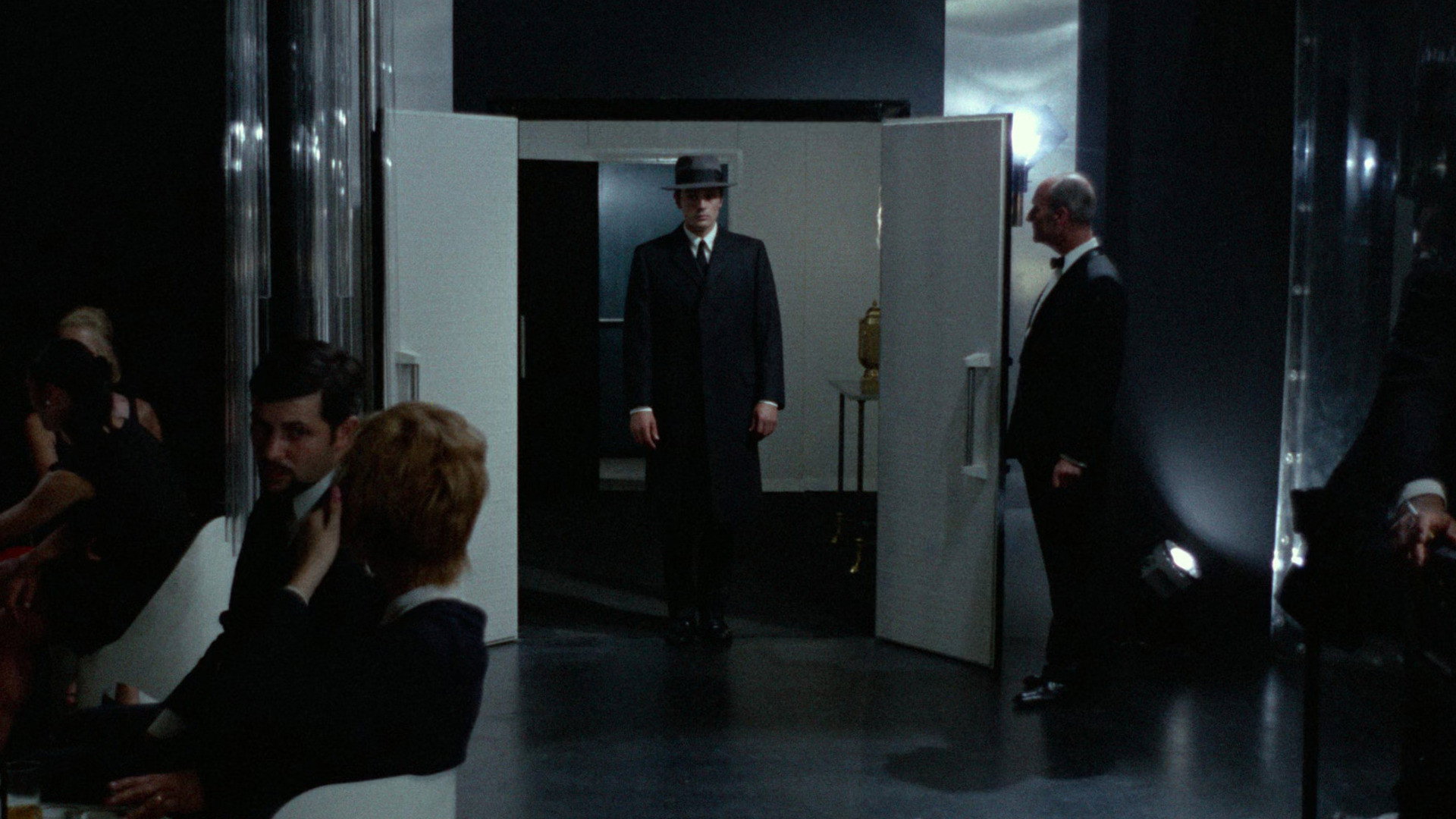
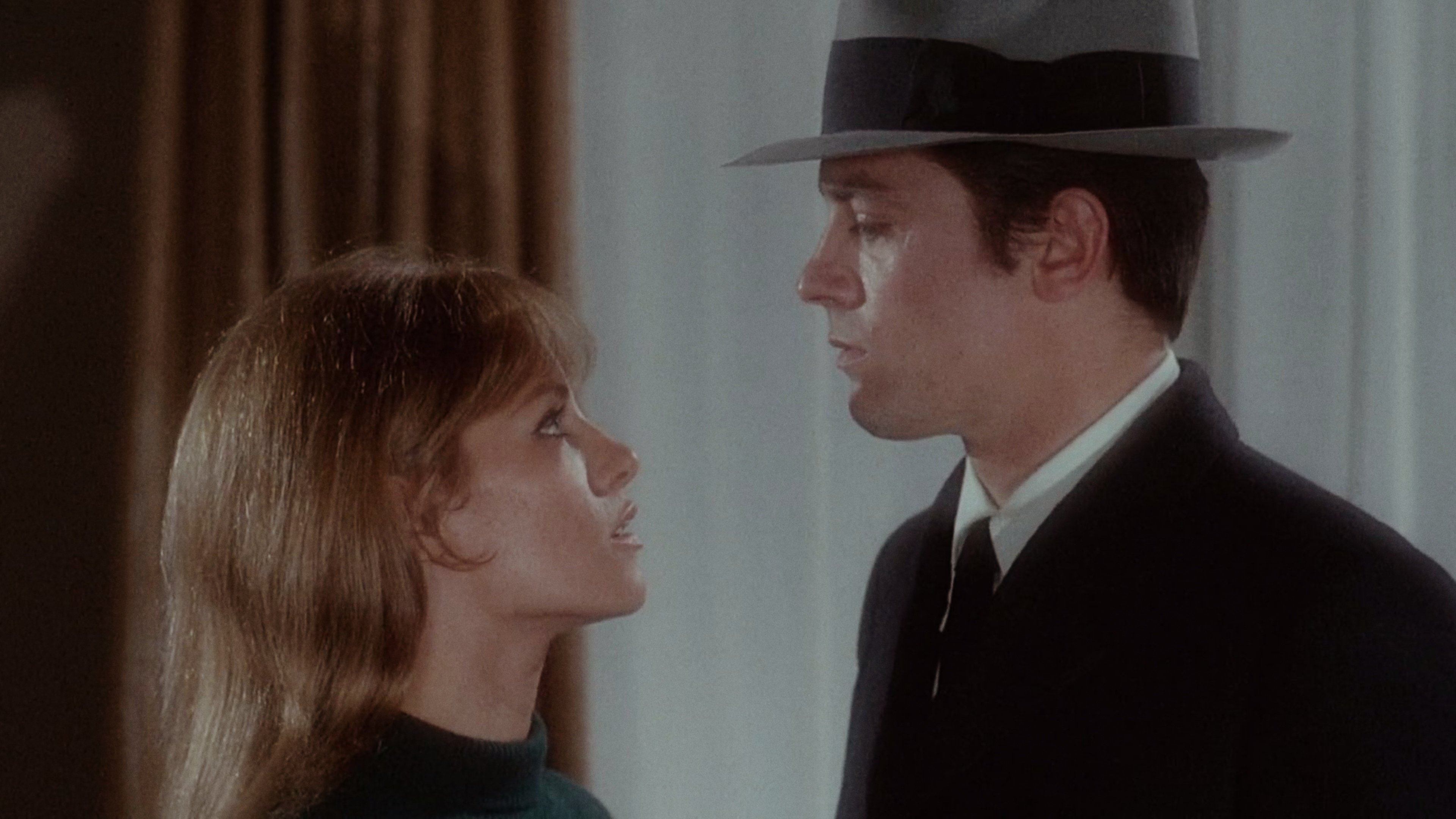
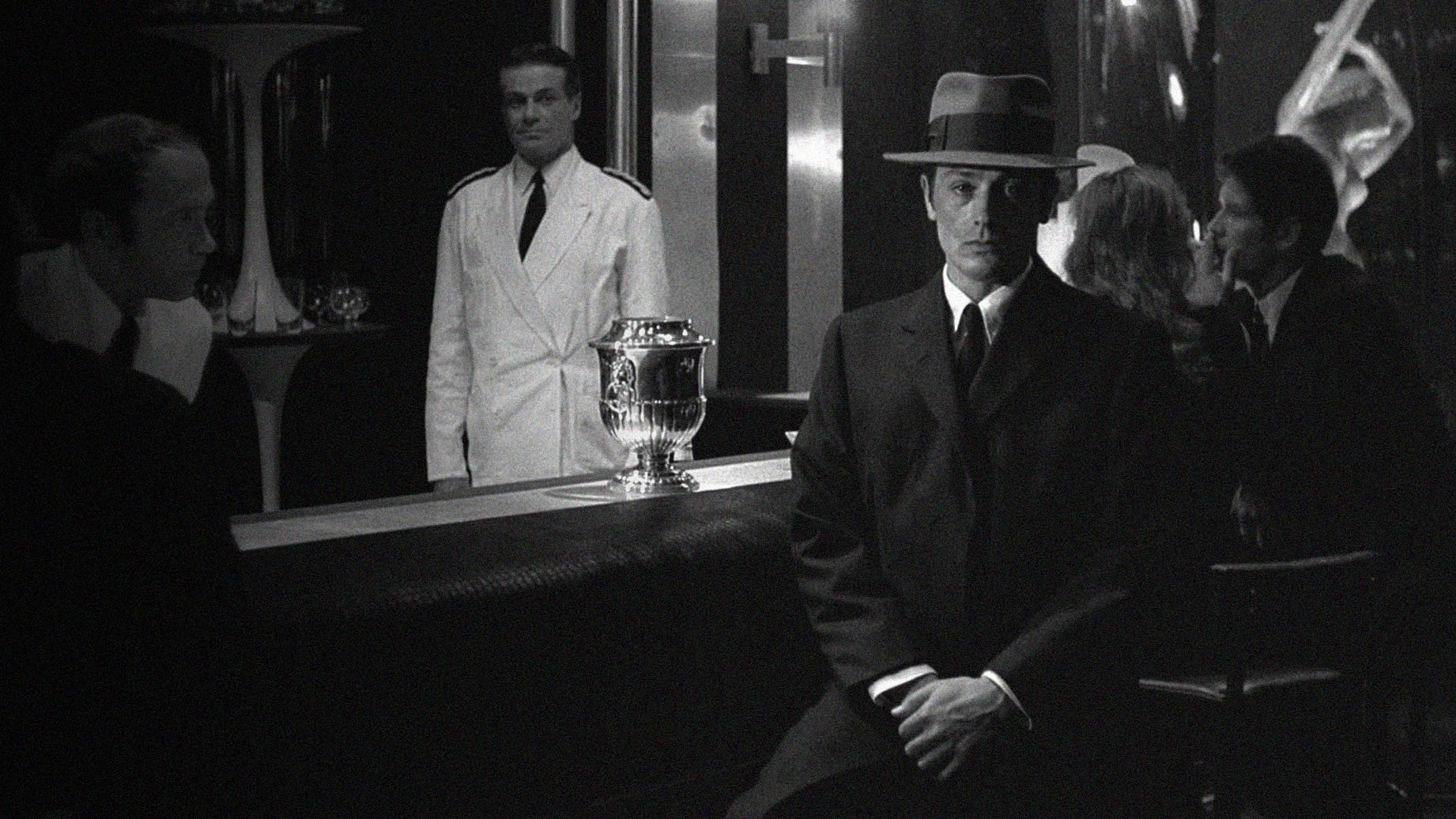
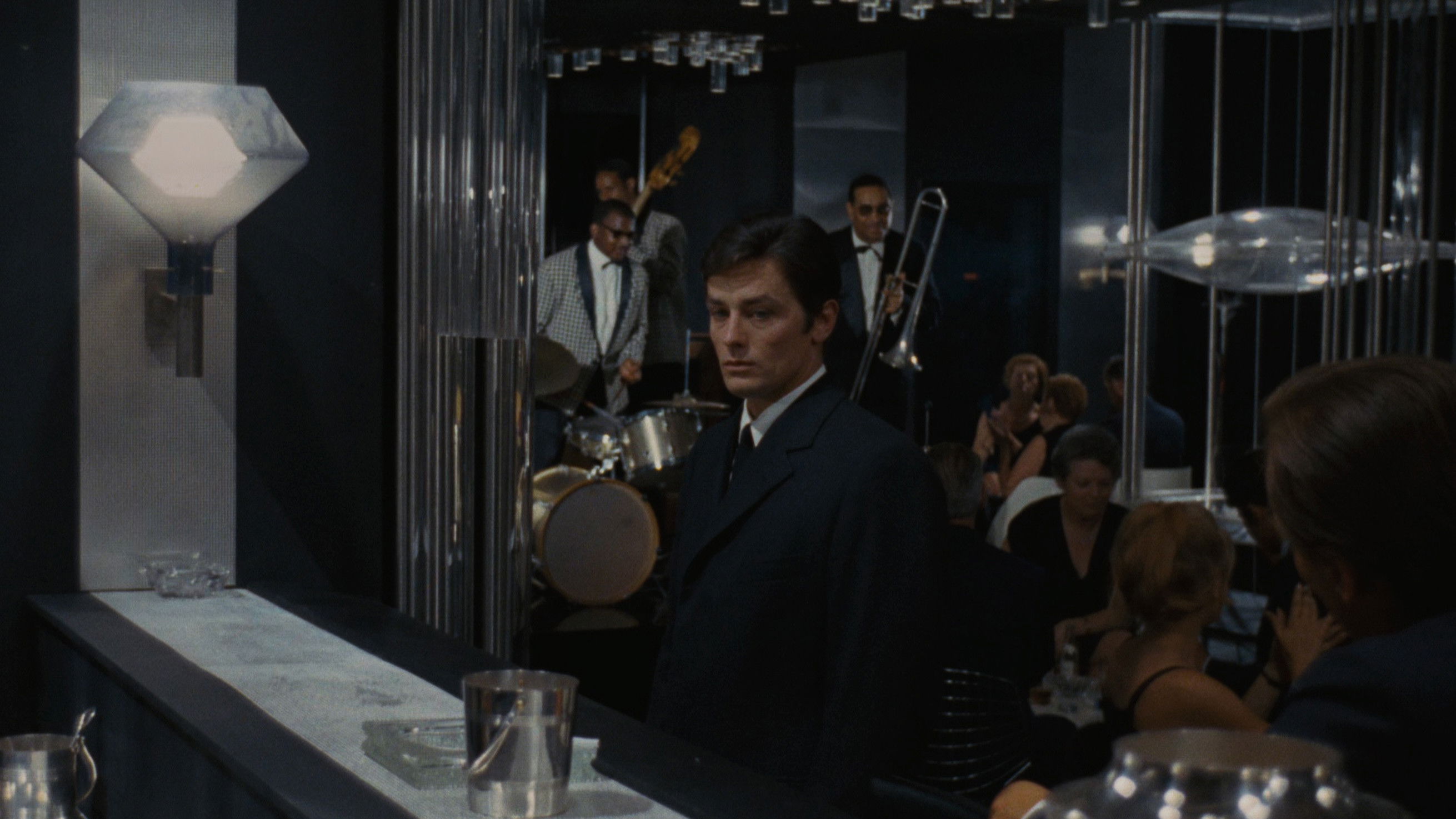
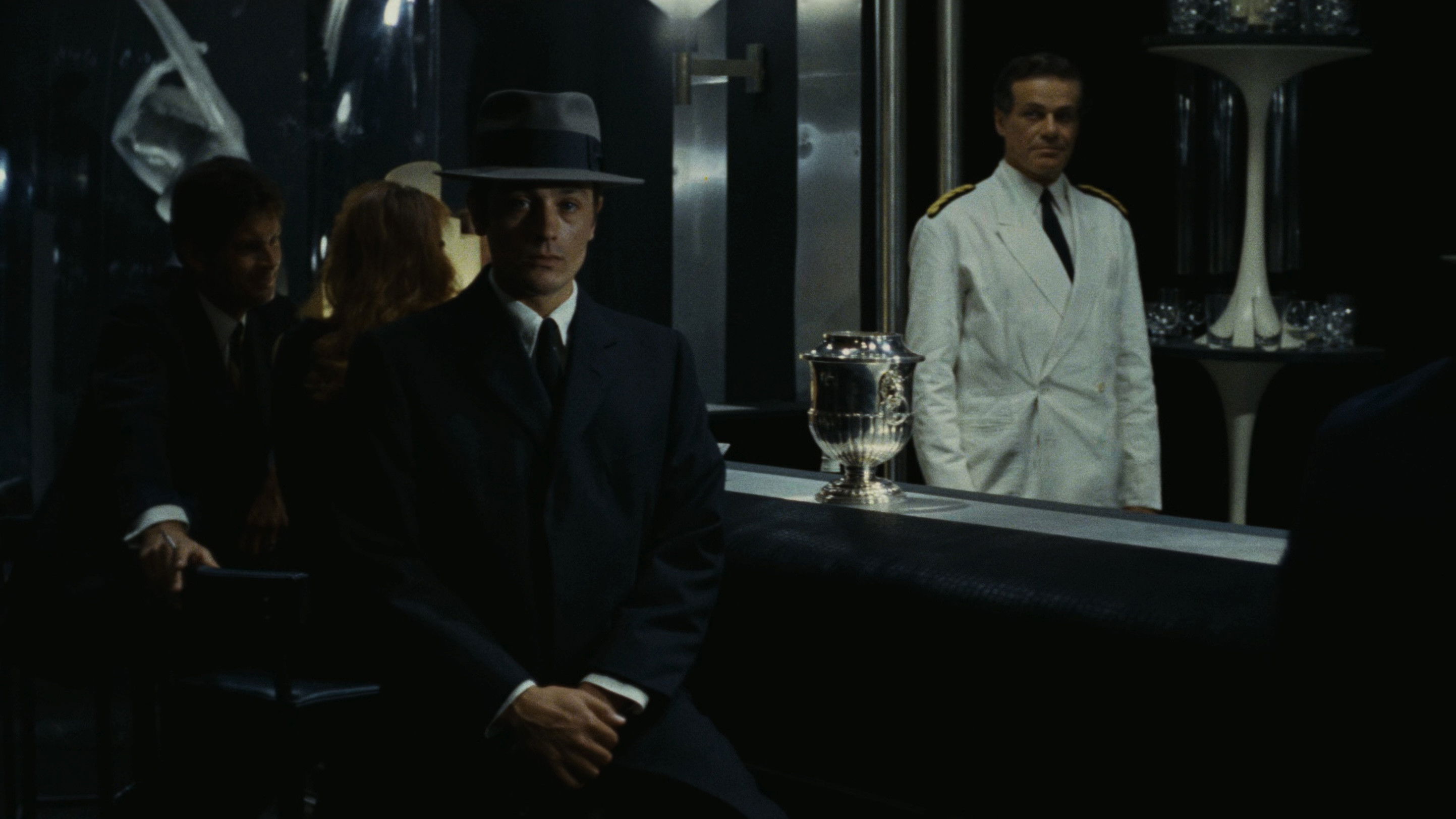
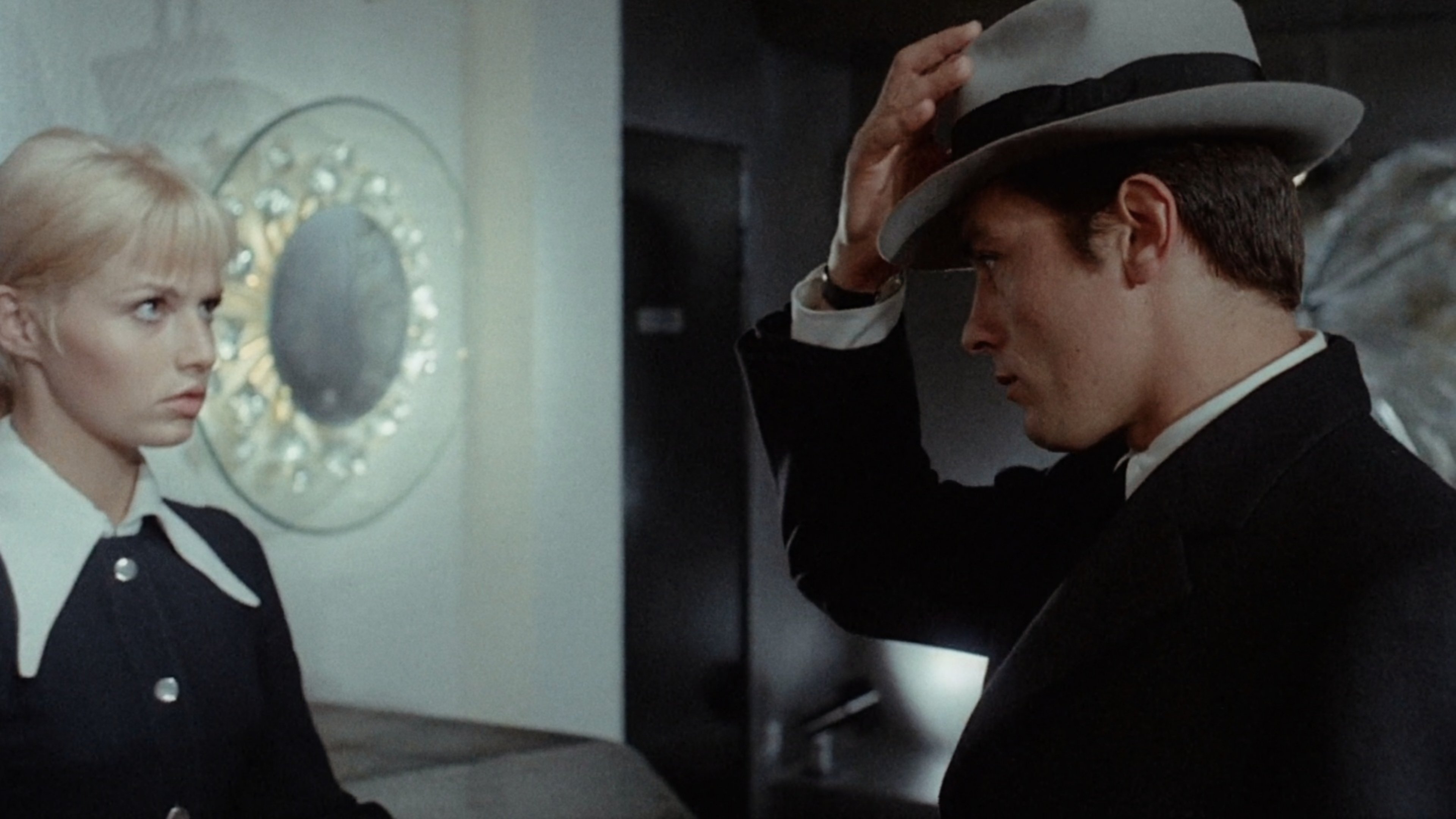
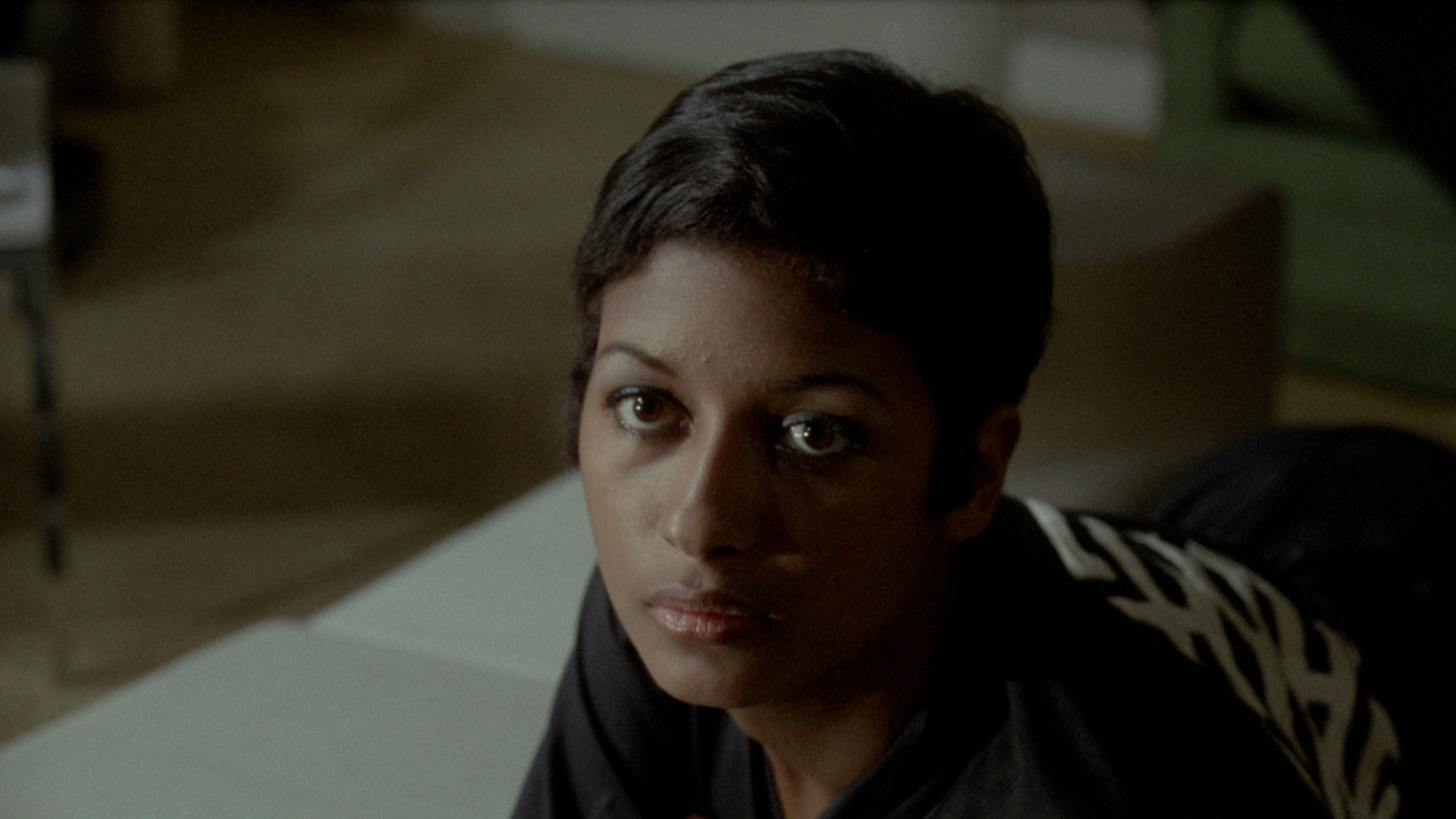
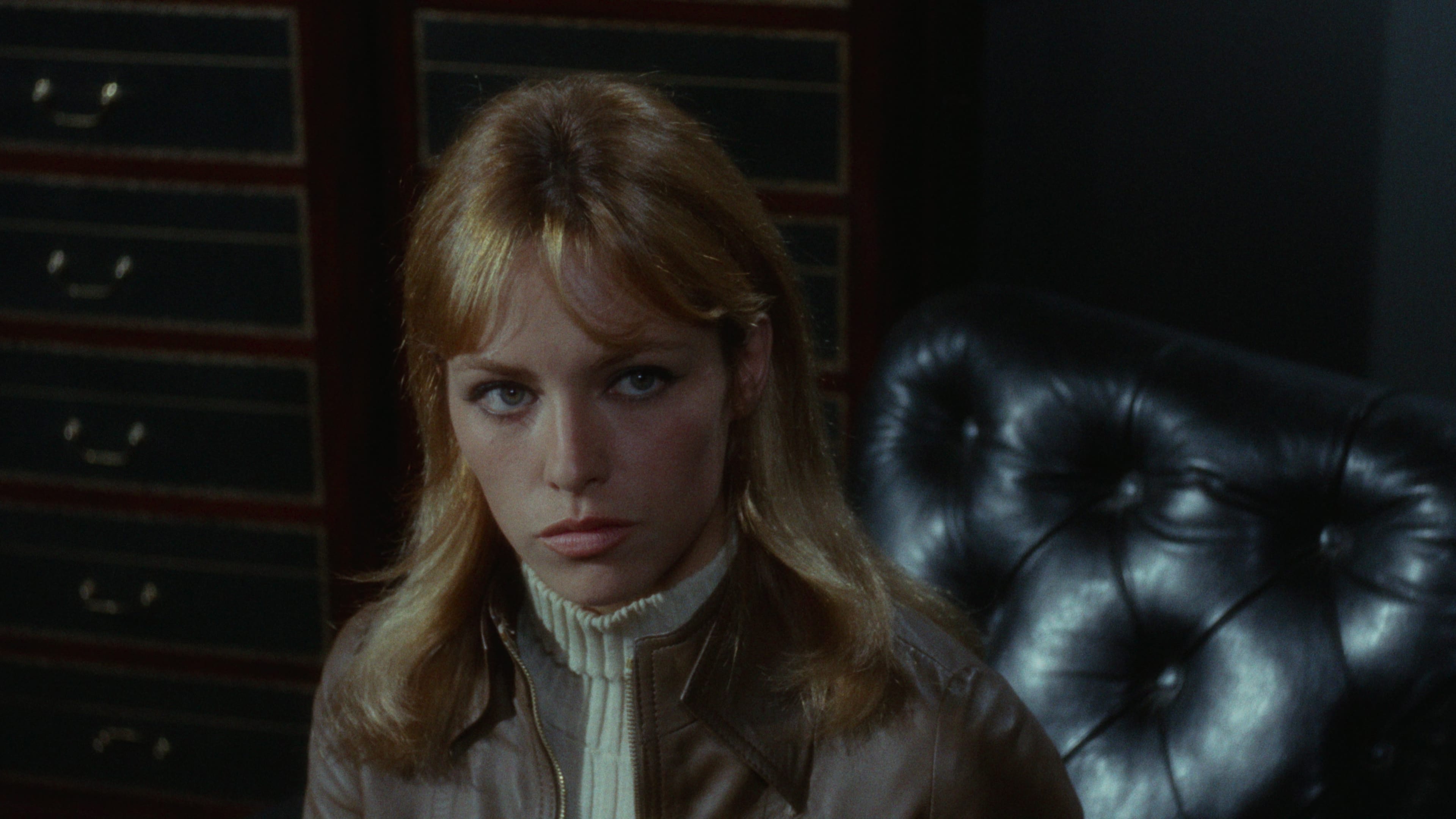
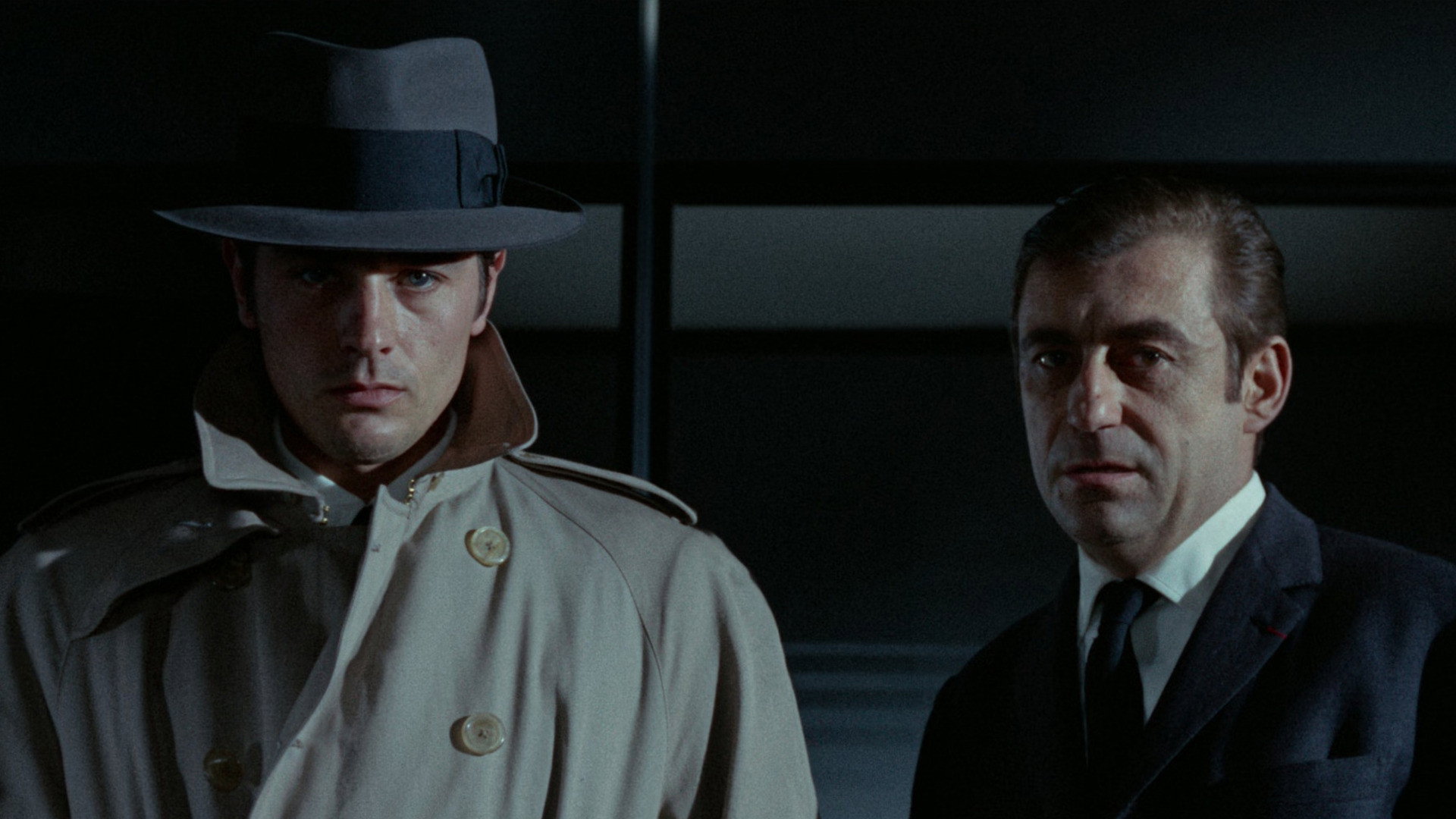
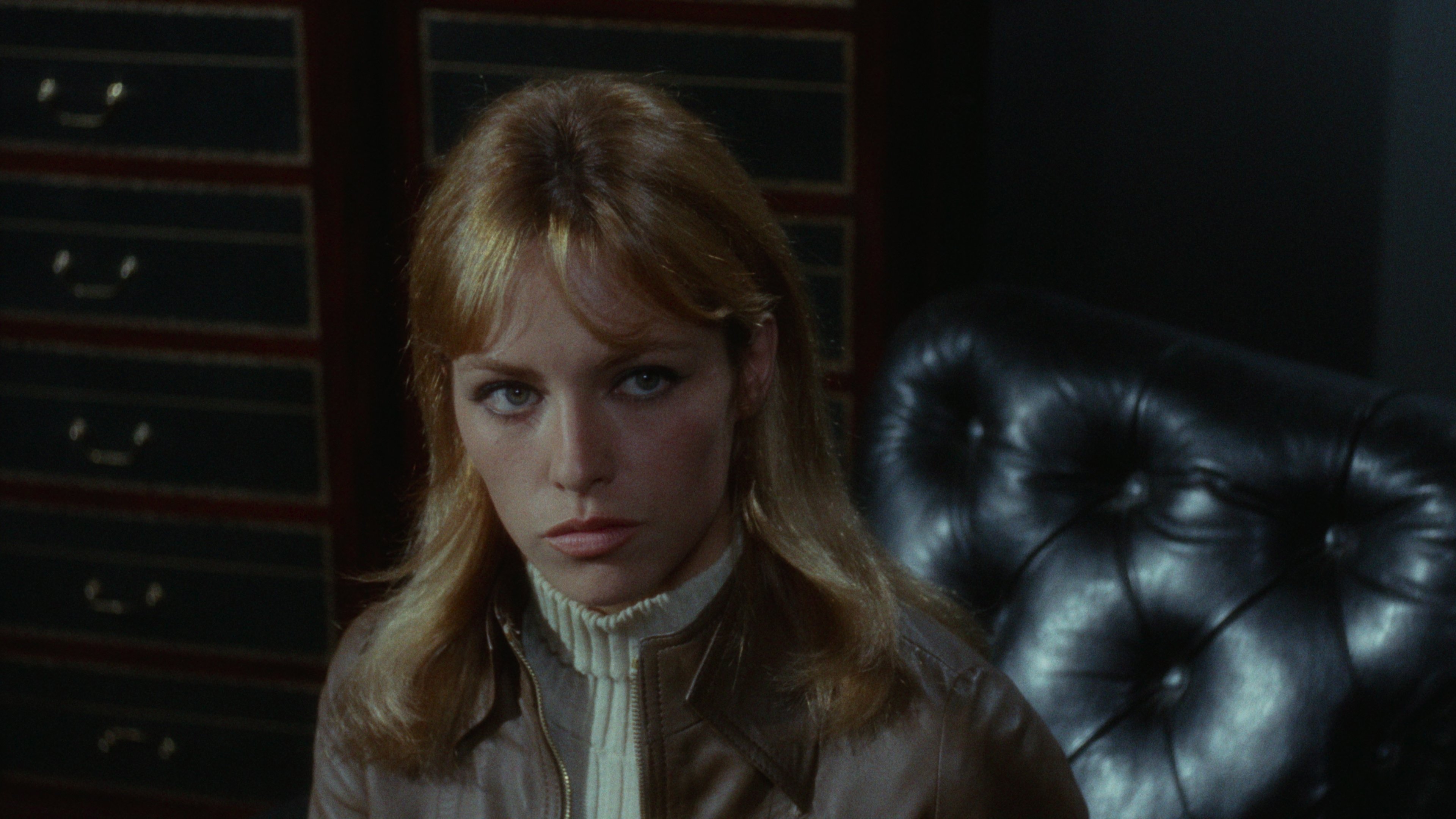
What stayed with me most was how lonely the film feels. Jef is surrounded by people constantly watching him—the police, criminals, Jane, the pianist—yet nobody truly knows him. Even the audience never fully understands him. There is always a distance between Jef and everyone else, as if he has spent so long living by his own code that he no longer knows how to exist outside of it.
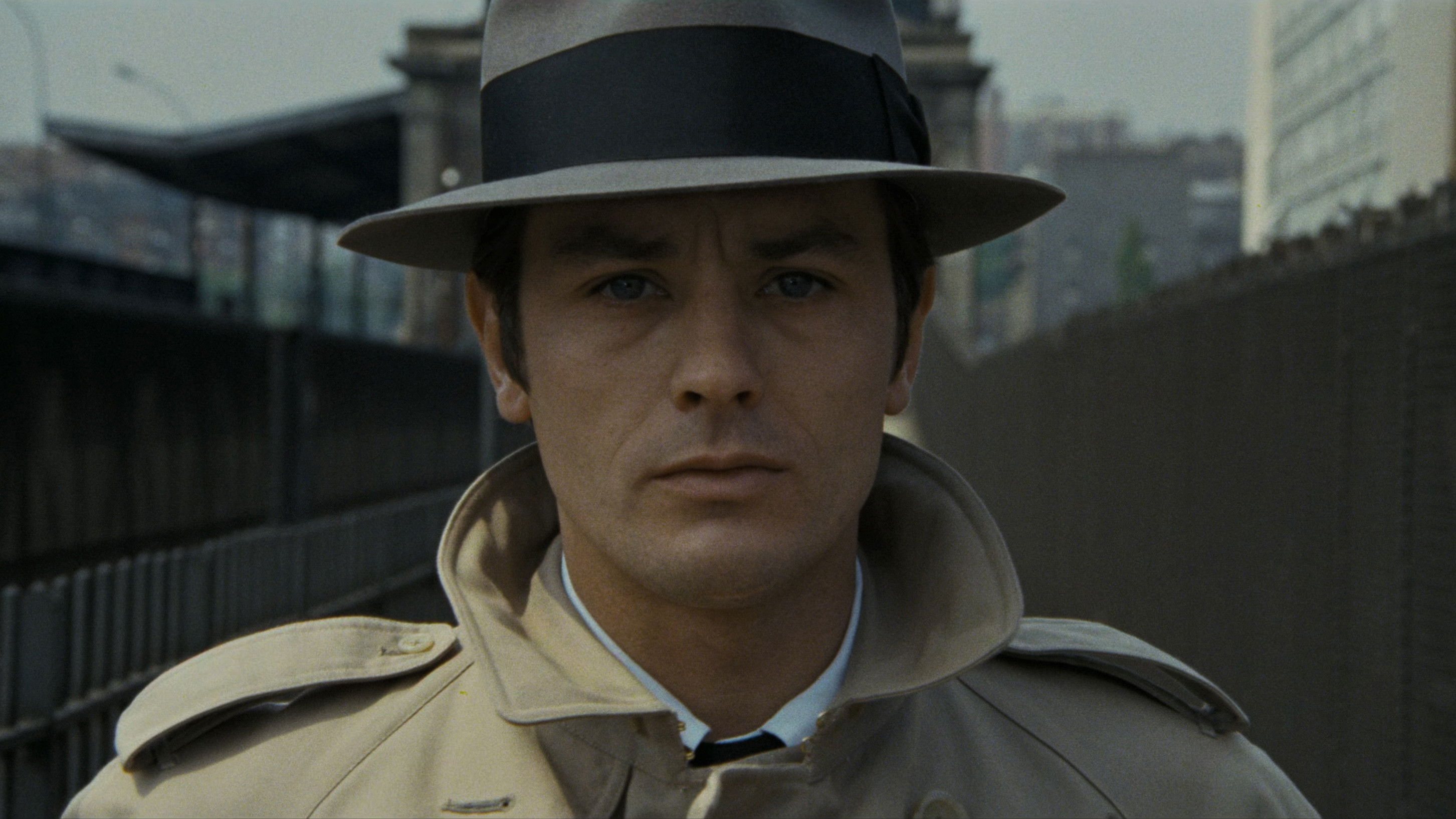
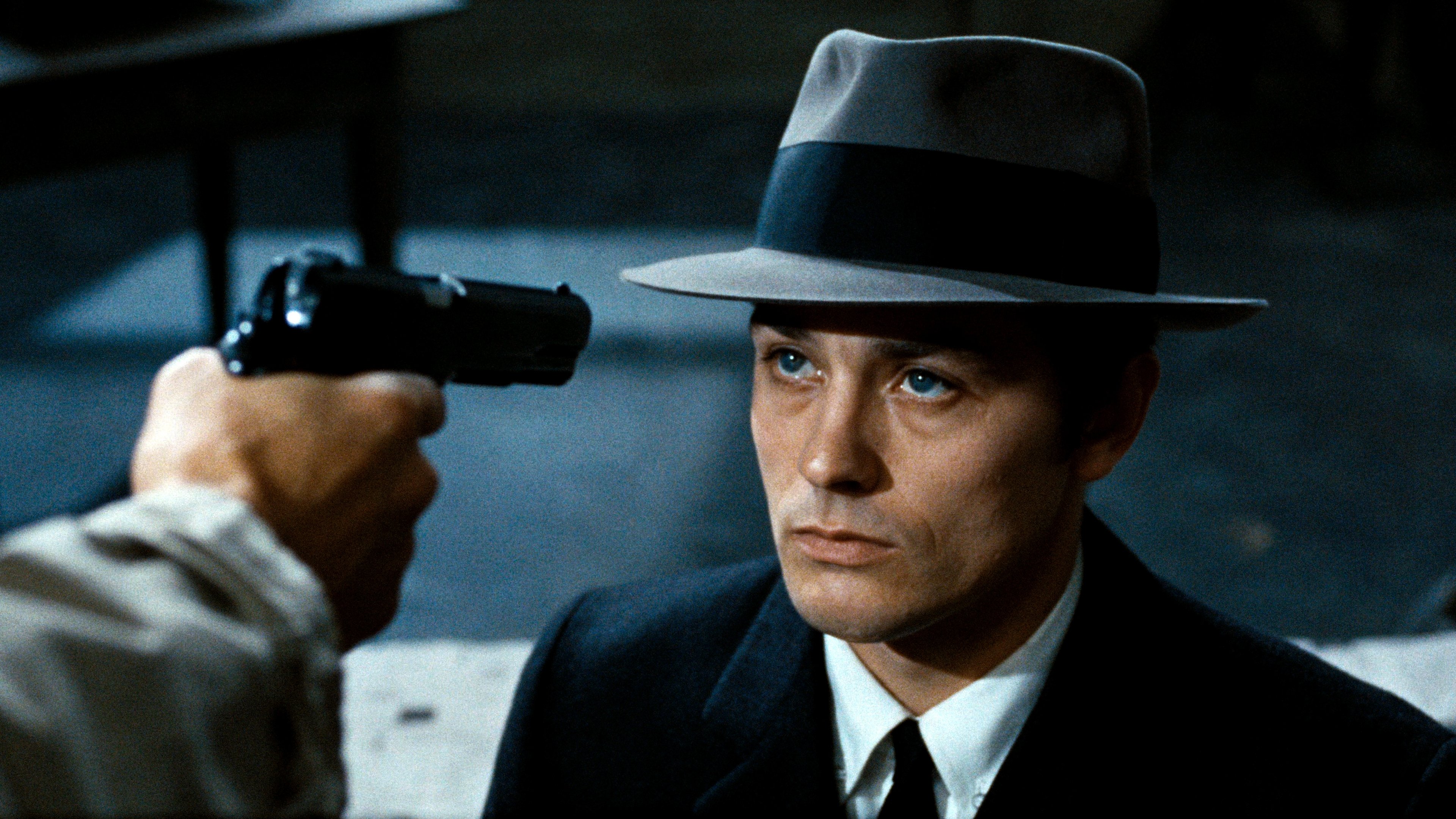
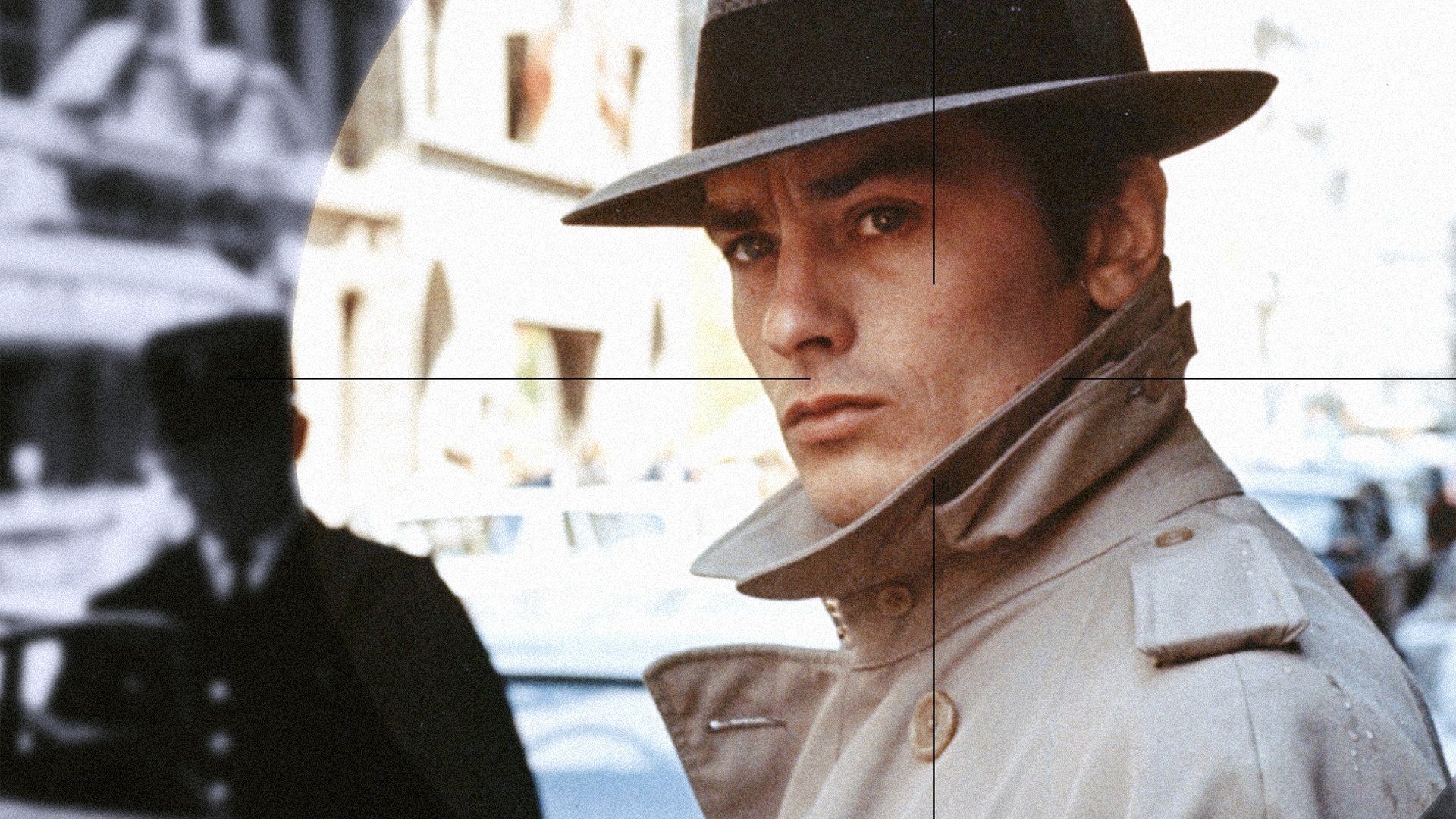
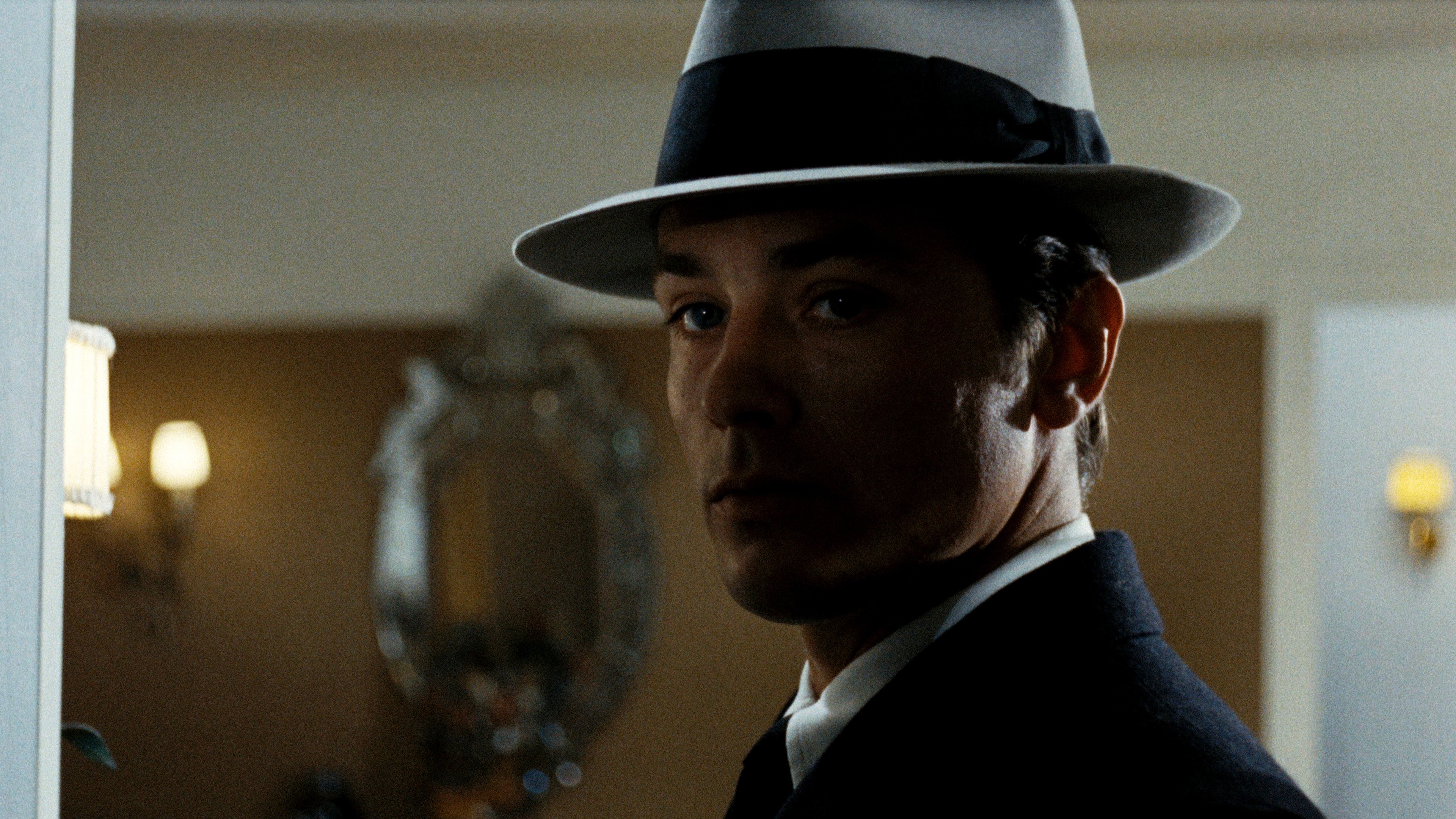
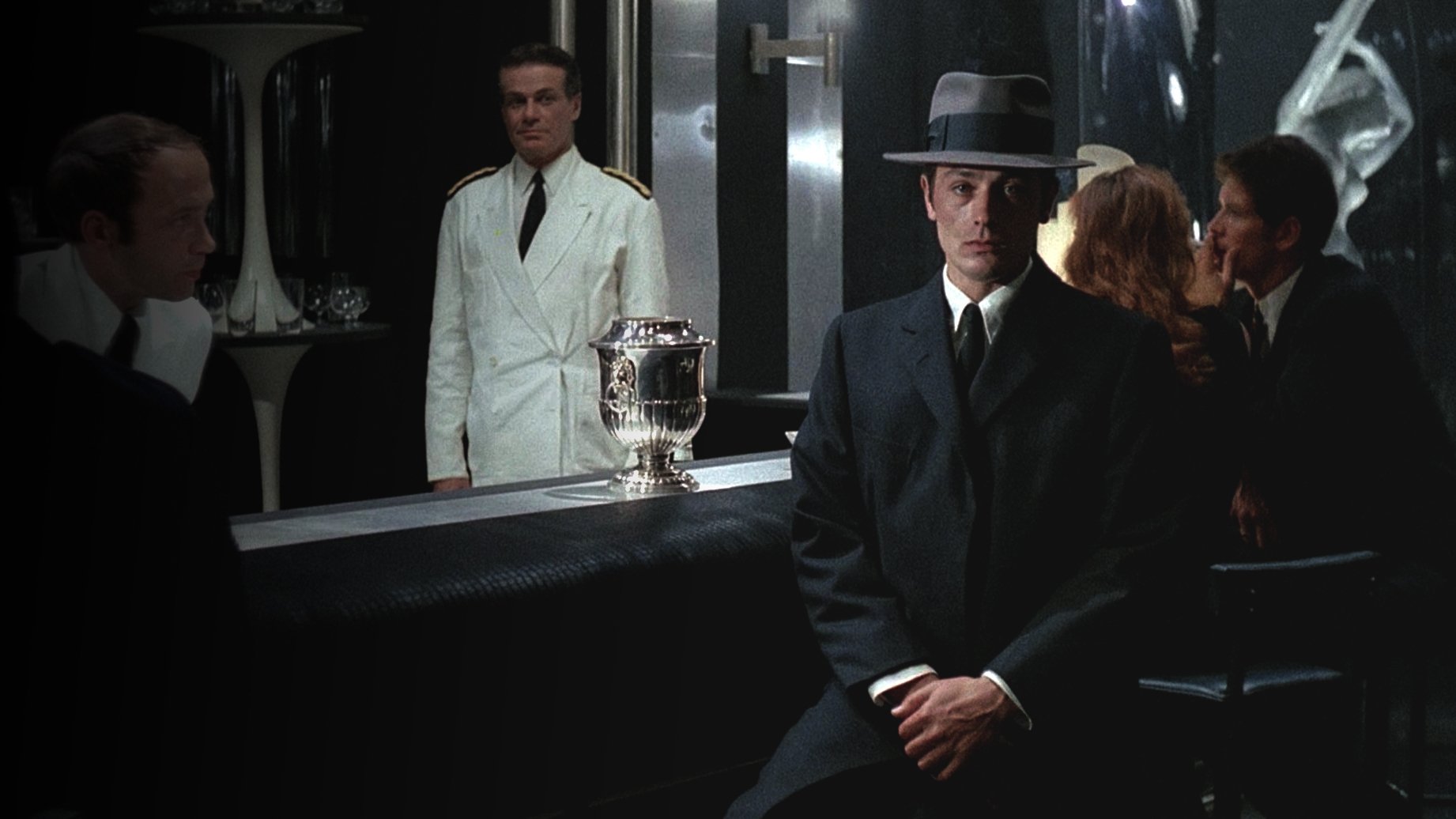
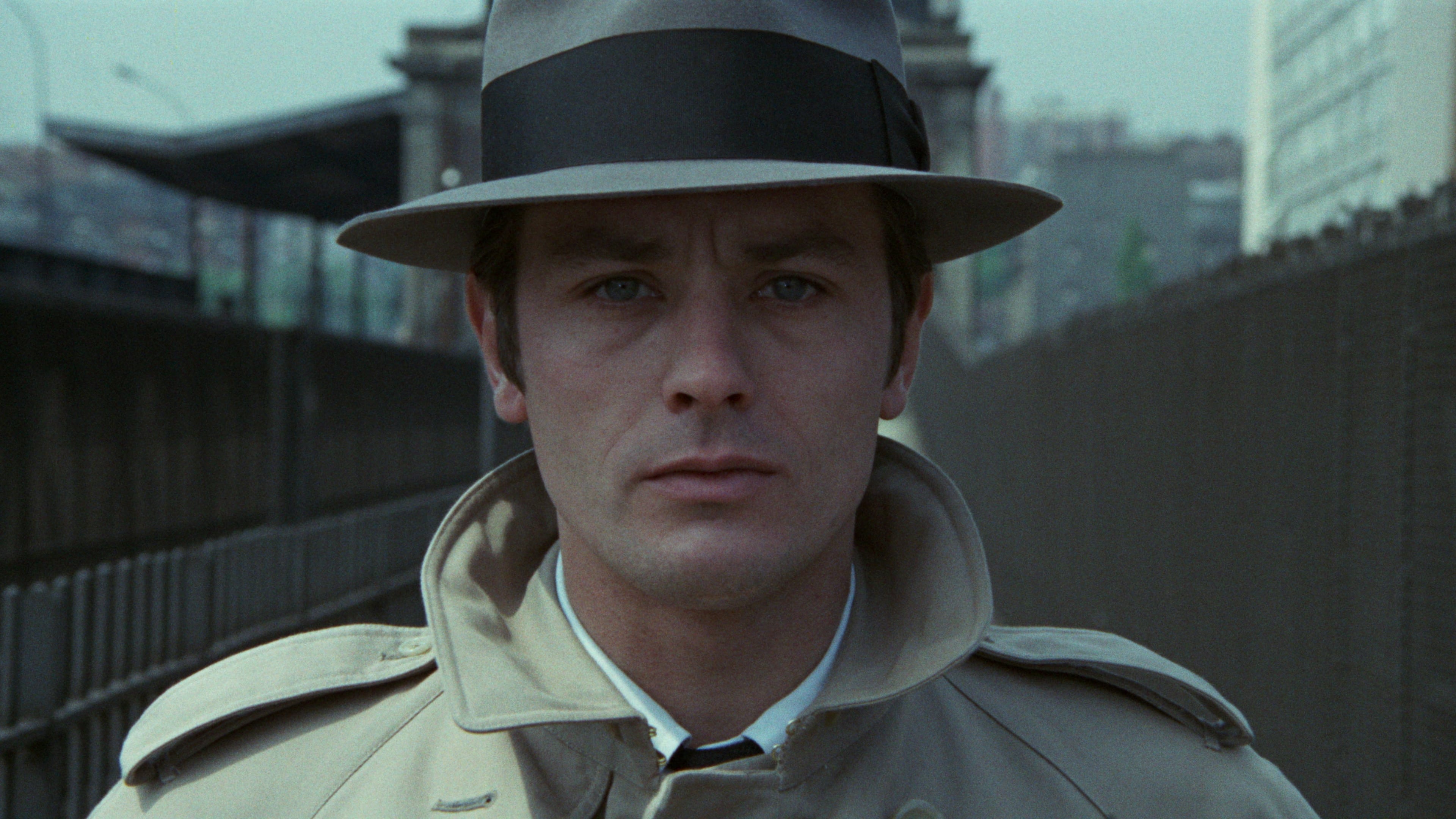
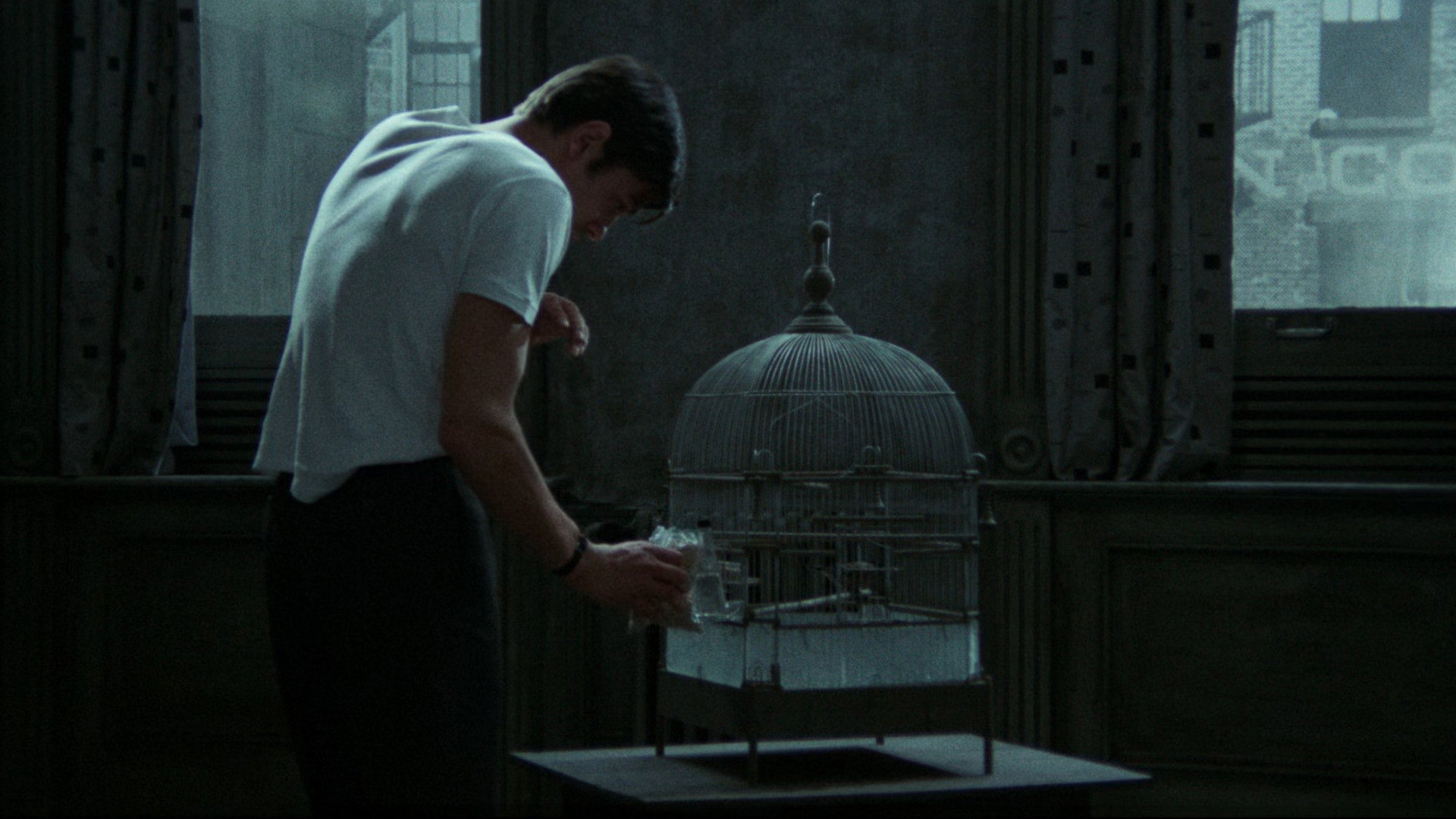
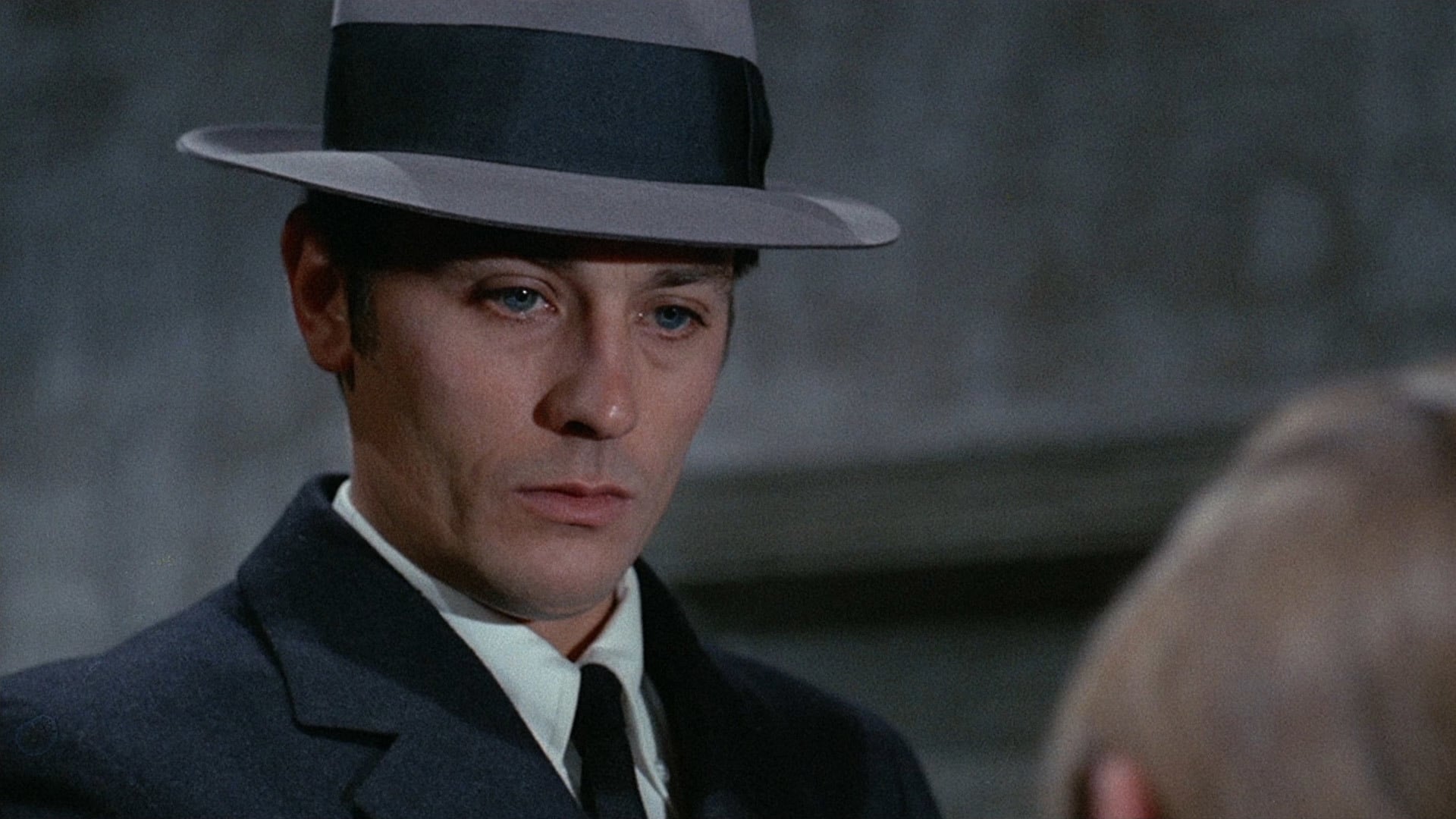
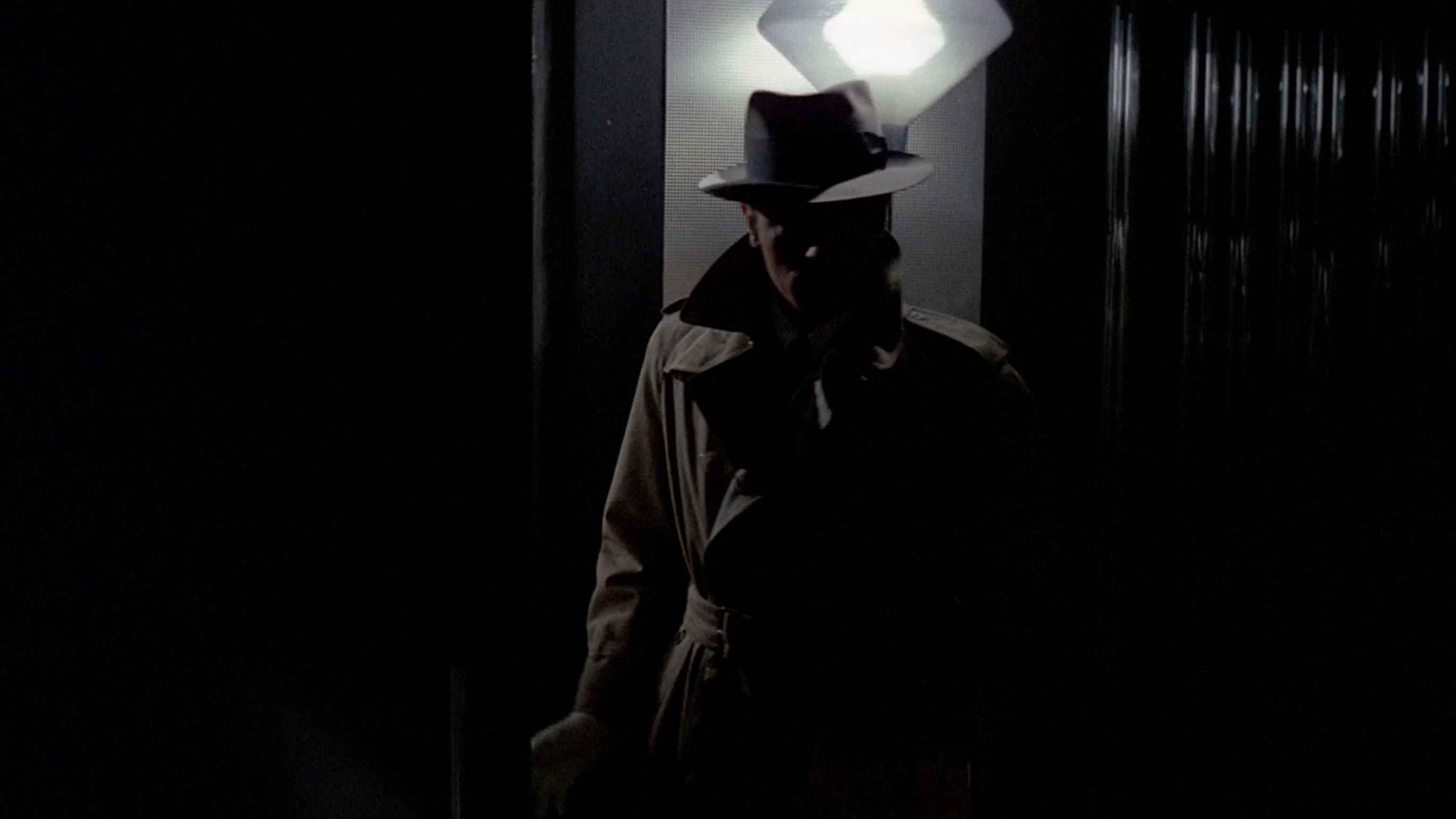
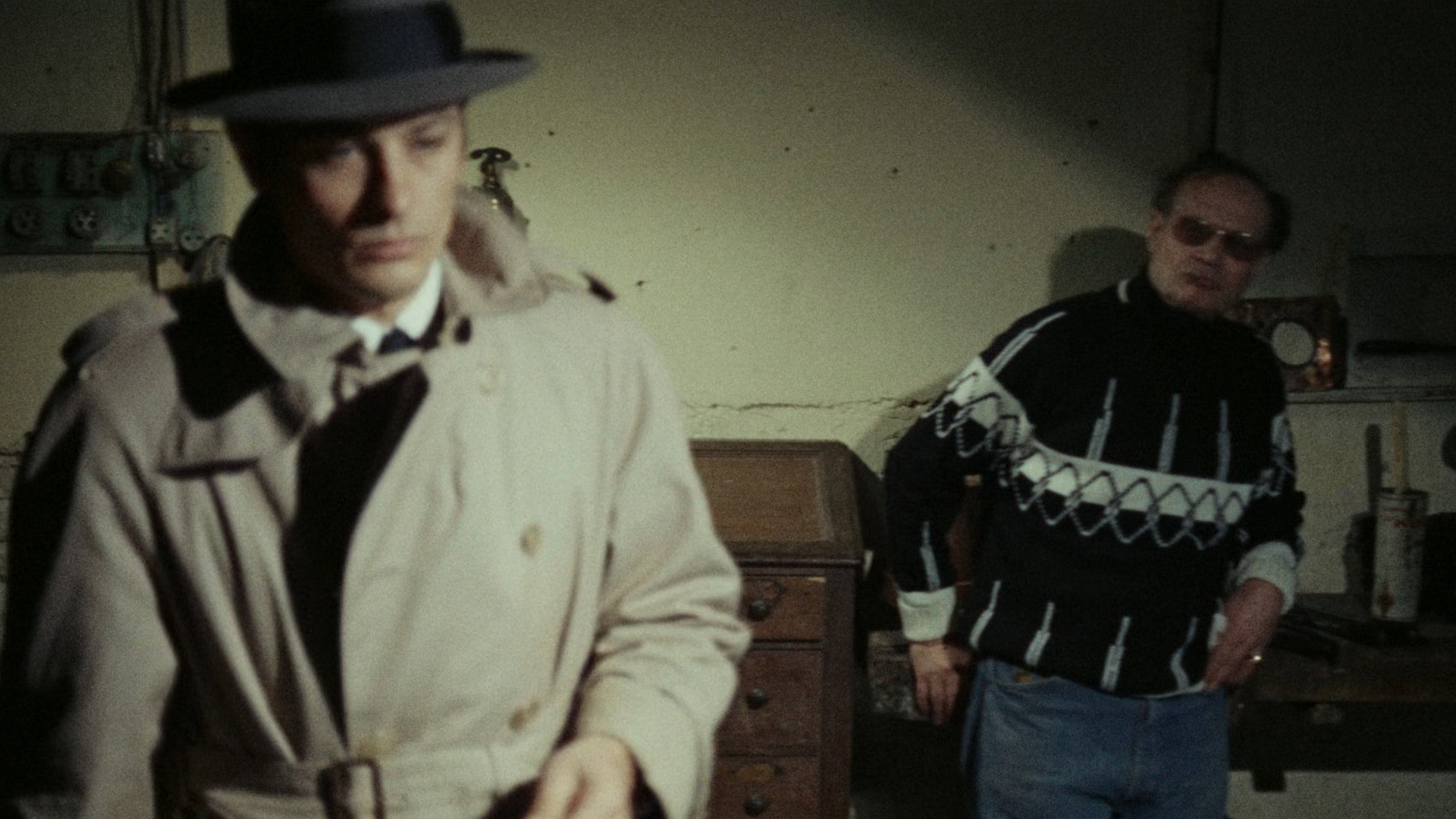
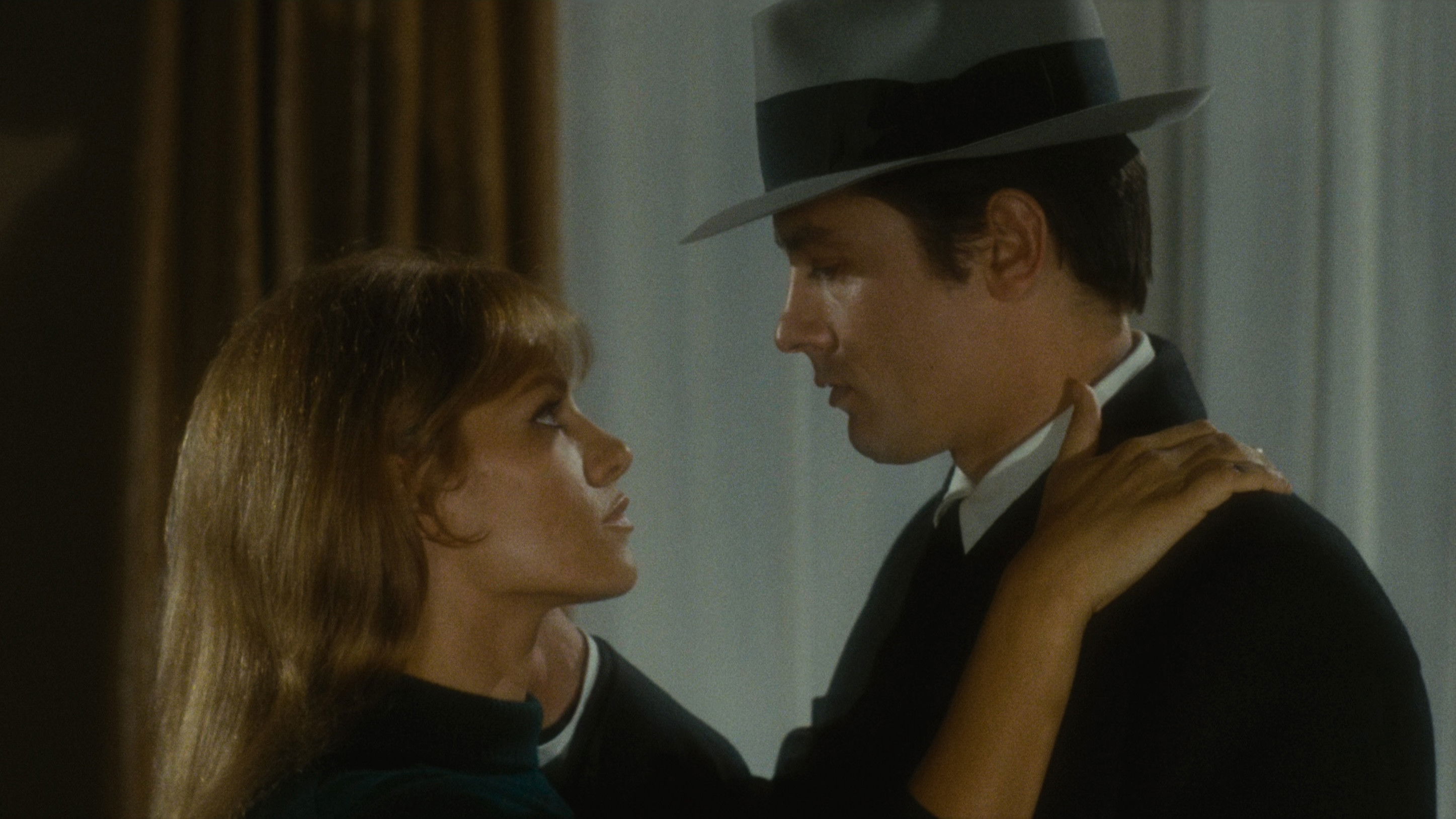
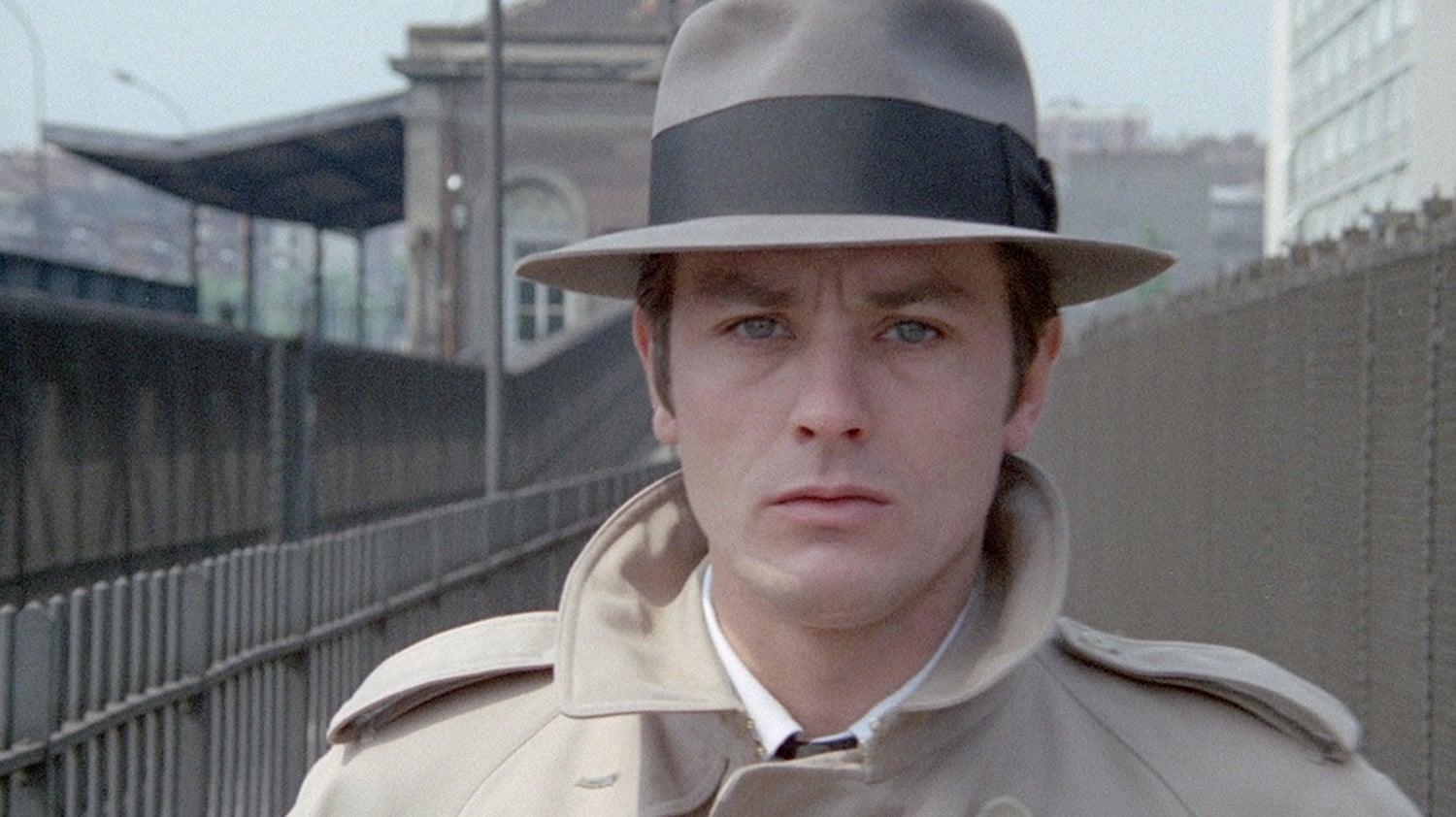
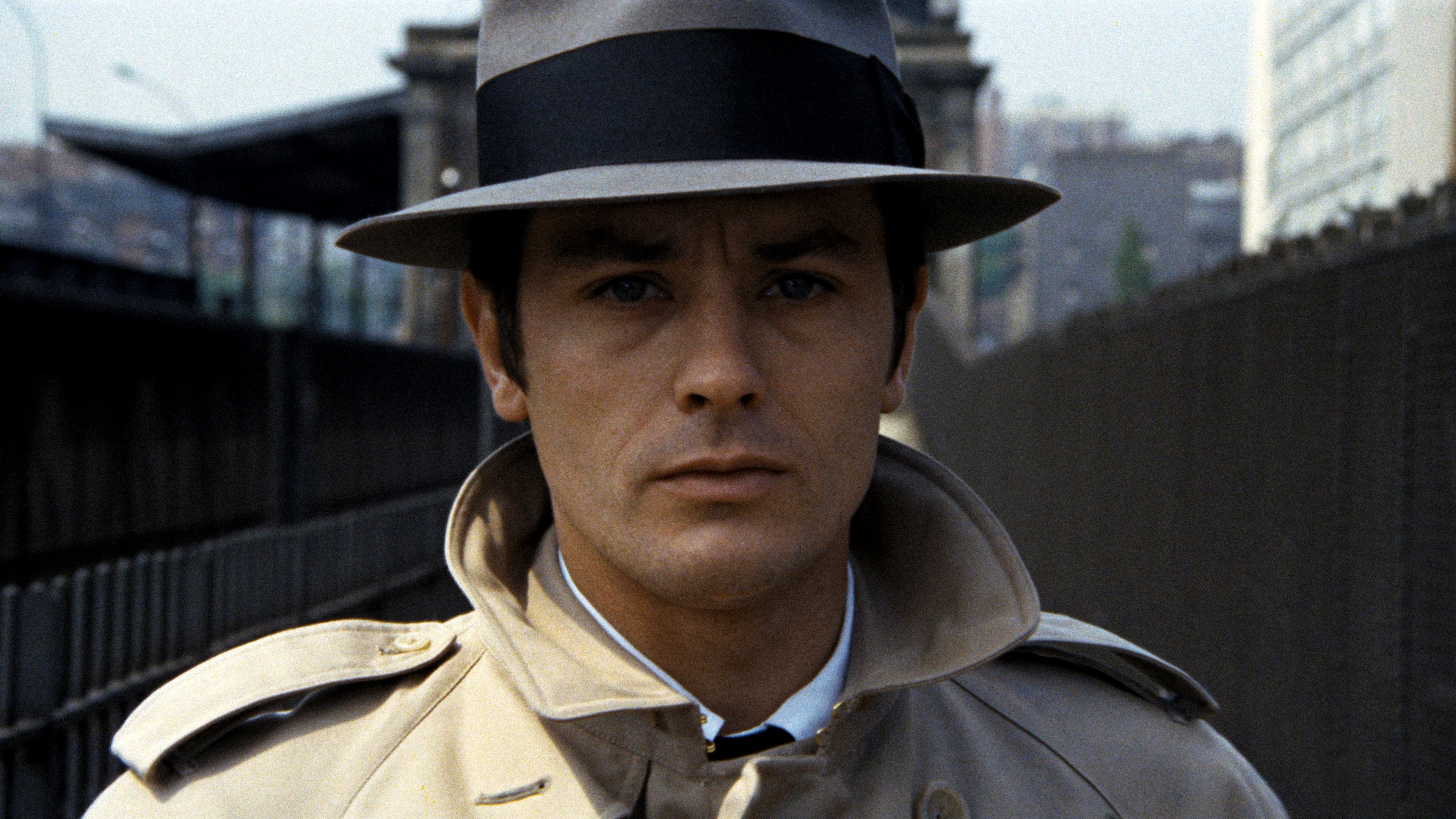
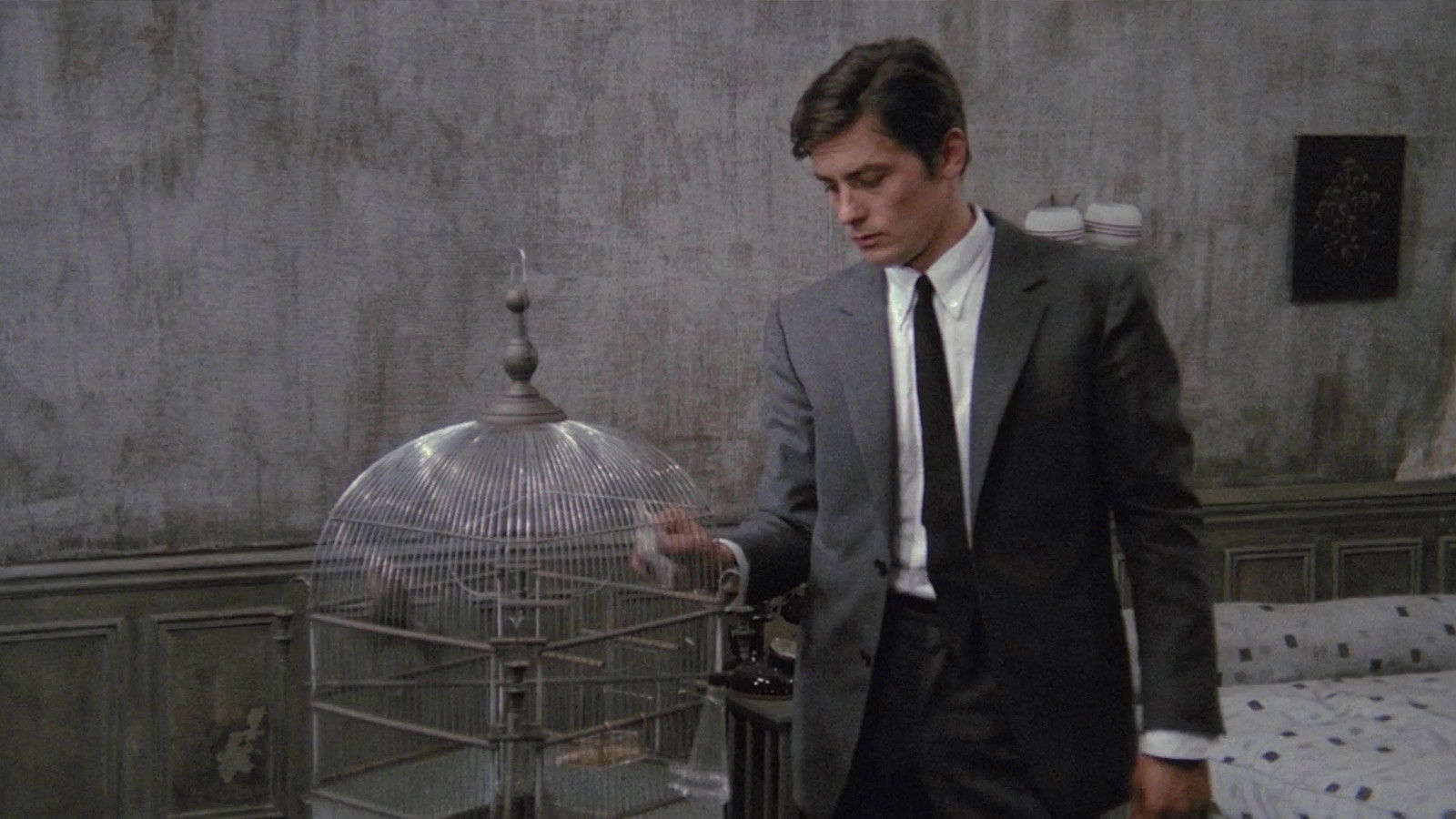
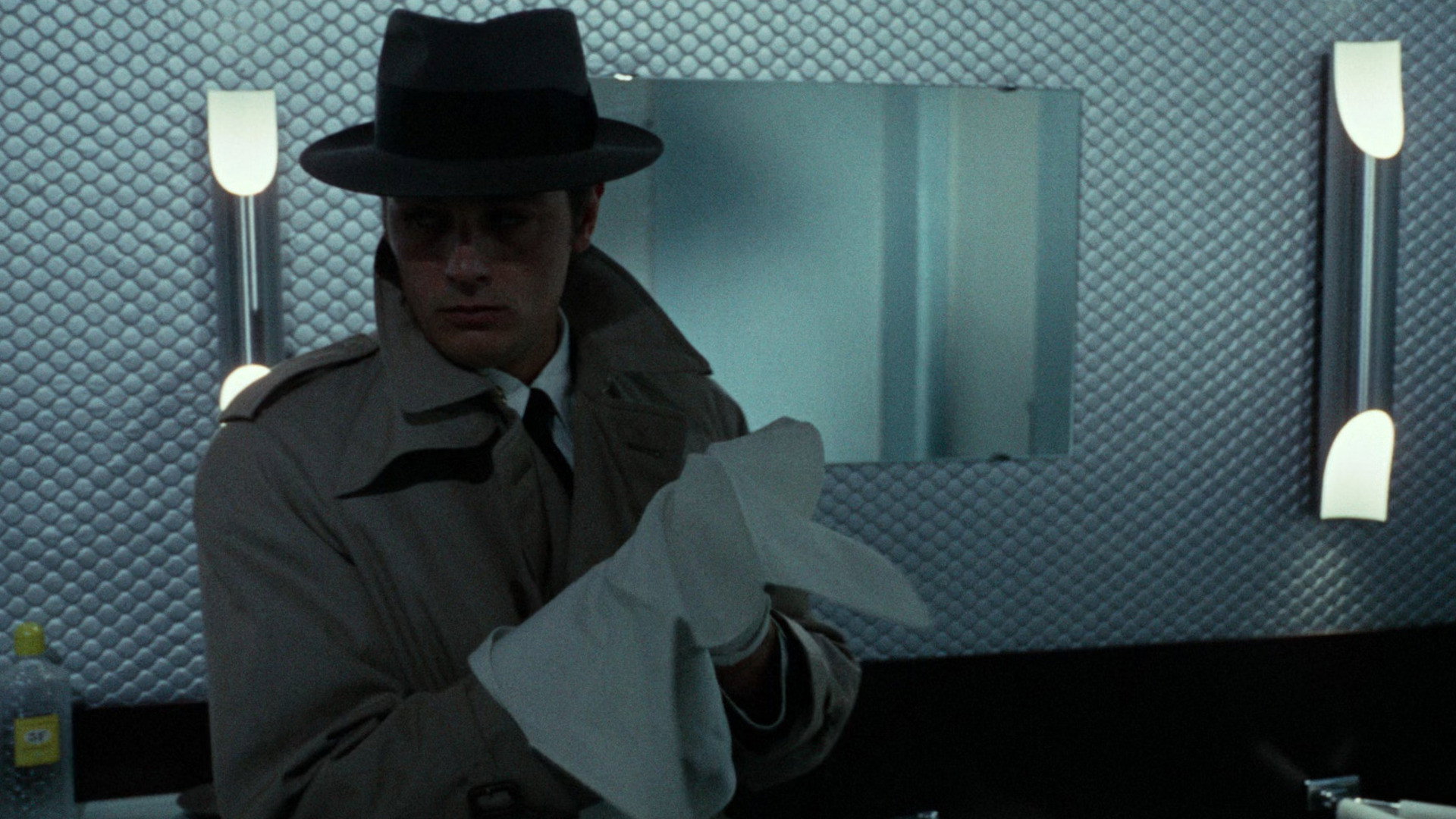
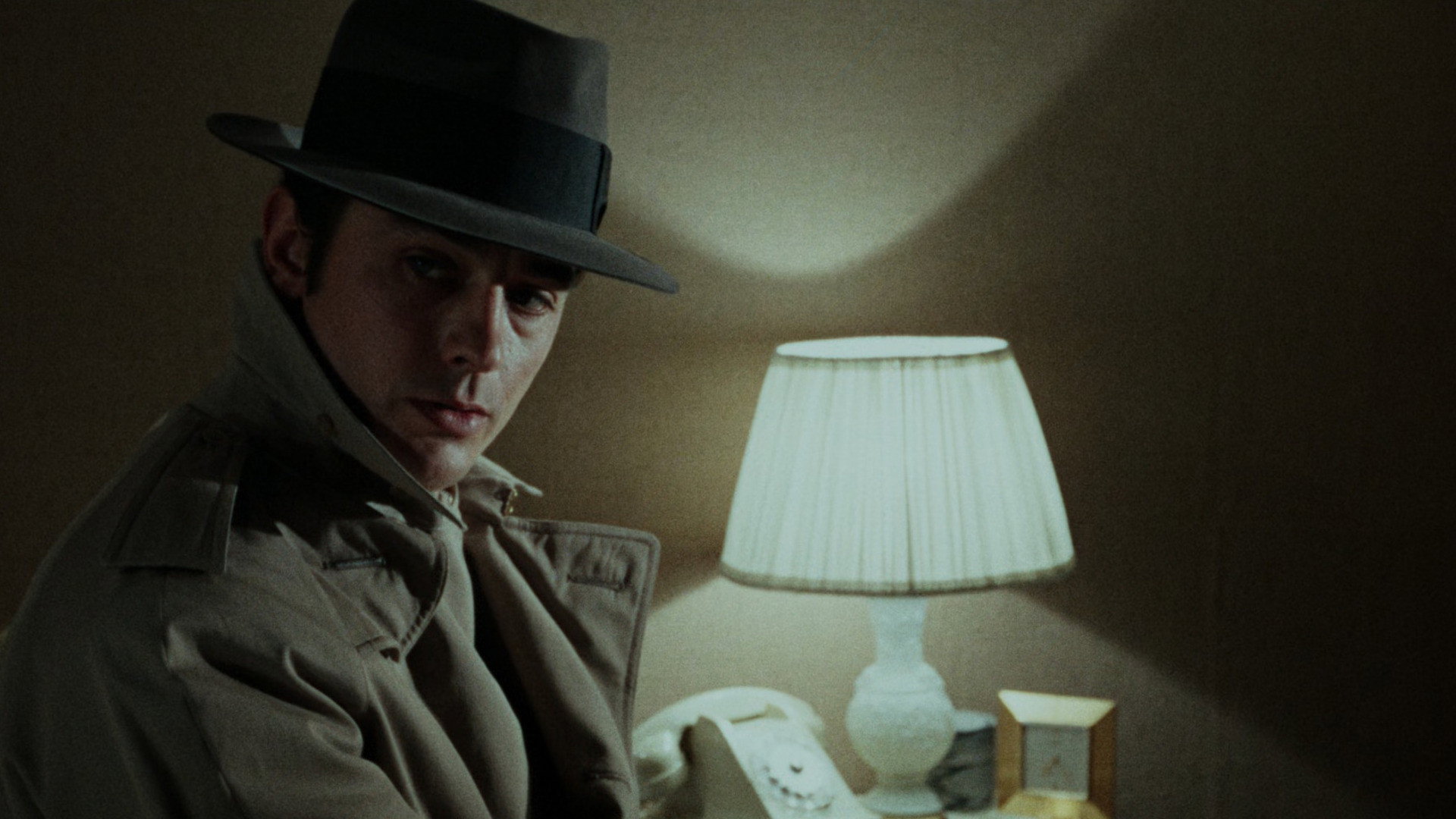
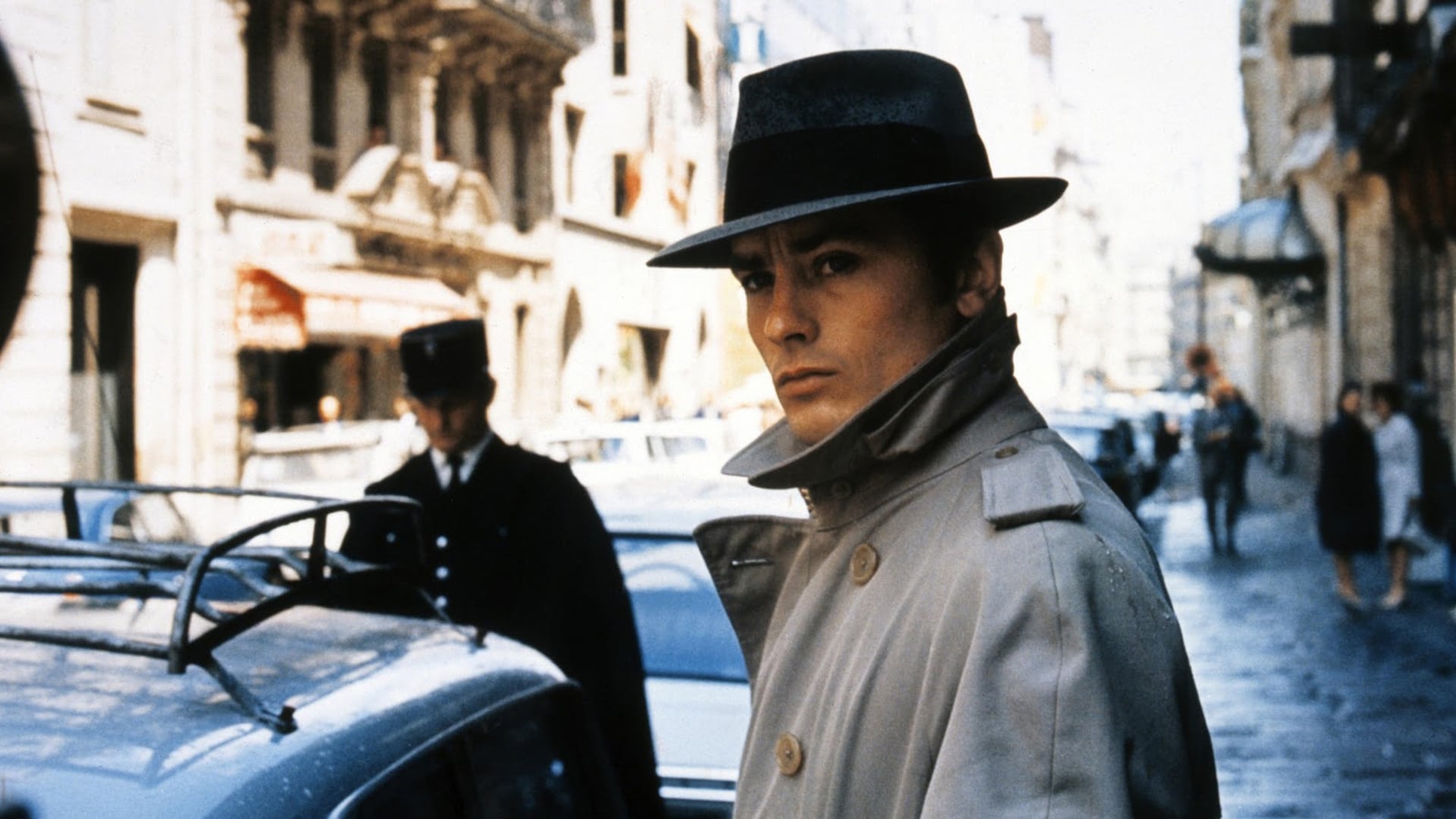
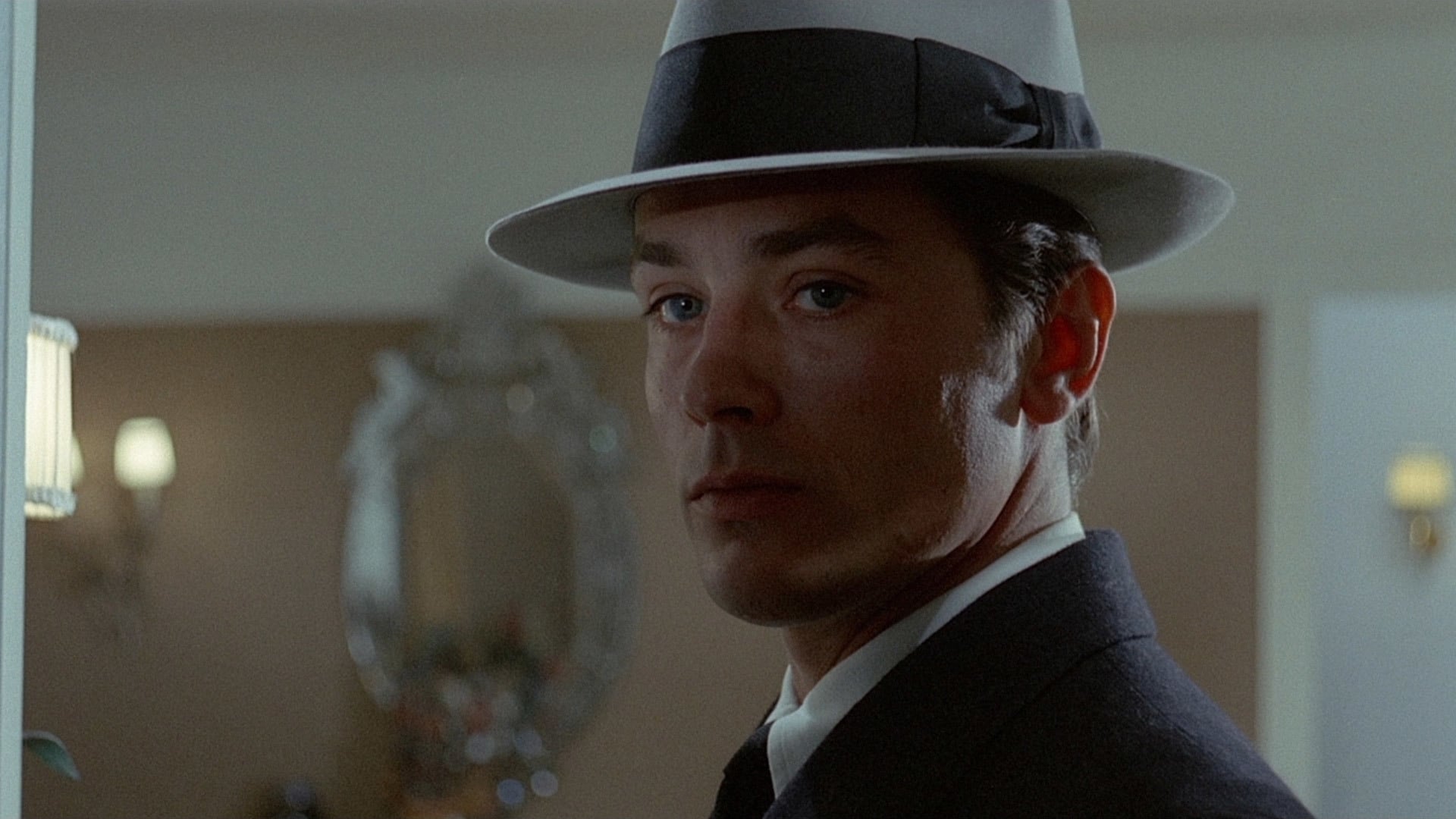
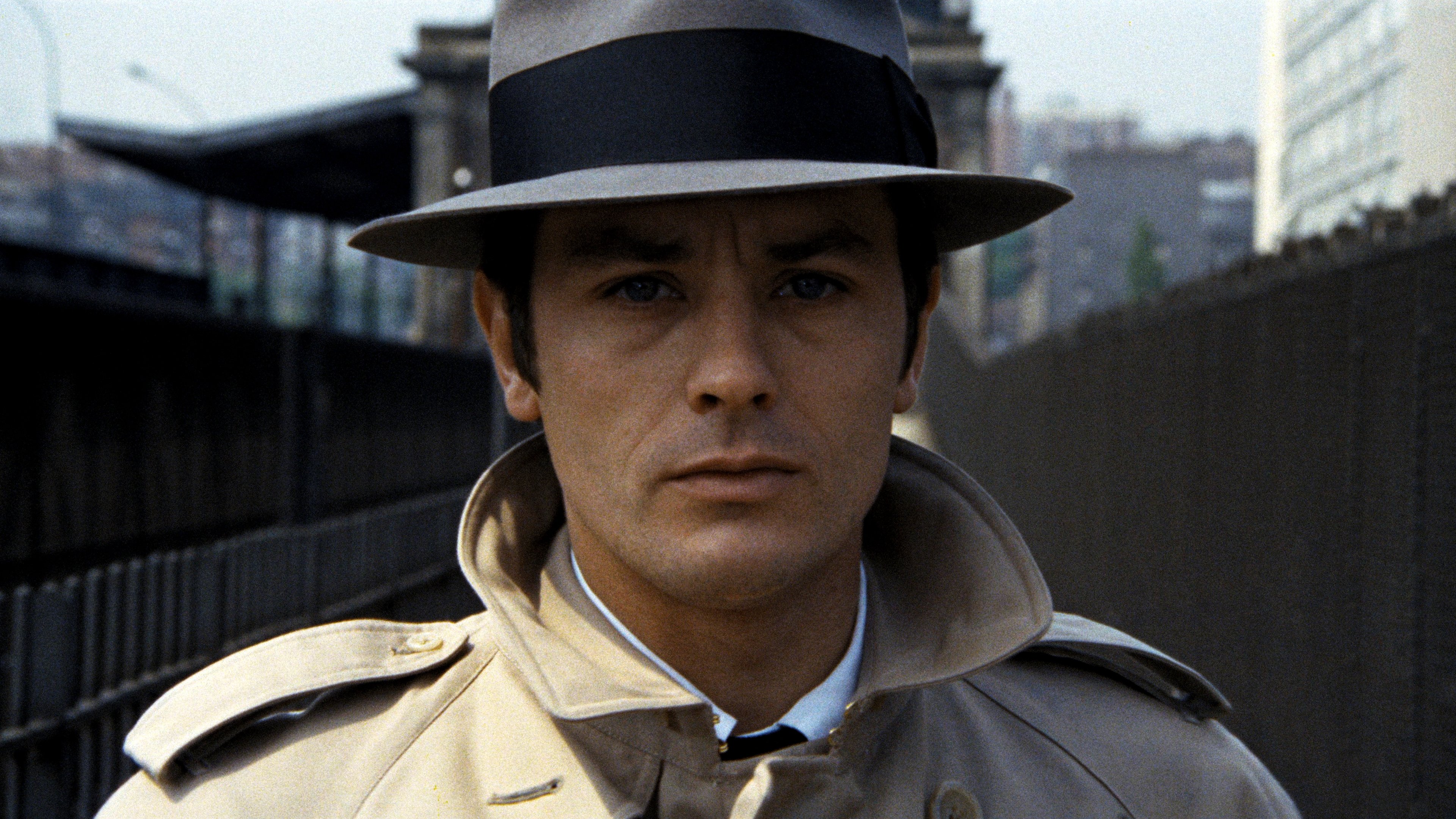
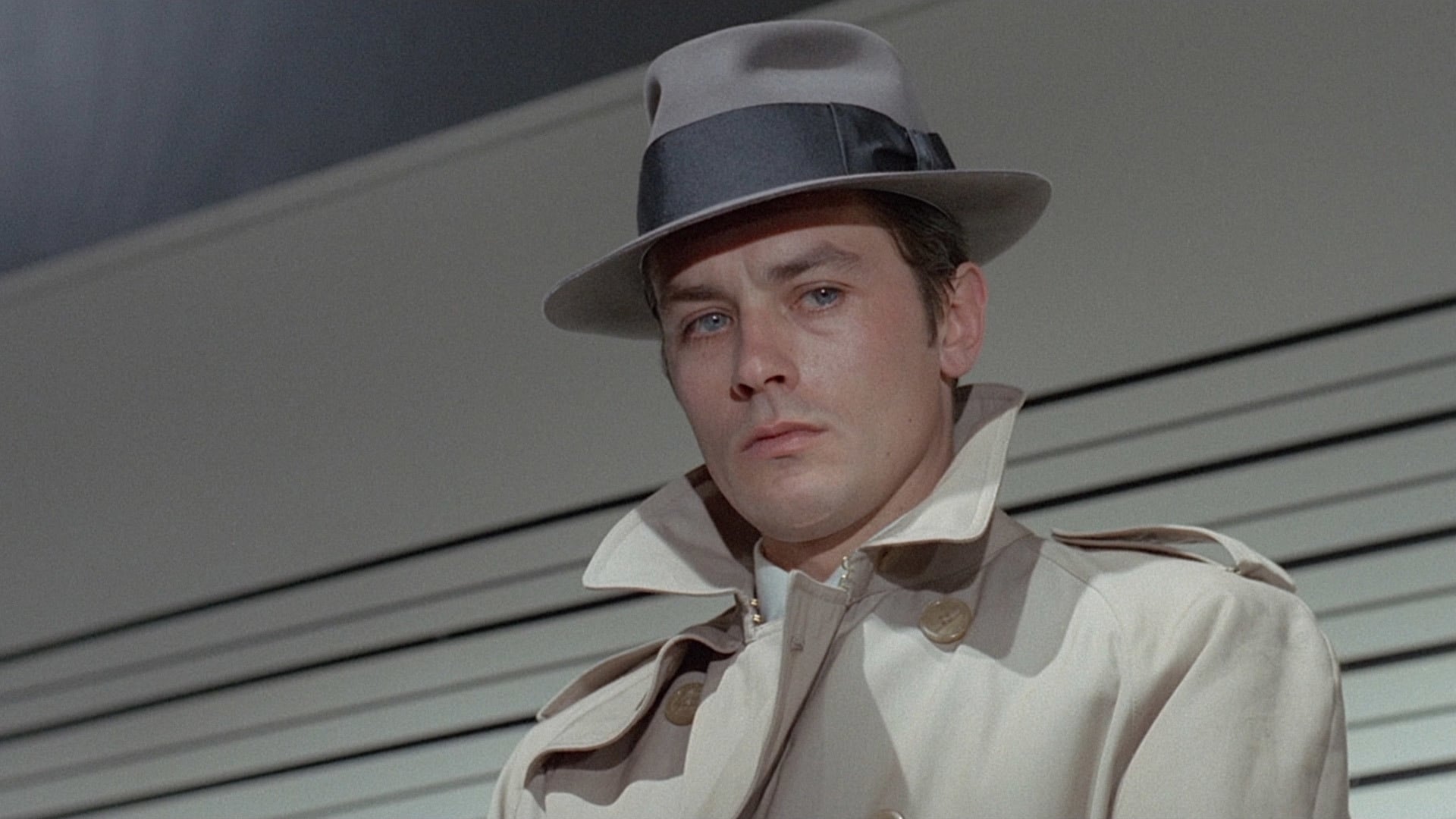
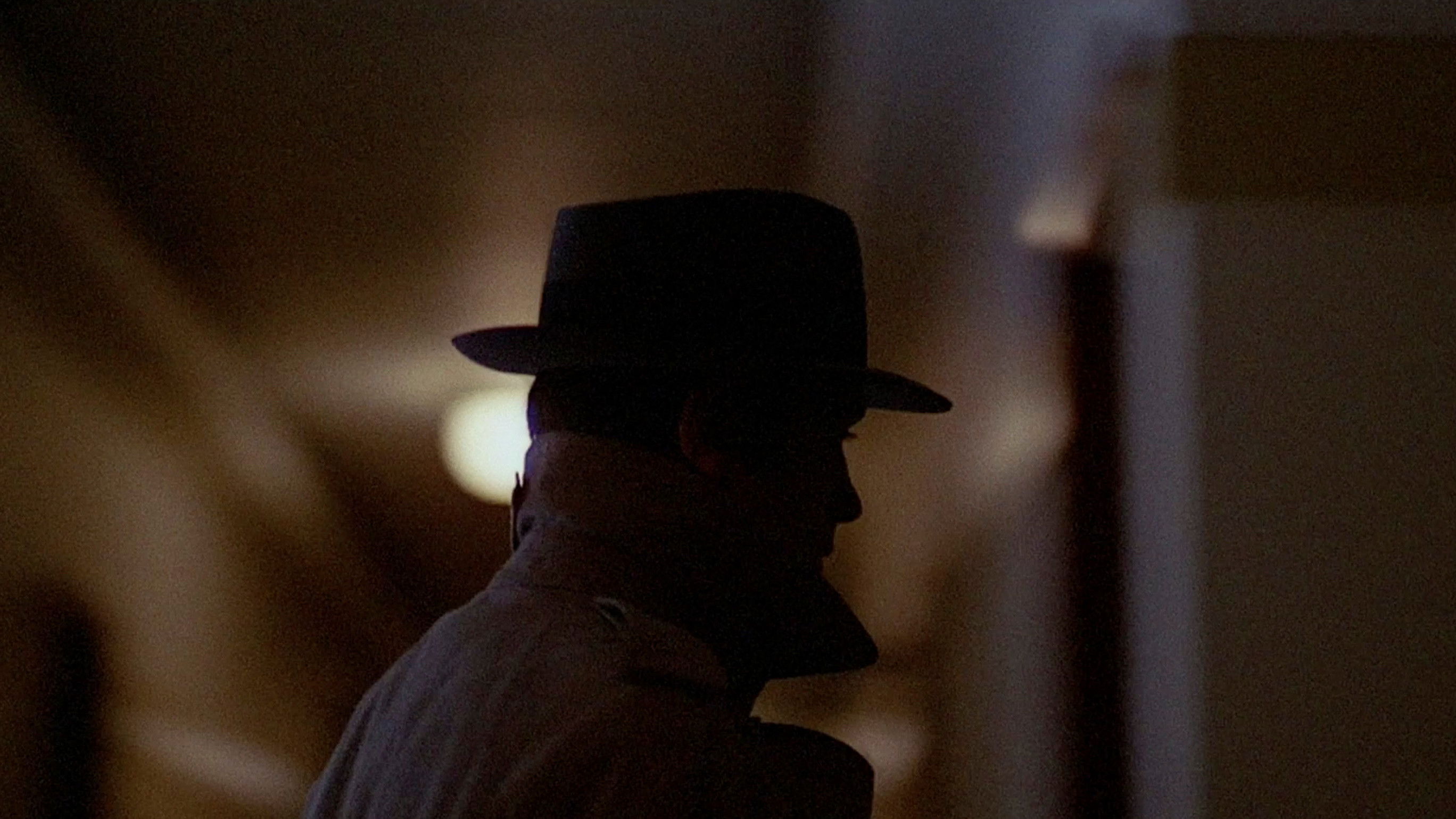
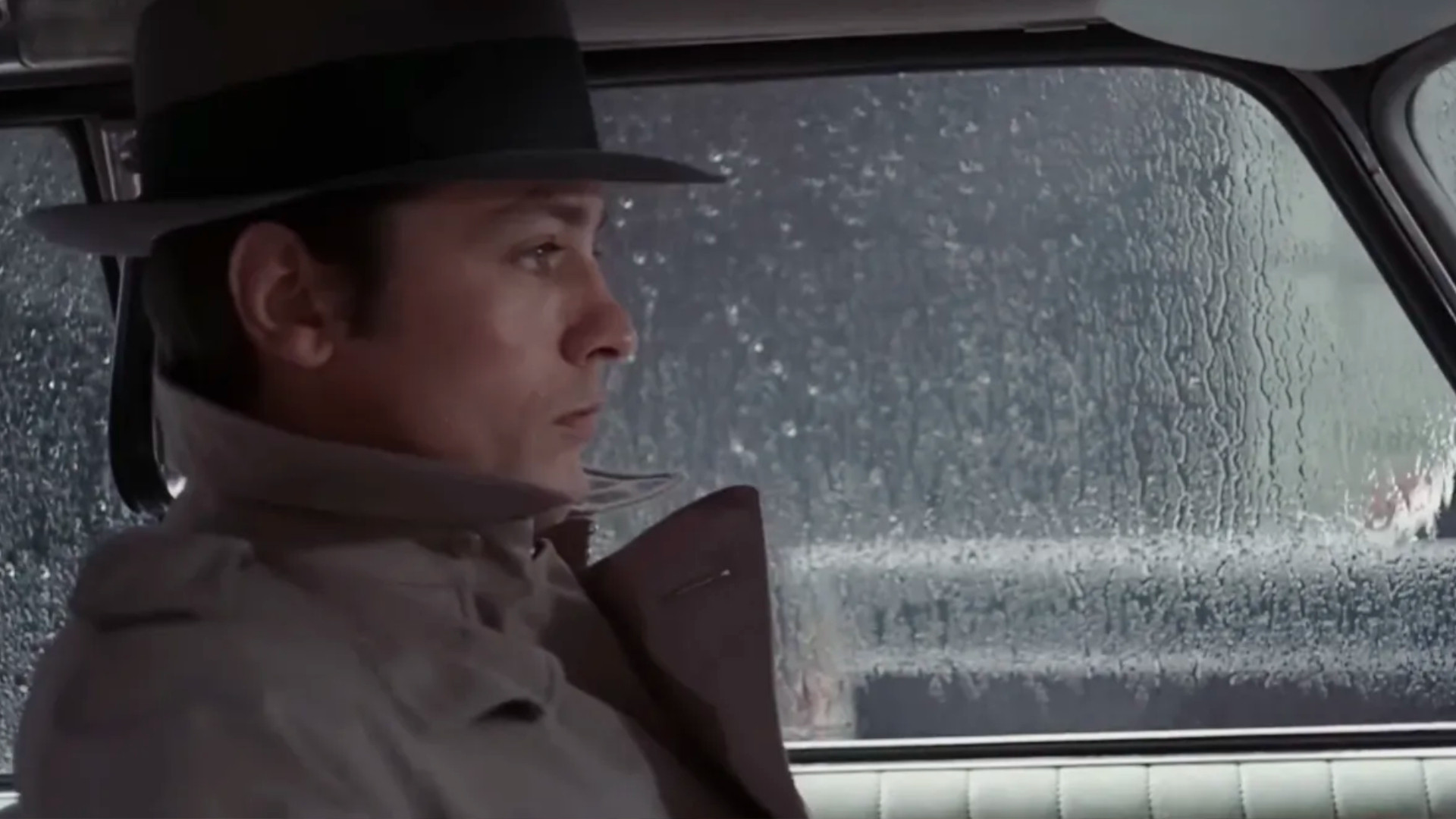
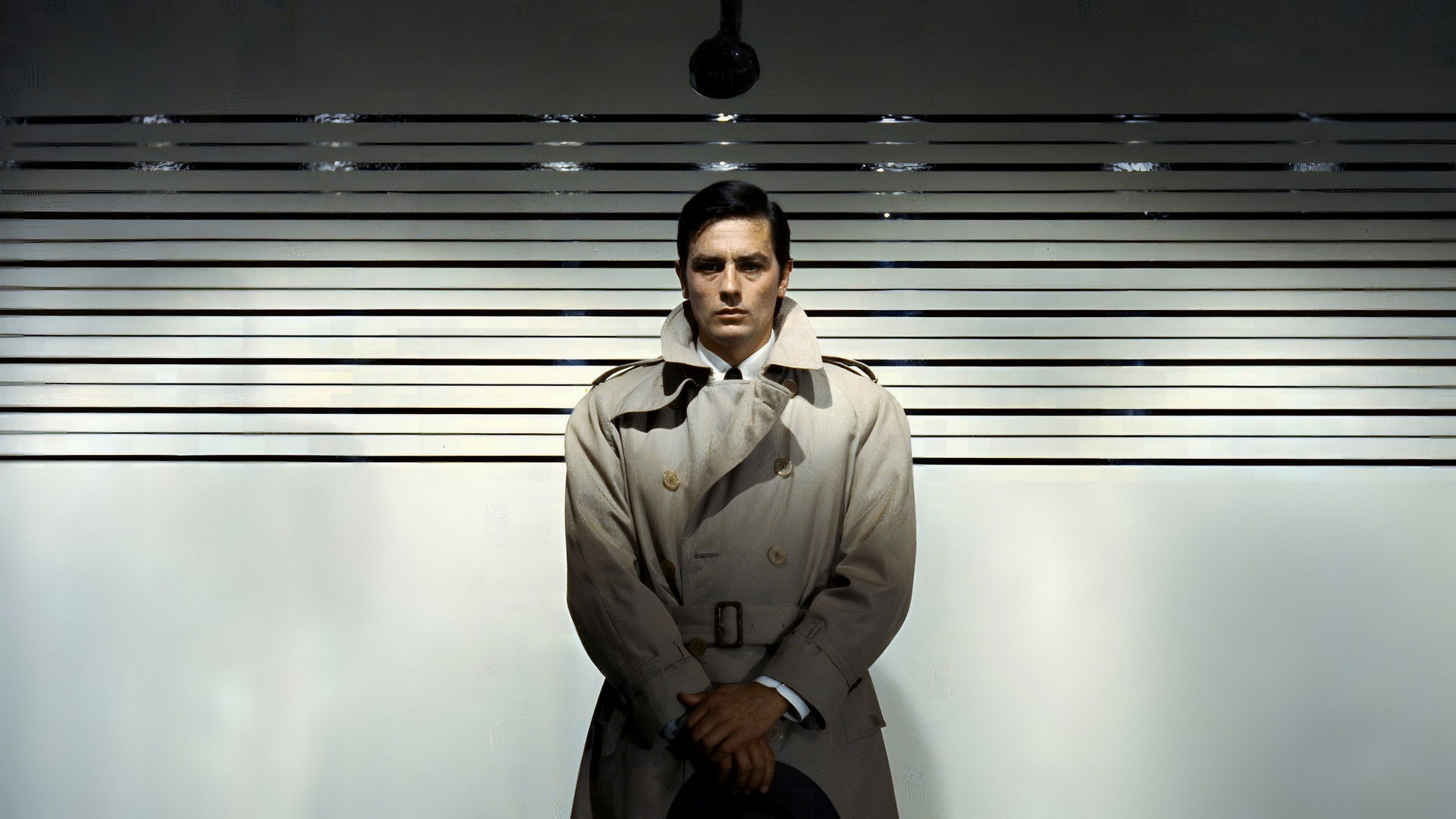
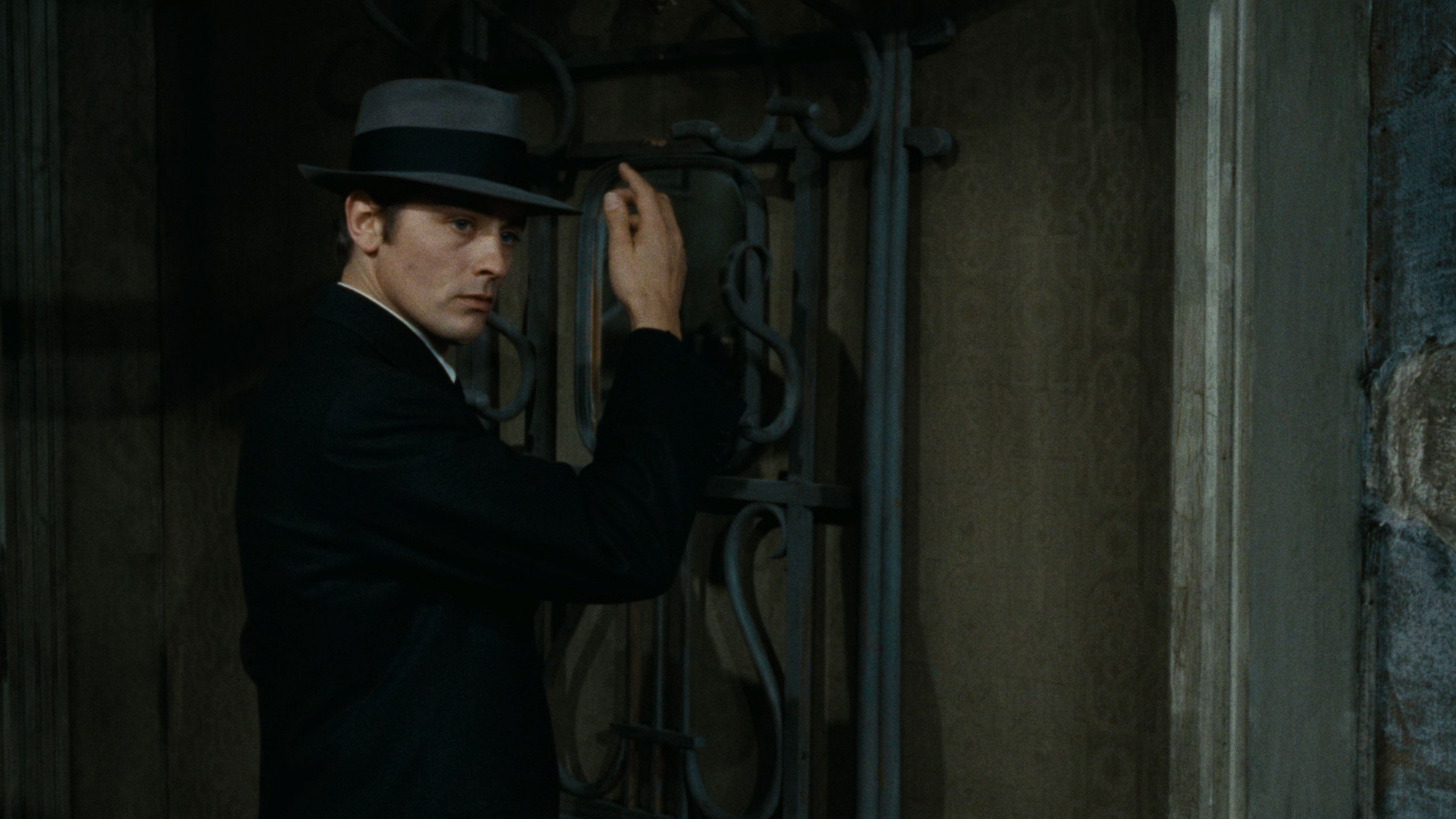
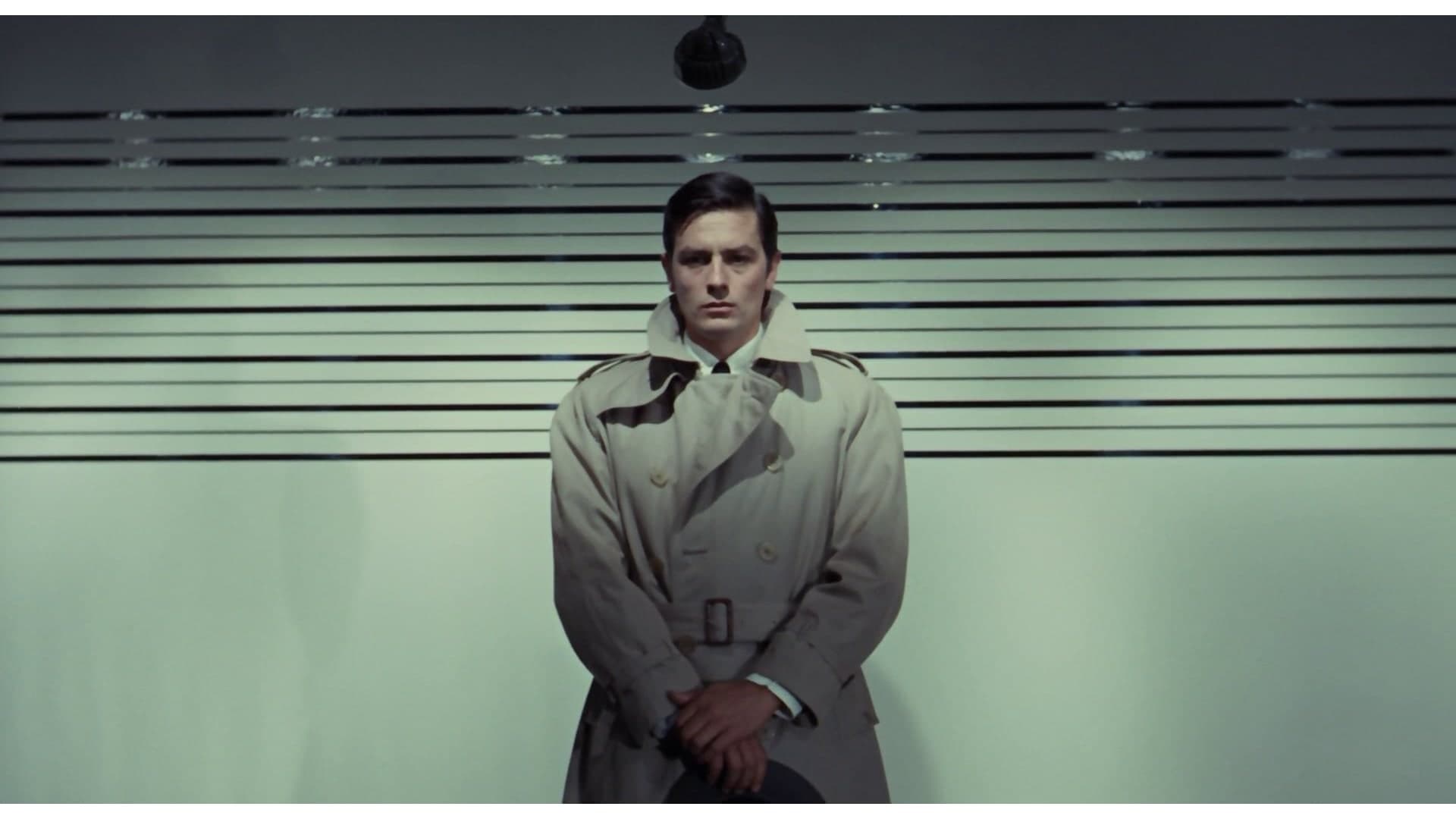
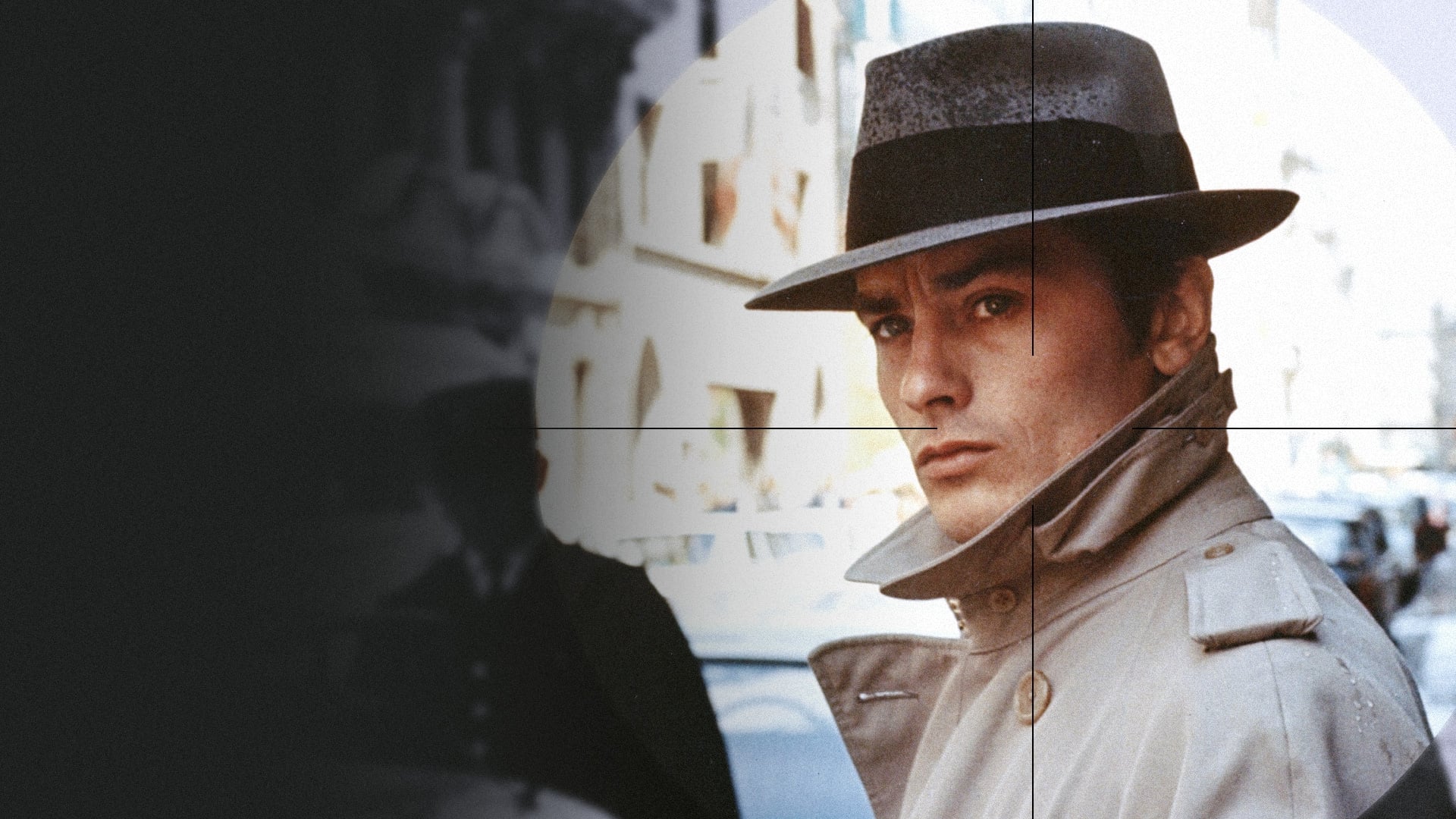
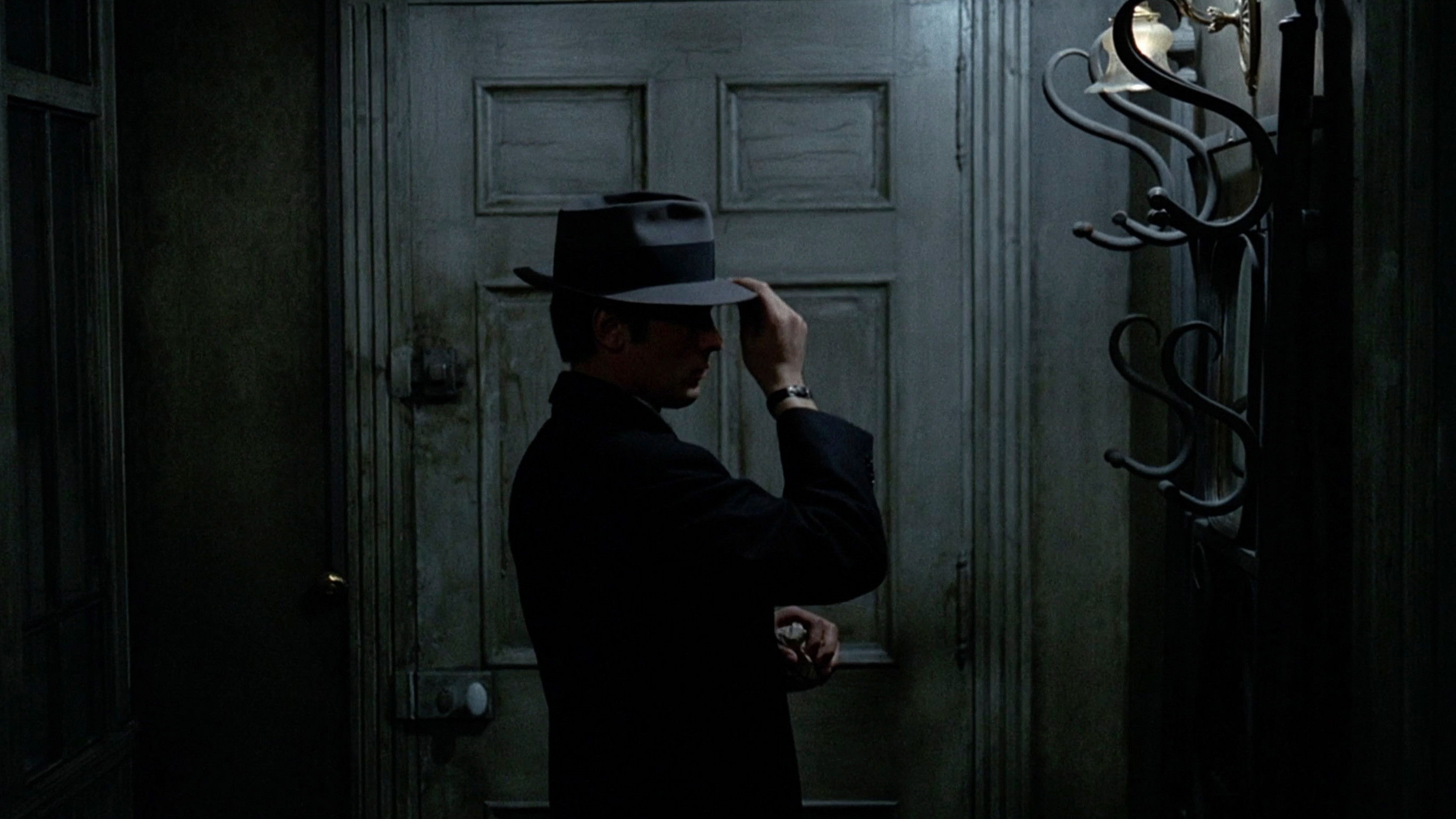
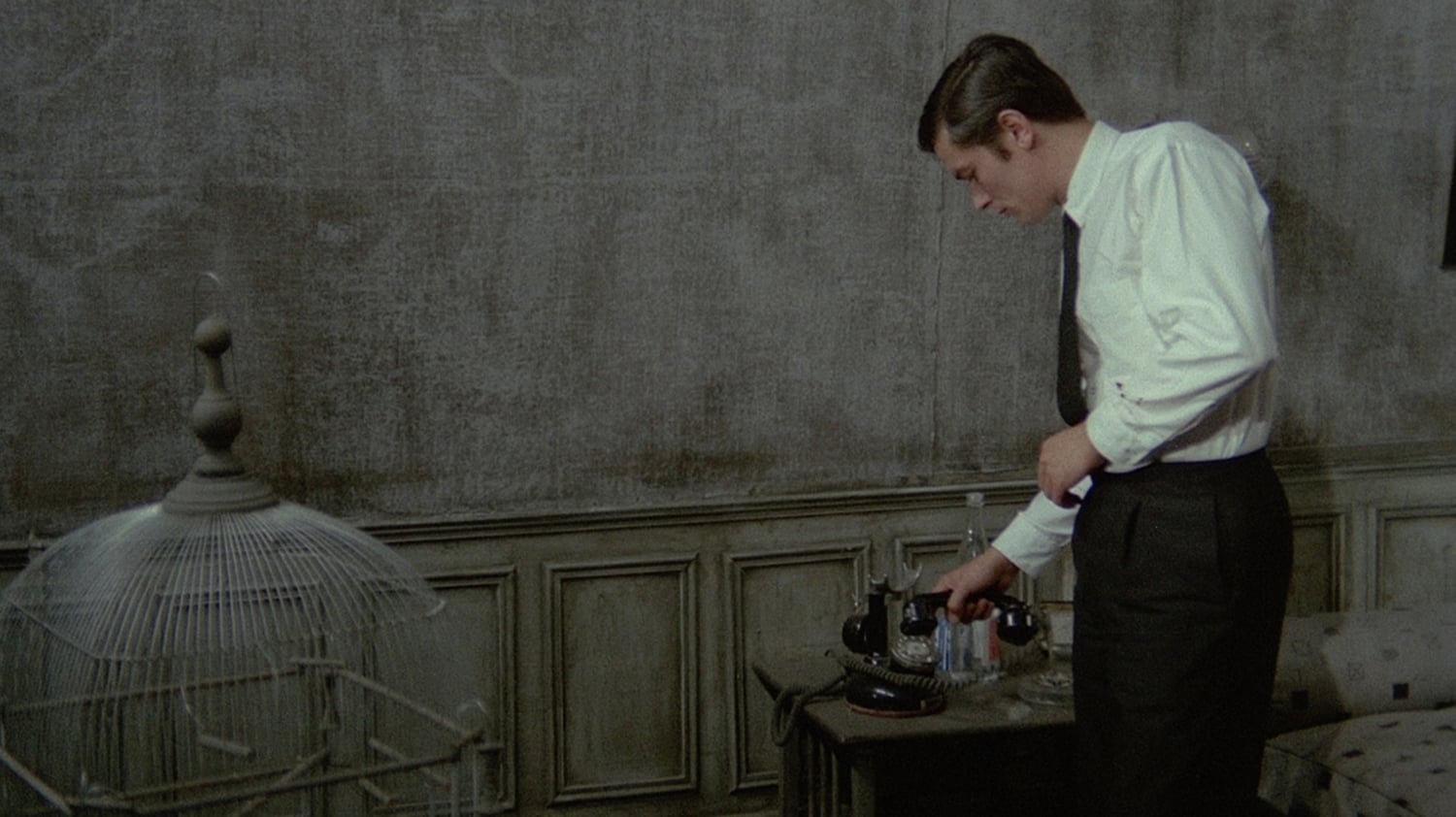
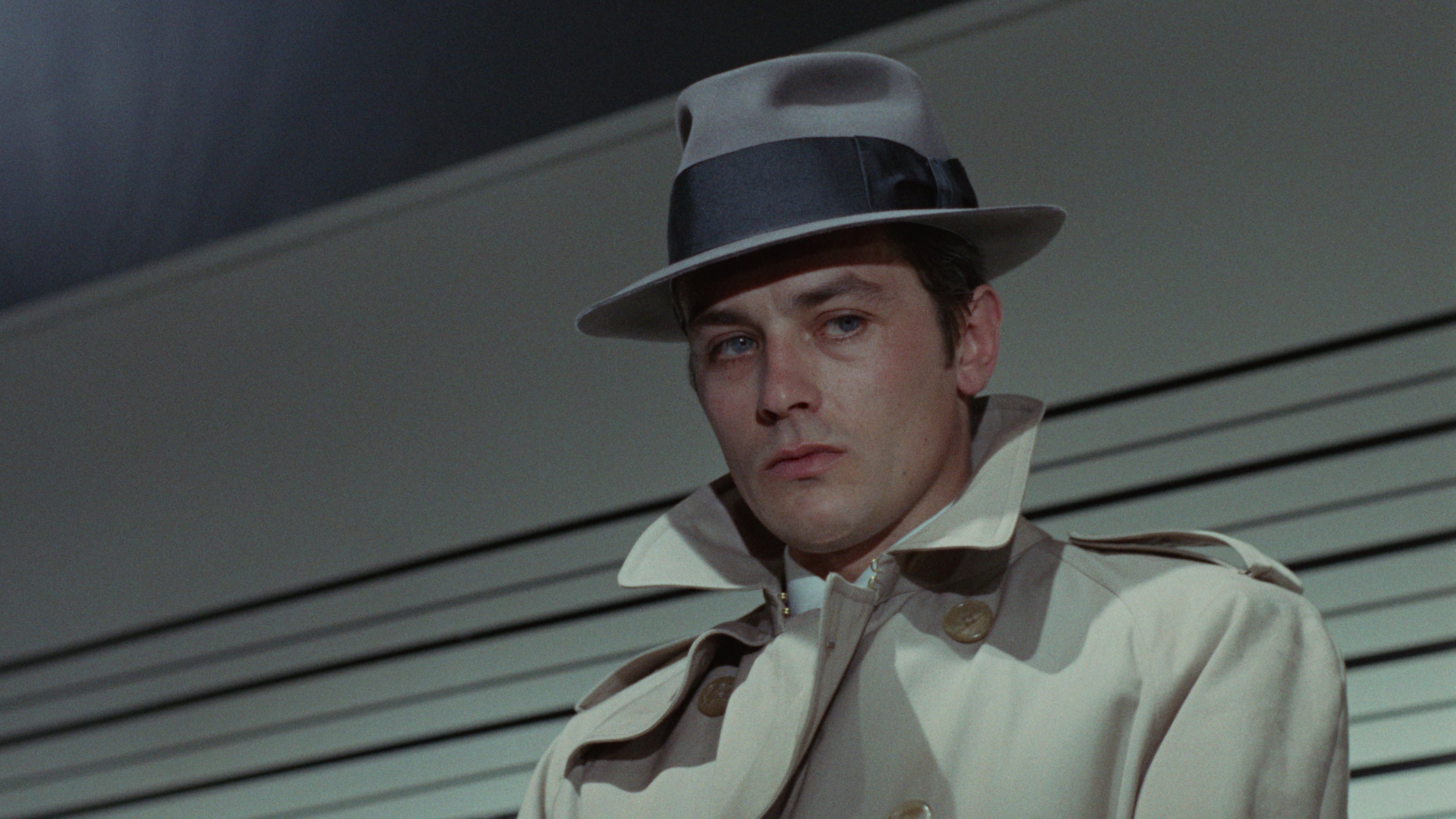
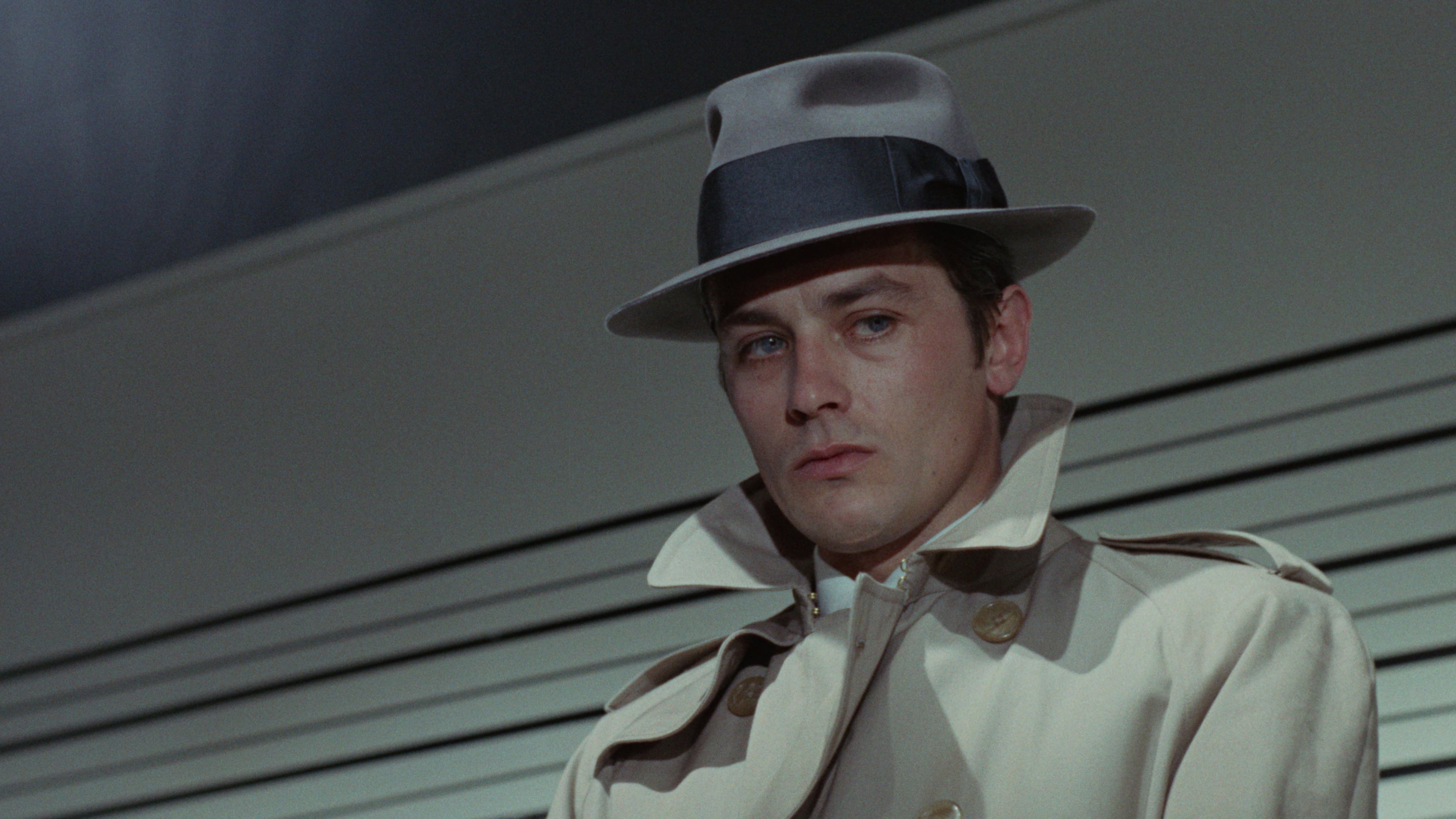
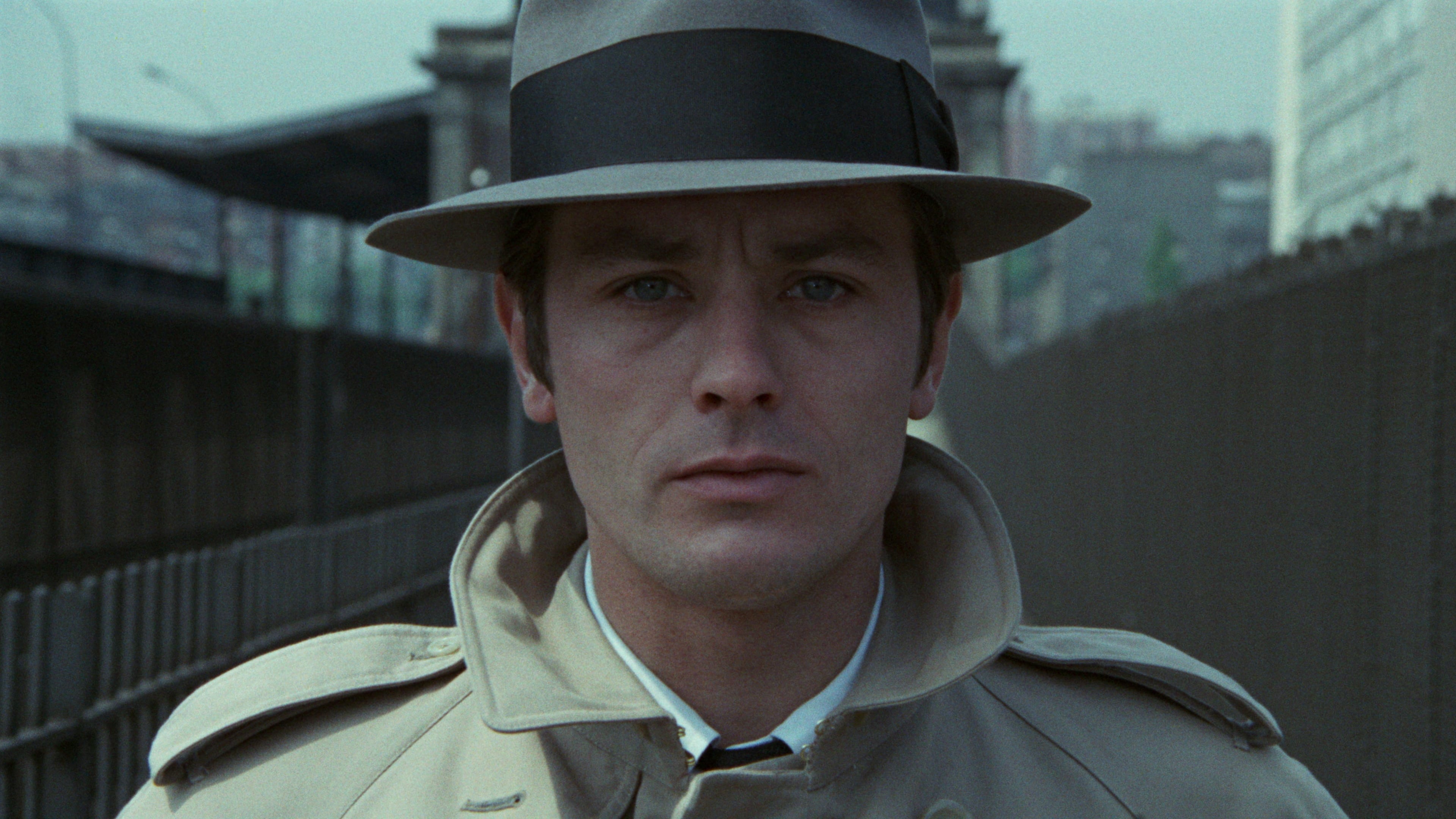
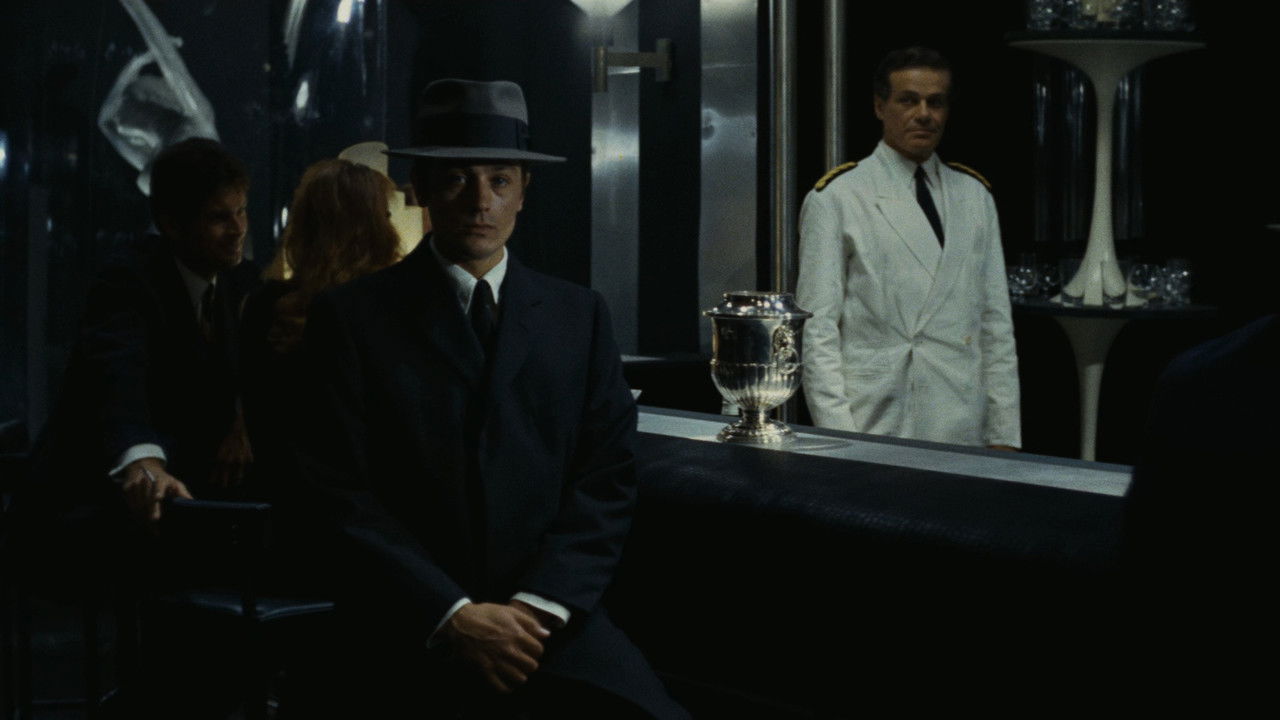
Alain Delon’s performance is what makes the film unforgettable. He barely speaks, barely reacts, but somehow every small gesture matters. The way he wears his hat, sits in silence, or walks through the metro says more than pages of dialogue could. His apartment especially stayed in my mind—cold, gray, nearly empty except for the bird in the cage. It feels less like a home and more like a reflection of Jef himself: trapped, isolated, and emotionally lifeless.
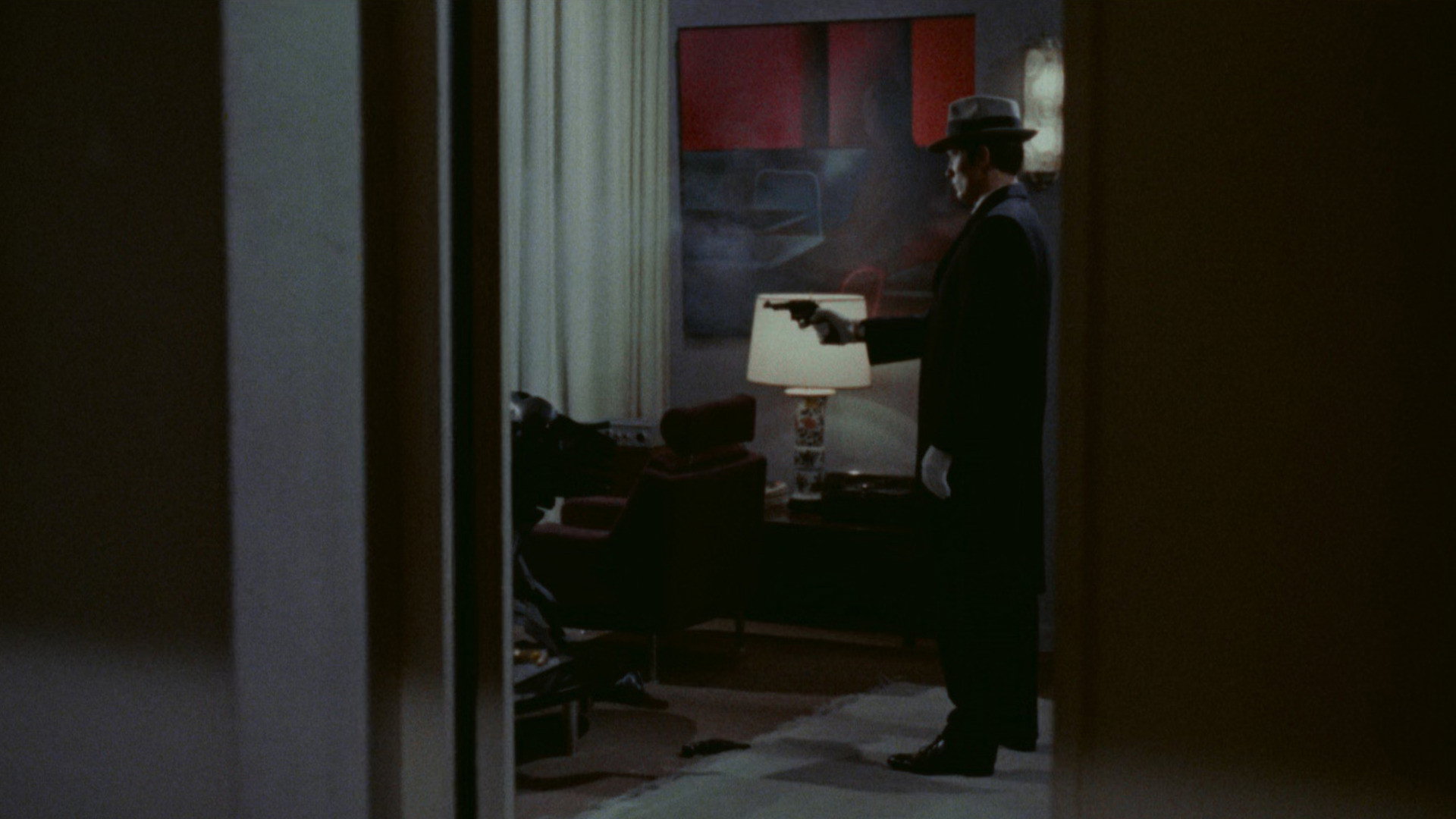
The film’s pacing can feel slow, but that slowness is important. Melville forces you to sit inside Jef’s routines until they become almost hypnotic. There are moments where nothing “important” is happening, yet the tension never disappears. Instead of suspense coming from action, it comes from observation. Every silence feels dangerous.
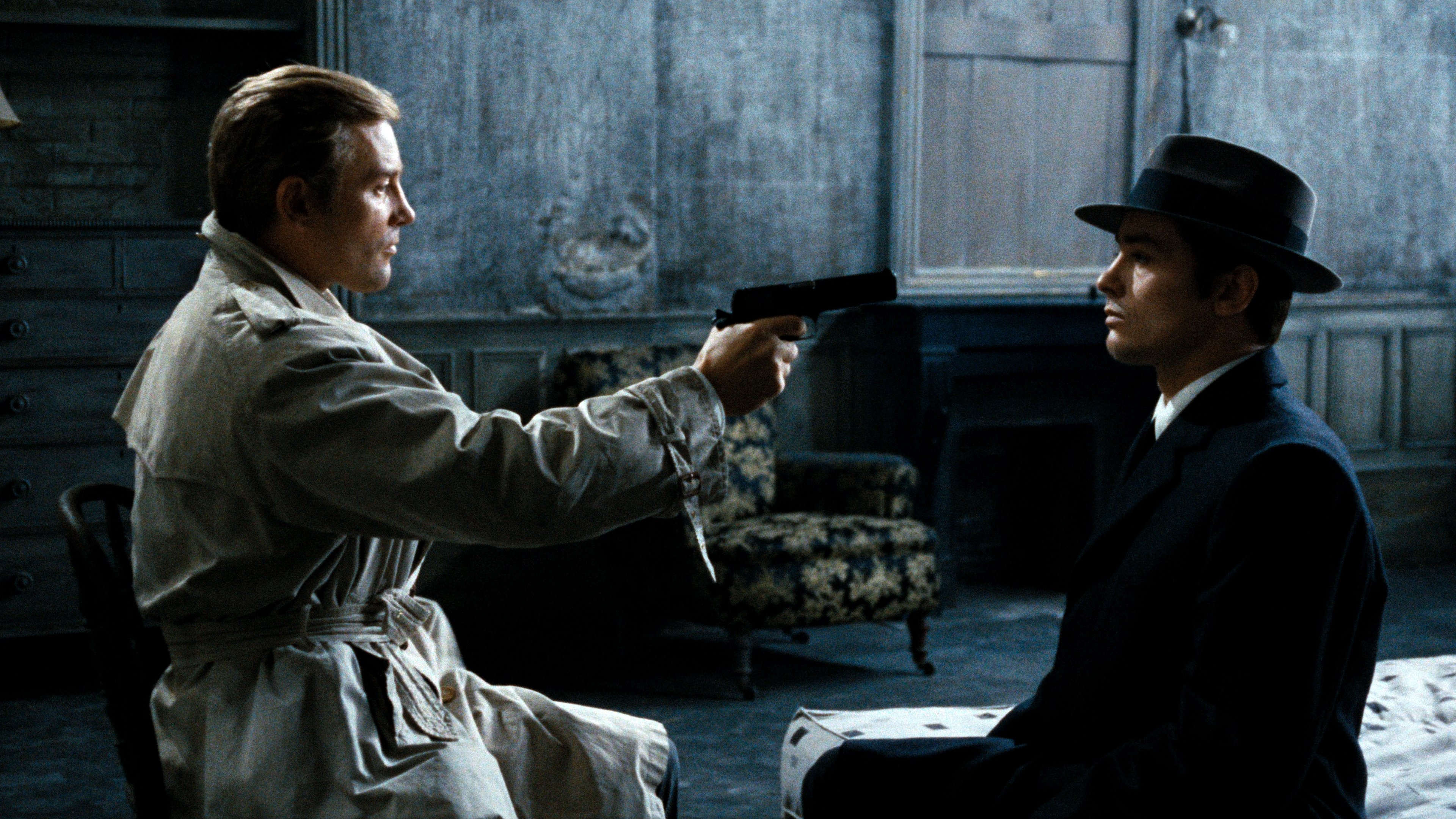
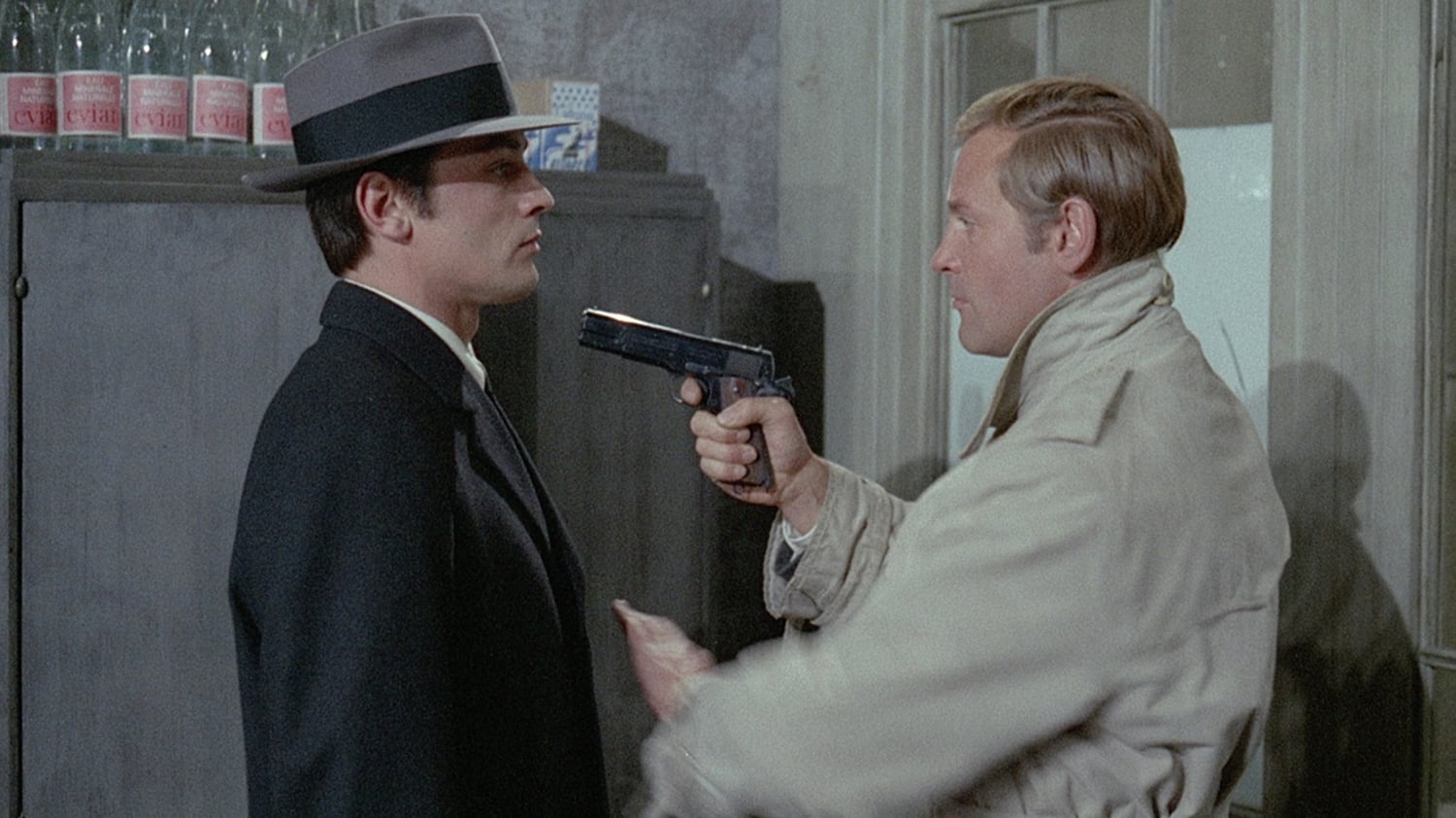
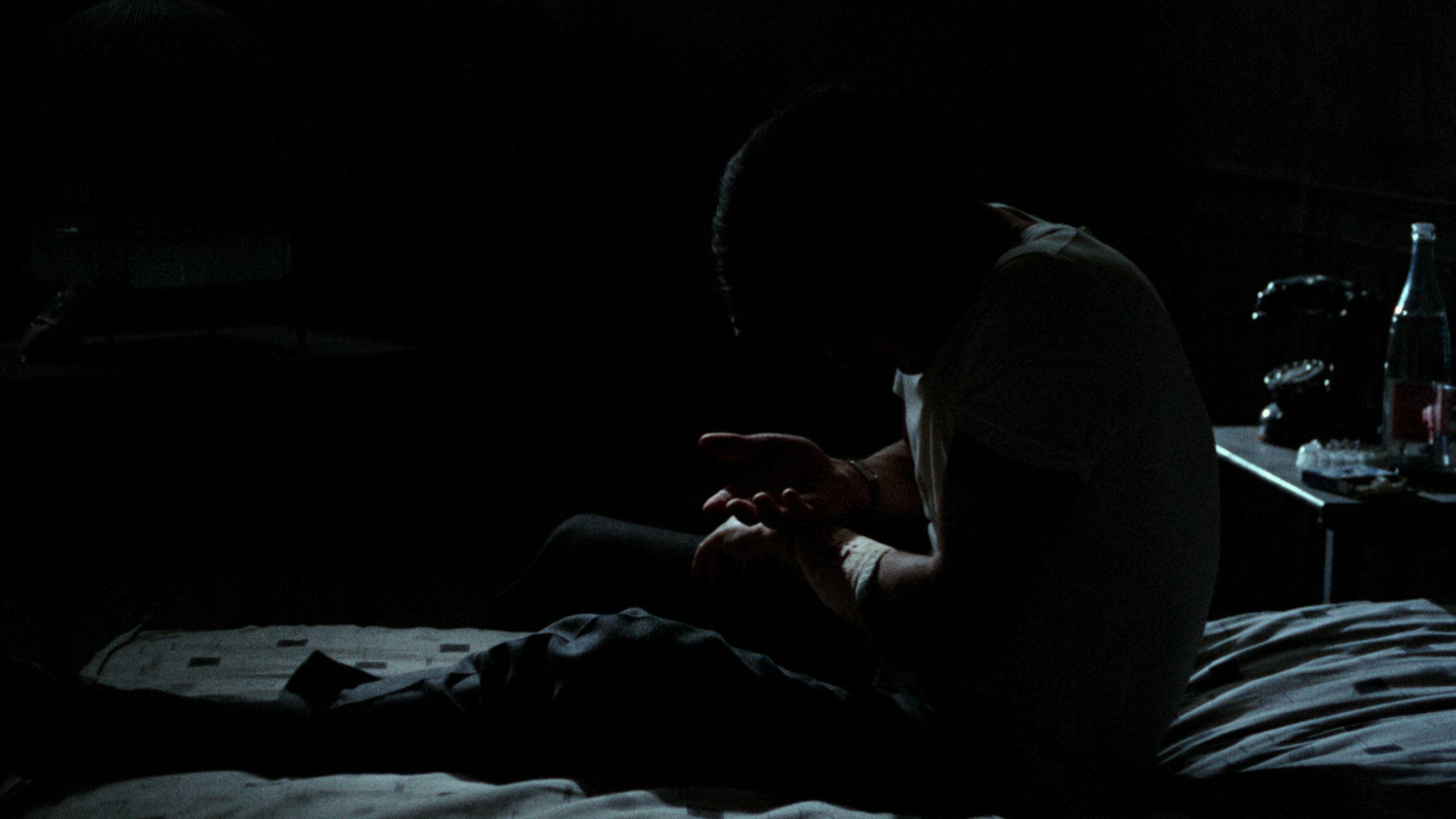
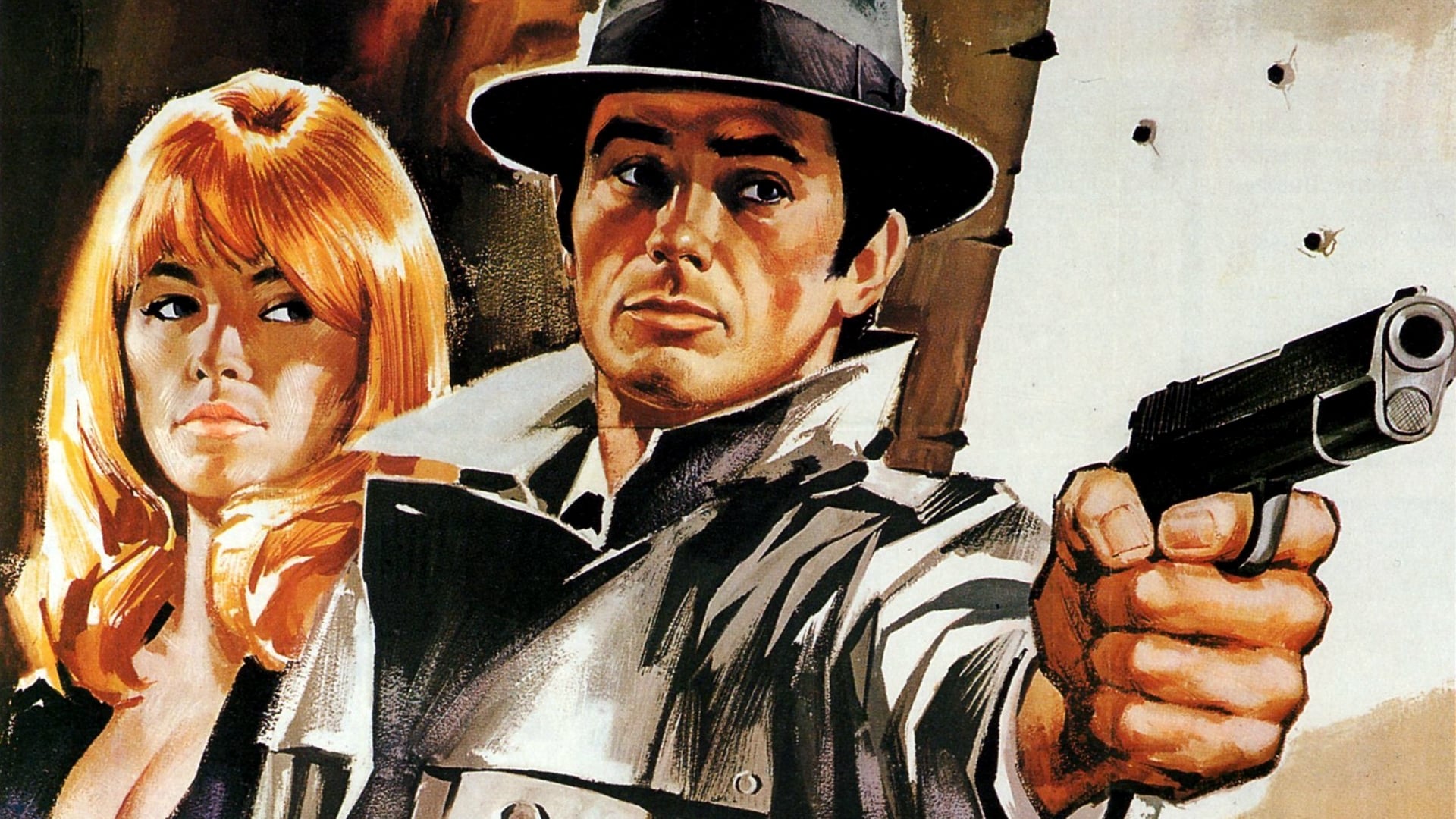
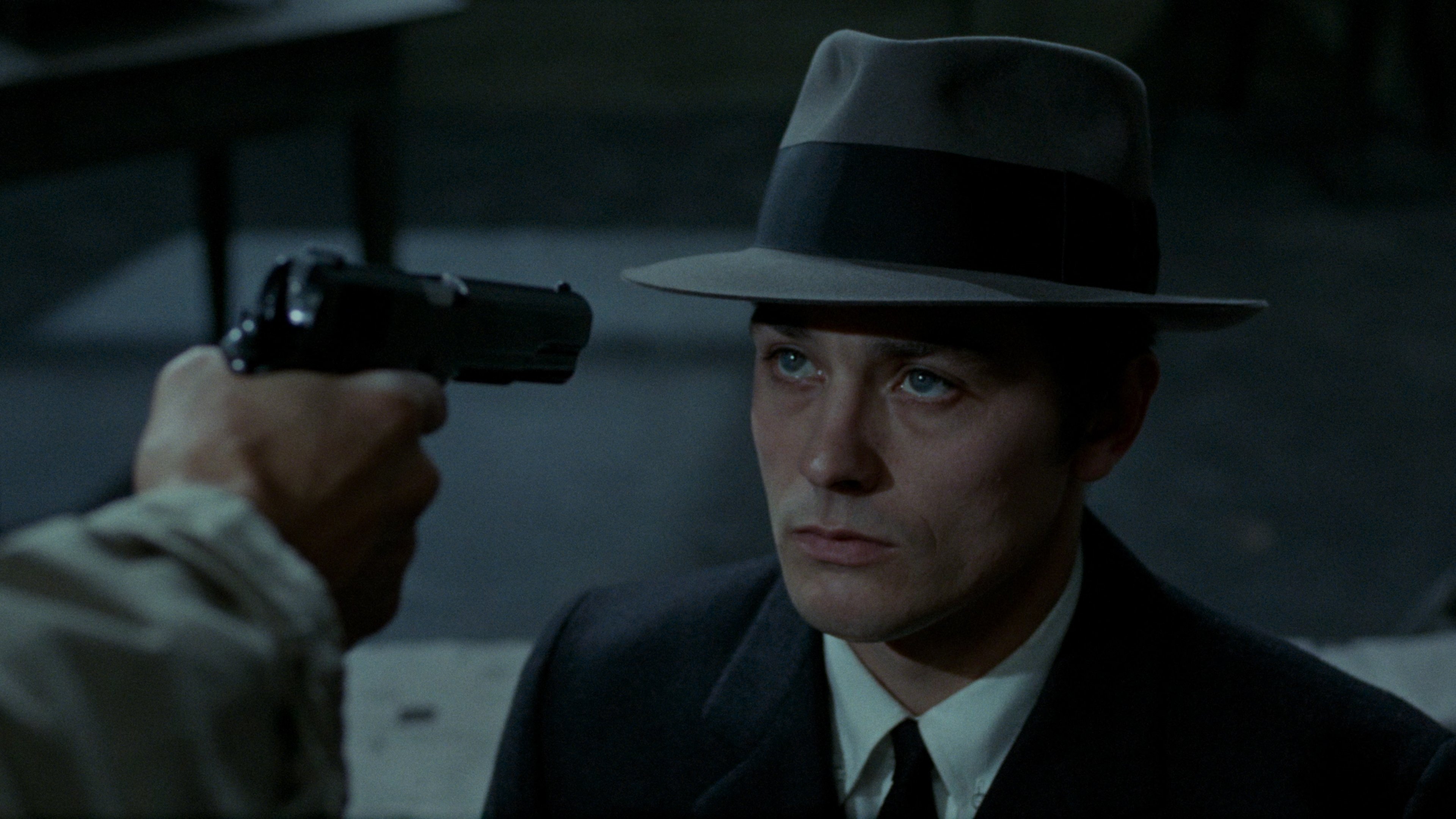
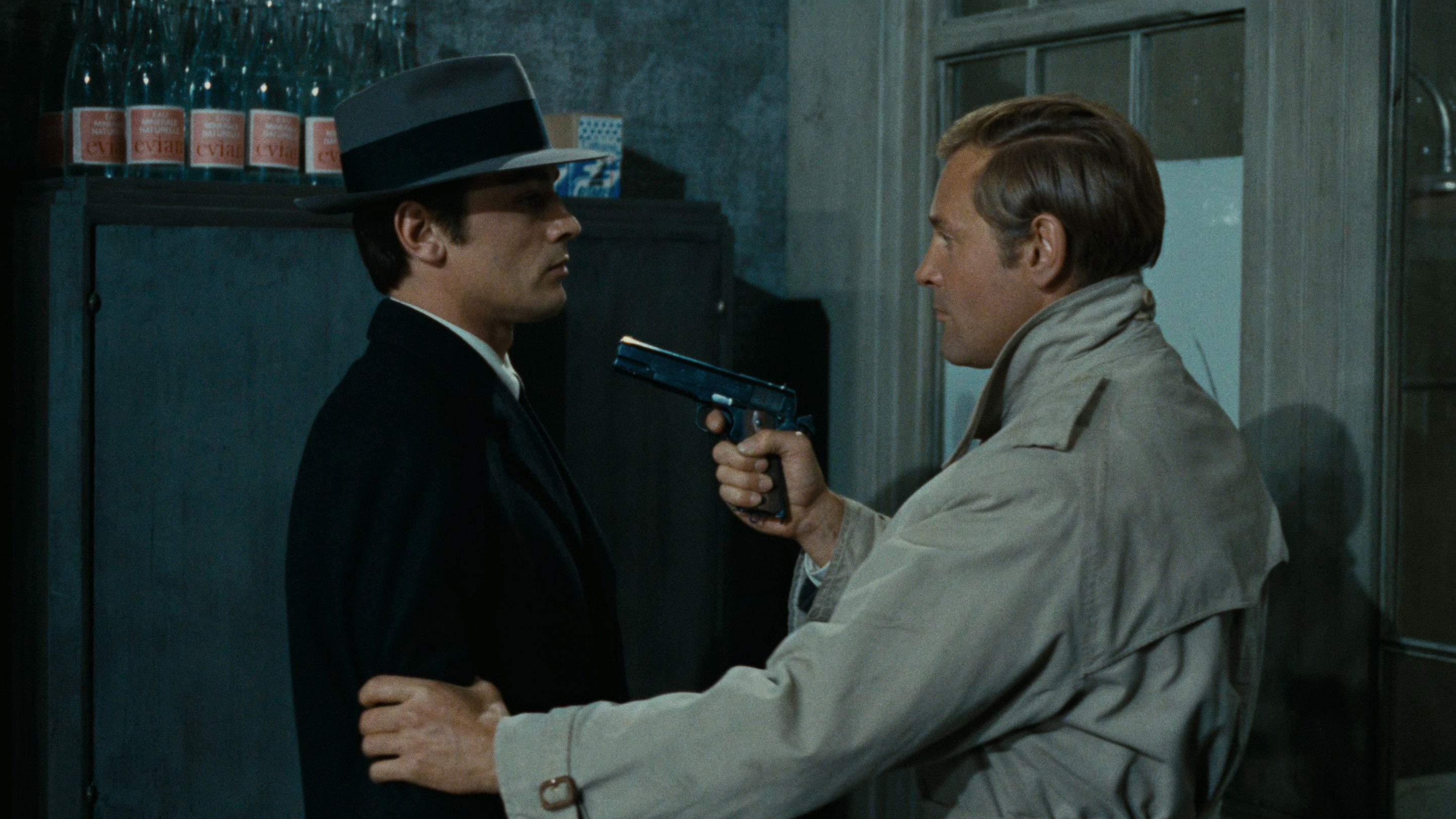
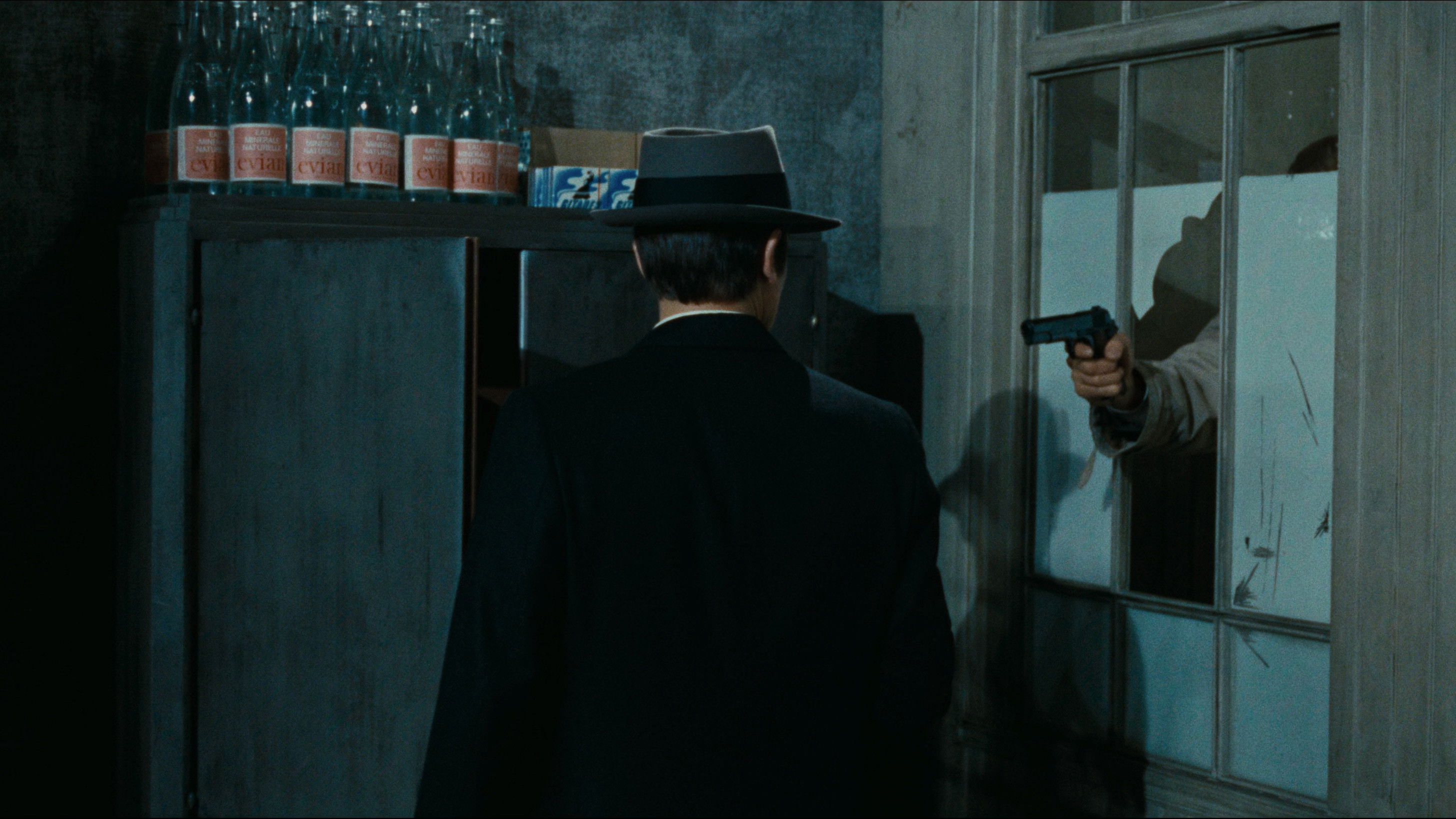
What makes the ending hit so hard is that it feels inevitable. Jef spends the entire film trying to remain in control, but the world around him slowly closes in. By the end, he no longer feels like a powerful hitman. He feels exhausted, almost ghost-like, as if he already understands that there is no place left for him. The tragedy of the film is not just that Jef is hunted by both the police and criminals, but that he seems emotionally dead long before anyone points a gun at him.
Le Samouraï is often called “cool,” and it is, but beneath the style there is something deeply sad about it. It is a film about isolation, routine, and a man who has turned himself into nothing more than a professional mask. Even after it ends, the silence of the film lingers.
Watching Le Samouraï feels strangely empty in the best way possible. The film strips everything down—dialogue, emotion, even movement—until all that is left is silence and routine. Jean-Pierre Melville does not treat Jef Costello like a normal protagonist. He feels more like a shadow drifting through Paris, already disconnected from the world before the film even begins.
What stayed with me most was how lonely the film feels. Jef is surrounded by people constantly watching him—the police, criminals, Jane, the pianist—yet nobody truly knows him. Even the audience never fully understands him. There is always a distance between Jef and everyone else, as if he has spent so long living by his own code that he no longer knows how to exist outside of it.
Alain Delon’s performance is what makes the film unforgettable. He barely speaks, barely reacts, but somehow every small gesture matters. The way he wears his hat, sits in silence, or walks through the metro says more than pages of dialogue could. His apartment especially stayed in my mind—cold, gray, nearly empty except for the bird in the cage. It feels less like a home and more like a reflection of Jef himself: trapped, isolated, and emotionally lifeless.
The film’s pacing can feel slow, but that slowness is important. Melville forces you to sit inside Jef’s routines until they become almost hypnotic. There are moments where nothing “important” is happening, yet the tension never disappears. Instead of suspense coming from action, it comes from observation. Every silence feels dangerous.
What makes the ending hit so hard is that it feels inevitable. Jef spends the entire film trying to remain in control, but the world around him slowly closes in. By the end, he no longer feels like a powerful hitman. He feels exhausted, almost ghost-like, as if he already understands that there is no place left for him. The tragedy of the film is not just that Jef is hunted by both the police and criminals, but that he seems emotionally dead long before anyone points a gun at him.
Le Samouraï is often called “cool,” and it is, but beneath the style there is something deeply sad about it. It is a film about isolation, routine, and a man who has turned himself into nothing more than a professional mask. Even after it ends, the silence of the film lingers.