Marxist Version of Debate Bro Culture
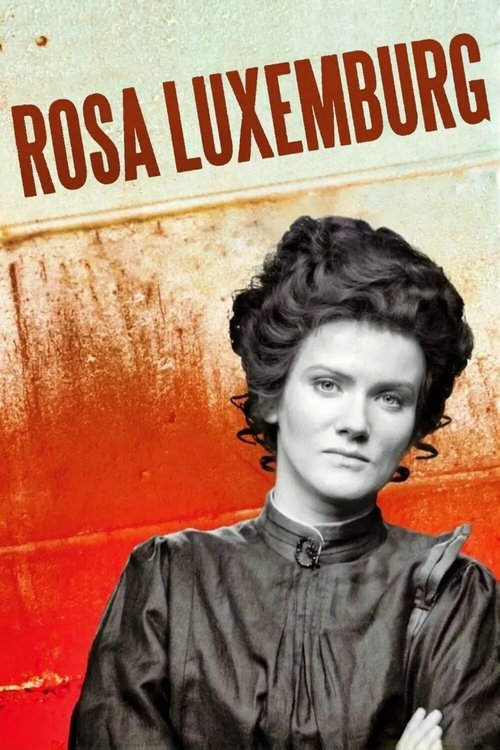
This film is about a revolutionary who keeps getting told to “be realistic” while history builds a cage around her. The film begins in 1916 with Rosa Luxemburg in a German prison, and from there the story breaks apart, moving back and forth and refusing to settle into a simple timeline. The narrative only starts to come together when she celebrates the New Year with the SPD, the Social Democratic Party. Relationships break, and reform, but the real focus is the movement: revolutionary work that keeps going even as everything changes. The film cares less about strict chronology and more about how political memory repeats: trauma, betrayal, and unfinished arguments that never really end. Imprisonment becomes the film’s center, showing that the state’s primary response to Luxemburg is always to contain her. This is more than a biography; it shows a system repeating its old pattern, reducing a person to a cell and then to a corpse. The film’s broken structure isn’t just a style choice. It captures what it feels like to live inside a movement that changes faster than you can keep up.
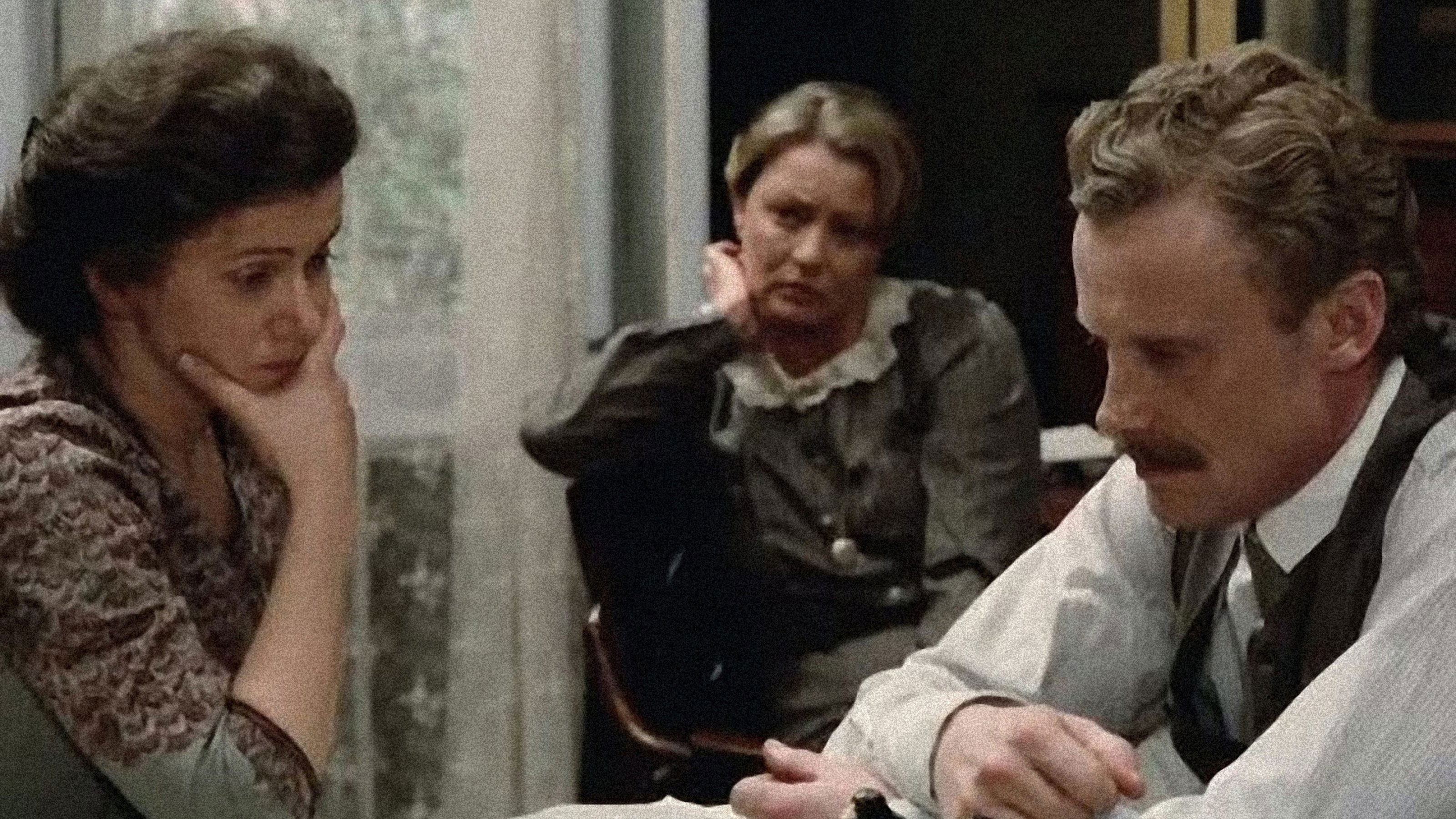
Even outside the formal debates, Luxemburg struggles against the slow shift from revolutionary goals to the comfort of quick results. She is not defending theory just for its own sake; she refuses to let Marxism turn into opportunism. Without a clear goal, reform becomes just a routine, a way to congratulate themselves within the limits of the existing system. She worries that the movement can get hooked on small wins that leave the real problems untouched—making the cage look better instead of breaking it. When the film shows her arguments with party leaders who prefer caution and slow change, it is not just about personality clashes. Luxemburg is pushing back against letting practicality become an excuse for giving up. Revolution is seen as something to be embarrassed about, reform as a sign of maturity, and Luxemburg becomes the person ruining the vibe by saying the point is power, not optics.
Luxemburg’s anti-war position is more than just a viewpoint; it is an act of rebellion, a refusal to watch international socialism turn into nationalism. The film’s mood grows darker as the war shows how quickly a large party can become the manager of the very state it once wanted to overthrow. Luxemburg and Liebknecht stand out as voices saying that imperial violence cannot be justified as necessary or explained away as a compromise. But von Trotta does not make this a simple story of standing up for what is right. Instead, she shows the slow realization of betrayal. The arguments are no longer just ideas—they decide if the movement will fight against mass death or try to explain it away. The film’s return to prison scenes during this time is not just a storytelling tool; it shows the paradox of revolutionary politics during war: history moves faster, crowds gather, governments shake, and Luxemburg is locked up, able to write and argue but unable to act. Her position is both correct and blocked, and the film leans toward tragedy—not because she loses the argument, but because the world keeps creating situations where those in power punish moral clarity.
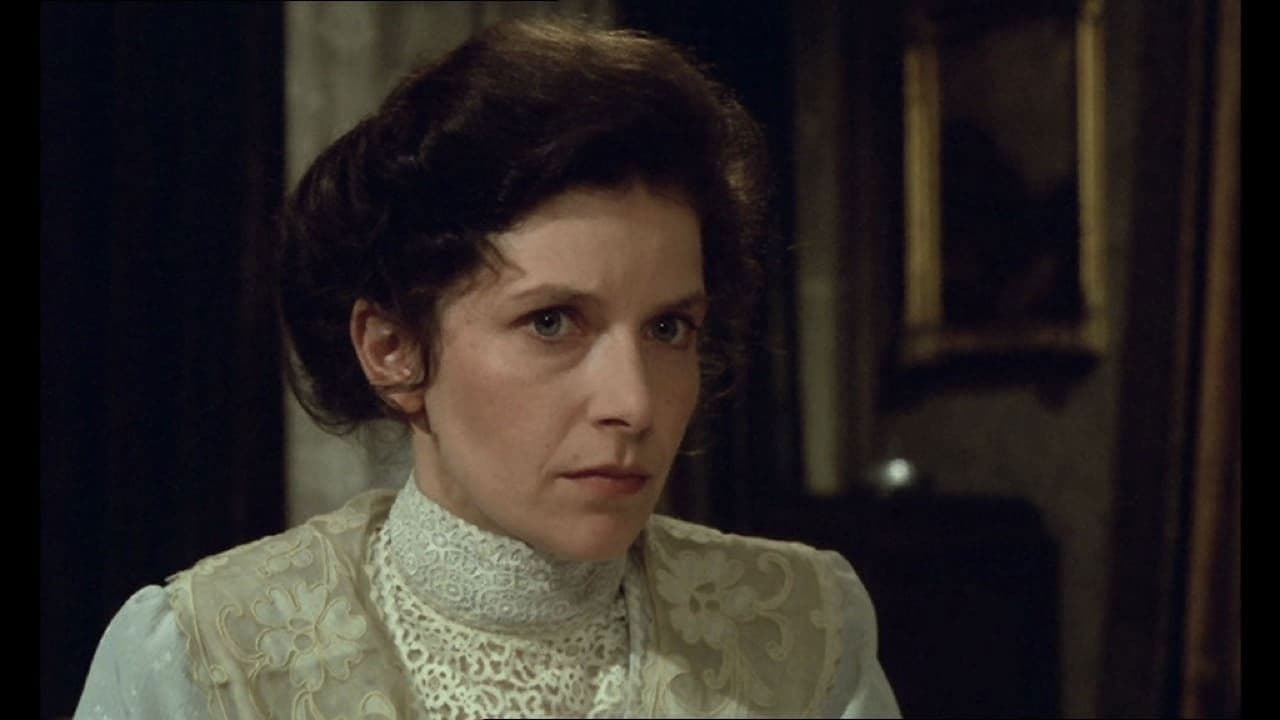
One of the film’s real strengths is that it does not turn Luxemburg into a distant, untouchable figure. Von Trotta shows her as a real person—laughing, hurting, tender, loving animals, feeling lonely, and worn down by illness and by being locked up. The prison becomes a place where the audience meets a Luxemburg who is not just a speech or a legend, but someone who survives by noticing small moments of beauty. Barbara Sukowa’s performance is key: her intelligence is shown through her actions, not just her words, and the film’s closeness feels genuine, not overly sentimental. However, this focus on her humanity has a downside. The politics can become less clear, making her seem more like a tragic dreamer than a careful revolutionary. Von Trotta seems more interested in presenting a feminist icon and anti-war conscience, while the SPD men become the familiar gallery of compromisers. But it can make Marxism feel like background music. The suffering and love are clear, but the revolutionary ideas are something the audience has to bring themselves, not something the film fully explains.
Marxist Version of Debate Bro Culture
This film is about a revolutionary who keeps getting told to “be realistic” while history builds a cage around her. The film begins in 1916 with Rosa Luxemburg in a German prison, and from there the story breaks apart, moving back and forth and refusing to settle into a simple timeline. The narrative only starts to come together when she celebrates the New Year with the SPD, the Social Democratic Party. Relationships break, and reform, but the real focus is the movement: revolutionary work that keeps going even as everything changes. The film cares less about strict chronology and more about how political memory repeats: trauma, betrayal, and unfinished arguments that never really end. Imprisonment becomes the film’s center, showing that the state’s primary response to Luxemburg is always to contain her. This is more than a biography; it shows a system repeating its old pattern, reducing a person to a cell and then to a corpse. The film’s broken structure isn’t just a style choice. It captures what it feels like to live inside a movement that changes faster than you can keep up.
Even outside the formal debates, Luxemburg struggles against the slow shift from revolutionary goals to the comfort of quick results. She is not defending theory just for its own sake; she refuses to let Marxism turn into opportunism. Without a clear goal, reform becomes just a routine, a way to congratulate themselves within the limits of the existing system. She worries that the movement can get hooked on small wins that leave the real problems untouched—making the cage look better instead of breaking it. When the film shows her arguments with party leaders who prefer caution and slow change, it is not just about personality clashes. Luxemburg is pushing back against letting practicality become an excuse for giving up. Revolution is seen as something to be embarrassed about, reform as a sign of maturity, and Luxemburg becomes the person ruining the vibe by saying the point is power, not optics.
Luxemburg’s anti-war position is more than just a viewpoint; it is an act of rebellion, a refusal to watch international socialism turn into nationalism. The film’s mood grows darker as the war shows how quickly a large party can become the manager of the very state it once wanted to overthrow. Luxemburg and Liebknecht stand out as voices saying that imperial violence cannot be justified as necessary or explained away as a compromise. But von Trotta does not make this a simple story of standing up for what is right. Instead, she shows the slow realization of betrayal. The arguments are no longer just ideas—they decide if the movement will fight against mass death or try to explain it away. The film’s return to prison scenes during this time is not just a storytelling tool; it shows the paradox of revolutionary politics during war: history moves faster, crowds gather, governments shake, and Luxemburg is locked up, able to write and argue but unable to act. Her position is both correct and blocked, and the film leans toward tragedy—not because she loses the argument, but because the world keeps creating situations where those in power punish moral clarity.
One of the film’s real strengths is that it does not turn Luxemburg into a distant, untouchable figure. Von Trotta shows her as a real person—laughing, hurting, tender, loving animals, feeling lonely, and worn down by illness and by being locked up. The prison becomes a place where the audience meets a Luxemburg who is not just a speech or a legend, but someone who survives by noticing small moments of beauty. Barbara Sukowa’s performance is key: her intelligence is shown through her actions, not just her words, and the film’s closeness feels genuine, not overly sentimental. However, this focus on her humanity has a downside. The politics can become less clear, making her seem more like a tragic dreamer than a careful revolutionary. Von Trotta seems more interested in presenting a feminist icon and anti-war conscience, while the SPD men become the familiar gallery of compromisers. But it can make Marxism feel like background music. The suffering and love are clear, but the revolutionary ideas are something the audience has to bring themselves, not something the film fully explains.