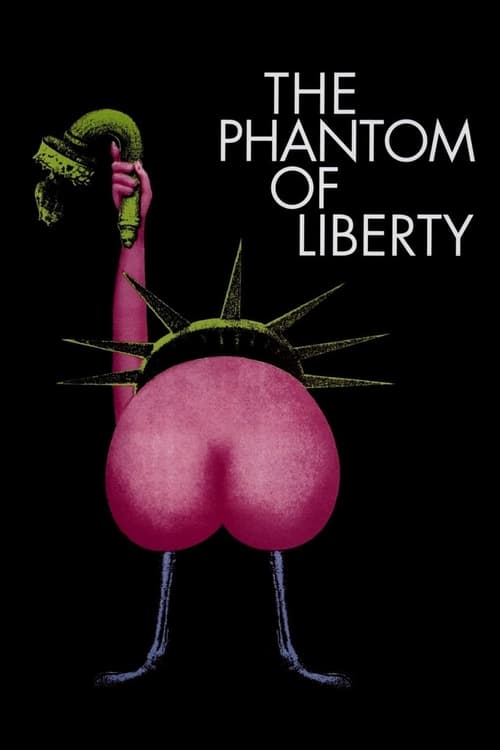
When I’ve finished Umberto D, I immediately read The Communist Manifesto, written as a pamphlet by Karl Marx and Friedrich Engels, because I thought it is somehow linked to The Phantom of Liberty, and it indeed does, in certain aspects. I found Buñuel’s idea echoes the Manifesto: ***‘The ruling ideas of each age have ever been the ideas of its ruling class.’
***
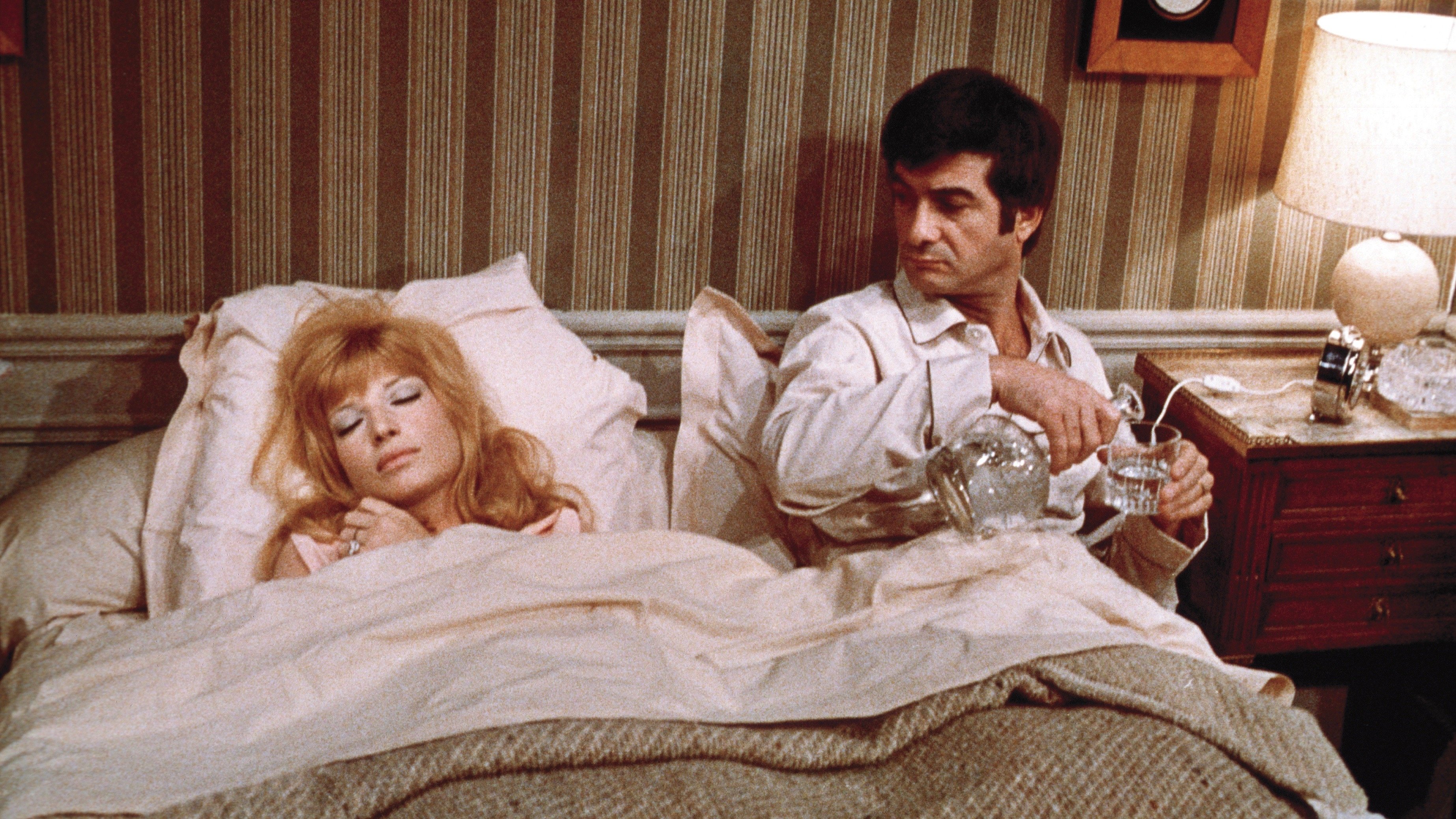
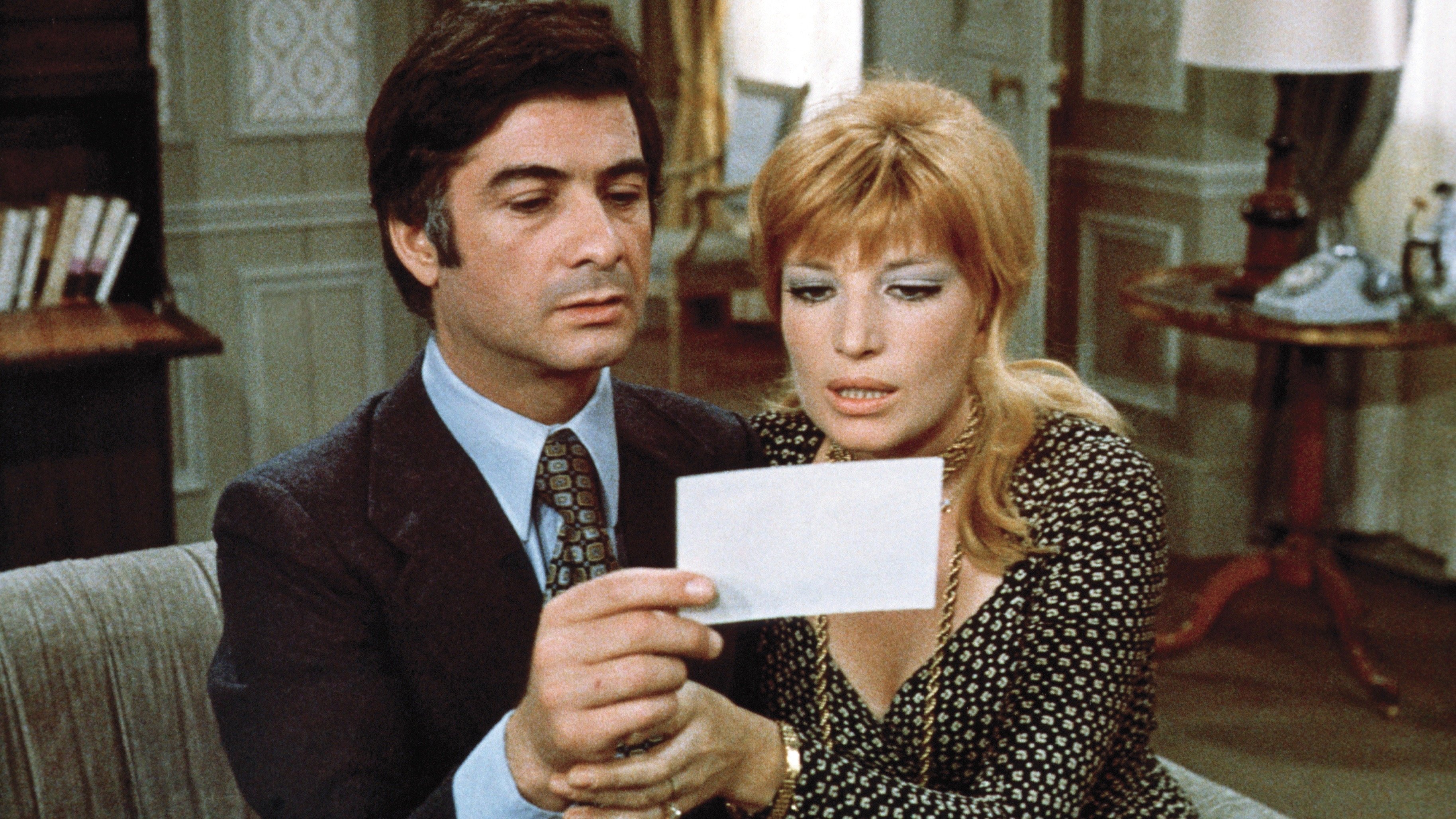
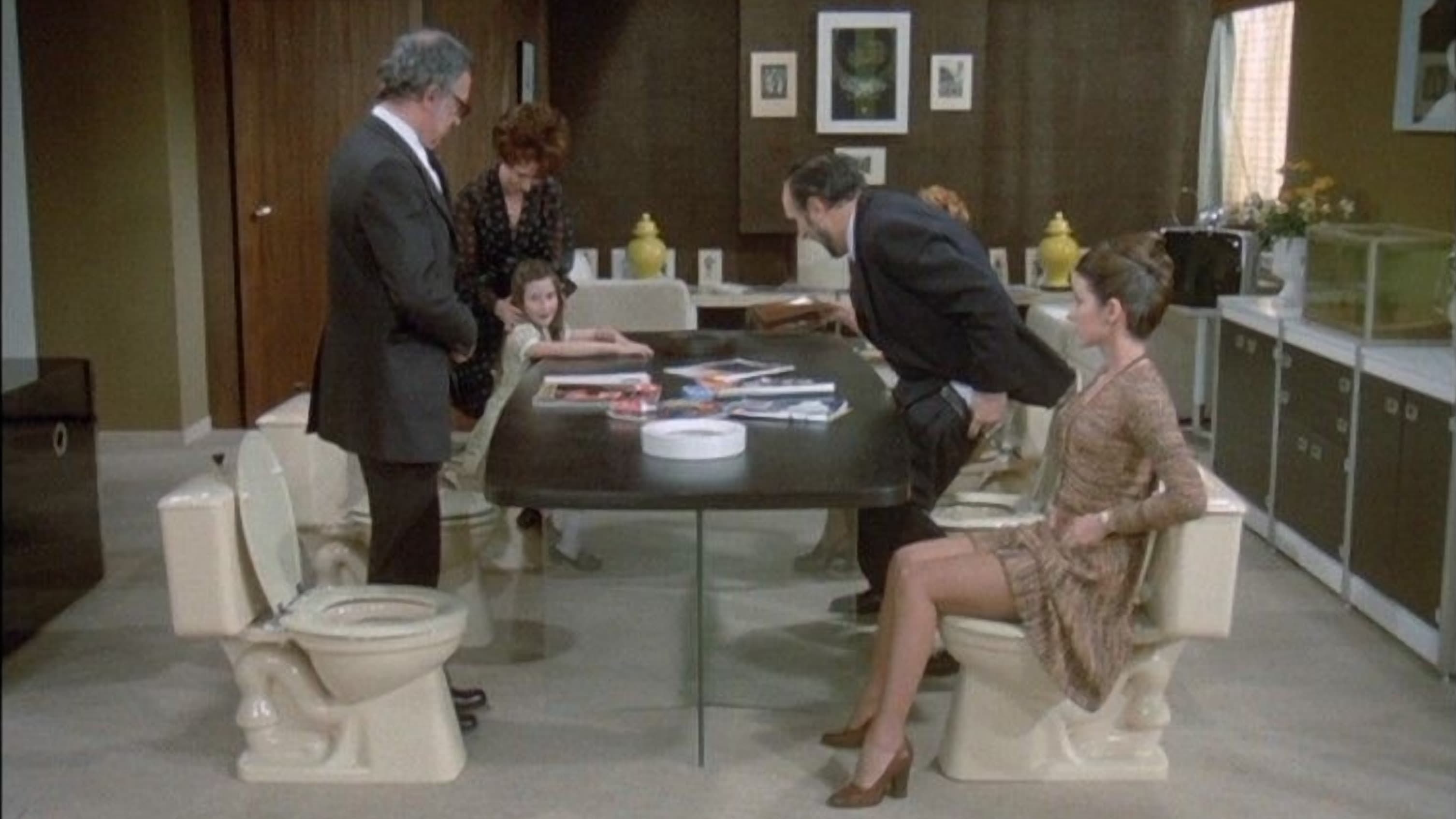
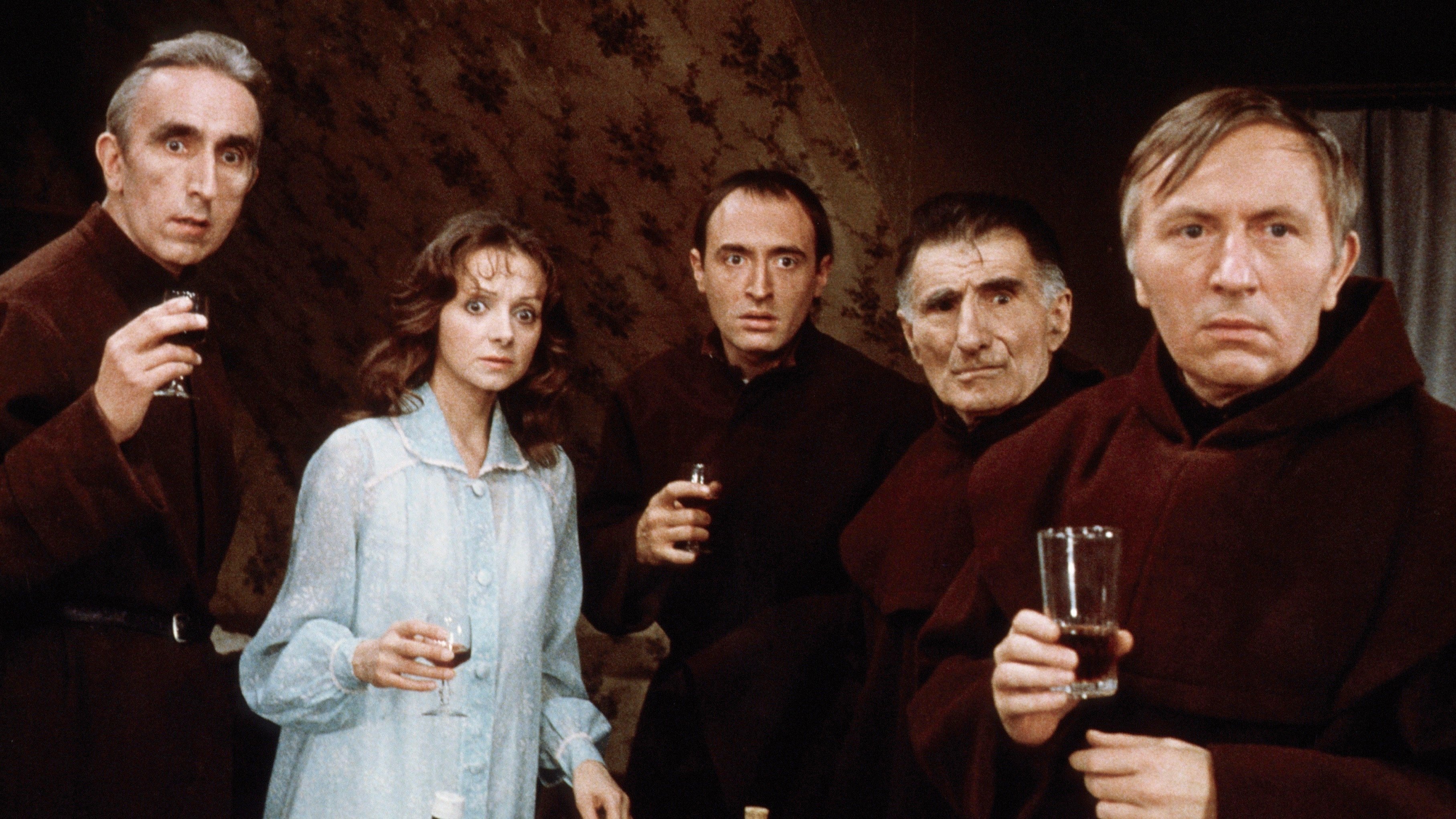
The distinctive episodes of this film are figurative and tend to design perplex in many viewers, thus they also prompt questions that help audiences to understand the facets of it. The idea really pinpoints the ruling class as individuals who make morality, behaviors, and laws. Knowing Luis, he is anti-bourgeois, the same as Marx. These both personages, when it comes to the society, are criticizing the values that are represented by the capital class which are the owners of the factories, land, and machineries, who profit by exploiting labor, well, that is, I think, more pointed at Marx, but let us focus on the film itself.
Buñuel delivers something that exploits not the proletariat but the bourgeois and people with high class, or people with positions in society, on how they are ignorant, fanatical, hypocritical, disillusioned by their own creation. That’s what I admired most on how The Manifesto and The Phantom of Liberty depicting society’s morality.
I do not want to discuss the film’s individual episodic nature on how society lives by its own foundation and innovation. What I want to convey is that freedom does not exist, at least according to Marx and Buñuel, every performance by those in positions of power in society rests purely on arbitrary rules they themselves govern, and true liberation vanishes once we train ourselves to believe in them.
(I am not claiming that I support Marx’s idea of communism for society, since I believe individuals are inherently different, and unity comes from choosing to do good rather than following a single system.)
When I’ve finished Umberto D, I immediately read The Communist Manifesto, written as a pamphlet by Karl Marx and Friedrich Engels, because I thought it is somehow linked to The Phantom of Liberty, and it indeed does, in certain aspects. I found Buñuel’s idea echoes the Manifesto: ***‘The ruling ideas of each age have ever been the ideas of its ruling class.’
***
The distinctive episodes of this film are figurative and tend to design perplex in many viewers, thus they also prompt questions that help audiences to understand the facets of it. The idea really pinpoints the ruling class as individuals who make morality, behaviors, and laws. Knowing Luis, he is anti-bourgeois, the same as Marx. These both personages, when it comes to the society, are criticizing the values that are represented by the capital class which are the owners of the factories, land, and machineries, who profit by exploiting labor, well, that is, I think, more pointed at Marx, but let us focus on the film itself.
Buñuel delivers something that exploits not the proletariat but the bourgeois and people with high class, or people with positions in society, on how they are ignorant, fanatical, hypocritical, disillusioned by their own creation. That’s what I admired most on how The Manifesto and The Phantom of Liberty depicting society’s morality.
I do not want to discuss the film’s individual episodic nature on how society lives by its own foundation and innovation. What I want to convey is that freedom does not exist, at least according to Marx and Buñuel, every performance by those in positions of power in society rests purely on arbitrary rules they themselves govern, and true liberation vanishes once we train ourselves to believe in them.
(I am not claiming that I support Marx’s idea of communism for society, since I believe individuals are inherently different, and unity comes from choosing to do good rather than following a single system.)