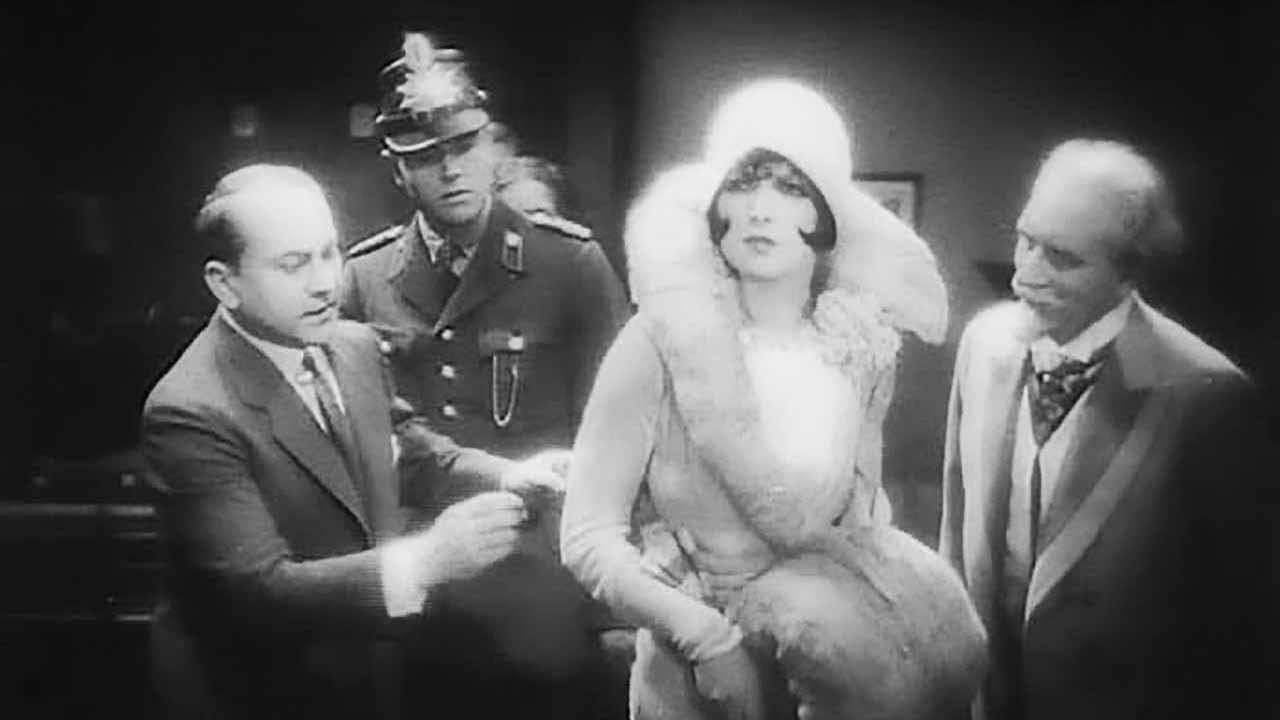
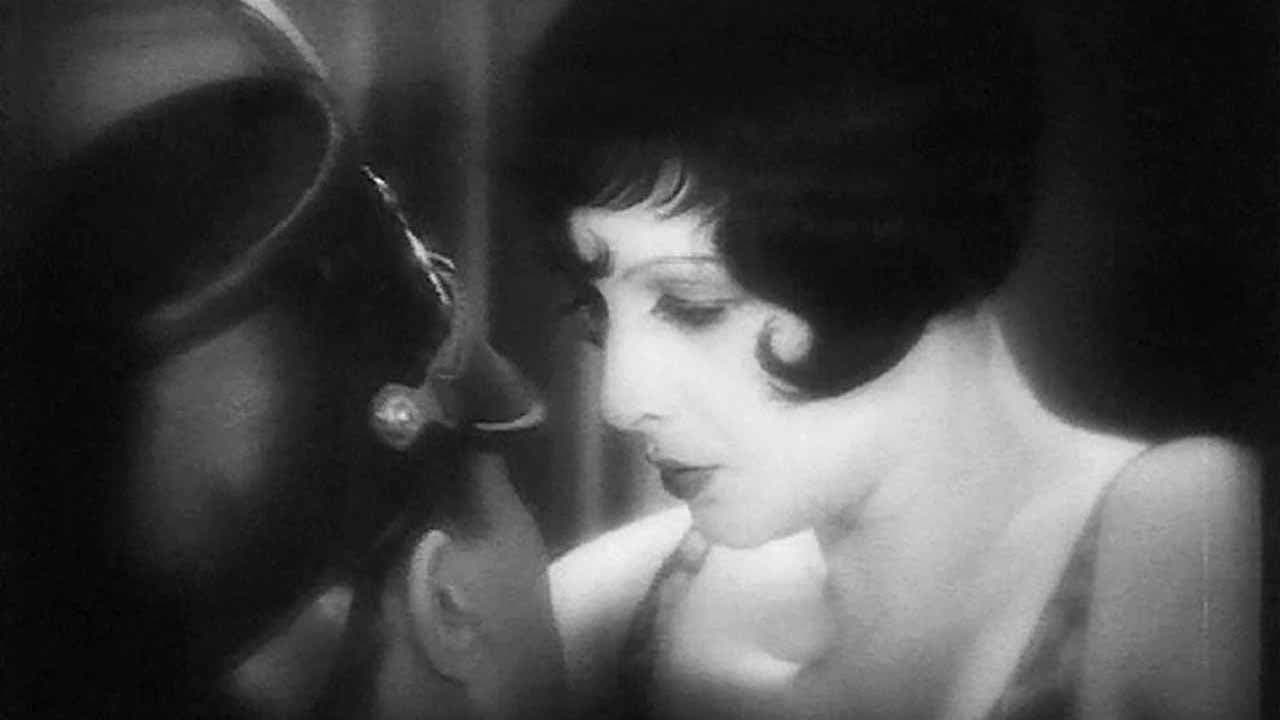
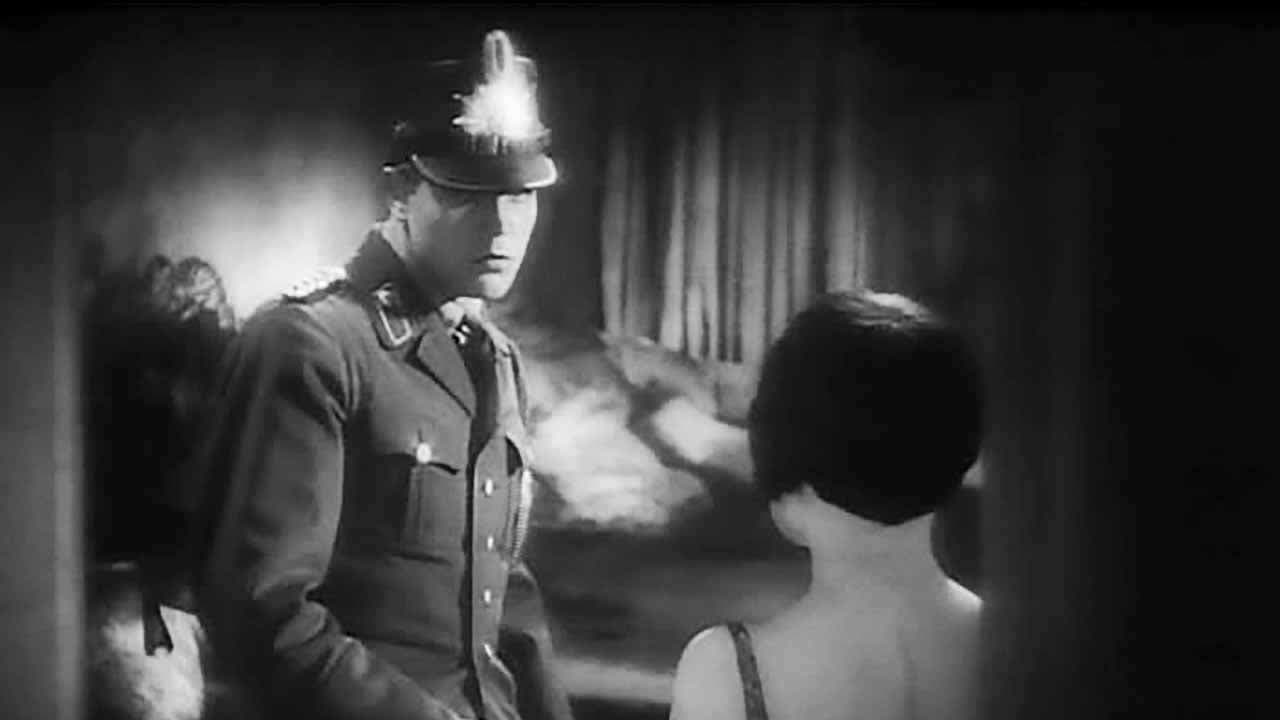
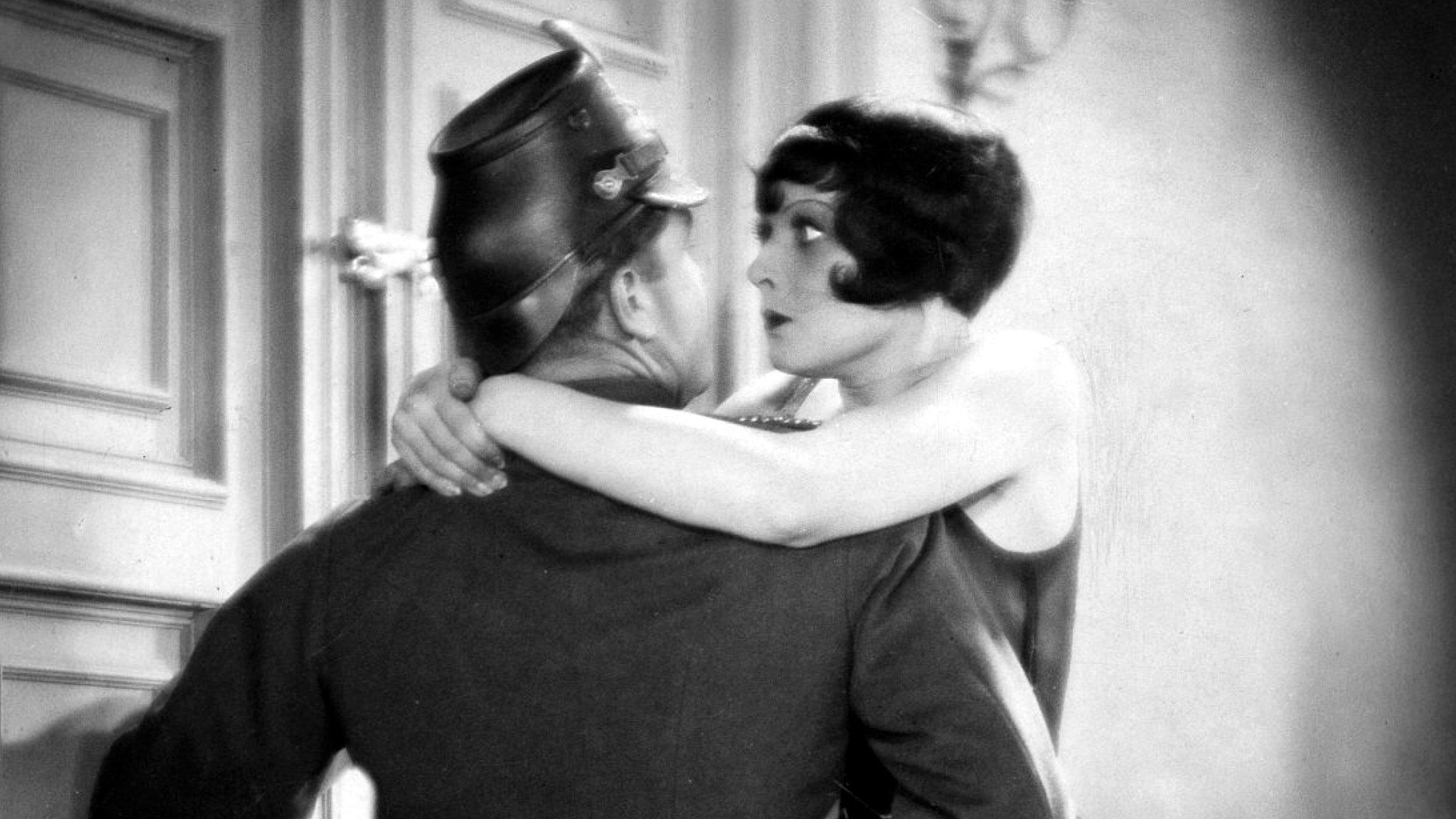
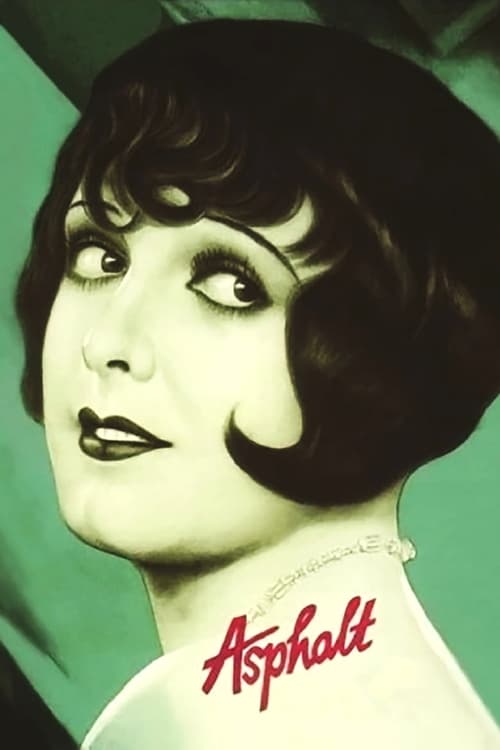
Can you really blame a guy for letting Betty Amann go for stealing jewels when she’s got eyes like that?
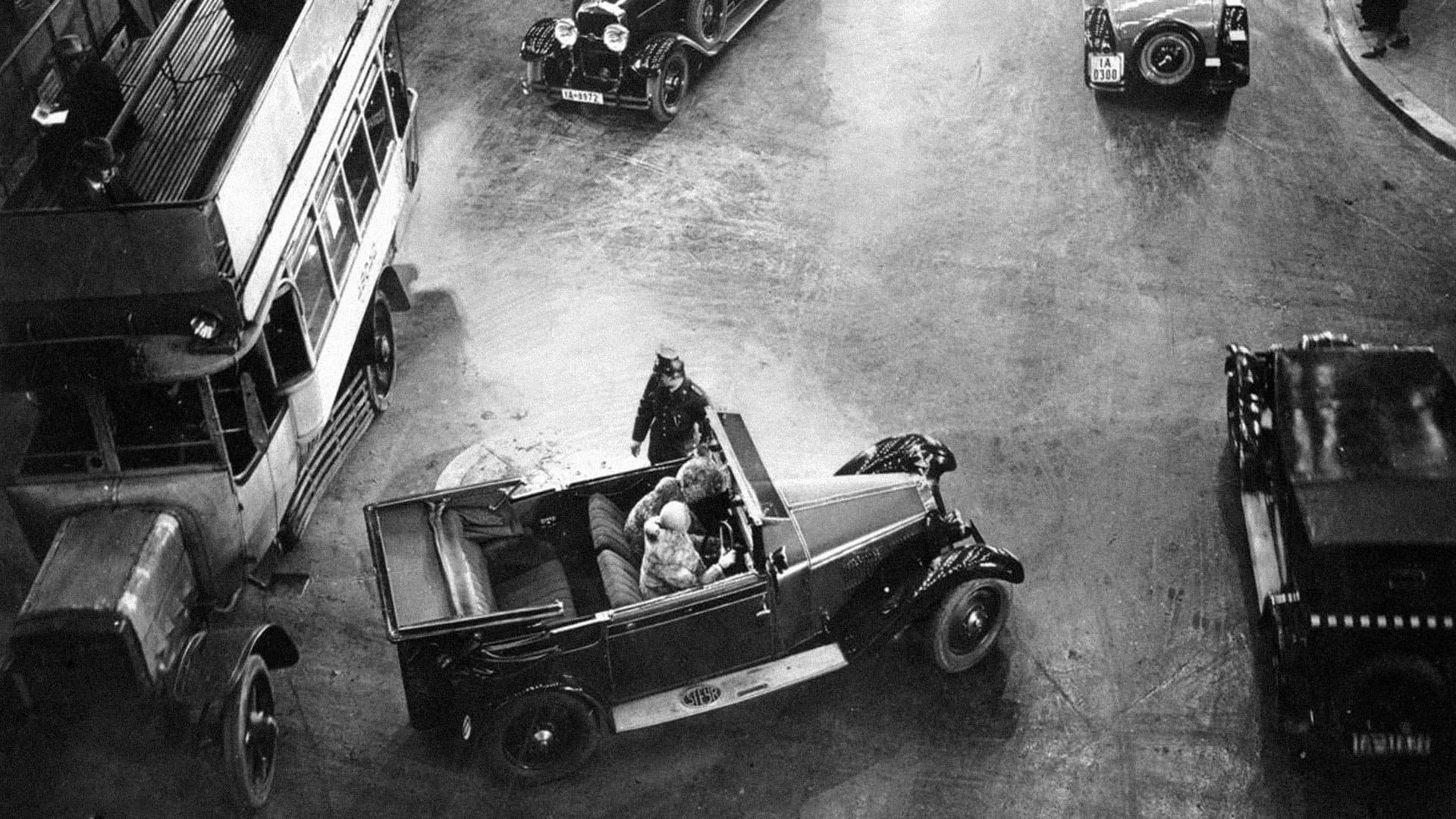
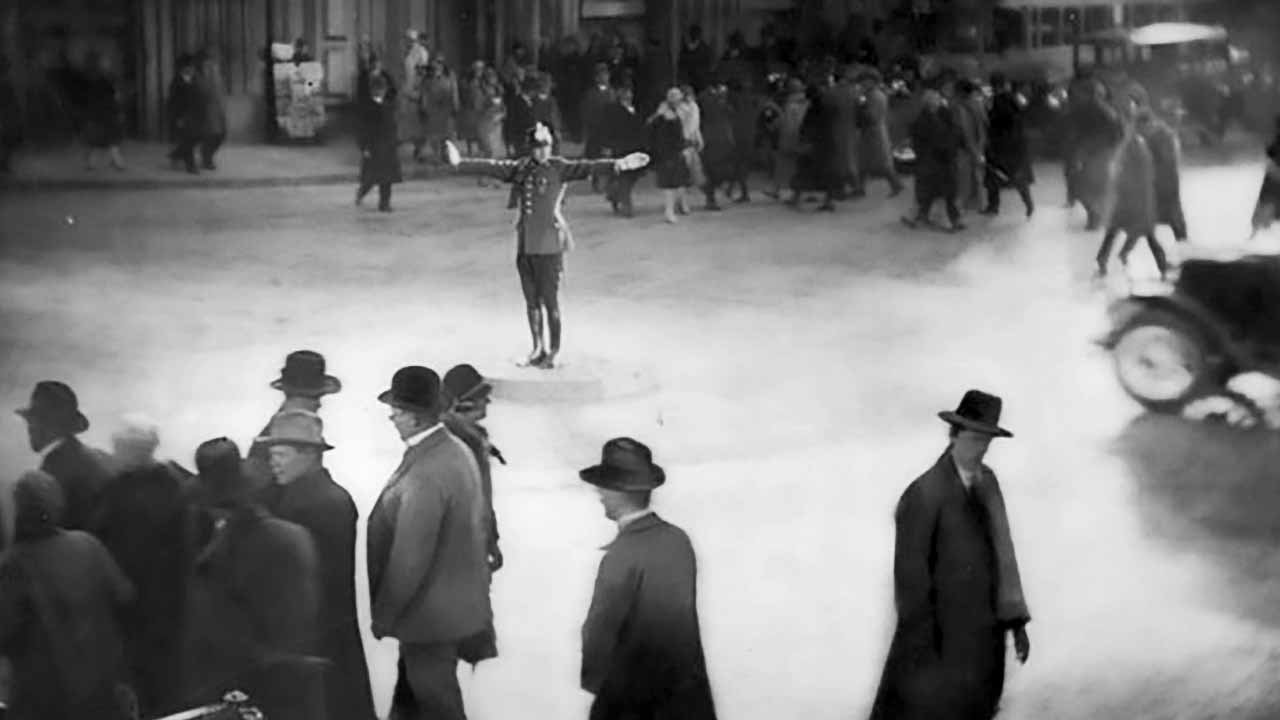
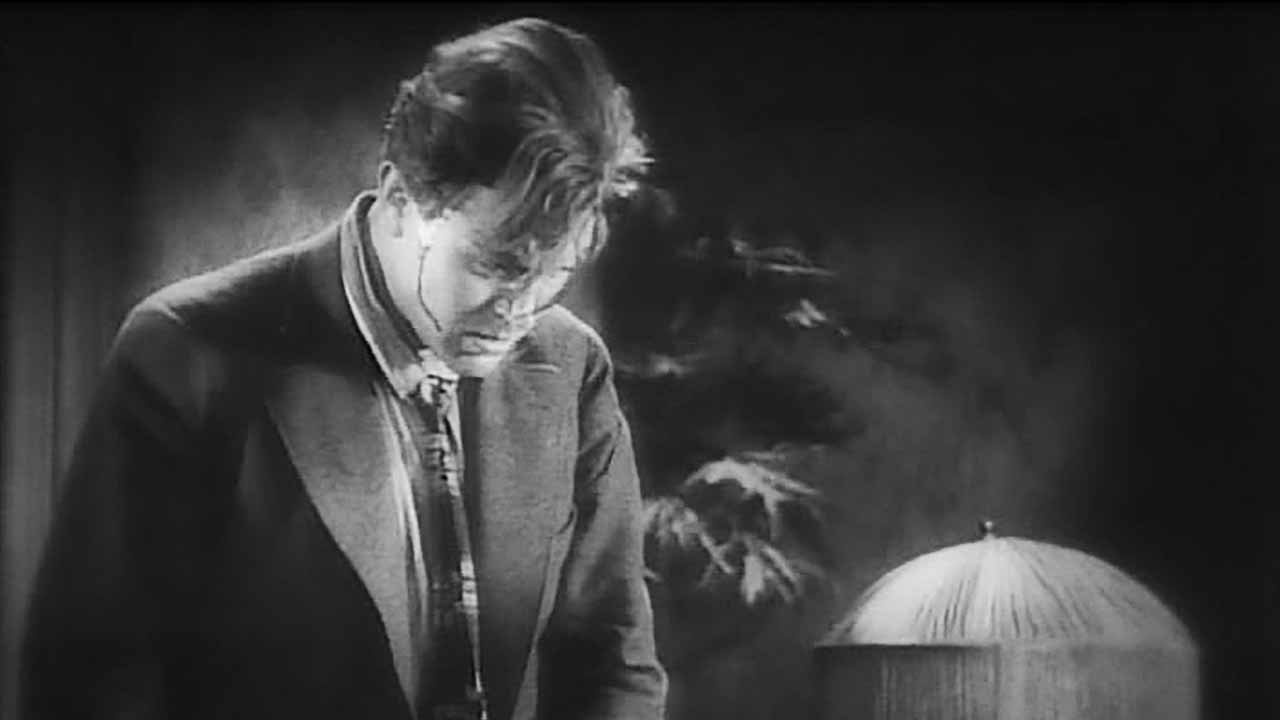
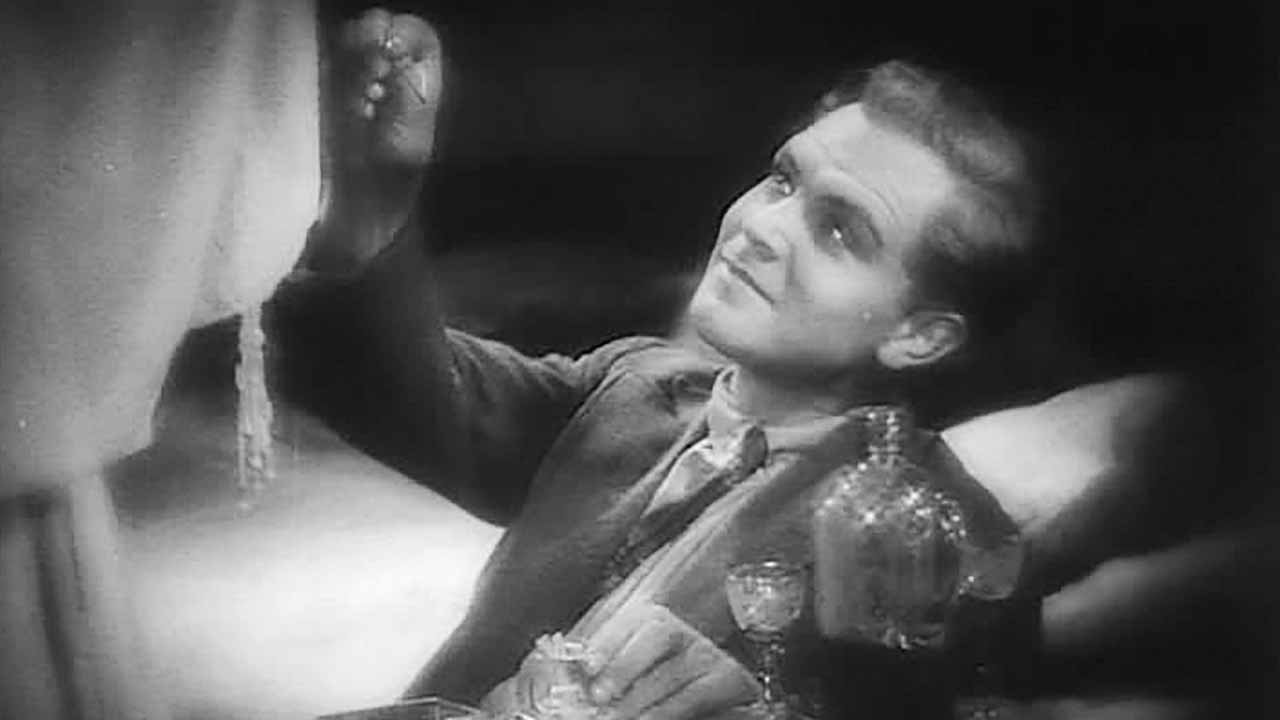
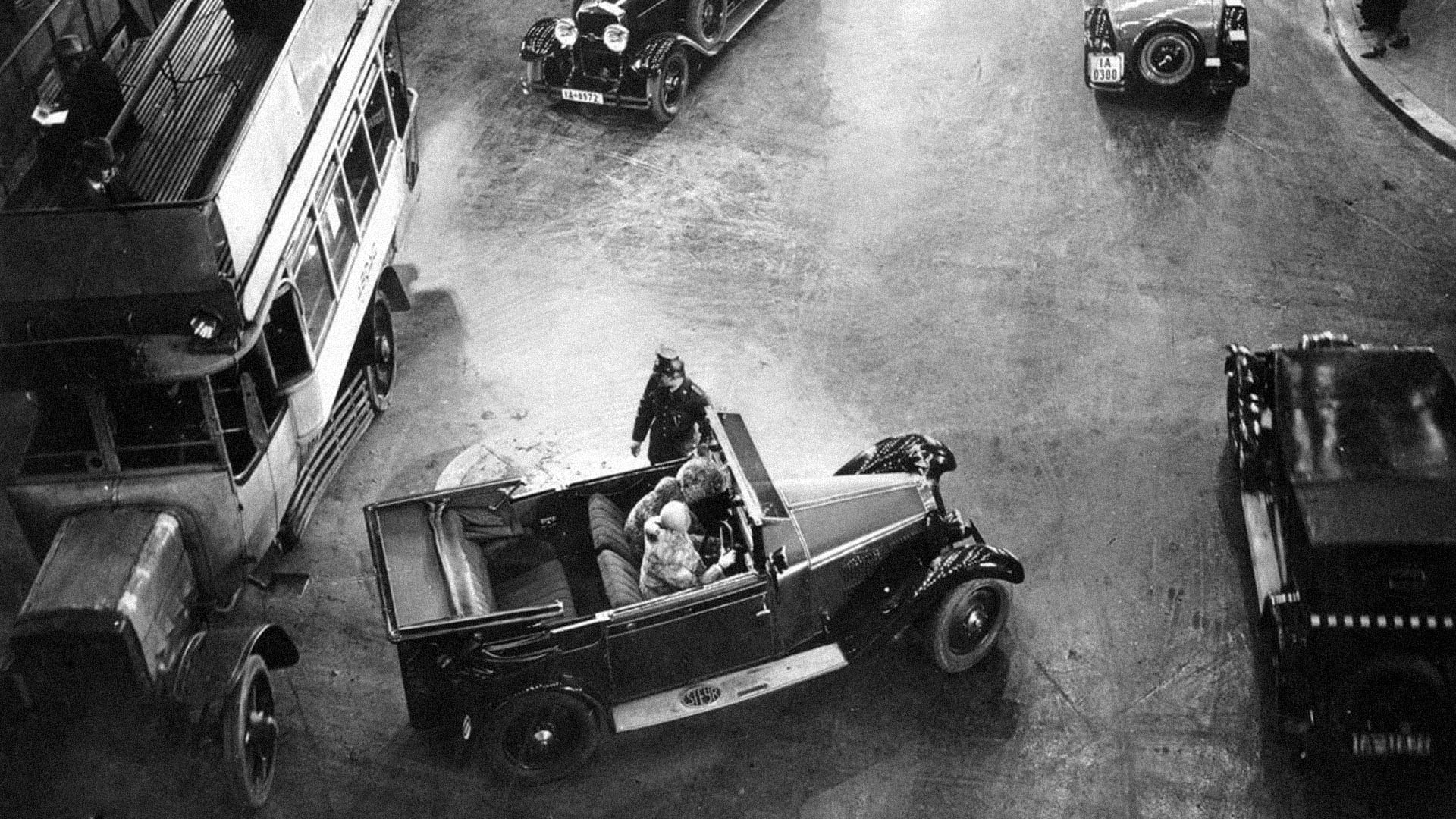
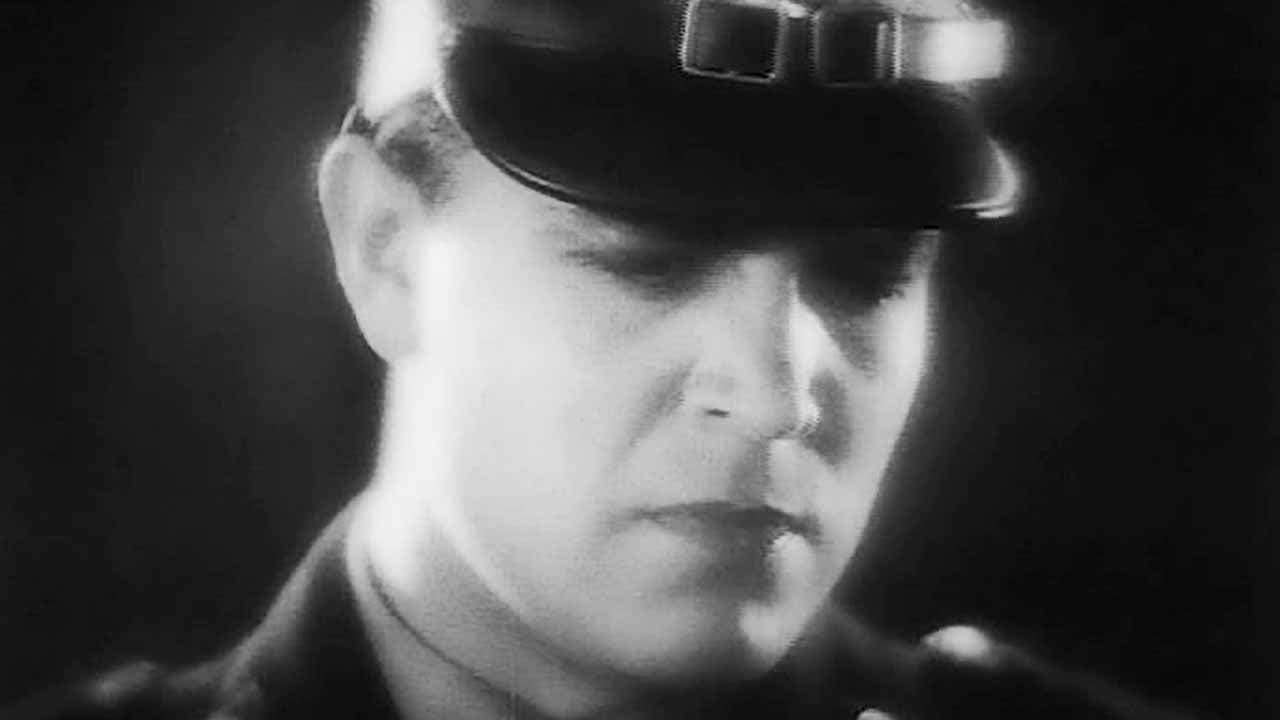
1929’s Asphalt is often heralded as one of the last great German silent films. It’s somewhat plain to see why. This film is almost noir-like, taking place in the city at night where flapper girls try to steal jewels in the craftiest of ways and woo cops when they get caught. There’s lots of great crowded shots here, which are perfect because the city is indeed crowded and it accurately catches all the hustle and bustle of the city in an age where I imagine a lot of this was still fairly new. I love how everything glows here, a real air to the picture that you don’t quite see often anymore.
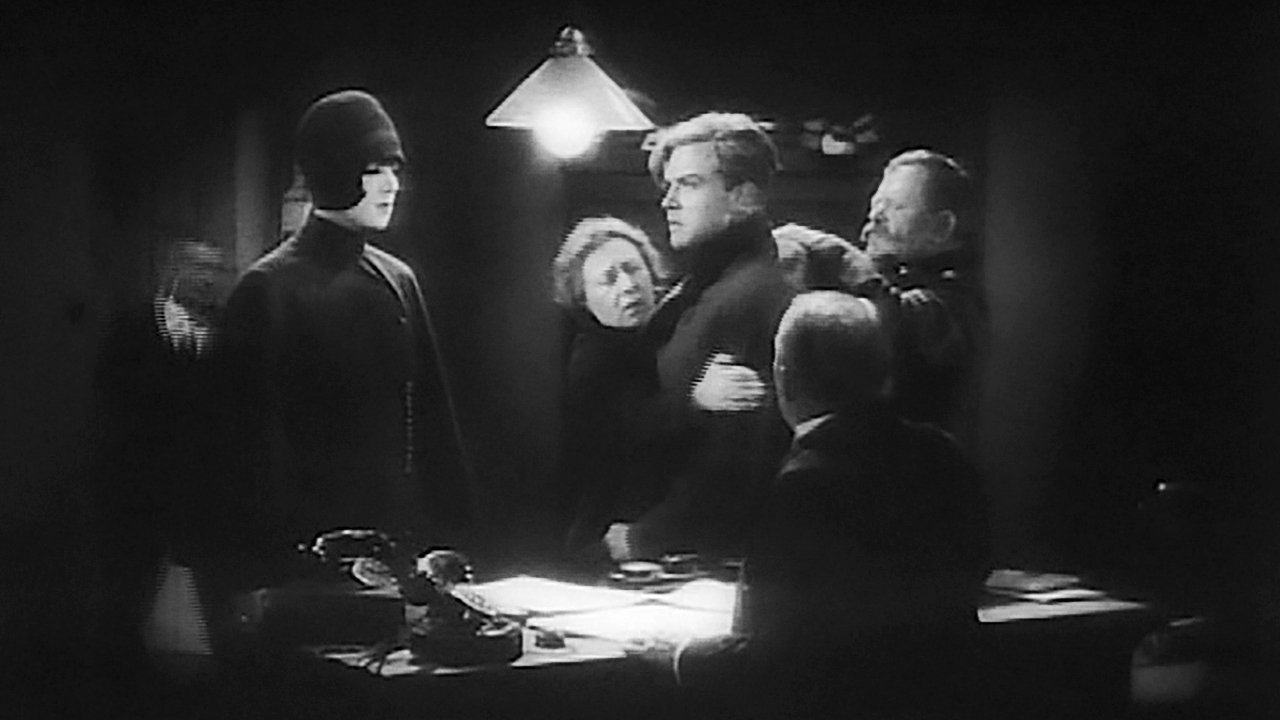
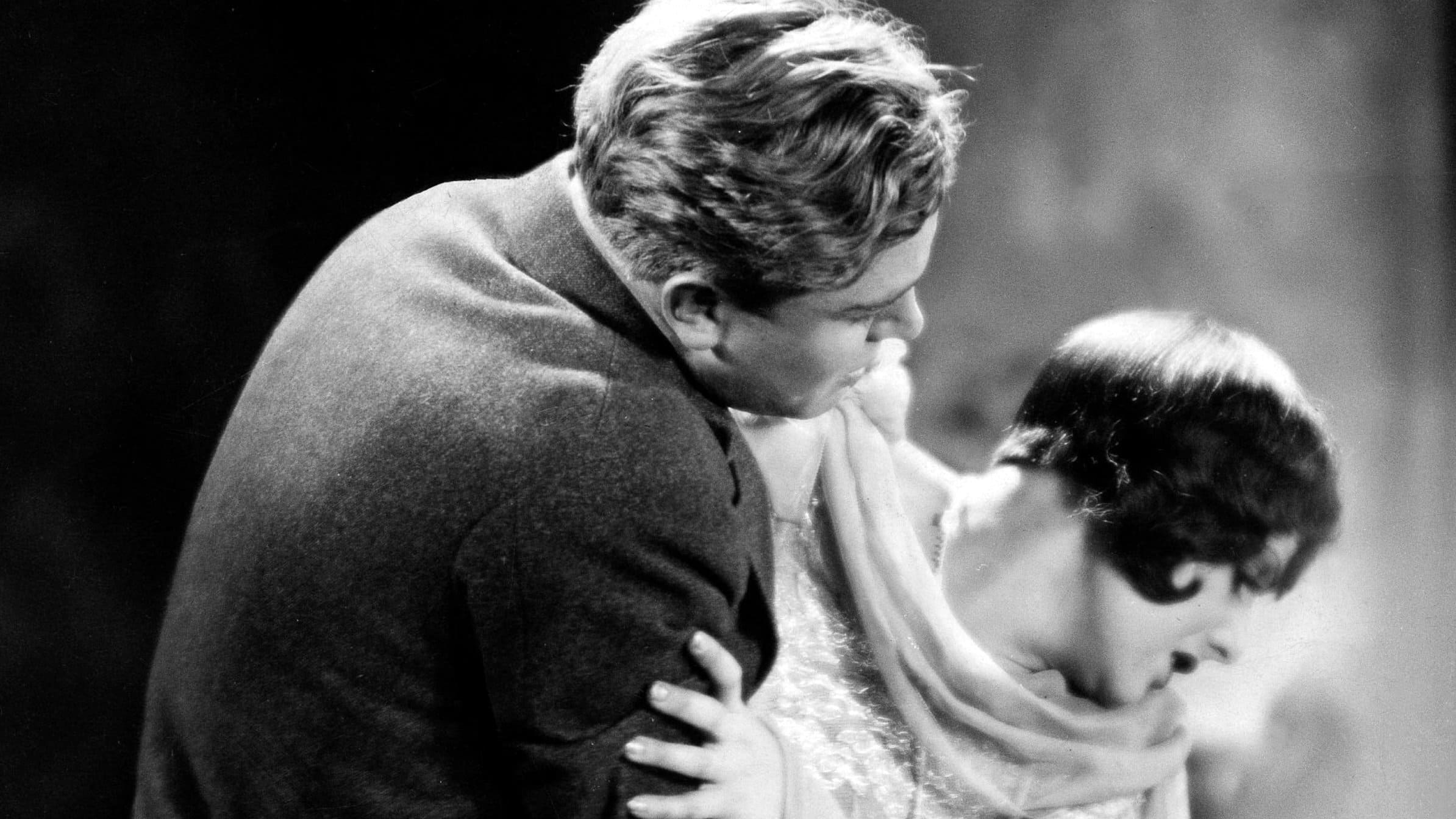
With noir, of course, comes crime - and there is a lot of it in Asphalt. Jewel thievery, seduction… murder… and a romance plot that establishes all the tropes of the genre. Perhaps only Amann could have pulled off such a role in 1929. A near-masterpiece, aside from dragging at times.
Can you really blame a guy for letting Betty Amann go for stealing jewels when she’s got eyes like that?
1929’s Asphalt is often heralded as one of the last great German silent films. It’s somewhat plain to see why. This film is almost noir-like, taking place in the city at night where flapper girls try to steal jewels in the craftiest of ways and woo cops when they get caught. There’s lots of great crowded shots here, which are perfect because the city is indeed crowded and it accurately catches all the hustle and bustle of the city in an age where I imagine a lot of this was still fairly new. I love how everything glows here, a real air to the picture that you don’t quite see often anymore.
With noir, of course, comes crime - and there is a lot of it in Asphalt. Jewel thievery, seduction… murder… and a romance plot that establishes all the tropes of the genre. Perhaps only Amann could have pulled off such a role in 1929. A near-masterpiece, aside from dragging at times.